


Stay-Dry Ice Pack Halyard: Ultimate Cold Chain Solution for 2025
Stay-Dry Ice Pack Halyard: Ultimate Cold Chain Solution for 2025
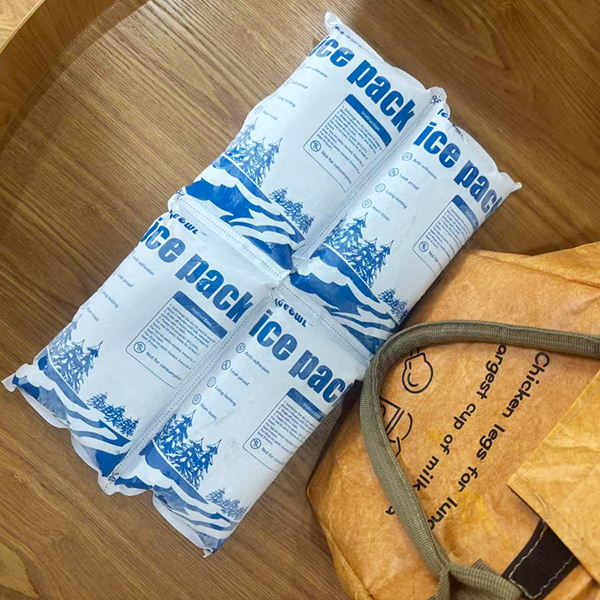
Stay-Dry Ice Pack Halyard: The Ultimate Cold Chain Solution for 2025
In 2025, the cold chain logistics industry is evolving rapidly, and staying ahead of these changes is crucial for businesses that rely on temperature-sensitive shipping. One of the most effective solutions for maintaining temperature stability during transport is the Halyard Stay-Dry Ice Pack. This article explores how this innovative solution is reshaping cold chain operations, offering practical insights into its features, benefits, and industry applications.
What makes Halyard’s Stay-Dry Ice Pack the preferred choice in 2025?
How can Stay-Dry Ice Pack Halyards optimize cold chain logistics?
What are the key features to consider when selecting a Stay-Dry Ice Pack for different goods?
How can businesses enhance operational efficiency with Stay-Dry Ice Pack Halyards?
What Makes the Halyard Stay-Dry Ice Pack Unique?
Halyard’s Stay-Dry Ice Pack has been engineered to deliver reliable, dry cold therapy for up to 2.5 hours while maintaining a dry surface and preventing moisture build-up. Unlike traditional ice packs that leave wet surfaces, the Stay-Dry Ice Pack features a three-layer construction with a soft outer cover, an absorbent middle layer, and a leak-proof inner film. This ensures that no moisture escapes and damages the products during transport.
Why does this matter? Condensation from conventional ice packs can cause significant issues, such as spoilage of pharmaceutical products or degradation of sensitive electronics. With Halyard’s design, the products inside remain dry and safe, preserving the integrity of your cargo.
The Three-Layer Design and Comfort
The Stay-Dry Ice Pack’s design is crafted with both functionality and comfort in mind. Whether you’re shipping pharmaceuticals, food, or medical devices, this pack is versatile enough to cater to a variety of temperature-sensitive products. The clip closure and four adjustable ties ensure that the pack can be securely fastened, even around irregularly shaped items.
By keeping your cargo dry and at the right temperature, it reduces the risk of spoilage, contamination, or product failure.
How to Choose the Right Stay-Dry Ice Pack for Your Needs?
Selecting the right Stay-Dry Ice Pack halyard requires considering several key factors such as the type of product, shipping duration, and ambient temperature conditions. Here’s a guide to ensure you make the right choice:
1. Consider the Type of Product and Its Sensitivity to Temperature
Pharmaceuticals and Vaccines: These items need precise temperature control. Dry ice packs can maintain a temperature range of -20°C to -25°C, ideal for these high-sensitivity products.
Food and Perishable Goods: For items like fresh food, you may require a lower temperature for longer periods. Dry ice offers excellent insulation, ensuring that the cold chain remains intact throughout the delivery process.
2. Shipping Duration and Distance
For short-distance shipments, a smaller Stay-Dry Ice Pack may suffice. However, for longer journeys, you’ll need ice packs that offer extended cooling capabilities, such as those that can keep items frozen for 72 hours or more.
3. Consider Moisture Resistance
When shipping temperature-sensitive goods, moisture resistance is a must. The Stay-Dry Ice Pack’s unique construction prevents moisture buildup, ensuring that your shipment arrives in pristine condition. This is especially crucial when transporting pharmaceuticals, which can be damaged by condensation or water exposure.
The Key Features to Look for in Stay-Dry Ice Pack Halyards
1. Insulation and Cooling Efficiency
One of the primary functions of a stay-dry ice pack halyard is to provide thermal insulation. The better the insulation, the more effectively the temperature is maintained. Halyard’s Stay-Dry Ice Pack features advanced foam insulation, which enhances its cooling efficiency and helps retain cold for longer durations.
2. Size and Capacity
The size of the ice pack should align with the size and weight of the goods you’re shipping. For smaller items, compact packs will suffice, while larger shipments may require multiple packs for optimal performance.
3. Durability
Ensuring the ice pack is durable is vital. Dry ice can be harsh on materials, and a punctured ice pack will lose its effectiveness. Halyard’s Stay-Dry Ice Pack is designed to withstand rough handling and environmental factors such as extreme temperatures.
4. Moisture Resistance
The last thing you want during transport is for your goods to be compromised by moisture. The Stay-Dry Ice Pack’s construction ensures moisture does not seep out, providing dry cold therapy without the issues associated with traditional ice packs.
5. Ease of Use
The Stay-Dry Ice Pack is easy to use with a clip closure and adjustable ties, making it a convenient solution for any logistics operation. The pack can be secured to products or containers without hassle.
Benefits of Using Stay-Dry Ice Pack Halyards in Cold Chain Logistics
1. Enhanced Product Integrity
Stay-Dry Ice Packs help maintain the temperature of sensitive products during transport, ensuring they reach their destination in perfect condition. This is crucial for pharmaceuticals, food, and medical equipment, where even minor temperature fluctuations can cause significant damage.
2. Cost-Effective Solution
By using Stay-Dry Ice Packs, you can significantly reduce the risk of spoilage and product loss, which ultimately lowers costs associated with waste. Additionally, the reusable nature of the packs adds to their cost-effectiveness, making them a long-term solution for cold chain logistics.
3. Improved Operational Efficiency
With the Stay-Dry Ice Pack’s ease of use and reliable performance, your logistics team can spend less time worrying about temperature regulation and more time focusing on efficient delivery. The packs are designed to ensure that cold chain operations are streamlined and less prone to failure.
4. Increased Customer Satisfaction
Customers expect temperature-sensitive goods to arrive in perfect condition. Using Halyard’s Stay-Dry Ice Packs helps you meet these expectations by ensuring that shipments arrive on time, at the correct temperature, and without damage. This improves customer trust and loyalty.
Practical Tips for Using Stay-Dry Ice Pack Halyards
1. Pre-Cool Ice Packs Before Use
For optimal cooling performance, always pre-cool the Stay-Dry Ice Packs before placing them inside the shipping container. This helps the ice pack reach its full cooling potential right from the start of transit.
2. Monitor Temperature Regularly
Use temperature sensors or data loggers to monitor the temperature throughout the journey. Regular monitoring will help you ensure that the ice pack is maintaining the correct temperature and functioning as expected.
3. Use Proper Insulation
Ensure that your shipping container is properly insulated to maximize the efficiency of the Stay-Dry Ice Packs. This will help prevent the cold from escaping and maintain a stable internal temperature.
Trends in Cold Chain Logistics for 2025
The cold chain logistics industry is experiencing rapid growth, driven by technological advancements and shifting consumer demands. Key trends include:
Automation and AI: With increased demand for faster and more reliable deliveries, logistics companies are adopting automation and AI to optimize routing and improve operational efficiency.
Sustainability: As environmental concerns rise, the industry is transitioning toward more eco-friendly and energy-efficient cooling technologies, such as recyclable dry ice and sustainable packaging.
Pharmaceutical Growth: The increasing demand for biologics and vaccines is driving innovation in cold chain solutions. Companies are adopting specialized equipment like the Stay-Dry Ice Pack to ensure precise temperature control for these sensitive goods.
Frequently Asked Questions
Q1: How long does the Halyard Stay-Dry Ice Pack last?
Halyard’s Stay-Dry Ice Pack can maintain dry cold therapy for up to 2.5 hours. For shipping, it can keep goods frozen for 24 to 72 hours, depending on conditions.
Q2: Are Stay-Dry Ice Packs reusable?
Yes, Stay-Dry Ice Packs are reusable, making them a cost-effective solution for multiple shipments.
Q3: What is the difference between dry ice packs and gel packs?
Dry ice packs maintain much lower temperatures than gel packs, making them ideal for frozen shipments. Gel packs are more suitable for chilled goods.
Conclusion
Halyard’s Stay-Dry Ice Pack offers a comprehensive solution for cold chain logistics in 2025. With its durable, efficient, and eco-friendly design, it is an indispensable tool for ensuring temperature-sensitive products are transported safely and efficiently.
For more information or to place an order, visit Halyard Health’s official website and ensure your cold chain operations are top-notch.
Stay Dry Ice Pack Bags: Enhance Cold Chain Efficiency & Product Integrity
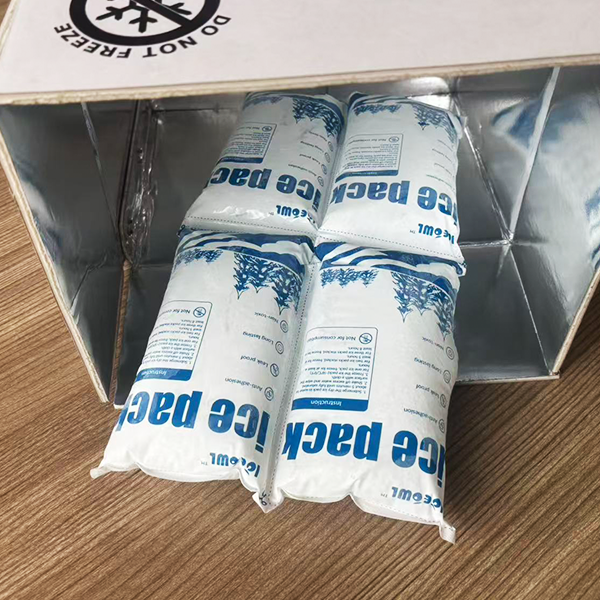
Stay Dry Ice Pack Bags: How They Enhance Cold Chain Shipping Efficiency in 2025
In today’s cold chain logistics, maintaining the proper temperature of sensitive products during transit is non-negotiable. Stay dry ice pack bags play a pivotal role in this process, offering reliable cooling without the drawbacks of traditional methods. They not only prevent condensation but also ensure that perishable goods, pharmaceuticals, and biological samples stay within safe temperature ranges, making them essential for effective logistics. This article delves into the importance of stay dry ice pack bags, their working principles, key benefits, and how they contribute to optimal cold chain efficiency.
What are stay dry ice pack bags, and how do they work?
Why are stay dry ice pack bags crucial for cold chain logistics?
How do they compare to other cooling methods like gel packs?
What are the key benefits and use cases of stay dry ice pack bags?
How do stay dry ice pack bags contribute to the future of cold chain logistics?
What Are Stay Dry Ice Pack Bags and How Do They Work?
Stay dry ice pack bags are specialized packaging materials used in cold chain logistics to maintain ultra-low temperatures without introducing moisture. These bags are filled with dry ice, which sublimates (transforms from solid to gas) at a controlled rate, offering sustained cooling while avoiding liquid water buildup.
Core Answer:
Stay dry ice pack bags provide moisture-free, consistent cooling, which is essential for preventing spoilage in sensitive goods. They are more suitable for items requiring sub-zero temperatures, such as pharmaceuticals, food products, and biological samples.
How Do Stay Dry Ice Pack Bags Differ from Traditional Ice Packs?
While traditional ice packs typically use gel or frozen liquids to provide cooling, stay dry ice pack bags utilize dry ice (solid CO2) to create a much lower temperature. The sublimation process of dry ice ensures that no moisture is left behind, making it more ideal for specific items, including vaccines, biological samples, and certain types of food.
| Feature | Stay Dry Ice Pack Bags | Traditional Ice Packs |
|---|---|---|
| Cooling Method | Sublimation of solid CO2 | Gel or frozen liquid |
| Temperature Range | -78.5°C (-109.3°F) | -10°C to 0°C (14°F to 32°F) |
| Moisture Level | None | High moisture potential |
| Ideal Uses | Pharmaceuticals, perishable foods | Common food, drinks, medical supplies |
Core Applications:
Pharmaceuticals: Essential for transporting vaccines and medications that require sub-zero temperatures.
Biological Samples: Crucial for transporting lab specimens that need to remain at a consistent low temperature.
Perishable Foods: Ideal for food items like seafood, dairy, and meat that need to stay frozen during transport.
Real-Life Example:
A pharmaceutical company uses stay dry ice pack bags to transport vaccines, ensuring that the correct temperature is maintained, and the efficacy of the product is not compromised during transit.
Why Are Stay Dry Ice Pack Bags Crucial for Cold Chain Logistics?
Cold chain logistics involves transporting temperature-sensitive products over long distances, and even minor fluctuations in temperature can cause spoilage and significant financial losses. Stay dry ice pack bags are indispensable in ensuring these products remain within the required temperature ranges.
Core Answer:
Stay dry ice pack bags are crucial because they offer a reliable, moisture-free cooling solution that ensures the safe transport of goods like food and medicine. Without them, temperature-sensitive items would face a high risk of degradation.
Key Benefits of Stay Dry Ice Pack Bags
Prevention of Moisture Damage: The absence of liquid ensures that there is no condensation buildup, which prevents mold, spoilage, or degradation.
Reliable and Consistent Cooling: Dry ice provides a steady temperature for longer durations, reducing the risk of spoilage.
Versatility: These bags are used across industries, from pharmaceuticals to food, making them a versatile choice for cold chain logistics.
| Benefit | Description | Impact |
|---|---|---|
| Moisture Prevention | No condensation buildup | Protects sensitive items from water damage |
| Reliable Cooling | Sub-zero temperatures maintained | Ensures products remain cold longer |
| Versatility | Use in various industries | Pharmaceuticals, food, biological samples |
Practical Case:
A logistics company transports biological samples in stay dry ice pack bags. These bags ensure that the products remain at a consistent sub-zero temperature throughout the journey, eliminating risks of spoilage and preserving the integrity of the samples.
How Do Stay Dry Ice Pack Bags Contribute to Efficient Cold Chain Logistics?
Stay dry ice pack bags are key players in ensuring efficient cold chain logistics by minimizing risks related to temperature fluctuations and moisture buildup. Their use prevents spoilage, reduces costs associated with product degradation, and ensures compliance with temperature regulations.
Core Answer:
These bags are critical for reducing risks associated with mishandling and temperature inconsistencies, ensuring products arrive at their destinations in the best condition possible.
Tips for Using Stay Dry Ice Pack Bags in Cold Chain Logistics
Proper Packaging: Ensure stay dry ice pack bags are packed in well-insulated boxes to maintain their cooling efficiency over extended periods.
Temperature Monitoring: Implement temperature sensors to track conditions during transport, ensuring the bags perform optimally.
Right Size Selection: Choose ice packs based on the required duration and the temperature needs of your products.
Real-Life Example:
A biotechnology lab uses stay dry ice pack bags for transporting genetic samples to remote facilities. They ensure proper insulation and real-time temperature monitoring to avoid sample degradation.
Comparing Stay Dry Ice Packs with Other Cold Chain Solutions
Stay dry ice packs offer distinct advantages over other refrigerants like gel packs and phase change materials (PCMs). While gel packs are ideal for maintaining temperatures around 0–8°C, stay dry ice packs are essential for items that require deep freezing.
| Refrigerant | Temperature Range | Best Uses | Advantages | Limitations |
|---|---|---|---|---|
| Stay Dry Ice Pack | -78.5°C to -20°C | Frozen foods, vaccines, biologicals | No moisture residue, long-lasting | Requires special handling |
| Gel Pack | 0°C to 8°C | Fresh produce, beverages | Reusable, safe handling | Cannot maintain sub-zero temps |
| Phase Change Material | 2°C to -20°C | Biologics, vaccines | Precise temperature control, reusable | Expensive, limited freeze range |
Hybrid Solutions:
Combining dry ice with gel packs or PCMs can offer flexibility in maintaining the right temperature over extended durations, especially for shipments requiring both deep-freezing and chilling.
2025 Trends and Innovations in Stay Dry Ice Pack Bags
The cold chain logistics sector is evolving, with advancements in dry ice technology that focus on sustainability and efficiency. By 2025, companies are expected to integrate smart packaging solutions and use eco-friendly materials.
Key Trends:
Sustainability: Increased use of biodegradable liners and recyclable materials will drive eco-friendly cold chain packaging solutions.
Smart Technology: Sensors that monitor temperature and humidity in real-time are becoming standard in dry ice packaging.
Enhanced Insulation: Improved materials like aerogels and vacuum-insulated panels are extending the duration of dry ice cooling, reducing overall shipping costs.
Common Questions
Q1: How long do stay dry ice pack bags last during transit?
Stay dry ice pack bags can last 24-72 hours depending on the size of the pack, insulation, and external temperatures.
Q2: Can stay dry ice pack bags be reused?
Typically, stay dry ice pack bags are for single-use only, but their insulating materials may be reusable in different logistics contexts.
Summary and Recommendations
In conclusion, stay dry ice pack bags provide a reliable, moisture-free cooling solution that is crucial for the safe and efficient transport of temperature-sensitive goods. Their unique design and benefits make them an indispensable part of cold chain logistics. To optimize your cold chain shipping process, consider using stay dry ice pack bags, incorporating temperature monitoring systems, and exploring smart and sustainable packaging solutions.
Next Steps:
Evaluate your shipping needs and choose the appropriate stay dry ice pack bags for your products.
Invest in real-time temperature monitoring systems for added security.
Stay updated with 2025 trends in cold chain packaging to ensure efficiency and sustainability.
About Tempk
Tempk is a leader in innovative cold chain logistics solutions, specializing in products like stay dry ice pack bags and temperature monitoring systems. Our mission is to help businesses maintain product integrity through cutting-edge, sustainable, and efficient cold chain technologies. Contact us today to learn how we can streamline your logistics processes.
Stay Dry Ice Pack 33500: 2025 Buyer & Usage Guide
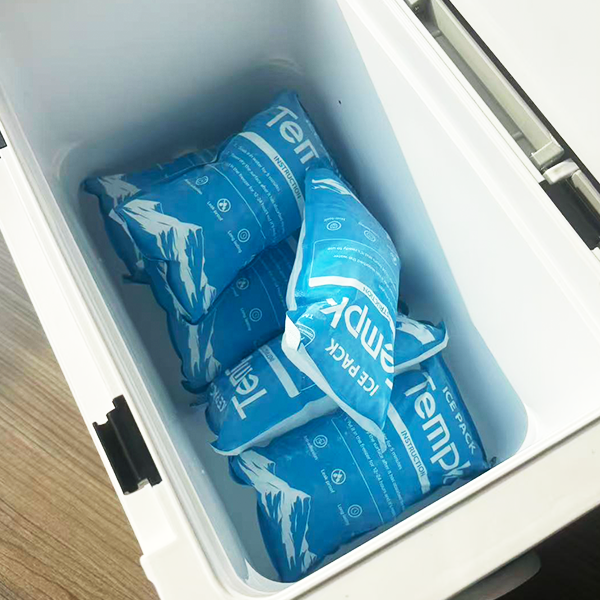
Stay Dry Ice Pack 33500: What to Buy & How to Use
If you need clean, reliable cold in minutes, the stay dry ice pack 33500 gives you 2.5‑hour, low‑condensation performance with a soft, three‑layer design. You’ll learn when to use it, when not to, and how to size, count, and care for it so your team gets repeatable results—without leaks or soggy packaging.
What makes the stay dry ice pack 33500 different, and when should you use it best?
How many 33500 units do you need for a 1–3 hour task?
Can the stay dry ice pack 33500 support vaccines or food shipments safely?
Which size—6.5 × 14 in or alternatives—fits your kit or tote?
How does it compare with gel packs, PCMs, and dry ice?
What is the stay dry ice pack 33500 and where does it fit?
It’s a refillable StayDry ice bag with four ties and a clip closure engineered to reduce condensation and deliver up to ~2.5 hours of consistent cold. Typical listings describe a 6.5 × 14 in “Large” format; some distributors note 6.5 × 12 in under the same code—always confirm size before ordering. Use it for patient care, athletic programs, or short, non‑regulated last‑mile tasks—not as the primary refrigerant for controlled 2–8 °C shipping.
Why it helps you: the three‑layer build (soft outer, absorbent middle, film inner) keeps the outside drier while you cool a local site or stabilize a small tote. That means less mess, faster setup, and fewer complaints about wet uniforms or paperwork. For teams, it’s a predictable, patient‑friendly accessory that’s easy to train and standardize.
How does the three‑layer StayDry design cut condensation?
The outer fabric stays comfortable, the absorbent layer captures moisture, and the inner liner contains meltwater. Think of it like a dry towel wrapped around an ice bottle—cooling without the drip. In practice, the stay dry ice pack 33500 keeps surfaces drier than generic ice bags, so labels stay readable and cartons keep their strength during short hops.
| Pack Type | Typical Size | Stated Cold Window | What it means for you |
|---|---|---|---|
| stay dry ice pack 33500 | 6.5 × 14 in (ties) | Up to ~2.5 hours | Patient comfort; short local moves with less condensation. |
| Gel pack (frozen) | Varies | Multi‑hour (shipper‑dependent) | Good for shipping coolers; condition to avoid freezing risk. |
| PCM pack (2–8 °C) | Varies | Validated by profile | Best for controlled lanes; qualification data required. |
| Dry ice (CO₂ solid) | N/A | Long frozen hold | For frozen goods; hazmat rules apply. |
Practical tips you can use today
Patient care: place a thin towel between skin and the 33500; apply per protocol (e.g., 20 minutes on, then off).
Short campus move: in a 6–10 L tote at 20–30 °C, start with 2–3 packs to buffer a rack or pouch for ≤3 hours; log temperature if quality matters.
Label protection: keep paperwork above the pack; the dry exterior helps, but good placement avoids drips when opening.
Real‑world case: A sports clinic replaced generic sleeves with the stay dry ice pack 33500. Complaints about wet gear dropped sharply while the 2.5‑hour window covered back‑to‑back sessions with minimal drip.
Can the stay dry ice pack 33500 support vaccine or food shipping?
For regulated medical products, no—use validated PCM or conditioned packouts; the stay dry ice pack 33500 is a therapeutic ice bag, not a primary refrigerant. Public health guidance warns that frozen gel/coolant packs can freeze refrigerated vaccines if used incorrectly. Keep this pack in patient kits or for short, non‑regulated trips; validate shipping systems separately to ISTA 7D/7E profiles.
For food and samples in local delivery: the 33500 can cushion temperature during short drives while keeping cartons and labels dry. Pair it with an insulated carrier and a basic data logger when product quality matters.
Sizing: is 6.5 × 14 the right stay dry ice pack 33500 size for you?
Most buyers choose the 6.5 × 14 in “Large” format with ties; some sellers list 6.5 × 12 in under the same code. Confirm dimensions on your PO and match to your bag or tote width so the ties land where you need them. If you stock a case of 50, label the shelf with the size and count to prevent mix‑ups.
| Tote Volume | Ambient | Suggested count of stay dry ice pack 33500 | Practical meaning |
|---|---|---|---|
| 6–8 L | 20–25 °C | 2 packs | Stabilizes cool for brief errands. |
| 6–8 L | 26–32 °C | 3 packs | Added margin for door‑openings. |
| 10–12 L | 26–32 °C | 3–4 packs | Only for non‑regulated contents; log temps. |
User‑level “mini SOP” for using and caring for 33500
This SOP reflects common practice for the stay dry ice pack 33500 and aligns with the product’s intended role.
60‑second selector for stay dry ice pack 33500 count
Answer three quick questions and get a starting count. This mini tool reduces guesswork for short, local moves.
Ambient: Is it < 26 °C or ≥ 26 °C?
Container: Is your insulated tote 6–8 L or 10–12 L?
Access: Will you open ≤2 times or open >2 times during the trip?
Your starting count
If < 26 °C and 6–8 L and open ≤2 → start with 2 packs.
If ≥ 26 °C or open >2 → start with 3 packs.
If 10–12 L at ≥ 26 °C → 3–4 packs; log temperature if quality matters.
Tip: This selector is for non‑regulated tasks. For controlled 2–8 °C shipping, qualify a PCM/gel system instead.
How does the stay dry ice pack 33500 compare with other coolants?
Use the stay dry ice pack 33500 for patient comfort and short, local tasks; use PCMs or validated gel systems for controlled shipping, and dry ice only for frozen goods. This split keeps you compliant and prevents accidental freezing of temperature‑sensitive items.
| Use case | Right tool | Why it works | For your SOP |
|---|---|---|---|
| Clinic cold therapy (≤2.5 h) | stay dry ice pack 33500 | Dry‑touch comfort; easy positioning with ties. | Patient kit checklist. |
| 2–8 °C, 24–48 h parcel shipping | Validated PCM/gel sets | Setpoint control with data. | ISTA 7D/7E OQ report. |
| Frozen (–20 °C) shipping | Dry ice (UN1845) | Long frozen hold. | Dangerous goods SOP. |
| Short local move (≤3 h) | Small cooler + conditioned packs | Avoids freezing risk. | Reference public‑health toolkit. |
2025 trends shaping how you deploy the stay dry ice pack 33500
Teams are standardizing one‑page SOPs, separating “comfort packs” from validated shipping systems, and using simple loggers to verify short trips. Distributor listings for model 33500 more consistently show “Large with ties,” reducing size confusion; public‑health toolkits refreshed in 2024 continue to caution against frozen generic packs for routine vaccine transport. Qualification labs still lean on ISTA 7D/7E for parcel work.
Latest progress at a glance
Clearer sourcing: “33500” widely mapped to large, tied StayDry ice bag; check case counts (25 vs 50).
Toolkit reminders: transport methods emphasize preventing accidental freezing during short hauls.
Qualification norms: profile‑based testing remains the standard for shipping systems.
Market insight: many clinics stock the 33500 for point‑of‑care use while maintaining separate PCM systems for couriers—lower risk, fewer re‑packs, and happier auditors.
stay dry ice pack 33500: frequently asked questions
How long does the stay dry ice pack 33500 stay cold?
About up to ~2.5 hours of consistent cold therapy; performance varies with fill level and ambient temperature.
Is the stay dry ice pack 33500 the same as dry ice?
No. It’s a refillable ice bag for comfort and short buffering—not solid CO₂ for frozen shipping.
What size should I buy?
Most buyers select 6.5 × 14 in with ties; some sellers list 6.5 × 12 in under the same code. Confirm before checkout.
Can I use the stay dry ice pack 33500 to ship vaccines?
Do not rely on it. Use validated systems and follow public‑health transport guidance for 2–8 °C items.
Is it reusable?
Yes—empty, rinse, and air‑dry; inspect seams and ties per your facility policy.
stay dry ice pack 33500: summary and recommendations
Use the stay dry ice pack 33500 for patient‑facing cold therapy and short, non‑regulated cooling tasks. It offers a dry‑touch exterior, four ties and clip closure, common 6.5 × 14 in sizing, and a practical cold window of ~2.5 hours. For controlled 2–8 °C shipping, validate PCM/gel solutions to ISTA 7D/7E and keep therapy ice bags out of your shipping SOPs.
Next steps: add the 33500 to your comfort cart with the SOP above; label shelves with size and case counts; and schedule a quick check of your courier lanes to confirm you’re using validated packouts. When in doubt, log temperature and separate “comfort” from “shipping.”
About Tempk
We help teams design cold‑chain SOPs that are simple to follow and hard to mess up. Our specialists translate standards into one‑page checklists and validate refrigerant choices for each lane. We also build patient‑facing kits that pair the 33500 with practical training, so your staff can deliver consistent care faster.
Stay Dry Ice Pack: 2025 Buyer & Pack-Out Guide
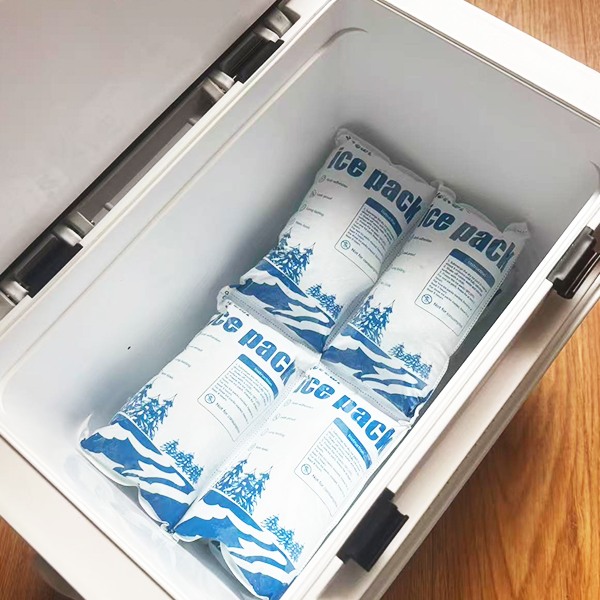
Stay Dry Ice Pack: How Do You Ship Cold Without Mess?
Updated: September 2, 2025
If you ship temperature‑sensitive goods, a stay dry ice pack keeps parcels cold while protecting labels and cartons from condensation. This pack combines a multi‑layer “no‑sweat” exterior with a cooling core, so shipments arrive cold and clean. In practice, the pack can deliver hours of chilled performance and a drier box—exactly what you need to cut complaints and chargebacks.
How does a stay dry ice pack prevent condensation and label damage?
Which no‑sweat gel pack fits 2–8°C vaccine and food lanes?
Can it replace dry ice or PCM for frozen lanes?
How do you size, freeze, and place it for best results?
How does a stay dry ice pack stop condensation?
Short answer: A stay dry ice pack uses a three‑layer barrier/absorbent shell that traps surface moisture so the outside stays dry, while the cold core does the cooling. That means boxes, inserts, and barcodes arrive legible and intact. Many medical‑grade designs cite up to ~2.5 hours of consistent, drier cold and offer ties or straps for secure placement.
Why it works: Condensation forms when warm air touches a cold surface. The “stay‑dry” outer behaves like a wicking jacket—intercepting moisture before droplets bead on the pack and soak paper. In humid lanes or long last‑mile routes, this layer reduces smearing and carton softening, improving unboxing quality and audit readiness for regulated goods. Look for published “no‑sweat” claims and multi‑layer construction in vendor specs.
Which ‘no‑sweat’ layer is best for label‑heavy kits?
Choose a stay dry ice pack with an absorbent middle layer and a soft, durable outer film. Place the stay‑dry face toward instruction leaflets, lot/expiry labels, and paperwork pockets. That simple orientation minimizes damp spots where barcodes live. In practice, brands report fewer misreads and returns after switching to a stay dry ice pack in humid seasons.
| Moisture Risk | Regular Gel Pack | Stay Dry Ice Pack | What it means for you |
|---|---|---|---|
| Label smearing | Higher as condensation beads | Reduced via barrier face | Traceability stays readable |
| Carton integrity | Paperboard softens | Surfaces stay drier | Fewer crushed boxes |
| Insert damage | Leaflets warp | Better humidity control | Cleaner presentation |
Practical tips you can apply today
Aim the barrier where it matters: Face the stay‑dry side toward labels and documents; face a standard side toward product mass.
Fill voids: Tight packs plus a stay dry ice pack cut moist airflow that fogs paperwork.
Pilot humid lanes: A/B test one lane week with and without a stay dry ice pack; track complaint rate and barcode misreads.
Real case: A diagnostics kit added one stay dry ice pack only on the “documents side.” Label defects dropped while 2–8°C stability held within spec across summer and winter profiles.
Which stay dry ice pack fits 2–8°C shipments?
Direct answer: For chilled lanes (2–8°C), pair a stay dry ice pack with validated gel or PCM at the right setpoint. The stay‑dry layer guards labels; the coolant maintains temperature. For frozen (≤ −18°C) or ultra‑cold (~ −70°C), use dry ice per airline rules; a stay dry ice pack does not replace dry ice in those lanes.
How to choose: Match pack size to payload mass and hold time, then confirm in OQ tests. For paperwork‑dense kits, add an extra stay dry ice pack near documents. For glass vials or delicate goods, insert a thin buffer between the pack and product to avoid cold shock. Document your conditioning and placement in the SOP so teams repeat success.
Sizing calculator for your pack load
Use this quick estimator to plan how many packs to stage per hour at your pack‑out bench (refine with your validation data).
| Use Case | Target Range | Coolant | Role of stay dry ice pack |
|---|---|---|---|
| Vaccines & biologics | 2–8°C | Validated PCM/gel | Protects labels/leaflets from moisture; avoid dry ice for routine 2–8°C |
| DTC meal kits | 0–5°C | Gel/PCM + insulation | Keeps menus/brand cards clean at delivery |
| Frozen desserts | ≤ −18°C | Dry ice | Consider a stay‑dry gel for paperwork compartment only |
Can a stay dry ice pack replace dry ice or PCM?
Short answer: No. A stay dry ice pack manages moisture; the coolant choice manages temperature. Use PCM/gel for chilled lanes and dry ice for frozen/ultra‑cold, following IATA acceptance rules for UN 1845 on air routes. Many operations pair the right coolant with a stay dry ice pack to keep paperwork tidy without changing thermal performance.
Compliance snapshot: If you fly with dry ice, mark the proper shipping name, UN 1845, and net kilograms; vent packaging as required. On vaccine lanes, standard guidance discourages routine use of dry ice for 2–8°C storage/transport to avoid freezing. Your SOP should reference the acceptance checklist and your own validation data.
How to prepare, freeze, and place a stay dry ice pack
Step‑by‑step: Freeze packs flat at the vendor’s recommended temperature (commonly −18°C) for ~24 hours, pre‑chill the payload, and use quality insulation. Place at least one stay dry ice pack adjacent to paperwork; fill voids to reduce humid airflow. Insert a thin buffer if direct contact could over‑cool the surface of sensitive items. Seal quickly and include a data logger. Reuse packs after inspection.
Bench SOP you can copy
Condition coolant to setpoint (do not over‑freeze gels used for 2–8°C lanes).
Load shipper: insulation → product sleeve → stay dry ice pack facing labels → void fill → logger pocket.
Close, label, and record net coolant mass; photograph final layer for training.
Run summer/winter OQ; adjust pack count or placement to meet SLA.
2025 trends shaping stay dry ice pack adoption
What’s new: Teams are standardizing “no‑sweat” faces to protect labels in humid lanes; catalogs highlight three‑layer builds with ties or straps; and cold‑chain SOPs emphasize validated gels for 2–8°C while reserving dry ice for frozen lanes with stricter air‑acceptance checks. Sustainability pilots are adding reusable packs and greener materials without giving up dryness.
Latest developments at a glance
No‑sweat adoption: Label‑protection and cleaner unboxing drive wider usage in e‑grocery and diagnostics.
Acceptance rigor: Air carriers enforce dry‑ice net‑kg and overpack markings; SOP checklists mirror those steps.
Validated chill: Operations avoid dry ice on 2–8°C vaccine lanes and rely on conditioned gels/PCMs—adding a stay dry ice pack only for moisture control.
Market insight
Presentation damage costs fall where a stay‑dry layer shields paperwork compartments, while validated pack‑outs keep temps on‑spec. Teams segment frozen vs. chilled SKUs and document lane‑specific pack‑outs with photos and acceptance checks.
Quick self‑check: Do you need a stay‑dry layer?
High humidity lane? Average RH > 60% on route.
Paper‑heavy kit? Labels, IFUs, menus, or receipts dominate the top layer.
Returns for smudged barcodes? Moisture‑linked complaint rate > 1%.
Air with dry‑ice lanes in the mix? You shield paperwork from sublimation moisture.
SOP photos missing? Teams guess pack orientation without visuals.
Score 4–5: adopt a stay‑dry layer now. Score 2–3: pilot one lane. Score 0–1: monitor and revisit each season.
Frequently Asked Questions
Is a stay dry ice pack the same as dry ice?
No. It’s typically a no‑sweat gel/PCM format for chilled ranges; dry ice is carbon dioxide for frozen lanes.
How long will a no‑sweat gel pack keep things cold?
Hold time depends on insulation, ambient, and pack mass. Medical‑grade versions cite up to ~2.5 hours for therapy use; shipping hold time must be validated for your box and lane.
Why are my labels still damp sometimes?
Heavy humidity and long routes can overwhelm any barrier. Add desiccant, reduce headspace, and orient one stay dry ice pack toward labels.
Can I ship vaccines with a stay‑dry pack?
Yes—if your validated 2–8°C pack‑out supports it. Avoid routine dry‑ice use on 2–8°C lanes to prevent freezing risk.
Are stay‑dry packs reusable and safe?
Quality packs use sealed, puncture‑resistant films and can be reused after inspection; contents are typically non‑hazardous. Follow vendor instructions.
Summary & recommendations
Key points: This pack protects labels and cartons by trapping condensation while your chosen coolant controls temperature. Use gel/PCM for 2–8°C and dry ice for ≤ −18°C with proper acceptance markings. Validate hold times, place a stay‑dry face toward paperwork, and document the SOP with photos. The result: cleaner unboxing, fewer complaints, and better compliance.
Next steps: Map your lanes and targets; right‑size coolant mass; add at least one stay‑dry pack near documents; run summer/winter OQ with a logger; and train teams using the bench SOP above. Need help? Contact Tempk for a lane‑specific pack‑out and a validation template you can copy.
About Tempk
We help operations design qualified, presentation‑safe pack‑outs. Our tools combine coolant sizing, stay‑dry placement, and acceptance‑proof labeling so your parcels arrive on‑spec and on‑brand. Ask us for a free pack‑out estimator and a photo‑rich SOP template to standardize results across shifts.
Small Pack of Dry Ice: 2025 Safe Use & Flight Rules
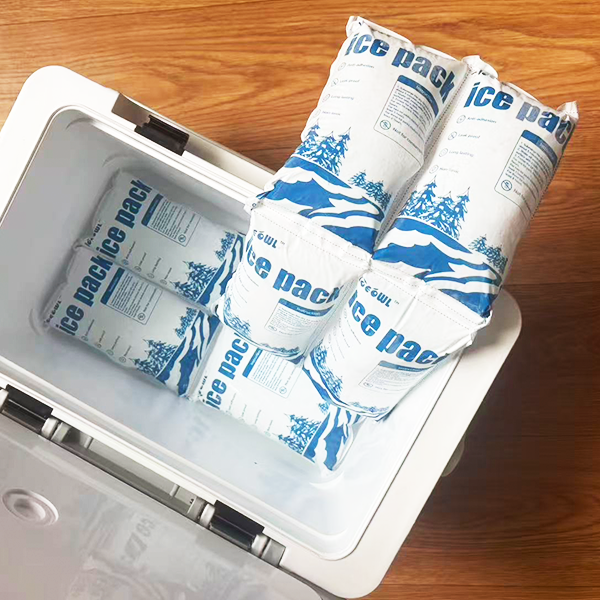
Small Pack of Dry Ice: Pack, Ship, and Fly Safely in 2025
Updated: September 2, 2025. If you use a small pack of dry ice to keep products frozen, this guide shows you exactly how to size it, pack it, and meet 2025 airline and carrier rules. You’ll get a rule‑of‑thumb calculator, safety steps that prevent damage, and simple compliance checklists tailored to real lanes. (Consolidated from Tempk internal drafts and 2025 regulatory notes.)
What counts as a small pack of dry ice? Practical ranges and hold‑time basics.
How to pack a small pack of dry ice? A safe, step‑by‑step method with venting.
Can you fly with a small pack of dry ice? The 2.5 kg passenger limit made simple.
How much should you buy? A quick estimator for 24–72 h lanes.
When not to use dry ice? When −20 °C/−25 °C PCM beats dry ice for compliance.
What is a small pack of dry ice and when should you use it?
Direct answer: A small pack of dry ice is typically 1–5 lb (0.45–2.27 kg) of solid CO₂ used to keep items frozen for short trips or 1–2‑day shipments. Plan on 5–10 lb per 24 h in a standard hard cooler; warmer ambient, frequent openings, and poor insulation raise the need. Use a vented container and gloves. For chilled (2–8 °C) goods, choose +5 °C PCMs instead to avoid freezing.
Why it matters to you: You’ll keep ice cream, frozen entrées, or diagnostics solid for 24–36 h when the cooler is pre‑chilled and stays closed. Dry ice is wrong for products that must not freeze (many vaccines, certain biologics). In those cases, phase‑change packs at +5 °C hold the safe range without DG paperwork.
Small pack of dry ice vs. gel/PCM—what should you pick?
Details: Dry ice delivers ultra‑cold −78.5 °C performance and high cooling capacity. PCMs (phase‑change materials) hit a target melt point like −20 °C or +5 °C and avoid dangerous‑goods labels. Gel packs hover near 0 °C for basic chilling. Choose based on the temperature your product actually needs.
| Use case | Dry ice (small pack) | PCM (e.g., −25 °C / +5 °C) | What it means for you |
|---|---|---|---|
| Keep ice cream rock‑hard | ✅ Best | ❌ Too warm | Deep‑freeze for DTC and day‑plus lanes |
| Diagnostics < −20 °C | ✅ Works | ✅ Works | Pick DG (dry ice) vs non‑DG (PCM) |
| 2–8 °C meds | ❌ Too cold | ✅ Best | Avoid freezing risk and DG handling |
Practical tips and suggestions
Grocery or meal kit: Use a small pack of dry ice near the frozen zone; add +5 °C PCM near chilled items to prevent over‑freezing.
Short flights: Stay ≤ 2.5 kg (5.5 lb) total, use a vented rigid case, and mark the net kg on the outside.
Power outage: Stage a small pack of dry ice in a vented hard cooler; check every 12–18 h and add regular ice to stretch hold time.
Real‑world case: A bakery shipped frozen croissants using ~4 lb dry ice in a 24‑qt cooler with a barrier sheet and void fill. After 28 h in mild weather, the order arrived solid‑frozen, labels intact, vents open.
How do you pack a small pack of dry ice safely?
Direct answer: Pre‑chill, wrap, place, fill voids, vent, and label. Wrap blocks in paper to slow loss. Put dry ice on top to keep items frozen; on bottom with a barrier to keep them just cold. Keep lids closed and never seal airtight. Mark “Dry ice/Carbon dioxide, solid” and the net kg when shipping.
Explain it like a friend: Think of dry ice as a portable ultra‑freezer that breathes out CO₂. You want that gas to escape and the cold to sink around your payload. A simple paper wrap slows sublimation. A thin cardboard barrier prevents label scuffs and “freezer burn.” Fill voids so warm air can’t pool. Shade the shipper, and vent the gasket or drain.
Small pack of dry ice—step‑by‑step checklist
Detailed steps:
Pre‑chill the cooler 2–12 h (or use sacrificial ice).
Wrap the small pack of dry ice in newspaper or a paper bag.
Place & barrier: top to freeze; bottom to chill; add a thin barrier layer.
Fill voids with paper to cut air space.
Vent the container—never airtight; leave a path for CO₂ to escape.
Mark & weigh: “Dry ice / Carbon dioxide, solid,” UN1845, and net kg.
| Packing element | Good practice | Why it matters | For your shipment |
|---|---|---|---|
| Wrapping | Newspaper/towel wrap | Slows sublimation; safer handling | Longer life; fewer scuffs |
| Placement | Top to freeze; bottom to chill | Uses natural cold airflow | Tailor to product risk |
| Venting | Gasket or drain left open | CO₂ must escape | Avoids pressure damage |
Can you fly with a small pack of dry ice?
Direct answer: Yes—up to 2.5 kg (5.5 lb) per passenger with airline approval, in a vented package marked UN1845 with the net kg. Air cargo uses IATA PI 954 and Class 9 labeling; domestic ground in the U.S. generally follows 49 CFR 173.217 packaging and marking.
What this means for you: You can carry a small pack of dry ice on a flight if you vent the container and write the weight. For air cargo, carriers publish simple checklists—use them as your final pre‑tender audit. For mixed loads, add gel packs to extend cooling without increasing dry ice weight.
Airline & shipper quick‑check
Passenger flights: ≤ 2.5 kg per person; package vented and marked.
Air cargo: Class 9 label, UN1845, proper shipping name, net kg, vented per PI 954.
UPS Ground (U.S.): Not regulated as hazardous for domestic ground, yet packaging/marking rules still apply.
How much small pack of dry ice do you need?
Direct answer: Start with 5–10 lb per 24 h in a typical insulated cooler. Scale with volume, ambient heat, and lid openings. Blocks last longer than pellets; wrapping slows sublimation.
Why this works: Many supplier charts and field tests align near ~2%/hour loss under common conditions. Insulation quality, fill ratio, and sun exposure move the number. Validate on your lane with a data logger, then right‑size by ±20%.
Mini‑calculator: small pack of dry ice (rule of thumb)
Example: 24 h, basic hard cooler, mild ambient, pre‑frozen load → ~6.5 lb → buy 7–9 lb for buffer.
| Cooler size | 24 h plan | 36 h plan | What it means |
|---|---|---|---|
| 12–20 qt | 5–8 lb | 8–12 lb | True “small pack” territory; pre‑chill helps |
| 24–30 qt | 7–10 lb | 10–15 lb | Minimize openings; wrap blocks |
| 45–50 qt | 12–18 lb | 18–25 lb | Consider two blocks + void fill |
When should you not use a small pack of dry ice?
Direct answer: Skip dry ice when products are sensitive to freezing (many 2–8 °C vaccines), when packaging would be airtight, or when rooms/vehicles are poorly ventilated. Use +5 °C PCMs for 2–8 °C and −20 °C/−25 °C PCMs for frozen lanes that must avoid DG handling.
Why it matters: You’ll reduce refusals, simplify returns, and improve recipient safety. −25 °C PCM often matches overnight frozen performance without CO₂ off‑gassing or UN1845 labels—ideal for frequent air moves.
Choose by lane—small pack of dry ice vs. −25 °C PCM
| Goal | Best choice | Why | Your move |
|---|---|---|---|
| Overnight, < −15 °C | Dry ice or −20 °C PCM | Both hit frozen; DG vs. non‑DG tradeoff | If flying often, trial PCM |
| 24–48 h, < −20 °C | −25 °C PCM | Reusable; airline‑friendly | Charge packs; validate |
| ≥ 48 h, deep‑frozen | Dry ice | Colder; higher energy density | Apply UN1845 + PI 954 |
2025 developments and trends: small pack of dry ice
Trend overview: Carriers refreshed dangerous‑goods checklists and reiterated UN1845, net‑kg marking, and venting. The 2.5 kg passenger cap remains. Meanwhile, sub‑zero PCM options expanded as practical “dry‑ice substitutes” for some lanes. Expect more hybrid packouts: small pack of dry ice + PCM sleeves to balance performance, cost, and compliance.
Latest progress at a glance
Carrier job aids: 2025 checklists clarify label placement and acceptance steps.
Stable passenger rules: The 2.5 kg limit with venting continues across airlines.
PCM growth: −25 °C gels reduce refusals and simplify returns for common overnight routes.
Market insight: Demand for small‑format frozen shipping remains high across DTC food, diagnostics, and specialty pharma. Companies increasingly select non‑DG PCMs when “frozen enough” is acceptable, reserving dry ice for deep‑frozen or 48 h+ lanes.
Frequently Asked Questions
Q1: How long does a small pack of dry ice last?
Plan 5–10 lb per 24 h in a hard cooler. Pre‑chilling and fewer openings extend life.
Q2: Can I fly with a small pack of dry ice?
Yes. ≤ 2.5 kg (5.5 lb) per passenger with airline approval, vented package, and net kg marked.
Q3: Do I need a DG declaration for air cargo?
Often no for dry ice used only as a coolant; labels/marks still required (UN1845, Class 9, net kg). Check the operator job aid.
Q4: Blocks or pellets for a small pack of dry ice?
Blocks last longer; pellets chill faster but sublimate sooner. Wrap either to slow loss.
Q5: What’s safer for 2–8 °C?
Not dry ice. Use +5 °C PCMs and proper conditioning to avoid freezing.
Summary and recommendations
Key points: A small pack of dry ice is ideal for 24–36 h frozen control when you pre‑chill, wrap, vent, and label. Follow UN1845/Class 9 and net‑kg rules for air; cap baggage at 2.5 kg. Use −25 °C PCMs when you want frozen control without DG complexity.
Next steps (CTA):
Use the mini‑calculator to size your small pack of dry ice.
Print our packing SOP and airline checklist for your team.
Pilot with a data logger, then tune ±20%.
Talk to a Tempk specialist for lane‑by‑lane coolant plans.
About Tempk
We engineer validated packouts for frozen, chilled, and CRT shipments. Our team blends thermal modeling with qualified shippers and the right coolant—small pack of dry ice or −25 °C PCM—to hit target temperatures with fewer touchpoints and lower landed cost. We focus on evidence‑based SOPs and fast pilot‑to‑scale for DTC food, diagnostics, and specialty pharma.
Small Dry Ice Packs for Shipping: 2025 Playbook
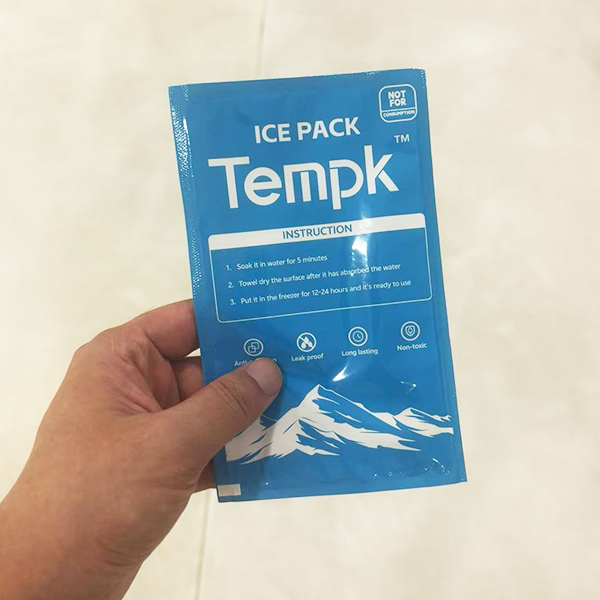
Small Dry Ice Packs for Shipping: What Works in 2025?
If you ship perishables or biologics, small dry ice packs for shipping help you stay frozen longer, pass acceptance checks, and prevent spoilage on delay‑prone routes. You’ll size the refrigerant, label UN1845 with net kilograms, and vent the box so CO₂ can escape. Done right, you reduce claims, keep compliance simple, and lower freight spend with smarter packouts. Terminology note: here “small dry ice packs” means actual dry ice formats (slices, blocks, pellets), not polymer gel packs.
Choose when to use small dry ice packs for shipping for frozen and ultracold lanes (long‑tail: small dry ice packs for shipping food).
Right‑size your dry ice mass with a quick calculator and starter ranges (long‑tail: dry ice pellets vs slices).
Pass 2025 rules and labels fast: UN1845, Class 9, PI954 venting, USPS 5 lb (long‑tail: USPS dry ice 5 lb limit).
Avoid freeze damage and DG headaches by knowing when to switch to gel/PCM (long‑tail: 2–8°C PCM).
When should you use small dry ice packs for shipping?
Direct answer
Use small dry ice packs for shipping when you must keep goods frozen or ultracold across uncertain transit times. Dry ice sits at −78.5 °C, giving high cooling per kilogram. For many 2–8 °C lanes, gel/PCM is simpler and avoids DG handling. If your lane is hot, long, or delay‑heavy, small dry ice formats (1 lb slices or 3 mm pellets) add buffer without bulky shippers.
Why this matters to you
Think of dry ice as a “time battery.” The colder the setpoint and the leakier the box, the faster you drain that battery. Use pellets to wrap irregular items and pull down fast; use slices/blocks when you want longer hold with easy counting and cleaner labels. For short, stable routes at −10 °C to −20 °C, try PCM first and compare claims and costs before standardizing.
How much dry ice do small parcels actually need?
For most parcels, plan ~5–10 lb per 24 h depending on insulation and ambient temperature, then add a delay buffer. Pellets sublimate faster (coverage); slices hold longer (duration). Always validate with a data logger on your worst lane before scaling SOPs.
| Temperature band | Typical coolant | Starter amount | What it means to you |
|---|---|---|---|
| ≤ −60 °C (ULT) | Dry ice (UN1845) | Calculator + generous buffer | Only dry ice holds this band; validate with logger. |
| −20 °C frozen | Dry ice or −20 °C PCM | 2–10 lb / 24–36 h | Choose by risk and cost; compare claims. |
| 2–8 °C chilled | Gel/PCM | No DG steps | Easier acceptance; avoid freeze injury. |
| ≤ 40 °F food arrival | Dry ice or gel | Insulation + cold source + thermometer | Matches consumer safety guidance. |
Practical tips and suggestions
Irregular loads: Use 3 mm pellets around edges; add a top slice to fight heat from above.
Keep products off direct contact: Use pads/trays to avoid cold burn and condensation pooling.
Vent the shipper: Never seal airtight; CO₂ must escape. Label cleanly for fast acceptance.
Real‑world case: A dessert D2C brand swapped to two 1 lb slices plus a top pad during a heat wave. Core stayed below −12 °C for 52 h despite a hub delay, and acceptance was smooth with UN1845, net‑kg, and Class 9 on one face.
What 2025 rules and labels apply to small dry ice packs for shipping?
Direct answer
For air: mark “Dry ice” or “Carbon dioxide, solid,” UN1845, show net dry ice mass in kilograms, apply the Class 9 label, and ensure venting (IATA PI954). USPS (domestic air) caps dry ice at 5 lb per mailpiece; international USPS is prohibited. FedEx/UPS mirror PI954 in job aids.
Why this matters to you
These steps reduce refusals at tender and speed acceptance. Treat labels as part of the packout, not an afterthought. Convert pounds to kilograms on the exterior mark, and keep labels unobscured. Train teams on a one‑minute check so every carton passes first time.
One‑minute acceptance check (PI954‑ready)
| Step | What to verify | Why it matters |
|---|---|---|
| Proper name + UN1845 | “Dry ice/Carbon dioxide, solid” appears on carton | Avoids DG rejection. |
| Net kg of dry ice | Exterior shows kilograms, not just pounds | Required for load planning. |
| Class 9 label | Clean, not covered; same face as name if possible | Faster acceptance scan. |
| Vented packaging | Not airtight; foam lids not taped airtight | Prevents rupture/asphyxiation. |
| Staff trained | DG‑trained preparers for air shipments | Reduces errors and delays. |
Pellets vs. slices vs. blocks: which small format wins?
Direct answer
Pellets fill voids and pull down temperature fast; slices/blocks hold longer and are easier to count and label. For small dry ice packs for shipping, use pellets for irregular items and slices when you want consistent hold and neat stacking.
Deeper guidance
3 mm “rice” pellets flow into tight spaces but sublimate faster. 9–16 mm pellets balance coverage and duration. 1 lb slices stack cleanly, reduce “hot islands,” and simplify net‑kg math. Standardize counts by box size and season; allow ±1 slice based on logger data.
Quick chooser table
| Need | Best choice | Why | Your move |
|---|---|---|---|
| Fast pull‑down, odd shapes | 3 mm pellets | Even coverage, quick start | Use around sides + top sprinkle. |
| Longest hold, simple counting | 1 lb slices/blocks | Slower sublimation | Bottom slice + product tray + top slice. |
| Balance coverage & hold | 9–16 mm pellets | Versatile “all‑rounder” | Pair with pads to avoid cold burn. |
How to size small dry ice packs for shipping (with calculator)
Direct answer
Start with energy balance, then buffer 20–40%. Dry ice latent heat is ~571 kJ/kg. Estimate box heat leak × hours, divide by latent heat, then add safety. Validate with a data logger on worst‑case lanes.
Excel quickie:=ROUND(((U*(Ambient-Target)*Hours*3.6)/571)*Safety*2.20462,1)
Small dry ice packs for shipping vs. gel packs and PCMs—when to switch?
Direct answer
Use gel/PCM for 2–8 °C lanes to avoid DG handling and freeze injury. Use small dry ice packs for shipping for ≤ −60 °C, deep frozen, or delay‑heavy routes. If warm excursions drive claims, add one slice or upgrade insulation; if freeze injury drives claims, switch to PCM for chilled goods.
2025 developments and trends that affect small dry ice packs for shipping
Trend snapshot
2025 operator checklists reinforce PI954 basics (UN1845, net kg, Class 9, venting). USPS keeps the domestic air cap at 5 lb per mailpiece. Wider access to 3 mm pellets and standardized 1 lb slices simplifies training and inventory. Expect more hybrid packouts: minimal dry ice for the first day, then PCM panels for smoothing temperature.
Latest progress at a glance
Cleaner job aids and label templates help reduce shipping errors and refusals.
Hybrid refrigerant strategies cut over‑cooling and lower hazmat steps on chilled lanes.
Focus on data: low‑cost loggers make season‑by‑season tuning routine.
Market insight
Brands that standardize “small‑pack” SKUs (pellets + 1 lb slices) see lower variance, faster packouts, and fewer claims. That keeps cost down and customer reviews up—especially for dessert, seafood, and diagnostic shipments.
FAQ
Q1: What counts as “small” for dry‑ice air parcels?
Practically, many teams treat ≤ 5 lb as “small” for USPS domestic air because of its cap; integrators follow PI954 with their own aids.
Q2: Do small dry ice packs for shipping still need UN1845 labels?
Yes. Mark UN1845, show net kg, apply Class 9, and vent the package for air transport.
Q3: Pellets or slices for a 24–36 h trip?
Pellets for coverage and quick pull‑down; slices for cleaner labels and longer hold. Many shippers mix both.
Q4: How much dry ice per day should I plan for?
Start with 5–10 lb per 24 h per parcel, adjust for insulation and heat, and validate with a logger.
Q5: Can I seal the lid completely to keep cold in?
No. Packages must vent CO₂ gas. Airtight seals risk rupture and acceptance failures.
Q6: When should I switch to gel/PCM?
For 2–8 °C and freeze‑sensitive goods, PCM/gel avoids DG steps and protects quality.
Summary & Recommendations
Key points
Small dry ice packs for shipping are best for frozen and ultracold lanes. Label UN1845, show net kg, apply Class 9, and vent per PI954. For 2–8 °C, choose gel/PCM. Use pellets for coverage, slices/blocks for duration, and validate with loggers before scaling.
Action plan (CTA)
Pick your temperature band. 2) Use the calculator and run three instrumented pilots per lane. 3) Lock SOPs: counts by season, labels, venting, PPE. 4) Roll out and review data monthly. Want a lane‑specific packout matrix? Contact Tempk for a free 2025 review.
About Tempk
We’re a cold‑chain engineering team focused on validated packouts, VIP+PCM design, and DG compliance. We help brands cut excursions and refusals with clean labeling, vented designs, and right‑sized small dry ice packs for shipping. Two advantages: fast pilots with logger analytics, and drop‑in label templates that match 2025 operator expectations.
Small Dry Ice Packs: 2025 Sizing, Safety & SOPs
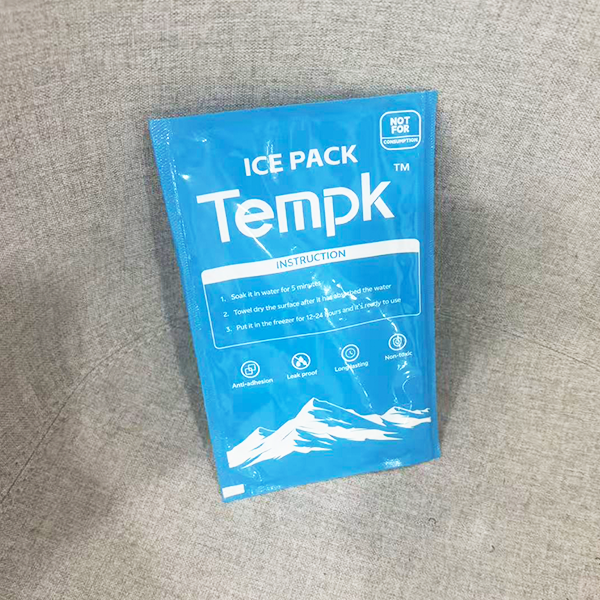
Updated: September 2, 2025. If you ship frozen goods, small dry ice packs deliver deep-cold performance in compact boxes when you size, pack, and vent correctly. Most parcels hold 24–72 hours using 5–10 lb per 24 h as a planning band, then you validate on your lane. This unified guide merges and improves three draft articles into one 2025-ready version.
How many small dry ice packs you need for 24–72 hours, with a quick calculator
How to pack and label small dry ice packs to pass 2025 air acceptance
When small dry ice packs beat gel packs or −21 °C PCMs for frozen lanes
How to validate to ISTA 7D/7E and align with ISO 23412 before scaling
How many small dry ice packs do you need for 24–72 hours?
Short answer: Plan 5–10 lb of small dry ice packs per 24 hours, then adjust for insulation class, ambient heat, pellet size, and air vs. ground. Start conservative, run one route test with a data logger, and tune mass ±20% based on results. This approach cuts failures and avoids overpacking.
Why this works: Dry ice cools by sublimation, absorbing large heat as it turns to gas. Dense insulation leaks less heat, so you can use fewer small dry ice packs for the same hold. Pellets sublimate faster than mini-blocks. Air lanes often need 30–40% more mass than ground because of pressure and handling. Validate in both summer and shoulder seasons.
Small dry ice packs sizing: quick calculator (copy/paste)
Use this for a conservative starting point. Replace values to match your lane.
| Payload & shipper | Lane & ambient | Suggested mass of small dry ice packs | Why it works |
|---|---|---|---|
| 6 ice-cream pints in 12 L EPS | 48 h, mixed ground | 3.5–5.0 kg | Uses 5–10 lb/day rule; top “cap” slows heat ingress |
| 10 vials in 8 L PUR | 24–36 h, air priority | 2.0–3.0 kg | Surround payload; add pellet margin for air |
| 2 kg frozen meat in 12 L VIP | 72 h, 30–35 °C + air | 6.0–7.5 kg | VIP trims heat leak; altitude margin included |
| 3–5 L diagnostics in 10 L EPS | 24 h, mild | 1.5–2.0 kg | Moderate insulation + short lane |
Practical tips that save product and cost
Close air gaps: Fill voids; pellets plug crevices and slow convection.
Cap from above: Add a thin layer on top; sortation heat comes from above.
Pre-cool the cavity: Stage the shipper with a small starter charge for 15–30 minutes.
Log two points: Place probes at product core and in headspace to capture true performance.
Case in brief: A pathology lab shipped 12 cryovials over 32 hours using 2.2 kg of small dry ice packs in an 8 L PUR shipper. Temperatures stayed between −65 and −72 °C, matching a ~2%/h pellet rate assumption.
How do you pack small dry ice packs for air-compliant shipping?
Direct answer: Vent, insulate, and label. Mark “Carbon dioxide, solid” or “Dry ice” with UN1845 and the net mass in kilograms on the box. Apply the Class 9 label on the same face when space allows. Use the 2025 Dry Ice Acceptance Checklist to mirror counter checks. Never seal the inner liner airtight.
Step-by-step SOP (7 steps):
Precondition the shipper for 15–30 minutes with a small charge.
Bag and seal primaries; add absorbent if any liquid risk.
Add a liner or tray so small dry ice packs don’t touch labels or vials.
Surround the payload with small dry ice packs; emphasize top placement.
Fill voids with extra CO₂ or dunnage; minimize headspace.
Close with a vented lid; never make it airtight.
Mark & label: UN1845, proper name, net kg; apply Class 9; copy AWB text exactly.
| Compliance item | What to print / do | Where | Why it matters |
|---|---|---|---|
| Proper shipping name + UN | “Carbon dioxide, solid (Dry ice)”, UN1845 | Box panel | Acceptance requirement |
| Net mass | Kilograms of dry ice | Same face | Must match AWB entry |
| Hazard label | Class 9 | Same face if possible | Faster acceptance |
| Packaging | Vented, PI 954 compliant | Closure & liner | Prevents pressure buildup |
Real-world copy block (AWB):
UN1845, Carbon dioxide, solid (Dry ice)
1 package x [NET kg] of dry ice
Nondangerous goods packed with dry ice under PI 954
Pellets vs. mini-blocks: which small dry ice packs last longer?
Short answer: Mini-blocks last longer; pellets cool faster but sublimate quicker because of greater surface area. On aircraft routes, assume faster loss and add margin or choose mini-blocks.
What this means for you: Use pellets to wrap tight cavities for quick pull-down, then add a top mini-block “cap” for steadier curves. On hot lanes or air, plan +10–20% mass for pellets or upgrade insulation from EPS to VIP.
Performance comparison of small dry ice packs
| Format | Typical size | Hold-time behavior | What it means for you |
|---|---|---|---|
| Pellet sachet | 3–10 mm | Faster sublimation; quick pull-down | Great for small vials and pints |
| Mini-block | 250–500 g | Slower sublimation; longer hold | Better for 48–72 h lanes |
| Loose pellets | 3–16 mm | Fastest sublimation; messy | Use when flexibility trumps longevity |
Small dry ice packs vs gel packs vs −21 °C PCMs: which should you use?
Direct answer: Pick small dry ice packs when you need ≤ −40 °C or the route is uncertain. Choose −21 °C PCMs or 2–8 °C gels when freeze risk exists or dry ice is restricted. Reusable VIP systems with small dry ice packs can push deep-frozen holds past 120 hours while cutting refrigerant mass.
| Option | Temperature band | Typical duration | Notes |
|---|---|---|---|
| Small dry ice packs | ≤ −60 °C | 24–72 h | Start 5–10 lb/day; validate |
| −21 °C PCMs | −30 to −10 °C | 24–72 h | Good where dry ice is restricted |
| 2–8 °C gel packs | 2–8 °C | 24–96 h | Vaccines, dairy, meal kits |
Actionable tips for common scenarios
Frozen dessert pints, 48–72 h: Use pellets around sides plus a top mini-block; dense EPS for 48 h; add VIP for 72 h.
Diagnostic kit, overnight + buffer: 2–4 lb for a 1–2 lb kit; remove dead space; keep a vent path.
Frozen biologics, 72 h air: VIP inserts + pellets; thin top cap; confirm net kg early in booking.
Actual case: A bakery shipped eight 120 ml gelato cups with 1.8 kg of small dry ice packs in a 12 L EPS shipper. The logger remained below −50 °C for 42 hours; acceptance was smooth once the AWB net kg matched the box.
Safety with small dry ice packs: simple rules that prevent incidents
Direct answer: Use cryogenic gloves and eye protection, work in ventilated areas, never seal airtight, and let leftovers sublimate in open air. CO₂ can displace oxygen in closed spaces; crack windows in vehicles and avoid sealed trunks.
| Safety topic | Do | Don’t | Why it matters |
|---|---|---|---|
| Ventilation | Work in ventilated rooms; consider CO₂ alarms | Seal boxes airtight | Prevents pressure / low oxygen |
| Handling | Gloves/tongs; long sleeves | Barehand handling | Avoids cold injury |
| Disposal | Sublimate in open areas | Sink/drain/sealed bin | Prevents ruptures |
| Vehicles | Crack windows | Closed trunk storage | CO₂ can pool low |
How to validate small dry ice packs: ISTA 7D/7E + ISO 23412
Direct answer: Build three packouts (baseline, −20% CO₂, +20% CO₂). Run ISTA 7D/7E summer and winter profiles for 24/48/72 h. Accept if in-spec and weighback matches plan. Document operations to ISO 23412 for faster audits.
Minimal validation plan you can run this week
Design: Baseline, −20%, +20% small dry ice packs.
Test: ISTA 7D/7E summer/winter, 24/48/72 h; add weekend dwell if needed.
Measure: Two-probe logging; include a weighback check.
Decide: Lock SOP, create label artwork, train teams.
2025 developments and trends for small dry ice packs
Trend overview: Acceptance is standardizing on checklist-style inspections; providing the UN1845 text, net kg, and Class 9 label on the same face speeds approval. Fresh pellet research highlights faster loss under aircraft conditions, so teams are adding mass or switching to mini-blocks. Parcel testing continues to shift toward ISTA 7E to reflect modern delivery patterns.
At-a-glance progress
Standardized acceptance: Mirroring the checklist reduces rejections and hub delays.
Pellet-rate clarity: Plan for faster loss; mini-blocks extend hold time.
Service rules: ISO 23412 remains the operational anchor for refrigerated parcel services.
Market insight: Many carrier guides still center on 5–10 lb per 24 h as the starting plan. Teams that pair VIP inserts with small dry ice packs report lower mass for the same hold, especially on 72 h lanes.
Frequently Asked Questions
Q1: How long do small dry ice packs last?
Most parcels hold 24–72 hours when planned at 5–10 lb per 24 h and validated on the route.
Q2: Are small dry ice packs allowed on airplanes?
Yes—mark UN1845, use the proper shipping name, list net kilograms, apply the Class 9 label, and follow PI 954.
Q3: Do I need a Shipper’s Declaration?
Not usually when only dry ice and non-dangerous goods are inside, but AWB text, marks, labels, and venting are mandatory.
Q4: Pellets or mini-block—what lasts longer?
Mini-blocks last longer; pellets cool faster but sublimate quicker due to surface area. Plan +10–20% for pellets.
Q5: What’s the safest way to dispose of leftovers?
Let small dry ice packs sublimate in a ventilated area; never in sinks or sealed bins. Use gloves and eye protection.
Summary & recommendations
Key takeaways: Small dry ice packs are the simplest way to ship compact frozen loads safely. Start with the 5–10 lb/24 h planner, verify with a physics check, and add margin for pellets and aircraft holds. Mirror the 2025 acceptance checklist on marks, net kg, Class 9, and venting. Validate with ISTA 7D/7E and document to ISO 23412.
Next steps (CTA):
Choose your shipper (EPS/PUR/VIP) and small dry ice packs format.
Estimate mass with the calculator; add buffers for air and summer.
Run one lane test with dual probes and a weighback.
Ready to right-size your packout? Request a free sizing chart and AWB/label template.
About Tempk
We design and validate insulated shippers and refrigerants for food, diagnostics, and biotech. Our engineers qualify small dry ice packs against ISTA 7D/7E profiles and align your operations to ISO 23412, so your SOP works on day one. Expect smaller boxes, fewer delays, and an audit-ready data trail.
Reusable Dry Ice Packs: 2025 Complete Guide
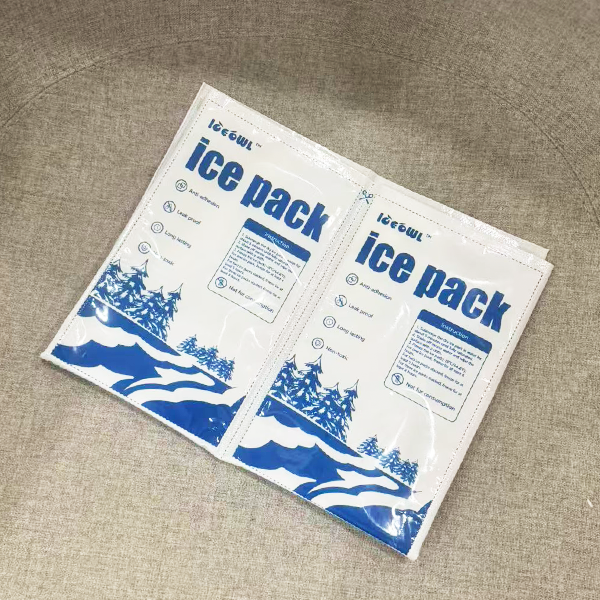
How to Use Reusable Dry Ice Packs in 2025
Updated: September 2, 2025. If you ship frozen goods, reusable dry ice packs can cut hazards, cost, and complexity. They hold steady at sub‑zero targets without CO₂ off‑gassing, avoid UN1845 labels, and fit −15 °C to −25 °C lanes. Below you’ll learn how they work, how to size them, what rules apply, and where dry ice still wins.
What are reusable dry ice packs and how do they work? Sub‑zero PCMs explained for frozen shipping −20 °C/−25 °C.
When should you choose reusable dry ice packs vs. dry ice? Decision matrix for PCM vs dry ice lanes.
How do you size and condition packs correctly? A copy‑and‑paste how to size PCM for frozen checklist and calculator.
Are they air‑legal and what labels apply? Dry ice label UN1845 net kg vs. “no DG label” for PCMs.
What changed in 2025? −21 °C/−25 °C trends and sustainability signals you can act on now.
What are reusable dry ice packs and why now?
Reusable dry ice packs are sub‑zero phase‑change gel packs that hold a steady −20 °C to −25 °C plateau through many freeze–thaw cycles. They’re non‑hazardous, can touch product, and don’t require UN1845/Class 9 labels because they are not dry ice. Freeze them to their stated melt point (e.g., −25 °C for −25 °C packs) to unlock full capacity.
Think of each pack as a rechargeable “cold battery.” You “charge” it to its melt point; as it absorbs heat, it melts at that temperature, keeping your payload cold and predictable. That gives you frozen control without dry ice’s venting and paperwork—ideal for diagnostics, frozen foods, and specialty pharma that target < −15 °C or < −20 °C.
Which melt point fits your job (−20 °C vs −25 °C)?
Choose the melt point by spec and route. −20 °C packs suit “keep < −15 °C” lanes; −25 °C adds headroom for “keep < −20 °C.” Dry ice (−78.5 °C) is still the tool for ultra‑cold or multi‑day holds. Always charge to melt point—−18 °C freezers won’t fully charge −25 °C packs.
| Option | Typical Melt Point | Charge Requirement | What this means for you |
|---|---|---|---|
| −20 °C PCM pack | −20 °C | Freeze to ≤ −20 °C | Meets < −15 °C lanes |
| −25 °C PCM pack | −25 °C | Freeze to ≤ −25 °C | Tighter < −20 °C control |
| Dry ice (CO₂, solid) | −78.5 °C | No pre‑freeze | Ultra‑cold, needs UN1845 |
Practical tips and cautions
Match melt point to lane to avoid over‑ or under‑cooling.
Charge fully to the actual melt point; partial charges shorten hold time.
Simplify labels: PCMs need no UN1845/Class 9 marks in air cargo.
Field case: A diagnostics lab swapped dry ice for −25 °C PCMs on overnights and held < −20 °C through morning pickups, with fewer carrier refusals and no DG handling.
How to size and condition reusable dry ice packs?
Size by thermal load, not box size. Start with 1–1.2 kg of −25 °C PCM per 5 L payload per 24 h, then adjust for insulation and ambient heat. Freeze packs to melt point (e.g., −25 °C), pre‑chill product and shipper, and pack symmetrically with minimal air gaps.
You can picture your box as a leaky thermos—bigger boxes, hotter trucks, and lid openings “drain” your cold battery faster. Pre‑chilling shrinks day‑one losses; a fully charged −25 °C pack absorbs heat at −25 °C until it’s melted, giving you a flat, predictable profile.
Baseline per 24 h: −20 °C PCM = 1.0 kg / 5 L; −25 °C PCM = 1.2 kg / 5 L.
Formula: PCM kg = Baseline × (Duration/24) × Insulation × Ambient × (Payload L/5)
Tip: place a logger near product core and validate on your lane before scaling.
| Packout element | What good looks like | Why it matters | For you |
|---|---|---|---|
| Charging | Freeze to melt point (e.g., −25 °C) | Full latent capacity | Don’t rely on −18 °C freezers |
| Placement | Packs on all sides; no big air gaps | Even heat sink | Avoid warm corners |
| Barrier | Sheet between packs and labels | Less condensation scuff | Cleaner labels, fewer returns |
| Data logging | Logger near product core | Proof of control | Audit‑ready history |
Quick conditioning checklist
Confirm lane target and duration.
Pick −20 °C or −25 °C PCMs.
Freeze to the stated melt point.
Pre‑chill shipper & payload.
Pack symmetrically; fill voids.
Add logger; close and record charge state.
Real result: A meal‑kit brand replaced ~10 lb dry ice with four −25 °C bricks in a 20 L qualified shipper for 36 h routes, cutting DG steps and smoothing hub acceptance.
Are reusable dry ice packs allowed on flights—and what labels apply?
Yes. Reusable dry ice packs (PCMs) are not “dry ice,” so no UN1845/Class 9 marks are required. True dry ice needs proper shipping name, UN1845, net kg on the outer pack, and venting. Passengers with dry ice are capped at 2.5 kg with airline approval; packages must vent.
Do this in practice:
For PCM shipments: mark normally; no DG declaration (check carrier house rules).
For dry ice: use “Dry ice/Carbon dioxide, solid” + UN1845 + net kg; ensure venting; follow IATA/FAA job aids.
PCM −20 °C vs −25 °C: which melt point is right for reusable dry ice packs?
Choose based on spec, box size, and time. −20 °C works for “keep < −15 °C” and small, short lanes; −25 °C is better for “keep < −20 °C” or hotter ambients. Dry ice still covers ultra‑cold or long, bulky routes. For 2–8 °C meds, use +5 °C PCMs—not dry ice—to avoid freezing damage.
Decision matrix (fast pick)
| Scenario | Best choice | Why | Watch‑outs |
|---|---|---|---|
| 18–36 h, keep < −15 °C | −20 °C PCM | Matches spec; reusable | Fully freeze packs |
| 24–48 h, keep < −20 °C | −25 °C PCM | Tighter plateau; contact‑safe | Needs −25 °C freezer |
| 48–96 h or ultra‑cold lanes | Dry ice | Highest energy density | UN1845 + venting |
| 2–8 °C (refrigerated products) | +5 °C PCM | Avoids freeze injury | No dry ice/frozen gels |
2025 trends in reusable dry ice packs and cold chain
Trend overview: Sub‑zero PCMs (−20 °C/−25 °C) continue to expand as dry‑ice alternatives in 2025, with more biodegradable gels, −21 °C options in EU lanes, and sharpened dry‑ice acceptance checklists that push shippers toward PCMs where feasible. ROI improves as DG hassle decreases.
Latest progress at a glance
Biodegradable −25 °C gels: modular panels for kit programs.
−21 °C PCM adoption: frozen food/diagnostics in Europe.
Policy clarity: UN1845/net‑kg/venting emphasized in 2025 checklists.
Market insight (plain English): PCMs don’t beat dry ice on sheer cold, but they often win on predictability, compliance, and customer experience for −15 °C to −25 °C lanes—especially where DG steps slow you down.
Pro tips and user scenarios
Hot‑weather route: Use −25 °C packs on all sides, fill voids, add top panel; log at 5‑min intervals.
Flight‑heavy lane: Prefer PCMs to avoid DG checks; if dry ice is required, label UN1845 + net kg and ensure venting.
Refrigerated biologics: Use +5 °C PCMs with proper conditioning; never pair dry ice with 2–8 °C vaccines.
Practical example: Overnight diagnostics in a qualified shipper with −20 °C packs maintained < −15 °C through morning pickup without DG labels—handled like standard express.
Lane fit self‑test (engagement tool)
Score your lane; higher scores suggest moving toward dry ice or hybrid.
Temperature target: < −20 °C (2); < −15 °C (1); 2–8 °C (0)
Hold time: ≤ 36 h (1); 48–72 h (2); > 72 h (3)
Payload size: ≤ 5 L (1); 6–20 L (2); > 20 L (3)
Insulation: Qualified (1); Foam shipper (2); Soft tote (3)
Air transport constraints: Avoid DG preferred (2); DG okay (0)
Rule of thumb: 5–7 = PCMs likely ideal; 8–10 = pilot both; 11–13 = dry ice/hybrid.
FAQ: reusable dry ice packs
Q1: Are reusable dry ice packs actually “dry ice”?
No. They are PCMs with defined melt points (e.g., −20 °C or −25 °C) and do not off‑gas CO₂ or require UN1845 labels.
Q2: What freezer do I need for −25 °C packs?
Use a commercial freezer capable of −25 °C or below; −18 °C won’t fully charge a −25 °C pack.
Q3: Can I fly with reusable dry ice packs?
Yes. They are not dry ice. For dry ice, FAA caps passengers at 2.5 kg with airline approval; packages must vent and be marked.
Q4: Do reusable packs work for 2–8 °C meds?
Use +5 °C PCMs; avoid dry ice/frozen gels to prevent freezing injury.
Q5: Are there −21 °C options?
Yes. −21 °C PCMs are common in EU packaging lines as dry‑ice substitutes. Match melt point to your spec.
Summary & recommendations
Reusable dry ice packs provide predictable frozen control for −15 °C to −25 °C lanes without DG labels or CO₂ hazards. Size by thermal load, charge to melt point, and validate with data logging. Keep dry ice for ultra‑cold or multi‑day holds, or use hybrids when needed. Action plan: map lanes, choose −20 °C/−25 °C PCMs, pilot two packouts with loggers, refine mass, and maintain a dry‑ice contingency for edge cases.
About Tempk
We’re a cold‑chain packaging and analytics team focused on validated, lane‑specific packouts. We pair qualified shippers with the right coolants—PCMs or dry ice—to hit your temperature targets with fewer touchpoints and lower landed cost. Strengths: evidence‑based SOPs and fast pilot‑to‑scale across DTC food, diagnostics, and specialty pharma. Ready to validate your lanes? Talk to a Tempk specialist for a free PCM vs. dry‑ice comparison.
Shipping Dry Ice Pack Sheet: 2025 Compliant Guide
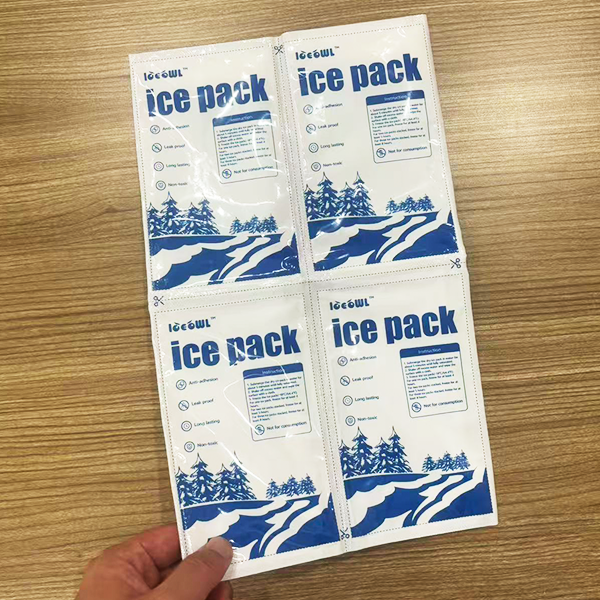
Shipping Dry Ice Pack Sheet: 2025 Compliant Guide
If you need a shipping dry ice pack sheet that teams follow on the first try, this guide gives you a copy‑ready SOP, PI 954 labeling checklist, and a quick sizing method. You’ll see what to mark (UN 1845, Class 9, net kg), how to vent, and how much dry ice to load for 24/48/72‑hour lanes. You’ll cut acceptance failures and protect product with current 2025 rules.
The shipping dry ice pack sheet essentials for PI 954 and 49 CFR compliance
How much dry ice for 24/48/72‑hour shipping (with a fast estimator)
What to label, mark, and record so carriers accept at first scan
How to validate with ISTA 7D/7E profiles before you scale
When to use dry ice vs. “dry ice pack sheets” (gel)
What is a shipping dry ice pack sheet (SOP) and why does it matter?
Direct answer
A shipping dry ice pack sheet is a one‑page, step‑by‑step SOP that tells packers how to assemble, label, and document each UN 1845 shipment. It shows the net dry ice (kg) to load, label placement (Class 9, 100 mm), and the records to capture so your box passes acceptance the first time.
Expanded explanation
Think of it as a recipe card: PPE → box/liner → payload → dry ice placement → vent → mark “Dry Ice/Carbon dioxide, solid,” UN 1845, net kg → record time and initials. The sheet maps your QA plan to the IATA 2025 dry‑ice acceptance checklist, and for U.S. moves it echoes 49 CFR 173.217 venting and marking basics. That alignment is what keeps surprises off the dock.
The minimum your sheet must include (PI 954 long‑tail)
Details
Proper shipping name: Dry Ice or Carbon dioxide, solid
UN 1845 and net dry ice weight in kilograms on the outer box
Class 9 label (≥ 100 mm) on the same face when space allows
Packaging that permits CO₂ to vent (no airtight closures)
Shipper/consignee names and addresses (not inside the diamond)
| Label/Marking | Requirement | Where | Why it matters to you |
|---|---|---|---|
| Proper shipping name | “Dry Ice” or “Carbon dioxide, solid” | Outer box | Mirrors IATA acceptance checks |
| UN 1845 | 6–12 mm text height (by package capacity) | Same face when possible | Fast visual confirmation |
| Net dry ice (kg) | Kilograms only | Near shipping name | Required for acceptance and booking |
| Class 9 diamond | 100 × 100 mm minimum | Same face if space | Meets size rule and avoids relabel |
Practical tips & suggestions
Air lanes: Align your sheet to IATA PI 954 and any operator variations.
U.S. ground/water: Keep 49 CFR 173.217 venting language visible; vessel moves need special markings (“WARNING CO₂ SOLID (DRY ICE)”).
Global ops: Localize by region and mirror carrier acceptance job‑aids.
Case in point: A biotech added a bold “Net dry ice (kg)” line and a 4‑point label check to its sheet. Acceptance failures dropped to near zero in two weeks across three hubs, eliminating rework and fees.
How much dry ice should your shipping dry ice pack sheet specify?
Direct answer
Start from your last passing test at the target duration, then add 10–25% for hotter lanes or bigger payloads, and confirm with a quick ambient test and a data logger. Use ISTA 7D (24/48/72 h) or 7E profiles as guardrails before rollout.
Expanded explanation
For most 2‑day lanes with a 6 L payload in EPS, 3–4 kg dry ice is a practical starting point; for 72 h, use higher‑retention shippers (e.g., VIP) and raise load. Run one chamber test against a 48 h summer curve and one winter curve to check “too cold” risk, then lock the kg into your sheet.
Quick lane‑based estimator (how much dry ice for 48‑hour shipping?)
Details
24 h lane, EPS + 6 L payload: 1.5–2.5 kg
48 h lane, EPS + 6 L payload: 3–4 kg
72 h lane, VIP + 6 L payload: 4–6 kg
Validate with a chamber or ambient test and a logger; adjust ±15%.
| Test Type | Profile | Pass Criterion | What you capture |
|---|---|---|---|
| Chamber | ISTA 7D 48 h Summer | Payload stays ≤ max temp | Net kg, placement, time‑to‑warm |
| Chamber | ISTA 7D 48 h Winter | Payload stays ≥ min temp | Too‑cold risk, need for buffers |
| Live lane | Actual route | Inside label range | Real‑world variability vs chamber |
90‑second self‑check (interactive)
Can you point to net dry ice (kg) on the box in 3 s?
Is the Class 9 label ≥ 100 mm, same face as the name when possible?
Does your shipper vent CO₂ per 49 CFR 173.217?
Did you log seal time, initials, and logger ID?
PI 954 labeling checklist for your shipping dry ice pack sheet (what to write and where)?
Direct answer
Mark the box with “Dry Ice/Carbon dioxide, solid”, UN 1845, and net kg, apply a 100 mm Class 9 label, keep addresses outside the diamond, and ensure the packaging vents. Use the IATA 2025 dry‑ice acceptance checklist during handoff.
Expanded explanation
Carrier job‑aids now call out minimum text sizes for UN 1845 and emphasize keeping the net kg legible, not scribbled inside the diamond. If you overpack, mark the overpack total (kg). Some operators also request the net kg during booking to stay within aircraft carbon‑dioxide limits—add a booking line to your SOP.
Don’t mix up baggage allowances with cargo rules
The 2.5 kg figure you may see applies to passenger baggage, not most cargo shipments. Cargo is governed by PI 954 and operator limits, with some carriers requesting net kg at booking.
49 CFR 173.217 venting: what must your shipping dry ice pack sheet say?
Direct answer
Your packaging must vent CO₂ to prevent pressure build‑up. For vessel moves, add “WARNING CO₂ SOLID (DRY ICE)”/“DO NOT STOW BELOW DECKS”; for air, mark net mass (kg) on the outside and coordinate with the operator.
Expanded explanation
Include a bold “VENT” reminder in the closing step, and train drivers not to store boxes in sealed trunks. For team safety, align training to OSHA 5,000 ppm TWA and NIOSH 40,000 ppm IDLH limits.
Safety snapshot (CO₂ exposure long‑tail)
OSHA PEL: 5,000 ppm (8‑h TWA)
NIOSH IDLH: 40,000 ppm
Keep rooms/vehicles ventilated; never block vent paths.
Test & validate your shipping dry ice pack sheet (ISTA 7D/7E quick path)
Direct answer
Qualify packs with ISTA 7D (24/48/72 h) and consider 7E profiles when you need parcel‑environment realism. Run summer first, then winter, then a live pilot with loggers.
Expanded explanation
Locking the net kg on your sheet should always follow a passed test with margin. Use the same payload, shipper, and pre‑condition, and capture time‑to‑warm and too‑cold risks so you’re ready for audits and seasonal swings.
Copy‑ready pack‑sheet snippet (paste as needed)
Adapted from our internal SOP template and improved for 2025 acceptance and booking needs.
“Dry ice pack sheets” (gel) vs. real dry ice: which should you use?
Direct answer
Gel “dry ice pack sheets” are not dry ice. They freeze near –20 °C, are not regulated as dangerous goods, and suit chilled/frozen ranges (e.g., 2–8 °C or ≤0 °C). Use real dry ice (–78.5 °C) for deep‑frozen lanes or where long hold times are needed—then follow PI 954/49 CFR rules. (Industry practice; regulatory sources above.)
Expanded explanation
For vaccines and biologics, health authorities caution not to store vaccines on dry ice because it can over‑cool. Use validated fridges/freezers and data loggers for routine storage or emergency moves. In short: gel for chilled, dry ice for deep‑frozen + regulated, and always validate.
Real‑world rule of thumb
Chilled (2–8 °C): Gel sheets/PCM, validate with 7E
Frozen (≤0 °C to –20 °C): Gel + high‑retention shipper or small dry‑ice top‑up
Deep‑frozen (≤–50 °C): Dry ice with PI 954 compliance
2025 developments & trends (shipping dry ice pack sheet)
Trend overview
In 2025, operators continue to enforce IATA acceptance checklists for dry ice, and some carrier variations require net dry ice at booking to respect aircraft‑type limits. Expect renewed emphasis on 100 mm Class 9 labels, clear kg markings, and electronic acceptance flows tied to declared net kg.
Latest at a glance
Booking transparency: Some operators request net kg during booking to compare against aircraft limits.
Checklist discipline: The 2025 dry‑ice acceptance checklist remains a standard touchpoint.
Label clarity: Carriers reinforce 100 mm Class 9 and kg‑only net weight marks to reduce rework.
Market insight
Healthcare and food e‑commerce continue to drive cold‑chain volume. Shippers favor validated insulation, IoT logging, and rightsized dry‑ice loads to balance cost, risk, and emissions—then capture that in a concise shipping dry ice pack sheet.
FAQ (featured‑snippet ready)
Q1: Do I need a Shipper’s Declaration for dry ice?
Often no when dry ice cools non‑dangerous goods—but the IATA acceptance checklist and full markings still apply. IATA
Q2: Is there a 2.5 kg limit for dry ice in cargo?
That 2.5 kg limit applies to passenger baggage. Cargo follows PI 954 and operator limits; some carriers ask for net kg at booking.
Q3: What size must the Class 9 label be?
100 × 100 mm minimum; don’t write inside the diamond.
Q4: What safety lines should my SOP include?
Vent packaging (49 CFR 173.217) and train staff to OSHA 5,000 ppm TWA and NIOSH 40,000 ppm IDLH.
Q5: Should I use dry ice for routine vaccine storage?
No. Health authorities advise against dry ice for routine storage—use validated units and data loggers.
Summary & recommendations
Key points
Use a shipping dry ice pack sheet that is visual and checklist‑driven. Mark UN 1845, net kg, and Class 9 (100 mm); ensure venting; and validate with ISTA 7D/7E before scale‑up. Add a booking net‑kg line for operators who require it.
Next steps (do this now)
Copy the YAML snippet and create 24/48/72 h variants.
Run one ambient or chamber validation and log results.
Train packers with a 10‑minute label/mark drill.
Add a booking net‑kg field to your SOP.
Review quarterly to trim dry‑ice load without risk.
About Tempk
Who we are
We are a cold‑chain packaging and analytics team focused on simple SOPs and data‑driven packouts. Our strengths: fast lane modeling and clear training materials that reduce acceptance failures and dry‑ice waste.
Call to action
Ready to tailor your shipping dry ice pack sheet to your lanes and products? Consult a Tempk specialist for a fast, compliant review.
Sending Packages with Dry Ice: 2025 Rules & How‑To
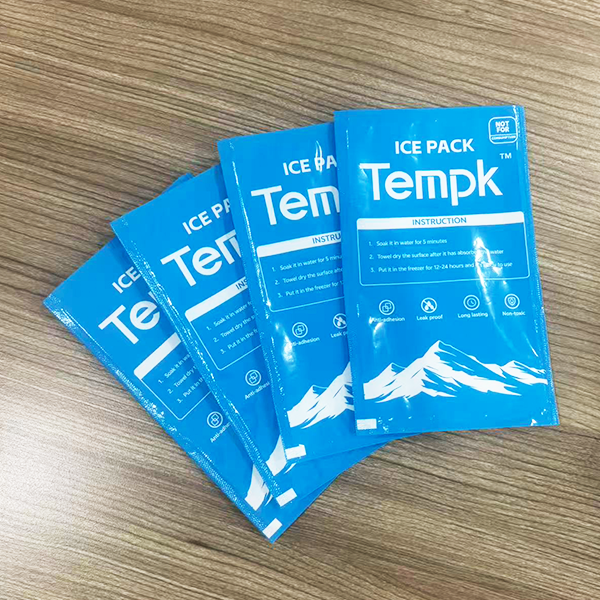
Sending Packages with Dry Ice: 2025 Rules & How‑To
Sending packages with dry ice is straightforward when you mark UN1845, show the net kilograms, apply the Class 9 label, and use packaging that vents CO₂. Air cargo allows up to 200 kg per package, while USPS domestic air caps dry ice at 5 lb per mailpiece; plan 5–10 lb per 24 hours of transit for sizing.
What matters most for compliance and safety when sending packages with dry ice
How to label and document (UN1845, net kg, Class 9) for sending packages with dry ice
How much dry ice you need, using a simple daily sublimation estimator
What USPS, FedEx, and UPS check, including overpack totals and air waybill entries
2025 updates and trends, plus a mini self‑assessment and calculator
What matters most when sending packages with dry ice?
Short answer: Use vented packaging, print “Dry Ice/Carbon dioxide, solid” with UN1845, add net weight in kilograms, and apply the Class 9 label. If dry ice only cools nondangerous goods, a Shipper’s Declaration isn’t required, but airline acceptance checklists still apply. Aim for first‑pass acceptance with a pre‑tender self‑check.
Why it works: Vented packaging prevents pressure build‑up as dry ice turns to gas. Printing UN1845 and net kg aligns your box with operator checklists and speeds counter handling. Most refusals come from missing net‑kg, poor label placement, or forgetting overpack totals. Think of your label block as the box’s “passport.” When it’s complete, you pass quickly.
Label and marking basics for UN1845 dry ice shipments
Put the proper shipping name and UN1845 on a vertical side, keep the Class 9 diamond nearby, and state net kilograms clearly outside the diamond. Add shipper/consignee details and ensure the box vents. For air, remember the 200‑kg/package ceiling; for USPS domestic air, keep each mailpiece ≤5 lb of dry ice.
| Compliance quick sheet | Requirement | Limit/Note | What it means for you |
|---|---|---|---|
| Marking | “Dry Ice/Carbon dioxide, solid” + UN1845 | English | Use a clear, legible text block |
| Weight | Net dry ice in kg | Outside Class 9 | Convert lb→kg before printing |
| Hazard | Class 9 label | Same face when possible | Improves handler visibility |
| Venting | Not airtight | Required | Avoid sealed inner coolers |
| Limits | 200 kg/package (air); USPS air ≤5 lb | Ceiling vs. mail cap | Plan lanes and breakouts accordingly |
Practical tips and suggestions
Air lanes: Print a single label block with UN1845, proper name, net kg, Class 9; photograph every carton before tender.
Overpacks: Add the total net kg of dry ice on the overpack; operators look for it.
USPS: For domestic air, ≤5 lb per mailpiece with venting; for more coolant, use parcel carriers or split pieces.
Real example: A diagnostics lab embedded the 2025 dry‑ice acceptance checklist into pick/pack. First‑pass acceptance climbed to ~100% and dock dwell fell by 12 minutes per consignment.
How to label and document when sending packages with dry ice?
Direct answer: Print UN1845, the proper shipping name, net kg, and apply Class 9. Enter dry‑ice net kg on the air waybill where required. Use the latest airline acceptance checklist as your pre‑flight. No Shipper’s Declaration is needed when dry ice cools nondangerous goods.
Details that prevent refusals: FedEx/UPS job aids mirror IATA PI 954. They call out overpack totals, text size, and keeping net kg outside the diamond. Standardize one template so every package looks the same across shifts and sites. Align WMS fields so AWB entries auto‑populate.
Overpacks, AWBs, and common pitfalls
Overpacks must show the total net kilograms of dry ice, not just inner box amounts. Keep “Dry Ice/UN1845/net kg” visible on the outermost layer. On AWBs, list dry ice per carrier instructions; many operators scan for “kg,” not “lb.” These small details reduce rework at the counter.
How much do you need when sending packages with dry ice?
Rule of thumb: Plan ~5–10 lb per 24 hours in a quality insulated shipper, then adjust for season, route, and openings. Validate with a data logger on pilot runs before locking your SOP.
Dry‑ice mass estimator (start point—validate in your lane)
| Duration | Typical ambient | Starting estimate | What it means for you |
|---|---|---|---|
| 24 h | 20–25 °C | 5–10 lb | Small parcels and short hops |
| 48 h | 20–30 °C | 10–20 lb | Add margin for handoffs |
| 72 h | 25–35 °C | 15–30 lb | Consider VIP or re‑icing points |
Pro tip: Place product securely, separate it from dry ice with cardboard, and fill voids to slow sublimation. Log internal temp vs. ambient on first shipments to calibrate your pack‑out.
What do USPS, FedEx, and UPS check when sending packages with dry ice?
USPS (domestic air): Package must vent CO₂, carry “Dry Ice/Carbon dioxide, solid,” UN1845, and net kg. ≤5 lb of dry ice per mailpiece. No international mail for perishables with dry ice.
FedEx/UPS (air): Follow PI 954 marks and labels; no Shipper’s Declaration when dry ice is the only DG. Show net kg on package and AWB; overpacks must show total net kg. Standardize label placement and text size.
Air limits: 200 kg per package is the upper bound for air cargo; travelers may carry up to 2.5 kg of dry ice in baggage if vented and marked. Operators can publish compartment caps—check before consolidating.
Safety and ventilation when sending packages with dry ice
Bottom line: Dry ice becomes CO₂ gas. Work in ventilated spaces, avoid airtight containers, and wear insulated gloves and eye protection. OSHA’s 8‑hour TWA is 5,000 ppm; NIOSH IDLH is 40,000 ppm—design prep rooms accordingly.
CO₂ exposure quick sheet
| Limit / Guidance | Value | What to do | For you |
|---|---|---|---|
| OSHA PEL (8‑hr TWA) | 5,000 ppm | Vent rooms; rotate tasks | Reduce exposure risk |
| NIOSH STEL | 30,000 ppm | Minimize time near open bins | Manage peaks |
| NIOSH IDLH | 40,000 ppm | Treat confined spaces with caution | Never seal gas |
Quick checks: Vent the package and vehicle cargo area; train teams on CO₂ symptoms; use a CO₂ meter in enclosed prep rooms where practical.
2025 updates and trends in sending packages with dry ice
Trend overview: Airline acceptance forms now mirror PI 954 more tightly, emphasizing net‑kg visibility and overpack totals. USPS continues the simple ≤5 lb air cap for domestic mailpieces. Many networks standardize the 5–10 lb/day planning rule and adopt VIP insulation or hybrid PCM to stretch hold time and reduce coolant mass.
Latest progress at a glance
Standardized acceptance: Checklists reduce counter friction and refusals.
Operator limits: Some carriers publish aircraft/compartment caps—plan multi‑carton loads.
Hybrid packing: Combining dry ice + VIP/PCM trims coolant while preserving cold life.
Market insight: E‑commerce perishables and specialty pharma keep volumes high. Teams increasingly pair data loggers with dry‑ice lanes to document performance and defend SLAs.
Frequently Asked Questions
Do I need a Shipper’s Declaration when sending packages with dry ice?
Usually no when dry ice cools nondangerous goods. Use correct marks/labels and the current acceptance checklist.
What is the maximum dry ice per package by air?
200 kg per package under PI 954; typical parcels are far below this ceiling.
How much dry ice should I plan per day?
Start with 5–10 lb per 24 hours, then validate in your own shipper and lane.
Can I send dry ice with USPS?
Yes, for domestic air with ≤5 lb per mailpiece and proper venting/marking. No international perishables with dry ice.
Where do the labels go?
Place the Class 9 diamond and the UN1845/“Dry Ice”/net kg text block on a vertical side with clear line of sight.
Summary & next steps
Key takeaways: Sending packages with dry ice comes down to venting, UN1845 + proper name, net kg, Class 9, and a quick acceptance self‑check. Plan 5–10 lb/day, mark overpack totals, and align with USPS ≤5 lb for domestic air. Train teams on CO₂ safety and standardize one label template.
Action plan:
Standardize a label block (UN1845/name/net kg/Class 9).
Embed the 2025 acceptance checklist at pack‑out.
Size dry ice with the estimator; validate via loggers.
For USPS air, split to ≤5 lb or use parcel carriers.
Call to action: Get Tempk’s ready‑to‑use SOP + label kit and ship with confidence.
About Tempk
We help brands and labs master sending packages with dry ice—from compliant label templates and acceptance audits to SOPs and lane validation. Our playbooks cut exceptions and dock dwell while keeping teams safe. Two concrete advantages: pre‑tender checklists that mirror airline forms, and pack‑out calculators tuned to your lanes.
CTA: Talk to Tempk’s specialists for a tailored PI 954/USPS checklist and pack‑out calculator today.