


Dry Ice Shipping Pack: 2025 Sizing & Label Guide
Dry Ice Shipping Pack: 2025 Sizing & Label Guide

Dry Ice Shipping Pack: How to Size and Label in 2025
If you need a dry ice shipping pack that actually stays frozen, start by sizing dry ice to transit hours, choosing the right insulation, and printing UN 1845 with net kilograms on a vented box. Most lanes work with 5–10 lb per 24 hours plus a 24‑hour buffer, and 2025 checklists require clear labels and vent paths for CO₂.
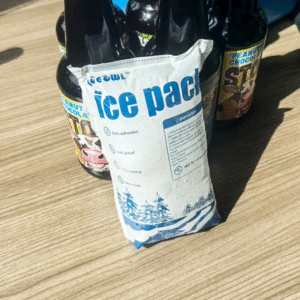
How much dry ice per day keeps goods frozen on your lane (with a copy‑paste calculator).
What to print on the label so carriers accept your dry ice shipping pack the first time.
When to choose gel/PCM instead of a dry ice shipping pack to simplify air shipments.
Which insulation (EPS, PUR, VIP) right‑sizes cost and mass for 24–120 h routes.
What is a dry ice shipping pack and when should you use it?
Short answer: A dry ice shipping pack is a vented, insulated parcel that keeps payloads rock‑solid frozen using solid CO₂ (sublimes at −78.5 °C). Use it when your product must arrive fully frozen end‑to‑end; otherwise consider gel/PCM if chilled control is enough. Mark “Dry ice/Carbon dioxide, solid,” UN 1845, and net kg, and ensure gas can vent.
Why it matters to you: Venting prevents pressure buildup; correct markings speed acceptance and reduce delays. 2025 acceptance materials emphasize airline‑specific limits and providing net weight at booking, while USPS caps domestic air mail at ≤5 lb per piece and prohibits international mail with dry ice. If your lane is short or only needs chilled ranges, a gel/PCM pack avoids hazmat steps.
Dry ice shipping pack vs. gel/PCM—what fits your lane?
Choose a dry ice shipping pack when you need deep‑frozen conditions or ultracold lanes; choose gel/PCM when you need 2–8 °C or moderate frozen (e.g., −15 °C) with simpler paperwork. Larger pellets or blocks sublimate slower for multi‑day routes; tiny pellets are better for fast pull‑down.
| Option | Temp capability | Hazmat (air) | What it means for you |
|---|---|---|---|
| Dry ice shipping pack | ≈ −78.5 °C surface | Yes | Long holds; ultracold lanes; label & vent required. |
| PCM −21 °C / −26 °C bricks | Frozen (−15 to −26) | Usually no | Easier processing; reusable; not ultracold. |
| 0 °C gel / +5 °C PCM | 2–8 °C | No | Refrigerated goods; simple returns. |
Practical tips you can use today
For DTC frozen food: Pre‑chill the shipper; place product low, dry ice above; fill voids; leave vents unobstructed.
For hot lanes (summer): Use the high end of 5–10 lb/day and consider PUR or VIP insulation.
For biologics: Add a data logger and record net dry ice in kg on the label before tender.
Real‑world case: A pastry brand cut melted‑product claims by 38% after switching to a 2‑inch liner, larger pellets, and a 24‑hour buffer—ice spend stayed flat while failures plummeted.
How much dry ice should a dry ice shipping pack carry?
Rule of thumb: Plan ~5–10 lb (2.3–4.5 kg) per 24 hours of transit plus an extra 24 hours for buffer. Start near 7.5 lb/day and adjust for insulation, ambient heat, pellet size, and whether the box is opened mid‑route.
Why it works: Dry ice absorbs substantial heat while subliming (≈570 kJ/kg), so modest masses can cover a day or two in a tight shipper. Box R‑value, headspace, and pellet size drive real‑world loss rates.
Quick planner table
| Transit time | Typical dry ice (lb) | Notes |
|---|---|---|
| 12–24 h | 5–10 | Thick foam → 5; summer lanes → 10. |
| 24–48 h | 10–20 | Prefer larger pellets for slower loss. |
| 72 h | 20–30 | Consider bigger box or added liner. |
| 96 h | 30–40 | Validate with a lane test before scale. |
How should you label a dry ice shipping pack in 2025?
Print this on one panel (same surface as Class 9 when size allows):
UN 1845
Carbon dioxide, solid (Dry ice)
Net dry ice: ____ kg
Shipper: ____________________
Consignee: ____________________
For air, apply the Class 9 diamond, keep packaging vented, and follow IATA PI 954. Airlines may impose additional limits and ask for net weight at booking. USPS permits ≤5 lb domestic air under PI 9A and prohibits international mail. Passenger flights allow ≤2.5 kg per person/package with airline approval and venting.
How do you pack out a dry ice shipping pack step by step?
Pre‑chill product and shipper to reduce the day‑one heat load.
Line & isolate: add a poly liner and absorbent pad; place a tray to avoid direct contact.
Load: product low, dry ice above; fill voids to reduce convection.
Close & vent: never seal the outer box airtight; keep gas paths clear of tape.
Label & book: mark UN 1845 with net kg, add Class 9 for air, and follow the 2025 acceptance checklist.
Safety and ventilation: CO₂ limits to respect
Dry ice becomes CO₂ gas. Indoors or in vehicles, gas can accumulate. Keep rooms ventilated and train staff. Reference limits: 5,000 ppm TWA and 30,000 ppm STEL; add CO₂ alarms in staging areas. Always use insulated gloves and eye protection.
Which insulation and pellet size fit your dry ice shipping pack?
Pick insulation for duration and pellet size for endurance. EPS works for short lanes; PUR and VIP cut heat gain for 48–120 h routes and allow less refrigerant mass. Larger pellets or slabs sublimate slower on multi‑day lanes.
| Pack type | Typical window | Notes | Meaning for you |
|---|---|---|---|
| EPS (1–2″) | 24–48 h | Lowest R‑value; lowest cost | Good for short lanes; more dry ice needed. |
| PUR | 48–96 h | Higher R/inch; consistent | Reduce mass and carton size. |
| VIP | 72–120 h+ | Very high performance | Long lanes, high value payloads; lighter overall. |
2025 trends shaping your dry ice shipping pack
What’s new in 2025: IATA’s 66th Edition Addendum 1 (effective Apr 30, 2025) highlights airline‑specific dry ice limits and net weight at booking; carriers refreshed job aids stressing Class 9 placement with the Proper Shipping Name. USPS kept the ≤5 lb domestic air cap. VIP adoption keeps rising to trim refrigerant mass and freight.
Latest developments at a glance
Clearer acceptance paperwork: Fewer dock delays if you mirror the 2025 checklist.
Preprinted cartons: More boxes ship with dry‑ice panels to reduce pack errors.
Market outlook: Several reports project ~7–7.4% CAGR for dry ice through 2032, led by food and healthcare demand.
Market insight: Near‑shoring and recyclable materials are trending, while IoT loggers make lane validation simpler and faster for audits.
Frequently Asked Questions
How much dry ice per day for a small dry ice shipping pack?
Plan 5–10 lb per 24 hours, then add one extra day as buffer; use more for hot lanes or thin walls.
What must appear on my label in 2025?
Include UN 1845, “Dry ice/Carbon dioxide, solid,” net dry ice in kilograms, shipper/consignee, and Class 9; keep the package vented.
Can passengers carry a dry ice shipping pack?
Yes, ≤2.5 kg (5.5 lb) per person/package with airline approval; mark and vent the container.
Can I mail a dry ice shipping pack via USPS?
Domestic air only, ≤5 lb per mailpiece; international mail is not allowed.
Is dry ice regulated for ground?
With some services (e.g., certain ground networks), dry ice isn’t hazmat—but markings are still required. Check your carrier page for specifics.
When should I pick PCM instead of a dry ice shipping pack?
Choose −15 °C to −26 °C PCM for many frozen lanes or 0 °C gel/+5 °C PCM for 2–8 °C when you want easier processing and reuse.
Summary & recommendations
Remember: Size your dry ice shipping pack by time first (5–10 lb/day + 24‑hour buffer), then select insulation (EPS → PUR → VIP) and pellet size. Vent the box, print UN 1845 with net kg, and place Class 9 per 2025 guidance. Train teams on CO₂ exposure limits and stage packs in ventilated zones.
Next steps:
Estimate dry ice with the calculator above. 2) Print a label block with UN 1845 and net kg. 3) Pilot two shipments and weigh post‑delivery to tune mass. 4) Add the 2025 acceptance checklist to your SOP.
About Tempk
We’re a cold‑chain engineering team that turns complex transport requirements into simple packout SOPs. We validate dry ice shipping pack designs lane‑by‑lane, right‑size coolant loads, and provide label templates that pass first‑time acceptance. Customers in food and life sciences routinely cut claims by double digits while lowering re‑ship costs. Ready to ship colder, safer, cheaper? Request a 15‑minute packout review and get a route‑specific BOM, labels, and a tested ice calculator.
Dry Ice Quantity: 2025 Guide for 24–72h Lanes

Dry Ice Quantity: How Much Do You Need in 2025?
If you need a fast, safe starting point for dry ice quantity, plan on 5–10 lb per 24 h and adjust for insulation, ambient heat, and payload size. For air, use vented packaging and mark UN 1845 with the net dry ice mass (kg) on the package and air waybill where required. USPS air mail is capped at ≤ 5 lb per piece. Validate every lane with data loggers before scaling.
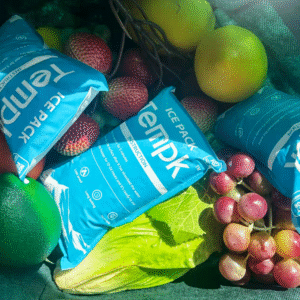
How to size dry ice quantity fast — with a copy‑and‑use calculator and buffer rules
What changes dry ice quantity — insulation, pellets vs. blocks, ambient heat
2025 compliance and labels — UN 1845, Class 9, and USPS/IATA specifics
Use‑case starting points — frozen foods, biologics, and ultracold lanes
How do you calculate dry ice quantity for your lane?
Short answer: Multiply total transit days by ~7.5 lb/day (the mid‑point of 5–10), then correct for insulation and season, and add a 12–24 h delay buffer. Convert to kg for your label. Validate in your hottest lane, then tune down. This method aligns with carrier guidance and real‑world test results.
Why it works: Dry ice cools by sublimation at −78.5 °C. Each kilogram soaks up large energy as it turns to CO₂ gas, acting like a powerful “cold battery.” Better insulation and cooler routes leak less heat, so you need less. Warmer routes, thin foam, and big voids need more. Always vent the package so gas can escape.
Dry ice quantity calculator you can copy today
Tip: Start slightly high, then reduce once your loggers show margin across summer lanes. Top‑load blocks, fill voids, and keep vents clear.
| Planning input | Typical range | Quick rule | What it means for you |
|---|---|---|---|
| Sublimation (cooler) | 5–10 lb / 24 h | Use 7.5 lb/day baseline | Add more in hot weather or thin foam |
| Insulation factor | 0.7–1.3 | VIP = 0.7; EPS = 1.0; thin foam = 1.3 | Better walls → less dry ice quantity |
| Buffer time | 12–24 h | Add after route time | Covers delays and last‑mile dwell |
Practical tips that save failures
Precondition everything: Pre‑freeze payloads; pre‑cool the shipper interior.
Placement matters: Top‑load dry ice; cold air sinks and improves efficiency.
Blocks vs. pellets: Pellets “cover” better; blocks last longer on multi‑day lanes.
Real‑world case: Switching from 10 lb loose pellets to 12 lb mixed block‑top + pellet‑perimeter cut warm failures by 68% in July and held ≤ −12 °C for 54 h.
Which factors change dry ice quantity in real shipments?
Core idea: Heat load drives dry ice quantity. Longer routes, hotter ambients, thin walls, big voids, and frequent “door‑open” events push the number up. Tight packouts and better insulation push it down. Never make an airtight box.
Pellets vs. blocks: impact on dry ice quantity
Blocks have less surface area and sublimate slower; pellets evaporate faster and need more mass for multi‑day holds. Container reuse can raise sublimation rate; expect to budget extra if shippers are aged or scuffed.
| Factor | Typical effect | How to plan | For you |
|---|---|---|---|
| Pellet size | Smaller → faster loss | Prefer blocks for 48–72 h | Longer hold, fewer surprises |
| Insulation | VIP < PIR ≈ EPS < thin foam | Use the insulation_factor | Less dry ice quantity with VIP |
| Fill ratio | High fill → less convection | Fill voids, avoid gaps | Lower required mass |
| Ambient profile | Summer > winter | Add season_factor | Hot lanes need more |
| Venting | Required for safety | Keep vents clear | Prevent pressure buildup |
Dry ice quantity and 2025 compliance—what must be on the box?
For air: Vent the package and mark UN 1845 (Dry ice/Carbon dioxide, solid), apply Class 9, and show net dry ice mass in kg on the package; include required details on the air waybill. USPS air: ≤ 5 lb per mail piece. Passenger baggage limits (2.5 kg) don’t constrain cargo but help explain differences to stakeholders.
Air, ground, and mail at a glance (2025)
| Mode | Key rule | Typical limit | What it means |
|---|---|---|---|
| Air (IATA PI 954) | Vented package; UN 1845; Class 9; net kg marked | Operator/aircraft‑type dependent | Provide net kg at booking; follow acceptance checklist |
| U.S. DOT/PHMSA (49 CFR 173.217) | Package must allow CO₂ release | — | Design for venting; label correctly when required |
| USPS (Publication 52, PI 9A) | Vented; marks; air ≤ 5 lb per piece | 5 lb (air) | Use surface if above 5 lb |
Safety: Follow OSHA/NIOSH CO₂ exposure limits (5,000 ppm TWA; 30,000 ppm STEL). Ventilate pack rooms, vans, and cold boxes.
How much dry ice quantity should you start with by use case?
Planner’s matrix: Use these starting amounts, then validate with data loggers under your lane’s worst season.
| Use case & hold time | Box/insulation | Ambient | Starting dry ice quantity | What it means for you |
|---|---|---|---|---|
| Ice cream, 36 h | 1.5″ EPS | Mild | 12–15 lb | Add 3–5 lb if last mile is hot |
| Frozen pastry, 48 h | 1.5″ EPS | Summer | 20–25 lb | Perimeter pellets + top block |
| Ultracold vials, 48 h | Durable shipper | Any | 15–20 lb | Label UN 1845/Class 9 with net kg |
| Meal kit (2–8 °C), 24 h | — | Hot | Prefer gel/PCM | Avoid over‑cooling & DG steps |
Worked examples:
Frozen pastry, 5 kg, 36 h, EPS, hot → ~20 lb (buffered)
−20 °C samples, 3 kg, 24 h, VIP, mild → 8–10 lb
Ultracold vials, 6 kg, 60 h, EPS, hot → 28–30 lb with logger validation
2025 developments and trends in dry ice quantity planning
What’s new: Operators increasingly request net kg at booking to manage aircraft‑level CO₂ limits. Recent testing highlights how pellet size, container design, and reuse change sublimation rate, so your “8 lb/day” baseline is fine for planning but must be validated. Food and D2C shippers are adopting hybrid packouts (PCM core + small dry‑ice topper) to reduce DG friction and recipient risk.
Latest progress at a glance
Data‑driven rates: Newer tests quantify how pellets and reuse increase loss—plan conservative for aged shippers.
Carrier clarity: Published 5–10 lb/day planning guidance tied to insulation and ambient conditions.
Safety reinforcement: Clearer reminders on venting and labeling for UN 1845/Class 9.
Market insight: Chilled/soft‑frozen lanes often perform with PCM/gel alone; using a small dry‑ice topper only for heat spikes can cut total refrigerant mass and simplify labeling.
Frequently Asked Questions
How much dry ice quantity per day should I plan for a small cooler?
Start with 5–10 lb per 24 h and add 20–30% buffer for delays and heat spikes; prefer blocks for multi‑day holds.
Do I need a Shipper’s Declaration when dry ice is just a refrigerant?
Often no under IATA, but you must mark UN 1845, apply Class 9, and show net kg on the package and AWB where required.
Is USPS air limited?
Yes. USPS air is ≤ 5 lb per mailpiece; heavier packages must move by surface.
Can dry ice touch food?
Avoid direct contact. Use separators and provide recipient handling instructions.
What about worker exposure?
Follow 5,000 ppm TWA and 30,000 ppm STEL CO₂ limits; ventilate staging areas and vehicles.
Actionable self‑check: is your dry ice quantity on target?
Route hours are door‑to‑door, not just carrier SLA
Buffer of 12–24 h added for delays
Insulation_factor reflects your box spec (VIP 0.7 / EPS 1.0 / thin foam 1.3)
Package vented; marked UN 1845 / Class 9 / net kg when required
Food safety: ≤ 40 °F (4 °C) through last mile, verified by logger
Summary & Recommendations
Key takeaways: Start dry ice quantity at 5–10 lb/day, correct for insulation and ambient, add 12–24 h buffer, and label UN 1845/Class 9 with net kg when required. Prefer blocks for long holds; vent every package; validate under your worst seasonal lane before scaling.
Next steps:
Run two pilots per lane (baseline vs. +20% mass).
Log temperature from warehouse to doorstep and tune.
Lock SOPs for placement, venting, labels, and buffers.
Consider PCM hybrids to reduce hazmat friction on chill/soft‑frozen lanes.
About Tempk
We design, test, and standardize passive cold‑chain packouts for food and life sciences. Our team specializes in dry ice quantity modeling, lane validation (ISTA profiles), and compliance training. Clients reduce spoilage and cost with accurate sizing, better insulation, and clear SOPs grounded in current regulations and safety limits. Need a lane‑specific plan? Request a 20‑minute packout audit and get a tested design—fast.
Dry Ice Pouches: Buy, Pack, and Ship Right in 2025
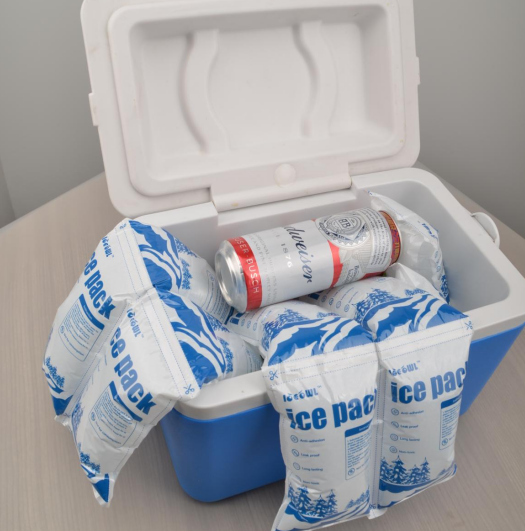
If you ship frozen goods, dry ice pouches help you stay compliant, clean, and consistently cold. They contain pellets or blocks while letting CO₂ escape, so your product stays frozen and handlers stay safe. This guide shows how to size, pack, label (UN1845), and choose alternatives for 24–72 hour lanes in 2025.
When to use dry ice pouches for frozen lanes and how they differ from gel and PCM pouches
How many dry ice pouches you really need for 24–72 hours without overpaying
How to label and vent correctly under UN1845 and IATA PI 954 in 2025
When to pick gel or PCM instead to avoid hazmat steps on chilled routes
Trends for 2025 that affect materials, acceptance checklists, and sustainability
What are dry ice pouches and when should you use them?
Short answer: Dry ice pouches are vented, tear‑resistant bags or sleeves that hold solid CO₂ inside an insulated shipper so gas can escape while your goods stay frozen. Use them when you need multi‑day frozen control (≤ −18 °C), safer handling, and tidier packouts than loose pellets.
In practice: The pouch separates refrigerant from product, reduces mess, and improves placement around the payload. Some teams also use insulated “thermal pouches” with gel or dry ice to extend hold time in mailers and totes. Always confirm that the “pouch” you buy is meant to contain dry ice and not the product.
Dry ice pouches vs. gel packs vs. PCM pouches
Bottom line: Dry ice pouches deliver ultra‑cold headroom; gel and PCM hold narrower, warmer ranges with simpler booking. Dry ice sits near −78.5 °C, while typical gel hovers around 0–5 °C and PCM bricks can target −20 °C or +5 °C as needed. Use dry ice pouches for deep‑frozen lanes and hot routes.
| Refrigerant Option | Typical Range | Best For | What it means for you |
|---|---|---|---|
| Dry ice pouches | ~ −78.5 °C | 24–96 h frozen | Requires venting and UN1845/Class 9 by air; highest cooling capacity. |
| PCM pouches (e.g., −20 °C or +5 °C) | −25 °C to +7 °C | 12–36 h frozen or chilled | Tighter control without DG paperwork on many services. |
| Gel packs | 0–5 °C | Overnight chilled | Easy, reusable, but not for long frozen holds. |
Practical tips when you’re new to dry ice pouches
Never seal CO₂ in. Use porous or vent‑path pouches; never heat‑seal the bag.
Pre‑condition. Hard‑freeze product and pre‑cool the shipper to reduce early load.
Distribute mass. Several smaller pouches around the payload beat one big brick.
Real‑world snapshot: A bakery shipping ice‑cream cakes switched from loose pellets to dry ice pouches and cut cleanup while keeping hold time steady by controlling total kilograms and vent paths.
How many dry ice pouches do you need for 24–72 hours?
Quick rule: Start with ~2.5–5 kg per 24 h for a 10–15 L shipper in warm weather, then tune by lane test. Split across 2–4 dry ice pouches to increase cold surface area and stability.
Why it works: Dry ice absorbs a large amount of heat as it sublimates; planning by surface area and ambient, not just liters, yields more reliable results.
| Duration | Mild (≤22 °C) | Warm (23–30 °C) | Hot (≥31 °C) | What to do |
|---|---|---|---|---|
| 12 h | 1–2 kg | 2–3 kg | 3–4 kg | 1–2 dry ice pouches per 12 L shipper. |
| 24 h | 2.5–4 kg | 4–6 kg | 6–7 kg | Add side pouches to boost surface area. |
| 48 h | 5–7 kg | 7–10 kg | 10–12 kg | Upgrade insulation or pouch count. |
| 72 h | 7–9 kg | 10–13 kg | 13–16 kg | Validate in peak‑summer conditions. |
Placement and venting for dry ice pouches
Place dry ice pouches at the bottom and sides, center the payload, then top with another pouch. Keep liners open and the outer box vent‑capable; avoid fully taped seams or airtight coolers. Mark net dry ice mass in kilograms.
Practical, user‑ready tips
Hot lane? Add a thin −20 °C PCM next to the product; push dry ice pouches outward.
Mixed SKUs? Separate with a rigid inner to prevent crushing and cold spots.
Receiving notes. Include a slip noting “packaged with dry ice” and the net kilograms.
Case in brief: Two 2.5 kg dry ice pouches plus a thin −20 °C PCM held a 48‑hour ice‑cream shipment under −18 °C despite a 2‑hour depot delay.
Which 2025 rules apply to dry ice pouches, and how do you pass acceptance?
Core rule for air: Mark “Dry ice” or “Carbon dioxide, solid,” UN1845 and the net dry ice weight (kg) on the same face as the Class 9 label. Packaging and pouches must vent. Shipper’s Declaration is often not required when used with non‑DG goods, but acceptance checklists still apply.
Passenger vs. cargo: Baggage typically caps dry ice at 2.5 kg per passenger with airline approval and vented packaging; cargo follows PI 954 and operator variations. Treat passenger carriage as a different regime.
Fast compliance checklist for dry ice pouches (copy/paste to SOP)
Use purpose‑built dry ice pouches; do not seal CO₂ in plastic.
Keep liners open; ensure the outer is vent‑capable.
Mark UN1845, proper name, and net kg; apply Class 9 label.
Book a service that accepts dry ice; add AWB details as required.
Dry ice pouches or alternatives: which fits your lane?
Pick dry ice pouches when you must keep product frozen end‑to‑end, transit exceeds 36 hours, or ambient peaks above 30 °C. Pick PCM pouches for tight bands (−20 °C or +5 °C) without DG paperwork. Pick gel for day‑of or overnight chilled deliveries.
Two‑minute lane check (self‑assessment)
Must the payload stay frozen solid?
Will transit exceed 36 hours door‑to‑door?
Will ambient exceed 30 °C on route?
Does your carrier accept UN1845 on your service?
If you checked 3+ boxes, design around dry ice pouches; otherwise trial a PCM‑first packout.
2025 developments and trends for dry ice pouches
What’s new: Operators refreshed acceptance job aids to emphasize venting, label size, and net‑kg visibility. Packaging vendors expanded paper‑based “dry ice bags” and insulated thermal pouches; compostable gels are maturing as short‑haul alternatives when dry ice is limited.
Latest at a glance
Clear “no sealed plastic” guidance in acceptance checklists reduces rejection risk.
Eco‑pouch options cut waste while improving moisture control inside boxes.
Dual‑strategy shippers win: dry ice pouches for hot interstate routes, PCM pouches for short, regulated lanes.
Market insight: Growth in frozen e‑grocery and biologics is pushing mixed refrigerant strategies and better insulation, with validated packout geometry shown to matter as much as total kilograms.
Frequently Asked Questions about dry ice pouches
Q1: Are dry ice pouches the same as vacuum‑sealed ice bags?
No. Dry ice pouches must vent gas to be safe and compliant; vacuum‑sealing CO₂ is unsafe.
Q2: Can I put dry ice pouches inside a poly liner?
Yes—keep the liner open so CO₂ can escape; the outer package must also vent.
Q3: How much dry ice do I need for 48 hours?
Plan ~5–9 kg for a small cooler in warm weather, split across multiple pouches. Validate on your lane.
Q4: What labels go on a box with dry ice pouches?
Apply UN1845, the proper name, net kilograms, and a Class 9 label on the same face.
Q5: Do dry ice pouches work for food shipments?
Yes. They prevent direct contact with pellets and reduce mess, ideal for dry ice pack for shipping food scenarios. Use vented packaging and gloves.
Summary and recommendations for dry ice pouches
Remember: Dry ice pouches make frozen shipping cleaner and safer by containing pellets while allowing CO₂ to vent. Pass acceptance by marking UN1845 with net kilograms and using vent‑capable outers. Size by route, ambient, and surface area rather than liters alone.
Next steps: Map your lane time and ambient, start at 2.5–5 kg per 24 h, split across multiple dry ice pouches, and run one trial. Standardize your SOP and labels, then adjust ±1 kg based on data.
About Tempk
We help food, pharma, and biotech teams choose validated shippers, size dry ice pouches or PCMs accurately, and translate 2025 acceptance rules into easy checklists. Our edge is practical calculators, real lane testing, and fast‑to‑pack SOPs that reduce claims and cost.
CTA: Share your box size, lane, and target temps—get a free, lane‑specific packout and label kit today.
Dry Ice Plastic Bag: 2025 Safe Use, Vents & Labels
Dry Ice Plastic Bag: 2025 Safe Use, Vents & Labels
If you ship with a dry ice plastic bag, keep it vented, mark UN1845 with net kilograms, and avoid airtight seals to stay safe and compliant. Dry ice sits at −78.5 °C and off‑gasses CO₂; in June 2025, USPS reaffirmed a 5 lb domestic air limit per mailpiece with venting and proper labels. IATA PI 954 still requires packaging to release gas.
How does a dry ice plastic bag vent CO₂ safely for air and ground shipping?
Which dry ice plastic bag material and thickness work best at −78.5 °C?
How to label boxes with UN1845, net weight (kg), and Class 9 hazard marks?
How much dry ice should a dry ice plastic bag hold for common lanes?
When is a dry ice plastic bag better than paper, gel, or PCM packs?
How should a dry ice plastic bag be vented to stay compliant?
Bottom line: keep the dry ice plastic bag vented—never airtight—and ensure the outer package also vents. Carriers warn “do not place dry ice in sealed plastic bags,” and IATA PI 954 requires packagings that permit CO₂ release. USPS PI 9A echoes venting for mail.
Make it practical: Use an open‑mouth fold, micro‑perforations, or one or more 1/4″ vent holes. Do not tape or heat‑seal the mouth closed unless a clear vent path remains. Verify your cooler’s drain/vents are open so gas can escape into headspace rather than pressurizing the liner. These simple steps prevent bulged cartons and rejected freight.
Micro‑perforated dry ice plastic bag: when does it help?
Micro‑perfs create many tiny leak paths, bleeding CO₂ gradually and controlling debris. They pair well with insulated shippers when you need tidier pack‑outs. If debris control is secondary, a loosely folded open‑mouth liner is the fastest, most inspectable option. Keep any vent path unobstructed by dunnage.
| Venting Option | How it works | Where it helps | What it means for you |
|---|---|---|---|
| Open‑mouth fold | Mouth left loosely folded | Most frozen food shippers | Fast to pack; easy for acceptance checks. |
| Micro‑perforated bag | Pinholes bleed gas continuously | Debris control + uniform cooldown | Better housekeeping; still needs outer venting. |
| 1/4″ vent hole(s) | Larger ports release pressure | Heavy loads or rough handling | Simple and obvious vent path for inspectors. |
Practical tips for you
Food SKUs: Line the cavity, add a separator, and place dry ice above product so cold sinks; keep the dry ice plastic bag vent clear.
Biologics: Use validated shippers; keep secondary containers unblocked by the liner; no airtight coolers.
Acceptance: Pre‑print UN1845 and net kg labels; never write on the Class 9 label face.
Field case: A frozen‑meal brand switched from sealed poly to micro‑perforated, loosely folded dry ice plastic bags. Bulged cartons disappeared and audits cleared without findings across 48‑hour air lanes.
Which dry ice plastic bag material and thickness should you choose?
Start with LDPE 2–4 mil or low‑temperature‑tough films (EVA‑modified LDPE or LLDPE). Thicker gauges resist abrasion from pellets and blocks, while paper/kraft “dry ice bags” add scuff resistance. Whatever you choose, the dry ice plastic bag must stay vented.
Why it matters: Standard LDPE nears its brittleness limit around the dry‑ice point; blends with EVA or LLDPE improve cold‑flex and seal strength when handled roughly. For heavy or sharp loads, spec 3–4 mil; for light debris control, 1.5–2 mil works if vented and protected by the shipper.
Will an ordinary LDPE dry ice plastic bag crack at −78.5 °C?
It can—especially if flexed hard. EVA/LLDPE blends retain toughness better at low temperatures and reduce split risk at seams or folds. If you must use plain LDPE, up‑gauge and minimize bending points, and always keep vents open to lower internal stress.
| Choice | Typical Thickness | Strengths | What it means for you |
|---|---|---|---|
| LDPE liner (open/vented) | 2–4 mil | Flexible, food‑contact, easy fold | Good all‑rounder; never airtight. |
| Micro‑perforated poly | 0.8–2 mil | Airflow + debris control | Confirm low‑temp toughness; still vent outer. |
| Kraft “dry ice” bag | Paper | Abrasion‑resistant | Pair with moisture barrier; keep path to vent. |
How do you label shipments that include a dry ice plastic bag?
Mark the outer box with “Dry Ice” or “Carbon Dioxide, Solid,” “UN1845,” the net dry ice weight in kilograms, and shipper/recipient addresses; apply the Class 9 label. IATA PI 954 does not require a Shipper’s Declaration when dry ice cools non‑DG goods. USPS domestic air allows up to 5 lb dry ice per mailpiece and prohibits international mail with dry ice. Keep the dry ice plastic bag and the package vented.
Copy‑and‑use SOP (net kg + markings):
Weigh remaining dry ice just before hand‑off.
Convert lb→kg using kg = lb / 2.2.
Print on outer carton:
“Dry Ice” or “Carbon Dioxide, Solid”
“UN1845”
“Net ___ kg”
Shipper & recipient names/addresses
Apply Class 9 label; do not write on the label face.
Confirm venting: no sealed dry ice plastic bag; no airtight coolers.
How much dry ice should a dry ice plastic bag hold in transit?
Plan 5–10 lb per 24 h as a starting point, with insulation and ambient conditions driving most variance. A dry ice plastic bag contains debris and organizes pack‑out, but it does not replace insulation. Run lane pilots with data loggers and add 10–20% for doorstep dwell.
| Scenario | Insulation | Ambient | Days | Dry Ice (lb) | What it means for you |
|---|---|---|---|---|---|
| Frozen meals, parcel | EPS 1.5″ | Normal | 2 | 16–20 | Use bag for debris; vent path open. |
| Ice cream, summer | EPS 2″ | Hot | 2–2.5 | 22–28 | Add porch buffer; vented bag essential. |
| Biologics, air | VIP | Normal | 1 | 6–8 | Less refrigerant; strict labeling. |
Practical, lane‑ready tips
Right‑size insulation first: Headspace and wall R‑value dominate hold time; the dry ice plastic bag won’t fix poor void fill.
Top‑load the ice: Place dry ice above products so cold sinks; keep vents unblocked.
Train for safety: Follow 5,000 ppm TWA / 30,000 ppm STEL CO₂ limits; use gloves and eye protection.
Real‑world outcome: After switching to vented liners and pre‑printed UN1845 labels, a seafood shipper cut acceptance rejections to zero and held arrival temps below −18 °C on 2‑day air.
When is a dry ice plastic bag better than paper, gel, or PCM?
Use a dry ice plastic bag for frozen lanes (≤−18 °C) and debris control. Kraft bags resist abrasion; poly liners are more moisture‑tolerant and transparent for inspection. Use gel/PCM for chilled (1–10 °C) lanes; they are not hazardous but cannot maintain deep‑freeze conditions like dry ice.
| Use Case | Dry Ice Plastic Bag | Paper/Kraft Bag | Gel/PCM | What it means for you |
|---|---|---|---|---|
| Frozen foods | Excellent (vented) | Good | Poor | Keep frozen solid, tidy pack‑outs. |
| Biologics | Excellent (PI 954) | Good | N/A for −70 °C | Compliance + ultra‑cold range. |
| Chilled SKUs | Overkill | Overkill | Best | Choose PCM for 1–10 °C. |
2025 trends for dry ice plastic bag buyers
Regulatory clarity and reusables are reshaping choices in 2025. USPS Publication 52 (June 2025) reaffirmed domestic air limits (≤5 lb) and venting. IATA acceptance materials spotlight “permit gas release,” and carrier job aids increasingly flag sealed bags as disqualifying. Reusable shippers are rising, often cutting refrigerant mass while retaining a vented dry ice plastic bag for debris control.
Latest progress at a glance
Clearer postal rules: Domestic air dry ice is allowed with venting, labels, and ≤5 lb per piece; international mail remains prohibited.
Vented SKUs mainstream: Micro‑perfs and 1/4″ vent options are easy to source and inspect.
Material shifts: EVA/LLDPE blends gain favor for low‑temperature toughness and seam durability at −78.5 °C.
Market insight: Analysts project ~7–8% CAGR for dry ice through 2032, driven by frozen foods, e‑commerce, and biologics. Standardize vented liner specs and dual‑source supply ahead of peak seasons.
FAQ
Q1: Can I heat‑seal a dry ice plastic bag?
Yes, only if vented—use micro‑perfs, 1/4″ holes, or leave a deliberate gap. Never airtight.
Q2: What must go on the outer box label?
“Dry Ice” or “Carbon Dioxide, Solid,” “UN1845,” net dry ice weight (kg), shipper/recipient addresses, and a Class 9 label.
Q3: What is the USPS limit by air?
Up to 5 lb per domestic air mailpiece; venting and proper marks required. No international mail with dry ice.
Q4: Will micro‑perforations replace carton venting?
No. They help the dry ice plastic bag vent, but the outer package must also release gas.
Q5: Are CO₂ exposure limits relevant at pack‑out?
Yes—design ventilation around 5,000 ppm TWA and 30,000 ppm STEL to protect teams.
Summary & recommendations
Key points: A dry ice plastic bag must be vented, never airtight; label boxes with UN1845 and net kilograms; choose LDPE 2–4 mil or EVA/LLDPE for cold‑flex; and right‑size insulation before adding ice. Train teams on CO₂ limits and carrier acceptance.
Next steps:
Specify a vented dry ice plastic bag (gauge + vent style) and request samples.
Run a lane pilot with data loggers and the estimator above.
Pre‑print UN1845 labels and add SOPs to your pack‑out checklist.
Book a Tempk review to finalize your lane‑by‑lane BOM and test plan.
About Tempk
We engineer practical cold‑chain systems that hit target temps with minimal refrigerant. Our specialists validate vented dry ice plastic bag workflows, label maps, and acceptance steps so you reduce claims and pass audits. Expect lower spoilage and smoother hand‑offs, backed by SOPs and lane pilots.
Call to action: Need a compliant pack‑out fast? Talk to a Tempk expert for a free liner spec and print‑ready UN1845 label set.
Dry Ice Pellets in Pack Sizes: 2025 Buyer’s Guide
Updated: August 18, 2025
Dry ice pellets in pack sizes are your fastest lever to hit target hold times and pass audits. In the first 50 words: dry ice pellets in pack sizes should be matched to lane duration, payload sensitivity, and the latest carrier rules. Plan on 5–10 lb per 24 hours, choose pellet diameter for speed vs. endurance, and always label UN1845 with vented packaging.
How dry ice pellets in pack sizes map to 24–72 hour lanes with long‑tail planning keywords
How to calculate how much dry ice per 24 hours with a copy‑paste formula and chooser
What the UN1845 dry ice labeling and 2025 air/mail limits require in practice
When 3 mm vs 10–16 mm pellets change hold time and venting needs
Where to source dry ice pellets in pack sizes from 10 lb bags to 1,400 lb totes
Which dry ice pellets in pack sizes fit your lane best?
Short answer: Choose dry ice pellets in pack sizes by lane clock first, then pellet diameter. Small pellets chill fastest but fade sooner; larger pellets last longer at the same weight. Use 5–10 lb per 24 hours as your baseline and add one extra day of buffer for delays. This aligns with 2025 carrier planning guidance.
Why this works: Smaller pellets (≈3 mm) have more surface area, so they sublimate faster and need more weight per day. Standard/large pellets (≈10–16 mm) trade a little speed for longer endurance. You can also mix: a thin 3 mm “starter” layer for pull‑down, with 10–16 mm pellets for the cruise phase. Real operators see longer, steadier holds when they size by transit time first, then tune pellet diameter for the product’s sensitivity.
3 mm vs 16 mm dry ice pellets: what actually changes?
Hold time and venting. 3 mm pellets deliver rapid cooling and even coverage but sublimate fastest, increasing CO₂ release and venting demand. 10–16 mm pellets last longer per pound, reducing mid‑route top‑ups. For quick pre‑cool or tight voids, 3 mm works well; for 48–72 hour lanes, standard/large pellets tend to win on endurance.
| Pack choice guide | Typical diameter | Typical pack sizes | What it means for you |
|---|---|---|---|
| “Rice” pellets | ~3 mm | 10 lb bag; 10 kg box | Fast pull‑down; plan +20–30% weight/day; more venting. |
| Standard pellets | ~12–19 mm | 20–50 lb bags | Longer hold with fewer refills for food/lab shipping. |
| Large pellets/sticks | 10–16 mm | 200–600 lb totes; ~1,400 lb bins | Best for multi‑day hauls and bulk staging; stable loss rate. |
Practical tips you can use now
Warm payload? Start with a thin 3 mm layer above/below, then fill with 10–16 mm.
Frequent door opens? Add ~20% to daily pounds or step up pellet size.
One‑touch shippers? Pre‑chill the liner; it can save several pounds per day.
Field result: A vaccine shipper switched from 3 mm to ~10 mm pellets and added a 24‑hour buffer. Same cooler and route; claims dropped as hold time improved by about one day.
How many dry ice pellets in pack sizes do you need per 24 hours?
Direct answer: Start at 5–10 lb per 24 hours for small/medium insulated shippers. Tilt toward 10 lb/day for hot lanes or 3 mm pellets; toward 5 lb/day for 10–16 mm pellets and efficient shippers. Always add one extra day of dry ice as a buffer.
Explanation: That range reflects the phase‑change energy of dry ice and typical package losses. Volume, wall thickness, void fill, and handling (opens) move you up or down. If your lane runs hotter than 30 °C (86 °F), over‑provision. If your box is thick EPS/VIP with tight voids, you can trim. Track real shipments with a logger and adjust your baseline after one trial.
Copy‑paste calculator (lbs)
Two‑minute chooser
Transit time: ≤24 h → ~10 lb; 24–48 h → ~20 lb; 48–72 h → 30–40 lb.
Pellet diameter: 3 mm → add 20–30%; 10–16 mm → base rate.
Handling: Thin walls/frequent opens → +20%; thick foam/one‑touch → no change.
Dry ice pellets in pack sizes for regulated shipping—what’s required in 2025?
Direct answer: Mark “Dry ice” or “Carbon dioxide, solid,” “UN1845,” net weight (kg), and shipper/consignee on the outer box. Use vented packaging. Air mail ≤5 lb per piece (domestic) remains the cap; airlines apply IATA PI 954 and acceptance checklists. Passenger baggage allows ≤2.5 kg with airline approval.
Label block (paste on box):
DRY ICE / CARBON DIOXIDE, SOLID
UN1845
DRY ICE NET WT: __ kg
Shipper + Consignee (names/addresses)
Air, mail, and passenger limits at a glance
IATA cargo: PI 954; UN1845 + net kg; vented packaging; operator limits may apply.
USPS air (domestic): ≤5 lb per mailpiece; international prohibited; vented container.
Passengers: ≤2.5 kg (5.5 lb) per person with approval; package must vent.
Where to buy dry ice pellets in pack sizes (10–1,400 lb)?
Retail & depot: 10–50 lb bags are common for DTC food, labs, and events. Industrial: 200–600 lb totes (HR11/Cardibox class) and ~1,400 lb bins support plants and DCs. Plan a ventilated staging area and a simple CO₂ alarm. Call ahead for pellet diameter and cut format.
| Channel | Typical pack sizes | Good for | What it means for you |
|---|---|---|---|
| Grocery/party ice | 1–10 lb | One‑off shipments, demos | Convenient but variable pellet size and freshness. |
| Dry ice depot | 10, 20, 50 lb | SMB e‑com, labs | Ask for 6 mm or 12–19 mm based on lane length. |
| Industrial supplier | 200–600 lb totes; ~1,400 lb bins | Daily plant use | Best unit economics; schedule drops close to use time. |
Safety, CO₂, and venting basics you can’t skip
Never seal dry ice in an airtight container; always provide vent paths.
Treat vans, closets, and walk‑ins as confined spaces; use fans and basic monitors.
Follow CO₂ exposure guidance: 5,000 ppm TWA and 30,000 ppm STEL.
Open totes slowly; stand aside from the plume. Train teams on glove and face safety.
Quick conversion: Pounds to kilograms for labels = lb ÷ 2.2046 → round to one decimal place.
2025 trends in dry ice pellets in pack sizes and cold‑chain logistics
Trend overview: Tooling and compliance matured, while supply remains regional. Carriers kept UN1845 marking rules steady for 2025 with refreshed checklists. USPS still caps domestic air mail at ≤5 lb. CO₂ capture and regional supply shifts can tighten availability; order close to use date and validate your lane with a logger.
Latest developments at a glance
Cleaner 2025 acceptance checklists from major carriers; same core rules, clearer forms.
Supplier clarity on pellet families by diameter improves cross‑vendor matching.
Plant‑scale bins (≈1,400 lb) remain common for DCs; standardization eases replenishment.
Market insight: Food and pharma growth sustains mid‑ to high‑single‑digit demand for dry ice through 2032. Expect mixed fleets—dry ice for frozen lanes; PCM and VIP for precise 2–8 °C holds and reuse programs.
FAQ
How long will dry ice pellets in pack sizes last in a cooler?
Plan 5–10 lb per 24 hours and add a 24‑hour buffer. Use larger pellets for longer runs.
What pellet diameter should I choose for a 48‑hour shipment?
Prefer 10–16 mm pellets. They trade some speed for endurance and reduce mid‑route touch points.
Can I ship without a dangerous‑goods declaration?
Often yes for UN1845 dry ice when using the acceptance checklist; you must still mark net kg and vent packaging.
What does my label need to show?
“Dry ice/Carbon dioxide, solid,” UN1845, net weight (kg), and shipper/consignee details on the outer face.
Is dry ice food‑safe?
When produced from food/beverage‑grade CO₂, yes. Buy from reputable suppliers and follow handling SOPs.
Summary & recommendations
Big takeaways: Match dry ice pellets in pack sizes to lane duration first. Use 5–10 lb per 24 hours and add a one‑day buffer. Choose 3 mm for quick pull‑down and 10–16 mm for endurance. Label correctly (UN1845, net kg) and keep packaging vented. Stage totes in ventilated spaces with CO₂ alerts.
Action plan:
Define lane clocks (≤24, 24–48, 48–72 h).
Pick pellet diameter for speed vs. endurance.
Use the calculator, then round up for buffer.
Print the label block and train your team.
Log one pilot shipment and tune the recipe.
CTA: Need lane‑by‑lane validation and SOPs? Book a consult with Tempk to get a calculator, pre‑printed UN1845 labels, and a tested packout template.
About Tempk
We are a cold‑chain engineering team focused on practical, compliant thermal design. We map your lanes, size dry ice pellets in pack sizes for duration and cube, and supply validated SOPs and labels. Customers cut claims and reship costs using our packout templates and timestamped performance logs.
Dry Ice Pads: Choose, Size & Ship Safely (2025)
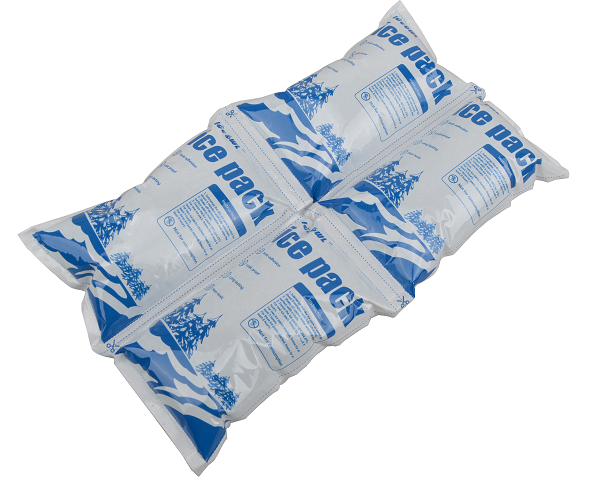
Dry Ice Pads: How to Choose, Size & Ship in 2025
If you ship perishables, dry ice pads can keep food safe or frozen when used correctly—and compliant labeling matters when real dry ice (solid CO₂) is involved. Start with simple rules: plan 5–10 lb of dry ice per 24 hours for deep-frozen lanes and keep chilled foods ≤40°F (4°C) end-to-end. For passenger travel, dry ice is limited to 2.5 kg per package. Updated: August 18, 2025.
Pick the right dry ice pads type for chilled vs. frozen lanes (long-tail: dry ice pads for shipping food).
Calculate how many dry ice pads or pounds of dry ice you need for 24–72 hours (long-tail: how many dry ice pads do I need).
Pack and label UN1845 dry ice correctly in 2025 to avoid rejections (long-tail: dry ice shipping rules 2025).
Use PCM pads and gel packs to skip hazmat when deep-freeze isn’t required.
What are dry ice pads—and which type do you need?
Short answer: Dry ice pads can mean two things. Insulated dry ice pads are fabric covers used with real dry ice to slow sublimation. Reusable “dry-ice‑style pads” are polymer/PCM sheets you hydrate or freeze; they are not CO₂ and suit chilled or moderate frozen ranges. Use real dry ice for ultracold (−78.5°C) and use pads/PCM for 2–8°C or −10°C to −20°C targets.
Why it matters: Real dry ice requires vented packaging and UN1845 marks; reusable pads/PCM don’t release gas and avoid hazmat paperwork, making handoffs simpler for many food lanes.
When should you choose PCM “dry ice pads” vs. real dry ice?
For −20°C frozen but not ultracold: pick PCM pads (e.g., 5°F/−15°C setpoints) to stabilize loads without CO₂ handling. For ultracold or hard-frozen (ice cream, long-haul meats), choose real dry ice and vent the shipper. Either way, pre-chill products and fill voids to slow heat gain.
| Pad / Refrigerant Type | What it is | Typical Temp Band | What it means for you |
|---|---|---|---|
| Insulated dry ice pad (cover) | Fabric/insulated topper used with dry ice | Works with −78.5°C | Reduces sublimation during frequent access; not a coolant by itself. |
| Hydrated “dry-ice‑style” pad sheet | Polymer cells you wet/freeze | ~10–32°F (−12–0°C) | Great for 2–8°C chilled; easy, non‑hazmat; flexible fit. |
| PCM panel (~5°F/−15°C) | Fixed‑setpoint phase‑change pack | ~5–20°F (−15–−6°C) | Bridges chilled–frozen gap; more stable than gel; no CO₂ gas. |
| Dry ice (CO₂, UN1845) | Solid carbon dioxide | −78.5°C (−109.3°F) | Best for ultracold; requires venting + labeling; plan mass carefully. |
Practical tips for you
Frequent access? Add an insulated dry ice pad over dry ice between picks to slow loss.
Chilled lanes (≤40°F): Use dry ice pads (sheets/gel) and pack tight; add a 5°F PCM if ambient is hot.
Frozen (−20°C) without hazmat: Use PCM pads around the payload for a flat cold plateau.
Real case: A cheesecake brand compared six “dry‑ice‑style” pads + two PCM panels vs. 12 lb dry ice in a 30‑qt shipper over 30 hours. Pads/PCM held 34–38°F with zero leaks; dry ice kept rock‑solid frozen—ideal for hard‑frozen SKUs.
How many dry ice pads—or pounds of dry ice—do you need?
Planning rules you can trust: For chilled lanes, start with ≈1 lb of pad/gel per cubic foot per 24 h; scale up 25–50% for hot routes or thin insulation. For deep‑frozen, plan 5–10 lb of dry ice per 24 h per well‑insulated box. Validate with a small test and a logger before you scale.
Quick estimator (copy/paste):
| Container Size | Dry ice pads for 24 h (chilled) | Dry ice for 24 h (frozen) | What this means for you |
|---|---|---|---|
| 25‑qt shipper | 2–3 hydrated pad sheets + 1 PCM panel | ~10–15 lb | Pads hit 33–40°F; use dry ice for hard‑frozen outcomes. |
| 45‑qt shipper | 4–5 pad sheets + 2 PCM panels | ~15–20 lb | Layer top & bottom for uniform temps. |
| 60‑qt shipper | 6 pad sheets + 2–3 PCM panels | ~18–25 lb | Fill voids and pre‑chill cargo to slow heat gain. |
Field‑tested sizing cues
Hot route or long transit? Add 25–50% coolant and consider PCM to smooth swings.
Benchmark: A 25‑qt cooler typically needs ~10–15 lb/day of dry ice for frozen results.
How to pack with dry ice pads (and with dry ice) for safe delivery?
Chilled with pads/PCM/gel (no hazmat):
Pre‑chill product ≤40°F; line bottom with pads; flank with PCM on the sides; top with gel; fill voids; fully seal (no vent needed for pads/gel).
Frozen with dry ice (hazmat):
Freeze solid, place dry ice on top (cold sinks), vent package, and mark: “Dry Ice” or “Carbon Dioxide, solid,” UN1845, net dry‑ice weight (kg), plus Class 9 label. Follow the 2025 acceptance checklist.
Labeling & 2025 compliance made simple (UN1845)
Venting: Never airtight—allow CO₂ to escape to avoid rupture.
Marks: Proper shipping name, UN1845, net kg, shipper/consignee, Class 9 diamond.
Air travel: 2.5 kg dry ice per passenger package, airline approval required.
Postal/Express: USPS air ≤5 lb; FedEx/UPS mirror IATA/49 CFR for packaging & marks.
Copy‑ready label text (example):
Pro tips that prevent warm arrivals
Precondition: Freeze PCM/gel 24–36 h; pre‑chill boxes.
Placement: Dry ice on top; pads bottom + top; minimize headspace.
Validation: Drop a mini temperature logger in pilot boxes; standardize SOPs by lane.
Case in one line: With six pad sheets + two PCM panels, a 30‑hour lane held 34–38°F and avoided DG fees, while the same box with 12 lb dry ice arrived frozen solid. Choose per SKU and promise.
2025 trends in dry ice pads & cold chain—what changed?
Snapshot: The 2025 IATA DGR (66th ed.) and carrier checklists formalize UN1845 weight/marking clarity; PCM adoption grows as brands seek non‑DG stability for −20°C runs; VIP liners and better insulation reduce required coolant mass. Expect hybrid packs: PCM dry ice pads around the payload, with a smaller dry‑ice topper for margin.
Latest progress at a glance
Checklist clarity: Fewer acceptance rejections when UN1845 and net kg are on the same panel.
−20°C PCM maturity: More vendors, better hold times, simpler reconditioning.
CO₂ supply dynamics: Mixed strategies hedge price/availability risk with PCM hybrids.
Market insight: As insulation improves (e.g., VIP liners), you’ll often ship the same payload with fewer pads or less dry ice, trimming freight and DG fees without sacrificing temperature.
Frequently Asked Questions
1) Are dry ice pads the same as dry ice?
No. Insulated pads cover real dry ice to slow loss; reusable “dry‑ice‑style” pads are gel/PCM and suit chilled/moderate frozen—not ultracold −78.5°C.
2) How much dry ice per day should I plan?
Start with 5–10 lb per 24 h in a quality shipper; add 20–30% for summer lanes; verify with a test.
3) Do PCM “dry ice pads” need hazmat labels?
No. PCM pads don’t release CO₂ gas and don’t require Class 9 labels—still validate duration.
4) Can I fly with dry ice?
Yes—up to 2.5 kg per passenger package in a vented container with airline approval and proper marks.
5) What food safety target should I follow for chilled shipments?
Keep foods ≤40°F (4°C) from packout through delivery; log pilot runs to confirm.
Summary & next steps
Key points: Use dry ice pads (pads/gel/PCM) for chilled or −20°C lanes; choose dry ice for ultracold, and vent + label UN1845 correctly. Plan 1 lb/ft³/24 h for pads/gel and 5–10 lb/24 h for dry ice, then validate with a logger. Keep food ≤40°F across the journey.
Action plan:
Set your temperature goal (chilled vs. frozen).
Pick the coolant: pads/PCM for chilled/−20°C; dry ice for ultracold.
Use the estimator above; add a summer buffer.
Print labels (if using dry ice) and follow the 2025 checklist.
Run a lane pilot, review data, then codify your SOP.
60‑Second Coolant Picker (interactive checklist)
I need ultracold (≤−70°C) → Dry ice + insulated pad cover; UN1845 label; vented.
I need frozen (−20°C) → PCM “dry ice pads” around payload; avoid DG paperwork.
I need chilled (2–8°C) → Hydrated pad sheets/gel; full coverage; minimal headspace.
About Tempk
We design cold‑chain systems that meet your exact temperature and duration at the lowest total landed cost. Our engineers benchmark dry ice pads, gel, PCM, and insulation against your lanes, then deliver clear SOPs, safety notes, and label templates—validated with data loggers.
CTA: Want a free one‑lane packout template or sizing check? Talk to a Tempk specialist today.
Dry Ice Packs XL: 2025 Sizing, Safety & Rules
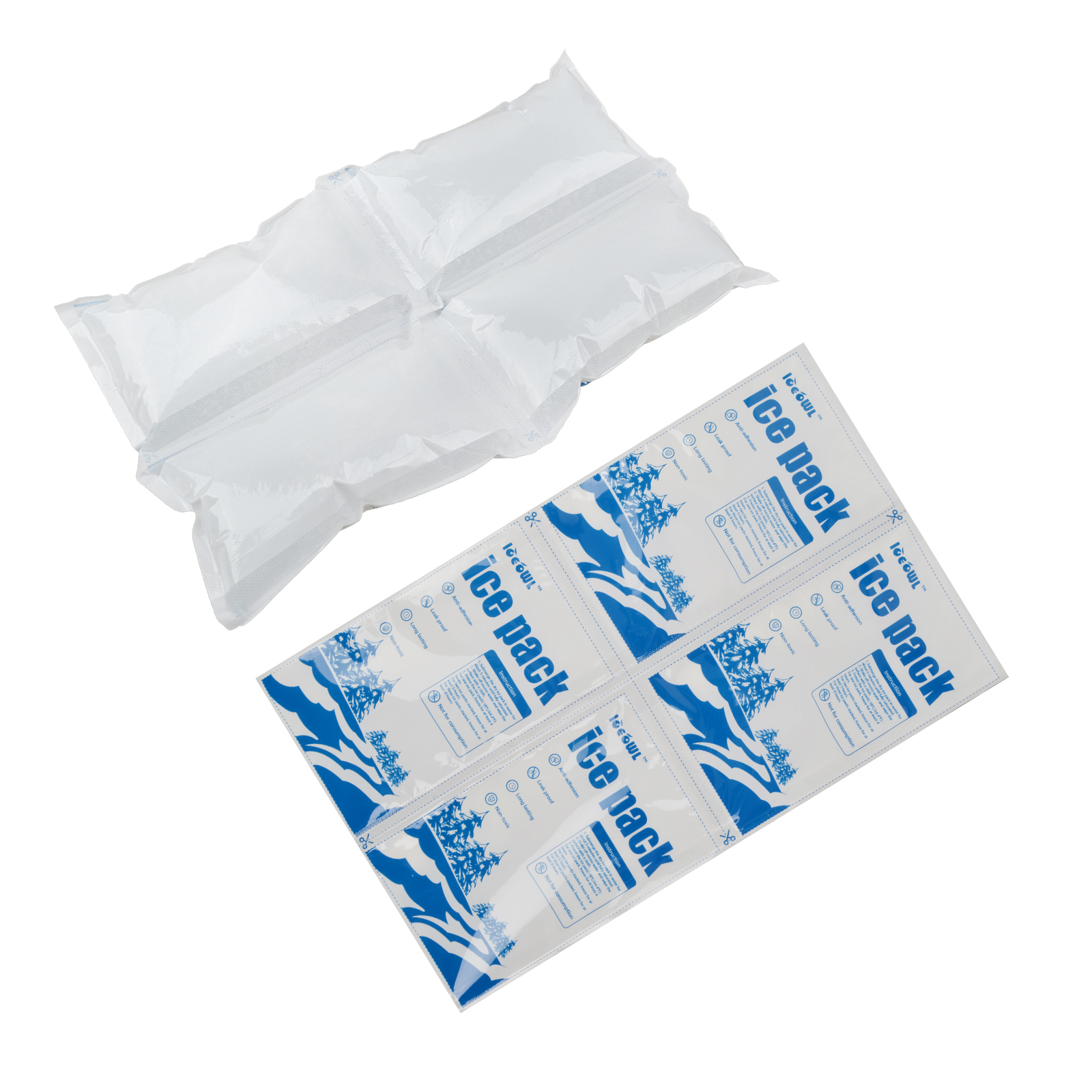
Dry Ice Packs XL: How to Size and Ship in 2025
Updated: August 18, 2025 — 7–9 min read
If you ship perishables, dry ice packs xl help you hold temperature longer with fewer pieces and simpler handling. Use XL gel or PCM packs for 2–8 °C and most frozen lanes; move to dry ice only when you need ultracold or extra‑long routes. Plan dry ice at ~5–10 lb per 24 h, and remember USPS caps air mail at ≤5 lb per piece. Validate with lane tests and a logger.
How dry ice packs xl differ from dry ice, and when to choose each
XL sizes, dimensions, and fit tips for 24–96 h lanes
A copy‑and‑paste packout estimator for gel/PCM and dry ice
2025 rules: UN 1845, Class 9 label, net mass, venting (air & postal)
Trends: −21 °C PCM, drain‑safe gels, EPR‑driven reuse programs
What are “dry ice packs xl,” and when should you use them?
Short answer: Dry ice packs xl are extra‑large gel or PCM bricks (often 48–64 oz) that hold a target band (e.g., 2–8 °C or −20 °C class) without hazmat steps. Use them for chilled or moderate frozen shipments. Choose dry ice (solid CO₂ at −78.5 °C) for ultracold targets or long, hot lanes where gel/PCM cannot hold.
Why it matters: Gels and PCMs “park” temperature near their phase point, reducing freeze damage to sensitive foods or biologics. Dry ice drives far colder and lasts longer but triggers UN 1845/Class 9 labeling and venting. A practical default: dry ice packs xl for 2–8 °C and many frozen SKUs; dry ice only when route risk demands it.
XL sizes and fit for dry ice packs xl
Standardized XL footprints let you design once and dual‑source later.
| XL Reference | Typical Weight | Typical Size (L×W×H) | What it means for you |
|---|---|---|---|
| XL Gel Pack | 48 oz | ~10.25″×7.75″×1.5″ | Fewer pieces for 48–72 h lanes; easy training. |
| XL+ Gel/PCM | 64 oz | ~11″×8″×2″ | Higher cold mass for 72–96 h; reduces air gaps. |
| −21 °C PCM Brick | 48–64 oz | 7–10″×11″ class | Subzero holds without −78.5 °C overcooling. |
Fit tip: Tight fit beats extra mass. Eliminate voids before adding more coolant. For freeze‑sensitive payloads, buffer with corrugate or switch to 4–5 °C PCMs.
Practical tips you can use today
Precondition: Freeze gels/PCMs solid (24–48 h at ≤−18 °C); pre‑chill the shipper.
Placement: For gel/PCM, ring the sides and lid; for dry ice, place on top and keep vents clear.
Seafood: Never use dry ice with live seafood—use gel/PCM only.
Real‑world result: A frozen treat brand swapped four 32 oz packs for two 64 oz dry ice packs xl plus a small summer dry‑ice “topper.” RMAs fell by ~70% and delivery windows widened by 6–10 h on hot lanes.
How many dry ice packs xl do you need?
Quick start: For 2–8 °C, target ~1 lb gel per ft³ per 24 h as a starting point. For −20 °C class, test −21 °C PCM first; add a small dry‑ice booster only if trials fail. If you must use dry ice, plan ~7.5 lb per 24 h as a midpoint and label UN 1845 with net mass (kg). Always validate on your route.
Copy this estimator and tweak for your lane:
Important: Insulation, fit, preconditioning, and ambient drive outcomes. Use a data logger and run 2–3 pilots before scaling.
Which cooling path fits your target?
| Cooling option | Typical Target | Planning signal | What it means for you |
|---|---|---|---|
| XL Gel (0 °C) | 2–8 °C | 24–48 h (insulation‑dependent) | Meal kits, dairy; no hazmat. |
| XL PCM −16/−21 °C | Soft to deep frozen | 24–72 h | Subzero without ultracold risk; safer handling. |
| Dry Ice (−78.5 °C) | Deep‑frozen/ultracold | ~5–10 lb per 24 h | Long/hot lanes; label, vent, record net mass. |
Actionable tips
Short summer lanes (≤48 h): 2–3 dry ice packs xl per ~5 kg payload, placed around sides and lid.
Ice cream (−12 to −18 °C): Run XL −21 °C PCM around the perimeter; add a small dry‑ice topper in July/August.
Clinical swabs/vials (ultracold): Vented dry‑ice shipper; list UN 1845 and net mass (kg) on the label/air waybill.
Dry ice vs dry ice packs xl: which is right for your lane?
Bottom line: Choose dry ice packs xl for most refrigerated and many frozen shipments. Use dry ice for −70 °C class or long, hot lanes. Dry ice is regulated as UN 1845 (Class 9), requires vented packaging, and must show net dry‑ice mass (kg). USPS air mail is limited to ≤5 lb per piece.
2025 labeling & venting checklist (air & postal)
Mark UN 1845 and display a Class 9 hazard diamond (≥100 mm).
Record net dry‑ice mass (kg) on the label/air waybill.
Keep the shipper vented; never seal dry ice in an airtight container.
USPS air: ≤5 lb dry ice per mailpiece; additional packaging/marking rules apply.
Safety note: CO₂ exposure limits matter on pack lines and in vehicles. OSHA 8‑h TWA is ~5,000 ppm; NIOSH STEL is ~30,000 ppm. Ventilate, monitor, and train.
2025 compliance & EHS for dry ice packs xl and dry ice
IATA 2025: Use the current acceptance checklist for dry ice as a refrigerant; no DG declaration is needed when cooling non‑dangerous goods, but UN 1845, net mass, and venting are mandatory.
Carrier specifics: Follow UPS/FedEx job aids for label size and wording; check operator variations before booking.
USPS Pub 52 (Air): ≤5 lb cap per mailpiece; surface services can exceed.
2025 trends in cold chain and dry ice packs xl
Reusable −21 °C PCM “dry‑ice alternatives”: More lanes can avoid hazmat while meeting subzero targets; validate on your route.
Drain‑safe & “no‑sweat” gels: Better unboxing and simpler disposal guidance for DTC programs.
EPR momentum: Oregon’s Recycling Modernization Act launched July 1, 2025; CA/CO/MN are in 2025 phases. XL PCM programs and take‑back loops reduce single‑use refrigerant waste.
Frequently Asked Questions
Q1: Are “dry ice packs xl” literally dry ice?
No. They are extra‑large gel or PCM packs that avoid dry‑ice hazmat steps. Use them for 2–8 °C or moderate frozen; reserve dry ice for ultracold or long, hot routes.
Q2: How many dry ice packs xl for 36 h at 2–8 °C?
Start near 0.25 pack‑mass per kg payload and add a summer factor (e.g., ×1.2). Validate with a logger and a small pilot.
Q3: Will frozen gels freeze vaccines?
Yes, they can. For refrigerated biologics, use 4–5 °C PCMs and add a buffer layer.
Q4: Can I mail dry ice?
Yes, domestically, but USPS air caps dry ice at ≤5 lb per mailpiece and requires specific packaging and venting.
Q5: How fast does dry ice “disappear”?
Plan on ~5–10 lb per 24 h; add a day of margin for delays. Test on your lane.
Summary & recommendations
Use dry ice packs xl for most 2–8 °C and many frozen shipments; switch to dry ice for ultracold or extended summer routes. Precondition packs, eliminate voids, and place gels/PCMs around the sides and lid. If dry ice is present, label UN 1845, display the Class 9 diamond, record net mass (kg), and vent the box. Validate with pilots and a logger before you scale.
Next steps (CTA):
Map SKUs by temperature target and route duration.
Pilot two packouts (XL PCM‑only vs. hybrid with a small dry‑ice topper).
Standardize label/vent SOPs where dry ice appears.
Launch an XL PCM return/reuse loop to support 2025 EPR goals. Talk to Tempk for a fast packout audit.
About Tempk
We design, test, and standardize passive cold‑chain packouts that cut costs without risking payloads. Our team specializes in XL PCM bricks and gel systems for 2–8 °C and frozen lanes—and compliant dry‑ice workflows when required. Clients see fewer out‑of‑spec deliveries and lower shipping costs through accurate sizing, better insulation, and clear SOPs aligned with 2025 regulations.
Dry Ice Packs Woolworths: 2025 Buyer’s Guide

Updated: August 18, 2025
You’re searching for dry ice packs Woolworths and need a straight, up‑to‑date answer. As of August 18, 2025, Woolworths sells gel ice packs and freezer bricks, not CO₂ dry ice. This guide shows you exactly what to buy for chilled or frozen food, how to pack and label boxes, and a simple rule to size dry ice (5–10 lb per day). Insights reflect current AU/NZ retail listings and carrier rules .
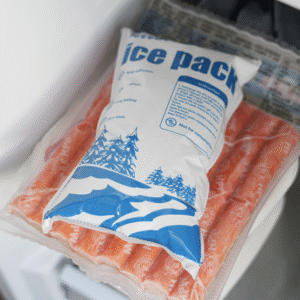
dry ice packs Woolworths availability and what you actually get in store.
How to choose between gel, PCM, and CO₂ dry ice for your route.
Exactly how to pack, label, and vent a frozen box for air or road.
How much dry ice to buy and when PCM beats dry ice for simplicity.
2025 updates on carrier acceptance, safety, and sustainable insulation.
Do dry ice packs Woolworths actually keep food frozen long enough?
If you arrived here after searching dry ice packs Woolworths, this section gives you the quick, practical answer you need.
Short answer: use gel bricks from Woolworths for chilled windows and real dry ice for multi‑day frozen holds. In stores, “dry ice packs” means reusable gel bricks, which hold about 0–5 °C for hours. To keep ice cream or meat frozen for 24–72 hours, you’ll need CO₂ dry ice in a vented shipper with UN1845 labels. Plan roughly 2.3–4.5 kg per 24 hours per small cooler. That’s the practical line between gel convenience at Woolworths and true frozen control with dry ice.
Think about your lane first: distance, outside temperature, and target range. For chilled groceries or last‑mile meal kits, dry ice packs Woolworths (gel bricks) are perfect—fast, safe, no hazmat steps. For frozen shipments over 12–36 hours, switch to phase‑change material (PCM −20 °C) or true dry ice. Dry ice sits at about −78.5 °C and must be packed in ventilated boxes; never airtight. Air services and some couriers have clear rules, and business accounts may use dry ice on specific networks with correct markings. Pre‑freeze the payload to ≤ −18 °C, fill voids, and keep coolant on top and bottom for even headspace cooling. Following these basics prevents “half‑thawed on arrival” surprises.
How much dry ice do you really need for 24–72 hours?
Many readers type dry ice packs Woolworths when they really need guidance on gel vs dry ice—here’s how to decide fast.
For planners searching dry ice packs Woolworths and then buying real dry ice elsewhere, use this simple estimator. Start at 2.3–4.5 kg per 24 h for an 8–15 L insulated shipper. Multiply by transit days, then adjust for insulation quality and heat. Example: a 36‑hour interstate lane in summer with a 12 L box needs about 7–9 kg total. Always pre‑chill the shipper, hard‑freeze the product, and place dry ice above and below the payload. Validate on your route once, then fine‑tune ±10–20% by season.
| Refrigerant choice | Temp range | Typical hold | What it means for you |
|---|---|---|---|
| Gel ice packs (dry ice packs Woolworths) | ~0–5 °C | Hours to ~1 day | Easy chilled control for groceries and short hops; no hazmat. |
| PCM sub‑zero bricks | −5 °C to −25 °C | 1–2 days+ | Strong frozen support without UN1845 paperwork; pack tightly. |
| Dry ice (CO₂, UN1845) | ≈ −78.5 °C | 1–3 days+ | Best for deep‑frozen shipments; vented shipper and labels required. |
Practical tips you can use today
Bookmark this if dry ice packs Woolworths is a frequent query from your team or customers.
Metro grocery run: Freeze two gel bricks overnight, place one on top inside an insulated bag, and keep openings minimal.
Same‑day ecommerce: Combine gel bricks with a dense liner; stage orders in a pre‑chilled tote before courier pickup.
48–72 h frozen: Book dry ice, use a validated EPS/EPP shipper, label UN1845 with net kg, and leave a vent path.
Real‑world case: A Sydney meal‑prep brand moved from gel bricks to dry ice for a 36‑hour interstate run. Ice‑crystal retention in ice cream improved, temperatures stayed below −18 °C, and customer complaints dropped. They kept gel for local drops and reserved dry ice for linehaul, reducing spoilage and chargebacks without increasing packing time.
Where can you buy real dry ice if “dry ice packs Woolworths” isn’t true dry ice?
For teams that ask about dry ice packs Woolworths, the labeling checklist below prevents avoidable delays.
Get gel bricks at Woolworths; get CO₂ dry ice from specialty suppliers. Supermarkets stock reusable gel packs and freezer bricks. For pellets or slabs of dry ice, use gas suppliers with local depots and delivery options. Plan pickup windows, minimum order sizes, and holiday hours. Carry insulated gloves and a vented cooler; transport in a well‑ventilated vehicle. Order one day ahead to avoid stockouts during heatwaves.
When your route demands frozen‑solid control, bypass retail and buy dry ice from a gas or industrial supplier. They offer different formats—pellets for surface coverage and slabs for longer hold time. Ask about pellet size (e.g., 3 mm vs 10 mm) and packaging (poly bags vs waxed boxes), because sublimation rates vary. Confirm weekend hours and whether they can split orders for multiple pickups. Some couriers accept UN1845 with proper markings on specific services, while others prohibit it entirely—design your coolant plan around acceptance lists. If a carrier disallows dry ice, combine sub‑zero PCM with high‑R insulation and shorten the lane using timed delivery windows.
Labeling and documents for dry ice packs Woolworths shippers (plain English)
Mark the outer box “Dry ice” or “Carbon dioxide, solid,” add UN1845, and state the net weight of dry ice in kilograms. Use vented packaging—never airtight liners—and leave a clear gas‑escape path. For air, include the required entries on the consignment note; a shipper’s declaration is usually not needed when dry ice cools non‑dangerous goods. Keep CO₂ away from the product itself and avoid contact with skin by using insulated gloves and eye protection. Train your team and keep a simple acceptance checklist at the packing bench.
How do you pack a frozen box step‑by‑step (dry ice packs Woolworths or PCM)?
If dry ice packs Woolworths brought you here, use this SOP to standardize every packout.
Follow this simple SOP to avoid thawed deliveries. It starts with pre‑conditioning and ends with a labeled, vented, tightly packed shipper. Use gel for chilled, PCM for mid‑length frozen, and dry ice for long frozen lanes.
Clarify target temperature (chilled 0–5 °C, frozen ≤ −18 °C) and transit time.
Pre‑freeze product to target and pre‑chill the shipper for at least 2 hours.
Choose coolant: gel (short chilled), PCM −20 °C (12–36 h frozen), or dry ice (24–72 h).
Layer: coolant at the bottom, product centered, coolant on top; fill voids to stop convection.
Leave a vent path when using dry ice; never seal liners airtight.
Mark UN1845 and net kg of dry ice on the outer box; note details on paperwork.
Stage packed boxes in a cool area; minimize lid‑open time during handoff.
Quick Lane Selector (interactive checklist)
If ambient ≤ 25 °C and transit ≤ 6 h → gel bricks from Woolworths.
If transit 12–36 h and must stay frozen → PCM −20 °C + dense liner.
If ambient ≥ 30 °C or transit > 36 h → dry ice 2.3–4.5 kg per day, vented shipper, UN1845 labels.
2025 trends for dry ice packs Woolworths shoppers
Trends matter: searching dry ice packs Woolworths is common, but the best answer often blends gel, PCM, and dry ice.
Reusable systems and smarter refrigerants are reshaping everyday cooling in 2025. Retailers still favor gel bricks for convenience, while shippers lean on PCM and dry ice for performance. High‑R recyclable liners are replacing bulky foams, and biobased PCM chemistries expand the −5 °C to −25 °C range. IoT loggers are cheaper and smaller, making lane validation practical even for small teams. For you, this means fewer leaks, tighter temperature control, and simpler compliance—even when summer heat spikes. Expect clearer carrier policies and more off‑the‑shelf, validated packouts that reduce testing cycles.
Latest progress at a glance
Retail convenience: Wider gel‑brick assortment at supermarkets for short, safe chilled windows.
Carrier clarity: More transparent accept/ban lists for UN1845 across air services.
Safety focus: Stronger guidance on venting and PPE in public resources and SOPs.
Cold‑chain demand tracks ecommerce growth in food and healthcare, with reusable packaging and PCM solutions rising fastest. Industry estimates point to high‑single‑digit CAGR through the early 2030s as brands seek waste reduction and tighter control. For SMB shippers, the winning mix is clear: gel for metro same‑day, PCM for 12–36 h, and dry ice for 24–72 h. This portfolio cuts claims, keeps freight light, and aligns with carrier acceptance while maintaining product quality year‑round. Expect more retailer education on safe gel‑pack disposal and broader take‑back programs for liners and bricks.
Frequently Asked Questions
These FAQs reflect the questions we hear after people search dry ice packs Woolworths—use them in training.
Q: Can I actually buy dry ice at Woolworths when I search “dry ice packs Woolworths”?
Woolworths typically sells gel ice packs and freezer bricks, not CO₂ dry ice. Use Woolies gel for chilled trips. For real dry ice, order from a gas supplier and follow UN1845 labeling, net‑weight marking, and venting basics to stay compliant and safe throughout transit.
Q: How long do gel bricks keep groceries safe in summer?
In an insulated bag or cooler, two frozen gel bricks can keep food in the 0–5 °C range for several hours. Pre‑chill items, fill empty space, and resist opening the bag often—these three steps extend safe time noticeably on hot days.
Q: When should I choose PCM instead of gel or dry ice?
Pick PCM when you need a tight temperature plateau (e.g., −16 °C or +5 °C) without dangerous‑goods paperwork. For 12–36‑hour lanes or heat‑sensitive goods like chocolate, PCM prevents swings better than gel and avoids dry‑ice restrictions entirely. It’s also reusable and helps standardize packouts across seasons.
Q: What’s the simple dry‑ice sizing rule I can trust?
Plan about 2.3–4.5 kg per 24 hours for a small, well‑insulated shipper, then adjust for heat and box size. Always validate once on your own route, then seasonally fine‑tune the amount by roughly ±10–20% for reliability and cost control. That quick test prevents spoilage and avoids costly reships.
Q: Is dry ice allowed with every courier?
No. Some networks accept UN1845 under defined conditions; others prohibit it entirely. Check the latest service guides, match coolant to policy, and switch to PCM on routes where dry ice isn’t accepted by that carrier, especially during peak seasons. Always plan your coolant around acceptance first, not the other way around.
Q: How do I dispose of used gel packs safely?
Follow the manufacturer’s instructions. Some gels can be binned with general waste; sleeves may be recyclable. If instructions are unclear, keep gels out of sinks and contact the supplier for an approved method before disposal to protect plumbing and waterways.
Summary and Recommendations — for dry ice packs Woolworths planners
Final note for anyone Googling dry ice packs Woolworths: choose by temperature and time, then match to carrier policy.
Choose refrigerant by temperature and time: gel for chilled windows, PCM for mid‑length frozen, dry ice for long frozen. If you searched dry ice packs Woolworths, remember Woolworths sells gel bricks, not CO₂ dry ice. Use vented shippers, mark UN1845 when applicable, and validate lanes before scaling. Get sizing roughly right with 2.3–4.5 kg per 24 h and fine‑tune by season. This disciplined approach cuts claims, protects margins, and keeps customers happy year‑round.
Map your three most common lanes and target temps. If your team keeps asking about dry ice packs Woolworths, standardize answers in one SOP. Pick the matching packout from the Quick Lane Selector, run one validation per lane, and record results. If you need a lane‑specific blueprint, contact Tempk for a free planning session—we’ll size gel, PCM, or dry ice and recommend an insulated shipper and labels. Prefer internal SOP links and printable checklists so packers can execute consistently during peak periods.
Suggested Internal Links
How to ship frozen meat with dry ice (UN1845 guide) — Step‑by‑step labels, packing photos, and acceptance checklist. Designed for dry ice packs Woolworths searches.
PCM temperature guide: −5 °C to −25 °C options — Pick the right PCM plateau for chocolate, dairy, or frozen foods. Designed for dry ice packs Woolworths searches.
Insulated shipper comparison: EPS vs recyclable liners — Compare hold times, weight, and sustainability trade‑offs. Designed for dry ice packs Woolworths searches.
Cold‑chain validation: how to run a lane test — A one‑page SOP for repeatable, low‑cost trials. Designed for dry ice packs Woolworths searches.
Printable dry‑ice labels (UN1845 templates) — Download and print compliant markings in minutes. Designed for dry ice packs Woolworths searches.
About Tempk — trusted help for dry ice packs Woolworths queries
Tempk designs practical cold‑chain packaging and planning tools for ecommerce food and healthcare. We combine validated insulated shippers with gel, PCM, and dry‑ice sizing to hit target temperatures at the lowest total cost. Our team maintains simple SOPs, calculators, and acceptance checklists that speed validation and reduce claims. Clients choose us for clear guidance, lane‑based designs, and fast support that scales. We back recommendations with bench testing and field data so you can ship confidently in any season.
Call to action: Ready to plan your lane? Talk to a Tempk specialist for a tailored coolant plan and validated shipper recommendation.
Dry Ice Packs Wholesale: Buy, Size & Ship in 2025
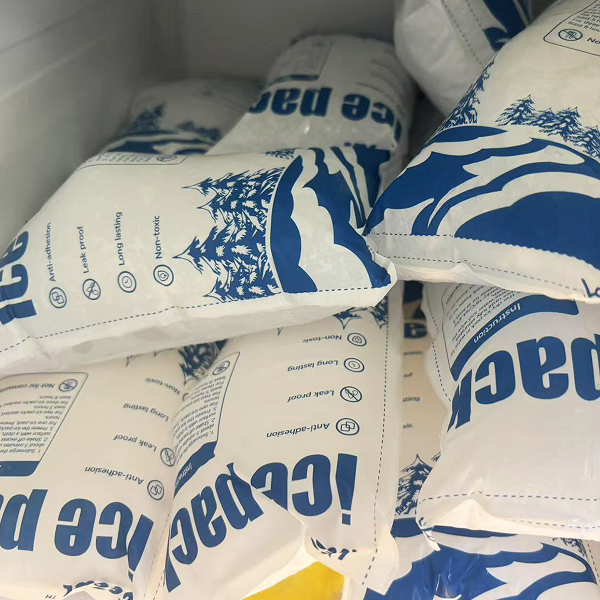
In 2025, dry ice packs wholesale helps you keep frozen products at −78.5°C with fewer claims and cleaner audits. Start with 5–10 lb per 24 hours, validate on your hottest lanes, and follow IATA PI 954’s 200 kg per package ceiling. This guide shows you exactly how to size, pack, label, and ship—so you cut spoilage while staying compliant. You’ll also see when to switch to gel packs or PCM.
How to size dry ice packs wholesale for 24–72 hours using a simple rule of thumb and calculator (your dry ice packs wholesale estimator is below).
What UN1845 labels, airway bill fields, and venting rules you must follow in 2025 when shipping dry ice packs wholesale.
Which insulation beats heat for dry ice packs wholesale: EPS vs PUR vs VIP, and how wall thickness changes hold time.
When to use gel packs or PCM instead of dry ice packs wholesale for chilled lanes—and how to combine them.
How should you size dry ice packs wholesale for 24–72 hours?
Start with 5–10 lb per 24 hours per medium insulated shipper, then adjust for insulation, ambient heat, and porch dwell. Convert pounds to kilograms for air labels and log each pilot run. Begin with frozen product, keep void space tight, and plan a 10–20% buffer in summer for dry ice packs wholesale lanes. Most teams reach stable results after two or three lane tests with data loggers and delivery-weight checks.
Why it works: Sublimation rises with poor insulation and airflow. If your EPS wall is under 1.5–2 inches or you expect >30 °C routes, you’ll need more refrigerant. Upgrade insulation first; adding mass is your second lever. For aircraft safety, regulators model CO₂ buildup conservatively—don’t confuse those assumptions with hold-time planning. Pilot on your hottest lane, then standardize a table per box size for dry ice packs wholesale programs.
How much dry ice per day do you really need?
A practical midpoint is 7.5 lb/day for a medium EPS shipper. Add +2 lb/day for thin EPS (<1.5″) or hot lanes, and subtract 1 lb/day when using VIP inserts. Always include an extra day if doorstep dwell is common. Validate with three boxes and tune ±15–20% from the midpoint.
| Sizing scenario | Insulation | Transit | Suggested dry ice | What it means to you |
|---|---|---|---|---|
| Frozen meals | EPS 1.5–2″ | 48 h | 16–20 lb | Baseline for typical D2C orders |
| Ice cream, summer | EPS 2″ | 48–60 h | 22–28 lb | More buffer for porch time |
| Biologics | VIP shipper | 24 h | 6–8 lb | Premium insulation reduces mass |
Practical tips that actually save shipments
Stage close to packout: Reduce open-air time so sublimation starts in the box, not on the dock.
Place refrigerant above the payload: Cold falls; spacing prevents “freezer burn” spots.
Instrument pilots: Use data loggers and weigh remaining dry ice at delivery; adjust by +/–15%.
Real-world case: A national ice‑cream brand standardized vented lids and 2″ EPS, then tuned mass by lane. Summer “soft product” complaints fell 23% while deliveries held at ≤ −18 °C during 48‑hour ground routes.
Use this quick calculator to plan dry ice packs wholesale loads per order.
What packaging and insulation pair best with dry ice packs wholesale?
Pair dry ice packs wholesale with rigid insulation (≥1.5–2″ EPS or better), a ventilated lid or loose-fit liner, sturdy outer corrugate, and snug dunnage to minimize headspace. Thicker walls and tighter void fill cut sublimation; vent paths prevent pressure buildup in dry ice packs wholesale shipments. PUR improves R‑value over EPS; VIPs perform best but demand careful handling and cost more.
EPS vs VIP—what cooler thickness is enough?
Use EPS 1.5–2″ as the minimum for frozen foods. Consider VIP panels on hot lanes, 48–72‑hour routes, or high‑value payloads to cut refrigerant mass by ~10–20%. Avoid hermetically sealed inner liners with dry ice; CO₂ must escape.
| Insulation choice | Typical wall | Relative performance | What it means to you |
|---|---|---|---|
| EPS (polystyrene) | 1.5–2.0″ | Good | Low cost; add more dry ice on hot lanes |
| PUR (polyurethane) | 1.5″ | Better | Smaller boxes at same hold time |
| VIP panels | 0.5–1.0″ | Best | Highest hold; reduces mass and DIM weight |
Packout details that matter
Reduce headspace: Right‑size shippers; add paper or foam dunnage.
Double‑box for abuse: Dry ice is brittle; protect packs from impact.
Standardize inserts: Keep dry ice separated from food surfaces in dry ice packs wholesale packouts.
How do you label and ship dry ice packs wholesale in 2025?
For dry ice packs wholesale, mark every carton with “Dry Ice” (or “Carbon Dioxide, Solid”), “UN1845,” the net weight of dry ice in kilograms, and shipper/recipient names and addresses; apply a Class 9 label and ensure venting. When cooling non‑dangerous goods, no Shipper’s Declaration is required under IATA PI 954; your airway bill must still note dry ice. Some services cap packages at 200 kg of dry ice—confirm with your operator.
UN1845 labeling made simple for dry ice packs wholesale
Weigh remaining dry ice at packout; convert lb → kg (2.2 lb = 1 kg).
Print above the label area (don’t write on the label itself):
“Dry Ice” or “Carbon Dioxide, Solid”
“UN1845”
“Net ___ kg of dry ice”
Shipper & recipient names/addresses
Apply Class 9 label; keep the face clean.
Ensure ventilation (no hermetic inner seals); use a vented lid or liner.
When should you choose gel packs or PCM instead of dry ice packs wholesale?
Use dry ice packs wholesale when you must hold products at ≤ −18 °C for 24–96 hours. Use gel packs or PCMs for chilled targets (0–8 °C) or to avoid over‑freezing sensitive SKUs. If you don’t need deep‑freeze, skip dry ice packs wholesale to save cost and complexity. Many brands run a hybrid—dry ice for frozen SKUs and PCMs for chilled items in the same parcel—to control zones and lower damage.
Dry ice vs gel packs vs PCM—what’s the right fit?
| Option | Target temp band | Typical mass per 24 h | What it means to you |
|---|---|---|---|
| Dry ice packs wholesale | ≤ −18 °C | 5–10 lb | Best for frozen foods and long routes; requires UN1845 labels |
| Gel packs | 0–10 °C | Heavy | Simple compliance; great for short, chilled lanes |
| PCM (e.g., −21 °C or +5 °C) | Set‑point specific | Moderate | Precise holds; reusable; reduce over‑cooling risk |
Actionable selection tips
If your failure mode is summer thaw, upgrade insulation first; then reduce dry ice mass.
For mixed‑temp parcels, separate zones: PCMs around produce; dry ice above frozen items.
For biologics, pre‑freeze to target temp, use VIP shippers, and document ISTA 7D/7E validation.
Quick self‑check: Is dry ice packs wholesale your best fit?
Target temp ≤ −18 °C? Choose dry ice packs wholesale; otherwise consider PCMs for 0–8 °C.
Transit > 24 h or porch dwell likely? Dry ice packs wholesale beats gel on hold‑time per pound.
Air shipping required? Confirm UN1845 marking and PI 954 venting before tendering.
2025 trends shaping dry ice packs wholesale and the cold chain
The frozen e‑commerce surge, stricter acceptance checklists, and reusable packaging growth are reshaping dry ice packs wholesale strategies. Same‑day grocery expands porch dwell time, VIP and high‑R paper shippers cut refrigerant needs, and CO₂ capture investments are easing some regional supply constraints. Expect dry ice demand to rise alongside frozen food and biologics through the early 2030s; plan contracts and safety training accordingly.
Latest progress at a glance
Faster perishables delivery: More same‑day/next‑day lanes mean you must plan extra hold for doorstep time.
Rise of reusables: Validated VIP/paper shippers reduce mass and dimensional weight on hot lanes.
Clearer acceptance: 2025 PI 954 job aids highlight venting, net‑kg markings, and no‑declaration rules for non‑DG cargos.
Market insight: Dry ice and reusable cold‑chain packaging both track mid‑single‑digit to high‑single‑digit annual growth into the 2030s. That means tighter Q3/Q4 supply and price swings in some regions. Forecast volumes early and dual‑source near production hubs to hedge seasonality.
Frequently Asked Questions
How much dry ice per day should I plan?
Start at 5–10 lb per 24 h per medium EPS shipper, then adjust for insulation and heat in your dry ice packs wholesale program. Validate with three‑box pilots and log remaining weight at delivery.
What must be printed on the box?
“Dry Ice” or “Carbon Dioxide, Solid,” UN1845, the net kg of dry ice, and shipper/recipient names/addresses—plus a Class 9 label for dry ice packs wholesale. Keep labels visible and packages vented.
Do I need a Shipper’s Declaration for air?
Not when dry ice packs wholesale is used only to cool non‑dangerous goods. Still note dry ice and net kg on the airway bill and follow PI 954.
Can dry ice touch food?
Avoid direct contact. Use separators or trays to protect surfaces and prevent “freezer burn.”
What exposure limits apply to CO₂ in packout areas?
Follow OSHA/NIOSH guidance: 5,000 ppm TWA and 30,000 ppm STEL. Ventilate, monitor, and train staff; provide insulated gloves and eye protection.
Summary & recommendations
Use dry ice packs wholesale for ≤ −18 °C holds of 24–72+ hours, start at 5–10 lb/day, upgrade insulation before adding mass, and follow UN1845 + PI 954 venting/marking. Commit these dry ice packs wholesale basics to your SOPs to keep audits clean. Right‑sized packaging, disciplined labels, and lane‑level pilots lower cost and claims. Dual‑source supply near CO₂ production and add a 10–20% summer buffer.
Next steps (action plan)
Run a 3‑box pilot on your hottest lane with data loggers.
Standardize packouts (≥1.5–2″ EPS or VIP hybrid) and label templates.
Automate net‑kg math at packout; add 10–20% summer buffer.
Pre‑book dry ice packs wholesale supply with two regional partners and review training quarterly.
About Tempk
We design practical cold‑chain solutions that hit the right temperature with the least refrigerant. Our engineers qualify lanes under ISTA 7D/7E, compare EPS vs VIP hold times, and deliver SOPs you can deploy quickly for dry ice packs wholesale operations. Two advantages you’ll notice fast: lower spoilage and cleaner operations across hubs.
Talk to an expert: Book a 30‑minute review and get a lane sizing worksheet tailored to your routes.
Dry Ice Packs: Where to Buy in 2025 (Rules & Tips)

Dry Ice Packs: Where to Buy in 2025 (Practical Guide)
If you’re asking dry ice packs where to buy in 2025, the best answer depends on whether you need real dry ice (solid CO₂) or reusable PCM/gel packs. This guide compares local pickup, online choices, and bulk suppliers, then shows how to size coolant, mark UN1845, and avoid costly mistakes while protecting product temperature. You’ll get fast decision tools and compliant pack-out steps you can use today.
Find sources fast: local, online, and bulk dry ice packs with pros and cons.
Choose the right coolant: real dry ice vs PCM “dry‑ice‑level” packs for frozen shipping.
Ship by the book: 2025 UN1845 labels, Class 9 for air, and USPS/FAA limits.
Right‑size costs: simple 5–10 lb/24 h rule, plus insulation upgrades that save mass.
Act with confidence: a 60‑second chooser and a step‑by‑step pack-out workflow.
Where to buy dry ice packs near you in 2025?
Short answer:
Buy real dry ice from industrial gas distributors and grocery chains that stock it; buy “dry‑ice‑level” packs (PCMs) from packaging vendors when hazmat steps aren’t practical. Industrial gas suppliers offer pellets/blocks and consistent quality; grocery kiosks are ideal for small, same‑day needs; packaging suppliers bundle insulated shippers with gel/PCM packs for non‑hazmat routes.
What this means for you:
Pick local pickup for urgency and freshness, or schedule distributor delivery for recurring volumes. Use packaging vendors when you need shippers, labels, and coolant in one order. For reusable options, consider −21 °C PCM for many frozen lanes and 0 °C gel for 2–8 °C.
Local vs. delivery: when does each win?
| Source type | Typical options | Lead time | What it means for you |
|---|---|---|---|
| Industrial gas distributor | Pellets, nuggets, blocks | Same day–48 h | Consistent quality; trained staff; best for volume. |
| Grocery retail | Pre‑cut blocks (varies) | Same day if in stock | Fastest for small runs; call ahead. |
| Packaging supplier | Insulated shippers, gel/PCM | 1–3 days+ | Non‑hazmat routes or mixed coolant kits. |
Practical buying tips
Reserve before heat waves/holidays. CO₂ supply can tighten; add time buffers.
Confirm what you’re buying. Many “dry ice packs” online are PCM or gel, not solid CO₂; check rated temperature (e.g., −21 °C vs −78.5 °C).
Bundle supplies. Order UN1845/“Dry Ice” marks, Class 9 labels (for air), liners, and shippers together to avoid last‑minute scrambles.
Real case: A bakery used grocery kiosks for weekend runs and a distributor mid‑week for pellets. With a 20% summer buffer and one standard foam shipper, spoilage claims dropped near zero.
Dry ice packs where to buy online vs. in‑store—what’s smarter?
Bottom line:
In‑store pickup wins for urgent, small quantities. Online/specialized vendors win for planning, variety, and bundled kits. If you see “dry ice packs” online, they’re often reusable PCMs or gel, not CO₂; that’s great for non‑hazmat lanes but won’t reach −78.5 °C.
Spot real dry ice vs. “dry ice” packs (reusables)
| Coolant type | Typical phase point | Hazmat (air) | Best use | Meaning for you |
|---|---|---|---|---|
| Real dry ice (CO₂) | ~−78.5 °C | Yes | Deep‑frozen, long lanes | Highest cold power; label & limit apply. |
| PCM pack (“−21 °C”) | ≈−15 to −21 °C | Usually No | Frozen foods without hazmat | Easier ops; validate duration. |
| Gel pack (0 °C) | ≈0 °C | No | 2–8 °C chilled | Simple, cheap; not for rock‑solid frozen. |
Dry ice packs where to buy for bulk and B2B orders?
Go direct to industrial gas distributors for recurring dry ice orders and spec sheets. Pair with contract packaging suppliers for palletized shippers, liners, and labels. For cross‑border programs, use regional suppliers to reduce transit time and freight.
Bulk & international tips
Estimate weekly usage (e.g., 50 boxes × 5 lb = 250 lb/week). Order a buffer for summer lanes.
Plan storage & handling. Dry ice sublimates; use vented, insulated storage. Train on PPE and safe handling.
Check air shipment limits and markings if your bulk order moves by air.
Leverage supplier expertise for pack‑out design and validation.
How much should you buy—and how do you pack safely?
Fast rule: Plan ~5–10 lb (2.3–4.5 kg) of dry ice per 24 h for a small, well‑insulated shipper. Increase mass for thin foam, hot lanes, or multi‑stop networks. Place product low and dry ice on top, fill voids, and vent the shipper.
Back‑of‑envelope:
Dry ice (kg) ≈ (hold hours / 24) × 2.5–4.5 kg/day → validate with a pilot (weigh pre/post to measure sublimation).
How to pack a compliant dry‑ice shipper (step‑by‑step)
Pre‑chill product and shipper.
Add liner + absorbent; ensure venting for CO₂ gas.
Load product low, place dry ice above it.
Fill voids to reduce warm air gaps.
Mark the box: “Dry Ice”/“Carbon Dioxide, solid”, UN1845, net weight (kg); add Class 9 for air.
Choose service level: ground (simpler) vs air (hazmat).
60‑second coolant selector (self‑check)
Target temp at delivery?
Rock‑solid frozen → Dry ice
Frozen but tolerant of edges → −21 °C PCM
Chilled 2–8 °C → 0 °C gel
Lane time & insulation?
≤24 h + thick foam → 5–10 lb dry ice or adequate PCM
48+ h or thin foam → increase mass or upgrade shipper
Carrier & segment?
Air + limited hazmat capability → PCM
1–2 day ground → Dry ice or PCM, based on product tolerance
Field result: A seafood DTC brand swapped dry ice for −15 °C PCM on 1‑day lanes, removing hazmat steps and reducing failed deliveries while holding <−10 °C to POD.
Dry ice packs where to buy if you’re flying or mailing?
Passenger air travel: 2.5 kg (5.5 lb) limit per passenger/package with airline approval; the package must vent and be marked “Dry Ice/Carbon Dioxide, solid” with quantity.
Air cargo: Follow IATA DGR PI954; mark UN1845, proper shipping name, net kg, and apply a Class 9 label on the same surface when space allows; carriers publish 2025 checklists.
USPS (domestic air): Allowed with vented packaging and markings; up to 5 lb per mailpiece; international USPS is highly restricted.
These specifics reflect 2025 guidance summarized in our internal research.
2025 developments & trends in dry ice and “dry ice pack” buying
What’s new (August 2025):
Carriers refreshed dry‑ice labeling checklists, reinforcing UN1845/kg marking and overpack notes under the 66th IATA DGR. CO₂ supply can tighten regionally, so reservations and dual‑sourcing matter. PCM adoption keeps rising as shippers seek simpler, reusable coolant for short/medium lanes.
Latest progress at a glance
Rules clarity: Updated checklists reduce labeling errors and holds.
Reusable shift: −21 °C PCM bricks replace some dry‑ice lanes without hazmat steps.
Supplier networks: More branch locators and regional plants speed local pickup.
Market insight: Cold‑chain growth across food and life sciences expands supply, technology options, and negotiated pricing opportunities. Validate new solutions on your lanes before scaling.
FAQs
Q1: Where can I buy small quantities—dry ice packs where to buy today?
Use grocery kiosks for real dry ice or call nearby industrial gas branches for pellets/blocks; for reusables, grab PCM/gel packs from packaging catalogs or local retail.
Q2: How much dry ice do I need for a day?
Plan ~5–10 lb per 24 hours for a small, well‑insulated shipper; test and adjust for season and foam thickness.
Q3: Are “dry ice packs” online real dry ice?
Often no—most are PCM or gel. Check the phase point (e.g., −21 °C or 0 °C) and duration in your shipper size.
Q4: Do I need special labels to ship with dry ice?
Yes: UN1845, proper name, net kg, and a Class 9 label for air shipments; the package must vent CO₂.
Q5: Is dry ice safe for food and pharma?
Yes—when vented and handled with PPE; avoid confined spaces. Follow exposure guidance and never seal in airtight containers.
Summary & recommendations
Key points: Buy real dry ice from industrial gas or retail kiosks, and buy PCM/gel when hazmat steps are impractical. Use ~5–10 lb/24 h as a baseline, put ice on top, fill voids, and mark UN1845 with kg. Validate with a lane pilot before scaling.
Next steps:
Decide target temp and transit time.
Choose dry ice / −21 °C PCM / 0 °C gel.
Reserve local pickup or place a bulk order.
Print labels and follow the pack‑out steps above.
CTA: Need a lane‑fit coolant plan? Request a 15‑minute sizing review—we’ll deliver a one‑page SOP for your next shipment.
About Tempk
We design validated pack‑outs for dry ice, PCM, and hybrid solutions and source compliant materials with ready‑to‑print labeling. Across bakeries, meal kits, and diagnostics, our programs often reduce coolant mass 15–30% after lane testing—without sacrificing hold time. Talk to us about a route‑specific buy list and SOP you can deploy this week.