


Dry Ice Packs for Shipping Perishable Items
Dry Ice Packs for Shipping Perishable Items
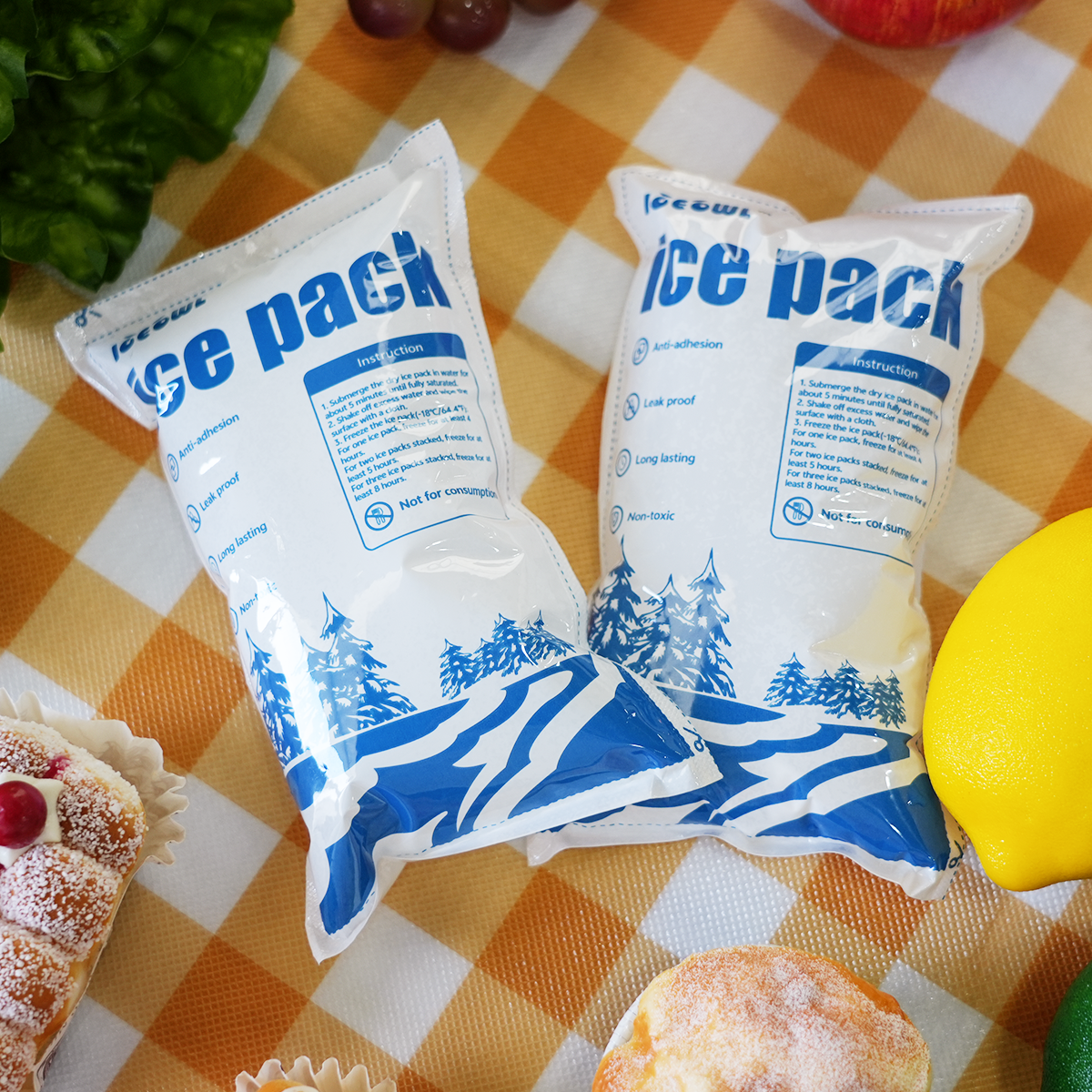
Dry Ice Packs for Shipping Perishable Items: 2025 Guide
If you need shipments to arrive frozen and compliant, dry ice packs for shipping perishable items are still the gold standard. Dry ice sits at −78.5 °C and, sized correctly, holds frozen temps for 24–96 hours without meltwater. Use 5–10 lb per 24 hours as your baseline, then adjust for insulation and season. This guide gives you exact math, UN1845 labels, and when to switch to −20 °C PCMs to protect sensitive goods.

Right‑size coolant: apply the 5–10 lb/day rule for dry ice packs for shipping perishable items with a simple buffer.
Pack and label correctly: UN1845, net kilograms, venting, and acceptance checklists that slash counter rejections.
Pick the right tech: when −20 °C PCMs or VIP shippers beat dry ice packs for shipping perishable items on long lanes.
Stay current in 2025: USPS ≤ 5 lb rules, IATA acceptance updates, and FSMA 204 timing signals.
How many dry ice packs for shipping perishable items do you need?
Short answer: plan 5–10 lb of dry ice per 24 hours in a well‑insulated shipper; add +20–30% for heat or handling. Blocks extend hold; pellets pull down fast. Mark the net kilograms on the outer carton.
Why it works: Typical sublimation lands near 10 lb/day in common EPS liners. VIP shippers cut that draw and stretch runs to 72–120 hours. Start temp matters: rock‑solid frozen items need less than slushy loads. When lanes are hot or see door‑to‑van hops, increase your margin. Use mixed formats—block as the “battery,” pellets as the “turbo.”
Dry ice packout calculator (frozen payload, quick rule)
Formula:Dry ice (lb) = (Transit days × 5–10) × 1.2–1.3
Choose 5 for VIP/short routes; 10 for EPS in summer. Weigh after packout and write net kg on the box.
| Transit Goal | Baseline (lb/24 h) | Add Buffer | What this means for you |
|---|---|---|---|
| ≤ 24 h | 5–8 | 6–10 | Small EPS/VIP; tape seams and fill voids tight. |
| 48 h | 10–16 | 12–21 | Most food or labs; mix block + pellets. |
| 72–96 h | 18–28 | 22–36 | VIP or thicker EPS; consider PCM hybrid. |
Field‑proven pointers that save pounds
Pre‑chill the liner for 10–15 min with a small piece of dry ice.
Block at bottom, pellets around/top, payload in the middle.
Tight void fill (paper/foam corners) to stop convective leaks.
Write net kg clearly—carriers check this at acceptance.
Real case: A bakery shipped 12 frozen pies (~14 kg) in a 22 L EPS with 16 lb block+pellet over a 50‑hour lane in July. Arrival stayed below 0 °F with ~2 lb dry ice left after they pre‑chilled the liner and filled voids—then saved ~3 lb on the next run with a thicker top panel.
How do you pack and label dry ice packs for shipping perishable items?
Do this every time: vent the package, freeze payload solid, layer block → payload → pellets, fill voids, and mark “Dry Ice” or “Carbon Dioxide, solid,” UN 1845, and net kg on the outer face; add Class 9 if required by operator/size. Many air shipments can use the IATA Dry Ice Acceptance Checklist rather than a full Shipper’s Declaration.
Air vs. ground vs. mail:
Air cargo (IATA PI 954): mark UN 1845 + net kg; operators may require weight disclosure at booking. Passengers are limited to 2.5 kg in baggage—don’t confuse that with freight.
Ground (many UPS lanes): treat like standard parcel but keep all safety/marking best practices.
USPS (U.S. domestic air): ≤ 5 lb per mailpiece; international prohibited; packaging must vent.
Labeling checklist (printable sequence)
Rigid, insulated shipper (EPS/VIP) that vents CO₂—never airtight.
Weigh dry ice after packout; record net kg.
Write “Dry Ice” / “Carbon Dioxide, solid,” UN 1845, net kg on a single face.
Apply Class 9 label if required by mode/operator.
For air, include UN 1845 + net kg on the air waybill and attach the acceptance checklist if used.
When should you choose PCMs over dry ice packs for shipping perishable items?
Use −20 °C PCMs when the payload must stay frozen without ultracold surface shock (e.g., delicate pastries, glazed seafood), or when you want reusable, hazmat‑free handling. Place a thin PCM layer next to the product and dry ice outside it for endurance. Gel packs (0 °C) are best for “cold, not frozen” deliveries.
Hybrid setups that lower risk and weight
Frozen food, hot summer: thin −20 °C PCM hugging the payload; dry ice around/top to extend hold.
Long 3‑day lane: VIP shipper + thin PCM layer reduces total dry ice and DIM weight.
Fragile biologics: PCM around vials to buffer spikes; dry ice in voids.
Vendors offer −23 °C PCMs and families from −40 °C to +37 °C for precise control.
What changed in 2025 for dry ice packs for shipping perishable items?
Acceptance got faster and stricter. Carriers and IATA emphasize checklist‑based acceptance: matching marks (UN 1845, proper name, net kg), correct Class 9 placement, and air waybill entries. USPS limits are unchanged (≤ 5 lb domestic air; international prohibited). In parallel, FDA proposed extending FSMA 204 compliance by ~30 months—use the time to digitalize traceability.
2025 trends for dry ice packs for shipping perishable items
What’s hot now (Updated: August 2025):
VIP + −20 °C PCM adoption to extend lanes to ~120 h with less refrigerant mass.
Booking‑time net‑kg checks for aircraft CO₂ ventilation planning; weigh precisely.
Reusable –96 °C data loggers becoming routine for frozen food, not just pharma.
Snapshot
Carrier job aids reduce rejections by standardizing label placement and kilogram marking.
Hybrid packouts cut surface freeze damage while lowering ice mass.
CO₂ markets stay seasonally tight—dual‑source for Q4 peaks.
Quick “Packout Picker” (interactive checklist you can use)
Outcome:
Keep frozen hard → start with dry ice packs for shipping perishable items.
Keep frozen, avoid surface frost → −20 °C PCM snug to product + dry ice outside.
Keep cold, not frozen → 0 °C gel packs.
Transit time:
24 h: 5–8 lb dry ice or 1–2 −20 °C PCM panels
48 h: 10–16 lb or 3–4 panels
72 h: 18–26 lb or VIP + 4–6 panels
96 h: 26–40 lb with VIP or VIP + PCM hybrid
FAQ
How many dry ice packs for shipping perishable items do I need for 48 hours?
Plan 10–16 lb, then add 20–30% for season and handling. VIP reduces mass; EPS needs more.
Do I need a Shipper’s Declaration for dry ice?
Often no when used only as a refrigerant with non‑DG cargo, but you must mark UN 1845 + net kg and apply Class 9 as required. Operator variations apply.
Can I mail dry‑ice‑cooled food with USPS?
Yes domestically with ventilation; ≤ 5 lb per air mailpiece. International is prohibited.
Should dry ice go on top or bottom?
Place around and on top so cold sinks over the payload. Fill voids to avoid hot spots.
Summary & next steps
Key takeaways: Dry ice packs for shipping perishable items work best when you vent the box, size 5–10 lb/day with a 20–30% buffer, and mark UN 1845 + net kg. Use blocks for reserve, pellets for pull‑down, and VIP/−20 °C PCMs for long or sensitive lanes.
Action plan (today):
Pick coolant (dry ice / −20 °C PCM / gel) by arrival temp.
Calculate with the 24/48/72/96 h bands; add buffer.
Pack to vent, weigh, and write net kg; apply UN 1845 / Class 9 if required.
Attach acceptance checklist and log temps; refine the spec on your next run.
About Tempk
We design validated, lane‑specific packouts across EPS/VIP shippers, dry ice packs for shipping perishable items, and −20 °C PCMs. Our templates pair carrier‑compliant labels with clean SOPs to cut excursions and acceptance delays, backed by –80/–96 °C logger traces for proof. Typical results: longer holds, fewer relabels, and lower DIM weight.
CTA: Share your inside box size, payload weight, and transit hours—get a tested coolant mass, packout diagram, and label checklist you can deploy this week.
Dry Ice Packs for Shipping Nearby | 2025 How‑To
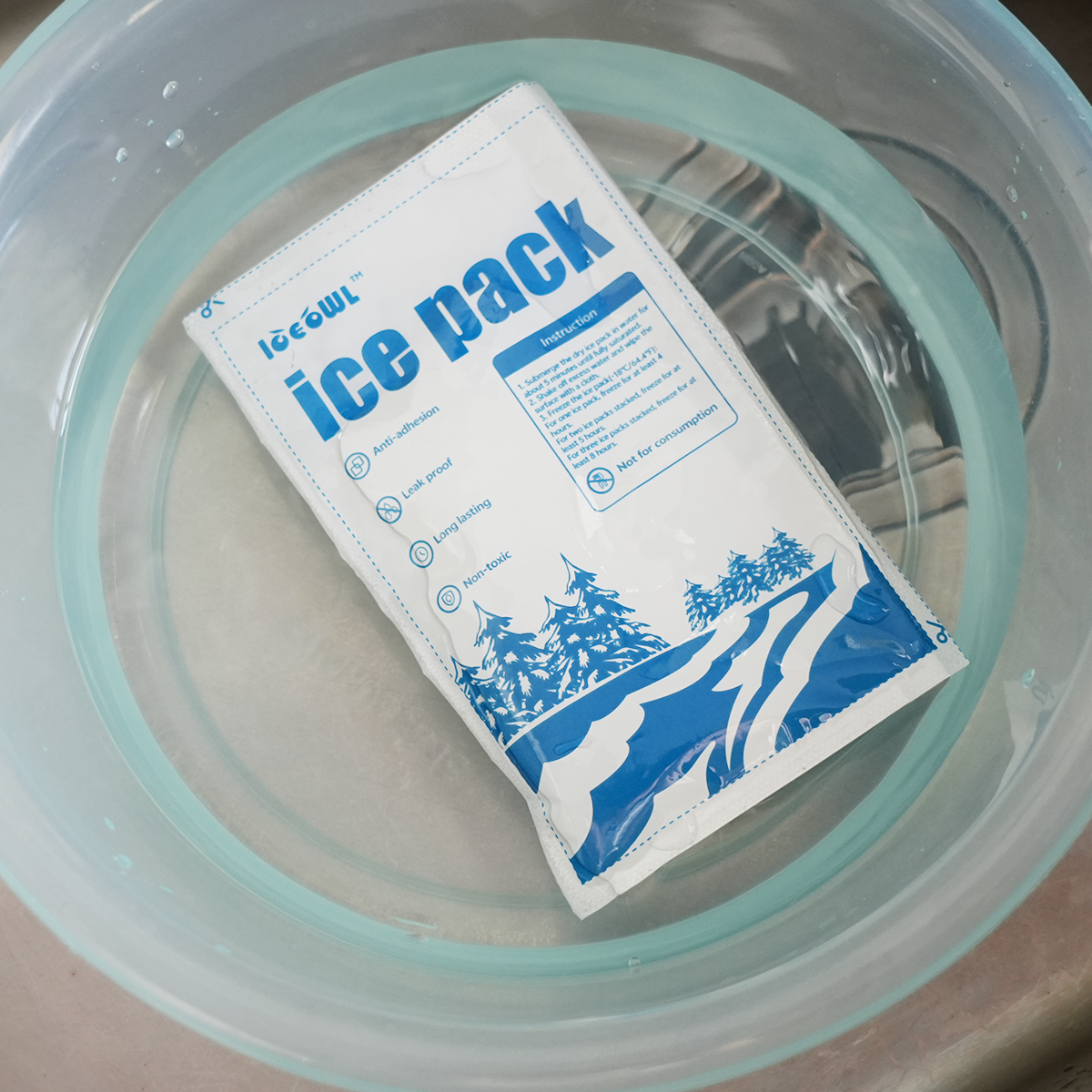
You need dry ice packs for shipping nearby that pass carrier checks and keep products frozen. This guide shows where to buy, how many pounds to use, and how to label boxes so they clear counters on the first try. Updated August 14, 2025, it blends field data with the latest acceptance rules and quick tools you can use today.
Find same‑day sources for dry ice packs for shipping nearby and what to ask before pickup.
Estimate pounds for 24–72 hours with a fast, test‑based method you can tune per lane.
Apply 2025 labeling (UN1845, Class 9, net kg) so air and ground shipments are accepted.
Pack like a pro: pellets around, slab on top, vent path taped in—not airtight.
Decide when PCM or gel packs beat dry ice packs for shipping nearby on cost or compliance.
How do you choose dry ice packs for shipping nearby?
Pick format by hold time, lane heat, and box geometry; pellets surround fast, slabs last longer. Start with hours to door and product shape, then balance contact area and sublimation rate. For ecommerce boxes, pellets fill gaps best; dense meats favor blocks or slabs for slower CO₂ release. Add a delay buffer when weekends or late tenders loom.
Think from your receiver’s view. Pellets pour around pints of ice cream; a thin slab on top slows loss. Ask local suppliers which pellet size they stock; 3 mm “rice” pellets fill tight voids but disappear faster than 10–16 mm pellets. If you fly, confirm packaging supports UN1845, Class 9, and net weight marking in kilograms.
Pellets vs. blocks: which format holds longer for variable lanes?
Pellets sublimate quickly and maximize contact; blocks and slabs release CO₂ slower and extend hold. Combine formats when lanes swing: pellets around the load, slab as a cold “lid.” This hybrid cuts melt claims without over‑spending on mass.
| Pack Format | Best For | Typical Duration | What It Means for You |
|---|---|---|---|
| 3 mm pellets | Small SKUs, tight voids | Short–Medium | Fast pull‑down; highest loss rate; great fit-up. |
| 10–16 mm pellets | Mixed loads | Medium | Balance between contact and longevity. |
| 5–10 lb blocks/slabs | Dense, large loads | Medium–Long | Fewer pieces; slower sublimation; simpler packing. |
Practical tips
Pellets first, slab last: surround product, then cap with a flat slab to slow loss.
Tape a vent path: never seal the liner airtight; CO₂ must escape per 49 CFR 173.217.
Use a liner bag: control “snow,” but keep at least one vent hole.
Real‑world case: A bakery cut melt complaints 42% by switching to pellets plus a 5 lb slab inside a 2″ EPS shipper.
How many pounds of dry ice packs for shipping nearby do you need?
Plan baseline loss, add lane heat and delay buffers, then round up to the nearest 5 lb. Typical ecommerce boxes need 5–20 lb for 24–48 h depending on insulation and payload mass. Add 25% for hot lanes and 20% if you tender after 3 pm or face weekend holds. Label net kg on the box.
Sublimation accelerates with headspace, warm payloads, thin walls, and hot hubs. Pre‑chill boxes, keep product centered, and place the slab on top because cold air sinks. Validate one live box per SKU mix before rollout; record start temp, dry ice weight, and delivery temp.
Quick estimator (24–72 h, rule‑of‑thumb)
| Transit Time | EPS 1.5″ (typical) | EPS 2″ (better) | Hot Lane Add‑On | Reality Check |
|---|---|---|---|---|
| 24 h | 8–12 lb | 6–10 lb | +2–4 lb | Start near 10 lb unless lab‑validated. |
| 48 h | 16–22 lb | 14–20 lb | +4–8 lb | Validate under ISTA 7E for longer holds. |
| 72 h | 26–34 lb | 24–32 lb | +6–10 lb | Long lanes need stronger insulation and QA. |
Example: Meal kits, 48 h, 2 gal payload, 1.5″ EPS → ~12 lb after buffers; ice cream, 24–36 h, 1.5 gal → ~10 lb.
Are you compliant in 2025 when using dry ice packs for shipping nearby?
Mark “Dry Ice” or “Carbon Dioxide, solid,” apply UN 1845 + Class 9, and show net dry ice weight in kilograms. Ground shipments still require venting and durable packaging per 49 CFR 173.217; air shipments follow IATA DGR 66th ed. with operator variations. FedEx does not require a DGD when dry ice is the only DG cooling a non‑DG payload; the airbill must include the UN 1845 line. USPS domestic air caps dry ice at 5 lb per piece.
Labels, documents, and venting—at a glance
| Mode | Allowed? | Core Requirements | What to Do |
|---|---|---|---|
| Air (IATA) | Yes | UN 1845, Class 9, net kg on package; operator limits | Vent packaging; include UN 1845 entries on the air waybill. |
| Ground (DOT) | Yes | Strong, vented packaging; 49 CFR 173.217 marking | Mark UN 1845 and net kg; keep vent path open. |
| USPS Domestic Air | Yes | ≤ 5 lb per mailpiece; vented container | Apply required markings; avoid international mail. |
Pack design rule: Tape seams but never seal the liner airtight; provide a small, intentional vent path.
Where can you buy dry ice packs for shipping nearby today?
Call three supplier types: supermarkets for blocks, industrial gas distributors for pellets, and packaging wholesalers for slabs and kits. Ask about pellet size, minimums, cutoff times, weekend hours, and whether they can print UN 1845 labels. Reserve stock and bring a cooler for the drive.
| Local Source | Typical Stock | Lead Time | What It Means for You |
|---|---|---|---|
| Grocery chains | 1 lb cuts, 10–15 lb blocks | Walk‑in | Fast pickup on ship day. |
| Industrial gas (Airgas/Linde, etc.) | Pellets, blocks | Same‑day with call‑ahead | Best pellet availability for tight voids. |
| Packaging distributors | Slabs, shippers, labels | Same/next day | One‑stop for boxes and compliance kits. |
Three‑step “nearby” script: Search your city + “CO₂ supplier,” call to confirm pellet size and cutoff, reserve 30 lb pellets + two slabs under your name.
When should you choose PCM or gel packs instead of dry ice packs for shipping nearby?
Use −21 °C PCM when you need frozen performance without DG handling; use gel packs for 0–4 °C goods that must not freeze. A hybrid (PCM plus a small slab of dry ice) stabilizes temps while cutting dry ice mass.
| Option | Maintains | Pros | Cons | Best Use |
|---|---|---|---|---|
| Dry ice (UN 1845) | Deep‑frozen | Very cold; long holds | DG rules; burns; ventilation | Ice cream, dense meats, multiday routes. |
| Gel packs | 0–4 °C | Simple; non‑DG | Won’t keep frozen | Fresh food that must not freeze. |
| −21 °C PCM | Frozen zone | Reusable; non‑DG | Heavier per hour | Frozen biologics or premium foods on DG‑sensitive networks. |
2025 developments and trends in dry ice packs for shipping nearby
Airlines and handlers are tightening acceptance checks, including pre‑booking confirmation of net dry ice weight and more operator variations. On the ground, weekend pellet availability is expanding, while shippers standardize pre‑printed UN 1845 kits and reserve local supply to reduce counter delays.
Latest progress at a glance
Operator checks: Some carriers validate dry ice mass before uplift; have kg and package count ready.
Carrier aids: 2025 checklists clarify label size and PI 954 references, reducing rejections.
Retail access: More weekend pellet windows support urgent fills nearby.
Market insight: e‑grocery and meal kit volumes broaden summer peaks. Shippers that validate packouts, standardize labels, and lock in local pellet reservations report fewer delays and lower spoilage.
Frequently Asked Questions
How much dry ice for 48 hours with a mid‑size shipper?
Start near 20 lb and adjust for route heat and insulation; carriers often plan 5–10 lb per 24 h. Validate before scale‑up.
Do I need a Shipper’s Declaration if dry ice is the only DG?
Not with FedEx when cooling non‑DG goods; include proper UN 1845 entries on the air waybill.
Can I mail dry ice with USPS?
Yes, domestic air up to 5 lb per piece, with vented packaging and required markings; international is prohibited.
What are the most common compliance mistakes?
Sealing boxes airtight, skipping net kg marking, and barehand handling. Provide a vent, mark weight, wear insulated gloves.
When should I skip dry ice?
Use PCM for −21 °C lanes or gel packs for 0–4 °C targets where freezing would harm quality.
Summary & Recommendations
Choose pellets, blocks, or a hybrid based on hold time and load geometry. Estimate pounds with ambient and delay buffers, then label UN 1845 + net kg on one panel with the Class 9 diamond. Source dry ice packs for shipping nearby from gas distributors or packaging houses and reserve ahead. Validate longer routes under ISTA 7E before peak season.
Next steps:
Test one box per SKU mix and log temps. 2) Pre‑print UN 1845 kits and net‑weight tables per box size. 3) Set weekly reservations with two local suppliers. 4) Train staff on 2025 checklists and operator variations.
Engagement tools
Two‑minute chooser:
Hours to door? 24 / 36 / 48 / 72+
Lane heat? Cool / Warm / Hot & Humid
Box size? ≤10 L / 11–20 L / 20+ L
Product? Ice cream / Meat & seafood / Biologics / Other
Mode? Ground / Air Domestic / Air Intl
Result (rule‑of‑thumb): Small + 24 h + cool → 5 lb pellets; Medium + 48 h + warm → 10–12 lb pellets + 1 slab; Large + 72 h + hot/humid → 15–20 lb mix.
Self‑check to cut bounce and returns:
I can buy dry ice packs for shipping nearby within two hours of packout.
My box vents CO₂ and is marked UN 1845 + net kg.
I planned 10 lb/24 h and added mass for hot routes.
I validated 48–72 h packouts under ISTA 7E.
About Tempk
We build practical packouts for real lanes, supply pre‑printed UN 1845 label kits, and maintain a vetted supplier network for dry ice packs for shipping nearby. Our strengths are fast sizing support and compliance workflows tuned to 2025 airline and ground requirements—so your team ships confidently, day one.
Dry Ice Packs for Shipping Near Me: 2025 How‑To
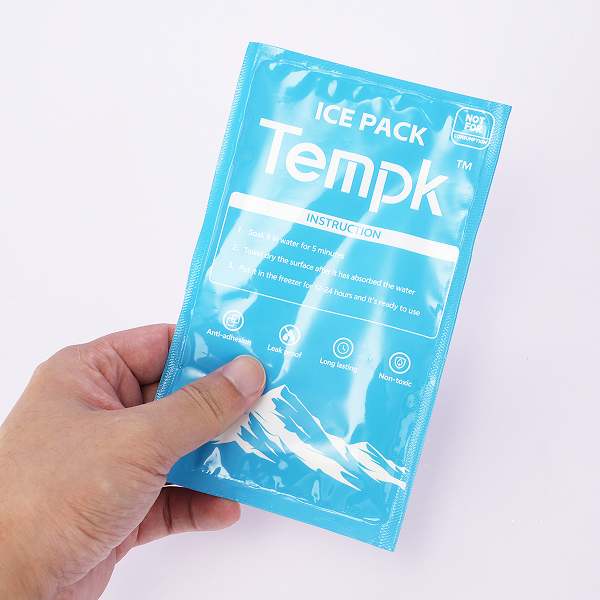
Dry Ice Packs for Shipping Near Me: 2025 How‑To
If you need dry ice packs for shipping near me, here’s the fast path: where to buy today, how much to use (typically 5–10 lb per 24 hours), and the 2025 rules to pass carrier checks the first time. Dry ice sits at −78.5 °C and demands vented packaging and clear UN1845 markings.
Find supply fast: brand locators, gas/welding suppliers, and what to ask at pickup
Size it right: a simple calculator and table for 24–72 hour lanes
Pack & comply: step‑by‑step venting, labeling, and documentation for 2025
Choose alternatives: when −20 °C PCMs beat dry ice for your lane
Trends & FAQs: what changed in 2025 and answers to top questions
Where can you buy dry ice packs for shipping near me, today?
Short answer: Check industrial gas suppliers and brand store locators first, then nearby grocers—always call ahead for cut sizes and inventory. Ask for pellets for surface contact, or blocks for longer holds. National providers list walk‑in branches and grocery partners; most pre‑bag 5–10 lb cuts.
Why this works: Gas/welding suppliers tend to have predictable stock and can confirm pellets vs. blocks over the phone. Grocery chains carry pre‑cut bags but inventory fluctuates by day and time. Bring a cooler for pickup, and confirm hours, bag size, and price before you drive. For same‑day couriers, request upright, vented handling.
Fast sourcing checklist (copy/paste queries)
“dry ice packs for shipping near me + welding/gas supplier”
“dry ice packs for shipping near me + brand locator”
“dry ice packs for shipping near me + grocery (confirm 10 lb bags)”
| Source type | How to find | Typical formats | What to ask | What it means for you |
|---|---|---|---|---|
| Industrial gas supplier | Store locator | Blocks, pellets, cut sizes | “Pellets or blocks today? Earliest pickup?” | Highest chance of same‑day availability |
| Grocery partner stores | Brand locator | 1–15 lb pre‑cut | “How many bags now? Price per lb?” | Quick local option; verify stock first |
| Specialty ice/party | Local search | Mixed | “Minimums? Cut fees?” | Backup when others are out |
Practical tips
Hot day? Pick up as close to ship time as possible to cut sublimation loss.
Small parcels: pellets improve contact and pull‑down; blocks act as a reserve layer.
Label at pickup: weigh after packing and note net kg for the outer box.
Real case: A 22 L EPS shipper using 12 lb pellets kept two 1.5 lb steak boxes frozen for 45 hours, with ~1 lb remaining on arrival in summer heat. Pre‑chilling the foam and tight void fill cut dry ice use ~15%.
How many dry ice packs for shipping near me do you need?
Rule of thumb: Plan 5–10 lb (2.3–4.5 kg) per 24 hours in a well‑insulated shipper; add +20% in hot weather or thin insulation. This range aligns with carrier guidance and FAA test data.
Why the range varies: Sublimation depends on foam thickness, air gaps, ambient heat, and pellet vs. block format. For small parcels, a top‑and‑bottom layer reduces warm‑side creep and evens the profile. Use a one‑day buffer for possible delays.
Mini calculator (use buffer = transit days + 1)
| Frozen payload | Transit time | Insulation | Start with (lb) | What it means to you |
|---|---|---|---|---|
| 5–8 lb meat | 24 h | EPS 1–1.5″ | 6–10 | Use pellets; add 2–3 lb if >90 °F |
| 10–15 lb meals | 48 h | EPS 1.5–2″ | 15–20 | Add 5 lb buffer for delays |
| 8 pints ice cream | 48 h | PUR 1.5–2″ | 12–16 | Denser foam needs less ice |
| 20 lb seafood | 72 h | EPS 2″ | 25–30 | Use top & bottom layers |
Carrier job aids converge on 5–10 lb/day; adjust for insulation and heat.
How do you pack and label dry ice packs for shipping near me (step‑by‑step)?
Core steps: Vent, insulate, isolate, and mark. Use a sturdy outer, a foam liner, keep product bagged, and never seal CO₂ in an airtight container. Mark “Dry ice” or “Carbon dioxide, solid,” UN1845, and net dry ice in kilograms; apply the Class 9 label when required.
Why it matters in 2025: IATA PI 954 governs air shipments, and the 2025 acceptance checklist standardizes what agents verify at counters. Passenger baggage is capped at 2.5 kg dry ice; freight follows PI 954 with operator variations.
Packout details that prevent failures
Layering: block at bottom as a “reserve,” payload in the middle, pellets around and above.
Void fill: remove air pockets (kraft or foam corners).
Weigh & write: record net kg on the same face as UN1845 for quick acceptance.
Logging: add a dry‑ice‑rated data logger (to −80 °C) for QA proof.
| Labeling element | What to print | When it applies | Why it matters |
|---|---|---|---|
| Proper name | “Dry ice” / “Carbon dioxide, solid” | All modes | Identifies refrigerant |
| UN number | UN1845 | All modes | Links to hazard class |
| Net weight | kg of dry ice | All modes | Acceptance check fails without it |
| Class 9 diamond | 100×100 mm | Air/certain carriers | Required hazard marking |
Safety quick hits
Wear insulated gloves; avoid bare‑skin contact (frostbite risk).
Ventilation is mandatory; CO₂ can displace oxygen in small rooms or vehicles.
Don’t tape foam lids airtight; leave a gas‑escape path.
When should you choose −20 °C PCMs instead of dry ice packs for shipping near me?
If you need frozen but not ultra‑cold, −20 °C PCM panels can hold “deep‑freeze” without hazmat handling. For 2–8 °C (refrigerated), choose 5 °C PCMs or gel packs to avoid freezing. Dry ice still wins for ice cream, long lanes, or very hot routes.
Why PCMs help: Reusable, stable temperature bands, simpler labels, and no CO₂ venting. Many shippers hybridize—small dry ice plus −20 °C PCMs—to cut weight and smooth peaks.
What to pick (at a glance)
| Use case | Dry ice | −20 °C PCM | Meaning for you |
|---|---|---|---|
| Keep ice cream rock solid | Best | Limited | Choose dry ice for ≤ −18 °C lanes |
| Frozen but fragile | Good (risk over‑freeze) | Best | PCMs avoid brittle damage |
| 2–8 °C pharma/meal kits | Over‑cools | Best | Skip hazmat, simpler SOPs |
2025 latest dry ice shipping developments and trends
What changed: IATA’s 66th Edition (2025) acceptance checklist tightened label clarity and net‑kg placement, reducing counter rejections. Carriers reinforced the 5–10 lb/day planning band and improved air waybill statements (e.g., “Dry Ice, UN1845 1×2.00 KG”). Locators expanded, making “near me” sourcing faster in peak seasons.
What’s new, at a glance
Regulatory clarity: standardized acceptance checks = fewer surprises at drop‑off.
Better tools: pre‑filled AWB statements and updated label job aids.
Hybrid packouts: more teams mixing dry ice with −20 °C PCMs to cut weight.
Market insight: Expect steady dry ice demand in food/pharma and faster adoption of IoT loggers. Temperature targets remain the same: freezer 0 °F (−18 °C), refrigerator ≤ 40 °F (4 °C)—build packouts to those bands door to door.
Frequently Asked Questions
Q1: Is there a 5.5 lb limit for all shipments?
No. 5.5 lb (2.5 kg) applies to passenger baggage with airline approval. Freight follows IATA PI 954 and carrier rules; mark UN1845 and net kg.
Q2: How much dry ice should I buy for 48 hours?
Start 15–20 lb, add ~5 lb for delays, and increase in hot weather or thin foam. Use top‑and‑bottom layers for frozen food.
Q3: Can I ship with USPS?
Domestic air allows ≤ 5 lb per mailpiece with venting and markings; international mail prohibits dry ice. Check Publication 52 / PI 9A.
Q4: What must be on the label?
“Dry ice” or “Carbon dioxide, solid,” UN1845, net kg, and (when required) the Class 9 diamond. Keep text legible on one face.
Q5: Where do I place dry ice in the box?
Use block on the bottom as reserve and pellets around/above for uniform cold. Fill voids tight to limit sublimation.
Q6: Is indoor staging safe?
Only in well‑ventilated spaces. CO₂ can displace oxygen; avoid sealed rooms and closed vehicles.
Summary & next steps
Key takeaways: Source dry ice packs for shipping near me via gas/welding suppliers or brand locators; plan 5–10 lb/day with a one‑day buffer; vent your packout; and mark UN1845 + net kg per 2025 acceptance checks. For 2–8 °C, shift to PCMs.
Action plan (2 minutes):
Find stock and confirm cut sizes.
Use the calculator to size dry ice.
Pack with block bottom, pellets top/sides; fill voids.
Write UN1845 and net kg, apply Class 9 (if required).
Book service and add a dry‑ice logger.
About Tempk
We design data‑backed frozen and refrigerated packouts—EPS/PUR/VIP shippers paired with dry ice, −20 °C PCMs, or 0 °C gels. Our lane modeling and logger‑verified tests help you ship with fewer reships and clearer SOPs year‑round. Need a pre‑tested spec today? Request a 24/48/72‑hour design matched to your route.
CTA: Message us your payload, box size, and transit time—we’ll return a printable spec and quote the same day.
Dry Ice Packs for Shipping Ice Cream: 2025 Guide
Dry Ice Packs for Shipping Ice Cream: 2025 Guide
If you sell frozen treats, you need dry ice packs for shipping ice cream that keep product rock‑solid and compliant—without wasting weight or risking fines. Below you’ll get exact starting amounts, a simple packout, and the current 2025 rules in plain English. Expect net‑weight labeling, a 200 kg per‑package air limit, and a USPS 5 lb cap for domestic air mail.
How many dry ice packs for shipping ice cream do you really need (24–72 hours)?
What labels, marks, and documents keep you IATA/USPS/DOT compliant in 2025?
When should you choose −21 °C PCM packs instead of dry ice for shipping ice cream?
Which insulated liners work best (EPS, VIPs, or curbside‑recyclable paper)?
How to reduce coolant cost and still pass ISTA 7E profiles?
How many dry ice packs for shipping ice cream do you need?
Start here: 8–10 lb (3.6–4.5 kg) for 24–48 h; 18–25 lb (8–11 kg) for ~72 h; ~35 lb (16 kg) for ~96 h in a well‑insulated shipper with venting. Use more for bigger boxes, summer lanes, or frequent door‑opens. These ranges consolidate lab tests across common 10–20 qt shippers.
Why these ranges work. Ice cream wants ≤−12 °C. Dry ice sits at −78.5 °C and sublimates, buffering heat as it vents. Your lane’s thermal load is “ambient profile × time × box U‑value.” If you validate against ISTA 7E parcel profiles, these starting amounts land close, then you trim by test.
Quick calculator for dry ice packs for shipping ice cream
Rule‑of‑thumb estimate (then validate):
Start with 0.25–0.35 lb dry ice per pint per 24 h.
Add 10–20% for summer lanes or low‑density boxes.
Add 10% if you hand off to carriers late day (more time off‑dock).
| Packout Example | Duration | Starting Dry Ice | What it means for you |
|---|---|---|---|
| 4 pints in 10 qt EPS | 24 h | 6–8 lb | Fits USPS air cap only if ≤5 lb: choose ground or reduce payload. |
| 8 pints in 14 qt EPS | 48 h | 10–14 lb | Typical 2‑day DTC; validate on ISTA 7E Hot. |
| 12 pints in 20 qt EPS | 72 h | 18–25 lb | Add spacer to avoid freeze‑burn on top pints. |
Practical tips
Stage pints cold (≤−18 °C) before packout; warm product eats coolant fast.
Vent the lid; never seal dry ice in airtight packaging. DOT requires venting.
Weigh dry ice in kilograms and write it on the box; carriers check.
Real‑world case: A 20″ cube shipper with 3″ EPS, 12 pints, and 35 lb dry ice held below −12 °C for ~96 h on a hot‑profile test; 72 h was achieved at ~25 lb.
How do you label and ship dry ice packs for shipping ice cream legally in 2025?
Do this every time: Mark “UN1845, Dry Ice,” add net dry ice in kg, apply the Class 9 diamond, and vent the package. On the airwaybill, list UN1845, the proper name, number of packages, and the net weight per package. The IATA 2025 checklist caps each package at 200 kg.
Mailing with USPS? For domestic air (Priority Mail, etc.), ≤5 lb per mailpiece; surface mail can exceed 5 lb with proper venting and marks. International USPS prohibits dry ice.
U.S. DOT (49 CFR) reminders: Outer packaging must allow CO₂ to escape; vessel and aircraft rules add special dry‑ice marks and stowage conditions. Passenger baggage is limited to 2.5 kg with operator approval—not for commerce.
Marking & venting checklist
Class 9 label and the proper shipping name on the same surface when size allows.
Net dry ice in kilograms outside the hazard label border.
Nature & Quantity of Goods (AWB): UN1845; “Dry Ice”; package count × kg each.
When should you use −21 °C PCM packs instead of dry ice packs for shipping ice cream?
Use −21 °C PCMs when you want frozen control without hazmat paperwork or when carriers or destinations restrict dry ice. Modern PCM bricks hold −21 °C through their phase change but must be preconditioned (deep‑frozen) before use. Expect slightly higher packout mass than dry ice for long lanes, but easier handling and no CO₂ venting.
How to precondition PCMs
Freeze bricks flat to at or below their phase‑change point; vendors specify the exact setpoint and time (e.g., 24–48 h). For some systems, a −40 °C or colder freezer improves charge; always follow the supplier’s guide.
| Refrigerant | Nominal Temp | Handling | What it means for you |
|---|---|---|---|
| Dry ice (CO₂) | −78.5 °C | Hazmat marks; vented shipper; net‑kg label | Best for long lanes; strict labeling. |
| PCM bricks | −21 °C | Deep‑freeze precharge; no hazmat | Cleaner receiving; good for air lanes with restrictions. |
| Water gel packs | 0 °C | Simple freeze; not frozen control | For chilled, not ice cream. |
Which insulation works best for dry ice packs for shipping ice cream?
EPS (foam coolers) is cost‑effective and widely used. VIPs (vacuum panels) cut coolant mass but raise cost. Paper‑based curbside‑recyclable liners now claim up to 72 h performance with the right packout—popular for DTC brands aiming at sustainability. Validate against ISTA 7E before rollout.
Buyer’s table
| Liner type | Typical R/performance | Notes | Impact for you |
|---|---|---|---|
| EPS 1–3″ | 24–72 h with adequate dry ice | Bulky, cheap, reliable | Lowest cost per order; bigger boxes |
| VIP hybrid | 72–120 h with less coolant | Fragile, expensive | Shrinks box/coolant; higher unit cost |
| Paper liners | Up to 72 h (vendor‑validated) | 100% curbside‑recyclable options | Improves unboxing & sustainability story |
Safety you shouldn’t skip
CO₂ exposure limits: OSHA/NIOSH TWA 5,000 ppm; STEL 30,000 ppm; IDLH 40,000 ppm. Vent your staging area, keep boxes out of enclosed cars, and train staff.
2025 updates shaping dry ice packs for shipping ice cream
Regulatory: The FDA proposed moving FSMA 204 traceability compliance to July 20, 2028. Plan your lot‑level data capture now; the requirements don’t change—only the date.
Materials & sustainability: The FDA confirms PFAS‑based grease‑proofers are no longer sold for paper food contact uses in the U.S. Consider liners and wraps that meet the new reality.
Market tailwinds: U.S. frozen foods are growing; research pegs the U.S. market near $90 B in 2025 with strong CAGR through 2030—supporting DTC frozen programs.
At‑a‑glance
200 kg/package IATA limit for dry ice remains in force.
USPS air cap 5 lb per mailpiece; surface can exceed with proper marks.
Paper liners marketed with up to 72 h protection; validate on ISTA 7E.
Market insight: More brands are swapping EPS for curbside‑recyclable liners to reduce customer friction and chargebacks tied to disposal. Test a hybrid (paper + VIP corners) before a full switch.
FAQs
How much dry ice packs for shipping ice cream do I need for 2 days?
Start around 10–14 lb for 8 pints in a mid‑size EPS shipper; confirm with a lane test.
Can I ship dry ice with USPS?
Yes—≤5 lb per domestic air mailpiece with venting and marks; more is allowed via surface. No international USPS dry ice.
What must be on the box for air?
“UN1845 Dry Ice,” net kg of dry ice, Class 9 diamond, and venting. Put UN, name, and label on the same face when size allows.
Do I need an airwaybill entry?
Yes—UN1845, proper name, number of packages, and net kg each.
Are −21 °C PCM packs a legal alternative?
Yes; they’re not hazmat, but you must precondition them properly per the vendor’s guide.
Summary & next steps
Key points: Use validated ranges for dry ice packs for shipping ice cream, label per IATA PI 954, and vent every box. Consider −21 °C PCM when hazmat handling slows you down, and test paper liners if you need a curbside‑recyclable story.
Do this now:
Pick your lane profile and run an ISTA 7E chamber test.
Set a starter coolant table and SOP.
Audit labels and AWB entries for UN1845/net‑kg.
Pilot paper liners on low‑risk lanes.
About Tempk
We design thermal systems for food and life‑science shippers, with validated packouts across EPS, VIP, and curbside‑recyclable paper. Our tools cut coolant overfill and lower DIM weight without sacrificing hold time. We back every recommendation with test data and training.
Talk to an engineer: Configure your packout or book a same‑day validation slot.
Dry Ice Packs for Shipping Frozen Food 72 Hours
If you need dry ice packs for shipping frozen food 72 hours, here’s the proven playbook. You’ll size refrigerant fast (plan 15–30 lb for most boxes), pack for reliable hold times, and pass 2025 acceptance checks without guesswork. You’ll also see when to add VIP insulation or −20 °C PCM to cut weight, plus simple lane tests to validate your box before scaling.
How much dry ice to plan for 72 hours on real lanes (rule‑of‑thumb + fine‑tuning)
How to pack and vent boxes so food stays ≤0 °F (−18 °C) end‑to‑end
Which 2025 labels and documents you need for air, ground, and USPS
When PCMs help dry ice packs for shipping frozen food 72 hours cut costs and weight
How many dry ice packs for shipping frozen food 72 hours do you need?
Start with 15–30 lb per shipper for 72 hours, then adjust for insulation, heat, and openings. The baseline reflects typical sublimation of ~5–10 lb per 24 h in insulated parcels. For hot lanes or thin EPS, move toward the top of the range; for VIP shippers, you can often reduce total mass. Always validate with a test carton on your lane.
Why it works: Dry ice removes heat as it sublimates; hold time is driven more by heat leak (insulation + temperature difference) than by payload weight. Blocks last longer than pellets. Pre‑frozen product and pre‑chilled packaging lower the initial “pull‑down,” stretching your 72‑hour buffer.
Dry ice packs for shipping frozen food 72 hours: quick estimator
Use this fast, conservative sizing flow:
Baseline: 72 h × (5–10 lb/day) → 15–30 lb.
Heat adjustment: +20% for heat waves or thin EPS; −20% with VIP.
Handling: +10–20% if boxes may be opened during handoffs.
Form factor: Prefer blocks (slower loss) and use pellets only to fill gaps.
Round up: Choose the next pack size; delays happen.
| 72‑Hour Planning Scenarios | Baseline Dry Ice | Adjustment | What it means to you |
|---|---|---|---|
| EPS 1.5–2″, mild route (18–24 °C) | 15–20 lb | 0–+10% | Lower end is fine if voids are filled tightly |
| EPS 2″, hot route (29–35 °C) | 20–30 lb | +20% | Budget top‑of‑range mass in summer |
| VIP shipper (pre‑qualified) | 10–20 lb | −20% | Similar hold time with less weight |
| Frequent door opens (B2B) | 15–30 lb | +10–20% | Each open dumps cold—oversize refrigerant |
Practical tips and scenarios
Small, loosely packed box in summer: Use more blocks on top; fill voids to curb convection.
Long air leg: Expect faster loss at altitude; plan toward the high end.
Oversized payload: Center product; add side blocks to protect from warm walls.
Field result: A 2″ EPS shipper with 24–30 lb dry ice moved 12 lb frozen meals Phoenix→Miami in July and arrived ≤−18 °C after ~72 h. VIP reduced dry ice mass by ~30% on the same lane.
How do you pack dry ice packs for shipping frozen food 72 hours safely?
Pack cold, layer smart, and vent. Pre‑freeze product to ≤0 °F (−18 °C), pre‑chill the shipper, place product centrally, put most dry ice on top (cold sinks), fill voids with breathable dunnage, and never seal airtight. Mark the same face with UN1845, Class 9, and net dry ice weight (kg).
Why details matter: Starting colder shrinks early sublimation spikes. Top‑layer ice maintains a cold gradient as CO₂ descends. Venting is required to prevent pressure buildup. Blocks reduce surface area and last longer than pellets.
Verified 72‑hour packouts for dry ice packs for shipping frozen food 72 hours
Layout A (EPS, budget): Lined cavity, product centered, dry ice top + sides, minimal voids. Total: 15–30 lb.
Layout B (VIP, premium): Thin VIP panels, dry ice top, −20 °C PCM on sides for stability. Total: 10–20 lb.
Both layouts achieve 72 h when conditioned and vented correctly; VIP can reach 72–96 h.
| Packout BOM | EPS 72 h | VIP 72–96 h | What it means to you |
|---|---|---|---|
| Insulation | 1.5–2″ EPS | Pre‑qualified VIP | VIP cuts weight and extends hold |
| Refrigerant | 15–30 lb dry ice | 10–20 lb dry ice + optional −20 °C PCM | Hybrid stabilizes temps |
| Liner & dunnage | Poly liner + kraft/bubble | Poly liner + tight fit | Keep vent paths visible |
| Labels | UN1845, Class 9, net kg | UN1845, Class 9, net kg | Place on same face when possible |
User‑ready packout checklist
Product ≤0 °F? Probe temp just before sealing.
Vent path visible? Do not over‑tape inner lid.
UN1845 + Class 9 + net kg on same face? Write weight in kg.
Logger started? USB/Bluetooth helps QA and claims.
What 2025 labels and rules apply to dry ice packs for shipping frozen food 72 hours?
Air (IATA DGR 66th): Proper name “Dry Ice”/“Carbon dioxide, solid,” UN1845, Class 9 label (100 mm), net dry ice weight in kg, and vented packaging per PI 954. Expect tighter acceptance checks in 2025.
Ground (US 49 CFR 173.217): Package must vent CO₂; prudent marking recommended.
USPS (domestic): Air ≤ 5 lb dry ice per piece; international prohibited. Mark contents cooled + net weight.
| Mode | Allowed? | Key limits | What to mark |
|---|---|---|---|
| IATA/ICAO Air | Yes | PI 954; overpack shows total net weight | “Dry Ice/CO₂ solid,” UN1845, net kg, Class 9 |
| UPS Ground (U.S. 48) | Yes | Not hazmat like air; must vent | “Dry Ice, UN1845,” net kg (good practice) |
| USPS Domestic | Yes | ≤5 lb by air; surface can exceed | Contents + “Dry Ice, UN1845,” net weight |
Safety musts: Vent always; use gloves; pack in ventilated spaces. Occupational limits: CO₂ PEL 5,000 ppm (8‑h TWA); IDLH 40,000 ppm.
When should you pair PCMs with dry ice packs for shipping frozen food 72 hours?
Use −20 °C PCM to stabilize product and reduce total dry ice—especially in VIP shippers. PCMs are reusable and non‑DG; dry ice still wins for deep‑freeze lanes or >96 h. Place PCM against product and dry ice on top; PCM smooths spikes during handoffs while dry ice carries the 72‑h load.
Decision cues for your lane
Deep freeze (≤−20 °C) in summer? Dry ice or VIP hybrid.
Tight temp band (−10 to −5 °F) and simpler paperwork? −20 °C PCM or PCM + small top‑load dry ice.
High uncertainty or weekend risk? VIP + dry ice to extend past 120 h.
2025 trends for dry ice packs for shipping frozen food 72 hours
What’s new: IATA DGR 66th (effective Jan 1, 2025) emphasizes declared net dry‑ice mass and proper PI 954 venting. VIP adoption is rising (R‑values ~36–50) with validated 72/96‑h lanes. Bluetooth loggers (often sub‑$100) are now common in parcel‑scale QA. FDA has proposed shifting FSMA 204 traceability compliance to July 20, 2028, giving shippers more runway.
Latest at a glance
DGR acceptance: Expect stricter net‑kg checks at tender.
VIP + PCM: Longer holds with less refrigerant; higher box cost, lower ship weight.
Monitoring: Wireless loggers simplify audits and refunds.
Market insight: Demand for temperature loggers continues to grow (multi‑hundred‑million market by 2030) as food and pharma raise documentation standards; expect tighter proof of control for 72‑hour frozen parcels.
FAQs
How much dry ice for 72 hours?
Plan 15–30 lb per box, then adjust for season, insulation, and openings; verify with a lane test.
What temperature should product stay at?
Keep frozen foods at 0 °F (−18 °C) or below from pack‑out to delivery.
Can I ship with USPS?
Yes, domestic only. Air ≤5 lb; surface can exceed with required marks; international is prohibited.
Do I need a Shipper’s Declaration?
When dry ice cools non‑DG goods, many operators accept airbill entries (UN1845, net kg) without a full declaration—follow the 2025 job aid.
Summary & recommendations
Bottom line: Dry ice packs for shipping frozen food 72 hours are dependable when you (1) plan 15–30 lb per shipper, (2) upgrade insulation or add VIP on hot lanes, (3) layer top/bottom blocks and fill voids, (4) vent and mark UN1845, Class 9, net kg, and (5) run a quick 72‑hour lane test with a logger. Lock your SOP with photos and a one‑page checklist.
Next steps (CTA):
Pilot EPS vs. VIP on your hottest lane. 2) Add a Bluetooth logger and confirm ≤−18 °C to delivery. 3) Standardize labels/marks for 2025 acceptance. Book a free 20‑minute route review with Tempk to right‑size your 72‑hour frozen packouts.
About Tempk
We design validated frozen shipping systems for 72–96‑hour lanes using EPS or VIP, with optional −20 °C PCM to reduce dry ice mass. Our packaging team instruments test cartons, tunes packouts, and helps you pass acceptance checks the first time—lower weight, fewer claims, and consistent delivery. Talk to us to blueprint your lane.
Dry Ice Packs for Shipping Frozen Food: How Much?
Dry Ice Packs for Shipping Frozen Food: 2025 Guide
If you need rock‑solid frozen delivery, dry ice packs for shipping frozen food are your most dependable tool. Start with 5–10 lb of dry ice per 24 hours and add a buffer day for delays. Label UN1845 with a Class 9 diamond (100 mm), and mind USPS/IATA limits. This guide shows you how much to use, how to pack it, and how to pass checks the first time.
How much dry ice per 24–72 hours? A quick, field‑tested sizing method with buffers.
How to pack and vent safely? A 15‑minute packout you can standardize.
What labels and documents are required? UN1845, Class 9, USPS/IATA essentials.
Dry ice vs gel packs vs PCM? When to mix coolants to cut weight and cost.
What’s new in 2025? Proposed FSMA 204 extension and monitoring options.
How much dry ice packs for shipping frozen food do you need?
Short answer: Use 5–10 lb per 24 hours of transit for most insulated parcels, then add an extra 24 hours as a delay buffer. Insulation quality, ambient heat, and box volume drive the final number. Start with the range; validate with pilots.
Why it works for you: You control risk with a simple rule that matches carrier guidance. A small overage is cheaper than a reship. For summer routes or 1.5″ EPS, plan the high end; for 2″ EPS/VIP or mild weather, the low end usually holds.
Quick estimator (copy‑paste)
Example: 48 h, 1.5″ EPS, hot lane → 0.35 × 48 × 1.2 ≈ 20 lb, plus buffer if needed.
| Transit goal | Typical shipper | Starting dry ice (24 h) | What it means for you |
|---|---|---|---|
| 24 h | 1.5″ EPS, 10–20 L | 5–8 lb | Good for overnight; add 2–4 lb in summer. |
| 48 h | 1.5–2″ EPS | 10–16 lb | Most 2‑day lanes; keep pack tight. |
| 72 h | 2″ EPS+/validated | 18–24 lb | Long/hot lanes; validate before go‑live. |
Practical tips that change the math
Place dry ice on top and around the product (cold sinks downward). Fill voids to limit convection.
Right‑size the shipper to reduce sublimation and dimensional weight.
Pre‑freeze the payload (≤0°F) and pre‑cool the shipper to slow the first‑hour heat spike.
Real case: A D2C steak brand increased summer 2‑day dry ice from 8 lb to 12 lb in 1.5″ EPS and cut warm‑arrival complaints by 62% during July–August.
How to pack dry ice packs for shipping frozen food safely (15 minutes)
Core steps:
Freeze product, line EPS, load payload, place dry ice on top in a ventable wrap, loosely close liner, seal shipper, and label. Keep a vent path—never airtight. This setup is fast, repeatable, and passes acceptance checks.
Labeling & documents: UN1845, Class 9, USPS/IATA must‑knows
Air (IATA PI 954):
Mark UN1845 and “Carbon dioxide, solid” / “Dry ice”, show net dry ice weight (kg).
Apply Class 9 hazard label, 100 mm × 100 mm; ensure venting.
Max 200 kg/package (well above parcel needs).
When cooling non‑dangerous goods (e.g., frozen food), a Shipper’s Declaration is often not required; include details on the AWB (UN1845, proper name, package count, net kg).
USPS domestic air: ≤5 lb dry ice per mailpiece, no international mail with dry ice. Use Packaging Instruction 9A; mark and vent correctly.
Safety basics: Wear insulated gloves, ventilate work areas, and never seal dry ice in airtight containers. ~1 lb → ~250 L of CO₂ gas; avoid confined spaces.
Compliance quick table
| Mode | What to show | Limits & notes | Why it matters |
|---|---|---|---|
| Express/Air | UN1845, proper name, net kg; Class 9 (100 mm); vent path | ≤200 kg/package | Clean audits, fewer holds. |
| USPS Air | “Dry Ice/Carbon Dioxide, solid”, net weight; follow 9A | ≤5 lb/mailpiece; no international | Avoid returns or refusals. |
| Ground (parcel) | Mark Dry Ice; still vent packaging | Carrier procedures apply | Smoother acceptance/pickup. |
Field‑tested packing advice
Double‑bag melt‑prone foods; keep dry ice physically separated from unpackaged food.
Use 1.5″–2″ EPS or validated shippers for frozen lanes; thicker walls reduce ice load.
Warn recipients a box contains dry ice; ask them to open in a ventilated area.
Actual scenario: A 23 L validated shipper held below –4°F for 96+ hours under a standard thermal profile when loaded correctly—proof that process beats guesswork.
Dry ice packs for shipping frozen food vs gel packs vs PCM—what should you choose?
Bottom line:
Choose dry ice for deep‑frozen (≤0°F) and “solid on arrival.”
Choose gel packs for refrigerated (34–50°F) lanes.
Choose PCM (e.g., –21°C) for repeatable set points or to mix with dry ice to smooth temps and cut mass.
Mixing strategies that save weight
Pair –21°C PCM under the payload with dry ice on top to reduce total dry ice and soften temperature swings—especially on 48–72 h routes. Validate before scaling.
| Refrigerant | Target range | Pros | Watch‑outs | Meaning for you |
|---|---|---|---|---|
| Dry ice (UN1845) | ≤0°F | Very cold; no meltwater | Hazmat rules; vent | Best for frozen integrity |
| Gel packs | 34–50°F | Simple; reusable | Not cold enough for frozen | Ideal for short chilled lanes |
| PCM (–21°C) | Deep‑frozen setpoint | Predictable curve; reusable | Cost; precondition exactly | Great as hybrid with dry ice |
2025 developments and trends in dry ice packs for shipping frozen food
What changed: In August 2025, FDA proposed extending FSMA 204 traceability compliance to July 20, 2028 (comments due September 8, 2025). Plan tech roadmaps and data capture accordingly.
Real‑time monitoring: Affordable IoT devices (e.g., SenseAware) now provide temperature/location alerts for high‑risk lanes—use them during pilots and peak weeks to tune packouts.
Latest progress at a glance
Regulatory clarity: IATA’s 2025 dry‑ice acceptance checklist re‑emphasizes UN1845 marks, 100 mm Class 9, and venting—clean, auditable steps.
Carrier guidance: FedEx reiterates 5–10 lb/24 h and suggests a +24 h buffer for delays—simple rule, fewer surprises.
USPS caps: Domestic air ≤5 lb of dry ice per mailpiece; international prohibited—route heavy frozen via express carriers.
Market insight: Expect more VIP shippers and hybrid PCM+dry‑ice designs to cut weight and waste while preserving hold time on 2–4 day lanes. Use validation runs, not guesswork, to lock recipes by season and lane.
FAQ
Q1: How many dry ice packs for shipping frozen food do I need for 48 hours?
Start near 14–20 lb for a typical 1.5″ EPS shipper in mild weather; go higher for hot routes or loose packouts. Validate with a logger.
Q2: Do I need a Shipper’s Declaration for frozen food cooled only by dry ice?
Often no. When dry ice cools non‑dangerous goods, mark the box and list UN1845/proper name/net kg on the AWB; follow PI 954. Check your carrier SOP.
Q3: Is dry ice allowed with USPS?
Yes, domestic air up to 5 lb/mailpiece with Packaging Instruction 9A; not allowed internationally.
Q4: Where should I place the dry ice—top or bottom?
Top and around the product, with voids filled to limit warm air movement.
Q5: Any safety caveats I should never forget?
Use gloves, ventilate, and never seal dry ice in airtight containers. ~1 lb → ~250 L CO₂ can displace oxygen.
Actionable tips & mini‑tools
Estimator: If your lane often slips a day, multiply your result by 1.25 before adding the buffer.
Self‑check (60 seconds): Can you point to UN1845, the Class 9 (100 mm) label, and net kg on your last outbound photo? If not, fix labels before peak week.
Decision tool:
Transit: 24 h / 48 h / 72 h
Ambient: mild (≤77°F) / hot (78–95°F)
Insulation: 1.5″ EPS / 2″ EPS / VIP
→ Pick baseline from the table, then +20% for hot lanes; –15% with VIP; add +24 h buffer.
Field example: A steak bundle in 1.5″ EPS with 12 lb dry ice held 2‑day summer lanes with “hard‑frozen” arrivals and cut reships by 28%.
Summary & recommendations
Key points: Use dry ice packs for shipping frozen food at 5–10 lb/24 h with a +24 h buffer; pack tight with dry ice on top, vent the liner, and label UN1845 + Class 9 (100 mm). For long or hot lanes, move to 2″ EPS/VIP or hybrid –21°C PCM + dry ice—then validate on your lanes.
Next steps (simple plan):
Pilot two packouts (1.5″ vs 2″ EPS) on your hottest lanes.
Logger + arrival photos; weigh remaining dry ice.
Lock the winner into an SOP with a label checklist.
Add a monitoring option (e.g., SenseAware) for launches and peak season. Talk to Tempk for a free packout review.
About Tempk
We design validated cold‑chain packouts and turn results into simple SOPs your team can follow. Typical engagements cut reships 20–40% while reducing coolant weight—without risking product. We also help implement compliant labels, training, and logger plans for audit‑ready operations.
CTA: Ready to standardize dry ice packs for shipping frozen food before peak season? Get a free packout review today.
Dry Ice Packs for Shipping Food 72 Hours — 2025 Guide
You’re here to keep food truly frozen for three days. The fastest path: size your dry ice packs for shipping food 72 hours correctly, use vented packaging, and follow 2025 IATA/UPS/USPS rules. Frozen food is safest at 0 °F (–18 °C), and 1 lb of dry ice vents ~8.3 ft³ of CO₂—so never seal the box airtight. You’ll find a 2‑minute calculator, compliance checklist, and test plan below.
How much do you need? A quick way to size dry ice packs for shipping food 72 hours for real lanes.
How to pack safely? Vented packouts, food‐safe wrapping, and labeling that passes tender.
Which insulation wins? EPS vs. PUR vs. VIP for a 72‑hour hold with less weight and cube.
What are the 2025 rules? IATA PI 954, FedEx/UPS specifics, USPS 5 lb air limit.
How many dry ice packs for shipping food 72 hours do you need?
Short answer: Start at ~12 lb for a small frozen payload in a 1.5–2″ EPS shipper, then adjust for heat, insulation, and payload mass. That baseline reflects field usage (≈5 lb first day, then 3–4 lb per extra day). Always pilot‑test and data‑log.
Why it varies: Heat gain comes from ambient temps, R‑value, void space, and starting payload temp. ISTA 7E provides 72/144‑hour parcel profiles to validate your design before scale.
Quick 2‑minute estimator (rule of thumb)
Example: 82 °F lane, EPS 1.75″, 8 lb payload → 12×1.2×1.0×1.2 ≈ 17.3 lb. Use this to right‑size dry ice packs for shipping food 72 hours, then confirm in chamber or live runs.
How to pack dry ice packs for shipping food 72 hours safely?
Core steps: Prefreeze to 0 °F, wrap food (no direct dry‐ice contact), place product centered, dry ice on top with side batts as needed, minimize headspace, ensure venting, then label/mark for the chosen mode.
Venting matters: Dry ice must off‑gas; do not make the liner or outer carton airtight. UPS and 49 CFR 173.217 both require ventilation; UPS also advises against airtight boxes.
Food‑safe and handler‑safe basics
No direct contact: Wrap/contain foods to avoid CO₂ burn.
PPE & air: Gloves, eye protection, ventilated packout area; CO₂ TWA 5,000 ppm, IDLH 40,000 ppm.
Conversion reality: 1 lb dry ice → ~8.3 ft³ CO₂ gas; plan vent paths.
Quick packout bill‑of‑materials (BOM)
| Item | Purpose | Typical spec | Why it matters to you |
|---|---|---|---|
| Insulated shipper | Cut heat gain | EPS 1.5–2″ / PUR ~1″ / VIP ~1″ | R‑value drives dry‑ice mass. VIP often shrinks box & weight. |
| Dry ice | Keep payload ≤0 °F | Slabs on top + side batts | Slabs last longer than pellets; top‑load for cold sink. |
| Liner & wrap | Food safety | Moisture barrier; double‑bag | Prevents direct contact & freezer burn. |
| Labels/marks | Acceptance | Class 9 + “Dry Ice/UN 1845” + net kg | Required by IATA/air carriers; avoids tender rejections. |
Practical tips that cut melt risk
Fill voids so cold gas stays around product, not empty space.
Pre‑chill the empty shipper (overnight if possible).
Ship Mon–Wed to avoid weekend holds.
Real‑world case: A 2″ EPS shipper with 5 lb frozen payload held ~72 h using ~12–13 lb dry ice in summer validation, with a top slab and side batts.
Which insulation makes 72 hours easier with dry ice packs for shipping food?
Bottom line: Higher R‑value reduces dry‑ice mass and outer‑box size.
EPS vs. PUR vs. VIP—what changes for your 72‑hour plan?
| Insulation | Typical R‑per‑inch | 72‑h likelihood | What it means |
|---|---|---|---|
| EPS | ~3.6–3.9 | Possible (more dry ice) | Lowest cost; larger cube. |
| PUR/PIR | ~5.3–6.3 | Strong candidate | Thinner walls; lower weight. |
| VIP | ~R‑30 (whole‑panel ≈R‑25–30) | Often 72–96 h+ | Smallest cube; less ice. |
VIP and VIP‑hybrids often close a marginal 72‑h gap without excessive refrigerant, which aligns with off‑the‑shelf 72–96 h VIP kits used in food and life‑sciences.
Carrier rules for dry ice packs for shipping food 72 hours (2025)
Air (IATA, FedEx, UPS): Use IATA PI 954; vented packaging; apply Class 9 label; mark “Dry Ice” or “Carbon Dioxide, solid,” UN 1845, and net kg. IATA’s 2025 acceptance checklist standardizes visual steps when no Shipper’s Declaration is required (for dry ice cooling non‑DG). FedEx 2025 job aids reiterate these marks and the per‑package maximum (often cited as 200 kg).
USPS (domestic air): 5 lb max dry ice per mailpiece with required Pub 52 markings; surface mail has different marks.
U.S. ground (49 CFR 173.217): Not treated as fully regulated if minimum vented‑packaging/marking rules are met, but follow carrier SOPs.
UPS reminders: Don’t seal airtight; label “Dry Ice/UN1845”; expect acceptance audits on some services.
Checklist you can follow today: Use vented packaging; apply Class 9; mark “UN 1845” + net kg on the same surface; train staff on current carrier/IATA rules.
Should you combine gel packs with dry ice packs for shipping food 72 hours?
Yes—gel packs buffer temperatures and can slow dry‑ice burn‑off, useful for sensitive textures or long hot lanes. Carriers recognize dry ice and gel packs as common cooling aids; Cardinal Health’s guidance notes the combo can extend duration.
2025 developments and trends in dry‑ice food shipping
What’s new: Wider availability of curbside‑recyclable paper liners that rival EPS; VIP kits marketed for 72–96 h; cheaper connected data loggers; and clearer acceptance checklists in IATA DGR 66th (2025). Plan smaller cubes with higher R‑value and verify with data.
At‑a‑glance
Recyclable liners make EPS‑like performance possible with greener disposal.
VIP + PCM systems extend hold while cutting cube and dry‑ice mass.
Validation is mainstream: 72/144‑h ISTA 7E profiles are the default for OQ.
Market snapshot (directional): Cold‑chain data loggers projected ~7–8% CAGR through 2030; insulated packaging continues steady growth mid‑single digits depending on region and segment. Use these as planning signals and confirm with your finance team.
Frequently Asked Questions
Q1: What temperature is “safe” on arrival?
Frozen at 0 °F (–18 °C) stays safe indefinitely (quality may change). For chilled, stay ≤40 °F (4 °C). Use a probe thermometer at receipt.
Q2: Do I need a Shipper’s Declaration by air?
Not when dry ice cools non‑DG and PI 954 is met; still apply Class 9, UN 1845, and net kg, and ensure venting. Check your carrier job aid.
Q3: How do I avoid tender rejections?
Put UN 1845 + net kg on the same surface as the Class 9 label when space allows; meet minimum text sizes; keep the package vented.
Q4: What about CO₂ safety for my team?
Vent work areas; follow exposure limits (TWA 5,000 ppm; IDLH 40,000 ppm). Train staff and avoid sealed vehicles/rooms.
Q5: Can I ship with USPS?
Yes, domestically—5 lb max dry ice per mailpiece by air with Pub 52 markings.
Hands‑on calculator for dry ice packs for shipping food 72 hours
Use this quick formula, then pilot‑test under your worst lane:
Tip: Prefer slabs on top of the load; pellets sublimate faster.
Pro table: choose your packout parts
| Packout element | Good | Better | Best | What it means to you |
|---|---|---|---|---|
| Insulation | EPS 1.5–2″ | PUR ~1″ | VIP ~1″ | Higher R‑value → less ice & smaller cube. |
| Refrigerant | Dry ice slabs | Slabs + side batts | Slabs + VIP | Longer top‑zone cold, balanced burn‑off. |
| Monitoring | Single‑use logger | BLE logger | Cellular logger | Faster root‑cause on excursions; proof for claims. |
| Labels & marks | Class 9 + UN 1845 | + net kg same face | + carrier job‑aid sizes | Smooth acceptance at counter/scan. |
Field‑tested tips
Scenario—hot lane (>90 °F): Add 20–40% dry ice or move from EPS to PUR/VIP.
Texture‑sensitive foods: Buffer with gel packs around sides; keep dry ice on top only.
Documentation: Keep SOP with photos of label placement and vent tabs.
2025 validation plan for dry ice packs for shipping food 72 hours
Design: Select EPS/PUR/VIP and initial dry‑ice mass using the estimator.
Profile: Qualify against ISTA 7E (summer worst‑case). Target ≥10% margin.
Pilot: Run two live shipments Mon–Wed; log temperatures; adjust +/– 2–4 lb.
Train: Refresh staff on PI 954 / 49 CFR 173.217 / carrier job aids.
Dry Ice Packs for Shipping Food: 2025 Playbook
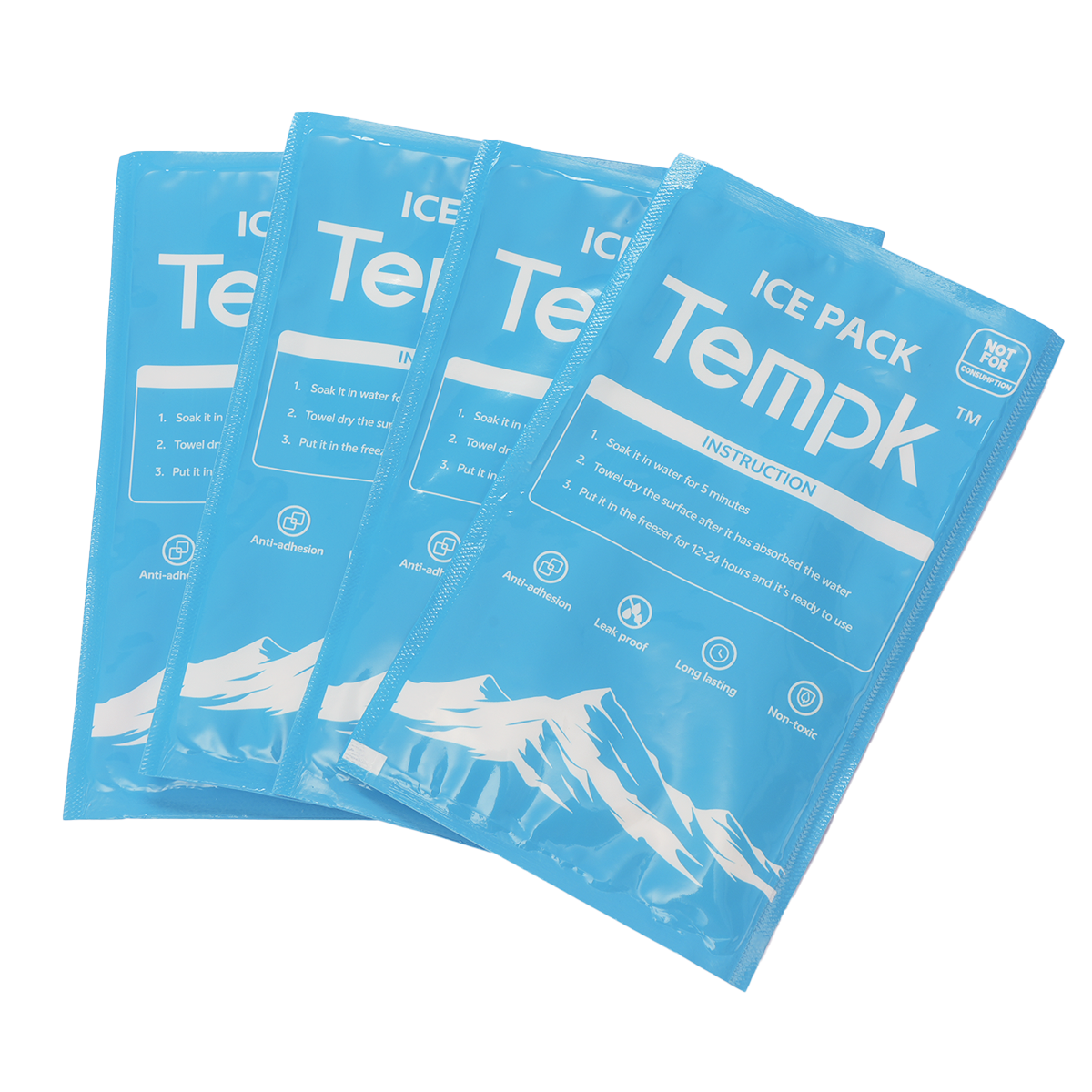
If you need frozen food to arrive rock‑solid, dry ice packs for shipping food are still the most reliable choice. You’ll find a quick estimator, step‑by‑step pack‑outs, 2025 compliance (IATA PI 954 / DOT §173.217 / USPS limits), and ways to cut cost without cutting cold. This merged guide consolidates and improves your three drafts into one 2025‑ready article.
How many packs do you need? Quick math using how much dry ice for 24–72 hours
Which packaging works best? EPS vs PUR vs VIP and pellets vs blocks
Are you compliant? 2025 IATA PI 954, DOT §173.217, USPS 5 lb by air
How to pack? A safe, repeatable ship frozen meat with dry ice workflow
How to save? Cut coolant and freight with right insulation & layout
How many dry ice packs for shipping food do you need?
Short answer: plan 5–10 lb (2.3–4.5 kg) of dry ice per 24 hours per box, then add a 20–25% buffer for summer peaks or air transit. Low pressure at altitude and warm lanes accelerate sublimation. One pound of dry ice becomes ~250 L of CO₂ gas, so vent your packaging.
Why the range? Hold time depends on insulation (EPS < PUR < VIP), box fill %, ambient profile (e.g., ISTA 7D/7E summer vs winter), and whether you use blocks (slower loss) or 16 mm pellets vs 3 mm pellets. VIP shippers can cut coolant mass dramatically; blocks and larger pellets last longer because of lower surface area.
Quick estimator for 24–72‑hour frozen shipments
Pick a daily loss rate based on lane & insulation (e.g., 6–8 lb/day EPS, 4–6 lb/day PUR, 3–5 lb/day VIP), then add 20–25%:
| Insulation choice | Typical daily loss you plan for | Common form factor | What it means for you |
|---|---|---|---|
| EPS (baseline) | 6–8 lb/day | Foam-lined shipper | Lowest cost, higher dry ice payload |
| PUR (vs EPS) | ~25–40% less ice | Rigid PUR walls | Longer hold, smaller box possible |
| VIP (vs EPS) | Up to 2–3× longer hold | VIP panels / reusable | Minimum ice, premium cost, best for long lanes |
Ranges align with published comparisons (PUR > EPS; VIP superior). Validate on your lanes with ISTA 7D/7E.*
Practical picks
Blocks or 16 mm pellets for line‑haul; 3 mm pellets for tight contact around product.
Summer & air lanes: choose a rate near the high end; altitude increases loss.
Example scenario: 48‑hour summer lane, EPS shipper. Use 7.5 lb/day + 25% → ~19 lb of dry ice. Swap to PUR and you’ll often trim the daily rate by roughly a third—dropping total coolant by several pounds per box. (Validate with your pack‑out tests.)
Which packaging keeps dry ice packs for shipping food colder longer?
TL;DR: VIP > PUR > EPS for thermal performance; blocks > large pellets > small pellets for longevity. VIP shippers command higher prices but can slash coolant and freight (smaller outer cartons).
Details: EPS is inexpensive and widely available. PUR improves R‑value and hold time over EPS. VIP panels deliver the strongest insulation; many reusable systems pair VIP with data loggers for high‑risk product. Pellet size matters: 16 mm pellets sublimate more slowly than 3 mm, while blocks last the longest.
EPS vs PUR vs VIP at a glance
| Shipper type | Relative hold vs EPS | Cost tier | Your takeaway |
|---|---|---|---|
| EPS | 1× | $ | Good for 24–48 h, high ice mass |
| PUR | ~1.3–1.6× | $$ | Cut dry ice & box size |
| VIP | ~2–3× | $$$ | Long lanes, minimal ice, reusable options |
Evidence from reviews and vendor specs supports the hierarchy; confirm with ISTA 7D/7E on your lanes.
Tip: Keep boxes full (less headspace), pre‑chill contents, and stage in a cold room before pickup. Those three habits often save more ice than switching pellet sizes.
Are dry ice packs for shipping food compliant with 2025 rules?
Must‑do checklist (air & ground):
Use vented packaging that allows CO₂ to escape (DOT 49 CFR §173.217(a)).
Mark the net dry‑ice mass (kg) on the outer package (§173.217(c)(1)).
Mark/label: “Dry Ice” or “Carbon dioxide, solid,” UN 1845, Class 9 hazard label (≥ 100 mm).
Paperwork (air): When dry ice is the only dangerous good, no Shipper’s Declaration is required; include “UN 1845, Dry Ice, x × y kg” on the air waybill.
IATA PI 954 acceptance requirements apply; ≤200 kg per package and proper marks/labels/weight.
USPS (air): ≤5 lb (2.27 kg) dry ice per mailpiece; more allowed by surface.
UPS/FedEx: Follow carrier procedures (UPS requires ISC contract for many dry‑ice lanes; FedEx provides 2025 job aids and checklists).
Safety: Dry ice is −78.5 °C (−109.3 °F); CO₂ exposure limits: OSHA/NIOSH 5,000 ppm TWA, 30,000 ppm STEL. Ventilate pack‑out areas; never seal dry ice in airtight containers.
Carrier acceptance tip: IATA publishes a 2025 Dry Ice acceptance checklist—use it in QA so every box clears tender first time.
How do you pack a box with dry ice packs for shipping food?
At a glance: bottom ice → product → top ice → void fill → vented lid → label & weigh.
Pre‑condition product to ≤ 0 °F (−18 °C). Keep items tightly packed. (FDA/FSIS: keep foods ≤ 40 °F and frozen at 0 °F.)
Line the shipper (EPS/PUR/VIP). Add dry ice blocks or 16 mm pellets to the bottom. Use corrugated pads to prevent direct contact for “chilled, not frozen” items.
Load product in a snug layer; backfill voids with bubble or crumpled kraft (not sealed bags).
Top layer of dry ice. For long lanes, split ice mass 60% bottom / 40% top so you keep a cold gradient.
Add a temp indicator or data logger (optional but smart).
Close & vent: Do not tape vapor‑tight; leave a small vent path per DOT/IATA.
Mark & label: “Dry Ice” or “Carbon dioxide, solid”, UN 1845, net kg, Class 9 label. For international air waybills: “UN 1845, Dry Ice, x × y kg.”
Hands‑on tips
Summer lanes: add gel packs above product to buffer brief door‑open events; keep dry ice below and above for core freeze.
Parcel hubs: VIP or PUR shippers reduce risk of short “danger zone” spikes (40–140 °F). Keep total time above 40 °F under 2 hours.
2025 developments & trends in dry ice packs for shipping food
What’s new in 2025? More reusable VIP shippers, recyclable paper‑based liners (e.g., ClimaCell), and broader use of lane‑profile testing (ISTA 7E) and real‑time IoT temperature logging. These tools let you ship the same product with less coolant and smaller cartons—and still pass validation.
Latest at a glance
Carrier tooling: FedEx issued 2025 dry‑ice job aids and checklists to simplify labels and acceptance.
Validation shift: More teams are adopting ISTA 7E profiles for real‑world parcel temperatures; 7D still used for development stress tests.
Sustainability: Recyclable liners (e.g., ClimaCell) and reusable VIP programs are scaling with meal‑kit and grocery growth.
Market insight: Cold‑chain packaging demand continues to grow in 2025; reusable systems and monitoring devices are the fastest‑rising segments as brands target waste and chargebacks. (Independent industry trackers report sustained growth through 2030.)
Frequently Asked Questions
Q1: How much dry ice for shipping food do I need for 48 hours?
Plan 10–16 lb for EPS, 8–12 lb for PUR, 6–10 lb for VIP, then add 20–25% buffer. Adjust up for hot lanes or air.
Q2: Can I ship internationally without a Shipper’s Declaration?
Yes—if dry ice is the only dangerous good. Put “UN 1845, Dry Ice, x × y kg” on the air waybill; follow PI 954 and all marks/labels.
Q3: What’s the USPS limit for dry ice by air?
≤5 lb (2.27 kg) per mailpiece by air; surface (ground) may exceed this.
Q4: Pellets or blocks—what lasts longer?
Blocks and 16 mm pellets last longer than 3 mm pellets because of lower surface area.
Summary & recommendations
Key points: Use 5–10 lb/day as your planning anchor; choose PUR/VIP to reduce ice and carton size; follow DOT §173.217 / IATA PI 954 / USPS rules; and label with UN 1845 and Class 9 (100 mm). Validate with ISTA 7D/7E, then trim buffer as data accumulates.
Next steps (fast track):
Run the estimator above for your lanes (24/48/72 h).
Pilot PUR or VIP on one hot lane to cut coolant >20%.
Adopt the 2025 IATA acceptance checklist to drive first‑pass tenders.
Add a temp indicator/logger for QA and fewer claims.
CTA: Need a lane‑specific pack‑out? Talk to a Tempk cold‑chain specialist for a free 15‑minute optimization review.
About Tempk
Tempk designs validated pack‑outs for frozen and chilled food, combining dry ice packs for shipping food with right‑sized EPS/PUR/VIP shippers. We back every design with ISTA thermal testing and 2025 IATA/DOT labeling guidance, helping you reduce coolant, shrink cartons, and pass carrier acceptance the first time.
Ready to optimize? Contact Tempk for a lane audit and pilot kit.
Dry Ice Packs for Shipping Flowers: 2025 Safe Guide
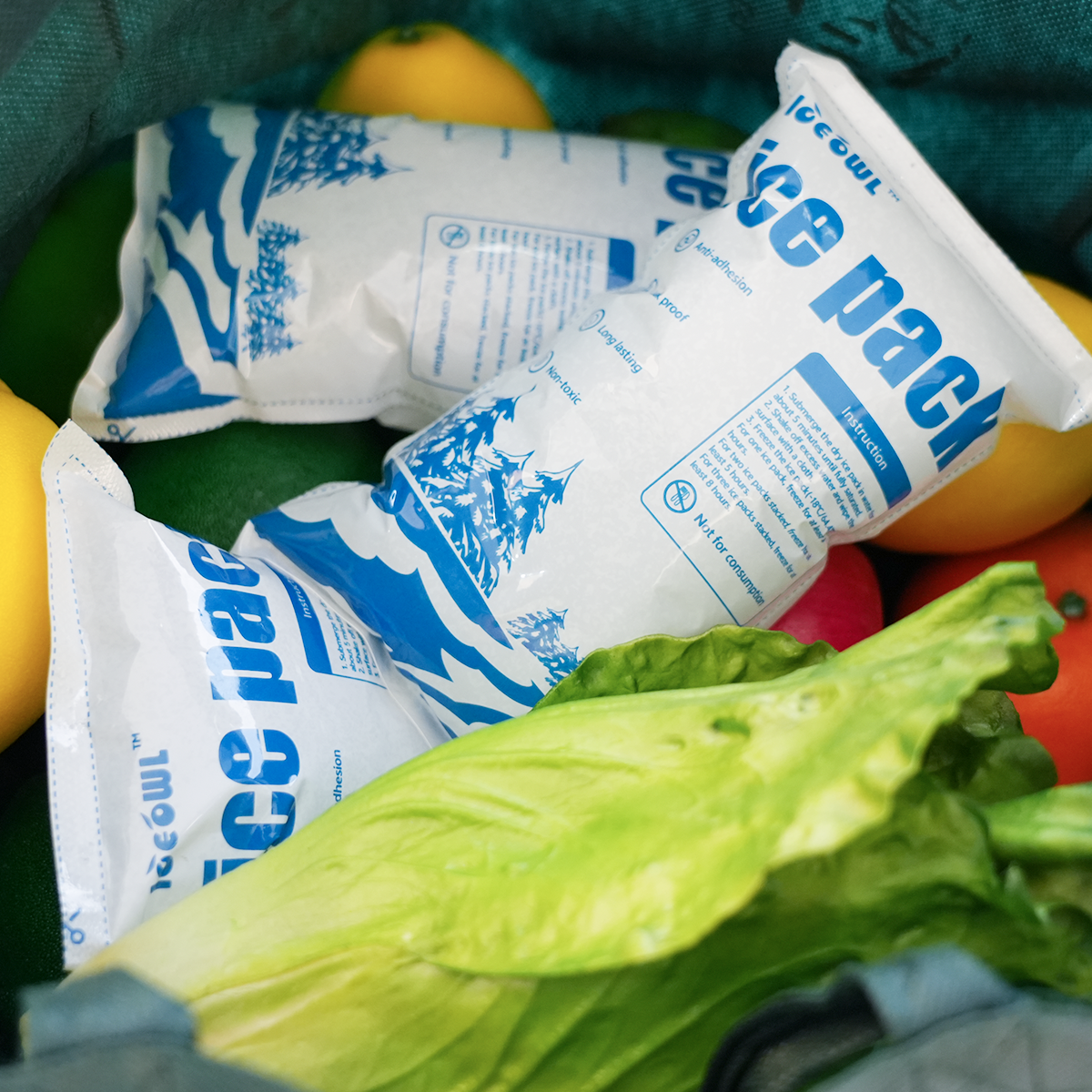
Updated: August 13, 2025. This article merges the strongest ideas from your three drafts into one best‑in‑class resource.
Dry ice packs for shipping flowers can keep blooms cool without freezing—if you use the right container, buffers, and labels. Most cut flowers travel best near 0–2 °C, while tropicals need warmer air. Below you’ll get simple packouts, 2025 compliance steps (UN1845), and a calculator you can copy to size cooling for 24–96 hours. UC Davis and IFAS guidance back the temperature targets.
This article will help you:
Choose when dry ice packs for shipping flowers make sense (vs. gel/PCM) for different species and routes.
Pack flowers to avoid freeze damage with dividers, liners, and airflow.
Pass 2025 rules: UN1845 marks, acceptance checklists, and postal limits.
Estimate cooling for 24–96 h and pick the right shipper (EPS/EPP/VIP).
Track quality with simple tools (loggers, indicators) and a quick lane selector.
When are dry ice packs for shipping flowers the right choice?
Direct answer: Use dry ice packs for shipping flowers on hot, long routes (48–96 h) and hardy species; prefer 0 °C PCM gel packs for typical lanes. Keep dry ice isolated, vented, and never in contact with petals. Most temperate flowers hold best near 0–2 °C; tropicals are chilling‑sensitive and should not see near‑freezing air.
Why this balance works: Think of dry ice as a “boost” for extreme heat or long transit. Temperate roses, mums, irises and similar stems tolerate near‑freezing storage; orchids, anthurium, and heliconia prefer 10–12 °C and can suffer chilling injury below that range. On most lanes, PCM 0 °C gel packs provide safer cooling with less risk. For summer heat or 72 h delivery, a hybrid (PCM near stems + a small dry‑ice charge above a rigid tray) adds staying power without freezing.
How does a hybrid packout prevent freezing?
Place PCM around stems to hold ~0–2 °C. Add a rigid, vented divider. Top‑load a modest dry‑ice charge so cold sinks through the divider but doesn’t flash‑freeze petals. Always leave a vent path for CO₂. This layout stretches duration and evens temperatures through the carton.
| Packout Option | Typical Hours | Risk Level | What it means for you |
|---|---|---|---|
| PCM 0 °C only | 24–48 | Low | Best for most SKUs and overnight lanes. |
| Dry ice only | 24–72 | Medium–High | Powerful but freeze‑risk without divider/vent. |
| Hybrid (PCM + dry ice) | 48–96 | Low–Medium | Long hot lanes; balanced, safer temps. |
Practical tips you can use
Top‑load dry ice over a rigid tray; keep a 25–50 mm standoff above petals.
Minimize headspace with void fill so cold air doesn’t “pool” unevenly.
Poly‑bag bouquets loosely to limit drying; perforate above the divider for venting.
Field case: A Dutch exporter moved 5,000 tulips to the Gulf in midsummer. Using a VIP shipper + 0 °C PCM around stems and a small dry‑ice charge above a tray held ~1–2 °C for ~30 hours; flowers arrived event‑ready with no petal burn.
How do you pack flowers with dry ice packs for shipping flowers without freezing?
Direct answer: Buffer, separate, and vent. Put PCM near stems, use a rigid, vented divider, top‑load dry ice, and keep any coolant from touching petals. This keeps air in the safe band and avoids cold spots.
Step‑by‑step approach: Pre‑cool hydrated stems. Line the carton (EPS/EPP/VIP). Add PCM bricks around stems. Fit a rigid tray. Place small dry‑ice bags on the tray. Close the liner without sealing airtight and mark UN1845 + net kg on the long panel. Add a simple temperature indicator or logger at petal height for proof and tuning.
Gel/PCM vs. “true” dry ice—what’s the difference?
Gel/PCM packs hold near 0 °C—ideal for most florals. “True” dry ice is −78.5 °C and can freeze petals on contact. When you must use dry ice, the divider and standoffs are non‑negotiable.
| Cooling method | Typical temp | Duration | Meaning for flowers |
|---|---|---|---|
| PCM 0 °C gel pack | ~0–2 °C | 24–48 h | Safe range for most cut flowers. |
| Dry ice (UN1845) | −78.5 °C source | 24–72 h | Powerful; isolate & vent. |
| Hybrid | ~0–2 °C | 48–96 h | Long lanes with safety margin. |
Actionable reminders
Wrap dry‑ice bags in a fabric sleeve to soften radiant cold.
Use “This Side Up” and “Perishable” handling notes to avoid inversion.
Ship mid‑week overnight to dodge weekend holds.
What rules govern dry ice packs for shipping flowers in 2025?
Direct answer: For air, follow IATA PI 954 and the 2025 Dry Ice Acceptance Checklist. Mark the package “Dry ice/Carbon dioxide, solid,” UN1845, and net kilograms; include shipper/consignee addresses and ensure venting. U.S. DOT 49 CFR §173.217 requires venting and specific marks; USPS air caps dry ice at ≤5 lb and prohibits it internationally. Carriers (FedEx/UPS) echo these requirements.
Why this matters: Correct labels and marks prevent dockside refusals and delays. FedEx’s 2025 job aid calls out UN1845 text sizing and visible shipper/consignee details. UPS highlights the 2.5 kg threshold language and PI 954 for international moves. Keep packages not airtight so CO₂ can escape safely.
Postal & operator highlights (quick check)
| Requirement | Applies to | Meaning for you |
|---|---|---|
| UN1845 + net kg + addresses | Air/ground parcels | Put marks on a vertical side, not the top/bottom. |
| Venting (not airtight) | All modes | Prevents pressure buildup/rupture. |
| USPS ≤5 lb (air) | U.S. domestic air | Above this, use other carriers/modes. No international postal dry ice. |
How much cooling do you need for 24–96 hours?
Direct answer: As a planning start, budget ~2.3–4.5 kg of dry ice per 24 h per parcel depending on insulation and ambient, then add 20–30% buffer. CO₂’s enthalpy of sublimation (~26 kJ/mol, ≈571 kJ/kg) explains the burn‑rate math. Validate with a simple data logger and tune.
Copy‑paste estimator (baseline only):
Quick selector—what should you use?
Overnight, mild weather: PCM 0 °C only.
48–72 h, summer lane: Hybrid (PCM + small dry‑ice top‑load).
Tropicals (orchids, anthurium): No dry ice; use 10–12 °C PCM.
Which containers pair best with dry ice packs for shipping flowers?
Direct answer: Choose the shipper before the coolant. EPS is cost‑effective for ≤48 h, EPP for rough handling/limited reuse, and VIP for 48–96 h hot lanes because it slashes heat leak (and your dry‑ice mass). Always provide a vent path for CO₂.
What this means on the floor: VIP hybrids shrink the carton and reduce “cold shock.” A vented divider and non‑airtight liner are essential regardless of foam type.
| Container | Lanes | Cooling impact | Practical note |
|---|---|---|---|
| EPS (25–40 mm) | 24–48 h | Higher ice mass | Budget starter; test in summer. |
| EPP (30–50 mm) | 36–72 h | Moderate mass | Durable and reusable. |
| VIP hybrid | 48–96 h | Lowest mass | Best for heat waves and long routes. |
2025 developments & trends in floral cold chain
What’s new: Carriers standardized acceptance checks for dry ice (UN1845); the IATA 2025 acceptance checklist is now a common origin touchpoint. On the horticulture side, research still centers on near‑freezing storage for temperate flowers and warmer setpoints for tropicals. Affordable Bluetooth loggers are now common for lane validation.
Latest at a glance
Carrier clarity: FedEx calls out UN1845 text size and mark placement to speed acceptance.
Postal specifics: USPS caps dry ice at ≤5 lb for domestic air; international postal routes prohibit it.
Physics baseline: CO₂ ΔH_sub ~26 kJ/mol is a reliable sanity check for your sizing math.
Market insight: VIP adoption is rising on long, hot lanes as brands trade “more ice” for “better insulation,” cutting dim‑weight and freeze risk.
FAQs
1) Is it safe to use dry ice packs for shipping flowers with all species?
No. Use for temperate stems (roses, mums, tulips) on hot/long lanes. Avoid for tropicals; use warmer PCM (10–12 °C).
2) How much dry ice per day should I plan?
Roughly 2.3–4.5 kg/24 h per parcel; add 20–30% buffer and verify with a logger on first runs.
3) What must be on the box for air shipments?
“Dry ice/Carbon dioxide, solid,” UN1845, net kg, shipper and consignee addresses; ensure venting and follow operator checklists.
4) Can I mail dry ice by USPS?
Domestic air: yes, up to 5 lb; international mail: prohibited. Follow Pub 52 and PI 9A.
5) What storage temperature should I target for most flowers?
Aim for 0–1 °C unless the species is tropical.
6) Do I need a Shipper’s Declaration?
Not when dry ice is shipped alone or with non‑DG under PI 954; still complete acceptance items and marks. Check operator variations.
About Tempk
We design floral cold‑chain packouts for growers, wholesalers, and DTC brands. Our programs tune container + coolant to your lanes, standardize labels and paperwork, and reduce excursions. Clients routinely cut warm events 20–40% after implementation. Talk to us for a regulation‑ready plan to deploy dry ice packs for shipping flowers this season.
Dry Ice Packs for Shipping 48 Hours (2025 Guide)
Dry Ice Packs for Shipping 48 Hours: How to Succeed
If you need a reliable two‑day frozen hold, start with the right amount of dry ice, the right packout, and the right labels. The common baseline is roughly equal weight of dry ice to frozen payload; then adjust for season and insulation, and verify with a data logger. Mark packages UN1845 (Dry Ice/Carbon dioxide, solid) and follow IATA/air‑carrier rules.
Size your coolant for dry ice packs for shipping 48 hours using a practical estimator.
Build a robust packout that prevents thawing and label failures on first attempt.
Meet regulations (IATA PI 954, FedEx/UPS/USPS) without guesswork.
Validate and improve with ISTA 7E/Standard 20 and simple monitoring.
How much dry ice do dry ice packs for shipping 48 hours require?
Short answer: begin near 1:1 (dry ice : frozen product by weight) for ~48 hours, then add 25–50% for hot lanes or summer and reduce if you use higher‑R insulation. Always verify with a logger.
Why it works: dry ice doesn’t melt; it sublimates to CO₂. Sublimation rate depends on heat load and insulation, so route and wall thickness matter. Aviation safety work emphasizes measuring your rate under realistic conditions rather than trusting vendor claims.
Quick 48‑hour estimator (use, then test)
Example: 6‑lb payload, summer hot lane, EPS 1.5″: 6 × 1.35 × 1.15 ≈ 9.3 lb ⇒ pack 9.5–10 lb and validate.
| Payload (lb) | Start Dry Ice (lb) | When to add more | What it means for you |
|---|---|---|---|
| 4 | 4–5 | Summer/hot lane | Reliable 48h if EPS ≥1.5″ |
| 8 | 8–10 | Multi‑handoff | Add VIP if weight is tight |
| 12 | 12–15 | Very hot lanes | Logger + VIP recommended |
Practical tips you can use today
Pre‑freeze product hard (<‑18 °C) and chill packaging to cut early heat load.
Place dry ice on top (cold air sinks) and leave vent paths; never seal dry ice in a bag.
Eliminate voids with kraft or pads to reduce convection and settling.
Real‑world case: A bakery shipping 6 lb of frozen pastries in summer moved from 1″ to 1.75″ EPS and raised dry ice from 6 lb to 8 lb. Core stayed below −10 °C for 52 hours on a warm lane.
Which packout keeps dry ice packs for shipping 48 hours reliable?
Build a tight, vented system: insulated box (EPS 1.5–2.0″ or VIP), product centered and bagged, dry ice on top, and clear venting. Never let dry ice touch food. Add gel/PCM to buffer last‑mile warm‑up or to avoid too‑cold exposure.
Hybrid packout (dry ice + PCM): when and why
Ice‑cream sampling kits: add −20 °C PCM bricks to prevent partial thaw at delivery.
Frozen meal bundles: add 0 °C gel packs for post‑unboxing buffer.
Temp‑sensitive biologics: add narrow‑range PCM to avoid over‑cooling.
What regulations apply to dry ice packs for shipping 48 hours?
For air: mark “UN1845, Dry Ice (or Carbon dioxide, solid)” and show net dry‑ice weight in kg; ensure venting; apply a Class 9 label (100 mm square). If dry ice is the only dangerous good, FedEx does not require a Shipper’s Declaration; follow its job aid for character heights (≥12 mm when package capacity >30 kg). UPS and IATA PI 954 rules apply similarly. USPS allows domestic dry‑ice parcels under Packaging Instruction 9A.
Consumer note: airlines often cap dry ice in passenger baggage at 2.5 kg (5.5 lb)—that’s for baggage, not cargo. Check your carrier if you’re near that threshold.
Safety basics: wear insulated gloves; work in ventilated areas; don’t store dry ice in sealed rooms or airtight containers. Consider CO₂ monitoring where you stage outbound loads.
Validation and monitoring: prove your 48‑hour performance
Qualify your design with ISTA 7E (Summer/Winter profiles) and document to Standard 20. Add a USB/NFC logger to qualification runs and a sampling plan for live parcels. USP <1079> promotes a risk‑based approach and continuous monitoring during distribution.
3‑step plan
Bench test: run 7E profiles; capture core and near‑wall temps.
Lane pilot: ship to a hot lane with 25–50% dry‑ice reserve; review curves.
SOPs + training: codify packouts, weights, labels, recipient notices.
2025 trends shaping dry ice packs for shipping 48 hours
CO₂ supply: US merchant CO₂ output is down in 2025 due to plant losses and routine maintenance, though disruptions were managed—plan contracts and buffers ahead of peak seasons.
Monitoring: temperature‑logger adoption keeps rising through 2035, improving traceability and dispute resolution.
Latest at a glance
Carrier clarity: updated IATA/FedEx/UPS pages sharpen markings and declarations.
Validation focus: FAA work stresses measured sublimation rates under realistic conditions.
Food delivery: FDA best‑practice guidance emphasizes temperature control, labeling, and handoff.
Market insight: tighter CO₂ and stronger compliance push more shippers to VIP liners or hybrids to reduce dry‑ice mass and freight. Loggers and smart labels support FSMA‑style documentation.
FAQs
How many pounds of dry ice keep 10 lb of meat frozen for 48 h?
Start near 1:1 (≈10 lb), add 25–35% for summer or hot lanes, and verify with a logger.
Do I need a Shipper’s Declaration if dry ice is the only dangerous good?
Not for FedEx Express, provided you mark UN1845 and net weight correctly; follow its job aid.
What label size and text should I use?
Apply a Class 9 label (100 mm) and ensure markings; FedEx calls for ≥12 mm text height when package capacity >30 kg.
Can I ship with USPS?
Yes, domestic only. The package must vent CO₂ and meet Packaging Instruction 9A.
Is there a 5.5‑lb limit for air shipments?
Consumer air‑shipping pages often cite 5.5 lb (2.5 kg) thresholds; always confirm carrier and service level for your shipment.
Summary & recommendations
Use dry ice packs for shipping 48 hours with a 1:1 starting ratio, strong insulation, top‑placement, and proper venting. Label UN1845 with net weight, follow IATA/carrier rules, and validate with ISTA 7E plus a logger. Plan seasonal packouts and maintain CO₂ contingency to protect margin and service levels.
Next steps:
Run the estimator for your top SKU and book a Summer/Winter test. 2) Publish a recipient care note (“Contains dry ice—use gloves; open in a ventilated area”). 3) Standardize labels and recordkeeping. Need a hand? Contact Tempk for a lane‑specific 48‑hour validation plan.
About Tempk
Tempk designs, tests, and supplies temperature‑controlled packaging—gel and “dry‑ice” packs, insulated shippers, pallet covers, and more—backed by a CNAS‑certified lab and audited QA. We build lane‑validated 48‑hour packouts and hybrid designs that cut total dry‑ice use while keeping outcomes reliable.