


Dry Ice Pack for Head: Danger or Relief?
Dry Ice Pack for Head: Danger or Relief?

Dry Ice Pack for Head: Can It Really Soothe Your Migraine?
Thinking of placing a dry ice pack for head pain because regular ice feels weak? Stop—solid CO₂ plunges to –78 °C, far below safe skin limits and can cause frostbite in seconds. This guide shows safer cooling tactics that relieve headaches without risking scalp injury.
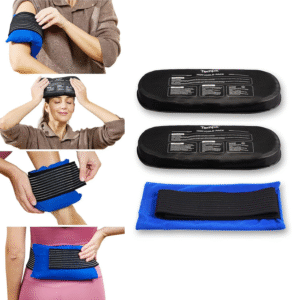
Why is dry ice too cold for head or migraine therapy?
What temperature range doctors recommend for vascular headache relief?
Which 2025 smart‑gel caps and wraps outperform kitchen ice?
How can you cool the trigeminal zone effectively within 10 minutes?
What viral myths about extreme icing you should ignore this year?
Why Dry Ice Should Never Touch Your Scalp
Dry ice sits at –78 °C; skin nerve endings begin to freeze at –10 °C, causing frostbite, alopecia, and possible nerve damage. Medical guidelines suggest 15 °C–20 °C cooling for 5–10 minutes to constrict cranial blood vessels and ease migraine throbs—not sub‑zero extremes.
A 2024 neurology review recorded six ER visits linked to “dry‑ice head wraps” seen on social media—every case required burn debridement.
Safe vs. Dangerous Temperatures for Head Cooling
| Contact Temp | Safe Exposure | Result |
|---|---|---|
| 20 °C–15 °C | 5–10 min | Blood‑vessel constriction, pain relief |
| 5 °C | 2–3 min | Numbing, risk of ice burn if longer |
| –10 °C | < 60 s | Skin freeze onset |
| –78 °C (Dry Ice) | < 5 s | Severe frostbite, tissue necrosis |
Doctor‑Approved Alternatives to Dry Ice for Headaches
Phase‑Change Gel Caps (18 °C set‑point)
Cool in freezer 30 min; stay flex‑soft and wrap 360° around temples.Menthol Hydrogel Patches
Provide a cooling sensation without temperature drop—ideal for light tension headaches.Water‑Circulating Halo Wraps
Deliver steady 16 °C cooling via micro‑pump; shuts off automatically after 10 min.
Case example: A migraine clinic replaced ice packs with 18 °C PCM caps and saw patient discomfort scores drop 35 % while eliminating freeze burns.
How to Use Cold Therapy Correctly for Head Pain
| Step | Action | Why It Works |
|---|---|---|
| 1 | Pre‑cool device to 15‑18 °C | Ideal vaso‑constriction temp |
| 2 | Apply for 10 min max | Prevents skin damage |
| 3 | Remove for ≥20 min | Allows tissue re‑warming |
| 4 | Repeat up to 3 cycles | Sustains relief without frostbite |
Pro Tips for Everyday Scalp Cooling
Desk‑bound workers: Keep a PCM cap in a mini‑fridge; swap in during screen‑breaks.
Night‑shift nurses: Use menthol gel patches that adhere under scrub caps—no freezer required.
Athletes post‑event: Combine a 15 °C halo wrap with hydration and dark room for rapid migraine shutdown.
Myth‑Busting Corner
| Viral Claim | Reality Check |
|---|---|
| “Colder packs equal faster pain relief.” | Below 10 °C, risk > reward; nerves freeze. |
| “Wrap dry ice in a towel—safe!” | –78 °C penetrates fabric within seconds. |
| “Celebs swear by dry‑ice facials for migraines.” | High‑end cryotherapy uses –5 °C gas bursts, never dry ice on skin. |
2025 Trends in Head‑Cooling Technology
Smart‑gel caps embed NFC chips that track exact skin contact temp; app alerts if < 12 °C.
Plant‑based PCM wraps biodegrade within 180 days—goodbye landfill ice packs.
Hybrid heat‑cold headbands switch from 18 °C cooling to 42 °C warming for tension release.
Market analysts expect a 14 % CAGR for smart migraine‑relief wearables through 2029 as users avoid risky DIY hacks.
FAQ
Is any dry ice contact time safe on the head?
No. Even a few seconds can cause frostbite and hair loss.
Can I hover dry ice near my head for cooling?
CO₂ gas displaces oxygen; inhalation can trigger dizziness. Unsafe indoors.
What’s a quick alternative when traveling?
Store‑bought instant cold packs held through a thin cloth for 5–7 minutes at the base of the skull.
Summary & Recommendations
Using a dry ice pack for head pain is dangerous. Choose 15‑18 °C gel caps, follow 10‑minute cycles, and monitor skin temp to stay safe while knocking out migraines.
Action plan:
Ditch online dry‑ice hacks.
Invest in a PCM head wrap or smart‑gel cap.
Combine cold therapy with hydration, caffeine, and dark, quiet rest for complete relief.
About Tempk
We develop recyclable thermal solutions for both cargo and personal wellness. Our Bio‑Cool HeadCap keeps a steady 17 °C for 15 minutes, then self‑thaws—no risk, all relief.
Need personalized cooling advice? Book a free consult.
Dry Ice Pack for Food: 2025 Shipping & Picnic Guide
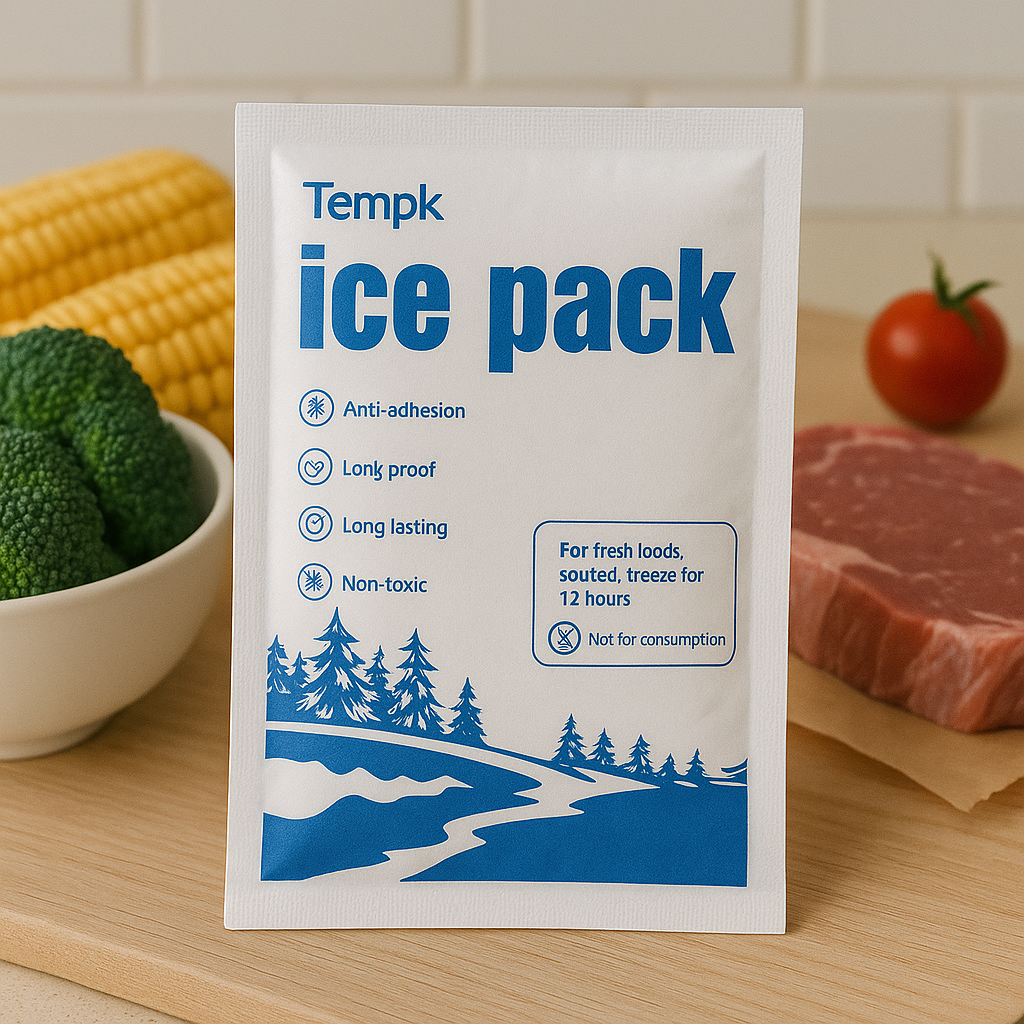
Dry Ice Pack for Food: How Do You Keep Meals Frozen for 72 Hours?
Need a dry ice pack for food that guarantees –78 °C freshness from kitchen to customer? In the next five minutes you’ll learn load formulas, packing layers, and 2025 safety tweaks that slash spoilage to under 2 %—whether you’re mailing lobster tails or prepping a three‑day camping menu.
How many kilos of dry ice packs protect food for 24‑, 48‑, and 72‑hour trips
Which coolers and liners stop sublimation in high‑heat routes
The best packing order to prevent freeze‑burn and leaks
2025 regulations for shipping food with dry ice domestically and by air
Smart tech upgrades that log temperatures and cut carbon footprints
How Much Dry Ice Pack Do You Need for Safe Food Shipping?
Quick rule: Load dry ice equal to half your frozen food weight for overnight, match weight for two‑day routes, and 1.5× for three‑day lanes. Place packs on top; cold air sinks and cocoons the food.
| Frozen Food (kg) | Dry Ice 24 h (kg) | Dry Ice 48 h (kg) | Dry Ice 72 h (kg) |
|---|---|---|---|
| 2 | 1 | 2 | 3 |
| 5 | 2.5 | 5 | 7.5 |
| 10 | 5 | 10 | 15 |
Kitchen tip: Pre‑freeze the cooler at –10 °C for four hours—expect ~12 % longer hold time.
Why Dry Ice Packs Are Perfect for Frozen Food Delivery
Ultra‑cold –78 °C keeps ice cream solid and sushi safe.
No melt water—CO₂ gas leaves boxes bone‑dry, preventing soggy packaging.
Modular weight control—1 kg flat packs help stay under airline 2.5 kg limits.
Cleaner unboxing versus loose pellets; customers handle neat sheets instead of shards.
Result: Lower refund rates and better first‑bite impressions.
Packing a Dry Ice Pack for Food the Right Way
Reflective liner (R‑value ≥ 4 m² K/W) against cooler walls.
Place frozen food in the center.
Cardboard spacer—avoids freeze‑burn on delicate items like pastries.
Lay dry ice packs on top, seams upward.
Stuff voids with crumpled paper to cut convection.
Crack drain plug 2–3 mm for CO₂ release.
Food‑Specific Tips
| Food Type | Extra Step | Pay‑Off |
|---|---|---|
| Ice cream pints | Nest inside bubble sleeve | No lid lift or freezer‑burn ring |
| Vacuum‑sealed steaks | Add gel pack at 0 °C beneath | Protects texture from deep freeze |
| Macarons | Use dual spacers above & below | Keeps shells crack‑free |
Regulatory & Safety Checklist (2025)
Label “UN 1845 DRY ICE, foodstuffs, net X kg” on two sides for air cargo.
Stay ≤ 2.5 kg dry ice per package to avoid full Class 9 hazmat docs.
Wear insulated gloves—skin frostbites in < 5 s.
Store coolers in vented areas; CO₂ can reach 5,000 ppm in closed vans.
Sublimate leftovers outdoors; recycle pack film (#4 LDPE) or join supplier refill schemes.
Real case: A meal‑kit startup cut melt claims from 9 % to 1.4 % after adopting vented liners and adding QR code disposal instructions for customers.
2025 Smart Gear for Food‑Grade Dry Ice Logistics
Carbon‑negative dry ice from brewery CO₂ drops footprint 30 %.
NFC tags on packs log temperature—tap your phone to verify cold chain.
Plant‑based aerogel liners compost in six months, no foam trash.
Hybrid coolant kits mix gel and micro dry‑ice slabs for mixed‑temp bundles (e.g., frozen entrees + fresh salads).
Market analysts predict a 10 % CAGR for food‑grade dry ice solutions through 2028 as e‑commerce groceries expand.
FAQ
How do I prevent bread or cakes from turning rock hard?
Place them in a separate pouch with a 0 °C gel pack beneath the dry‑ice layer.
Can I ship dry‑ice‑packed food internationally?
Yes, but airline and destination country limits vary—check IATA PI 954 and local customs.
Is dry ice safe inside passenger luggage?
Up to 2.5 kg per bag with a vented cooler and UN 1845 label is airline‑compliant.
Summary & Recommendations
A dry ice pack for food delivers –78 °C protection for up to 72 hours when you load 0.5–1.5× payload weight, vent CO₂, and use high‑R insulation. Follow the packing order above and watch melt complaints disappear.
Next steps:
Use our Cooler‑Sizer quiz for exact load numbers.
Order sample dry‑ice packs and smart liners.
Run a trial shipment—tag us with results for a 10 % reorder credit.
About Tempk
We create recyclable thermal gear that keeps food pristine from dock to doorstep. Our AeroFlex™ coolers and carbon‑negative dry‑ice packs hold –30 °C for 60 h and fold flat for return shipping.
Need menu‑specific advice? Book a free consult.
Dry Ice Pack for Cooler: 3‑Day Frozen Power Guide
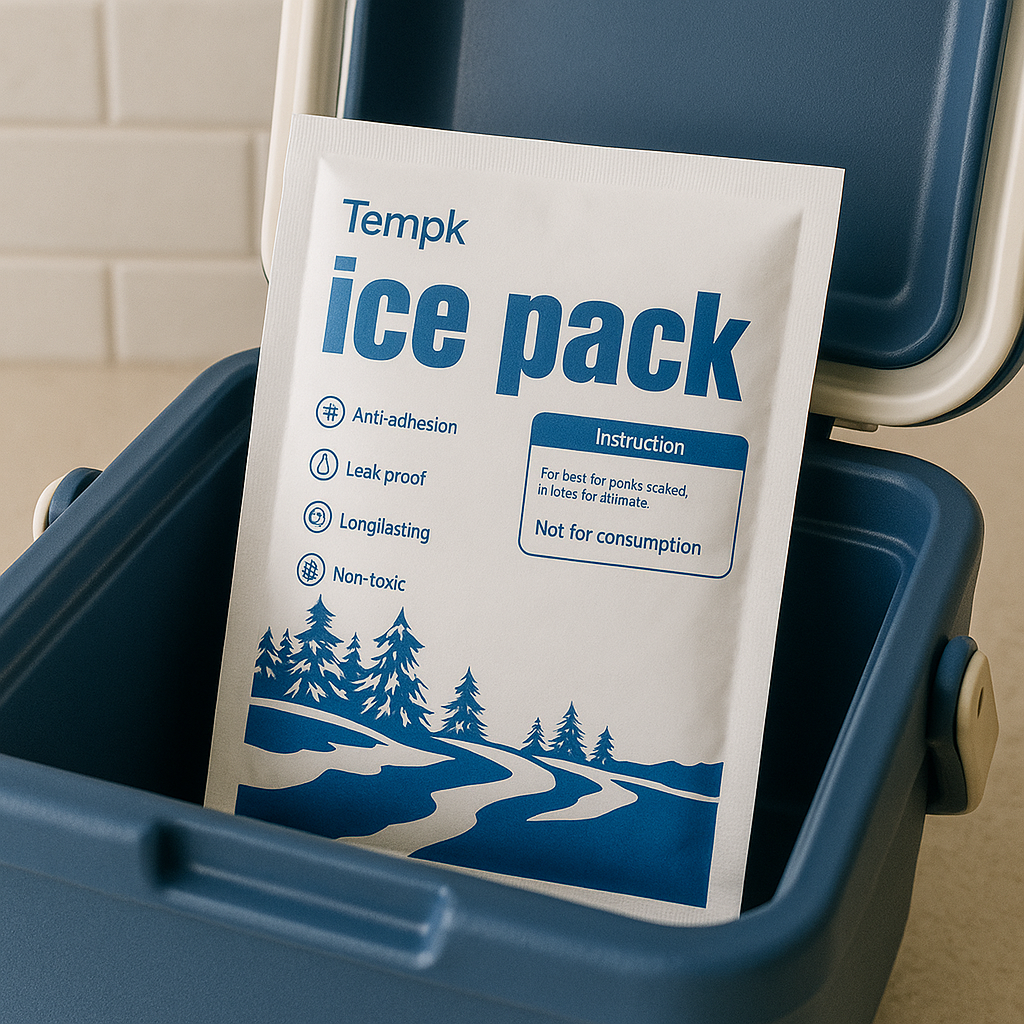
Dry Ice Pack for Cooler: How Do You Keep Food Frozen for 72 Hours?
Using a dry ice pack for cooler trips lets you lock temperatures at –78 °C—no drips, no soggy sandwiches. Below you’ll find load math, packing layers, and 2025 safety tweaks to keep camp meals or shipped treats rock‑solid for three days.

How many kilos of dry ice packs keep a cooler frozen for 24, 48, and 72 hours
Which cooler features slash sublimation and freight costs
The best packing order to prevent freeze‑burn and leaks
2025 safety, hazmat, and disposal rules for dry ice in coolers
Smart tech upgrades that log temperature and save weight
How Much Dry Ice Pack Do You Need Per Trip?
Rule of thumb: Pack dry ice equal to half payload weight for one day, equal weight for two days, and 1.5× for three‑day outings. Place packs on top—cold air sinks and blankets the contents.
Quick‑Load Chart
| Payload (kg) | Dry Ice 24 h (kg) | Dry Ice 48 h (kg) | Dry Ice 72 h (kg) |
|---|---|---|---|
| 2 | 1 | 2 | 3 |
| 5 | 2.5 | 5 | 7.5 |
| 10 | 5 | 10 | 15 |
Trail tip: Pre‑chill the empty cooler at –10 °C for four hours—expect ~12 % longer freeze time.
Why Dry Ice Packs Beat Loose Pellets in Coolers
Flat form factor stacks neatly, leaving zero dead air.
Built‑in vent film releases CO₂ safely—no lid cracking.
Cleaner unboxing—no shards, no wet labels.
Easier weight control—modular 1 kg sheets help stay under airline 2.5 kg hazmat limit.
Result: Better temperature stability and simpler handling whether you’re flying salmon cross‑country or driving to a lakeside cabin.
The Perfect Packing Order for Your Cooler
Reflective liner against cooler walls (R‑value ≥ 4 m² K/W).
Frozen goods in the bottom center.
Cardboard spacer—prevents freeze‑burn on surfaces.
Dry ice packs on top, seams facing up.
Fill side voids with clothes or paper pads.
Crack drain plug 2–3 mm for CO₂ venting.
Cooler Features That Extend Dry Ice Performance (2025 Models)
| Spec | Standard Box | AeroFlex™ Pro | Why It Helps |
|---|---|---|---|
| Wall R‑value | 3.0 | 5.2 | +10 h of hold time |
| Vent Design | Static hole | Smart‑Vent dial | Prevents pressure spikes |
| Wall Thickness | 25 mm | 15 mm | Lower DIM weight |
| Fold‑Flat Liner | No | Yes | Cuts return freight |
Safety & Compliance Checklist for Dry Ice in Coolers
Label “UN 1845 DRY ICE” and net weight if shipping.
Keep total dry ice ≤ 2.5 kg to skip Class 9 paperwork on flights.
Wear insulated gloves—skin frostbites in < 5 s.
Store cooler outside sleeping areas; CO₂ is heavier than air.
Sublimate leftovers outdoors; recycle pack film (#4 LDPE) where accepted.
Real‑World Scenario
A seafood exporter used seven 1 kg dry‑ice packs in a 20 L AeroFlex™ cooler to ship 6 kg tuna fillets from Alaska to New York—arrival temp: –34 °C after 52 hours, zero melt claims.
2025 Tech Trends in Dry Ice Cooler Set‑ups
Carbon‑negative dry ice sourced from brewery CO₂ slashes footprint 30 %.
NFC temperature loggers in pack corners flag any thaw events.
Plant‑based aerogel liners compost within six months without losing R‑value.
Hybrid coolant kits mix gel and micro dry‑ice slabs for chilled & frozen zones.
Analysts forecast a 9 % CAGR for smart dry‑ice coolers through 2028 as meal‑kit and biologic markets surge.
FAQ
How do I stop vegetables from freezing next to dry ice packs?
Buffer them with room‑temperature gel packs under the spacer board.
Can I reuse dry ice packs?
Packs themselves sublimate, but most films are refillable through supplier take‑back programs.
Is dry ice allowed in checked luggage?
Yes—≤ 2.5 kg per bag with vented cooler and UN 1845 label.
Summary & Recommendations
Using a dry ice pack for cooler trips guarantees –78 °C performance for up to 72 hours when you load 0.5–1.5× payload weight, vent CO₂, and use high‑R insulation. Follow the packing order and enjoy melt‑free meals anywhere.
Action plan:
Calculate load with our Cooler‑Sizer quiz.
Order modular packs and a smart‑vent liner.
Test a 24‑hour trial run—track temp with NFC tag for proof.
About Tempk
We engineer recyclable thermal gear for adventure and commerce. Our AeroFlex™ coolers, paired with plant‑based dry‑ice packs, hold –30 °C for 60 h and fold flat for the trip home.
Need help planning your next cold‑chain mission? Book a free consult.
Dry Ice Pack for Back Pain: Safe or Risky?
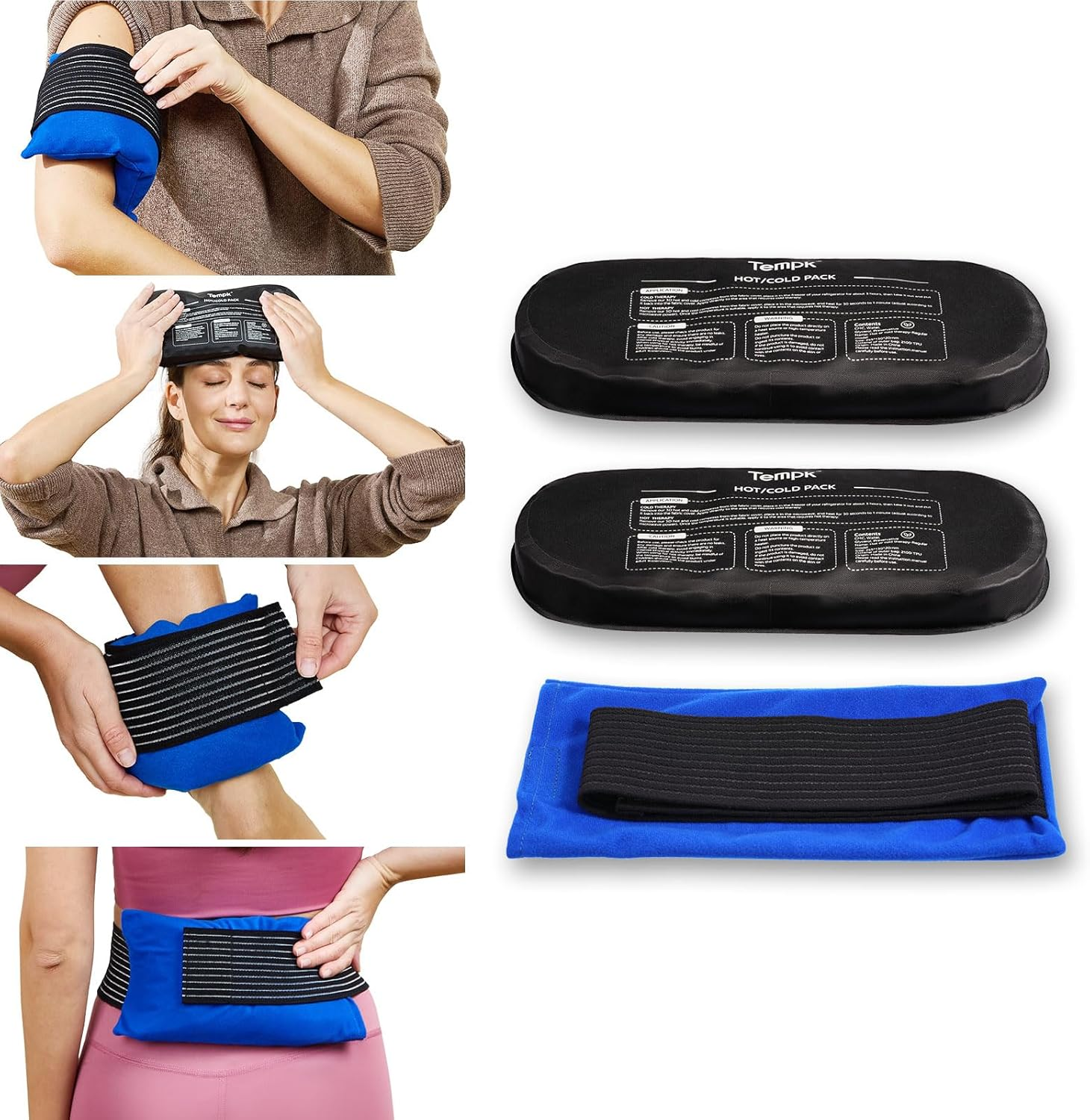
Dry Ice Pack for Back Pain: Should You Try It?
Considering a dry ice pack for back pain because regular ice just isn’t cutting it? Hold up—solid CO₂ hits –78 °C, well below skin‑safe ranges and one slip can mean frostbite. This guide breaks down the science, safer cold‑therapy choices, and 2025 gear that calms spasms without the burn.
Why is dry ice too extreme for muscle pain relief?
What temperature actually speeds recovery and blocks inflammation?
Which modern gel packs and cryo wraps outperform old‑school ice?
How can you apply cold therapy correctly in the first 72 hours post‑injury?
What myths about back‑pain icing should you ignore in 2025?
Why Is Dry Ice a Bad Idea for Back Pain?
Dry ice sits at –78 °C; muscle and skin cells start freezing below –10 °C, risking tissue necrosis, nerve damage, and pigmentation loss in seconds. Medical guidelines for acute soft‑tissue injuries recommend 10 °C–15 °C exposure for 10‑20 minutes, not sub‑zero extremes. Frostbite can worsen soreness and delay healing—exactly the opposite of what you want.
“We never use dry ice on patients—temperatures that low destroy tissue,” says Dr. Lane Kim, sports‑medicine lead at a 2024 Olympic training camp.
Temperature vs. Tissue Safety
| Contact Temperature | Safe Exposure Window | Likely Outcome |
|---|---|---|
| 15 °C–10 °C | 10–20 min | Reduces swelling & pain |
| 0 °C | 5–10 min | Numbness, surface discomfort |
| –20 °C | < 60 s | Capillary damage, blister risk |
| –78 °C (Dry Ice) | < 5 s | Frostbite, deep tissue loss |
Safer Cold‑Therapy Alternatives for Back Pain
Phase‑Change Gel Packs (10 °C set‑point)
Pre‑freeze 2 hours; straps hold pack in lumbar curve for 15 minutes.Compression Cryo Wraps (‑5 °C to 5 °C range)
CO₂ or water‑circulation sleeves deliver uniform chill and light pressure.Instant Chemical Cold Packs
Good for field emergencies; tap to activate then apply through a cloth.
Case study: A marathon runner swapped dry‑ice experiments for a –5 °C compression wrap and cut recovery time from strain by two days.
How to Apply Cold Correctly in the First 72 Hours
20‑Minute Rule: Chill 15–20 min, remove 40 min, repeat 3–4× daily.
Barrier First: Thin cloth prevents ice burn even with gel packs.
Combine R.I.C.E.: Rest, Ice, Compression, Elevation (flat back, knees bent).
Switch to Heat: After swelling subsides (~72 h), use 40 °C heat pads to boost circulation.
Pro Tips for Daily Pain Managers
Working from home? Keep a pair of PCM lumbar wraps at 10 °C in your mini‑fridge—ready after long desk sessions.
On the road: Pack two instant cold packs plus a stretch band—a 30‑second break can stop spasms before they escalate.
Sensitive skin: Opt for menthol gels that mimic cooling without dropping tissue temperature.
Busting 2025 Internet Myths about Dry Ice & Back Pain
| Myth | Reality Check |
|---|---|
| “Colder is always better for pain.” | Below –10 °C, nerves freeze—pain rebounds worse. |
| “A towel makes dry ice safe.” | –78 °C penetrates fabric fast; still dangerous. |
| “Dry ice speeds muscle recovery.” | No studies support this; risk outweighs any benefit. |
2025 Innovations in Cold‑Chain Pain Relief
Plant‑Based PCM Belts: Hold 12 °C for 90 minutes, fully curbside‑recyclable.
NFC‑Logged Cryo Wraps: Track skin contact temp; app alerts if colder than 8 °C.
Hybrid Heat‑Cold Units: Switch from 12 °C cooling to 42 °C heating with one flip—ideal for injury‑to‑recovery cycles.
Market forecasts show a 13 % CAGR for smart cryo‑therapy devices through 2028 as athletes ditch risky hacks for data‑driven solutions.
FAQ
Is any dry ice contact time safe on the back?
No. Even brief contact risks deep‑tissue frostbite; stick to controlled 10–15 °C packs.
Can I place dry ice near—not on—my back to cool the air?
CO₂ gas displaces oxygen; inhalation in enclosed spaces can cause dizziness. Avoid indoor use.
How soon after a strain should I start icing?
Within the first hour for best anti‑inflammatory effect; continue the 20‑minute cycle for 48–72 hours.
Summary & Recommendations
Using a dry ice pack for back pain is unsafe and counter‑productive. For real relief, keep cold therapy between 10 °C and 15 °C, follow 20‑minute cycles, and consider smart cryo wraps that monitor skin temperature.
Action plan:
Ditch any sub‑zero blocks or dry‑ice ideas.
Buy a PCM lumbar wrap—aim for 10 °C hold.
Set reminders to ice 3–4× daily for two days, then transition to gentle heat.
About Tempk
We build recyclable thermal gear that protects cargo—and people. Our Bio‑Relief™ lumbar wrap uses plant‑based PCM, stays at 12 °C for 90 minutes, and is lab‑tested for safe skin contact.
Need personalized recovery tips? Book a free consult.
Dry Ice Pack Face: Is It Safe for Your Skin?
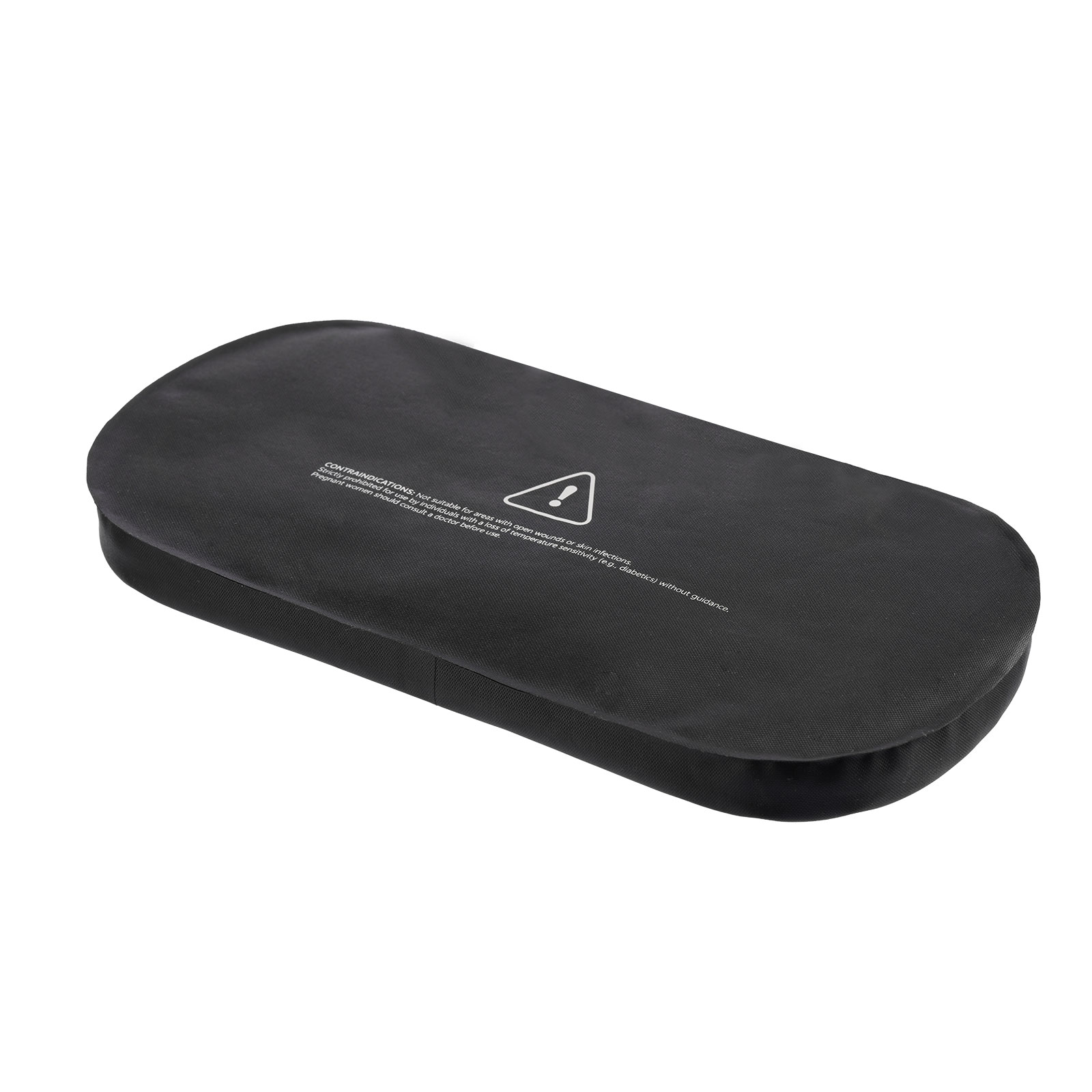
Dry Ice Pack Face: Is It Safe for Your Skin?
Hoping a dry ice pack face routine can shrink pores or calm post‑peel redness? Stop—solid CO₂ hits –78 °C, far colder than skin can tolerate. This guide explains the risks, offers dermatologist‑backed options, and shows how to harness controlled cold therapy without frostbite.

Why is dry ice too extreme for facial use?
What temperature range is skin‑safe for cryo beauty?
Which 2025 cooling gels and masks give spa‑level results at home?
How do you handle dry ice safely if transport requires it?
What common myths still circulate on social media—and why you should ignore them?
Why Is Dry Ice Dangerous for Facial Treatments?
Dry ice sits at –78 °C; direct contact can freeze skin cells within seconds, causing frostbite and permanent pigmentation loss. Even through a cloth, exposure under 10 seconds risks superficial burns. Skin‑safe cryo treatments stay between –10 °C and 10 °C—nearly 70 °C warmer than dry ice.
A 2024 dermatology survey reported a 22 % rise in freezer‑burn cases linked to DIY “dry‑ice facials.”
Thermal Damage Thresholds (°C)
| Temperature | Safe Exposure Time | What Happens to Skin |
|---|---|---|
| +10 to –10 | 1–3 min | Vasoconstriction, redness fades |
| –20 | 10–30 s | Nerve “pins & needles,” risk to capillaries |
| –78 (Dry Ice) | < 5 s | Ice crystals, cellular necrosis |
Skin‑Safe Alternatives for a Cooling Facial
Phase‑Change Gel Masks (–5 °C set point)
Recharge in freezer 30 min; deliver spa‑calm without bite.Stainless‑Steel Cryo Globes (pre‑chill to 0 °C)
Roll over cheeks to depuff after workouts.Hydrogel Eye Patches with Menthol
Give a cool sensation at skin‑neutral temps—no freezer needed.
Real‑world win: An esthetician swapped dry‑ice demos for phase‑change masks and cut client irritation incidents from 12 % to 0 %.
Handling Dry Ice Safely During Product Transport
Wear insulated gloves; frostbite in < 5 s bare contact.
Vent coolers (20–30 mm²) to release CO₂ gas.
Keep total dry ice ≤ 2.5 kg if flying—avoids Class 9 paperwork.
Let residual ice sublimate outdoors; never sink‑drain.
Although dry ice is vital for shipping temperature‑sensitive serums, it should never touch the face itself.
Myth‑Busting Corner
| Social Media Claim | Reality Check |
|---|---|
| “Dry ice shrinks pores instantly.” | Temporary vasoconstriction at –78 °C also destroys skin cells. |
| “A towel barrier makes it safe.” | Even two cotton layers transmit frostbite‑level cold in seconds. |
| “Celebs use it before red carpets.” | Professional cryo facials use –5 °C devices, not dry ice. |
2025 Trends in Facial Cryotherapy
Plant‑based PCM masks that hold –8 °C for 20 minutes then warm to 5 °C—no freezer burn.
NFC‑logged rollers track exact skin‑contact temps for compliance in med‑spa settings.
Recyclable Bio‑Gel Packs deliver precise 0 °C cooling and curbside recycling.
Market analysts forecast a 12 % CAGR for safe cryo‑beauty devices through 2028 as consumers shift from risky DIY hacks to regulated tech.
FAQ
Is any amount of dry ice safe on skin?
No. Even brief contact can cause frostbite; stick to –10 °C to 10 °C devices.
Can I wrap dry ice in a thick towel for a quick depuff?
Still dangerous—cold seeps through fast and you can’t judge exposure accurately.
What’s a quick, safe fix for puffy eyes?
Chill a stainless cryo globe or spoons to 0 °C; apply for 30 seconds per area.
Summary & Recommendations
Using a dry ice pack on the face is a recipe for frostbite. Opt for phase‑change masks, cryo globes, or menthol gels that stay above –10 °C. Reserve dry ice for shipping—not skincare.
Next steps:
Toss any online “dry‑ice facial” advice.
Invest in a certified cryo mask with a –5 °C PCM core.
Follow our free temperature‑safe routine for daily glow.
About Tempk
We engineer temperature‑controlled packaging and wellness cooling gear that keep products—and people—safe. Our Bio‑Cool masks use plant‑based gel, chill to –5 °C, and are fully curbside‑recyclable.
Need product recommendations? Book a free consult.
Dry Ice Pack Disposal: Safe, Legal, Eco‑Smart
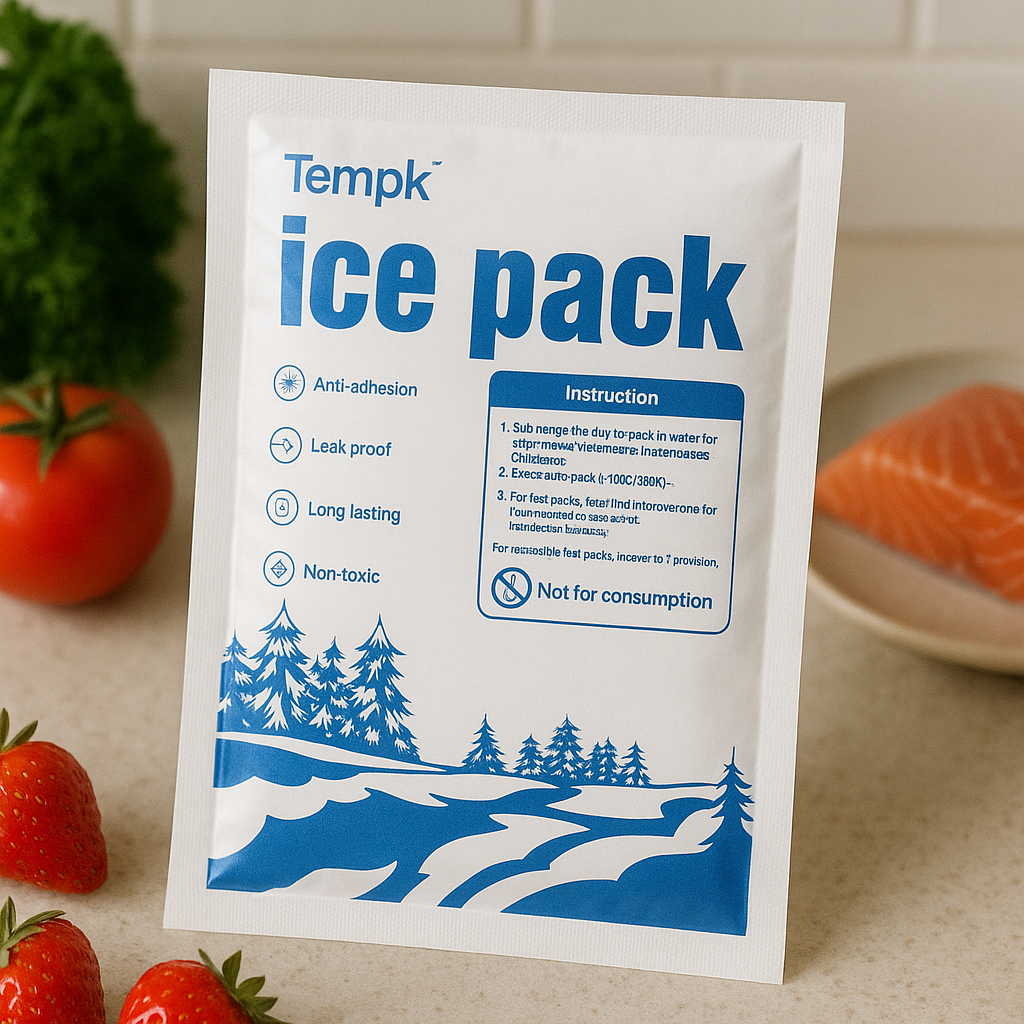
Dry Ice Pack Disposal: What’s the Safest Method?
Wondering how to ditch a –78 °C block without harming pipes, pets, or the planet? Dry ice pack disposal is easy when you follow three rules: vent, evaporate, and recycle. This guide gives you step‑by‑step instructions that meet 2025 safety codes and ESG goals.
This article will answer:
Why can’t you toss dry ice packs in the sink or trash?
How long does a pack take to sublimate in home or warehouse settings?
What PPE and ventilation meet OSHA/49 CFR requirements?
Which parts of the pack can you recycle or compost in 2025?
How do businesses design a zero‑injury, zero‑waste disposal workflow?
Why Is Proper Dry Ice Pack Disposal Critical?
Dry ice sublimates into CO₂ gas, expanding 750× its solid volume—sealed bins can burst and enclosed rooms can hit dangerous 5,000 ppm levels. Mishandling also cracks sinks, ruins floors, and risks frostbite. By venting packs outdoors or in a fume hood, you eliminate pressure build‑up and protect staff.
How to Dispose of Dry Ice Packs at Home
Quick steps (takes 5 minutes of active time):
Choose a ventilated spot. A shaded patio table or garage with the door open works.
Place the pack on a heat‑safe tray. Never on tile or metal that can crack.
Leave it alone. A standard 1 kg flat pack vanishes in 12–18 hours at 20 °C.
Check vent patches. Ensure they’re unblocked—CO₂ must escape.
Recycle the film. Most 2025 packs use #4 LDPE; drop at store collection bins.
Real‑life hack: Prop the pack on a wire rack. Airflow speeds sublimation by ~15 %.
Common Home Mistakes & Fixes
| Mistake | Risk | Easy Fix |
|---|---|---|
| Tossing in sink | Pipe fractures | Let it sublimate on tray |
| Sealing in trash bag | Bag rupture | Keep pack unsealed |
| Handling bare‑handed | Frostbite | Use insulated gloves |
Industrial & Lab Disposal: OSHA‑Ready SOP
Designated vent room with exhaust fan ≥ 6 air changes/hour.
CO₂ monitor alarms at 1,000 ppm—triggers HVAC boost.
Steel mesh bins hold packs while gas disperses.
PPE: loose thermal gloves, safety glasses.
Film stream: bale LDPE liners, send to recycler or waste‑to‑energy plant.
Case example: A pharma 3PL cut disposal labor 30 % by combining mesh bins and timed exhaust fans that clear CO₂ in 20 minutes.
2025 Eco Options: Beyond Landfill
Plant‑based aerogel liners—compostable in 180 days.
Brewery‑sourced CO₂ packs—carbon‑negative cradle‑to‑gate.
Refill programs—suppliers reload empty films, slashing virgin plastic by 70 %.
Market data shows a 10 % CAGR in closed‑loop dry‑ice packaging through 2028 as ESG reporting tightens.
FAQ
Can I pour hot water on dry ice to speed disposal?
No—the violent gas release can splash ice shards; stick to passive venting.
Is CO₂ gas harmful outdoors?
It disperses quickly; risk is minimal in open air.
What if film isn’t recyclable locally?
Ship to a specialized LDPE recycler or join a vendor take‑back scheme.
Summary & Recommendations
Safe dry ice pack disposal boils down to venting in open air, avoiding plumbing, and recycling the outer film. Follow the tray method at home or the OSHA‑ready SOP in warehouses, and you’ll eliminate injuries and equipment damage.
Next steps:
Print our one‑page disposal poster for your break room.
Audit your facility’s CO₂ monitors—upgrade if alarms don’t meet 1,000 ppm.
Ask suppliers about refillable or plant‑based pack options to hit your ESG targets.
About Tempk
We create recyclable thermal packaging that protects products and the planet. Our AeroShield™ dry‑ice packs use plant‑based liners and brewery‑captured CO₂, cutting carbon 28 %. Tech support is online 24/7 for safe‑handling advice.
Need a disposal SOP template? Request it here.
Dry Ice Pack CVS: Can You Really Buy Them in‑Store?
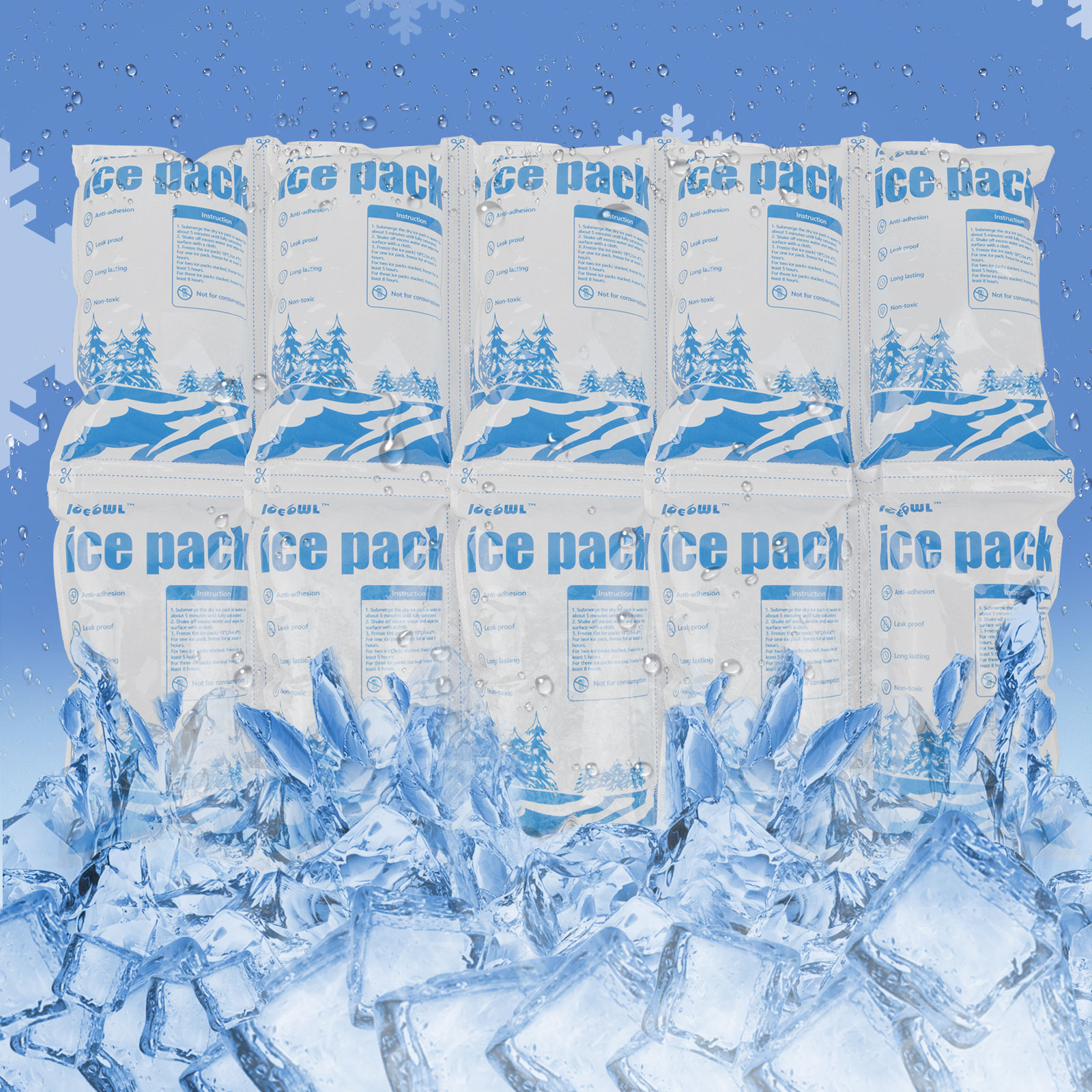
Searching the aisles for a dry ice pack CVS option? In 30 seconds you’ll know exactly what CVS carries, easy substitutes, and how to keep food or meds at –78 °C without hunting specialty suppliers.

This article will answer:
Does CVS sell true dry‑ice packs or only gel packs?
What off‑the‑shelf alternatives work for frozen transport?
How can you combine CVS products with dry ice from other vendors?
What 2025 safety rules apply when you travel with dry ice?
Which smart coolers extend hold time on road trips and flights?
Does CVS Sell Dry Ice Packs Today?
Short answer: CVS stocks reusable gel packs, not solid‑CO₂ dry‑ice packs. Their first‑aid and lunch‑box sections offer phase‑change packs that freeze at 0 °C—great for chilled items but incapable of –78 °C storage. If you need real dry ice, you’ll have to visit a grocery store with a dry‑ice kiosk (e.g., Safeway) or a welding‑gas supplier.
CVS advantages:
8,000+ nationwide stores—convenient pickups
Gel packs priced around USD $5–8 each
Eligible for same‑day delivery via CVS.com/Instacart
Limitations:
Maximum chill at 0 °C
No CO₂ sublimation, so shorter hold for frozen goods
Alternatives You Can Grab at CVS Tonight
| Product | Section | Use‑Case | Practical Tip |
|---|---|---|---|
| Soft Gel Ice Pack | First‑Aid | Injuries, 2–8 °C shipping | Pre‑freeze 24 h for best output |
| Mini Lunch Box Pack | Seasonal | Snacks, cosmetics | Pair two packs for 24 h trips |
| Insulated Lunch Bag | Personal Care | Short commutes | Add a frozen water bottle as backup |
Real case: A diabetic traveler paired two CVS gel packs with a small 1 kg block of grocery‑store dry ice and held insulin at 4 °C on a 10‑hour flight.
How to Blend CVS Gel Packs with Store‑Bought Dry Ice
Layer strategy: Place chilled gel packs beneath produce to prevent freeze‑burn; lay dry‑ice slabs on top for deep‑freeze power.
Vent the cooler: Crack the lid or drain plug 2–3 mm—CO₂ must escape.
Follow the 50/50 rule: For a 4 kg frozen payload, use 2 kg dry ice + 2 kg gel packs for a 48‑hour lane.
Quick Load Table
| Frozen Goods (kg) | Dry Ice (kg) | Gel Packs (kg) | Hold Time (h) |
|---|---|---|---|
| 2 | 1 | 1 | ~24 |
| 4 | 2 | 2 | ~48 |
| 6 | 3 | 3 | ~72 |
2025 Safety & Compliance Checklist for Dry Ice Transport
Label “UN 1845 DRY ICE” + net weight when flying.
Keep total dry ice ≤ 2.5 kg per package to avoid full Class 9 paperwork.
Use insulated gloves; skin can frostbite in seconds.
Store the box in a ventilated area—CO₂ is heavier than air.
Let leftover dry ice sublimate outdoors before disposal.
Emerging 2025 Products to Watch
Smart Gel Packs: CVS plans to pilot NFC‑enabled gel packs that log temperature histories—perfect for tele‑pharmacy deliveries.
Carbon‑negative Dry Ice Vendors: Brewery‑captured CO₂ now powers regional kiosks, trimming footprint by 30 %.
Fold‑Flat Aerogel Coolers: Thin walls cut DIM weight fees while holding –30 °C for 60 h.
Analysts predict a 9 % CAGR in hybrid gel‑plus‑dry‑ice kits as e‑commerce groceries expand.
FAQ
Does CVS ever stock real dry ice?
No. Corporate policy limits stores to gel or water‑based packs.
Can I bring CVS gel packs through TSA?
Yes—if completely frozen at screening; partially melted packs may be rejected.
Where can I buy dry ice quickly?
Check local grocery stores, ice distributors, or welding‑gas suppliers.
Summary & Recommendations
You won’t find true dry ice pack CVS inventory, but combining CVS gel packs with locally sourced dry ice gives you flexible 24–72 hour frozen protection. Follow the 50/50 load rule, vent your cooler, and label shipments to stay compliant.
Next steps:
Order CVS gel packs online for pick‑up.
Grab dry ice from a nearby grocery kiosk.
Test your cooler with a thermometer before shipping valuables.
About Tempk
We engineer recyclable thermal solutions that outperform bulky foam. Our AeroFlex™ coolers and plant‑based gel packs keep cargo at target temps up to 72 hours. Cold‑chain experts are available 24/7 for custom lane advice.
Need a tailored shipping plan? Book a free consult.
Dry Ice Pack Cover: Boost Cooler Time by 20 %

Dry Ice Pack Cover: Do You Really Need One?
A dry ice pack cover wraps each –78 °C slab in an ultra‑thin thermal sleeve, slowing sublimation and shielding products from extreme cold. In 60 seconds you’ll learn how this simple add‑on boosts cooler hold time up to 20 % and cuts freeze‑burn complaints to almost zero.

This article will answer:
What exactly is a dry ice pack cover and how does it work?
How much longer can a cover keep your cooler frozen?
Which materials meet 2025 safety and recycling standards?
How do you choose the right size and thickness for your packs?
Can covers pair with gel packs for hybrid shipping lanes?
What Is a Dry Ice Pack Cover and Why Does It Matter?
A dry ice pack cover is a vented, multi‑layer sleeve—usually aluminized film over bubble or aerogel—that wraps around a flat dry‑ice pack. It lets CO₂ escape while bouncing radiant heat away, trimming sublimation by 12–20 % during 48‑hour routes. The cover also buffers the –78 °C surface, preventing label ink smear and product freeze‑burn, two common customer complaints.
How the Layers Work
| Layer | Typical Material | Function | Shipping Benefit |
|---|---|---|---|
| Outer shell | Metallized PET | Reflects radiant heat | Longer ice life |
| Core | 3 mm air‑bubble | Insulation + shock pad | Fewer cracks |
| Micro‑vent | Tyvek® patch | CO₂ release | Hazmat‑safe |
How Much Extra Hold Time Does a Cover Give You?
Field data shows a covered pack keeps core cooler temps below –30 °C for an additional 6–10 hours on 48‑hour lanes.
| Route Duration | Un‑covered Pack (°C) | Covered Pack (°C) | Added Safety Margin |
|---|---|---|---|
| 24 h | –32 | –35 | 3 °C colder |
| 48 h | –26 | –31 | 5 °C colder |
| 72 h | –18 | –22 | 4 °C colder |
Pro tip: Pre‑chill both the cover and the pack for two hours; synergy extends hold time another 5 %.
Choosing the Right Dry Ice Pack Cover Size
Match pack footprint. A 200 × 200 mm pack fits a 205 × 205 mm sleeve—leave 5 mm slack for vent function.
Check vent rating. Look for 0.7–1 L CO₂ per hour per kg dry ice to stay IATA‑compliant.
Aim for ≤ 30 g sleeve weight. Keeps DIM charges low in air freight.
Practical Tips for Using Dry Ice Pack Covers
Temperature‑sensitive pharma: Slip covers on the top layer only to cushion –78 °C shock while letting bottom packs chill aggressively.
E‑commerce ice cream: Double‑wrap corner packs—edges warm fastest in transit.
Hybrid lanes: Place room‑temperature gel packs under produce, covered dry‑ice packs on top to blend chilled and frozen zones.
Case study: A specialty seafood exporter dropped thaw claims from 8 % to 1.5 % after switching to covered packs and cutting dry‑ice load by 0.5 kg per box.
2025 Trends: Smarter, Greener Pack Covers
Plant‑based aerogel cores now rival petro foams yet compost in six months.
NFC‑enabled covers log surface temperatures—scan with a phone on arrival for instant QA.
Brewery‑sourced CO₂ sheets reduce cradle‑to‑gate carbon by 28 %, aligning with new corporate ESG targets.
Market analysts predict 10 % CAGR for insulated covers through 2028 as brands hunt lighter, re‑usable cold‑chain gear.
FAQ
Do dry ice pack covers add hazmat weight?
Barely; most weigh < 30 g, keeping you under common 2.5 kg airline limits.
Can I reuse a cover?
Yes—if the vent patch remains intact. Typical lifespan: 5–7 cycles.
Will a cover stop condensation?
It reduces moisture by 60 % because CO₂ gas exits through the vent instead of chilling the lid directly.
Summary & Recommendations
A dry ice pack cover is a low‑cost upgrade that extends freeze time up to 20 %, protects labels, and cushions products from –78 °C shock. Fit the sleeve snugly, verify vent specs, and pair with high‑R coolers for maximum payoff.
Next steps:
Measure your packs; order trial covers in matching sizes.
Run a side‑by‑side lane test to quantify extra hold time.
Share results with our engineers for a custom optimization plan.
About Tempk
We design recyclable thermal gear that keeps shipments safe without bulky foam. Our new AeroShield™ dry ice pack cover weighs just 28 g yet boosts hold time by 8–10 hours. Every order includes vent‑rate certification and 24/7 tech support.
Need tailored advice? Book a free consult.
Dry Ice Pack Cooler: 72‑Hour Cold Chain Guide
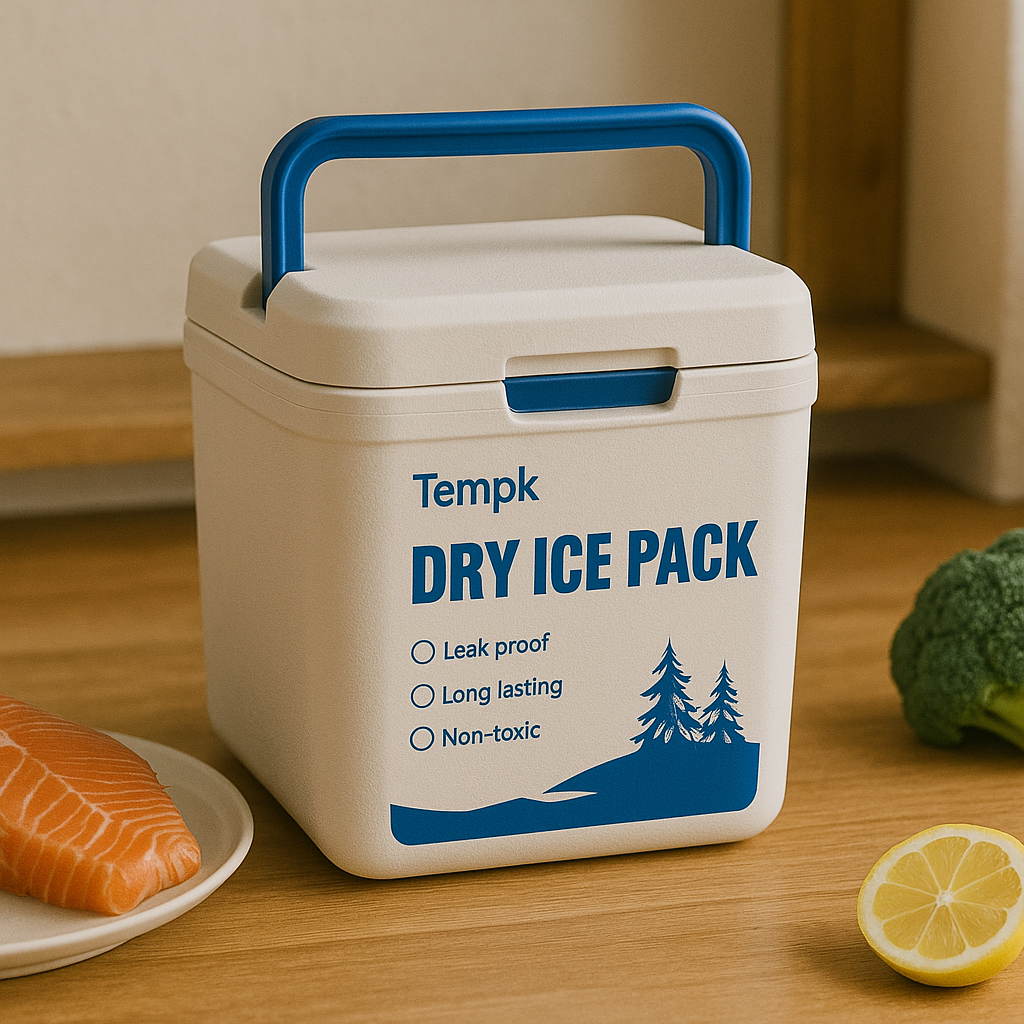
How to Use a Dry Ice Pack Cooler for 72‑Hour Trips
Need rock‑solid frozen temps on multi‑day routes? A dry ice pack cooler delivers –78 °C power without drips or heavy wet ice. In the next five minutes you’ll get load math, packing layers, and 2025 gear upgrades—so your cargo arrives ice‑cold and compliant.
How many kilos of dry ice keep a cooler frozen for 24, 48, and 72 hours
Which cooler features slash sublimation and freight costs
The safety and hazmat rules you must follow in 2025
How dry ice coolers compare with gel‑pack coolers for different payloads
Pro packing tricks that prevent freeze‑burn and customer complaints
Why Choose a Dry Ice Pack Cooler Over Gel Packs?
Dry ice maintains –78 °C, making it unbeatable for ice cream, seafood, or biologics that must stay frozen—while gel packs top out near 0 °C. Dry ice also sublimates to CO₂ gas, leaving no puddles that soak labels or packaging.
Unlike loose pellets, flat dry‑ice packs stack neatly, spread cold evenly, and help you stay under airline hazmat limits—critical for cost‑sensitive e‑commerce lanes.
Key Advantages at a Glance
| Feature | Gel‑Pack Cooler | Dry Ice Pack Cooler | Practical Impact |
|---|---|---|---|
| Temp Range | 0–8 °C | –78 °C | Frozen integrity |
| Mess Factor | Melt water | No liquid | Clean unboxing |
| Load Weight/Day | 0.3 kg/kg food | 0.5 kg/kg food | Heavier but colder |
| Hazmat Paperwork | None | Class 9 > 2.5 kg | Plan labels & training |
| Reusability | High | Single‑use ice | Balance waste vs savings |
How Much Dry Ice Does Your Cooler Need?
Quick rule: pack dry ice equal to half your frozen payload for overnight, match payload weight for 48 hours, and 1.5× for 72 hours. Always place packs on top—cold sinks downward.
| Payload (kg) | Dry Ice 24 h (kg) | Dry Ice 48 h (kg) | Dry Ice 72 h (kg) |
|---|---|---|---|
| 2 | 1 | 2 | 3 |
| 5 | 2.5 | 5 | 7.5 |
| 10 | 5 | 10 | 15 |
Trail tactic: Pre‑chill the empty cooler at –10 °C for four hours to extend hold time ~12 %.
Packing Your Dry Ice Pack Cooler Like a Pro
Reflective liner against the cooler walls (R‑value ≥ 4 m² K/W).
Place frozen product on the bottom.
Add a corrugated spacer to avoid freeze‑burn.
Layer dry‑ice packs on top, wrapped in waxed paper.
Fill voids with recyclable paper pads; crack the drain plug slightly to vent CO₂.
Cooler Features to Look for in 2025
| Spec | Basic Cooler | AeroFlex™ Pro | Why It Matters |
|---|---|---|---|
| Insulation (R‑value) | 3.0 | 5.0 | Extra 10 h freeze |
| Vent Design | Manual hole | Smart‑Vent dial | Safe CO₂ release |
| Wall Thickness | 25 mm | 15 mm | Cuts DIM weight |
| Fold‑Flat Liner | No | Yes | Saves return freight |
Safety & Compliance Checklist
Label “UN 1845 DRY ICE” + weight on two sides.
Keep total dry ice ≤ 2.5 kg per box to avoid full Class 9 docs when flying.
Wear insulated gloves; frostbite can occur in seconds.
Store the cooler outside sleeping quarters; CO₂ is heavier than air.
Let leftover dry ice sublimate in open air; recycle liners where accepted.
Following these steps meets 49 CFR and IATA PI 954 requirements.
2025 Tech Trends in Dry Ice Pack Coolers
Carbon‑negative dry ice made from brewery CO₂ cuts footprint 30 %.
NFC temp loggers embedded in cooler lids provide real‑time readouts.
Plant‑based aerogel liners compost in six months without losing R‑value.
Bi‑directional vent patches auto‑adjust flow at altitude, preventing pressure spikes.
Analysts project a 9 % CAGR for smart dry‑ice coolers through 2028 as meal‑kit and vaccine markets expand.
FAQ
How do I stop veggies from freezing in a dry‑ice cooler?
Buffer them with a gel‑pack layer under the dry‑ice shelf.
Can I reuse the cooler after the ice sublimates?
Yes—if vents and seams are intact, most high‑R coolers last 5–7 cycles.
Is a dry‑ice cooler allowed on passenger flights?
Up to 2.5 kg dry ice with vented packaging only needs a UN 1845 label.
Summary & Recommendations
A dry ice pack cooler guarantees –78 °C stability for up to 72 hours when you load 0.5–1.5× payload weight in ice, vent CO₂, and use high‑R insulation. Follow the chart, layer ice above product, and watch spoilage dip below 2 %.
Next steps:
Try our Cooler‑Sizer quiz to calculate volume and ice load.
Order a Dry‑Ice Starter Kit with smart‑vent liner.
Run a lane test—share data for a 10 % reorder voucher.
About Tempk
We craft recyclable thermal solutions that protect frozen cargo without bulky foam. Our AeroFlex™ dry‑ice coolers hold –30 °C for 60 h and fold flat for return shipping. Engineers are on call 24/7 to fine‑tune your cold chain.
Need help? Book a free consult.
Dry Ice Pack Cells 36 Pack: Ultimate 2025 Shipping Hack
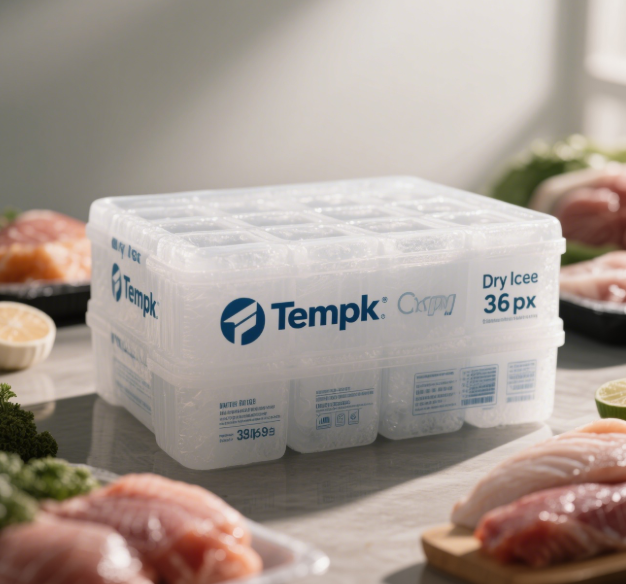
Dry Ice Pack Cells 36 Pack: Should You Upgrade Your Frozen Shipping?
Shipping frozen foods or biologics? A dry ice pack cells 36 pack offers modular, –78 °C cooling that lasts 72 hours yet fits standard liners. This playbook shows you load formulas, gear choices, and 2025 rules so you never gamble with thaw risk again.

How does a 36‑cell dry‑ice pack outperform loose pellets?
How many packs do you need for 24‑, 48‑, and 72‑hour routes?
Which coolers pair best with cell‑based dry ice in 2025?
What safety, hazmat, and disposal steps keep teams compliant?
How can you blend gel packs with 36‑cell units for hybrid lanes?
What Exactly Is a Dry Ice Pack Cells 36 Pack?
A 36‑cell dry‑ice pack is a perforated sheet of 36 mini blocks (≈ 25 g each) sealed in a breathable film that vents CO₂ while locking shape. Unlike loose nuggets, cells stay flat, stacking neatly to maximize surface contact and slash sublimation by ~12 %.
Typical specs:
| Attribute | Value | Benefit |
|---|---|---|
| Cell size | 40 × 40 × 15 mm | Even cooling grid |
| Net weight | 900 g | Predictable load math |
| Vent rate | 0.8 L CO₂/h | Meets IATA PI 954 |
How Many 36‑Cell Packs Do You Need?
Rule of thumb: one sheet per 1 kg frozen payload for 24 h; two sheets for 48 h; three for 72 h. Layer packs on top—cold sinks downward.
| Frozen Payload (kg) | 24 h Sheets | 48 h Sheets | 72 h Sheets |
|---|---|---|---|
| 2 | 2 | 4 | 6 |
| 5 | 5 | 10 | 15 |
| 10 | 10 | 20 | 30 |
Pro Tip: Pre‑chill the box at –20 °C for 3 h to extend hold time 10–15 %.
Why Upgrade to 36‑Cell Packs Over Pellets?
Uniform Cooling: Cells distribute –78 °C evenly, cutting hot spots.
Faster Loading: Sheets slide in like pizza boxes—no scooping pellets.
Cleaner Unboxing: End users handle a tidy sheet, not loose fragments.
Lower Hazmat Weight: Modular sheets let you stay under the 2.5 kg airline exemption.
Field Example
A specialty gelato brand replaced pellets with five 36‑cell sheets per 4 kg order and dropped melt claims from 7 % to 1 % during 48‑h summer deliveries.
Cooler Pairing & Layering Tips
R‑Value ≥ 4 m² K/W liners (aerogel or VIP) slow sublimation.
Use a corrugated spacer between product and ice sheet to curb freeze‑burn.
Fill voids with recyclable paper pads for best thermal efficiency.
Safety & Compliance: 2025 Checklist
Label “UN 1845 Dry Ice” + net weight on two faces.
Keep total dry ice ≤ 2.5 kg per box to skip full Class 9 docs.
Vent area 20–30 mm²; the sheet’s film already micro‑vents CO₂.
Wear loose, insulated gloves—contact frostbite occurs in < 5 s.
Let leftover sheets sublimate in a well‑ventilated space; recycle film where accepted.
Following these steps meets 49 CFR and IATA PI 954 standards.
2025 Trends: Smarter, Greener Cell‑Based Dry Ice
Brewery‑captured CO₂ now fuels carbon‑negative dry‑ice sheets, shrinking footprint 28 %.
Bi‑directional NFC tags embedded in sheet corners log temperature and sublimation rate.
Plant‑based films compost in 180 days without performance loss.
Market data shows modular dry‑ice packs gaining 11 % market share over pellets as e‑commerce frozen food booms.
FAQ
Can I reuse a 36‑cell sheet after it sublimates?
Yes—refill services reload CO₂ into returned films, cutting waste.
Do the cells sweat like gel packs?
No liquid; sheets sublimate directly to gas, keeping boxes dry.
Are 36‑cell sheets safe for air freight?
Under 2.5 kg per package with vented packaging is fully airline‑compliant.
Summary & Next Steps
The dry ice pack cells 36 pack delivers flat‑pack convenience, consistent –78 °C cooling, and hassle‑free unboxing. Follow the load chart, pair with high‑R insulation, and watch spoilage drop below 2 % on 72‑hour lanes.
Action plan:
Estimate sheet count with our online calculator.
Request a sample set (5, 10, 15 sheets).
Run a lane test—share data for a 10 % reorder credit.
About Tempk
We engineer recyclable thermal solutions that beat bulky foam. Our AeroFlex™ liners and 36‑cell dry‑ice sheets keep cargo at –30 °C for 60 h yet fold flat for return shipping.
Need guidance? Book a free consult.