


Refrigerated Bag Personalized France: Practical Sourcing Guide
Refrigerated Bag Personalized France: Practical Sourcing Guide
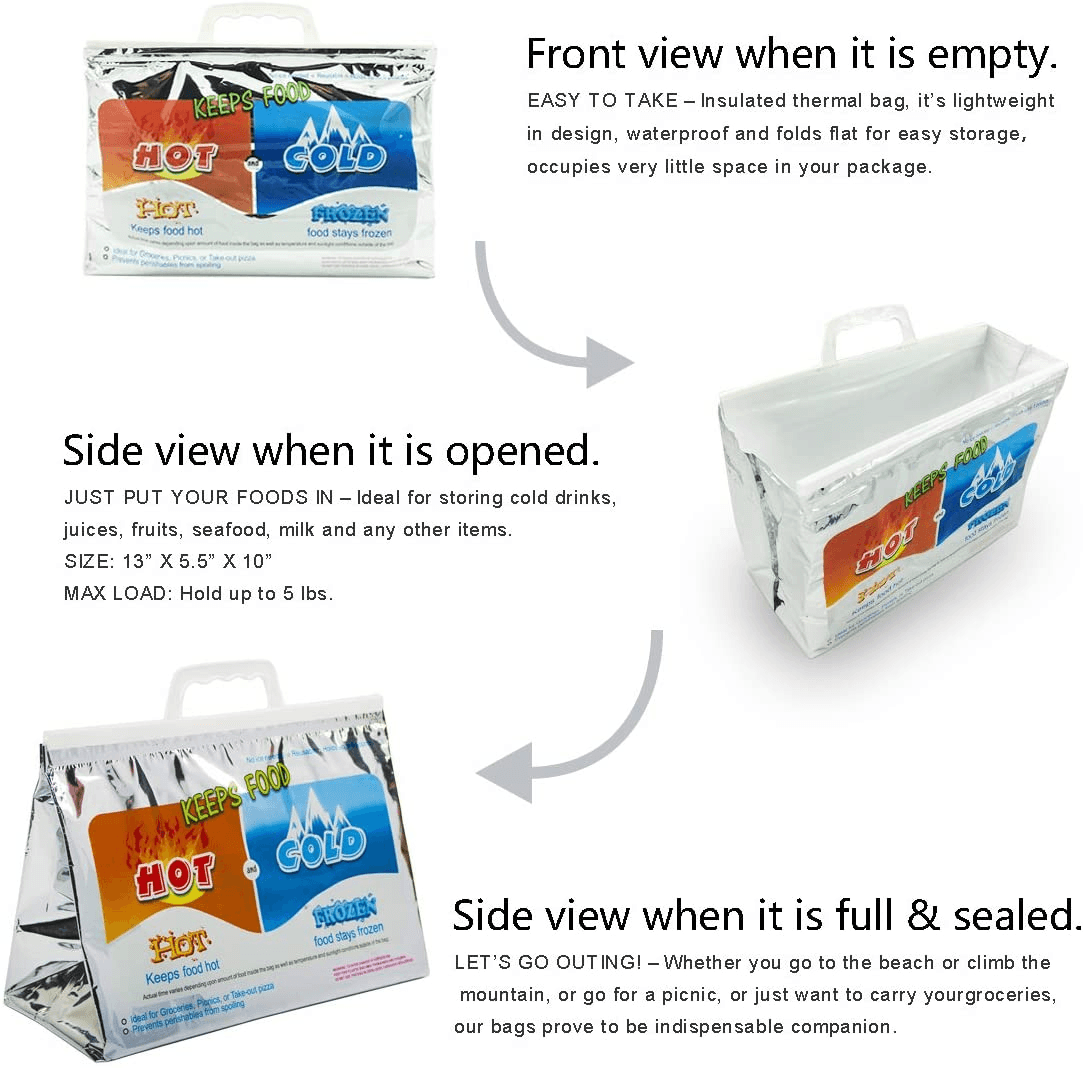
Refrigerated Bag Personalized France: Practical Sourcing Without Overstated Claims
A refrigerated bag personalized france project should begin with the route, product, user, and claim language, not with a catalog photo. The bag must be comfortable enough to use, durable enough to handle, cleanable enough for the operator, and honest enough in its temperature claims. For urban food delivery, click-and-collect grocery, chilled promotional bags, and local resale, a sourcing team should treat the item as a working part of the cold-chain or food-handling process. This final guide brings the decision down to the checks that matter before you approve samples, branding, cartons, and bulk production.
Define the operating role before comparing bags
The phrase refrigerated bag personalized france can point to several different products. It may be a soft grocery tote, a delivery backpack, a parcel liner, a lunch bag, a promotional cooler, or a heavy-duty reusable delivery unit. These products are not interchangeable. They may share insulation, but they face different loading patterns, different cleaning routines, different user expectations, and different packaging requirements.
For French food brands, catering suppliers, grocery delivery teams, and importers, the operating role should be written before the product is quoted. A simple sentence is enough: this bag is for urban food delivery, click-and-collect grocery, chilled promotional bags, and local resale. Then add the expected product type, carrying time, cold source, opening frequency, loaded weight, cleaning method, and branding level. This prevents a supplier from quoting a visually similar item that does not fit the work.
The most useful specification is practical. It does not need to include unsupported thermal promises. It should describe the product construction, how the bag will be used, what needs to be customized, and what evidence or sample review is needed before the buyer trusts the order.
Separate insulation, water protection, and temperature control
One reason refrigerated bag personalized france sourcing becomes confusing is that product claims often blend several ideas. Insulation slows heat transfer. Water resistance helps the outer surface handle rain or moisture. Leak resistance relates to seams, liner corners, and melted ice water. Temperature control depends on the entire packout and route. A passive bag is not the same as active refrigeration, and a waterproof shell does not automatically mean safe temperature management.
Public food-safety guidance is a useful reminder that cold handling depends on keeping products within their required conditions, but an insulated bag does not create a fixed temperature range on its own. Food and healthcare buyers should treat published temperature numbers as control references, not universal guarantees for every product. For example, official consumer and industry guidance in North America commonly refers to keeping refrigerated foods cold and frozen foods frozen, while pharmaceutical guidance places emphasis on labelled storage conditions and data-supported transport. In Europe, food hygiene rules and HACCP-based procedures shape how operators think about clean transport, documented procedures, and responsibility across the food chain. For sourcing work, the practical conclusion is simple: confirm the product requirement first, then evaluate the bag, coolant, route, and documentation together.
For refrigerated bag wording, accuracy is important. If the product is a passive insulated bag used with cold packs, it should not be described as an active refrigerator. A refrigerated claim may be acceptable only when the structure and cold source are clearly explained. This protects the seller from overpromising and helps the buyer match the bag to its actual route.
The specification package buyers should request
| Supplier checkpoint | Question to ask | What a useful answer shows |
|---|---|---|
| Sample control | Does the supplier keep an approved sample and material record? | Reduces surprises when production starts |
| Claim control | Can the supplier separate water-resistant, leak-resistant, insulated, and temperature-controlled claims? | Avoids misleading product pages and customer complaints |
| Artwork process | Are logo files, placement, print method, and color tolerance approved before mass production? | Prevents branding disputes after goods are packed |
| Packaging plan | Is carton size, folding method, liner protection, and label wording confirmed? | Protects the bag during export and warehouse storage |
| Change communication | Will material, liner, zipper, or color changes be communicated before production? | Supports repeat orders and reduces quality drift |
| Use-case fit | Has the supplier discussed payload, cold source, route, and cleaning routine? | Shows whether the offer is operational or only commercial |
This supplier matrix is useful because it focuses on repeatability. A good first sample is not enough if the buyer cannot confirm what will be repeated in production. For custom, wholesale, OEM, and regional trade programs, production consistency is often more valuable than adding another unverified feature to the product page.
Sample testing should look like daily use
A sample for personalized refrigerated bag should be tested under realistic handling. Load it with a representative payload. Add the cold source if the final use requires one. Carry it by the handles or straps. Open and close it repeatedly. Wipe the liner. Let it dry. Fold it into the planned carton. Check whether the logo creases, the zipper catches, the bottom sags, or the corners collect moisture.
This review is different from formal thermal qualification. It is an operational sample check. If the product is expected to protect sensitive goods for a defined condition, further testing or documented evidence may be needed. But even before formal testing, a simple handling review can reveal whether the bag is likely to survive the work it is being asked to do.
For private-label and personalized orders, keep one approved sample as a reference. Record the material structure, color standard, print method, dimensions, packaging method, and any special instruction. When bulk goods arrive, compare them against the reference before the product is released to customers or field teams.
How to evaluate price without buying the wrong bag
Unit price is important, but it is easy to misread. A lower price may come from a lighter shell, thinner insulation, simpler liner, weaker handle reinforcement, lower print durability, smaller real size, looser quality control, or more compressed carton packing. Some of these differences may be acceptable for promotional use. They may be unacceptable for delivery fleets, grocery operations, or repeated wholesale resale.
A more useful comparison is cost per usable order. If a bag is intended for repeated professional use, ask whether it can be cleaned, stored, and handled without frequent replacement. If it is a retail product, ask whether the packaging protects the shape and brand impression. If it is a shipping item, ask whether it fits the payload and cold source without wasting carton space. Price should be compared after these questions are answered.
Where this bag may not be the right solution
The strongest sourcing decision also identifies limits. A refrigerated bag personalized france may not be enough for long exposure, strict pharmaceutical requirements, frozen shipments without a planned cold source, mixed hot and cold loads without separation, or routes with repeated opening in high ambient heat. It may also be the wrong product if the buyer needs rigid stacking, tamper evidence, active cooling, or a qualified shipper with documented lane performance.
That does not reduce the value of a personalized refrigerated bag. It simply places it correctly. In many operations, the bag is an excellent tool for short last-mile handling, grocery handoff, retail pickup, branded carry, or support around a larger cold-chain system. It becomes risky only when the claim is broader than the construction and the process can support.
Procurement workflow from inquiry to repeat order
- Write the use case and product boundary in plain English.
- Confirm required temperature conditions with the product owner or quality team where relevant.
- Ask suppliers to quote the same structure, not just the same size or photo.
- Review sample handling, cleaning, packaging, and branding before signing off.
- Keep an approved sample and material record for comparison with bulk goods.
- Use cautious claim language unless performance is supported by relevant evidence.
- Document any material, liner, closure, logo, or carton change before repeat production.
This workflow is deliberately practical. It gives French food brands, catering suppliers, grocery delivery teams, and importers a way to control the project without overcomplicating the sourcing process. The goal is not to turn every bag into a laboratory project. The goal is to make sure the chosen product fits the real use and can be supplied consistently.
FAQ
Is a refrigerated bag personalized france automatically temperature controlled?
No. An insulated bag slows heat transfer, but temperature control depends on the full packout and handling process. The product temperature before packing, cold source, loading density, ambient exposure, route time, and opening frequency all matter. For sensitive goods, ask for evidence that matches your intended use rather than relying on a generic claim.
What should I check before approving a sample?
Check the outer material, liner, insulation, stitching, closure, handles, usable space, cleaning routine, logo result, and carton packing. Load the sample with the intended payload and cold source. Open it repeatedly and wipe the liner after use. A good sample should pass a practical handling review, not only a visual inspection.
Can I personalize the bag without changing performance?
Personalization can affect cost, lead time, surface durability, and sometimes the structure. Printing, embroidery, labels, color changes, and custom panels should be approved together with the material and construction. Do not treat artwork as a separate cosmetic step if the logo position or print process changes the way the bag is folded, cleaned, or handled.
How should buyers compare wholesale suppliers?
Compare suppliers by specification clarity, sample control, material consistency, packaging plan, communication about changes, and willingness to discuss the actual use case. Unit price is important, but it is not enough. A slightly cheaper bag can become expensive if it arrives misshaped, uses a different liner, or cannot support the cleaning routine.
When is an insulated bag not enough?
A bag may not be enough when the product has strict temperature requirements, long unrefrigerated exposure, repeated opening, high ambient heat, or documentation needs. In those situations, the personalized refrigerated bag should be evaluated as one part of a larger cold-chain system that may include coolants, monitoring, qualified packaging, or refrigerated transport.
What should European buyers consider?
European buyers should think beyond the bag itself. Food operators often need hygiene procedures, supplier traceability, safe transport conditions, and product-specific controls. A thermal bag can support handling, but the operator remains responsible for using it within the correct process and for verifying any required documentation.
Conclusion
A refrigerated bag personalized france is worth buying only when its specification fits the route, payload, user, and claim language. Start with the intended job, confirm the material structure, test a real sample, and keep the supplier accountable for production consistency.
For custom, wholesale, OEM, or regional trade work, this discipline is what turns an insulated bag from a simple accessory into a dependable part of a cold-chain or food-handling program.
About Tempk
Tempk supports B2B buyers with insulated bags and related cold-chain packaging, including ice packs, insulated boxes, medical cooler boxes, and thermal pallet covers. For a refrigerated bag personalized france inquiry, we focus on the practical details that affect production and use: material structure, customization, packout assumptions, sample approval, carton packing, and realistic product claims. We can help you discuss the right product boundary before you commit to a custom or bulk order.
Send Tempk your route, payload, target use, and branding plan. We can help you compare practical personalized refrigerated bag options before you move from sample approval to production.
Insulated Grocery Bag Exporter: Practical Sourcing Guide
Insulated Grocery Bag Exporter: Practical Sourcing Without Overstated Claims
An insulated grocery bag exporter project should begin with the route, product, user, and claim language, not with a catalog photo. The bag must be comfortable enough to use, durable enough to handle, cleanable enough for the operator, and honest enough in its temperature claims. For grocery delivery, click-and-collect pickup, and retailer branded reusable bags, a sourcing team should treat the item as a working part of the cold-chain or food-handling process. This final guide brings the decision down to the checks that matter before you approve samples, branding, cartons, and bulk production.
Define the operating role before comparing bags
The phrase insulated grocery bag exporter can point to several different products. It may be a soft grocery tote, a delivery backpack, a parcel liner, a lunch bag, a promotional cooler, or a heavy-duty reusable delivery unit. These products are not interchangeable. They may share insulation, but they face different loading patterns, different cleaning routines, different user expectations, and different packaging requirements.
For importers, grocery delivery operators, retail distributors, and sourcing teams, the operating role should be written before the product is quoted. A simple sentence is enough: this bag is for grocery delivery, click-and-collect pickup, and retailer branded reusable bags. Then add the expected product type, carrying time, cold source, opening frequency, loaded weight, cleaning method, and branding level. This prevents a supplier from quoting a visually similar item that does not fit the work.
The most useful specification is practical. It does not need to include unsupported thermal promises. It should describe the product construction, how the bag will be used, what needs to be customized, and what evidence or sample review is needed before the buyer trusts the order.
Separate insulation, water protection, and temperature control
One reason insulated grocery bag exporter sourcing becomes confusing is that product claims often blend several ideas. Insulation slows heat transfer. Water resistance helps the outer surface handle rain or moisture. Leak resistance relates to seams, liner corners, and melted ice water. Temperature control depends on the entire packout and route. A passive bag is not the same as active refrigeration, and a waterproof shell does not automatically mean safe temperature management.
Public food-safety guidance is a useful reminder that cold handling depends on keeping products within their required conditions, but an insulated bag does not create a fixed temperature range on its own. Food and healthcare buyers should treat published temperature numbers as control references, not universal guarantees for every product. For example, official consumer and industry guidance in North America commonly refers to keeping refrigerated foods cold and frozen foods frozen, while pharmaceutical guidance places emphasis on labelled storage conditions and data-supported transport. In Europe, food hygiene rules and HACCP-based procedures shape how operators think about clean transport, documented procedures, and responsibility across the food chain. For sourcing work, the practical conclusion is simple: confirm the product requirement first, then evaluate the bag, coolant, route, and documentation together.
The specification package buyers should request
| Supplier checkpoint | Question to ask | What a useful answer shows |
|---|---|---|
| Sample control | Does the supplier keep an approved sample and material record? | Reduces surprises when production starts |
| Claim control | Can the supplier separate water-resistant, leak-resistant, insulated, and temperature-controlled claims? | Avoids misleading product pages and customer complaints |
| Artwork process | Are logo files, placement, print method, and color tolerance approved before mass production? | Prevents branding disputes after goods are packed |
| Packaging plan | Is carton size, folding method, liner protection, and label wording confirmed? | Protects the bag during export and warehouse storage |
| Change communication | Will material, liner, zipper, or color changes be communicated before production? | Supports repeat orders and reduces quality drift |
| Use-case fit | Has the supplier discussed payload, cold source, route, and cleaning routine? | Shows whether the offer is operational or only commercial |
This supplier matrix is useful because it focuses on repeatability. A good first sample is not enough if the buyer cannot confirm what will be repeated in production. For custom, wholesale, OEM, and regional trade programs, production consistency is often more valuable than adding another unverified feature to the product page.
Sample testing should look like daily use
A sample for reusable grocery delivery bag should be tested under realistic handling. Load it with a representative payload. Add the cold source if the final use requires one. Carry it by the handles or straps. Open and close it repeatedly. Wipe the liner. Let it dry. Fold it into the planned carton. Check whether the logo creases, the zipper catches, the bottom sags, or the corners collect moisture.
This review is different from formal thermal qualification. It is an operational sample check. If the product is expected to protect sensitive goods for a defined condition, further testing or documented evidence may be needed. But even before formal testing, a simple handling review can reveal whether the bag is likely to survive the work it is being asked to do.
For private-label and personalized orders, keep one approved sample as a reference. Record the material structure, color standard, print method, dimensions, packaging method, and any special instruction. When bulk goods arrive, compare them against the reference before the product is released to customers or field teams.
How to evaluate price without buying the wrong bag
Unit price is important, but it is easy to misread. A lower price may come from a lighter shell, thinner insulation, simpler liner, weaker handle reinforcement, lower print durability, smaller real size, looser quality control, or more compressed carton packing. Some of these differences may be acceptable for promotional use. They may be unacceptable for delivery fleets, grocery operations, or repeated wholesale resale.
A more useful comparison is cost per usable order. If a bag is intended for repeated professional use, ask whether it can be cleaned, stored, and handled without frequent replacement. If it is a retail product, ask whether the packaging protects the shape and brand impression. If it is a shipping item, ask whether it fits the payload and cold source without wasting carton space. Price should be compared after these questions are answered.
Where this bag may not be the right solution
The strongest sourcing decision also identifies limits. An insulated grocery bag exporter may not be enough for long exposure, strict pharmaceutical requirements, frozen shipments without a planned cold source, mixed hot and cold loads without separation, or routes with repeated opening in high ambient heat. It may also be the wrong product if the buyer needs rigid stacking, tamper evidence, active cooling, or a qualified shipper with documented lane performance.
That does not reduce the value of a reusable grocery delivery bag. It simply places it correctly. In many operations, the bag is an excellent tool for short last-mile handling, grocery handoff, retail pickup, branded carry, or support around a larger cold-chain system. It becomes risky only when the claim is broader than the construction and the process can support.
Procurement workflow from inquiry to repeat order
- Write the use case and product boundary in plain English.
- Confirm required temperature conditions with the product owner or quality team where relevant.
- Ask suppliers to quote the same structure, not just the same size or photo.
- Review sample handling, cleaning, packaging, and branding before signing off.
- Keep an approved sample and material record for comparison with bulk goods.
- Use cautious claim language unless performance is supported by relevant evidence.
- Document any material, liner, closure, logo, or carton change before repeat production.
This workflow is deliberately practical. It gives importers, grocery delivery operators, retail distributors, and sourcing teams a way to control the project without overcomplicating the sourcing process. The goal is not to turn every bag into a laboratory project. The goal is to make sure the chosen product fits the real use and can be supplied consistently.
FAQ
Is an insulated grocery bag exporter automatically temperature controlled?
No. An insulated bag slows heat transfer, but temperature control depends on the full packout and handling process. The product temperature before packing, cold source, loading density, ambient exposure, route time, and opening frequency all matter. For sensitive goods, ask for evidence that matches your intended use rather than relying on a generic claim.
What should I check before approving a sample?
Check the outer material, liner, insulation, stitching, closure, handles, usable space, cleaning routine, logo result, and carton packing. Load the sample with the intended payload and cold source. Open it repeatedly and wipe the liner after use. A good sample should pass a practical handling review, not only a visual inspection.
Can I personalize the bag without changing performance?
Personalization can affect cost, lead time, surface durability, and sometimes the structure. Printing, embroidery, labels, color changes, and custom panels should be approved together with the material and construction. Do not treat artwork as a separate cosmetic step if the logo position or print process changes the way the bag is folded, cleaned, or handled.
How should buyers compare wholesale suppliers?
Compare suppliers by specification clarity, sample control, material consistency, packaging plan, communication about changes, and willingness to discuss the actual use case. Unit price is important, but it is not enough. A slightly cheaper bag can become expensive if it arrives misshaped, uses a different liner, or cannot support the cleaning routine.
When is an insulated bag not enough?
A bag may not be enough when the product has strict temperature requirements, long unrefrigerated exposure, repeated opening, high ambient heat, or documentation needs. In those situations, the reusable grocery delivery bag should be evaluated as one part of a larger cold-chain system that may include coolants, monitoring, qualified packaging, or refrigerated transport.
Conclusion
An insulated grocery bag exporter is worth buying only when its specification fits the route, payload, user, and claim language. Start with the intended job, confirm the material structure, test a real sample, and keep the supplier accountable for production consistency.
For custom, wholesale, OEM, or regional trade work, this discipline is what turns an insulated bag from a simple accessory into a dependable part of a cold-chain or food-handling program.
About Tempk
Tempk supports B2B buyers with insulated bags and related cold-chain packaging, including ice packs, insulated boxes, medical cooler boxes, and thermal pallet covers. For an insulated grocery bag exporter inquiry, we focus on the practical details that affect production and use: material structure, customization, packout assumptions, sample approval, carton packing, and realistic product claims. We can help you discuss the right product boundary before you commit to a custom or bulk order.
Send Tempk your route, payload, target use, and branding plan. We can help you compare practical reusable grocery delivery bag options before you move from sample approval to production.
Insulated Grocery Bag Enterprise: Practical Sourcing Guide
Insulated Grocery Bag Enterprise: Practical Sourcing Without Overstated Claims
An insulated grocery bag enterprise project should begin with the route, product, user, and claim language, not with a catalog photo. The bag must be comfortable enough to use, durable enough to handle, cleanable enough for the operator, and honest enough in its temperature claims. For large grocery fleets, pickup lockers, branded delivery programs, and branch-level rollout, a sourcing team should treat the item as a working part of the cold-chain or food-handling process. This final guide brings the decision down to the checks that matter before you approve samples, branding, cartons, and bulk production.
Define the operating role before comparing bags
The phrase insulated grocery bag enterprise can point to several different products. It may be a soft grocery tote, a delivery backpack, a parcel liner, a lunch bag, a promotional cooler, or a heavy-duty reusable delivery unit. These products are not interchangeable. They may share insulation, but they face different loading patterns, different cleaning routines, different user expectations, and different packaging requirements.
For supermarket chains, grocery delivery platforms, corporate procurement, and operations teams, the operating role should be written before the product is quoted. A simple sentence is enough: this bag is for large grocery fleets, pickup lockers, branded delivery programs, and branch-level rollout. Then add the expected product type, carrying time, cold source, opening frequency, loaded weight, cleaning method, and branding level. This prevents a supplier from quoting a visually similar item that does not fit the work.
The most useful specification is practical. It does not need to include unsupported thermal promises. It should describe the product construction, how the bag will be used, what needs to be customized, and what evidence or sample review is needed before the buyer trusts the order.
Separate insulation, water protection, and temperature control
One reason insulated grocery bag enterprise sourcing becomes confusing is that product claims often blend several ideas. Insulation slows heat transfer. Water resistance helps the outer surface handle rain or moisture. Leak resistance relates to seams, liner corners, and melted ice water. Temperature control depends on the entire packout and route. A passive bag is not the same as active refrigeration, and a waterproof shell does not automatically mean safe temperature management.
Public food-safety guidance is a useful reminder that cold handling depends on keeping products within their required conditions, but an insulated bag does not create a fixed temperature range on its own. Food and healthcare buyers should treat published temperature numbers as control references, not universal guarantees for every product. For example, official consumer and industry guidance in North America commonly refers to keeping refrigerated foods cold and frozen foods frozen, while pharmaceutical guidance places emphasis on labelled storage conditions and data-supported transport. In Europe, food hygiene rules and HACCP-based procedures shape how operators think about clean transport, documented procedures, and responsibility across the food chain. For sourcing work, the practical conclusion is simple: confirm the product requirement first, then evaluate the bag, coolant, route, and documentation together.
The specification package buyers should request
| Supplier checkpoint | Question to ask | What a useful answer shows |
|---|---|---|
| Sample control | Does the supplier keep an approved sample and material record? | Reduces surprises when production starts |
| Claim control | Can the supplier separate water-resistant, leak-resistant, insulated, and temperature-controlled claims? | Avoids misleading product pages and customer complaints |
| Artwork process | Are logo files, placement, print method, and color tolerance approved before mass production? | Prevents branding disputes after goods are packed |
| Packaging plan | Is carton size, folding method, liner protection, and label wording confirmed? | Protects the bag during export and warehouse storage |
| Change communication | Will material, liner, zipper, or color changes be communicated before production? | Supports repeat orders and reduces quality drift |
| Use-case fit | Has the supplier discussed payload, cold source, route, and cleaning routine? | Shows whether the offer is operational or only commercial |
This supplier matrix is useful because it focuses on repeatability. A good first sample is not enough if the buyer cannot confirm what will be repeated in production. For custom, wholesale, OEM, and regional trade programs, production consistency is often more valuable than adding another unverified feature to the product page.
Sample testing should look like daily use
A sample for enterprise insulated grocery bag should be tested under realistic handling. Load it with a representative payload. Add the cold source if the final use requires one. Carry it by the handles or straps. Open and close it repeatedly. Wipe the liner. Let it dry. Fold it into the planned carton. Check whether the logo creases, the zipper catches, the bottom sags, or the corners collect moisture.
This review is different from formal thermal qualification. It is an operational sample check. If the product is expected to protect sensitive goods for a defined condition, further testing or documented evidence may be needed. But even before formal testing, a simple handling review can reveal whether the bag is likely to survive the work it is being asked to do.
For private-label and personalized orders, keep one approved sample as a reference. Record the material structure, color standard, print method, dimensions, packaging method, and any special instruction. When bulk goods arrive, compare them against the reference before the product is released to customers or field teams.
How to evaluate price without buying the wrong bag
Unit price is important, but it is easy to misread. A lower price may come from a lighter shell, thinner insulation, simpler liner, weaker handle reinforcement, lower print durability, smaller real size, looser quality control, or more compressed carton packing. Some of these differences may be acceptable for promotional use. They may be unacceptable for delivery fleets, grocery operations, or repeated wholesale resale.
A more useful comparison is cost per usable order. If a bag is intended for repeated professional use, ask whether it can be cleaned, stored, and handled without frequent replacement. If it is a retail product, ask whether the packaging protects the shape and brand impression. If it is a shipping item, ask whether it fits the payload and cold source without wasting carton space. Price should be compared after these questions are answered.
Where this bag may not be the right solution
The strongest sourcing decision also identifies limits. An insulated grocery bag enterprise may not be enough for long exposure, strict pharmaceutical requirements, frozen shipments without a planned cold source, mixed hot and cold loads without separation, or routes with repeated opening in high ambient heat. It may also be the wrong product if the buyer needs rigid stacking, tamper evidence, active cooling, or a qualified shipper with documented lane performance.
That does not reduce the value of a enterprise insulated grocery bag. It simply places it correctly. In many operations, the bag is an excellent tool for short last-mile handling, grocery handoff, retail pickup, branded carry, or support around a larger cold-chain system. It becomes risky only when the claim is broader than the construction and the process can support.
Procurement workflow from inquiry to repeat order
- Write the use case and product boundary in plain English.
- Confirm required temperature conditions with the product owner or quality team where relevant.
- Ask suppliers to quote the same structure, not just the same size or photo.
- Review sample handling, cleaning, packaging, and branding before signing off.
- Keep an approved sample and material record for comparison with bulk goods.
- Use cautious claim language unless performance is supported by relevant evidence.
- Document any material, liner, closure, logo, or carton change before repeat production.
This workflow is deliberately practical. It gives supermarket chains, grocery delivery platforms, corporate procurement, and operations teams a way to control the project without overcomplicating the sourcing process. The goal is not to turn every bag into a laboratory project. The goal is to make sure the chosen product fits the real use and can be supplied consistently.
FAQ
Is an insulated grocery bag enterprise automatically temperature controlled?
No. An insulated bag slows heat transfer, but temperature control depends on the full packout and handling process. The product temperature before packing, cold source, loading density, ambient exposure, route time, and opening frequency all matter. For sensitive goods, ask for evidence that matches your intended use rather than relying on a generic claim.
What should I check before approving a sample?
Check the outer material, liner, insulation, stitching, closure, handles, usable space, cleaning routine, logo result, and carton packing. Load the sample with the intended payload and cold source. Open it repeatedly and wipe the liner after use. A good sample should pass a practical handling review, not only a visual inspection.
Can I personalize the bag without changing performance?
Personalization can affect cost, lead time, surface durability, and sometimes the structure. Printing, embroidery, labels, color changes, and custom panels should be approved together with the material and construction. Do not treat artwork as a separate cosmetic step if the logo position or print process changes the way the bag is folded, cleaned, or handled.
How should buyers compare wholesale suppliers?
Compare suppliers by specification clarity, sample control, material consistency, packaging plan, communication about changes, and willingness to discuss the actual use case. Unit price is important, but it is not enough. A slightly cheaper bag can become expensive if it arrives misshaped, uses a different liner, or cannot support the cleaning routine.
When is an insulated bag not enough?
A bag may not be enough when the product has strict temperature requirements, long unrefrigerated exposure, repeated opening, high ambient heat, or documentation needs. In those situations, the enterprise insulated grocery bag should be evaluated as one part of a larger cold-chain system that may include coolants, monitoring, qualified packaging, or refrigerated transport.
Conclusion
An insulated grocery bag enterprise is worth buying only when its specification fits the route, payload, user, and claim language. Start with the intended job, confirm the material structure, test a real sample, and keep the supplier accountable for production consistency.
For custom, wholesale, OEM, or regional trade work, this discipline is what turns an insulated bag from a simple accessory into a dependable part of a cold-chain or food-handling program.
About Tempk
Tempk supports B2B buyers with insulated bags and related cold-chain packaging, including ice packs, insulated boxes, medical cooler boxes, and thermal pallet covers. For an insulated grocery bag enterprise inquiry, we focus on the practical details that affect production and use: material structure, customization, packout assumptions, sample approval, carton packing, and realistic product claims. We can help you discuss the right product boundary before you commit to a custom or bulk order.
Send Tempk your route, payload, target use, and branding plan. We can help you compare practical enterprise insulated grocery bag options before you move from sample approval to production.
Insulated Cooler Bag Business: Practical Sourcing Guide

Insulated Cooler Bag Business: Practical Sourcing Without Overstated Claims
An insulated cooler bag business project should begin with the route, product, user, and claim language, not with a catalog photo. The bag must be comfortable enough to use, durable enough to handle, cleanable enough for the operator, and honest enough in its temperature claims. For retail resale, delivery fleet use, promotions, and reusable cold-chain support, a sourcing team should treat the item as a working part of the cold-chain or food-handling process. This final guide brings the decision down to the checks that matter before you approve samples, branding, cartons, and bulk production.
Define the operating role before comparing bags
The phrase insulated cooler bag business can point to several different products. It may be a soft grocery tote, a delivery backpack, a parcel liner, a lunch bag, a promotional cooler, or a heavy-duty reusable delivery unit. These products are not interchangeable. They may share insulation, but they face different loading patterns, different cleaning routines, different user expectations, and different packaging requirements.
For brand owners, distributors, food service operators, and B2B buyers, the operating role should be written before the product is quoted. A simple sentence is enough: this bag is for retail resale, delivery fleet use, promotions, and reusable cold-chain support. Then add the expected product type, carrying time, cold source, opening frequency, loaded weight, cleaning method, and branding level. This prevents a supplier from quoting a visually similar item that does not fit the work.
The most useful specification is practical. It does not need to include unsupported thermal promises. It should describe the product construction, how the bag will be used, what needs to be customized, and what evidence or sample review is needed before the buyer trusts the order.
Separate insulation, water protection, and temperature control
One reason insulated cooler bag business sourcing becomes confusing is that product claims often blend several ideas. Insulation slows heat transfer. Water resistance helps the outer surface handle rain or moisture. Leak resistance relates to seams, liner corners, and melted ice water. Temperature control depends on the entire packout and route. A passive bag is not the same as active refrigeration, and a waterproof shell does not automatically mean safe temperature management.
Public food-safety guidance is a useful reminder that cold handling depends on keeping products within their required conditions, but an insulated bag does not create a fixed temperature range on its own. Food and healthcare buyers should treat published temperature numbers as control references, not universal guarantees for every product. For example, official consumer and industry guidance in North America commonly refers to keeping refrigerated foods cold and frozen foods frozen, while pharmaceutical guidance places emphasis on labelled storage conditions and data-supported transport. In Europe, food hygiene rules and HACCP-based procedures shape how operators think about clean transport, documented procedures, and responsibility across the food chain. For sourcing work, the practical conclusion is simple: confirm the product requirement first, then evaluate the bag, coolant, route, and documentation together.
The specification package buyers should request
| Supplier checkpoint | Question to ask | What a useful answer shows |
|---|---|---|
| Sample control | Does the supplier keep an approved sample and material record? | Reduces surprises when production starts |
| Claim control | Can the supplier separate water-resistant, leak-resistant, insulated, and temperature-controlled claims? | Avoids misleading product pages and customer complaints |
| Artwork process | Are logo files, placement, print method, and color tolerance approved before mass production? | Prevents branding disputes after goods are packed |
| Packaging plan | Is carton size, folding method, liner protection, and label wording confirmed? | Protects the bag during export and warehouse storage |
| Change communication | Will material, liner, zipper, or color changes be communicated before production? | Supports repeat orders and reduces quality drift |
| Use-case fit | Has the supplier discussed payload, cold source, route, and cleaning routine? | Shows whether the offer is operational or only commercial |
This supplier matrix is useful because it focuses on repeatability. A good first sample is not enough if the buyer cannot confirm what will be repeated in production. For custom, wholesale, OEM, and regional trade programs, production consistency is often more valuable than adding another unverified feature to the product page.
Sample testing should look like daily use
A sample for insulated cooler bag program should be tested under realistic handling. Load it with a representative payload. Add the cold source if the final use requires one. Carry it by the handles or straps. Open and close it repeatedly. Wipe the liner. Let it dry. Fold it into the planned carton. Check whether the logo creases, the zipper catches, the bottom sags, or the corners collect moisture.
This review is different from formal thermal qualification. It is an operational sample check. If the product is expected to protect sensitive goods for a defined condition, further testing or documented evidence may be needed. But even before formal testing, a simple handling review can reveal whether the bag is likely to survive the work it is being asked to do.
For private-label and personalized orders, keep one approved sample as a reference. Record the material structure, color standard, print method, dimensions, packaging method, and any special instruction. When bulk goods arrive, compare them against the reference before the product is released to customers or field teams.
How to evaluate price without buying the wrong bag
Unit price is important, but it is easy to misread. A lower price may come from a lighter shell, thinner insulation, simpler liner, weaker handle reinforcement, lower print durability, smaller real size, looser quality control, or more compressed carton packing. Some of these differences may be acceptable for promotional use. They may be unacceptable for delivery fleets, grocery operations, or repeated wholesale resale.
A more useful comparison is cost per usable order. If a bag is intended for repeated professional use, ask whether it can be cleaned, stored, and handled without frequent replacement. If it is a retail product, ask whether the packaging protects the shape and brand impression. If it is a shipping item, ask whether it fits the payload and cold source without wasting carton space. Price should be compared after these questions are answered.
Where this bag may not be the right solution
The strongest sourcing decision also identifies limits. An insulated cooler bag business may not be enough for long exposure, strict pharmaceutical requirements, frozen shipments without a planned cold source, mixed hot and cold loads without separation, or routes with repeated opening in high ambient heat. It may also be the wrong product if the buyer needs rigid stacking, tamper evidence, active cooling, or a qualified shipper with documented lane performance.
That does not reduce the value of an insulated cooler bag program. It simply places it correctly. In many operations, the bag is an excellent tool for short last-mile handling, grocery handoff, retail pickup, branded carry, or support around a larger cold-chain system. It becomes risky only when the claim is broader than the construction and the process can support.
Procurement workflow from inquiry to repeat order
- Write the use case and product boundary in plain English.
- Confirm required temperature conditions with the product owner or quality team where relevant.
- Ask suppliers to quote the same structure, not just the same size or photo.
- Review sample handling, cleaning, packaging, and branding before signing off.
- Keep an approved sample and material record for comparison with bulk goods.
- Use cautious claim language unless performance is supported by relevant evidence.
- Document any material, liner, closure, logo, or carton change before repeat production.
This workflow is deliberately practical. It gives brand owners, distributors, food service operators, and B2B buyers a way to control the project without overcomplicating the sourcing process. The goal is not to turn every bag into a laboratory project. The goal is to make sure the chosen product fits the real use and can be supplied consistently.
FAQ
Is an insulated cooler bag business automatically temperature controlled?
No. An insulated bag slows heat transfer, but temperature control depends on the full packout and handling process. The product temperature before packing, cold source, loading density, ambient exposure, route time, and opening frequency all matter. For sensitive goods, ask for evidence that matches your intended use rather than relying on a generic claim.
What should I check before approving a sample?
Check the outer material, liner, insulation, stitching, closure, handles, usable space, cleaning routine, logo result, and carton packing. Load the sample with the intended payload and cold source. Open it repeatedly and wipe the liner after use. A good sample should pass a practical handling review, not only a visual inspection.
Can I personalize the bag without changing performance?
Personalization can affect cost, lead time, surface durability, and sometimes the structure. Printing, embroidery, labels, color changes, and custom panels should be approved together with the material and construction. Do not treat artwork as a separate cosmetic step if the logo position or print process changes the way the bag is folded, cleaned, or handled.
How should buyers compare wholesale suppliers?
Compare suppliers by specification clarity, sample control, material consistency, packaging plan, communication about changes, and willingness to discuss the actual use case. Unit price is important, but it is not enough. A slightly cheaper bag can become expensive if it arrives misshaped, uses a different liner, or cannot support the cleaning routine.
When is an insulated bag not enough?
A bag may not be enough when the product has strict temperature requirements, long unrefrigerated exposure, repeated opening, high ambient heat, or documentation needs. In those situations, the insulated cooler bag program should be evaluated as one part of a larger cold-chain system that may include coolants, monitoring, qualified packaging, or refrigerated transport.
Conclusion
An insulated cooler bag business is worth buying only when its specification fits the route, payload, user, and claim language. Start with the intended job, confirm the material structure, test a real sample, and keep the supplier accountable for production consistency.
For custom, wholesale, OEM, or regional trade work, this discipline is what turns an insulated bag from a simple accessory into a dependable part of a cold-chain or food-handling program.
About Tempk
Tempk supports B2B buyers with insulated bags and related cold-chain packaging, including ice packs, insulated boxes, medical cooler boxes, and thermal pallet covers. For an insulated cooler bag business inquiry, we focus on the practical details that affect production and use: material structure, customization, packout assumptions, sample approval, carton packing, and realistic product claims. We can help you discuss the right product boundary before you commit to a custom or bulk order.
Send Tempk your route, payload, target use, and branding plan. We can help you compare practical insulated cooler bag program options before you move from sample approval to production.
Insulated Backpack Trade Canada: Practical Sourcing Guide
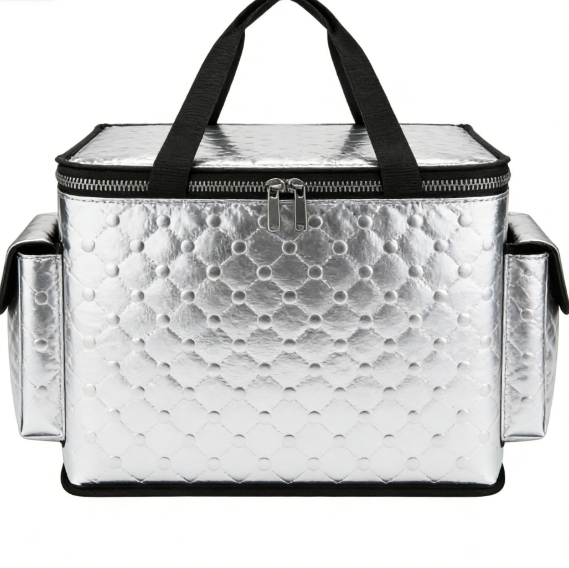
Insulated Backpack Trade Canada: Practical Sourcing Without Overstated Claims
An insulated backpack trade canada project should begin with the route, product, user, and claim language, not with a catalog photo. The bag must be comfortable enough to use, durable enough to handle, cleanable enough for the operator, and honest enough in its temperature claims. For bike delivery, grocery handoff, meal delivery, and urban route operations, a sourcing team should treat the item as a working part of the cold-chain or food-handling process. This final guide brings the decision down to the checks that matter before you approve samples, branding, cartons, and bulk production.
Define the operating role before comparing bags
The phrase insulated backpack trade canada can point to several different products. It may be a soft grocery tote, a delivery backpack, a parcel liner, a lunch bag, a promotional cooler, or a heavy-duty reusable delivery unit. These products are not interchangeable. They may share insulation, but they face different loading patterns, different cleaning routines, different user expectations, and different packaging requirements.
For Canadian delivery platforms, food service distributors, importers, and fleet buyers, the operating role should be written before the product is quoted. A simple sentence is enough: this bag is for bike delivery, grocery handoff, meal delivery, and urban route operations. Then add the expected product type, carrying time, cold source, opening frequency, loaded weight, cleaning method, and branding level. This prevents a supplier from quoting a visually similar item that does not fit the work.
The most useful specification is practical. It does not need to include unsupported thermal promises. It should describe the product construction, how the bag will be used, what needs to be customized, and what evidence or sample review is needed before the buyer trusts the order.
Separate insulation, water protection, and temperature control
One reason insulated backpack trade canada sourcing becomes confusing is that product claims often blend several ideas. Insulation slows heat transfer. Water resistance helps the outer surface handle rain or moisture. Leak resistance relates to seams, liner corners, and melted ice water. Temperature control depends on the entire packout and route. A passive bag is not the same as active refrigeration, and a waterproof shell does not automatically mean safe temperature management.
Public food-safety guidance is a useful reminder that cold handling depends on keeping products within their required conditions, but an insulated bag does not create a fixed temperature range on its own. Food and healthcare buyers should treat published temperature numbers as control references, not universal guarantees for every product. For example, official consumer and industry guidance in North America commonly refers to keeping refrigerated foods cold and frozen foods frozen, while pharmaceutical guidance places emphasis on labelled storage conditions and data-supported transport. In Europe, food hygiene rules and HACCP-based procedures shape how operators think about clean transport, documented procedures, and responsibility across the food chain. For sourcing work, the practical conclusion is simple: confirm the product requirement first, then evaluate the bag, coolant, route, and documentation together.
The specification package buyers should request
| Supplier checkpoint | Question to ask | What a useful answer shows |
|---|---|---|
| Sample control | Does the supplier keep an approved sample and material record? | Reduces surprises when production starts |
| Claim control | Can the supplier separate water-resistant, leak-resistant, insulated, and temperature-controlled claims? | Avoids misleading product pages and customer complaints |
| Artwork process | Are logo files, placement, print method, and color tolerance approved before mass production? | Prevents branding disputes after goods are packed |
| Packaging plan | Is carton size, folding method, liner protection, and label wording confirmed? | Protects the bag during export and warehouse storage |
| Change communication | Will material, liner, zipper, or color changes be communicated before production? | Supports repeat orders and reduces quality drift |
| Use-case fit | Has the supplier discussed payload, cold source, route, and cleaning routine? | Shows whether the offer is operational or only commercial |
This supplier matrix is useful because it focuses on repeatability. A good first sample is not enough if the buyer cannot confirm what will be repeated in production. For custom, wholesale, OEM, and regional trade programs, production consistency is often more valuable than adding another unverified feature to the product page.
Sample testing should look like daily use
A sample for insulated delivery backpack should be tested under realistic handling. Load it with a representative payload. Add the cold source if the final use requires one. Carry it by the handles or straps. Open and close it repeatedly. Wipe the liner. Let it dry. Fold it into the planned carton. Check whether the logo creases, the zipper catches, the bottom sags, or the corners collect moisture.
This review is different from formal thermal qualification. It is an operational sample check. If the product is expected to protect sensitive goods for a defined condition, further testing or documented evidence may be needed. But even before formal testing, a simple handling review can reveal whether the bag is likely to survive the work it is being asked to do.
For private-label and personalized orders, keep one approved sample as a reference. Record the material structure, color standard, print method, dimensions, packaging method, and any special instruction. When bulk goods arrive, compare them against the reference before the product is released to customers or field teams.
How to evaluate price without buying the wrong bag
Unit price is important, but it is easy to misread. A lower price may come from a lighter shell, thinner insulation, simpler liner, weaker handle reinforcement, lower print durability, smaller real size, looser quality control, or more compressed carton packing. Some of these differences may be acceptable for promotional use. They may be unacceptable for delivery fleets, grocery operations, or repeated wholesale resale.
A more useful comparison is cost per usable order. If a bag is intended for repeated professional use, ask whether it can be cleaned, stored, and handled without frequent replacement. If it is a retail product, ask whether the packaging protects the shape and brand impression. If it is a shipping item, ask whether it fits the payload and cold source without wasting carton space. Price should be compared after these questions are answered.
Where this bag may not be the right solution
The strongest sourcing decision also identifies limits. An insulated backpack trade canada may not be enough for long exposure, strict pharmaceutical requirements, frozen shipments without a planned cold source, mixed hot and cold loads without separation, or routes with repeated opening in high ambient heat. It may also be the wrong product if the buyer needs rigid stacking, tamper evidence, active cooling, or a qualified shipper with documented lane performance.
That does not reduce the value of an insulated delivery backpack. It simply places it correctly. In many operations, the bag is an excellent tool for short last-mile handling, grocery handoff, retail pickup, branded carry, or support around a larger cold-chain system. It becomes risky only when the claim is broader than the construction and the process can support.
Procurement workflow from inquiry to repeat order
- Write the use case and product boundary in plain English.
- Confirm required temperature conditions with the product owner or quality team where relevant.
- Ask suppliers to quote the same structure, not just the same size or photo.
- Review sample handling, cleaning, packaging, and branding before signing off.
- Keep an approved sample and material record for comparison with bulk goods.
- Use cautious claim language unless performance is supported by relevant evidence.
- Document any material, liner, closure, logo, or carton change before repeat production.
This workflow is deliberately practical. It gives Canadian delivery platforms, food service distributors, importers, and fleet buyers a way to control the project without overcomplicating the sourcing process. The goal is not to turn every bag into a laboratory project. The goal is to make sure the chosen product fits the real use and can be supplied consistently.
FAQ
Is an insulated backpack trade canada automatically temperature controlled?
No. An insulated bag slows heat transfer, but temperature control depends on the full packout and handling process. The product temperature before packing, cold source, loading density, ambient exposure, route time, and opening frequency all matter. For sensitive goods, ask for evidence that matches your intended use rather than relying on a generic claim.
What should I check before approving a sample?
Check the outer material, liner, insulation, stitching, closure, handles, usable space, cleaning routine, logo result, and carton packing. Load the sample with the intended payload and cold source. Open it repeatedly and wipe the liner after use. A good sample should pass a practical handling review, not only a visual inspection.
Can I personalize the bag without changing performance?
Personalization can affect cost, lead time, surface durability, and sometimes the structure. Printing, embroidery, labels, color changes, and custom panels should be approved together with the material and construction. Do not treat artwork as a separate cosmetic step if the logo position or print process changes the way the bag is folded, cleaned, or handled.
How should buyers compare wholesale suppliers?
Compare suppliers by specification clarity, sample control, material consistency, packaging plan, communication about changes, and willingness to discuss the actual use case. Unit price is important, but it is not enough. A slightly cheaper bag can become expensive if it arrives misshaped, uses a different liner, or cannot support the cleaning routine.
When is an insulated bag not enough?
A bag may not be enough when the product has strict temperature requirements, long unrefrigerated exposure, repeated opening, high ambient heat, or documentation needs. In those situations, the insulated delivery backpack should be evaluated as one part of a larger cold-chain system that may include coolants, monitoring, qualified packaging, or refrigerated transport.
What should Canadian buyers consider?
Canadian buyers should pay attention to clean handling, practical temperature awareness, and clear separation of product types. A delivery backpack should be easy to wipe, dry, and inspect. For food or health-related uses, confirm the required conditions with the responsible quality or operations team before placing a bulk order.
Conclusion
An insulated backpack trade canada is worth buying only when its specification fits the route, payload, user, and claim language. Start with the intended job, confirm the material structure, test a real sample, and keep the supplier accountable for production consistency.
For custom, wholesale, OEM, or regional trade work, this discipline is what turns an insulated bag from a simple accessory into a dependable part of a cold-chain or food-handling program.
About Tempk
Tempk supports B2B buyers with insulated bags and related cold-chain packaging, including ice packs, insulated boxes, medical cooler boxes, and thermal pallet covers. For an insulated backpack trade canada inquiry, we focus on the practical details that affect production and use: material structure, customization, packout assumptions, sample approval, carton packing, and realistic product claims. We can help you discuss the right product boundary before you commit to a custom or bulk order.
Send Tempk your route, payload, target use, and branding plan. We can help you compare practical insulated delivery backpack options before you move from sample approval to production.
Vacuum Compressed Liner for Seafood: Selection, Testing, and Sourcing

Vacuum Compressed Liner for Seafood: Selection, Testing, and Sourcing
A vacuum compressed liner for seafood should be selected as a packaging component with defined limits, not as a promise printed on a product page. In seafood shipping, the buyer needs to know where the liner helps, where it is not enough, and what the supplier must document before bulk ordering. The goal is a liner that fits the operation as well as the carton.
Liner, coolant, carton, and route must be treated together
A vacuum compressed liner is a passive insulation layer. It can slow heat gain or heat loss, reflect radiant heat from the carton wall, add a small amount of cushioning, and help create a cleaner inner pack surface. It is not a refrigerator, it is not an active temperature-control device, and it does not remove the need for the right coolant. For seafood shipping, this boundary is especially important because the shipment may pass through several handover points before the receiver opens the carton.
Think of the liner as one part of a small thermal stack. The outer corrugated carton gives shape and handling strength. The liner adds a reflective and air-space layer. Gel packs, ice bricks, PCM packs, or dry ice provide cold energy where appropriate. Product packaging controls leakage, hygiene, and direct contact. The route then adds the real stress: melt water, odor transfer, puncture from sharp edges, delayed customs handling, weak seals, and claims caused by thaw or temperature abuse. If any one of these parts is weak, the liner may be blamed even when the problem was actually carton size, coolant mass, or poor handling.
This is why the first buyer question should be about the payload and route, not the liner thickness alone. A shipment containing fresh fish, frozen fillets, shellfish packs, seafood gift boxes, and insulated cartons used with coolant needs a different risk review than a generic ambient parcel. You should define the required product condition at delivery, the expected handling time, the receiving process, and the rejection criteria before comparing liner samples. A clean specification makes supplier conversations faster and reduces the chance that a low-cost option is approved for the wrong reason.
Map the route before deciding the liner is enough
Route mapping is a simple exercise that many teams skip. Write down where the packed carton will sit before pickup, how it is loaded, whether it enters a parcel hub, how long it may wait in a vehicle, whether a rider or courier opens a larger delivery bag, and how the receiver inspects the package. For seafood shipping, this route map often reveals a risk that liner specifications alone cannot solve.
Once the map is visible, match each risk to a control. Melt water, odor transfer, puncture from sharp edges, delayed customs handling, weak seals, and claims caused by thaw or temperature abuse may require more coolant, a different carton, a stronger closure, a warning label, a shorter dispatch window, or a data logger. The vacuum compressed liner may support these controls by reducing heat transfer and improving the inner pack surface, but it cannot compensate for every operational gap.
The route map also helps with SKU grouping. Products such as fresh fish, frozen fillets, shellfish packs, seafood gift boxes, and insulated cartons used with coolant may not share the same sensitivity or handling tolerance. If a single packout is used for all SKUs, the highest-risk item should drive the test. If the SKU spread is too wide, it may be better to define two packouts rather than forcing one liner design to cover everything.
Material structure: what buyers should translate into operations
A vacuum compressed format can reduce inbound volume, but compression introduces one extra question: how well does the liner recover before use? A compressed liner that remains flattened after unpacking may lose part of the air-space benefit that buyers expected. For seafood shipping, recovery behavior matters because the package may also need cushioning, gap filling, and resistance to moisture or sharp product edges.
Buyers should ask suppliers to describe the recommended unpacking time, storage condition after decompression, and any limits on repeated compression. The useful question is not only the shipped cube; it is whether the material returns to the approved dimensions before packing. If production teams open compressed bundles just before loading, they may not get the same liner shape that was evaluated during sample approval.
For every material structure, ask what will remain the same between sample and production. Changes in film, bubble height, foam density, adhesive, coating, lamination, edge sealing, or folding pattern can change the way the liner behaves. In seafood shipping, a small change may not be visible to the packer, but it can show up later as condensation, crushed product, warmer receipts, or customer complaints.
Compliance-aware use without overclaiming the liner
Seafood programs should connect liner choice with HACCP-style thinking. The liner is not a hazard control plan, but it can support the physical packout used to protect chilled or frozen products during transit. Buyers should check whether the package addresses melt water, leakage, puncture risk, and temperature evidence at receiving. If the shipment is imported or exported, documentation and inspection procedures may be as important as the liner material.
For seafood, claims such as fresh, frozen, or safe on arrival should never be tied to the liner alone. Product condition depends on harvesting, processing, pre-cooling, primary packaging, coolant, transport time, and receiving checks. A compressed or foldable liner may reduce storage cost, but that benefit must not weaken leak control or cold-chain documentation.
A useful internal rule is simple: the more sensitive the payload and the more uncertain the route, the more documentation you need. FDA seafood HACCP guidance, USDA freezing and food safety guidance, ISTA thermal transport packaging standards, Tempk liner product information can guide the conversation, but buyers should still ask their own quality, regulatory, or food safety team before approving a production packout. The liner should not be used for shipments where the liner cannot recover thickness after compression, packages exposed to long uncontrolled ambient conditions, and any lane needing validated frozen performance without tests unless the whole shipping system has been reviewed for that risk.
A practical verification table for buyers
Use this table before sample approval. It keeps the discussion focused on shipment requirements instead of brochure language.
| Specification area | Decision question | Supplier response that helps |
|---|---|---|
| Temperature requirement | What condition must the product maintain at receipt? | A request to define the range, duration, and acceptance criteria before quoting. |
| Carton geometry | Will the liner close without corner gaps or lost payload space? | A drawing, dieline, or finished sample matched to the carton. |
| Cold media plan | Where will gel packs, PCM, ice bricks, or dry ice sit? | A packout sketch and warning about direct contact risks if relevant. |
| Testing evidence | Is performance based on your route or a generic claim? | Test profile, payload, ambient conditions, and pass/fail criteria. |
| Production control | Can the approved sample be repeated at scale? | Material specification, inspection method, and change notification. |
The point of the table is to make assumptions visible. Once assumptions are written down, the buyer can decide what needs a supplier datasheet, what needs a trial shipment, and what needs quality-team approval. That discipline is especially useful when price pressure pushes teams toward a lighter or cheaper liner before route risk is understood.
Supplier questions that actually change the outcome
A strong supplier conversation for vacuum compressed liner is specific. Instead of asking whether the liner is good for seafood shipping, ask what carton sizes are supported, what material layers are used, what tolerances are controlled, how edges are sealed, how the liners are packed for shipment, and what happens if the approved material is changed. This turns the discussion from sales language into production control.
For bulk orders, compression ratio claims, recovery time, material memory, odor barrier, puncture resistance, moisture resistance, and batch-to-batch thickness control should be visible before the purchase order is finalized. If you need custom printing, ask whether ink or lamination changes affect lead time, recyclability, food-contact review, or material availability. If you need multiple sizes, ask whether each size will use a separate drawing and sample. If you are importing, ask how labels, cartons, compression packing, and palletization affect receiving at your warehouse.
The supplier should also be comfortable discussing limits. A supplier that claims every liner suits every route is creating risk for both sides. Better answers sound more conditional: this liner may fit short routes with the right coolant; this design needs a trial for longer lanes; this product requires a different insulation structure; this claim needs documentation. Conditional answers are often more reliable than confident claims without context.
Receiving checks turn packaging into evidence
Receiving inspection should be designed before the first production shipment leaves the warehouse. For seafood shipping, the receiver may check product condition, carton damage, ice pack state, visible leakage, liner position, seal integrity, or temperature records if monitoring is used. Without a receiving standard, claims become subjective and hard to investigate.
The vacuum compressed liner can support a cleaner receiving experience when it is sized well and used consistently. A liner that shifts, tears, traps liquid in the wrong place, or makes the carton difficult to open can create complaints even when the product itself is acceptable. Buyers should consider the person opening the package, not only the person packing it.
If complaints occur, review the full chain before blaming one component. Check whether the product was pre-conditioned correctly, whether cold media was frozen or conditioned as planned, whether the liner matched the carton, whether the route changed, whether the carton was delayed, and whether the receiver followed instructions. This root-cause approach avoids repeated material changes that never solve the real problem.
Practical example: turning a sample into a usable packout
A typical seafood exporter may want a compressed liner to reduce inbound packaging volume before peak season. The product mix includes fresh fish, frozen fillets, shellfish packs, seafood gift boxes, and insulated cartons used with coolant, and the route includes handoffs where melt water and carton damage can trigger claims. The buyer approves a sample only after checking that the liner recovers after compression, the primary seafood bags do not puncture it, and the coolant plan keeps direct contact under control.
The practical lesson is that storage savings have to be balanced against field handling. If the compressed liner is opened too late or does not recover consistently, the apparent freight saving can turn into a product-condition dispute.
For seafood shipping, the useful outcome is not a generic pass or fail. It is a written packing method that the warehouse can repeat. The method should include how the liner is inserted, where the payload sits, how cold media is arranged, how the carton is closed, and what the receiver should inspect. Once the process is defined, the buyer can compare supplier options on consistency rather than surface appearance alone.
FAQ
Is a vacuum compressed liner enough for seafood shipping by itself?
No. A vacuum compressed liner is a passive insulation component. It can slow heat transfer and improve carton-based packing, but it still needs the right carton, payload arrangement, cold media, handling process, and receiving checks. For higher-risk routes, buyers should test the full packout rather than relying on liner appearance.
What should I confirm before ordering samples?
Confirm carton dimensions, payload type, required product condition, route duration, cold media plan, moisture or leakage risk, and documentation needs. Ask the supplier for a finished sample that matches the intended production material and sealing method. For seafood shipping, it is better to test a realistic packout than a neat empty liner.
When should I consider a heavier system instead of a liner?
Consider a stronger insulated shipper, rigid box, qualified packout, or active control when the route is long, ambient exposure is uncertain, the product is regulated, or the shipment involves shipments where the liner cannot recover thickness after compression, packages exposed to long uncontrolled ambient conditions, and any lane needing validated frozen performance without tests. A liner can be useful, but it should not be stretched beyond its tested role.
How do I compare suppliers fairly?
Give each supplier the same shipment profile, carton size, payload assumptions, cold media plan, and documentation request. Compare not only unit price but also finished dimensions, sample consistency, material control, packing method, ability to support custom work, and willingness to state product limits.
Conclusion: specify the liner as a controlled component
A vacuum compressed liner can be a useful choice for seafood shipping, but it should be selected as part of a full cold-chain packout. The buyer should define product requirements, route risk, carton geometry, coolant plan, and receiving evidence before approving samples.
The most important practical checks are space-saving inbound freight, liner recovery after compression, leak resistance, cold-media contact, and carton stability. If those checks are handled early, the liner can support a cleaner packing process, better warehouse control, and fewer disputes at receipt. If they are ignored, even a good liner can be used in the wrong lane or assembled in the wrong way.
The safest procurement approach is to ask conditional questions and require clear answers. What is proven? What depends on your route? What must be tested? What changes require approval? Those questions keep the final package honest.
About Tempk
Tempk provides cold-chain packaging options for food, pharmaceutical, and other temperature-sensitive shipments. Its published product range includes insulated box liners, thermal bags, gel ice packs, EPP and cold shipping boxes, insulated pallet covers, and related cold-chain packaging materials. For liner projects, Tempk can help buyers compare carton-based liner designs with cooling media, payload requirements, and route risk before moving from samples to bulk procurement. For seafood shipping, the practical role is to help align liner design with carton fit, cold media, and the buyer's operational limits instead of treating the liner as a universal solution.
For a vacuum compressed liner for seafood project, send Tempk your route, carton, payload, and required product condition to receive a more focused recommendation.
Body word count: 2348 words
Choosing single bubble insulated liner for meat shipping: Practical B2B Guide
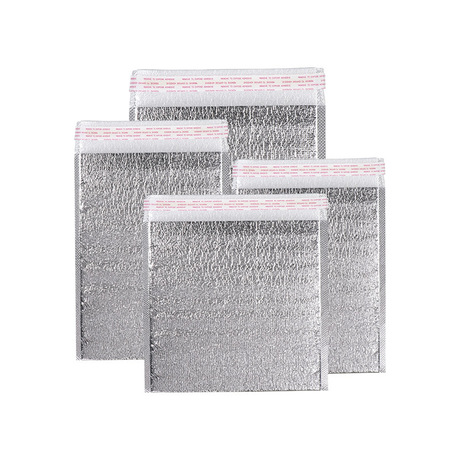
Choosing single bubble insulated liner for meat shipping: Practical B2B Guide
The right single bubble insulated liner for meat shipping specification starts with a short list of facts: product temperature requirement, route duration, carton size, coolant plan, and what evidence the receiver needs. For meat shipping, the liner can reduce thermal exposure and improve packing efficiency, but it cannot replace the full packout design. This guide gives buyers a practical way to specify, test, and source the liner without relying on vague claims.
Liner, coolant, carton, and route must be treated together
A single bubble insulated liner is a passive insulation layer. It can slow heat gain or heat loss, reflect radiant heat from the carton wall, add a small amount of cushioning, and help create a cleaner inner pack surface. It is not a refrigerator, it is not an active temperature-control device, and it does not remove the need for the right coolant. For meat shipping, this boundary is especially important because the shipment may pass through several handover points before the receiver opens the carton.
Think of the liner as one part of a small thermal stack. The outer corrugated carton gives shape and handling strength. The liner adds a reflective and air-space layer. Gel packs, ice bricks, PCM packs, or dry ice provide cold energy where appropriate. Product packaging controls leakage, hygiene, and direct contact. The route then adds the real stress: leakage from primary packaging, sharp bone edges, condensation, delayed delivery, thaw claims, poor refrigerant placement, and weak carton closure. If any one of these parts is weak, the liner may be blamed even when the problem was actually carton size, coolant mass, or poor handling.
This is why the first buyer question should be about the payload and route, not the liner thickness alone. A shipment containing fresh cuts, frozen meat, poultry packs, subscription meat boxes, and insulated cartons using gel packs or dry ice where appropriate needs a different risk review than a generic ambient parcel. You should define the required product condition at delivery, the expected handling time, the receiving process, and the rejection criteria before comparing liner samples. A clean specification makes supplier conversations faster and reduces the chance that a low-cost option is approved for the wrong reason.
Map the route before deciding the liner is enough
Route mapping is a simple exercise that many teams skip. Write down where the packed carton will sit before pickup, how it is loaded, whether it enters a parcel hub, how long it may wait in a vehicle, whether a rider or courier opens a larger delivery bag, and how the receiver inspects the package. For meat shipping, this route map often reveals a risk that liner specifications alone cannot solve.
Once the map is visible, match each risk to a control. Leakage from primary packaging, sharp bone edges, condensation, delayed delivery, thaw claims, poor refrigerant placement, and weak carton closure may require more coolant, a different carton, a stronger closure, a warning label, a shorter dispatch window, or a data logger. The single bubble insulated liner may support these controls by reducing heat transfer and improving the inner pack surface, but it cannot compensate for every operational gap.
The route map also helps with SKU grouping. Products such as fresh cuts, frozen meat, poultry packs, subscription meat boxes, and insulated cartons using gel packs or dry ice where appropriate may not share the same sensitivity or handling tolerance. If a single packout is used for all SKUs, the highest-risk item should drive the test. If the SKU spread is too wide, it may be better to define two packouts rather than forcing one liner design to cover everything.
Material structure: what buyers should translate into operations
A single bubble liner is usually chosen for simplicity, lower bulk, and easier handling. It may suit moderate routes or programs where the coolant and carton carry most of the thermal burden. For meat shipping, that can be sensible if the payload is well sealed and the delivery route is understood. It becomes risky when buyers expect a lighter liner to perform like a heavier system without testing.
The single bubble structure should be reviewed for puncture, compression, and edge sealing. If the product has hard corners, bone edges, frozen blocks, or primary packs that can leak, the liner may need an additional leak bag, absorbent pad, stronger primary packaging, or a thicker design. Thermal protection and physical protection should be evaluated together.
For every material structure, ask what will remain the same between sample and production. Changes in film, bubble height, foam density, adhesive, coating, lamination, edge sealing, or folding pattern can change the way the liner behaves. In meat shipping, a small change may not be visible to the packer, but it can show up later as condensation, crushed product, warmer receipts, or customer complaints.
Compliance-aware use without overclaiming the liner
Food delivery and meat shipping programs should keep sanitary handling separate from thermal performance. Clean storage, correct vehicle or delivery procedures, written instructions, and receiving checks may be relevant depending on the market and product type. In the United States, the FDA Sanitary Transportation rule frames responsibilities for shippers, loaders, carriers, and receivers in food transport by motor or rail, but buyers still need to confirm which rules apply to their own operation.
The liner can support the program by protecting the carton interior, reducing temperature exposure, and helping staff pack consistently. It does not decide the safe food temperature, does not sanitize the product, and does not document the route. For meat shipping, the safest wording is that the liner is one part of a controlled handling plan. If the product is high risk, perishable, or shipped through long uncontrolled routes, buyers should add appropriate monitoring and review the packout with their food safety team.
A useful internal rule is simple: the more sensitive the payload and the more uncertain the route, the more documentation you need. USDA safe food handling references, FDA food transportation guidance, ISTA thermal standards, Tempk liner product information can guide the conversation, but buyers should still ask their own quality, regulatory, or food safety team before approving a production packout. The liner should not be used for long uncontrolled routes, products requiring strict frozen delivery without tested packout, cartons with high puncture risk, and loads that need heavier insulation unless the whole shipping system has been reviewed for that risk.
A practical verification table for buyers
Use this table before sample approval. It keeps the discussion focused on shipment requirements instead of brochure language.
| Specification area | Decision question | Supplier response that helps |
|---|---|---|
| Temperature requirement | What condition must the product maintain at receipt? | A request to define the range, duration, and acceptance criteria before quoting. |
| Carton geometry | Will the liner close without corner gaps or lost payload space? | A drawing, dieline, or finished sample matched to the carton. |
| Cold media plan | Where will gel packs, PCM, ice bricks, or dry ice sit? | A packout sketch and warning about direct contact risks if relevant. |
| Testing evidence | Is performance based on your route or a generic claim? | Test profile, payload, ambient conditions, and pass/fail criteria. |
| Production control | Can the approved sample be repeated at scale? | Material specification, inspection method, and change notification. |
The point of the table is to make assumptions visible. Once assumptions are written down, the buyer can decide what needs a supplier datasheet, what needs a trial shipment, and what needs quality-team approval. That discipline is especially useful when price pressure pushes teams toward a lighter or cheaper liner before route risk is understood.
Supplier questions that actually change the outcome
A strong supplier conversation for single bubble insulated liner is specific. Instead of asking whether the liner is good for meat shipping, ask what carton sizes are supported, what material layers are used, what tolerances are controlled, how edges are sealed, how the liners are packed for shipment, and what happens if the approved material is changed. This turns the discussion from sales language into production control.
For bulk orders, puncture risk review, leak pathway control, liner thickness, closure method, dry ice compatibility if used, gel pack placement, and carton strength should be visible before the purchase order is finalized. If you need custom printing, ask whether ink or lamination changes affect lead time, recyclability, food-contact review, or material availability. If you need multiple sizes, ask whether each size will use a separate drawing and sample. If you are importing, ask how labels, cartons, compression packing, and palletization affect receiving at your warehouse.
The supplier should also be comfortable discussing limits. A supplier that claims every liner suits every route is creating risk for both sides. Better answers sound more conditional: this liner may fit short routes with the right coolant; this design needs a trial for longer lanes; this product requires a different insulation structure; this claim needs documentation. Conditional answers are often more reliable than confident claims without context.
Receiving checks turn packaging into evidence
Receiving inspection should be designed before the first production shipment leaves the warehouse. For meat shipping, the receiver may check product condition, carton damage, ice pack state, visible leakage, liner position, seal integrity, or temperature records if monitoring is used. Without a receiving standard, claims become subjective and hard to investigate.
The single bubble insulated liner can support a cleaner receiving experience when it is sized well and used consistently. A liner that shifts, tears, traps liquid in the wrong place, or makes the carton difficult to open can create complaints even when the product itself is acceptable. Buyers should consider the person opening the package, not only the person packing it.
If complaints occur, review the full chain before blaming one component. Check whether the product was pre-conditioned correctly, whether cold media was frozen or conditioned as planned, whether the liner matched the carton, whether the route changed, whether the carton was delayed, and whether the receiver followed instructions. This root-cause approach avoids repeated material changes that never solve the real problem.
Practical example: turning a sample into a usable packout
Imagine a meat subscription box packed with frozen portions, gel packs, and a single bubble insulated liner. The sample looks tidy, but the team notices that product corners press into the liner and that condensation collects at one edge of the carton. Before approving bulk liners, they add a stronger primary pouch, adjust coolant placement, and check whether the carton can handle moisture exposure during delays.
In meat shipping, the liner is only one layer between the product and the receiver. Leak control, puncture resistance, and carton integrity are often just as important as thermal buffering.
For meat shipping, the useful outcome is not a generic pass or fail. It is a written packing method that the warehouse can repeat. The method should include how the liner is inserted, where the payload sits, how cold media is arranged, how the carton is closed, and what the receiver should inspect. Once the process is defined, the buyer can compare supplier options on consistency rather than surface appearance alone.
FAQ
Is a single bubble insulated liner enough for meat shipping by itself?
No. A single bubble insulated liner is a passive insulation component. It can slow heat transfer and improve carton-based packing, but it still needs the right carton, payload arrangement, cold media, handling process, and receiving checks. For higher-risk routes, buyers should test the full packout rather than relying on liner appearance.
What should I confirm before ordering samples?
Confirm carton dimensions, payload type, required product condition, route duration, cold media plan, moisture or leakage risk, and documentation needs. Ask the supplier for a finished sample that matches the intended production material and sealing method. For meat shipping, it is better to test a realistic packout than a neat empty liner.
When should I consider a heavier system instead of a liner?
Consider a stronger insulated shipper, rigid box, qualified packout, or active control when the route is long, ambient exposure is uncertain, the product is regulated, or the shipment involves long uncontrolled routes, products requiring strict frozen delivery without tested packout, cartons with high puncture risk, and loads that need heavier insulation. A liner can be useful, but it should not be stretched beyond its tested role.
How do I compare suppliers fairly?
Give each supplier the same shipment profile, carton size, payload assumptions, cold media plan, and documentation request. Compare not only unit price but also finished dimensions, sample consistency, material control, packing method, ability to support custom work, and willingness to state product limits.
Conclusion: specify the liner as a controlled component
A single bubble insulated liner can be a useful choice for meat shipping, but it should be selected as part of a full cold-chain packout. The buyer should define product requirements, route risk, carton geometry, coolant plan, and receiving evidence before approving samples.
The most important practical checks are liner simplicity, cushioning, moisture resistance, refrigerant compatibility, carton fit, and claim prevention through clear packout instructions. If those checks are handled early, the liner can support a cleaner packing process, better warehouse control, and fewer disputes at receipt. If they are ignored, even a good liner can be used in the wrong lane or assembled in the wrong way.
The safest procurement approach is to ask conditional questions and require clear answers. What is proven? What depends on your route? What must be tested? What changes require approval? Those questions keep the final package honest.
About Tempk
Tempk provides cold-chain packaging options for food, pharmaceutical, and other temperature-sensitive shipments. Its published product range includes insulated box liners, thermal bags, gel ice packs, EPP and cold shipping boxes, insulated pallet covers, and related cold-chain packaging materials. For liner projects, Tempk can help buyers compare carton-based liner designs with cooling media, payload requirements, and route risk before moving from samples to bulk procurement. For meat shipping, the practical role is to help align liner design with carton fit, cold media, and the buyer's operational limits instead of treating the liner as a universal solution.
For a single bubble insulated liner for meat shipping project, send Tempk your route, carton, payload, and required product condition to receive a more focused recommendation.
Body word count: 2375 words
Recyclable Insulated Box Liner for Food Delivery: Selection, Testing, and Sourcing

Recyclable Insulated Box Liner for Food Delivery: Selection, Testing, and Sourcing
The right recyclable insulated box liner for food delivery specification starts with a short list of facts: product temperature requirement, route duration, carton size, coolant plan, and what evidence the receiver needs. For food delivery, the liner can reduce thermal exposure and improve packing efficiency, but it cannot replace the full packout design. This guide gives buyers a practical way to specify, test, and source the liner without relying on vague claims.
Liner, coolant, carton, and route must be treated together
A recyclable insulated box liner is a passive insulation layer. It can slow heat gain or heat loss, reflect radiant heat from the carton wall, add a small amount of cushioning, and help create a cleaner inner pack surface. It is not a refrigerator, it is not an active temperature-control device, and it does not remove the need for the right coolant. For food delivery, this boundary is especially important because the shipment may pass through several handover points before the receiver opens the carton.
Think of the liner as one part of a small thermal stack. The outer corrugated carton gives shape and handling strength. The liner adds a reflective and air-space layer. Gel packs, ice bricks, PCM packs, or dry ice provide cold energy where appropriate. Product packaging controls leakage, hygiene, and direct contact. The route then adds the real stress: assuming recyclable means accepted in every local stream, losing thermal performance when changing material, food-contact concerns, moisture damage, and poor customer disposal instructions. If any one of these parts is weak, the liner may be blamed even when the problem was actually carton size, coolant mass, or poor handling.
This is why the first buyer question should be about the payload and route, not the liner thickness alone. A shipment containing ready-to-eat meals, chilled ingredients, produce, dairy, frozen add-ons, and prepared food cartons needs a different risk review than a generic ambient parcel. You should define the required product condition at delivery, the expected handling time, the receiving process, and the rejection criteria before comparing liner samples. A clean specification makes supplier conversations faster and reduces the chance that a low-cost option is approved for the wrong reason.
Map the route before deciding the liner is enough
Route mapping is a simple exercise that many teams skip. Write down where the packed carton will sit before pickup, how it is loaded, whether it enters a parcel hub, how long it may wait in a vehicle, whether a rider or courier opens a larger delivery bag, and how the receiver inspects the package. For food delivery, this route map often reveals a risk that liner specifications alone cannot solve.
Once the map is visible, match each risk to a control. Assuming recyclable means accepted in every local stream, losing thermal performance when changing material, food-contact concerns, moisture damage, and poor customer disposal instructions may require more coolant, a different carton, a stronger closure, a warning label, a shorter dispatch window, or a data logger. The recyclable insulated box liner may support these controls by reducing heat transfer and improving the inner pack surface, but it cannot compensate for every operational gap.
The route map also helps with SKU grouping. Products such as ready-to-eat meals, chilled ingredients, produce, dairy, frozen add-ons, and prepared food cartons may not share the same sensitivity or handling tolerance. If a single packout is used for all SKUs, the highest-risk item should drive the test. If the SKU spread is too wide, it may be better to define two packouts rather than forcing one liner design to cover everything.
Material structure: what buyers should translate into operations
A recyclable liner starts with material design, but the claim is only useful if it matches local collection and processing. For food delivery, buyers should ask whether the liner is mono-material, how coatings or adhesives affect recyclability, and whether the customer will understand disposal instructions. A material can look sustainable on a sample table and still fail in the real recovery stream.
Changing from a foil-bubble or foam-based structure to a recyclable alternative may affect moisture resistance, folding, puncture behavior, and thermal buffering. The correct comparison is not only environmental preference; it is environmental claim plus packout performance. Buyers should test the new liner with the same payload, carton, coolant, and handling procedure used in production.
For every material structure, ask what will remain the same between sample and production. Changes in film, bubble height, foam density, adhesive, coating, lamination, edge sealing, or folding pattern can change the way the liner behaves. In food delivery, a small change may not be visible to the packer, but it can show up later as condensation, crushed product, warmer receipts, or customer complaints.
Compliance-aware use without overclaiming the liner
Food delivery and meat shipping programs should keep sanitary handling separate from thermal performance. Clean storage, correct vehicle or delivery procedures, written instructions, and receiving checks may be relevant depending on the market and product type. In the United States, the FDA Sanitary Transportation rule frames responsibilities for shippers, loaders, carriers, and receivers in food transport by motor or rail, but buyers still need to confirm which rules apply to their own operation.
The liner can support the program by protecting the carton interior, reducing temperature exposure, and helping staff pack consistently. It does not decide the safe food temperature, does not sanitize the product, and does not document the route. For food delivery, the safest wording is that the liner is one part of a controlled handling plan. If the product is high risk, perishable, or shipped through long uncontrolled routes, buyers should add appropriate monitoring and review the packout with their food safety team.
A useful internal rule is simple: the more sensitive the payload and the more uncertain the route, the more documentation you need. FDA food transportation guidance, FDA PFAS food packaging updates, ISTA thermal standards, Tempk liner products can guide the conversation, but buyers should still ask their own quality, regulatory, or food safety team before approving a production packout. The liner should not be used for programs that need high moisture resistance but choose paper without protection, routes requiring validated performance but using untested substitutes, and markets where the claimed recycling stream is unavailable unless the whole shipping system has been reviewed for that risk.
A practical verification table for buyers
Use this table before sample approval. It keeps the discussion focused on shipment requirements instead of brochure language.
| Specification area | Decision question | Supplier response that helps |
|---|---|---|
| Temperature requirement | What condition must the product maintain at receipt? | A request to define the range, duration, and acceptance criteria before quoting. |
| Carton geometry | Will the liner close without corner gaps or lost payload space? | A drawing, dieline, or finished sample matched to the carton. |
| Cold media plan | Where will gel packs, PCM, ice bricks, or dry ice sit? | A packout sketch and warning about direct contact risks if relevant. |
| Testing evidence | Is performance based on your route or a generic claim? | Test profile, payload, ambient conditions, and pass/fail criteria. |
| Production control | Can the approved sample be repeated at scale? | Material specification, inspection method, and change notification. |
The point of the table is to make assumptions visible. Once assumptions are written down, the buyer can decide what needs a supplier datasheet, what needs a trial shipment, and what needs quality-team approval. That discipline is especially useful when price pressure pushes teams toward a lighter or cheaper liner before route risk is understood.
Supplier questions that actually change the outcome
A strong supplier conversation for recyclable insulated box liner is specific. Instead of asking whether the liner is good for food delivery, ask what carton sizes are supported, what material layers are used, what tolerances are controlled, how edges are sealed, how the liners are packed for shipment, and what happens if the approved material is changed. This turns the discussion from sales language into production control.
For bulk orders, material composition, recyclability evidence, coatings, adhesives, local acceptance, moisture resistance, sample performance, and food-contact declarations should be visible before the purchase order is finalized. If you need custom printing, ask whether ink or lamination changes affect lead time, recyclability, food-contact review, or material availability. If you need multiple sizes, ask whether each size will use a separate drawing and sample. If you are importing, ask how labels, cartons, compression packing, and palletization affect receiving at your warehouse.
The supplier should also be comfortable discussing limits. A supplier that claims every liner suits every route is creating risk for both sides. Better answers sound more conditional: this liner may fit short routes with the right coolant; this design needs a trial for longer lanes; this product requires a different insulation structure; this claim needs documentation. Conditional answers are often more reliable than confident claims without context.
Receiving checks turn packaging into evidence
Receiving inspection should be designed before the first production shipment leaves the warehouse. For food delivery, the receiver may check product condition, carton damage, ice pack state, visible leakage, liner position, seal integrity, or temperature records if monitoring is used. Without a receiving standard, claims become subjective and hard to investigate.
The recyclable insulated box liner can support a cleaner receiving experience when it is sized well and used consistently. A liner that shifts, tears, traps liquid in the wrong place, or makes the carton difficult to open can create complaints even when the product itself is acceptable. Buyers should consider the person opening the package, not only the person packing it.
If complaints occur, review the full chain before blaming one component. Check whether the product was pre-conditioned correctly, whether cold media was frozen or conditioned as planned, whether the liner matched the carton, whether the route changed, whether the carton was delayed, and whether the receiver followed instructions. This root-cause approach avoids repeated material changes that never solve the real problem.
Practical example: turning a sample into a usable packout
In a common food delivery program, a buyer may use one carton for several products: ready-to-eat meals, chilled ingredients, produce, dairy, frozen add-ons, and prepared food cartons. That mixed payload creates a temptation to use one liner and one coolant plan for every order. A better approach is to group shipments by sensitivity, route length, and handling risk, then test the highest-risk group before treating the liner as standard.
This keeps the recyclable insulated box liner from being judged by an easy route while being deployed on a difficult one. It also gives packers clearer instructions, because they know when to add coolant, when to use a different carton, and when a shipment needs extra review.
For food delivery, the useful outcome is not a generic pass or fail. It is a written packing method that the warehouse can repeat. The method should include how the liner is inserted, where the payload sits, how cold media is arranged, how the carton is closed, and what the receiver should inspect. Once the process is defined, the buyer can compare supplier options on consistency rather than surface appearance alone.
FAQ
Is a recyclable insulated box liner enough for food delivery by itself?
No. A recyclable insulated box liner is a passive insulation component. It can slow heat transfer and improve carton-based packing, but it still needs the right carton, payload arrangement, cold media, handling process, and receiving checks. For higher-risk routes, buyers should test the full packout rather than relying on liner appearance.
What should I confirm before ordering samples?
Confirm carton dimensions, payload type, required product condition, route duration, cold media plan, moisture or leakage risk, and documentation needs. Ask the supplier for a finished sample that matches the intended production material and sealing method. For food delivery, it is better to test a realistic packout than a neat empty liner.
When should I consider a heavier system instead of a liner?
Consider a stronger insulated shipper, rigid box, qualified packout, or active control when the route is long, ambient exposure is uncertain, the product is regulated, or the shipment involves programs that need high moisture resistance but choose paper without protection, routes requiring validated performance but using untested substitutes, and markets where the claimed recycling stream is unavailable. A liner can be useful, but it should not be stretched beyond its tested role.
How do I compare suppliers fairly?
Give each supplier the same shipment profile, carton size, payload assumptions, cold media plan, and documentation request. Compare not only unit price but also finished dimensions, sample consistency, material control, packing method, ability to support custom work, and willingness to state product limits.
Conclusion: specify the liner as a controlled component
A recyclable insulated box liner can be a useful choice for food delivery, but it should be selected as part of a full cold-chain packout. The buyer should define product requirements, route risk, carton geometry, coolant plan, and receiving evidence before approving samples.
The most important practical checks are material recovery claims, thermal protection, moisture barrier, pack-line practicality, customer disposal communication, and cold media pairing. If those checks are handled early, the liner can support a cleaner packing process, better warehouse control, and fewer disputes at receipt. If they are ignored, even a good liner can be used in the wrong lane or assembled in the wrong way.
The safest procurement approach is to ask conditional questions and require clear answers. What is proven? What depends on your route? What must be tested? What changes require approval? Those questions keep the final package honest.
About Tempk
Tempk provides cold-chain packaging options for food, pharmaceutical, and other temperature-sensitive shipments. Its published product range includes insulated box liners, thermal bags, gel ice packs, EPP and cold shipping boxes, insulated pallet covers, and related cold-chain packaging materials. For liner projects, Tempk can help buyers compare carton-based liner designs with cooling media, payload requirements, and route risk before moving from samples to bulk procurement. For food delivery, the practical role is to help align liner design with carton fit, cold media, and the buyer's operational limits instead of treating the liner as a universal solution.
For a recyclable insulated box liner for food delivery project, send Tempk your route, carton, payload, and required product condition to receive a more focused recommendation.
Body word count: 2388 words
Choosing insulated packaging liner manufacturers: Practical B2B Guide
Choosing insulated packaging liner manufacturers: Practical B2B Guide
A insulated packaging liner manufacturers should be selected as a packaging component with defined limits, not as a promise printed on a product page. In manufacturer selection, the buyer needs to know where the liner helps, where it is not enough, and what the supplier must document before bulk ordering. The goal is a liner that fits the operation as well as the carton.
Liner, coolant, carton, and route must be treated together
A insulated packaging liner is a passive insulation layer. It can slow heat gain or heat loss, reflect radiant heat from the carton wall, add a small amount of cushioning, and help create a cleaner inner pack surface. It is not a refrigerator, it is not an active temperature-control device, and it does not remove the need for the right coolant. For manufacturer selection, this boundary is especially important because the shipment may pass through several handover points before the receiver opens the carton.
Think of the liner as one part of a small thermal stack. The outer corrugated carton gives shape and handling strength. The liner adds a reflective and air-space layer. Gel packs, ice bricks, PCM packs, or dry ice provide cold energy where appropriate. Product packaging controls leakage, hygiene, and direct contact. The route then adds the real stress: supplier claims without test context, size drift, unstable materials, poor drawing control, unclear batch traceability, and designs that work in sample form but fail at production scale. If any one of these parts is weak, the liner may be blamed even when the problem was actually carton size, coolant mass, or poor handling.
This is why the first buyer question should be about the payload and route, not the liner thickness alone. A shipment containing food, pharma, seafood, clinical kits, cosmetics, and other products packed into carton-based cold-chain systems needs a different risk review than a generic ambient parcel. You should define the required product condition at delivery, the expected handling time, the receiving process, and the rejection criteria before comparing liner samples. A clean specification makes supplier conversations faster and reduces the chance that a low-cost option is approved for the wrong reason.
Map the route before deciding the liner is enough
Route mapping is a simple exercise that many teams skip. Write down where the packed carton will sit before pickup, how it is loaded, whether it enters a parcel hub, how long it may wait in a vehicle, whether a rider or courier opens a larger delivery bag, and how the receiver inspects the package. For manufacturer selection, this route map often reveals a risk that liner specifications alone cannot solve.
Once the map is visible, match each risk to a control. Supplier claims without test context, size drift, unstable materials, poor drawing control, unclear batch traceability, and designs that work in sample form but fail at production scale may require more coolant, a different carton, a stronger closure, a warning label, a shorter dispatch window, or a data logger. The insulated packaging liner may support these controls by reducing heat transfer and improving the inner pack surface, but it cannot compensate for every operational gap.
The route map also helps with SKU grouping. Products such as food, pharma, seafood, clinical kits, cosmetics, and other products packed into carton-based cold-chain systems may not share the same sensitivity or handling tolerance. If a single packout is used for all SKUs, the highest-risk item should drive the test. If the SKU spread is too wide, it may be better to define two packouts rather than forcing one liner design to cover everything.
Material structure: what buyers should translate into operations
Insulated packaging liners vary by foam, bubble, paper, foil, laminate, and hybrid structures. Each material solves a different set of problems. For manufacturer selection, a supplier should explain what the liner is meant to resist: radiant heat, conductive heat at the carton wall, compression, moisture, puncture, or handling damage. Vague words such as premium or high performance are not enough for a controlled packaging decision.
The best material choice is often the one that fits the packout with the least operational friction. A thicker liner may improve buffering but reduce usable volume. A foldable liner may save warehouse space but require clear assembly instructions. A recyclable liner may support brand goals but require careful verification of moisture resistance and local recycling acceptance.
For every material structure, ask what will remain the same between sample and production. Changes in film, bubble height, foam density, adhesive, coating, lamination, edge sealing, or folding pattern can change the way the liner behaves. In manufacturer selection, a small change may not be visible to the packer, but it can show up later as condensation, crushed product, warmer receipts, or customer complaints.
Compliance-aware use without overclaiming the liner
For general temperature-sensitive goods, compliance depends on the product category. Cosmetics, specialty foods, diagnostics, and pharmaceuticals do not share the same rules or risk levels. A procurement team should first determine whether the shipment is a simple quality-protection route or a regulated distribution program. That decision affects documentation, testing, labeling, and supplier qualification.
If the product is pharmaceutical or healthcare related, GDP guidance, IATA temperature-sensitive cargo practices, and product-specific storage instructions may influence the packout. If the product is food, sanitary transportation and food-contact expectations may be relevant. For non-regulated goods, customer quality requirements may still demand evidence. In each case, avoid the shortcut of describing a liner as compliant without stating what it was tested against and how it will be used.
A useful internal rule is simple: the more sensitive the payload and the more uncertain the route, the more documentation you need. ISTA thermal standards, FDA and EU food or pharma references as relevant, Tempk official product categories can guide the conversation, but buyers should still ask their own quality, regulatory, or food safety team before approving a production packout. The liner should not be used for manufacturers that sell only a generic roll stock without understanding payload, route, refrigerant, and carton geometry unless the whole shipping system has been reviewed for that risk.
A practical verification table for buyers
Use this table before sample approval. It keeps the discussion focused on shipment requirements instead of brochure language.
| Specification area | Decision question | Supplier response that helps |
|---|---|---|
| Temperature requirement | What condition must the product maintain at receipt? | A request to define the range, duration, and acceptance criteria before quoting. |
| Carton geometry | Will the liner close without corner gaps or lost payload space? | A drawing, dieline, or finished sample matched to the carton. |
| Cold media plan | Where will gel packs, PCM, ice bricks, or dry ice sit? | A packout sketch and warning about direct contact risks if relevant. |
| Testing evidence | Is performance based on your route or a generic claim? | Test profile, payload, ambient conditions, and pass/fail criteria. |
| Production control | Can the approved sample be repeated at scale? | Material specification, inspection method, and change notification. |
The point of the table is to make assumptions visible. Once assumptions are written down, the buyer can decide what needs a supplier datasheet, what needs a trial shipment, and what needs quality-team approval. That discipline is especially useful when price pressure pushes teams toward a lighter or cheaper liner before route risk is understood.
Supplier questions that actually change the outcome
A strong supplier conversation for insulated packaging liner is specific. Instead of asking whether the liner is good for manufacturer selection, ask what carton sizes are supported, what material layers are used, what tolerances are controlled, how edges are sealed, how the liners are packed for shipment, and what happens if the approved material is changed. This turns the discussion from sales language into production control.
For bulk orders, drawings, tolerances, material data, sample-to-production control, tooling, printing, packing method, quality inspection, and change notification should be visible before the purchase order is finalized. If you need custom printing, ask whether ink or lamination changes affect lead time, recyclability, food-contact review, or material availability. If you need multiple sizes, ask whether each size will use a separate drawing and sample. If you are importing, ask how labels, cartons, compression packing, and palletization affect receiving at your warehouse.
The supplier should also be comfortable discussing limits. A supplier that claims every liner suits every route is creating risk for both sides. Better answers sound more conditional: this liner may fit short routes with the right coolant; this design needs a trial for longer lanes; this product requires a different insulation structure; this claim needs documentation. Conditional answers are often more reliable than confident claims without context.
Receiving checks turn packaging into evidence
Receiving inspection should be designed before the first production shipment leaves the warehouse. For manufacturer selection, the receiver may check product condition, carton damage, ice pack state, visible leakage, liner position, seal integrity, or temperature records if monitoring is used. Without a receiving standard, claims become subjective and hard to investigate.
The insulated packaging liner can support a cleaner receiving experience when it is sized well and used consistently. A liner that shifts, tears, traps liquid in the wrong place, or makes the carton difficult to open can create complaints even when the product itself is acceptable. Buyers should consider the person opening the package, not only the person packing it.
If complaints occur, review the full chain before blaming one component. Check whether the product was pre-conditioned correctly, whether cold media was frozen or conditioned as planned, whether the liner matched the carton, whether the route changed, whether the carton was delayed, and whether the receiver followed instructions. This root-cause approach avoids repeated material changes that never solve the real problem.
Practical example: turning a sample into a usable packout
A procurement team may receive a insulated packaging liner sample that looks acceptable and quotes well for a bulk program. The team should not jump straight to a container order. It should confirm the drawing, carton matrix, finished dimensions, material layers, edge sealing, artwork, packing method, and whether the production sample will be made from the same materials as the approved sample.
This example is not about making sourcing slower. It is about preventing a familiar problem: a beautiful sample that cannot be repeated during mass production, or a low-cost production change that no one notices until customer complaints begin.
For manufacturer selection, the useful outcome is not a generic pass or fail. It is a written packing method that the warehouse can repeat. The method should include how the liner is inserted, where the payload sits, how cold media is arranged, how the carton is closed, and what the receiver should inspect. Once the process is defined, the buyer can compare supplier options on consistency rather than surface appearance alone.
FAQ
Is a insulated packaging liner enough for manufacturer selection by itself?
No. A insulated packaging liner is a passive insulation component. It can slow heat transfer and improve carton-based packing, but it still needs the right carton, payload arrangement, cold media, handling process, and receiving checks. For higher-risk routes, buyers should test the full packout rather than relying on liner appearance.
What should I confirm before ordering samples?
Confirm carton dimensions, payload type, required product condition, route duration, cold media plan, moisture or leakage risk, and documentation needs. Ask the supplier for a finished sample that matches the intended production material and sealing method. For manufacturer selection, it is better to test a realistic packout than a neat empty liner.
When should I consider a heavier system instead of a liner?
Consider a stronger insulated shipper, rigid box, qualified packout, or active control when the route is long, ambient exposure is uncertain, the product is regulated, or the shipment involves manufacturers that sell only a generic roll stock without understanding payload, route, refrigerant, and carton geometry. A liner can be useful, but it should not be stretched beyond its tested role.
How do I compare suppliers fairly?
Give each supplier the same shipment profile, carton size, payload assumptions, cold media plan, and documentation request. Compare not only unit price but also finished dimensions, sample consistency, material control, packing method, ability to support custom work, and willingness to state product limits.
Conclusion: specify the liner as a controlled component
A insulated packaging liner can be a useful choice for manufacturer selection, but it should be selected as part of a full cold-chain packout. The buyer should define product requirements, route risk, carton geometry, coolant plan, and receiving evidence before approving samples.
The most important practical checks are factory capability, material knowledge, sample control, documentation, customization, and support for packout trials. If those checks are handled early, the liner can support a cleaner packing process, better warehouse control, and fewer disputes at receipt. If they are ignored, even a good liner can be used in the wrong lane or assembled in the wrong way.
The safest procurement approach is to ask conditional questions and require clear answers. What is proven? What depends on your route? What must be tested? What changes require approval? Those questions keep the final package honest.
About Tempk
Tempk provides cold-chain packaging options for food, pharmaceutical, and other temperature-sensitive shipments. Its published product range includes insulated box liners, thermal bags, gel ice packs, EPP and cold shipping boxes, insulated pallet covers, and related cold-chain packaging materials. For liner projects, Tempk can help buyers compare carton-based liner designs with cooling media, payload requirements, and route risk before moving from samples to bulk procurement. For manufacturer selection, the practical role is to help align liner design with carton fit, cold media, and the buyer's operational limits instead of treating the liner as a universal solution.
For a insulated packaging liner manufacturers project, send Tempk your route, carton, payload, and required product condition to receive a more focused recommendation.
Body word count: 2308 words
Foil Bubble Liner for Grocery Delivery: How Buyers Should Specify It
Foil Bubble Liner for Grocery Delivery: How Buyers Should Specify It
The right foil bubble liner for grocery delivery specification starts with a short list of facts: product temperature requirement, route duration, carton size, coolant plan, and what evidence the receiver needs. For grocery delivery, the liner can reduce thermal exposure and improve packing efficiency, but it cannot replace the full packout design. This guide gives buyers a practical way to specify, test, and source the liner without relying on vague claims.
Liner, coolant, carton, and route must be treated together
A foil bubble liner is a passive insulation layer. It can slow heat gain or heat loss, reflect radiant heat from the carton wall, add a small amount of cushioning, and help create a cleaner inner pack surface. It is not a refrigerator, it is not an active temperature-control device, and it does not remove the need for the right coolant. For grocery delivery, this boundary is especially important because the shipment may pass through several handover points before the receiver opens the carton.
Think of the liner as one part of a small thermal stack. The outer corrugated carton gives shape and handling strength. The liner adds a reflective and air-space layer. Gel packs, ice bricks, PCM packs, or dry ice provide cold energy where appropriate. Product packaging controls leakage, hygiene, and direct contact. The route then adds the real stress: rider dwell time, warm loading docks, repeated carton opening, doorstep exposure, condensation, and mixed chilled or frozen baskets. If any one of these parts is weak, the liner may be blamed even when the problem was actually carton size, coolant mass, or poor handling.
This is why the first buyer question should be about the payload and route, not the liner thickness alone. A shipment containing produce, dairy items, chilled meal ingredients, beverages, frozen add-ons, and mixed grocery baskets needs a different risk review than a generic ambient parcel. You should define the required product condition at delivery, the expected handling time, the receiving process, and the rejection criteria before comparing liner samples. A clean specification makes supplier conversations faster and reduces the chance that a low-cost option is approved for the wrong reason.
Map the route before deciding the liner is enough
Route mapping is a simple exercise that many teams skip. Write down where the packed carton will sit before pickup, how it is loaded, whether it enters a parcel hub, how long it may wait in a vehicle, whether a rider or courier opens a larger delivery bag, and how the receiver inspects the package. For grocery delivery, this route map often reveals a risk that liner specifications alone cannot solve.
Once the map is visible, match each risk to a control. Rider dwell time, warm loading docks, repeated carton opening, doorstep exposure, condensation, and mixed chilled or frozen baskets may require more coolant, a different carton, a stronger closure, a warning label, a shorter dispatch window, or a data logger. The foil bubble liner may support these controls by reducing heat transfer and improving the inner pack surface, but it cannot compensate for every operational gap.
The route map also helps with SKU grouping. Products such as produce, dairy items, chilled meal ingredients, beverages, frozen add-ons, and mixed grocery baskets may not share the same sensitivity or handling tolerance. If a single packout is used for all SKUs, the highest-risk item should drive the test. If the SKU spread is too wide, it may be better to define two packouts rather than forcing one liner design to cover everything.
Material structure: what buyers should translate into operations
A foil bubble liner combines a reflective surface with bubble cushioning. The foil-facing layer helps reduce radiant heat transfer, while the trapped air spaces in the bubble layer slow conduction through the liner. For grocery delivery, this is useful when the parcel faces short periods of heat exposure, warm staging, or mixed handling environments. The design still depends on correct closure and enough cold media.
A common mistake is to evaluate only shine and thickness. The real questions are whether the liner wraps the payload without gaps, whether corners are protected, whether the seal or flap stays closed, and whether moisture affects the layers. In carton-based programs, the most elegant material can underperform if the pattern leaves open corners or if staff rush the insert process.
For every material structure, ask what will remain the same between sample and production. Changes in film, bubble height, foam density, adhesive, coating, lamination, edge sealing, or folding pattern can change the way the liner behaves. In grocery delivery, a small change may not be visible to the packer, but it can show up later as condensation, crushed product, warmer receipts, or customer complaints.
Compliance-aware use without overclaiming the liner
Food delivery and meat shipping programs should keep sanitary handling separate from thermal performance. Clean storage, correct vehicle or delivery procedures, written instructions, and receiving checks may be relevant depending on the market and product type. In the United States, the FDA Sanitary Transportation rule frames responsibilities for shippers, loaders, carriers, and receivers in food transport by motor or rail, but buyers still need to confirm which rules apply to their own operation.
The liner can support the program by protecting the carton interior, reducing temperature exposure, and helping staff pack consistently. It does not decide the safe food temperature, does not sanitize the product, and does not document the route. For grocery delivery, the safest wording is that the liner is one part of a controlled handling plan. If the product is high risk, perishable, or shipped through long uncontrolled routes, buyers should add appropriate monitoring and review the packout with their food safety team.
A useful internal rule is simple: the more sensitive the payload and the more uncertain the route, the more documentation you need. FDA Sanitary Transportation rule, USDA cold food handling references, ISTA thermal transport packaging standards, Tempk packaging range can guide the conversation, but buyers should still ask their own quality, regulatory, or food safety team before approving a production packout. The liner should not be used for uncontrolled long dwell windows, high-risk frozen deliveries without enough refrigerant, and any program that requires a qualified thermal shipper unless the whole shipping system has been reviewed for that risk.
A practical verification table for buyers
Use this table before sample approval. It keeps the discussion focused on shipment requirements instead of brochure language.
| Specification area | Decision question | Supplier response that helps |
|---|---|---|
| Temperature requirement | What condition must the product maintain at receipt? | A request to define the range, duration, and acceptance criteria before quoting. |
| Carton geometry | Will the liner close without corner gaps or lost payload space? | A drawing, dieline, or finished sample matched to the carton. |
| Cold media plan | Where will gel packs, PCM, ice bricks, or dry ice sit? | A packout sketch and warning about direct contact risks if relevant. |
| Testing evidence | Is performance based on your route or a generic claim? | Test profile, payload, ambient conditions, and pass/fail criteria. |
| Production control | Can the approved sample be repeated at scale? | Material specification, inspection method, and change notification. |
The point of the table is to make assumptions visible. Once assumptions are written down, the buyer can decide what needs a supplier datasheet, what needs a trial shipment, and what needs quality-team approval. That discipline is especially useful when price pressure pushes teams toward a lighter or cheaper liner before route risk is understood.
Supplier questions that actually change the outcome
A strong supplier conversation for foil bubble liner is specific. Instead of asking whether the liner is good for grocery delivery, ask what carton sizes are supported, what material layers are used, what tolerances are controlled, how edges are sealed, how the liners are packed for shipment, and what happens if the approved material is changed. This turns the discussion from sales language into production control.
For bulk orders, carton nesting, pack-line speed, liner seal strength, food-contact layer review, print options, and sample consistency should be visible before the purchase order is finalized. If you need custom printing, ask whether ink or lamination changes affect lead time, recyclability, food-contact review, or material availability. If you need multiple sizes, ask whether each size will use a separate drawing and sample. If you are importing, ask how labels, cartons, compression packing, and palletization affect receiving at your warehouse.
The supplier should also be comfortable discussing limits. A supplier that claims every liner suits every route is creating risk for both sides. Better answers sound more conditional: this liner may fit short routes with the right coolant; this design needs a trial for longer lanes; this product requires a different insulation structure; this claim needs documentation. Conditional answers are often more reliable than confident claims without context.
Receiving checks turn packaging into evidence
Receiving inspection should be designed before the first production shipment leaves the warehouse. For grocery delivery, the receiver may check product condition, carton damage, ice pack state, visible leakage, liner position, seal integrity, or temperature records if monitoring is used. Without a receiving standard, claims become subjective and hard to investigate.
The foil bubble liner can support a cleaner receiving experience when it is sized well and used consistently. A liner that shifts, tears, traps liquid in the wrong place, or makes the carton difficult to open can create complaints even when the product itself is acceptable. Buyers should consider the person opening the package, not only the person packing it.
If complaints occur, review the full chain before blaming one component. Check whether the product was pre-conditioned correctly, whether cold media was frozen or conditioned as planned, whether the liner matched the carton, whether the route changed, whether the carton was delayed, and whether the receiver followed instructions. This root-cause approach avoids repeated material changes that never solve the real problem.
Practical example: turning a sample into a usable packout
In a common grocery delivery program, a buyer may use one carton for several products: produce, dairy items, chilled meal ingredients, beverages, frozen add-ons, and mixed grocery baskets. That mixed payload creates a temptation to use one liner and one coolant plan for every order. A better approach is to group shipments by sensitivity, route length, and handling risk, then test the highest-risk group before treating the liner as standard.
This keeps the foil bubble liner from being judged by an easy route while being deployed on a difficult one. It also gives packers clearer instructions, because they know when to add coolant, when to use a different carton, and when a shipment needs extra review.
For grocery delivery, the useful outcome is not a generic pass or fail. It is a written packing method that the warehouse can repeat. The method should include how the liner is inserted, where the payload sits, how cold media is arranged, how the carton is closed, and what the receiver should inspect. Once the process is defined, the buyer can compare supplier options on consistency rather than surface appearance alone.
FAQ
Is a foil bubble liner enough for grocery delivery by itself?
No. A foil bubble liner is a passive insulation component. It can slow heat transfer and improve carton-based packing, but it still needs the right carton, payload arrangement, cold media, handling process, and receiving checks. For higher-risk routes, buyers should test the full packout rather than relying on liner appearance.
What should I confirm before ordering samples?
Confirm carton dimensions, payload type, required product condition, route duration, cold media plan, moisture or leakage risk, and documentation needs. Ask the supplier for a finished sample that matches the intended production material and sealing method. For grocery delivery, it is better to test a realistic packout than a neat empty liner.
When should I consider a heavier system instead of a liner?
Consider a stronger insulated shipper, rigid box, qualified packout, or active control when the route is long, ambient exposure is uncertain, the product is regulated, or the shipment involves uncontrolled long dwell windows, high-risk frozen deliveries without enough refrigerant, and any program that requires a qualified thermal shipper. A liner can be useful, but it should not be stretched beyond its tested role.
How do I compare suppliers fairly?
Give each supplier the same shipment profile, carton size, payload assumptions, cold media plan, and documentation request. Compare not only unit price but also finished dimensions, sample consistency, material control, packing method, ability to support custom work, and willingness to state product limits.
Conclusion: specify the liner as a controlled component
A foil bubble liner can be a useful choice for grocery delivery, but it should be selected as part of a full cold-chain packout. The buyer should define product requirements, route risk, carton geometry, coolant plan, and receiving evidence before approving samples.
The most important practical checks are fast packing, carton fit, reflective heat shielding, cushioning, leak management, and compatibility with gel packs or ice bricks. If those checks are handled early, the liner can support a cleaner packing process, better warehouse control, and fewer disputes at receipt. If they are ignored, even a good liner can be used in the wrong lane or assembled in the wrong way.
The safest procurement approach is to ask conditional questions and require clear answers. What is proven? What depends on your route? What must be tested? What changes require approval? Those questions keep the final package honest.
About Tempk
Tempk provides cold-chain packaging options for food, pharmaceutical, and other temperature-sensitive shipments. Its published product range includes insulated box liners, thermal bags, gel ice packs, EPP and cold shipping boxes, insulated pallet covers, and related cold-chain packaging materials. For liner projects, Tempk can help buyers compare carton-based liner designs with cooling media, payload requirements, and route risk before moving from samples to bulk procurement. For grocery delivery, the practical role is to help align liner design with carton fit, cold media, and the buyer's operational limits instead of treating the liner as a universal solution.
For a foil bubble liner for grocery delivery project, send Tempk your route, carton, payload, and required product condition to receive a more focused recommendation.
Body word count: 2364 words