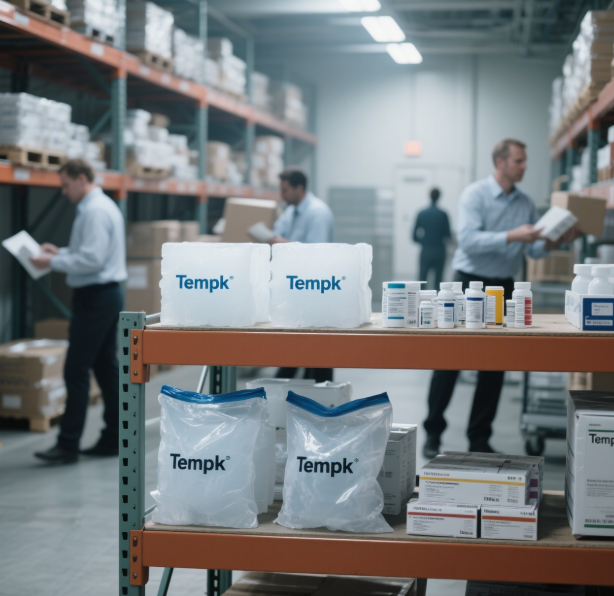
Dry Ice Cold Packs for Shipping – Essential Guide to Safe Transport
If you’re shipping temperature-sensitive goods, keeping them cool is essential. Dry ice cold packs are an effective solution for maintaining the ideal temperature during transit. In this guide, we’ll explore how dry ice can help with everything from pharmaceuticals to fresh food transportation.
How do dry ice cold packs work for shipping?
What are the benefits of using dry ice over regular ice packs?
What are the best practices for using dry ice in shipping?
How to safely handle and store dry ice cold packs?
How do Dry Ice Cold Packs Work for Shipping?
Dry ice cold packs are a superior alternative to traditional ice packs, as they maintain a much lower temperature. Dry ice has a sublimation point of -78.5°C (-109.3°F), which allows it to keep products colder for longer periods without the mess of melting water.
Using dry ice, goods such as biopharmaceuticals, perishable foods, and laboratory samples stay within their required temperature range. The dry ice sublimates from solid to gas, cooling the surrounding area effectively.
How Dry Ice Maintains a Consistent Temperature
When you use dry ice cold packs, they release a cooling effect that lowers the temperature in the shipping container without creating excessive moisture. This makes it ideal for sensitive products like vaccines, insulin, and seafood, which require constant low temperatures.
Application
Temperature Range
Duration of Cooling
Benefits for Shipping
Pharmaceuticals
-20°C to -70°C
12-48 hours
Maintains medication efficacy
Food & Beverages
-18°C to -50°C
24-72 hours
Preserves freshness, reduces spoilage
Cosmetics
0°C to 8°C
12-24 hours
Protects sensitive formulas
Best Practices for Using Dry Ice in Shipping
Secure Packaging: Always use insulated packaging to prevent direct contact between the dry ice and the product.
Proper Ventilation: Dry ice releases carbon dioxide gas, so ensure proper ventilation during storage and transportation.
Labeling: Clearly label packages with warnings about dry ice to prevent mishandling.
Real-World Example: A pharmaceutical company successfully shipped temperature-sensitive vaccine samples across the country using dry ice cold packs. The medications arrived in perfect condition, maintaining their potency and effectiveness.
What Are the Benefits of Using Dry Ice Over Regular Ice Packs?
Dry ice cold packs offer several advantages over traditional ice packs:
Longer Cooling Duration: Dry ice lasts longer because it sublimates instead of melting.
No Water Mess: Unlike ice, dry ice won’t create water that could damage packaging or the products inside.
Consistent Low Temperature: Dry ice keeps the temperature much lower than regular ice, which is crucial for transporting heat-sensitive items.
Comparison of Dry Ice and Traditional Ice Packs
Feature
Dry Ice
Traditional Ice Packs
Cooling Temperature
-78.5°C (-109.3°F)
0°C to 5°C (32°F to 41°F)
Duration
Up to 72 hours
12-48 hours
No Melting Water
Yes
No
Safety Measures for Handling and Storing Dry Ice Cold Packs
Handling dry ice requires caution due to its extremely low temperature and potential for asphyxiation in poorly ventilated areas. Here are some essential tips for safe handling:
Wear insulated gloves when handling dry ice to prevent frostbite.
Store dry ice in a well-ventilated area, away from heat sources.
Never store dry ice in airtight containers to avoid pressure buildup.
Transport in insulated containers to keep it solid for as long as possible.
User Tips for Safely Storing Dry Ice
For short-term storage: Use a Styrofoam box or an insulated cooler to prevent rapid sublimation.
For long-term storage: Dry ice should be stored in well-ventilated, insulated areas to ensure it lasts as long as possible.
How to Maximize Dry Ice Efficiency in Shipping?
Maximizing the efficiency of your dry ice cold packs involves proper packaging and selecting the right amount of dry ice based on the shipping duration.
Efficiency Tips for Packing and Shipping
Use thicker insulation: The thicker the insulation, the longer your dry ice will last.
Check shipping routes and times to calculate the exact amount of dry ice needed.
Pre-cool shipping containers to reduce the load on the dry ice.
Case Study: A medical equipment company increased the shipping efficiency of their temperature-sensitive products by adjusting the dry ice amount to match the shipping route time. This not only reduced costs but also improved the delivery timeline.
2025 Dry Ice Trends and Developments
In 2025, the dry ice industry is seeing significant advancements in eco-friendly packaging solutions and temperature-controlled shipping methods. Innovations like sustainable dry ice alternatives and smart shipping containers are making temperature-sensitive logistics safer and more cost-effective.
Recent Innovations
Sustainable Alternatives: New biodegradable options for dry ice are reducing the environmental impact of shipping.
Smart Packaging: IoT-enabled packages that track temperature and humidity are becoming more common.
Market Insights
The demand for dry ice cold packs is expected to rise due to increased shipping of perishable goods and pharmaceuticals, driven by e-commerce growth and global supply chains. Consumers are prioritizing safer, sustainable shipping methods, which will continue to shape the market.
Frequently Asked Questions
What is the best temperature for shipping with dry ice? Dry ice is most effective when maintaining a temperature of -78.5°C (-109.3°F), suitable for shipping vaccines, pharmaceuticals, and perishable foods.
How long will dry ice last in transit? Dry ice can last anywhere from 12 to 72 hours, depending on insulation and the size of the dry ice used.
Can I reuse dry ice cold packs? Dry ice sublimates into gas and cannot be reused. However, the insulation can be reused for future shipments.
Summary and Recommendations
In conclusion, dry ice cold packs offer superior temperature control for shipping sensitive products. By using proper insulation, understanding the cooling capacity of dry ice, and following safety guidelines, you can ensure that your goods arrive in the best possible condition.
Next Steps: If you’re shipping temperature-sensitive items, start by evaluating the duration of your shipment and selecting the right amount of dry ice for your needs. Consider implementing smart packaging solutions to optimize efficiency.
About Tempk
At Tempk, we specialize in temperature-controlled shipping solutions, offering a range of products including dry ice cold packs, insulated containers, and temperature-monitoring tools. Our solutions ensure the safe transport of sensitive items across all industries.
Contact us for tailored temperature control solutions that meet your shipping needs.
What is a Dry Ice Checked Bag and How Does it Work?
Dry ice checked bags are specially designed bags for the safe transport of dry ice in checked luggage. These bags help maintain the required temperature for perishable items and comply with airline regulations regarding the transportation of dry ice. Understanding their function and benefits can help ensure that your items arrive safely and at the correct temperature.
This Article Will Answer:
What is a dry ice checked bag and how does it function?
Why are dry ice checked bags important for safe shipping?
What are the regulations around flying with dry ice?
How do you properly use a dry ice checked bag for your shipments?
What is a Dry Ice Checked Bag?
A dry ice checked bag is a specialized containment product designed for traveling with dry ice. These bags are typically made of durable materials that prevent leaks and regulate the release of carbon dioxide gas as dry ice sublimates. They allow air travelers to safely pack dry ice in their checked luggage, ensuring compliance with airline safety standards.
Key Features of Dry Ice Checked Bags
Safe Transport: Ensures that dry ice is contained securely, preventing leakage and potential harm to other luggage or passengers.
Airline Compliance: Meets international airline regulations for transporting dry ice as cargo, ensuring your flight isn’t delayed or canceled due to improper packing.
Temperature Control: Maintains the cold temperature required for perishables, medicines, or other temperature-sensitive items being shipped.
Why Are Dry Ice Checked Bags Important?
Dry ice checked bags are crucial for ensuring the safe transport of dry ice, a material that can cause hazardous conditions if not properly contained. When transported by air, dry ice is subject to regulations to prevent accidents due to its sublimation process, where solid carbon dioxide turns into gas. Dry ice checked bags provide a regulated, safe, and efficient way to ship goods while complying with airline regulations.
Safety and Legal Concerns: Without the proper packaging, the use of dry ice can be dangerous during air travel. Airlines have strict regulations concerning the quantity and packaging of dry ice in checked bags. Dry ice checked bags help to meet these safety standards, ensuring the safe and legal transport of your shipments.
How to Use Dry Ice Checked Bags for Air Travel?
When preparing to use dry ice checked bags for your shipments, here are the steps to follow:
Check Airline Regulations: Different airlines have varying rules regarding the amount of dry ice allowed in checked luggage. Typically, you are allowed up to 5.5 lbs (2.5 kg) of dry ice in a properly labeled package.
Pack Dry Ice Properly: Place the dry ice in the checked bag, ensuring that it’s tightly sealed to prevent gas leakage. Always ensure that the bag allows some venting to release gas safely.
Label the Bag: Label the bag according to airline instructions. This may include marking it as “Dry Ice” and including the weight in the bag.
Place the Bag in Checked Luggage: Once packed and labeled, place the dry ice checked bag in your checked luggage for transport.
Benefits of Using Dry Ice Checked Bags
Safety: Keeps passengers and luggage safe by preventing leaks or mishaps caused by uncontrolled carbon dioxide gas release.
Temperature Regulation: Perfect for keeping products like medical supplies or perishable foods at the correct temperature.
Efficiency: Easy to pack and complies with airline regulations, reducing the risk of delays or issues at the airport.
Real-World Example: A pharmaceutical company used dry ice checked bags to transport temperature-sensitive vaccines across international borders. The products arrived at the destination without any issues, maintaining their efficacy due to the secure and compliant packaging.
2025 Trends in Dry Ice Packaging and Airline Regulations
In 2025, the demand for dry ice checked bags is expected to increase as more industries rely on cold chain logistics for shipping. With more stringent regulations in place, understanding these products and their compliance with airline rules is crucial.
Latest Trends in Dry Ice Transport
Increased Regulation: Stricter rules from airlines on the quantity and labeling of dry ice are expected to be enforced more consistently in 2025.
Smarter Packaging Solutions: New dry ice checked bags are being designed with enhanced features, such as built-in temperature sensors and more robust sealing mechanisms.
Sustainable Alternatives: As sustainability becomes a bigger focus, manufacturers are exploring eco-friendly materials for dry ice packaging that reduce carbon footprints.
Market Insight: The global market for dry ice packaging is expected to grow by 15% in 2025, driven by increased demand for safe and regulated air transport of perishables and medical products.
FAQ {#faq}
Can I travel with dry ice in my checked luggage? Yes, you can travel with dry ice in your checked luggage, but it must be packed in a compliant dry ice checked bag and meet airline regulations.
What happens if dry ice is not packed correctly? Improperly packed dry ice can lead to leaks of carbon dioxide gas, which can be hazardous to both passengers and crew. Always ensure your dry ice is properly sealed and ventilated.
How do I label a dry ice checked bag? Most airlines require that you label the bag as containing dry ice, along with the weight of the dry ice. Check specific airline guidelines for detailed instructions.
Summary & Recommendations
Dry ice checked bags are essential for ensuring the safe and compliant transport of dry ice in air travel. These bags help regulate the sublimation of dry ice, ensure safety, and meet airline regulations. By following proper procedures, you can safely ship temperature-sensitive items without any hassle.
Next Steps:
Check airline-specific guidelines for dry ice transport.
Pack dry ice securely in a compliant dry ice checked bag.
Ensure proper labeling and weight reporting to avoid delays.
About Tempk
At Tempk, we specialize in temperature-controlled packaging solutions, including dry ice checked bags, to meet the needs of industries like pharmaceuticals, food logistics, and more. Our solutions ensure that your shipments remain safe, compliant, and temperature-regulated.
Want to ensure your dry ice shipment is safe? Contact us for expert advice and packaging solutions.
What Are Dry Ice Bags and How Do They Work for Shipping?
Dry Ice Bubble Bag: Essential for Temperature-Controlled Shipments
When it comes to ensuring that perishable goods or temperature-sensitive products reach their destination in perfect condition, dry ice bubble bagsare a must-have. These insulated bags protect items during transport by preventing temperature fluctuations and ensuring that dry ice remains at the correct temperature.
Learn how dry ice bubble bags are changing cold chain logistics, offering an innovative, reliable solution for keeping frozen items safe from the moment they leave your warehouse until they arrive at their destination.]
What dry ice bubble bags are and why they’re crucial for cold chain shipping
Key benefits of using dry ice bubble bags over other packaging materials
Step-by-step guide on how to use dry ice bubble bags effectively
When to choose a dry ice bubble bag for your products
The future of dry ice packaging and innovations to watch
What Are Dry Ice Bubble Bags and How Do They Work?
Dry ice bubble bags are specialized insulation bags designed to maintain the temperature of dry ice and other temperature-sensitive products during transportation. Made with multiple layers of insulating materials and air pockets, these bags provide excellent thermal resistance. They can hold dry ice for longer periods, keeping the contents at subzero temperatures for hours or even days.
How Do Dry Ice Bubble Bags Compare to Other Packaging Solutions?
Feature
Dry Ice Bubble Bags
Gel Packs
Foam Insulation
Insulation Time
Up to 72 hours
12–24 hours
24–48 hours
Temperature Control
Keeps dry ice intact
Keeps items cool, but not frozen
Provides consistent temperatures
Reusability
Single-use
Reusable
Reusable
Packaging Size
Customizable
Pre-made sizes
Pre-made sizes
Dry ice bubble bags outperform gel packs when it comes to extremely low temperatures, and they provide more reliability than foam insulation. This makes them perfect for industries like pharmaceuticals, food delivery, and biotechnology.
How to Use Dry Ice Bubble Bags: A Simple Guide
Using dry ice bubble bags is simple, but there are a few important steps to ensure maximum efficiency:
Prepare the dry ice by placing it securely in the bubble bag.
Seal the bag tightly to prevent any leakage of CO₂ gas.
Layer the bag with a second protective layer or additional insulation if necessary.
Monitor the temperature using temperature-sensitive labels or loggers to ensure optimal conditions.
Store the bag properly during transport, keeping it in a well-ventilated area to prevent the buildup of excess pressure.
Real-Life Example: A pharmaceutical company used dry ice bubble bags for vaccine distribution and reduced spoilage rates by 20% compared to using traditional packaging materials.
When Should You Choose Dry Ice Bubble Bags?
Dry ice bubble bags are particularly effective when shipping goods that require a consistent temperature below freezing for extended periods. These include:
Frozen food: Keeps items frozen for up to 72 hours, making it ideal for delivery services.
Pharmaceuticals: Protects vaccines and other temperature-sensitive medical supplies.
Biotech: Ensures that biologic samples remain at the required subzero temperature.
If you’re shipping products that need a reliable temperature-controlled environment, dry ice bubble bags are a superior choice.
Innovations in Dry Ice Packaging
The world of temperature-controlled packaging is evolving. Some notable trends include:
Bio-based insulation materials: New sustainable options reduce environmental impact.
Improved CO₂ retention: Advanced bubble bags now offer longer dry ice retention and are less affected by pressure build-up.
Smart packaging: Future dry ice bubble bags may feature built-in temperature sensors and real-time monitoring.
These innovations will continue to transform how we ship temperature-sensitive products, ensuring better control and fewer complications.
常见问题解答 {#faq}
Q1: How long do dry ice bubble bags keep items frozen? Dry ice bubble bags can keep items frozen for up to 72 hours, depending on the amount of dry ice used and the external temperature.
Q2: Can I reuse dry ice bubble bags? No, dry ice bubble bags are generally single-use due to the nature of dry ice evaporation. After use, dispose of them according to local environmental guidelines.
Q3: Are dry ice bubble bags safe to handle? Yes, as long as proper safety precautions are followed, such as wearing gloves when handling dry ice to avoid frostbite.
Summary & Takeaways
Dry ice bubble bags are the go-to solution for maintaining low temperatures during shipping. They offer superior insulation for frozen food, pharmaceuticals, and biotech products. Using them correctly ensures your items remain safe and at the correct temperature throughout the delivery process.
Quick Action Plan
Choose the right size bubble bag based on your product’s needs.
Prepare dry ice ahead of time and place it securely in the bag.
Seal and monitor temperature during transport for best results.
About Tempk
At Tempk, we specialize in cold chain packaging solutions designed to keep your products safe and secure. From dry ice bubble bags to customizable insulation options, we offer reliable solutions for the food, pharma, and biotech industries.
Need assistance?Contact Tempk to learn more about our temperature-controlled packaging solutions.
询问 ChatGPT
What Are Dry Ice Bags and How Do They Work for Shipping?
Dry ice bags are essential packaging solutions used to transport temperature-sensitive items like food, pharmaceuticals, and vaccines. These bags ensure that dry ice stays contained and maintains the required temperature for longer periods. In this article, we will explore how dry ice bags work, their types, and why they are crucial in the cold chain logistics process.
This Article Will Answer:
What are dry ice bags and how do they function?
Why are dry ice bags important for shipping?
What types of dry ice bags are available?
How to choose the right dry ice bag for your needs?
What Are Dry Ice Bags and How Do They Function?
Dry ice bags are specially designed to hold and protect dry ice, allowing it to maintain its freezing temperature during shipping. These bags prevent the dry ice from evaporating too quickly and keep the temperature controlled for extended periods, making them essential for cold chain logistics.
How They Work:
Insulation: Dry ice bags are made with high-quality insulation materials that minimize temperature fluctuation.
Sealing: The bags are sealed tightly to contain the dry ice, ensuring no leakage of gas.
Protection: These bags offer protection against physical damage, keeping the contents safe during transportation.
Types of Dry Ice Bags
There are different types of dry ice bags, each suited for specific needs and applications. Here are some common types:
Type of Dry Ice Bag
Material
Features
Use Case
Standard Bags
Polyethylene
Simple, cost-effective
For general shipping of perishable goods
Insulated Bags
Aluminum foil + Polyethylene
Enhanced insulation
For longer trips or more sensitive shipments
Custom Bags
Varies
Custom size and thickness
Tailored for specific requirements
Why Are Dry Ice Bags Important for Shipping?
Dry ice bags are critical in cold chain logistics because they ensure that items requiring refrigeration stay at the proper temperature throughout transportation. Without these bags, dry ice would sublimate too quickly, causing the temperature to rise and potentially damaging the shipment.
Advantages of Dry Ice Bags:
Temperature Control: They help maintain the required temperature range for perishables and medical products.
Cost-Effective: They prevent wastage of dry ice, which can lead to more efficient shipping and reduced costs.
Safety: By containing the dry ice, these bags prevent accidents, such as burns from direct contact with dry ice.
How to Choose the Right Dry Ice Bag for Your Needs?
Selecting the correct dry ice bag depends on the type of products you are shipping and how long the shipment will take. Here are some factors to consider:
Temperature Duration: For longer trips, insulated dry ice bags are recommended to extend cooling efficiency.
Size of the Shipment: Choose the bag size based on the amount of dry ice needed. Larger shipments will require larger bags.
Material: Consider the durability of the material, especially if shipping delicate or highly sensitive items.
Practical Tips for Using Dry Ice Bags
Monitor Temperature: Consider using temperature loggers to monitor the conditions inside the dry ice bag.
Select the Right Insulation: For extremely long trips, ensure that the insulation in the dry ice bag is top-notch to maintain the temperature for longer durations.
Proper Sealing: Always ensure that the bag is tightly sealed to prevent gas leakage.
Real-World Example: A pharmaceutical company used insulated dry ice bags for a 72-hour shipment of vaccines, ensuring the product arrived at the required temperature without any loss of efficacy.
2025 Trends in Dry Ice Bags and Cold Chain Packaging
The dry ice bag market is evolving with advancements in sustainable packaging and advanced insulation technologies. These innovations are focused on improving the efficiency of dry ice bags and reducing environmental impact.
2025 Dry Ice Bag Trends
Sustainable Materials: More companies are adopting biodegradable or recyclable materials for dry ice bags.
Advanced Insulation: Innovations in insulation materials, such as aerogel, are making dry ice bags more efficient.
Temperature Monitoring: Smart dry ice bags with built-in sensors are becoming more common for real-time temperature tracking.
Market Insight: The demand for eco-friendly packaging in cold chain logistics is projected to grow by 12% in 2025 as companies look for ways to reduce their carbon footprint.
FAQ {#faq}
What are the benefits of using insulated dry ice bags? Insulated dry ice bags provide enhanced temperature control, ensuring that products stay at the required temperature for longer periods, which is essential for perishable goods or pharmaceuticals.
How long do dry ice bags last? The lifespan of a dry ice bag depends on its insulation quality and the amount of dry ice inside. Typically, well-insulated bags can maintain the required temperature for up to 48 hours.
Can I reuse dry ice bags? Yes, many dry ice bags are designed for multiple uses, especially those made from durable, high-quality materials.
Summary & Recommendations
Choosing the right dry ice bag ensures the safe transport of temperature-sensitive items. Consider the type, size, material, and insulation quality to meet the specific needs of your shipment. Investing in high-quality bags can save you costs in the long run by reducing dry ice waste and ensuring the safe arrival of your products.
Next Steps:
Identify the temperature duration and size of the shipment to choose the appropriate bag.
Look for reliable suppliers offering high-quality, insulated dry ice bags.
Use temperature monitoring tools to ensure your shipment remains within the required temperature range.
About Tempk
At Tempk, we specialize in providing high-quality dry ice bags and cold chain packaging solutions designed for optimal performance and reliability. Our products are perfect for businesses in need of temperature-sensitive transportation solutions.
Need professional advice on dry ice bags? Contact us for tailored recommendations.
How to Find the Best Dry Ice Bag Price: A Complete Guide
When looking for a dry ice bag price, it’s essential to know what factors influence the cost. Whether you’re shipping perishable goods, pharmaceuticals, or food, choosing the right dry ice bag at a competitive price can ensure safe and cost-effective transportation. In this guide, we’ll help you understand the pricing factors, where to shop, and how to get the best deals.
What factors affect the price of dry ice bags?
Where can you find affordable dry ice bags?
How do you compare prices and find the best deal?
Why is it important to invest in the right dry ice bag?
What Factors Affect the Price of Dry Ice Bags?
The price of dry ice bags depends on several factors, including the type of bag, size, material, and where you purchase it. Here’s a breakdown of the key factors:
Bag Size: Larger bags or custom-sized options tend to cost more due to the added material and capacity.
Material: High-quality insulation materials or eco-friendly options may increase the price.
Quantity: Buying in bulk often provides a better price per unit compared to individual purchases.
Supplier Type: Local suppliers, specialized packaging companies, and online marketplaces all have different pricing structures.
Dry Ice Bag Pricing Breakdown
Factor
Impact on Price
Why It Matters
Bag Size
Larger sizes are more expensive
Bigger bags hold more dry ice, offering extended cooling time
Material
Premium materials increase cost
High-quality insulation or eco-friendly options provide better performance
Quantity
Bulk orders lower the unit cost
Ordering in large quantities reduces the overall price per bag
Supplier
Different suppliers have varying prices
Online platforms and local suppliers may have competitive pricing options
Where Can You Find Affordable Dry Ice Bags?
Finding affordable dry ice bags is easier than you might think. Depending on your location and needs, there are several places you can check for the best prices:
Local stores: Some grocery stores, pharmacies, or specialty cold chain suppliers sell dry ice bags directly to consumers.
Shipping and logistics companies: Companies like UPS, FedEx, or DHL offer dry ice bags for packaging purposes, often at competitive prices.
Online suppliers: Websites such as Amazon, Alibaba, or specialized cold chain packaging suppliers can offer dry ice bags at various price points.
Where to Shop for Dry Ice Bags
Shopping Source
Price Range
Benefits
Local Stores
$5 – $20
Convenience and immediate availability
Shipping Companies
$10 – $30
Reliable options for shipping needs
Online Suppliers
$5 – $25
Easy comparison shopping and bulk discounts
How to Compare Dry Ice Bag Prices and Find the Best Deal?
To get the best price on dry ice bags, you need to compare prices from different sources while considering the quality and size of the bag. Here’s how you can approach it:
Research local suppliers: Start by checking nearby stores or businesses that sell dry ice bags. Call or visit their websites for pricing.
Look online: Compare different online retailers, taking advantage of bulk discounts or promotional offers.
Factor in shipping costs: When purchasing online, be sure to factor in any additional shipping charges, especially for bulk orders.
Check reviews: Read customer reviews to ensure the bag quality meets your needs. A higher-priced bag may save you more money in the long run by providing better insulation.
Tips for Finding the Best Price
Buy in bulk: If you use dry ice bags regularly, buying in bulk can lower your unit cost.
Look for promotions: Online retailers and local suppliers may offer discounts or seasonal promotions.
Check for free shipping: Some suppliers provide free shipping for bulk orders, making the total cost more affordable.
Why Is It Important to Invest in the Right Dry Ice Bag?
While price is a significant factor, it’s essential to balance cost with quality when purchasing dry ice bags. Investing in the right dry ice bag ensures that your items stay at the required temperature, whether for food, pharmaceuticals, or research materials.
Benefits of Choosing the Right Dry Ice Bag
Improved Insulation: Higher-quality dry ice bags ensure better temperature control, reducing spoilage or damage during shipping.
Cost Efficiency: A well-designed dry ice bag keeps your products cold longer, minimizing the need for extra dry ice and reducing overall costs.
Safety: A properly sealed and durable dry ice bag ensures safe handling of the dry ice and prevents leaks or contamination.
2025 Trends in Dry Ice Bags and Packaging Solutions
In 2025, the dry ice bag market is witnessing several developments, including sustainable packaging options and smart temperature monitoring. These innovations are not only improving the cost-effectiveness of dry ice bags but also addressing the growing demand for environmentally friendly shipping solutions.
2025 Trends in Dry Ice Bag Innovation
Sustainable Materials: Eco-friendly dry ice bags made from biodegradable or recyclable materials are becoming more common.
Smart Technology: Temperature sensors integrated into dry ice bags allow for real-time monitoring and better control of the cooling process.
Enhanced Durability: Improvements in insulation materials are leading to more durable dry ice bags that maintain cooling for extended periods.
Market Insight: The demand for sustainable packaging solutions in cold chain logistics is expected to rise by 15% in 2025, driven by increased consumer and regulatory demand for environmentally friendly products.
FAQ {#faq}
Where can I find dry ice bags at the best price? You can find dry ice bags at affordable prices at local stores, shipping centers, or online suppliers. Look for bulk discounts and free shipping to get the best deal.
What factors affect the price of dry ice bags? The price is influenced by bag size, material, supplier, and quantity purchased. Bulk orders often provide the most cost-effective solution.
How long do dry ice bags last? Dry ice bags can last anywhere from 24 to 48 hours, depending on insulation and the size of the dry ice used.
Summary & Recommendations
When shopping for dry ice bags, it’s important to consider factors like bag size, material, quantity, and supplier to ensure you get the best price. Keep an eye on promotions, and consider buying in bulk for ongoing needs. Don’t compromise on quality to save a few dollars, as the right dry ice bag ensures effective temperature control and cost savings in the long run.
Next Steps:
Compare prices from local stores, shipping companies, and online suppliers.
Take advantage of bulk discounts to reduce overall costs.
Invest in high-quality dry ice bags to ensure product safety and efficiency.
About Tempk
At Tempk, we specialize in providing high-quality dry ice bags and cold chain packaging solutions. Our products are designed for optimal performance, offering reliable and sustainable cooling solutions.
Need expert advice on dry ice bags? Contact us today for tailored recommendations and support.
Where to Find Dry Ice Bags Near Me: A Guide for Convenient Shopping
If you are looking for a dry ice bag near me, you’re likely seeking an easy and reliable solution to keep your items cold during travel or shipping. Dry ice bags are essential for transporting temperature-sensitive items, such as food, medicine, and biological samples. This guide will help you find dry ice bags locally and provide tips for their optimal use.
Where can you find dry ice bags locally?
Why are dry ice bags important for safe transport?
How to use dry ice bags effectively for your shipping needs?
What to consider when purchasing a dry ice bag?
Where Can You Find Dry Ice Bags Near Me?
Finding a dry ice bag near me can be straightforward if you know the right places to look. Many businesses and suppliers offer dry ice bags in local stores or via online orders with fast delivery. Here are some common places to check:
Grocery stores: Some major grocery chains offer dry ice in the freezer section, particularly in areas with high demand for frozen goods.
Shipping centers: Companies like FedEx and UPS often provide dry ice bags for temperature-sensitive shipments.
Specialized suppliers: Look for cold chain packaging companies or medical supply stores that sell dry ice bags in bulk.
Online marketplaces: Platforms like Amazon or local ecommerce stores can quickly ship dry ice bags to your location.
Where to Look for Dry Ice Bags
Store Type
Where to Find
Benefits
Grocery Stores
Local supermarkets, especially near the frozen section
Easy access, convenient for smaller needs
Shipping Centers
FedEx, UPS, and other logistics companies
Specially designed for shipping purposes, reliable
Specialized Suppliers
Cold chain logistics suppliers, medical supply stores
Best quality, bulk purchase options
Online Platforms
Amazon, eBay, or direct from manufacturers
Fast delivery and variety of options
Why Are Dry Ice Bags Important for Safe Transport?
Dry ice bags are crucial for maintaining a controlled, cold temperature throughout transit. Unlike traditional ice, dry ice sublimates into gas without melting, ensuring a mess-free and longer-lasting cooling solution. These bags are especially important for industries like food, pharmaceuticals, and biotech, where temperature sensitivity is critical for product integrity.
By using dry ice bags, you can:
Prevent spoilage: Keep perishables frozen for extended periods.
Maintain safety: Ensure medications or vaccines remain effective during transport.
Avoid leaks and damage: Since dry ice doesn’t melt, it eliminates the risk of water damage to sensitive items.
Benefits of Using Dry Ice Bags
Benefit
Description
Why It Matters
Long-lasting Cooling
Dry ice keeps items cold for a longer time
Ensures goods stay at the right temperature throughout the trip
No Meltwater
Dry ice doesn’t turn into water
Prevents leaks and potential damage to sensitive items
Ideal for Sensitive Items
Keeps food, medicine, and research samples cold
Essential for industries that rely on temperature-sensitive products
How to Use Dry Ice Bags Effectively for Your Shipping Needs?
Using dry ice bags correctly ensures that your items remain cold and safe. Follow these steps to pack and ship your items properly:
Select the correct dry ice bag size: Choose a bag that fits your items snugly, allowing enough space for dry ice but not too much to cause inefficiency.
Wrap your items: Use additional insulation, such as foam or thermal wrap, to shield your items from direct contact with the dry ice.
Place dry ice carefully: Ensure the dry ice is placed strategically within the bag to distribute cold evenly.
Seal the bag tightly: Ensure no air leaks and that the bag is secure for transport.
Label properly: Mark the bag with appropriate handling instructions, like “Contains Dry Ice” and “Keep Frozen”.
Dry Ice Bag Packing Tips
Wrap fragile items with additional insulation to avoid direct contact with the dry ice.
Monitor the amount of dry ice: Too little will not maintain cold, and too much can be inefficient and heavy.
Check temperature needs: For longer shipments, ensure the bag can handle the extended cooling duration.
2025 Trends in Dry Ice Bags for Travel and Shipping
In 2025, the demand for eco-friendly dry ice bags and smart packaging solutions is on the rise. Innovations in dry ice bag technology, such as temperature monitoring systems and recyclable materials, will help businesses meet sustainability goals while enhancing product integrity.
2025 Dry Ice Packaging Innovations
Eco-friendly Materials: Recyclable and biodegradable dry ice bags are gaining popularity to reduce environmental impact.
Smart Technology: Real-time temperature tracking using sensors in dry ice bags for accurate temperature management.
Improved Insulation: Enhanced insulation materials that extend the life of dry ice, reducing the need for replenishment.
Market Insight: In 2025, the cold chain logistics market is expected to see a 20% growth in the use of sustainable packaging solutions, as more businesses opt for eco-conscious shipping methods.
FAQ {#faq}
Where can I buy dry ice bags locally? You can find dry ice bags at grocery stores, shipping centers like FedEx, or specialized cold chain suppliers. For fast delivery, consider buying online.
How long do dry ice bags last? Dry ice bags can last anywhere from 24 to 48 hours, depending on insulation quality and external conditions.
Can I ship perishable food with a dry ice bag? Yes, dry ice bags are an excellent choice for shipping frozen or perishable food, keeping them frozen for the entire journey.
Summary & Recommendations
Dry ice bags are a vital tool for anyone needing to transport temperature-sensitive items, providing long-lasting cooling, mess-free shipping, and excellent protection for perishables. To find dry ice bags near you, check local grocery stores, shipping centers, or specialized suppliers.
Next Steps:
Identify the type of items you need to ship and choose the appropriate dry ice bag.
Follow proper packing techniques to ensure items stay at the right temperature.
Stay updated on new trends, like eco-friendly bags and smart temperature monitoring.
About Tempk
At Tempk, we provide premium cold chain solutions, including high-quality dry ice bags for all types of shipping needs. Our products are designed for maximum efficiency, safety, and sustainability.
Need a reliable shipping solution? Contact us now for expert advice and support.
Dry Ice Bag for Travel: Benefits and Usage Tips
If you’re planning a trip with items that need to remain cold, a dry ice bag for travel is a must-have. Whether you’re transporting food, medicine, or delicate biological samples, dry ice bags help maintain subzero temperatures and ensure that your items stay intact during transit. In this article, we’ll explore why dry ice bags are essential for travel and how to use them effectively.
This Article Will Answer:
What is a dry ice bag for travel and how does it work?
When should you use a dry ice bag during travel?
What are the benefits of using dry ice bags on trips?
How to pack effectively using dry ice bags for safe transport?
What is a Dry Ice Bag for Travel and How Does it Work?
A dry ice bag for travel is designed to keep temperature-sensitive items at ultra-cold temperatures during transportation. Unlike regular ice packs, dry ice doesn’t melt into water but sublimates into carbon dioxide gas, which helps maintain a constant low temperature. These bags are made from specialized insulating materials to ensure that the dry ice lasts throughout the journey and doesn’t cause leakage or damage.
The dry ice bag works by containing the dry ice securely while allowing the gas to escape safely. This is important to avoid pressure buildup, which could cause leaks or damage to both the packaging and the transported goods.
Dry Ice Bag Features and Benefits
Feature
Description
Why It Matters
Insulated Material
Keeps the temperature stable during transit
Protects sensitive items from temperature fluctuations
Secure Sealing
Prevents dry ice from escaping
Ensures safe and effective shipping
Vented Design
Allows gas to escape safely
Prevents harmful pressure buildup inside the bag
When Should You Use a Dry Ice Bag for Travel?
A dry ice bag is essential when you need to maintain a subzero temperature during travel, especially when your items are exposed to varying outside temperatures. Common items that require a dry ice bag include:
Frozen food: Keeping meat, seafood, and other perishables frozen during travel.
Medications: Ensuring temperature-sensitive drugs like vaccines stay below freezing.
Biological samples: Preserving lab samples that require cold conditions.
Dry ice bags are perfect for both short and long trips, as they provide a reliable, mess-free solution for cooling sensitive items.
Travel Use Cases for Dry Ice Bags
Item Type
Best Use for Dry Ice Bag
Shipping Benefit
Frozen Foods
For transporting frozen meats and seafood
Keeps products frozen for extended periods
Pharmaceuticals
For transporting vaccines or temperature-sensitive medicines
Ensures precise temperature control
Biological Samples
For lab and medical research shipments
Maintains samples at ideal temperatures
What Are the Benefits of Using Dry Ice Bags for Travel?
Dry ice bags offer several advantages, making them the preferred choice for cold travel shipments:
Long-lasting cooling: Dry ice sublimates at a steady rate, keeping your items cold for longer compared to regular ice packs.
No mess: Unlike traditional ice, dry ice doesn’t melt into water, reducing potential leaks and mess.
Compact and efficient: Dry ice bags are lightweight and easy to handle, making them ideal for travel.
These benefits make dry ice bags particularly useful for situations where maintaining temperature integrity is critical for the safe transport of products.
Dry Ice Bag Benefits
Advantage
Explanation
Why It Matters
Long Cooling Duration
Dry ice keeps things cold for longer
Ensures product safety during extended travel
Mess-Free
No risk of water leakage
Keeps travel bags and items clean
Compact and Lightweight
Easy to pack and handle
Ideal for both small and large-scale shipments
How to Pack Effectively Using Dry Ice Bags for Safe Transport?
Packing with a dry ice bag requires attention to detail to ensure your items are properly insulated and protected:
Select the right size bag: Choose a dry ice bag that fits your items well, ensuring there’s enough space for dry ice but not too much to cause inefficiency.
Wrap items properly: Use insulating materials such as foam or thermal wraps around your items to prevent direct contact with dry ice.
Distribute dry ice evenly: Place the dry ice in the bag and ensure it’s spread evenly to maintain a consistent temperature.
Seal and label: Ensure the bag is tightly sealed and clearly marked with any necessary handling instructions, such as “Contains Dry Ice” or “Keep Frozen”.
Packing Tips for Dry Ice Bags
Wrap fragile items with thermal padding to avoid direct contact with dry ice.
Monitor the weight of the dry ice used to ensure safe handling during transit.
Consider the trip duration: For longer trips, consider using more dry ice or a higher quality insulated bag.
2025 Trends in Dry Ice Bags for Travel
As travel demands evolve, so do the dry ice packaging solutions. In 2025, eco-friendly dry ice bags and smart temperature monitoring systems are expected to dominate the industry. These advancements aim to reduce environmental impact and improve the precision of temperature control.
Dry Ice Packaging Trends
Sustainability: Use of biodegradable materials in dry ice bags to reduce environmental footprint.
Smart Technology: Integration of sensors for real-time temperature tracking during transit.
Enhanced Insulation: New, more efficient insulating materials to maximize cooling performance.
Market Insight: The adoption of eco-friendly packaging solutions in cold chain logistics is expected to rise by 20% by 2025 as environmental awareness increases.
FAQ {#faq}
Can I carry dry ice bags in my checked luggage? Yes, dry ice bags are allowed in checked luggage, but they must be properly ventilated and the quantity should not exceed airline limits. Always check the airline’s regulations before traveling.
How long does dry ice last in a travel bag? The duration varies based on bag insulation, dry ice amount, and environmental temperature, but typically dry ice lasts between 24 to 48 hours in well-insulated bags.
Is it safe to travel with dry ice bags? Yes, dry ice bags are safe to use when packed correctly. Ensure proper ventilation to allow gas to escape, and avoid packing dry ice in airtight containers to prevent pressure buildup.
Summary & Recommendations
Dry ice bags are an essential travel tool for shipping temperature-sensitive items that require subzero conditions. They offer long-lasting cooling, no mess, and efficient packing. Follow the proper packing guidelines to ensure safe and effective travel.
Next Steps:
Choose the appropriate dry ice bag size for your needs.
Pack your items with insulating materials.
Ensure proper labeling and adhere to travel regulations.
About Tempk
At Tempk, we specialize in innovative cold chain packaging solutions, including dry ice bags for travel. Our products are designed for efficiency, reliability, and sustainability, ensuring safe transport for your temperature-sensitive items.
Need a custom cold chain solution? Contact us today for expert assistance.
What is a Dry Ice Bag? Benefits, Uses, and Shipping Tips
A dry ice bag is an essential tool for shipping temperature-sensitive products that require subzero temperatures. It’s commonly used in cold chain logistics for products like pharmaceuticals, perishable foods, and medical supplies. In this article, we’ll explore what a dry ice bag is, its benefits, how it works, and its role in safe and efficient shipping.
This Article Will Answer:
What is a dry ice bag and how does it work?
When should you use a dry ice bag for shipping?
What are the advantages of using dry ice bags for cold shipping?
How to pack items safely using dry ice bags?
What is a Dry Ice Bag and How Does it Work?
A dry ice bag is a specially designed package that holds dry ice securely during transit. It’s typically made of insulated materials to protect products from temperature fluctuations. The bag ensures that the dry ice stays contained while it sublimates (turns from solid to gas), keeping items frozen without direct contact with the dry ice itself.
The primary purpose of a dry ice bag is to provide a safe and effective way to transport products that require temperatures below -78.5°C (-109.3°F). Dry ice bags can be sealed, vented, and customized to fit specific shipping requirements.
Dry Ice Bag Features and Functionality
Feature
Description
Why It Matters
Insulated Material
Designed to minimize heat transfer
Keeps dry ice effective for longer periods
Vented Design
Allows CO2 gas to escape safely
Prevents dangerous pressure buildup
Secure Sealing
Prevents dry ice from escaping
Ensures safe, efficient transportation
When Should You Use a Dry Ice Bag for Shipping?
A dry ice bag is ideal for shipping items that need to stay frozen or below freezing temperatures for extended periods. Some common items shipped with dry ice include:
Vaccines and pharmaceuticals: Maintaining strict temperature control.
Frozen food products: Ensuring food safety and freshness during long transit times.
It’s important to use a dry ice bag when products require subzero temperatures throughout the shipping process, especially if the journey takes several days.
Use Cases for Dry Ice Bags
Item Type
Best Use for Dry Ice Bag
Shipping Benefit
Pharmaceuticals
Long-distance transport
Maintains temperature integrity
Perishable Foods
Frozen or frozen foods
Keeps items below freezing
Medical Samples
Temperature-sensitive samples
Ensures safe delivery without thawing
What Are the Advantages of Using Dry Ice Bags for Cold Shipping?
Dry ice bags offer several benefits over other cooling methods, making them the go-to solution for cold chain logistics. These benefits include:
Longer-lasting cooling: Dry ice sublimates at a constant temperature, which keeps items colder for longer compared to regular ice packs.
Efficiency: Dry ice bags allow for safe, regulated temperature control without the mess or leakage associated with gel-based ice packs.
Portability: Dry ice bags are lightweight and easy to handle, making them ideal for both small-scale and large-scale shipments.
Despite their advantages, it’s important to handle dry ice bags with care due to the hazardous nature of dry ice and the CO2 gas released.
Dry Ice Bag Advantages
Advantage
Explanation
Why It Matters
Long Cooling Duration
Dry ice stays cold longer
Ensures temperature-sensitive products are preserved throughout the journey
Mess-Free
No leakage, unlike regular ice packs
Provides a cleaner, more reliable solution
Easy Handling
Lightweight and simple to transport
Facilitates easier and more efficient shipping
How to Pack Items Safely Using Dry Ice Bags?
Proper packing is key when using dry ice bags. Here are a few steps to follow to ensure safe and effective shipping:
Choose the right dry ice bag: Make sure the bag is large enough for your items but small enough to minimize the amount of dry ice needed.
Wrap products properly: Use insulating materials around your items to prevent direct contact with dry ice, avoiding damage or freezing.
Place dry ice inside the bag: Ensure the dry ice is evenly distributed inside the bag, leaving enough space for it to sublimate and vent safely.
Seal and label: Close the bag securely and label it with the appropriate dry ice warning stickers to comply with shipping regulations.
Packing Tips for Dry Ice Bags
Pack items tightly to avoid unnecessary movement during transit.
Add extra insulation for longer shipments or when shipping in extreme temperatures.
Check weight limits for dry ice per shipment, especially for air cargo.
2025 Trends in Dry Ice Shipping and Packaging
As the cold chain logistics industry grows, the demand for innovative dry ice packaging solutions increases. In 2025, smart temperature sensors and eco-friendly dry ice bags are expected to become standard. Companies are focusing on minimizing environmental impact by using biodegradable materials and recyclable dry ice bags.
Trends in Dry Ice Packaging
Eco-Friendly Materials: Increased use of recyclable and biodegradable packaging.
Temperature Monitoring: Integration of smart devices to track dry ice temperature and product conditions.
Advanced Insulation: New materials that improve insulation performance and reduce dry ice consumption.
Market Insight: The demand for eco-friendly cold chain solutions is projected to grow by 15% in 2025, driven by consumer preference for sustainable shipping options.
FAQ {#faq}
Can I ship frozen food with dry ice bags? Yes, dry ice bags are ideal for shipping frozen foods. They maintain subzero temperatures, ensuring food remains frozen throughout transit.
How long does dry ice last in a dry ice bag? The duration depends on the amount of dry ice used, the insulation of the bag, and the outside temperature. Typically, dry ice can last 24-48 hours in well-insulated packaging.
Are dry ice bags reusable? No, dry ice bags are typically single-use. Once the dry ice sublimates, the bag may need to be disposed of properly.
Summary & Recommendations
Dry ice bags are essential for shipping temperature-sensitive items that need subzero temperatures during transit. They offer long-lasting cooling and safe handling of products, making them ideal for medical, food, and pharmaceutical shipments. Be sure to follow proper packing guidelines and regulations to ensure a safe delivery.
Next Steps:
Choose the right dry ice bag based on your product’s needs.
Pack your items securely with adequate insulation.
Ensure proper labeling and follow all shipping regulations.
About Tempk
At Tempk, we specialize in innovative cold chain solutions, including dry ice bags for secure shipping. Our advanced packaging ensures your temperature-sensitive products arrive in perfect condition.
Need a tailored cold chain solution? Contact us today for expert advice.
Dry Ice vs Ice Pack: Which is Better for Shipping?
When shipping temperature-sensitive products, choosing between dry ice and ice packs can be a crucial decision. While both options help maintain a consistent temperature during transit, they serve different purposes. This guide explains the differences between dry ice and ice packs, and when to use each for optimal results.
This Article Will Answer:
What is the difference between dry ice and ice packs?
When should you use dry ice vs ice packs for shipping?
What are the pros and cons of dry ice and ice packs?
Which option is more cost-effective for temperature-sensitive shipments?
What is the Difference Between Dry Ice and Ice Packs?
Dry ice is solid carbon dioxide (CO2), while ice packs are typically made from water or gel-based substances that freeze at a lower temperature. Dry ice maintains a colder temperature for longer periods, making it ideal for items that require subzero storage. Ice packs, on the other hand, offer a more manageable temperature range and are often used for less sensitive products.
Dry ice sublimes directly from a solid to a gas, releasing CO2, which requires proper ventilation. Ice packs are reusable and can be frozen and used again, offering a more environmentally friendly solution for smaller-scale shipments.
Dry Ice vs Ice Pack Comparison
Feature
Dry Ice
Ice Pack
Temperature Range
-78.5°C (-109.3°F)
0–5°C (32–41°F)
Duration
Lasts longer, ideal for extended shipments
Shorter duration, needs replacement
Use
Ideal for subzero temperature requirements
Suitable for refrigeration needs
Regulations
Considered hazardous material
No special regulations
When Should You Use Dry Ice vs Ice Packs for Shipping?
Dry ice is best used for shipments that need temperatures below freezing, such as pharmaceuticals, biological samples, or certain perishable foods. If the product requires ultra-low temperatures to stay safe, dry ice is the go-to option. However, dry ice requires specialized packaging and labeling, as well as ventilation for the CO2 gas released during sublimation.
Ice packs are better suited for products that need to be kept cool but not frozen. These are ideal for products like fresh fruits, dairy products, or beverages that only require refrigeration. Ice packs are easier to handle and do not require hazardous material labeling.
Best Uses for Dry Ice and Ice Packs
Item Type
Best Shipping Method
Reason
Pharmaceuticals
Dry Ice
Requires subzero temperatures
Fresh Produce
Ice Packs
Needs refrigeration, not freezing
Frozen Foods
Dry Ice
Needs to stay below freezing
Dairy & Beverages
Ice Packs
Best for refrigeration, not freezing
What Are the Pros and Cons of Dry Ice and Ice Packs?
Each solution has its own advantages and disadvantages, depending on the needs of the shipment.
Dry Ice Pros:
Can maintain much colder temperatures than ice packs.
Ideal for long transit times and temperature-sensitive items that need subzero conditions.
Dry Ice Cons:
More expensive than ice packs.
Requires careful handling due to its hazardous classification and the need for proper ventilation.
Ice Packs Pros:
Reusable, cost-effective, and easy to handle.
No special regulations or shipping fees are required.
Ice Packs Cons:
Doesn’t provide the ultra-low temperatures that dry ice does.
Needs to be replaced more frequently during longer shipments.
Pros and Cons Summary
Product
Pros
Cons
Dry Ice
Lasts longer, colder temperatures, ideal for sensitive items
Expensive, hazardous material, requires special handling
Ice Pack
Cost-effective, reusable, easy to handle
Limited temperature range, needs replacing for long shipments
Which Option is More Cost-Effective for Temperature-Sensitive Shipments?
Ice packs are generally more affordable than dry ice, especially for short to medium-distance shipments or items that do not need subzero temperatures. While dry ice offers superior cold retention, the added costs of packaging, labeling, and shipping hazardous materials can make it a more expensive choice.
For businesses shipping smaller, less temperature-sensitive items, ice packs are often the more budget-friendly option. However, for long-distance shipments or extremely temperature-sensitive products, dry ice may prove more efficient in maintaining product integrity.
2025 Trends in Dry Ice and Ice Pack Shipping
In 2025, the trend toward sustainable shipping practices has influenced the development of more eco-friendly ice packs. Companies are now investing in biodegradable ice packs that can be used multiple times, reducing the overall environmental footprint of shipping.
Additionally, smart temperature-monitoring solutions are becoming increasingly popular for both dry ice and ice pack shipments. These technologies allow for real-time tracking and adjustments to ensure products stay at their optimal temperature.
Latest Trends in Dry Ice and Ice Pack Shipping
Eco-Friendly Ice Packs: Biodegradable materials are now being used in ice pack production.
Temperature Monitoring: Smart sensors for real-time temperature monitoring during shipments.
Recyclable Dry Ice Packaging: Innovative packaging solutions that minimize waste and carbon footprint.
Market Insight: The demand for sustainable and smarter cold chain solutions is expected to rise by 12% annually in the next few years as businesses strive to reduce their environmental impact.
FAQ {#faq}
Can I use ice packs instead of dry ice for temperature-sensitive shipments? Yes, ice packs are a great alternative for products that only need refrigeration but do not require freezing temperatures. They are more cost-effective and easier to handle.
Is dry ice better than ice packs for long shipments? Yes, dry ice is more effective for longer shipments, especially for products that need to stay frozen. It lasts longer than ice packs and doesn’t need frequent replacement.
How do I pack dry ice safely for shipment? When packing dry ice, ensure you use insulated containers with proper ventilation. Label the package with the UN1845 label and include all required shipping documentation.
Summary & Recommendations
Dry ice and ice packs are both essential tools for cold chain shipping, but the choice depends on the temperature requirements of your product. Dry ice is best for ultra-cold shipments, while ice packs are a cost-effective solution for items requiring just refrigeration. Always consider the duration of transit and the regulatory requirements when making your choice.
Next Steps:
Determine the temperature requirements of your product.
Choose between dry ice or ice packs based on those needs.
Consult with a shipping expert for the best cold chain solutions.
About Tempk
At Tempk, we specialize in providing advanced cold chain solutions, including dry ice and ice pack packaging. Our innovative technologies ensure that your temperature-sensitive shipments reach their destination in perfect condition.
Need a cold chain solution for your business? Contact us today for personalized advice.
Does Ice Pack Help with Dry Socket? Pain Relief & Tips
If you’ve had a tooth extraction and are struggling with the pain of dry socket, you may wonder if an ice pack can help. While ice is commonly used to reduce swelling, can it provide relief for dry socket? This guide covers how to use ice packs, when to apply them, and other methods for effective dry socket pain relief.
When is the best time to use an ice pack for dry socket?
What are the risks of using ice packs improperly?
What are the best treatments for dry socket?
How Can an Ice Pack Help Relieve Dry Socket Pain?
Ice packs can help reduce pain from dry socket by minimizing swelling and numbing the affected area. When applied correctly, ice constricts blood vessels, which helps control inflammation and provides temporary pain relief. However, it is important to understand that ice does not directly treat the dry socket but offers relief from the surrounding discomfort.
Applying an ice pack in the early stages following an extraction can help to reduce the pain and swelling that often accompany dry socket. But, using ice too long or incorrectly can worsen the situation, so timing and application method are key.
Benefits of Ice Pack for Dry Socket
Benefit
Ice Pack Effect
Why It Helps You
Pain Relief
Numbs the area
Eases throbbing pain around the extraction site
Reduces Swelling
Cold constricts blood vessels
Helps with inflammation and discomfort
Quick Cooling
Immediate effect
Provides temporary relief during the first 24 hours after extraction
When Is the Best Time to Use an Ice Pack for Dry Socket?
The best time to use an ice pack for dry socket is within the first 24–48 hours after tooth extraction. During this time, the application of cold can reduce swelling and prevent further irritation. After the first two days, the use of heat may be more beneficial for promoting healing, as the blood vessels begin to heal and open up.
Ice should be applied in short intervals—around 15–20 minutes at a time. Applying it for longer periods can lead to complications like frostbite or hinder the healing process.
Ice Pack Timing for Dry Socket
Time Frame
Usage
Effect
First 24 hours
Apply ice for 15–20 minutes at a time
Reduces swelling and numbs pain
After 48 hours
Switch to warm compresses
Promotes blood flow and healing
Safe Application of Ice Packs
Wrap the ice pack in a thin cloth to avoid direct contact with your skin.
Apply the ice to the jawline near the extraction site for 15–20 minutes.
Use breaks between applications to allow your skin to warm back up.
What Are the Risks of Using Ice Packs Improperly?
While ice packs can be helpful, improper usage may lead to skin damage, frostbite, or delayed healing. Applying an ice pack for too long, or directly on the skin, can cause tissue damage and worsen symptoms. It’s important to always wrap the ice pack in a cloth or towel to protect the skin.
Additionally, excessive cold exposure can constrict blood flow for too long, slowing down the healing process. Proper application and timing are crucial for achieving the desired effect without negative side effects.
Risks of Improper Ice Pack Use
Risk
Cause
Effect
Frostbite
Direct contact with ice
Damaged skin and tissue
Delayed Healing
Prolonged ice application
Slows down the recovery process
Skin Irritation
Ice applied for too long
Causes discomfort and redness
Other Treatments for Dry Socket
In addition to ice packs, there are other treatments for dry socket that can help speed up recovery and relieve pain. Medicated dressings, prescribed pain medications, and saltwater rinses are commonly used in the treatment process. Warm compresses may also be used after the first 48 hours to promote blood flow and help the socket heal faster.
For severe cases, a dentist may need to pack the dry socket with a medicated dressing to promote healing and prevent infection.
2025 Trends in Dry Socket Treatments
New treatments in 2025 include cold therapy wraps designed specifically for dry socket care. These wraps are equipped with gel pads that provide controlled cold therapy while preventing frostbite. Additionally, smart pain management devices that track pain levels and adjust cold/heat therapy based on real-time feedback are gaining popularity.
Latest Trends in Dry Socket Relief
Smart Cold Therapy: Devices that adjust temperature based on pain feedback.
Cold Therapy Wraps: Improved wraps that maintain consistent cooling without risk of frostbite.
Bioactive Dressings: Incorporating anti-inflammatory properties to speed healing.
Market Insight: The dry socket treatment market is expected to grow by 15% annually, with more patients seeking innovative, non-invasive treatments for pain relief.
FAQ {#faq}
Can ice packs heal dry socket? No, ice packs cannot heal dry socket, but they can help relieve pain and swelling in the initial days after extraction.
How often should I apply ice to a dry socket? Apply ice for 15–20 minutes every hour during the first 24–48 hours after extraction, with breaks in between.
What else can I do to treat dry socket? In addition to ice, use prescribed pain medication, saltwater rinses, and follow your dentist’s instructions for dressing changes.
Summary & Recommendations
Ice packs are a helpful short-term solution for reducing pain and swelling from dry socket. They should be used within the first 48 hours to manage discomfort and reduce inflammation. Always apply ice for short periods and use a cloth barrier to prevent skin damage.
Next Steps:
Apply ice for 15–20 minutes during the first 48 hours.
After 48 hours, switch to warm compresses or follow other pain management methods.
Consult your dentist for professional dry socket treatments if pain persists.
About Tempk
At Tempk, we specialize in cold therapy solutions for medical and commercial use. Our products are designed for precision, safety, and comfort, helping manage pain and ensure the quality of treatments.
Need more information on cold therapy or pain management? Contact our team today.