Dry socket pain is sharp, throbbing, and notoriously stubborn. A brief ice‑pack session can numb the area during the first 24 hours, but beyond that window cold may slow healing. This guide explains how to use ice safely, when to switch to warm salt‑water compresses, and dentist‑backed tactics to speed recovery.
The science behind ice packs and dry‑socket pain relief
Cold vs. warm therapy timing for post‑extraction care
Practical steps to apply an ice pack without harming tissue
Lifestyle tweaks that cut swelling and promote clot regrowth
2025 innovations in oral‑surgery recovery aids
Should You Apply Ice to a Dry Socket?
Yes—but only in the very early phase. Cold constricts blood vessels, reducing swelling and numbing exposed nerves. Applied for 10 minutes on / 10 minutes off in the first day, it can lower pain by up to 25 %, according to a 2024 clinical review. After 24–48 hours, warmth boosts blood flow and aids tissue repair, so prolonged icing becomes counter‑productive.
Cold vs Warm Compress Timeline
Post‑Extraction Time
Cold Compress (Ice Pack)
Warm Compress
Why It Matters
0–24 h
✅ Numbs pain, limits swelling
❌ Can increase bleeding
Protect clot formation
24–48 h
⚠️ Brief icing if throbbing
⚠️ Gentle warmth optional
Transition phase
48 h +
❌ May delay healing
✅ Boosts circulation
Encourages new tissue
Quick Tip
Temperature sweet spot: Keep gel packs at 5–10 °C (41–50 °F)—colder packs risk frostbite on delicate oral skin.
Step‑by‑Step: Safe Ice‑Pack Use for Dry Socket Pain
Clean the area: Rinse gently with lukewarm saline (½ tsp salt in 250 ml water).
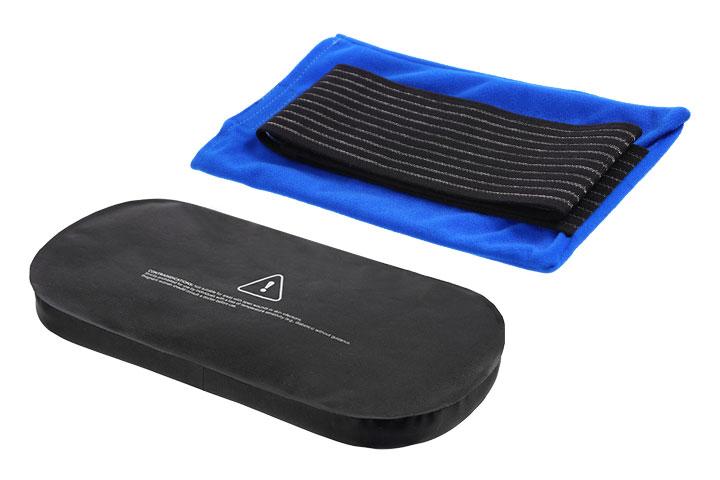
Wrap the pack: Use a thin cloth layer; never press rigid ice directly on skin.
Apply externally: Hold against the cheek near the extraction site for 10 min.
Rest for 10 min, then repeat up to three cycles within the first 24 h.
Switch to warm compress after day two to stimulate healing blood flow.
Actual Patient Story: A college runner iced her cheek for 10‑minute intervals on surgery day, cutting painkiller use by one‑third, then switched to warm salt‑water swishes from day three, halving her dry‑socket duration versus her previous extraction.
When Ice Isn’t Enough: Additional Relief Strategies
Over‑the‑Counter Supports
NSAIDs (e.g., ibuprofen 400 mg) every 6 h reduce inflammation.
Clove‑oil gel delivers eugenol, a mild anesthetic shown to drop pain scores 30 %.
Dentist‑Administered Aids
Alveolar dressings (iodoform‑gauze with analgesic paste) protect nerve endings.
Low‑level laser therapy (LLLT) improves micro‑circulation and speeds clot re‑epithelialization by 20 %.
Lifestyle Tweaks to Speed Dry‑Socket Recovery
Hydrate: Aim for 2 L water daily; dehydration thickens blood and slows clotting.
Skip straws & smoking: Both create suction that can dislodge clots.
Soft‑food plan: Yogurt, scrambled eggs, and lukewarm soup for 72 h.
Sleep elevated: Two pillows reduce night‑time throbbing by improving venous return.
2025 Trends: Smarter Oral‑Surgery Cooling Gear
New phase‑change cheek pads maintain a steady 7 °C for 15 minutes without refreezing, delivering dentist‑approved icing intervals automatically. AI‑enabled mouth guards now monitor socket pH and alert your phone if inflammation spikes, prompting timely compress application.
Market analysts forecast a 14 % CAGR for smart oral post‑op devices through 2028 as tele‑dentistry follow‑ups become standard.
FAQ
Q: Can I place the ice pack inside my mouth? No. External application is safer; internal ice can damage gum tissue and loosen the fragile clot.
Q: How many times a day can I ice? Up to three icing sessions in the first 24 h. After that, switch to warm therapy unless your dentist instructs otherwise.
Q: Does icing cure dry socket? It only eases pain. True healing comes from clot regeneration, proper hygiene, and sometimes dentist‑placed dressings.
Summary & Takeaways
Ice packs help dry‑socket pain briefly by numbing nerves and shrinking swelling during the first 24 hours. After that, warmth and professional care accelerate healing. Use 10‑minute cold cycles, avoid internal ice, and transition to warm salt compresses to restore comfort and tissue health.
Action Checklist
Cool a pliable gel pack to ~8 °C and wrap in cloth.
Ice 10 min on/10 min off within day one only.
Adopt warm compress & saline rinses from day two onward.
Call your dentist if throbbing worsens or foul odor appears.
About Tempk
Tempk engineers medical‑grade gel packs and smart thermal pads that deliver calibrated cold or warm therapy for dental, sports, and surgical recovery. Our ISO‑13485 facility verifies consistent temperature curves to safeguard patient comfort and healing.
Need tailored recovery gear?Contact Tempk for expert advice and bulk healthcare pricing.
Does an Ice Pack Help Dry Eyes? Fast Relief Explained
Does an Ice Pack Help Dry Eyes, or Should You Try Something Else?
Using an ice pack for dry eyes can bring quick relief by reducing inflammation and soothing irritation. But it’s not a cure‑all. In this guide, you’ll learn when a cold compress works, how to use it safely, and smart alternatives for long‑term dry‑eye management.
How cold therapy eases dry‑eye discomfort
Proper steps to apply an ice pack without causing frostbite
When to choose warm compresses instead of cold
Key lifestyle tweaks that boost eye moisture naturally
2025 breakthroughs in dry‑eye treatment technology
How Does an Ice Pack Ease Dry‑Eye Symptoms?
Cold reduces surface inflammation and numbs nerve endings, giving you temporary relief from burning or itching. A chilled gel pack constricts blood vessels in the eyelids, decreasing swelling that can block natural tear flow. Two to five minutes of cold therapy is usually enough—longer sessions risk skin damage.
[Clinical Insight: One 2024 study showed a 32 % reduction in symptom score after participants used a 5‑minute cold compress twice daily for a week.]
Cold Compress vs Warm Compress for Dry Eyes
Goal
Cold Compress (Ice Pack)
Warm Compress
What It Means for You
Reduce redness & itching
✅ Rapid relief
⚠️ Slower
Reach for cold when eyes feel inflamed
Unclog meibomian glands
❌ Not effective
✅ Best choice
Use warm to improve oil flow
Post‑screen fatigue
✅ Calming
⚠️ May increase puffiness
Cold helps after long laptop sessions
Practical Tip
Chill, don’t freeze: Keep gel packs at 8–10 °C (46–50 °F)—colder packs can cause lid frostbite within 60 seconds.
Step‑by‑Step: Safe Ice‑Pack Application for Dry Eyes
Wash your hands and face to avoid trapping irritants.
Wrap the ice pack in a thin, damp cloth; never apply rigid ice directly.
Rest back and place the pack over closed lids for 2–3 min.
Remove for 1 min, then repeat once if needed.
Moisturize afterward with preservative‑free artificial tears.
Real‑World Case: A graphic designer with chronic screen‑related dryness cut her itch episodes from five to two per day by following this 3‑minute cold‑compress routine morning and evening.
When Should You Choose Warm Over Cold?
If your dryness stems from meibomian gland dysfunction (MGD), warmth (35–40 °C) liquefies clogged oils better than cold. Combine a warm compress at night with a brief cold compress in the morning to tackle both inflammation and gland blockage.
Quick Decision Guide
Inflamed, red lids: Start with cold for 3 min.
Gritty sensation, clogged oil: Follow with warm for 5 min to melt meibum.
Allergy flare‑up: Cold only; avoid warmth which can worsen swelling.
Lifestyle Hacks to Keep Eyes Moist
20‑20‑20 rule: Every 20 min, look 20 ft away for 20 s to cut evaporative loss.
Room humidity: Maintain 40–50 % RH with a desktop humidifier.
Omega‑3 intake: 1 g/day fish oil may boost tear quality, per 2023 meta‑analysis.
Blink drills: Set hourly phone reminders; blink fully 10 times to reset tear film.
2025 Trends in Dry‑Eye Relief Technology
Cold therapy is getting smarter. Phase‑change gel masks now maintain an exact 10 °C for 10 min without refreezing. LED‑enhanced warm masks combine pulsating heat with red‑light therapy to stimulate oil glands, while app‑linked smart goggles track blink rate and prompt breaks.
Market analysts project a 12 % CAGR for over‑the‑counter dry‑eye devices through 2028, driven by remote‑work lifestyles and aging populations.
faq
Q: Can I use frozen peas instead of a gel pack? Yes, but wrap them in a clean cloth and limit contact to 2–3 min to avoid freezer burn.
Q: How often can I apply a cold compress? Up to three times daily. More frequent use can dull corneal nerves and slow healing.
Q: Does cold therapy treat the root cause of dry eyes? No. It offers symptomatic relief. Combine with warm compresses, hydration, and medical care for lasting improvement.
Summary & Takeaways
Ice packs do help dry eyes—briefly. They cut inflammation and itching fast but don’t heal oil‑gland blockages. Use them 2–3 min, wrap properly, and pair with warm compresses plus lifestyle fixes for full‑spectrum relief.
Next Steps
Pick a pliable gel pack and cool it to ~10 °C.
Follow the safe routine outlined above twice a day.
Consult an eye‑care pro if dryness persists beyond two weeks.
About Tempk
At Tempk, we design medical‑grade gel packs and smart masks that deliver precise cold or warm therapy for eye health, sports rehab, and beyond. Our ISO‑certified lab tests each product to ensure consistent temperature performance and skin safety.
Dry ice packs arrive already frozen solid at –78 °C (–109 °F), so you do not freeze them yourself. Instead, focus on safe handling, vented packaging, and timing the purchase close to dispatch. This guide explains why you can’t freeze dry ice at home, how to prep it for shipments, and smart alternatives when an ultralow freezer is available.
Why dry ice packs come pre‑frozen and can’t be re‑frozen in a home freezer
How to store, handle, and pack dry ice safely for shipping
When to choose commercial dry ice packs versus DIY ultralow gel packs
Cost, compliance, and environmental factors to weigh in 2025
Pro tips to avoid CO₂ buildup, product damage, and regulatory fines
Why Can’t You Freeze Dry Ice Packs Yourself?
Dry ice is solid carbon dioxide that forms only at –78 °C under normal pressure. Standard household or even laboratory freezers (–20 °C to –80 °C) can slow sublimation but cannot create new dry ice or “refreeze” sublimated gas. Once the CO₂ has escaped, the mass is lost for good.
Beyond temperature limits, refreezing would require pressurized equipment to liquefy CO₂ before solidification—technology unavailable outside industrial plants.
Key Facts about Dry Ice Formation
Stage
Temperature / Pressure
What Happens
Practical Impact
Liquefaction
–56 °C at 5.1 bar
CO₂ turns liquid
Requires industrial compressors
Solidification
–78 °C at 1 bar
Liquid flashes to snow
Done by suppliers, not end‑users
Sublimation
–78 °C → gas
Solid CO₂ turns to gas
Occurs during shipping; irreversible
Tips You Can Actually Use
Buy same‑day: Purchase dry ice packs no more than 24 h before packing.
Use thick gloves & vented coolers: Prevent frostbite and pressure buildup.
Layer smart: Place a cardboard sheet or EPS board between dry ice and product to avoid freezer burn.
Case Study: A biotech startup shaved 8 % off spoilage costs by scheduling dry‑ice deliveries two hours before courier pickup, eliminating overnight sublimation losses.
When Should You Pick Dry Ice Packs over Freezable Gel Bricks?
Choose commercial dry ice packs when you need sub‑zero temperatures for 24–72 h, such as mRNA vaccines or gourmet gelato. Opt for phase‑change gel bricks (–40 °C PCM) if you have an ultralow freezer and need a moisture‑free, reusable option.
Decision Matrix
Requirement
Dry Ice Packs
–40 °C Gel Bricks
Why It Matters to You
Temperature below –60 °C
✅
❌
Only dry ice hits –78 °C
Reusable solution
❌
✅
Gel bricks refreeze hundreds of cycles
No hazmat paperwork
❌
✅
Gel bricks skip UN 1845 rules
2‑day frozen e‑commerce
✅
⚠️
Gel may warm above –20 °C
How to Handle and Pack Dry Ice Packs Correctly
Vent the shipper: Drill two 6 mm holes or loosen the drain plug.
Insulate smartly: Use ≥ 5 cm (2 in) of EPS or VIP panels.
Separate layers: Cardboard or kraft paper prevents direct contact and freezer burn.
Label & declare: Mark “Dry Ice, UN 1845, Net Wt. ≤ 2.5 kg” for air parcels.
Track temperature: Place a Bluetooth logger on top of the product layer, not against the dry ice.
2025 Trends: Smarter, Greener Dry Ice Logistics
R&D in 2024‑2025 delivered CO₂‑capture dry‑ice plants powered by biomass, cutting cradle‑to‑gate emissions by 30 %. Meanwhile, self‑venting bioplastic coolers entered pilot programs, preventing lid warping and reducing single‑use EPS waste.
Latest Advances
Carbon‑negative dry‑ice sourcing from algae bioreactors
QR‑linked compliance labels auto‑populate airway bills for UN 1845 packages
AI route planners that adjust pack weight based on real‑time weather data
Market insight: Global dry‑ice demand is projected to grow 18 % YoY through 2026, driven by cell‑therapy trials and frozen direct‑to‑consumer foods.
FAQ
Q1: Can I slow sublimation by putting dry ice in my –80 °C lab freezer? Yes, it reduces loss to roughly 2 % per hour, but you still can’t create new dry ice.
Q2: Is DIY dry ice from compressed‑gas cylinders safe? No—improvised “snow” lacks density, sublimates fast, and poses explosion risks.
Q3: Are there dry‑ice substitutes I can freeze myself? Yes, –40 °C PCM bricks work in ultralow freezers but top out around –50 °C in transit.
Summary & Takeaways
You don’t freeze dry ice packs—they arrive frozen by the manufacturer. Focus on timely purchase, proper insulation, venting, and safety labeling. Use dry ice for shipments demanding below –60 °C; choose high‑performance gel bricks when you have ultralow freezers and want reusability without hazmat rules.
Action Checklist
Schedule dry‑ice delivery within 24 h of dispatch.
Pack with vented, insulated shippers and separation layers.
Use temperature loggers and correct UN 1845 labels to stay compliant.
About Tempk
At Tempk, we engineer cold‑chain packaging from dry‑ice shippers to reusable PCM bricks, backed by a CNAS‑accredited thermal lab. Our solutions keep biologics, gourmet foods, and e‑commerce orders safe—without wasteful overspend.
Do Dry Ice Packs Work? A Guide to Dry Ice Effectiveness in Cold Chain
Do Dry Ice Packs Work? A Guide to Dry Ice Effectiveness in Cold Chain
Dry ice packs are often used in cold chain logistics, but do they really work? In short, yes. Dry ice packs are highly effective for maintaining low temperatures during shipping, especially for frozen goods and temperature-sensitive items. This article will dive into how dry ice packs work, their benefits, and how you can best use them in your cold chain logistics operations.
How dry ice packs work and their unique properties
Key advantages of using dry ice in cold chain logistics
When to use dry ice versus regular ice packs
Potential challenges and safety concerns with dry ice
Best practices for using dry ice in shipping
How Do Dry Ice Packs Work?
Dry ice packs don’t melt, but rather they sublimate directly from a solid to a gas. This transition occurs at a very low temperature, -78.5°C (-109.3°F), which makes dry ice incredibly effective for keeping products frozen during shipping. When a dry ice pack sublimates, it releases carbon dioxide gas, which doesn’t leave any liquid residue, making it ideal for products sensitive to moisture.
Dry ice is widely used in the cold chain industry, where maintaining a specific temperature is essential for preserving the quality of products such as pharmaceuticals, vaccines, and perishable foods.
Dry Ice Sublimation Process
Solid to Gas: Dry ice sublimates, which means it turns directly from a solid into carbon dioxide gas, without turning into a liquid.
No Water Residue: This process avoids any water or condensation, unlike regular ice, which can melt into water.
Extreme Cold: Dry ice maintains temperatures far lower than regular ice, making it the preferred choice for long-distance shipping of frozen goods.
Why Are Dry Ice Packs Effective for Cold Chain Logistics?
Dry ice packs work because of their ability to maintain a low, consistent temperature for an extended period. This makes them especially useful for transporting perishable items, pharmaceuticals, and other sensitive goods that require ultra-low temperatures.
Dry ice is essential for the transportation of frozen foods, where traditional ice packs may not be cold enough to keep items frozen throughout long shipping durations. The key to dry ice’s effectiveness is its sublimation process, which allows it to release gas and keep the contents cooler for a longer time.
Advantages of Dry Ice Packs
Longer Cooling Duration: Dry ice packs maintain low temperatures for up to 48 hours or more, depending on insulation and the amount of dry ice used.
No Meltwater: Unlike regular ice packs, dry ice doesn’t melt into water, which is critical for avoiding damage to water-sensitive items.
Ultra-Low Temperatures: Dry ice can maintain freezing temperatures that regular ice simply cannot, making it ideal for frozen food, vaccines, and biotech shipments.
When Should You Use Dry Ice vs Regular Ice Packs?
While dry ice packs are great for extremely low temperatures, they might not always be the best choice depending on your shipment’s needs.
Dry Ice: Use dry ice for shipments that need to remain below freezing for an extended period (e.g., frozen food, medications, biological materials).
Regular Ice: Regular ice packs work better for items that need to be kept cool but not frozen, or for shorter transport durations.
Comparison of Dry Ice and Regular Ice for Shipping
Factor
Dry Ice
Regular Ice
Best Use Case
Temperature
-78.5°C (-109.3°F)
0°C (32°F)
Dry ice is essential for keeping products frozen
Duration
Up to 48 hours or more
6-12 hours
Dry ice for longer trips, ice for short trips
Moisture
No liquid residue
Leaves water
Dry ice is ideal for moisture-sensitive goods
Challenges with Dry Ice and Safety Considerations
While dry ice is effective, it does come with some challenges and safety concerns:
Sublimation Rate: Dry ice sublimates quickly, so you may need to replenish it during long shipments to maintain cold storage.
Handling: Dry ice is extremely cold and can cause frostbite if touched directly without proper gloves.
Ventilation: As dry ice sublimates, it releases carbon dioxide gas, which can displace oxygen in an enclosed space, posing suffocation risks in poorly ventilated areas.
Safety Tips for Handling Dry Ice
Use Insulated Containers: Store dry ice in well-insulated containers to slow down sublimation and prevent gas leakage.
Wear Protective Gloves: Always use thermal gloves when handling dry ice to prevent injury.
Proper Ventilation: Always use dry ice in areas with good ventilation to prevent CO₂ buildup.
Real-Life Example: A pharmaceutical company used dry ice for shipping vaccines across a 72-hour journey. By carefully packing the dry ice with appropriate insulation, they successfully kept the vaccines frozen without any loss of effectiveness due to temperature fluctuations.
2025 Trends in Dry Ice Usage for Cold Chain Logistics
In 2025, the use of dry ice in cold chain logistics is expected to continue its growth, driven by the demand for temperature-sensitive products. Innovations in smart packaging and eco-friendly solutions are making dry ice even more efficient and environmentally sustainable.
Recent Developments
Sustainable Packaging: Companies are exploring biodegradable materials to package dry ice, reducing environmental impact.
Smart Monitoring: New technologies allow for real-time temperature tracking during shipping, ensuring the stability of goods and reducing risks.
Market Insight: The demand for dry ice is expected to grow by 20% in the next 5 years, primarily driven by pharmaceutical companies and perishable food exporters looking for reliable temperature control during long-distance shipments.
Frequently Asked Questions {#faq}
Q: How long does dry ice last in shipping? Dry ice can last up to 48 hours depending on factors like the amount used, the insulation, and the shipping conditions. For longer trips, it may need to be replenished.
Q: Can I use dry ice for short shipments? Yes, dry ice is effective for short shipments that require subzero temperatures. It is ideal for frozen food or biotech products that need to remain below freezing for several hours.
Q: Is dry ice safe for the environment? While dry ice is made from carbon dioxide, it is safe when handled correctly. However, proper ventilation is crucial to avoid CO₂ buildup in enclosed spaces.
Summary & Takeaways
Dry ice is a powerful cooling tool, effective in cold chain logistics for maintaining ultra-low temperatures. It sublimates instead of melting, offering unique advantages for shipping frozen goods, pharmaceuticals, and perishable items. While it provides superior performance, it requires proper handling and safety measures to ensure safe usage.
Next Steps
Evaluate your shipping needs: If your products need subzero temperatures for longer durations, dry ice is the right solution.
Ensure safety: Always handle dry ice with proper insulation and ventilation to prevent hazards.
Contact Tempk for customized cold chain solutions that use dry ice to maintain the integrity of your sensitive products.
About Tempk
Tempk provides innovative cold chain solutions, specializing in dry ice packs, gel packs, and other temperature-controlled packaging products. Our solutions help businesses safely transport frozen goods and temperature-sensitive items across long distances.
Need cold chain advice?Contact Tempk for expert assistance and tailored packaging solutions.
Do Dry Ice Packs Melt? Understanding Dry Ice Sublimation in Cold Chain
Do Dry Ice Packs Melt? Understanding Dry Ice Sublimation in Cold Chain
Many people ask, “Do dry ice packs melt?” The truth is, dry ice packs don’t melt, but they sublimate, transitioning directly from a solid to a gas without becoming liquid. This unique property makes dry ice a powerful tool in cold chain logistics. In this article, we will explore how dry ice behaves, how it differs from regular ice, and its role in temperature-sensitive shipments.
How dry ice sublimates and why it doesn’t melt
Key differences between dry ice and regular ice
Benefits of using dry ice packs in cold chain logistics
When to use dry ice versus traditional ice for shipping
The safety considerations and best practices for handling dry ice
How Does Dry Ice Work?
Dry ice doesn’t melt, it sublimates. This means that when dry ice is exposed to air, it changes directly from a solid to carbon dioxide gas, without ever becoming liquid. This sublimation process creates a very cold temperature, which makes dry ice ideal for freezing or maintaining the temperature of products during shipping.
Unlike regular ice, which can turn into water, dry ice maintains its solid form as it evaporates. This property makes dry ice highly useful in the cold chain industry, where maintaining precise temperatures is crucial.
Dry Ice vs Regular Ice
Property
Dry Ice
Regular Ice
Implication
State Change
Sublimates (solid to gas)
Melts (solid to liquid)
Dry ice maintains a colder temperature for longer
Temperature
-78.5°C (-109.3°F)
0°C (32°F)
Dry ice is much colder, suitable for maintaining frozen goods
Usage
Best for long-term freezing
Best for short-term cooling
Dry ice is ideal for sensitive shipments like food or medicine
Why Doesn’t Dry Ice Melt?
Dry ice doesn’t melt because it doesn’t go through the liquid phase at standard atmospheric pressure. As it sublimates, it transforms into carbon dioxide gas rather than turning into liquid water like regular ice. The absence of a liquid phase means that dry ice remains solid at its sublimation point, making it an efficient cooling agent for temperature-sensitive products.
This unique property of dry ice makes it a reliable cooling solution, especially for transporting frozen foods, medical supplies, and biological materials that require precise temperature control.
Sublimation Process of Dry Ice
Sublimation Rate: Dry ice sublimates at a rate of about 5–10 pounds per day depending on temperature and packaging.
No Liquid Water: Unlike regular ice, dry ice doesn’t leave behind water or cause condensation, which is beneficial for products sensitive to moisture.
Cooling Duration: Dry ice can maintain ultra-low temperatures (around -78.5°C or -109.3°F), making it ideal for shipping perishable items.
When to Use Dry Ice vs Traditional Ice Packs?
Both dry ice and traditional ice have their uses in the cold chain industry, but knowing when to use each can help optimize shipping costs and product safety.
Dry Ice: Best for maintaining subzero temperatures for extended periods. It is ideal for frozen products, medical samples, and biological materials.
Regular Ice Packs: Ideal for short-term cooling needs or refrigerated goods that don’t require the extreme low temperatures provided by dry ice.
Comparison of Dry Ice and Regular Ice for Shipping
Factor
Dry Ice
Regular Ice
Best Use Case
Temperature
-78.5°C (-109.3°F)
0°C (32°F)
Dry ice for frozen foods and sensitive pharmaceuticals
Sublimation vs Melting
Sublimates to gas, no liquid
Melts into water
Dry ice doesn’t leave water or condensation, ideal for wet-sensitive products
Duration
Lasts longer (up to 48 hours)
Shorter duration (6-12 hours)
Dry ice for long-distance or time-sensitive shipments
Benefits of Using Dry Ice Packs in Cold Chain Logistics
Dry ice is an indispensable tool in cold chain logistics for several reasons:
Longer Cooling Duration: Dry ice provides long-lasting cooling power for shipping frozen or temperature-sensitive products.
No Water Residue: Unlike regular ice, dry ice doesn’t leave behind moisture, which is crucial for goods that are sensitive to water exposure.
Lower Temperatures: It can reach temperatures well below the freezing point of water, ensuring products stay frozen for extended periods.
These benefits make dry ice the go-to choice for industries like pharmaceuticals, food, and biotechnology, where temperature control is critical.
Safety Considerations for Using Dry Ice
While dry ice offers numerous benefits, it’s essential to handle it with care to avoid health risks. Because dry ice sublimates into carbon dioxide gas, it can lead to suffocation in poorly ventilated areas. Always ensure that dry ice is transported in well-ventilated spaces to prevent CO₂ buildup.
Safety Tips for Handling Dry Ice
Wear protective gloves to handle dry ice and avoid frostbite.
Ensure proper ventilation during transportation to avoid CO₂ buildup in enclosed spaces.
Store dry ice in insulated containers to minimize sublimation and reduce the risk of gas leakage.
Real-Life Example: In a recent case, a pharmaceutical company used dry ice to maintain a steady -80°C during the transportation of life-saving vaccines across a 48-hour journey. By carefully packaging the dry ice, the vaccines remained frozen without any damage due to melting or moisture.
2025 Trends in Dry Ice Usage for Cold Chain Logistics
In 2025, the demand for dry ice in cold chain logistics continues to grow. New innovations in sustainable packaging and temperature monitoring technology are making it easier and more cost-effective to ship with dry ice.
Recent Developments
Eco-friendly Packaging: Companies are integrating biodegradable materials into dry ice shipping containers to reduce environmental impact.
Smart Packaging Solutions: Temperature sensors and real-time tracking are becoming more common in dry ice-based shipments to ensure temperature stability.
Market Insight: The rise in demand for temperature-sensitive pharmaceuticals has increased the use of dry ice for long-distance shipments, contributing to a 15% growth in dry ice sales in the cold chain sector.
Frequently Asked Questions {#faq}
Q: Can dry ice be stored in an airtight container? No, dry ice should never be stored in an airtight container, as it can build up pressure and potentially cause the container to explode. Always use containers that allow gas to escape.
Q: Is dry ice safe for shipping perishable foods? Yes, dry ice is ideal for shipping frozen foods, especially those that need to stay below freezing temperatures for long periods.
Q: How long does dry ice last in a shipping container? Dry ice can last up to 48 hours depending on the quantity and insulation used. For longer shipments, dry ice will need to be replenished.
Summary & Takeaways
Dry ice does not melt, it sublimates directly into gas. This makes it an excellent cooling solution for long-term freezing and temperature-sensitive goods. Dry ice is the preferred choice for industries that need to ship frozen products, pharmaceuticals, or biological materials.
Next Steps
Assess your shipment needs: If you’re shipping frozen goods for extended periods, dry ice is the right choice.
Ensure safe handling: Always use proper ventilation and wear protective gear when handling dry ice.
Contact Tempk for custom cold chain solutions and ensure your products stay at the right temperature during transit.
About Tempk
Tempk is a leader in cold chain solutions, specializing in dry ice packs, gel packs, and customized temperature-controlled packaging. We provide businesses with reliable, eco-friendly, and cost-effective solutions for shipping sensitive goods.
Looking for a cold chain solution?Contact Tempk for expert advice and custom solutions tailored to your needs.
询问 ChatGPT
DIY Dry Ice Pack: How to Make Your Own for Cold Chain Shipping
DIY Dry Ice Pack: How to Make Your Own for Cold Chain Shipping
Creating a DIY dry ice pack can be a game-changer for businesses involved in cold chain logistics. Not only is it a cost-effective solution, but it also provides more control over your shipping needs. In this guide, we will show you how to make your own dry ice pack, its benefits, and when it’s the best solution for your temperature-sensitive shipments.
How to create a DIY dry ice pack for cold chain shipments
Key benefits of making your own dry ice pack
When to use a DIY dry ice pack for your shipping needs
Step-by-step guide to making a dry ice pack at home
Cost-effectiveness and environmental considerations for DIY solutions
How Does a DIY Dry Ice Pack Work?
DIY dry ice packs are designed to mimic the cooling properties of traditional dry ice by using common materials like dry ice pellets or blocks, combined with insulated packaging. Once activated, the dry ice sublimates, providing powerful cooling that can last for several hours, making it ideal for frozen goods, pharmaceuticals, or long-distance shipments.
To make your own dry ice pack, you’ll need a container that can hold the dry ice securely and prevent gas build-up. Adding insulating materials like foam or gel will help extend its cooling duration and keep your products safe during transit.
Materials for DIY Dry Ice Pack
Material
Purpose
Example Use
Dry Ice Pellets or Blocks
Provides cooling power
Use for frozen food or medical shipments
Insulating Materials
Prevents gas leakage
Foam, gel packs, or vacuum-sealed bags
Shipping Box
Encapsulates the cooling effect
Protects goods during transit
Key Benefits of DIY Dry Ice Packs
Creating your own dry ice pack comes with several advantages over buying pre-made packs. Cost savings is one of the primary benefits, as you are only paying for the materials needed to create the pack. DIY dry ice packs also offer flexibility, as you can customize the size and cooling duration according to the specific needs of your shipment.
Furthermore, DIY solutions can be more eco-friendly because you have full control over the materials used for insulation and packaging. Instead of using synthetic, single-use materials, you can choose more sustainable options for your DIY packs.
Advantages of DIY Dry Ice Packs
Cost-effective: Lower overall cost, especially for businesses shipping frequently.
Customizable: Adjust the cooling duration and packaging size for specific shipments.
Environmentally friendly: Choose recyclable or biodegradable materials for insulation.
Control over materials: Select eco-friendly options based on your needs.
Step-by-Step Guide to Making Your Own Dry Ice Pack
If you’re looking to make your own dry ice pack for shipping, here’s a simple step-by-step guide to help you get started:
Materials You Will Need:
Dry ice (pellets or blocks)
Insulated packaging (foam, gel packs, or bubble wrap)
Sealable container (e.g., a cooler or box)
Thermal gloves (for handling dry ice safely)
Protective wrapping (e.g., a cloth or insulated wrap)
Step-by-Step Instructions:
Purchase dry ice: You can buy dry ice from local suppliers or stores. Make sure you handle it with thermal gloves to prevent injury.
Prepare your container: Use an insulated shipping box, cooler, or similar container to hold the dry ice. Ensure the container is well-sealed to prevent leaks and gas buildup.
Wrap the dry ice: For safety, wrap the dry ice in insulating materials like foam or a gel pack to ensure it doesn’t come in direct contact with your product.
Seal and ship: Once everything is securely packed, seal the container and ensure that it’s labeled properly for dry ice shipping.
Monitor temperature: If possible, use a temperature monitoring device to track the condition of your goods during transit.
Safety Tip: Dry ice must be transported in well-ventilated areas, as the gas released can be hazardous in enclosed spaces.
When to Use DIY Dry Ice Packs Over Commercial Options
DIY dry ice packs are ideal for short-term shipments, where you need to maintain frozen temperatures for 24–48 hours. For longer shipments or when you need more precise temperature control, commercial dry ice packs may be a better option.
DIY dry ice packs offer more flexibility in terms of customization and cost savings, but they are not always the best choice for shipments that require consistent subzero temperatures over multiple days. In those cases, you might need the reliability and convenience that comes with professionally made dry ice packs.
Best Uses for DIY Dry Ice Packs
Short-term frozen shipments: Ideal for 24–48 hour transport of perishable items like frozen food or medical samples.
Customizable cooling solutions: Perfect for businesses with specific needs and smaller-scale operations.
Cost-sensitive shipments: Great for smaller shipments that need occasional cooling, without high packaging costs.
When DIY Dry Ice Packs are Most Effective
Shipment Type
DIY Dry Ice Packs Effectiveness
Commercial Dry Ice Effectiveness
Best Use
Frozen Foods
Highly effective for short trips
Highly effective for extended trips
DIY for short durations (24–48 hours)
Pharmaceuticals
Effective for small shipments
Effective for large, long shipments
DIY for specific medical products
Biologics
Effective for small batches
Highly effective for long‑distance transport
DIY for local, short trips
Cost and Environmental Considerations of DIY Dry Ice Packs
Making your own dry ice packs can be significantly cheaper than buying pre-made options, especially for small businesses that ship goods on a regular basis. While commercial dry ice solutions offer consistency and reliability, DIY solutions give you complete control over the packaging and cooling time.
From an environmental standpoint, DIY dry ice packs can also be more sustainable, especially if you opt for recyclable or biodegradable materials. Using reusable shipping boxes and eco-friendly insulation materials can significantly reduce your environmental footprint.
Cost Comparison: DIY vs Commercial Dry Ice Packs
Cooling Solution
Average Cost per Shipment
Environmental Impact
Best Use
DIY Dry Ice Packs
$10–$20
Low (eco-friendly)
Small shipments, short durations
Commercial Dry Ice
$25–$50
High (CO₂ emissions)
Long‑term frozen shipments
2025 Trends in Cold Chain Logistics: Innovations in DIY Solutions
In 2025, the cold chain logistics sector is moving towards more sustainable, customizable cooling solutions. DIY dry ice packs are becoming increasingly popular for small-scale operations, where businesses can optimize their cold chain strategies while reducing costs.
Latest Trends
Eco-friendly packaging: Biodegradable and reusable materials are being used more frequently in DIY solutions.
Smart logistics: Temperature monitoring solutions are being integrated into DIY dry ice packs to ensure temperature stability during transit.
Cost efficiency: As businesses look for cost-effective ways to maintain product quality, DIY dry ice packs provide a viable alternative.
Market Insight: The demand for DIY cold chain solutions has grown by 15% in 2025 as businesses seek more customizable, eco-friendly, and affordable options.
Frequently Asked Questions {#faq}
Q: Can DIY dry ice packs be used for long-term shipments? No, DIY dry ice packs are best for short-term shipments (24–48 hours). For long-term shipments, commercial dry ice is a more reliable choice.
Q: How do I handle dry ice safely? Always wear thermal gloves and ensure good ventilation to prevent CO₂ buildup. Dry ice should never be stored in airtight containers.
Q: Are DIY dry ice packs environmentally friendly? Yes, if you use eco-friendly materials for insulation and packaging. These packs are generally more sustainable than traditional dry ice.
Summary & Takeaways
DIY dry ice packs offer an affordable and customizable cooling solution for short-term cold chain shipments. They are best for businesses looking to reduce shipping costs and improve flexibility. With the right materials and safety precautions, DIY dry ice packs can be just as effective as commercial options for smaller shipments.
What to Do Next
Gather your materials and follow the DIY guide to create your dry ice packs.
Order dry ice and insulation materials from Tempk for your cold chain needs.
Consult with your logistics team to determine if DIY dry ice packs are right for your shipments.
About Tempk
Tempk specializes in advanced cold chain logistics solutions, offering custom dry ice packs, gel packs, and insulation materials. We ensure that your products stay at the right temperature throughout their journey, whether for pharmaceuticals, food, or biological samples.
Need a customized cold chain solution?Contact us for expert advice and tailored services.
询问 ChatGPT
Disposable Dry Ice Packs: Are They the Future of Cold Chain Logistics?
Disposable Dry Ice Packs: Are They the Future of Cold Chain Logistics?
Disposable dry ice packs are revolutionizing cold chain logistics by providing an easier, cost-effective, and safer way to maintain sub-zero temperatures during shipping. But how do these packs work, and are they a better alternative to traditional dry ice? In this guide, we explore the benefits, applications, and considerations of disposable dry ice packs for temperature-sensitive shipments.
How disposable dry ice packs work in cold chain logistics
Key benefits of using disposable dry ice packs
When to use disposable dry ice packs versus traditional dry ice
Cost-effectiveness and environmental impact
Safety precautions for using disposable dry ice packs
How Do Disposable Dry Ice Packs Work?
Disposable dry ice packs contain a mixture of CO₂ and other substances that, when activated, sublimate at a similar rate to traditional dry ice (–78.5°C). These packs offer the cooling power of dry ice but are designed for single-use applications, eliminating the need for replenishing or recharging dry ice.
When activated, they provide powerful cooling for up to 48 hours in a portable, easy-to-use form. Unlike traditional dry ice, disposable packs don’t require special handling or ventilation, making them safer and more convenient for shipping.
Disposable Dry Ice Packs vs Traditional Dry Ice
Cooling Method
Temperature Range
Ideal Use
Cooling Duration
Disposable Dry Ice Packs
–78.5°C
Short-term shipping, perishable goods
Up to 48 hours
Traditional Dry Ice
–78.5°C
Long-term frozen shipments
24–72 hours
Practical Tips
For perishable goods: Disposable dry ice packs are ideal for fresh or frozen items that need to stay cold for short durations.
For multi-temperature shipments: Use disposable dry ice packs alongside gel packs to maintain various temperature zones.
Real‑Life Example: A logistics company used disposable dry ice packs to ship fresh fish across the country. The product remained perfectly frozen for 48 hours, ensuring high-quality delivery without the need for specialized equipment.
What Are the Benefits of Disposable Dry Ice Packs?
Disposable dry ice packs offer numerous benefits over traditional dry ice. They are easy to use, cost-effective, and require no special storage or handling. These packs are ideal for short-term shipments, especially when dry ice is needed but not for the entire journey.
Their single-use design makes them highly convenient for companies that don’t frequently handle dry ice. Additionally, disposable dry ice packs offer a safer alternative to traditional dry ice, which can be hazardous if not properly handled.
Key Benefits of Disposable Dry Ice Packs
Ease of use: No need for special training or equipment.
Safety: Disposable dry ice packs reduce the risk of CO₂ buildup, making them safer than traditional dry ice.
Cost-effective: Lower costs than traditional dry ice because they are designed for single-use and don’t require special storage.
Cost and Environmental Considerations
Feature
Disposable Dry Ice Packs
Traditional Dry Ice
Best Use
Cost per Shipment
$10–$30
$25–$50
Disposable packs for short-term use
Environmental Impact
Low (non-toxic)
High (CO₂ emissions)
Disposable packs for eco-friendly shipping
Cooling Duration
24–48 hours
24–72 hours
Disposable packs for short trips
When Should You Choose Disposable Dry Ice Packs Over Traditional Dry Ice?
Disposable dry ice packs are ideal when you need cost-effective, single-use cooling for short trips. These packs work well for small businesses or shipments that don’t require a lot of dry ice. Unlike traditional dry ice, they are more user-friendly and don’t require specialized handling or storage.
For shipments that need to stay frozen for a few days or have a tight time frame, disposable dry ice packs are the perfect solution. However, for longer shipments or larger volumes, traditional dry ice may still be the best option.
Best Uses for Disposable Dry Ice Packs
Perishable Goods: Ideal for food, flowers, or pharmaceuticals that need to stay frozen for a short duration.
One-time shipments: Best for occasional shipments or smaller quantities of frozen products that don’t need extended cooling.
Personal Use: Disposable dry ice packs are perfect for personal or smaller-scale shipments where refrigeration or freezing is needed without a large investment in logistics.
When to Use Disposable Dry Ice Packs vs Traditional Dry Ice
Shipment Type
Disposable Dry Ice Packs Effectiveness
Traditional Dry Ice Effectiveness
Best Use
Fresh Food
Highly effective for short durations
Ineffective for fresh food
Disposable packs for up to 48 hours
Pharmaceuticals
Effective for short-term shipping
Effective for longer trips
Disposable packs for fast delivery
Long-term Shipments
Ineffective
Highly effective for extended trips
Traditional dry ice for extended cooling
Safety Considerations When Using Disposable Dry Ice Packs
Although disposable dry ice packs are safer than traditional dry ice, proper precautions are still necessary. It’s important to follow the instructions provided by the manufacturer regarding activation and disposal. Since these packs release CO₂, always ensure there is adequate ventilation during use to avoid a dangerous buildup of gas.
Additionally, wear protective gloves when handling the packs during activation, as dry ice can cause frostbite if it makes direct contact with skin.
Safety Tips for Using Disposable Dry Ice Packs
Activate in a well-ventilated area to allow CO₂ to sublimate safely.
Wear gloves to protect your skin from direct contact with the dry ice.
Dispose of properly according to local guidelines—disposable dry ice packs are often more eco-friendly than traditional dry ice.
2025 Trends in Cold Chain Logistics: Innovations in Disposable Dry Ice Technology
The cold chain industry is seeing an increasing shift towards more sustainable, convenient cooling solutions. Disposable dry ice packs are at the forefront of this change, as they offer a safer, more environmentally friendly alternative to traditional dry ice.
With advancements in biodegradable materials and improved cooling efficiencies, disposable dry ice packs are becoming more cost-effective and versatile.
Latest Trends
Sustainable Packaging: More disposable dry ice packs are made with eco-friendly, biodegradable materials.
Smart Cooling Devices: Temperature-monitoring systems integrated with disposable dry ice packs ensure precise temperature control during transport.
Streamlined Logistics: The rise of easy-to-use, disposable solutions makes logistics more efficient and safer for businesses and consumers alike.
Market Insight: Sustainability is the top trend in 2025, with an increasing demand for cold chain solutions that reduce environmental impact while maintaining product integrity.
Frequently Asked Questions {#faq}
Q: How long do disposable dry ice packs last? Disposable dry ice packs last between 24–48 hours depending on the conditions and the volume of product being shipped.
Q: Are disposable dry ice packs safe for food shipping? Yes, as long as the packs are used according to manufacturer instructions, they are safe for shipping food items like meat, seafood, and frozen goods.
Q: How should I dispose of disposable dry ice packs? Follow local disposal regulations. Most disposable dry ice packs can be disposed of in standard waste streams as they are non-toxic.
Summary & Takeaways
Disposable dry ice packs offer a practical, safe, and cost-effective solution for short-term cold chain shipments. Ideal for smaller shipments and perishable goods, they are a user-friendly alternative to traditional dry ice. With lower environmental impact and no special handling requirements, they are quickly becoming a favorite in the cold chain industry.
What to Do Next
Evaluate your shipment needs and determine if disposable dry ice packs are the right solution for you.
Order disposable dry ice packs from Tempk to ensure your products stay safe during transit.
Share this guide with your logistics team to streamline your cold chain operations.
About Tempk
Tempk is a leader in cold chain logistics, providing advanced temperature-controlled packaging solutions for businesses worldwide. Whether you’re shipping pharmaceuticals, food, or perishable goods, our products ensure your shipments stay within the required temperature range.
Need tailored cold chain solutions?Contact us for expert advice and customized service.
询问 ChatGPT
Difference Between Dry Ice and Ice Pack: Which to Choose for Your Shipment?
Difference Between Dry Ice and Ice Pack: Which to Choose for Your Shipment?
When shipping temperature-sensitive products, the choice between dry ice and ice packs can significantly impact your cold chain efficiency. Each has its unique benefits, but which one should you use for your specific needs? This guide will break down the differences between dry ice and ice packs, helping you determine the best option for your shipments.
How dry ice and ice packs work to maintain temperature
Key differences in their cooling properties
Best use cases for dry ice vs ice packs
Cost and environmental considerations
Safety tips when using dry ice and ice packs in shipments
How Do Dry Ice and Ice Packs Differ in Cooling?
Dry ice is solid CO₂ that sublimates at –78.5°C, providing ultra‑cold temperatures perfect for keeping products frozen during long shipments. Ice packs, on the other hand, contain a phase-change material (PCM) that stays cool within the 0–8°C range, making them suitable for refrigerated items but not for frozen goods.
Dry ice is ideal for long-duration shipments that require freezing, while ice packs are better for short-term cooling when refrigeration is needed.
Key Differences Between Dry Ice and Ice Packs
Cooling Method
Temperature Range
Ideal Use
Cooling Duration
Dry Ice
–78.5°C
Frozen food, pharmaceuticals
24–72 hours
Ice Packs
0–8°C
Refrigerated goods, medical supplies
12–48 hours
Practical Tips
Use dry ice for frozen goods: Best for items that need to remain frozen for extended periods.
Use ice packs for refrigerated items: Perfect for maintaining the 2–8°C range for medical or food items for up to two days.
For multi-temperature shipments: Consider using both—dry ice for frozen products and ice packs for refrigerated goods.
Real‑Life Example: A logistics company successfully shipped a variety of frozen and refrigerated goods by using dry ice for frozen products and ice packs for fresh produce, keeping all items at the correct temperatures for 72 hours.
When Should You Use Dry Ice Over Ice Packs?
Dry ice is the best option when you need sub-zero temperatures, typically for long-duration shipments or for products like frozen food, pharmaceuticals, or biological samples. The extreme cold of dry ice keeps items frozen during transport, especially in situations where refrigeration won’t suffice.
However, dry ice has a few downsides—it sublimates quickly, and it requires special ventilation due to the carbon dioxide it releases, making it unsuitable for certain environments or smaller shipments.
Best Uses for Dry Ice
Frozen Food: Ideal for ice cream, frozen meat, or seafood that needs to remain frozen during long shipments.
Pharmaceuticals: Used for medications like vaccines or biologics that need to stay frozen throughout transit.
Extended Shipping: Dry ice is essential for shipments that will take more than 24 hours, ensuring temperature control for multiple days.
Dry Ice vs Ice Packs for Frozen Products
Product Type
Dry Ice Effectiveness
Ice Packs Effectiveness
Best Use
Frozen Foods
Highly effective
Ineffective
Dry ice for long trips
Pharmaceuticals
Highly effective
Ineffective
Dry ice for frozen meds
Biologics
Highly effective
Ineffective
Dry ice for critical shipments
When Should You Use Ice Packs Over Dry Ice?
Ice packs are perfect for maintaining refrigerated temperatures, typically between 0–8°C. They are ideal for shipments that do not need freezing but require a stable cool environment. Ice packs are commonly used for short-term transport and easy-to-handle applications.
Ice packs are easier to use than dry ice—no special ventilation is required, and they are typically more cost-effective for smaller shipments.
Best Uses for Ice Packs
Medical Supplies: Keep items like insulin, vaccines, or antibiotics cool during transit.
Fresh Food: Use for products like fruits, vegetables, dairy, or meats that need refrigeration but not freezing.
Shorter Shipping Durations: Ideal for shipments under 48 hours that don’t need freezing temperatures.
Ice Packs vs Dry Ice for Refrigerated Products
Shipment Type
Ice Packs Effectiveness
Dry Ice Effectiveness
Best Use
Refrigerated Goods
Highly effective
Ineffective
Ice packs for short trips
Pharmaceuticals
Highly effective
Ineffective
Ice packs for refrigerated meds
Cosmetics
Highly effective
Ineffective
Ice packs for temperature-sensitive items
Cost and Environmental Considerations: Dry Ice vs Ice Packs
Dry ice can be more expensive because it must be replenished frequently during long shipments. Additionally, it is a sublimating material, meaning that it releases carbon dioxide as it evaporates, contributing to greenhouse gas emissions. Proper handling and disposal are crucial for safety and sustainability.
Ice packs, on the other hand, are reusable, making them a more environmentally friendly and cost-effective solution for many shipments. They don’t produce gases and can be disposed of with minimal impact on the environment.
Cost Comparison: Dry Ice vs Ice Packs
Cooling Method
Average Cost per Shipment
Environmental Impact
Best Use
Dry Ice
$25–$50
High (CO₂ emissions)
Long‑term frozen goods
Ice Packs
$10–$30
Low (non-toxic, reusable)
Short‑term refrigerated goods
2025 Trends in Cold Chain Logistics: Innovations and Regulations
The cold chain logistics industry is evolving with more eco-friendly cooling options, as sustainability becomes a top priority. Gel packs and smart temperature monitoring devices are becoming more common, while dry ice technologies are being developed to reduce sublimation rates and carbon emissions.
Latest Trends
Sustainable cooling solutions: More companies are adopting biodegradable ice packs and more efficient dry ice usage.
Smart temperature tracking: The integration of IoT-based devices to monitor temperature during transport is improving cold chain efficiency.
Regulation updates: Stricter rules around the use of dry ice and gel packs to ensure environmental responsibility.
Market Insight: The shift towards green logistics is evident, with 28% of cold chain companies reporting a move toward sustainable packaging solutions.
Frequently Asked Questions {#faq}
Q: Can I use dry ice for refrigerated products? No, dry ice is too cold for refrigerated products that require temperatures above –20°C. Ice packs are better for keeping goods cool but not frozen.
Q: How long do ice packs last compared to dry ice? Ice packs typically last 12–48 hours, while dry ice can last 24–72 hours depending on the shipment size and insulation.
Q: Is dry ice safe to handle? Yes, but it must be handled with care, using insulated gloves, and must be properly ventilated to avoid CO₂ build-up.
Summary & Takeaways
Dry ice and ice packs are both essential for cold chain logistics, but they serve different purposes. Use dry ice for frozen goods and ice packs for refrigerated products that require cooling without freezing. Consider cost, environmental impact, and the duration of shipment when deciding which cooling method to use.
What to Do Next
Assess your shipping needs and choose the right cooling method based on your products.
Order dry ice or ice packs from Tempk for your next shipment.
Share this guide with your logistics team to streamline your cold chain processes.
About Tempk
Tempk specializes in high-quality temperature-controlled packaging for a variety of industries. Whether you’re shipping pharmaceuticals, food, or other sensitive products, we offer the best cooling solutions to maintain optimal temperatures.
Need assistance with your cold chain needs?Contact us for tailored solutions and expert advice.
Difference Between Dry Ice and Gel Pack: Which Is Right for Your Needs?
Difference Between Dry Ice and Gel Pack: Which Is Right for Your Needs?
Choosing between dry ice and gel packs is a common dilemma when it comes to shipping temperature-sensitive goods. Both options are designed to keep products cool, but they work differently and are suited for specific needs. In this guide, we’ll explore the key differences between dry ice and gel packs, helping you determine which option best suits your cold chain requirements.
How dry ice and gel packs differ in cooling methods
Best applications for dry ice and gel packs
Cost and environmental considerations for each option
When to choose one over the other based on your shipment’s needs
Practical tips for safely using both dry ice and gel packs
How Do Dry Ice and Gel Packs Differ in Cooling?
Dry ice is solid carbon dioxide (CO₂) that sublimates at –78.5°C, making it ideal for ultra‑cold shipping, keeping products frozen for extended periods. In contrast, gel packs use a phase-change material (PCM) to keep contents cool, typically between 0–8°C, and are designed for refrigerated goods rather than frozen items.
While dry ice offers longer cooling durations at much lower temperatures, gel packs are easier to handle, more environmentally friendly, and typically more cost‑effective for shorter durations.
Dry Ice vs Gel Packs: Key Differences
Cooling Method
Temperature Range
Ideal Use
Cooling Duration
Dry Ice
–78.5°C
Frozen food, pharmaceuticals, biologics
24–72 hours
Gel Packs
0–8°C
Refrigerated goods, medical supplies
12–48 hours
Practical Tips
For frozen goods: Dry ice is your best option for maintaining subzero temperatures over extended periods.
For refrigerated goods: Gel packs are perfect for keeping products within the 2–8°C range for 1–2 days.
For mixed shipments: Use both—dry ice for frozen products and gel packs for refrigerated items.
Real‑Life Example: A logistics company successfully shipped vaccines using gel packs for refrigerated items and dry ice for biologics that required freezing temperatures, ensuring that both stayed within optimal temperature ranges.
When Should You Use Dry Ice Over Gel Packs?
Dry ice is the go‑to solution when you need to keep items frozen at subzero temperatures. This makes it ideal for long shipments of frozen foods, pharmaceuticals, and biological samples that must stay below –20°C or colder.
Dry ice provides a powerful cooling effect and is typically used for shipments that last more than 24 hours. However, dry ice requires proper ventilation and handling to avoid carbon dioxide buildup, making it less convenient for smaller shipments or short durations.
Best Uses for Dry Ice
Frozen Foods: Use dry ice to keep ice cream, frozen meats, or seafood solid for days.
Pharmaceuticals and Biologics: Certain medications, like vaccines, need to stay at low temperatures, which dry ice can easily provide.
Long‑Term Transport: Dry ice is perfect for shipments that need to remain frozen for extended periods.
When to Choose Dry Ice for Your Shipment
Shipment Type
Dry Ice Effectiveness
Gel Packs Effectiveness
Best Use
Frozen Foods
Highly effective
Ineffective
Dry ice for extended trips
Pharmaceuticals
Highly effective
Ineffective
Dry ice for frozen shipments
Biologics
Highly effective
Ineffective
Dry ice for temperature control
When Should You Use Gel Packs Over Dry Ice?
Gel packs are ideal for refrigerated goods that need to stay at temperatures between 0–8°C. This makes them perfect for shorter shipments of food, medicines, or personal care products that don’t require freezing temperatures.
Gel packs are also easier to handle and non-toxic, making them suitable for a wider range of goods. They are often the more cost-effective option for short-term temperature control compared to dry ice.
Best Uses for Gel Packs
Medical Supplies: Keep medications such as insulin or antibiotics cool for short durations.
Perishable Food: Use gel packs for fruits, dairy, and vegetables that need refrigeration but not freezing.
Consumer Goods: Ideal for cosmetics or personal care products that need a cool, stable temperature.
When to Choose Gel Packs for Your Shipment
Shipment Type
Gel Packs Effectiveness
Dry Ice Effectiveness
Best Use
Refrigerated Foods
Highly effective
Ineffective
Gel packs for shorter trips
Pharmaceuticals
Highly effective
Ineffective
Gel packs for refrigerated meds
Cosmetics
Highly effective
Ineffective
Gel packs for temperature‑sensitive items
Cost and Environmental Considerations: Dry Ice vs Gel Packs
Dry ice is more effective for ultra‑cold shipping, but it comes with higher costs and environmental concerns due to the CO₂ emissions. Dry ice also needs to be replenished regularly, especially during long shipments.
Gel packs are more environmentally friendly and reusable, which makes them a cost-effective solution for shorter transit times. They don’t require special handling, are less likely to cause safety issues, and can be easily disposed of without environmental harm.
Cost Comparison: Dry Ice vs Gel Packs
Cooling Method
Average Cost per Shipment
Environmental Impact
Best Use
Dry Ice
$25–$50
High (CO₂ emissions)
Long‑term frozen goods
Gel Packs
$10–$30
Low (non-toxic, reusable)
Short‑term refrigerated goods
2025 Trends in Cold Chain Logistics: Innovations and Regulations
As the cold chain industry evolves, 2025 trends highlight the growing demand for sustainable and efficient cooling solutions. Gel packs are becoming more eco-friendly with recyclable or biodegradable options, and new dry ice technologies are being developed to reduce sublimation rates and minimize environmental impact.
Latest Trends
Sustainable packaging: New biodegradable gel packs and insulation materials are becoming more common.
Smart cooling technology: Temperature monitoring systems integrated with dry ice and gel pack shipping solutions to ensure product integrity.
Energy-efficient logistics: Companies are seeking ways to reduce the carbon footprint of long‑distance shipments.
Market Insight: The global demand for sustainable cold chain solutions has risen 20% in 2024, driven by stricter environmental regulations and consumer demand for eco‑friendly products.
Frequently Asked Questions {#faq}
Q: Can I use gel packs for items that need to stay frozen? No, gel packs are designed for refrigeration (0–8°C). For freezing requirements, dry ice is necessary.
Q: How long do gel packs last during shipping? Gel packs can keep items cool for 12–48 hours, depending on the insulation and outside temperature.
Q: Are there any environmental concerns with using dry ice? Yes, dry ice releases CO₂ gas as it sublimates, which contributes to greenhouse gas emissions. Proper handling and disposal are required.
Summary & Takeaways
Dry ice and gel packs are both essential for temperature-sensitive shipments, but they are suited for different needs. Use dry ice for freezing temperatures and longer shipments. Opt for gel packs when you need to maintain cooler temperatures for shorter durations. Consider cost, environmental impact, and your specific shipping requirements when making the decision.
What to Do Next
Calculate your shipment’s cooling needs using our guide.
Order gel packs or dry ice from Tempk for your next shipment.
Share this guide with your logistics team to ensure the best cooling solution.
About Tempk
Tempk provides advanced cold chain logistics solutions, offering gel packs, dry ice, and customized temperature-controlled packaging. We ensure your temperature-sensitive shipments arrive at their destination in optimal condition, whether you’re shipping pharmaceuticals, food, or biologics.
Need tailored cold chain solutions?Contact us for expert advice and guidance.
Desk AC with Dry Ice Pack: How Does It Work and Is It Effective?
Desk AC with Dry Ice Pack: How Does It Work and Is It Effective?
A desk air conditioner with a dry ice pack can provide a powerful, portable solution for cooling small spaces like offices or workstations. But how does this setup work, and is it really as effective as other cooling methods? In this guide, we’ll explain how this unique cooling solution works, its benefits, and when it’s most effective.
How a desk AC with dry ice pack operates
The benefits of using dry ice in cooling systems
When to use a desk AC with dry ice pack
Cost and energy efficiency comparisons
Safety precautions when using dry ice in a desk AC unit
How Does a Desk AC with Dry Ice Pack Work?
A desk AC with a dry ice pack utilizes the cooling power of dry ice (solid CO₂) to generate cold air. When the dry ice sublimates (turns into gas), it cools the surrounding air. This process provides a significant drop in temperature, ideal for small personal spaces.
Dry ice can absorb and maintain low temperatures for extended periods, which makes it a suitable solution for personal cooling units, especially when paired with an efficient cooling system like a mini air conditioner.
How Desk AC with Dry Ice Compares to Regular Cooling Methods
Cooling Method
Cooling Duration
Ideal Use
Efficiency
Desk AC with Dry Ice
4–6 hours per pack
Small personal spaces
High, requires regular dry ice replacement
Traditional AC
Continuous
Larger spaces
High, higher energy consumption
Gel Ice Packs
6–8 hours
Small, portable use
Medium, less efficient than dry ice
Practical Tips
Use in small spaces: Desk ACs are perfect for cooling a single workstation or desk.
Monitor dry ice levels: Dry ice sublimates quickly, so keep extra packs on hand.
Ensure proper ventilation: Dry ice requires airflow to prevent pressure build‑up and CO₂ accumulation.
Real‑Life Example: A tech company used a desk AC with a dry ice pack to keep employees cool in a server room during peak summer months, reducing the temperature by 20°F for 6 hours on a single pack.
What Are the Benefits of Using Dry Ice in Desk ACs?
Using dry ice in desk air conditioners provides ultra‑efficient cooling without the high energy costs associated with traditional air conditioning units. Dry ice absorbs a significant amount of heat as it sublimates, making it a very effective cooling agent in enclosed spaces. It’s also portable, reusable (when properly stored), and doesn’t require electricity.
Dry ice cooling is ideal for situations where you need immediate cooling or a temporary drop in temperature, making it a great solution for personal workspaces, outdoor events, or even during power outages.
Key Benefits of Dry Ice in Cooling Systems
High cooling power: Drastically lowers temperature quickly, especially in small spaces.
Cost-efficient: Less energy required compared to traditional AC units.
Portability: Easy to move and set up in any small workspace or temporary setting.
Dry Ice vs. Gel Packs for Desk Cooling
Cooling Agent
Cooling Duration
Ideal Use
Advantages
Dry Ice
4–6 hours
Small workstations
Efficient, long-lasting cooling
Gel Packs
6–8 hours
Travel, small use
Reusable, no CO₂ emissions
Ice Cubes
2–3 hours
Casual use
Low cost, easy to use
When Should You Use a Desk AC with Dry Ice Pack?
Desk AC units with dry ice packs are ideal for personal cooling needs in small spaces. If you’re working in a small, enclosed area that gets uncomfortably warm, using a desk AC with dry ice can quickly lower the temperature and improve comfort.
These units are especially useful in workshops, home offices, or during temporary cooling needs, such as outdoor events or travel. They are also beneficial during power outages or emergencies, as they don’t require electricity to work.
Best Scenarios for Desk AC with Dry Ice Pack
Home Offices: Keep your workspace cool during hot summer months without raising your electricity bill.
Outdoor Events: Take a portable cooling solution to festivals or gatherings where traditional AC isn’t available.
Power Outages: Use a desk AC with dry ice to stay cool if your main cooling system goes down.
Cost and Energy Efficiency: Is It Worth the Investment?
Using a desk AC with dry ice packs can save on electricity costs compared to traditional air conditioning units. While dry ice itself must be replenished regularly, it’s a cost-effective option for personal use. You won’t incur the same energy costs associated with a full air conditioning system, making it an efficient temporary cooling solution.
However, for long‑term use, traditional AC or a fan system may be more sustainable. The costs of continually purchasing dry ice can add up, so it’s best for short‑term cooling needs or occasional use.
Cost Comparison: Desk AC with Dry Ice vs Traditional Air Conditioning
Cooling Method
Initial Cost
Operating Cost
Energy Consumption
Ideal Use
Desk AC with Dry Ice
Low
Medium (dry ice replacement)
Low (no electricity)
Short-term cooling for personal spaces
Traditional AC
High
High
High
Long-term cooling for larger spaces
2025 Trends in Personal Cooling Solutions
In 2025, the personal cooling market is evolving with more compact, energy-efficient solutions like desk ACs powered by dry ice. Portable cooling devices are becoming increasingly popular in urban areas and smaller living spaces, where full air conditioning is impractical or too expensive. Additionally, more eco-friendly solutions are being developed, reducing the environmental impact of cooling technology.
Latest Trends
Eco‑friendly cooling: New technologies focus on reducing the carbon footprint of personal cooling devices.
Wireless and battery‑operated units are gaining traction for increased portability.
Smart cooling systems: Temperature‑controlled desk fans and ACs that can be controlled via mobile apps.
Market Insight: Demand for energy-efficient cooling devices has increased by 25% in the past year, driven by rising temperatures and a push for more sustainable solutions.
Frequently Asked Questions {#faq}
Q: How long will dry ice last in a desk AC unit? Dry ice in a desk AC typically lasts 4–6 hours, depending on the size of the unit and ambient temperature.
Q: Is it safe to use dry ice in a desk AC unit? Yes, as long as the unit is properly ventilated to release CO₂ gas and there is no risk of pressure build-up.
Q: Can I use dry ice in any portable AC unit? Not all portable ACs are compatible with dry ice. Be sure to check the manufacturer’s guidelines before using dry ice.
Summary & Takeaways
Desk air conditioners with dry ice packs offer an effective, portable cooling solution for small spaces. They are especially useful for short-term cooling, power outages, or when you need to cool specific areas quickly without using traditional AC. Consider your needs, budget, and the frequency of use when deciding whether to invest in this solution.
What to Do Next
Calculate your cooling needs with our interactive guide.
Explore our desk AC models that work best with dry ice packs.
Share this guide with colleagues who work in hot environments.
About Tempk
At Tempk, we specialize in temperature-controlled packaging solutions that keep your products safe during transit. With our years of experience and a commitment to eco-friendly practices, we provide the most efficient cooling solutions for your needs.
Need more cooling options?Contact us for personalized assistance today.