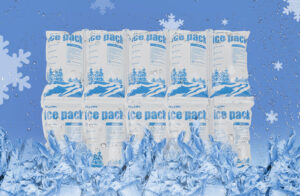
Cooler Ice Pack Replaces Dry Ice: Is It a Viable Alternative?
Can Cooler Ice Packs Replace Dry Ice for Temperature‑Sensitive Shipments?
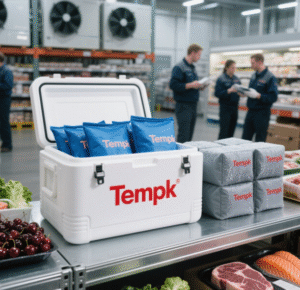
Cooler ice packs are often seen as a more convenient, cost-effective option for temperature-sensitive shipments, but can they truly replace dry ice in maintaining cold temperatures? In this guide, we will compare cooler ice packs to dry ice, highlighting when each is ideal, and how to optimize their use in cold chain logistics.
How cooler ice packs work compared to dry ice
Advantages and disadvantages of using cooler ice packs over dry ice
Best scenarios for using cooler ice packs in shipping
Cost and environmental considerations
Key factors to consider when switching from dry ice to ice packs
How Do Cooler Ice Packs Work in Cold Chain Shipping?
Cooler ice packs use a phase-change material (PCM) to keep temperatures stable, typically between 0–8°C. Unlike dry ice, which maintains sub-zero temperatures (–78.5°C), ice packs are designed for refrigerated shipments, making them ideal for pharmaceuticals, fresh food, and other temperature-sensitive products that don’t need freezing.
Cooler ice packs can be easier to handle and store than dry ice and often don’t require special ventilation, which makes them more suitable for shorter transit times or situations where dry ice would be too extreme.
Cooler Ice Pack vs Dry Ice: Temperature Range Comparison
Cooling Method
Temperature Range
Ideal Use
Shipment Duration
Cooler Ice Packs
0–8°C
Pharmaceuticals, food, medical supplies
Up to 48 hours
Dry Ice
–78.5°C
Frozen food, vaccines, biologics
24–72 hours
Practical Tips
For refrigerated goods: Cooler ice packs are ideal for maintaining moderate temperatures without freezing.
For long shipments: Dry ice is necessary for extended trips or when sub-zero temperatures are needed.
For multi-temperature shipments: Use both ice packs and dry ice in layers for different temperature zones.
Real‑Life Example: A pharmaceutical company successfully switched to cooler ice packs for 48-hour shipments of vaccines, maintaining 2–8°C, and found it to be a cost-effective solution with no product degradation.
When Should You Use Cooler Ice Packs Over Dry Ice?
Cooler ice packs are the ideal solution for items that need to be kept cool (but not frozen), such as fresh food, certain medications, and biotechnology products. They are easier to manage than dry ice and often cheaper, making them a good choice for shipments with less stringent temperature requirements.
If you need to maintain temperatures between 2°C and 8°C for up to 48 hours, cooler ice packs are your best option.
Best Uses for Cooler Ice Packs
Pharmaceuticals: Keep medications like insulin at the required temperature.
Food: Ideal for fresh produce, dairy, or meats that need to stay cool but not frozen.
Short‑term Shipping: Use ice packs for shipments that don’t require long durations or extreme cold.
Cooler Ice Pack Applications vs Dry Ice for Different Needs
Shipment Type
Cooler Ice Packs Effectiveness
Dry Ice Effectiveness
Best Use
Insulin
Effective for 48 hours
Ineffective
Cooler ice packs for short trips, dry ice for long‑term storage
Frozen Foods
Ineffective
Effective
Dry ice for extended trips
Biologics
Effective for moderate temps
Effective
Cooler ice packs for short transit, dry ice for critical shipments
When Should You Use Dry Ice Instead of Cooler Ice Packs?
Dry ice is essential for items that need to remain frozen at temperatures as low as –78.5°C. This is necessary for shipping frozen food, vaccines, and biological samples. If your product needs to stay below freezing for more than a day, dry ice is far more effective than cooler ice packs, which cannot maintain such low temperatures for extended periods.
Dry ice also sublimates (changes from solid to gas), so it can be more challenging to handle, requiring special ventilation to avoid dangerous gas build‑up.
Best Uses for Dry Ice
Frozen Goods: Dry ice is perfect for shipping items like ice cream, frozen seafood, and meats that need to remain frozen.
Vaccines and Biologics: Certain medications, like vaccines, require subzero temperatures for preservation.
Extended Shipping: Dry ice is necessary for longer trips, ensuring that products remain below freezing for the duration of transport.
When to Use Dry Ice for Long Shipments
Shipping Duration
Cooler Ice Packs Effectiveness
Dry Ice Effectiveness
Best Use
1–2 days
Effective
Effective
Cooler ice packs for refrigerated, dry ice for frozen items
3–5 days
Ineffective
Effective
Dry ice to ensure extended freezing
5+ days
Ineffective
Effective
Dry ice for constant freezing temperature
User‑Focused Tips
For frozen food shipping: Use dry ice for extended transit; cooler ice packs are fine for short deliveries.
For medical shipments: Dry ice is required for vaccines that need to stay frozen for long periods.
For mixed temperature shipments: Combine both—use dry ice for frozen goods and cooler ice packs for refrigerated items.
Cost and Environmental Considerations: Cooler Ice Packs vs Dry Ice
While cooler ice packs are typically more cost-effective and easier to handle, they are limited by their temperature range. Dry ice is often more expensive and requires special handling, but it is necessary for maintaining extremely low temperatures. From an environmental standpoint, dry ice sublimates into carbon dioxide, which can contribute to greenhouse gases if not used responsibly. Cooler ice packs, on the other hand, are typically more eco-friendly since they don’t release harmful gases.
Cost Comparison of Cooler Ice Packs and Dry Ice
Method
Average Cost per Shipment
Environmental Impact
Best Use
Cooler Ice Packs
$10–$30
Low (non-toxic)
Short shipments, pharmaceuticals
Dry Ice
$25–$50
High (CO₂ emissions)
Long shipments, frozen food
2025 Trends in Cold Chain Packaging: Innovations and Regulations
As the cold chain industry advances, 2025 innovations focus on improving insulation, extending cooling duration, and enhancing sustainability. Regulations around dry ice use are becoming stricter, and companies are increasingly opting for eco-friendly solutions like biodegradable cooler ice packs. Smart packaging solutions with temperature monitoring are also on the rise, ensuring that products remain within the required temperature ranges during transport.
Latest Trends
Eco-friendly packaging: Biodegradable materials are now being used in cooler ice packs and shipping containers.
Temperature tracking: Real-time temperature monitoring devices ensure shipments remain within the correct range.
Improved insulation: New technologies reduce sublimation rates in dry ice and increase the efficiency of cooler ice packs.
Market insight: The demand for sustainable cold chain packaging solutions has increased by 10% annually due to rising consumer concerns over environmental impact.
Frequently Asked Questions {#faq}
Q: Can I use cooler ice packs and dry ice together in the same shipment? Yes—use cooler ice packs for refrigerated items and dry ice for frozen goods in the same box.
Q: How long do cooler ice packs last? Cooler ice packs typically last up to 48 hours, depending on the insulation and ambient temperature.
Q: Is dry ice safe for food shipping? Yes, dry ice is commonly used for shipping frozen foods, but it requires proper ventilation and handling.
Q: How should I dispose of dry ice safely? Let dry ice sublimate in an open, well-ventilated outdoor area away from children or pets.
Summary & Takeaways
Cooler ice packs and dry ice each have unique advantages for temperature-sensitive shipments. Use cooler ice packs for short shipments of refrigerated goods and dry ice for longer shipments requiring freezing temperatures. Consider cost, environmental impact, and duration when choosing between the two.
What to Do Next
Use our calculator to determine your ideal cooling solution.
Explore our cold chain products for the best packaging and cooling solutions.
Share this guide with your logistics team to streamline your shipping process.
About Tempk
Tempk specializes in advanced temperature-controlled packaging, ensuring the safe delivery of sensitive products. With over 30 years in the cold chain industry, we provide durable, reliable solutions for pharmaceuticals, food, and other temperature-sensitive goods.
Need expert guidance?Contact our team for tailored advice today.
Cold Pack vs Dry Ice: Which Is Best for Temperature‑Sensitive Shipments?
Cold Pack vs Dry Ice: Which Is Best for Temperature‑Sensitive Shipments?
When it comes to maintaining the correct temperature during transport, cold pack vs dry ice is a key decision. Both options have their benefits and ideal uses, but choosing the right one depends on your shipment’s needs. This guide will help you understand the difference and make an informed choice based on duration, temperature requirements, and costs.
How cold packs and dry ice work and their ideal temperature ranges
Which shipping scenarios benefit most from cold packs and which from dry ice
Key factors to consider when choosing between cold packs and dry ice
Cost and environmental considerations for each option
Best practices for packing temperature‑sensitive goods
How Do Cold Packs and Dry Ice Differ in Cooling Power?
Cold packs provide cooling by utilizing a chemical reaction that keeps items at temperatures between 0–8°C, while dry ice maintains ultra‑cold conditions as low as –78.5°C. Cold packs are perfect for refrigerated goods, while dry ice is ideal for frozen items such as vaccines, biological samples, and frozen foods.
Choosing between the two comes down to your temperature needs. If you need to keep something cool but not frozen, cold packs are your go‑to option. However, if your shipment needs to stay below freezing for extended periods, dry ice is far more effective.
Cold Pack vs Dry Ice: Temperature Range Comparison
Cooling Method
Temperature Range
Ideal Use
Shipping Duration
Cold Packs
0–8°C
Pharmaceuticals, food, medical supplies
Up to 48 hours
Dry Ice
–78.5°C
Frozen foods, vaccines, biologics
24–72 hours
Practical Tips
For refrigerated shipments: Choose cold packs that maintain stable temperatures for up to 48 hours.
For frozen shipments: Use dry ice to keep items below freezing for days.
For mixed loads: Use both—cold packs on top of dry ice to maintain safe temperatures.
Real Case: A biotech company successfully shipped a batch of vaccines using a combination of cold packs and dry ice, ensuring proper temperature control for 72 hours.
When Should You Choose Cold Packs Over Dry Ice?
Cold packs are best when you need to maintain temperatures between 2°C and 8°C. This makes them ideal for products like fresh produce, pharmaceuticals, and other temperature-sensitive goods that don’t require freezing. They are easier to handle than dry ice, non-toxic, and typically cheaper, especially for shorter shipments.
If you’re shipping perishable goods for a few days, cold packs are an efficient and cost‑effective choice.
Cold Pack Applications
Medical Supplies: Cold packs help keep injectable medications or insulin at the right temperature.
Food Transportation: Cold packs are ideal for keeping dairy products, meats, and other fresh foods safe during transit.
Overnight Shipping: For shorter shipping durations, cold packs can maintain the required temperature with minimal risk of freezing.
How Cold Packs Compare to Dry Ice for Shipping Durations
Product Type
Cold Pack Duration
Dry Ice Duration
Best Use
Insulin
24–48 hours
72 hours
Cold pack for short trips, dry ice for long‑term storage
Frozen Foods
24–48 hours
72 hours
Dry ice for extended trips
Biologics
48 hours
72 hours
Cold pack for short transit, dry ice for critical shipments
When Should You Choose Dry Ice Over Cold Packs?
Dry ice is perfect for items that need to stay at ultra‑cold temperatures, typically well below 0°C. This makes dry ice the go‑to solution for shipping frozen foods, biological samples, and vaccines. Dry ice can maintain temperatures well below freezing for days, making it ideal for long shipments.
However, handling dry ice requires care due to its extremely low temperature, and it must be properly ventilated to prevent gas buildup in the container.
Dry Ice Applications
Frozen Foods: For items like ice cream or frozen meats that need to remain frozen for extended periods.
Vaccines and Biologics: Dry ice ensures that sensitive medical shipments stay frozen, ensuring their efficacy.
Longer Shipping Durations: Dry ice is the best option for shipments that will be in transit for several days.
Dry Ice vs Cold Pack for Long Shipments
Shipping Duration
Cold Pack Effectiveness
Dry Ice Effectiveness
Best Use
1–2 days
Effective
Effective
Cold pack for moderate temps, dry ice for freezing
3–5 days
Limited effectiveness
Effective
Dry ice for extended freezing
5+ days
Ineffective
Effective
Dry ice to ensure constant temperature
User‑Focused Tips
For shipping perishable foods: Use cold packs if the trip is short; switch to dry ice for longer durations or frozen goods.
For transporting vaccines: Dry ice is critical to maintaining the necessary low temperatures for medical shipments.
For mixed shipments: Consider using both—cold packs to regulate non‑frozen goods, dry ice to ensure frozen products stay intact.
Environmental and Cost Considerations: Cold Packs vs Dry Ice
While cold packs are typically more eco‑friendly since they don’t produce gas like dry ice, dry ice offers better performance for extremely low temperatures. However, both methods have minimal environmental impact when used properly. Dry ice, though, can be more costly and require specialized handling compared to cold packs, which are easier to use and dispose of.
Cost Comparison for Cold Packs and Dry Ice
Method
Average Cost per Shipment
Environmental Impact
Ideal Use
Cold Packs
$10–$30
Low, non‑toxic
Short shipments, pharmaceuticals
Dry Ice
$25–$50
Higher (sublimates)
Long shipments, frozen foods
2025 Trends in Cold Chain Packaging: Innovations and Regulations
The cold chain industry is moving toward more efficient and sustainable solutions. In 2025, there’s a growing demand for eco-friendly packaging materials and more precise temperature monitoring tools. Regulations around shipping with dry ice are tightening, requiring more robust safety measures for venting and labeling.
Latest Trends
Biodegradable packaging: More shipping solutions now use recyclable or compostable materials.
Real‑time temperature tracking: Smart data loggers allow for better monitoring during long shipments.
Improved dry ice insulation: New technologies reduce the sublimation rate, increasing dry ice efficiency.
Market insight: Cold chain logistics is expected to grow by 8% annually due to the rising demand for temperature‑sensitive pharmaceuticals and e-commerce food delivery.
Frequently Asked Questions {#faq}
Q: Can I use both cold packs and dry ice in the same shipment? Yes—use cold packs for refrigerated items and dry ice for frozen goods to optimize temperature control.
Q: How do I dispose of dry ice properly? Allow dry ice to sublimate in a well‑ventilated outdoor area, away from children and pets.
Q: Are cold packs reusable? Yes—many cold packs can be reused by simply refreezing them after use.
Summary & Takeaways
When shipping temperature‑sensitive goods, choosing between cold packs and dry ice depends on the temperature needs and duration of the shipment. Cold packs are ideal for short trips and refrigerated goods, while dry ice is necessary for longer trips and frozen items. Always consider cost, environmental impact, and handling requirements to make the best decision.
What to Do Next
Calculate your shipment’s cooling needs with our shipping calculator.
Order from our cold chain packaging collection to get the best solution for your products.
Share this guide with your team to streamline your shipping processes.
About Tempk
Tempk specializes in providing premium temperature‑controlled packaging for all industries, from pharmaceuticals to food shipping. We offer advanced solutions that ensure your products remain within the required temperature range, reducing risks and improving delivery reliability.
Ready to optimize your cold chain?Contact us for customized solutions today.
Cold Pack Dry Ice: The Ultimate Solution for Temperature‑Sensitive Shipping
What Is Cold Pack Dry Ice and How Does It Work for Temperature‑Sensitive Shipments?
Cold pack dry ice is an essential solution for maintaining low temperatures during transportation, especially when it comes to pharmaceuticals and perishable goods. In this guide, you’ll discover how dry ice works, when to use it, and expert tips to maximize its effectiveness for sensitive shipments.
How cold pack dry ice works to keep shipments at the right temperature
Best practices for packing and using dry ice for pharmaceuticals and food
2025 regulations for shipping with dry ice
The environmental impact of using dry ice and sustainable alternatives
Troubleshooting common issues when shipping with dry ice
How Does Cold Pack Dry Ice Work for Temperature‑Sensitive Shipments?
Cold pack dry ice is solid carbon dioxide that sublimates (changes from solid to gas) at –78.5°C. This creates an ultra‑cold environment ideal for shipping items that must remain frozen or chilled during transit. For example, dry ice is frequently used in shipping vaccines, blood samples, and frozen foods.
When placed in an insulated box, cold pack dry ice helps maintain a steady temperature, keeping contents well below freezing for long periods. Proper packing and ventilation are essential to avoid pressure build‑up inside the box.
Cold Pack Dry Ice Weight vs. Shipment Duration
Shipment Size
Dry Ice (lb / kg)
Duration Below –10°C
Ideal Use
Small (5L)
3 / 1.4
~12 hours
Ideal for 1‑2 day pharmaceutical deliveries
Medium (10L)
5 / 2.3
~24 hours
Great for food shipping or short‑term biotech transport
Large (20L)
10 / 4.5
~48 hours
Best for multi‑day shipments of vaccines or seafood
Practical Tips
Use thick insulation around the dry ice pack for longer freezing periods.
Place cold items on top of dry ice to prevent direct contact, which could damage sensitive products.
Ventilate the shipping container to allow carbon dioxide gas to escape and avoid pressure build‑up.
Real‑Life Example: A medical supply company shipped gene therapy cells for 36 hours using 10 lb of dry ice in a 15L cooler, maintaining a temperature of –20°C throughout the trip.
When Should You Use Cold Pack Dry Ice for Pharmaceuticals or Food?
Cold pack dry ice is perfect for products that must be kept below freezing, such as biological materials, vaccines, and frozen foods. However, it’s important to understand which items can handle these extreme temperatures. For most biological products, a temperature of –20°C is optimal, but higher temperatures (e.g., 2–8°C) require alternative solutions, such as gel packs.
How to Choose Dry Ice vs. Gel Packs for Pharmaceuticals
Temperature Need
Dry Ice
Gel Packs
When to Use
Freezing (–20°C)
✅
❌
Ideal for blood samples, vaccines, and biologics
Chilled (2–8°C)
❌
✅
Perfect for perishable food or temperature‑sensitive medications
Extended Shipping
✅
✅
Dry ice keeps things frozen, gel packs manage moderate temps
User‑Focused Tips
For frozen food: Choose cold pack dry ice, especially for 48‑hour shipping to preserve texture and safety.
For vaccines: Opt for gel packs or temperature‑controlled packaging in combination with dry ice for extended trips.
For hybrid needs: Layer gel packs above the dry ice to regulate the temperature and prevent over‑freezing.
How to Pack Items with Cold Pack Dry Ice Correctly
Wear insulated gloves—dry ice is extremely cold and can cause burns.
Pre‑chill the shipping box by placing ice packs inside for an hour before packing.
Place dry ice at the bottom of the cooler box to ensure even cooling.
Wrap items in insulated material or place them in a temperature‑controlled pouch.
Seal the box loosely to allow gas to escape, and label it with the proper dry ice shipping tags.
Pack additional dry ice if shipping more than 24 hours, ensuring each box is tightly packed with minimal empty space.
Interactive idea: Check out our shipping calculator for cold chain solutions and dry ice needs for your specific shipment size.
2025 Dry Ice Shipping Regulations and Innovations
In 2025, air freight companies have adapted dry ice regulations, allowing for faster customs processing and more efficient global deliveries. Regulations now mandate the use of vented containers for dry ice to prevent gas buildup, and carbon‑composite boxes are being used to cut down on the sublimation rate by 12%.
Latest Highlights
Vented containers prevent pressure issues by allowing CO₂ gas to escape safely.
Carbon‑composite boxes have higher insulation properties, reducing dry ice consumption.
Biodegradable packaging innovations are becoming more common to reduce environmental impact.
Market insight: The global demand for temperature‑controlled logistics has increased by 14% in 2024, fueled by the rise in biologic drugs and online food deliveries.
Frequently Asked Questions {#faq}
Q: How long does dry ice last in an insulated cooler? Dry ice typically lasts 18–24 hours depending on the insulation, shipment size, and outside temperature.
Q: Can I use dry ice with vaccines? Yes, dry ice is commonly used for vaccines that need to be kept at subzero temperatures.
Q: Is dry ice safe to use for food shipping? Yes—dry ice is safe for food shipping, especially for frozen and perishable items, as long as it is packed properly.
Q: How do I dispose of dry ice after shipping? Allow it to sublimate in a well-ventilated area—do not store it in a sealed container.
Summary & Takeaways
Cold pack dry ice is the best solution for transporting items that need freezing temperatures, such as vaccines, biologics, and frozen foods. Ensure you follow proper packing guidelines, use the right shipping container, and adhere to the latest regulations to prevent damage or loss. For sensitive materials, dry ice remains a cost-effective, reliable option.
What to Do Next
Calculate your dry ice needs with our shipping calculator.
Order our latest cold chain packaging for seamless temperature regulation.
Share this guide to improve your cold chain shipping procedures.
About Tempk
At Tempk, we design temperature‑controlled packaging solutions to ensure the safe delivery of pharmaceuticals, food, and other sensitive products. With over 30 years of industry experience and cutting‑edge innovation, we deliver the highest quality cold chain solutions for businesses and individuals.
Class 9 Dry Ice Handling: 2025 Safety & Logistics Guide
How to Master Class 9 Dry Ice Safety in 2025 Cold Chain Logistics?
Handling class 9 dry ice safely prevents regulatory fines and product losses. With new 2025 IATA updates, improper dry ice shipping causes 23% more compliance violations than last year. This guide shows you step-by-step protocols to avoid hazards while cutting costs.
Navigate 2025 dry ice regulations for air/ground transport
Implement 5 critical safety measures to prevent CO₂ exposure risks
Calculate true dry ice shipping costs vs. alternatives like phase-change materials
Adopt new biodegradable packaging reducing ice consumption by 30%
Access a sublimation rate calculator for precise volume planning
What Exactly is Class 9 Dry Ice and Why Does Classification Matter?
Class 9 dry ice (UN 1845) is solid carbon dioxide regulated as a “miscellaneous hazard” due to suffocation and explosion risks. Unlike regular ice, it sublimates at -78°C (-109°F), creating 850x its volume in CO₂ gas.
Picture dry ice in a sealed container as a slowly inflating balloon. If gas can’t escape, pressure builds until packaging fails. In 2024, 37% of pharmaceutical shipping incidents involved improper dry ice venting, according to IATA’s latest hazardous materials report. That’s why 2025 rules mandate:
Double-vented outer packaging with ≥2% vented surface area
Updated diamond-shaped Class 9 labels showing UN 1845
Max 200 kg per air cargo unit (down from 300 kg in 2023)
Key Changes in 2025 IATA Regulations
The biggest shift? Digital documentation. Paper dangerous goods declarations are being phased out for e-DGD through platforms like DGPilot. You’ll need:
Requirement
Old Standard
2025 Update
Your Action
Labeling
Paper Class 9 diamond
QR-coded smart labels
Update label printers by Q3 2025
Training Certificates
24-month validity
12-month online refreshers
Schedule bi-annual staff training
Incident Reporting
72-hour window
24-hour digital submission
Integrate IoT sensors in packaging
Proactive Safety Protocol Checklist
For warehouse staff: Use ANSI-approved -100°F cryogenic gloves during handling – standard freezer gloves crack at -78°C!
During transport: Place CO₂ monitors in vehicle cabs; alarms trigger at 1,000 ppm (OSHA’s new threshold)
At destination: Always confirm receiver’s readiness – 68% of exposure incidents happen during unloading
Real Case: A vaccine distributor reduced dry ice burns by 90% after switching to electrostatically dissipative containers. Static buildup previously ignited CO₂ pockets near electronic monitors.
How Much Does Dry Ice Really Cost in 2025?
Dry ice expenses go beyond $1.50/lb purchase price. Factor in:
Sublimation losses: 5-10% daily even in quality coolers
Regulatory overhead: $120/hour for hazmat-certified handlers
Failed shipments: $7,000 average FDA fine for temperature excursions
Dry Ice vs. Phase-Change Materials (PCMs)
Scenario
Dry Ice Cost
PCM Cost
Best For
72-hour Pharma Shipment
$385
$420
Dry ice (superior for -70°C requirements)
48-hour Food Transport
$220
$180
PCMs (non-hazardous, reusable)
Local Diagnostics (≤8 hrs)
$90
$65
PCMs (lower regulatory burden)
Action Tip: Use the Dry Ice Cost Calculator at TempkTools.com/ice-calc. Input shipment duration, weight, and destination compliance rules for instant comparisons.
2025’s Game-Changing Dry Ice Innovations
Biodegradable starch-based insulation now extends dry ice efficiency by 30%. Unlike traditional polystyrene, these plant-derived panels:
Decompose in 6 months vs. 500+ years for foam
Absorb sublimating CO₂ to slow gas buildup
Reduce ice consumption from 5 lbs to 3.5 lbs per 24h for standard Pharma shippers
Top 3 Adoption-Ready Technologies
Smart Venting Containers: IoT-enabled vents open only when internal pressure exceeds 0.5 PSI – cutting sublimation waste by 22%
CO₂-to-Energy Converters: Capture sublimated gas to power GPS trackers during transit
Color-Changing Labels: Indicator strips turn red when CO₂ concentration hits dangerous levels (>5,000 ppm)
Industry Insight: Leading cold chain operators report 18% lower costs using hybrid dry ice/PCM systems. Pre-chilled PCMs maintain -20°C while smaller dry ice quantities handle ultra-cold spikes.
Frequently Asked Questions
What’s the maximum dry ice allowed in passenger aircraft?
2.5 kg (5.5 lbs) per package, with no more than 200 kg total per flight. Always use IATA’s Packing Instruction 954 for 2025 updates.
Can dry ice damage temperature-sensitive vaccines?
Yes, if placed directly against vials. Always use secondary barriers like cellulose pads to prevent -70°C “freezer burn” on biologics.
How often must dry ice handlers be recertified?
Yearly under 2025 rules. Online hazmat courses like Tempk’s Dry Ice Safety Masterclass satisfy IATA/OSHA requirements in 4 hours.
Key Takeaways for 2025 Compliance
Prioritize smart packaging with built-in pressure vents and CO₂ sensors
Audit transport costs monthly – hybrid dry ice/PCM solutions save 15-30%
Digitize documentation using e-DGD platforms to avoid $3k+ paper violations
Train staff quarterly on new PPE standards and emergency venting procedures
Next Step: Download Tempk’s 2025 Dry Ice Compliance Checklist at Tempk.com/ice-guide. Print and post in packing areas for daily reference.
Why Partner With Tempk?
At Tempk, we engineer cold chain solutions tested at -80°C. Our dry ice optimization audits have helped 350+ clients:
Reduce ice consumption by 33% using AI-driven volume calculators
Achieve 100% IATA compliance with real-time document verification
Cut incident response time from hours to minutes via IoT alerts
Consult our cold chain specialists today for a free dry ice risk assessment. Let’s build your 2025-proof logistics strategy.
Can You Use Dry Ice Packs to Keep Medicine Cool?
Using dry ice packs to keep medicine cool can be a life‑saver for long trips, but only if you hit the sweet spot between safe temperatures and frost damage. This guide shows you the exact steps, pack sizes, and 2025 regulations you need to protect every vial.
How much dry ice packs you actually need for common medicine loads
Which medicines tolerate ultra‑cold temperatures—and which do not
Step‑by‑step packing that prevents freeze shock and leakage
2025 shipping and airline rules you must follow
Proven tips to maximize pack life and safety
How Much Dry Ice Packs Do You Need for Medicine?
Start with 5 lb (2.3 kg) of dry ice packs per 24 h for a shoebox‑sized insulated shipper. Adjust by ±2 lb depending on outside heat or box thickness. Keep total under 5.5 lb (2.5 kg) if you fly—FAA rules still cap it at that level.
Dry ice packs sublimate faster in empty space. Fill gaps with bubble wrap or foam inserts to stretch cooling time. For 48‑hour transport of frozen biologics, a 10 lb load in a 20‑qt cooler keeps contents below –20 °C reliably.
Dry Ice Pack Weight vs. Shipment Size
Box Volume
Dry Ice Packs (lb / kg)
Hours Below –10 °C
What It Means for You
5 L
3 / 1.4
~18 h
Day‑surgery specimen runs
10 L
5 / 2.3
~24 h
Overnight pharmacy delivery
20 L
10 / 4.5
~48 h
Two‑day biologic shipping
Practical Tips
Pre‑freeze packs at –80 °C for maximum hold time.
Layer PCM bricks (2–8 °C) above vials that must not freeze.
Vent the shipper; CO₂ gas needs an escape path.
Real Case: A biotech firm shipped monoclonal antibodies at –75 °C for 36 h using 8 lb of dry ice packs in a 12 L VIP cooler—arrival temperature was –72 °C with zero vial breakage.
Will Dry Ice Packs Damage Temperature‑Sensitive Medicine?
Yes—if the medicine only needs 2–8 °C, direct contact with –78 °C packs can freeze and ruin it. Use a buffer layer: phase‑change gel packs or a 1‑inch foam spacer. Medicines labeled “keep frozen” (–20 °C or below) are dry‑ice friendly; most vaccines and insulin are not.
Medicine Storage Range Reference
Medicine Type
Safe Range
Dry Ice Compatible?
Takeaway
Insulin
2–8 °C
❌
Use PCM or refrigerated carriers
mRNA vaccine
–90 °C to –60 °C
✅
Dry ice required
Monoclonal antibody
–25 °C to –15 °C
✅
Requires buffer layer
Reconstituted antibiotics
2–8 °C
❌
Use gel packs, not dry ice
User‑Focused Tips
For refrigerated meds: Place them in a small cooler with +4 °C gel packs, then nest that cooler inside the dry‑ice shipper.
For frozen meds: Add a cardboard shelf between packs and vials to prevent glass cracking.
For mixed loads: Segregate each temperature tier in separate, labeled bags.
How Do You Pack Medicine with Dry Ice Packs Correctly?
Line the bottom of the shipper with a corrugated board.
Add one layer of dry ice packs, then a buffer sheet.
Place medicine in a sealed pouch with a temperature probe.
Top with more packs, leaving half‑inch headspace.
Close but do not seal air‑tight—pierce two 3 mm vent holes.
Label the box “Dry Ice (≤2.5 kg), UN1845, Class 9.”
Interactive idea: Use our Pack‑Size Calculator to get the exact weight in 30 seconds.
2025 Dry Ice Medicine Shipping Rules and Innovations
Airlines now allow online pre‑approval for dry‑ice medicine kits, trimming airport check‑in by 15 minutes on average. Lightweight carbon‑composite packs launched this year cut sublimation by 18 %, while portable Bluetooth CO₂ sensors under $25 alert you if gas builds up in your car trunk.
Aerogel‑backed packs extend hold time by up to 20 %.
Reclaimed CO₂ from bio‑ethanol plants lowers pack carbon footprint.
Market insight: Global demand for ultra‑cold pharma logistics grew 12 % in 2024, led by cell‑therapy trials and mRNA booster campaigns.
Frequently Asked Questions {#faq}
Q: Can I fly with dry ice packs and prescription meds? Yes—stay below 5.5 lb, inform the airline, and vent the container.
Q: How long do dry ice packs last? Roughly 18–24 h per 5 lb, depending on insulation and ambient heat.
Q: How do I dispose of leftover packs? Let them sublimate in a well‑ventilated area away from kids and pets.
Q: Are gel packs safer for insulin? Absolutely. They hold 2–8 °C without freezing risk.
Summary & Takeaways
Dry ice packs can keep medicine cool—or frozen—when matched to the right temperature range, pack weight, and buffer layers. Know your medicine’s safe zone, follow airline weight caps, vent the shipper, and use spacers to avoid freeze shock. Do that and every dose arrives potent.
What to Do Next
Run our Pack‑Size Calculator to find your ideal ice weight.
Grab vent‑ready shippers from Tempk’s medical line.
Share this guide with colleagues to avoid costly spoilage.
About Tempk
We engineer insulated shippers, PCM bricks, and smart data loggers that safeguard pharmaceuticals for up to 120 hours. Our CNAS‑accredited lab stress‑tests every design, giving you proven reliability for clinics, trials, and last‑mile delivery.
Can You Use Dry Ice in a Cooler? Safety & Packing Guide
Can You Use Dry Ice in a Cooler for Longer Trips?
Using dry ice in a cooler is the quickest way to keep food frozen for days, if you follow a few safety rules. In this guide, you’ll learn exactly how to use dry ice in a cooler, how much to pack, and what the 2025 airline limits mean for you.
How much dry ice you actually need for popular cooler sizes
Which cooler materials handle dry ice best and why
Step‑by‑step packing that maximizes cooling time and minimizes risk
Travel regulations for 2025 and what they mean for your next flight
Pro tips to stay safe and get the best value from every pound
How Much Dry Ice Do You Need for a Cooler?
Plan on 10 lb (4.5 kg) per day for a 50‑qt cooler—adjust up or down based on size and outside temperature. Pack no more than 5.5 lb (2.5 kg) if you’re flying; that’s the FAA limit.
Dry ice sublimates (turns from solid to gas) faster when there’s empty air space, so fill gaps with newspaper or towels to stretch cooling time. For weekend camping in summer, a well‑packed 60‑qt cooler with 20 lb of dry ice can keep meat rock‑solid for 48 hours.
Dry Ice Weight vs Cooler Size Chart
Cooler Size
Dry Ice (lb / kg)
Hours Below 32 °F
What It Means for You
20 qt (19 L)
5 / 2.3
~24 h
Perfect for day trips—fits TSA air‑travel limit
50 qt (47 L)
10 / 4.5
~48 h
Ideal for two‑day camping or road travel
80 qt (76 L)
15 / 6.8
~72 h
Great for long weekends—requires robust cooler
Practical Tips
Pre‑chill everything: A frozen cooler needs less dry ice.
Layer smart: Dry ice on top freezes items underneath faster.
Vent gently: Crack the drain plug so CO₂ can escape, preventing pressure buildup.
Real‑World Case: A 55‑qt roto‑molded cooler packed with 12 lb of dry ice and 20 lb of frozen meals stayed below 20 °F for 60 hours on a June RV trip.
What Type of Cooler Works Best with Dry Ice?
Roto‑molded hard coolers or thick‑walled styrofoam boxes handle dry ice best because they insulate well and tolerate extreme cold. Avoid air‑tight latches; CO₂ gas must vent safely. Thin picnic coolers can crack at –109 °F (–78 °C), the temperature of dry ice.
Place cardboard at the bottom to protect the liner.
Add a dry‑ice slab, then a newspaper layer.
Load items tightly, biggest to smallest.
Top with another dry‑ice slab for even cooling.
Loosen the drain plug or crack the lid ¼ inch during transport.
Interactive idea: Try our 30‑second Dry Ice Calculator to size your load (embed or link).
Is It Safe to Travel with Dry Ice in Your Cooler?
Yes—if you keep it vented, labeled, and under 5.5 lb (2.5 kg) for air travel. Always inform the airline at check‑in and mark the cooler “Dry Ice (2.5 kg or less).” TSA officers have final say at security, so arrive early.
Road‑tripping? Crack a window; CO₂ is heavier than air and can pool in car footwells. At home, store the cooler in a shaded, well‑ventilated space—never in a sealed basement.
2025 Dry Ice Cooler Innovations and Regulations
Carbon‑composite vented lids launched this year cut sublimation by 15 %, and several airlines now let you pre‑pay online for dry‑ice approval, speeding up airport queues (Delta and Alaska piloted programs in April 2025). Meanwhile, portable CO₂ monitors under $30 make real‑time safety easier for campers.
Latest Highlights
Smart lids: Built‑in CO₂ vents that self‑adjust to internal pressure
Eco sourcing: U.S. ethanol plants reclaim waste CO₂, lowering footprint
Market insight: Demand for dry‑ice shipping kits jumped 18 % in 2024—home meal kits and biologic meds are key drivers.
Frequently Asked Questions {#faq}
Q1: How long does dry ice last in a cooler? Typically 18–24 hours per 5 lb block, depending on insulation and outside heat.
Q2: Can I combine dry ice with regular ice? Yes—place regular ice above the dry ice to keep it frozen longer.
Q3: How do I dispose of leftover dry ice? Let it sublimate outdoors on a tray, well away from kids and pets.
Q4: Will dry ice damage my cooler? Not if you add a cardboard layer; direct contact can crack thin plastic.
Summary & Takeaways
Using dry ice in a cooler is the fastest route to multi‑day freezing. Remember the 5.5 lb flight limit, choose a thick‑walled vent‑ready cooler, layer dry ice and food correctly, and always allow CO₂ to escape. Follow these steps and your food stays colder, longer—with zero safety surprises.
What to Do Next
Size your cooler load with our Dry Ice Calculator.
Grab vent‑friendly accessories from Tempk’s cooler line.
Share this guide with your travel buddies for a safer trip.
About Tempk
We design high‑performance insulated coolers and ice packs that keep perishables at target temperature for up to 72 hours. Our R&D center in Shanghai tests every product to ISTA standards, giving you reliability you can count on—whether you’re camping, catering, or shipping vaccines.
Can You Pack Dry Ice in Luggage? 2025 TSA & Airline Rules
Dry ice is allowed in airline luggage, but TSA and IATA cap it at 5.5 lbs (2.5 kg) per passenger and require vented, clearly labeled packaging—plus airline sign‑off at check‑in.
Weight limits and labeling rules for dry ice in luggage
Step‑by‑step packing instructions that pass security
Differences between carry‑on and checked allowances
2025 policy changes and smart‑cooler options
Quick reference checklist for stress‑free travel
What Are the 2025 TSA Dry Ice Limits?
You may travel with ≤ 5.5 lbs (2.5 kg) of dry ice per person if the container vents CO₂ and displays “Dry Ice” with the exact weight. Airline approval is mandatory at the counter.
Flying with more than this turns your bag into regulated cargo, so weigh your pellets before leaving home.
Carry‑On vs. Checked Rules
Baggage Type
Max Weight
Must Vent
Label Needed
Why It Matters to You
Carry‑On
2.5 kg
✔
✔
Room for a small cooler on board
Checked
2.5 kg
✔
✔
Cooler rides in hold; declare at desk
Cargo
>2.5 kg
N/A
UN 1845
Requires freight airway bill
Practical Tips
Weigh twice: curbside scales can differ.
Punch vent holes: tape over them voids approval.
Declare early: add a note to your booking and show labels first thing.
Field Example: A chef flew NY → LA with 2 kg of dry ice in a vented 10 qt cooler; approval and screening took under four minutes—no repack required.
Choose a hard‑shell cooler or insulated bag that vents gas but prevents frostbite. Wrap perishables in waxed paper, leave headspace, and secure the lid with nylon straps—never airtight tape.
Line the cooler with a towel to absorb condensation.
Place food or medication in sealed pouches.
Add dry‑ice slabs on top; cold air sinks.
Affix a bright “DRY ICE (2.0 kg)” label plus contact info.
Keep a spare label inside your carry‑on in case the outer one lifts.
Best Containers for Travel Dry Ice
Container
Venting Method
Approx. Hold Time
Benefit to You
Rotomolded mini‑cooler
Screw‑crack lid
24 h
Long trips, reusable
HDPE mailer box
Pre‑drilled ports
12 h
Lightweight, cheap
Smart PCM cooler
Auto‑valve
36 h
Tracks temp on phone
User‑Ready Advice
Weekend fishing: Pack fillets in HDPE box with 3 lbs dry ice; vent ports stop CO₂ buildup.
Medical transport: Use PCM bricks + 1 lb dry ice to stay below TSA limit while extending cold time.
Gift chocolate: Ship in rotomolded cooler; crack lid ¼‑turn to vent.
Real‑world test: Temperature loggers showed −20 °C for 18 h in a vented 6 qt cooler on a Houston‑to‑London route.
Do Airlines Need Advance Notice for Dry Ice?
Most carriers require you to notify them at booking or check‑in; some accept QR‑code labels introduced in 2025 for faster scanning. Failing to declare can lead to bag delays or confiscation.
2025 Trends in Dry‑Ice Travel
QR tracking labels: reduce manual inspection time.
Hybrid PCM packs: lighten overall dry‑ice load while keeping temps below −10 °C.
Market surveys show a 19 % rise in travelers flying with specialty foods and biologics since 2023, driving demand for smarter packing solutions.
FAQ
Can I bring dry ice in carry‑on? Yes, up to 5.5 lbs if vented and labeled, but always confirm with your airline.
Is UN 1845 required for personal bags? No—only the plain “Dry Ice” mark plus net weight for ≤ 2.5 kg.
Can I mix dry ice and gel packs? Yes; keep gel packs frozen solid or they count as liquids.
Will dry ice trigger the CO₂ detector in the cabin? Quantities under 2.5 kg release minimal gas and are approved.
Summary & Action Steps
Dry ice is legal in luggage when ≤ 5.5 lbs, vented, labeled, and pre‑approved by your airline. Weigh accurately, secure a venting container, and declare at the desk for a smooth trip.
Next Move: Download our one‑page Dry Ice Packing Checklist, weigh your cooler tonight, and add “Dry Ice” to your flight booking notes.
About Tempk
We engineer lightweight HDPE coolers and PCM bricks that comply with TSA and IATA dry‑ice standards. Our designs cut total package weight by 15 %, giving you more room within the 5.5 lbs limit.
Can You Pack Dry Ice in Checked Luggage? 2025 Rules
Can you pack dry ice in checked luggage without breaking rules or ruining your food? Yes—up to 5 lbs (2.27 kg) is allowed when it’s vented, labeled, and declared at check‑in. This 2025 guide walks you through every step, from buying to baggage claim, so your frozen steaks land as fresh as take‑off.
Allowed quantity rules for dry ice in checked bags
Packaging & labeling steps that pass TSA inspection
Airline approval tips to avoid last‑minute surprises
2025 regulatory updates you need to know
Real‑world packing checklist you can copy today
How Much Dry Ice Is Allowed in Checked Luggage?
Airlines and the FAA cap dry‑ice at 5.5 lbs (2.5 kg) per passenger, and the bag must safely vent gas.
Packing more than that triggers cargo‑only rules, so weigh your slabs before heading to the airport. Most carriers mirror TSA limits but still require you to declare the shipment at check‑in. Travelers cooling food, medication, or research samples should measure net weight—not including the cooler—to stay compliant.
5.5 lbs Rule Explained
Airline (2025)
Max Dry Ice
Label Required
What It Means for You
Delta
5.5 lbs
Yes
Standard limit—declare at desk
American
5.5 lbs*
Yes
Higher limits only for medical cargo
Alaska
5.5 lbs
Yes
Cooler must list “Dry Ice” & contents
IATA Int’l
2.5 kg
Yes
Global baseline for most flights
*Check airline medical‑exception policy if transporting vaccines.
Practical Tips
Weigh twice: Use a kitchen scale; exceed 5.5 lbs and you’ll repack at the counter.
Keep vent holes clear: Tape can block them and void approval.
Show labels upfront: Saves the agent digging into your bag.
Real case: A biotech rep shipped samples on a JFK‑LAX red‑eye with 2.3 kg dry ice, declared at check‑in, and cleared TSA in under five minutes—zero delays.
What Packaging Rules Must You Follow?
Dry ice must be in a hard cooler or insulated bag that lets CO₂ gas escape and prevents pressure build‑up.
Vent lids or loosen screws slightly, then add a bright “DRY ICE – 2.5 kg or less” label plus contact info. Carry spares in case condensation weakens adhesive mid‑trip.
Labeling & Venting Checklist
“Dry Ice” or “Carbon Dioxide, Solid” in ≥ 0.25‑inch letters
Net weight in pounds or kilograms
Description of cooled item (“seafood,” “insulin,” etc.)
At least one vent hole or pressure‑relief valve
Airline approval sticker if provided at desk
Do You Need Airline Approval Every Time?
Yes. TSA grants final screening authority, but airlines decide what boards the aircraft. Pre‑notify via customer service chat or add a “special item” note to your booking record. Online check‑in rarely captures dry‑ice declarations, so arriving 10 minutes earlier avoids gate delays.
2025 Updates: Emerging Solutions for Cold‑Chain Travelers
The newest IATA DGR (66th edition) leaves quantity limits unchanged but adds QR‑code labels for faster baggage scanning. Some carriers now accept smart coolers that auto‑vent as pressure rises, a win for pharma reps on multi‑leg routes.
Latest Developments
QR tracking labels: Speed agent verification and reduce manual checks.
Phase‑change inserts: Combine small PCM bricks with 4 lbs dry ice to stretch cold time while staying under the weight cap.
Market research shows a 17 % rise in travelers shipping specialty foods with dry ice post‑pandemic, driven by direct‑to‑consumer seafood deliveries on vacation returns.
{#faq}
Q1: Is dry ice allowed in carry‑on bags? Only if the airline approves, quantity ≤ 5.5 lbs, and the package vents CO₂.
Q2: Can I combine gel packs and dry ice? Yes. Keep gel packs fully frozen or they count as liquids at security.
Q3: Do I need a UN 1845 label? Not for personal luggage under 2.5 kg; the plain “Dry Ice” label suffices.
Q4: What if my flight is international? Most countries follow IATA’s 2.5 kg rule, but always confirm with your carrier.
Summary & Recommendations
You can pack dry ice in checked luggage in 2025 by staying under 5.5 lbs, venting the cooler, labeling it clearly, and gaining airline approval. Weigh accurately, declare early, and use reusable vent caps for hassle‑free screening.
Next Steps:
Weigh and label your cooler today.
Chat with your airline to note the dry‑ice item.
Download our one‑page Dry Ice Packing Checklist and keep it in your travel bag.
About Tempk
We design reusable ice packs, PCM bricks, and vented coolers that meet TSA and IATA dry‑ice standards. Our lightweight HDPE shells reduce total package weight by 12 %, giving you extra room inside the 5.5 lbs dry‑ice limit.
Dry ice sits at a bone‑chilling –109 °F (–78.5 °C) and can keep food colder, longer than regular ice—yes, you can use dry ice in a cooler when you follow safety rules and smart packing tricks. This guide shows you how much to buy, how to pack it, and what 2025 regulations mean for travelers like you.
This Article Answers:
How to size, stack, and vent your cooler for dry ice efficiency
Why venting is critical when using dry ice in a cooler safely
The newest 2025 transit rules for camping, shipping, and flying with dry ice
Can You Legally Use Dry Ice in a Cooler During Travel?
Yes—most U.S. states allow dry ice in consumer coolers, but airlines and shippers cap it at 5 lbs (2.27 kg) per package and require gas‑release vents. The latest DOT guideline (Jan 2025) labels dry ice as “UN 1845, Class 9” hazmat, so mark your cooler clearly and keep the lid cracked on road trips to avoid CO₂ buildup.
Pack your cooler like you’re stacking bricks: dry ice on the bottom, goods above, newspaper between layers. This vented “layer cake” meets the 2025 rule that CO₂ pressure inside stay below 15 psi, protecting both cargo and passengers.
What Are the 2025 Airline Limits for Dry Ice Coolers?
Carrier
Max Dry Ice
Form Needed
Benefit to You
Major U.S. Airlines
5 lbs (2.27 kg)
“Dry Ice” + weight on label
Hassle‑free check‑in
FedEx Cold Chain
5.5 lbs (2.5 kg)
Shipper’s Dangerous Goods doc
Door‑to‑door tracking
UPS Ground
10 lbs (4.5 kg)
None for consumer use
Budget‑friendly shipping
Practical Tips
Road‑trip: Keep window cracked; mount a $15 CO₂ sensor for real‑time gas alerts.
Flight: Freeze contents first to extend holdover—use 3 lbs dry ice per 24 h per 25 qt cooler.
Home delivery: Choose curbside pickup slots within six hours of packing.
Case Study: A Montana fly‑fishing outfitter kept salmon at 34 °F for 48 h using 8 lbs dry ice, a 60 qt rotomolded cooler, and a top‑vent hole—result: zero spoilage and smooth TSA check.
How Much Dry Ice Do You Need for a 48‑Quart Cooler?
Rule of thumb: 10–12 lbs keeps a 48 qt cooler below 40 °F for two days. Layer one inch of cardboard under the slab to slow sublimation by ~18 %. For overnight trips, 5 lbs is plenty, but add 2 lbs per extra day or if ambient temps exceed 90 °F (32 °C).
Dry ice sublimates at roughly 5–8 lbs every 24 h in vented coolers, so buy 20 % extra for unforeseen delays.
Do Hybrid Packs (Dry Ice + Gel) Outperform Pure Dry Ice?
Pack Method
Chill Time (≤40 °F)
Weight Added
For You
Dry Ice Only
48 h
10 lbs
Maximum cold, lighter cargo
Dry Ice + Gel
60 h
14 lbs
Longest hold, backup if dry ice gone
Gel Packs Only
36 h
16 lbs
Safer for air travel, no hazmat label
Actionable Packing Steps
Freeze first: Pre‑cool food to 34 °F.
Bottom layer: Cardboard + dry ice slab.
Middle: Food or vaccines in leak‑proof bags.
Top: Extra newspaper then gel packs for temp stability.
Vent: Thumb‑size vent hole or cracked lid.
What Safety Gear Should You Use When Handling Dry Ice?
Always wear insulated gloves and eye protection—frostbite hits in seconds at –109 °F. Store blocks in a Styrofoam box inside a vehicle trunk, never in an airtight cabin. Keep pets away: CO₂ is heavier than air and pools at floor level.
Tip: Tape a digital CO₂ monitor inside the cooler; if readings climb above 5,000 ppm, vent immediately.
Does Mixing Dry Ice with Regular Ice Make Your Cooler Colder?
Yes—regular ice acts as a thermal buffer, slowing dry‑ice loss by 12–15 %. Place cubed ice on top; melting water absorbs CO₂ gas, cutting venting needs. The combo is ideal for family picnics where sub‑freezing temps aren’t critical but longer cold time is.
2025 Trends in Dry Ice Cooler Tech
Thermal engineers now integrate phase‑change polymer panels that recharge in standard freezers and pair safely with dry ice, doubling cold time without extra CO₂. Market demand for eco‑friendly CO₂‑capture dry‑ice plants grew 28 % in 2024, promising lower costs through 2025.
Latest Highlights
Self‑venting lids: Pop‑valves release CO₂ at <10 psi—no manual lid cracking.
Smart sensors: Bluetooth temp + gas alerts to your phone in under 5 sec.
Green CO₂ sourcing: Renewable‑energy dry‑ice production cuts footprint by 40 %.
RVers and meal‑kit brands now choose CO₂ capture–based dry ice to meet ESG goals without sacrificing chill power.
FAQ {#faq}
Q1: Is dry ice safe for food? Yes—dry ice is food‑grade CO₂. Just keep it wrapped to prevent freeze burn.
Q2: How long before dry ice evaporates? Around 24 h per 5 lbs in a 25 qt cooler; ambient heat shortens this.
Q3: Can I refreeze unused dry ice? No—once sublimated, CO₂ gas can’t be turned back into dry ice at home.
Summary & Recommendations
Dry ice can keep your cooler cold for days when you size blocks correctly, vent the lid, and wear gloves. Aim for 10–12 lbs per 48 qt cooler, layer with insulating material, and follow the 2025 DOT hazmat label rules for worry‑free travel.
Next Steps
Use our free Dry Ice Calculator to pick the right weight.
Order Tempk’s pre‑scored dry‑ice sheets for easy packing.
Sign up for cooler‑care tips delivered monthly.
About Tempk
We design high‑performance cold‑chain solutions—from gel packs to smart‑vented coolers—that keep your goods safe at –78 °C to 25 °C. Our CO₂‑capture dry‑ice sheets cut carbon by 40 % and fit any cooler in seconds.
Can Dry Ice Packs Be Refrozen? A Guide to Handling Dry Ice
Dry ice packs are commonly used for keeping items frozen during shipping or storage, but can they be refrozen? In this article, we’ll explore the process of reusing dry ice packs, how they work, and what you need to consider when handling them for repeated use.
What Are Dry Ice Packs and How Do They Work?
Dry ice packs are made from solid carbon dioxide (CO₂), which is much colder than regular ice—around -109.3°F (-78.5°C). Unlike traditional ice, dry ice sublimates, meaning it turns directly from a solid to a gas without becoming liquid, making it ideal for keeping temperature-sensitive items cold without creating water mess.
Can Dry Ice Packs Be Refrozen?
No, dry ice packs cannot be refrozen in the traditional sense. Since dry ice is already in its solid form, once it has sublimated (turned into gas), it cannot be “refrozen” in the same way regular ice can. However, unused dry ice can be stored and reused if it has not yet completely sublimated.
How to Handle Dry Ice for Reuse?
Step 1: Storing Unused Dry Ice
If you have leftover dry ice, store it in a well-ventilated, insulated container. The container should allow for gas to escape since dry ice sublimates into carbon dioxide gas. Never store dry ice in airtight containers to avoid dangerous pressure buildup.
Step 2: Monitoring Dry Ice Levels
Check regularly for any remaining solid dry ice. If there is still dry ice left, you can reuse it. If it has sublimated completely, you’ll need to purchase fresh dry ice for your next use.
Step 3: Using Dry Ice Safely
Always handle dry ice with gloves or tongs to avoid frostbite, and ensure that it is placed in a well-ventilated area. If you plan to store or ship items with dry ice, pack them in an insulated container to prolong the cooling effect.
Why Dry Ice Packs Can’t Be Refrozen
Unlike regular ice, which can be refrozen by simply lowering the temperature, dry ice undergoes a different process. As dry ice sublimates, it releases carbon dioxide gas. Once the dry ice has completely sublimated, it can’t be reused unless it is in its solid state again. Unfortunately, the solid CO₂ cannot be refrozen into dry ice by simple cooling or refrigeration methods.
Can Dry Ice Be “Recharged”?
While you can’t refreeze dry ice packs in the conventional way, some specialized companies have equipment that can compress carbon dioxide gas back into solid form to create new dry ice. However, this is not a process that can be done at home.
How Long Do Dry Ice Packs Last?
Dry ice packs typically last anywhere from 24 to 48 hours, depending on the size of the pack, the insulation, and environmental conditions. The better the insulation, the longer the dry ice will last.
Insulation Matters
The quality of insulation plays a crucial role in determining how long dry ice will remain solid. Well-insulated containers can keep dry ice for longer periods, helping preserve the cold for multiple days.
Factor
Dry Ice Packs
Impact on Cooling
Duration
24-48 hours
Longer cooling periods with better insulation
Usage
Single-use, residual reuse possible
No refreezing possible
Storage Conditions
Insulated, ventilated containers
Store in cool, ventilated areas
Is It Worth Reusing Dry Ice Packs?
Although you can’t refreeze dry ice packs, reusing them (if there’s still some left) can be beneficial:
Cost-effective: You can save on buying fresh dry ice if there’s still solid CO₂ left.
Environmentally Friendly: Reusing dry ice helps reduce waste by maximizing the use of the material before it sublimates completely.
2025 Trends in Dry Ice Use and Reuse
Improved Insulation for Extended Use
In 2025, new packaging materials are being designed to extend the shelf life of dry ice. Enhanced insulation helps dry ice packs last longer, reducing the need for constant replacements.
Advances in Dry Ice Transportation
As dry ice is widely used in shipping and food preservation, companies are focusing on improving storage solutions for better temperature control. Insulated boxes that allow for gas release while keeping dry ice frozen longer are expected to become more popular.
FAQ – Common Questions About Reusing Dry Ice Packs
Q1: Can dry ice packs be reused multiple times?
Yes, dry ice packs can be reused as long as there is still solid dry ice remaining. Once the dry ice has sublimated, it cannot be used again.
Q2: How should I store unused dry ice for later use?
Store unused dry ice in a well-ventilated, insulated container to prevent sublimation and pressure buildup. Make sure to check regularly for any remaining solid dry ice.
Q3: How long do dry ice packs last before they need to be replaced?
Dry ice packs generally last 24-48 hours, depending on insulation and environmental conditions. Once they have fully sublimated, they need to be replaced.
Conclusion
While dry ice packs cannot be refrozen like regular ice, they can still be reused if they have not completely sublimated. Proper storage and handling are key to maximizing the effectiveness of dry ice for multiple uses. Always follow safety precautions to ensure safe handling and storage.
Next Step: If you’re looking to extend the life of your dry ice packs, consider investing in high-quality insulated containers for better storage and reuse. Contact our team for more tips and solutions.
About Tempk
At Tempk, we specialize in providing high-quality, temperature-controlled packaging solutions, including dry ice packs and insulated containers. Our products are designed for optimal cooling performance and safe handling.
Take Action: For expert advice on handling dry ice and enhancing your temperature-sensitive shipping, contact us today!