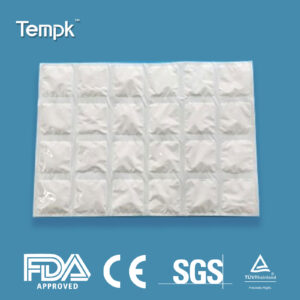
Hot Bags for Food Delivery- Keep Meals Warm On-Time
Hot Bags for Food Delivery- Keep Meals Warm On-Time

Why Temperature Matters in Food Delivery
In the hyper-competitive world of food delivery, one thing matters most: getting meals to customers hot, fresh, and safe. Whether it’s a piping pizza, a steaming bowl of curry, or a hearty soup, temperature control directly impacts customer satisfaction, food safety, and a restaurant’s reputation. But with long delivery windows, unpredictable weather, and packed schedules, keeping food warm isn’t always easy. That’s where hot bags for food delivery step in—specialized insulated tools designed to lock in heat and protect perishable meals during transit. In this guide, we’ll break down why these bags are a delivery game-changer, how they work, and why Tempk’s thermal bags lead the pack.

The Challenges of Hot Food Delivery (and How Hot Bags Solve Them)
1. The “Temperature Drop” Dilemma
Hot food cools fast—especially in cold weather or when left in unheated delivery bags. Once it drops below 140°F (60°C), bacteria start multiplying, risking foodborne illness. For restaurants, this means unhappy customers, negative reviews, and even health code violations. Hot bags act as a barrier, slowing heat loss and keeping meals at safe serving temps (140°F+ for hot foods) until they reach the door.
2. Last-Mile Delivery Pressures
Delivery drivers face tight timelines: traffic jams, multiple stops, and tight schedules. Juggling hot packs, insulated boxes, and loose items is messy and inefficient. Hot bags streamline the process—designed to hold meals securely, stack easily in delivery bags, and keep food organized, so drivers spend less time fumbling and more time delivering.
3. Customer Expectations
Today’s diners expect restaurant-quality meals, even when eating at home. A lukewarm burger or congealed pasta can ruin the experience. Hot bags ensure meals arrive exactly as they left the kitchen—steaming, flavorful, and visually appealing.
How Do Hot Bags for Food Delivery Work?
Hot bags are engineered with multi-layer insulation to trap heat and slow heat transfer. Here’s the science behind them:
- Inner Layer: Often made of food-safe, non-stick fabric (like nylon or polyester) to prevent leaks and keep food fresh.
- Insulation Core: Dense foam, aluminum foil, or reflective materials (like Mylar) create a “thermal barrier” that reflects radiant heat back into the bag. This material is lightweight but highly effective at blocking cold air.
- Outer Layer: Water-resistant and durable (e.g., PVC or coated canvas) to protect against spills, rain, or wear and tear.
Together, these layers create a “microclimate” inside the bag, keeping hot foods warm for 2–4 hours (or longer, depending on the bag’s quality and external conditions). Some models even include phase-change materials (PCMs) that absorb excess heat during transit, releasing it slowly to maintain a steady temperature—ideal for long routes.
Where Hot Bags Shine in Food Delivery
1. Restaurant Takeout & Third-Party Delivery
From local pizzerias to national chains, hot bags are a staple for takeout. They keep pizzas crispy (not soggy), soups hot (not watery), and fried foods crunchy. Third-party drivers rely on them to maintain quality across busy urban and suburban routes.
2. Catering & Event Services
Weddings, corporate events, and parties demand large quantities of hot food—often transported over long distances. Hot bags (especially larger sizes) keep trays of lasagna, roasted meats, or hot appetizers warm for hours, ensuring guests enjoy restaurant-quality dishes.
3. Grocery & Prepared Meal Delivery
Meal-kit services and grocery apps now deliver more than just salads—they offer hot ready-to-eat meals (think chili, mac and cheese, or stir-fries). Hot bags ensure these meals arrive at the same temperature they’d be served in a restaurant, elevating the at-home dining experience.
Why Tempk’s Hot Bags Are the Delivery Pro’s Choice
Not all hot bags are created equal. Tempk’s thermal bags stand out for their blend of innovation, durability, and sustainability:
1. Patented “Dual-Layer Heat Lock” Technology
Tempk uses a proprietary insulation system with two insulating layers: an outer reflective foil layer (to bounce heat back) and an inner foam layer (to trap warmth). This dual design extends heat retention by 30% compared to single-layer bags, keeping meals hot even on 90-minute routes in freezing weather.
2. Built for the Grind
Delivery bags take a beating—spills, drops, and daily wear. Tempk’s bags are made with reinforced stitching, tear-resistant fabric, and water-repellent coatings. They’re tested to withstand 500+ lbs of weight (without tearing) and are dishwasher-safe for easy cleaning.
3. Custom Sizes for Every Need
Whether you’re delivering a single burger or a 20-person catering order, Tempk has a bag for you. Choose from 8L (individual meals), 16L (family orders), or 30L (catering bulk) sizes. Their slim, ergonomic design fits neatly in delivery bikes, cars, or vans—no wasted space.
4. Eco-Friendly & Cost-Savvy
Tempk’s bags are made with 100% recycled materials and are 100% reusable. Restaurants save money by ditching disposable foil pans and chemical-lined boxes, while reducing their carbon footprint. Plus, their leak-proof liners eliminate messy cleanups.
5. Driver-Approved Design
Tempk bags feature padded handles, adjustable shoulder straps, and quick-zip closures. Drivers love how easy they are to carry—one hand to lift, one hand to open—so they can focus on safe driving, not balancing bags.

Conclusion
Hot bags for food delivery aren’t just a luxury—they’re a necessity for modern restaurants and delivery services. By maintaining optimal temperatures, they protect food safety, boost customer satisfaction, and streamline operations. Tempk’s thermal bags take this a step further, combining cutting-edge insulation, durability, and sustainability to help businesses deliver perfection, every time. Whether you’re a small café or a large catering company, Tempk ensures your meals arrive hot, fresh, and ready to impress.
Hot & Cold Thermal Bags: Ultimate Guide for Temperature Control

The Critical Role of Temperature Control in Modern Logistics
In today’s fast-moving logistics landscape, maintaining the right temperature for perishable goods isn’t just a preference—it’s a necessity. From steaming takeout meals to life-saving vaccines, ensuring products stay within safe temperature ranges during transit is critical for quality, safety, and compliance. This is where hot and cold thermal bags step in as game-changers. These specialized bags are engineered to preserve optimal temperatures, making them indispensable for businesses across food delivery, pharmaceuticals, and e-commerce. In this guide, we’ll break down their benefits, how they work, and why Tempk’s Thermal Bags lead the pack for reliable cold chain solutions.
What Are Hot and Cold Thermal Bags?
Hot and cold thermal bags are insulated packaging solutions designed to maintain consistent temperatures—whether keeping items hot or cold—for extended periods. Crafted with advanced thermal insulation materials (like multi-layered foil, foam, or reflective liners), these bags act as a barrier against external heat transfer. This technology slows down heat exchange, ensuring hot items retain warmth and cold items stay chilled, even during long transport times.
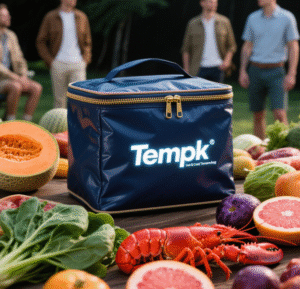
Available in diverse sizes, styles, and closures (from zip locks to Velcro straps), thermal bags adapt to varied needs—from small food orders to bulk pharmaceutical shipments. They’re a cornerstone of modern cold chain logistics, bridging the gap between perishable goods and safe delivery.
Why Use Hot and Cold Thermal Bags?
1. Preserve Perishable Goods Safely
For food delivery, thermal bags prevent hot meals from cooling below safe serving temps (which can breed bacteria) and stop cold items (like salads or dairy) from warming up and spoiling. In pharma, they safeguard vaccines, biologics, and insulin—products where even minor temperature fluctuations can render them ineffective or dangerous.
2. Portability Meets Practicality
Lightweight and compact, thermal bags eliminate the need for bulky refrigeration units in last-mile delivery, food trucks, or small-scale logistics. Their easy-to-carry designs (with ergonomic handles or adjustable straps) make them ideal for couriers, caterers, or on-the-go businesses.
3. Cost-Effective Temperature Control
Unlike expensive refrigerated trucks or active cooling systems, thermal bags require no electricity or complex setups. They’re a budget-friendly alternative that delivers consistent results, reducing operational costs while boosting efficiency.
4. Versatile for Every Industry
From restaurant takeout and event catering to grocery e-commerce and medical supply chains, thermal bags adapt to nearly any scenario. Need to keep coffee hot for a morning commute? Or transport a vaccine shipment across town? Thermal bags handle it all.
5. Eco-Friendly Choice
Many thermal bags are reusable and made with recyclable materials, cutting down on single-use plastic waste. By choosing sustainable options like Tempk’s, businesses align temperature control with eco-conscious practices.
How Do Hot and Cold Thermal Bags Work?
Thermal bags rely on insulation science to maintain temperatures. Their layered construction traps air (a poor conductor of heat) between materials like aluminum foil, polyethylene foam, or Mylar. This “thermal barrier” slows heat transfer:
- Cold Items: The bag blocks warm outdoor air from entering, keeping internal temps low. Adding gel packs or ice boosts cooling power for longer durations.
- Hot Items: Insulation traps heat inside, preventing it from escaping into the environment, ensuring meals or liquids stay warm.
This simple yet effective design makes thermal bags a go-to for cold chain logistics.
Where Are Hot and Cold Thermal Bags Used?
1. Food Delivery & Catering
Restaurants, meal-kit services, and food trucks use thermal bags to keep hot dishes (pizza, fries) warm and cold apps (salads, sushi) fresh during delivery. Caterers rely on them for events, ensuring banquets or outdoor gatherings have perfectly tempered food.
2. Pharmaceutical Logistics
Pharma companies and medical couriers depend on thermal bags to transport vaccines, blood samples, and temperature-sensitive meds. They meet strict regulatory requirements (like FDA or WHO guidelines) for cold chain integrity.
3. E-Commerce & Grocery Shipping
With the rise of online grocery and fresh-food delivery, thermal bags are critical for preserving perishables like meats, dairy, and pre-made meals. They bridge the gap when refrigerated trucks aren’t feasible for last-mile delivery.
4. Personal & Outdoor Use
From keeping drinks cold at a picnic to storing leftovers during a road trip, thermal bags are a household staple. Their portability makes them a practical choice for everyday temperature control.
Why Tempk’s Thermal Bags Stand Out in Cold Chain Logistics
Tempk’s Thermal Bags combine cutting-edge insulation with user-centric design, making them the top choice for businesses needing reliable temperature control:
1. Premium Insulation Technology
Tempk uses multi-layered, food-grade insulation materials (including reflective aluminum and high-density foam) to maximize heat retention or exclusion. This ensures hot items stay hot for 6+ hours and cold items remain chilled for 8+ hours—even in extreme weather.
2. Built for Durability
Crafted from tear-resistant, waterproof fabrics, Tempk bags withstand rough handling, punctures, and moisture. They’re designed for daily use in busy logistics environments, from delivery vans to outdoor events.
3. Customizable Sizing & Styles
Whether you need a small 8L bag for individual orders or a large 30L bag for bulk shipments, Tempk offers a range of sizes. Choose from insulated totes, backpacks, or duffel styles to match your brand or operational needs.
4. Eco-Conscious Materials
Tempk prioritizes sustainability, using recyclable and reusable materials (many of which are 100% post-consumer recycled). Their bags reduce single-use plastic waste, aligning with global efforts to green logistics.
5. User-Friendly Design
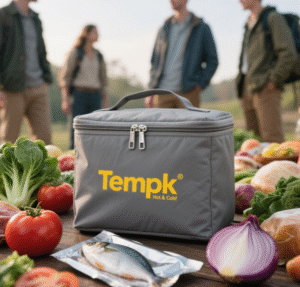
Ergonomic handles, secure zip closures, and reinforced seams ensure safe transport. Lightweight yet sturdy, Tempk bags are easy to carry, load, and unload—saving time and effort in fast-paced workflows.
Conclusion
Hot and cold thermal bags are more than just packaging—they’re a lifeline for perishable goods in cold chain logistics. By maintaining precise temperatures, they protect product quality, safety, and compliance. Tempk’s Thermal Bags take this a step further, offering superior insulation, durability, and sustainability to meet the evolving needs of modern businesses. Whether you’re delivering food, pharmaceuticals, or personal items, Tempk ensures your products arrive fresh, safe, and on time—every time.
HDPE Ice Packs for Cold Chain | Tempk’s Durable Cooling

Why HDPE Ice Packs Are a Cold Chain Staple
In the fast-paced world of cold chain logistics—where keeping vaccines, seafood, and meds at the right temp is non-negotiable—HDPE ice packs are the unsung heroes. These tough, reusable packs are built to last, making them a go-to for shippers who need reliable cooling without the hassle. Let’s break down why they matter, and why Tempk’s dry ice packs take performance to the next level.
What Are HDPE Ice Packs? (Simple Explanation)
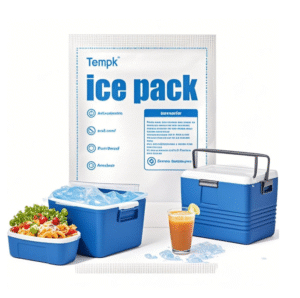
HDPE (High-Density Polyethylene) ice packs are like “portable coolers” for freight. They’re made with a thick, durable plastic shell (HDPE) that resists punctures, cracks, and leaks—so they won’t fail you mid-shipment. The inside is filled with a non-toxic gel or liquid that freezes solid, storing cold energy to keep your cargo cool for hours. Whether you’re shipping across town or across the country, HDPE packs deliver steady cooling without mess.
Why HDPE Ice Packs Shine in Cold Chain Logistics
- Tough as Nails: HDPE shells stand up to rough handling, crushed boxes, and even the occasional drop. No leaks, no spills—just reliable cooling.
- Long-Lasting Cold: Frozen HDPE packs keep temps stable for hours, even on hot days or long hauls. Perfect for food, pharma, and anything that can’t afford a temp spike.
- Cost-Smart Reusable: Use ’em hundreds of times—freeze, pack, repeat. No single-use ice bags to toss, no big bills for refrigerated trucks.
- Safe for *Everything*: Non-toxic gel means they’re food-safe, pharma-safe, and baby-safe. No chemicals creeping into your products.
- Eco-Friendly Choice: Reuse ’em, save waste. Less plastic in landfills, better for the planet.
Where HDPE Ice Packs Save the Day
- Food Shipping: Keep seafood, meats, and dairy frosty—no slimy salads or melted ice cream. Ideal for meal kits, grocery deliveries, and restaurant restocks.
- Pharmaceuticals: Vaccines, insulin, and blood samples stay in the 2–8°C “safe zone” during cross-country trips—no ruined doses.
- Medical Devices: Diagnostic tools and samples stay cool, so hospitals get tools that work when they need them.
- E-Commerce: Online grocers and beauty brands rely on HDPE packs to keep “perishables by post” fresh—happy customers, no returns.
Why Tempk’s Dry Ice Packs Are the Cold Chain Upgrade
While HDPE packs are great, Tempk’s Dry Ice Packs take cooling to the max:
- Colder, Longer Hold: Tempk packs hit –78°C (way colder than regular ice) and stay cold 60% longer. Perfect for ultra-sensitive stuff like vaccines or specialty foods.
- Leak-Proof & Mess-Free: No drippy gel, no crumbles. Just solid, drip-free cooling that’s easy to handle.
- Smart Design: Pressure-relief channels stop ballooning, color-coded labels show charge status, and stacks save trailer space.
- Eco-Conscious: Reusable 100+ times, Tempk packs cut plastic waste and save cash long-term.
Wrapping Up: HDPE Ice Packs = Cold Chain Success
HDPE ice packs aren’t just “accessories”—they’re the backbone of reliable cold chain logistics. With Tempk’s dry ice packs, you get even longer cooling, zero mess, and a clear conscience (thanks to reuse). Whether you’re moving vaccines across states or fresh fish to a local market, they keep your cargo cold, safe, and ready to sell.
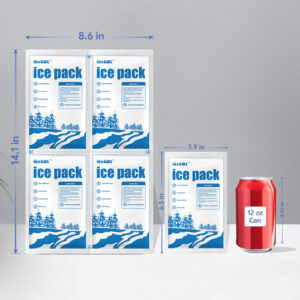
Ready to upgrade your cold chain game? Grab Tempk’s HDPE ice packs today—your products (and customers) will thank you.
Gel Pack Freezers for Cold Chain
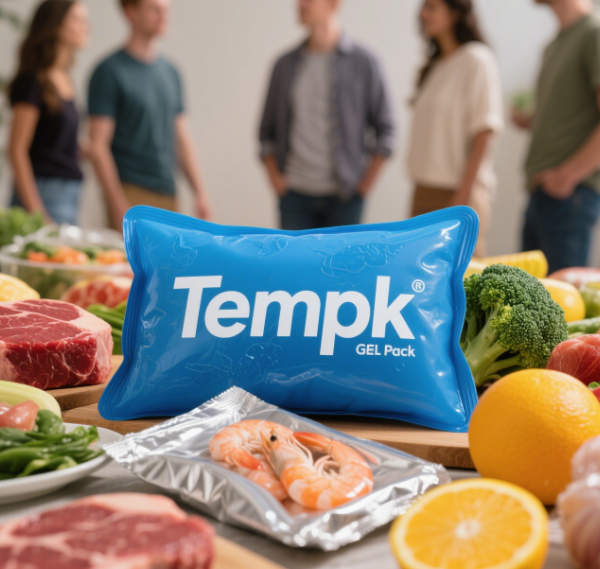
Why Gel Pack Freezers Are a Cold Chain Game-Changer
In the world of cold chain logistics—where keeping vaccines, seafood, and skincare fresh during transit is non-negotiable—gel pack freezers are the unsung heroes. These specialized units don’t just freeze water; they transform specially formulated gel packs into reliable, reusable cooling tools that keep goods at the exact temp they need, no matter the distance. Let’s break down why they matter, and why Tempk’s gel ice packs take performance to the next level.
What Are Gel Pack Freezers? (Simple Explanation)
Gel pack freezers are like “cooling stations” for your cold chain. They’re machines designed to freeze thick, non-toxic gel packs—think of them as portable cold batteries. Once frozen, these packs store cold energy, ready to absorb heat during shipping. Unlike messy ice or single-use dry ice, gel packs stay firm longer, keeping your cargo at steady temps (chilled or frozen) without leaks or mess.
Why Gel Pack Freezers Rule Cold Chain Logistics
- Consistent Cooling, No Surprises: Need to keep meds at 2–8°C? Frozen fish at –18°C? Gel pack freezers ensure packs are consistently frozen, so they deliver steady cooling—even on long hauls or hot days. No more “warm spots” ruining your goods.
- Cost-Smart Over Refrigerated Trucks: Renting a reefer van? Expensive. Gel packs let you ship in standard boxes with built-in cooling—saving cash while keeping products safe. Plus, reuse packs hundreds of times to cut waste.
- Space-Saving & Efficient: Gel pack freezers are compact and quick-freezing, so businesses with tight storage can stockpile frozen packs without clutter. No bulky freezers taking up warehouse space.
- Safe for *Everything*: The gel inside is non-toxic, FDA-approved, and food-safe. Perfect for vaccines, seafood, cosmetics—you name it. No risky chemicals, just reliable cooling.
- Long-Lasting Cooling Power: Gel packs hold cold 30% longer than generic ice packs. Critical for 2-day shipping windows or international routes—no mid-route thaws.
Where Gel Pack Freezers Shine (Real-World Examples)
- Pharmaceuticals: Vaccines, insulin, and blood samples stay in the 2–8°C “safe zone” during cross-country hauls—no more ruined doses.
- Frozen Food Shipping: Seafood, meat, and ice cream stay frozen solid, so restaurants get fresh ingredients, and grocers avoid “melted mess” returns.
- E-Commerce Deliveries: Online grocers and beauty brands rely on gel packs to keep “perishables by post” fresh—no customer complaints about thawed ice cream.
- Medical Device Transport: Diagnostic samples and devices stay cool, ensuring they work when they reach hospitals or labs.
Why Tempk’s Gel Ice Packs Are the Cold Chain Upgrade You Need
Not all gel packs are built equal. Tempk’s are engineered for performance and sustainability:
- Cooler, Longer: Tempk packs hold cold 30% longer than generic brands—critical for 2-day shipping windows or international routes.
- Leak-Proof & Puncture-Resistant: No sticky gel spills in your shipment. Our rugged, food-grade plastic shells stand up to rough handling.
- Sizes for Every Job: From tiny 500g packs for meds to 5kg monsters for pallets—we’ve got your shipment size covered.
- Non-Toxic & Safe: Made with FDA/CE-approved materials—perfect for food, pharma, and baby products (no weird chemicals).
- Eco-Conscious: Reusable 100+ times, Tempk packs cut plastic waste and save you money long-term.
Wrapping Up: Gel Pack Freezers = Cold Chain Success
Gel pack freezers aren’t just “tools”—they’re the backbone of reliable cold chain logistics. With Tempk’s premium gel ice packs, you get longer cooling, zero mess, and a clear conscience (thanks to reuse). Whether you’re moving vaccines across states or artisanal cheese across borders, they keep your cargo cold, safe, and ready to sell.
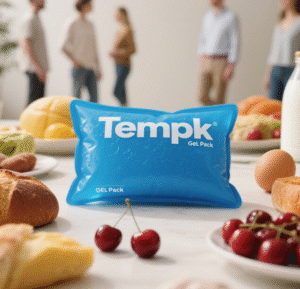
Ready to upgrade your cold chain game? Grab Tempk’s gel ice packs today—your products (and customers) will thank you.
Gel Ice Packs for Shipping: Reliable Cooling Solutions

Why Gel Ice Packs Are a Shipping Must-Have
In today’s fast-paced logistics world, getting perishables from A to B without ruining them is non-negotiable. Whether you’re moving vaccines, fresh seafood, or skincare sets, gel ice packs for shipping are the unsung heroes keeping products safe and fresh. Unlike messy ice cubes or single-use dry ice, these reusable, temperature-stable packs deliver consistent cooling—so your cargo arrives just as it left. Let’s dive into why they’re a cold chain staple, and why Tempk’s version stands out.
What Are Gel Ice Packs? (Simple Explanation)
Gel ice packs are basically “portable coolers” for shipments. They’re flexible, leak-proof pouches filled with a non-toxic, water-based gel that freezes solid. When popped in a freezer overnight, they store cold energy—ready to absorb heat during transit. Unlike flimsy ice packs that melt into a puddle, gel packs stay firm longer, keeping your goods at the exact temp they need (chilled or frozen).
Why Gel Ice Packs Beat Other Cooling Solutions
- Temperature Control That Doesn’t Quit: Need to keep meds at 2–8°C? Frozen fish at –18°C? Gel packs lock in steady temps for hours—no wild swings that spoil products.
- No More Spoilage Headaches: For food, that means less waste; for pharma, it means life-saving meds stay effective. Gel packs nip bacterial growth and enzyme breakdown in the bud.
- Cost-Savvy Over Refrigerated Trucks: Renting a reefer van? Expensive. Gel packs let you ship in standard boxes with built-in cooling—saving cash without cutting corners.
- Eco-Friendly & Reusable: Most gel packs can be frozen 50+ times. No single-use ice bags to toss, no dry ice fumes—just repeat, reduce, recycle.
- Works for *Everything*: Small enough for a pizza box, big enough for a pallet. Gel packs adapt to any shipment size, from cosmetics to vaccines.
Where Gel Ice Packs Shine (Real-World Examples)
- Pharma & Biotech: Vaccines, insulin, and blood samples stay in the 2–8°C “sweet spot” during cross-country hauls—no more ruined doses.
- Food Shipping: Seafood, dairy, and ready meals stay frozen or chilled, so restaurants get fresh ingredients, and grocers avoid “melted mess” returns.
- Cosmetics & Skincare: Serums, creams, and perfume stay cool (no heat-induced separation)—so your customers get products that work.
- E-Commerce: Online grocers and beauty brands rely on gel packs to keep “perishables by post” fresh—no customer complaints about thawed ice cream.
Why Tempk’s Gel Ice Packs Are the Upgrade You Need
Not all gel packs are created equal. Tempk’s are built for performance and sustainability:
- Cooler, Longer: Tempk packs hold cold 30% longer than generic brands—critical for 2-day shipping windows or international routes.
- Leak-Proof & Puncture-Resistant: No sticky gel spills in your shipment. Our rugged, food-grade plastic shells stand up to rough handling.
- Sizes for Every Job: From tiny 500g packs for meds to 5kg monsters for pallets—we’ve got your shipment size covered.
- Non-Toxic & Safe: Made with FDA/CE-approved materials—perfect for food, pharma, and baby products (no weird chemicals).
- Eco-Conscious: Reusable 100+ times, Tempk packs cut plastic waste and save you money long-term.
Wrapping Up: Gel Ice Packs = Shipping Success
Gel ice packs aren’t just “accessories”—they’re the backbone of reliable cold chain shipping. With Tempk’s premium gel packs, you get longer cooling, zero mess, and a clear conscience (thanks to reuse). Whether you’re moving vaccines across states or artisanal cheese across borders, they keep your cargo cold, safe, and ready to sell.
Ready to upgrade your shipping game? Grab Tempk’s gel ice packs today—your products (and customers) will thank you.
Keep Your Lunch Fresh with Gel Ice Packs for Lunch Bags

The Importance of Keeping Lunch Cool
Packing lunch has become a daily routine for many, whether it’s for work, school, or a picnic. As more people opt for homemade meals, keeping these meals fresh and at the right temperature is crucial. No one likes to open a lunch bag only to find that their sandwich has wilted or that their yogurt has gone warm. This is where gel ice packs for lunch bags come into play. They offer a simple, efficient, and eco-friendly solution to maintain the temperature of your meals and snacks.
In this article, we’ll explore how gel ice packs work, why they are essential for lunch bags, and how Tempk’s Gel Ice Packs offer top-notch performance for keeping your food cool and safe.
What Are Gel Ice Packs?
Gel ice packs are cooling devices filled with a non-toxic gel that can be frozen and used to keep food cool for hours. The gel inside the pack has a high heat retention capacity, which allows it to absorb and hold cold, ensuring that your lunch remains fresh throughout the day. These ice packs are typically enclosed in a durable plastic or fabric pouch, making them easy to handle and use.
The beauty of gel ice packs lies in their simplicity and effectiveness. Unlike traditional ice, gel packs do not melt into water, eliminating the mess and leakage. Instead, they maintain a consistent cooling temperature, making them ideal for lunch bags, coolers, or any container where temperature control is needed.
Why Gel Ice Packs Are Essential for Lunch Bags
Preserving Freshness: The primary function of gel ice packs is to keep food cool, which is essential for perishable items like dairy products, meats, and fresh fruits. Maintaining a stable temperature helps preserve the texture, taste, and safety of your food, reducing the risk of spoilage.
Convenience and Portability: Gel ice packs are designed to be lightweight and compact, making them easy to slip into a lunch bag. Their flexibility allows them to fit in various bag sizes, from small lunch boxes to larger insulated coolers.
Non-Toxic and Safe: Many gel ice packs are made from non-toxic materials, ensuring they are safe for use around food. This is important for parents packing lunches for their children, as it guarantees that the ice packs are free from harmful chemicals.
Long-Lasting Cooling: Unlike ice cubes that melt quickly, gel ice packs provide long-lasting cooling. They can keep your lunch at the right temperature for hours, ensuring that it remains safe to eat when it’s time to enjoy it.
Eco-Friendly and Reusable: Gel ice packs are reusable, making them an environmentally friendly option. By using them multiple times, you reduce waste and the need for disposable cooling products.
How Gel Ice Packs Work
Gel ice packs are designed to be frozen before use. The gel inside the pack is a phase-change material, which means it can absorb and release heat efficiently. When the gel is frozen, it reaches a temperature lower than that of the surrounding environment. As the gel absorbs heat, it remains solid for a longer period, providing sustained cooling to the items around it.
The gel is contained in a leak-proof pouch, which prevents any mess or leakage, ensuring that the lunch bag stays dry. Once the gel pack reaches its maximum cooling capacity, it starts to warm up and return to a liquid state. However, because it absorbs heat gradually, the cooling effect lasts longer compared to traditional ice.
Benefits of Tempk’s Gel Ice Packs
Tempk’s Gel Ice Packs are designed with both performance and convenience in mind. Here are some of the key advantages of Tempk’s Gel Ice Packs for lunch bags:
Superior Cooling Performance: Tempk’s Gel Ice Packs are engineered to provide longer-lasting cooling compared to traditional ice or gel packs. They are perfect for long workdays, school hours, or day trips where you need your food to stay fresh.
Durability and Leak-Proof Design: Tempk’s gel packs are made from durable, high-quality materials that resist punctures and leaks. This ensures that the cooling gel stays contained, and you don’t have to worry about any mess in your lunch bag.
Compact and Flexible: Tempk’s Gel Ice Packs are designed to fit into a variety of lunch bags and containers. Their flexible design allows them to mold to the shape of your lunch, providing even cooling across the food, ensuring that everything stays at the right temperature.
Non-Toxic and Safe: Tempk’s Gel Ice Packs are made with non-toxic materials, ensuring that they are safe for use around food. This is ideal for families, schools, and anyone concerned about using safe, eco-friendly products.
Reusable and Eco-Friendly: Tempk’s Gel Ice Packs are reusable, helping reduce waste and save money over time. By using the packs multiple times, you can contribute to a more sustainable lifestyle while ensuring that your food stays fresh.
Conclusion

Gel ice packs are an essential tool for maintaining the freshness and safety of your food, especially when packing lunches for work, school, or travel. They offer a convenient, eco-friendly, and effective way to keep perishable items cool throughout the day. Tempk’s Gel Ice Packs provide superior cooling, durability, and safety, making them the perfect choice for anyone looking to keep their lunch fresh and cool. With Tempk’s Gel Ice Packs, you can rest assured that your meals will stay at the right temperature, no matter how long they’re in transit.
Fun Ice Packs for Lunch Boxes-Keep Food Fresh
The Growing Popularity of Lunch Box Ice Packs
Packing a lunch is an everyday task for many, whether it’s for school, work, or picnics. As the demand for healthier and more cost-effective meal options grows, lunch boxes have become an essential part of daily life. However, one challenge remains: ensuring that the food stays fresh until it’s time to eat. This is where fun ice packs for lunch boxes come into play. Not only do these ice packs keep food at a safe and desirable temperature, but they can also add a bit of fun to the lunch experience.
In this article, we’ll explore the importance of ice packs for lunch boxes, their benefits, and how Tempk’s ice packs stand out with their unique features, making them the perfect solution for keeping food fresh and enjoyable.
Why Use Ice Packs for Lunch Boxes?
The main goal of using ice packs in lunch boxes is to maintain the right temperature for perishable food, preventing spoilage and ensuring that meals stay fresh throughout the day. Whether it’s a sandwich, yogurt, or fruit, certain foods require a stable temperature to remain safe to eat. Ice packs are crucial for providing this temperature control and extending the shelf life of your lunch.
In addition to keeping food cold, ice packs also help reduce the need for refrigeration. This is especially important when you’re on the go or don’t have access to a fridge during the day. Ice packs help prevent the growth of bacteria, keeping food safer for longer, which is essential for health-conscious individuals and parents packing school lunches.
Fun and Practical Designs for All Ages
Gone are the days of boring, traditional ice packs. Today, ice packs come in a variety of fun designs, which can make lunchtime more enjoyable, especially for kids. From ice packs shaped like animals, fruits, or popular cartoon characters, they add a touch of personality to the lunch box. Fun ice packs encourage kids to take ownership of their lunch while also learning about the importance of food safety and keeping meals fresh.
These playful designs don’t compromise on performance either. Behind the fun exterior, many modern ice packs are made from high-quality materials that provide excellent cooling power while being safe and easy to use.
Key Benefits of Using Ice Packs for Lunch Boxes
Temperature Control: The primary benefit of using an ice pack is maintaining the correct temperature for food, ensuring that perishable items such as dairy, meat, and fruits stay fresh.
Prevention of Spoilage: Ice packs help slow down the bacteria growth process by keeping food at a consistent cool temperature, thus reducing the risk of foodborne illnesses.
Portability: Ice packs are designed to be portable and fit easily into lunch boxes, making them perfect for school, work, or travel.
Reusable and Eco-Friendly: Many ice packs are reusable, making them a cost-effective and environmentally friendly solution compared to single-use options. By reducing waste, reusable ice packs contribute to a more sustainable lifestyle.
Cost-Effective: Using an ice pack in a lunch box can save money in the long run by preventing food waste and reducing the need for refrigeration. It allows you to pack fresh meals without worrying about spoilage.
The Advantages of Tempk’s Ice Packs
Tempk’s ice packs are designed with both performance and convenience in mind. Here are some of the key benefits of Tempk’s ice packs for lunch boxes:
Long-Lasting Cooling: Tempk’s ice packs are engineered to provide long-lasting cooling, ensuring that food stays fresh throughout the day, even during long hours at school or work.
Durable Construction: Made from high-quality, puncture-resistant materials, Tempk’s ice packs are designed to last and withstand everyday wear and tear. They’re perfect for the hustle and bustle of busy daily routines.
Flexible Designs: Tempk offers a variety of ice pack shapes and sizes, including slim designs that fit perfectly into lunch boxes, providing flexibility to accommodate different types of containers.
Safe and Non-Toxic: Tempk’s ice packs are filled with non-toxic gel, ensuring that they are safe to use around food. This makes them an ideal choice for families and those who are concerned about using chemical-free products.
Eco-Friendly: Tempk’s ice packs are reusable, helping to reduce plastic waste and contribute to a more sustainable lifestyle. With a longer lifespan, they provide an environmentally conscious solution for keeping food cool.
Leak-Proof Design: Tempk’s ice packs feature a leak-proof design, ensuring that there are no messes inside your lunch box. The gel stays contained, and you don’t need to worry about leaks or spills when carrying them around.
Customizable Options: Whether you’re looking for ice packs that fit into a compact lunch box or larger ones for bigger containers, Tempk provides customizable options to suit your specific needs.
Conclusion

Fun ice packs are an essential part of packing a healthy and fresh lunch, especially for those on the go. They keep food at the optimal temperature, ensuring that meals remain safe, fresh, and appetizing throughout the day. Tempk’s ice packs offer the perfect blend of performance, durability, and eco-friendly design, making them an excellent choice for both kids and adults alike. By using Tempk’s ice packs, you can enjoy the convenience of packing fresh meals while reducing waste and maintaining food safety standards.
The Importance of Frozen Food Cold Shipping Boxes
The Critical Role of Cold Shipping Boxes in Frozen Food Logistics
In today’s global food industry, the demand for frozen food continues to grow, with consumers expecting fresh, frozen products to be delivered in pristine condition. However, transporting frozen food poses significant challenges, especially when it comes to maintaining the correct temperature throughout the shipping process. This is where frozen food cold shipping boxes play a vital role.
These specialized boxes are designed to maintain a stable, cold temperature for frozen food items, ensuring that they arrive at their destination in optimal condition. From ice cream and frozen vegetables to meat and seafood, the integrity of these products depends on efficient packaging solutions. In this article, we will explore the benefits and importance of frozen food cold shipping boxes and how Tempk’s insulated shipping boxes provide a reliable solution for businesses in the food industry.
Why Frozen Food Requires Cold Shipping Boxes
Frozen food products are highly sensitive to temperature changes. A slight rise in temperature can cause these products to thaw, resulting in spoilage, bacterial growth, and a decline in quality. Cold shipping boxes are designed to prevent these issues by providing insulation and temperature regulation during transportation.
Traditional packaging methods, such as cardboard boxes, are insufficient for maintaining the required cold temperature, particularly when goods are transported over long distances or in warmer climates. Insulated shipping boxes, on the other hand, use advanced materials that provide effective thermal protection, keeping frozen food products at the desired temperature for extended periods.
Key Features of Frozen Food Cold Shipping Boxes
Insulation: The primary function of cold shipping boxes is to provide insulation that helps maintain a stable internal temperature. These boxes are made from materials such as expanded polystyrene (EPS), polyurethane foam, or recyclable materials that prevent heat transfer and keep the cold air inside.
Durability: Cold shipping boxes are designed to withstand the rigors of transport. They are durable enough to protect products from damage due to handling, stacking, or external pressure. This durability ensures that the frozen food products remain safe during transit.
Temperature Retention: The effectiveness of cold shipping boxes lies in their ability to retain cold for an extended period. Whether using dry ice, gel packs, or other cooling agents, insulated shipping boxes ensure that frozen food remains at the appropriate temperature, even during long transport times.
Ease of Use: These boxes are designed to be easy to pack, handle, and stack. Their user-friendly design ensures that businesses can efficiently ship frozen food products without worrying about complications in packaging or handling.
Applications of Cold Shipping Boxes in Frozen Food Logistics
Food Delivery Services: With the rise of home delivery services, frozen food needs to be delivered to customers’ doors without compromising quality. Cold shipping boxes are essential for maintaining the cold chain from the warehouse to the customer’s home, ensuring that frozen meals, desserts, and other items remain fresh upon arrival.
Grocery and E-Commerce Shipments: Online grocery shopping has seen a significant increase in popularity. For e-commerce retailers who sell frozen foods, insulated shipping boxes are crucial for maintaining the cold chain during the last-mile delivery, ensuring that frozen products reach customers in excellent condition.
Wholesale Distribution: For businesses that distribute frozen food products in bulk, such as wholesalers and suppliers, cold shipping boxes are used to transport large quantities of frozen goods to various locations, from supermarkets to restaurants. These boxes help maintain the quality of frozen food products throughout the entire supply chain.
Export and International Shipping: For international shipments, particularly across long distances or different climates, frozen food products must be kept at the correct temperature. Insulated shipping boxes are essential for protecting frozen food during export, ensuring that products arrive in perfect condition, no matter how far they have traveled.
The Advantages of Tempk’s Insulated Shipping Boxes
Tempk’s insulated shipping boxes provide a high-performance solution for frozen food logistics. Here are some of the key advantages of using Tempk’s boxes:
Advanced Insulation Technology: Tempk’s insulated shipping boxes are designed with multi-layer insulation, providing superior temperature retention. This ensures that frozen food remains at the optimal temperature throughout transit, even during extended shipping times.
Customizable Sizes: Tempk offers insulated shipping boxes in various sizes to meet the specific needs of different frozen food products. Whether you’re shipping small batches of frozen snacks or large quantities of bulk frozen meat, Tempk can provide the perfect fit for your needs.
Durability and Protection: Tempk’s boxes are made from high-quality, durable materials that are resistant to punctures and damage. This ensures that the frozen food remains protected during handling, transportation, and delivery.
Eco-Friendly Materials: Tempk is committed to sustainability, and their insulated shipping boxes are made from recyclable materials. By using Tempk’s boxes, businesses can reduce their environmental impact while still ensuring safe and efficient transport of frozen food.
Cost-Effective Solution: Tempk’s insulated shipping boxes offer excellent value for money. Their durability and efficiency help reduce shipping costs, while their long-lasting insulation capabilities ensure that frozen food stays safe and fresh during transit.
Conclusion
Frozen food cold shipping boxes are essential for ensuring that temperature-sensitive products remain fresh and safe during transit. From food delivery services to international exports, these boxes provide the necessary insulation and protection to maintain the integrity of frozen food products. Tempk’s insulated shipping boxes offer superior insulation, durability, and eco-friendly features, making them the ideal choice for businesses looking to improve their cold chain logistics. By choosing Tempk’s boxes, businesses can reduce costs, minimize environmental impact, and ensure the safe delivery of frozen food to customers worldwide.
Freezer Packs: Silent Workhorses of the Global Cold Chain
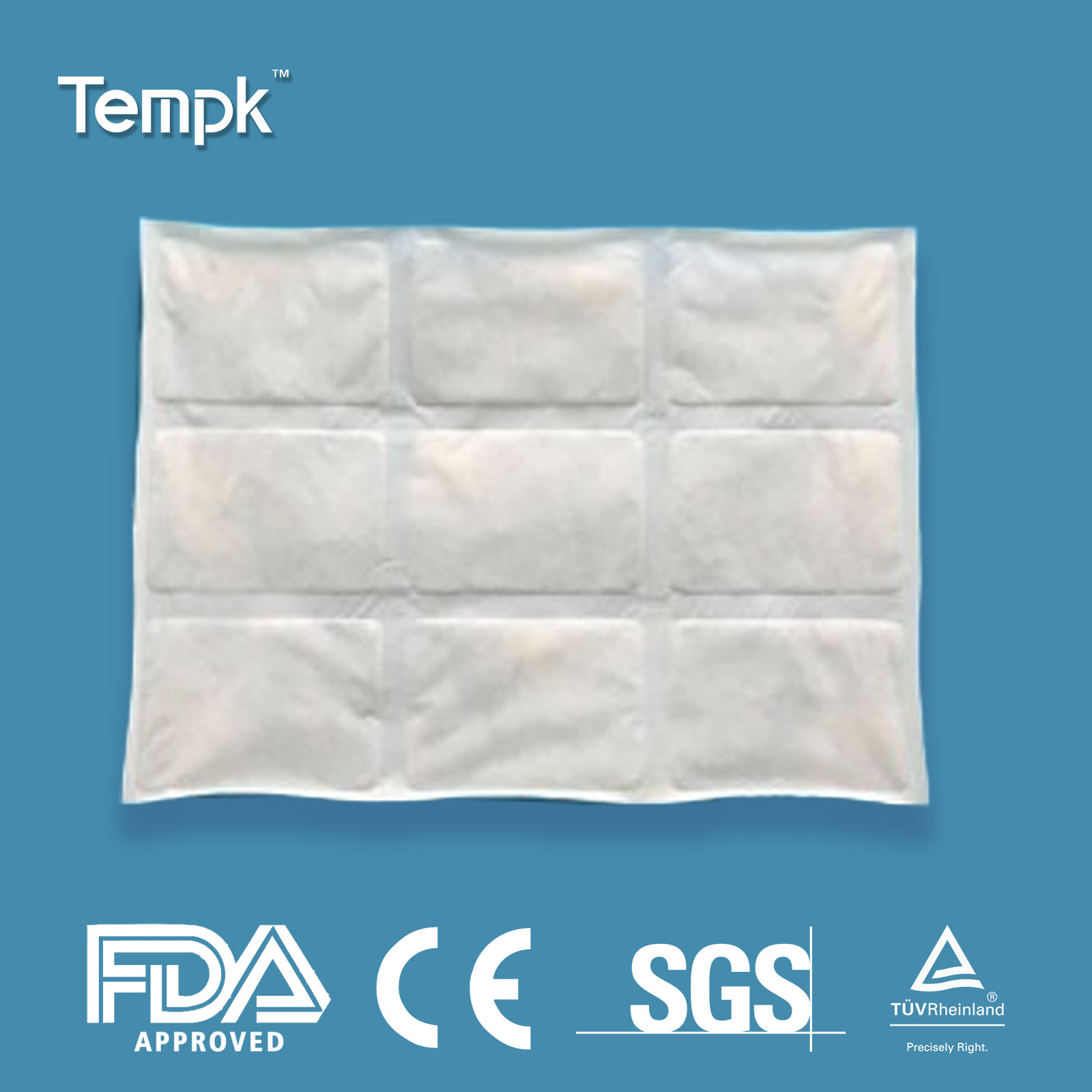
The Unsung Hero Behind Every Temperature-Safe Delivery
From freshly shucked oysters flown overnight to life-saving vaccines crossing continents, billions of temperature-sensitive parcels move daily. Power-hungry reefers and sophisticated data loggers grab headlines, yet the true frontline guardians are humble freezer packs—compact thermal batteries that absorb ambient heat and buy crucial hours when external refrigeration is impossible or impractical.
Engineering the Perfect Phase-Change Companion
Unlike melting ice (0 °C) or water-based gel pads that quickly plateau, today’s freezer packs use carefully selected phase-change materials (PCMs) that solidify well below the danger zone for food safety. A rugged HDPE or multilayer PET shell houses the PCM, stays dry as it melts or sublimates, and resists puncture from carton edges and pallet straps. Bricks, slabs and flexible sheets are tailored to nestle between products or line cooler walls, delivering consistent surface contact—and therefore consistent temperature—throughout the load.
Versatile Applications Across the Supply Chain
Perishable Foods: Fish exporters layer packs above and below fillets, ensuring core temperatures stay under –18 °C despite tropical tarmac delays.
Meal-Kit & Grocery E-Commerce: Retailers combine large-format freezer packs with lighter PCM pouches to create multi-zone boxes—frozen pizza beneath, salad greens above—reducing dry-ice expense and preventing frostburn on produce.
Biopharma: Clinical labs ship trial samples in rack-friendly coolers; validated freezer packs guarantee a rock-solid 2–8 °C corridor for 72 h without powered support.
Disaster Relief: Field hospitals without reliable electricity rely on passive shippers charged with high-cap PCM bricks to stabilize blood products and insulin.
Sustainability and Cost Considerations
Reusable freezer packs slash single-use plastic waste and lower total cost of ownership after only a handful of trips. Because latent-heat capacity outweighs that of bulk ice by volume, shippers can load fewer packs, freeing payload space and trimming freight weight. In addition, airlines often treat properly sealed PCM packs as non-hazardous, streamlining paperwork and avoiding the emissions burden of diesel-powered reefers during air-side transfers.
Tempk Dry Ice Packs — Colder, Cleaner, Smarter
Tempk pushes the envelope with its dry ice pack technology:
Ultra-Cold Plateaus: A proprietary lattice locks solid CO₂ inside a vented, shatter-resistant cassette, holding –78 °C far longer than loose pellets.
Zero Mess Sublimation: Micro-channels release gas gradually—no pellet dust, puddles or soggy cartons—keeping labels legible and electronics uncompromised.
Stack-Efficient Geometry: Uniform 30 mm profiles convert any cooler or pallet box into a modular cold wall; colour-change dots tell staff the pack is fully charged at a glance.
Reusable Durability: Reinforced shells withstand >50 freeze-sublime cycles, lowering lifetime cost by up to 30 % versus one-and-done pellets.
Regulatory Ease: Encapsulated CO₂ below typical threshold limits travels without hazmat surcharges, simplifying global airfreight documentation.
Best-Practice Tips for Maximum Performance
Pre-Condition Everything: Chill boxes and product before loading so freezer packs expend energy on transit, not pull-down.
Create a Cold Wall: Place packs along each cooler side and lid; cold air sinks, so build upward layers.
Fill Voids: Use bubble liners or foam spacers to block convection currents that rob pack efficiency.
Monitor & Adjust: Log temperatures on early runs; data will inform the ideal pack-count-to-cargo ratio for future lanes.
Conclusion: A Small Investment With Outsized Impact
Freezer packs may lack the glamour of IoT sensors or autonomous refrigerated trucks, but they form the backbone of an agile, low-carbon cold chain. With advanced materials, thoughtful design and sustainable reuse, they keep delicate foods delicious and critical medicines potent—no matter how far they travel. Opting for Tempk’s dry ice packs takes this reliability to the extreme, delivering deeper cold, cleaner handling and undeniable savings. In a world that increasingly demands safe, prompt and eco-smart logistics, these compact powerhouses are more indispensable than ever.
Freezer Ice Packs for Coolers: Portable Cold-Chain Power

When the loading dock gives way to the open road, the humble hard-side cooler becomes a miniature cold-chain container. Whether it is stocking a food truck before a summer festival, hauling biologics to a remote vaccination clinic, or catering an off-grid film set, temperature control inside that cooler is the decisive factor between safe delivery and costly spoilage. Freezer ice packs for coolers offer a rugged, power-free solution—yet not all packs are created equal.
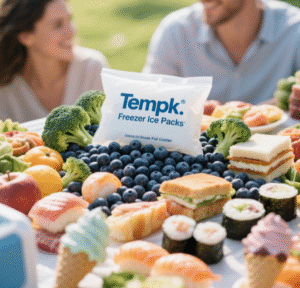
Why Coolers Need High-Performance Ice Packs
Standard water ice hovers at 0 °C and melts fast, leaving soggy packaging and uneven temperature distribution. By contrast, engineered freezer packs charge to –20 °C or colder, releasing latent heat slowly so the interior of the cooler remains below 4 °C for many hours. The right pack increases “lid-up” tolerance when customers dig for drinks, cuts compressor run-time in hybrid powered boxes, and avoids the weight penalty of block ice.
Core Design Elements
Outer Shell – Injection-moulded HDPE resists dents and doubles as a structural divider to keep delicate foods from shifting.
Phase-Change Fill – Eutectic gels or solid CO₂ maintain sub-zero plateaus far beyond the melting point of ice.
Form Factor – Brick-style modules slide neatly between cooler walls and perishables, maximising usable volume and eliminating the “cold-spots” common with loose ice cubes.
Field Applications
Outdoor Catering & Events: Chefs pre-chill entrée pans at headquarters, then rely on freezer packs to hold 0 – 3 °C for plating hours later under a marquee.
Mobile Healthcare: Rural EMS teams place vaccine vials in secondary pouches surrounded by freezer packs, ensuring WHO PQS temperature compliance without grid power.
Grocery Click-and-Collect: Supermarkets stage mixed-temperature totes curb-side; freezer packs isolate frozen treats for seamless customer pick-up.
Construction & Mining Camps: Provisioning crews use coolers packed with freezer bricks to ferry fresh protein to remote mess halls in 40 °C deserts.
Tempk Dry Ice Packs—Cooling Re-Engineered
Tempk’s dry ice pack series pushes cooler performance into ultra-cold territory:
–78 °C Core – A proprietary matrix locks solid CO₂ in a breathable lattice, delivering rapid pull-down and up to 48 % longer hold time than gel packs of similar size.
Clean Sublimation – Gas vents through micro-channels, so there is no pellet dust, puddles or condensation—keeping labels legible and electronics safe.
Stack-Smart Geometry – Uniform 30 mm profiles turn any cooler into a modular cold wall; colour “charge-ready” dots eliminate guesswork at shift change.
Reusable & Recyclable – Reinforced PET outer skins survive 50+ cycles, and end-of-life units enter standard plastics streams, supporting corporate ESG targets.
Regulatory Ease – Pre-packed CO₂ below 2.5 kg per container typically falls under non-hazardous exemptions, simplifying airfreight paperwork.
Best-Practice Packing Tips
Pre-condition the cooler overnight at –20 °C if possible.
Arrange Tempk dry ice packs along walls and lid; cold air sinks, so build upward layers.
Fill voids with insulation pads to block convective currents.
Log temperatures with a Bluetooth probe; data proves compliance and refines future pack counts.
Conclusion
From weekend catering runs to mission-critical pharma drops, freezer ice packs transform an ordinary cooler into a reliable, off-grid refrigerator. Tempk’s dry ice pack technology elevates that reliability with deeper cold, cleaner handling and robust reusability, ensuring that every kilometre—no matter how rough the road—finishes with cargo as fresh and safe as when it left the depot.