


Slim Ice Packs-Efficient Lunch Box Cooling Solutions
Slim Ice Packs-Efficient Lunch Box Cooling Solutions
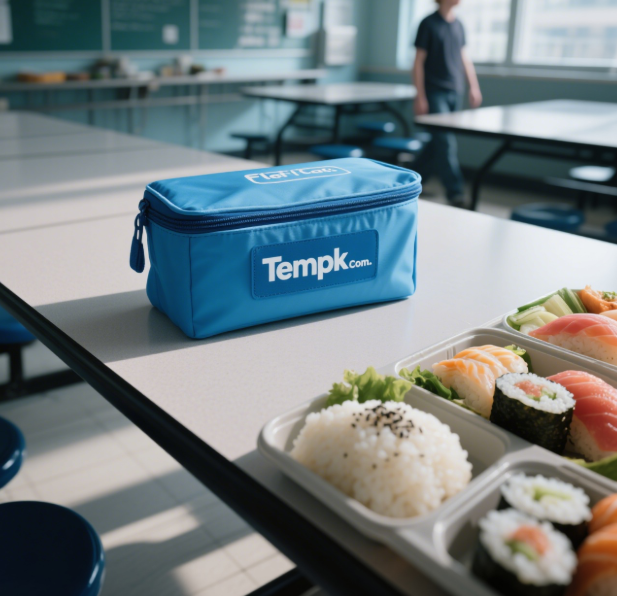
Flat Ice Packs: Essential Lunch Box Cooling Solutions
Flat ice packs keep lunches safely below 40°F (4°C) for over 6 hours without wasting space. These slim sheets slip between food layers in lunchboxes and meal kits, using direct contact to cool faster than bulky alternatives.

Why They Work Better:
✅ Maximize Surface Contact: Thin design hugs containers to pull heat out efficiently
✅ Space Savings: <0.5″ thick = more room for food
✅ Longer Cooling: Special gel holds cold 30% longer than ice cubes
✅ Sustained Safety: Keeps food out of USDA “danger zone” for 6+ hours
✅ Eco-Friendly: Reusable hundreds of times (cuts single-use waste)
Tempk Dry Ice Packs: The Performance Choice
➤ Arrive flat – Hydrate in minutes when needed
➤ 30% More Cooling than standard gel packs
➤ Cut-to-Fit Design: Foldable 9/12-cell quilt adapts to any container
➤ 100+ Reuses with puncture-resistant BPA-free film
➤ Certified: ISTA 7D compliant & food-safe
Hot/cold Food Delivery Bags Protecting Meals, Cutting Costs
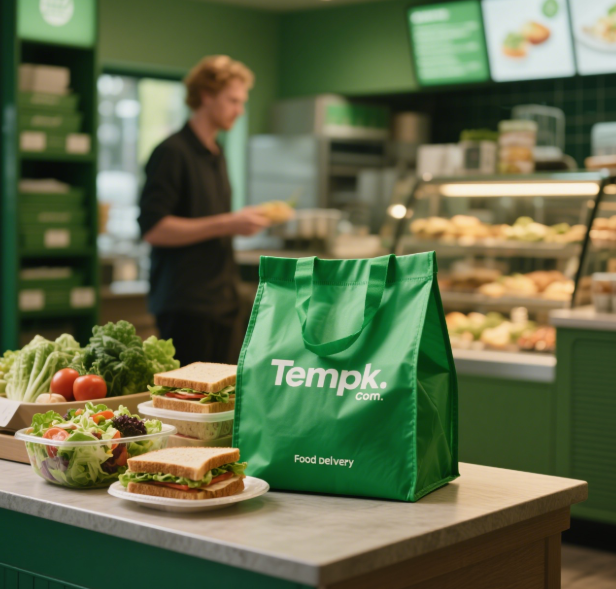
Insulated Food Delivery Bags: Protecting Meals, Cutting Costs
Fast-food delivery depends on speed and temperature control. Modern insulated bags use a triple-threat design:
➤ Tough recycled-PET outer shell
➤ Heat-reflective foil layer
➤ Thick PE foam core (8-12mm)
This combo blocks heat transfer in all directions while surviving grease, rain, and drops. Special features keep food perfect: rigid inserts prevent pizza sogginess, vented pockets manage steam, and wide zippers allow quick loading.
Key Advantages:
Folds flat – Saves 70%+ space in vehicles
Cut carbon by 70% vs virgin materials
6-week ROI – Fewer refunds + lower packaging costs
Replace 500+ disposable sleeves per bag
Market Growth: Delivery bag sales to double to 70B. Quality bags keep food hot >60°C for 6+ hours – beating app delivery windows.
Tempk’s Game-Changing Design:
➔ 8+ hour temperature hold (hot or cold)
➔ 360° reflective liner + 12mm foam
➔ Waterproof base & leak-proof seams
➔ 30% expandable capacity
➔ NSC tracking for compliance & ROI
➔ 100+ wash cycles (commercial grade)
➔ Certified: ISTA 7D & FDA compliant
Reusable Fabric Cooler Bags: Cold Chain Efficiency
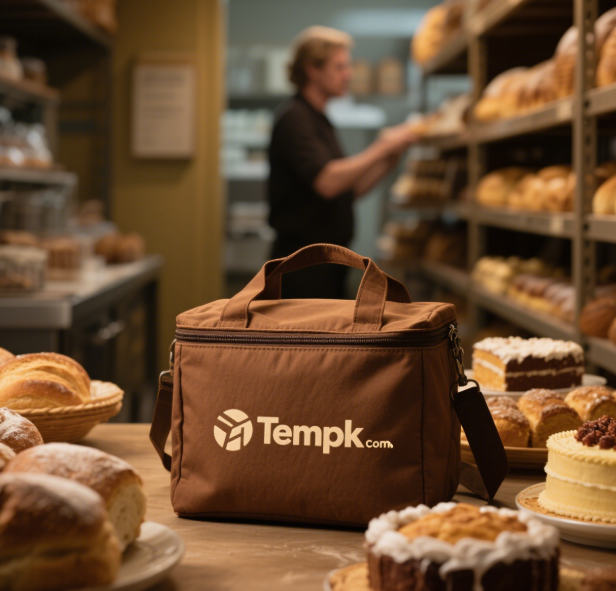
Fabric Cooler Bags: The Flexible Future of Cold-Chain Shipping
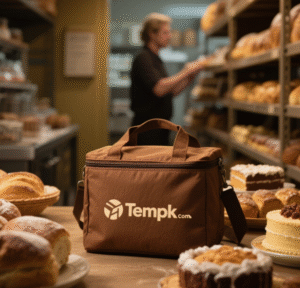
Fabric cooler bags are transforming temperature-controlled logistics by blending textile flexibility with reliable insulation. Unlike rigid boxes, these bags combine a tough outer shell (recycled PET or polyester) with an aluminum-foil liner and thick foam core. This design blocks heat transfer, protects fragile cargo, and folds flat when empty—slashing return shipping costs and storage space. Couriers benefit from ergonomic handles and leak-proof seams, while users get easy access to large compartments for vaccines, meals, or perishables.
Why the Shift to Fabric?
- Sustainability: Outer fabric made from recycled plastic bottles cuts carbon emissions by 70% vs. virgin materials.
- Less Waste: Modular ice-brick pockets allow coolant replacement, eliminating single-use foam packs.
- Cost Efficiency: Reusability reduces packaging expenses and landfill waste long-term.
Demand is surging, driven by meal-delivery services and outdoor markets. Experts predict the flexible cooler bag segment will double to $2.4B by 2033 as retailers ditch disposable EPS shippers.
Tempk’s Standout Features:
12+ hours at 2–8°C with Tempk ice bricks.
Expandable sides add 25% capacity + organized accessory pockets.
Commercial-grade durability: Waterproof base, reinforced stitching, and 100+ wash cycles.
Certified: FDA-compliant.
Cold-Chain Simplified: Why EPP Boxes are Game-Changers
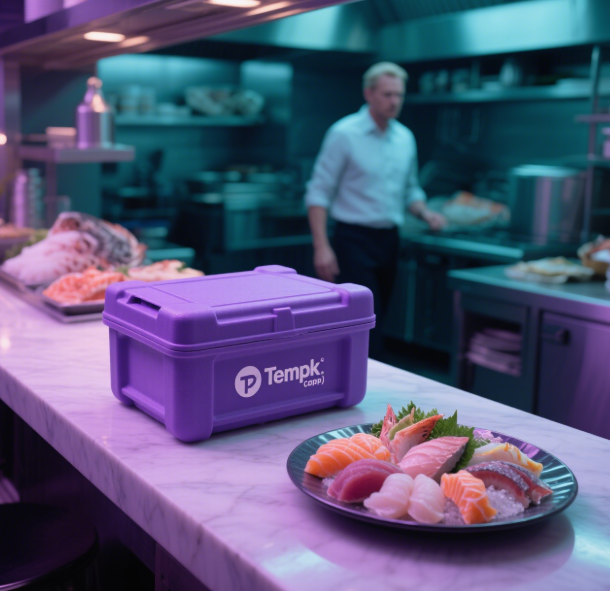
Expanded Polypropylene (EPP) boxes are transforming cold-chain shipping. Unlike disposable foam or cardboard, EPP is a super-tough, reusable foam. It bounces back from hits, stays insulating for years, and handles hundreds of shipments. For temperature-sensitive goods like vaccines or fresh seafood, this means fewer spoiled products, lower waste, and savings over time.
What Makes EPP Special?
EPP’s secret is its tiny air-trapping bubbles. This structure slows heat transfer both ways – keeping cold items cold and warm items stable. No chemical binders mean EPP is food-safe and odorless, ideal for sushi or medicines. It’s also ultra-lightweight, saving transport fuel and costs.
Built for Sustainability
A single EPP box replaces hundreds of single-use shippers, slashing landfill waste. When it finally wears out? It’s 100% recyclable into new boxes, with no downgrading. Plus, EPP uses eco-friendly blowing agents, helping brands hit green targets.
Proven Performance
Real-world results:
- Pharmacies see 40% fewer temperature failures.
- Seafood shippers cut damage claims significantly.
- Warehouses stack boxes easily with no bending, speeding up automated systems.
Tempk’s EPP Advantage:
Tempk supercharges EPP with:
Higher density (≥60 g/L): Better insulation + crush resistance.
Tight-seal lid: Blocks warm air entry.
Optional VIP liner: Holds 0-8°C for up to 5 days.
RFID tags: Track reuse cycles instantly.
Smooth FDA-approved interior: Easy cleaning.
Certified to ISTA 7D/CNAS thermal standards in 5L–60L sizes.
Eutectic Ice Packs: Precision Temp Control for Pharma Shipping
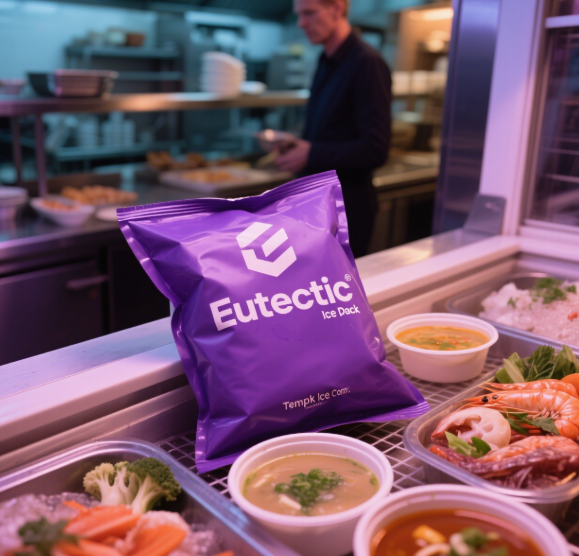
Eutectic Ice Packs: Your Temperature “Battery” for Cold Chain
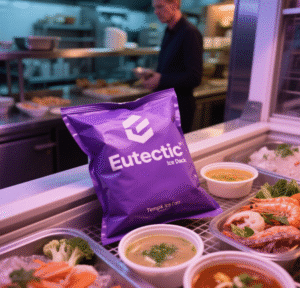
Forget messy ice melt! Eutectic packs work like thermal batteries – freeze them to “charge” cold, then they discharge precise cooling during shipment. These phase change material (PCM) plates give vaccines and fresh food exact temperature control without dangerous dry ice.
How They Solve Top Cold Chain Headaches
→ Stops freeze-thaw damage: Holds steady temps (±2°C) vs gel pack rollercoasters
→ Outlasts flights/roads: Works 48-72+ hours without reheating
→ No spill disasters: Solid-to-liquid change stays contained
→ Saves freezer space: 30% thinner than bulky gel packs
Where Eutectic Packs Dominate Cold Chain
- Pharma Labs (2-8°C):
- Vaccine transport without crystallization risk
- Insulin & antibody protection
- Fresh Seafood (0-4°C):
- Prevents thawed-refrozen texture damage
- Keeps sashimi-grade fish safe
- Organic Produce (10-15°C):
- Chills without freezing delicate greens
- Humidity control for berries
Tempk’s Smart Eutectic Solutions
Our phase change packs outperform standard options:
• Factory-Calibrated: Precisely freeze at -3°C, +4°C, or -18°C targets
• Flex-Design: Slim plates fit any EPP/EPR box profile
• Medical-Grade: Non-toxic, biocompatible PCM gels
• 500+ Reuses: Withstand freezer cycling fatigue
Eutectic vs Gel vs Dry Ice Cheat Sheet
| Eutectic Packs | Gel Packs | Dry Ice | |
|---|---|---|---|
| Temperature Stability | ✅ Excellent (±2°C) | ❌ Poor (±7°C) | ✅ Good (±5°C) |
| Pharma Compliance | ✅ GMP Validated | ❌ Varies | ❌ Hazard limitations |
| 72hr Performance | ✅ Consistent cooling | ❌ Day 2 meltdown | ✅ When properly packed |
| Warehouse Safety | ✅ No special handling | ✅ Safe | ❌ CO2/Cryo training |
Pro Tip: Place eutectic plates against box sidewalls – stops “hot spots” in corners where sensors hide.
The Cold Chain Upgrade You Can’t Afford to Skip
Tempk eutectic packs turn ordinary shippers into precision temperature chambers. One investment protects:
• Vaccine efficacy from warehouse to clinic
• $400/lb premium tuna texture
• Clinical trial specimen integrity
Choose phase change certainty over unpredictable cooling.
EPS Thermocol Boxes-Low Cost Cold Chain Protection
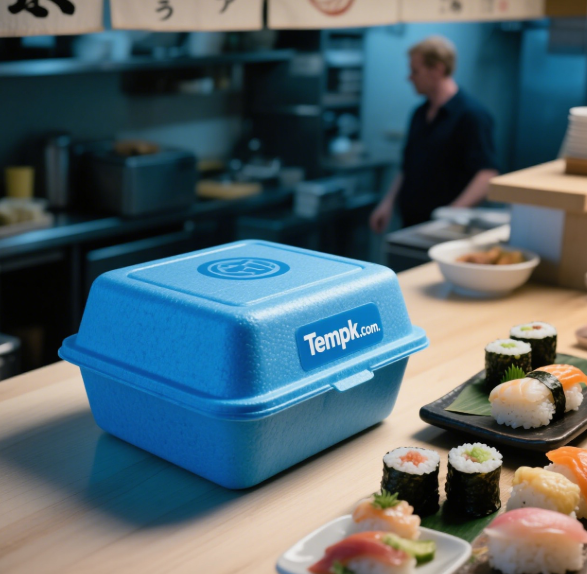
Why Thermocol Still Fits Modern Logistics

Despite new materials, EPS thermocol delivers where it counts:
Instant Cost Savings: Costs 50-70% less than reusable alternatives
Local Route Hero: Performs perfectly for <24 hour deliveries
No-Return Needed: Disposable design simplifies last-mile logistics
Top 3 Thermocol Box Applications
- Pharmacy-to-Clinic Runs
- Keeps vaccines at 2-8°C using basic gel packs
- Discard after TB tests/hazardous samples
- Meal Kit & Ice Cream Delivery
- Prevents chocolate melt during doorstep delivery
- Food-safe insulation for 3-4 hour transit
- Agricultural Transport
- Protects seedlings from temperature shock
- Cheap solution for small farm produce
Thermocol Limitations (Be Smart!)
⚠️ Fragility: Cracks if stacked over 2 layers high
⚠️ Short Protection: Temperature drift after 30 hours
⚠️ No Deep Freeze: Avoid for -15°C biologics
⚠️ Single-Use: Creates waste vs reusable options
Tempk’s EPS Engineering Upgrades
We make standard thermocol boxes work smarter:
• Reinforced Walls: 30% thicker insulation at stress points
• Moisture Barrier: Water-resistant coating for humid climates
• Taped Seams: Reduces cold air leaks by 15%
• Custom Cavities: Snug fits for vials or food containers
Thermocol vs EPP: Quick Decision Guide
| Your Need | EPS Thermocol | EPP Boxes |
|---|---|---|
| Local seafood delivery | ✅ Perfect fit | ✅ Better but pricier |
| Cross-country vaccines | ❌ Too risky | ✅ Validated solution |
| Daily clinic specimen runs | ✅ Cost-effective | ✅ Reusable option |
| Frozen biologics (-25°C) | ❌ Not suitable | ✅ Precision protection |
When to Upgrade to EPP?
Make the switch if you need:
• Frozen cargo below -10°C
• Shipments lasting 48+ hours
• Airport handling durability
• 100+ reuse cycles
The Bottom Line
EPS thermocol boxes remain essential for predictable, short-distance cold chain needs. Tempk optimizes this classic solution for pharmacy routes, local food delivery, and agricultural transport – providing reliable thermal protection where budgets matter most.
EPS Cooler Boxes-Budget Cold Chain Shipping Solution
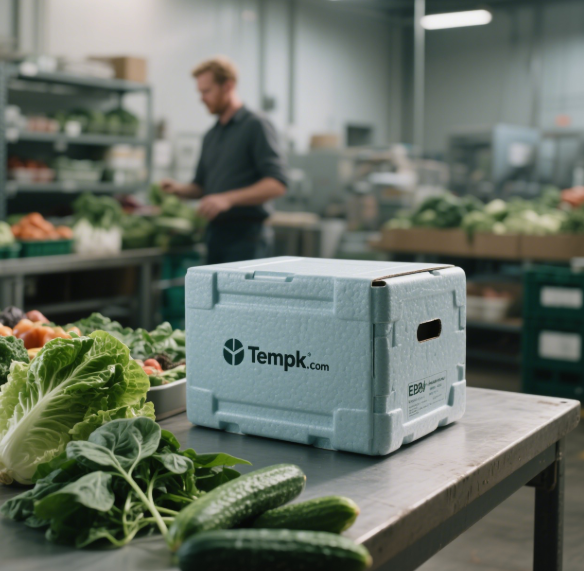
When shipping perishables or medicines on a tight budget, EPS (Expanded Polystyrene) boxes are the workhorses of temperature-controlled logistics. These lightweight “cooler boxes” create a protective cocoon around vaccines, seafood, or fresh produce during short journeys.
Why EPS Still Wins for Certain Shipments
EPS foam boxes:
→ Cost 50% less than premium alternatives
→ Perform well for under 24-hour trips
→ Protect against mild temperature swings
→ Simplify one-way deliveries (no returns needed)
3 Situations Where EPS Shines
- Local Pharma Routes
- Ideal for pharmacy-to-clinic vaccine transfers
- Keeps 2-8°C range with simple gel packs
- Meal Kit & Grocery Delivery
- Prevents ice cream melt during last-mile delivery
- Food-safe insulation for fresh ingredients
- Lab Sample Collection
- Disposable safety for biohazard materials
- Eliminates return logistics for blood tests
But Know the Limitations:
Fragile structure (cracks if stacked roughly)
Single-use in most cases → landfill waste
Temperature drift after ~30 hours
Not suitable for sub-zero deep freeze
Tempk’s Smart Approach to EPS Boxes
While we champion EPP for heavy-duty shipping, we design EPS boxes where they make sense:
• Reinforced Corners: 2X impact resistance vs standard EPS
• Precise Sizing: Minimizes air gaps that cause cold loss
• Smooth Surfaces: Easier cleaning for medical reuse
Quick EPS vs EPP Cheat Sheet
| Scenario | EPS Boxes | Tempk’s EPP Boxes |
|---|---|---|
| Pharma cross-country | ❌ Too fragile | ✅ Optimal protection |
| Daily seafood deliveries | ✅ Cost-efficient | ✅ Even better performance |
| High-value biologics | ❌ Insufficient | ✅ Validated stability |
| Emergency vaccine drive | ✅ Affordable scale | ✅ Reusable option |
When to Upgrade to EPP?
Choose Tempk’s EPP boxes when you need:
• Frozen shipping below -10°C
• 48+ hours temperature stability
• 100+ reuse cycles
• Airport baggage-handling durability
For Basic Cold Chain Needs? EPS Gets It Done
EPS remains the smart choice for predictable, short-haul routes. Tempk optimizes traditional foam technology for reliable performance in food delivery, local pharma distribution, and ambient diagnostics shipping – all while keeping logistics budgets lean.
EPP Cold Boxes for Reliable Pharma & Food Shipping

Shipping temp-sensitive cargo? EPP (Expanded Polypropylene) thermo boxes act like armor against temperature swings. Think of them as tiny, ultra-efficient coolers for vaccines, fresh food, and lab specimens that can’t afford to warm up.

Why Every Cold Chain Needs EPP Boxes
A single degree of temperature drift can ruin medicines or spoil produce. EPP boxes trap cold air like a thermos – their foam walls create a stable microclimate even in hot trucks or delayed flights.
4 Real-World Benefits You’ll Notice Immediately
- Temperature Lockdown
- Keeps cargo cold 2-5x longer than standard coolers
- Prevents freeze-thaw cycles (critical for vaccines)
- Sustainability That Pays Off
- Reuse 100+ times (saves vs. single-use shippers)
- Fully recyclable → cut waste fees 30%+
- Drop-Proof & Weather-Tight
- Survives airport baggage systems & stacked pallets
- Water-resistant → no soggy boxes in humid warehouses
- Budget-Friendly Operation
- 40% lighter than plastic coolers → lower freight costs
- Nestable design frees 60% warehouse space
Tempk’s EPP Boxes: Precision Cooling Made Simple
We engineer EPP boxes that actually solve logistics headaches:
Validated performance: 48hr stability at -20°C (IV drugs) to +25°C (chocolates)
Plug-and-play: Works with gel packs, dry ice, or PCM panels
Pharma-ready: Cleanroom compatible surfaces
Custom sizing: Snug fits for vials, produce crates, or bulk pharma
Stop Temperature Emergencies Before They Start
Tempk EPP boxes don’t just ship goods – they prevent costly spoilage. One reusable box can safely deliver:
• Vaccines staying at 2-8°C
• Frozen seafood at -18°C
• Chemistry reagents requiring 15-25°C
Cold Chain Pro Tip: Combine EPP boxes with Tempk’s GPS loggers for real-time temperature monitoring – eliminate guessing games.
EPP Insulated Boxes for Safe Medical Cold Chain Shipping
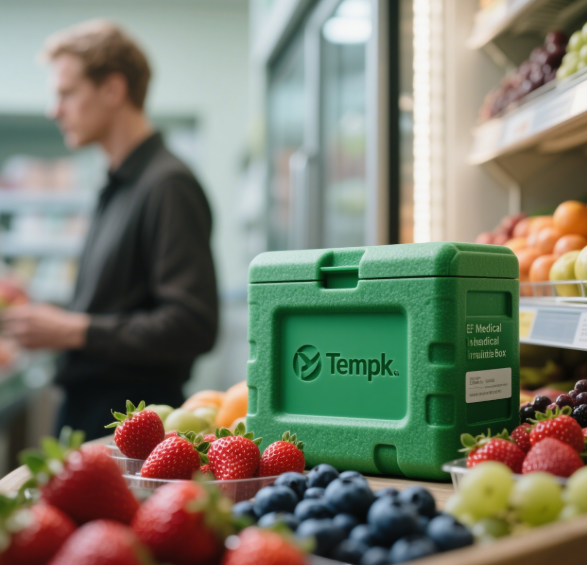
EPP Medical Insulation Boxes: Protect Temperature-Sensitive Medicines
In pharma logistics, keeping medicines like vaccines, biologics, and lab samples at the right temperature during transport is critical. EPP (Expanded Polypropylene) insulation boxes provide reliable cold chain protection while meeting sustainability goals.
Why Pharma Cold Chains Need EPP Boxes
Medical products lose effectiveness if temperatures fluctuate. EPP boxes act as thermal shields – their advanced foam structure traps cold air, maintaining stable conditions for sensitive cargo from pickup to delivery.
Top Benefits of EPP Medical Boxes
- Superior Thermal Performance
- Holds precise temps for 48-72+ hours
- Minimizes hotspots and freeze/thaw risks
- Eco-Friendly Protection
- Made from 100% recyclable EPP foam
- Reusable 100+ times (vs. single-use EPS)
- Shockproof & Durable
- Survives drops, rough handling, and stacking
- Water-resistant for humidity protection
- Cost-Saving Design
- Lightweight (cuts freight costs)
- Nestable when empty (saves warehouse space)
Tempk’s EPP Solutions: Pharma-Grade Performance
Tempk designs EPP boxes specifically for medical logistics:
- Validated cold retention (2-8°C / -20°C ranges)
- Seamless integration with gel packs/chillers
- Custom sizes for vials, IV bags, diagnostic kits
- GMP-compliant traceability options
Deliver Confidence, Not Just Packages
EPP boxes like Tempk’s ensure vaccines arrive potent, blood samples stay stable, and biologics remain uncompromised. By choosing durable, reusable EPP containers, pharma shippers reduce waste while guaranteeing product efficacy – critical for patient safety and regulatory compliance.
EPP Insulated Boxes-Smarter Cold Chain Protection
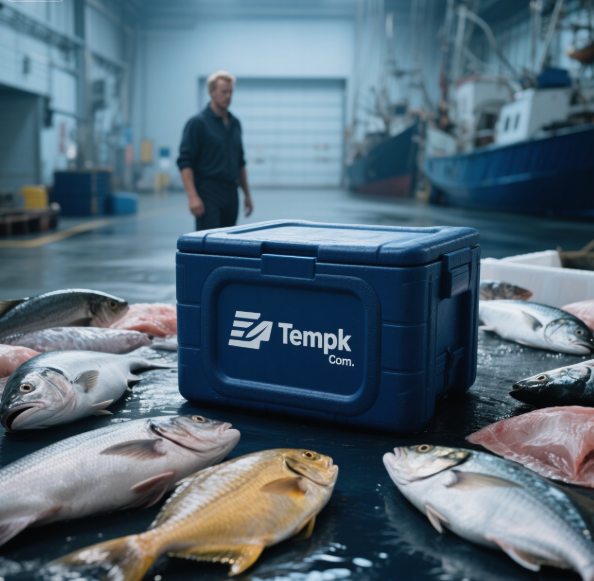
EPP Insulated Boxes: Your Cold Chain’s Unsung Hero
In global supply chains, temperature-sensitive cargo like vaccines, fresh seafood, and lab specimens can’t afford failures. EPP Insulated Boxes (Expanded Polypropylene) fix what traditional packaging gets wrong: they combine science-backed temperature control with eco-smart durability that pays for itself.
Why EPP Beats Standard Packaging
| Challenge | EPP Box Solution | Standard Packaging |
|---|---|---|
| Temperature Spikes | Keeps stable for 96+ hours | Fails after 24-48 hours |
| Reusability | 500+ cycles with sanitization | Disposable → trash costs |
| Damage Claims | Survives 6ft drops (ISTA 3E certified) | 17% damage rate on bumpy routes |
| Cost Over 3 Years | Saves $220/box | Constant reorder fees |
| Eco Impact | 100% recyclable → circular supply chain | Landfills → CO₂ penalties |
4 Game-Changing Benefits
- Temperature Lock™ Tech
- Holds 2-8°C for pharma or -18°C for frozen food across 3-day ocean freight
- Science bit: Closed-cell structure blocks 30% more heat transfer than EPS foam
- Built Like a Tank, Light as a Feather
- Weighs less than 2.2 lbs (1kg) → cut air freight costs by 19%
- Absorbs forklift impacts like memory foam → <0.1% product damage
- Green Savings That Scale
- Reuse weekly for 10+ years → no replacements
- End-of-life recycling → 80% lower emissions vs. single-use
- Smart ROI for Finance Teams
- Break-even in <14 months despite higher upfront cost
- Cut spoilage fines (FDA penalties hit $500k+/incident)
Tempk’s Engineering Edge
“We reduced seafood rejects from 12% to 0.3% after switching to Tempk’s EPP boxes.”
– Global Seafood Logistics Director
Tempk amps up standard EPP with:
Hybrid Insulation: EPP + Vacuum Panels → 5-day stability
One-Click Monitoring: NFC temperature loggers in box walls
On-Demand Customization: Pharma vial slots/fish tray inserts
Real-World Results
| Industry | Problem | Tempk’s Fix |
|---|---|---|
| Vaccine Distributor | $1.5M/year spoilage | Zero excursions in 20 months |
| Organic Meal Kits | 22% customer complaints | 98% freshness rating |
| Lab Reagents | $8k/day in spoiled samples | 100% stability to -70°C |
The Bottom-Line Math
While an EPP box costs 30 for EPS:
→ Saves 50k+ hourly losses** during delays