


EPP Foam Boxes-Reliable Sustainable Cold Chain Packaging
EPP Foam Boxes-Reliable Sustainable Cold Chain Packaging
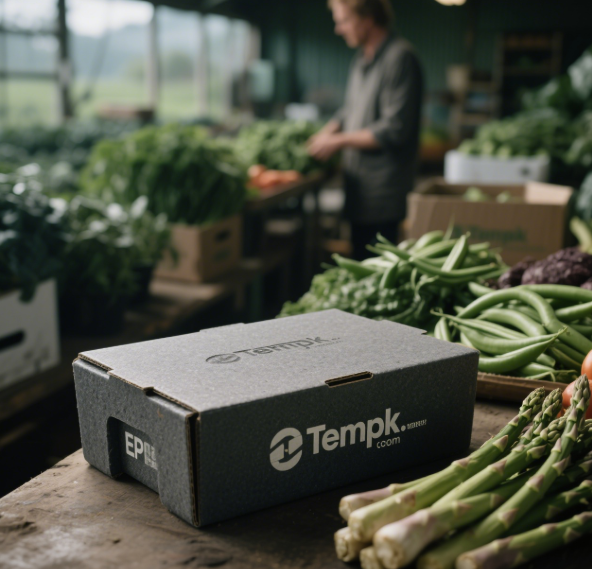
Keeping vaccines, fresh food, and medicines at the right temperature during shipping isn’t just important – it’s make-or-break. EPP foam boxes (Expanded Polypropylene) solve this with science-backed insulation you can trust, while slashing waste and costs. Here’s why smart logistics teams are switching:
Why EPP Beats Traditional Packaging
| Feature | EPP Foam Boxes | Regular Foam Boxes |
|---|---|---|
| Insulation | Holds temps for 96+ hours (with VIP panels) | Fails after 24-48 hours |
| Reusability | 500+ trips with cleaning | Often single-use |
| Weight | 50% lighter | Heavy, increases fuel costs |
| Eco-Impact | 100% recyclable ♻️ | Landfill-bound |
| Cost Over 2 Years | Saves 60% | Recurring replacement costs |
The Big 3 Wins for Your Business
- Temperature Control That Doesn’t Quit
- Holds critical ranges: 2-8°C (vaccines) or -18°C (frozen fish) even in 40°C desert heat.
- Secret weapon: Closed-cell structure blocks heat/cold transfer 30% better than EPS foam.
- Sustainability That Cuts Costs
- Reuse the same box weekly for 10 years – no replacements needed.
- Recyclable at end-of-life → 80% lower CO₂ vs single-use options.
- Drop-Proof & Space-Smart
- Survives 1.5m drops (tested to ISTA 3E) – no cracked corners or crushed contents.
- Custom dividers protect vials or seafood fillets + folds flat when empty.
Why Tempk Leads the Market
“After switching to Tempk’s EPP boxes, our vaccine spoilage dropped to near-zero.”
– Biotech Logistics Manager, Germany
Tempk supercharges EPP with:
Hybrid Insulation: VIP panels + EPP for 5-day temperature stability.
Smart Sensors: Bluetooth trackers built into box walls.
Circular Logistics: Take-back program for old boxes → recycled into new ones.
Real-World Results
| Industry | Problem Solved | Tempk’s EPP Impact |
|---|---|---|
| Pharma Distributor | $1.2M/yr vaccine spoilage | Zero excursions in 18 months |
| Seafood Exporter | 15% rejected shipments | 99.7% acceptance rate |
| Lab Supply Co. | Broken $50k equipment | Zero damage claims in 2 years |
Bottom Line: The Math Doesn’t Lie
EPP foam boxes cost more upfront (25 for EPS) but:
- Payback in <18 months via reuse
- Save $400/box in replacement fees over 5 years
- Avoid $50k+ fines for spoiled pharmaceuticals
How EPP cooler box improve sustainable cold chain

Why EPP Cooler Boxes Are Critical for Cold Chain Logistics

Imagine this: A shipment of fresh produce or life-saving pharmaceuticals travels hundreds of miles. The last thing you need? Temperature spikes, humidity, or rough handling ruining the cargo. EPP cooler boxes solve that. Built to maintain steady temperatures, they act like a “thermal shield,” shielding goods from external extremes. Whether it’s a cross-country truck ride or a week in storage, EPP keeps things cool (or warm, if needed) so products arrive in prime condition.
Top Benefits of EPP Cooler Boxes
- Eco-Friendly by Design
Traditional packaging often ends up in landfills after one use. EPP is different. Made from recyclable materials, these boxes can be reused dozens of times—slashing waste and cutting carbon footprints. For businesses aiming to hit sustainability goals, EPP isn’t just an option—it’s a smart investment in a greener future. - Superior Temperature Control
EPP isn’t your average foam. Its unique structure traps air pockets, creating a natural barrier against heat transfer. This means EPP boxes maintain consistent temps longer than traditional coolers, even in hot weather or long transit times. The result? Fresher food, longer-lasting meds, and fewer losses. - Built Tough, Adaptable, and Ready for Anything
Logistics is unpredictable—drops, rain, tight storage spaces—you name it. EPP cooler boxes are lightweight but tough, standing up to rough handling without cracking. Plus, Tempk’s designs are customizable: add dividers, logo branding, or adjust sizes to fit your specific needs. No matter your cargo, EPP keeps it secure.
Tempk’s EPP Cooler Boxes: Where Innovation Meets Responsibility
At Tempk, we don’t just make boxes—we engineer solutions. Our EPP cooler boxes combine cutting-edge materials with real-world logistics know-how, built to keep your supply chain running smoothly and sustainably.
Here’s what makes Tempk EPP boxes stand out:
- Unmatched Product Protection: Precision-engineered insulation ensures temps stay within safe ranges, so your goods arrive as fresh (or effective) as the day they left.
- Sustainability You Can Trust: We use 100% recyclable EPP, so every box you reuse is a step toward reducing waste. It’s logistics with a conscience.
- Compliance That Matters: Our boxes meet strict global standards for food safety, pharma transport, and eco-regulations—so you can ship with confidence.
Wrapping Up: EPP Cooler Boxes = Cold Chain Excellence
EPP cooler boxes aren’t just a trend—they’re the future of cold chain logistics. By blending durability, temperature control, and sustainability, they solve the big challenges in shipping perishables: waste, inefficiency, and high costs. And with Tempk leading the way, you get more than a box—you get a partner in reliability and eco-innovation.
Ready to upgrade your cold chain? EPP cooler boxes from Tempk are waiting to keep your products safe, your business green, and your customers happy.
EPP Boxes is the Sustainable Backbone of Modern Cold Chain

EPP (Expanded Polypropylene) boxes aren’t your average cardboard or Styrofoam. They’re a smart, sustainable material that’s changing how we ship temp-sensitive goods. Let’s break down why they’re a must-have for modern cold chains.

What Are EPP Boxes, and Why Do They Matter?
EPP boxes are made from a lightweight, flexible plastic called expanded polypropylene. Think of it as a “superhero material” for cold chain shipping:
- It’s tough: Stands up to drops, bumps, and rough handling (no more crushed boxes ruining your shipment).
- It’s a great insulator: Locks in cold (or heat) better than old-school materials, keeping products at the right temp for days.
- It’s eco-friendly: Made from recyclable materials, so less waste ends up in landfills.
For cold chain logistics, this means one thing: reliable protection. Whether you’re shipping vaccines that need to stay frozen or fresh seafood that can’t thaw, EPP boxes keep them safe and green.
Top Benefits of EPP Boxes for Cold Chain Logistics
Still on the fence? Here’s why EPP boxes are worth the switch:
- Good for the Planet, Good for Business
Traditional shipping materials—like Styrofoam or single-use plastics—are terrible for the environment. They end up in oceans, landfills, or incinerators, adding to pollution. EPP boxes are different: they’re made from recyclable materials, so you can reuse them or send them to recycling facilities. Less waste = a smaller carbon footprint, which customers and regulators love. - Superior Insulation = Less Spoilage
Ever had a shipment arrive melted, frozen, or spoiled? That’s usually because the box couldn’t keep the temp steady. EPP boxes have amazing thermal insulation—they lock in cold (or heat) for days longer than cardboard or foam. For example, a vaccine shipment in an EPP box stays frozen even in hot weather, reducing the risk of spoilage and waste. - Built to Last (and Adapt)
Cold chain shipping is tough—boxes get dropped, left in hot trucks, or stacked high. EPP boxes are engineered to handle it all. They’re lightweight but strong, so they won’t crush under weight, and their flexible design means you can customize them (add dividers, labels, etc.) for any shipment size or type. No more “one-size-fits-all” boxes that fail when you need them most.
Tempk’s EPP Boxes: The Gold Standard for Sustainable Cold Chain
Not all EPP boxes are created equal. Tempk’s EPP boxes stand out because they’re built for cold chain logistics—combining sustainability with serious performance.
Here’s what makes Tempk’s EPP boxes a cut above:
- Unmatched Protection: Tempk’s EPP boxes maintain precise temperatures from start to finish. Whether you’re shipping pharmaceuticals that need to stay between 2°C–8°C or frozen food at -18°C, they keep your cargo in the “safe zone.”
- Eco-Friendly by Design: Every part of Tempk’s EPP boxes is recyclable, so you can reduce waste without cutting corners on quality. Plus, their lightweight design lowers shipping costs (less fuel needed to transport heavy boxes).
- Customizable for Your Needs: Need a small box for a single vial? A large one for bulk shipments? Tempk offers custom sizes, shapes, and even branding options. No matter your shipment size or industry (pharma, food, biotech), they’ve got you covered.
- Trusted by Pros: Pharma companies, grocery chains, and logistics giants trust Tempk’s EPP boxes because they work. They’re tested to meet strict safety standards (like FDA and SGS certifications), so you can ship with confidence.
The Future of Cold Chain Logistics is EPP
EPP boxes aren’t just a trend—they’re the future of sustainable cold chain logistics. They solve the big problems: keeping products safe, reducing waste, and meeting eco-friendly goals. And with Tempk leading the way, you don’t have to choose between reliability and sustainability.
Sustainable Cold Chain Logistics-Eco-Friendly Thermal Packaging

The world’s not just shipping stuff anymore—it’s shipping responsibly. From life-saving vaccines to fresh sushi, temp-sensitive goods need protection and the planet needs a break. That’s where eco-friendly thermal packaging steps in. These aren’t your old plastic-lined boxes or leaky gel packs. They’re smart, sustainable solutions that keep products cold, fresh, and safe—while cutting waste and lowering carbon footprints.
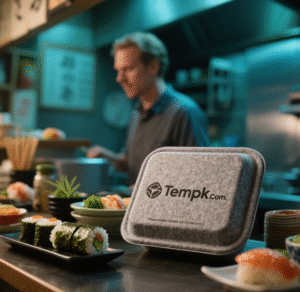
In cold chain logistics, where one wrong temp spike can ruin a shipment (or worse, harm a patient), eco-friendly thermal packaging isn’t optional. It’s the new standard.
What Is Eco-Friendly Thermal Packaging?
Think of it as a “green guard” for temp-sensitive goods. Eco-friendly thermal packaging:
- Keeps things cold: Using advanced insulation (like recycled foams or plant-based materials) to lock in the right temps.
- Loves the planet: Made with biodegradable, recyclable, or low-impact materials—no more single-use plastics clogging landfills.
- Meets tough rules: Built to pass strict tests (FDA, SGS, etc.) so pharma, food, and logistics companies can trust them.
In short, it’s packaging that works for your business and the environment.
The Perks of Eco-Friendly Thermal Solutions
Still wondering if it’s worth the switch? Here’s why eco-friendly thermal packaging is a cold chain game-changer:
- Less Trash, More Trust
Traditional cold packaging? Think styrofoam that ends up in oceans, plastic liners that leak, or gel packs that leave soggy messes. Eco-friendly options? They’re made to be reused, recycled, or composted. No more guilty “where does this go?” moments—just smooth, waste-free shipping. - Cold for Days (Even in Heat!)
Ever had a shipment arrive melted? Blame poor insulation. Eco-friendly thermal packaging uses high-performance materials that lock in cold for days longer than old-school options. Perfect for cross-country trucking, hot climates, or last-minute delays—your goods stay fresh, no sweat. - Rules? Checked. Safety? Guaranteed.
Pharma companies, food shippers—these folks can’t take risks. Eco-friendly thermal boxes from brands like Tempk are FDA-certified (so they’re safe for meds) and rigorously tested (so they won’t fail under pressure). No more “hope it works” stress—they’re built to pass inspections.
Tempk’s Insulated Boxes: The Eco-Friendly Cold Chain Pro
When it comes to eco-friendly thermal packaging, Tempk doesn’t just follow the rules—they rewrite them. Their insulated boxes are designed for tough cold chain jobs, blending sustainability with serious performance.
Here’s why businesses (pharma, food, logistics) love them:
- No Leaks, No Mess: Traditional ice packs drip, ruin boxes, and wreck cargo. Tempk’s boxes? They use insulated tech (not messy ice) to keep things dry and cold. No leaks, no cleanup—just reliable cooling from start to finish.
- Cold That Outlasts the Trip: Thanks to their premium insulation, Tempk’s boxes keep temps steady for days longer than standard options. Whether you’re shipping vaccines across states or fresh cheese overseas, they’ve got your back.
- Eco-Friendly by Design: Every part of Tempk’s boxes is built with the planet in mind. Recycled cardboard exteriors, plant-based insulation—you name it. They’re designed to reduce waste and lower carbon footprints, so your business looks (and feels) green.
- Trusted by the Pros: Pharma giants, grocery chains, and logistics leaders trust Tempk’s boxes. They’re tested, certified, and ready to keep your cargo safe—no matter the distance or delay.
Eco-Friendly Insulated Shipping Boxes-Future of Sustainable Cold Chain Logistics

Let’s cut to the chase: The world’s logistics industry is changing fast. Shippers, buyers, and even regulators now care just as much about the planet as they do about getting goods delivered on time. And for cold chain logistics? That means one thing—eco-friendly insulated shipping boxes are no longer optional. They’re essential.

These boxes aren’t your grandma’s cardboard crates. They’re built to keep temperature-sensitive stuff (think vaccines, fresh seafood, or life-saving meds) cold and safe during transit, all while being kinder to the environment. No more single-use plastics clogging landfills. No more messy leaks ruining cargo. Just reliable cooling—and a smaller carbon footprint. Let’s break it down.
What Are Eco-Friendly Insulated Shipping Boxes?
Eco-friendly insulated shipping boxes are like high-tech coolers for logistics. They’re designed to:
- Keep things cold: Using advanced insulation materials (think recycled foams or plant-based fibers) that lock in temperature.
- Be kind to the planet: Made with recyclable, biodegradable, or low-impact materials (no more “throwaway” plastic that lingers for centuries).
- Meet tough standards: Built to pass strict tests for safety, durability, and sustainability—so they work for pharma, food, and other temp-sensitive industries.
In short, they’re the Swiss Army knife of cold chain packaging: tough, green, and up to the job.
The Perks of Eco-Friendly Insulated Boxes
Still not sold? Here’s why these boxes are a game-changer for cold chain logistics:
- Less Waste, More Wins
Traditional shipping boxes for cold goods often rely on single-use plastics, Styrofoam, or messy gel packs that leak and end up in landfills. Eco-friendly boxes? They’re made with recyclable or compostable materials, so when you’re done, you can toss them in the right bin—no guilt, no waste. - Cold for Days (or Weeks!)
Ever had a shipment arrive melted or spoiled? That’s usually because the insulation wasn’t up to snuff. Eco-friendly boxes use super-insulating materials that keep temps steady for way longer than old-school options. For example, Tempk’s insulated boxes use advanced tech to lock in cold for days—even in hot weather. That means fewer delays, less spoilage, and happier customers. - Compliant by Design
Pharma companies, food shippers, and logistics firms can’t take chances with safety. Eco-friendly boxes from brands like Tempk are built to meet strict rules: FDA-approved for pharma, SGS-tested for durability, and certified for sustainability. No more “will this pass inspection?” stress—they’re guaranteed to work.
Tempk’s Insulated Boxes: The Gold Standard for Sustainable Cold Chain
When it comes to eco-friendly insulated shipping boxes, Tempk doesn’t just play the game—they set the rules. Here’s what makes their boxes a cut above:
- No Leaks, No Mess: Traditional ice packs drip water, ruining boxes and cargo. Tempk’s boxes use insulated tech (not messy ice) to keep things dry and cold. No leaks, no cleanup—just reliable cooling.
- Cold That Lasts: Thanks to their premium insulation, Tempk’s boxes maintain steady temps for days longer than standard options. Perfect for cross-country shipments, remote deliveries, or hot climates where cold chains are toughest.
- Eco-Friendly Materials: Every part of Tempk’s boxes is designed with the planet in mind. From recycled cardboard exteriors to plant-based insulation, they’re built to reduce waste and lower carbon footprints.
- Trusted by Pros: Pharma companies, grocery chains, and logistics giants trust Tempk’s boxes because they work. They’re tested, certified, and ready to keep your cargo safe—no matter the distance or delay.
The Future is Green: Eco-Friendly Insulated Boxes Are Here to Stay
The cold chain industry is evolving, and eco-friendly insulated shipping boxes are leading the charge. They’re not just better for the planet—they’re better for business. By reducing waste, cutting spoilage, and keeping customers happy, these boxes help companies save money and boost their green reputation.
And when it comes to sensitive goods like vaccines or fresh food? There’s no room for error. Tempk’s eco-friendly insulated boxes deliver on both fronts: keeping products safe and doing right by the environment.
So, if you’re ready to upgrade your cold chain—without compromising on quality or sustainability—eco-friendly insulated shipping boxes (and Tempk’s top-tier designs) are the way to go. Your products (and the planet) will thank you.
Eco-Friendly Insulated Packaging-for Pharma & Logistics Cold Chains

The Perks of Eco-Friendly Insulated Solutions

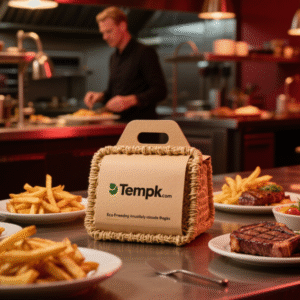
Let’s get real—what makes these packs better than the old plastic ice packs? Three big reasons:
- Planet-Friendly by Design
Traditional insulation often uses single-use plastics or materials that end up in landfills. Eco-friendly options? They’re made with biodegradable stuff (breaks down naturally) or recycled materials (so we’re not wasting resources). Less waste = a smaller carbon footprint. And for companies chasing sustainability goals? Check. For meeting strict eco-regulations? Double-check. - Works Harder, Lasts Longer
Eco-friendly insulated packs don’t just “keep things cold”—they excel at it. Take Tempk’s dry ice packs: they use dry ice (solid CO₂) that sublimates (turns straight to gas), so no messy water leaks. That means longer cooling times, fewer stops to refreeze, and less risk of temp spikes that ruin meds. Perfect for long hauls or hot climates. - Trusted by Pros (Because Your Cargo Deserves It)
Pharma and logistics companies can’t take chances. That’s why Tempk’s dry ice packs are FDA-certified (meaning they meet strict U.S. standards for medical packaging) and SGS-tested (an independent lab confirms they’re tough enough for sensitive goods). When you use them, you’re not just buying a pack—you’re buying peace of mind.
Tempk’s Dry Ice Packs: Built for Pharma & Logistics Pros
Tempk didn’t just make eco-friendly packs—they made the eco-friendly packs for tough jobs. Here’s why pros love them:
- No Leaks, No Mess: Traditional ice packs drip water, ruining boxes, cargo, and even floors. Tempk’s dry ice packs? They sublime completely—no liquid, no cleanup, no hassle. Just reliable cooling from start to finish.
- Cold for Days: Dry ice has way more cooling power than regular ice. That means Tempk’s packs keep your meds or perishables at the right temp for longer—great for cross-country shipments or remote deliveries where refreezing isn’t an option.
- Built to Last (and Reuse): Made with durable, eco-friendly materials, these packs can be reused (if you’re careful) or recycled. No more single-use waste clogging up landfills.
- Compliant by Default: With FDA and SGS stamps, you know they’ll pass inspections, meet safety rules, and keep your pharma shipments out of trouble.
The Future is Green: Eco-Friendly Insulated Packaging is Here to Stay
The logistics industry is changing—and sustainability is leading the charge. Eco-friendly insulated packaging isn’t just “better for the planet”; it’s better for business. It cuts waste, saves money (by reducing spoilage), and keeps customers trusting your brand.
And when it comes to pharma? There’s no room for error. Tempk’s dry ice packs deliver on both fronts: keeping meds safe and doing right by the environment.
So, if you’re ready to upgrade your cold chain—without compromising on quality or sustainability—eco-friendly insulated packaging (and Tempk’s dry ice packs) is the way to go. Your products (and the planet) will thank you.
Eco-Friendly Cold Packaging-Future of Sustainable Cold Chain Logistics

What Is Eco-Friendly Cold Packaging?


Eco-friendly cold packaging is all about balancing function and sustainability. These are packaging solutions designed to:
- Reduce waste: Think biodegradable materials, recyclable parts, or no-waste designs.
- Lower emissions: Using renewable or low-carbon materials to shrink the carbon footprint.
- Keep things cold: Most importantly—they still protect temperature-sensitive goods reliably.
For cold chain logistics, this means replacing messy, single-use plastics with smarter options. Whether it’s food that needs to stay frozen or medicines that can’t warm up, eco-friendly packs get the job done and do it greener.
Why Eco-Friendly Packaging Matters for Cold Chain
Let’s break down why businesses are making the switch:
- Less Waste, Less Trouble
Traditional ice packs often leak water, ruining packaging (and sometimes cargo) and creating messy cleanups. Eco-friendly options like Tempk’s Dry Ice Packs skip the liquid—dry ice sublimates (turns straight to gas), so no drips, no mess, and zero plastic waste. That’s a win for your shipment and the planet. - Lower Carbon Footprint
Most eco-friendly materials are made from recycled content or renewable resources, which means less energy goes into making them. For cold chain companies, this translates to smaller emissions—something customers and regulators love. - Better Brand Reputation
Consumers care about sustainability. A 2023 survey found 68% of shoppers prefer brands that use eco-friendly packaging. By switching to green solutions, cold chain businesses don’t just protect products—they build trust and loyalty.
Tempk’s Dry Ice Packs: Eco-Friendly Cooling That Works
When it comes to eco-friendly cold packaging, Tempk’s Dry Ice Packs lead the pack. Here’s why they’re a game-changer:
- No Leaks, No Waste
Unlike traditional ice packs that drip water, Tempk’s packs use dry ice—so they sublime completely, leaving zero liquid mess. No more soggy boxes, no more trashed packaging, and no more plastic waste clogging landfills. - Long-Lasting Cooling, powered by Sustainability
Dry ice has a higher cooling power than regular ice, so Tempk’s packs keep goods frozen longer. That means fewer stops to refreeze during long shipments, saving time and reducing the need for extra packaging (which means even less waste). - Made for Reusability & Recycling
Tempk’s packs are built with eco-friendly materials, designed to be reused or recycled. Whether you’re shipping vaccines across the country or fresh fish from the coast, they adapt to your needs—no one-size-fits-all here. - Trusted by Cold Chain Pros
Tempk’s packs maintain precise temperatures, so sensitive goods (think insulin, seafood, or lab samples) stay in the “safe zone” from start to finish. They’re tested, reliable, and ready to keep your cargo cool and green.
The Future is Green: Eco-Friendly Cold Packaging is Here to Stay
The cold chain industry is evolving, and eco-friendly packaging is no longer optional—it’s essential. As more businesses and customers demand sustainable solutions, companies that adopt green practices will lead the way.
With Tempk’s Dry Ice Packs, you don’t have to choose between keeping goods safe and doing right by the planet. Their eco-friendly design delivers reliable cooling, reduces waste, and boosts your brand’s green credentials—all at once.
Why Dry Ice Shipping Packs Are a Game-Changer for Cold Chain Logistics

Why Dry Ice Shipping Packs Matter in Cold Chain Logistics
In today’s interconnected world, moving temperature-sensitive products isn’t just important—it’s critical. From fresh seafood that needs to stay frozen to life-saving vaccines and delicate lab samples, keeping these goods at the right temperature during transit can make or break a shipment. That’s where dry ice shipping packs step in. These handy tools are redefining cold chain logistics, offering a safe, efficient, and cost-effective way to protect what matters most.
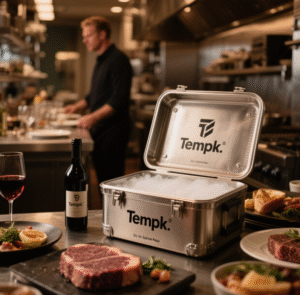
What Are Dry Ice Shipping Packs?
Dry ice shipping packs are specialized, portable containers filled with dry ice (solid carbon dioxide). Unlike regular ice packs that melt into messy water, dry ice skips the liquid phase entirely—it sublimates, turning straight from solid to gas. This means no drips, no leaks, and zero risk of water damage to your cargo. Perfect for items that demand below-freezing temps, they’re a go-to for vaccines, perishables, and biological materials that can’t tolerate moisture or temperature swings.
Top Perks of Dry Ice Shipping Packs
Let’s break down why they’re a cold chain staple:
- No Water, No Worries
Traditional ice packs leave behind puddles, which can ruin sensitive products (think ruined vaccines or soggy paperwork). Dry ice skips the mess—since it turns to gas, there’s no liquid to worry about. That’s a huge win for pharmaceuticals, lab samples, or any shipment where even a drop of water could spell disaster. - Longer-Lasting Cooling Power
Dry ice doesn’t just keep things cold—it keeps them cold longer. With a higher cooling capacity than regular ice, these packs maintain steady temperatures for extended periods. That means fewer stops to refreeze during long hauls, saving time and hassle. - Lightweight & Easy to Handle
Dry ice packs are compact and lightweight, making them a breeze to pack, store, and transport. Whether you’re shipping by air, sea, or truck, their sturdy design minimizes the risk of leaks or damage—so your cargo stays secure, no matter the route. - Consistent Temperature Control
Temperature fluctuations are the enemy of perishables. Dry ice packs deliver reliable, steady cooling, ensuring your goods stay within the critical temperature range from start to finish. No more “hot spots” or unexpected thaws—just consistent, safe conditions.
Tempk’s Dry Ice Packs: Built for Cold Chain Success
When it comes to trusted cold chain solutions, Tempk’s dry ice packs lead the pack. Crafted with high-quality materials, they’re designed to maintain precise temperatures throughout transit, so your sensitive products arrive in perfect condition.
- Customizable Sizes: Need a small pack for a single vial or a large one for a bulk shipment? Tempk offers sizes to fit every need, so you can tailor your solution to your cargo.
- Cost-Effective Cooling: By keeping temps stable longer, Tempk packs reduce the need for frequent refills or extra packaging—saving you money without cutting corners on quality.
- Eco-Friendly Focus: Tempk prioritizes sustainability, using eco-conscious materials and practices to minimize their environmental footprint.
Final Thoughts
Dry ice shipping packs are more than just a tool—they’re a lifeline for cold chain logistics. Whether you’re moving vaccines across continents or fresh seafood from the coast, they keep your cargo safe, fresh, and on time. With Tempk’s reliable, customizable options, you can trust that your temperature-sensitive shipments will arrive in top shape—no matter the distance or delay.
In short, dry ice shipping packs aren’t just changing the game—they’re making it safer, smarter, and more efficient for everyone in the cold chain industry.
Dry Ice Sheets for Perishable Goods

What Are Dry Ice Sheets, Anyway?
Think of dry ice sheets as frozen blankets for your shipment. They’re flat, bendable sheets made of solid carbon dioxide (CO₂)—a.k.a. dry ice. Here’s the magic: instead of melting into a puddle like regular ice, dry ice sublimates—it turns straight from a solid to a gas, skipping the messy liquid phase entirely. No water sloshing, no soggy boxes, no ruined products. Perfect for anything that hates moisture: meds, electronics, or that fancy cheesecake you’re shipping for a client.

Need to fit a weirdly shaped package? No problem. Dry ice sheets can be cut, folded, or wrapped to match your packaging—like a custom-fit ice pack for your shipment. Whether you’re sending COVID vaccines, Alaskan king crab, or frozen pizzas, dry ice sheets keep your goods at the exact temp they need—no slip-ups, no excuses.
Why Dry Ice Sheets Beat Other Cooling Tricks
Let’s get real: not all cooling methods are created equal. Here’s why dry ice sheets are the gold standard for temp-sensitive shipping:
- Cooling That Goes the Distance
Regular ice melts fast—you’ve seen it drip-drip-dripping in a cooler, leaving a slimy mess. Dry ice? It sublimates slowly, releasing cool gas for hours (or even days) depending on the sheet size. That’s a lifesaver for cross-country shipments where your package might bake in a hot truck for days. No more “warm spots” ruining your goods. - Zero Water, Zero Worries
Water damage is the enemy of fragile or temp-sensitive items. Imagine opening a box of insulin to find it’s soaked—useless. Or a seafood shipment where the ice melted, leaving fish sitting in brine. Dry ice skips the melt entirely. Your package stays dry, so meds stay potent, food stays fresh, and samples stay viable. - Space-Smart & Cost-Saving
Dry ice sheets are flat and flexible—they slide right into tight spaces. No bulky ice blocks taking up half your shipping container. That means more room for your actual products, fewer shipping fees, and happier customers (since their orders arrive intact). For businesses, that’s less waste and more profit. - Eco-Friendly by Nature
Dry ice is made from CO₂—a gas that’s already in the air we breathe. When it sublimates, it just goes back to the atmosphere—no harmful chemicals, no leftover sludge. And many dry ice sheets (including Tempk’s!) are made with recyclable materials. So you’re not just keeping your shipment safe—you’re keeping the planet safe too.
Where Dry Ice Sheets Shine in Shipping
Dry ice isn’t just for one industry—it’s a cold chain staple everywhere:
- Pharmaceuticals: Vaccines, insulin, or cancer meds need strict temp control to work. Dry ice sheets keep them frozen (or at the exact temp) so they reach hospitals and pharmacies ready to use—no waste, no risk of spoilage.
- Food: The food industry, especially those shipping perishables like lobster, steaks, or ice cream, relies on dry ice to keep products frozen. Dry ice sheets ensure that food arrives fresh, safe, and without the risk of thawing or spoilage.
- Biotechnology: Lab samples, DNA, or chemical reagents need precise temps to stay usable. Dry ice sheets make sure these irreplaceable items arrive in lab-ready condition—no leaks, no failures.
Why Tempk’s Dry Ice Sheets Are the Best in the Business
Not all dry ice sheets are built the same. Tempk’s are designed for real-world shipping—here’s what makes them stand out:
- Built Tough for the Road
Shipping is rough: packages get bumped, left in hot trucks, or dropped. Tempk’s sheets are made with high-quality materials that can handle it all. No leaks, no failures—just cold, steady protection for your goods. - Customizable for Your Needs
Need a small sheet for a letter-sized box? Or a big one for a 50-pound cooler of lobster? Tempk offers sizes and strengths to match your shipment’s needs. Whether it’s a 24-hour delivery or a 7-day haul, they’ve got you covered. - Eco-Friendly Without Compromise
Tempk’s sheets are recyclable, so you’re not filling landfills with plastic. And because they’re reusable (yes, you can refreeze and reuse them!), you’re cutting down on waste even more. Cold chain shipping that’s good for business and the planet? Yes, please. - Space-Smart & Efficient
Tempk’s sheets are compact, so you can fit more products in the same container. That means lower shipping costs, happier customers (since their orders arrive intact), and more profit for your business.
Reusable Dry Ice Packs-Sustainable Cold Chain Shipping

What Is Reusable Dry Ice?
Reusable dry ice packs are like frozen powerhouses that work overtime. They’re tough, sealed pouches or pads packed with solid carbon dioxide (CO₂)—the same stuff in regular dry ice. The magic? Instead of melting into a puddle (and leaving a slimy mess), dry ice sublimates—it turns straight from a solid to a gas, skipping the wet stuff entirely. And because they’re designed to be reused, you can pop them back in the freezer, recharge them, and use them again for the next shipment. No more tossing out soggy packs after one use.

Whether you’re shipping COVID vaccines, Alaskan king crab, or frozen pizzas, reusable dry ice packs keep your shipment at the exact temp it needs—no slip-ups, no excuses.
Why Reusable Dry Ice Beats Single-Use (and Saves You Money)
Let’s get real: shipping temp-sensitive goods isn’t cheap. Between fuel, packaging, and replacing single-use ice packs, costs add up fast. Here’s how reusable dry ice flips the script:
- Good for the Planet, Good for Your Brand
Single-use ice packs and dry ice create tons of waste—plastic, water, and CO₂ byproducts that harm the environment. Reusable dry ice cuts that waste to almost zero. Just recharge the pack, refreeze it, and reuse it. For businesses aiming to go green (or meet customer demands for sustainability), this is a huge win. - Save Money Over Time
Sure, reusable dry ice packs might cost a bit more upfront than single-use ones. But think about it: if you ship 100 packages a month, and each single-use pack costs 200 a month. With reusable packs? Buy 20 packs once, recharge them, and use them 5 times each—that’s $40 for 100 shipments. Over a year, that’s thousands saved. - Cooling That Never Quits
Reusable dry ice doesn’t skimp on performance. Just like regular dry ice, it sublimates slowly, releasing cool gas for hours (or even days) to keep your goods frozen. Whether you’re shipping a 24-hour delivery across town or a week-long cross-country haul, these packs keep temps steady. No more “warm spots” ruining your seafood or meds. - No Water, No Ruined Goods
Water damage is the enemy of fragile or temp-sensitive items. Imagine opening a box of insulin to find it’s soaked—useless. Or a seafood shipment where the ice melted, leaving fish sitting in brine. Reusable dry ice skips the melt entirely. Your package stays dry, so meds stay potent, food stays fresh, and samples stay viable.
Where Reusable Dry Ice Shines in Shipping
Reusable dry ice isn’t just for one industry—it’s a cold chain staple everywhere:
- Pharmaceuticals: Vaccines, insulin, or cancer meds need strict temp control to work. Reusable dry ice keeps them frozen (or at the exact temp) so they reach hospitals and pharmacies ready to use—no waste, no risk of spoilage.
- Food: Perishables like lobster, steaks, or ice cream stay frozen solid with reusable dry ice—even when shipped across the country. No more “thawed and refrozen” garbage; just fresh, safe food that customers love.
- Biotech & Research: Lab samples, DNA, or chemical reagents need precise temps to stay usable. Reusable dry ice makes sure these irreplaceable items arrive in lab-ready condition—no leaks, no failures.
Why Tempk’s Reusable Dry Ice Packs Are the Best in the Business
Not all reusable dry ice packs are built the same. Tempk’s are designed for real-world shipping—here’s what makes them stand out:
- Built Tough for the Road
Shipping is rough: packages get bumped, left in hot trucks, or dropped. Tempk’s packs are made with high-quality materials that can handle it all. No leaks, no failures—just cold, steady protection for your goods. - Customizable for Your Needs
Need a small pack for a letter-sized box? Or a big one for a 50-pound cooler of lobster? Tempk offers sizes and strengths to match your shipment’s needs. Whether it’s a 24-hour delivery or a 7-day haul, they’ve got you covered. - Eco-Friendly Without Compromise
Tempk’s packs are recyclable, so you’re not filling landfills with plastic. And because they’re reusable, you’re cutting down on fuel costs too (fewer packs = fewer shipments needed). Cold chain shipping that’s good for business and the planet? Yes, please. - Space-Smart & Cost-Saving
Tempk’s packs are compact, so you can fit more products in the same container. That means lower shipping costs, happier customers (since their orders arrive intact), and more profit for your business.