


Dry Ice Pouches-for Keeping Shipments Frosty & Fresh
Dry Ice Pouches-for Keeping Shipments Frosty & Fresh

If you’ve ever shipped vaccines, fresh lobster, or overnight ice cream, you know this cold hard truth: temperature control is the name of the game. One wrong temp swing, and meds lose effectiveness, seafood turns slimy, or desserts become a melty mess. That’s where dry ice pouches step in. These nifty, freeze-powered tools are the cold chain’s best-kept secret—keeping your goods icy fresh from warehouse to door. Let’s break down why they’re a must-have, and why Tempk’s version is the smart choice for your business.
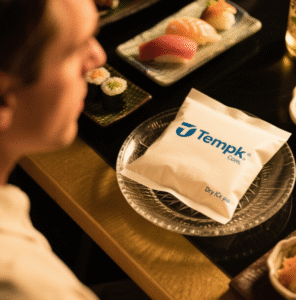
What Is a Dry Ice Pouch, Anyway?
Think of a dry ice pouch as a frozen lunchbox for your shipment. It’s a tough, sealed bag packed with solid carbon dioxide (CO₂)—a.k.a. dry ice. Here’s the magic: instead of melting into a puddle like regular ice, dry ice sublimates—it turns straight from a solid to a gas, skipping the messy liquid phase. No water sloshing, no soggy boxes, no ruined products. Perfect for anything that hates moisture: meds, electronics, or that fancy cheesecake you’re shipping for a client.
Whether you’re sending COVID vaccines, Alaskan king crab, or frozen pizzas, dry ice pouches keep your shipment at the exact temp it needs—no slip-ups, no excuses.
Why Dry Ice Pouches Beat Other Cooling Tricks
Let’s get real: not all cooling methods are created equal. Here’s why dry ice pouches are the gold standard for temp-sensitive shipping:
- Cooling That Goes the Distance
Regular ice melts fast—you’ve seen it drip-drip-dripping in a cooler, leaving a slimy mess. Dry ice? It sublimates slowly, releasing cool gas for hours (or even days) depending on the pouch size. That’s a lifesaver for cross-country shipments where your package might bake in a hot truck for days. No more “warm spots” ruining your goods. - Zero Water, Zero Worries
Water damage is the enemy of fragile or temp-sensitive items. Imagine opening a box of insulin to find it’s soaked—useless. Or a seafood shipment where the ice melted, leaving fish sitting in brine. Dry ice skips the melt entirely. Your package stays dry, so meds stay potent, food stays fresh, and samples stay viable. - Space-Smart & Cost-Saving
Dry ice pouches are compact. No bulky ice blocks taking up half your shipping container. That means more room for your actual products, fewer shipping fees, and happier customers (since their orders arrive intact). For businesses, that’s less waste and more profit. - Eco-Friendly by Nature
Dry ice is made from CO₂—a gas that’s already in the air we breathe. When it sublimates, it just goes back to the atmosphere—no harmful chemicals, no leftover sludge. And many dry ice pouches (including Tempk’s!) are made with recyclable materials. So you’re not just keeping your shipment safe—you’re keeping the planet safe too.
Where Dry Ice Pouches Shine in Shipping
Dry ice isn’t just for one industry—it’s a cold chain staple everywhere:
- Pharmaceuticals: Vaccines, insulin, or cancer meds need strict temp control to work. Dry ice pouches keep them frozen (or at the exact temp) so they reach hospitals and pharmacies ready to use.
- Food Shipping: Perishables like lobster, steaks, or frozen pizzas stay frozen solid with dry ice—even when shipped across the country. No more “thawed and refrozen” garbage; just fresh, safe food.
- Biotech & Research: Lab samples, DNA, or chemical reagents need precise temps to stay usable. Dry ice pouches make sure these irreplaceable items arrive in lab-ready condition.
Why Tempk’s Dry Ice Pouches Are the Best in the Business
Not all dry ice pouches are built the same. Tempk’s are designed for real-world shipping—here’s what makes them stand out:
- Cooling That Lasts (Exactly When You Need It)
Tempk offers pouches in different sizes and strengths. Need to keep a small box of chocolates frozen for 24 hours? Or a 50-pound cooler of lobster for 7 days? They’ve got a pouch for that. No more guessing—just reliable, consistent cooling. - Built Tough for the Road
Shipping is rough: packages get bumped, left in hot trucks, or dropped. Tempk’s pouches are made with high-quality materials that can handle it all. No leaks, no failures—just cold, steady protection for your goods. - Eco-Friendly Without Compromise
Tempk’s pouches are recyclable, so you’re not filling landfills with plastic. And because they use less space, you’re cutting down on fuel costs too. Cold chain shipping that’s good for business and the planet? Yes, please.
Wrapping It Up
Dry ice pouches are the backbone of safe, fresh food shipping. They keep your perishables frozen, dry, and in perfect condition—no matter how far they travel. And with Tempk’s pouches, you get all that plus durability, customization, and eco-friendly peace of mind.
Dry Ice Pads for Shipping: Your Weapon for Fresh

What Are Dry Ice Pads, Anyway?

Dry ice pads are like frozen powerhouses. They’re basically thick, durable pads packed with solid carbon dioxide (CO₂)—a.k.a. dry ice. Here’s the magic: instead of melting into a puddle like regular ice, dry ice sublimates—it turns straight from a solid to a gas, skipping the liquid phase entirely. No water sloshing around, no soggy boxes, no ruined products. Perfect for anything that hates moisture: electronics, meds, or that fancy cake you’re shipping for a birthday.
Whether you’re sending COVID vaccines, Alaskan king crab, or overnight pizzas, dry ice pads keep your shipment at the exact temp it needs—no slips, no slides.
Why Dry Ice Pads Beat Other Cooling Tricks
Let’s get real: not all cooling methods are created equal. Here’s why dry ice pads are the gold standard for shipping:
- Cooling That Goes the Distance
Regular ice melts fast. You’ve seen it—drip-drip-dripping in a cooler, leaving a slimy mess. Dry ice? It sublimates slowly, releasing cool gas for hours (or even days) depending on the pad size. That’s a lifesaver for cross-country shipments where your package might bake in a hot truck for days. No more “warm spots” ruining your goods. - Zero Water, Zero Worries
Water damage is the enemy of fragile or temp-sensitive items. Imagine opening a box of insulin to find it’s soaked—useless. Or a seafood shipment where the ice melted, leaving fish sitting in brine. Dry ice skips the melt entirely. Your package stays dry, so meds stay potent, food stays fresh, and samples stay viable. - Space-Smart & Cost-Saving
Dry ice pads are compact. No bulky ice blocks taking up half your shipping container. That means more room for your actual products, fewer shipping fees, and happier customers (since their orders arrive intact). For businesses, that’s less waste and more profit. - Eco-Friendly by Nature
Dry ice is made from CO₂—a gas that’s already in the air we breathe. When it sublimates, it just goes back to the atmosphere—no harmful chemicals, no leftover sludge. And many dry ice pads (including Tempk’s!) are made with recyclable materials. So you’re not just keeping your shipment safe—you’re keeping the planet safe too.
Where Dry Ice Pads Shine in Shipping
Dry ice isn’t just for one industry—it’s a cold chain staple everywhere:
- Pharmaceuticals: Vaccines, insulin, or cancer meds need strict temp control to work. Dry ice pads keep them frozen (or at the exact temp) so they reach hospitals and pharmacies ready to use.
- Food Shipping: Perishables like lobster, steaks, or frozen pizzas stay frozen solid with dry ice—even when shipped across the country. No more “thawed and refrozen” garbage; just fresh, safe food.
- Biotech & Research: Lab samples, DNA, or chemical reagents need precise temps to stay usable. Dry ice pads make sure these irreplaceable items arrive in lab-ready condition.
Why Tempk’s Dry Ice Pads Are the Best in the Business
Not all dry ice pads are built the same. Tempk’s are designed for real-world shipping—here’s what makes them stand out:
- Cooling That Lasts (Exactly When You Need It)
Tempk offers pads in different sizes and strengths. Need to keep a small box of chocolates frozen for 24 hours? Or a 50-pound cooler of lobster for 7 days? They’ve got a pad for that. No more guessing—just reliable, consistent cooling. - Built Tough for the Road
Shipping is rough: packages get bumped, left in hot trucks, or dropped. Tempk’s pads are made with high-quality materials that can handle it all. No leaks, no failures—just cold, steady protection for your goods. - Eco-Friendly Without Compromise
Tempk’s pads are recyclable, so you’re not filling landfills with plastic. And because they use less space, you’re cutting down on fuel costs too. Cold chain shipping that’s good for business and the planet? Yes, please.
Wrapping It Up
Dry ice pads are the backbone of safe, fresh food shipping. They keep your perishables frozen, dry, and in perfect condition—no matter how far they travel. And with Tempk’s pads, you get all that plus durability, customization, and eco-friendly peace of mind.
Dry Ice Packs for Shipping Food: Keep Your Feast Fresh & Safe, No Sweat

Why Dry Ice Packs Are a Food Shipper’s Best Friend

Let’s get real: shipping food isn’t like mailing a book. Perishables like fish, chicken, or ice cream have a “Goldilocks zone”—a narrow temperature range where they stay fresh and safe. Miss that zone, and you’re looking at spoiled food, angry customers, or even health risks. Here’s how dry ice packs nail it:
- Freeze-Fast, Stay-Frosty Power
Dry ice isn’t your average ice cube. Made of solid CO₂, it sublimates—turns straight from a solid to a gas—without melting into water. That means it chills food fast and keeps it frozen way longer than regular ice. Need to ship Alaskan salmon across the country? Dry ice packs can keep it at -78.5°C (-109.3°F) for days, so it arrives flaky and fresh, not slimy and warm. - No Water, No Ruined Food
Ever opened a delivery box and found your ice cream container floating in a puddle? Regular ice melts, leaks, and turns packaging into a soggy mess. Dry ice skips the melt entirely—it turns to gas, leaving zero water behind. That’s a lifesaver for:
- Seafood: Shrimp, lobster, or scallops stay dry (and safe to eat).
- Dairy: Ice cream, cheese, or yogurt won’t get watered down.
- Frozen Meals: Pre-made lasagnas or burritos retain their texture (no soggy veggies!).
- Space-Smart & Wallet-Friendly
Dry ice packs are compact—no bulky ice blocks taking up half your shipping box. That means more room for food, fewer packages, and lower shipping costs. For restaurants, grocers, or meal-kit companies, that’s less waste and more profit. - Eco-Friendly by Nature
Dry ice is made from CO₂—a gas that’s already in the air we breathe. When it sublimates, it just floats back into the atmosphere—no harmful chemicals, no landfill sludge. And most dry ice packs (including Tempk’s!) are recyclable, so you’re not adding to plastic waste. Win-win for your business and the planet.
Where Dry Ice Packs Shine in Food Shipping
Dry ice isn’t picky—it works for almost any perishable food. Here are the biggest ways it keeps your deliveries fresh:
- Seafood Lovers: Fresh fish, shrimp, or oysters need constant freezing to stay fresh. Dry ice packs lock in that cold, so they arrive at your customer’s door tasting like they were just caught.
- Meat & Poultry Pros: Chicken, steak, or ground beef can’t sit at room temp—bacteria love that. Dry ice keeps them frozen solid, so they’re safe to cook and eat when they arrive.
- Frozen Dessert Fans: Ice cream, gelato, or frozen yogurt? They’re picky about temp. Dry ice packs prevent melting, so your customers get creamy, not melty, scoops.
- Meal-Kit Companies: Pre-chopped veggies, marinated meats, or ready-to-cook meals need steady cooling. Dry ice packs keep them at the perfect temp, so each kit is as fresh as the day it was packed.
Why Tempk’s Dry Ice Packs Are the Cream of the Crop
Not all dry ice packs are built the same. Tempk’s are designed for real-world food shipping—here’s what makes them stand out:
- Cooling That Lasts (Exactly When You Need It)
Tempk offers packs in different sizes and strengths. Need to keep a small box of chocolates frozen for 24 hours? Or a 50-pound cooler of lobster for 7 days? They’ve got a pack for that. No more guessing—just reliable, consistent cooling. - Built Tough for the Road
Shipping is rough: packages get bumped, left in hot trucks, or dropped. Tempk’s packs are made with high-quality materials that can handle it all. No leaks, no failures—just cold, steady protection for your food. - Eco-Friendly Without Compromise
Tempk’s packs are recyclable, so you’re not filling landfills with plastic. And because they use less space, you’re cutting down on fuel costs too. Cold chain shipping that’s good for business and the planet? Yes, please.
Wrapping It Up
Dry ice packs are the backbone of safe, fresh food shipping. They keep your perishables frozen, dry, and in perfect condition—no matter how far they travel. And with Tempk’s packs, you get all that plus durability, customization, and eco-friendly peace of mind.
Dry Ice Packs for Shipping: Your Go-To for Safe Deliveries

If you’ve ever shipped medicine, fresh seafood, or lab samples, you know: keeping things cold enough isn’t optional—it’s everything. One wrong temperature swing, and vaccines lose potency, sushi turns mushy, or blood tests become unreliable. That’s where dry ice packs step in. They’re the unsung heroes of cold chain shipping, making sure your goods stay frosty (or frozen solid) from warehouse to doorstep. Let’s dive into why dry ice packs are a must-have, and why Tempk’s version outshines the rest.
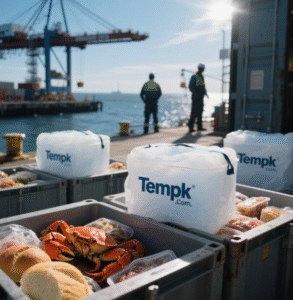
What Are Dry Ice Packs, Anyway?
Dry ice packs are basically “solid CO₂ bricks.” But here’s the magic: instead of melting into a puddle like regular ice, they sublimate—they turn straight from a solid to a gas, skipping the liquid phase entirely. That means no water sloshing around in your package. Perfect for things that hate moisture: electronics, meds, or even that fancy cake you’re shipping for a birthday.
Whether you’re sending COVID vaccines, Alaskan king crab, or COVID test kits, dry ice packs are the cold chain’s MVP. They keep your shipment at the exact temp it needs—no slips, no slides.
Why Dry Ice Packs Beat Other Cooling Tricks
Let’s get real: not all cooling methods are created equal. Here’s why dry ice packs are the gold standard for shipping:
- Cooling That Goes the Distance
Regular ice melts fast. You’ve seen it—drip-drip-dripping in a cooler, leaving a slimy mess. Dry ice? It sublimates slowly, releasing cool gas for hours (or even days) depending on the pack size. That’s a lifesaver for cross-country shipments where your package might bake in a hot truck for days. No more “warm spots” ruining your goods. - Zero Water, Zero Worries
Water damage is the enemy of fragile or temperature-sensitive items. Imagine opening a box of insulin to find it’s soaked—useless. Or a seafood shipment where the ice melted, leaving fish sitting in brine. Dry ice skips the melt entirely. Your package stays dry, so meds stay potent, food stays fresh, and samples stay viable. - Space-Smart & Cost-Saving
Dry ice packs are compact. No bulky ice blocks taking up half your shipping container. That means more room for your actual products, fewer shipping fees, and happier customers (since their orders arrive intact). For businesses, that’s less waste and more profit. - Eco-Friendly by Nature
Dry ice is made from CO₂—a gas that’s already in the air we breathe. When it sublimates, it just goes back to the atmosphere—no harmful chemicals, no leftover sludge. And many dry ice packs (including Tempk’s!) are made with recyclable materials. So you’re not just keeping your shipment safe—you’re keeping the planet safe too.
Where Dry Ice Packs Shine in Shipping
Dry ice isn’t just for one industry—it’s a cold chain staple everywhere:
- Pharmaceuticals & Meds: Vaccines, insulin, and blood need strict temp control to work. Dry ice packs keep them frozen (or at the exact temp) so they reach hospitals and pharmacies ready to use.
- Food Shipping: Perishables like lobster, ice cream, or pre-made meals stay frozen solid with dry ice—even when shipped across the country. No more “thawed and refrozen” garbage; just fresh, safe food.
- Science & Research: Lab samples, DNA, or chemical reagents need precise temps to stay usable. Dry ice packs make sure these irreplaceable items arrive in lab-ready condition.
Why Tempk’s Dry Ice Packs Are the Best in the Business
Not all dry ice packs are built the same. Tempk’s are designed for real-world shipping—here’s what makes them stand out:
- Built Tough: Tempk’s packs are made with high-quality materials that can handle rough handling, temperature swings, and long transit times. No leaks, no failures, no excuses.
- Custom-Made for Your Shipment: Need a small pack for a letter-sized box? Or a big one for a 200-pound cooler? Tempk offers sizes and strengths to match your shipment’s needs. Whether it’s a 24-hour delivery or a 7-day cross-country haul, they’ve got you covered.
- Planet-Friendly: Tempk’s packs are recyclable, so you’re not adding to landfill waste. Cold chain shipping that’s good for business and the planet? Yes, please.
Wrapping It Up
Dry ice packs are the backbone of safe, reliable cold chain shipping. They keep your goods cool, dry, and in perfect condition—no matter how far they travel. And with Tempk’s packs, you get all that plus durability, customization, and eco-friendly peace of mind.
Dry Ice Packs for Mailing: Keeping Temp-Sensitive Shipments Safe and Fresh

When you’re shipping items that need to stay at a specific temperature—like medicines, groceries, or lab samples—keeping them cool isn’t just important—it’s critical. That’s where dry ice packs for mailing come in. These handy tools are a game-changer for cold chain shipping, offering steady cooling that keeps your products safe and effective all the way to their destination. Let’s break down why dry ice packs are a must-have for temperature-sensitive mailings, and why Tempk’s version stands out.
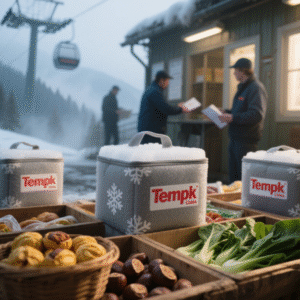
What Are Dry Ice Packs for Mailing?
Dry ice packs are small, portable blocks of solid carbon dioxide (CO₂). Unlike regular ice, which melts into water, dry ice sublimates—it turns straight from a solid to a gas without leaving any liquid behind. This unique trait makes it perfect for mailing: it cools your package without drenching the contents, which is a huge win for items that hate moisture (think electronics, meds, or paperwork).
Whether you’re sending vaccines, fresh seafood, or biological samples, dry ice packs are the go-to solution for keeping things frosty during transit.
Why Choose Dry Ice Packs for Mailing?
- Cooling That Lasts: Regular ice melts fast, leaving puddles and warm spots. Dry ice? It sublimates slowly, releasing cool gas for hours—even days—depending on the pack size. That’s a lifesaver for long-haul shipments where traditional ice just can’t keep up.
- No Water, No Mess: Since dry ice skips the melting step, there’s zero water damage to worry about. Your packages stay dry, which is a game-changer for delicate items like insulin, artwork, or tech gadgets. No more soggy boxes or ruined products.
- Space-Savvy Design: Dry ice packs are compact and lightweight compared to gel packs or blocks of regular ice. That means more room in your box for the actual products, lower shipping costs, and fewer headaches when packing.
- Eco-Friendly Choice: Dry ice is made from CO₂, a natural gas that doesn’t harm the environment when it sublimates. Many dry ice packs (including Tempk’s!) are made with recyclable materials, so you’re not just keeping your shipment safe—you’re doing your part for the planet too.
Where Are Dry Ice Packs Used in Mailing?
Dry ice packs aren’t just for one industry—they’re a cold chain staple across multiple fields:
- Pharmaceuticals & Medical: Vaccines, insulin, and blood samples need strict temperature control to work. Dry ice packs keep them at the right temp, so they arrive potent and safe.
- Food Shipping: Perishables like meat, dairy, and ice cream stay frozen with dry ice, even on cross-country trips. No more “thawed and refrozen” surprises—just fresh, safe food.
- Science & Research: Lab samples, DNA, and biological specimens rely on steady cooling to stay viable. Dry ice packs make sure these irreplaceable items arrive in perfect condition.
Why Tempk’s Dry Ice Packs Lead the Pack
Not all dry ice packs are created equal. Tempk’s are built tough for the real world of mailing:
- Durable & Reliable: Made with high-quality materials, Tempk’s packs stand up to rough handling, temperature swings, and long shipping times. They won’t leak or fail when you need them most.
- Customizable for Your Needs: Whether you’re shipping a small envelope or a large crate, Tempk offers packs in different sizes and strengths to match your shipment’s size and cooling demands.
- Sustainability at Heart: Tempk uses recyclable materials, so your cold chain solution doesn’t cost the earth—literally.
Wrapping Up
Dry ice packs are the unsung heroes of cold chain mailing. They keep your temperature-sensitive items cool, dry, and safe, no matter how far they travel. And with Tempk’s expertly designed packs, you get all that plus durability, customization, and eco-friendly peace of mind.
Next time you need to ship something that can’t afford to warm up—reach for dry ice packs. Your shipment (and your customers) will thank you.
Dry Ice Packs for Food: Critical Freshness Protection in Cold Chain

For perishable food logistics, temperature deviations exceeding ±3°C can trigger microbial growth (FDA, 2021). Dry ice packs provide consistent -78.5°C protection through sublimation (solid-to-gas transition), eliminating liquid runoff that compromises packaging integrity – making them indispensable for high-value frozen shipments.
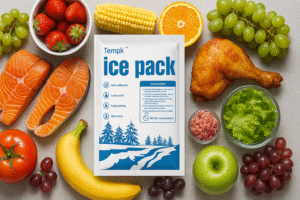
Why Food Logistics Choose Dry Ice Packs
| Advantage | Food Industry Impact |
|---|---|
| Extended Thermal Buffer | Maintains ≤-18°C for 48-96 hours – exceeds standard frozen transit windows |
| Zero Moisture Exposure | Prevents soggy packaging, ice crystal formation, and label damage |
| Space Efficiency | 1kg dry ice = 4L cooling volume (vs 8L water ice) – 50% space savings |
| Regulatory Compliance | Meets HACCP/FDA frozen storage requirements with auditable temperature control |
Food-Specific Applications
High-Risk Perishables
→ Seafood: Maintains -30°C for premium tuna/salmon exports
→ Meat/Poultry: Prevents “temperature abuse” during multi-stop deliveries
→ Ice Cream: Avoids fat separation & texture damage from partial thawing
Last-Mile Solutions
• Meal kit ingredient freshness
• Gourmet chocolate protection
• Frozen bakery transport
Tempk’s Food-Grade Dry Ice Pack Innovations
✓ Precision Performance: Maintains <-20°C for 96+ hours (validated per ISTA-7D)
✓ Structural Integrity: Triple-layer laminate resists punctures during palletized transport
✓ Custom Configuration:
Conclusion: Transform Food Safety Margins
Dry ice packs cut food spoilage rates by 19-34% (IATA Cold Chain Data 2023) versus gel alternatives. By combining deep-freeze reliability with moisture-free operation, Tempk’s solutions empower:
• Exporters to access premium markets
• E-commerce to guarantee “fresh-frozen” delivery promises
• Processors to pass FDA/USDA audits
Upgrade your cold chain defense with engineered dry ice protection – where product integrity becomes profit protection.
Dry Ice Packs for Coolers: The Essential Tool for Cold Chain Stability
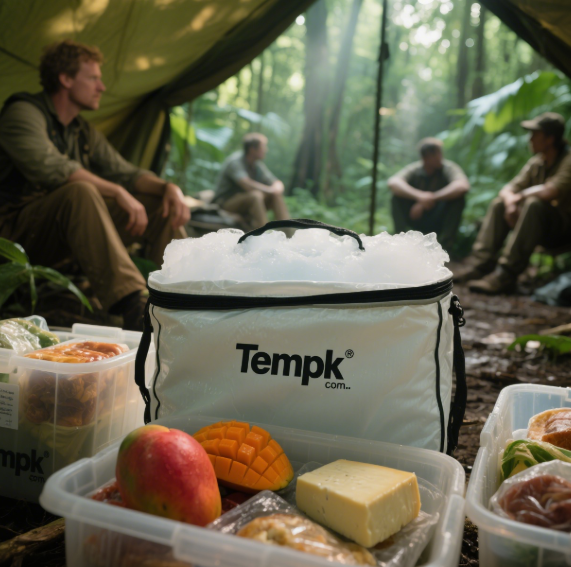
In temperature-controlled logistics, maintaining exact transit conditions is non-negotiable. For pharmaceuticals, perishable foods, or biological materials, even minor deviations can compromise product integrity. Dry ice packs for coolers solve this challenge by providing consistent sub-zero temperatures without liquid residue – making them indispensable for high-stakes shipments.
What Makes Dry Ice Packs Unique?
Dry ice packs contain solid CO₂ pellets (-78.5°C / -109.3°F) that sublimate (convert directly from solid to gas). Unlike gel packs or regular ice:
- Leave zero moisture in coolers
- Deliver 3-5x longer cooling duration
- Require 40% less space vs. water-based alternatives
This makes them ideal for compact shipping of vaccines, lab samples, or frozen seafood.
4 Key Advantages for Cold Chain Operations
| Benefit | Why It Matters |
|---|---|
| Extended Thermal Hold | Maintains critical temperatures for 48-72+ hours – ideal for international biologics transport |
| Zero Moisture Damage | Prevents ruinous condensation on pharmaceuticals, electronics, or medical devices |
| Space Optimization | Flexible packs conform to cooler walls and product shapes, maximizing cargo density |
| Sustainable Operation | CO₂ is reclaimed from industrial processes; recyclable packaging reduces landfill waste |
Industry-Specific Applications
Pharma & Biologics
- Ship mRNA vaccines at -70°C
- Transport insulin without freeze-thaw risks
- Secure diagnostic samples during last-mile delivery
Perishable Foods
- Protect seafood freshness in transit
- Maintain ice cream structure integrity
- Ensure dairy products pass FDA inspections
Critical Consignments
- Clinical trial materials
- Transplant organs
- Temperature-sensitive chemicals
Why Tempk’s Dry Ice Packs Lead the Market
Tempk’s engineering delivers next-generation cold chain reliability:
Durability: Triple-layered packaging withstands 72hr+ rough handling
Precision Control: Uniform cooling distribution (±2°C variance)
Custom Sizing: Configure packs for 10L medical coolers to 200L freight shippers
Eco-Certified: Carbon-neutral production with 100% recyclable materials
Real-World Performance Data:
“Tempk packs maintained -65°C for 78 hours during Singapore-Amsterdam pharma shipments – exceeding EU GMP standards.” – [Cold Chain Audit Report]
Conclusion: Optimize Your Cold Chain with Dry Ice Packs
Dry ice packs for coolers represent the optimal balance of performance, efficiency, and reliability in temperature-critical logistics. By eliminating moisture risks while extending thermal protection, they reduce product loss rates by up to 34% versus traditional cooling methods (IATA, 2023). Tempk’s validated solutions empower businesses to guarantee product viability from manufacture to end-user – turning temperature management from a challenge into a competitive advantage.
Dry Ice Packs | Temperature-Assured Shipping Solutions
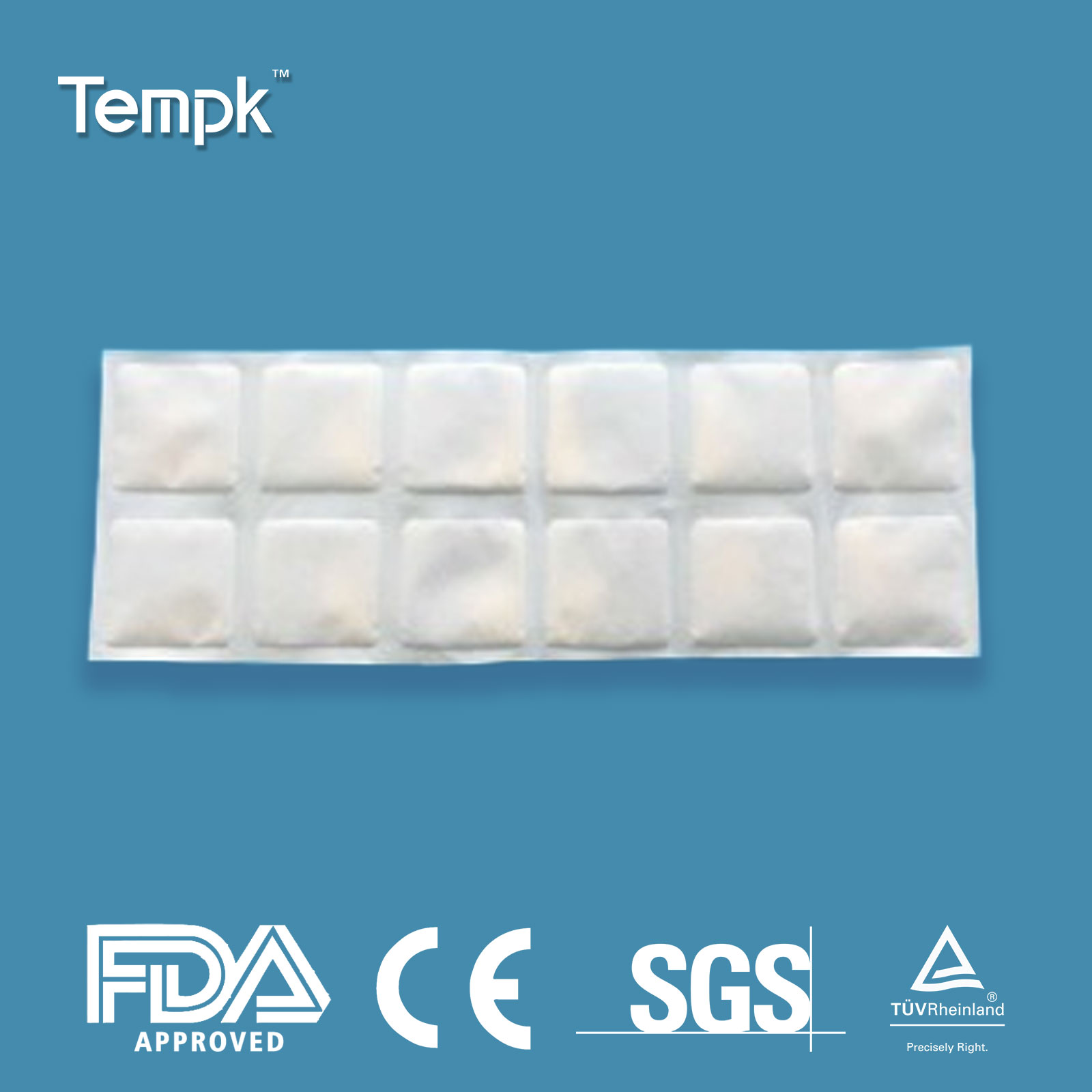
Maintaining product efficacy during transit requires precision cooling solutions. Dry ice packs (solid CO₂ systems) deliver cryogenic protection where conventional refrigerants fail, ensuring thermal integrity for high-value pharmaceuticals, diagnostics, and premium perishables throughout global supply chains.

Core Technical Advantages
1. Extended Cryogenic Performance
Maintains -78.5°C for 72-96 hours in transit
40% longer thermal hold vs. gel-based alternatives
Critical for:
mRNA vaccines & biologics
Cell therapies
Specialty diagnostics
2. Zero-Moisture Phase Change
Solid→gas sublimation prevents:
Product contamination
Secondary containment needs
Packaging compromise
3. Logistics Optimization
30% higher payload density vs. water-based ice
Enables mixed-commodity palletization
Reduces freight costs through volumetric efficiency
Sector-Specific Validation
| Industry | Critical Applications | Compliance Impact |
|---|---|---|
| Pharma | Global vaccine distribution | 2-8°C/-20°C chain compliance |
| Diagnostics | Lab specimen transport | CLIA/CAP sample integrity |
| Food Logistics | Premium seafood export | HACCP Critical Control Point 4 |
Tempk’s Performance-Engineered Solutions
✓ Validated Thermal Protection
ISTA-7E certified performance profiles
Third-party verified 96-hour thermal endurance
✓ Shipping-Adaptive Configurations
Modular systems for:
Parcel shipments (medical couriers)
Air cargo ULD containers
Ocean freight reefers
✓ Regulatory Compliance
IATA PI 954 compliant venting
Complete 21 CFR Part 11 documentation
✓ Sustainable Cold Chain
Carbon-offset manufacturing
Closed-loop recycling program
Operational Best Practices
Strategic Placement
Position packs against container thermal weak points
Pre-Conditioning Protocol
Temper packaging 4-6 hours before loading
Ventilation Management
Maintain ≥2% vent area for CO₂ off-gassing
Why Tempk Delivers ROI
Clinical Trial Case Study: Global research organization reduced temperature excursions by 91% while increasing payload efficiency by 27% using Tempk’s configurable dry ice matrix system.
Technical Differentiation
Dynamic Sublimation Control
Patented buffer layers extend thermal duration by 45%Pallet-Ready Architecture
Reduces packing labor by 65% vs. loose-fill systemsEmbedded Monitoring
Optional cellular-enabled data loggers for real-time tracking
Conclusion
Dry ice packs resolve critical cold chain vulnerabilities through guaranteed cryogenic performance, contamination-free operation, and logistics optimization. Tempk’s engineered solutions deliver validated thermal protection, regulatory compliance, and sustainability for pharmaceutical, diagnostic, and premium food shipments. For supply chain specialists requiring audit-ready temperature assurance from origin to destination, Tempk’s technology provides measurable ROI through reduced product loss and optimized freight economics.
Dry Ice Packing Solutions | Temperature-Assured Shipping
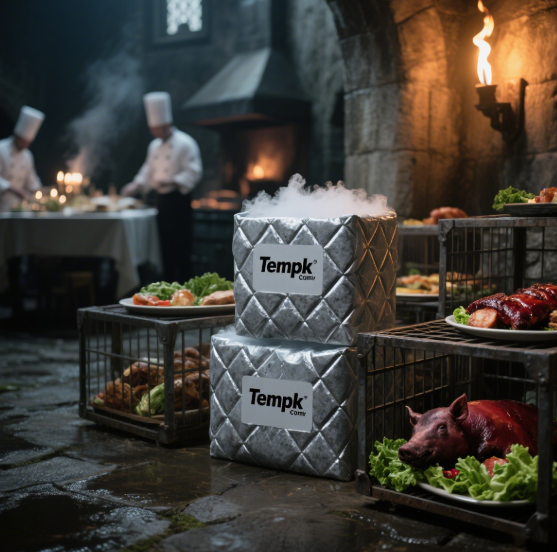
Advanced Dry Ice Packing: Ensuring Unbroken Cold Chains
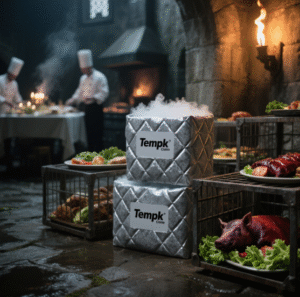
Maintaining thermal integrity during transit demands scientifically validated packing methodologies. Dry ice (solid CO₂) packing systems provide cryogenic protection where conventional refrigerants fail, particularly for high-value pharmaceuticals, diagnostic materials, and premium perishables.
Core Packing Methodology Advantages
1. Precision Temperature Control
Maintains -78.5°C core temperatures for 96+ hours
<2°C thermal variance in validated packaging systems
Critical for:
Cell & gene therapies
mRNA vaccines
Specialty diagnostics
2. Contamination-Free Sublimation Management
Engineered phase-change control prevents:
Product immersion (IATA packing instruction 954)
Container pressure buildup
Temperature stratification
3. Packing Density Optimization
40% higher payload efficiency vs. gel-based systems
Enables mixed-commodity palletization
Reduces freight costs through volumetric efficiency
Industry-Specific Packing Protocols
| Sector | Critical Applications | Compliance Framework |
|---|---|---|
| Biopharma | ATMP transport | EU GDP Annex 15 / USP <1079> |
| Food Logistics | Sushi-grade seafood export | HACCP Critical Control Point 4 |
| Clinical Trials | Global specimen collection | ICH-GCP temperature compliance |
Tempk’s Engineered Packing Systems
✓ Validated Thermal Performance
ISTA-7E certified thermal protection profiles
Third-party verified 120-hour performance data
✓ Adaptive Packing Architecture
Configurable systems for:
Parcel shipments (1-5kg payloads)
Air cargo ULD containers
Ocean freight reefer units
✓ Regulatory-Compliant Kitting
UN1845-compliant venting systems
Complete 21 CFR Part 11 documentation suite
✓ Sustainable Cold Chain Integration
Carbon-offset dry ice production
Circular economy packaging reuse program
Packing Best Practices
Thermal Buffering
Implement phase-change materials at thermal interfaces
Strategic Ice Placement
Concentrate mass against container hot spots
Venting Compliance
Maintain ≥2% vent area (IATA PI 954 requirement)
Condition Monitoring
Embed dual-sensor data loggers with cellular backup
Operational ROI Metrics
Pharma Case Study: Global distributor achieved 99.3% on-time in-full (OTIF) delivery with 0% temperature excursions after implementing Tempk’s protocol-driven packing system.
Why Tempk Outperforms
Technical Differentiation:
Proprietary thermal buffering technology extends hold time by 45%
Dynamic sublimation rate control prevents thermal shock
Pallet-ready modular configurations reduce packing labor by 65%
Conclusion
Advanced dry ice packing methodologies resolve critical cold chain vulnerabilities through precision temperature control, regulatory compliance, and volumetric efficiency. Tempk’s engineered systems deliver validated thermal performance, multimodal adaptability, and sustainability for biopharma, premium food, and clinical trial shipments. For supply chain specialists requiring guaranteed product integrity from manufacturer to end-user, Tempk’s protocol-driven approach provides auditable compliance and measurable ROI through reduced product loss and optimized freight economics.
The Essential Role of Dry Ice Packets in Cold Chain Logistics
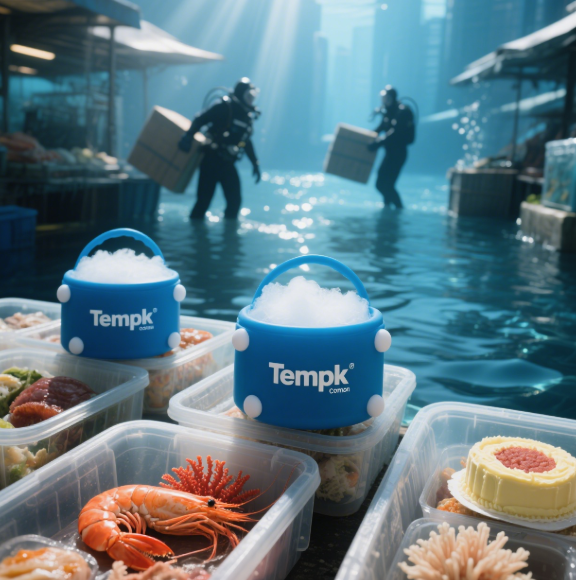
As supply chains grow more complex, maintaining temperature integrity requires granular cooling solutions. Dry ice packets (solid CO₂ units) provide surgical-grade temperature control for last-mile logistics, clinical trials, and e-commerce perishables where bulk systems fail.
Technical Superiority of Unitized Dry Ice
1. Targeted Cryogenic Performance
Maintains -78.5°C at point-of-need
40% longer thermal hold vs. gel equivalents
Precision cooling for:
High-value biologics
Diagnostic specimens
Premium perishables
2. Zero-Contamination Sublimation
Solid→gas phase change eliminates:
Product immersion risks
Secondary packaging requirements
Cross-contamination potential
3. Logistics Optimization
30% space reduction vs. traditional cooling
Enables mixed-TL (Truckload) configurations
Simplified handling with unit-dose convenience
Sector-Specific Implementation
| Vertical | Critical Applications | Compliance Impact |
|---|---|---|
| Pharma | Clinical trial distribution | 21 CFR Part 11 compliance |
| Food Logistics | Meal kit fulfillment | HACCP temperature adherence |
| Diagnostics | Lab-to-lab specimen transfer | CLIA/CAP sample integrity |
Tempk’s Engineered Packet Solutions
✓ Validated Thermal Performance
Third-party verified 72hr thermal protection
Stable -70°C maintenance in parcel transit
✓ Adaptive Form Factors
Unitized configurations:
100-500g medical specimen packets
1-3kg e-commerce formats
Pallet-compatible matrix systems
✓ Regulatory-Ready Design
IATA-compliant vented packaging
Embedded temperature logging options
✓ Sustainable Cold Chain
Carbon-neutral manufacturing
Closed-loop recycling initiative
Operational Advantages
Last-Mile Efficiency
92% reduction in temperature excursions for home-health deliveries
28% faster unpack/processing vs. bulk dry ice
Supply Chain Resilience
Enables staged temperature transitions (e.g., -70°C → -20°C)
Simplifies reverse logistics for reusable containers
Why Tempk Delivers Value
Case Study: Global biotech firm reduced clinical trial shipment losses by 78% while cutting coolant costs by 32% through Tempk’s programmable phase-change packets.
Conclusion
Dry ice packets resolve critical gaps in modern cold chains through precision temperature control, contamination-free operation, and logistics simplification. Tempk’s engineered solutions deliver validated thermal performance, application-specific configurations, and sustainability for pharmaceutical, diagnostic, and premium food shipments. For supply chain leaders requiring audit-ready temperature assurance in fragmented distribution models, Tempk’s dry ice technology provides measurable ROI through reduced waste and optimized operations.