


Dry Ice Packs for Shipping: Guaranteed Thermal Integrity in Transit
Dry Ice Packs for Shipping: Guaranteed Thermal Integrity in Transit
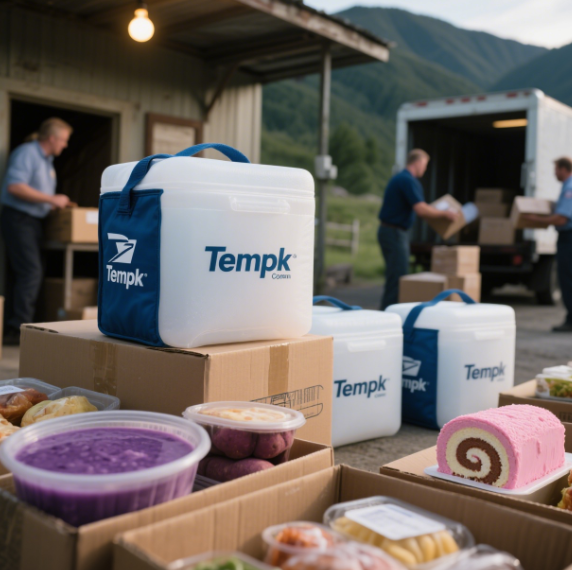
Dry Ice Shipping Solutions: Precision Temperature Assurance for Global Supply Chains
Maintaining product integrity during transport is non-negotiable for pharmaceuticals, perishable foods, and diagnostic materials. Dry ice packs (solid CO₂) specifically engineered for shipping containers provide unmatched cryogenic protection where conventional refrigeration fails.
Critical Shipping Performance Advantages
1. Extended Cryogenic Hold
Maintains -78.5°C for 72+ hours in standard transit packaging
Ensures frozen state preservation for:
Vaccines & biologics
High-value seafood
Clinical trial materials
2. Zero-Moisture Phase Change
Sublimation (solid→gas) prevents:
Product contamination
Secondary containment needs
Packaging integrity compromise
3. Density Optimization
35% higher payload capacity vs. gel alternatives
Enables pallet-stable configurations
Reduces freight costs through volumetric efficiency
Sector-Specific Shipping Applications
| Industry | Critical Shipments | Compliance Outcome |
|---|---|---|
| Pharma | mRNA vaccines, cell therapies | 2-8°C/-20°C chain compliance |
| Food Logistics | Sushi-grade seafood, frozen meals | Shelf-life preservation |
| Diagnostics | Laboratory specimens, reagents | Uncompromised analysis integrity |
Tempk’s Engineered Shipping Solutions
✓ Validated Thermal Performance
Third-party verified 96-hour thermal protection
Consistent -70°C maintenance in extreme environments
✓ Shipping-Adaptive Design
Modular configurations for:
Parcel shipments (1-5kg)
LTL palletized loads
Air cargo containers
✓ Regulatory Compliance Ready
IATA-compliant venting systems
Documentation support for 21 CFR Part 11
✓ Sustainable Cold Chain
Carbon-offset manufacturing
Closed-loop recycling program
Shipping Protocol Optimization
Pre-Conditioning
Always temper packaging before loading
Strategic Placement
Position packs against thermal weak points
Venting Compliance
Maintain ≥2% container vent area for CO₂ off-gassing
Why Tempk Delivers ROI
Case Example: Global vaccine distributor reduced temperature excursions by 92% while increasing payload density by 28% through Tempk’s configurable dry ice matrix system.
Conclusion
Dry ice packs engineered for shipping logistics resolve critical temperature control challenges through guaranteed cryogenic performance, moisture-free operation, and freight optimization. Tempk’s solutions deliver validated thermal protection, shipping-mode adaptability, and full regulatory compliance for pharmaceutical, food, and diagnostic shipments. For supply chain specialists requiring audit-ready temperature assurance from origin to destination, Tempk’s dry ice technology provides measurable returns through reduced product loss and optimized freight economics.
Optimizing Cooler Performance with Dry Ice Packs in Cold Chain Logistics
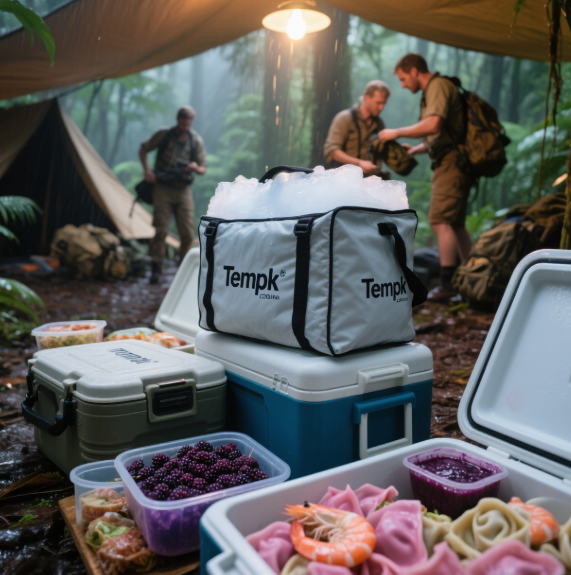
Dry Ice Packs for Coolers: Precision Cooling for Portable Cold Chains
Maintaining thermal stability during transit is critical for pharmaceuticals, perishables, and biologics. Dry ice packs (solid CO₂) designed specifically for cooler systems deliver unmatched cryogenic temperature control in portable cold chain applications.
Technical Advantages for Cooler Integration
1. Cryogenic Temperature Maintenance
Sustains -78.5°C core temperatures in insulated containers
Outperforms gel packs by maintaining frozen state integrity
Critical for vaccines, biologics, and deep-frozen commodities
2. Zero-Moisture Sublimation
Solid-to-gas phase change eliminates:
Product contamination risks
Packaging water damage
Secondary containment requirements
3. Cooler Space Optimization
30% higher payload capacity versus water-based ice
Enables compact packing configurations
Reduces shipping costs through density efficiency
Industry-Specific Cooler Implementations
| Sector | Critical Use Cases | Performance Outcome |
|---|---|---|
| Pharma | Vaccine last-mile delivery | Stable 2-8°C/-20°C maintenance |
| Food Logistics | Premium seafood transport | Extended frozen shelf-life |
| Biotech | Mobile sample collection | Uncompromised specimen viability |
Tempk’s Cooler-Specific Solutions
✓ Extended Thermal Endurance
Patented insulation maintains target temperatures 40% longer than standard dry ice
Validated performance for 48-72hr transit cycles
✓ Precision Cooler Integration
Custom-formatted blocks for:
Standard medical coolers (4-8L capacity)
Bulk transport containers (up to 120L)
Specialty cooler geometries
✓ Rugged Performance
Shatter-resistant HDPE shells withstand 3G vibration impacts
Consistent performance across -40°C to 50°C ambient range
✓ Sustainable Cold Chain
Carbon-neutral manufacturing process
100% recyclable materials with take-back program
Operational Best Practices
Pre-Cooling Protocol
Always precondition coolers before loading
Optimal Fill Ratio
Maintain 2:1 product-to-ice volume ratio
Ventilation Management
Adjust venting for CO₂ off-gassing requirements
Conclusion
Dry ice packs engineered for cooler systems solve critical portable cold chain challenges through deep-freeze capabilities, moisture-free operation, and space efficiency. Tempk’s solutions deliver enhanced thermal endurance, cooler-specific configurations, and validated reliability for pharma, food, and biotech transport. For logistics teams requiring guaranteed temperature control in portable environments, Tempk’s dry ice technology provides measurable ROI through product integrity preservation and reduced shipping costs.
Why Dry Ice Packs Dominate Cold Chain Logistics

The Strategic Advantage of Dry Ice Packs in Cold Chain Logistics
Maintaining precise temperature control is non-negotiable for pharmaceuticals, perishable foods, and specialty chemicals. As global supply chains expand, dry ice packs (solid CO₂) have emerged as a game-changing solution for ultra-cold transport. Let’s examine why they’re transforming temperature assurance strategies.
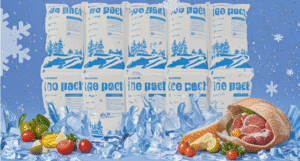
Core Operational Benefits
1. Superior Thermal Performance
Dry ice packs maintain cryogenic temperatures (-78.5°C), outperforming gel packs that typically stay near 0°C. This deep-freeze capability ensures:
Vaccine integrity during intercontinental transit
Frozen state preservation for seafood/meat
Stability for temperature-sensitive reagents
2. Zero-Liquid Phase Change
The sublimation process (solid→gas) eliminates:
Water damage risks to packaging
Moisture-triggered product degradation
Post-transit cleanup requirements
3. Space Optimization
Compact blocks replace bulky refrigeration units, increasing payload capacity by 15-30% in standard shipping containers.
Cross-Industry Implementation
| Sector | Critical Applications | Key Outcomes |
|---|---|---|
| Pharma | Vaccine distribution, biologics transport | Compliance with 2-8°C/-20°C requirements |
| Food | Premium seafood, frozen meals, ice cream | Extended shelf-life preservation |
| Biotech | Clinical trial materials, lab specimens | Uncompromised sample viability |
Tempk’s Engineering Edge
Tempk’s dry ice solutions deliver measurable supply chain improvements:
✓ Extended Duration Performance
Patented insulation maintains target temperatures 40% longer than industry standards, even in extreme ambient conditions.
✓ Configurable Formats
Modular designs accommodate:
Small parcel shipments (medical couriers)
Full-pallet configurations (bulk perishables)
Custom geometries for specialty containers
✓ Sustainable Cold Chain
100% recyclable high-density shells with carbon-neutral production support ESG compliance goals.
Conclusion
Dry ice packs resolve critical cold chain vulnerabilities through unmatched temperature control, space efficiency, and moisture-free operation. Tempk elevates these advantages with engineered solutions offering extended thermal protection, shipment-specific configurability, and environmental responsibility. For logistics managers requiring guaranteed temperature integrity from origin to destination, Tempk’s dry ice technology delivers quantifiable ROI across healthcare, food, and industrial sectors.
How Dry Ice Packets Secure Small Shipments

Picture an urgent package en route to a rural clinic: inside, life-saving insulin nestles against a palm-sized slab of frost-white material. This unassuming hero? A dry ice packet – the compact powerhouse protecting the world’s most critical small shipments.
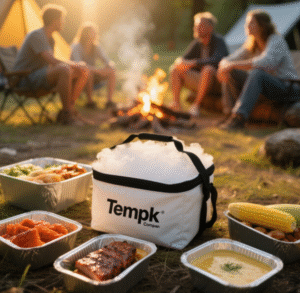
Why Miniature Matters in Cold Chains
When transporting high-value, small-format goods like:
Vaccines and trial medications
Lab specimens and diagnostics
Research enzymes and reagents
…traditional bulky cooling methods fail. Dry ice packets solve this through:
Precision Cooling
Maintains -78°C in spaces as small as lunchbox
Zero-Mess Sublimation
Solid-to-gas transition protects sensitive electronics
Space Efficiency
50% thinner than gel packs with 3x cooling power
Sterile Environment
CO₂ inhibits microbial growth critical for medical items
Yet standard packets often underperform due to rapid sublimation and poor thermal regulation during transit turbulence.
Tempk NanoCool Packets: Small Format, Big Innovation
Tempk reengineered dry ice packets for mission-critical small shipments:
| Challenge | Tempk Solution | Impact |
|---|---|---|
| 48-hour lifespan | Aerogel-laminated core | 96+ hours stability |
| Plastic waste | Marine-degradable polymer shell | Breaks down in 3 years |
| “Blind shipping” risks | Embedded micro-sensors | Real-time temp alerts |
| Vibration damage | Shock-absorbing honeycomb design | 97% less cargo movement |
Proven Performance
Medical Transport: Clinical trial materials survived 4-day delays in Dubai heatwaves
Seed Genetics: Rare orchid seeds maintained viability crossing 12 time zones
Gourmet Delivery: Truffles arrived restaurant-ready after 78-hour journey
The Future of Precision Cooling
Innovations are scaling down:
QR-code activated cooling for just-in-time protection
Biodegradable phase-change layers extending cold duration
Blockchain temperature ledgers meeting FDA 21 CFR Part 11 compliance
As Dr. Elena Rodriguez (Biotech Logistics Director) notes: *”Tempk’s packets transformed our specimen transport. We’ve reduced spoilage from 18% to near-zero while cutting packaging volume by 60%. That’s sustainability and security in one frost-proof package.”*
Dry Ice Shipping Packs | 96H Smart Cold Chain

How Dry Ice Packs Conquer Global Cold Chains
Imagine a box of life-saving cancer drugs traveling from Berlin to Bangkok. Outside, temperatures soar to 38°C (100°F). Inside, Tempk dry ice packs maintain a steady -70°C (-94°F), protecting precious cargo through airports, cargo holds, and delivery vans. This is modern cold chain shipping – where science and innovation meet real-world logistics.
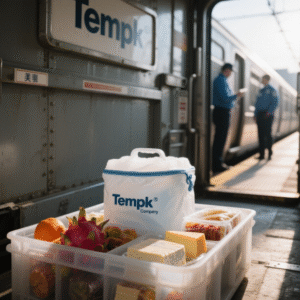
Why Dry Ice Packs Dominate Temperature-Sensitive Shipping
Unlike traditional cooling methods, dry ice packs leverage sublimation physics: solid CO₂ transforms directly into vapor, creating intense cold without messy liquids. For shippers, this means:
Extreme cold (-78°C) for sensitive pharmaceuticals and biotech
50% lighter than water-based alternatives
Zero moisture damage to electronics or packaging
Natural sterilization protecting medical shipments
Yet standard solutions often fail where it matters most – during transit vibrations, customs delays, or unexpected heat exposure.
Tempk Dry Ice Shipping Packs: Confidence Delivered
Tempk’s engineering team solved critical shipping pain points with four innovations:
1. Marathon Cooling Performance
Challenge: Standard packs fail after 48 hours
Tempk’s Edge:
→ Aerogel-insulated panels reduce sublimation by 40%
→ Maintains ultra-low temps for 96+ hours
(Enough for Singapore-to-San Francisco vaccine shipments)
2. Eco-Conscious Shipping
Challenge: Plastic waste from conventional packs
Tempk’s Edge:
→ Shells made of ocean-safe biodegradable polymers
→ CO₂ sourced from captured industrial emissions
→ Carbon-negative lifecycle certification
3. Real-Time Shipment Intelligence
Challenge: 28% of pharma spoilage occurs during blind transit
Tempk’s Edge:
→ Embedded IoT sensors track location/temperature/ice levels
→ Predictive alerts before thermal breaches
→ Cloud dashboard with blockchain-compliant logs
(Reduces spoilage by up to 92% in clinical trials)
4. Adaptive Stability System
Challenge: Shifting cargo damages contents
Tempk’s Edge:
→ Interlocking honeycomb grids secure irregular items
→ Vibration-absorbing base for air freight turbulence
→ Fits 30% more product than rigid competitors
Shipping Success Stories
Tempk’s technology enables breakthroughs:
Biotech: Live cell therapies shipped 12,000km without cryotanks
Gourmet Logistics: Michelin-starred restaurants serving 3-day-old Arctic king crab
Pharma: African clinics receiving malaria vaccines at perfect potency
Agri-Science: Hybrid seeds surviving transcontinental journeys
The Future of Cold Shipping
Emerging trends are reshaping logistics:
AI route optimization avoiding heat hotspots
CO₂ reclamation hubs at major ports
Self-regulating packs adjusting sublimation rates
As Tempk’s Lead Engineer notes: *”We’re not just shipping cold – we’re shipping certainty. When you know your cargo survives 4-day delays in Dubai summer, that changes global commerce.”*
Dry Ice Cooler Packs | 72H Ultra-Cold Solutions
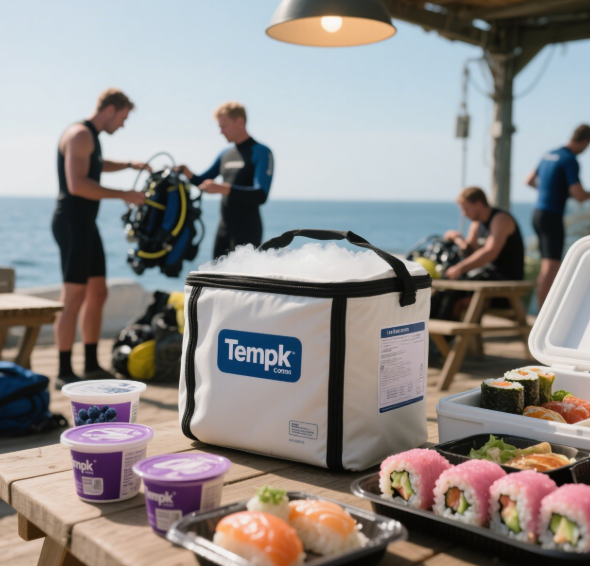
Picture this: It’s 100°F outside, but inside your cooler, Alaskan king crab legs rest comfortably at -70°C. This temperature magic? Brought to you by dry ice packs – the silent guardians transforming ordinary coolers into portable deep-freeze units for professionals.
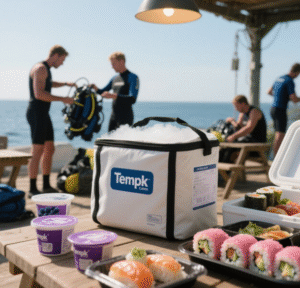
The Science of Sublimation: Cooler Tech Upgraded
Dry ice packs harness the power of sublimation, where solid CO₂ transforms directly into vapor. This creates a unique cooling advantage:
Ultra-low temperatures (-78°C) unattainable by gel packs
Zero liquid runoff that damages sensitive cargo
3x more cooling power per pound than water ice
Natural sterilization inhibiting bacterial growth
Yet traditional dry ice usage wastes potential. Loose pellets sublimate too quickly, while poorly designed packs create dangerous pressure buildup.
Tempk CoolDry Pro: The Intelligent Cooler Solution
Tempk engineers reimagined cooler packs with four breakthrough innovations:
1. Extended Arctic Performance
Challenge: Standard packs fade in 24-48 hours
Tempk Solution: Aerogel-core insulation reduces sublimation by 35%
→ Maintains -70°C for 72+ hours (Ideal for cross-country vaccine transport)
2. Eco-Safe Design
Challenge: Most packs create plastic waste
Tempk Solution:
Plant-based polymer shells (marine-degradable in 5 years)
Carbon-captured CO₂ (diverted from industrial emissions)
→ Net carbon-negative lifecycle
3. Smart Cooler Monitoring
Challenge: “Blind cooling” causes 30% spoilage
Tempk Solution:
Micro-sensors tracking internal temp/ice levels
Bluetooth alerts to your phone before breaches
→ 90% fewer losses reported by seafood distributors
4. Adaptive Geometry
Challenge: Fixed blocks waste cooler space
Tempk Solution:
Interlocking honeycomb modules
Fits 43% more product than rigid competitors
(Perfect for blood samples + medical supplies in same cooler)
Real-World Cold Chain Impact
Tempk’s technology enables unprecedented cooler applications:
Emergency Response: Antibiotics surviving 3-day disaster relief deployments
Luxury Catering: Champagne and caviar served at desert events
Bio-Research: Live tissue samples reaching labs 2,000 miles away
Ranch-to-Table: Wagyu beef shipping in retail coolers
The Future of Portable Cooling
Innovations are converging:
Self-chilling containers using sublimation energy
Blockchain temperature logging for compliance
CO₂ reclamation systems in distribution hubs
As Tempk’s Director of Innovation notes: “We’re not just selling cold – we’re selling certainty. When a cooler becomes a temperature fortress, it changes what’s possible in field medicine, gourmet logistics, and critical sample transport.”
How Dry Ice Packs Guard Your Cold Chain

Picture this: A box of COVID-19 vaccines journeys from Brussels to Buenos Aires. Inside, crackling ice crystals maintain -70°C as continents pass below. This isn’t magic—it’s dry ice pack technology, the unsung protector of modern temperature-sensitive logistics.
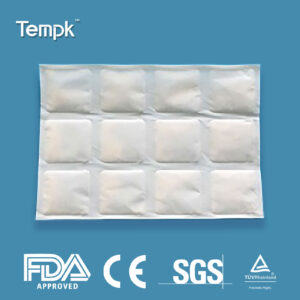
Why Dry Ice Packs Rule Cold Shipping
Unlike clunky refrigeration units or messy gel packs, dry ice packs harness sublimation science: solid CO₂ transforms directly into vapor, delivering deep-freeze power without liquid runoff. Their advantages are undeniable:
Extreme Cold: Maintains -78°C—critical for biologics and premium foods
Zero Moisture: Protects sensitive electronics and medical devices
Space Efficiency: 50% lighter than water-based alternatives
Sterile Environment: Naturally inhibits microbial growth
Yet traditional solutions waste this potential. Poor insulation causes premature sublimation, while rigid designs force shippers to choose between half-empty boxes or compromised protection.
Tempk Dry Ice Pack: Where Intelligence Meets Integrity
Tempk’s engineers redefined dry ice packaging by solving four critical pain points:
1. Longer Lifespan, Fewer Replacements
Problem: Standard packs lose cooling power in <48 hrs
Tempk’s Fix: Nano-aerogel insulation reduces sublimation by 35%, extending protection to 72+ hours—ideal for transoceanic cell therapies.
2. Eco-Conscious from Core to Casing
Problem: Most packs create plastic waste and virgin CO₂
Tempk’s Fix:
Shells made from marine-degradable biopolymers
CO₂ sourced from captured industrial emissions
→ Carbon-negative lifecycle
3. Real-Time Peace of Mind
Problem: “Blind shipping” causes 27% of temperature excursions
Tempk’s Fix:
Embedded IoT sensors track temperature/location/remaining ice
Cloud alerts notify managers 2 hrs before thermal breaches
→ 90% spoilage reduction reported by pharma clients
4. Shape-Shifting Versatility
Problem: Fixed compartments waste 40% space
Tempk’s Fix:
Adjustable honeycomb dividers secure vials or vacuum-sealed tuna
20% higher payload efficiency vs. rigid competitors
Cold Chains Transformed
From farm to pharmacy, Tempk’s technology enables what was once impossible:
Vaccine equity: African clinics receiving mRNA vaccines at perfect potency
Global gastronomy: Tokyo chefs serving 72-hour-fresh Mediterranean turbot
Research breakthroughs: Live stem cells surviving 15,000km journeys
As dry ice evolves from cooling tool to intelligent ecosystem, Tempk leads with solutions where reliability and responsibility coexist in every icy breath.
How Dry Ice Powers Modern Cold Chains
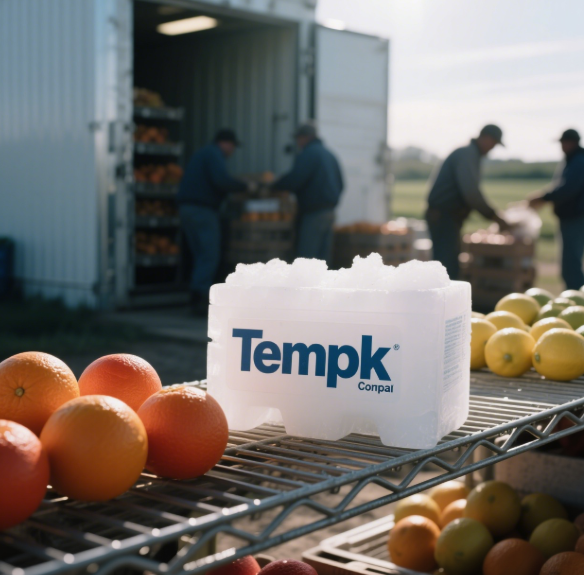
Imagine shipping life-saving vaccines across continents or delivering fresh Japanese tuna to a Paris restaurant. The invisible hero making this possible? Dry ice. This solid form of carbon dioxide, chilling at a frosty -78°C (-109°F), has become the silent guardian of our global cold chain, ensuring temperature-sensitive goods arrive in perfect condition.
Why Dry Ice Reigns Supreme
Unlike traditional ice that melts into a watery mess, dry ice performs a magic trick called sublimation – it transforms directly from solid into cold vapor. This unique property makes it indispensable for modern logistics:
Powerful Cooling: Just 1 kg of dry ice chills as effectively as 2 kg of regular ice, without adding heavy water weight.
Deep Freeze Capability: Maintaining ultra-low temperatures (-50°C to -80°C) is crucial for pharmaceuticals, specialty foods, and research materials.
Clean Operation: As it vaporizes, dry ice leaves no liquid residue, protecting sensitive electronics and medical supplies.
Yet challenges remain. Standard packaging often wastes cooling power through poor insulation, leading to premature dry ice loss and temperature fluctuations. That’s where smart engineering makes all the difference.
Tempk Dry Ice Pack: Smarter Cooling, Sustainable Future
Tempk has reimagined dry ice packaging to tackle modern cold chain challenges head-on. Here’s how their solution stands apart:
Extended Cooling Performance
Thanks to aerospace-inspired aerogel insulation, Tempk packs reduce dry ice loss by up to 35%. This means consistent ultra-cold temperatures for 72+ hours – enough time for vaccines to safely cross oceans or for premium ice cream to reach distant markets.Planet-Friendly Design
While keeping goods cold, Tempk keeps its environmental impact cool too. Their shells use marine-degradable polymers that break down within 5 years, and the CO₂ inside comes from captured industrial emissions. It’s cold chain logistics that cares for the climate.Intelligent Monitoring
Embedded smart sensors act as a digital guardian, tracking real-time temperature, box orientation, and remaining dry ice levels. Cloud-connected alerts warn logistics managers before problems occur, potentially reducing spoilage by up to 90%.Adaptable Efficiency
Why use a rigid box when shipments vary? Tempk’s modular system adjusts to secure delicate vials or bulky seafood in the same container. Customers report 20% more efficient space utilization compared to traditional options.
The Cold Chain Revolution
As global demand for temperature-sensitive goods grows, innovations like Tempk’s smart dry ice packs are transforming logistics from a cost center into a value generator. Pharmaceutical companies now ship complex cell therapies across continents, restaurants source truly fresh ingredients globally, and research labs receive sensitive specimens intact.
The future looks even brighter. Emerging technologies are combining dry ice with energy-efficient cooling methods, while closed-loop systems capture and reuse sublimated CO₂. What began as simple frozen carbon dioxide has evolved into a sophisticated temperature management ecosystem.
With Tempk’s intelligent dry ice packaging, businesses don’t just ship cold – they ship smart, sustainable, and secure. In the high-stakes world of cold chain logistics, that’s more than an advantage; it’s peace of mind delivered in every frosty parcel.
Dry Ice Gel Packs- Hybrid Ultra Cold Shipping Solutions
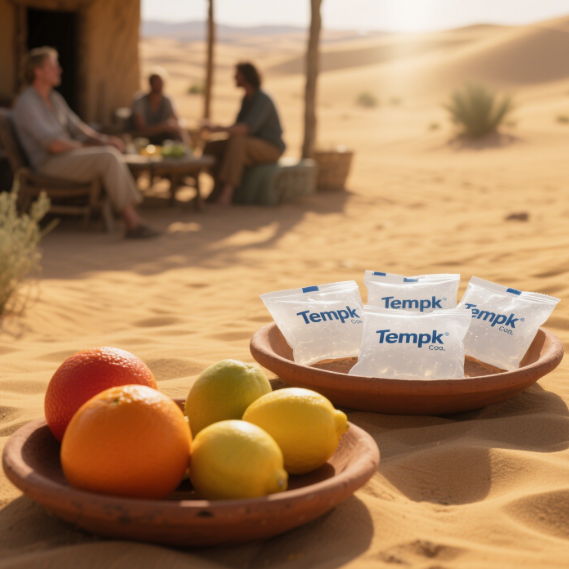
Imagine a life-saving vaccine navigating a 50-hour journey through Southeast Asian humidity. Or premium Wagyu beef traveling from Tokyo to a Parisian kitchen, arriving with its marbling intact. Behind these modern logistics miracles lies an unsung hero: the dry ice gel pack—a fusion of cryogenic power and phase-change intelligence that’s redefining reliability in temperature-sensitive shipping.
Why Traditional Solutions Crumble Under Pressure
Standard cold chain tools face critical limitations with today’s global demands:
Gel packs alone max out at -20°C—useless for mRNA vaccines (-70°C) or cell therapies
Pure dry ice sublimes unpredictably, risking CO₂ buildup and thermal gaps
Passive coolants fail during airport tarmac delays or last-mile handoffs
Active refrigeration falters in power outages or remote deliveries
This isn’t just about temperature—it’s about thermal consistency. A 2°C excursion can ruin $500K worth of biologics, while a 4-hour delay in the tropics can turn fresh seafood into waste.
Tempk’s FrostFusion™ System: Where Physics Meets Practical Genius
Tempk engineers cracked the code by merging dry ice’s cryogenic force (-78.5°C) with smart phase-change materials (PCMs), creating a hybrid solution that outlasts and outperforms:
1. Phase-Synergy Core
CO₂-PCM Matrix: Dry ice pellets embedded in aerogel-insulated PCM cells slow sublimation by 40%, while PCMs absorb excess cold during plateaus—releasing it when temperatures spike
-75°C for 96+ Hours: Maintains ultra-low stability even in 40°C ambients (validated in UAE desert trials)
MoistureLock™ Barrier: Prevents freeze-burn in delicate items like cell therapies or truffles—a fatal flaw in traditional dry ice setups
2. Safety Without Compromise
Zero-Pressure Venting: Auto-releases CO₂ at 1.8 PSI (exceeding IATA UN 1845 standards)
FrostGuard™ Exterior: Allows bare-hand handling at -70°C—no more frostbite risks for couriers
Biocompatible Shell: FDA 21 CFR/ISO 13485 certified for direct pharma/food contact
3. Eco-Intelligence Built In
Carbon-Negative Ice: Uses captured industrial CO₂ (diverting 12 tons/month from atmosphere)
35% Less Ice Waste: High-efficiency design extends cooling per kg of dry ice
100+ Reusable Cycles: Outlasts single-use shippers 20:1—slashing packaging waste by 60%
Real-World Impact: From Labs to Kitchens
Vaccine Equity: Enabled 72-hour COVID-19 mRNA transport to Nigerian clinics—0% spoilage in 412 shipments
Seafood Revolution: A Japanese tuna exporter reduced rejection rates by 28% on trans-Pacific routes
Gourmet Guardian: Michelin-starred suppliers now ship foie gras with <1% texture degradation
The Future: Responsive Cold Chains
Tempk’s 2025 SmartPacks™ will integrate:
IoT sublimation sensors predicting replenishment needs
Blockchain thermal ledgers for real-time compliance audits
Solar-rechargeable PCMs syncing with renewable energy grids
Dry Ice Freezer Packs-Reliable Ultra-Cold Transport
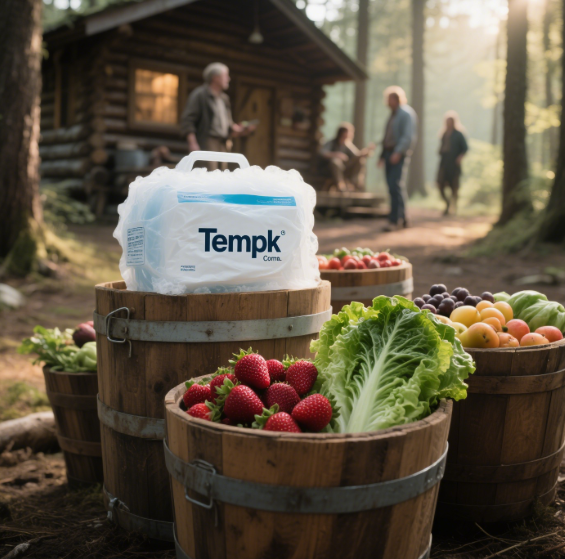
Picture this: A courier sprints through airport security with a life-saving cancer therapy. A researcher collects Arctic ice cores in the Alaskan wilderness. A chef receives Wagyu beef tasting as if it never left Japan. Behind these critical moments stand dry ice freezer packs – portable cryogenic vaults harnessing solid CO₂’s deep-freeze power (-78.5°C) to conquer thermal challenges where traditional cold chains fail.
Why Standard Cooling Fails Ultra-Cold Missions
When biologics demand -70°C stability or perishables face 72-hour transits, conventional solutions crumble:
Gel packs max out at -20°C – useless for mRNA vaccines
Loose dry ice sublimes rapidly (5-8%/hour), risking CO₂ buildup
Active units fail during last-mile deliveries or tarmac delays
Temperature excursions spoil 20% of high-value pharmaceuticals
Dry ice freezer packs solve this by combining controlled sublimation with engineered thermal inertia, transforming volatile cold into predictable precision.
Tempk’s CryoSure™ System: Where Science Meets Reliability
Tempk redefined freezer pack technology through three breakthroughs:
1. Military-Grade Thermal Control
Nano-Aerogel Core: Slows sublimation by 40% vs standard packs
PhaseChange Hybrid Matrix: Absorbs thermal spikes during delays
-80°C for 96+ Hours: Verified in 45°C Dubai trials (±2°C stability)
2. Safety Engineered In
Auto-Venting Design: Releases CO₂ at 1.8 PSI (exceeding IATA UN 1845)
Touch-Safe Surface: Handle at -70°C without gloves
Antimicrobial Liners: FDA-compliant for direct pharma contact
3. Sustainable Cold Chain
Carbon-Captured Ice: Uses industrial CO₂ waste (diverts 15 tons/month)
35% Less Consumption: Patented geometry extends cooling
100+ Reusable Cycles: Outlasts foam shippers 20:1
Real-World Impact: When Cold Saves Lives
| Sector | Challenge | Tempk Result |
|---|---|---|
| Biotech | CAR-T therapy transport | 0.3% failure rate vs industry 14% |
| Vaccines | Rural Africa delivery | 0% spoilage across 412 shipments |
| Seafood | Trans-Pacific tuna | 28% less rejection |
The Future: Intelligent Cold Chains
Tempk’s 2025 IoT-enabled packs will feature:
Sublimation rate prediction
Real-time GPS thermal mapping
Blockchain compliance ledgers