


Insulated Packaging Liner Custom: How to Specify and Buy Well
Insulated Packaging Liner Custom: How to Specify and Buy Well
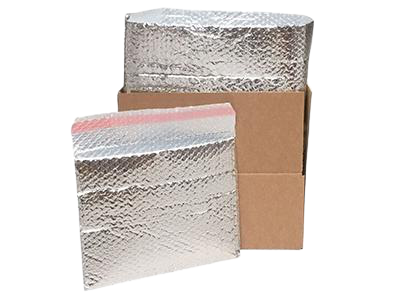
Insulated Packaging Liner Custom: Specify It Before You Buy
Buying insulated packaging liner custom should not begin with the cheapest quoted line item. The better starting point is the shipment you need to protect, the carton you already use, the condition of the product at packing, and the evidence your team needs after delivery. This final guide brings the buyer, material, and operations view together so you can specify a insulated box liner with fewer assumptions and cleaner supplier conversations.
Practical answer
Treat insulated packaging liner custom as one component in a passive packout. Specify it by route, cargo, carton, coolant, handling, and documentation needs. Then compare suppliers on sample-to-production consistency, dimensional tolerance, closure quality, packing speed, and evidence that supports their stated performance.
Define the Packout Before You Ask for a Price
Before comparing suppliers for insulated packaging liner custom, write a one-page packout brief. It should name the product, cargo condition at packing, required temperature condition, expected route, carton size, coolant type, number of handling points, labeling needs, and receiving inspection method. This brief keeps the conversation practical. Without it, suppliers may quote different constructions under the same product name and the buyer may compare prices that do not describe the same solution.
The brief should also distinguish between a liner sample and a shipping system. A sample can show material quality, fold pattern, seam strength, and ease of packing. It cannot prove performance for every lane. If your product is high value, sensitive, regulated, or exposed to long routes, ask what thermal evidence is available and whether additional testing is needed under your actual ambient profile, payload, coolant configuration, and acceptance criteria.
A Buyer Scorecard for Comparing Offers
The same phrase, insulated packaging liner custom, can describe several constructions. One supplier may quote a thin mailer-style insert, another may quote a thicker foldable carton liner, and a third may include a custom panel layout. If the RFQ only says the keyword and a carton size, the quotes may look comparable while the actual goods are not. Buyers should ask suppliers to define the layer stack, finished dimensions, thickness tolerance if relevant, closure method, packing orientation, inner surface, outer surface, and packing quantity per export carton.
The cost also depends on how the liner ships. Bulky liners consume storage and container space. Flat-packed liners may reduce freight cost but need more warehouse handling. Vacuum-compressed or tightly packed formats can lower inbound volume, but the buyer should check whether the liner opens cleanly, recovers its intended shape, and remains easy for packers to use. A low factory price can lose its advantage if the delivered goods increase labor time or reject rates during packing.
MOQ and price breaks should be discussed as planning tools rather than pressure tactics. A higher quantity may reduce unit cost, but it can also increase inventory risk if the buyer has not finalized carton dimensions, artwork, local labeling, or the packout method. For a new program, it is usually safer to approve a working sample, trial the packing flow, and then scale with agreed drawings and change-control expectations.
A good quotation package answers practical questions. How many liners are packed per carton? Are export cartons sized for pallet efficiency? Will production units match the sample material and seam style? How will custom dimensions be controlled? What happens if the outer carton changes after approval? These questions do not slow sourcing down; they prevent a cheap quote from becoming an expensive production problem.
Custom and OEM Work Should Be Controlled From Sample to Reorder
Custom liner projects often begin with a brand idea, but the cold-chain work should begin with a packout problem. A buyer may want a custom size, print, material, or packing format. Each of those choices can change cost, handling, and sometimes thermal behavior. The safest path is to freeze the functional specification first, then add branding and custom details after the liner fits the carton and packing method.
OEM buyers should also agree on change control. A small change in film, bubble height, adhesive, seam width, or fold pattern can affect the way the liner sits inside the box. If a supplier must change material availability, production equipment, packing count, or export carton size, the buyer should be notified before bulk reorder. This is especially important when the buyer has already tested a packout or trained a warehouse team around a specific format.
Decision Table
| Comparison point | Weak offer | Stronger offer |
|---|---|---|
| Fit definition | Only lists outer carton size. | Provides liner drawing, finished dimensions, and sample confirmation. |
| Performance language | Uses broad claims without conditions. | Explains test context or asks for route-specific validation. |
| Bulk supply | Quotes low price but vague packing and lead-time assumptions. | Defines packing quantity, carton cube, change control, and reorder process. |
| Sustainability claim | Says recyclable without local context. | Identifies materials and asks buyer to verify local disposal path. |
| Application support | Treats all cold-chain cargo the same. | Separates grocery, meat, meal kit, export, and healthcare requirements. |
Use this scorecard before approving a supplier. It does not require every program to run formal lab testing, but it does require the supplier and buyer to define the same product, the same process, and the same claims.
Verification Before Scaling From Sample to Production
A supplier’s statement about thermal performance should always be read with conditions attached. The relevant questions are simple: what carton was used, what payload was inside, what coolant or refrigerant was included, how the liner was closed, what ambient profile was applied, and what acceptance criteria were used. If those conditions do not match your shipment, the number may still be useful as a reference, but it should not be treated as proof for your route.
ISTA thermal standards, including Standard 7E, can be used as a reference for evaluating thermal transport packaging in parcel delivery systems. That does not remove the need for lane-specific review when the product is sensitive, the route is unusual, or the buyer must document decisions for a quality team. Testing should support judgment; it should not become a slogan in the specification.
Food shipments create a separate set of handling questions. The U.S. FDA sanitary transportation framework, for example, emphasizes preventing practices that create food safety risk, including failure to properly refrigerate food or inadequate cleaning between loads. A liner can support packaging protection, but it does not replace temperature-controlled vehicles, hygienic procedures, or product-specific food safety review where those are required.
Temperature-sensitive healthcare shipments may require additional discipline around packaging documentation, labeling, and carrier rules. IATA’s temperature-control materials for healthcare cargo highlight the need to review packaging requirements and documentation before shipment. A general insulated liner should not be described as compliant for pharmaceutical transport unless the full system, product requirement, carrier route, and quality review support that claim.
Sample Approval and Change Control
Sample approval should record the exact construction that passed review. Keep the approved sample, drawing, material description, packed photo, and production assumptions together. If the supplier changes film, bubble structure, compression method, seam style, panel layout, or packing quantity, the buyer should have a process for review. This is not bureaucracy; it protects the packout from invisible changes that can show up later as packing delays or thermal deviations.
For repeated orders, build change-control language into the purchase terms. Ask the supplier to notify you before changing material, production method, color, print, closure, folding pattern, packing carton, or export packing configuration. When a liner has been tested or trained into a warehouse workflow, consistency is part of the product. A slightly different liner may still be acceptable, but it should be reviewed before it appears on the packing line.
Balancing Protection With End-of-Life Requirements
Cold-chain packaging is under growing pressure to reduce waste, improve material transparency, and avoid vague environmental claims. For liners, the difficult point is that thermal performance often relies on layered materials. A liner can be lightweight and practical, yet still require careful end-of-life communication. Buyers should avoid saying a liner is recyclable unless the materials, separation method, and local collection pathway support that statement.
EU packaging rules are moving toward stronger recyclability expectations, and Australia’s packaging targets also encourage reusable, recyclable, or compostable packaging. These policy directions do not automatically make a specific liner acceptable in every market. They do, however, change the buyer’s questions. Ask whether the liner can be separated, whether materials are identifiable, whether instructions are clear, and whether a reusable container or return program would be better for repeated routes.
The environmental discussion should not compromise product protection. A damaged meat shipment, spoiled meal kit, or rejected grocery order creates waste too. The practical goal is to use no more packaging complexity than the route requires, while still protecting product quality. That may mean a simple foldable liner for short routes, a stronger insulated insert for longer routes, or a reusable container system where reverse logistics are available.
Red Flags in Supplier Conversations
- The supplier avoids explaining the layer structure or says all constructions perform the same.
- The quote does not define whether dimensions are internal, external, finished, or flat size.
- Performance claims are made without test context or with conditions unrelated to your packout.
- The sample looks acceptable but the supplier will not confirm sample-to-production consistency.
- Sustainability, food-contact, or compliance claims are offered as marketing language instead of verifiable material information.
These points may look simple, but they are often the difference between a stable liner program and one that creates disputes after the first production order. The safest response is to document the assumption, test the workflow, and keep the approved specification visible to everyone involved.
Practical Example
For example, a brand owner may request a custom insulated box liner for a subscription delivery carton. The artwork and logo are not the difficult part. The hard part is confirming that the liner sits squarely in the carton, leaves space for coolant, protects the product mix, and can be packed by temporary staff without mistakes. Only after that should the team approve printed film, custom carton quantities, and bulk production.
The lesson is to test the working process, not only the material. A liner is handled by people, packed into a carton, combined with coolant, moved by carriers, and opened by receivers. Every step can support or weaken the thermal result. When the example is viewed that way, the buyer’s questions become more precise and the supplier’s answers become easier to compare.
Final Specification Gate
The final specification for insulated packaging liner custom should be clear enough that another buyer could reorder the same item without relying on memory. It should identify the product, finished size, material structure, closure design, packing configuration, approved sample date, and any custom requirements. If thermal evidence is referenced, the specification should also state the conditions under which that evidence was generated.
A clear specification does not remove the need for judgment, but it reduces avoidable confusion. It also gives Tempk and the buyer a cleaner basis for future improvements, such as adjusting carton size, changing material for local disposal needs, or moving from a pilot order to a larger production run.
FAQ
How do I compare suppliers for insulated packaging liner custom?
Compare finished dimensions, material description, sample quality, thermal evidence, packing method, export packing, change-control process, and communication quality. Do not compare price alone unless the suppliers are quoting the same construction.
What should be fixed before production?
Fix the carton size, liner drawing, material structure, closure method, packing instruction, export packing, and any artwork or labeling requirements. If these are still changing, treat the order as a pilot rather than a stable production program.
When is a custom liner worth it?
Custom work is worth considering when standard liners leave gaps, slow packing, waste carton space, interfere with coolant, or do not match branding or disposal needs. It should solve a functional problem before it adds cosmetic value.
What claims should be avoided?
Avoid guaranteed temperature, universal compliance, all-market recyclability, or fixed hold-time claims unless supported by the exact system and evidence. Use cautious, application-specific language and ask suppliers for documentation where needed.
Conclusion
A strong insulated packaging liner custom specification links the product, route, carton, coolant, liner structure, supplier evidence, and warehouse process. That approach helps you avoid underprotecting cargo, overbuying material, or approving claims that cannot be supported. Start with the packout brief, test the sample in the real workflow, and scale only after the details are stable.
About Tempk
Tempk helps procurement and operations teams evaluate cold-chain packaging with a practical view of route, cargo, and packing method. A insulated box liner may be one part of the answer, but it should be selected with the carton, coolant, warehouse process, and receiving expectations in mind. We can support sample discussions and custom packaging reviews when standard options do not fit the program.
Discuss your custom cold-chain packaging programs requirements with Tempk before finalizing custom dimensions, materials, or bulk purchasing terms.
Insulated Container Liner Cost Per Unit: How to Specify and Buy Well
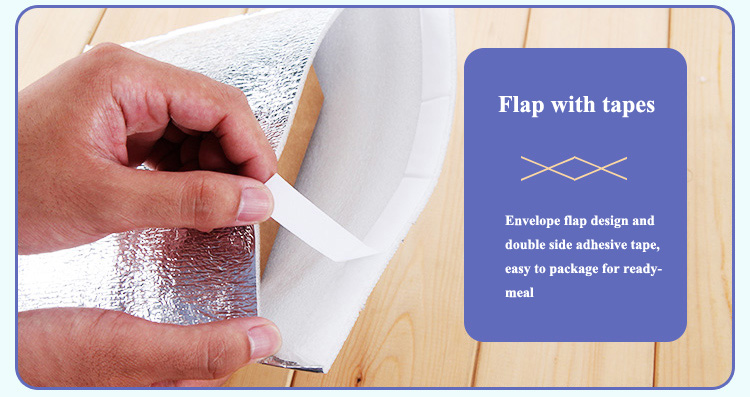
Insulated Container Liner Cost Per Unit: Specify It Before You Buy
Buying insulated container liner cost per unit should not begin with the cheapest quoted line item. The better starting point is the shipment you need to protect, the carton you already use, the condition of the product at packing, and the evidence your team needs after delivery. This final guide brings the buyer, material, and operations view together so you can specify a insulated container liner with fewer assumptions and cleaner supplier conversations.
Practical answer
Treat insulated container liner cost per unit as one component in a passive packout. Specify it by route, cargo, carton, coolant, handling, and documentation needs. Then compare suppliers on sample-to-production consistency, dimensional tolerance, closure quality, packing speed, and evidence that supports their stated performance.
Define the Packout Before You Ask for a Price
Before comparing suppliers for insulated container liner cost per unit, write a one-page packout brief. It should name the product, cargo condition at packing, required temperature condition, expected route, carton size, coolant type, number of handling points, labeling needs, and receiving inspection method. This brief keeps the conversation practical. Without it, suppliers may quote different constructions under the same product name and the buyer may compare prices that do not describe the same solution.
The brief should also distinguish between a liner sample and a shipping system. A sample can show material quality, fold pattern, seam strength, and ease of packing. It cannot prove performance for every lane. If your product is high value, sensitive, regulated, or exposed to long routes, ask what thermal evidence is available and whether additional testing is needed under your actual ambient profile, payload, coolant configuration, and acceptance criteria.
A Buyer Scorecard for Comparing Offers
The same phrase, insulated container liner cost per unit, can describe several constructions. One supplier may quote a thin mailer-style insert, another may quote a thicker foldable carton liner, and a third may include a custom panel layout. If the RFQ only says the keyword and a carton size, the quotes may look comparable while the actual goods are not. Buyers should ask suppliers to define the layer stack, finished dimensions, thickness tolerance if relevant, closure method, packing orientation, inner surface, outer surface, and packing quantity per export carton.
The cost also depends on how the liner ships. Bulky liners consume storage and container space. Flat-packed liners may reduce freight cost but need more warehouse handling. Vacuum-compressed or tightly packed formats can lower inbound volume, but the buyer should check whether the liner opens cleanly, recovers its intended shape, and remains easy for packers to use. A low factory price can lose its advantage if the delivered goods increase labor time or reject rates during packing.
MOQ and price breaks should be discussed as planning tools rather than pressure tactics. A higher quantity may reduce unit cost, but it can also increase inventory risk if the buyer has not finalized carton dimensions, artwork, local labeling, or the packout method. For a new program, it is usually safer to approve a working sample, trial the packing flow, and then scale with agreed drawings and change-control expectations.
A good quotation package answers practical questions. How many liners are packed per carton? Are export cartons sized for pallet efficiency? Will production units match the sample material and seam style? How will custom dimensions be controlled? What happens if the outer carton changes after approval? These questions do not slow sourcing down; they prevent a cheap quote from becoming an expensive production problem.
Match the Liner to Product Sensitivity and Handling Reality
The buyer’s product determines how much protection the liner must support. Temperature-sensitive food, grocery, healthcare, and parcel shipments may require chilled, frozen, or simply temperature-moderated handling depending on formulation, packaging, and route. The liner should not be specified as a universal answer. Instead, the buyer should define what condition must be maintained, what happens if the product warms, and how the receiving team will decide whether the shipment is acceptable.
Handling reality is just as important as the product. A warehouse with trained packers, preconditioned coolant, and controlled staging can use a more precise packout than a distributed fulfillment network with changing labor and carton sizes. If the operation is still developing, a simpler liner with visible closure and forgiving fit may reduce mistakes. A technically stronger construction is not always the best operational choice if it is hard to pack consistently.
Decision Table
| Comparison point | Weak offer | Stronger offer |
|---|---|---|
| Fit definition | Only lists outer carton size. | Provides liner drawing, finished dimensions, and sample confirmation. |
| Performance language | Uses broad claims without conditions. | Explains test context or asks for route-specific validation. |
| Bulk supply | Quotes low price but vague packing and lead-time assumptions. | Defines packing quantity, carton cube, change control, and reorder process. |
| Sustainability claim | Says recyclable without local context. | Identifies materials and asks buyer to verify local disposal path. |
| Application support | Treats all cold-chain cargo the same. | Separates grocery, meat, meal kit, export, and healthcare requirements. |
Use this scorecard before approving a supplier. It does not require every program to run formal lab testing, but it does require the supplier and buyer to define the same product, the same process, and the same claims.
Verification Before Scaling From Sample to Production
A supplier’s statement about thermal performance should always be read with conditions attached. The relevant questions are simple: what carton was used, what payload was inside, what coolant or refrigerant was included, how the liner was closed, what ambient profile was applied, and what acceptance criteria were used. If those conditions do not match your shipment, the number may still be useful as a reference, but it should not be treated as proof for your route.
ISTA thermal standards, including Standard 7E, can be used as a reference for evaluating thermal transport packaging in parcel delivery systems. That does not remove the need for lane-specific review when the product is sensitive, the route is unusual, or the buyer must document decisions for a quality team. Testing should support judgment; it should not become a slogan in the specification.
Food shipments create a separate set of handling questions. The U.S. FDA sanitary transportation framework, for example, emphasizes preventing practices that create food safety risk, including failure to properly refrigerate food or inadequate cleaning between loads. A liner can support packaging protection, but it does not replace temperature-controlled vehicles, hygienic procedures, or product-specific food safety review where those are required.
Temperature-sensitive healthcare shipments may require additional discipline around packaging documentation, labeling, and carrier rules. IATA’s temperature-control materials for healthcare cargo highlight the need to review packaging requirements and documentation before shipment. A general insulated liner should not be described as compliant for pharmaceutical transport unless the full system, product requirement, carrier route, and quality review support that claim.
Sample Approval and Change Control
Sample approval should record the exact construction that passed review. Keep the approved sample, drawing, material description, packed photo, and production assumptions together. If the supplier changes film, bubble structure, compression method, seam style, panel layout, or packing quantity, the buyer should have a process for review. This is not bureaucracy; it protects the packout from invisible changes that can show up later as packing delays or thermal deviations.
For repeated orders, build change-control language into the purchase terms. Ask the supplier to notify you before changing material, production method, color, print, closure, folding pattern, packing carton, or export packing configuration. When a liner has been tested or trained into a warehouse workflow, consistency is part of the product. A slightly different liner may still be acceptable, but it should be reviewed before it appears on the packing line.
Balancing Protection With End-of-Life Requirements
Cold-chain packaging is under growing pressure to reduce waste, improve material transparency, and avoid vague environmental claims. For liners, the difficult point is that thermal performance often relies on layered materials. A liner can be lightweight and practical, yet still require careful end-of-life communication. Buyers should avoid saying a liner is recyclable unless the materials, separation method, and local collection pathway support that statement.
EU packaging rules are moving toward stronger recyclability expectations, and Australia’s packaging targets also encourage reusable, recyclable, or compostable packaging. These policy directions do not automatically make a specific liner acceptable in every market. They do, however, change the buyer’s questions. Ask whether the liner can be separated, whether materials are identifiable, whether instructions are clear, and whether a reusable container or return program would be better for repeated routes.
The environmental discussion should not compromise product protection. A damaged meat shipment, spoiled meal kit, or rejected grocery order creates waste too. The practical goal is to use no more packaging complexity than the route requires, while still protecting product quality. That may mean a simple foldable liner for short routes, a stronger insulated insert for longer routes, or a reusable container system where reverse logistics are available.
Red Flags in Supplier Conversations
- The supplier avoids explaining the layer structure or says all constructions perform the same.
- The quote does not define whether dimensions are internal, external, finished, or flat size.
- Performance claims are made without test context or with conditions unrelated to your packout.
- The sample looks acceptable but the supplier will not confirm sample-to-production consistency.
- Sustainability, food-contact, or compliance claims are offered as marketing language instead of verifiable material information.
These points may look simple, but they are often the difference between a stable liner program and one that creates disputes after the first production order. The safest response is to document the assumption, test the workflow, and keep the approved specification visible to everyone involved.
Practical Example
Imagine a procurement team receives three offers for insulated container liner cost per unit. One quote is the lowest unit price, but the liner ships in bulky cartons and needs extra taping at the packing bench. Another is slightly higher but fits the current carton, folds quickly, and gives a clearer drawing. The third includes custom printing but no explanation of sample-to-production control. The lowest number is not automatically the best option. The team should compare total landed cost, packing labor, carton fit, and the risk of inconsistent closure before choosing.
The lesson is to test the working process, not only the material. A liner is handled by people, packed into a carton, combined with coolant, moved by carriers, and opened by receivers. Every step can support or weaken the thermal result. When the example is viewed that way, the buyer’s questions become more precise and the supplier’s answers become easier to compare.
Final Specification Gate
The final specification for insulated container liner cost per unit should be clear enough that another buyer could reorder the same item without relying on memory. It should identify the product, finished size, material structure, closure design, packing configuration, approved sample date, and any custom requirements. If thermal evidence is referenced, the specification should also state the conditions under which that evidence was generated.
A clear specification does not remove the need for judgment, but it reduces avoidable confusion. It also gives Tempk and the buyer a cleaner basis for future improvements, such as adjusting carton size, changing material for local disposal needs, or moving from a pilot order to a larger production run.
FAQ
How do I compare suppliers for insulated container liner cost per unit?
Compare finished dimensions, material description, sample quality, thermal evidence, packing method, export packing, change-control process, and communication quality. Do not compare price alone unless the suppliers are quoting the same construction.
What should be fixed before production?
Fix the carton size, liner drawing, material structure, closure method, packing instruction, export packing, and any artwork or labeling requirements. If these are still changing, treat the order as a pilot rather than a stable production program.
When is a custom liner worth it?
Custom work is worth considering when standard liners leave gaps, slow packing, waste carton space, interfere with coolant, or do not match branding or disposal needs. It should solve a functional problem before it adds cosmetic value.
What claims should be avoided?
Avoid guaranteed temperature, universal compliance, all-market recyclability, or fixed hold-time claims unless supported by the exact system and evidence. Use cautious, application-specific language and ask suppliers for documentation where needed.
Conclusion
A strong insulated container liner cost per unit specification links the product, route, carton, coolant, liner structure, supplier evidence, and warehouse process. That approach helps you avoid underprotecting cargo, overbuying material, or approving claims that cannot be supported. Start with the packout brief, test the sample in the real workflow, and scale only after the details are stable.
About Tempk
Tempk helps procurement and operations teams evaluate cold-chain packaging with a practical view of route, cargo, and packing method. A insulated container liner may be one part of the answer, but it should be selected with the carton, coolant, warehouse process, and receiving expectations in mind. We can support sample discussions and custom packaging reviews when standard options do not fit the program.
Discuss your temperature-controlled carton shipping requirements with Tempk before finalizing custom dimensions, materials, or bulk purchasing terms.
Insulated Box Liner Cost Per Unit: How to Specify and Buy Well

Insulated Box Liner Cost Per Unit: Specify It Before You Buy
Buying insulated box liner cost per unit should not begin with the cheapest quoted line item. The better starting point is the shipment you need to protect, the carton you already use, the condition of the product at packing, and the evidence your team needs after delivery. This final guide brings the buyer, material, and operations view together so you can specify a insulated box liner with fewer assumptions and cleaner supplier conversations.
Practical answer
Treat insulated box liner cost per unit as one component in a passive packout. Specify it by route, cargo, carton, coolant, handling, and documentation needs. Then compare suppliers on sample-to-production consistency, dimensional tolerance, closure quality, packing speed, and evidence that supports their stated performance.
Define the Packout Before You Ask for a Price
Before comparing suppliers for insulated box liner cost per unit, write a one-page packout brief. It should name the product, cargo condition at packing, required temperature condition, expected route, carton size, coolant type, number of handling points, labeling needs, and receiving inspection method. This brief keeps the conversation practical. Without it, suppliers may quote different constructions under the same product name and the buyer may compare prices that do not describe the same solution.
The brief should also distinguish between a liner sample and a shipping system. A sample can show material quality, fold pattern, seam strength, and ease of packing. It cannot prove performance for every lane. If your product is high value, sensitive, regulated, or exposed to long routes, ask what thermal evidence is available and whether additional testing is needed under your actual ambient profile, payload, coolant configuration, and acceptance criteria.
A Buyer Scorecard for Comparing Offers
The same phrase, insulated box liner cost per unit, can describe several constructions. One supplier may quote a thin mailer-style insert, another may quote a thicker foldable carton liner, and a third may include a custom panel layout. If the RFQ only says the keyword and a carton size, the quotes may look comparable while the actual goods are not. Buyers should ask suppliers to define the layer stack, finished dimensions, thickness tolerance if relevant, closure method, packing orientation, inner surface, outer surface, and packing quantity per export carton.
The cost also depends on how the liner ships. Bulky liners consume storage and container space. Flat-packed liners may reduce freight cost but need more warehouse handling. Vacuum-compressed or tightly packed formats can lower inbound volume, but the buyer should check whether the liner opens cleanly, recovers its intended shape, and remains easy for packers to use. A low factory price can lose its advantage if the delivered goods increase labor time or reject rates during packing.
MOQ and price breaks should be discussed as planning tools rather than pressure tactics. A higher quantity may reduce unit cost, but it can also increase inventory risk if the buyer has not finalized carton dimensions, artwork, local labeling, or the packout method. For a new program, it is usually safer to approve a working sample, trial the packing flow, and then scale with agreed drawings and change-control expectations.
A good quotation package answers practical questions. How many liners are packed per carton? Are export cartons sized for pallet efficiency? Will production units match the sample material and seam style? How will custom dimensions be controlled? What happens if the outer carton changes after approval? These questions do not slow sourcing down; they prevent a cheap quote from becoming an expensive production problem.
Match the Liner to Product Sensitivity and Handling Reality
The buyer’s product determines how much protection the liner must support. Temperature-sensitive food, grocery, healthcare, and parcel shipments may require chilled, frozen, or simply temperature-moderated handling depending on formulation, packaging, and route. The liner should not be specified as a universal answer. Instead, the buyer should define what condition must be maintained, what happens if the product warms, and how the receiving team will decide whether the shipment is acceptable.
Handling reality is just as important as the product. A warehouse with trained packers, preconditioned coolant, and controlled staging can use a more precise packout than a distributed fulfillment network with changing labor and carton sizes. If the operation is still developing, a simpler liner with visible closure and forgiving fit may reduce mistakes. A technically stronger construction is not always the best operational choice if it is hard to pack consistently.
Decision Table
| Comparison point | Weak offer | Stronger offer |
|---|---|---|
| Fit definition | Only lists outer carton size. | Provides liner drawing, finished dimensions, and sample confirmation. |
| Performance language | Uses broad claims without conditions. | Explains test context or asks for route-specific validation. |
| Bulk supply | Quotes low price but vague packing and lead-time assumptions. | Defines packing quantity, carton cube, change control, and reorder process. |
| Sustainability claim | Says recyclable without local context. | Identifies materials and asks buyer to verify local disposal path. |
| Application support | Treats all cold-chain cargo the same. | Separates grocery, meat, meal kit, export, and healthcare requirements. |
Use this scorecard before approving a supplier. It does not require every program to run formal lab testing, but it does require the supplier and buyer to define the same product, the same process, and the same claims.
Verification Before Scaling From Sample to Production
A supplier’s statement about thermal performance should always be read with conditions attached. The relevant questions are simple: what carton was used, what payload was inside, what coolant or refrigerant was included, how the liner was closed, what ambient profile was applied, and what acceptance criteria were used. If those conditions do not match your shipment, the number may still be useful as a reference, but it should not be treated as proof for your route.
ISTA thermal standards, including Standard 7E, can be used as a reference for evaluating thermal transport packaging in parcel delivery systems. That does not remove the need for lane-specific review when the product is sensitive, the route is unusual, or the buyer must document decisions for a quality team. Testing should support judgment; it should not become a slogan in the specification.
Food shipments create a separate set of handling questions. The U.S. FDA sanitary transportation framework, for example, emphasizes preventing practices that create food safety risk, including failure to properly refrigerate food or inadequate cleaning between loads. A liner can support packaging protection, but it does not replace temperature-controlled vehicles, hygienic procedures, or product-specific food safety review where those are required.
Temperature-sensitive healthcare shipments may require additional discipline around packaging documentation, labeling, and carrier rules. IATA’s temperature-control materials for healthcare cargo highlight the need to review packaging requirements and documentation before shipment. A general insulated liner should not be described as compliant for pharmaceutical transport unless the full system, product requirement, carrier route, and quality review support that claim.
Sample Approval and Change Control
Sample approval should record the exact construction that passed review. Keep the approved sample, drawing, material description, packed photo, and production assumptions together. If the supplier changes film, bubble structure, compression method, seam style, panel layout, or packing quantity, the buyer should have a process for review. This is not bureaucracy; it protects the packout from invisible changes that can show up later as packing delays or thermal deviations.
For repeated orders, build change-control language into the purchase terms. Ask the supplier to notify you before changing material, production method, color, print, closure, folding pattern, packing carton, or export packing configuration. When a liner has been tested or trained into a warehouse workflow, consistency is part of the product. A slightly different liner may still be acceptable, but it should be reviewed before it appears on the packing line.
Balancing Protection With End-of-Life Requirements
Cold-chain packaging is under growing pressure to reduce waste, improve material transparency, and avoid vague environmental claims. For liners, the difficult point is that thermal performance often relies on layered materials. A liner can be lightweight and practical, yet still require careful end-of-life communication. Buyers should avoid saying a liner is recyclable unless the materials, separation method, and local collection pathway support that statement.
EU packaging rules are moving toward stronger recyclability expectations, and Australia’s packaging targets also encourage reusable, recyclable, or compostable packaging. These policy directions do not automatically make a specific liner acceptable in every market. They do, however, change the buyer’s questions. Ask whether the liner can be separated, whether materials are identifiable, whether instructions are clear, and whether a reusable container or return program would be better for repeated routes.
The environmental discussion should not compromise product protection. A damaged meat shipment, spoiled meal kit, or rejected grocery order creates waste too. The practical goal is to use no more packaging complexity than the route requires, while still protecting product quality. That may mean a simple foldable liner for short routes, a stronger insulated insert for longer routes, or a reusable container system where reverse logistics are available.
Red Flags in Supplier Conversations
- The supplier avoids explaining the layer structure or says all constructions perform the same.
- The quote does not define whether dimensions are internal, external, finished, or flat size.
- Performance claims are made without test context or with conditions unrelated to your packout.
- The sample looks acceptable but the supplier will not confirm sample-to-production consistency.
- Sustainability, food-contact, or compliance claims are offered as marketing language instead of verifiable material information.
These points may look simple, but they are often the difference between a stable liner program and one that creates disputes after the first production order. The safest response is to document the assumption, test the workflow, and keep the approved specification visible to everyone involved.
Practical Example
Imagine a procurement team receives three offers for insulated box liner cost per unit. One quote is the lowest unit price, but the liner ships in bulky cartons and needs extra taping at the packing bench. Another is slightly higher but fits the current carton, folds quickly, and gives a clearer drawing. The third includes custom printing but no explanation of sample-to-production control. The lowest number is not automatically the best option. The team should compare total landed cost, packing labor, carton fit, and the risk of inconsistent closure before choosing.
The lesson is to test the working process, not only the material. A liner is handled by people, packed into a carton, combined with coolant, moved by carriers, and opened by receivers. Every step can support or weaken the thermal result. When the example is viewed that way, the buyer’s questions become more precise and the supplier’s answers become easier to compare.
Final Specification Gate
The final specification for insulated box liner cost per unit should be clear enough that another buyer could reorder the same item without relying on memory. It should identify the product, finished size, material structure, closure design, packing configuration, approved sample date, and any custom requirements. If thermal evidence is referenced, the specification should also state the conditions under which that evidence was generated.
A clear specification does not remove the need for judgment, but it reduces avoidable confusion. It also gives Tempk and the buyer a cleaner basis for future improvements, such as adjusting carton size, changing material for local disposal needs, or moving from a pilot order to a larger production run.
FAQ
How do I compare suppliers for insulated box liner cost per unit?
Compare finished dimensions, material description, sample quality, thermal evidence, packing method, export packing, change-control process, and communication quality. Do not compare price alone unless the suppliers are quoting the same construction.
What should be fixed before production?
Fix the carton size, liner drawing, material structure, closure method, packing instruction, export packing, and any artwork or labeling requirements. If these are still changing, treat the order as a pilot rather than a stable production program.
When is a custom liner worth it?
Custom work is worth considering when standard liners leave gaps, slow packing, waste carton space, interfere with coolant, or do not match branding or disposal needs. It should solve a functional problem before it adds cosmetic value.
What claims should be avoided?
Avoid guaranteed temperature, universal compliance, all-market recyclability, or fixed hold-time claims unless supported by the exact system and evidence. Use cautious, application-specific language and ask suppliers for documentation where needed.
Conclusion
A strong insulated box liner cost per unit specification links the product, route, carton, coolant, liner structure, supplier evidence, and warehouse process. That approach helps you avoid underprotecting cargo, overbuying material, or approving claims that cannot be supported. Start with the packout brief, test the sample in the real workflow, and scale only after the details are stable.
About Tempk
Tempk helps procurement and operations teams evaluate cold-chain packaging with a practical view of route, cargo, and packing method. A insulated box liner may be one part of the answer, but it should be selected with the carton, coolant, warehouse process, and receiving expectations in mind. We can support sample discussions and custom packaging reviews when standard options do not fit the program.
Discuss your temperature-controlled carton shipping requirements with Tempk before finalizing custom dimensions, materials, or bulk purchasing terms.
Insulated Box Insert Export: How to Specify and Buy Well
Insulated Box Insert Export: Specify It Before You Buy
Buying insulated box insert export should not begin with the cheapest quoted line item. The better starting point is the shipment you need to protect, the carton you already use, the condition of the product at packing, and the evidence your team needs after delivery. This final guide brings the buyer, material, and operations view together so you can specify a insulated box insert with fewer assumptions and cleaner supplier conversations.
Practical answer
Treat insulated box insert export as one component in a passive packout. Specify it by route, cargo, carton, coolant, handling, and documentation needs. Then compare suppliers on sample-to-production consistency, dimensional tolerance, closure quality, packing speed, and evidence that supports their stated performance.
Define the Packout Before You Ask for a Price
Before comparing suppliers for insulated box insert export, write a one-page packout brief. It should name the product, cargo condition at packing, required temperature condition, expected route, carton size, coolant type, number of handling points, labeling needs, and receiving inspection method. This brief keeps the conversation practical. Without it, suppliers may quote different constructions under the same product name and the buyer may compare prices that do not describe the same solution.
The brief should also distinguish between a liner sample and a shipping system. A sample can show material quality, fold pattern, seam strength, and ease of packing. It cannot prove performance for every lane. If your product is high value, sensitive, regulated, or exposed to long routes, ask what thermal evidence is available and whether additional testing is needed under your actual ambient profile, payload, coolant configuration, and acceptance criteria.
A Buyer Scorecard for Comparing Offers
The same phrase, insulated box insert export, can describe several constructions. One supplier may quote a thin mailer-style insert, another may quote a thicker foldable carton liner, and a third may include a custom panel layout. If the RFQ only says the keyword and a carton size, the quotes may look comparable while the actual goods are not. Buyers should ask suppliers to define the layer stack, finished dimensions, thickness tolerance if relevant, closure method, packing orientation, inner surface, outer surface, and packing quantity per export carton.
The cost also depends on how the liner ships. Bulky liners consume storage and container space. Flat-packed liners may reduce freight cost but need more warehouse handling. Vacuum-compressed or tightly packed formats can lower inbound volume, but the buyer should check whether the liner opens cleanly, recovers its intended shape, and remains easy for packers to use. A low factory price can lose its advantage if the delivered goods increase labor time or reject rates during packing.
MOQ and price breaks should be discussed as planning tools rather than pressure tactics. A higher quantity may reduce unit cost, but it can also increase inventory risk if the buyer has not finalized carton dimensions, artwork, local labeling, or the packout method. For a new program, it is usually safer to approve a working sample, trial the packing flow, and then scale with agreed drawings and change-control expectations.
A good quotation package answers practical questions. How many liners are packed per carton? Are export cartons sized for pallet efficiency? Will production units match the sample material and seam style? How will custom dimensions be controlled? What happens if the outer carton changes after approval? These questions do not slow sourcing down; they prevent a cheap quote from becoming an expensive production problem.
Cross-Border Programs Need a Landed-Cost View
Import and export liner programs should be reviewed as packaging systems and trade flows, not only material purchases. Carton cube, pallet efficiency, export carton strength, moisture exposure, labeling, and customs documentation can affect the real cost of the liner. A liner that saves a few cents per piece may not be attractive if it consumes more container space or arrives in a form that is difficult to store and handle.
Destination requirements also matter. Wood packaging rules may affect pallets and crates, while packaging waste, food-contact, and labeling expectations may affect how the product is presented or recovered after use. The liner supplier does not replace the importer’s compliance review. A strong supplier helps define materials and packaging configuration clearly so the buyer can check the right rules with the right local advisers.
Decision Table
| Comparison point | Weak offer | Stronger offer |
|---|---|---|
| Fit definition | Only lists outer carton size. | Provides liner drawing, finished dimensions, and sample confirmation. |
| Performance language | Uses broad claims without conditions. | Explains test context or asks for route-specific validation. |
| Bulk supply | Quotes low price but vague packing and lead-time assumptions. | Defines packing quantity, carton cube, change control, and reorder process. |
| Sustainability claim | Says recyclable without local context. | Identifies materials and asks buyer to verify local disposal path. |
| Application support | Treats all cold-chain cargo the same. | Separates grocery, meat, meal kit, export, and healthcare requirements. |
Use this scorecard before approving a supplier. It does not require every program to run formal lab testing, but it does require the supplier and buyer to define the same product, the same process, and the same claims.
Verification Before Scaling From Sample to Production
A supplier’s statement about thermal performance should always be read with conditions attached. The relevant questions are simple: what carton was used, what payload was inside, what coolant or refrigerant was included, how the liner was closed, what ambient profile was applied, and what acceptance criteria were used. If those conditions do not match your shipment, the number may still be useful as a reference, but it should not be treated as proof for your route.
ISTA thermal standards, including Standard 7E, can be used as a reference for evaluating thermal transport packaging in parcel delivery systems. That does not remove the need for lane-specific review when the product is sensitive, the route is unusual, or the buyer must document decisions for a quality team. Testing should support judgment; it should not become a slogan in the specification.
Food shipments create a separate set of handling questions. The U.S. FDA sanitary transportation framework, for example, emphasizes preventing practices that create food safety risk, including failure to properly refrigerate food or inadequate cleaning between loads. A liner can support packaging protection, but it does not replace temperature-controlled vehicles, hygienic procedures, or product-specific food safety review where those are required.
Temperature-sensitive healthcare shipments may require additional discipline around packaging documentation, labeling, and carrier rules. IATA’s temperature-control materials for healthcare cargo highlight the need to review packaging requirements and documentation before shipment. A general insulated liner should not be described as compliant for pharmaceutical transport unless the full system, product requirement, carrier route, and quality review support that claim.
Sample Approval and Change Control
Sample approval should record the exact construction that passed review. Keep the approved sample, drawing, material description, packed photo, and production assumptions together. If the supplier changes film, bubble structure, compression method, seam style, panel layout, or packing quantity, the buyer should have a process for review. This is not bureaucracy; it protects the packout from invisible changes that can show up later as packing delays or thermal deviations.
For repeated orders, build change-control language into the purchase terms. Ask the supplier to notify you before changing material, production method, color, print, closure, folding pattern, packing carton, or export packing configuration. When a liner has been tested or trained into a warehouse workflow, consistency is part of the product. A slightly different liner may still be acceptable, but it should be reviewed before it appears on the packing line.
Balancing Protection With End-of-Life Requirements
Cold-chain packaging is under growing pressure to reduce waste, improve material transparency, and avoid vague environmental claims. For liners, the difficult point is that thermal performance often relies on layered materials. A liner can be lightweight and practical, yet still require careful end-of-life communication. Buyers should avoid saying a liner is recyclable unless the materials, separation method, and local collection pathway support that statement.
EU packaging rules are moving toward stronger recyclability expectations, and Australia’s packaging targets also encourage reusable, recyclable, or compostable packaging. These policy directions do not automatically make a specific liner acceptable in every market. They do, however, change the buyer’s questions. Ask whether the liner can be separated, whether materials are identifiable, whether instructions are clear, and whether a reusable container or return program would be better for repeated routes.
The environmental discussion should not compromise product protection. A damaged meat shipment, spoiled meal kit, or rejected grocery order creates waste too. The practical goal is to use no more packaging complexity than the route requires, while still protecting product quality. That may mean a simple foldable liner for short routes, a stronger insulated insert for longer routes, or a reusable container system where reverse logistics are available.
Red Flags in Supplier Conversations
- The supplier avoids explaining the layer structure or says all constructions perform the same.
- The quote does not define whether dimensions are internal, external, finished, or flat size.
- Performance claims are made without test context or with conditions unrelated to your packout.
- The sample looks acceptable but the supplier will not confirm sample-to-production consistency.
- Sustainability, food-contact, or compliance claims are offered as marketing language instead of verifiable material information.
These points may look simple, but they are often the difference between a stable liner program and one that creates disputes after the first production order. The safest response is to document the assumption, test the workflow, and keep the approved specification visible to everyone involved.
Practical Example
A typical cross-border buyer may approve a insulated box insert sample at the supplier’s office, then discover that the packed liners take more warehouse space than expected after import. The problem is not the material alone. The buyer forgot to compare export carton quantity, pallet height, customs dwell risk, local storage space, and packing labor. A better RFQ asks for sample pieces and packing configuration together, so the landed-cost model is closer to the real operation.
The lesson is to test the working process, not only the material. A liner is handled by people, packed into a carton, combined with coolant, moved by carriers, and opened by receivers. Every step can support or weaken the thermal result. When the example is viewed that way, the buyer’s questions become more precise and the supplier’s answers become easier to compare.
Export Planning Note
For export programs, check whether the liner supports palletized handling, customs inspection, destination labeling, and receiver instructions. If the shipment uses wood packaging, the importer may need to review phytosanitary rules for pallets and dunnage separately from the liner specification.
Final Specification Gate
The final specification for insulated box insert export should be clear enough that another buyer could reorder the same item without relying on memory. It should identify the product, finished size, material structure, closure design, packing configuration, approved sample date, and any custom requirements. If thermal evidence is referenced, the specification should also state the conditions under which that evidence was generated.
A clear specification does not remove the need for judgment, but it reduces avoidable confusion. It also gives Tempk and the buyer a cleaner basis for future improvements, such as adjusting carton size, changing material for local disposal needs, or moving from a pilot order to a larger production run.
FAQ
How do I compare suppliers for insulated box insert export?
Compare finished dimensions, material description, sample quality, thermal evidence, packing method, export packing, change-control process, and communication quality. Do not compare price alone unless the suppliers are quoting the same construction.
What should be fixed before production?
Fix the carton size, liner drawing, material structure, closure method, packing instruction, export packing, and any artwork or labeling requirements. If these are still changing, treat the order as a pilot rather than a stable production program.
When is a custom liner worth it?
Custom work is worth considering when standard liners leave gaps, slow packing, waste carton space, interfere with coolant, or do not match branding or disposal needs. It should solve a functional problem before it adds cosmetic value.
What claims should be avoided?
Avoid guaranteed temperature, universal compliance, all-market recyclability, or fixed hold-time claims unless supported by the exact system and evidence. Use cautious, application-specific language and ask suppliers for documentation where needed.
Conclusion
A strong insulated box insert export specification links the product, route, carton, coolant, liner structure, supplier evidence, and warehouse process. That approach helps you avoid underprotecting cargo, overbuying material, or approving claims that cannot be supported. Start with the packout brief, test the sample in the real workflow, and scale only after the details are stable.
About Tempk
Tempk helps procurement and operations teams evaluate cold-chain packaging with a practical view of route, cargo, and packing method. A insulated box insert may be one part of the answer, but it should be selected with the carton, coolant, warehouse process, and receiving expectations in mind. We can support sample discussions and custom packaging reviews when standard options do not fit the program.
Discuss your temperature-controlled carton shipping requirements with Tempk before finalizing custom dimensions, materials, or bulk purchasing terms.
Foil Bubble Liner Quotes: How to Specify and Buy Well
Foil Bubble Liner Quotes: Specify It Before You Buy
Buying foil bubble liner quotes should not begin with the cheapest quoted line item. The better starting point is the shipment you need to protect, the carton you already use, the condition of the product at packing, and the evidence your team needs after delivery. This final guide brings the buyer, material, and operations view together so you can specify a foil bubble liner with fewer assumptions and cleaner supplier conversations.
Practical answer
Treat foil bubble liner quotes as one component in a passive packout. Specify it by route, cargo, carton, coolant, handling, and documentation needs. Then compare suppliers on sample-to-production consistency, dimensional tolerance, closure quality, packing speed, and evidence that supports their stated performance.
Define the Packout Before You Ask for a Price
Before comparing suppliers for foil bubble liner quotes, write a one-page packout brief. It should name the product, cargo condition at packing, required temperature condition, expected route, carton size, coolant type, number of handling points, labeling needs, and receiving inspection method. This brief keeps the conversation practical. Without it, suppliers may quote different constructions under the same product name and the buyer may compare prices that do not describe the same solution.
The brief should also distinguish between a liner sample and a shipping system. A sample can show material quality, fold pattern, seam strength, and ease of packing. It cannot prove performance for every lane. If your product is high value, sensitive, regulated, or exposed to long routes, ask what thermal evidence is available and whether additional testing is needed under your actual ambient profile, payload, coolant configuration, and acceptance criteria.
A Buyer Scorecard for Comparing Offers
The same phrase, foil bubble liner quotes, can describe several constructions. One supplier may quote a thin mailer-style insert, another may quote a thicker foldable carton liner, and a third may include a custom panel layout. If the RFQ only says the keyword and a carton size, the quotes may look comparable while the actual goods are not. Buyers should ask suppliers to define the layer stack, finished dimensions, thickness tolerance if relevant, closure method, packing orientation, inner surface, outer surface, and packing quantity per export carton.
The cost also depends on how the liner ships. Bulky liners consume storage and container space. Flat-packed liners may reduce freight cost but need more warehouse handling. Vacuum-compressed or tightly packed formats can lower inbound volume, but the buyer should check whether the liner opens cleanly, recovers its intended shape, and remains easy for packers to use. A low factory price can lose its advantage if the delivered goods increase labor time or reject rates during packing.
MOQ and price breaks should be discussed as planning tools rather than pressure tactics. A higher quantity may reduce unit cost, but it can also increase inventory risk if the buyer has not finalized carton dimensions, artwork, local labeling, or the packout method. For a new program, it is usually safer to approve a working sample, trial the packing flow, and then scale with agreed drawings and change-control expectations.
A good quotation package answers practical questions. How many liners are packed per carton? Are export cartons sized for pallet efficiency? Will production units match the sample material and seam style? How will custom dimensions be controlled? What happens if the outer carton changes after approval? These questions do not slow sourcing down; they prevent a cheap quote from becoming an expensive production problem.
Match the Liner to Product Sensitivity and Handling Reality
The buyer’s product determines how much protection the liner must support. Temperature-sensitive food, grocery, healthcare, and parcel shipments may require chilled, frozen, or simply temperature-moderated handling depending on formulation, packaging, and route. The liner should not be specified as a universal answer. Instead, the buyer should define what condition must be maintained, what happens if the product warms, and how the receiving team will decide whether the shipment is acceptable.
Handling reality is just as important as the product. A warehouse with trained packers, preconditioned coolant, and controlled staging can use a more precise packout than a distributed fulfillment network with changing labor and carton sizes. If the operation is still developing, a simpler liner with visible closure and forgiving fit may reduce mistakes. A technically stronger construction is not always the best operational choice if it is hard to pack consistently.
Decision Table
| Comparison point | Weak offer | Stronger offer |
|---|---|---|
| Fit definition | Only lists outer carton size. | Provides liner drawing, finished dimensions, and sample confirmation. |
| Performance language | Uses broad claims without conditions. | Explains test context or asks for route-specific validation. |
| Bulk supply | Quotes low price but vague packing and lead-time assumptions. | Defines packing quantity, carton cube, change control, and reorder process. |
| Sustainability claim | Says recyclable without local context. | Identifies materials and asks buyer to verify local disposal path. |
| Application support | Treats all cold-chain cargo the same. | Separates grocery, meat, meal kit, export, and healthcare requirements. |
Use this scorecard before approving a supplier. It does not require every program to run formal lab testing, but it does require the supplier and buyer to define the same product, the same process, and the same claims.
Verification Before Scaling From Sample to Production
A supplier’s statement about thermal performance should always be read with conditions attached. The relevant questions are simple: what carton was used, what payload was inside, what coolant or refrigerant was included, how the liner was closed, what ambient profile was applied, and what acceptance criteria were used. If those conditions do not match your shipment, the number may still be useful as a reference, but it should not be treated as proof for your route.
ISTA thermal standards, including Standard 7E, can be used as a reference for evaluating thermal transport packaging in parcel delivery systems. That does not remove the need for lane-specific review when the product is sensitive, the route is unusual, or the buyer must document decisions for a quality team. Testing should support judgment; it should not become a slogan in the specification.
Food shipments create a separate set of handling questions. The U.S. FDA sanitary transportation framework, for example, emphasizes preventing practices that create food safety risk, including failure to properly refrigerate food or inadequate cleaning between loads. A liner can support packaging protection, but it does not replace temperature-controlled vehicles, hygienic procedures, or product-specific food safety review where those are required.
Temperature-sensitive healthcare shipments may require additional discipline around packaging documentation, labeling, and carrier rules. IATA’s temperature-control materials for healthcare cargo highlight the need to review packaging requirements and documentation before shipment. A general insulated liner should not be described as compliant for pharmaceutical transport unless the full system, product requirement, carrier route, and quality review support that claim.
Sample Approval and Change Control
Sample approval should record the exact construction that passed review. Keep the approved sample, drawing, material description, packed photo, and production assumptions together. If the supplier changes film, bubble structure, compression method, seam style, panel layout, or packing quantity, the buyer should have a process for review. This is not bureaucracy; it protects the packout from invisible changes that can show up later as packing delays or thermal deviations.
For repeated orders, build change-control language into the purchase terms. Ask the supplier to notify you before changing material, production method, color, print, closure, folding pattern, packing carton, or export packing configuration. When a liner has been tested or trained into a warehouse workflow, consistency is part of the product. A slightly different liner may still be acceptable, but it should be reviewed before it appears on the packing line.
Balancing Protection With End-of-Life Requirements
Cold-chain packaging is under growing pressure to reduce waste, improve material transparency, and avoid vague environmental claims. For liners, the difficult point is that thermal performance often relies on layered materials. A liner can be lightweight and practical, yet still require careful end-of-life communication. Buyers should avoid saying a liner is recyclable unless the materials, separation method, and local collection pathway support that statement.
EU packaging rules are moving toward stronger recyclability expectations, and Australia’s packaging targets also encourage reusable, recyclable, or compostable packaging. These policy directions do not automatically make a specific liner acceptable in every market. They do, however, change the buyer’s questions. Ask whether the liner can be separated, whether materials are identifiable, whether instructions are clear, and whether a reusable container or return program would be better for repeated routes.
The environmental discussion should not compromise product protection. A damaged meat shipment, spoiled meal kit, or rejected grocery order creates waste too. The practical goal is to use no more packaging complexity than the route requires, while still protecting product quality. That may mean a simple foldable liner for short routes, a stronger insulated insert for longer routes, or a reusable container system where reverse logistics are available.
Red Flags in Supplier Conversations
- The supplier avoids explaining the layer structure or says all constructions perform the same.
- The quote does not define whether dimensions are internal, external, finished, or flat size.
- Performance claims are made without test context or with conditions unrelated to your packout.
- The sample looks acceptable but the supplier will not confirm sample-to-production consistency.
- Sustainability, food-contact, or compliance claims are offered as marketing language instead of verifiable material information.
These points may look simple, but they are often the difference between a stable liner program and one that creates disputes after the first production order. The safest response is to document the assumption, test the workflow, and keep the approved specification visible to everyone involved.
Practical Example
Imagine a procurement team receives three offers for foil bubble liner quotes. One quote is the lowest unit price, but the liner ships in bulky cartons and needs extra taping at the packing bench. Another is slightly higher but fits the current carton, folds quickly, and gives a clearer drawing. The third includes custom printing but no explanation of sample-to-production control. The lowest number is not automatically the best option. The team should compare total landed cost, packing labor, carton fit, and the risk of inconsistent closure before choosing.
The lesson is to test the working process, not only the material. A liner is handled by people, packed into a carton, combined with coolant, moved by carriers, and opened by receivers. Every step can support or weaken the thermal result. When the example is viewed that way, the buyer’s questions become more precise and the supplier’s answers become easier to compare.
Final Specification Gate
The final specification for foil bubble liner quotes should be clear enough that another buyer could reorder the same item without relying on memory. It should identify the product, finished size, material structure, closure design, packing configuration, approved sample date, and any custom requirements. If thermal evidence is referenced, the specification should also state the conditions under which that evidence was generated.
A clear specification does not remove the need for judgment, but it reduces avoidable confusion. It also gives Tempk and the buyer a cleaner basis for future improvements, such as adjusting carton size, changing material for local disposal needs, or moving from a pilot order to a larger production run.
FAQ
How do I compare suppliers for foil bubble liner quotes?
Compare finished dimensions, material description, sample quality, thermal evidence, packing method, export packing, change-control process, and communication quality. Do not compare price alone unless the suppliers are quoting the same construction.
What should be fixed before production?
Fix the carton size, liner drawing, material structure, closure method, packing instruction, export packing, and any artwork or labeling requirements. If these are still changing, treat the order as a pilot rather than a stable production program.
When is a custom liner worth it?
Custom work is worth considering when standard liners leave gaps, slow packing, waste carton space, interfere with coolant, or do not match branding or disposal needs. It should solve a functional problem before it adds cosmetic value.
What claims should be avoided?
Avoid guaranteed temperature, universal compliance, all-market recyclability, or fixed hold-time claims unless supported by the exact system and evidence. Use cautious, application-specific language and ask suppliers for documentation where needed.
Conclusion
A strong foil bubble liner quotes specification links the product, route, carton, coolant, liner structure, supplier evidence, and warehouse process. That approach helps you avoid underprotecting cargo, overbuying material, or approving claims that cannot be supported. Start with the packout brief, test the sample in the real workflow, and scale only after the details are stable.
About Tempk
Tempk helps procurement and operations teams evaluate cold-chain packaging with a practical view of route, cargo, and packing method. A foil bubble liner may be one part of the answer, but it should be selected with the carton, coolant, warehouse process, and receiving expectations in mind. We can support sample discussions and custom packaging reviews when standard options do not fit the program.
Discuss your temperature-controlled carton shipping requirements with Tempk before finalizing custom dimensions, materials, or bulk purchasing terms.
Foil Bubble Liner Import: How to Specify and Buy Well

Foil Bubble Liner Import: Specify It Before You Buy
Buying foil bubble liner import should not begin with the cheapest quoted line item. The better starting point is the shipment you need to protect, the carton you already use, the condition of the product at packing, and the evidence your team needs after delivery. This final guide brings the buyer, material, and operations view together so you can specify a foil bubble liner with fewer assumptions and cleaner supplier conversations.
Practical answer
Treat foil bubble liner import as one component in a passive packout. Specify it by route, cargo, carton, coolant, handling, and documentation needs. Then compare suppliers on sample-to-production consistency, dimensional tolerance, closure quality, packing speed, and evidence that supports their stated performance.
Define the Packout Before You Ask for a Price
Before comparing suppliers for foil bubble liner import, write a one-page packout brief. It should name the product, cargo condition at packing, required temperature condition, expected route, carton size, coolant type, number of handling points, labeling needs, and receiving inspection method. This brief keeps the conversation practical. Without it, suppliers may quote different constructions under the same product name and the buyer may compare prices that do not describe the same solution.
The brief should also distinguish between a liner sample and a shipping system. A sample can show material quality, fold pattern, seam strength, and ease of packing. It cannot prove performance for every lane. If your product is high value, sensitive, regulated, or exposed to long routes, ask what thermal evidence is available and whether additional testing is needed under your actual ambient profile, payload, coolant configuration, and acceptance criteria.
A Buyer Scorecard for Comparing Offers
The same phrase, foil bubble liner import, can describe several constructions. One supplier may quote a thin mailer-style insert, another may quote a thicker foldable carton liner, and a third may include a custom panel layout. If the RFQ only says the keyword and a carton size, the quotes may look comparable while the actual goods are not. Buyers should ask suppliers to define the layer stack, finished dimensions, thickness tolerance if relevant, closure method, packing orientation, inner surface, outer surface, and packing quantity per export carton.
The cost also depends on how the liner ships. Bulky liners consume storage and container space. Flat-packed liners may reduce freight cost but need more warehouse handling. Vacuum-compressed or tightly packed formats can lower inbound volume, but the buyer should check whether the liner opens cleanly, recovers its intended shape, and remains easy for packers to use. A low factory price can lose its advantage if the delivered goods increase labor time or reject rates during packing.
MOQ and price breaks should be discussed as planning tools rather than pressure tactics. A higher quantity may reduce unit cost, but it can also increase inventory risk if the buyer has not finalized carton dimensions, artwork, local labeling, or the packout method. For a new program, it is usually safer to approve a working sample, trial the packing flow, and then scale with agreed drawings and change-control expectations.
A good quotation package answers practical questions. How many liners are packed per carton? Are export cartons sized for pallet efficiency? Will production units match the sample material and seam style? How will custom dimensions be controlled? What happens if the outer carton changes after approval? These questions do not slow sourcing down; they prevent a cheap quote from becoming an expensive production problem.
Cross-Border Programs Need a Landed-Cost View
Import and export liner programs should be reviewed as packaging systems and trade flows, not only material purchases. Carton cube, pallet efficiency, export carton strength, moisture exposure, labeling, and customs documentation can affect the real cost of the liner. A liner that saves a few cents per piece may not be attractive if it consumes more container space or arrives in a form that is difficult to store and handle.
Destination requirements also matter. Wood packaging rules may affect pallets and crates, while packaging waste, food-contact, and labeling expectations may affect how the product is presented or recovered after use. The liner supplier does not replace the importer’s compliance review. A strong supplier helps define materials and packaging configuration clearly so the buyer can check the right rules with the right local advisers.
Decision Table
| Comparison point | Weak offer | Stronger offer |
|---|---|---|
| Fit definition | Only lists outer carton size. | Provides liner drawing, finished dimensions, and sample confirmation. |
| Performance language | Uses broad claims without conditions. | Explains test context or asks for route-specific validation. |
| Bulk supply | Quotes low price but vague packing and lead-time assumptions. | Defines packing quantity, carton cube, change control, and reorder process. |
| Sustainability claim | Says recyclable without local context. | Identifies materials and asks buyer to verify local disposal path. |
| Application support | Treats all cold-chain cargo the same. | Separates grocery, meat, meal kit, export, and healthcare requirements. |
Use this scorecard before approving a supplier. It does not require every program to run formal lab testing, but it does require the supplier and buyer to define the same product, the same process, and the same claims.
Verification Before Scaling From Sample to Production
A supplier’s statement about thermal performance should always be read with conditions attached. The relevant questions are simple: what carton was used, what payload was inside, what coolant or refrigerant was included, how the liner was closed, what ambient profile was applied, and what acceptance criteria were used. If those conditions do not match your shipment, the number may still be useful as a reference, but it should not be treated as proof for your route.
ISTA thermal standards, including Standard 7E, can be used as a reference for evaluating thermal transport packaging in parcel delivery systems. That does not remove the need for lane-specific review when the product is sensitive, the route is unusual, or the buyer must document decisions for a quality team. Testing should support judgment; it should not become a slogan in the specification.
Food shipments create a separate set of handling questions. The U.S. FDA sanitary transportation framework, for example, emphasizes preventing practices that create food safety risk, including failure to properly refrigerate food or inadequate cleaning between loads. A liner can support packaging protection, but it does not replace temperature-controlled vehicles, hygienic procedures, or product-specific food safety review where those are required.
Temperature-sensitive healthcare shipments may require additional discipline around packaging documentation, labeling, and carrier rules. IATA’s temperature-control materials for healthcare cargo highlight the need to review packaging requirements and documentation before shipment. A general insulated liner should not be described as compliant for pharmaceutical transport unless the full system, product requirement, carrier route, and quality review support that claim.
Sample Approval and Change Control
Sample approval should record the exact construction that passed review. Keep the approved sample, drawing, material description, packed photo, and production assumptions together. If the supplier changes film, bubble structure, compression method, seam style, panel layout, or packing quantity, the buyer should have a process for review. This is not bureaucracy; it protects the packout from invisible changes that can show up later as packing delays or thermal deviations.
For repeated orders, build change-control language into the purchase terms. Ask the supplier to notify you before changing material, production method, color, print, closure, folding pattern, packing carton, or export packing configuration. When a liner has been tested or trained into a warehouse workflow, consistency is part of the product. A slightly different liner may still be acceptable, but it should be reviewed before it appears on the packing line.
Balancing Protection With End-of-Life Requirements
Cold-chain packaging is under growing pressure to reduce waste, improve material transparency, and avoid vague environmental claims. For liners, the difficult point is that thermal performance often relies on layered materials. A liner can be lightweight and practical, yet still require careful end-of-life communication. Buyers should avoid saying a liner is recyclable unless the materials, separation method, and local collection pathway support that statement.
EU packaging rules are moving toward stronger recyclability expectations, and Australia’s packaging targets also encourage reusable, recyclable, or compostable packaging. These policy directions do not automatically make a specific liner acceptable in every market. They do, however, change the buyer’s questions. Ask whether the liner can be separated, whether materials are identifiable, whether instructions are clear, and whether a reusable container or return program would be better for repeated routes.
The environmental discussion should not compromise product protection. A damaged meat shipment, spoiled meal kit, or rejected grocery order creates waste too. The practical goal is to use no more packaging complexity than the route requires, while still protecting product quality. That may mean a simple foldable liner for short routes, a stronger insulated insert for longer routes, or a reusable container system where reverse logistics are available.
Red Flags in Supplier Conversations
- The supplier avoids explaining the layer structure or says all constructions perform the same.
- The quote does not define whether dimensions are internal, external, finished, or flat size.
- Performance claims are made without test context or with conditions unrelated to your packout.
- The sample looks acceptable but the supplier will not confirm sample-to-production consistency.
- Sustainability, food-contact, or compliance claims are offered as marketing language instead of verifiable material information.
These points may look simple, but they are often the difference between a stable liner program and one that creates disputes after the first production order. The safest response is to document the assumption, test the workflow, and keep the approved specification visible to everyone involved.
Practical Example
A typical cross-border buyer may approve a foil bubble liner sample at the supplier’s office, then discover that the packed liners take more warehouse space than expected after import. The problem is not the material alone. The buyer forgot to compare export carton quantity, pallet height, customs dwell risk, local storage space, and packing labor. A better RFQ asks for sample pieces and packing configuration together, so the landed-cost model is closer to the real operation.
The lesson is to test the working process, not only the material. A liner is handled by people, packed into a carton, combined with coolant, moved by carriers, and opened by receivers. Every step can support or weaken the thermal result. When the example is viewed that way, the buyer’s questions become more precise and the supplier’s answers become easier to compare.
Import Planning Note
For import programs, compare ex-works price with landed cost. Export carton size, pallet efficiency, container loading, customs dwell, storage volume, and rework risk can matter as much as the liner material. Ask suppliers to quote packing configuration alongside unit price.
Final Specification Gate
The final specification for foil bubble liner import should be clear enough that another buyer could reorder the same item without relying on memory. It should identify the product, finished size, material structure, closure design, packing configuration, approved sample date, and any custom requirements. If thermal evidence is referenced, the specification should also state the conditions under which that evidence was generated.
A clear specification does not remove the need for judgment, but it reduces avoidable confusion. It also gives Tempk and the buyer a cleaner basis for future improvements, such as adjusting carton size, changing material for local disposal needs, or moving from a pilot order to a larger production run.
FAQ
How do I compare suppliers for foil bubble liner import?
Compare finished dimensions, material description, sample quality, thermal evidence, packing method, export packing, change-control process, and communication quality. Do not compare price alone unless the suppliers are quoting the same construction.
What should be fixed before production?
Fix the carton size, liner drawing, material structure, closure method, packing instruction, export packing, and any artwork or labeling requirements. If these are still changing, treat the order as a pilot rather than a stable production program.
When is a custom liner worth it?
Custom work is worth considering when standard liners leave gaps, slow packing, waste carton space, interfere with coolant, or do not match branding or disposal needs. It should solve a functional problem before it adds cosmetic value.
What claims should be avoided?
Avoid guaranteed temperature, universal compliance, all-market recyclability, or fixed hold-time claims unless supported by the exact system and evidence. Use cautious, application-specific language and ask suppliers for documentation where needed.
Conclusion
A strong foil bubble liner import specification links the product, route, carton, coolant, liner structure, supplier evidence, and warehouse process. That approach helps you avoid underprotecting cargo, overbuying material, or approving claims that cannot be supported. Start with the packout brief, test the sample in the real workflow, and scale only after the details are stable.
About Tempk
Tempk helps procurement and operations teams evaluate cold-chain packaging with a practical view of route, cargo, and packing method. A foil bubble liner may be one part of the answer, but it should be selected with the carton, coolant, warehouse process, and receiving expectations in mind. We can support sample discussions and custom packaging reviews when standard options do not fit the program.
Discuss your temperature-controlled carton shipping requirements with Tempk before finalizing custom dimensions, materials, or bulk purchasing terms.
Double Bubble Insulated Liner France: How to Specify and Buy Well

Double Bubble Insulated Liner France: Specify It Before You Buy
Buying double bubble insulated liner France should not begin with the cheapest quoted line item. The better starting point is the shipment you need to protect, the carton you already use, the condition of the product at packing, and the evidence your team needs after delivery. This final guide brings the buyer, material, and operations view together so you can specify a double bubble insulated liner with fewer assumptions and cleaner supplier conversations.
Practical answer
Treat double bubble insulated liner France as one component in a passive packout. Specify it by route, cargo, carton, coolant, handling, and documentation needs. Then compare suppliers on sample-to-production consistency, dimensional tolerance, closure quality, packing speed, and evidence that supports their stated performance.
Define the Packout Before You Ask for a Price
Before comparing suppliers for double bubble insulated liner France, write a one-page packout brief. It should name the product, cargo condition at packing, required temperature condition, expected route, carton size, coolant type, number of handling points, labeling needs, and receiving inspection method. This brief keeps the conversation practical. Without it, suppliers may quote different constructions under the same product name and the buyer may compare prices that do not describe the same solution.
The brief should also distinguish between a liner sample and a shipping system. A sample can show material quality, fold pattern, seam strength, and ease of packing. It cannot prove performance for every lane. If your product is high value, sensitive, regulated, or exposed to long routes, ask what thermal evidence is available and whether additional testing is needed under your actual ambient profile, payload, coolant configuration, and acceptance criteria.
A Buyer Scorecard for Comparing Offers
The same phrase, double bubble insulated liner France, can describe several constructions. One supplier may quote a thin mailer-style insert, another may quote a thicker foldable carton liner, and a third may include a custom panel layout. If the RFQ only says the keyword and a carton size, the quotes may look comparable while the actual goods are not. Buyers should ask suppliers to define the layer stack, finished dimensions, thickness tolerance if relevant, closure method, packing orientation, inner surface, outer surface, and packing quantity per export carton.
The cost also depends on how the liner ships. Bulky liners consume storage and container space. Flat-packed liners may reduce freight cost but need more warehouse handling. Vacuum-compressed or tightly packed formats can lower inbound volume, but the buyer should check whether the liner opens cleanly, recovers its intended shape, and remains easy for packers to use. A low factory price can lose its advantage if the delivered goods increase labor time or reject rates during packing.
MOQ and price breaks should be discussed as planning tools rather than pressure tactics. A higher quantity may reduce unit cost, but it can also increase inventory risk if the buyer has not finalized carton dimensions, artwork, local labeling, or the packout method. For a new program, it is usually safer to approve a working sample, trial the packing flow, and then scale with agreed drawings and change-control expectations.
A good quotation package answers practical questions. How many liners are packed per carton? Are export cartons sized for pallet efficiency? Will production units match the sample material and seam style? How will custom dimensions be controlled? What happens if the outer carton changes after approval? These questions do not slow sourcing down; they prevent a cheap quote from becoming an expensive production problem.
France and EU Programs Need Packaging Claims Kept Specific
France-facing packaging decisions should be made with EU packaging rules and local disposal expectations in mind. The EU Packaging and Packaging Waste Regulation pushes packaging toward recyclability and clearer sorting information, but that does not mean every multi-layer liner can be called recyclable in every local system. Buyers should keep sustainability language specific: identify materials, explain separability if relevant, and confirm local instructions before placing claims on packaging or sales pages.
For cold-chain shipments into or within France, buyers should also separate logistics performance from environmental claims. A liner may be useful thermally while still needing a better end-of-life plan. Conversely, a material that is easier to sort may not protect the product unless it fits the route and coolant plan. The best sourcing decision balances temperature risk, customer disposal expectations, and the operating cost of preparing each carton.
Decision Table
| Comparison point | Weak offer | Stronger offer |
|---|---|---|
| Fit definition | Only lists outer carton size. | Provides liner drawing, finished dimensions, and sample confirmation. |
| Performance language | Uses broad claims without conditions. | Explains test context or asks for route-specific validation. |
| Bulk supply | Quotes low price but vague packing and lead-time assumptions. | Defines packing quantity, carton cube, change control, and reorder process. |
| Sustainability claim | Says recyclable without local context. | Identifies materials and asks buyer to verify local disposal path. |
| Application support | Treats all cold-chain cargo the same. | Separates grocery, meat, meal kit, export, and healthcare requirements. |
Use this scorecard before approving a supplier. It does not require every program to run formal lab testing, but it does require the supplier and buyer to define the same product, the same process, and the same claims.
Verification Before Scaling From Sample to Production
A supplier’s statement about thermal performance should always be read with conditions attached. The relevant questions are simple: what carton was used, what payload was inside, what coolant or refrigerant was included, how the liner was closed, what ambient profile was applied, and what acceptance criteria were used. If those conditions do not match your shipment, the number may still be useful as a reference, but it should not be treated as proof for your route.
ISTA thermal standards, including Standard 7E, can be used as a reference for evaluating thermal transport packaging in parcel delivery systems. That does not remove the need for lane-specific review when the product is sensitive, the route is unusual, or the buyer must document decisions for a quality team. Testing should support judgment; it should not become a slogan in the specification.
Food shipments create a separate set of handling questions. The U.S. FDA sanitary transportation framework, for example, emphasizes preventing practices that create food safety risk, including failure to properly refrigerate food or inadequate cleaning between loads. A liner can support packaging protection, but it does not replace temperature-controlled vehicles, hygienic procedures, or product-specific food safety review where those are required.
Temperature-sensitive healthcare shipments may require additional discipline around packaging documentation, labeling, and carrier rules. IATA’s temperature-control materials for healthcare cargo highlight the need to review packaging requirements and documentation before shipment. A general insulated liner should not be described as compliant for pharmaceutical transport unless the full system, product requirement, carrier route, and quality review support that claim.
Sample Approval and Change Control
Sample approval should record the exact construction that passed review. Keep the approved sample, drawing, material description, packed photo, and production assumptions together. If the supplier changes film, bubble structure, compression method, seam style, panel layout, or packing quantity, the buyer should have a process for review. This is not bureaucracy; it protects the packout from invisible changes that can show up later as packing delays or thermal deviations.
For repeated orders, build change-control language into the purchase terms. Ask the supplier to notify you before changing material, production method, color, print, closure, folding pattern, packing carton, or export packing configuration. When a liner has been tested or trained into a warehouse workflow, consistency is part of the product. A slightly different liner may still be acceptable, but it should be reviewed before it appears on the packing line.
Balancing Protection With End-of-Life Requirements
Cold-chain packaging is under growing pressure to reduce waste, improve material transparency, and avoid vague environmental claims. For liners, the difficult point is that thermal performance often relies on layered materials. A liner can be lightweight and practical, yet still require careful end-of-life communication. Buyers should avoid saying a liner is recyclable unless the materials, separation method, and local collection pathway support that statement.
EU packaging rules are moving toward stronger recyclability expectations, and Australia’s packaging targets also encourage reusable, recyclable, or compostable packaging. These policy directions do not automatically make a specific liner acceptable in every market. They do, however, change the buyer’s questions. Ask whether the liner can be separated, whether materials are identifiable, whether instructions are clear, and whether a reusable container or return program would be better for repeated routes.
The environmental discussion should not compromise product protection. A damaged meat shipment, spoiled meal kit, or rejected grocery order creates waste too. The practical goal is to use no more packaging complexity than the route requires, while still protecting product quality. That may mean a simple foldable liner for short routes, a stronger insulated insert for longer routes, or a reusable container system where reverse logistics are available.
Red Flags in Supplier Conversations
- The supplier avoids explaining the layer structure or says all constructions perform the same.
- The quote does not define whether dimensions are internal, external, finished, or flat size.
- Performance claims are made without test context or with conditions unrelated to your packout.
- The sample looks acceptable but the supplier will not confirm sample-to-production consistency.
- Sustainability, food-contact, or compliance claims are offered as marketing language instead of verifiable material information.
These points may look simple, but they are often the difference between a stable liner program and one that creates disputes after the first production order. The safest response is to document the assumption, test the workflow, and keep the approved specification visible to everyone involved.
Practical Example
A typical cross-border buyer may approve a double bubble insulated liner sample at the supplier’s office, then discover that the packed liners take more warehouse space than expected after import. The problem is not the material alone. The buyer forgot to compare export carton quantity, pallet height, customs dwell risk, local storage space, and packing labor. A better RFQ asks for sample pieces and packing configuration together, so the landed-cost model is closer to the real operation.
The lesson is to test the working process, not only the material. A liner is handled by people, packed into a carton, combined with coolant, moved by carriers, and opened by receivers. Every step can support or weaken the thermal result. When the example is viewed that way, the buyer’s questions become more precise and the supplier’s answers become easier to compare.
Regional Procurement Note
For France and EU-facing shipments, build packaging waste and sorting questions into the sourcing plan early. A buyer may need material identification, separation instructions, or local review before making recyclability claims. This is separate from thermal performance. The liner must still be checked against the actual packout and route.
Final Specification Gate
The final specification for double bubble insulated liner France should be clear enough that another buyer could reorder the same item without relying on memory. It should identify the product, finished size, material structure, closure design, packing configuration, approved sample date, and any custom requirements. If thermal evidence is referenced, the specification should also state the conditions under which that evidence was generated.
A clear specification does not remove the need for judgment, but it reduces avoidable confusion. It also gives Tempk and the buyer a cleaner basis for future improvements, such as adjusting carton size, changing material for local disposal needs, or moving from a pilot order to a larger production run.
FAQ
How do I compare suppliers for double bubble insulated liner France?
Compare finished dimensions, material description, sample quality, thermal evidence, packing method, export packing, change-control process, and communication quality. Do not compare price alone unless the suppliers are quoting the same construction.
What should be fixed before production?
Fix the carton size, liner drawing, material structure, closure method, packing instruction, export packing, and any artwork or labeling requirements. If these are still changing, treat the order as a pilot rather than a stable production program.
When is a custom liner worth it?
Custom work is worth considering when standard liners leave gaps, slow packing, waste carton space, interfere with coolant, or do not match branding or disposal needs. It should solve a functional problem before it adds cosmetic value.
What claims should be avoided?
Avoid guaranteed temperature, universal compliance, all-market recyclability, or fixed hold-time claims unless supported by the exact system and evidence. Use cautious, application-specific language and ask suppliers for documentation where needed.
Conclusion
A strong double bubble insulated liner France specification links the product, route, carton, coolant, liner structure, supplier evidence, and warehouse process. That approach helps you avoid underprotecting cargo, overbuying material, or approving claims that cannot be supported. Start with the packout brief, test the sample in the real workflow, and scale only after the details are stable.
About Tempk
Tempk helps procurement and operations teams evaluate cold-chain packaging with a practical view of route, cargo, and packing method. A double bubble insulated liner may be one part of the answer, but it should be selected with the carton, coolant, warehouse process, and receiving expectations in mind. We can support sample discussions and custom packaging reviews when standard options do not fit the program.
Discuss your temperature-controlled carton shipping requirements with Tempk before finalizing custom dimensions, materials, or bulk purchasing terms.
Double Bubble Insulated Liner For Grocery Delivery: How to Specify and Buy Well
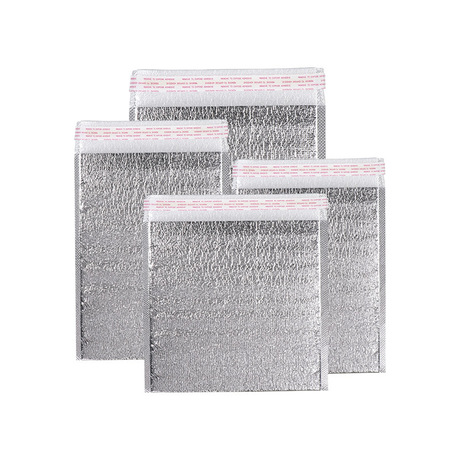
Double Bubble Insulated Liner For Grocery Delivery: Specify It Before You Buy
Buying double bubble insulated liner for grocery delivery should not begin with the cheapest quoted line item. The better starting point is the shipment you need to protect, the carton you already use, the condition of the product at packing, and the evidence your team needs after delivery. This final guide brings the buyer, material, and operations view together so you can specify a double bubble insulated liner with fewer assumptions and cleaner supplier conversations.
Practical answer
Treat double bubble insulated liner for grocery delivery as one component in a passive packout. Specify it by route, cargo, carton, coolant, handling, and documentation needs. Then compare suppliers on sample-to-production consistency, dimensional tolerance, closure quality, packing speed, and evidence that supports their stated performance.
Define the Packout Before You Ask for a Price
Before comparing suppliers for double bubble insulated liner for grocery delivery, write a one-page packout brief. It should name the product, cargo condition at packing, required temperature condition, expected route, carton size, coolant type, number of handling points, labeling needs, and receiving inspection method. This brief keeps the conversation practical. Without it, suppliers may quote different constructions under the same product name and the buyer may compare prices that do not describe the same solution.
The brief should also distinguish between a liner sample and a shipping system. A sample can show material quality, fold pattern, seam strength, and ease of packing. It cannot prove performance for every lane. If your product is high value, sensitive, regulated, or exposed to long routes, ask what thermal evidence is available and whether additional testing is needed under your actual ambient profile, payload, coolant configuration, and acceptance criteria.
A Buyer Scorecard for Comparing Offers
The same phrase, double bubble insulated liner for grocery delivery, can describe several constructions. One supplier may quote a thin mailer-style insert, another may quote a thicker foldable carton liner, and a third may include a custom panel layout. If the RFQ only says the keyword and a carton size, the quotes may look comparable while the actual goods are not. Buyers should ask suppliers to define the layer stack, finished dimensions, thickness tolerance if relevant, closure method, packing orientation, inner surface, outer surface, and packing quantity per export carton.
The cost also depends on how the liner ships. Bulky liners consume storage and container space. Flat-packed liners may reduce freight cost but need more warehouse handling. Vacuum-compressed or tightly packed formats can lower inbound volume, but the buyer should check whether the liner opens cleanly, recovers its intended shape, and remains easy for packers to use. A low factory price can lose its advantage if the delivered goods increase labor time or reject rates during packing.
MOQ and price breaks should be discussed as planning tools rather than pressure tactics. A higher quantity may reduce unit cost, but it can also increase inventory risk if the buyer has not finalized carton dimensions, artwork, local labeling, or the packout method. For a new program, it is usually safer to approve a working sample, trial the packing flow, and then scale with agreed drawings and change-control expectations.
A good quotation package answers practical questions. How many liners are packed per carton? Are export cartons sized for pallet efficiency? Will production units match the sample material and seam style? How will custom dimensions be controlled? What happens if the outer carton changes after approval? These questions do not slow sourcing down; they prevent a cheap quote from becoming an expensive production problem.
Grocery Delivery Needs Speed, Repeatability, and Carton Discipline
Grocery delivery programs often ship mixed products. A single order may include produce, dairy, sauces, chilled beverages, or prepared foods with different sensitivities. The liner has to work in a fast pick-and-pack environment where teams cannot spend much time adjusting every corner. A format that opens quickly, sits squarely in the carton, and allows predictable coolant placement may be more valuable than a material that looks slightly thicker but slows the line.
The buyer should test the liner with the real order mix. Mixed grocery cartons often have irregular voids, fragile items, and changing product heights. If the liner collapses inward, leaves uncovered zones, or blocks the planned coolant position, performance may be inconsistent. A practical grocery liner should help the packing team repeat the same good packout many times, not require expert attention for each order.
Decision Table
| Comparison point | Weak offer | Stronger offer |
|---|---|---|
| Fit definition | Only lists outer carton size. | Provides liner drawing, finished dimensions, and sample confirmation. |
| Performance language | Uses broad claims without conditions. | Explains test context or asks for route-specific validation. |
| Bulk supply | Quotes low price but vague packing and lead-time assumptions. | Defines packing quantity, carton cube, change control, and reorder process. |
| Sustainability claim | Says recyclable without local context. | Identifies materials and asks buyer to verify local disposal path. |
| Application support | Treats all cold-chain cargo the same. | Separates grocery, meat, meal kit, export, and healthcare requirements. |
Use this scorecard before approving a supplier. It does not require every program to run formal lab testing, but it does require the supplier and buyer to define the same product, the same process, and the same claims.
Verification Before Scaling From Sample to Production
A supplier’s statement about thermal performance should always be read with conditions attached. The relevant questions are simple: what carton was used, what payload was inside, what coolant or refrigerant was included, how the liner was closed, what ambient profile was applied, and what acceptance criteria were used. If those conditions do not match your shipment, the number may still be useful as a reference, but it should not be treated as proof for your route.
ISTA thermal standards, including Standard 7E, can be used as a reference for evaluating thermal transport packaging in parcel delivery systems. That does not remove the need for lane-specific review when the product is sensitive, the route is unusual, or the buyer must document decisions for a quality team. Testing should support judgment; it should not become a slogan in the specification.
Food shipments create a separate set of handling questions. The U.S. FDA sanitary transportation framework, for example, emphasizes preventing practices that create food safety risk, including failure to properly refrigerate food or inadequate cleaning between loads. A liner can support packaging protection, but it does not replace temperature-controlled vehicles, hygienic procedures, or product-specific food safety review where those are required.
Temperature-sensitive healthcare shipments may require additional discipline around packaging documentation, labeling, and carrier rules. IATA’s temperature-control materials for healthcare cargo highlight the need to review packaging requirements and documentation before shipment. A general insulated liner should not be described as compliant for pharmaceutical transport unless the full system, product requirement, carrier route, and quality review support that claim.
Sample Approval and Change Control
Sample approval should record the exact construction that passed review. Keep the approved sample, drawing, material description, packed photo, and production assumptions together. If the supplier changes film, bubble structure, compression method, seam style, panel layout, or packing quantity, the buyer should have a process for review. This is not bureaucracy; it protects the packout from invisible changes that can show up later as packing delays or thermal deviations.
For repeated orders, build change-control language into the purchase terms. Ask the supplier to notify you before changing material, production method, color, print, closure, folding pattern, packing carton, or export packing configuration. When a liner has been tested or trained into a warehouse workflow, consistency is part of the product. A slightly different liner may still be acceptable, but it should be reviewed before it appears on the packing line.
Balancing Protection With End-of-Life Requirements
Cold-chain packaging is under growing pressure to reduce waste, improve material transparency, and avoid vague environmental claims. For liners, the difficult point is that thermal performance often relies on layered materials. A liner can be lightweight and practical, yet still require careful end-of-life communication. Buyers should avoid saying a liner is recyclable unless the materials, separation method, and local collection pathway support that statement.
EU packaging rules are moving toward stronger recyclability expectations, and Australia’s packaging targets also encourage reusable, recyclable, or compostable packaging. These policy directions do not automatically make a specific liner acceptable in every market. They do, however, change the buyer’s questions. Ask whether the liner can be separated, whether materials are identifiable, whether instructions are clear, and whether a reusable container or return program would be better for repeated routes.
The environmental discussion should not compromise product protection. A damaged meat shipment, spoiled meal kit, or rejected grocery order creates waste too. The practical goal is to use no more packaging complexity than the route requires, while still protecting product quality. That may mean a simple foldable liner for short routes, a stronger insulated insert for longer routes, or a reusable container system where reverse logistics are available.
Red Flags in Supplier Conversations
- The supplier avoids explaining the layer structure or says all constructions perform the same.
- The quote does not define whether dimensions are internal, external, finished, or flat size.
- Performance claims are made without test context or with conditions unrelated to your packout.
- The sample looks acceptable but the supplier will not confirm sample-to-production consistency.
- Sustainability, food-contact, or compliance claims are offered as marketing language instead of verifiable material information.
These points may look simple, but they are often the difference between a stable liner program and one that creates disputes after the first production order. The safest response is to document the assumption, test the workflow, and keep the approved specification visible to everyone involved.
Practical Example
In a common shipment, a team packs chilled goods into a carton with a liner and coolant after the products have been staged too long. The liner may slow heat gain, but it cannot reset the product to the correct condition. The operational fix is to control product temperature before packing, condition coolant correctly, minimize open-carton time, and close the double bubble insulated liner the same way each time.
The lesson is to test the working process, not only the material. A liner is handled by people, packed into a carton, combined with coolant, moved by carriers, and opened by receivers. Every step can support or weaken the thermal result. When the example is viewed that way, the buyer’s questions become more precise and the supplier’s answers become easier to compare.
Final Specification Gate
The final specification for double bubble insulated liner for grocery delivery should be clear enough that another buyer could reorder the same item without relying on memory. It should identify the product, finished size, material structure, closure design, packing configuration, approved sample date, and any custom requirements. If thermal evidence is referenced, the specification should also state the conditions under which that evidence was generated.
A clear specification does not remove the need for judgment, but it reduces avoidable confusion. It also gives Tempk and the buyer a cleaner basis for future improvements, such as adjusting carton size, changing material for local disposal needs, or moving from a pilot order to a larger production run.
FAQ
How do I compare suppliers for double bubble insulated liner for grocery delivery?
Compare finished dimensions, material description, sample quality, thermal evidence, packing method, export packing, change-control process, and communication quality. Do not compare price alone unless the suppliers are quoting the same construction.
What should be fixed before production?
Fix the carton size, liner drawing, material structure, closure method, packing instruction, export packing, and any artwork or labeling requirements. If these are still changing, treat the order as a pilot rather than a stable production program.
When is a custom liner worth it?
Custom work is worth considering when standard liners leave gaps, slow packing, waste carton space, interfere with coolant, or do not match branding or disposal needs. It should solve a functional problem before it adds cosmetic value.
What claims should be avoided?
Avoid guaranteed temperature, universal compliance, all-market recyclability, or fixed hold-time claims unless supported by the exact system and evidence. Use cautious, application-specific language and ask suppliers for documentation where needed.
Conclusion
A strong double bubble insulated liner for grocery delivery specification links the product, route, carton, coolant, liner structure, supplier evidence, and warehouse process. That approach helps you avoid underprotecting cargo, overbuying material, or approving claims that cannot be supported. Start with the packout brief, test the sample in the real workflow, and scale only after the details are stable.
About Tempk
Tempk helps procurement and operations teams evaluate cold-chain packaging with a practical view of route, cargo, and packing method. A double bubble insulated liner may be one part of the answer, but it should be selected with the carton, coolant, warehouse process, and receiving expectations in mind. We can support sample discussions and custom packaging reviews when standard options do not fit the program.
Discuss your grocery delivery requirements with Tempk before finalizing custom dimensions, materials, or bulk purchasing terms.
Double Bubble Insulated Liner Australia: How to Specify and Buy Well
Double Bubble Insulated Liner Australia: Specify It Before You Buy
Buying double bubble insulated liner Australia should not begin with the cheapest quoted line item. The better starting point is the shipment you need to protect, the carton you already use, the condition of the product at packing, and the evidence your team needs after delivery. This final guide brings the buyer, material, and operations view together so you can specify a double bubble insulated liner with fewer assumptions and cleaner supplier conversations.
Practical answer
Treat double bubble insulated liner Australia as one component in a passive packout. Specify it by route, cargo, carton, coolant, handling, and documentation needs. Then compare suppliers on sample-to-production consistency, dimensional tolerance, closure quality, packing speed, and evidence that supports their stated performance.
Define the Packout Before You Ask for a Price
Before comparing suppliers for double bubble insulated liner Australia, write a one-page packout brief. It should name the product, cargo condition at packing, required temperature condition, expected route, carton size, coolant type, number of handling points, labeling needs, and receiving inspection method. This brief keeps the conversation practical. Without it, suppliers may quote different constructions under the same product name and the buyer may compare prices that do not describe the same solution.
The brief should also distinguish between a liner sample and a shipping system. A sample can show material quality, fold pattern, seam strength, and ease of packing. It cannot prove performance for every lane. If your product is high value, sensitive, regulated, or exposed to long routes, ask what thermal evidence is available and whether additional testing is needed under your actual ambient profile, payload, coolant configuration, and acceptance criteria.
A Buyer Scorecard for Comparing Offers
The same phrase, double bubble insulated liner Australia, can describe several constructions. One supplier may quote a thin mailer-style insert, another may quote a thicker foldable carton liner, and a third may include a custom panel layout. If the RFQ only says the keyword and a carton size, the quotes may look comparable while the actual goods are not. Buyers should ask suppliers to define the layer stack, finished dimensions, thickness tolerance if relevant, closure method, packing orientation, inner surface, outer surface, and packing quantity per export carton.
The cost also depends on how the liner ships. Bulky liners consume storage and container space. Flat-packed liners may reduce freight cost but need more warehouse handling. Vacuum-compressed or tightly packed formats can lower inbound volume, but the buyer should check whether the liner opens cleanly, recovers its intended shape, and remains easy for packers to use. A low factory price can lose its advantage if the delivered goods increase labor time or reject rates during packing.
MOQ and price breaks should be discussed as planning tools rather than pressure tactics. A higher quantity may reduce unit cost, but it can also increase inventory risk if the buyer has not finalized carton dimensions, artwork, local labeling, or the packout method. For a new program, it is usually safer to approve a working sample, trial the packing flow, and then scale with agreed drawings and change-control expectations.
A good quotation package answers practical questions. How many liners are packed per carton? Are export cartons sized for pallet efficiency? Will production units match the sample material and seam style? How will custom dimensions be controlled? What happens if the outer carton changes after approval? These questions do not slow sourcing down; they prevent a cheap quote from becoming an expensive production problem.
Australia Adds Distance, Storage, and Packaging-Recovery Questions
Australia can involve long domestic lanes, regional delivery distances, and warm seasonal exposure. A liner selected for an overseas sample may need a separate review when it enters Australian parcel or grocery networks. Buyers should check staging time, warehouse temperature, courier practices, and whether the carton may travel through multiple hubs before delivery. The liner must support the route, but the route must also be realistic for the planned coolant and payload.
Packaging recovery is another practical issue. Australia’s packaging framework encourages reusable, recyclable, or compostable packaging, but soft and multi-layer materials may still face local collection limits. Buyers should avoid broad claims unless the actual disposal pathway is known. It is better to give customers clear separation or return instructions than to rely on a material name that does not match local recycling capability.
Decision Table
| Comparison point | Weak offer | Stronger offer |
|---|---|---|
| Fit definition | Only lists outer carton size. | Provides liner drawing, finished dimensions, and sample confirmation. |
| Performance language | Uses broad claims without conditions. | Explains test context or asks for route-specific validation. |
| Bulk supply | Quotes low price but vague packing and lead-time assumptions. | Defines packing quantity, carton cube, change control, and reorder process. |
| Sustainability claim | Says recyclable without local context. | Identifies materials and asks buyer to verify local disposal path. |
| Application support | Treats all cold-chain cargo the same. | Separates grocery, meat, meal kit, export, and healthcare requirements. |
Use this scorecard before approving a supplier. It does not require every program to run formal lab testing, but it does require the supplier and buyer to define the same product, the same process, and the same claims.
Verification Before Scaling From Sample to Production
A supplier’s statement about thermal performance should always be read with conditions attached. The relevant questions are simple: what carton was used, what payload was inside, what coolant or refrigerant was included, how the liner was closed, what ambient profile was applied, and what acceptance criteria were used. If those conditions do not match your shipment, the number may still be useful as a reference, but it should not be treated as proof for your route.
ISTA thermal standards, including Standard 7E, can be used as a reference for evaluating thermal transport packaging in parcel delivery systems. That does not remove the need for lane-specific review when the product is sensitive, the route is unusual, or the buyer must document decisions for a quality team. Testing should support judgment; it should not become a slogan in the specification.
Food shipments create a separate set of handling questions. The U.S. FDA sanitary transportation framework, for example, emphasizes preventing practices that create food safety risk, including failure to properly refrigerate food or inadequate cleaning between loads. A liner can support packaging protection, but it does not replace temperature-controlled vehicles, hygienic procedures, or product-specific food safety review where those are required.
Temperature-sensitive healthcare shipments may require additional discipline around packaging documentation, labeling, and carrier rules. IATA’s temperature-control materials for healthcare cargo highlight the need to review packaging requirements and documentation before shipment. A general insulated liner should not be described as compliant for pharmaceutical transport unless the full system, product requirement, carrier route, and quality review support that claim.
Sample Approval and Change Control
Sample approval should record the exact construction that passed review. Keep the approved sample, drawing, material description, packed photo, and production assumptions together. If the supplier changes film, bubble structure, compression method, seam style, panel layout, or packing quantity, the buyer should have a process for review. This is not bureaucracy; it protects the packout from invisible changes that can show up later as packing delays or thermal deviations.
For repeated orders, build change-control language into the purchase terms. Ask the supplier to notify you before changing material, production method, color, print, closure, folding pattern, packing carton, or export packing configuration. When a liner has been tested or trained into a warehouse workflow, consistency is part of the product. A slightly different liner may still be acceptable, but it should be reviewed before it appears on the packing line.
Balancing Protection With End-of-Life Requirements
Cold-chain packaging is under growing pressure to reduce waste, improve material transparency, and avoid vague environmental claims. For liners, the difficult point is that thermal performance often relies on layered materials. A liner can be lightweight and practical, yet still require careful end-of-life communication. Buyers should avoid saying a liner is recyclable unless the materials, separation method, and local collection pathway support that statement.
EU packaging rules are moving toward stronger recyclability expectations, and Australia’s packaging targets also encourage reusable, recyclable, or compostable packaging. These policy directions do not automatically make a specific liner acceptable in every market. They do, however, change the buyer’s questions. Ask whether the liner can be separated, whether materials are identifiable, whether instructions are clear, and whether a reusable container or return program would be better for repeated routes.
The environmental discussion should not compromise product protection. A damaged meat shipment, spoiled meal kit, or rejected grocery order creates waste too. The practical goal is to use no more packaging complexity than the route requires, while still protecting product quality. That may mean a simple foldable liner for short routes, a stronger insulated insert for longer routes, or a reusable container system where reverse logistics are available.
Red Flags in Supplier Conversations
- The supplier avoids explaining the layer structure or says all constructions perform the same.
- The quote does not define whether dimensions are internal, external, finished, or flat size.
- Performance claims are made without test context or with conditions unrelated to your packout.
- The sample looks acceptable but the supplier will not confirm sample-to-production consistency.
- Sustainability, food-contact, or compliance claims are offered as marketing language instead of verifiable material information.
These points may look simple, but they are often the difference between a stable liner program and one that creates disputes after the first production order. The safest response is to document the assumption, test the workflow, and keep the approved specification visible to everyone involved.
Practical Example
A typical cross-border buyer may approve a double bubble insulated liner sample at the supplier’s office, then discover that the packed liners take more warehouse space than expected after import. The problem is not the material alone. The buyer forgot to compare export carton quantity, pallet height, customs dwell risk, local storage space, and packing labor. A better RFQ asks for sample pieces and packing configuration together, so the landed-cost model is closer to the real operation.
The lesson is to test the working process, not only the material. A liner is handled by people, packed into a carton, combined with coolant, moved by carriers, and opened by receivers. Every step can support or weaken the thermal result. When the example is viewed that way, the buyer’s questions become more precise and the supplier’s answers become easier to compare.
Regional Procurement Note
For Australia, consider long domestic legs, warm exposure, and packaging recovery expectations. Ask how the liner will be stored after import, whether local customers can separate or return it, and whether the material description aligns with local packaging guidance. Avoid broad disposal claims until local pathways are known.
Final Specification Gate
The final specification for double bubble insulated liner Australia should be clear enough that another buyer could reorder the same item without relying on memory. It should identify the product, finished size, material structure, closure design, packing configuration, approved sample date, and any custom requirements. If thermal evidence is referenced, the specification should also state the conditions under which that evidence was generated.
A clear specification does not remove the need for judgment, but it reduces avoidable confusion. It also gives Tempk and the buyer a cleaner basis for future improvements, such as adjusting carton size, changing material for local disposal needs, or moving from a pilot order to a larger production run.
FAQ
How do I compare suppliers for double bubble insulated liner Australia?
Compare finished dimensions, material description, sample quality, thermal evidence, packing method, export packing, change-control process, and communication quality. Do not compare price alone unless the suppliers are quoting the same construction.
What should be fixed before production?
Fix the carton size, liner drawing, material structure, closure method, packing instruction, export packing, and any artwork or labeling requirements. If these are still changing, treat the order as a pilot rather than a stable production program.
When is a custom liner worth it?
Custom work is worth considering when standard liners leave gaps, slow packing, waste carton space, interfere with coolant, or do not match branding or disposal needs. It should solve a functional problem before it adds cosmetic value.
What claims should be avoided?
Avoid guaranteed temperature, universal compliance, all-market recyclability, or fixed hold-time claims unless supported by the exact system and evidence. Use cautious, application-specific language and ask suppliers for documentation where needed.
Conclusion
A strong double bubble insulated liner Australia specification links the product, route, carton, coolant, liner structure, supplier evidence, and warehouse process. That approach helps you avoid underprotecting cargo, overbuying material, or approving claims that cannot be supported. Start with the packout brief, test the sample in the real workflow, and scale only after the details are stable.
About Tempk
Tempk helps procurement and operations teams evaluate cold-chain packaging with a practical view of route, cargo, and packing method. A double bubble insulated liner may be one part of the answer, but it should be selected with the carton, coolant, warehouse process, and receiving expectations in mind. We can support sample discussions and custom packaging reviews when standard options do not fit the program.
Discuss your temperature-controlled carton shipping requirements with Tempk before finalizing custom dimensions, materials, or bulk purchasing terms.
Cold Chain Liner Oem: How to Specify and Buy Well
Cold Chain Liner Oem: Specify It Before You Buy
Buying cold chain liner OEM should not begin with the cheapest quoted line item. The better starting point is the shipment you need to protect, the carton you already use, the condition of the product at packing, and the evidence your team needs after delivery. This final guide brings the buyer, material, and operations view together so you can specify a insulated box liner with fewer assumptions and cleaner supplier conversations.
Practical answer
Treat cold chain liner OEM as one component in a passive packout. Specify it by route, cargo, carton, coolant, handling, and documentation needs. Then compare suppliers on sample-to-production consistency, dimensional tolerance, closure quality, packing speed, and evidence that supports their stated performance.
Define the Packout Before You Ask for a Price
Before comparing suppliers for cold chain liner OEM, write a one-page packout brief. It should name the product, cargo condition at packing, required temperature condition, expected route, carton size, coolant type, number of handling points, labeling needs, and receiving inspection method. This brief keeps the conversation practical. Without it, suppliers may quote different constructions under the same product name and the buyer may compare prices that do not describe the same solution.
The brief should also distinguish between a liner sample and a shipping system. A sample can show material quality, fold pattern, seam strength, and ease of packing. It cannot prove performance for every lane. If your product is high value, sensitive, regulated, or exposed to long routes, ask what thermal evidence is available and whether additional testing is needed under your actual ambient profile, payload, coolant configuration, and acceptance criteria.
A Buyer Scorecard for Comparing Offers
The same phrase, cold chain liner OEM, can describe several constructions. One supplier may quote a thin mailer-style insert, another may quote a thicker foldable carton liner, and a third may include a custom panel layout. If the RFQ only says the keyword and a carton size, the quotes may look comparable while the actual goods are not. Buyers should ask suppliers to define the layer stack, finished dimensions, thickness tolerance if relevant, closure method, packing orientation, inner surface, outer surface, and packing quantity per export carton.
The cost also depends on how the liner ships. Bulky liners consume storage and container space. Flat-packed liners may reduce freight cost but need more warehouse handling. Vacuum-compressed or tightly packed formats can lower inbound volume, but the buyer should check whether the liner opens cleanly, recovers its intended shape, and remains easy for packers to use. A low factory price can lose its advantage if the delivered goods increase labor time or reject rates during packing.
MOQ and price breaks should be discussed as planning tools rather than pressure tactics. A higher quantity may reduce unit cost, but it can also increase inventory risk if the buyer has not finalized carton dimensions, artwork, local labeling, or the packout method. For a new program, it is usually safer to approve a working sample, trial the packing flow, and then scale with agreed drawings and change-control expectations.
A good quotation package answers practical questions. How many liners are packed per carton? Are export cartons sized for pallet efficiency? Will production units match the sample material and seam style? How will custom dimensions be controlled? What happens if the outer carton changes after approval? These questions do not slow sourcing down; they prevent a cheap quote from becoming an expensive production problem.
Custom and OEM Work Should Be Controlled From Sample to Reorder
Custom liner projects often begin with a brand idea, but the cold-chain work should begin with a packout problem. A buyer may want a custom size, print, material, or packing format. Each of those choices can change cost, handling, and sometimes thermal behavior. The safest path is to freeze the functional specification first, then add branding and custom details after the liner fits the carton and packing method.
OEM buyers should also agree on change control. A small change in film, bubble height, adhesive, seam width, or fold pattern can affect the way the liner sits inside the box. If a supplier must change material availability, production equipment, packing count, or export carton size, the buyer should be notified before bulk reorder. This is especially important when the buyer has already tested a packout or trained a warehouse team around a specific format.
Decision Table
| Comparison point | Weak offer | Stronger offer |
|---|---|---|
| Fit definition | Only lists outer carton size. | Provides liner drawing, finished dimensions, and sample confirmation. |
| Performance language | Uses broad claims without conditions. | Explains test context or asks for route-specific validation. |
| Bulk supply | Quotes low price but vague packing and lead-time assumptions. | Defines packing quantity, carton cube, change control, and reorder process. |
| Sustainability claim | Says recyclable without local context. | Identifies materials and asks buyer to verify local disposal path. |
| Application support | Treats all cold-chain cargo the same. | Separates grocery, meat, meal kit, export, and healthcare requirements. |
Use this scorecard before approving a supplier. It does not require every program to run formal lab testing, but it does require the supplier and buyer to define the same product, the same process, and the same claims.
Verification Before Scaling From Sample to Production
A supplier’s statement about thermal performance should always be read with conditions attached. The relevant questions are simple: what carton was used, what payload was inside, what coolant or refrigerant was included, how the liner was closed, what ambient profile was applied, and what acceptance criteria were used. If those conditions do not match your shipment, the number may still be useful as a reference, but it should not be treated as proof for your route.
ISTA thermal standards, including Standard 7E, can be used as a reference for evaluating thermal transport packaging in parcel delivery systems. That does not remove the need for lane-specific review when the product is sensitive, the route is unusual, or the buyer must document decisions for a quality team. Testing should support judgment; it should not become a slogan in the specification.
Food shipments create a separate set of handling questions. The U.S. FDA sanitary transportation framework, for example, emphasizes preventing practices that create food safety risk, including failure to properly refrigerate food or inadequate cleaning between loads. A liner can support packaging protection, but it does not replace temperature-controlled vehicles, hygienic procedures, or product-specific food safety review where those are required.
Temperature-sensitive healthcare shipments may require additional discipline around packaging documentation, labeling, and carrier rules. IATA’s temperature-control materials for healthcare cargo highlight the need to review packaging requirements and documentation before shipment. A general insulated liner should not be described as compliant for pharmaceutical transport unless the full system, product requirement, carrier route, and quality review support that claim.
Sample Approval and Change Control
Sample approval should record the exact construction that passed review. Keep the approved sample, drawing, material description, packed photo, and production assumptions together. If the supplier changes film, bubble structure, compression method, seam style, panel layout, or packing quantity, the buyer should have a process for review. This is not bureaucracy; it protects the packout from invisible changes that can show up later as packing delays or thermal deviations.
For repeated orders, build change-control language into the purchase terms. Ask the supplier to notify you before changing material, production method, color, print, closure, folding pattern, packing carton, or export packing configuration. When a liner has been tested or trained into a warehouse workflow, consistency is part of the product. A slightly different liner may still be acceptable, but it should be reviewed before it appears on the packing line.
Balancing Protection With End-of-Life Requirements
Cold-chain packaging is under growing pressure to reduce waste, improve material transparency, and avoid vague environmental claims. For liners, the difficult point is that thermal performance often relies on layered materials. A liner can be lightweight and practical, yet still require careful end-of-life communication. Buyers should avoid saying a liner is recyclable unless the materials, separation method, and local collection pathway support that statement.
EU packaging rules are moving toward stronger recyclability expectations, and Australia’s packaging targets also encourage reusable, recyclable, or compostable packaging. These policy directions do not automatically make a specific liner acceptable in every market. They do, however, change the buyer’s questions. Ask whether the liner can be separated, whether materials are identifiable, whether instructions are clear, and whether a reusable container or return program would be better for repeated routes.
The environmental discussion should not compromise product protection. A damaged meat shipment, spoiled meal kit, or rejected grocery order creates waste too. The practical goal is to use no more packaging complexity than the route requires, while still protecting product quality. That may mean a simple foldable liner for short routes, a stronger insulated insert for longer routes, or a reusable container system where reverse logistics are available.
Red Flags in Supplier Conversations
- The supplier avoids explaining the layer structure or says all constructions perform the same.
- The quote does not define whether dimensions are internal, external, finished, or flat size.
- Performance claims are made without test context or with conditions unrelated to your packout.
- The sample looks acceptable but the supplier will not confirm sample-to-production consistency.
- Sustainability, food-contact, or compliance claims are offered as marketing language instead of verifiable material information.
These points may look simple, but they are often the difference between a stable liner program and one that creates disputes after the first production order. The safest response is to document the assumption, test the workflow, and keep the approved specification visible to everyone involved.
Practical Example
For example, a brand owner may request a custom insulated box liner for a subscription delivery carton. The artwork and logo are not the difficult part. The hard part is confirming that the liner sits squarely in the carton, leaves space for coolant, protects the product mix, and can be packed by temporary staff without mistakes. Only after that should the team approve printed film, custom carton quantities, and bulk production.
The lesson is to test the working process, not only the material. A liner is handled by people, packed into a carton, combined with coolant, moved by carriers, and opened by receivers. Every step can support or weaken the thermal result. When the example is viewed that way, the buyer’s questions become more precise and the supplier’s answers become easier to compare.
Final Specification Gate
The final specification for cold chain liner OEM should be clear enough that another buyer could reorder the same item without relying on memory. It should identify the product, finished size, material structure, closure design, packing configuration, approved sample date, and any custom requirements. If thermal evidence is referenced, the specification should also state the conditions under which that evidence was generated.
A clear specification does not remove the need for judgment, but it reduces avoidable confusion. It also gives Tempk and the buyer a cleaner basis for future improvements, such as adjusting carton size, changing material for local disposal needs, or moving from a pilot order to a larger production run.
FAQ
How do I compare suppliers for cold chain liner OEM?
Compare finished dimensions, material description, sample quality, thermal evidence, packing method, export packing, change-control process, and communication quality. Do not compare price alone unless the suppliers are quoting the same construction.
What should be fixed before production?
Fix the carton size, liner drawing, material structure, closure method, packing instruction, export packing, and any artwork or labeling requirements. If these are still changing, treat the order as a pilot rather than a stable production program.
When is a custom liner worth it?
Custom work is worth considering when standard liners leave gaps, slow packing, waste carton space, interfere with coolant, or do not match branding or disposal needs. It should solve a functional problem before it adds cosmetic value.
What claims should be avoided?
Avoid guaranteed temperature, universal compliance, all-market recyclability, or fixed hold-time claims unless supported by the exact system and evidence. Use cautious, application-specific language and ask suppliers for documentation where needed.
Conclusion
A strong cold chain liner OEM specification links the product, route, carton, coolant, liner structure, supplier evidence, and warehouse process. That approach helps you avoid underprotecting cargo, overbuying material, or approving claims that cannot be supported. Start with the packout brief, test the sample in the real workflow, and scale only after the details are stable.
About Tempk
Tempk helps procurement and operations teams evaluate cold-chain packaging with a practical view of route, cargo, and packing method. A insulated box liner may be one part of the answer, but it should be selected with the carton, coolant, warehouse process, and receiving expectations in mind. We can support sample discussions and custom packaging reviews when standard options do not fit the program.
Discuss your custom cold-chain packaging programs requirements with Tempk before finalizing custom dimensions, materials, or bulk purchasing terms.