Pharma Cold Chain Logistics Companies: Safeguarding the Lifeblood of Healthcare
In the intricate and high – stakes world of pharmaceuticals, the role of pharma cold chain logistics companies is nothing short of critical. These specialized entities are the guardians of temperature – sensitive drugs, vaccines, and biologics, ensuring that these life – saving products reach their destinations in optimal condition. As the global demand for such products continues to surge, the significance of reliable cold chain logistics has never been more pronounced.
The Paramount Importance of Pharma Cold Chain Logistics
Pharmaceutical products, especially those like vaccines, insulin, and many biologic drugs, are highly sensitive to temperature fluctuations. Even a brief exposure to improper temperatures can compromise their efficacy, safety, and in some cases, render them completely ineffective. For instance, a study by the World Health Organization (WHO) revealed that up to 20% of vaccines are wasted globally due to temperature – related issues during transportation and storage. This not only represents a massive financial loss but also a setback in global health initiatives, as crucial vaccines fail to reach those in need.
Cold chain logistics in the pharmaceutical industry is not just about maintaining a cool temperature. It involves a complex and meticulously orchestrated process that encompasses every stage of the supply chain, from the manufacturing facility to the end – user, whether it’s a hospital, a pharmacy, or a patient’s home. This process requires strict adherence to regulatory standards, such as those set by the US Food and Drug Administration (FDA) and the European Medicines Agency (EMA), which mandate specific temperature ranges for different types of pharmaceutical products.
Key Challenges Faced by Pharma Cold Chain Logistics Companies
Temperature Control Precision
One of the most significant challenges for pharma cold chain logistics companies is achieving and maintaining precise temperature control. External factors such as extreme weather conditions, long – distance transportation, and delays in transit can all pose threats to the integrity of the cold chain. For example, during summer months in tropical regions, ambient temperatures can soar well above 40°C, making it extremely difficult to keep refrigerated drugs at the required 2 – 8°C. To combat this, companies are increasingly investing in advanced insulation technologies, such as vacuum – insulated panels and high – performance phase – change materials, which can absorb or release heat to maintain a stable temperature.
Regulatory Compliance
The pharmaceutical industry is one of the most highly regulated sectors globally, and cold chain logistics is no exception. Pharma cold chain logistics companies must comply with a multitude of regulations, including those related to product handling, storage, and transportation. Failure to meet these regulations can result in severe penalties, product recalls, and damage to a company’s reputation. For instance, in 2023, a major logistics company was fined millions of dollars for violating FDA regulations regarding the temperature monitoring of a batch of cancer drugs during transit. Staying updated with the ever – evolving regulatory landscape and implementing robust quality management systems is crucial for these companies to operate successfully.
Supply Chain Complexity
The global nature of the pharmaceutical supply chain adds another layer of complexity. Products often need to be transported across multiple countries, time zones, and through various modes of transportation, including air, sea, and land. Coordinating these different legs of the journey and ensuring seamless temperature control throughout is a formidable task. Additionally, the need for real – time visibility into the location and condition of shipments is essential, as any disruption in the cold chain must be detected and addressed immediately. This requires the integration of advanced tracking technologies, such as IoT – enabled sensors and blockchain – based systems, to provide transparency and traceability across the entire supply chain.
Top Pharma Cold Chain Logistics Companies Making a Mark
AmerisourceBergen (World Courier)
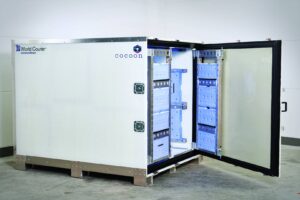
Established in 1969 and headquartered in Pennsylvania, USA, AmerisourceBergen acquired World Courier Group, Inc., a private company that specializes in providing transportation and logistics services to the biopharmaceutical sector. With over 137 offices in 52 countries, 13 storage depots, and 2,500 employees, World Courier is one of the largest players in the healthcare cold chain logistics space. They offer a wide range of specialty logistics services, including biopharmaceutical clinical trials logistics, drug storage and distribution, and investigational drug storage and distribution. Their global network is GXP – compliant, ensuring high – quality service and reliability in both established and emerging markets.
Deutsche Post AG (DHL)
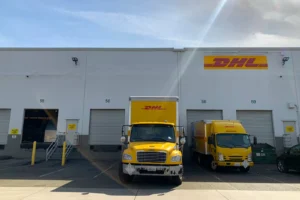
Founded in 1995 and headquartered in Bonn, Germany, DHL is a global leader in logistics and supply chain management. In the pharmaceutical cold chain space, DHL offers a comprehensive suite of services that meet the specific needs of the life sciences and healthcare industries. Their advanced infrastructure enables the efficient storage and transportation of temperature – sensitive cargo within a supply chain under tightly controlled conditions. DHL also focuses on providing a seamless patient experience throughout the entire journey, from clinical trials to the point – of – care. They leverage state – of – the – art temperature monitoring technologies and have a team of experts dedicated to ensuring regulatory compliance.
FedEx Corporation Services, Inc.
FedEx, founded in 1971 and based in Tennessee, USA, has a specialized segment called FedEx Custom Critical that focuses on cold chain transportation. They offer a diverse range of temperature control solutions and have a validated air freight process for temperature – sensitive shipments. This process ensures cold – chain quality and regulatory compliance. FedEx can provide temperature control between 2 and 8 degrees Celsius for refrigerated products, as well as deep – cold or room – temperature options. They also have the ability to regulate container placement within aircraft and control cargo – hold temperature for optimal performance of cargo containers. In addition, their specially trained temperature – control services team efficiently handles temperature – sensitive air freight shipments.
United Parcel Service of America, Inc. (UPS)
Established in 1905 and headquartered in Georgia, USA, UPS offers end – to – end cold chain solutions. Their cold chain process ensures that products are kept cool from the moment they are manufactured, through transport, warehousing, and finally to their final destination. UPS uses a variety of methods to maintain temperature control, including gel packs, dry ice, liquid nitrogen, reefers, and insulated quilts. For healthcare businesses looking to reduce their carbon footprint, UPS also offers solutions that are curbside recyclable or reusable. They have a global network and advanced tracking systems to provide real – time visibility into the status of cold chain shipments.
Kuehne + Nagel International AG
Founded in 1890 and headquartered in Feusisberg, Switzerland, Kuehne + Nagel has a dedicated perishables team that specializes in safely and efficiently delivering temperature – sensitive cargo according to client specifications. They ensure safe and compliant international transportation with optimal transit times and methods of transportation, maximizing product protection. Kuehne + Nagel takes into account the smallest details in local and international legislation when transporting various perishable commodities. By integrating their KN Fresh Chain global quality and safety standard, they provide real – time visibility, monitoring, and control of the entire cold chain process.
Technological Innovations Transforming the Industry
Internet of Things (IoT) – Enabled Sensors
IoT – enabled sensors are revolutionizing pharma cold chain logistics. These tiny devices can be attached to packages or installed in transportation vehicles and storage facilities to continuously monitor temperature, humidity, pressure, and other environmental factors. The data collected is transmitted in real – time to a central monitoring system, allowing logistics companies to quickly detect any deviations from the required temperature range. For example, if the temperature inside a refrigerated truck starts to rise due to a malfunctioning cooling system, the sensors can immediately send an alert to the driver and the company’s operations center. This enables prompt action to be taken, such as diverting the truck to a nearby maintenance facility or deploying a backup cooling unit.
Blockchain Technology
Blockchain technology is being increasingly adopted in the pharma cold chain to enhance transparency and traceability. Blockchain creates an immutable and decentralized ledger of all transactions and events in the supply chain. Each step of the cold chain process, from the manufacturer to the distributor to the end – user, is recorded on the blockchain. This means that stakeholders can easily track the movement of a pharmaceutical product, verify its authenticity, and ensure that it has been stored and transported under the appropriate conditions. For instance, a hospital can use blockchain to trace the origin of a vaccine, check its temperature history during transit, and confirm that it meets all regulatory requirements before administering it to patients.
Advanced Packaging Solutions
The development of advanced packaging solutions is another significant trend in the industry. New materials and designs are being introduced to improve insulation and temperature – control capabilities. For example, some companies are using vacuum – insulated panels made of lightweight yet highly insulating materials to create shipping containers that can maintain a stable temperature for extended periods, even in extreme external conditions. Additionally, phase – change materials are being incorporated into packaging to absorb or release heat as needed, further enhancing temperature stability. These advanced packaging solutions not only help protect pharmaceutical products but also reduce the need for excessive cooling or heating during transportation, leading to cost savings and a lower environmental impact.
The Future Outlook for Pharma Cold Chain Logistics Companies
The future of pharma cold chain logistics companies looks promising yet challenging. The growing prevalence of chronic diseases, the increasing demand for biologics and personalized medicines, and the expansion of vaccination programs worldwide are all driving the need for reliable cold chain logistics. However, companies will need to continue investing in technology, infrastructure, and talent to meet the evolving demands of the industry.
As the world becomes more interconnected, there will be an even greater need for seamless global cold chain solutions. Pharma cold chain logistics companies will need to collaborate more closely with pharmaceutical manufacturers, distributors, and healthcare providers to ensure the efficient and safe delivery of products. Additionally, with the increasing focus on sustainability, companies will be expected to develop more eco – friendly cold chain solutions, such as using electric vehicles for transportation and reducing the use of single – use packaging materials.
In conclusion, pharma cold chain logistics companies play an indispensable role in the healthcare industry. Their ability to overcome challenges, embrace technological innovations, and adapt to changing market dynamics will determine their success in safeguarding the integrity of temperature – sensitive pharmaceutical products and ultimately improving global health outcomes.
Cold Chain Packaging Solutions: Preserving Quality and Integrity
In today’s globalized world, the transportation of temperature-sensitive goods has become an integral part of various industries. From pharmaceuticals and food products to biotechnology and electronics, maintaining the right temperature during transit is crucial to ensure product quality, safety, and efficacy. This is where cold chain packaging solutions play a pivotal role.
The Significance of Cold Chain Packaging
Cold chain packaging refers to the specialized packaging and transportation processes designed to keep products within a specific temperature range. It is essential for products that are sensitive to temperature fluctuations, as even a minor deviation can lead to spoilage, loss of potency, or even pose a risk to consumer health. For example, vaccines and certain medications require strict temperature control to maintain their effectiveness. In the food industry, cold chain packaging helps preserve the freshness, nutritional value, and taste of perishable items such as fresh produce, dairy products, and meat.
The importance of cold chain packaging is further emphasized by the growing demand for fresh and high-quality products, as well as the increasing globalization of trade. With consumers expecting to have access to a wide variety of products all year round, businesses need to ensure that their goods are transported in optimal condition. Additionally, regulatory requirements in many industries mandate the use of proper cold chain packaging to ensure compliance and consumer safety.
Key Components of Cold Chain Packaging
Insulated Containers
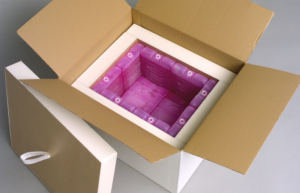
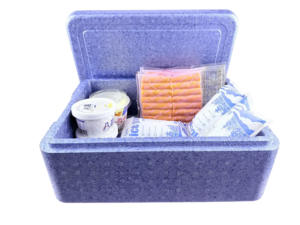
Insulated containers are a fundamental component of cold chain packaging. They are designed to provide a barrier against external temperature changes, minimizing heat transfer and maintaining a stable internal temperature. These containers are typically made of materials with excellent insulating properties, such as expanded polystyrene (EPS), polyurethane foam, or vacuum insulated panels (VIPs). For instance, EPS – made insulated boxes can maintain a low internal temperature for extended periods, making them ideal for shipping pharmaceuticals or frozen foods.
Temperature Monitoring Devices
To ensure that the temperature within the cold chain packaging remains within the required range, temperature monitoring devices are essential. These devices can be as simple as time – temperature indicators (TTIs) that provide a visual indication of whether a product has been exposed to temperatures outside the acceptable range. More advanced options include IoT – enabled sensors that can transmit real – time temperature data to a central monitoring system. This allows businesses to track the temperature of their shipments at all times, enabling them to take immediate action if any deviations occur.
Packaging Materials
The choice of packaging materials also plays a crucial role in cold chain packaging. In addition to the insulating materials used in containers, other materials such as phase change materials (PCMs) are often incorporated. PCMs can absorb or release heat during temperature fluctuations, helping to maintain a more stable temperature environment. For example, gel ice packs, which are a type of PCM, are commonly used in combination with insulated containers to provide additional cooling. Moreover, sustainable packaging materials are gaining popularity in the cold chain industry. Biodegradable and recyclable materials, such as paperboard and biodegradable plastics, are being developed and used to reduce the environmental impact of cold chain packaging.
Types of Cold Chain Packaging Solutions
Passive Cold Chain Packaging
Passive cold chain packaging relies on the use of insulating materials and PCMs to maintain the desired temperature without the need for external power sources. This type of packaging is cost – effective and suitable for short – to – medium – distance transportation. Insulated boxes with ice packs or gel packs are common examples of passive cold chain packaging. They are widely used in the food delivery industry, for transporting fresh meals or groceries, as well as in the pharmaceutical industry for shipping small quantities of temperature – sensitive medications.
Active Cold Chain Packaging
Active cold chain packaging, on the other hand, uses external power sources, such as electricity or batteries, to actively control the temperature. This can involve the use of refrigeration units or heating elements within the packaging. Active cold chain packaging is more expensive but offers greater precision in temperature control and is suitable for long – distance transportation or for products that require very strict temperature conditions. For example, in the transportation of vaccines, active cold chain packaging systems may be used to ensure that the vaccines are maintained at the correct temperature throughout the entire supply chain, from the manufacturing facility to the end – user.
Challenges in Cold Chain Packaging
Maintaining Temperature Consistency
One of the biggest challenges in cold chain packaging is maintaining consistent temperature control. External factors such as changes in ambient temperature, transportation delays, and improper handling can all affect the temperature within the packaging. To address this challenge, businesses need to invest in high – quality packaging materials and temperature monitoring devices. They also need to ensure that their transportation and storage processes are optimized to minimize the risk of temperature fluctuations. For example, proper loading and unloading procedures, as well as regular maintenance of transportation vehicles and storage facilities, can help maintain temperature consistency.
Cost and Environmental Impact
Cold chain packaging can be costly, especially when it comes to active cold chain solutions. The use of advanced technologies and high – quality materials can drive up the cost of packaging. Additionally, the disposal of used cold chain packaging materials, particularly non – biodegradable ones, can have a significant environmental impact. To mitigate these challenges, businesses are increasingly looking for cost – effective and sustainable solutions. This includes the use of recycled materials, the development of more efficient packaging designs, and the implementation of take – back programs for used packaging.
Industry Applications
Pharmaceutical Industry
In the pharmaceutical industry, cold chain packaging is of utmost importance. Vaccines, biologics, and many medications are highly sensitive to temperature changes. Even a short – term exposure to incorrect temperatures can render these products ineffective or even dangerous. Cold chain packaging solutions in the pharmaceutical industry must meet strict regulatory requirements, such as those set by the Food and Drug Administration (FDA) in the United States. Advanced temperature – monitoring and tracking systems are often used to ensure compliance and to provide visibility into the transportation process.
Food and Beverage Industry
The food and beverage industry is one of the largest users of cold chain packaging. From fresh fruits and vegetables to dairy products, cold chain packaging helps extend the shelf life of products and maintain their quality. In the case of frozen foods, proper cold chain packaging is essential to prevent thawing and refreezing, which can lead to texture and taste degradation. Additionally, the transportation of temperature – sensitive beverages, such as wine and craft beer, requires cold chain packaging to preserve their flavor and carbonation.
Biotechnology and Chemical Industries
In the biotechnology industry, cold chain packaging is crucial for the transportation of cell and gene therapies, which often require ultra – low temperatures. These therapies are highly sensitive and need to be maintained at specific temperatures to ensure their viability. In the chemical industry, certain chemicals and laboratory reagents also require temperature – controlled packaging to prevent degradation and ensure safety during transportation.
Choosing the Right Cold Chain Packaging Solution
When selecting a cold chain packaging solution, several factors need to be considered:
Product Sensitivity: Understand the specific temperature requirements and sensitivity of the product. Some products may be more tolerant of temperature fluctuations than others, while some require extremely precise temperature control.
Transportation Duration and Distance: Consider how long the product will be in transit and the distance it needs to travel. Longer transportation times may require more advanced and reliable cold chain packaging solutions.
Temperature Range: Determine the exact temperature range that needs to be maintained. Different products have different optimal temperature ranges, and the packaging solution should be able to meet these requirements.
Regulatory Compliance: Ensure that the chosen packaging solution complies with all relevant industry regulations and standards. This is especially important in highly regulated industries such as pharmaceuticals and food.
Cost – Effectiveness: Evaluate the overall cost of the packaging solution, including the initial cost of the packaging materials, any associated monitoring devices, and the long – term cost implications, such as potential product losses due to improper packaging.
Environmental Impact: Consider the environmental footprint of the packaging materials. Look for sustainable options that are biodegradable, recyclable, or made from recycled content.
Future Trends in Cold Chain Packaging
Technological Advancements
The future of cold chain packaging is likely to see continued technological advancements. For example, the development of more efficient insulating materials with even better thermal performance is expected. Additionally, the integration of artificial intelligence (AI) and machine learning (ML) into temperature – monitoring systems could enable more accurate predictions of temperature changes and proactive measures to maintain temperature control.
Sustainability
Sustainability will be a major trend in cold chain packaging. With increasing environmental concerns, there will be a greater push towards using eco – friendly packaging materials and reducing waste. This may involve the use of more biodegradable and compostable materials, as well as the development of innovative packaging designs that minimize the amount of material used.
Global Expansion
As the global demand for temperature – sensitive products continues to grow, cold chain packaging solutions will need to expand globally. This will require better coordination and standardization across different regions to ensure seamless transportation of goods. Additionally, the development of cold chain infrastructure in emerging economies will present new opportunities for the cold chain packaging industry.
Cold chain packaging solutions are essential for ensuring the safe and efficient transportation of temperature – sensitive products across various industries. By understanding the key components, types, challenges, and industry applications of cold chain packaging, businesses can make informed decisions to choose the right solutions for their needs. As technology and consumer demands continue to evolve, the cold chain packaging industry will need to adapt and innovate to meet the growing requirements of the global market.
Tempk: Your Cold Chain Partner for Quality & Reliability
In the dynamic world of modern commerce, the cold chain industry plays a pivotal role in ensuring the safe and efficient transportation of perishable goods. From pharmaceutical products to fresh food items, maintaining the right temperature throughout the supply chain is crucial. This is where TEMPK cold chain solutions step in, offering a comprehensive range of products and services that meet the highest standards of quality and reliability.
The Significance of Cold Chain Logistics
Cold chain logistics is not just about keeping things cold; it’s about preserving the integrity, quality, and safety of temperature – sensitive products. In the pharmaceutical sector, for example, improper temperature control during transportation can render life – saving medications ineffective. According to industry reports, about 10% of products in the cold chain transportation industry are pharmaceuticals – related, both for human and veterinary use. In the food industry, which accounts for approximately 90% of cold chain products, maintaining the right temperature ensures that food remains fresh, nutritious, and free from harmful bacteria.
TEMPK’s Product Portfolio
Insulated Boxes
TEMPK offers a variety of insulated boxes, with the 9L – EPS insulated box being a prime example. In a constant temperature environment of 32℃, this box can maintain an internal temperature of 0℃ for more than 36 hours. Constructed with expanded polystyrene (EPS) insulation panels, these boxes are durable and can be used to ship a wide range of applications within the cold chain. Their design not only provides excellent thermal insulation but also ensures that the products inside are well – protected during transit.
Ice Packs and Temperature – Control Materials
The company provides a diverse selection of ice packs, including gel ice packs, water – filled ice packs, hydrate dry ice packs, and freezer ice bricks. These ice packs are essential for maintaining the desired temperature inside the insulated boxes. For instance, gel ice packs are known for their long – lasting cooling effect and are easy to handle. They are widely used in both pharmaceutical and food transport, providing a reliable source of cold during the journey. In addition to ice packs, TEMPK also offers other temperature – control materials such as insulated box liners and insulated pallet covers, which further enhance the effectiveness of the cold chain.
Insulated Bags and Backpacks
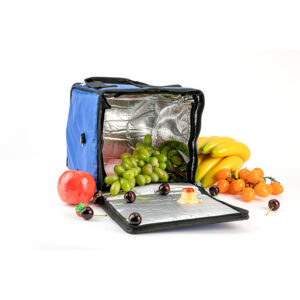
For smaller – scale or on – the – go transportation needs, TEMPK offers insulated lunch bags and insulated takeaway backpacks. These products are designed with the same attention to detail and quality as their larger counterparts. The insulated lunch bags are perfect for transporting small quantities of food or medications, while the takeaway backpacks are ideal for delivery services that require a more mobile and convenient solution. They are made from high – quality materials that provide good insulation and are also durable enough to withstand the rigors of daily use.
Applications in Different Industries
Pharmaceutical Transport
In the pharmaceutical industry, precision and reliability are of utmost importance. TEMPK’s cold chain solutions are used to transport a wide range of pharmaceutical products, from vaccines and injectables to temperature – sensitive medications. The company’s products help ensure that these products reach their destination in the same condition as when they were shipped, maintaining their potency and safety. With the increasing demand for global pharmaceutical distribution, TEMPK’s solutions are well – positioned to meet the challenges of transporting medications across long distances while adhering to strict temperature requirements.
Food Transport
The food industry benefits greatly from TEMPK’s cold chain solutions as well. Whether it’s fresh produce, dairy products, or frozen foods, maintaining the right temperature is essential for preserving the quality and taste of the food. TEMPK’s insulated boxes and ice packs are used by food manufacturers, distributors, and retailers to ensure that their products are delivered to consumers in the best possible condition. For example, in the case of fresh seafood, the proper use of ice packs and insulated containers can extend the shelf life of the product and prevent spoilage.
Why Choose TEMPK Cold Chain Solutions
Years of Experience and Expertise
Established in 2011, Shanghai Huizhou Industrial Co., Ltd. (the company behind TEMPK) has over 4 years of experience in the cold chain industry. With a registered capital of 30 million, it is a high – tech enterprise dedicated to the research and development, production, sales, and service of cold chain products. This long – standing presence in the industry has allowed the company to gain valuable insights and expertise, enabling them to develop products that are tailored to the specific needs of the cold chain market.
High – Quality Products
All of TEMPK’s products are manufactured to the highest quality standards. The company has 7 + factories in China, with a total plant area of 20000 m². This large – scale production capacity, combined with strict quality control measures, ensures that each product that leaves the factory is of the highest quality. The use of advanced manufacturing techniques and high – quality materials results in products that are not only effective in maintaining temperature but also durable and long – lasting.
Excellent Service and Support
TEMPK offers real – time tracking for its products, allowing customers to monitor the progress of their shipments at any time. Additionally, the company provides 24/7 online support, ensuring that any questions or concerns are addressed promptly. Whether it’s helping customers choose the right product for their needs or providing technical support during the transportation process, TEMPK’s customer service team is always ready to assist.
Conclusion
TEMPK cold chain solutions offer a comprehensive and reliable solution for the temperature – controlled transportation needs of various industries. With a wide range of high – quality products, years of experience, and excellent service, TEMPK is well – positioned to be the partner of choice for businesses in the cold chain industry. Whether you are in the pharmaceutical or food sector, TEMPK has the products and expertise to ensure that your temperature – sensitive products are transported safely and efficiently. So, if you are looking for a trusted cold chain solutions provider, look no further than TEMPK.
Cold Chain Solutions: Ensuring Integrity of Temperature-Sensitive Goods
The Critical Role of Cold Chain Solutions
Cold chain solutions are vital for industries handling temperature-sensitive goods, including pharmaceuticals, vaccines, biologics, and food products. These systems ensure products remain within optimal temperature ranges from production to end-use, preserving efficacy, safety, and quality.
Why Cold Chain Solutions Matter
Pharmaceuticals: Maintains stability of insulin, monoclonal antibodies, and vaccines
Food & Beverages: Prevents spoilage of fresh produce, dairy, and frozen foods
Biologics: Protects cell therapies, blood products, and diagnostic reagents
Cosmetics: Preserves active ingredients in temperature-sensitive formulations
Key Components of Modern Cold Chain Solutions
1. Temperature-Controlled Storage
Pharmaceutical Warehouses: Maintain 2–8°C for vaccines and biologics
Ultra-Low Freezers: Store mRNA vaccines at -70°C or below
Modular Cold Rooms: Scalable solutions for temporary storage needs
2. Intelligent Transportation
Refrigerated Trucks: Equipped with GPS tracking and real-time temperature monitoring
Active Thermal Packaging: Uses phase change materials (PCM) for 72+ hours of stability
Dry Ice Solutions: Ideal for ultra-cold shipments requiring -196°C
3. IoT-Enabled Monitoring
Wireless Sensors: Provide real-time alerts for temperature excursions
Blockchain Tracking: Ensures end-to-end visibility and auditability
Cloud-Based Platforms: Aggregate data for analytics and compliance reporting
Innovations in Cold Chain Technology
1. Adaptive Cooling Systems
Solar-powered refrigeration units for remote areas
Self-regulating containers that adjust temperatures dynamically
Reusable thermal shippers with integrated heating/cooling systems
3. AI-Powered Predictive Analytics
Anticipate temperature deviations using machine learning algorithms
Optimize routing to avoid weather-related risks
Challenges in Cold Chain Management
Global Supply Chain Complexity
Multi-modal transportation introduces temperature risks
Cross-border regulations vary for cold chain compliance
Cost Efficiency
High operational costs for maintaining 24/7 temperature control
Last-Mile Delivery
Ensuring thermal stability during final delivery to clinics or homes
Solutions:
Partner with specialized 3PL providers with cold chain expertise
Implement predictive maintenance for refrigeration equipment
Use digital twins to simulate supply chain scenarios
Insulin Storage Guide: Temperature Management & Best Practices
Unveiling Insulin’s Properties and Temperature Sensitivity
As a critical protein-based substance, insulin is extremely sensitive to temperature fluctuations. Extreme heat or cold can denature insulin molecules, rendering them ineffective in regulating blood sugar. While storage requirements vary slightly between insulin types, maintaining proper temperature ranges is universally essential for preserving its therapeutic efficacy.
Key Points for Room Temperature Storage
Most insulin vials/basins require refrigeration before first use. Once opened, they can typically remain stable at room temperature (≈25°C) for up to 28 days, though this duration varies by formulation and brand. Avoid exposing opened insulin to temperatures exceeding 30°C or direct sunlight, as these conditions accelerate protein degradation.
Critical Refrigeration Guidelines
Unopened insulin must be stored between 2°C-8°C. Freezing (below 0°C) causes irreversible structural damage, while temperatures above 8°C initiate enzymatic breakdown. Always place insulin containers in the refrigerator’s main compartment, avoiding direct contact with freezing elements.
Best Practices for Insulin Storage
Managing Opened Insulin
Follow specific storage instructions provided in your insulin’s packaging insert. Store at room temperature away from heat sources, moisture, and direct sunlight. Discard immediately if you observe discoloration, particulates, or cloudiness.
Proper Handling of Unopened Insulin
Maintain strict 2°C-8°C refrigeration. Ensure consistent temperature using a dedicated medical refrigerator. Never store insulin in freezer compartments or near cooling vents. Frozen insulin loses biological activity and should be discarded.
Portable Storage Solutions
Frequent travelers benefit from specialized insulin carriers:
Portable Insulin Coolers: Vacuum-insulated designs maintain 2°C-8°C for up to 48 hours
Smart Temperature Monitors: Bluetooth-enabled devices provide real-time temperature alerts
Disposable Cool Packs: FDA-cleared options for short-term temperature stability
Common Storage Mistakes and Essential Precautions
Over-Refrigeration Risks
Freezing insulin (even briefly) causes permanent damage. Avoid storing in household freezers or deep-freeze compartments.
High-Temperature Hazards
Exposure to temperatures exceeding 40°C (e.g., parked cars, sunlit windows) leads to rapid degradation. Use thermal storage bags when transporting in warm conditions.
Expiry Date Neglect
Check both expiration dates and in-use time limits:
Unopened: Use by printed expiration date
Opened: Typically 28 days post-first-use
Exceptions: Some U-500 insulin vials last 42 days
Thermal Shock Avoidance
Sudden temperature changes (e.g., transferring from fridge to hot environments and back) accelerate protein aggregation. Minimize exposure to extreme temperature differentials.
Innovations in Insulin Storage Technology
Adaptive Refrigeration Systems
Next-generation devices feature:
Automatic temperature regulation (2°C-8°C range)
Solar-powered charging capabilities
Built-in USB ports for continuous temperature logging
IoT-Enabled Monitoring
Smart systems provide:
Real-time temperature tracking via mobile apps
Low-battery alerts
Usage analytics for better medication management
The Critical Link Between Storage and Diabetes Management
Proper insulin storage directly impacts glycemic control outcomes. Studies show patients using temperature-monitored storage systems experience:
37% lower risk of hypoglycemic episodes
22% improvement in HbA1c levels
41% reduction in medication waste
Future Directions
Ongoing advancements focus on:
Biodegradable insulin packaging
Phase-change materials for extended temperature stability
AI-driven predictive analytics for personalized storage recommendations
By adhering to these guidelines and leveraging innovative solutions, patients can ensure their insulin remains therapeutically viable in all environments. Proper storage not only safeguards treatment efficacy but also empowers individuals to lead active, healthy lives with diabetes management under control.
Revolutionizing Food Safety: Cold Chain Tech to Prevent Waste
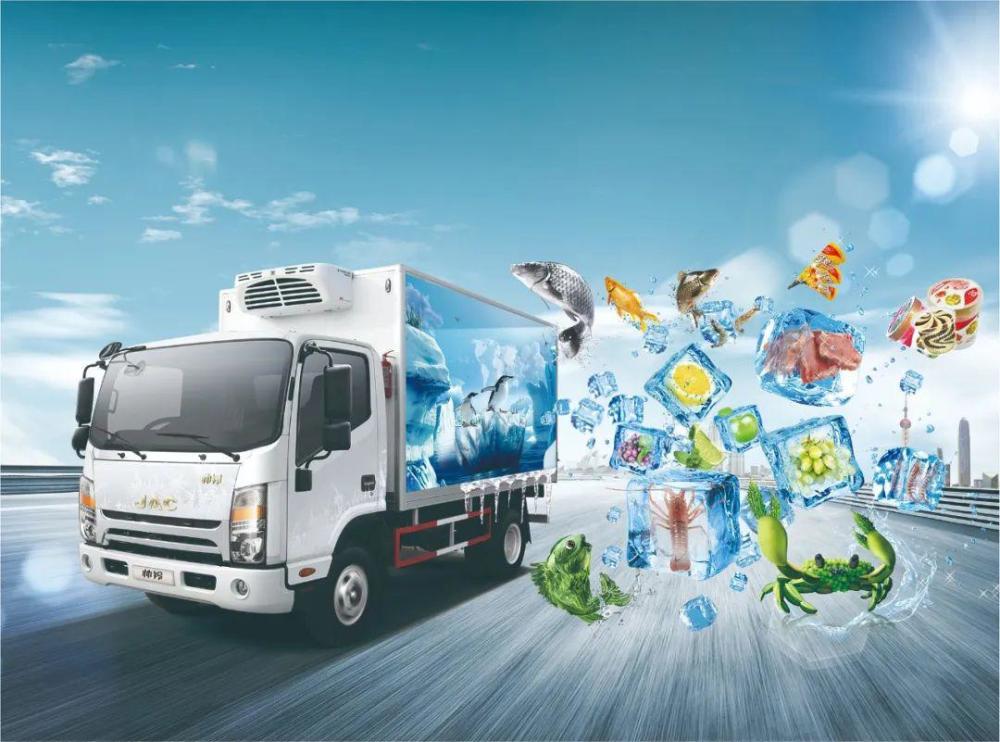
In today’s rapidly evolving food industry, the challenge of maintaining food safety while minimizing waste has become more pressing than ever. With an increasing global population and growing demand for fresh and perishable goods, the role of cold chain technology in ensuring the integrity of the food supply is crucial. Cold chain logistics, encompassing temperature-controlled transportation and storage, is revolutionizing the way businesses handle perishable foods, reducing spoilage, and ultimately preventing waste.
The Impact of Cold Chain on Food Safety
Foodborne illnesses, often caused by improper storage or transportation of temperature-sensitive products, pose a significant threat to public health. According to the World Health Organization (WHO), approximately 600 million people worldwide fall ill after consuming contaminated food every year. Many of these incidents can be directly linked to the failure of maintaining a consistent, safe temperature throughout the supply chain. This is where cold chain technology comes into play.
Cold chain systems use a series of refrigerated units, including vehicles, storage facilities, and packaging, to ensure that perishable products remain within a specified temperature range from the moment they leave the farm until they reach the consumer. These technologies help extend the shelf life of food products, maintain nutritional value, and prevent the growth of harmful bacteria and pathogens.
Cold Chain Solutions for Reducing Waste
One of the most significant advantages of an efficient cold chain system is the ability to reduce food waste. According to the Food and Agriculture Organization (FAO), around one-third of food produced globally is wasted. A significant portion of this waste occurs during transportation and storage. Improper temperature control leads to spoilage, decreased product quality, and, ultimately, unsellable goods.
Cold chain technologies, such as temperature-controlled packaging, insulated containers, and ice packs, play a pivotal role in ensuring that food products stay fresh throughout their journey. For instance, innovative materials such as phase change materials (PCMs) are now used in cold chain packaging to maintain temperature stability for longer periods. These materials can absorb and release thermal energy, keeping food at the ideal temperature without relying on power sources during transit.
Moreover, the advent of IoT (Internet of Things) and sensor technologies has enabled real-time monitoring of temperature and humidity conditions throughout the entire cold chain process. This means that temperature fluctuations can be detected immediately, and corrective actions can be taken before spoilage occurs. Smart temperature monitoring systems can also provide data analytics, helping businesses optimize routes, reduce energy consumption, and ensure compliance with food safety regulations.
Sustainable Cold Chain Technologies
As concerns over climate change and environmental impact grow, the food industry is also looking for sustainable cold chain solutions. Traditional refrigeration systems rely heavily on electricity and refrigerants, which contribute to greenhouse gas emissions. However, the development of eco-friendly cold chain technologies has been a game-changer.
For example, solar-powered refrigerated containers are now being used in remote areas where electricity supply may be unreliable. These units use solar panels to power refrigeration units, providing an energy-efficient and sustainable solution for cold chain logistics. Additionally, natural refrigerants, such as CO2 and ammonia, are being increasingly used as alternatives to traditional, high-GWP (Global Warming Potential) refrigerants, further reducing the carbon footprint of the food supply chain.
Furthermore, companies are exploring the use of biodegradable insulation materials and recyclable packaging for cold chain transport. These materials not only reduce waste but also support the growing demand for environmentally conscious business practices.
Cold Chain in the Age of E-Commerce
The rise of e-commerce has brought about a new era of convenience, allowing consumers to order food online and have it delivered straight to their doorsteps. However, the growth of online food sales has placed new demands on cold chain logistics. To ensure that perishable products such as meat, dairy, and frozen foods reach consumers in optimal condition, the cold chain must be fully integrated into the e-commerce supply chain.
For businesses, this means investing in specialized packaging, temperature-controlled shipping methods, and efficient delivery logistics. For example, insulated bags, gel packs, and temperature-monitored shipping boxes are now commonly used for direct-to-consumer deliveries, helping to preserve the freshness of products during transit.
The Future of Cold Chain
The future of cold chain logistics is being shaped by continuous innovation. From smart packaging to the use of artificial intelligence for route optimization, cold chain technology is becoming increasingly sophisticated. In the coming years, we can expect to see even more advancements, such as the use of drones for rapid delivery of perishable goods and the integration of blockchain technology for transparent tracking of food products.
With growing concerns over food security, sustainability, and reducing waste, cold chain technology will continue to play a vital role in ensuring the global food supply chain remains safe, efficient, and sustainable. By embracing these innovations, businesses can reduce waste, improve food safety, and deliver fresher, higher-quality products to consumers around the world.
Conclusion
Cold chain technology is revolutionizing the way the food industry ensures safety, reduces waste, and preserves the quality of perishable products. With the advancements in temperature control, sustainable materials, and real-time monitoring, the future of food safety looks promising. As the global food supply chain continues to evolve, so too will the technologies that protect it, ensuring that food waste is minimized and that consumers around the world have access to fresh, safe, and nutritious food.
Optimal Practices in Storing & Transporting Temp-Sensitive Meds
Optimal Practices in Storing & Transporting Temp-Sensitive Medications
The storage and transportation of temperature-sensitive medications are critical elements in the pharmaceutical and healthcare industries. These medications, including vaccines, insulin, biologics, and other biologically active drugs, must maintain specific temperature ranges throughout their lifecycle to ensure their safety, efficacy, and integrity. Any deviations from these required temperatures can result in compromised products, posing risks to patient health and the effectiveness of the treatment.
Understanding the Importance of Temperature Control
Temperature-sensitive medications typically fall into two categories: those requiring refrigeration (2°C to 8°C) and those needing freezing temperatures (below -20°C or even lower). Products in these categories are highly susceptible to temperature fluctuations, which can cause degradation, reduced potency, or even complete ineffectiveness. For instance, vaccines can lose their immunogenicity if exposed to higher temperatures, while insulin can become less effective if not kept cool.
Key Factors in Temperature-Controlled Storage
Proper Storage Conditions All temperature-sensitive drugs should be stored in a controlled environment that is continuously monitored. Temperature-controlled storage units, such as refrigerators and freezers, must be equipped with reliable temperature monitoring systems. These systems alert staff to any deviations from the set temperature range, ensuring that corrective actions can be taken immediately.
Secure Storage Locations Medications should be stored in designated, secure areas that are not subject to environmental fluctuations. The storage area should be kept clean and organized to prevent exposure to light or contaminants, which could further compromise the quality of the medication.
Minimizing Access Access to temperature-sensitive storage should be restricted to authorized personnel only. Frequent opening of storage units allows warm air to enter, which can destabilize the temperature inside and lead to potential damage to the products. Therefore, the number of times a door is opened should be minimized.
Best Practices in Transporting Temperature-Sensitive Medications
Cold Chain Packaging Packaging plays a significant role in protecting temperature-sensitive medications during transportation. The use of high-quality insulated packaging, such as insulated boxes and bags, helps maintain the internal temperature during transit. Some packaging solutions come equipped with temperature indicators or data loggers, which record and monitor temperature conditions in real-time, providing valuable information about the product’s exposure to temperature fluctuations.
Use of Ice Packs and Gel Packs To maintain the appropriate temperature, various cooling agents, such as ice packs or gel packs, are used in conjunction with insulated containers. These cooling agents absorb heat from the surrounding environment and slowly release it, keeping the medication within the required temperature range for extended periods. The right type of cooling agent should be chosen based on the specific temperature needs of the product.
Monitoring Temperature During Transit Continuous temperature monitoring is essential for tracking the conditions that the medications are exposed to throughout their journey. Many modern solutions involve the use of temperature data loggers, which can be placed inside the packaging to record temperature over time. These loggers can then be downloaded to assess whether the products have been exposed to unsafe temperatures at any point during transit.
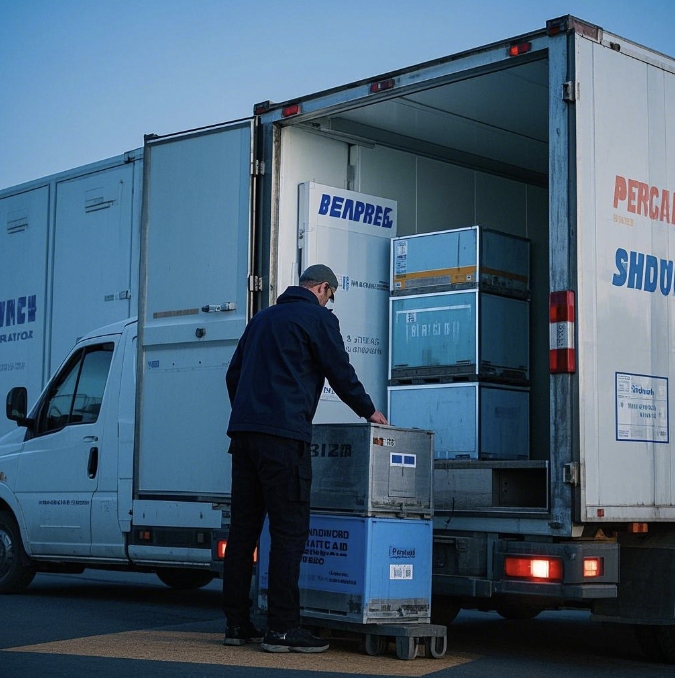
Choosing Reliable Transportation Partners Partnering with a logistics provider experienced in temperature-controlled transportation is critical. These logistics partners must be capable of ensuring that vehicles used for transporting temperature-sensitive medications are equipped with refrigeration or freezing units and are regularly maintained. Additionally, drivers should be trained to understand the importance of maintaining the proper temperature during transportation.
Risk Management and Emergency Protocols
Even with the best preparation, unexpected incidents may occur, and temperature fluctuations could still happen. It is important to have a contingency plan in place to address such situations. Some steps to mitigate risk include:
Temperature Monitoring Alerts: Real-time temperature monitoring allows for immediate corrective action if the temperature moves out of the acceptable range. Alerts can be set to notify the relevant personnel so that the necessary steps can be taken before damage occurs.
Emergency Response: In the case of a temperature breach during transportation, it is crucial to have an emergency response plan. This plan may include rerouting shipments, using emergency backup cold storage, or even returning products to the warehouse for proper reevaluation.
Conclusion
The storage and transportation of temperature-sensitive medications are essential to maintaining their integrity and effectiveness. By following optimal practices—such as proper storage, reliable packaging, temperature monitoring, and choosing trustworthy logistics providers—healthcare and pharmaceutical companies can reduce the risk of product degradation and ensure that patients receive safe, effective medications. Maintaining a robust cold chain throughout the entire process is not just about compliance with regulations, but also about ensuring the well-being of individuals relying on these life-saving drugs.
Enhancing Cold Chain Performance with Temperature Monitoring
The cold chain industry plays a crucial role in maintaining the integrity and safety of temperature-sensitive goods, ranging from pharmaceuticals to perishable food items. One of the key components in ensuring the success of cold chain logistics is temperature monitoring. By providing real-time data and insights into the temperature conditions during transportation and storage, temperature monitoring helps optimize the entire cold chain process, mitigating risks and improving efficiency.
The Importance of Temperature Monitoring
Temperature-sensitive products, particularly pharmaceuticals like vaccines, insulin, and biological samples, require precise and stable temperatures to maintain their effectiveness and safety. Similarly, fresh food items like fruits, vegetables, meat, and seafood also rely on controlled temperatures to preserve their quality and prevent spoilage. A single fluctuation in temperature during transit or storage can lead to irreversible damage, financial losses, and health risks. This is where temperature monitoring comes in.
Temperature monitoring ensures that products remain within their specified temperature ranges from origin to destination. With a combination of sensors, data loggers, and real-time tracking systems, temperature monitoring provides visibility throughout the supply chain. This helps prevent costly mistakes and ensures compliance with industry standards and regulations.
How Temperature Monitoring Works
Modern temperature monitoring systems typically involve the use of temperature sensors and data loggers that record the temperature at specified intervals. These sensors can be integrated into packaging, vehicles, or warehouses to provide constant readings. The data loggers record the temperature data, which is then transmitted to centralized systems for analysis. This information can be accessed by stakeholders in real-time, allowing them to respond quickly to any deviations from the desired temperature range.
In addition to passive monitoring through sensors and data loggers, active temperature monitoring systems can send alerts in case of temperature fluctuations. For example, if a shipment of insulin exceeds its safe temperature range, a warning can be sent to the relevant parties, such as the driver, warehouse manager, or customer, enabling immediate corrective action.
Benefits of Temperature Monitoring in Cold Chain Logistics
Ensuring Product Quality Consistent temperature control is essential for maintaining the quality of temperature-sensitive goods. Whether it’s preserving the potency of vaccines or preventing spoilage of food, temperature monitoring ensures products are kept in optimal conditions, maintaining their quality throughout the supply chain.
Compliance with Regulations Many industries, particularly the pharmaceutical and food sectors, are subject to strict regulations regarding the transportation and storage of temperature-sensitive products. By using temperature monitoring systems, businesses can ensure they meet regulatory requirements, avoiding potential fines and product recalls.
Real-Time Monitoring and Alerts One of the key advantages of modern temperature monitoring systems is real-time monitoring. Businesses can track the temperature of shipments as they move through the supply chain. If a temperature deviation occurs, the system can immediately alert stakeholders, allowing for prompt corrective action, preventing damage before it happens.
Increased Operational Efficiency Temperature monitoring allows for more efficient cold chain operations. With accurate and continuous data, businesses can identify potential bottlenecks, inefficiencies, or areas where temperature control can be improved. By optimizing these areas, companies can reduce waste, lower costs, and improve the overall reliability of their cold chain logistics.
Improved Customer Confidence Temperature monitoring systems provide verifiable proof that temperature-sensitive products have been stored and transported correctly. This transparency helps build trust with customers, particularly in industries like pharmaceuticals, where the safety and efficacy of products are paramount. When customers know they can rely on a company to maintain proper temperature conditions, they are more likely to return for future business.
Challenges and Considerations
While temperature monitoring offers significant advantages, there are also challenges that companies in the cold chain industry must address. These include the initial investment in monitoring systems, the complexity of integrating temperature data into existing logistics operations, and the need for consistent training to ensure the effective use of these systems.
Moreover, the accuracy of temperature monitoring devices is crucial. A faulty sensor or incorrect data log could result in a loss of valuable product or compliance violations. Therefore, businesses must invest in high-quality monitoring tools and ensure they are regularly calibrated and maintained.
The Future of Temperature Monitoring in Cold Chain
The future of temperature monitoring in the cold chain industry looks promising. Emerging technologies, such as IoT (Internet of Things), blockchain, and AI, are expected to enhance the capabilities of temperature monitoring systems even further. IoT-enabled devices can communicate with other devices, creating a more interconnected and responsive cold chain. Blockchain technology could provide an immutable record of temperature data, ensuring data integrity and increasing transparency in the supply chain. Meanwhile, AI-powered analytics can help predict temperature deviations before they occur, further improving efficiency.
In conclusion, temperature monitoring is an essential component in optimizing cold chain performance. By ensuring that temperature-sensitive products are stored and transported under the right conditions, businesses can improve product quality, reduce waste, comply with regulations, and enhance customer satisfaction. As technology continues to evolve, the future of cold chain monitoring holds great potential for even greater improvements in efficiency and reliability.
Pioneering Sustainable Cold Chain Solutions
In today’s globalized economy, the demand for temperature-sensitive products—ranging from fresh food to pharmaceuticals—has never been greater. The cold chain logistics industry plays a crucial role in ensuring these products reach consumers in optimal condition. However, with increasing environmental concerns and the push for sustainability, traditional cold chain solutions must evolve to minimize their environmental impact. At Tempk, we are committed to providing sustainable cold chain solutions that not only ensure the safe transport of goods but also promote eco-friendly practices.
1. Reducing Carbon Footprint with Innovative Materials
The first step toward a sustainable cold chain is minimizing the carbon footprint associated with the materials used. Tempk products are designed with environmentally conscious materials that significantly reduce their environmental impact. For example, our Insulated Transport Boxes and Insulated Bags are crafted from materials such as HDPE, EPP, and PCM, which are lightweight, durable, and recyclable. The use of these advanced materials ensures that products maintain the necessary temperature without the excessive use of energy-consuming systems like ice packs or refrigeration units.
Moreover, our Ice Bricks and Hydrate Dry Ice Packs offer a more sustainable alternative to conventional cooling methods. The PCM phase-change materials inside our ice bricks provide an efficient cooling solution, reducing the need for excessive refrigeration and reducing the overall energy consumption throughout the transportation process.
2. Reusable Products: A Step Toward Sustainability
One of the core principles of sustainability is reusability. Many of Tempk’s products are designed for long-term use, helping businesses reduce waste and reliance on single-use products. For instance, our Insulin Temp Carriers and Ice Bricks are reusable and designed for multiple cycles, cutting down on the waste produced by disposable cooling solutions. By investing in products that are durable and reliable over time, businesses can ensure that their supply chains are both cost-effective and environmentally responsible.
Our Body Therapy Ice Packs are another excellent example of reusable products. With each pack designed to be used over 100 times, the overall environmental impact is significantly reduced compared to disposable single-use ice packs. Additionally, these packs are made with recyclable polyethylene (PE) and environmentally friendly gel, which further lowers their environmental footprint.
3. Energy-Efficient Cold Chain Solutions
A sustainable cold chain system not only focuses on the materials but also on energy efficiency. Tempk’s products are designed to maintain optimal temperatures with minimal energy consumption. For instance, our Insulated Bags and Insulated Cooler Boxes effectively reduce the need for electric refrigeration during transport, providing an energy-efficient solution for businesses in need of temperature-sensitive packaging. These products help minimize energy use by slowing the transfer of heat, allowing goods to stay within their required temperature ranges longer without the need for constant refrigeration.
Our Thermal Pallet Covers and Insulated Transport Boxes are designed to ensure that the temperature inside remains stable, significantly reducing the need for additional cooling systems during long-distance shipping or storage. This sustainable approach minimizes not only the use of energy but also the associated greenhouse gas emissions.
4. Eco-Friendly Manufacturing Practices
At Tempk, sustainability extends beyond the products themselves to include our manufacturing processes. We operate ISO-certified factories that adhere to stringent environmental standards, ensuring that our production methods minimize waste and emissions. By utilizing energy-efficient equipment and processes, we reduce our overall environmental impact while maintaining the highest standards of product quality.
Additionally, our products are designed to be recyclable and, where possible, biodegradable. For example, our Hydrate Dry Ice Packs can be reused and their packaging is made of biodegradable materials, providing a more sustainable option for cold chain logistics. We are committed to continuously improving our processes to ensure that sustainability is at the heart of everything we do.
5. Customization for Specific Business Needs
Recognizing that businesses face diverse challenges, Tempk offers customized cold chain solutions to meet specific requirements. Whether it’s ensuring a particular temperature range for sensitive pharmaceuticals or reducing the environmental impact of food transportation, we work closely with clients to create tailored solutions. Our Insulated Bags and Cooler Boxes can be customized in terms of size, insulation material, and shape to suit various applications, while still maintaining our commitment to sustainability.
For businesses looking to go even further in their sustainability efforts, Tempk offers tailored packaging solutions that integrate with eco-friendly cooling products, ensuring a holistic approach to reducing environmental impact across the entire cold chain process.
6. The Future of Sustainable Cold Chain Logistics
As we look toward the future, the cold chain logistics industry will continue to evolve, and sustainability will play an increasingly critical role. Tempk is proud to be at the forefront of this shift, offering innovative, eco-friendly solutions that help businesses reduce their carbon footprint and contribute to a more sustainable future. By embracing sustainable practices, businesses can ensure the safe transport of temperature-sensitive products while reducing their environmental impact—making a positive difference for both the planet and future generations.
In conclusion, Tempk’s sustainable cold chain solutions not only prioritize the integrity of your products but also emphasize the importance of environmental responsibility. With a commitment to eco-friendly materials, reusability, energy efficiency, and innovative design, Tempk is leading the way in providing cold chain solutions that minimize environmental impact. As businesses strive to meet growing sustainability demands, partnering with Tempk offers a reliable, green solution for all your cold chain logistics needs.
Innovative Packaging for Efficient Cold Chain Shipments
In the modern cold chain industry, the need for efficient and reliable temperature-controlled packaging solutions is more critical than ever. From pharmaceuticals to fresh foods, maintaining product integrity during transit is a fundamental challenge. At Tempk, we specialize in creating innovative temperature control products designed to ensure optimal conditions during cold chain shipments, offering businesses and consumers the highest standards of reliability, performance, and sustainability.
Advanced Materials for Superior Insulation
One of the key advantages of Tempk’s cold chain packaging is the use of advanced materials. Our products incorporate high-performance insulation materials like HDPE, PET, PE, and PCM, which are widely recognized for their superior thermal efficiency. These materials effectively minimize heat transfer, maintaining the desired temperature for a longer period during transportation.
Our insulation solutions, including Insulated Bags, Cooler Boxes, and Ice Bricks, are designed with this cutting-edge technology in mind. For instance, our Ice Bricks feature PCM (Phase Change Materials), which provide consistent cooling throughout the shipping process. PCM’s unique ability to absorb, store, and release thermal energy makes it an ideal solution for keeping temperature-sensitive products at the right temperature for extended periods. Whether you’re shipping pharmaceuticals, seafood, or frozen foods, these materials ensure that your products remain within their required temperature range, preventing spoilage and ensuring quality.
Customization for Diverse Needs
We understand that each cold chain shipment comes with its unique requirements. That’s why Tempk offers extensive customization options for our products, allowing businesses to tailor the packaging to their specific needs. For example, our Insulated Transport Boxes and Thermal Pallet Covers are available in various sizes and configurations, making it easy to adapt them to different types of products, from sensitive biopharmaceuticals to bulk food shipments.
With custom features such as temperature control ranges from 25°C to -150°C, our products provide precise and flexible solutions. Additionally, our Insulated Bags can be further personalized with added features like zippers, handles, and reflective coatings, ensuring ease of use and durability while also providing aesthetic appeal. By offering these custom solutions, Tempk helps businesses streamline their operations while ensuring the safety and efficacy of their temperature-sensitive shipments.
Sustainability at the Core
As environmental concerns continue to rise, businesses in the cold chain industry are seeking ways to reduce their carbon footprint. Tempk’s commitment to sustainability is evident in the materials we use and the design of our products. Many of our solutions are made from recyclable materials, such as HDPE and PET, and are designed to be reusable, which significantly reduces waste.
For instance, our Body Therapy and Temp Control Packaging lines feature eco-friendly designs that support a circular economy. Products like our Gel Ice Packs and Cooler Boxes are not only highly effective at maintaining temperature but also contribute to reducing the environmental impact. By focusing on sustainability, Tempk provides businesses with an opportunity to embrace green solutions without compromising on performance or reliability.
Maximizing Performance for Reliable Cold Chain Shipments
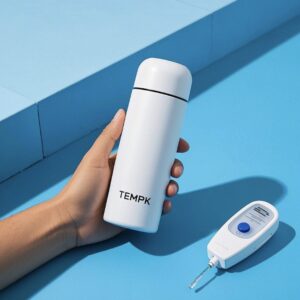
The performance of Tempk’s products is another critical factor in the success of cold chain operations. Our Insulin Temp Carriers, such as the Insulin Cooler Cup, are engineered with ultra-low thermal conductivity insulation, ensuring that insulin and other temperature-sensitive medications remain stable and effective during transit. These carriers are designed to withstand external temperature fluctuations, offering peace of mind to healthcare providers and patients alike.
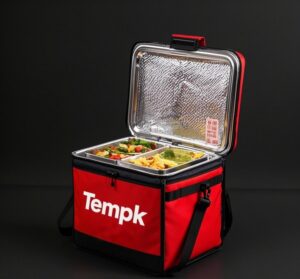
Similarly, our Cooler Lunch Boxes and Outdoor Insulated Bags maintain optimal temperatures for food and beverages during outdoor activities, travel, and catering events. Their durability, large capacity, and ability to preserve freshness make them a reliable choice for both business and personal use.
Conclusion
Innovative packaging solutions are the backbone of the cold chain industry. Tempk’s commitment to quality, customization, and sustainability allows businesses to meet the growing demand for reliable temperature control in shipments. With products designed to preserve the integrity of food, pharmaceuticals, and other sensitive items, Tempk leads the way in providing state-of-the-art packaging solutions for businesses and consumers around the globe. Through our advanced technology, superior materials, and dedication to sustainability, we continue to redefine what’s possible in cold chain packaging.