


How to Choose Vacuum Compressed Liner Oem
How to Choose Vacuum Compressed Liner Oem

How to Choose Vacuum Compressed Liner Oem Without Guesswork
A vacuum compressed liner OEM decision should be made from the carton outward and from the route backward. Start with the required product condition at arrival, then review transit time, ambient exposure, coolant, usable volume and how the liner will be packed at scale. The liner is one component in that system, so the safest buying approach is to ask what the liner is proven to do and what still needs sample testing.
The framework below combines product education, supplier evaluation and operational checks. It avoids treating any single material as a universal answer, because different payloads, lanes and markets create different failure points.
Start with the product condition at arrival
The most reliable buying process starts by defining what condition the product must be in when the receiver opens the carton. For food, that may involve chilled or frozen expectations and the food safety plan used by the shipper. For healthcare or clinical products, it may involve a protocol, label storage condition, GDP expectation or logistics SOP. For lower-risk goods, it may simply be protection from short-term heat exposure.
Once the arrival condition is clear, work backward through the route. How long is the parcel in transit? Where are the handover points? Is the payload pre-chilled? Will the package sit on a warm dock? Who opens it and how quickly? These questions determine whether a flexible liner is enough, whether coolant needs to be adjusted or whether a more qualified shipper should be considered.
Match the liner to carton, coolant and usable space
A vacuum compressed liner should be reviewed inside the real carton, with the real product and coolant plan. If the liner reduces usable volume too much, the packer may remove coolant, compress the product or leave the closure loose. If the liner leaves too much void, the product may shift and thermal performance may be inconsistent.
The most useful sample review is a loaded review. Measure the product, place the refrigerant, close the liner, close the carton and then inspect the result. Does the carton bulge? Does the liner tear? Does the coolant sit against the product or fall to one side? These details are easier to fix during sampling than after a purchase order has been placed.
Application fit: where the liner is useful and where it is not enough
The common application range for this liner includes food, grocery, seafood, cosmetics, laboratory supplies and other temperature-sensitive goods that ship in corrugated cartons or cooler boxes. These shipments often need a balance of insulation, low storage cube, carton compatibility and cost control. A flexible liner can be attractive because it stores flat or compactly, adapts to carton sizes and can be packed faster than some rigid inserts.
The same flexibility can create limits. If the product is highly temperature-sensitive, has a long route, faces high ambient exposure or needs regulatory documentation, the buyer should evaluate the full packout rather than the liner alone. In many cold-chain shipments, risk appears at handover points: loading docks, carrier sorting, delivery vehicles, customer receiving areas and temporary staging zones.
The practical decision is not whether the liner is good or bad. It is whether the liner’s protection level, packing format and material documentation match the shipment’s risk level. For low-risk or short routes, a simple liner may be enough. For higher-risk routes, the liner may need to be part of a tested system with defined coolant and monitoring.
Procurement matrix for a safer comparison
| Decision point | What to check | Why it changes the order |
|---|---|---|
| Carton and payload fit | Measure the loaded product, coolant and liner together | Prevents unusable samples and slow packing |
| Route risk | Review transit time, ambient exposure and handover points | Shows whether a simple liner is enough |
| Cold source | Define gel pack, PCM, dry ice alternative or other refrigerant | The liner does not create cooling by itself |
| Material and disposal | Clarify paper, foil, plastic, laminated or separable layers | Supports EPR, customer messaging and waste planning |
| Quotation basis | Compare same size, same style, same packing format | Avoids misleading unit-price comparisons |
| Sample approval | Inspect dimensions, seams, packing speed and loaded behavior | Reduces risk before bulk purchasing |
Use the matrix to force each supplier into the same comparison frame. If two quotes use different dimensions, material structures or packing formats, they are not real alternatives yet. Normalize the specification before negotiating price.
When a liner is not enough
A liner is not enough when the shipment requires documented performance of the full shipping system and no supporting packout evidence exists. It may also be insufficient when the route is too long, ambient exposure is high, receiving is unreliable or the product is highly sensitive to short excursions. In those cases, the buyer should consider a different insulated shipper, additional coolant, a monitored packout or a route-specific qualification approach.
Do not use a liner to replace a quality process. Temperature monitoring, receiving inspection, product release decisions and excursion review remain separate responsibilities. The liner can help reduce risk, but it does not make an unreviewed route acceptable.
Practical example: comparing two liner samples before scaling
Imagine a procurement team evaluating vacuum compressed liner OEM for a chilled parcel program. Supplier A sends a sample that fits tightly and looks neat, but packers need extra time to load the coolant. Supplier B sends a slightly looser liner that closes faster but leaves more side void. The unit price difference is small, yet the operational result may be very different.
The team should load both options with the actual product and refrigerant, record packing observations, check whether the carton closes without bulging, and review the packaging after a handling simulation. If temperature-sensitive products are involved, the team should then run a route-relevant thermal check before approving production. This approach turns a vague quote comparison into a practical decision about usability, risk and repeatability.
The final supplier discussion
Before approving a recurring order, ask the supplier to restate the specification in writing. It should include material description, finished dimensions, packing format, sample reference, tolerance approach and any quotation assumptions. If artwork or private labeling is involved, include the artwork version and approval process. If sustainability claims are involved, define the material basis and the market where the claim will be used.
This final discussion is not bureaucracy. It prevents the common problem where sales, procurement, production and packing teams each understand the liner slightly differently. A clear specification reduces argument later and makes future reorder conversations much easier.
FAQ
What should be controlled in an OEM vacuum compressed liner project?
Control material layers, finished dimensions, seam position, compression or packing method, artwork, labeling and inspection criteria. The most important point is sample-to-production consistency. Ask how the supplier manages material substitutions and how you will approve changes after the first sample.
Should I choose paper, foil bubble or another liner material?
Choose by route risk, product sensitivity, moisture exposure, disposal expectations and packing speed. Paper may support a clearer recycling story in some markets, while foil bubble formats may offer compact storage and fast packing. Neither should be selected on material name alone; loaded samples and route checks matter.
Can I use the same liner for chilled, frozen and ambient-protective shipments?
Not automatically. Chilled, frozen and ambient-protective shipments use different coolant strategies and acceptance criteria. A liner that works for a short chilled route may be insufficient for a frozen parcel or unnecessary for a low-risk ambient shipment. Confirm the required product condition and test the packout accordingly.
What proof should I ask for before bulk ordering?
Ask for material description, finished dimensions, production tolerance, sample photos, packing format and any test context behind thermal claims. If the product is sensitive or regulated, request evidence tied to the actual carton, coolant, payload and route profile, not a general statement.
How should I compare suppliers without overbuying insulation?
Compare the same carton, product load, coolant plan, liner format and order stage. More insulation is not always better if it reduces usable volume or slows packing. The best option is the one that delivers sufficient protection, repeatable production and practical handling for your lane.
Pilot order review before scaling
A pilot order should be treated as a controlled learning step, not as a smaller version of a full commercial launch. Check incoming liner dimensions, packed carton condition, operator comments, storage space, waste handling and any customer service feedback. If the pilot uses a different carton, coolant or carrier service than the future bulk order, mark that difference clearly. Otherwise, a buyer may approve a liner based on conditions that will not repeat during daily operations. Add one person from operations and one person from procurement to the review, because packing speed and purchasing terms often reveal different risks.
Packaging instructions reduce avoidable variation
Even a well-sized liner can perform inconsistently when packers use different loading sequences. A simple instruction sheet should show how the liner is opened, where the product sits, where coolant is placed, how the closure is folded and what the finished carton should look like. The instruction does not need to be complicated, but it turns the approved sample into a repeatable packing method. It also makes training easier when seasonal workers or third-party fulfillment teams pack the same order. If the route is reviewed later, the team can see whether the packout failed because the design was weak or because the design was not followed.
Reviewing a failed shipment without blaming the liner first
If a shipment arrives warm, crushed or wet, review the whole chain before assuming the liner was the only cause. Check product pre-conditioning, coolant state, dispatch time, carton damage, carrier delays, staging temperature and receiving behavior. A liner issue may still be present, but the corrective action is better when the team identifies whether the root cause came from material, packing, route exposure or customer handling. Keep photos of the open carton, liner position, coolant condition and product condition. Those photos help the supplier understand whether a redesign, a packing instruction update or a different service level is needed.
Total cost belongs in the same worksheet as risk
A practical comparison should place unit price beside freight cube, packing labor, sample revision time, coolant quantity, expected waste handling and the value of the payload. This helps procurement avoid a narrow saving that creates larger operating cost. The right liner is rarely the one with the most expensive material or the cheapest quote; it is the option that gives enough protection with repeatable handling. If two liners have similar cost, the one that reduces packing errors or customer confusion may be the better commercial choice. If one liner is cheaper but needs more coolant, the total cost may not really be lower.
Keep open questions visible
Some details will remain unknown until samples are tested. Keep those questions visible instead of turning them into assumptions. Open questions may include route exposure, moisture tolerance, exact usable volume, operator training, disposal messaging or whether production pieces will match the first sample. A supplier conversation becomes more productive when these points are listed before the next quotation round. This is also useful when several departments are involved. Quality may care about documentation, operations may care about packing speed, and purchasing may care about price breaks. A shared question list prevents one team from approving a liner that another team cannot use.
Receiving inspection should be simple enough to repeat
Incoming inspection does not need to be a laboratory process for every liner order, but it should be clear enough for warehouse staff to repeat. Check whether the delivered liners match the approved size, whether seams are intact, whether bundles are damaged, and whether packing marks identify the correct version. For custom projects, keep one approved sample at the packing site and one reference file for procurement. When production pieces drift from the approved version, the team can identify the issue before the liners are used in customer shipments.
Design choices should support the next reorder
Many packaging mistakes happen during reorders, not during the first sample round. A buyer may reorder from an old email, a supplier may quote a similar material, or a small artwork change may be treated as harmless. To prevent this, the specification should state which dimensions, material layers, closure details and packing formats are locked. It should also state who can approve changes. This simple discipline is especially useful for custom-size, OEM, regional or application-specific liners where small changes can affect fit and handling.
Conclusion
A reliable vacuum compressed liner OEM decision comes from matching the product, route, carton, coolant and procurement stage. Do not assume a liner is sufficient because the material name sounds strong, and do not reject a practical option because it is simpler than a rigid shipper. Ask what is proven, what is still a buyer verification point and what must be tested in your own packout before scaling.
About Tempk
Tempk supports cold-chain packaging selection across liners, cooling packs, insulated bags, cooler boxes and pallet-level protection. For buyers comparing liner options, we can help turn a general request into a clearer specification: product type, carton dimensions, coolant plan, packing method and order stage. That clarity helps reduce sample revisions and makes supplier comparison more meaningful.
Before you place a bulk order, discuss your payload, temperature requirement and packing workflow with Tempk so the liner sample can be reviewed in context.
How to Choose Thermal Box Liner Minimum Order Quantity
How to Choose Thermal Box Liner Minimum Order Quantity Without Guesswork
A thermal box liner minimum order quantity decision should be made from the carton outward and from the route backward. Start with the required product condition at arrival, then review transit time, ambient exposure, coolant, usable volume and how the liner will be packed at scale. The liner is one component in that system, so the safest buying approach is to ask what the liner is proven to do and what still needs sample testing.
The framework below combines product education, supplier evaluation and operational checks. It avoids treating any single material as a universal answer, because different payloads, lanes and markets create different failure points.
Start with the product condition at arrival
The most reliable buying process starts by defining what condition the product must be in when the receiver opens the carton. For food, that may involve chilled or frozen expectations and the food safety plan used by the shipper. For healthcare or clinical products, it may involve a protocol, label storage condition, GDP expectation or logistics SOP. For lower-risk goods, it may simply be protection from short-term heat exposure.
Once the arrival condition is clear, work backward through the route. How long is the parcel in transit? Where are the handover points? Is the payload pre-chilled? Will the package sit on a warm dock? Who opens it and how quickly? These questions determine whether a flexible liner is enough, whether coolant needs to be adjusted or whether a more qualified shipper should be considered.
Match the liner to carton, coolant and usable space
A thermal box liner should be reviewed inside the real carton, with the real product and coolant plan. If the liner reduces usable volume too much, the packer may remove coolant, compress the product or leave the closure loose. If the liner leaves too much void, the product may shift and thermal performance may be inconsistent.
The most useful sample review is a loaded review. Measure the product, place the refrigerant, close the liner, close the carton and then inspect the result. Does the carton bulge? Does the liner tear? Does the coolant sit against the product or fall to one side? These details are easier to fix during sampling than after a purchase order has been placed.
Application fit: where the liner is useful and where it is not enough
The common application range for this liner includes food, grocery, seafood, cosmetics, laboratory supplies and other temperature-sensitive goods that ship in corrugated cartons or cooler boxes. These shipments often need a balance of insulation, low storage cube, carton compatibility and cost control. A flexible liner can be attractive because it stores flat or compactly, adapts to carton sizes and can be packed faster than some rigid inserts.
The same flexibility can create limits. If the product is highly temperature-sensitive, has a long route, faces high ambient exposure or needs regulatory documentation, the buyer should evaluate the full packout rather than the liner alone. In many cold-chain shipments, risk appears at handover points: loading docks, carrier sorting, delivery vehicles, customer receiving areas and temporary staging zones.
The practical decision is not whether the liner is good or bad. It is whether the liner’s protection level, packing format and material documentation match the shipment’s risk level. For low-risk or short routes, a simple liner may be enough. For higher-risk routes, the liner may need to be part of a tested system with defined coolant and monitoring.
Procurement matrix for a safer comparison
| Decision point | What to check | Why it changes the order |
|---|---|---|
| Carton and payload fit | Measure the loaded product, coolant and liner together | Prevents unusable samples and slow packing |
| Route risk | Review transit time, ambient exposure and handover points | Shows whether a simple liner is enough |
| Cold source | Define gel pack, PCM, dry ice alternative or other refrigerant | The liner does not create cooling by itself |
| Material and disposal | Clarify paper, foil, plastic, laminated or separable layers | Supports EPR, customer messaging and waste planning |
| Quotation basis | Compare same size, same style, same packing format | Avoids misleading unit-price comparisons |
| Sample approval | Inspect dimensions, seams, packing speed and loaded behavior | Reduces risk before bulk purchasing |
Use the matrix to force each supplier into the same comparison frame. If two quotes use different dimensions, material structures or packing formats, they are not real alternatives yet. Normalize the specification before negotiating price.
When a liner is not enough
A liner is not enough when the shipment requires documented performance of the full shipping system and no supporting packout evidence exists. It may also be insufficient when the route is too long, ambient exposure is high, receiving is unreliable or the product is highly sensitive to short excursions. In those cases, the buyer should consider a different insulated shipper, additional coolant, a monitored packout or a route-specific qualification approach.
Do not use a liner to replace a quality process. Temperature monitoring, receiving inspection, product release decisions and excursion review remain separate responsibilities. The liner can help reduce risk, but it does not make an unreviewed route acceptable.
Practical example: comparing two liner samples before scaling
Imagine a procurement team evaluating thermal box liner minimum order quantity for a chilled parcel program. Supplier A sends a sample that fits tightly and looks neat, but packers need extra time to load the coolant. Supplier B sends a slightly looser liner that closes faster but leaves more side void. The unit price difference is small, yet the operational result may be very different.
The team should load both options with the actual product and refrigerant, record packing observations, check whether the carton closes without bulging, and review the packaging after a handling simulation. If temperature-sensitive products are involved, the team should then run a route-relevant thermal check before approving production. This approach turns a vague quote comparison into a practical decision about usability, risk and repeatability.
The final supplier discussion
Before approving a recurring order, ask the supplier to restate the specification in writing. It should include material description, finished dimensions, packing format, sample reference, tolerance approach and any quotation assumptions. If artwork or private labeling is involved, include the artwork version and approval process. If sustainability claims are involved, define the material basis and the market where the claim will be used.
This final discussion is not bureaucracy. It prevents the common problem where sales, procurement, production and packing teams each understand the liner slightly differently. A clear specification reduces argument later and makes future reorder conversations much easier.
FAQ
Is a thermal box liner enough for cold-chain shipping?
It can be enough for some low-risk or short routes, but it is only one part of the packout. You still need the right carton, product pre-conditioning, coolant, packing sequence, route duration and receiving process. High-value or regulated shipments may need documented qualification of the full shipping system.
Should I choose paper, foil bubble or another liner material?
Choose by route risk, product sensitivity, moisture exposure, disposal expectations and packing speed. Paper may support a clearer recycling story in some markets, while foil bubble formats may offer compact storage and fast packing. Neither should be selected on material name alone; loaded samples and route checks matter.
Can I use the same liner for chilled, frozen and ambient-protective shipments?
Not automatically. Chilled, frozen and ambient-protective shipments use different coolant strategies and acceptance criteria. A liner that works for a short chilled route may be insufficient for a frozen parcel or unnecessary for a low-risk ambient shipment. Confirm the required product condition and test the packout accordingly.
What proof should I ask for before bulk ordering?
Ask for material description, finished dimensions, production tolerance, sample photos, packing format and any test context behind thermal claims. If the product is sensitive or regulated, request evidence tied to the actual carton, coolant, payload and route profile, not a general statement.
How should I compare suppliers without overbuying insulation?
Compare the same carton, product load, coolant plan, liner format and order stage. More insulation is not always better if it reduces usable volume or slows packing. The best option is the one that delivers sufficient protection, repeatable production and practical handling for your lane.
Pilot order review before scaling
A pilot order should be treated as a controlled learning step, not as a smaller version of a full commercial launch. Check incoming liner dimensions, packed carton condition, operator comments, storage space, waste handling and any customer service feedback. If the pilot uses a different carton, coolant or carrier service than the future bulk order, mark that difference clearly. Otherwise, a buyer may approve a liner based on conditions that will not repeat during daily operations. Add one person from operations and one person from procurement to the review, because packing speed and purchasing terms often reveal different risks.
Packaging instructions reduce avoidable variation
Even a well-sized liner can perform inconsistently when packers use different loading sequences. A simple instruction sheet should show how the liner is opened, where the product sits, where coolant is placed, how the closure is folded and what the finished carton should look like. The instruction does not need to be complicated, but it turns the approved sample into a repeatable packing method. It also makes training easier when seasonal workers or third-party fulfillment teams pack the same order. If the route is reviewed later, the team can see whether the packout failed because the design was weak or because the design was not followed.
Reviewing a failed shipment without blaming the liner first
If a shipment arrives warm, crushed or wet, review the whole chain before assuming the liner was the only cause. Check product pre-conditioning, coolant state, dispatch time, carton damage, carrier delays, staging temperature and receiving behavior. A liner issue may still be present, but the corrective action is better when the team identifies whether the root cause came from material, packing, route exposure or customer handling. Keep photos of the open carton, liner position, coolant condition and product condition. Those photos help the supplier understand whether a redesign, a packing instruction update or a different service level is needed.
Total cost belongs in the same worksheet as risk
A practical comparison should place unit price beside freight cube, packing labor, sample revision time, coolant quantity, expected waste handling and the value of the payload. This helps procurement avoid a narrow saving that creates larger operating cost. The right liner is rarely the one with the most expensive material or the cheapest quote; it is the option that gives enough protection with repeatable handling. If two liners have similar cost, the one that reduces packing errors or customer confusion may be the better commercial choice. If one liner is cheaper but needs more coolant, the total cost may not really be lower.
Keep open questions visible
Some details will remain unknown until samples are tested. Keep those questions visible instead of turning them into assumptions. Open questions may include route exposure, moisture tolerance, exact usable volume, operator training, disposal messaging or whether production pieces will match the first sample. A supplier conversation becomes more productive when these points are listed before the next quotation round. This is also useful when several departments are involved. Quality may care about documentation, operations may care about packing speed, and purchasing may care about price breaks. A shared question list prevents one team from approving a liner that another team cannot use.
Receiving inspection should be simple enough to repeat
Incoming inspection does not need to be a laboratory process for every liner order, but it should be clear enough for warehouse staff to repeat. Check whether the delivered liners match the approved size, whether seams are intact, whether bundles are damaged, and whether packing marks identify the correct version. For custom projects, keep one approved sample at the packing site and one reference file for procurement. When production pieces drift from the approved version, the team can identify the issue before the liners are used in customer shipments.
Conclusion
A reliable thermal box liner minimum order quantity decision comes from matching the product, route, carton, coolant and procurement stage. Do not assume a liner is sufficient because the material name sounds strong, and do not reject a practical option because it is simpler than a rigid shipper. Ask what is proven, what is still a buyer verification point and what must be tested in your own packout before scaling.
About Tempk
Tempk supplies cold-chain packaging products such as gel ice packs, dry ice pack alternatives, freezer ice bricks, insulated bags, EPP cooler boxes, cold shipping boxes, insulated box liners, thermal pallet covers and related packaging materials. For liner projects, we help buyers discuss carton fit, product type, coolant pairing, sample review and practical order planning. We avoid treating a liner as a universal answer; the goal is to match the liner with the route, payload and packing process you actually use.
For a more accurate liner discussion, send Tempk your route, payload, carton drawing and target packing method, then review samples before scaling the order.
How to Choose Single Bubble Insulated Liner For Clinical Trials

How to Choose Single Bubble Insulated Liner For Clinical Trials Without Guesswork
A single bubble insulated liner for clinical trials decision should be made from the carton outward and from the route backward. Start with the required product condition at arrival, then review transit time, ambient exposure, coolant, usable volume and how the liner will be packed at scale. The liner is one component in that system, so the safest buying approach is to ask what the liner is proven to do and what still needs sample testing.
The framework below combines product education, supplier evaluation and operational checks. It avoids treating any single material as a universal answer, because different payloads, lanes and markets create different failure points.
Start with the product condition at arrival
The most reliable buying process starts by defining what condition the product must be in when the receiver opens the carton. For food, that may involve chilled or frozen expectations and the food safety plan used by the shipper. For healthcare or clinical products, it may involve a protocol, label storage condition, GDP expectation or logistics SOP. For lower-risk goods, it may simply be protection from short-term heat exposure.
Once the arrival condition is clear, work backward through the route. How long is the parcel in transit? Where are the handover points? Is the payload pre-chilled? Will the package sit on a warm dock? Who opens it and how quickly? These questions determine whether a flexible liner is enough, whether coolant needs to be adjusted or whether a more qualified shipper should be considered.
Match the liner to carton, coolant and usable space
A single bubble insulated liner should be reviewed inside the real carton, with the real product and coolant plan. If the liner reduces usable volume too much, the packer may remove coolant, compress the product or leave the closure loose. If the liner leaves too much void, the product may shift and thermal performance may be inconsistent.
The most useful sample review is a loaded review. Measure the product, place the refrigerant, close the liner, close the carton and then inspect the result. Does the carton bulge? Does the liner tear? Does the coolant sit against the product or fall to one side? These details are easier to fix during sampling than after a purchase order has been placed.
Clinical trial shipments need protocol-led packaging decisions
For clinical trials, the packaging decision should start from the protocol, the product label, the sponsor’s temperature requirements and the documentation expected by the quality team. Many refrigerated vaccine and biologic workflows are planned around 2°C to 8°C, but that range must not be assumed for every clinical supply. Some materials may require controlled room temperature, frozen, deep-frozen or other defined conditions.
A single bubble liner may be appropriate for low-risk supporting materials, short movements or protective secondary packaging, but it should not be treated as a qualified shipper by itself. If the shipment is an investigational product, a critical sample or a temperature-sensitive clinical kit, the full packout should be reviewed for coolant, monitor placement, excursion handling, route risk and receiving procedures.
Air cargo can add additional requirements. IATA temperature-sensitive healthcare cargo practices include labeling and acceptance procedures for shipments booked as time and temperature sensitive. A liner supplier does not replace that logistics review; it provides one component that must fit the approved process.
Procurement matrix for a safer comparison
| Decision point | What to check | Why it changes the order |
|---|---|---|
| Carton and payload fit | Measure the loaded product, coolant and liner together | Prevents unusable samples and slow packing |
| Route risk | Review transit time, ambient exposure and handover points | Shows whether a simple liner is enough |
| Cold source | Define gel pack, PCM, dry ice alternative or other refrigerant | The liner does not create cooling by itself |
| Material and disposal | Clarify paper, foil, plastic, laminated or separable layers | Supports EPR, customer messaging and waste planning |
| Quotation basis | Compare same size, same style, same packing format | Avoids misleading unit-price comparisons |
| Sample approval | Inspect dimensions, seams, packing speed and loaded behavior | Reduces risk before bulk purchasing |
Use the matrix to force each supplier into the same comparison frame. If two quotes use different dimensions, material structures or packing formats, they are not real alternatives yet. Normalize the specification before negotiating price.
When a liner is not enough
A liner is not enough when the shipment requires documented performance of the full shipping system and no supporting packout evidence exists. It may also be insufficient when the route is too long, ambient exposure is high, receiving is unreliable or the product is highly sensitive to short excursions. In those cases, the buyer should consider a different insulated shipper, additional coolant, a monitored packout or a route-specific qualification approach.
Do not use a liner to replace a quality process. Temperature monitoring, receiving inspection, product release decisions and excursion review remain separate responsibilities. The liner can help reduce risk, but it does not make an unreviewed route acceptable.
Practical example: site-to-lab movement under a defined protocol
Imagine a clinical team needs to move non-critical supporting materials between sites and a central lab. The route is short, the team wants a light carton, and the protocol defines how the materials should be handled. A single bubble liner may be considered for protective insulation, but the buyer still needs to confirm whether the materials are temperature-sensitive, whether a monitor is required, and whether the receiving site must record arrival condition.
If the material is an investigational product or a critical sample, the decision changes. The buyer should not treat the liner as a qualified system. The full packout would need review, including refrigerant, lane risk, monitor placement, shipment labeling, SOPs and excursion handling. The lesson is that the same physical liner can be acceptable in one clinical workflow and insufficient in another, depending on product risk and documentation requirements.
The final supplier discussion
Before approving a recurring order, ask the supplier to restate the specification in writing. It should include material description, finished dimensions, packing format, sample reference, tolerance approach and any quotation assumptions. If artwork or private labeling is involved, include the artwork version and approval process. If sustainability claims are involved, define the material basis and the market where the claim will be used.
This final discussion is not bureaucracy. It prevents the common problem where sales, procurement, production and packing teams each understand the liner slightly differently. A clear specification reduces argument later and makes future reorder conversations much easier.
FAQ
Is a single bubble insulated liner enough for cold-chain shipping?
It can be enough for some low-risk or short routes, but it is only one part of the packout. You still need the right carton, product pre-conditioning, coolant, packing sequence, route duration and receiving process. High-value or regulated shipments may need documented qualification of the full shipping system.
Should I choose paper, foil bubble or another liner material?
Choose by route risk, product sensitivity, moisture exposure, disposal expectations and packing speed. Paper may support a clearer recycling story in some markets, while foil bubble formats may offer compact storage and fast packing. Neither should be selected on material name alone; loaded samples and route checks matter.
Can I use the same liner for chilled, frozen and ambient-protective shipments?
Not automatically. Chilled, frozen and ambient-protective shipments use different coolant strategies and acceptance criteria. A liner that works for a short chilled route may be insufficient for a frozen parcel or unnecessary for a low-risk ambient shipment. Confirm the required product condition and test the packout accordingly.
What proof should I ask for before bulk ordering?
Ask for material description, finished dimensions, production tolerance, sample photos, packing format and any test context behind thermal claims. If the product is sensitive or regulated, request evidence tied to the actual carton, coolant, payload and route profile, not a general statement.
How should I compare suppliers without overbuying insulation?
Compare the same carton, product load, coolant plan, liner format and order stage. More insulation is not always better if it reduces usable volume or slows packing. The best option is the one that delivers sufficient protection, repeatable production and practical handling for your lane.
Pilot order review before scaling
A pilot order should be treated as a controlled learning step, not as a smaller version of a full commercial launch. Check incoming liner dimensions, packed carton condition, operator comments, storage space, waste handling and any customer service feedback. If the pilot uses a different carton, coolant or carrier service than the future bulk order, mark that difference clearly. Otherwise, a buyer may approve a liner based on conditions that will not repeat during daily operations. Add one person from operations and one person from procurement to the review, because packing speed and purchasing terms often reveal different risks.
Packaging instructions reduce avoidable variation
Even a well-sized liner can perform inconsistently when packers use different loading sequences. A simple instruction sheet should show how the liner is opened, where the product sits, where coolant is placed, how the closure is folded and what the finished carton should look like. The instruction does not need to be complicated, but it turns the approved sample into a repeatable packing method. It also makes training easier when seasonal workers or third-party fulfillment teams pack the same order. If the route is reviewed later, the team can see whether the packout failed because the design was weak or because the design was not followed.
Reviewing a failed shipment without blaming the liner first
If a shipment arrives warm, crushed or wet, review the whole chain before assuming the liner was the only cause. Check product pre-conditioning, coolant state, dispatch time, carton damage, carrier delays, staging temperature and receiving behavior. A liner issue may still be present, but the corrective action is better when the team identifies whether the root cause came from material, packing, route exposure or customer handling. Keep photos of the open carton, liner position, coolant condition and product condition. Those photos help the supplier understand whether a redesign, a packing instruction update or a different service level is needed.
Total cost belongs in the same worksheet as risk
A practical comparison should place unit price beside freight cube, packing labor, sample revision time, coolant quantity, expected waste handling and the value of the payload. This helps procurement avoid a narrow saving that creates larger operating cost. The right liner is rarely the one with the most expensive material or the cheapest quote; it is the option that gives enough protection with repeatable handling. If two liners have similar cost, the one that reduces packing errors or customer confusion may be the better commercial choice. If one liner is cheaper but needs more coolant, the total cost may not really be lower.
Keep open questions visible
Some details will remain unknown until samples are tested. Keep those questions visible instead of turning them into assumptions. Open questions may include route exposure, moisture tolerance, exact usable volume, operator training, disposal messaging or whether production pieces will match the first sample. A supplier conversation becomes more productive when these points are listed before the next quotation round. This is also useful when several departments are involved. Quality may care about documentation, operations may care about packing speed, and purchasing may care about price breaks. A shared question list prevents one team from approving a liner that another team cannot use.
Receiving inspection should be simple enough to repeat
Incoming inspection does not need to be a laboratory process for every liner order, but it should be clear enough for warehouse staff to repeat. Check whether the delivered liners match the approved size, whether seams are intact, whether bundles are damaged, and whether packing marks identify the correct version. For custom projects, keep one approved sample at the packing site and one reference file for procurement. When production pieces drift from the approved version, the team can identify the issue before the liners are used in customer shipments.
Design choices should support the next reorder
Many packaging mistakes happen during reorders, not during the first sample round. A buyer may reorder from an old email, a supplier may quote a similar material, or a small artwork change may be treated as harmless. To prevent this, the specification should state which dimensions, material layers, closure details and packing formats are locked. It should also state who can approve changes. This simple discipline is especially useful for custom-size, OEM, regional or application-specific liners where small changes can affect fit and handling.
Conclusion
A reliable single bubble insulated liner for clinical trials decision comes from matching the product, route, carton, coolant and procurement stage. Do not assume a liner is sufficient because the material name sounds strong, and do not reject a practical option because it is simpler than a rigid shipper. Ask what is proven, what is still a buyer verification point and what must be tested in your own packout before scaling.
About Tempk
Tempk works with B2B buyers on cold-chain packaging categories including insulated box liners, thermal bags, EPP cooler boxes, cooling media and pallet covers. In a liner project, our role is to help clarify the practical details: finished size, carton compatibility, refrigerant layout, sample feedback and the questions that should be answered before bulk purchasing. We focus on useful packaging discussion rather than unsupported claims about every route or product.
For a more accurate liner discussion, send Tempk your route, payload, carton drawing and target packing method, then review samples before scaling the order.
How to Choose Single Bubble Insulated Liner Custom Size
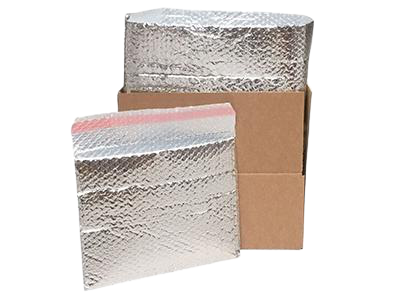
How to Choose Single Bubble Insulated Liner Custom Size Without Guesswork
A single bubble insulated liner custom size decision should be made from the carton outward and from the route backward. Start with the required product condition at arrival, then review transit time, ambient exposure, coolant, usable volume and how the liner will be packed at scale. The liner is one component in that system, so the safest buying approach is to ask what the liner is proven to do and what still needs sample testing.
The framework below combines product education, supplier evaluation and operational checks. It avoids treating any single material as a universal answer, because different payloads, lanes and markets create different failure points.
Start with the product condition at arrival
The most reliable buying process starts by defining what condition the product must be in when the receiver opens the carton. For food, that may involve chilled or frozen expectations and the food safety plan used by the shipper. For healthcare or clinical products, it may involve a protocol, label storage condition, GDP expectation or logistics SOP. For lower-risk goods, it may simply be protection from short-term heat exposure.
Once the arrival condition is clear, work backward through the route. How long is the parcel in transit? Where are the handover points? Is the payload pre-chilled? Will the package sit on a warm dock? Who opens it and how quickly? These questions determine whether a flexible liner is enough, whether coolant needs to be adjusted or whether a more qualified shipper should be considered.
Match the liner to carton, coolant and usable space
A single bubble insulated liner should be reviewed inside the real carton, with the real product and coolant plan. If the liner reduces usable volume too much, the packer may remove coolant, compress the product or leave the closure loose. If the liner leaves too much void, the product may shift and thermal performance may be inconsistent.
The most useful sample review is a loaded review. Measure the product, place the refrigerant, close the liner, close the carton and then inspect the result. Does the carton bulge? Does the liner tear? Does the coolant sit against the product or fall to one side? These details are easier to fix during sampling than after a purchase order has been placed.
Application fit: where the liner is useful and where it is not enough
The common application range for this liner includes food, grocery, seafood, cosmetics, laboratory supplies and other temperature-sensitive goods that ship in corrugated cartons or cooler boxes. These shipments often need a balance of insulation, low storage cube, carton compatibility and cost control. A flexible liner can be attractive because it stores flat or compactly, adapts to carton sizes and can be packed faster than some rigid inserts.
The same flexibility can create limits. If the product is highly temperature-sensitive, has a long route, faces high ambient exposure or needs regulatory documentation, the buyer should evaluate the full packout rather than the liner alone. In many cold-chain shipments, risk appears at handover points: loading docks, carrier sorting, delivery vehicles, customer receiving areas and temporary staging zones.
The practical decision is not whether the liner is good or bad. It is whether the liner’s protection level, packing format and material documentation match the shipment’s risk level. For low-risk or short routes, a simple liner may be enough. For higher-risk routes, the liner may need to be part of a tested system with defined coolant and monitoring.
Procurement matrix for a safer comparison
| Decision point | What to check | Why it changes the order |
|---|---|---|
| Carton and payload fit | Measure the loaded product, coolant and liner together | Prevents unusable samples and slow packing |
| Route risk | Review transit time, ambient exposure and handover points | Shows whether a simple liner is enough |
| Cold source | Define gel pack, PCM, dry ice alternative or other refrigerant | The liner does not create cooling by itself |
| Material and disposal | Clarify paper, foil, plastic, laminated or separable layers | Supports EPR, customer messaging and waste planning |
| Quotation basis | Compare same size, same style, same packing format | Avoids misleading unit-price comparisons |
| Sample approval | Inspect dimensions, seams, packing speed and loaded behavior | Reduces risk before bulk purchasing |
Use the matrix to force each supplier into the same comparison frame. If two quotes use different dimensions, material structures or packing formats, they are not real alternatives yet. Normalize the specification before negotiating price.
When a liner is not enough
A liner is not enough when the shipment requires documented performance of the full shipping system and no supporting packout evidence exists. It may also be insufficient when the route is too long, ambient exposure is high, receiving is unreliable or the product is highly sensitive to short excursions. In those cases, the buyer should consider a different insulated shipper, additional coolant, a monitored packout or a route-specific qualification approach.
Do not use a liner to replace a quality process. Temperature monitoring, receiving inspection, product release decisions and excursion review remain separate responsibilities. The liner can help reduce risk, but it does not make an unreviewed route acceptable.
Practical example: comparing two liner samples before scaling
Imagine a procurement team evaluating single bubble insulated liner custom size for a chilled parcel program. Supplier A sends a sample that fits tightly and looks neat, but packers need extra time to load the coolant. Supplier B sends a slightly looser liner that closes faster but leaves more side void. The unit price difference is small, yet the operational result may be very different.
The team should load both options with the actual product and refrigerant, record packing observations, check whether the carton closes without bulging, and review the packaging after a handling simulation. If temperature-sensitive products are involved, the team should then run a route-relevant thermal check before approving production. This approach turns a vague quote comparison into a practical decision about usability, risk and repeatability.
The final supplier discussion
Before approving a recurring order, ask the supplier to restate the specification in writing. It should include material description, finished dimensions, packing format, sample reference, tolerance approach and any quotation assumptions. If artwork or private labeling is involved, include the artwork version and approval process. If sustainability claims are involved, define the material basis and the market where the claim will be used.
This final discussion is not bureaucracy. It prevents the common problem where sales, procurement, production and packing teams each understand the liner slightly differently. A clear specification reduces argument later and makes future reorder conversations much easier.
FAQ
What dimensions should I send for a custom single bubble insulated liner?
Send the outer carton dimensions, internal carton dimensions, product dimensions, coolant layout and preferred closure style. Also clarify whether the size refers to flat cut size, finished liner size or usable payload cavity. A drawing or loaded photo reduces mistakes more than a single length-width-height note.
Should I choose paper, foil bubble or another liner material?
Choose by route risk, product sensitivity, moisture exposure, disposal expectations and packing speed. Paper may support a clearer recycling story in some markets, while foil bubble formats may offer compact storage and fast packing. Neither should be selected on material name alone; loaded samples and route checks matter.
Can I use the same liner for chilled, frozen and ambient-protective shipments?
Not automatically. Chilled, frozen and ambient-protective shipments use different coolant strategies and acceptance criteria. A liner that works for a short chilled route may be insufficient for a frozen parcel or unnecessary for a low-risk ambient shipment. Confirm the required product condition and test the packout accordingly.
What proof should I ask for before bulk ordering?
Ask for material description, finished dimensions, production tolerance, sample photos, packing format and any test context behind thermal claims. If the product is sensitive or regulated, request evidence tied to the actual carton, coolant, payload and route profile, not a general statement.
How should I compare suppliers without overbuying insulation?
Compare the same carton, product load, coolant plan, liner format and order stage. More insulation is not always better if it reduces usable volume or slows packing. The best option is the one that delivers sufficient protection, repeatable production and practical handling for your lane.
Pilot order review before scaling
A pilot order should be treated as a controlled learning step, not as a smaller version of a full commercial launch. Check incoming liner dimensions, packed carton condition, operator comments, storage space, waste handling and any customer service feedback. If the pilot uses a different carton, coolant or carrier service than the future bulk order, mark that difference clearly. Otherwise, a buyer may approve a liner based on conditions that will not repeat during daily operations. Add one person from operations and one person from procurement to the review, because packing speed and purchasing terms often reveal different risks.
Packaging instructions reduce avoidable variation
Even a well-sized liner can perform inconsistently when packers use different loading sequences. A simple instruction sheet should show how the liner is opened, where the product sits, where coolant is placed, how the closure is folded and what the finished carton should look like. The instruction does not need to be complicated, but it turns the approved sample into a repeatable packing method. It also makes training easier when seasonal workers or third-party fulfillment teams pack the same order. If the route is reviewed later, the team can see whether the packout failed because the design was weak or because the design was not followed.
Reviewing a failed shipment without blaming the liner first
If a shipment arrives warm, crushed or wet, review the whole chain before assuming the liner was the only cause. Check product pre-conditioning, coolant state, dispatch time, carton damage, carrier delays, staging temperature and receiving behavior. A liner issue may still be present, but the corrective action is better when the team identifies whether the root cause came from material, packing, route exposure or customer handling. Keep photos of the open carton, liner position, coolant condition and product condition. Those photos help the supplier understand whether a redesign, a packing instruction update or a different service level is needed.
Total cost belongs in the same worksheet as risk
A practical comparison should place unit price beside freight cube, packing labor, sample revision time, coolant quantity, expected waste handling and the value of the payload. This helps procurement avoid a narrow saving that creates larger operating cost. The right liner is rarely the one with the most expensive material or the cheapest quote; it is the option that gives enough protection with repeatable handling. If two liners have similar cost, the one that reduces packing errors or customer confusion may be the better commercial choice. If one liner is cheaper but needs more coolant, the total cost may not really be lower.
Keep open questions visible
Some details will remain unknown until samples are tested. Keep those questions visible instead of turning them into assumptions. Open questions may include route exposure, moisture tolerance, exact usable volume, operator training, disposal messaging or whether production pieces will match the first sample. A supplier conversation becomes more productive when these points are listed before the next quotation round. This is also useful when several departments are involved. Quality may care about documentation, operations may care about packing speed, and purchasing may care about price breaks. A shared question list prevents one team from approving a liner that another team cannot use.
Receiving inspection should be simple enough to repeat
Incoming inspection does not need to be a laboratory process for every liner order, but it should be clear enough for warehouse staff to repeat. Check whether the delivered liners match the approved size, whether seams are intact, whether bundles are damaged, and whether packing marks identify the correct version. For custom projects, keep one approved sample at the packing site and one reference file for procurement. When production pieces drift from the approved version, the team can identify the issue before the liners are used in customer shipments.
Design choices should support the next reorder
Many packaging mistakes happen during reorders, not during the first sample round. A buyer may reorder from an old email, a supplier may quote a similar material, or a small artwork change may be treated as harmless. To prevent this, the specification should state which dimensions, material layers, closure details and packing formats are locked. It should also state who can approve changes. This simple discipline is especially useful for custom-size, OEM, regional or application-specific liners where small changes can affect fit and handling.
Conclusion
A reliable single bubble insulated liner custom size decision comes from matching the product, route, carton, coolant and procurement stage. Do not assume a liner is sufficient because the material name sounds strong, and do not reject a practical option because it is simpler than a rigid shipper. Ask what is proven, what is still a buyer verification point and what must be tested in your own packout before scaling.
About Tempk
Tempk works with B2B buyers on cold-chain packaging categories including insulated box liners, thermal bags, EPP cooler boxes, cooling media and pallet covers. In a liner project, our role is to help clarify the practical details: finished size, carton compatibility, refrigerant layout, sample feedback and the questions that should be answered before bulk purchasing. We focus on useful packaging discussion rather than unsupported claims about every route or product.
For a more accurate liner discussion, send Tempk your route, payload, carton drawing and target packing method, then review samples before scaling the order.
How to Choose Recyclable Insulated Box Liner Custom Size
How to Choose Recyclable Insulated Box Liner Custom Size Without Guesswork
A recyclable insulated box liner custom size decision should be made from the carton outward and from the route backward. Start with the required product condition at arrival, then review transit time, ambient exposure, coolant, usable volume and how the liner will be packed at scale. The liner is one component in that system, so the safest buying approach is to ask what the liner is proven to do and what still needs sample testing.
The framework below combines product education, supplier evaluation and operational checks. It avoids treating any single material as a universal answer, because different payloads, lanes and markets create different failure points.
Start with the product condition at arrival
The most reliable buying process starts by defining what condition the product must be in when the receiver opens the carton. For food, that may involve chilled or frozen expectations and the food safety plan used by the shipper. For healthcare or clinical products, it may involve a protocol, label storage condition, GDP expectation or logistics SOP. For lower-risk goods, it may simply be protection from short-term heat exposure.
Once the arrival condition is clear, work backward through the route. How long is the parcel in transit? Where are the handover points? Is the payload pre-chilled? Will the package sit on a warm dock? Who opens it and how quickly? These questions determine whether a flexible liner is enough, whether coolant needs to be adjusted or whether a more qualified shipper should be considered.
Match the liner to carton, coolant and usable space
A recyclable insulated box liner should be reviewed inside the real carton, with the real product and coolant plan. If the liner reduces usable volume too much, the packer may remove coolant, compress the product or leave the closure loose. If the liner leaves too much void, the product may shift and thermal performance may be inconsistent.
The most useful sample review is a loaded review. Measure the product, place the refrigerant, close the liner, close the carton and then inspect the result. Does the carton bulge? Does the liner tear? Does the coolant sit against the product or fall to one side? These details are easier to fix during sampling than after a purchase order has been placed.
Application fit: where the liner is useful and where it is not enough
The common application range for this liner includes food, grocery, seafood, cosmetics, laboratory supplies and other temperature-sensitive goods that ship in corrugated cartons or cooler boxes. These shipments often need a balance of insulation, low storage cube, carton compatibility and cost control. A flexible liner can be attractive because it stores flat or compactly, adapts to carton sizes and can be packed faster than some rigid inserts.
The same flexibility can create limits. If the product is highly temperature-sensitive, has a long route, faces high ambient exposure or needs regulatory documentation, the buyer should evaluate the full packout rather than the liner alone. In many cold-chain shipments, risk appears at handover points: loading docks, carrier sorting, delivery vehicles, customer receiving areas and temporary staging zones.
The practical decision is not whether the liner is good or bad. It is whether the liner’s protection level, packing format and material documentation match the shipment’s risk level. For low-risk or short routes, a simple liner may be enough. For higher-risk routes, the liner may need to be part of a tested system with defined coolant and monitoring.
Procurement matrix for a safer comparison
| Decision point | What to check | Why it changes the order |
|---|---|---|
| Carton and payload fit | Measure the loaded product, coolant and liner together | Prevents unusable samples and slow packing |
| Route risk | Review transit time, ambient exposure and handover points | Shows whether a simple liner is enough |
| Cold source | Define gel pack, PCM, dry ice alternative or other refrigerant | The liner does not create cooling by itself |
| Material and disposal | Clarify paper, foil, plastic, laminated or separable layers | Supports EPR, customer messaging and waste planning |
| Quotation basis | Compare same size, same style, same packing format | Avoids misleading unit-price comparisons |
| Sample approval | Inspect dimensions, seams, packing speed and loaded behavior | Reduces risk before bulk purchasing |
Use the matrix to force each supplier into the same comparison frame. If two quotes use different dimensions, material structures or packing formats, they are not real alternatives yet. Normalize the specification before negotiating price.
When a liner is not enough
A liner is not enough when the shipment requires documented performance of the full shipping system and no supporting packout evidence exists. It may also be insufficient when the route is too long, ambient exposure is high, receiving is unreliable or the product is highly sensitive to short excursions. In those cases, the buyer should consider a different insulated shipper, additional coolant, a monitored packout or a route-specific qualification approach.
Do not use a liner to replace a quality process. Temperature monitoring, receiving inspection, product release decisions and excursion review remain separate responsibilities. The liner can help reduce risk, but it does not make an unreviewed route acceptable.
Practical example: comparing two liner samples before scaling
Imagine a procurement team evaluating recyclable insulated box liner custom size for a chilled parcel program. Supplier A sends a sample that fits tightly and looks neat, but packers need extra time to load the coolant. Supplier B sends a slightly looser liner that closes faster but leaves more side void. The unit price difference is small, yet the operational result may be very different.
The team should load both options with the actual product and refrigerant, record packing observations, check whether the carton closes without bulging, and review the packaging after a handling simulation. If temperature-sensitive products are involved, the team should then run a route-relevant thermal check before approving production. This approach turns a vague quote comparison into a practical decision about usability, risk and repeatability.
The final supplier discussion
Before approving a recurring order, ask the supplier to restate the specification in writing. It should include material description, finished dimensions, packing format, sample reference, tolerance approach and any quotation assumptions. If artwork or private labeling is involved, include the artwork version and approval process. If sustainability claims are involved, define the material basis and the market where the claim will be used.
This final discussion is not bureaucracy. It prevents the common problem where sales, procurement, production and packing teams each understand the liner slightly differently. A clear specification reduces argument later and makes future reorder conversations much easier.
FAQ
What dimensions should I send for a custom recyclable insulated box liner?
Send the outer carton dimensions, internal carton dimensions, product dimensions, coolant layout and preferred closure style. Also clarify whether the size refers to flat cut size, finished liner size or usable payload cavity. A drawing or loaded photo reduces mistakes more than a single length-width-height note.
Should I choose paper, foil bubble or another liner material?
Choose by route risk, product sensitivity, moisture exposure, disposal expectations and packing speed. Paper may support a clearer recycling story in some markets, while foil bubble formats may offer compact storage and fast packing. Neither should be selected on material name alone; loaded samples and route checks matter.
Can I use the same liner for chilled, frozen and ambient-protective shipments?
Not automatically. Chilled, frozen and ambient-protective shipments use different coolant strategies and acceptance criteria. A liner that works for a short chilled route may be insufficient for a frozen parcel or unnecessary for a low-risk ambient shipment. Confirm the required product condition and test the packout accordingly.
What proof should I ask for before bulk ordering?
Ask for material description, finished dimensions, production tolerance, sample photos, packing format and any test context behind thermal claims. If the product is sensitive or regulated, request evidence tied to the actual carton, coolant, payload and route profile, not a general statement.
How should I compare suppliers without overbuying insulation?
Compare the same carton, product load, coolant plan, liner format and order stage. More insulation is not always better if it reduces usable volume or slows packing. The best option is the one that delivers sufficient protection, repeatable production and practical handling for your lane.
Pilot order review before scaling
A pilot order should be treated as a controlled learning step, not as a smaller version of a full commercial launch. Check incoming liner dimensions, packed carton condition, operator comments, storage space, waste handling and any customer service feedback. If the pilot uses a different carton, coolant or carrier service than the future bulk order, mark that difference clearly. Otherwise, a buyer may approve a liner based on conditions that will not repeat during daily operations. Add one person from operations and one person from procurement to the review, because packing speed and purchasing terms often reveal different risks.
Packaging instructions reduce avoidable variation
Even a well-sized liner can perform inconsistently when packers use different loading sequences. A simple instruction sheet should show how the liner is opened, where the product sits, where coolant is placed, how the closure is folded and what the finished carton should look like. The instruction does not need to be complicated, but it turns the approved sample into a repeatable packing method. It also makes training easier when seasonal workers or third-party fulfillment teams pack the same order. If the route is reviewed later, the team can see whether the packout failed because the design was weak or because the design was not followed.
Reviewing a failed shipment without blaming the liner first
If a shipment arrives warm, crushed or wet, review the whole chain before assuming the liner was the only cause. Check product pre-conditioning, coolant state, dispatch time, carton damage, carrier delays, staging temperature and receiving behavior. A liner issue may still be present, but the corrective action is better when the team identifies whether the root cause came from material, packing, route exposure or customer handling. Keep photos of the open carton, liner position, coolant condition and product condition. Those photos help the supplier understand whether a redesign, a packing instruction update or a different service level is needed.
Total cost belongs in the same worksheet as risk
A practical comparison should place unit price beside freight cube, packing labor, sample revision time, coolant quantity, expected waste handling and the value of the payload. This helps procurement avoid a narrow saving that creates larger operating cost. The right liner is rarely the one with the most expensive material or the cheapest quote; it is the option that gives enough protection with repeatable handling. If two liners have similar cost, the one that reduces packing errors or customer confusion may be the better commercial choice. If one liner is cheaper but needs more coolant, the total cost may not really be lower.
Keep open questions visible
Some details will remain unknown until samples are tested. Keep those questions visible instead of turning them into assumptions. Open questions may include route exposure, moisture tolerance, exact usable volume, operator training, disposal messaging or whether production pieces will match the first sample. A supplier conversation becomes more productive when these points are listed before the next quotation round. This is also useful when several departments are involved. Quality may care about documentation, operations may care about packing speed, and purchasing may care about price breaks. A shared question list prevents one team from approving a liner that another team cannot use.
Receiving inspection should be simple enough to repeat
Incoming inspection does not need to be a laboratory process for every liner order, but it should be clear enough for warehouse staff to repeat. Check whether the delivered liners match the approved size, whether seams are intact, whether bundles are damaged, and whether packing marks identify the correct version. For custom projects, keep one approved sample at the packing site and one reference file for procurement. When production pieces drift from the approved version, the team can identify the issue before the liners are used in customer shipments.
Design choices should support the next reorder
Many packaging mistakes happen during reorders, not during the first sample round. A buyer may reorder from an old email, a supplier may quote a similar material, or a small artwork change may be treated as harmless. To prevent this, the specification should state which dimensions, material layers, closure details and packing formats are locked. It should also state who can approve changes. This simple discipline is especially useful for custom-size, OEM, regional or application-specific liners where small changes can affect fit and handling.
Conclusion
A reliable recyclable insulated box liner custom size decision comes from matching the product, route, carton, coolant and procurement stage. Do not assume a liner is sufficient because the material name sounds strong, and do not reject a practical option because it is simpler than a rigid shipper. Ask what is proven, what is still a buyer verification point and what must be tested in your own packout before scaling.
About Tempk
Tempk provides cold-chain packaging materials for food, pharmaceutical and temperature-sensitive shipments, including insulated liners, gel packs, dry ice pack alternatives, EPP boxes and thermal pallet covers. For custom or procurement-led liner inquiries, we can review your carton, product profile and route assumptions so the sample stage is more focused. The buyer still needs to approve the final packout against the product and lane requirements.
Ask Tempk to compare suitable liner structures for your shipment instead of quoting from a material name alone.
How to Choose Paper Insulated Box Liner Quotes

How to Choose Paper Insulated Box Liner Quotes Without Guesswork
A paper insulated box liner quotes decision should be made from the carton outward and from the route backward. Start with the required product condition at arrival, then review transit time, ambient exposure, coolant, usable volume and how the liner will be packed at scale. The liner is one component in that system, so the safest buying approach is to ask what the liner is proven to do and what still needs sample testing.
The framework below combines product education, supplier evaluation and operational checks. It avoids treating any single material as a universal answer, because different payloads, lanes and markets create different failure points.
Start with the product condition at arrival
The most reliable buying process starts by defining what condition the product must be in when the receiver opens the carton. For food, that may involve chilled or frozen expectations and the food safety plan used by the shipper. For healthcare or clinical products, it may involve a protocol, label storage condition, GDP expectation or logistics SOP. For lower-risk goods, it may simply be protection from short-term heat exposure.
Once the arrival condition is clear, work backward through the route. How long is the parcel in transit? Where are the handover points? Is the payload pre-chilled? Will the package sit on a warm dock? Who opens it and how quickly? These questions determine whether a flexible liner is enough, whether coolant needs to be adjusted or whether a more qualified shipper should be considered.
Match the liner to carton, coolant and usable space
A paper insulated box liner should be reviewed inside the real carton, with the real product and coolant plan. If the liner reduces usable volume too much, the packer may remove coolant, compress the product or leave the closure loose. If the liner leaves too much void, the product may shift and thermal performance may be inconsistent.
The most useful sample review is a loaded review. Measure the product, place the refrigerant, close the liner, close the carton and then inspect the result. Does the carton bulge? Does the liner tear? Does the coolant sit against the product or fall to one side? These details are easier to fix during sampling than after a purchase order has been placed.
Application fit: where the liner is useful and where it is not enough
The common application range for this liner includes food, grocery, seafood, cosmetics, laboratory supplies and other temperature-sensitive goods that ship in corrugated cartons or cooler boxes. These shipments often need a balance of insulation, low storage cube, carton compatibility and cost control. A flexible liner can be attractive because it stores flat or compactly, adapts to carton sizes and can be packed faster than some rigid inserts.
The same flexibility can create limits. If the product is highly temperature-sensitive, has a long route, faces high ambient exposure or needs regulatory documentation, the buyer should evaluate the full packout rather than the liner alone. In many cold-chain shipments, risk appears at handover points: loading docks, carrier sorting, delivery vehicles, customer receiving areas and temporary staging zones.
The practical decision is not whether the liner is good or bad. It is whether the liner’s protection level, packing format and material documentation match the shipment’s risk level. For low-risk or short routes, a simple liner may be enough. For higher-risk routes, the liner may need to be part of a tested system with defined coolant and monitoring.
Procurement matrix for a safer comparison
| Decision point | What to check | Why it changes the order |
|---|---|---|
| Carton and payload fit | Measure the loaded product, coolant and liner together | Prevents unusable samples and slow packing |
| Route risk | Review transit time, ambient exposure and handover points | Shows whether a simple liner is enough |
| Cold source | Define gel pack, PCM, dry ice alternative or other refrigerant | The liner does not create cooling by itself |
| Material and disposal | Clarify paper, foil, plastic, laminated or separable layers | Supports EPR, customer messaging and waste planning |
| Quotation basis | Compare same size, same style, same packing format | Avoids misleading unit-price comparisons |
| Sample approval | Inspect dimensions, seams, packing speed and loaded behavior | Reduces risk before bulk purchasing |
Use the matrix to force each supplier into the same comparison frame. If two quotes use different dimensions, material structures or packing formats, they are not real alternatives yet. Normalize the specification before negotiating price.
When a liner is not enough
A liner is not enough when the shipment requires documented performance of the full shipping system and no supporting packout evidence exists. It may also be insufficient when the route is too long, ambient exposure is high, receiving is unreliable or the product is highly sensitive to short excursions. In those cases, the buyer should consider a different insulated shipper, additional coolant, a monitored packout or a route-specific qualification approach.
Do not use a liner to replace a quality process. Temperature monitoring, receiving inspection, product release decisions and excursion review remain separate responsibilities. The liner can help reduce risk, but it does not make an unreviewed route acceptable.
Practical example: comparing two liner samples before scaling
Imagine a procurement team evaluating paper insulated box liner quotes for a chilled parcel program. Supplier A sends a sample that fits tightly and looks neat, but packers need extra time to load the coolant. Supplier B sends a slightly looser liner that closes faster but leaves more side void. The unit price difference is small, yet the operational result may be very different.
The team should load both options with the actual product and refrigerant, record packing observations, check whether the carton closes without bulging, and review the packaging after a handling simulation. If temperature-sensitive products are involved, the team should then run a route-relevant thermal check before approving production. This approach turns a vague quote comparison into a practical decision about usability, risk and repeatability.
The final supplier discussion
Before approving a recurring order, ask the supplier to restate the specification in writing. It should include material description, finished dimensions, packing format, sample reference, tolerance approach and any quotation assumptions. If artwork or private labeling is involved, include the artwork version and approval process. If sustainability claims are involved, define the material basis and the market where the claim will be used.
This final discussion is not bureaucracy. It prevents the common problem where sales, procurement, production and packing teams each understand the liner slightly differently. A clear specification reduces argument later and makes future reorder conversations much easier.
FAQ
Why do quotations for paper insulated box liner vary so much?
They often differ because suppliers are not quoting the same finished size, material structure, seam design, packing method or service scope. Printing, tooling, export cartons, sample fees and packing density can also change the landed cost. Ask each supplier to quote the same specification and explain what is included before comparing unit prices.
Should I choose paper, foil bubble or another liner material?
Choose by route risk, product sensitivity, moisture exposure, disposal expectations and packing speed. Paper may support a clearer recycling story in some markets, while foil bubble formats may offer compact storage and fast packing. Neither should be selected on material name alone; loaded samples and route checks matter.
Can I use the same liner for chilled, frozen and ambient-protective shipments?
Not automatically. Chilled, frozen and ambient-protective shipments use different coolant strategies and acceptance criteria. A liner that works for a short chilled route may be insufficient for a frozen parcel or unnecessary for a low-risk ambient shipment. Confirm the required product condition and test the packout accordingly.
What proof should I ask for before bulk ordering?
Ask for material description, finished dimensions, production tolerance, sample photos, packing format and any test context behind thermal claims. If the product is sensitive or regulated, request evidence tied to the actual carton, coolant, payload and route profile, not a general statement.
How should I compare suppliers without overbuying insulation?
Compare the same carton, product load, coolant plan, liner format and order stage. More insulation is not always better if it reduces usable volume or slows packing. The best option is the one that delivers sufficient protection, repeatable production and practical handling for your lane.
Pilot order review before scaling
A pilot order should be treated as a controlled learning step, not as a smaller version of a full commercial launch. Check incoming liner dimensions, packed carton condition, operator comments, storage space, waste handling and any customer service feedback. If the pilot uses a different carton, coolant or carrier service than the future bulk order, mark that difference clearly. Otherwise, a buyer may approve a liner based on conditions that will not repeat during daily operations. Add one person from operations and one person from procurement to the review, because packing speed and purchasing terms often reveal different risks.
Packaging instructions reduce avoidable variation
Even a well-sized liner can perform inconsistently when packers use different loading sequences. A simple instruction sheet should show how the liner is opened, where the product sits, where coolant is placed, how the closure is folded and what the finished carton should look like. The instruction does not need to be complicated, but it turns the approved sample into a repeatable packing method. It also makes training easier when seasonal workers or third-party fulfillment teams pack the same order. If the route is reviewed later, the team can see whether the packout failed because the design was weak or because the design was not followed.
Reviewing a failed shipment without blaming the liner first
If a shipment arrives warm, crushed or wet, review the whole chain before assuming the liner was the only cause. Check product pre-conditioning, coolant state, dispatch time, carton damage, carrier delays, staging temperature and receiving behavior. A liner issue may still be present, but the corrective action is better when the team identifies whether the root cause came from material, packing, route exposure or customer handling. Keep photos of the open carton, liner position, coolant condition and product condition. Those photos help the supplier understand whether a redesign, a packing instruction update or a different service level is needed.
Total cost belongs in the same worksheet as risk
A practical comparison should place unit price beside freight cube, packing labor, sample revision time, coolant quantity, expected waste handling and the value of the payload. This helps procurement avoid a narrow saving that creates larger operating cost. The right liner is rarely the one with the most expensive material or the cheapest quote; it is the option that gives enough protection with repeatable handling. If two liners have similar cost, the one that reduces packing errors or customer confusion may be the better commercial choice. If one liner is cheaper but needs more coolant, the total cost may not really be lower.
Keep open questions visible
Some details will remain unknown until samples are tested. Keep those questions visible instead of turning them into assumptions. Open questions may include route exposure, moisture tolerance, exact usable volume, operator training, disposal messaging or whether production pieces will match the first sample. A supplier conversation becomes more productive when these points are listed before the next quotation round. This is also useful when several departments are involved. Quality may care about documentation, operations may care about packing speed, and purchasing may care about price breaks. A shared question list prevents one team from approving a liner that another team cannot use.
Receiving inspection should be simple enough to repeat
Incoming inspection does not need to be a laboratory process for every liner order, but it should be clear enough for warehouse staff to repeat. Check whether the delivered liners match the approved size, whether seams are intact, whether bundles are damaged, and whether packing marks identify the correct version. For custom projects, keep one approved sample at the packing site and one reference file for procurement. When production pieces drift from the approved version, the team can identify the issue before the liners are used in customer shipments.
Conclusion
A reliable paper insulated box liner quotes decision comes from matching the product, route, carton, coolant and procurement stage. Do not assume a liner is sufficient because the material name sounds strong, and do not reject a practical option because it is simpler than a rigid shipper. Ask what is proven, what is still a buyer verification point and what must be tested in your own packout before scaling.
About Tempk
Tempk supplies cold-chain packaging products such as gel ice packs, dry ice pack alternatives, freezer ice bricks, insulated bags, EPP cooler boxes, cold shipping boxes, insulated box liners, thermal pallet covers and related packaging materials. For liner projects, we help buyers discuss carton fit, product type, coolant pairing, sample review and practical order planning. We avoid treating a liner as a universal answer; the goal is to match the liner with the route, payload and packing process you actually use.
For a more accurate liner discussion, send Tempk your route, payload, carton drawing and target packing method, then review samples before scaling the order.
How to Choose Paper Insulated Box Liner Germany
How to Choose Paper Insulated Box Liner Germany Without Guesswork
A paper insulated box liner Germany decision should be made from the carton outward and from the route backward. Start with the required product condition at arrival, then review transit time, ambient exposure, coolant, usable volume and how the liner will be packed at scale. The liner is one component in that system, so the safest buying approach is to ask what the liner is proven to do and what still needs sample testing.
The framework below combines product education, supplier evaluation and operational checks. It avoids treating any single material as a universal answer, because different payloads, lanes and markets create different failure points.
Start with the product condition at arrival
The most reliable buying process starts by defining what condition the product must be in when the receiver opens the carton. For food, that may involve chilled or frozen expectations and the food safety plan used by the shipper. For healthcare or clinical products, it may involve a protocol, label storage condition, GDP expectation or logistics SOP. For lower-risk goods, it may simply be protection from short-term heat exposure.
Once the arrival condition is clear, work backward through the route. How long is the parcel in transit? Where are the handover points? Is the payload pre-chilled? Will the package sit on a warm dock? Who opens it and how quickly? These questions determine whether a flexible liner is enough, whether coolant needs to be adjusted or whether a more qualified shipper should be considered.
Match the liner to carton, coolant and usable space
A paper insulated box liner should be reviewed inside the real carton, with the real product and coolant plan. If the liner reduces usable volume too much, the packer may remove coolant, compress the product or leave the closure loose. If the liner leaves too much void, the product may shift and thermal performance may be inconsistent.
The most useful sample review is a loaded review. Measure the product, place the refrigerant, close the liner, close the carton and then inspect the result. Does the carton bulge? Does the liner tear? Does the coolant sit against the product or fall to one side? These details are easier to fix during sampling than after a purchase order has been placed.
Germany-facing packaging needs clearer material evidence
For Germany, packaging responsibility and recycling expectations are unusually visible in buyer discussions. Brands placing packaged goods on the market need to understand material categories, registration duties and system participation requirements that may apply to packaging waste. A paper insulated box liner can support a more recycling-aware presentation, but the buyer still has to verify coatings, adhesives, labels and any plastic or foil layers.
The EU Packaging and Packaging Waste Regulation has also increased attention on recyclable design and packaging minimization across the European market. For a cold-chain liner, this creates a practical tension: the packaging must protect temperature-sensitive goods, but it should also avoid unnecessary material complexity. Procurement teams should ask whether the liner can be described clearly to the end user and whether the supplier can support consistent documentation for material composition.
Do not reduce the decision to paper versus plastic. Moisture, condensation, leakage risk, product hygiene and thermal performance all matter. A better Germany-oriented specification asks for enough insulation and moisture control for the route while keeping the material story as simple as the product allows.
Procurement matrix for a safer comparison
| Decision point | What to check | Why it changes the order |
|---|---|---|
| Carton and payload fit | Measure the loaded product, coolant and liner together | Prevents unusable samples and slow packing |
| Route risk | Review transit time, ambient exposure and handover points | Shows whether a simple liner is enough |
| Cold source | Define gel pack, PCM, dry ice alternative or other refrigerant | The liner does not create cooling by itself |
| Material and disposal | Clarify paper, foil, plastic, laminated or separable layers | Supports EPR, customer messaging and waste planning |
| Quotation basis | Compare same size, same style, same packing format | Avoids misleading unit-price comparisons |
| Sample approval | Inspect dimensions, seams, packing speed and loaded behavior | Reduces risk before bulk purchasing |
Use the matrix to force each supplier into the same comparison frame. If two quotes use different dimensions, material structures or packing formats, they are not real alternatives yet. Normalize the specification before negotiating price.
When a liner is not enough
A liner is not enough when the shipment requires documented performance of the full shipping system and no supporting packout evidence exists. It may also be insufficient when the route is too long, ambient exposure is high, receiving is unreliable or the product is highly sensitive to short excursions. In those cases, the buyer should consider a different insulated shipper, additional coolant, a monitored packout or a route-specific qualification approach.
Do not use a liner to replace a quality process. Temperature monitoring, receiving inspection, product release decisions and excursion review remain separate responsibilities. The liner can help reduce risk, but it does not make an unreviewed route acceptable.
Practical example: comparing two liner samples before scaling
Imagine a procurement team evaluating paper insulated box liner Germany for a chilled parcel program. Supplier A sends a sample that fits tightly and looks neat, but packers need extra time to load the coolant. Supplier B sends a slightly looser liner that closes faster but leaves more side void. The unit price difference is small, yet the operational result may be very different.
The team should load both options with the actual product and refrigerant, record packing observations, check whether the carton closes without bulging, and review the packaging after a handling simulation. If temperature-sensitive products are involved, the team should then run a route-relevant thermal check before approving production. This approach turns a vague quote comparison into a practical decision about usability, risk and repeatability.
The final supplier discussion
Before approving a recurring order, ask the supplier to restate the specification in writing. It should include material description, finished dimensions, packing format, sample reference, tolerance approach and any quotation assumptions. If artwork or private labeling is involved, include the artwork version and approval process. If sustainability claims are involved, define the material basis and the market where the claim will be used.
This final discussion is not bureaucracy. It prevents the common problem where sales, procurement, production and packing teams each understand the liner slightly differently. A clear specification reduces argument later and makes future reorder conversations much easier.
FAQ
Is a paper insulated box liner enough for cold-chain shipping?
It can be enough for some low-risk or short routes, but it is only one part of the packout. You still need the right carton, product pre-conditioning, coolant, packing sequence, route duration and receiving process. High-value or regulated shipments may need documented qualification of the full shipping system.
Should I choose paper, foil bubble or another liner material?
Choose by route risk, product sensitivity, moisture exposure, disposal expectations and packing speed. Paper may support a clearer recycling story in some markets, while foil bubble formats may offer compact storage and fast packing. Neither should be selected on material name alone; loaded samples and route checks matter.
Can I use the same liner for chilled, frozen and ambient-protective shipments?
Not automatically. Chilled, frozen and ambient-protective shipments use different coolant strategies and acceptance criteria. A liner that works for a short chilled route may be insufficient for a frozen parcel or unnecessary for a low-risk ambient shipment. Confirm the required product condition and test the packout accordingly.
What proof should I ask for before bulk ordering?
Ask for material description, finished dimensions, production tolerance, sample photos, packing format and any test context behind thermal claims. If the product is sensitive or regulated, request evidence tied to the actual carton, coolant, payload and route profile, not a general statement.
How should I compare suppliers without overbuying insulation?
Compare the same carton, product load, coolant plan, liner format and order stage. More insulation is not always better if it reduces usable volume or slows packing. The best option is the one that delivers sufficient protection, repeatable production and practical handling for your lane.
Pilot order review before scaling
A pilot order should be treated as a controlled learning step, not as a smaller version of a full commercial launch. Check incoming liner dimensions, packed carton condition, operator comments, storage space, waste handling and any customer service feedback. If the pilot uses a different carton, coolant or carrier service than the future bulk order, mark that difference clearly. Otherwise, a buyer may approve a liner based on conditions that will not repeat during daily operations. Add one person from operations and one person from procurement to the review, because packing speed and purchasing terms often reveal different risks.
Packaging instructions reduce avoidable variation
Even a well-sized liner can perform inconsistently when packers use different loading sequences. A simple instruction sheet should show how the liner is opened, where the product sits, where coolant is placed, how the closure is folded and what the finished carton should look like. The instruction does not need to be complicated, but it turns the approved sample into a repeatable packing method. It also makes training easier when seasonal workers or third-party fulfillment teams pack the same order. If the route is reviewed later, the team can see whether the packout failed because the design was weak or because the design was not followed.
Reviewing a failed shipment without blaming the liner first
If a shipment arrives warm, crushed or wet, review the whole chain before assuming the liner was the only cause. Check product pre-conditioning, coolant state, dispatch time, carton damage, carrier delays, staging temperature and receiving behavior. A liner issue may still be present, but the corrective action is better when the team identifies whether the root cause came from material, packing, route exposure or customer handling. Keep photos of the open carton, liner position, coolant condition and product condition. Those photos help the supplier understand whether a redesign, a packing instruction update or a different service level is needed.
Total cost belongs in the same worksheet as risk
A practical comparison should place unit price beside freight cube, packing labor, sample revision time, coolant quantity, expected waste handling and the value of the payload. This helps procurement avoid a narrow saving that creates larger operating cost. The right liner is rarely the one with the most expensive material or the cheapest quote; it is the option that gives enough protection with repeatable handling. If two liners have similar cost, the one that reduces packing errors or customer confusion may be the better commercial choice. If one liner is cheaper but needs more coolant, the total cost may not really be lower.
Keep open questions visible
Some details will remain unknown until samples are tested. Keep those questions visible instead of turning them into assumptions. Open questions may include route exposure, moisture tolerance, exact usable volume, operator training, disposal messaging or whether production pieces will match the first sample. A supplier conversation becomes more productive when these points are listed before the next quotation round. This is also useful when several departments are involved. Quality may care about documentation, operations may care about packing speed, and purchasing may care about price breaks. A shared question list prevents one team from approving a liner that another team cannot use.
Receiving inspection should be simple enough to repeat
Incoming inspection does not need to be a laboratory process for every liner order, but it should be clear enough for warehouse staff to repeat. Check whether the delivered liners match the approved size, whether seams are intact, whether bundles are damaged, and whether packing marks identify the correct version. For custom projects, keep one approved sample at the packing site and one reference file for procurement. When production pieces drift from the approved version, the team can identify the issue before the liners are used in customer shipments.
Design choices should support the next reorder
Many packaging mistakes happen during reorders, not during the first sample round. A buyer may reorder from an old email, a supplier may quote a similar material, or a small artwork change may be treated as harmless. To prevent this, the specification should state which dimensions, material layers, closure details and packing formats are locked. It should also state who can approve changes. This simple discipline is especially useful for custom-size, OEM, regional or application-specific liners where small changes can affect fit and handling.
Conclusion
A reliable paper insulated box liner Germany decision comes from matching the product, route, carton, coolant and procurement stage. Do not assume a liner is sufficient because the material name sounds strong, and do not reject a practical option because it is simpler than a rigid shipper. Ask what is proven, what is still a buyer verification point and what must be tested in your own packout before scaling.
About Tempk
Tempk works with B2B buyers on cold-chain packaging categories including insulated box liners, thermal bags, EPP cooler boxes, cooling media and pallet covers. In a liner project, our role is to help clarify the practical details: finished size, carton compatibility, refrigerant layout, sample feedback and the questions that should be answered before bulk purchasing. We focus on useful packaging discussion rather than unsupported claims about every route or product.
For a more accurate liner discussion, send Tempk your route, payload, carton drawing and target packing method, then review samples before scaling the order.
How to Choose Paper Insulated Box Liner For Dairy Products
How to Choose Paper Insulated Box Liner For Dairy Products Without Guesswork
A paper insulated box liner for dairy products decision should be made from the carton outward and from the route backward. Start with the required product condition at arrival, then review transit time, ambient exposure, coolant, usable volume and how the liner will be packed at scale. The liner is one component in that system, so the safest buying approach is to ask what the liner is proven to do and what still needs sample testing.
The framework below combines product education, supplier evaluation and operational checks. It avoids treating any single material as a universal answer, because different payloads, lanes and markets create different failure points.
Start with the product condition at arrival
The most reliable buying process starts by defining what condition the product must be in when the receiver opens the carton. For food, that may involve chilled or frozen expectations and the food safety plan used by the shipper. For healthcare or clinical products, it may involve a protocol, label storage condition, GDP expectation or logistics SOP. For lower-risk goods, it may simply be protection from short-term heat exposure.
Once the arrival condition is clear, work backward through the route. How long is the parcel in transit? Where are the handover points? Is the payload pre-chilled? Will the package sit on a warm dock? Who opens it and how quickly? These questions determine whether a flexible liner is enough, whether coolant needs to be adjusted or whether a more qualified shipper should be considered.
Match the liner to carton, coolant and usable space
A paper insulated box liner should be reviewed inside the real carton, with the real product and coolant plan. If the liner reduces usable volume too much, the packer may remove coolant, compress the product or leave the closure loose. If the liner leaves too much void, the product may shift and thermal performance may be inconsistent.
The most useful sample review is a loaded review. Measure the product, place the refrigerant, close the liner, close the carton and then inspect the result. Does the carton bulge? Does the liner tear? Does the coolant sit against the product or fall to one side? These details are easier to fix during sampling than after a purchase order has been placed.
Dairy shipments need cleanliness, moisture control and presentation
Dairy products create a different packaging conversation from general dry goods. Cheese, yogurt, butter and other milk-based foods can be sensitive to heat exposure, odor transfer, condensation and package appearance at delivery. A paper insulated box liner may support a cleaner consumer-facing disposal story, but the buyer still needs to check moisture resistance and whether the liner remains neat when exposed to condensation from cold packs.
For time and temperature control for safety foods, food operators often use cold-holding references such as 5°C or 41°F and should follow the rules that apply in their jurisdiction and product category. A liner is only one layer in that control plan. Coolant quantity, product pre-chilling, dispatch timing and delivery speed remain central.
A useful dairy packaging sample test looks at more than arrival temperature. It checks whether the liner fibers shed, whether product labels stay clean, whether consumers understand disposal, and whether packers can load the carton quickly without damaging cups, tubs or vacuum packs.
Procurement matrix for a safer comparison
| Decision point | What to check | Why it changes the order |
|---|---|---|
| Carton and payload fit | Measure the loaded product, coolant and liner together | Prevents unusable samples and slow packing |
| Route risk | Review transit time, ambient exposure and handover points | Shows whether a simple liner is enough |
| Cold source | Define gel pack, PCM, dry ice alternative or other refrigerant | The liner does not create cooling by itself |
| Material and disposal | Clarify paper, foil, plastic, laminated or separable layers | Supports EPR, customer messaging and waste planning |
| Quotation basis | Compare same size, same style, same packing format | Avoids misleading unit-price comparisons |
| Sample approval | Inspect dimensions, seams, packing speed and loaded behavior | Reduces risk before bulk purchasing |
Use the matrix to force each supplier into the same comparison frame. If two quotes use different dimensions, material structures or packing formats, they are not real alternatives yet. Normalize the specification before negotiating price.
When a liner is not enough
A liner is not enough when the shipment requires documented performance of the full shipping system and no supporting packout evidence exists. It may also be insufficient when the route is too long, ambient exposure is high, receiving is unreliable or the product is highly sensitive to short excursions. In those cases, the buyer should consider a different insulated shipper, additional coolant, a monitored packout or a route-specific qualification approach.
Do not use a liner to replace a quality process. Temperature monitoring, receiving inspection, product release decisions and excursion review remain separate responsibilities. The liner can help reduce risk, but it does not make an unreviewed route acceptable.
Practical example: chilled dairy box with consumer-facing disposal
Imagine a dairy brand ships mixed cheese and yogurt products to retail customers. The product needs to arrive chilled, clean and visually acceptable. A paper insulated box liner may help the unboxing experience and support a simpler disposal message, but the buyer must check whether condensation from cold packs weakens the liner or makes the carton look damaged.
The sample test should include the actual cups or packs, gel packs, absorbent protection if needed, and the same carton that will be used in distribution. The team should review thermal behavior, presentation, odor, moisture and packer speed. If the product is regulated as a time and temperature control for safety food, the food safety plan remains separate from the liner specification.
The final supplier discussion
Before approving a recurring order, ask the supplier to restate the specification in writing. It should include material description, finished dimensions, packing format, sample reference, tolerance approach and any quotation assumptions. If artwork or private labeling is involved, include the artwork version and approval process. If sustainability claims are involved, define the material basis and the market where the claim will be used.
This final discussion is not bureaucracy. It prevents the common problem where sales, procurement, production and packing teams each understand the liner slightly differently. A clear specification reduces argument later and makes future reorder conversations much easier.
FAQ
Is a paper insulated box liner enough for cold-chain shipping?
It can be enough for some low-risk or short routes, but it is only one part of the packout. You still need the right carton, product pre-conditioning, coolant, packing sequence, route duration and receiving process. High-value or regulated shipments may need documented qualification of the full shipping system.
Should I choose paper, foil bubble or another liner material?
Choose by route risk, product sensitivity, moisture exposure, disposal expectations and packing speed. Paper may support a clearer recycling story in some markets, while foil bubble formats may offer compact storage and fast packing. Neither should be selected on material name alone; loaded samples and route checks matter.
Can I use the same liner for chilled, frozen and ambient-protective shipments?
Not automatically. Chilled, frozen and ambient-protective shipments use different coolant strategies and acceptance criteria. A liner that works for a short chilled route may be insufficient for a frozen parcel or unnecessary for a low-risk ambient shipment. Confirm the required product condition and test the packout accordingly.
What proof should I ask for before bulk ordering?
Ask for material description, finished dimensions, production tolerance, sample photos, packing format and any test context behind thermal claims. If the product is sensitive or regulated, request evidence tied to the actual carton, coolant, payload and route profile, not a general statement.
How should I compare suppliers without overbuying insulation?
Compare the same carton, product load, coolant plan, liner format and order stage. More insulation is not always better if it reduces usable volume or slows packing. The best option is the one that delivers sufficient protection, repeatable production and practical handling for your lane.
Pilot order review before scaling
A pilot order should be treated as a controlled learning step, not as a smaller version of a full commercial launch. Check incoming liner dimensions, packed carton condition, operator comments, storage space, waste handling and any customer service feedback. If the pilot uses a different carton, coolant or carrier service than the future bulk order, mark that difference clearly. Otherwise, a buyer may approve a liner based on conditions that will not repeat during daily operations. Add one person from operations and one person from procurement to the review, because packing speed and purchasing terms often reveal different risks.
Packaging instructions reduce avoidable variation
Even a well-sized liner can perform inconsistently when packers use different loading sequences. A simple instruction sheet should show how the liner is opened, where the product sits, where coolant is placed, how the closure is folded and what the finished carton should look like. The instruction does not need to be complicated, but it turns the approved sample into a repeatable packing method. It also makes training easier when seasonal workers or third-party fulfillment teams pack the same order. If the route is reviewed later, the team can see whether the packout failed because the design was weak or because the design was not followed.
Reviewing a failed shipment without blaming the liner first
If a shipment arrives warm, crushed or wet, review the whole chain before assuming the liner was the only cause. Check product pre-conditioning, coolant state, dispatch time, carton damage, carrier delays, staging temperature and receiving behavior. A liner issue may still be present, but the corrective action is better when the team identifies whether the root cause came from material, packing, route exposure or customer handling. Keep photos of the open carton, liner position, coolant condition and product condition. Those photos help the supplier understand whether a redesign, a packing instruction update or a different service level is needed.
Total cost belongs in the same worksheet as risk
A practical comparison should place unit price beside freight cube, packing labor, sample revision time, coolant quantity, expected waste handling and the value of the payload. This helps procurement avoid a narrow saving that creates larger operating cost. The right liner is rarely the one with the most expensive material or the cheapest quote; it is the option that gives enough protection with repeatable handling. If two liners have similar cost, the one that reduces packing errors or customer confusion may be the better commercial choice. If one liner is cheaper but needs more coolant, the total cost may not really be lower.
Keep open questions visible
Some details will remain unknown until samples are tested. Keep those questions visible instead of turning them into assumptions. Open questions may include route exposure, moisture tolerance, exact usable volume, operator training, disposal messaging or whether production pieces will match the first sample. A supplier conversation becomes more productive when these points are listed before the next quotation round. This is also useful when several departments are involved. Quality may care about documentation, operations may care about packing speed, and purchasing may care about price breaks. A shared question list prevents one team from approving a liner that another team cannot use.
Receiving inspection should be simple enough to repeat
Incoming inspection does not need to be a laboratory process for every liner order, but it should be clear enough for warehouse staff to repeat. Check whether the delivered liners match the approved size, whether seams are intact, whether bundles are damaged, and whether packing marks identify the correct version. For custom projects, keep one approved sample at the packing site and one reference file for procurement. When production pieces drift from the approved version, the team can identify the issue before the liners are used in customer shipments.
Design choices should support the next reorder
Many packaging mistakes happen during reorders, not during the first sample round. A buyer may reorder from an old email, a supplier may quote a similar material, or a small artwork change may be treated as harmless. To prevent this, the specification should state which dimensions, material layers, closure details and packing formats are locked. It should also state who can approve changes. This simple discipline is especially useful for custom-size, OEM, regional or application-specific liners where small changes can affect fit and handling.
Conclusion
A reliable paper insulated box liner for dairy products decision comes from matching the product, route, carton, coolant and procurement stage. Do not assume a liner is sufficient because the material name sounds strong, and do not reject a practical option because it is simpler than a rigid shipper. Ask what is proven, what is still a buyer verification point and what must be tested in your own packout before scaling.
About Tempk
Tempk supplies cold-chain packaging products such as gel ice packs, dry ice pack alternatives, freezer ice bricks, insulated bags, EPP cooler boxes, cold shipping boxes, insulated box liners, thermal pallet covers and related packaging materials. For liner projects, we help buyers discuss carton fit, product type, coolant pairing, sample review and practical order planning. We avoid treating a liner as a universal answer; the goal is to match the liner with the route, payload and packing process you actually use.
For a more accurate liner discussion, send Tempk your route, payload, carton drawing and target packing method, then review samples before scaling the order.
How to Choose Insulated Carton Liner Pricing
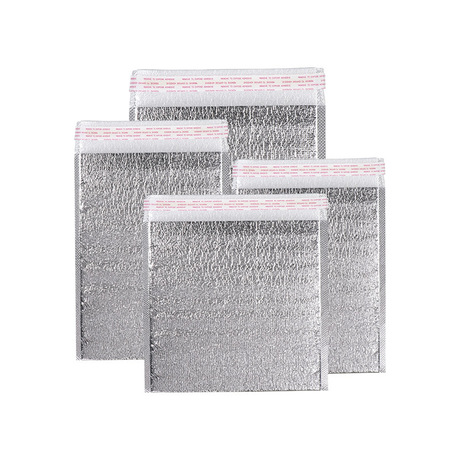
How to Choose Insulated Carton Liner Pricing Without Guesswork
A insulated carton liner pricing decision should be made from the carton outward and from the route backward. Start with the required product condition at arrival, then review transit time, ambient exposure, coolant, usable volume and how the liner will be packed at scale. The liner is one component in that system, so the safest buying approach is to ask what the liner is proven to do and what still needs sample testing.
The framework below combines product education, supplier evaluation and operational checks. It avoids treating any single material as a universal answer, because different payloads, lanes and markets create different failure points.
Start with the product condition at arrival
The most reliable buying process starts by defining what condition the product must be in when the receiver opens the carton. For food, that may involve chilled or frozen expectations and the food safety plan used by the shipper. For healthcare or clinical products, it may involve a protocol, label storage condition, GDP expectation or logistics SOP. For lower-risk goods, it may simply be protection from short-term heat exposure.
Once the arrival condition is clear, work backward through the route. How long is the parcel in transit? Where are the handover points? Is the payload pre-chilled? Will the package sit on a warm dock? Who opens it and how quickly? These questions determine whether a flexible liner is enough, whether coolant needs to be adjusted or whether a more qualified shipper should be considered.
Match the liner to carton, coolant and usable space
A insulated carton liner should be reviewed inside the real carton, with the real product and coolant plan. If the liner reduces usable volume too much, the packer may remove coolant, compress the product or leave the closure loose. If the liner leaves too much void, the product may shift and thermal performance may be inconsistent.
The most useful sample review is a loaded review. Measure the product, place the refrigerant, close the liner, close the carton and then inspect the result. Does the carton bulge? Does the liner tear? Does the coolant sit against the product or fall to one side? These details are easier to fix during sampling than after a purchase order has been placed.
Application fit: where the liner is useful and where it is not enough
The common application range for this liner includes food, grocery, seafood, cosmetics, laboratory supplies and other temperature-sensitive goods that ship in corrugated cartons or cooler boxes. These shipments often need a balance of insulation, low storage cube, carton compatibility and cost control. A flexible liner can be attractive because it stores flat or compactly, adapts to carton sizes and can be packed faster than some rigid inserts.
The same flexibility can create limits. If the product is highly temperature-sensitive, has a long route, faces high ambient exposure or needs regulatory documentation, the buyer should evaluate the full packout rather than the liner alone. In many cold-chain shipments, risk appears at handover points: loading docks, carrier sorting, delivery vehicles, customer receiving areas and temporary staging zones.
The practical decision is not whether the liner is good or bad. It is whether the liner’s protection level, packing format and material documentation match the shipment’s risk level. For low-risk or short routes, a simple liner may be enough. For higher-risk routes, the liner may need to be part of a tested system with defined coolant and monitoring.
Procurement matrix for a safer comparison
| Decision point | What to check | Why it changes the order |
|---|---|---|
| Carton and payload fit | Measure the loaded product, coolant and liner together | Prevents unusable samples and slow packing |
| Route risk | Review transit time, ambient exposure and handover points | Shows whether a simple liner is enough |
| Cold source | Define gel pack, PCM, dry ice alternative or other refrigerant | The liner does not create cooling by itself |
| Material and disposal | Clarify paper, foil, plastic, laminated or separable layers | Supports EPR, customer messaging and waste planning |
| Quotation basis | Compare same size, same style, same packing format | Avoids misleading unit-price comparisons |
| Sample approval | Inspect dimensions, seams, packing speed and loaded behavior | Reduces risk before bulk purchasing |
Use the matrix to force each supplier into the same comparison frame. If two quotes use different dimensions, material structures or packing formats, they are not real alternatives yet. Normalize the specification before negotiating price.
When a liner is not enough
A liner is not enough when the shipment requires documented performance of the full shipping system and no supporting packout evidence exists. It may also be insufficient when the route is too long, ambient exposure is high, receiving is unreliable or the product is highly sensitive to short excursions. In those cases, the buyer should consider a different insulated shipper, additional coolant, a monitored packout or a route-specific qualification approach.
Do not use a liner to replace a quality process. Temperature monitoring, receiving inspection, product release decisions and excursion review remain separate responsibilities. The liner can help reduce risk, but it does not make an unreviewed route acceptable.
Practical example: comparing two liner samples before scaling
Imagine a procurement team evaluating insulated carton liner pricing for a chilled parcel program. Supplier A sends a sample that fits tightly and looks neat, but packers need extra time to load the coolant. Supplier B sends a slightly looser liner that closes faster but leaves more side void. The unit price difference is small, yet the operational result may be very different.
The team should load both options with the actual product and refrigerant, record packing observations, check whether the carton closes without bulging, and review the packaging after a handling simulation. If temperature-sensitive products are involved, the team should then run a route-relevant thermal check before approving production. This approach turns a vague quote comparison into a practical decision about usability, risk and repeatability.
The final supplier discussion
Before approving a recurring order, ask the supplier to restate the specification in writing. It should include material description, finished dimensions, packing format, sample reference, tolerance approach and any quotation assumptions. If artwork or private labeling is involved, include the artwork version and approval process. If sustainability claims are involved, define the material basis and the market where the claim will be used.
This final discussion is not bureaucracy. It prevents the common problem where sales, procurement, production and packing teams each understand the liner slightly differently. A clear specification reduces argument later and makes future reorder conversations much easier.
FAQ
Why do quotations for insulated carton liner vary so much?
They often differ because suppliers are not quoting the same finished size, material structure, seam design, packing method or service scope. Printing, tooling, export cartons, sample fees and packing density can also change the landed cost. Ask each supplier to quote the same specification and explain what is included before comparing unit prices.
Should I choose paper, foil bubble or another liner material?
Choose by route risk, product sensitivity, moisture exposure, disposal expectations and packing speed. Paper may support a clearer recycling story in some markets, while foil bubble formats may offer compact storage and fast packing. Neither should be selected on material name alone; loaded samples and route checks matter.
Can I use the same liner for chilled, frozen and ambient-protective shipments?
Not automatically. Chilled, frozen and ambient-protective shipments use different coolant strategies and acceptance criteria. A liner that works for a short chilled route may be insufficient for a frozen parcel or unnecessary for a low-risk ambient shipment. Confirm the required product condition and test the packout accordingly.
What proof should I ask for before bulk ordering?
Ask for material description, finished dimensions, production tolerance, sample photos, packing format and any test context behind thermal claims. If the product is sensitive or regulated, request evidence tied to the actual carton, coolant, payload and route profile, not a general statement.
How should I compare suppliers without overbuying insulation?
Compare the same carton, product load, coolant plan, liner format and order stage. More insulation is not always better if it reduces usable volume or slows packing. The best option is the one that delivers sufficient protection, repeatable production and practical handling for your lane.
Pilot order review before scaling
A pilot order should be treated as a controlled learning step, not as a smaller version of a full commercial launch. Check incoming liner dimensions, packed carton condition, operator comments, storage space, waste handling and any customer service feedback. If the pilot uses a different carton, coolant or carrier service than the future bulk order, mark that difference clearly. Otherwise, a buyer may approve a liner based on conditions that will not repeat during daily operations. Add one person from operations and one person from procurement to the review, because packing speed and purchasing terms often reveal different risks.
Packaging instructions reduce avoidable variation
Even a well-sized liner can perform inconsistently when packers use different loading sequences. A simple instruction sheet should show how the liner is opened, where the product sits, where coolant is placed, how the closure is folded and what the finished carton should look like. The instruction does not need to be complicated, but it turns the approved sample into a repeatable packing method. It also makes training easier when seasonal workers or third-party fulfillment teams pack the same order. If the route is reviewed later, the team can see whether the packout failed because the design was weak or because the design was not followed.
Reviewing a failed shipment without blaming the liner first
If a shipment arrives warm, crushed or wet, review the whole chain before assuming the liner was the only cause. Check product pre-conditioning, coolant state, dispatch time, carton damage, carrier delays, staging temperature and receiving behavior. A liner issue may still be present, but the corrective action is better when the team identifies whether the root cause came from material, packing, route exposure or customer handling. Keep photos of the open carton, liner position, coolant condition and product condition. Those photos help the supplier understand whether a redesign, a packing instruction update or a different service level is needed.
Total cost belongs in the same worksheet as risk
A practical comparison should place unit price beside freight cube, packing labor, sample revision time, coolant quantity, expected waste handling and the value of the payload. This helps procurement avoid a narrow saving that creates larger operating cost. The right liner is rarely the one with the most expensive material or the cheapest quote; it is the option that gives enough protection with repeatable handling. If two liners have similar cost, the one that reduces packing errors or customer confusion may be the better commercial choice. If one liner is cheaper but needs more coolant, the total cost may not really be lower.
Keep open questions visible
Some details will remain unknown until samples are tested. Keep those questions visible instead of turning them into assumptions. Open questions may include route exposure, moisture tolerance, exact usable volume, operator training, disposal messaging or whether production pieces will match the first sample. A supplier conversation becomes more productive when these points are listed before the next quotation round. This is also useful when several departments are involved. Quality may care about documentation, operations may care about packing speed, and purchasing may care about price breaks. A shared question list prevents one team from approving a liner that another team cannot use.
Receiving inspection should be simple enough to repeat
Incoming inspection does not need to be a laboratory process for every liner order, but it should be clear enough for warehouse staff to repeat. Check whether the delivered liners match the approved size, whether seams are intact, whether bundles are damaged, and whether packing marks identify the correct version. For custom projects, keep one approved sample at the packing site and one reference file for procurement. When production pieces drift from the approved version, the team can identify the issue before the liners are used in customer shipments.
Design choices should support the next reorder
Many packaging mistakes happen during reorders, not during the first sample round. A buyer may reorder from an old email, a supplier may quote a similar material, or a small artwork change may be treated as harmless. To prevent this, the specification should state which dimensions, material layers, closure details and packing formats are locked. It should also state who can approve changes. This simple discipline is especially useful for custom-size, OEM, regional or application-specific liners where small changes can affect fit and handling.
Conclusion
A reliable insulated carton liner pricing decision comes from matching the product, route, carton, coolant and procurement stage. Do not assume a liner is sufficient because the material name sounds strong, and do not reject a practical option because it is simpler than a rigid shipper. Ask what is proven, what is still a buyer verification point and what must be tested in your own packout before scaling.
About Tempk
Tempk provides cold-chain packaging materials for food, pharmaceutical and temperature-sensitive shipments, including insulated liners, gel packs, dry ice pack alternatives, EPP boxes and thermal pallet covers. For custom or procurement-led liner inquiries, we can review your carton, product profile and route assumptions so the sample stage is more focused. The buyer still needs to approve the final packout against the product and lane requirements.
Ask Tempk to compare suitable liner structures for your shipment instead of quoting from a material name alone.
How to Choose Foil Bubble Liner Cost Per Unit
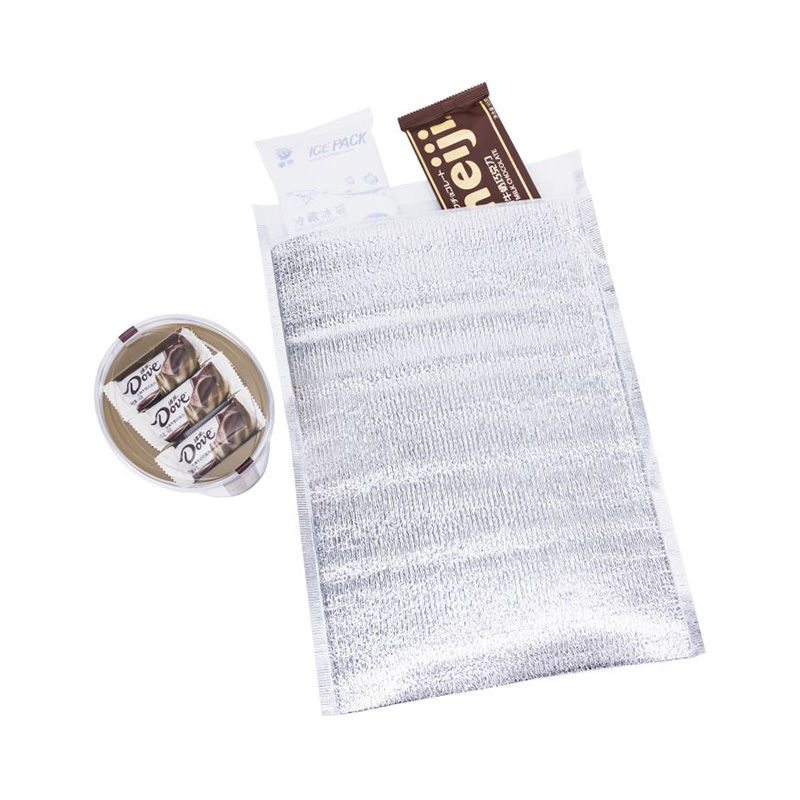
How to Choose Foil Bubble Liner Cost Per Unit Without Guesswork
A foil bubble liner cost per unit decision should be made from the carton outward and from the route backward. Start with the required product condition at arrival, then review transit time, ambient exposure, coolant, usable volume and how the liner will be packed at scale. The liner is one component in that system, so the safest buying approach is to ask what the liner is proven to do and what still needs sample testing.
The framework below combines product education, supplier evaluation and operational checks. It avoids treating any single material as a universal answer, because different payloads, lanes and markets create different failure points.
Start with the product condition at arrival
The most reliable buying process starts by defining what condition the product must be in when the receiver opens the carton. For food, that may involve chilled or frozen expectations and the food safety plan used by the shipper. For healthcare or clinical products, it may involve a protocol, label storage condition, GDP expectation or logistics SOP. For lower-risk goods, it may simply be protection from short-term heat exposure.
Once the arrival condition is clear, work backward through the route. How long is the parcel in transit? Where are the handover points? Is the payload pre-chilled? Will the package sit on a warm dock? Who opens it and how quickly? These questions determine whether a flexible liner is enough, whether coolant needs to be adjusted or whether a more qualified shipper should be considered.
Match the liner to carton, coolant and usable space
A foil bubble liner should be reviewed inside the real carton, with the real product and coolant plan. If the liner reduces usable volume too much, the packer may remove coolant, compress the product or leave the closure loose. If the liner leaves too much void, the product may shift and thermal performance may be inconsistent.
The most useful sample review is a loaded review. Measure the product, place the refrigerant, close the liner, close the carton and then inspect the result. Does the carton bulge? Does the liner tear? Does the coolant sit against the product or fall to one side? These details are easier to fix during sampling than after a purchase order has been placed.
Application fit: where the liner is useful and where it is not enough
The common application range for this liner includes food, grocery, seafood, cosmetics, laboratory supplies and other temperature-sensitive goods that ship in corrugated cartons or cooler boxes. These shipments often need a balance of insulation, low storage cube, carton compatibility and cost control. A flexible liner can be attractive because it stores flat or compactly, adapts to carton sizes and can be packed faster than some rigid inserts.
The same flexibility can create limits. If the product is highly temperature-sensitive, has a long route, faces high ambient exposure or needs regulatory documentation, the buyer should evaluate the full packout rather than the liner alone. In many cold-chain shipments, risk appears at handover points: loading docks, carrier sorting, delivery vehicles, customer receiving areas and temporary staging zones.
The practical decision is not whether the liner is good or bad. It is whether the liner’s protection level, packing format and material documentation match the shipment’s risk level. For low-risk or short routes, a simple liner may be enough. For higher-risk routes, the liner may need to be part of a tested system with defined coolant and monitoring.
Procurement matrix for a safer comparison
| Decision point | What to check | Why it changes the order |
|---|---|---|
| Carton and payload fit | Measure the loaded product, coolant and liner together | Prevents unusable samples and slow packing |
| Route risk | Review transit time, ambient exposure and handover points | Shows whether a simple liner is enough |
| Cold source | Define gel pack, PCM, dry ice alternative or other refrigerant | The liner does not create cooling by itself |
| Material and disposal | Clarify paper, foil, plastic, laminated or separable layers | Supports EPR, customer messaging and waste planning |
| Quotation basis | Compare same size, same style, same packing format | Avoids misleading unit-price comparisons |
| Sample approval | Inspect dimensions, seams, packing speed and loaded behavior | Reduces risk before bulk purchasing |
Use the matrix to force each supplier into the same comparison frame. If two quotes use different dimensions, material structures or packing formats, they are not real alternatives yet. Normalize the specification before negotiating price.
When a liner is not enough
A liner is not enough when the shipment requires documented performance of the full shipping system and no supporting packout evidence exists. It may also be insufficient when the route is too long, ambient exposure is high, receiving is unreliable or the product is highly sensitive to short excursions. In those cases, the buyer should consider a different insulated shipper, additional coolant, a monitored packout or a route-specific qualification approach.
Do not use a liner to replace a quality process. Temperature monitoring, receiving inspection, product release decisions and excursion review remain separate responsibilities. The liner can help reduce risk, but it does not make an unreviewed route acceptable.
Practical example: comparing two liner samples before scaling
Imagine a procurement team evaluating foil bubble liner cost per unit for a chilled parcel program. Supplier A sends a sample that fits tightly and looks neat, but packers need extra time to load the coolant. Supplier B sends a slightly looser liner that closes faster but leaves more side void. The unit price difference is small, yet the operational result may be very different.
The team should load both options with the actual product and refrigerant, record packing observations, check whether the carton closes without bulging, and review the packaging after a handling simulation. If temperature-sensitive products are involved, the team should then run a route-relevant thermal check before approving production. This approach turns a vague quote comparison into a practical decision about usability, risk and repeatability.
The final supplier discussion
Before approving a recurring order, ask the supplier to restate the specification in writing. It should include material description, finished dimensions, packing format, sample reference, tolerance approach and any quotation assumptions. If artwork or private labeling is involved, include the artwork version and approval process. If sustainability claims are involved, define the material basis and the market where the claim will be used.
This final discussion is not bureaucracy. It prevents the common problem where sales, procurement, production and packing teams each understand the liner slightly differently. A clear specification reduces argument later and makes future reorder conversations much easier.
FAQ
Why do quotations for foil bubble liner vary so much?
They often differ because suppliers are not quoting the same finished size, material structure, seam design, packing method or service scope. Printing, tooling, export cartons, sample fees and packing density can also change the landed cost. Ask each supplier to quote the same specification and explain what is included before comparing unit prices.
Should I choose paper, foil bubble or another liner material?
Choose by route risk, product sensitivity, moisture exposure, disposal expectations and packing speed. Paper may support a clearer recycling story in some markets, while foil bubble formats may offer compact storage and fast packing. Neither should be selected on material name alone; loaded samples and route checks matter.
Can I use the same liner for chilled, frozen and ambient-protective shipments?
Not automatically. Chilled, frozen and ambient-protective shipments use different coolant strategies and acceptance criteria. A liner that works for a short chilled route may be insufficient for a frozen parcel or unnecessary for a low-risk ambient shipment. Confirm the required product condition and test the packout accordingly.
What proof should I ask for before bulk ordering?
Ask for material description, finished dimensions, production tolerance, sample photos, packing format and any test context behind thermal claims. If the product is sensitive or regulated, request evidence tied to the actual carton, coolant, payload and route profile, not a general statement.
How should I compare suppliers without overbuying insulation?
Compare the same carton, product load, coolant plan, liner format and order stage. More insulation is not always better if it reduces usable volume or slows packing. The best option is the one that delivers sufficient protection, repeatable production and practical handling for your lane.
Pilot order review before scaling
A pilot order should be treated as a controlled learning step, not as a smaller version of a full commercial launch. Check incoming liner dimensions, packed carton condition, operator comments, storage space, waste handling and any customer service feedback. If the pilot uses a different carton, coolant or carrier service than the future bulk order, mark that difference clearly. Otherwise, a buyer may approve a liner based on conditions that will not repeat during daily operations. Add one person from operations and one person from procurement to the review, because packing speed and purchasing terms often reveal different risks.
Packaging instructions reduce avoidable variation
Even a well-sized liner can perform inconsistently when packers use different loading sequences. A simple instruction sheet should show how the liner is opened, where the product sits, where coolant is placed, how the closure is folded and what the finished carton should look like. The instruction does not need to be complicated, but it turns the approved sample into a repeatable packing method. It also makes training easier when seasonal workers or third-party fulfillment teams pack the same order. If the route is reviewed later, the team can see whether the packout failed because the design was weak or because the design was not followed.
Reviewing a failed shipment without blaming the liner first
If a shipment arrives warm, crushed or wet, review the whole chain before assuming the liner was the only cause. Check product pre-conditioning, coolant state, dispatch time, carton damage, carrier delays, staging temperature and receiving behavior. A liner issue may still be present, but the corrective action is better when the team identifies whether the root cause came from material, packing, route exposure or customer handling. Keep photos of the open carton, liner position, coolant condition and product condition. Those photos help the supplier understand whether a redesign, a packing instruction update or a different service level is needed.
Total cost belongs in the same worksheet as risk
A practical comparison should place unit price beside freight cube, packing labor, sample revision time, coolant quantity, expected waste handling and the value of the payload. This helps procurement avoid a narrow saving that creates larger operating cost. The right liner is rarely the one with the most expensive material or the cheapest quote; it is the option that gives enough protection with repeatable handling. If two liners have similar cost, the one that reduces packing errors or customer confusion may be the better commercial choice. If one liner is cheaper but needs more coolant, the total cost may not really be lower.
Keep open questions visible
Some details will remain unknown until samples are tested. Keep those questions visible instead of turning them into assumptions. Open questions may include route exposure, moisture tolerance, exact usable volume, operator training, disposal messaging or whether production pieces will match the first sample. A supplier conversation becomes more productive when these points are listed before the next quotation round. This is also useful when several departments are involved. Quality may care about documentation, operations may care about packing speed, and purchasing may care about price breaks. A shared question list prevents one team from approving a liner that another team cannot use.
Receiving inspection should be simple enough to repeat
Incoming inspection does not need to be a laboratory process for every liner order, but it should be clear enough for warehouse staff to repeat. Check whether the delivered liners match the approved size, whether seams are intact, whether bundles are damaged, and whether packing marks identify the correct version. For custom projects, keep one approved sample at the packing site and one reference file for procurement. When production pieces drift from the approved version, the team can identify the issue before the liners are used in customer shipments.
Design choices should support the next reorder
Many packaging mistakes happen during reorders, not during the first sample round. A buyer may reorder from an old email, a supplier may quote a similar material, or a small artwork change may be treated as harmless. To prevent this, the specification should state which dimensions, material layers, closure details and packing formats are locked. It should also state who can approve changes. This simple discipline is especially useful for custom-size, OEM, regional or application-specific liners where small changes can affect fit and handling.
Conclusion
A reliable foil bubble liner cost per unit decision comes from matching the product, route, carton, coolant and procurement stage. Do not assume a liner is sufficient because the material name sounds strong, and do not reject a practical option because it is simpler than a rigid shipper. Ask what is proven, what is still a buyer verification point and what must be tested in your own packout before scaling.
About Tempk
Tempk supports cold-chain packaging selection across liners, cooling packs, insulated bags, cooler boxes and pallet-level protection. For buyers comparing liner options, we can help turn a general request into a clearer specification: product type, carton dimensions, coolant plan, packing method and order stage. That clarity helps reduce sample revisions and makes supplier comparison more meaningful.
For a more accurate liner discussion, send Tempk your route, payload, carton drawing and target packing method, then review samples before scaling the order.