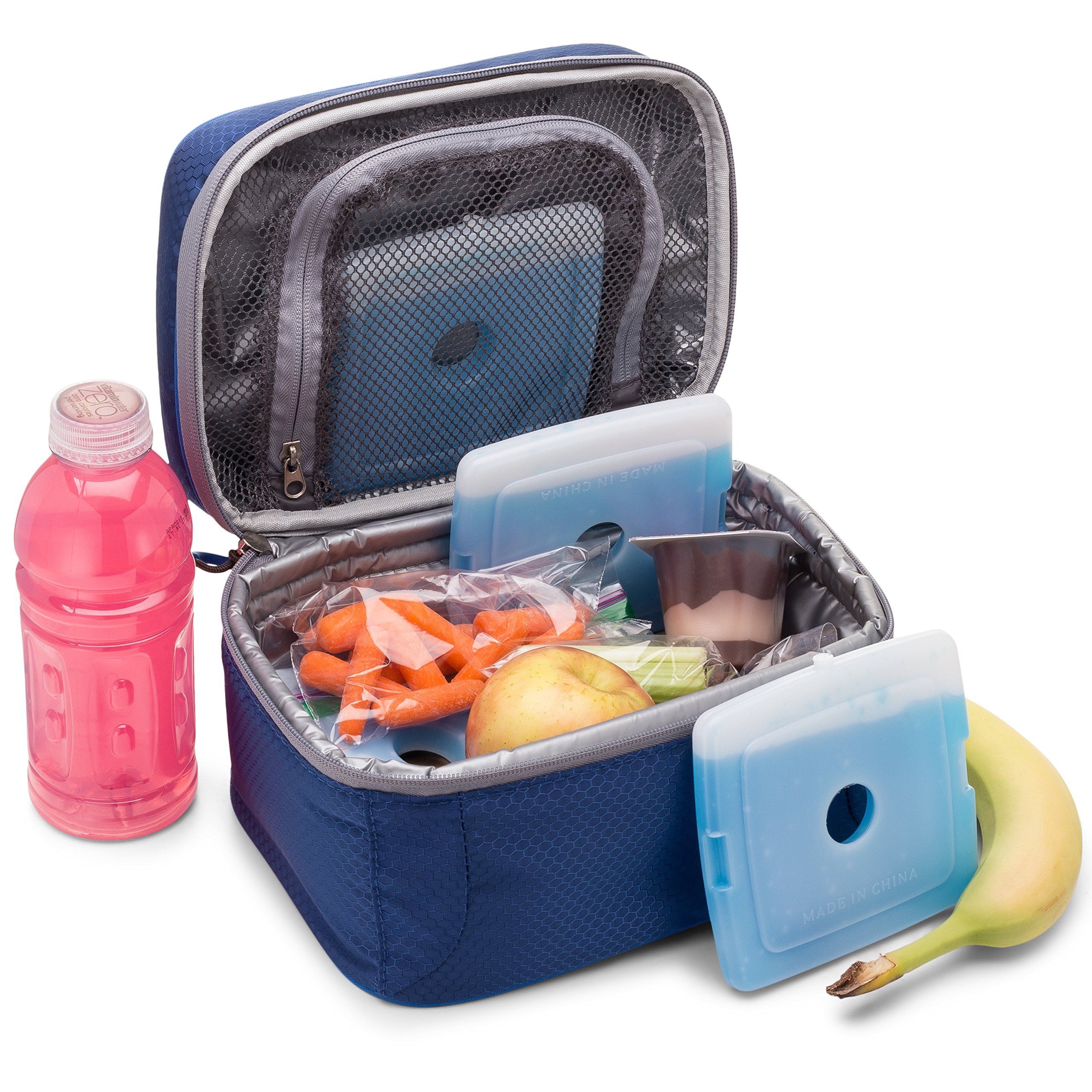
Insulated Bags for Food Delivery: The Key to Fresh and Hot Meals
In the rapidly growing food delivery industry, consumers expect their favorite meals to arrive in perfect condition. Insulated bags are not just ordinary carriers; they are the unsung heroes that maintain food temperature—whether it’s a piping hot pizza or a refreshing salad. But what exactly are insulated food delivery bags, and how do they work? Let’s explore.
The Importance of Insulated Bags in Food Delivery
Food delivery has become an essential part of modern life, offering convenience and access to diverse cuisines. However, maintaining food quality during transit is a challenge. This is where insulated bags come into play. They effectively preserve food temperature, preventing it from getting cold or overheating. For example, hot meals transported in insulated bags retain their warmth and flavor, while cold items such as ice cream and yogurt stay chilled, avoiding melting or spoilage.
How Insulated Bags Work
Insulated bags are made from materials with excellent heat retention or heat resistance properties, such as foam, polyester, or specialized thermal fabrics. These materials reduce heat transfer between the inside and outside of the bag. When external temperatures are high, the insulation prevents heat from entering, keeping cold foods cool. Conversely, when food is hot, the insulation retains heat, maintaining its warmth. This mechanism helps keep food at an optimal temperature for extended periods.
Types of Insulated Bags for Food Delivery
Soft-Sided Insulated Bags
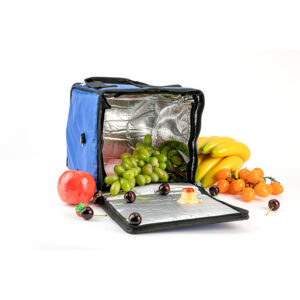
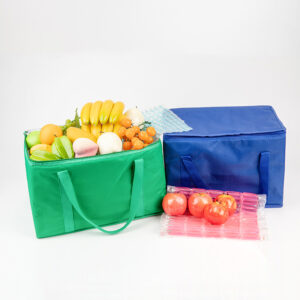
Soft-sided insulated bags are a popular choice in the food delivery industry. Made from flexible materials like nylon or polyester, they are lightweight and easy to carry. Their interior is padded with insulating foam for enhanced thermal retention. These bags come in various sizes and shapes to accommodate different food items. For instance, small soft-sided bags are ideal for delivering single meals or sandwiches, while larger versions can hold multiple pizza boxes or catering orders.
Hard-Sided Insulated Bags
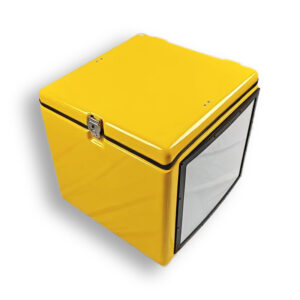
Hard-sided insulated bags, made from durable plastic or composite materials, provide superior insulation and impact protection. Their rigid structure safeguards delicate or high-value food items, such as tiered cakes or premium chocolates. Many hard-sided bags feature thick foam or vacuum-sealed layers, which maintain a stable temperature for longer periods.
Backpack-Style Insulated Bags
Designed for delivery personnel who require mobility, backpack-style insulated bags come with shoulder straps for hands-free carrying. Though often soft-sided, they feature high-quality insulation. These bags are perfect for bike or walking couriers, allowing efficient deliveries while keeping food at the right temperature.
Key Factors to Consider When Choosing Insulated Bags
1. Insulation Quality
The insulation quality is critical. Opt for bags made with high-performance insulating materials and thick layers of insulation. A well-insulated bag keeps food hot or cold for several hours, making it essential for long-distance deliveries or extreme weather conditions.
2. Size and Capacity
Choose an insulated bag that suits your delivery needs. Large catering orders require spacious bags, while single meals can be delivered in more compact options. Ensure the bag has enough space to hold food along with ice packs or heating elements.
3. Durability
Food delivery bags undergo frequent use, so durability is essential. Look for tear-resistant, waterproof materials, reinforced stitching, and sturdy zippers or closures. A well-built bag lasts longer and reduces replacement costs.
4. Ease of Cleaning
Food spills are inevitable in delivery operations. Insulated bags with wipeable or machine-washable interiors are ideal. Some bags even feature removable liners for easy cleaning and maintenance.
Effective Usage of Insulated Bags in Food Delivery
1. Preheating or Precooling
Before transporting hot food, place a hot water bottle or heating brick inside the bag for a few minutes to warm up the interior. Similarly, for cold deliveries, pre-cool the bag by storing it with ice packs or in a freezer.
2. Proper Packing
Arrange food items neatly inside the bag. Keep hot and cold foods separate whenever possible and use dividers to minimize heat transfer. Ensure the bag is sealed tightly to prevent air leakage.
3. Using Ice Packs or Heating Elements
For better temperature control, use gel-filled ice packs to maintain cold temperatures and heating pads or chemical warmers for hot food. However, avoid direct contact between food and these elements to maintain food safety.
Where to Buy Insulated Bags for Food Delivery
1. Online Retailers
Platforms like Amazon, eBay, and specialized food service equipment websites offer a wide selection of insulated bags. Online shopping allows easy price comparison, customer reviews, and doorstep delivery.
2. Local Restaurant Supply Stores
Physical restaurant supply stores often stock insulated bags. Visiting these stores allows customers to inspect the quality, seek expert advice, and find bags specifically designed for food delivery.
3. Custom-Made Options
For businesses requiring custom branding or unique sizes, custom-made insulated bags are available. Some companies specialize in tailor-made solutions, though these options may be more expensive.
Conclusion
Insulated food delivery bags are an essential tool for ensuring food arrives in the best possible condition. By understanding different types, key features, and effective usage techniques, businesses can optimize their delivery operations. Whether you’re a small food delivery service or a large catering company, investing in high-quality insulated bags enhances service quality and customer satisfaction. Explore more at Tempcontrolpack to find the right insulated bag solutions for your business.
Ice Pack Delivery: The Cool Chain’s Unsung Hero
In the dynamic landscape of contemporary commerce, the delivery of ice packs has become an indispensable element, particularly when it comes to transporting temperature – sensitive items. Whether it’s the fresh produce sourced from farms, the life – saving pharmaceuticals bound for healthcare facilities, or the delicate biological samples crucial for research, the proper delivery of ice packs is pivotal in upholding the quality and integrity of these valuable goods.
The Indispensable Significance of Ice Pack Delivery
Ice packs are far more than basic cooling gadgets; they are the steadfast guardians of the cold chain. Picture the journey of fresh fruits and vegetables from the fertile fields to the shelves of local grocery stores or the transportation of critical medications to hospitals. In these scenarios, ice packs assume a vital role. By maintaining the optimal temperature, they act as a shield against spoilage, degradation, and potential safety hazards, ensuring that the products reach their destination in prime condition. For instance, a consignment of fresh strawberries is highly susceptible to mold growth if not kept cool during transit. However, with a well – executed ice pack delivery strategy, these strawberries can reach consumers in a state that’s as fresh as the day they were picked.
Types of Ice Packs for Delivery
Gel – Filled Ice Packs
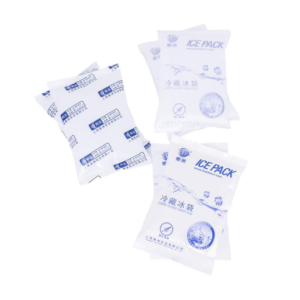
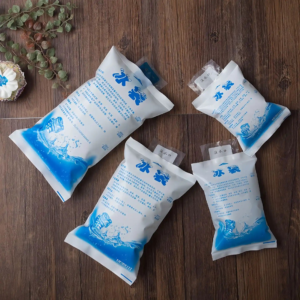
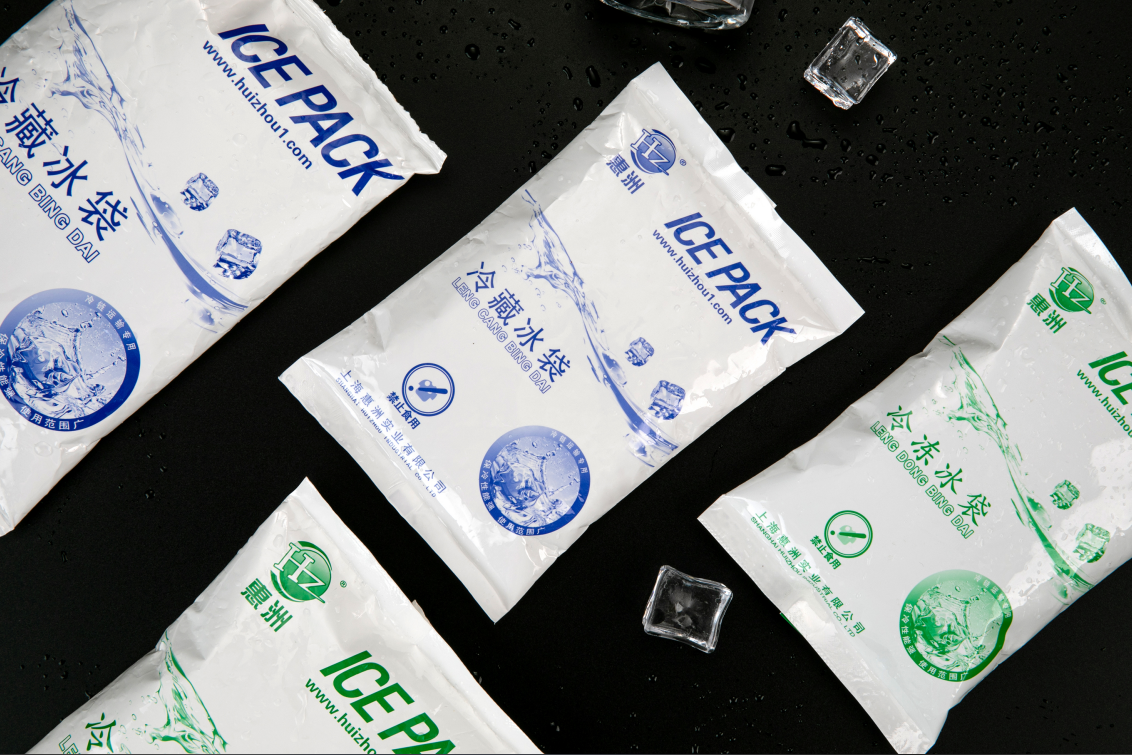
Gel – filled ice packs have firmly established themselves as a preferred choice in the realm of temperature – controlled deliveries. The gel within these packs is engineered to have a high heat – capacity, enabling it to absorb substantial amounts of heat from the surrounding environment. This unique property allows them to maintain a low – temperature environment for an extended period. Moreover, their inherent flexibility makes them adaptable to various packaging sizes and shapes. In the food delivery sector, they are commonly employed to keep dairy products, such as milk, cheese, and yogurt, fresh during transportation, preserving their taste and nutritional value.
Reusable Ice Packs
Reusable ice packs offer a dual advantage of being environmentally friendly and cost – effective in the long – term. Constructed from durable materials like food – grade silicone or high – density plastics, they are designed to withstand repeated use. After each application, they can be easily cleaned and refrozen, ready for their next cooling mission. Some advanced reusable ice packs come equipped with insulating covers, which significantly enhance their cold – retention capabilities. These are particularly well – suited for businesses with regular shipping requirements, such as local bakeries that deliver fresh bread, pastries, and cakes on a daily basis. By using reusable ice packs, these businesses can reduce their environmental footprint while also cutting down on costs associated with disposable alternatives.
Disposable Ice Packs
Disposable ice packs are the epitome of convenience for one – time use. Pre – frozen and ready to use straight out of the package, they are the ideal choice for short – distance deliveries or for items that do not necessitate long – term cooling. Consider a small – scale artisanal chocolate shop that ships its delectable creations to customers within the same city. Disposable ice packs provide a simple and efficient solution to keep the chocolates from melting during transit, ensuring that they arrive at the customer’s doorstep in a perfectly tempered state.
Key Considerations for Ice Pack Delivery
Cold – Retention Time
The duration for which an ice pack can maintain its cold temperature is a critical factor, especially for long – distance shipments or those taking place in hot climates. For such scenarios, ice packs with extended cold – retention capabilities are essential. Gel – filled ice packs, with their high – capacity gels, and high – quality reusable ice packs generally offer superior cold – retention. This is of utmost importance when shipping items like frozen meats, which need to remain frozen to prevent the growth of harmful bacteria, or temperature – sensitive vaccines that must be stored within a specific temperature range to retain their efficacy.
Safety and Non – Toxicity
When ice packs are in direct contact with food or medical supplies, safety is of the highest priority. They must be crafted from non – toxic materials to prevent any form of contamination. The majority of ice packs designed for delivery purposes are made from food – grade or medical – grade materials. However, it is always prudent to carefully review the product specifications to ensure compliance with safety standards. This extra step of verification can safeguard the health and well – being of the end – users.
Size and Shape
The size and shape of the ice pack should be in harmony with the shipping container and the items being shipped. A well – fitting ice pack can significantly enhance cooling efficiency. For example, slim – shaped ice packs are perfect for packing around small, delicate items in a compact box, ensuring that every corner of the package is effectively cooled. On the other hand, larger, block – shaped ice packs are more suitable for bigger shipments, where a greater cooling surface area is required to maintain the desired temperature.
How to Ensure Effective Ice Pack Delivery
Proper Packaging
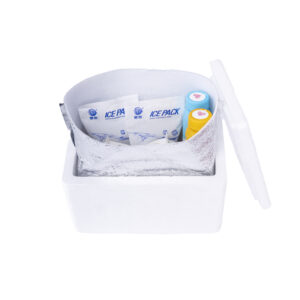
The manner in which ice packs are packaged with the items is of utmost importance. They should be positioned as close as possible to the products that need to be cooled. The use of insulating materials such as bubble wrap or foam can significantly enhance the cooling effect by minimizing heat transfer from the external environment. This creates a more stable and controlled cold environment within the package, protecting the temperature – sensitive items from temperature fluctuations.
Temperature Monitoring
For high – value or extremely temperature – sensitive items, the use of a temperature – monitoring device is highly recommended. This allows shippers to closely track the temperature throughout the transit journey and ensure that the ice packs are functioning as expected. If the temperature deviates from the acceptable range, prompt corrective actions can be taken. These may include adding additional ice packs to boost the cooling capacity or improving the insulation of the packaging to prevent further heat ingress.
Delivery Service Selection
Choosing the right delivery service is a crucial decision. Some delivery services specialize in handling temperature – sensitive shipments and are equipped with the necessary infrastructure to ensure that ice packs remain effective throughout the entire journey. Conducting thorough research and selecting a reliable delivery partner can greatly enhance the success rate of ice pack – assisted deliveries. This includes considering factors such as the delivery service’s experience in handling cold – chain shipments, their track record of on – time deliveries, and the quality of their temperature – control equipment.
Where to Get Ice Packs for Delivery
Local Suppliers
Many local grocery stores, hardware stores, and medical supply stores stock ice packs. These are a convenient option for small – scale users or those in immediate need of ice packs. Local suppliers often have knowledgeable staff who can offer valuable advice on the most suitable type of ice pack for specific requirements. For example, they can recommend the best ice pack for keeping a small batch of homemade meals cool during a picnic or for a short – term medical sample transport.
Online Retailers
Online platforms such as Amazon, eBay, and specialized ice – pack – selling websites offer a vast array of ice packs. Online shopping provides the convenience of easily comparing prices, features, and customer reviews. It also offers the added advantage of doorstep delivery, making it an ideal choice for businesses and individuals with larger or regular ice – pack requirements. With just a few clicks, customers can explore a wide range of options, read about the experiences of other buyers, and make an informed decision based on their specific needs.
In conclusion, ice pack delivery is an essential cog in the wheel of ensuring the safe and fresh transportation of temperature – sensitive goods. By comprehensively understanding the different types of ice packs, the key considerations involved, and the strategies to ensure effective delivery, both businesses and consumers can make well – informed decisions to safeguard their valuable shipments. Whether you’re a small – scale food delivery service striving to maintain the freshness of your offerings or a large – scale pharmaceutical distributor responsible for the delivery of life – saving medications, implementing the right ice pack delivery strategy can be the determining factor between success and failure.
The Chilled Guardians: Ice Packs Transforming Food Delivery
In today’s fast – paced digital era, the world of food delivery has burgeoned into a thriving industry, bringing an array of fresh, scrumptious meals right to our doorsteps with just a simple click. Amidst this bustling ecosystem, ice packs quietly yet indispensably hold the reins of food quality preservation. These unobtrusive cooling allies are the unsung champions that ensure your culinary delights arrive in peak condition, ready to tantalize your taste buds. But what exactly are these ice packs tailored for food delivery, and how do they perform their temperature – regulating feats? Let’s embark on a detailed exploration.
The Indispensable Role of Ice Packs in Food Delivery
Food delivery has seamlessly woven itself into the fabric of modern living, granting us the luxury of savoring diverse cuisines from the comfort of our homes. However, the journey from the kitchen to the customer’s table is fraught with challenges, especially when it comes to maintaining the integrity, freshness, and flavor of the food. This is precisely where ice packs emerge as the knight in shining armor. Whether it’s a box of delicate sushi, a tray of freshly – baked, aromatic pastries, or a package of premium frozen steaks, ice packs act as the vigilant guardians, keeping the food at the optimal temperature. By doing so, they ward off spoilage, preserve the rich flavors, and most importantly, uphold food safety standards.
Consider the scenario of ordering a vibrant, nutrient – rich salad. Without the presence of an ice pack, the crisp lettuce leaves would quickly succumb to the heat, wilting and losing their delightful crunch. The juicy tomatoes would turn soft and mushy, and the overall allure and quality of the salad would be severely diminished. But with a well – placed ice pack nestled within the delivery bag, the salad remains as fresh as if it were just prepared, with every ingredient retaining its original texture and flavor, ready to be relished.
Types of Ice Packs for Food Delivery
Gel – Filled Ice Packs
Gel – filled ice packs have firmly established themselves as a favored option in the realm of food delivery. These packs are filled with a meticulously formulated gel that exhibits an impressively high heat – capacity. This unique gel has an insatiable appetite for heat, capable of absorbing substantial amounts of thermal energy from the surrounding environment within the delivery container. As it does so, it creates a frigid micro – climate, ensuring that the food remains cool for an extended duration. The gel’s inherent flexibility is another remarkable trait, allowing it to effortlessly adapt to various shapes and contours. This makes it a breeze to fit these ice packs into a wide range of delivery containers, whether they are small, compact boxes or larger, more irregularly shaped packages. Moreover, gel – filled ice packs are typically crafted from non – toxic materials, providing an iron – clad guarantee that the food they safeguard remains uncontaminated and safe for consumption.
Reusable Ice Packs
Reusable ice packs are a paragon of environmental consciousness and long – term cost – effectiveness. Constructed from robust, food – grade materials such as high – quality silicone or thick, durable plastics, these ice packs are built to endure repeated use. After each delivery run, a simple cleaning process followed by refreezing readies them for their next cooling mission. Some advanced reusable ice packs come equipped with innovative insulating covers, which serve as an additional layer of protection. These covers significantly enhance the ice pack’s cold – retention capabilities, enabling it to maintain a low temperature for even longer periods. Such ice packs are particularly well – suited for delivery services that operate on a regular schedule, as they offer substantial savings over time and contribute to a more sustainable delivery ecosystem.
Disposable Ice Packs
Disposable ice packs offer unrivaled convenience for one – time use scenarios. These packs are pre – frozen at the manufacturing stage and are ready to be deployed immediately upon opening the package. This makes them the go – to choice for short – distance food deliveries or for instances where the ice pack is not expected to be reused. In the world of food delivery, disposable ice packs find their niche in transporting small, perishable items. Think of a single – serving, decadent dessert or a box of artisanal, hand – crafted chocolates. Their ease of use, combined with their cost – effectiveness, makes them an ideal solution for these types of delicate and short – haul deliveries.
Key Features to Consider When Choosing Ice Packs
Cold – Retention Time
The length of time an ice pack can maintain its cold temperature is a make – or – break factor, especially for long – distance deliveries or those occurring in sweltering hot weather conditions. For such situations, you’ll need ice packs with exceptional extended cold – retention capabilities. Gel – filled ice packs, with their high – capacity gels, and certain high – end reusable ice packs are renowned for their ability to maintain a low temperature for hours on end, and in some cases, even days. When making your selection, take into account the average delivery time in your area. If you’re in a region where deliveries often take several hours or if you’re dealing with a long – distance shipping route, opting for ice packs with longer cold – retention times is crucial to ensure the food’s freshness is preserved throughout the journey.
Safety and Non – Toxicity
Given that ice packs are in close proximity to the food we consume, safety is of paramount importance. It is imperative to ensure that the ice packs you choose are made from non – toxic materials. This is a non – negotiable requirement as any potential contamination from the ice pack could render the food unsafe for consumption. The vast majority of ice packs designed specifically for food delivery are crafted from materials that have been rigorously tested and approved for direct food contact. However, it’s always prudent to double – check the product specifications and look for relevant certifications or safety markings to provide an extra layer of assurance.
Size and Shape
The size and shape of the ice pack are equally crucial considerations. You need an ice pack that is not only a perfect fit for the delivery container but also complements the size and shape of the food items being transported. The goal is to achieve maximum cooling coverage while minimizing the space occupied within the container. Some ice packs are ingeniously designed with a slim and flat profile, making them ideal for slipping into tight spaces or for packing around delicate, irregularly shaped food items. On the other hand, larger ice packs are better suited for bigger food orders, where more cooling power is required to maintain the temperature of a larger quantity of items.
How to Use Ice Packs Effectively in Food Delivery
Pre – freezing
Before putting ice packs to work, it is essential to pre – freeze them for the recommended duration. This step is the key to unlocking their maximum cooling potential. Most ice packs require a minimum of 12 – 24 hours in the freezer to reach their optimal cooling capacity. By allowing sufficient time for pre – freezing, you can rest assured that the ice packs will be able to deliver the necessary cooling effect throughout the entire food delivery process, keeping the food at the desired temperature from the moment it leaves the kitchen until it reaches the customer’s hands.
Placement in the Delivery Container
Proper placement of the ice packs within the delivery container is the linchpin for achieving efficient heat transfer and maintaining precise temperature control. Place the ice packs in close proximity to the food items. This close – quarters arrangement enables the cold to quickly and effectively transfer from the ice pack to the food, minimizing the risk of temperature fluctuations. To further enhance the cooling effect, you can employ insulating materials such as bubble wrap or foam. Wrapping the food in bubble wrap and strategically placing the ice pack inside creates a thermal barrier, trapping the cold air inside and keeping the external heat at bay.
Monitoring the Temperature
For high – value or highly temperature – sensitive food items, using a thermometer or a sophisticated temperature – monitoring device is highly advisable. These tools allow you to closely monitor the temperature inside the delivery container in real – time. By keeping a vigilant eye on the temperature, you can promptly detect any deviations from the safe temperature range. If the temperature starts to creep above the recommended level, you can take immediate corrective actions. This could involve adding more ice packs to boost the cooling power or improving the insulation of the delivery container to prevent further heat infiltration.
In conclusion, ice packs for food delivery are the cornerstone of the modern food delivery ecosystem. By comprehensively understanding the different types of ice packs, the key features to prioritize when choosing them, and the best practices for their effective use, food delivery services can consistently ensure that their customers are greeted with fresh, high – quality food with every order. Whether you’re a food delivery business owner striving to provide top – notch service or a consumer with a penchant for online food orders, a solid knowledge of ice packs can significantly elevate the quality of your food delivery experience.
Uncover the Best Shipping Ice Packs Near You: Your Complete Guide
In the intricate and ever – evolving landscape of transporting perishable goods, from the vibrant, just – harvested fresh produce to the highly sensitive medical supplies that can mean the difference between health and illness, having the right shipping ice packs is nothing short of imperative. If you’ve embarked on the search for “shipping ice packs near me,” you’ve already taken the first step towards ensuring that your precious cargo reaches its destination in pristine condition. But what specific qualities should you be on the lookout for, and how do these seemingly simple yet incredibly effective ice packs actually work their cooling magic? Let’s delve deep into the world of shipping ice packs.
The Indispensable Significance of Shipping Ice Packs
Shipping ice packs are the unsung guardians that play a pivotal role in upholding the integrity of temperature – sensitive items throughout their journey in transit. Whether it’s a quick local delivery within the city limits or a long – haul shipment across vast distances, these ice packs are the silent heroes that stand between your goods and the perils of heat – induced spoilage. They act as a shield, preventing the growth of harmful bacteria, slowing down the natural decay process, and preserving the original quality, flavor, and potency of the products. In essence, they are an essential cog in the wheel of any shipping operation that deals with perishable items, be it in the food, medical, or other related industries.
A Dive into the Types of Shipping Ice Packs
Gel – Filled Ice Packs: The Flexible Coolers
Gel – filled ice packs have rightfully earned their place as a top choice among shippers. These packs are filled with a specially formulated gel that boasts an impressively high heat – capacity. This unique gel has the remarkable ability to absorb a substantial amount of heat from the surrounding environment within the shipping container. As it does so, it creates a frigid micro – climate, effectively keeping the interior temperature of the container low. What sets gel – filled ice packs apart is the flexibility of their gel filling. This allows them to effortlessly conform to various shapes, making them an ideal fit for an array of packaging sizes and types. For instance, when shipping a delicate box of fresh strawberries, the gel – filled ice pack can be gently molded around the berries. This ensures that each strawberry is surrounded by a cool embrace, safeguarding them from the heat and preventing them from turning mushy and losing their delicious freshness.
Reusable Ice Packs: The Eco – Friendly and Cost – Effective Choice
Reusable ice packs are not only a smart financial choice but also a boon for the environment. Crafted from durable materials such as food – grade silicone or high – density plastics, these ice packs are built to last. After each use, the process is simple: a quick clean, and then they’re ready to be popped back into the freezer, primed for their next cooling mission. Some of these reusable ice packs come equipped with innovative features like insulated covers. These covers act as an extra layer of protection, significantly enhancing the ice pack’s cold – retention capabilities. They are particularly well – suited for businesses that have regular shipping requirements, as the long – term cost savings and environmental benefits make them a win – win solution.
Disposable Ice Packs: The Convenient One – Time Solution
Disposable ice packs offer unparalleled convenience for those one – time shipping needs. These packs come pre – frozen, ready to be deployed right out of the package. This makes them the perfect option for short – distance deliveries or for individuals or businesses that don’t have the space or the need to store reusable ice packs. In the booming world of e – commerce, disposable ice packs have found their niche. They are commonly used for shipping small, perishable items such as artisanal gourmet chocolates or freshly cut, fragrant flowers. Their ease of use and cost – effectiveness make them a popular choice for these types of shipments.
Key Features You Must Consider When Choosing Shipping Ice Packs
Cold – Retention Time: The Duration of Coolness
The length of time an ice pack can maintain its cold temperature is a critical factor. For long – distance shipments that can take days or even weeks, you’ll need ice packs with exceptional extended cold – retention capabilities. Gel – filled ice packs, with their high – capacity gels, and some of the more advanced reusable ice packs are well – known for their ability to stay cold for extended periods. The exact duration depends on factors such as the quality of the gel, the thickness of the ice pack, and the ambient temperature during transit. When planning your shipment, carefully consider the estimated time in transit and choose ice packs that can meet the cooling requirements for that duration.
Safety and Non – Toxicity: Protecting Your Valuable Cargo
When shipping food items that will end up on our tables or sensitive medical supplies that are crucial for patient health, safety is of utmost importance. It’s essential to ensure that the ice packs you select are made from non – toxic materials. This is a non – negotiable requirement as it prevents any potential contamination of the goods. Reputable ice pack manufacturers adhere to strict safety standards and use materials that are approved for direct contact with food and medical products. Always take the time to thoroughly check the product specifications and look for certifications or approvals to guarantee the safety of your shipment.
Size and Shape: The Perfect Fit for Your Shipping Needs
The size and shape of the ice pack are also crucial considerations. You need an ice pack that can seamlessly fit into your shipping container and be positioned strategically around the items you’re shipping. The goal is to maximize the cooling area while ensuring that the ice pack doesn’t take up excessive space, which could lead to inefficient packing or increased shipping costs. Some ice packs are designed with a slim and flat profile, making them perfect for slipping into tight spaces or for packing around delicate items. On the other hand, larger ice packs are more suitable for big shipments where more cooling power is required.
Where to Find the Ideal Shipping Ice Packs Near You
Local Grocery Stores: A Convenient First Stop
Many large – scale grocery stores, especially those that offer delivery services, are likely to carry ice packs. Head to the freezer section, where you’ll often find a selection of ice packs. Some stores may even have ice packs that are specifically labeled for shipping purposes. These are designed with the transportation of perishable food items in mind, ensuring that they meet the necessary cooling and safety requirements. It’s a convenient option, especially if you need ice packs on short notice.
Hardware Stores: Your Source for Durable Options
Hardware stores are another great place to look for shipping ice packs. They typically stock a diverse range of ice packs, including reusable ones with hard, durable shells. These are particularly well – suited for shipments that may experience rough handling during transportation. You can also find gel – filled ice packs in various sizes at hardware stores, giving you the flexibility to choose the right one for your specific shipping needs.
Office Supply Stores: Small – Scale Shipping Solutions
Office supply stores can be a hidden gem when it comes to finding ice packs for shipping. They often carry ice packs that are designed for shipping documents or samples that need to be kept cool. These ice packs are usually smaller in size but are highly effective for small – scale shipments. Some office supply stores also offer bulk purchasing options, which can be a great way to save money if you need a large quantity of ice packs for your business or personal use.
Online Retailers: The World of Ice Packs at Your Fingertips
Online platforms such as Amazon, Walmart, and Office Depot offer an extensive range of shipping ice packs. Shopping online allows you to easily read reviews from other customers, compare prices across different brands and models, and choose the ice packs that best match your requirements. The added convenience of having the ice packs delivered directly to your doorstep makes online shopping a popular choice for many. You can explore a wide variety of options from the comfort of your home or office, saving you time and effort.
Essential Tips for Using Shipping Ice Packs Effectively
Pre – freezing: Unleashing the Full Cooling Power
Before using the ice packs, it’s crucial to pre – freeze them for the recommended amount of time. This step is essential as it ensures that the ice packs reach their maximum cooling capacity. In most cases, ice packs should be left in the freezer for at least 12 – 24 hours before use. By allowing sufficient time for pre – freezing, you can be confident that the ice packs will be able to provide the necessary cooling effect throughout the shipping process.
Proper Placement: Optimizing Heat Transfer
Proper placement of the ice packs within the shipping container is key to achieving efficient heat transfer and maintaining optimal temperature control. Place the ice packs as close as possible to the items you’re shipping. This proximity allows the cold to quickly and effectively transfer from the ice pack to the goods, minimizing the risk of temperature fluctuations. Additionally, you can enhance the cooling effect by using insulating materials such as bubble wrap or foam. These materials act as a barrier, reducing the infiltration of external heat and helping to keep the interior of the shipping container cold.
Monitoring the Temperature: Ensuring Quality Assurance
For high – value or extremely temperature – sensitive items, using a thermometer or a sophisticated temperature – monitoring device is highly recommended. This allows you to closely monitor the temperature inside the shipping container in real – time. By keeping a vigilant eye on the temperature, you can quickly detect any deviations from the safe temperature range and take immediate corrective actions if necessary. This proactive approach helps to ensure that your items remain in optimal condition throughout the shipping journey.
In conclusion, the quest to find the right shipping ice packs near you is a crucial one for the successful transportation of perishable goods. By gaining a comprehensive understanding of the different types of ice packs, the key features to consider, and the various places where you can purchase them, you’ll be well – equipped to make an informed decision. Remember, using these ice packs correctly is just as important as choosing the right ones. By following the proper usage tips, you can ensure that your items arrive at their destination fresh, intact, and in perfect condition, ready to serve their intended purpose.
Cold Shipping Gel Packs: The Unsung Heroes of Keeping Goods Cool
In the vast and complex realm of modern shipping, guaranteeing that perishable items stay in prime condition during transit is an ongoing and formidable challenge. This is precisely where cold shipping gel packs step in as the unexpected saviors. These unobtrusive yet incredibly powerful packs are transforming the way goods that demand a cool environment are transported, spanning from the freshest farm – picked produce to the most sensitive medical supplies. But what exactly are these gel packs, and how do they perform their remarkable temperature – regulating feats? Let’s take an in – depth look.
Cold shipping gel packs function on the fundamental principle of heat absorption. They are filled with a specialized gel formulated to possess an impressively high heat – capacity. When these gel packs are placed in a warmer setting, like inside a shipping container with heat – generating items, the gel immediately begins to absorb the heat present in the surroundings. As the absorption process unfolds, the gel gradually warms up. However, its unique chemical composition enables it to store a substantial amount of heat energy before it completely transitions from a solid to a liquid state. This continuous heat – absorption mechanism is crucial for maintaining a low – temperature micro – environment around the goods, thereby preserving their freshness and safety.
For instance, picture a box of plump, juicy strawberries being shipped across the entire country. Without a cold shipping gel pack, these strawberries would be directly exposed to the heat of the transportation vehicle and the warm ambient air. This exposure would rapidly accelerate the spoilage process, causing the strawberries to become mushy and inedible in no time. But with a gel pack nestled inside the box, the gel actively soaks up the heat, effectively slowing down the natural ripening process. As a result, the strawberries remain fresh, firm, and full of flavor until they finally reach their destination.
The Multifaceted Advantages of Cold Shipping Gel Packs
Extended Cooling Duration
One of the most prominent and invaluable benefits of cold shipping gel packs is their extraordinary capacity to offer extended cooling. In sharp contrast to traditional ice cubes, which melt rapidly and lose their cooling effectiveness within a short period, these gel packs can maintain a low – temperature state for hours, or even days, depending on their type and size. This extended cooling time makes them an ideal choice for long – distance shipments, where maintaining a stable low temperature is of utmost importance. For example, when shipping temperature – sensitive pharmaceuticals that must be stored within a specific temperature range to retain their efficacy, cold shipping gel packs act as reliable guardians. They ensure that the medications remain potent and safe throughout the entire journey, no matter how long or arduous it may be.
Exceptional Flexibility and Adaptability
Cold shipping gel packs are renowned for their high degree of flexibility. They can be easily molded and shaped to fit snugly into shipping containers of various sizes and around a diverse range of items. Whether it’s a compact package containing delicate gourmet cheese or a large industrial – sized crate filled with sensitive medical samples, these gel packs can be strategically positioned to provide comprehensive and maximum cooling coverage. Their flexibility also translates into enhanced durability during transit. Since they are less likely to break or puncture compared to more rigid cooling alternatives, the risk of leakage is significantly reduced. This not only safeguards the integrity of the goods being shipped but also eliminates the need to worry about messy and potentially damaging spills.
Unwavering Safety and Non – Toxicity
Safety is always the top – most priority when it comes to shipping perishable goods. Cold shipping gel packs are crafted from non – toxic materials, providing an iron – clad guarantee that they will not contaminate the precious items they are designed to protect. Whether it’s the fresh produce that will soon grace our dining tables or the life – saving medications that are essential for patients’ well – being, these gel packs pose no threat to the integrity of the goods. Moreover, they are engineered with advanced leak – proof technology. This ensures that there are no messy spills that could potentially damage the goods, compromise their quality, or cause harm during transportation. As a result, cold shipping gel packs are highly suitable for shipping food, medical products, and other sensitive items.
Diverse Applications of Cold Shipping Gel Packs
The Food Industry: Preserving Culinary Delights
In the bustling and dynamic food industry, cold shipping gel packs have become an indispensable asset for maintaining the freshness of a wide array of products. They are extensively used to ship everything from vibrant fresh fruits and vegetables, succulent meats, creamy dairy products, to frozen delicacies. By keeping these items at the optimal temperature, cold shipping gel packs play a pivotal role in preserving their rich flavors, perfect textures, and essential nutritional values. For example, a seafood distributor might rely on cold shipping gel packs to transport freshly caught fish from the coastal regions to inland markets. This ensures that the fish arrives in pristine condition, ready for consumers to savor the delicious taste of the ocean.
The Medical and Pharmaceutical Sector: Sustaining Health and Wellness
The medical and pharmaceutical sector heavily depends on cold shipping gel packs to transport medications, life – saving vaccines, and sensitive medical samples. These items often require precise temperature control during storage and transportation to maintain their effectiveness and safety. Cold shipping gel packs act as reliable temperature guardians, ensuring that these temperature – sensitive products reach their destination in optimal condition. A prime example is the distribution of COVID – 19 vaccines. During this global health effort, cold shipping gel packs were instrumental in keeping the vaccines at the required ultra – low temperature throughout the entire supply chain, from the manufacturing facilities to the vaccination centers around the world.
E – commerce and Home Delivery: Bringing Freshness to Your Doorstep
With the explosive growth of e – commerce, an increasing number of consumers are now ordering perishable items online. Cold shipping gel packs have emerged as a crucial element in ensuring that these items, such as elegant fresh flowers, artisanal chocolates, and convenient meal kits, reach the customers in excellent condition. They are also widely used in home delivery services for groceries, allowing consumers to enjoy the convenience of having fresh and high – quality products delivered right to their doorsteps. This not only enhances the overall shopping experience but also ensures that consumers can access a wider variety of fresh and perishable items without leaving their homes.
A Guide to Choosing the Right Cold Shipping Gel Packs
Assess the Cooling Requirements Thoroughly
The first and most crucial step in selecting the right cold shipping gel packs is to carefully assess the specific cooling requirements of your goods. Different items have distinct temperature needs, and it is essential to choose gel packs that can precisely maintain the appropriate temperature range. For example, if you are shipping frozen foods, you will need gel packs that are capable of keeping the temperature well below freezing. On the other hand, if you are shipping fresh produce, a gel pack that can maintain a slightly higher but still cool temperature would be more suitable.
Evaluate the Size and Quantity Meticulously
The size and quantity of the gel packs are equally important factors to consider. You need to select gel packs that are the perfect fit for your shipping container and the amount of goods you are shipping. In the case of a large – scale shipment, using multiple gel packs may be necessary to ensure comprehensive and adequate cooling. Additionally, it is crucial to take into account the weight of the gel packs, as this can have a significant impact on shipping costs. Opting for gel packs that offer the right balance between cooling performance and weight can help you save on shipping expenses without compromising the quality of your shipment.
Prioritize Quality and Reliability
When choosing cold shipping gel packs, it is of utmost importance to prioritize quality and reliability. Take the time to read reviews from other users and choose products from well – established and reputable manufacturers. Look for gel packs that are not only leak – proof but also reusable, as this can provide long – term cost – savings. Additionally, ensure that the gel packs have a long – lasting cooling effect. By investing in high – quality gel packs, you can rest assured that your goods will be well – protected during transit, and you will get the best value for your money.
Essential Tips for Using Cold Shipping Gel Packs
Pre – freeze the Gel Packs Adequately
Before putting cold shipping gel packs to use, it is essential to pre – freeze them for the recommended duration. This step is crucial as it ensures that the gel packs reach their maximum cooling capacity. Most gel packs should be left in the freezer for at least 12 – 24 hours before use. By allowing sufficient time for pre – freezing, you can be confident that the gel packs will perform optimally and provide the necessary cooling effect during the shipping process.
Ensure Proper Placement in the Shipping Container
Proper placement of the gel packs within the shipping container is key to achieving efficient heat transfer and better temperature control. Place the gel packs as close as possible to the items you are shipping. This allows the cold to quickly and effectively reach the goods, minimizing the risk of temperature fluctuations. You can also enhance the cooling effect by using insulating materials such as bubble wrap or foam. These materials act as a barrier, reducing heat infiltration from the outside environment and helping to maintain a stable low – temperature inside the container.
Monitor the Temperature Regularly
For high – value or highly temperature – sensitive items, it is highly recommended to use a thermometer or a sophisticated temperature – monitoring device to closely monitor the temperature inside the shipping container. This real – time monitoring allows you to promptly detect any temperature deviations and take immediate corrective actions if necessary. By ensuring that the temperature remains within the safe range for your goods, you can guarantee their quality and integrity throughout the shipping journey.
In conclusion, cold shipping gel packs have firmly established themselves as an essential and irreplaceable tool in the world of shipping perishable goods. Their remarkable ability to provide extended cooling, combined with their flexibility, unwavering safety, and wide – ranging applications, make them the go – to choice for both businesses and individuals. By thoroughly understanding how they work, appreciating their numerous advantages, and learning how to choose and use them correctly, you can ensure that your valuable goods reach their destination in the best possible condition, preserving their quality and value every step of the way.
Frozen Gel Packs for Shipping: The Cool Guardians of Your Goods
In the intricate and demanding landscape of shipping perishable items, the ability to maintain a stable and appropriate temperature is nothing short of critical. This is precisely where frozen gel packs emerge as the unsung heroes, quietly revolutionizing the transportation process for everything from the freshest farm – to – table produce to the most sensitive and life – sustaining medical supplies. But what exactly are these unassuming yet powerful cooling devices, and how do they manage to perform their temperature – regulating feats? Let’s embark on a detailed exploration to uncover the secrets behind frozen gel packs.
How Frozen Gel Packs Work
Frozen gel packs operate based on a straightforward yet highly effective principle of heat transfer. These packs are filled with a specially formulated gel, carefully engineered to have remarkable heat – absorbing properties. When placed within a shipping container alongside perishable goods, the frozen gel pack begins a gradual transformation. As it is exposed to the heat radiating from the items themselves and the warm ambient air inside the container, the gel starts to absorb this thermal energy. This absorption process causes the gel to gradually melt, but its unique composition allows it to store a substantial amount of heat before fully transitioning from a solid to a liquid state. Through this continuous heat – absorption mechanism, the frozen gel pack effectively creates and maintains a cool micro – environment within the shipping container, ensuring that the goods remain at a safe and stable temperature for an extended duration.
The Advantages of Frozen Gel Packs
Extended Cold – Retention: A Long – Lasting Chill
One of the most notable and invaluable advantages of frozen gel packs is their extraordinary ability to stay cold over an extended period. In stark contrast to traditional ice cubes, which tend to melt rapidly, the gel within these packs can maintain a low – temperature state for hours on end, even in less – than – optimal shipping conditions. This extended cold – retention is of utmost importance, especially for long – distance shipments where the journey may span across different climates and environments. Additionally, in situations where the shipping container may not have the most advanced insulation, frozen gel packs can still effectively keep the temperature in check, safeguarding the integrity of the perishable cargo.
Flexibility and Adaptability: A Perfect Fit Every Time
Frozen gel packs are renowned for their high degree of flexibility. They can be easily molded and shaped to fit snugly into shipping containers of various sizes and around a wide array of items. Whether it’s a compact box filled with delicate fresh berries or a large, industrial – sized crate carrying sensitive medical samples, these gel packs can be strategically positioned to provide comprehensive and maximum cooling coverage. Their flexibility also translates into enhanced durability during transit. Since they are less likely to break or puncture compared to more rigid cooling alternatives, the risk of leakage is significantly reduced, ensuring that the goods remain safe and uncontaminated throughout the journey.
Safety and Non – Toxicity: Protecting Your Cargo with Care
Safety is always at the forefront when it comes to shipping, particularly when dealing with food and medical products. Frozen gel packs are crafted from non – toxic materials, providing an iron – clad guarantee that they will not contaminate the precious goods they are designed to protect. Whether it’s the fresh produce that will soon grace our dinner tables or the life – saving medications that are crucial for patients’ well – being, these gel packs pose no threat to the integrity of the items. Moreover, they are engineered with advanced leak – proof technology, eliminating any concerns about messy spills that could potentially damage the goods or pose a hazard during transportation.
Applications of Frozen Gel Packs
Food Shipping: Preserving the Essence of Freshness
In the bustling and dynamic food industry, frozen gel packs have become an indispensable tool for maintaining the ideal temperature during the transportation of fresh produce, succulent meats, creamy dairy products, and frozen delicacies. By keeping these food items at the right temperature, frozen gel packs play a pivotal role in preserving their quality, flavor, and nutritional value. This not only helps to reduce food waste but also ensures that consumers receive the highest – quality products, enhancing their overall dining experience.
Medical and Pharmaceutical Shipping: Sustaining Potency and Safety
For the medical and pharmaceutical sectors, maintaining a specific and tightly controlled temperature range is of paramount importance for the effectiveness and safety of medications, life – saving vaccines, and sensitive medical samples. Frozen gel packs are extensively utilized in the transportation of these critical items, acting as reliable temperature guardians. Their consistent cooling performance ensures that medications remain potent and vaccines retain their efficacy, ultimately safeguarding the health and well – being of patients who rely on these medical products.
E – commerce and Home Delivery: Bringing Freshness to Your Doorstep
With the exponential growth of e – commerce, an increasing number of consumers are now ordering perishable items online. Frozen gel packs have emerged as a vital component in ensuring that these items, such as gourmet foods, fresh seafood, and artisanal cheeses, reach the customers in pristine condition. They are also commonly used in home delivery services for groceries and meal kits, allowing consumers to enjoy the convenience of having fresh and high – quality ingredients delivered right to their doorsteps while maintaining the integrity of the products.
Tips for Using Frozen Gel Packs
Pre – freezing: Unleashing Maximum Cooling Power
Before putting frozen gel packs to use, it is essential to pre – freeze them for the recommended duration. This step is crucial as it ensures that the gel packs reach their maximum cooling capacity. Most gel packs require at least 12 to 24 hours of freezing time before they are ready for use. By allowing sufficient time for pre – freezing, you can be confident that the gel packs will perform optimally and provide the necessary cooling effect during the shipping process.
Placement in the Shipping Container: Optimizing Heat Transfer
When packing the shipping container, it is advisable to place the frozen gel packs as close as possible to the perishable items. This strategic placement allows for efficient heat transfer, enabling the cold from the gel packs to quickly and effectively reach the goods. Additionally, using insulating materials such as bubble wrap or foam can further enhance the cooling effect by minimizing heat infiltration from the outside environment. By optimizing the placement of the gel packs and incorporating insulating materials, you can ensure better temperature control and the preservation of the perishable cargo.
Monitoring the Temperature: Ensuring Quality Assurance
For high – value or temperature – sensitive items, it is highly recommended to use a thermometer or a sophisticated temperature – monitoring device to closely track the temperature inside the shipping container. This real – time monitoring allows you to promptly detect any temperature fluctuations and take appropriate corrective actions if necessary. By ensuring that the temperature remains within the safe range for the goods, you can guarantee their quality and integrity throughout the shipping journey.
Storage and Disposal
Storage: Keeping Them Ready for Action
When not in use, frozen gel packs should be stored in the freezer. This ensures that they are always in a ready – to – use state for your next shipping needs. It is also important to store them in a clean and dry environment to prevent any potential contamination. By properly storing the gel packs, you can maintain their performance and longevity, making them a reliable cooling solution for future shipments.
Disposal: Responsible and Environmentally Friendly Practices
If a frozen gel pack becomes damaged or is no longer needed, it is crucial to dispose of it properly. To ensure an environmentally friendly disposal process, it is advisable to check with your local waste management guidelines. In many cases, the gel inside the pack is non – hazardous and can be safely disposed of with regular household waste. However, it is always better to confirm the proper disposal method to minimize any potential impact on the environment.
In conclusion, frozen gel packs have firmly established themselves as an essential and indispensable tool in the shipping industry. Their remarkable ability to maintain a low temperature, combined with their flexibility, safety features, and wide – ranging applications, make them the go – to choice for shipping perishable goods. By gaining a comprehensive understanding of how to use and care for these gel packs, you can ensure that your valuable items reach their destination in the best possible condition, preserving their quality and integrity every step of the way.
Unveiling the Best Ice Packs for Shipping: Your Ultimate Guide
In the intricate realm of transporting perishable goods, whether it’s the vibrant freshness of farm – to – table produce or the delicate potency of life – saving pharmaceuticals, the significance of selecting the right ice packs cannot be overstated. These unassuming cooling companions are the silent guardians that can make or break the journey of your valuable cargo. However, with the market flooded with an overwhelming array of options, the task of discerning the crème de la crème can seem daunting. Fear not, as this comprehensive guide will serve as your compass, leading you through the essential aspects of ice packs for shipping, empowering you to make a well – informed decision.
Superior Cold – Retention: The Pillar of Preservation
The crown jewel among ice packs for shipping is their ability to maintain a frigid temperature for extended durations, unfazed by the fluctuating external climate. This remarkable feat is often achieved through the utilization of high – quality gel or other specialized cooling agents. Take, for instance, ice packs filled with a gel boasting an impressively high heat – capacity. This unique gel can absorb a substantial amount of heat energy before succumbing to the warmth and melting. As a result, the goods in transit are cocooned in a safe, low – temperature environment throughout their entire journey, ensuring their quality remains intact.
Safety and Non – Toxicity: Protecting Your Cargo
Safety stands as the unwavering top priority when it comes to ice packs for shipping. They are meticulously crafted from non – toxic materials, acting as a safeguard against any potential contamination of the items they are meant to protect. Whether it’s the nourishing food on its way to your dinner table, the vital medications that can make a difference in someone’s health, or other sensitive products, the ice packs must pose zero threat to their integrity. Moreover, leak – proofing is an absolute must. A leaky ice pack is not just an inconvenience; it can spell disaster for the goods, potentially ruining them and creating a messy, costly situation during transit. Reputable ice pack manufacturers leave no room for error, employing advanced sealing technologies to guarantee their products are 100% leak – free.
Durability and Reusability: Built to Last and Save
Durability is another cornerstone of the best ice packs for shipping. These resilient packs are engineered to endure the rough and tumble of transportation, constructed from sturdy materials that can bravely resist punctures, tears, and impacts. What’s more, many of these ice packs are designed with reusability in mind. This not only makes them a cost – effective choice in the long run but also aligns with the growing global focus on environmental sustainability. After each use, they can be effortlessly refrozen and readied for their next mission, making them a reliable and eco – friendly option for shippers.
Types of Ice Packs for Shipping
Gel – Filled Ice Packs: The Flexible Coolers
Gel – filled ice packs have rightfully earned their popularity in the shipping world. The gel within these packs is a marvel of thermal engineering, with a high heat – capacity that enables them to stay cold for an impressively long time. Their flexibility is a game – changer, allowing them to seamlessly fit into shipping containers of all shapes and sizes. Whether it’s a compact box for a small – scale delivery or a large crate for bulk shipments, gel – filled ice packs can adapt. Additionally, they outshine traditional ice cubes in heat transfer efficiency. Their malleability allows them to conform precisely to the shape of the items being cooled, ensuring every nook and cranny is reached by the cold, maximizing the cooling effect.
Reusable Silicone Ice Packs: The Sturdy and Sustainable Choice
Crafted from food – grade silicone, reusable silicone ice packs are a paragon of non – toxicity and durability. They are not only safe for use with food and sensitive products but also built to withstand the test of time. Cleaning these ice packs is a breeze, and they can be reused multiple times without losing their effectiveness. Some innovative models even come equipped with additional features like insulated covers, which act as a shield, further enhancing their cold – retention capabilities. Their resistance to extreme temperatures makes them a versatile choice, suitable for a wide spectrum of shipping conditions, from the sweltering heat of summer to the freezing cold of winter.
Disposable Ice Packs: The Convenient One – Time Solution
Disposable ice packs offer unparalleled convenience for one – time use scenarios. These pre – frozen wonders are ready to be deployed right out of the package, making them an ideal choice for short – distance shipments or situations where retrieving the ice pack is not feasible. While they lack the reusability of their counterparts, they shine as a cost – effective option for small – scale shippers who may not have the resources or need for reusable ice packs. They also prove invaluable in emergency situations, providing a quick and easy cooling solution when time is of the essence.
Choosing the Right Ice Packs for Your Shipping Needs
Consider the Type of Goods: Tailoring Your Choice
The nature of the goods you’re shipping is a pivotal factor in your ice pack selection. For food items, safety and compliance with strict food – safety regulations are non – negotiable. The ice packs must not only keep the food cool but also ensure that no harmful substances leach into it. When it comes to pharmaceuticals, precision is key. The ice packs need to maintain a specific temperature range to preserve the effectiveness of the medications, safeguarding the health of patients relying on them. For delicate electronics or artworks, the ice packs should be gentle, minimizing the risk of any damage in case of accidental contact.
Evaluate the Shipping Distance and Duration: Matching Cooling Power
If your shipment is embarking on a long – distance journey or will be in transit for an extended period, you’ll need ice packs with exceptional cold – retention capabilities. Gel – filled or reusable silicone ice packs, with their long – lasting cooling properties, are often the top contenders in such cases. On the other hand, for short – distance or quick – delivery shipments, disposable ice packs can be a perfectly adequate and convenient choice, offering a cost – effective solution without sacrificing too much on cooling performance.
Budget Considerations: Balancing Cost and Quality
Your budget undeniably plays a significant role in the decision – making process. Reusable ice packs, while having a higher upfront cost, can prove to be a money – saver in the long term due to their reusability. Each subsequent use effectively reduces the per – shipment cost. Disposable ice packs, on the contrary, are more budget – friendly initially, but the need to repurchase them for every shipment can add up over time. Striking the right balance between cost and quality is essential to ensure you get the best value for your money.
Tips for Using Ice Packs in Shipping
Pre – cool the Ice Packs: Maximizing Cooling Potential
Before packing your precious cargo, proper pre – cooling of the ice packs is crucial. Store them in the freezer for the recommended time, allowing them to reach their maximum cold – holding capacity. This ensures that they start their cooling mission with full force, providing the best possible protection for your goods from the moment they are packed.
Proper Placement in the Shipping Container: Optimizing Heat Transfer
Strategic placement of the ice packs within the shipping container is key to efficient heat transfer. Place them as close as possible to the items being shipped, ensuring that the cold can quickly and evenly reach every item. You can also enhance the cooling effect by using insulating materials like bubble wrap or foam. These materials act as a barrier, reducing heat infiltration from the outside and keeping the cold trapped inside, further protecting your goods.
Monitor the Temperature: Ensuring Quality Control
For high – value or temperature – sensitive goods, monitoring the temperature inside the shipping container is not just a good practice but a necessity. Using a thermometer or a sophisticated temperature – monitoring device, you can keep a close eye on the temperature, ensuring it remains within the safe range for the goods. This real – time monitoring allows you to take immediate action if the temperature starts to deviate, safeguarding the quality and integrity of your shipment.
In conclusion, the journey of choosing the best ice packs for shipping is a multi – faceted one, requiring careful consideration of various factors. By delving deep into their key features, exploring the different types available, and understanding how to select and use them effectively, you can rest assured that your perishable goods will reach their destination in optimal condition, ready to fulfill their purpose.
Tempk Ice Packs: Keeping Your Meal Kits Fresh and Safe
In the competitive landscape of meal kit delivery services, Tempk has become a household name, winning the hearts of countless families. A cornerstone of its success lies in the meticulous attention to detail, with high – quality ice packs being a prime example. These ice packs are not just an afterthought but a crucial element in ensuring that every meal kit arrives at your doorstep brimming with freshness and safety. But what sets Tempk ice packs apart, and how do they work their magic? Let’s delve deeper.
Tempk ice packs are the result of in – depth research and engineering, tailored precisely to the demands of meal kit delivery. Their primary mission is to maintain a stable, low – temperature environment within the delivery box, acting as a shield against the elements that could compromise the freshness of your ingredients.
Filled with a unique, proprietary gel formula, these ice packs are far from ordinary. This gel has been painstakingly developed to possess an outstanding heat – capacity. This means it can absorb a substantial amount of heat from the surrounding air, effectively creating a refrigerated zone around the food items. As a result, the contents of the delivery box stay cool for an impressively long time, even in less – than – ideal conditions.
In addition to their innovative gel filling, the shape and size of Tempk ice packs are optimized for maximum efficiency. They are designed to fit snugly within the delivery box, leaving no wasted space. This allows for close contact with the fresh vegetables, raw meats, and dairy products, enabling rapid and efficient heat transfer. Whether it’s a leafy green salad kit or a steak dinner package, the ice packs are strategically positioned to ensure every ingredient is evenly cooled.
How Tempk Ice Packs Outshine Standard Food Shipping Ice Packs
Superior Heat – Retention
While standard food shipping ice packs serve their purpose well, Tempk ice packs often have a distinct advantage in heat – retention. Thanks to their specialized gel formula, they can maintain a low temperature for an extended period, especially during long – distance deliveries or in hot weather. This is of utmost importance for meal kits, as the freshness of the ingredients must be preserved from the moment they leave the warehouse until they reach your home.
Custom – Tailored for Meal Kits
Tempk ice packs are custom – made to fit the unique packaging of their meal kits like a glove. Standard ice packs, on the other hand, may vary in size and shape, which can lead to inefficient use of space in the delivery box. In contrast, Tempk ice packs are designed to maximize the cooling area, ensuring that every ingredient is adequately cooled, from the smallest herb sprig to the largest cut of meat.
Unwavering Safety and Quality Assurance
Tempk places food safety at the forefront of its operations. Their ice packs are crafted from non – toxic materials that are approved for direct food contact. This eliminates any risk of contamination to the meal kit ingredients, giving you peace of mind. Moreover, Tempk conducts rigorous and regular quality checks on their ice packs to ensure they consistently meet the highest performance standards.
The Multifaceted Benefits for Tempk Consumers
Ensuring Fresh and Safe Ingredients
For consumers, the most significant benefit is the guarantee of receiving fresh and safe ingredients. With Tempk ice packs, you can rest assured that your vegetables will be as crisp as if they were just picked from the garden, your meats will be free from spoilage, and your dairy products will be fresh and creamy. This not only enhances the flavor of your meals but also safeguards your health.
Extending the Shelf Life of Meal Kits
The efficient cooling provided by Tempk ice packs can significantly extend the shelf life of the meal kit ingredients. This means you have more flexibility in your meal planning. You can prepare your meals at your own pace, without the nagging worry of ingredients going bad before you get a chance to use them.
Peace of Mind During Transit
Knowing that Tempk uses top – notch ice packs gives you peace of mind. You don’t have to worry about the condition of your meal kit during its journey to your home. Whether it’s a scorching summer day or a long – haul delivery, the ice packs will do their job, keeping your ingredients in optimal condition.
Making the Most of Tempk Ice Packs
Storage Prior to Use
If you find yourself with extra Tempk ice packs, storing them in the freezer is a smart move. This ensures they are always ready to be pressed into service if you need to keep other perishable items cool, such as a batch of freshly baked cookies or a container of homemade ice cream.
Repurposing and Reusing
Tempk ice packs are not just for one – time use. After you’ve received your meal kit, you can give them a quick clean and pop them back in the freezer. They can be repurposed for various activities, like keeping drinks cold during a picnic in the park or storing leftovers in the fridge to maintain their freshness.
Important Precautions
Handle with Care
Although Tempk ice packs are built to last, it’s essential to handle them with care. Avoid dropping or puncturing them, as a damaged ice pack may not function as intended. A punctured ice pack could leak, posing a safety hazard and potentially ruining your food items.
Environmentally – Friendly Disposal
If an ice pack becomes damaged beyond repair, it’s crucial to dispose of it properly. Check with your local waste management guidelines to ensure you are disposing of it in an environmentally friendly way. This helps to minimize the impact on the environment and ensures that resources are managed responsibly.
In conclusion, Tempk ice packs are an integral part of the company’s meal kit delivery service. Their unique design, uncompromising quality, and effectiveness in preserving freshness make them a key factor in Tempk’s success. By understanding their features and benefits, you can truly appreciate the lengths Tempk goes to ensure you receive the highest – quality meal kits.
Food Shipping Ice Packs: The Key to Fresh Food Delivery
In today’s booming food delivery and shipping landscape, the importance of ensuring perishable foods arrive at their destination in top – notch condition cannot be overstated. This is where food shipping ice packs step in as unsung heroes. But what exactly are these ice packs, and how do they safeguard the freshness of our food? Let’s embark on a journey to uncover the crucial role they play in the food – shipping industry.
The Science Underpinning Food Shipping Ice Packs
Food shipping ice packs operate on a fundamental principle: heat absorption. They are meticulously engineered to draw heat away from the surrounding environment within the shipping container, thereby creating and maintaining a cool haven for the food items inside. The majority of these ice packs are filled with either a specialized gel or a water – based solution. As the ambient temperature around the ice pack starts to climb, the gel or water within begins to absorb this excess heat. While the ice pack gradually warms up during this process, its unique chemical composition enables it to store a substantial amount of heat energy before it fully melts. This continuous and efficient heat – absorption mechanism is the key to keeping food at a safe temperature, effectively preventing spoilage and the proliferation of harmful bacteria.
Diverse Types of Food Shipping Ice Packs
Gel – Filled Ice Packs
Gel – filled ice packs are a favorite choice in the food – shipping domain. The gel housed within these packs boasts a high heat – capacity, which means it can soak up a large quantity of heat and remain cold for an extended period. Their flexibility is another major plus. They can easily conform to the contours of different – sized shipping containers and fit snugly around various food items, whether it’s a large slab of meat or a delicate bunch of berries. Moreover, gel – filled ice packs are typically designed to be leak – proof. This feature is crucial as it ensures that there are no messy spills that could potentially contaminate the food, maintaining the highest standards of food safety.
Reusable Ice Packs
For those with an eye on environmental sustainability, reusable ice packs are an excellent option. Crafted from materials like food – grade silicone or other durable substances, these ice packs are built to last. After each use, they can be simply refrozen and reused for subsequent food shipments. This not only significantly reduces waste but also leads to long – term cost savings. Some advanced reusable ice packs come equipped with features such as insulated covers, which enhance their heat – retention capabilities, or built – in temperature indicators. These indicators provide real – time temperature information, allowing shippers to monitor the cooling performance of the ice pack and ensure the food’s integrity.
Disposable Ice Packs
Disposable ice packs offer unrivaled convenience for one – time use scenarios. They are often pre – frozen and ready to be used straight out of the package. This makes them an ideal choice for short – distance food deliveries, where the need for a quick and easy cooling solution is paramount. They are also a great option for situations where the ice pack will not be retrievable, such as in single – use delivery boxes. Additionally, their relatively low cost makes them a cost – effective choice for small – scale food shippers who may not have the resources to invest in more expensive cooling solutions.
The Multifaceted Advantages of Food Shipping Ice Packs
Preserving Food Freshness
At the heart of their utility, food shipping ice packs excel at maintaining food freshness. By keeping the temperature low, they slow down the natural degradation processes that occur in food. This is especially critical for highly perishable items such as fresh produce, dairy products, and meats. For instance, fresh fruits and vegetables can retain their crisp texture and vibrant flavors during transit, and meats can remain free from bacterial growth, ensuring that they are not only delicious but also safe for consumption when they reach the end – user.
Cost – Efficiency
When compared to other cooling methods in food shipping, like dry ice, ice packs often come out on top in terms of cost – effectiveness. They are generally easier to handle and store, requiring no special handling equipment or storage facilities. The fact that many ice packs can be reused further reduces the overall cost of shipping perishable foods. Additionally, the reduced risk of food spoilage due to proper cooling means less food waste. This not only saves money for shippers but also contributes to a more sustainable food – shipping ecosystem.
Safety and Regulatory Compliance
Food shipping ice packs are designed with food safety as the utmost priority. They are made from non – toxic materials, ensuring that they do not contaminate the food they are intended to protect. This is essential for meeting both local and international food safety regulations and standards. Whether it’s a local grocery delivery or an international food export, using ice packs that meet strict safety requirements gives both shippers and consumers the peace of mind that the food they handle or consume is free from any harmful contaminants.
Common Real – World Usage Scenarios
Online Grocery Delivery
With the explosive growth of online grocery shopping, food shipping ice packs have become indispensable. From the freshest of fruits and vegetables to frozen meats and dairy products, ice packs ensure that these items stay at the right temperature throughout the delivery journey. This guarantees that customers receive high – quality groceries, just as fresh as if they had picked them up from the store themselves.
Restaurant Food Delivery
Restaurants that offer takeout or delivery services also heavily rely on ice packs to maintain the quality of their food. Whether it’s a refreshing salad, a decadent cold dessert, or a meal with perishable ingredients like fresh seafood or delicate herbs, ice packs help to preserve the food’s integrity. This ensures that customers can enjoy their meals at home with the same level of satisfaction as they would in the restaurant.
Long – Distance Food Shipping
For food products that need to travel long distances, such as specialty foods or food products for export, ice packs are an absolute necessity. Depending on the type of ice pack and the quality of the shipping container’s insulation, they can maintain the required low temperature for days on end. This ensures that the food arrives at its destination in the exact same condition as when it was first shipped, regardless of whether it’s crossing state lines or international borders.
Mastering the Effective Use of Food Shipping Ice Packs
Pre – cooling and Preparation
Proper pre – cooling and preparation are essential steps before using ice packs. Gel – filled ice packs should be placed in the freezer for several hours, preferably overnight, to reach their optimal cold temperature. This ensures that they have maximum cooling capacity when needed. For reusable ice packs, it’s crucial to clean them thoroughly and ensure they are free from any contaminants before refreezing. This helps to maintain their performance and prevent any potential cross – contamination. Disposable ice packs, if not already pre – frozen, should be stored in the freezer until they are ready to be used.
Strategic Placement in the Shipping Container
When packing food for shipping, the placement of ice packs is crucial. They should be positioned as close as possible to the perishable food items. For example, when shipping a box of fresh seafood, the ice packs should be placed on the sides and top of the seafood container. This allows for the even distribution of cold air, ensuring that the food stays at a safe temperature throughout the journey.
Determining the Right Quantity
The number of ice packs required depends on several factors, including the size of the shipping container, the type of food being shipped, and the expected duration of the journey. Larger containers or longer – distance shipments typically require more ice packs to maintain the desired temperature. It’s also important to consider the heat – generating capacity of the food itself. For example, freshly baked bread or hot – packed foods release heat, so more ice packs may be needed to counteract this initial heat and keep the food at a safe temperature.
Essential Precautions
Preventing Leakage
Although most ice packs are designed to be leak – proof, it’s still vital to inspect them carefully for any signs of damage before use. Even a small puncture or tear can lead to leakage, which can contaminate the food and render it unsafe for consumption. If any damage is detected, the ice pack should be immediately discarded, and a new one should be used.
Temperature Monitoring
For some highly perishable foods, such as certain types of seafood or medical – grade food products, it may be necessary to monitor the temperature inside the shipping container. This can be done using a thermometer or a more advanced temperature – monitoring device. By regularly checking the temperature, shippers can ensure that it remains within the safe range for the food. If the temperature starts to rise above the recommended level, it could be an indication that more ice packs are needed or that the insulation of the shipping container is insufficient. Immediate action can then be taken to rectify the situation and protect the food.
In conclusion, food shipping ice packs are an integral part of the modern food – shipping ecosystem. By understanding their various types, the numerous advantages they offer, the common usage scenarios, and the proper ways to use them, shippers can ensure that their perishable food products reach their destination in the best – possible condition. This, in turn, provides consumers with fresh, safe, and high – quality food, enhancing the overall food – consumption experience.
Hot and Cold Packs: The Dual – Benefit Wellness Solution You Need to Know
In our daily lives, we often face various physical discomforts, from muscle soreness after exercise to the pain caused by minor injuries. Hot and cold packs have emerged as a simple yet effective solution to address these issues. But what exactly are they, and how do they work? Let’s explore the world of hot and cold packs.
The Science Behind Hot and Cold Packs
Hot and cold packs operate based on the principles of thermotherapy, which includes heat therapy (thermotherapy) and cold therapy (cryotherapy). When a hot pack is applied, the heat causes blood vessels to dilate. This dilation increases blood flow to the area, bringing more oxygen and nutrients. As a result, it promotes muscle relaxation, reduces pain, and accelerates the body’s natural healing process. For example, if you have a muscle strain, the warmth from a hot pack can soothe the tight muscles and enhance the recovery speed.
On the other hand, a cold pack works by constricting blood vessels when applied. This constriction reduces blood flow, which helps to minimize swelling and numb pain. It is especially useful for acute injuries like sprains and bruises. For instance, when you sprain your ankle, a cold pack can quickly reduce the swelling and relieve the pain.
Applications of Hot and Cold Packs
In the Medical Field
Hot and cold packs are widely used in the medical field. Cold packs are often the first – line treatment for new injuries to prevent swelling. As the injury progresses, hot packs can be introduced to improve blood circulation and promote tissue repair. They are also used in physical therapy to relieve muscle stiffness and joint pain.
For Skincare
In skincare, hot packs can open up pores, making it easier for skincare products to penetrate the skin. This is beneficial before applying a facial mask or serum. Cold packs, on the other hand, can close pores and soothe irritated skin. They are great for reducing redness and puffiness, especially around the eyes.
In Sports and Fitness
Athletes frequently use hot and cold packs. After a strenuous workout, a cold pack can help reduce muscle inflammation and soreness. Before exercise, a hot pack can warm up the muscles, increasing flexibility and reducing the risk of injury.
Types of Hot and Cold Packs
Gel – Filled Packs
Gel – filled hot and cold packs are popular. The gel inside can hold heat or cold for a relatively long time. They are flexible, which allows them to conform to different body parts, such as the knee, elbow, or neck. They are also leak – proof, ensuring a safe and clean use.
Reusable Silicone Packs
Made from food – grade silicone, reusable silicone packs are non – toxic and durable. They can be easily cleaned and reused multiple times. Some come with adjustable straps, which are convenient for hands – free use.
Disposable Packs
Disposable hot and cold packs are convenient for on – the – go use. They are pre – activated and ready to use immediately. They are often used in first – aid kits for treating minor injuries while traveling or in outdoor activities.
How to Use Hot and Cold Packs Properly
Preparation
For hot packs, follow the manufacturer’s instructions for heating. It may involve microwaving for a specific time or soaking in hot water. Cold packs should be placed in the freezer for a few hours to reach the right temperature.
Application
When applying a hot pack, use a thin cloth to separate it from the skin to prevent burns. For cold packs, also use a cloth to avoid frostbite. Gently place the pack on the affected area and hold it in place for the recommended time.
Duration of Use
Typically, hot packs are used for 15 – 20 minutes at a time, and cold packs for 10 – 15 minutes. Do not over – use them, as excessive heat or cold can damage the skin and underlying tissues.
Precautions
Skin Sensitivity
People with sensitive skin should be cautious. Test the temperature on a small area of the skin first. If any redness, blistering, or discomfort occurs, stop using the pack immediately.
Medical Conditions
Individuals with certain medical conditions, such as diabetes, poor circulation, or nerve damage, should consult a doctor before using hot and cold packs. These conditions can affect the body’s ability to sense temperature, increasing the risk of burns or frostbite.
In conclusion, hot and cold packs are a versatile and practical solution for various physical discomforts. By understanding their working principles, applications, types, and proper usage, you can make the most of these packs to improve your health and well – being.