


Cool Packs for Injuries
Cool Packs for Injuries

Cool Packs for Injuries: Your First – Aid Essential
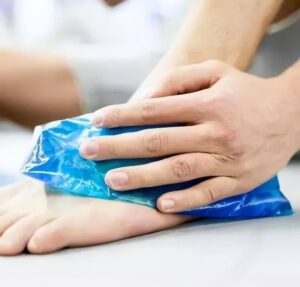
The Science Underpinning Cool Packs
Optimal Timing for Cool Pack Application
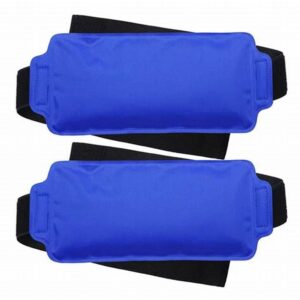
Diverse Types of Cool Packs
Traditional Ice Packs
Gel Packs
Instant Cold Packs

Correct Usage of Cool Packs
- Pre – treatment Preparation: If you’re using a traditional ice pack, the process is straightforward. Simply fill a plastic bag with ice cubes, ensuring to seal it tightly to prevent any leaks. Gel packs, on the other hand, need to be stored in the freezer for a minimum of a few hours before use. This pre – freezing step is crucial to ensure they reach the optimal cold temperature for effective treatment.
- Duration of Application: Each application of the cool pack should last for 15 – 20 minutes. It’s important to adhere to this time limit because prolonged exposure to cold can cause damage to the underlying tissues. The body’s tissues are sensitive to extreme cold, and over – exposure can lead to cell death and other complications.
- Frequency of Application: During the first 24 – 48 hours after the injury, it’s recommended to repeat the application every 1 – 2 hours. This regular application helps to maintain the cold therapy’s effectiveness in reducing swelling and pain. As the body starts to heal and the symptoms gradually improve, you can gradually reduce the frequency of application.
- Using a Barrier: Never apply a cool pack directly to the skin. Always place a thin cloth or towel between the cool pack and the skin. This barrier serves as a safeguard against frostbite, a condition where the skin and underlying tissues are damaged due to extreme cold exposure. Even a short period of direct contact with a cold pack can potentially cause frostbite, so this step is non – negotiable.
Essential Precautions
- Sensitive Skin Considerations: Individuals with sensitive skin need to exercise extra caution when using cool packs. Their skin is more prone to cold – induced damage. If, during or after using a cool pack, you notice any signs of redness, blistering, or numbness, it’s a clear indication that the cold is causing harm. In such cases, immediately stop using the cool pack and consult a medical professional.
- Medical Conditions Awareness: People with certain pre – existing medical conditions, such as poor circulation or Raynaud’s disease, should always consult a healthcare provider before using cool packs. In these conditions, the body’s response to cold can be abnormal. The cold can further constrict the already compromised blood vessels in the case of poor circulation or trigger more severe symptoms in those with Raynaud’s disease, leading to potentially serious complications.
Cool Box Ice Packs

Cool Box Ice Packs: A Versatile Cooling Solution
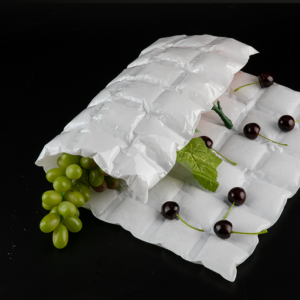
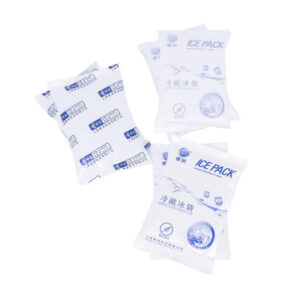
How Cool Box Ice Packs Function
The Standout Advantages of Cool Box Ice Packs
1. Reusability: A Cost – Effective and Eco – Friendly Choice
2. Durability: Built to Last
3. Customizable Sizes for Every Need
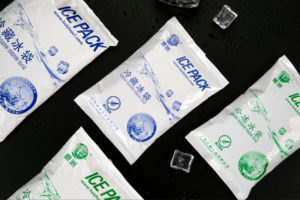
Diverse Usage Scenarios
Outdoor Adventures
Medical and Healthcare Applications
Food Storage at Home
Proper Usage Guidelines
Freezing
Application
Key Precautions
Avoid Direct Skin Contact
Storage
Inspect for Damage
Gel Packs for Injuries

Gel Packs for Injuries: Your Ideal First – Aid Companion

The Science Behind Gel Packs
The Unrivaled Advantages of Gel Packs
1. Exceptional Flexibility
2. Prolonged Cold – Retention
3. Hassle – Free and Mess – Free
Optimal Timing for Gel Pack Use
Correct Usage of Gel Packs
- Pre – Freezing: To ensure maximum effectiveness, store the gel pack in the freezer for at least 1 – 2 hours before use. This pre – freezing step allows the gel pack to reach its optimal cold temperature.
- Application Duration: Apply the gel pack to the injured area for 15 – 20 minutes per session. Applying it for too long can cause damage to the skin, including frostbite.
- Frequency of Application: During the initial stage of the injury, repeat the application every 1 – 2 hours. As the injury begins to heal and the symptoms subside, gradually reduce the frequency of application.
- Skin Protection: Always place a thin cloth or towel between the gel pack and the skin. This barrier protects the skin from the direct cold, preventing any potential damage.
Important Precautions
- Sensitive Skin Awareness: Individuals with sensitive skin need to be especially careful. Keep a close eye for any signs of redness, blistering, or numbness during use. If any of these symptoms appear, immediately stop using the gel pack.
- Medical Condition Considerations: People with certain medical conditions, such as poor blood circulation or Raynaud’s disease, should consult a medical professional before using gel packs. The cold may exacerbate their existing conditions.
Cold Packs for Injuries
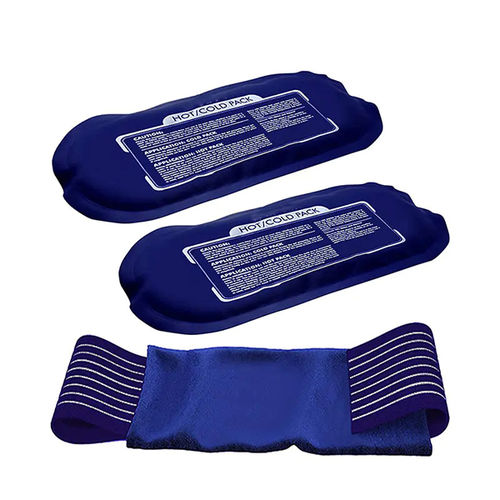
Cold Packs for Injuries: A Handy First – Aid Solution
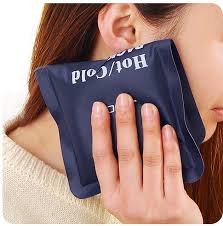
The Science Behind Cold Packs
Diverse Types of Cold Packs
- Traditional Ice Packs: These are the simplest form of cold packs, typically made from plastic bags filled with ice cubes. They are an affordable option and can be easily assembled at home using common household items. However, they come with a few drawbacks. As the ice melts, it can create a messy situation, and their rigid form often makes it difficult for them to contour perfectly to the body’s unique shapes, potentially reducing their effectiveness.
- Gel Packs: Gel packs are a more advanced alternative. These are pre – filled with a specialized gel formula that has the ability to retain cold temperatures for an extended period. Their flexibility is a major advantage, as they can easily mold to the body’s curves. This ensures that the cold is evenly distributed across the injured area, enhancing the therapeutic effect.
- Instant Cold Packs: In emergency situations, instant cold packs are a game – changer. These packs contain two separate substances. When the pack is squeezed, these substances mix, triggering an immediate chemical reaction that generates a rapid cooling effect. The beauty of instant cold packs lies in their convenience; they require no prior freezing, making them ideal for on – the – spot treatment.
Optimal Timing for Cold Pack Application
Correct Application Methods
- Duration: Each application of the cold pack should last for 15 – 20 minutes. Applying the cold pack for too long can have adverse effects, such as causing damage to the underlying tissues. The body’s tissues are sensitive to extreme cold, and over – exposure can lead to cell damage and other complications.
- Frequency: To maintain the effectiveness of the cold therapy, it is recommended to repeat the application every 1 – 2 hours. As the body begins to heal and the symptoms start to subside, the frequency of application can be gradually reduced. This adjustment ensures that the body receives the right amount of cold therapy without over – stressing the system.
- Barrier Protection: Never apply a cold pack directly to the skin. Always place a thin cloth or towel between the cold pack and the skin. This barrier serves as a safeguard against frostbite, a condition where the skin and underlying tissues are damaged due to extreme cold exposure. Even a short period of direct contact with a cold pack can potentially cause frostbite, so this step is non – negotiable.
Essential Precautions
- Sensitive Skin Considerations: Individuals with sensitive skin are particularly vulnerable to cold – induced skin damage. When using cold packs, it is crucial to closely monitor for any signs of adverse reactions. Redness, blistering, or numbness are warning signs that the cold pack may be causing harm. If any of these symptoms are observed, immediate discontinuation of the cold pack application is necessary.
- Medical Conditions to Be Aware Of: People with certain pre – existing medical conditions, such as poor circulation or Raynaud’s disease, need to exercise extra caution. In these cases, the cold can exacerbate the existing circulatory problems, leading to more severe complications. Consulting a medical professional before using cold packs is highly recommended to ensure safety and effectiveness.
Ice Bag for Injuries
Ice Bag for Injuries: A First – Aid Essential

The Science Underlying Ice Therapy
Types of Ice Bags
- Traditional Ice Bags: These are basic plastic bags filled with ice cubes. They are cost – efficient and easily accessible. You can create one at home by filling a plastic zip – lock bag with ice. However, they have some drawbacks. As the ice melts, they can create a mess, and their shape may not adapt well to the body’s contours, potentially reducing their effectiveness in some cases.
- Gel Ice Packs: Gel ice packs come pre – filled with a gel – like substance that freezes. They are far more flexible than traditional ice bags, conforming closely to the body’s curves. This better fit ensures more even cold application. Moreover, they remain cold for an extended period, which is why they are a popular choice in many first – aid kits.
- Reusable Ice Bags: Constructed from durable materials, these ice bags can be refilled with ice or frozen gel. They are an environmentally friendly option, making them a great choice for those conscious of their ecological footprint. They are frequently used in medical facilities and by athletes who often require ice treatment due to their long – lasting usability and cost – effectiveness over time.
How to Use an Ice Bag Properly
- Duration: Apply the ice bag to the injured area for 15 to 20 minutes per session. This time span is sufficient to reap the therapeutic benefits of cold therapy without causing harm to the skin or underlying tissues. Over – application can lead to tissue damage, so it’s crucial to stick to this recommended time frame.
- Frequency: Repeat the application every 1 to 2 hours during the initial 24 to 48 hours following the injury. During this critical period, swelling and pain are at their peak, and regular ice application can help mitigate these symptoms. As the swelling and pain subside, you can gradually reduce the frequency of application.
- Barrier: Always place a thin towel or cloth between the ice bag and the skin. This acts as a protective layer, preventing frostbite. Frostbite is a serious condition where the skin and underlying tissues are damaged by extreme cold. Even a short exposure to the direct cold of an ice bag can cause harm, so this barrier is essential.
Precautions
- Skin Sensitivity: Some individuals have sensitive skin and may experience discomfort or skin damage more rapidly during ice therapy. If you observe any signs of skin irritation, such as redness, blistering, or numbness, immediately discontinue the use of the ice bag. Continuing to use it can exacerbate the skin condition and lead to more severe damage.
- Medical Conditions: People with certain medical conditions, like Raynaud’s disease, which impairs blood circulation in the extremities, should consult a doctor before using ice therapy. The cold can further disrupt blood flow in these individuals, potentially causing more harm than good.
Warm Pad for Back Pain
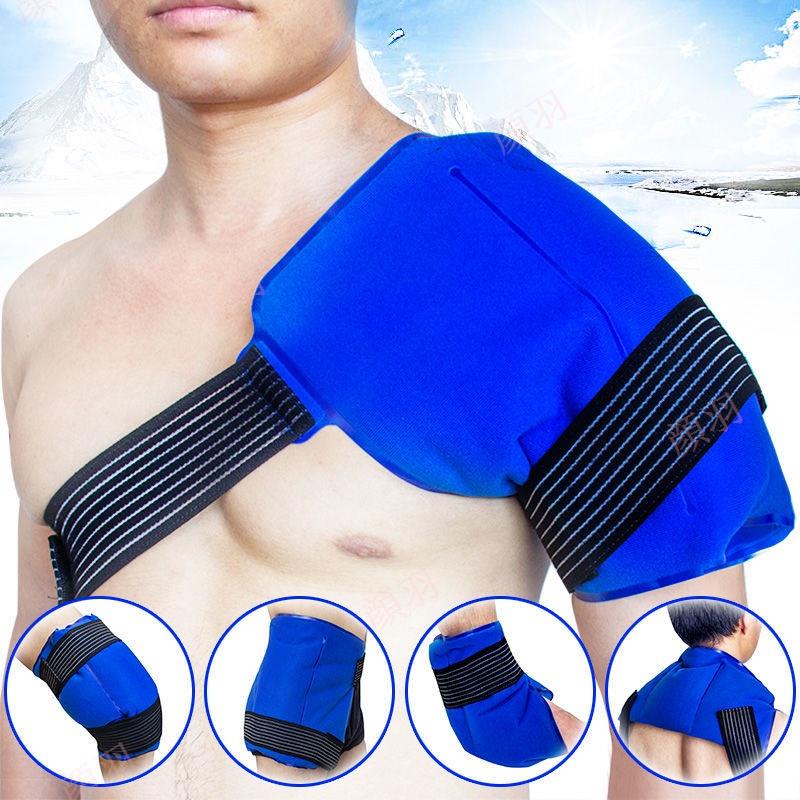
A Comprehensive Guide to Relief
Back pain is one of the most common health complaints affecting people worldwide. It can arise from various causes, including poor posture, muscle strain, or underlying medical conditions. Fortunately, a warm pad for back pain can offer significant relief. In this article, we’ll explore the benefits, types, and proper usage of warm pads for back pain, and why they are a popular solution for many individuals seeking comfort and pain relief.

What is a Warm Pad for Back Pain?
A warm pad, also known as a heating pad, is a therapeutic device designed to provide warmth to a specific area of the body. It works by applying heat to the affected region, increasing blood flow, relaxing muscles, and alleviating stiffness or discomfort. Warm pads are commonly used for conditions like muscle strains, arthritis, and general back pain. They can be electric, microwaveable, or chemical-based, depending on the type.
Benefits of Using a Warm Pad for Back Pain
Pain Relief: Heat therapy helps to relax tight muscles and soothe aches, providing immediate relief from pain. It can be especially beneficial for individuals dealing with muscle spasms or chronic back pain.
Increased Blood Flow: Applying heat to the skin increases circulation in the affected area, delivering oxygen and nutrients to the tissues and promoting healing. This can be helpful for those recovering from an injury or dealing with muscle inflammation.
Muscle Relaxation: Warmth encourages muscles to relax, which helps reduce tension and stiffness in the lower back. This is particularly effective for individuals with muscle strains or those who sit for long periods, leading to tightness in the back.
Stress Reduction: Heat therapy has a calming effect on the body and mind, reducing stress levels and promoting relaxation. This can be particularly useful for individuals whose back pain is worsened by stress or anxiety.
Improved Flexibility: Regular use of a warm pad can help improve the range of motion in the back by loosening up tight muscles and joints, making it easier to move without pain or stiffness.

Different Types of Warm Pads for Back Pain
There are several types of warm pads available, each offering distinct features for different needs:
Electric Heating Pads: Electric heating pads are powered by electricity and provide consistent heat over extended periods. They are adjustable, allowing users to control the temperature according to their comfort level. Some models also come with automatic shut-off features for safety.
Microwaveable Heating Pads: These pads are filled with materials like rice, flaxseed, or gel and can be heated in the microwave. They are portable, easy to use, and can provide targeted heat therapy to the back.
Chemical Heat Pads: Chemical-based warm pads are single-use pads that generate heat when activated. They are ideal for people who need immediate relief while on the go. These pads are typically compact, portable, and disposable.
Gel Heating Pads: Gel-based warm pads are reusable and can be heated in a microwave or hot water. These pads mold to the shape of the body, providing customized heat therapy. They are often used for localized back pain relief.
How to Use a Warm Pad for Back Pain
To get the most out of your warm pad, follow these guidelines:
Choose the Right Temperature: Ensure that the warm pad is set to a comfortable temperature. It should be warm enough to provide relief but not so hot that it causes discomfort or burns. Start with a lower setting and gradually increase the heat if needed.
Apply the Pad to the Affected Area: Place the warm pad directly on the area of your back that is experiencing pain or discomfort. Make sure to avoid placing the pad on broken skin or open wounds.
Limit Use to 15-20 Minutes: For safety reasons, it’s best to use a warm pad for 15-20 minutes at a time. Prolonged exposure to heat can lead to skin irritation or burns, so always take breaks between applications.
Use Regularly for Best Results: For chronic back pain, using a warm pad regularly can help manage symptoms and improve muscle flexibility. You may want to incorporate heat therapy into your daily routine for maximum relief.

When Not to Use a Warm Pad for Back Pain
While warm pads are generally safe, there are certain situations where they should be avoided:
If You Have Inflammation or Swelling: Heat therapy can exacerbate swelling in cases of acute injury or inflammation. In such cases, an ice pack is often more beneficial in reducing swelling and numbing the pain.
If You Have Poor Circulation: If you suffer from conditions that affect blood circulation (like diabetes or vascular disease), it’s best to consult a healthcare professional before using a heating pad. Excessive heat may increase the risk of burns or further circulation issues.
If You Have Sensitive Skin: If you have sensitive skin or a skin condition, you should be cautious when using a warm pad. Always check the temperature before use and avoid direct skin contact to prevent irritation.
Conclusion
A warm pad for back pain can be an effective and natural solution to ease discomfort and promote healing. Whether you choose an electric, microwaveable, or chemical heat pad, regular use can help relieve muscle tension, reduce pain, and improve flexibility. As with any treatment, it’s important to use the warm pad properly and take precautions when necessary. If your back pain persists or worsens, be sure to consult with a healthcare provider for a comprehensive evaluation and personalized treatment plan.
By incorporating a warm pad into your pain management routine, you can take an active step toward improving your back health and living a more comfortable life.
Knee Cold Pack

A Scientific Approach and Practical Guide to Relieving Knee Joint Pain
In modern life, due to sports injuries, long-term strain, or arthritis, many people experience knee pain and swelling. The knee cold pack—a simple, non-invasive care tool—has been widely used in the management of acute trauma, inflammation, and pain. This article provides a detailed explanation of the definition, working principle, correct usage methods, and precautions of the knee cold pack, and it discusses its scientific basis and limitations to help you better protect your knee health in everyday life.

What Is a Knee Cold Pack?
A knee cold pack is a specialized tool designed for localized cold therapy. It typically consists of a soft, durable outer shell filled with a cooling gel that can be chilled in a refrigerator or freezer before use. Its primary purpose is to lower the local temperature, thereby reducing inflammation, alleviating pain, and controlling swelling.
Applicable Scenarios
- Acute injuries:Such as sprains, strains, and impacts.
- Post-exercise muscle fatigue and localized inflammation.
- Adjunct care for chronic knee pain or arthritis.
Product Features
- Portability:Compact and easy to carry, suitable for both home and sports settings.
- Efficiency:Quickly reduces temperature, providing immediate pain relief.
- Safety:A non-pharmaceutical therapy with no side effects when used correctly.


The Working Principle of a Knee Cold Pack
The core principle behind the knee cold pack is the use of low temperatures to induce a series of physiological changes in the local tissue:
Vasoconstriction:
Cold therapy causes local blood vessels to constrict, thereby reducing blood flow and the leakage of inflammatory mediators, which effectively diminishes swelling and bleeding.
Reduced Nerve Conduction Velocity:
Low temperatures slow down nerve signal transmission, meaning that pain signals reach the brain more slowly, which results in an analgesic effect.
Decreased Metabolic Activity:
Lowering the local temperature slows cellular metabolism, reducing the oxygen and nutrient demands of the damaged tissue and promoting tissue repair.
Through these mechanisms, the knee cold pack can rapidly exert pain-relieving and anti-inflammatory effects during the initial stages of an acute injury or inflammation, making it an effective tool for emergency care and rehabilitation.
How to Properly Use a Knee Cold Pack
Proper use of a knee cold pack maximizes its therapeutic benefits while helping to avoid secondary injuries from improper use. Below are the detailed usage steps and precautions:
Usage Steps
Pre-Chill:
Place the knee cold pack in the refrigerator or freezer to chill it according to the product instructions. Generally, a cooling time of 1–2 hours is recommended; however, be careful not to let it freeze too hard, as this may damage your skin.
Wrap for Protection:
Before use, it is best to wrap the cold pack in a thin towel or cloth to prevent direct contact with your skin and reduce the risk of frostbite.
Placement on the Affected Area:
Place the wrapped knee cold pack directly on the knee joint area that is experiencing pain or inflammation. Make sure the area is clean and dry.
Duration of Application:
Each cold application is recommended for 15–20 minutes. After that, allow a rest period of 40 minutes to 1 hour before reapplying if needed. Prolonged exposure to the cold may cause the skin to become too cold, so avoid continuous use beyond the recommended time.
Precautions
Temperature Control:
Avoid using the cold pack when it is extremely cold or directly out of the refrigerator to prevent skin frostbite.
Applicable Populations:
Individuals with sensitive skin, poor circulation, or conditions such as Raynaud’s disease should use the cold pack only under professional medical guidance.
Monitor Skin Reactions:
During use, observe the skin’s color and sensation. If you notice abnormal redness, tingling, or numbness, discontinue use immediately and consult a healthcare professional.
Combine with Other Treatments:
The knee cold pack is an adjunct treatment. For severe injuries or chronic conditions, it is recommended to combine it with other treatment methods (such as medication or physical therapy) rather than relying solely on the cold pack for self-treatment.
The Scientific Basis of the Knee Cold Pack
Numerous clinical studies and sports medicine practices have demonstrated that localized cold therapy has the following scientific effects:
Inflammation Relief and Analgesia:
Clinical research shows that applying cold therapy within 24–48 hours after a sports injury can significantly reduce the inflammatory response and pain. By lowering the local temperature, cold therapy reduces the release of inflammatory mediators, thereby achieving an anti-inflammatory effect.
Support for Tissue Repair:
Appropriate cold therapy can slow down cellular metabolism and reduce the production of oxygen free radicals, providing damaged tissues with more time to repair themselves.
Post-Exercise Recovery:
Many athlete rehabilitation protocols include cold therapy as a key component to alleviate muscle soreness and joint stress, helping athletes recover quickly to return to competitive performance.
Although the knee cold pack shows good efficacy in the early stages of an acute injury, its effectiveness for chronic inflammation and long-term joint problems may require evaluation in combination with other treatment methods. Therefore, a scientifically sound usage plan and an individualized treatment approach are particularly important.
Advantages and Limitations of the Knee Cold Pack
Advantages
Ease of Use:
No professional skills are required; it can be easily used at home.
No Side Effects:
As a non-pharmaceutical therapy, when used correctly, it does not lead to drug dependency or adverse side effects.
Cost-Effective:
A one-time purchase can be used repeatedly, making it a highly cost-effective option in the long run.
Limitations
Limited Indications:
For some deep tissue injuries or chronic degenerative joint diseases, cold therapy alone may not fully resolve the issue.
Usage Risks:
Improper use can lead to frostbite or skin discomfort, so it is essential to strictly follow the usage guidelines.
Localized Effect:
It only has a local effect and is not effective for systemic diseases or systemic inflammation.
Frequently Asked Questions (FAQ)
Q1: For which knee problems is a knee cold pack suitable?
A1: It is mainly suitable for acute injuries (such as sprains and impacts), post-exercise pain, localized inflammation, and swelling. During acute flare-ups of arthritis, it can also be used as an adjunct therapy. However, for long-term or chronic issues, it is recommended to follow a comprehensive treatment plan advised by a doctor.
Q2: Can the duration of cold therapy be extended?
A2: Each cold application is recommended for 15–20 minutes. Extending the duration may lead to frostbite or discomfort; therefore, it is crucial to strictly control the application time and monitor the skin condition.
Q3: How can I determine if the cold therapy is effective?
A3: If you notice a reduction in local pain and swelling after using the cold pack, it indicates that the therapy is working. However, if the symptoms persist or worsen, you should seek medical attention promptly.
Q4: Can the cold pack be alternated with heat therapy?
A4: In the early stages of an acute injury, cold therapy is recommended; whereas in the later stages of recovery or in cases of chronic pain, heat therapy can help promote blood circulation. Alternating between heat and cold therapy should be done based on your specific condition and under professional guidance.
Conclusion
The knee cold pack is a simple, efficient, and cost-effective tool for localized cold therapy. By reducing the local temperature of the knee joint, it helps relieve pain, control inflammation, and promote tissue repair. This article provided a detailed explanation of the definition, working principle, proper usage methods, and scientific basis of the knee cold pack, as well as its advantages and limitations. When using the knee cold pack, be sure to follow the correct guidelines, protect your skin, and combine it with other treatments as advised by your doctor to achieve the best recovery results.
Whether you are an athlete, a patient with knee issues, or simply someone interested in learning more about health care, we hope this article has provided you with scientifically sound and practical information to help you better manage your knee health. If you have any further questions or personal experiences to share, please feel free to comment below so that we can explore the path to health together.
By reading this article, you have gained a comprehensive understanding of the knee cold pack. Remember to pay attention to your knee health in your daily life, balance your exercise and rest, and take appropriate cold therapy measures or consult a professional doctor when you experience knee discomfort to ensure your body remains in optimal condition.
We hope this article is helpful and provides reliable health and science information to a wide audience. Be sure to share and bookmark it, and stay tuned for more articles on health care and popular science—let science accompany you to a healthy life every day!
Ice Packs for Injuries
A Comprehensive Guide to Effective Pain Relief and Healing
Ice packs are one of the most commonly used and effective tools for managing injuries, reducing pain, and speeding up the recovery process. Whether you’re dealing with a sports injury, a minor sprain, or even just a bump, using ice packs can significantly reduce inflammation and provide relief. In this guide, we will explore the benefits, uses, and best practices for using ice packs for injuries, all while ensuring that the information is optimized for search engines and accessible to a broad audience.
What Are Ice Packs?
An ice pack is a bag or a container filled with ice or a cold substance that is applied to the body to reduce pain, swelling, and inflammation. Ice packs work by constricting blood vessels, which helps reduce blood flow to the injured area, decreasing swelling and numbing pain. They are commonly used for acute injuries like sprains, strains, bruises, and muscle soreness.
Benefits of Using Ice Packs for Injuries
Using ice packs for injuries comes with several key benefits:
Reduces Swelling: When an injury occurs, blood vessels around the affected area expand, leading to swelling. Applying an ice pack helps constrict these blood vessels and reduce swelling, which can lead to quicker healing.
Numbs Pain: Cold therapy works by numbing the area, which can reduce pain and discomfort associated with injuries. This is particularly helpful in the first few hours after an injury.
Decreases Inflammation: Ice helps lower the temperature of the injury site, which slows down the inflammatory process. This is important for preventing long-term tissue damage and promoting faster recovery.
Speeds Up Recovery: By managing pain and inflammation, ice packs allow injured tissues to heal faster. Applying ice in the early stages of an injury can help prevent chronic problems and reduce the chances of complications.
When to Use Ice Packs for Injuries
Timing is crucial when it comes to ice therapy. Applying ice packs immediately after an injury can be extremely beneficial, but it’s important to use them at the right time and in the right manner. Here are some general guidelines:
- First 48 Hours: Ice should be applied within the first 48 hours after an injury to control swelling and reduce pain. This is the critical window where cold therapy is most effective.
- After Physical Activity: For chronic injuries or muscle soreness, applying ice packs after physical activity can help reduce inflammation and prevent the injury from worsening.
- During Acute Pain: If you experience sudden pain or discomfort from an injury, ice can help manage the pain and prevent further damage to tissues.
How to Use Ice Packs for Injuries
To maximize the effectiveness of an ice pack, it’s important to use it correctly. Here’s how you should apply an ice pack for the best results:
Wrap the Ice: Never apply ice directly to the skin, as this can cause frostbite. Wrap the ice in a thin cloth, towel, or a dedicated ice pack cover to protect your skin.
Apply for 15-20 Minutes: Apply the ice pack for about 15-20 minutes at a time. Prolonged exposure can cause skin damage or increase the risk of ice burn.
Elevate the Injury: If possible, elevate the injured area while applying the ice pack. This can help further reduce swelling by allowing fluid to drain away from the injury site.
Rest and Repeat: Apply the ice pack several times a day for the first 48 hours. Be sure to give your skin some time to warm up between applications to avoid ice burns.
Common Types of Ice Packs for Injuries
There are several types of ice packs available, each with its own advantages. The right type for you will depend on the nature of your injury and personal preference:
Gel Ice Packs: These are flexible and mold to the shape of the injured area. They remain colder for longer than traditional ice cubes and are often more convenient to use.
Cold Compresses: Typically available in disposable form, these are pre-filled with a gel that freezes when placed in the freezer. They are portable and easy to use.
Instant Ice Packs: These are single-use packs that, when activated, produce cold temperatures. They are ideal for on-the-go use, particularly for athletes or those with active lifestyles.
Homemade Ice Packs: A simple alternative, you can make your own ice pack by placing ice cubes in a resealable plastic bag or using frozen peas. While convenient, they might not offer the same consistency as commercially available packs.
Things to Keep in Mind
While ice packs are a great tool for managing injuries, it’s important to be mindful of certain precautions:
- Avoid Direct Contact with Skin: Always wrap the ice pack in a cloth or towel to avoid frostbite or skin damage.
- Don’t Overdo It: Applying ice for longer than 20 minutes can lead to frostbite or tissue damage.
- Consult a Healthcare Professional: If you have serious injuries or the injury doesn’t improve with ice therapy, it’s important to seek medical attention.
Conclusion
Ice packs for injuries are a simple, cost-effective, and highly beneficial tool for managing pain, swelling, and inflammation. Whether you’re dealing with a sprain, muscle strain, or any other minor injury, applying ice packs in the first 48 hours can significantly reduce the severity of the injury and speed up your recovery process. Remember to use ice therapy properly and consult a healthcare professional if needed.
By understanding the importance of ice therapy and how to use it correctly, you can ensure a faster recovery and prevent further complications.
Ice Pack for Knee
The Ultimate Guide for Pain Relief and Recovery
When it comes to knee pain and injuries, one of the most effective and accessible treatments is the use of an ice pack. Whether you’re recovering from surgery, managing arthritis, or simply dealing with a strain or sprain, an ice pack can help reduce pain and swelling. In this article, we’ll explore how ice packs for the knee work, the best types to use, and how to apply them for optimal results.
What Is an Ice Pack for Knee?
An ice pack for the knee is a cold compress or gel pack designed to be applied to the knee area for pain relief. The cold temperature reduces blood flow to the affected area, which helps alleviate swelling and inflammation. This form of treatment is commonly known as cold therapy or cryotherapy, and it is a popular method for managing a variety of knee issues, including:
- Sprains and strains
- Post-surgical recovery
- Arthritis and joint pain
- Sports-related injuries
- Bursitis and tendonitis
How Does Ice Help with Knee Pain?
Ice works by constricting blood vessels and slowing down blood flow to the injured area. This helps to reduce swelling, numb the pain, and limit inflammation. The cold also helps in preventing tissue damage and can be a highly effective treatment when used immediately after an injury.
Benefits of Using an Ice Pack for the Knee:
Reduces Swelling: The cold helps to constrict blood vessels, which minimizes swelling around the knee joint. Swelling is often one of the first signs of an injury, and reducing it can speed up the healing process.
Numbs Pain: Cold therapy numbs the affected area, providing temporary relief from pain and discomfort. This can be especially helpful for those with chronic conditions like arthritis.
Improves Recovery Time: By managing swelling and pain, ice therapy can accelerate the recovery process and allow you to return to your normal activities sooner.
Prevents Further Damage: Applying an ice pack in the early stages of an injury can help prevent further tissue damage and minimize the severity of the injury.
Types of Ice Packs for Knee Pain:
When choosing an ice pack for knee pain, it’s important to consider the design and material that best suits your needs. Here are the most common types:
Gel Ice Packs: These are soft and flexible, making them easy to wrap around the knee. Gel packs remain pliable even when frozen, which allows them to contour to the shape of the knee for a more comfortable application.
Instant Cold Packs: These packs don’t need to be frozen beforehand. Simply squeeze the pack to activate the cooling process. Instant cold packs are ideal for on-the-go relief and when you don’t have access to a freezer.
Ice Wraps: Ice wraps typically come with straps to secure the ice pack around the knee. These are great for ensuring that the ice stays in place, especially if you need to move around while applying the treatment.
Cold Compression Wraps: These combine cold therapy and compression to provide both pain relief and reduced swelling. Cold compression wraps are ideal for athletes or individuals recovering from more severe injuries.
How to Apply Ice Pack for Knee Pain:
To get the best results from your ice pack, it’s important to follow proper application techniques:
Prepare the Ice Pack: If you’re using a gel pack, place it in the freezer for at least two hours before use. If you’re using an instant cold pack, make sure it is activated properly.
Protect Your Skin: Never apply the ice pack directly to your skin as it can cause frostbite. Always wrap the ice pack in a thin cloth, towel, or a cloth cover to act as a barrier between the cold and your skin.
Apply for 15-20 Minutes: Apply the ice pack to your knee for 15-20 minutes at a time. Avoid using ice for longer than 20 minutes to prevent skin damage. You can repeat the process every 2-3 hours, especially in the first 48 hours after an injury.
Elevate Your Knee: While applying the ice pack, elevate your knee above the level of your heart if possible. This helps reduce swelling and improves the effectiveness of the ice therapy.
Rest: Give your knee time to rest while applying ice, and avoid putting weight on the affected leg for prolonged periods.
When to Use Ice for Knee Pain:
- Immediately After an Injury: Apply ice as soon as possible after an injury. This will help reduce swelling and inflammation right away.
- After Exercise: If you’re dealing with post-workout soreness or stiffness, ice can be a great way to alleviate discomfort and speed up recovery.
- For Chronic Conditions: People with knee arthritis or long-term pain can benefit from regular use of ice packs to manage flare-ups.
How Often Can You Use Ice on Your Knee?
While ice therapy is highly effective, it’s important not to overdo it. Applying ice for more than 20 minutes at a time can lead to skin damage or frostbite. Generally, it is safe to apply ice to the knee every 2-3 hours for the first 48 hours after an injury. After that, you can reduce the frequency to once or twice a day, depending on your needs.
Alternatives to Ice Therapy:
If you find that ice therapy isn’t effective or causes discomfort, there are alternatives you can try:
- Heat Therapy: Heat can be useful for soothing stiffness and relaxing tight muscles around the knee joint. However, it is generally not recommended for acute injuries, as it can increase swelling.
- Compression: Knee sleeves or braces can provide compression to help reduce swelling and improve support.
- Elevation: Elevating your knee above heart level can also reduce swelling and improve circulation.
Conclusion:
An ice pack for knee pain is an affordable, simple, and highly effective tool for reducing pain and speeding up recovery. Whether you’re dealing with a sports injury, surgery recovery, or chronic knee issues, ice therapy can provide significant relief. Remember to follow the proper guidelines for applying ice and consider other therapies to support your overall knee health.
By using the right ice pack and applying it correctly, you can take important steps toward a quicker and more effective recovery, allowing you to get back on your feet with less pain and discomfort.
Ice Bag Near Me
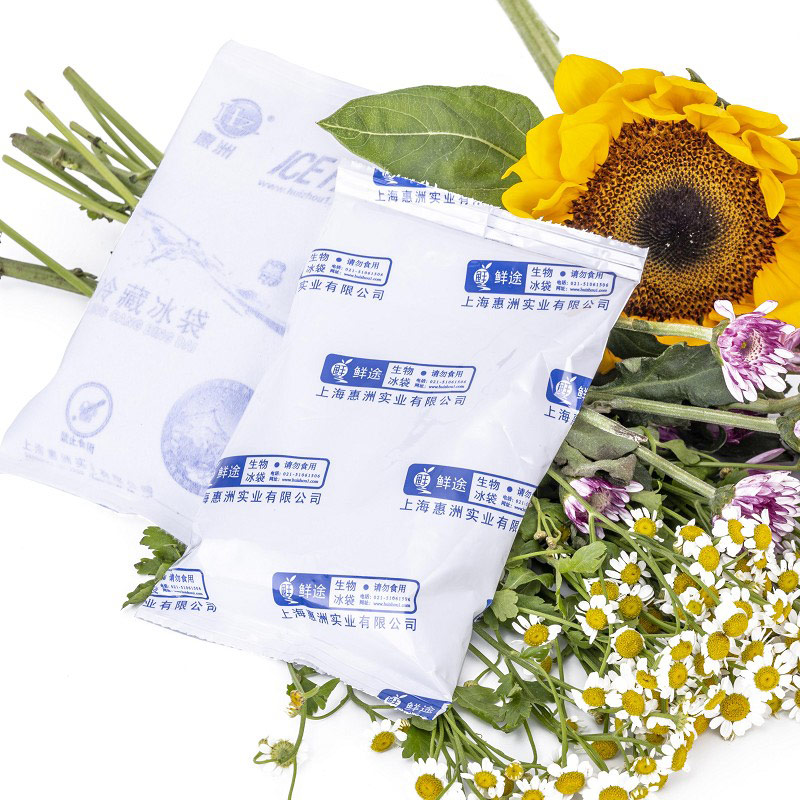
A Convenient Solution for Your Cooling Needs
In today’s fast-paced world, staying cool and comfortable is a priority, whether you’re dealing with heat during outdoor activities, managing injuries, or preserving temperature-sensitive goods. Ice bags, which provide an effective cooling solution, are more accessible than ever. If you’re searching for an “ice bag near me,” you’re likely looking for a convenient way to keep your items cool or manage pain relief. Let’s dive into the benefits, uses, and how to find the best ice bag for your needs.
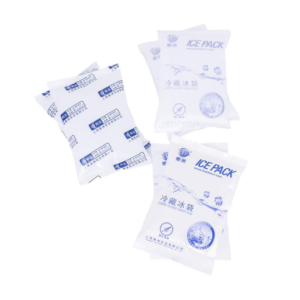
What is an Ice Bag?
An ice bag, commonly used in both household and medical settings, is a simple yet effective product designed to hold ice and help provide cold therapy. These bags are typically made of durable, leak-proof materials, often equipped with a secure seal or closure to prevent leakage. They are primarily used for cooling purposes, such as reducing swelling, alleviating pain, or keeping perishable items chilled.
Why Choose an Ice Bag?
Ice bags offer a host of benefits for different uses. Here are some of the main reasons you might consider getting one:
Pain Relief and Injury Treatment: Cold therapy is known for its ability to reduce inflammation, swelling, and pain in injuries such as sprains, strains, and bruises. When applied to the affected area, the cold from the ice bag helps constrict blood vessels, reducing the flow of fluid to the area and thus preventing further swelling.
Convenience and Portability: Whether you’re at home, on a hike, or attending a sports game, ice bags are portable and easy to carry. This makes them ideal for both personal and professional use. They’re lightweight and compact, and you can fill them up whenever you need them.
Keeping Food and Beverages Cool: Ice bags are also useful for keeping your food and beverages cool during picnics, outdoor events, and camping trips. Their flexible nature allows them to fit into bags and coolers more easily than traditional ice packs.
Uses of Ice Bags
For Injuries and Pain Relief: Ice bags are most commonly used in medical settings for acute injuries. The cold therapy they provide is perfect for dealing with muscle strains, sprains, and headaches. Simply place the ice bag on the affected area for about 15-20 minutes for optimal results.
As an Insulating Tool in Cold Chain Transportation: Businesses in industries such as pharmaceuticals, food, and logistics use ice bags to transport temperature-sensitive goods. These bags help maintain the required temperatures for items like insulin, fresh foods, or medicines, ensuring they reach their destination without any damage or loss of efficacy.
For Keeping Drinks Cool: Ice bags can be used at picnics, barbecues, and camping trips to keep your beverages chilled. The flexibility of ice bags makes them easier to use in small coolers or lunchboxes than large blocks of ice.
How to Choose the Right Ice Bag Near Me?
If you are looking for an “ice bag near me,” consider the following factors before making a purchase:
Size and Capacity: Ice bags come in various sizes. Choose the size that fits your specific needs. For pain relief, smaller bags that target specific areas of the body may be ideal. For food and beverage cooling, larger bags or multi-compartment options may work better.
Durability: The material of the ice bag matters. Look for bags made from strong, leak-proof materials that can withstand the cold without cracking or breaking.
Ease of Use: Opt for ice bags that have an easy-to-use seal or closure. This ensures no ice leaks out and makes the bag easier to transport.
Portability: If you’re going to be traveling or using the ice bag on the go, look for lightweight, foldable options that are easy to store when not in use.
Price: Compare prices to ensure you’re getting the best value for your money. While ice bags are affordable, some higher-quality options might cost a bit more but provide better performance and longevity.
How to Use an Ice Bag Correctly?
To make the most of your ice bag, follow these simple guidelines:
Fill the Bag:
Use cubed or crushed ice to fill the bag. Avoid using large chunks of ice that may not fit properly.
Seal the Bag:
Ensure the bag is sealed tightly to avoid leaks. Most ice bags come with a screw-top or Velcro closure for easy sealing.
Apply to the Affected Area:
For injury treatment, place the ice bag directly on the injured area, but be sure to wrap it in a thin cloth to prevent frostbite.
Limit the Time:
Apply the ice for about 15-20 minutes. Prolonged exposure can cause damage to the skin, so it’s best to take breaks between applications.
Store Properly:
After use, make sure to drain excess water and store the bag in a dry place.
Where to Find Ice Bags Near Me?
Looking for an ice bag near you? Here are some common places to find one:
Pharmacies and Drugstores:
Most local pharmacies carry a variety of ice bags for medical use.
Supermarkets:
Grocery stores may stock ice bags, especially in the summer months when people need to keep their foods cold.
Online Retailers:
If you’re not in a rush, consider checking online retailers like Amazon or specialized health stores for a wider variety of ice bags.
Sporting Goods Stores:
Stores that sell sports equipment often carry ice bags as they’re commonly used in sports medicine.
Specialty Stores:
For businesses requiring ice bags for logistics and temperature-sensitive products, look for suppliers who specialize in cold chain packaging.
Final Thoughts
Whether you’re seeking relief from an injury, need a cooling solution for food and beverages, or are managing temperature-sensitive shipments, an ice bag can be a versatile and affordable tool. Searching for an “ice bag near me” is now easier than ever, with numerous local and online options available. Remember to choose the right size, durability, and ease of use to ensure you’re getting the best possible product for your needs.
By following these simple tips and understanding the various uses of ice bags, you can make an informed decision and find the right cooling solution for you. Stay cool, comfortable, and prepared!