


Ice Bag for Knee
Ice Bag for Knee

Benefits, Uses, and How to Choose the Best One
Injuries, swelling, and knee pain are common issues that affect people of all ages. Whether you’re an athlete, someone recovering from surgery, or just dealing with occasional discomfort, an ice bag for the knee can be a simple yet effective solution. This article will explore the benefits of using an ice bag, how to use it properly, and how to choose the best one for your needs.

1. What Is an Ice Bag for the Knee?
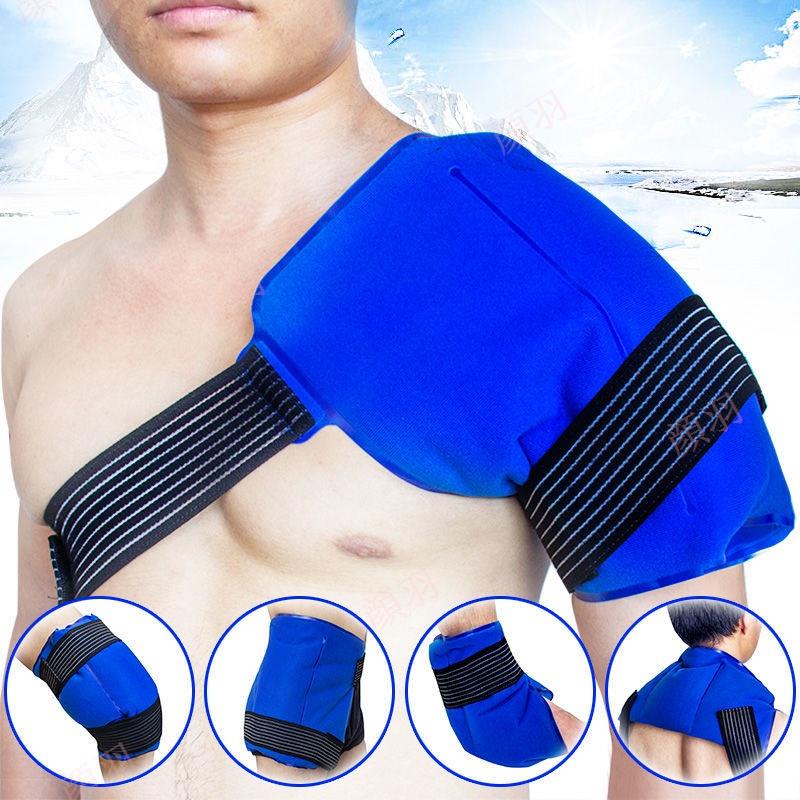
An ice bag for the knee is a reusable or disposable cold therapy tool designed to reduce swelling, numb pain, and promote faster recovery. It typically consists of a flexible bag or wrap that can hold ice cubes, cold gel, or frozen packs to provide targeted cooling relief.
Types of Ice Bags for the Knee
- Traditional Ice Bags– Filled with ice cubes and wrapped around the knee.
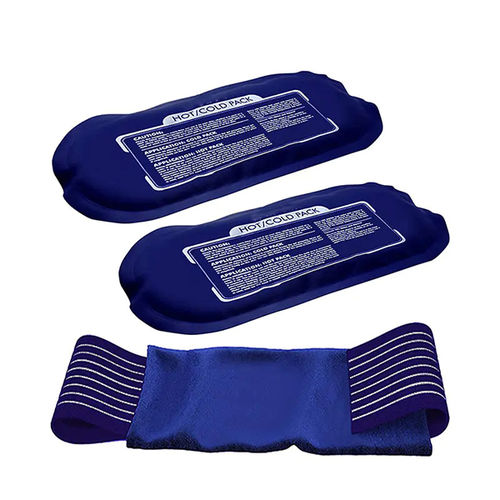
- Gel Ice Packs– Pre-filled with cooling gel that stays flexible when frozen.
- Cold Wraps with Straps– Adjustable wraps that hold the ice pack in place for hands-free use.
- Instant Cold Packs– Disposable packs activated by squeezing, ideal for emergencies.
2. Benefits of Using an Ice Bag for Knee Pain
Using an ice bag for knee pain is a proven method for managing injuries and inflammation. Here are the key benefits:
✔ Reduces Inflammation and Swelling
Cold therapy constricts blood vessels, limiting fluid buildup and reducing swelling in the injured knee.
✔ Numbs Pain and Provides Relief
Ice therapy helps numb the area, reducing pain signals sent to the brain and providing instant comfort.
✔ Speeds Up Recovery
By reducing swelling and controlling inflammation, an ice bag helps accelerate healing after an injury or surgery.
✔ Prevents Further Damage
Applying an ice pack early after a knee injury can prevent tissue damage and reduce the severity of the condition.
✔ Ideal for Sports Recovery
Athletes frequently use ice therapy to recover from intense workouts, muscle fatigue, or sports-related injuries.

3. How to Properly Use an Ice Bag for the Knee
To get the most benefit from your ice pack, follow these proper usage guidelines:
Step-by-Step Instructions:
- Prepare the Ice Pack– If using a gel pack, freeze it for at least 2 hours before use. If using an ice bag, fill it with crushed ice or cold water.
- Wrap It in a Cloth– Always place a thin towel between the ice pack and your skin to prevent frostbite.
- Apply It to the Knee– Place the ice pack directly over the affected area.
- Keep It On for 15–20 Minutes– Avoid exceeding 20 minutes to prevent skin irritation or tissue damage.
- Rest and Repeat– Allow your skin to return to normal temperature before reapplying. Repeat every 2–3 hours as needed.
Safety Tips:
- Do not apply ice directly to the skin.
- Avoid using ice therapy for more than 48 hours if symptoms persist.
- If pain worsens or swelling increases, consult a doctor.
4. How to Choose the Best Ice Bag for Knee Pain
When selecting an ice pack, consider the following factors:
✔ Size and Coverage
Choose an ice pack that covers the knee joint completely for effective pain relief.
✔ Flexibility
Gel-based ice packs remain flexible even when frozen, allowing better contouring around the knee.
✔ Adjustable Straps
Velcro or elastic straps provide a hands-free experience and keep the ice bag secure during movement.
✔ Reusability
Reusable gel packs are eco-friendly and cost-effective compared to disposable cold packs.
✔ Material and Durability
Ensure the material is leak-proof, non-toxic, and skin-friendly for long-term use.
5. Common Knee Conditions That Benefit from Ice Therapy
Ice packs can help manage several knee-related issues, including:
- Knee Sprains and Strains– Cold therapy reduces swelling and pain caused by overstretching or tearing of ligaments.
- Arthritis and Joint Pain– Ice packs help manage inflammation and stiffness in arthritic knees.
- Runner’s Knee– Overuse injuries common among runners and athletes can be treated with ice therapy.
- Post-Surgery Recovery– Doctors often recommend ice packs after knee surgery to reduce post-operative swelling.
- Bursitis and Tendonitis– Ice therapy soothes inflammation in the knee’s soft tissues.
6. FAQs About Ice Bags for the Knee
Q1: How often should I use an ice pack on my knee?
A: Apply it every 2–3 hours for the first 48 hours after an injury.
Q2: Can I sleep with an ice pack on my knee?
A: No, prolonged exposure may cause frostbite or tissue damage.
Q3: Should I use heat or ice for knee pain?
A: Use ice for fresh injuries and inflammation; use heat for muscle stiffness and chronic pain.
Q4: Can ice therapy cure knee pain?
A: Ice therapy manages pain and swelling but does not cure underlying conditions. Consult a healthcare provider for long-term knee pain.
Conclusion
An ice bag for the knee is a simple yet effective solution for pain relief, injury recovery, and swelling reduction. Whether you’re dealing with arthritis, sports injuries, or post-surgery discomfort, using the right ice pack can make a significant difference. Remember to choose a high-quality, reusable, and flexible ice bag for the best results.
For long-term knee health, combine ice therapy with proper rest, exercise, and medical consultation when necessary.
Looking for the best ice bag for knee pain? Check out our high-quality gel ice packs designed for maximum comfort and relief!
Heat Pack for Back Pain
Scientific principles and guidelines for use
Back pain is a common problem in modern life. Whether it’s caused by prolonged sitting, sports injuries, or other health problems, many people are looking for safe and effective ways to alleviate it. In recent years, hot packs for back pain have grown in popularity due to their simplicity, few side effects, and proven scientific effectiveness. This article will help you understand how hot packs work to relieve back pain, provide guidance on how to use them correctly, and outline important precautions – all designed to help you manage and relieve back discomfort in a scientifically informed way.

directory
- A common cause of back pain
- What is a heat pack?
- How hot packs work to relieve back pain
- How to choose the right heat pack
- Use the heat pack properly
- Precautions when using hot bags
- The role of heat packs in the treatment of comprehensive back pain
- conclusion
- Frequently Asked Questions
A common cause of back pain
Back pain can be caused by a variety of factors. Common causes include:
- Muscle strain: Prolonged static positions, overexertion, or improper weightlifting techniques can cause muscle fatigue and pain.
- Poor posture: Sitting in the office for long periods of time, bending over frequently, or using an inappropriate chair can trigger back discomfort.
- Intervertebral disc problems: Problems such as herniated discs or degenerative disc disease are often accompanied by severe pain and nerve-related symptoms.
- Inflammation and injury: Conditions such as rheumatoid arthritis, tendonitis, sprains, or strains can also cause back pain.
Understanding the causes of back pain can help you choose the most appropriate relief method. Hyperthermia, as a common physical therapy, has been shown to be effective in relieving muscle strains and reducing local inflammation.
What is a heat pack?
A heat pack is a portable healing tool designed to provide constant warmth. They usually come in several types:
- Gel Packs: These contain a special gel that, when heated in the microwave, quickly emits an even and consistent heat.
- Electric Heating Pad: Equipped with an electric heating element, it can provide a stable temperature and is suitable for long-term use.
- Herbal Packs: These packs include natural herbal or mineral ingredients that, when heated, can help relax muscles and relieve pain.
In the case of back pain, the heat pack not only increases local blood circulation, but also helps to relax tight muscles, effectively reducing discomfort.
How hot packs work to relieve back pain
Heat packs work to reduce pain through a variety of mechanisms:
The application of
vasodilatory heating causes the blood vessels in the affected area to dilate, accelerating blood flow. This enhanced blood circulation brings more oxygen and nutrients to the damaged tissues, promoting healing.
Muscle relaxation
heat helps relieve muscle spasms and reduce muscle tension. For back pain caused by prolonged strain or poor posture, the relaxing effects of heat can be particularly beneficial.
Improves soft tissue flexibilityIn
a warm environment, the elasticity of soft tissues such as ligaments and tendons increases. This helps to reduce pain and stiffness due to stiff tissues.
Reducing inflammation
can help reduce local inflammation by enhancing cellular metabolism, which in turn helps remove inflammatory substances.
These scientific principles make warm packs for back pain a safe and effective way to self-care, especially for acute muscle tension or chronic back pain.

Proper Usage of Heat Packs
To maximize the benefits of a heat pack for back pain relief, follow these steps and suggestions:
Preheat the Heat Pack
Follow the product instructions to heat the pack using a microwave, electric heater, or other recommended method. Ensure the temperature is moderate to avoid burns.
Prepare the Application Area
Clean the skin on your back and keep it dry. Placing a thin cloth between your skin and the heat pack can prevent direct contact that might cause discomfort.
Recommended Duration
Typically, a session of 15–20 minutes is advised, and you can repeat this several times a day. Avoid prolonged exposure to prevent overheating the skin.
Combine with Relaxation Techniques
While using the heat pack, you might perform gentle stretches or deep breathing exercises to further enhance muscle relaxation and blood circulation.
Regularly Check the Skin
If you notice any redness, swelling, or discomfort during use, stop immediately and consult a healthcare professional.
Following these guidelines will help you safely and effectively relieve back pain while also potentially preventing future discomfort.
Precautions When Using Heat Packs
While heat packs are generally safe for self-care, please keep the following precautions in mind:
Temperature Control:
Do not use a heat pack that is too hot, as it may cause burns. Individuals with sensitive skin or conditions like diabetes should exercise extra caution.
Skin Conditions:
If you have skin diseases, open wounds, or local infections, consult your doctor before using a heat pack.
Use with Children and the Elderly:
These groups have more delicate skin, so ensure that an adult supervises the usage and that all instructions are followed carefully.
Avoid Prolonged Continuous Use:
Although heat therapy can be effective in alleviating pain, relying on it without addressing the underlying causes might mask more serious health issues.
Complementary Treatments:
If your back pain persists or worsens, consider combining heat therapy with physical therapy, medication, or professional rehabilitation for comprehensive treatment.
Taking these precautions will help you enjoy the benefits of heat therapy while minimizing potential risks.
The Role of Heat Packs in Comprehensive Back Pain Treatment
Heat packs, as a non-pharmaceutical physical therapy tool, are often integrated into broader back pain treatment plans because of their advantages:
Convenience and Low Cost:
Heat packs are simple to use and require no specialized training, making them an ideal choice for home care.
Support for Rehabilitation Exercises:
In physical therapy or rehabilitation sessions, heat packs can serve as a warm-up tool to relax muscles and reduce the risk of injury.
Reduced Dependence on Medication:
For mild to moderate back pain, using a heat pack may lessen the need for painkillers, thereby minimizing potential drug side effects.
Promotion of Mental Relaxation:
The comforting warmth of a heat pack can help ease not only physical pain but also promote relaxation and improve overall well-being.
Incorporating the heat pack for back pain into a comprehensive treatment plan can enhance therapeutic outcomes and provide patients with added comfort and security during their recovery.
Conclusion
The heat pack is a safe, convenient, and scientifically backed therapeutic tool that has been widely adopted for relieving back pain. By promoting blood flow, relaxing muscles, and reducing localized inflammation, a heat pack can effectively alleviate back pain caused by muscle strain, poor posture, and other factors. Choosing the right product and using it correctly can enhance your quality of life while reducing reliance on medications.
Whether you experience occasional back discomfort from long hours at work or suffer from chronic back pain, understanding and properly using a heat pack can provide substantial support in managing your condition. However, if symptoms become severe or persist, it is important to seek professional medical advice.
Frequently Asked Questions
Q1: How quickly can a heat pack relieve back pain?
A1: Generally, most people notice muscle relaxation and pain relief after about 15–20 minutes of heat application. However, results can vary from person to person.
Q2: Should I combine heat pack use with other treatment methods?
A2: Yes. For mild back pain, a heat pack might suffice, but for chronic or severe pain, combining it with physical therapy, rehabilitation exercises, or other treatments is recommended for optimal results.
Q3: Can I use a heat pack before bedtime?
A3: Yes. Many people find that using a heat pack before sleep helps relax the muscles and improve sleep quality. Just ensure the temperature is moderate and avoid prolonged direct contact with the skin.
Q4: Are all types of back pain suitable for treatment with a heat pack?
A4: Not all back pain cases are appropriate for heat therapy. For acute inflammation, injuries, or certain nerve issues, applying heat may worsen symptoms. It is best to consult with a doctor to determine if heat therapy is right for your specific condition.
By reading this article, you should now have a comprehensive understanding of the heat pack for back pain—its scientific basis, how to choose the right product, proper usage guidelines, and necessary precautions. Using a heat pack correctly can provide both immediate relief and long-term prevention, empowering you to make informed decisions when managing back pain.
Cold Compress Science
Scientific principles, applications, and proper use
In daily life and sports, cold compresses have become a simple and effective method of first aid and care, and have attracted more and more attention from the public. This article delves into the science behind cold compresses, their common applications, guidelines for proper use, and precautions. Our goal is to help you use this method safely and effectively to relieve discomfort and manage minor injuries.
What is a cold compress?
Cold compresses are the application of ice packs, cold packs, or other low-temperature materials to specific parts of the body. This practice is used to relieve pain, reduce swelling, and control inflammation by lowering the temperature of the affected area. Simple to use and widely applicable, cold compresses are ideal for the initial treatment of a wide range of acute injuries and inflammations.
The Science Behind Cold Compresses
The effectiveness of cold compresses is based on several key scientific principles:
VasoconstrictionExposure
to low temperatures causes local vasoconstriction, which reduces blood flow. This vasoconstriction helps to reduce bleeding and fluid leakage at the injured site, thereby controlling the inflammatory response.
Lowering nerve conduction velocities
at lower temperatures slows down the transmission of nerve signals. This reduction in nerve conduction helps to reduce pain and thus discomfort.
Slows down cell metabolism
A cold environment slows down the metabolic activity of cells in injured tissues. This reduction in metabolism helps to reduce inflammation and swelling, promoting a more favorable environment for tissue recovery.
Together, these physiological responses make cold compresses an effective emergency response in the early stages of acute injury.
Common applications of cold compresses
Cold compresses are used in a variety of fields and situations. Some common applications include:
Sports InjuriesDuring
physical activity, immediate cold compresses for sprains, strains, or impacts can be effective in reducing swelling and pain and preventing further injury.
For acute sprains and contusions, for muscle or soft tissue injuries, the use of cold compresses early can help control inflammation and minimize the severity of the injury.
Headaches and migraines
: Applying a cold compress to the head can constrict blood vessels and relieve headaches or migraine symptoms that may be caused by vasodilation.
Postoperative RecoveryDuring
the rehabilitation phase after surgery, appropriate cold compresses can reduce pain and swelling and improve recovery.
Care
after dental treatmentAfter dental procedures, such as tooth extractions or surgeries, cold compresses can help reduce local swelling and discomfort.

How to use cold compresses correctly
To maximize the benefits of a cold compress while avoiding potential harm, it’s crucial to use it correctly. Here are some practical guidelines:
Choose the right material
, use a professional ice pack or cold pack, or wrap the ice cubes in a towel. Avoid direct contact with the skin with ice cubes to prevent frostbite or skin damage.
Control the duration
of a cold compress for 15 to 20 minutes at a time and wait at least 1 hour before the next use. Prolonged exposure may cause skin damage or frostbite.
Protect the skin
Place a thin cloth or towel between the cold source and the skin to ensure even cooling while providing a protective barrier.
Consider Personal Health Conditions
Individuals with circulatory disorders, sensitivity to cold, or skin conditions should use cold compresses only under professional medical guidance.
Manage the Ambient Temperature
Ensure that the environment is moderately warm during the application of a cold compress to avoid discomfort from sudden temperature changes.
Precautions and Contraindications
While cold compresses offer many benefits, it is important to be mindful of the following precautions:
Avoid Frostbite
Do not apply ice packs directly to the skin—especially if you have thin or sensitive skin—to prevent the risk of frostbite.
Do Not Overuse
Continuous, long-term application of a cold compress may impair skin circulation, leading to numbness or tingling sensations.
Exercise Caution with Certain Conditions
Those with Raynaud’s disease, diabetes, or skin infections should consult with a healthcare professional before using a cold compress to ensure it is safe.
Complement Other Treatments
A cold compress is primarily beneficial for the early stages of acute injuries. For chronic inflammation or ongoing pain, it is advisable to seek a comprehensive treatment plan from a medical professional.
Frequently Asked Questions
1. What is the difference between a cold compress and a hot compress?
A cold compress is used primarily during the acute phase of an injury to reduce inflammation and swelling, while a hot compress is more suitable for alleviating chronic pain and promoting blood circulation during the later stages of healing or recovery.
2. Can a cold compress be used for joint pain?
Yes, a cold compress can help alleviate joint pain and swelling caused by inflammation. However, for chronic or persistent joint issues, it is recommended to consult a doctor for a more comprehensive treatment plan.
3. Should I massage the area after using a cold compress?
It is generally advisable to let the area recover naturally after applying a cold compress. Massaging too soon may stimulate the injured tissues and potentially worsen the discomfort.
Conclusion
As a simple, convenient, and effective first aid measure, the cold compress plays a crucial role in managing sports injuries, acute inflammation, and pain relief. By understanding its scientific principles, proper application methods, and necessary precautions, you can effectively use this technique to handle minor injuries in everyday life. However, if symptoms persist or if there are special concerns, it is essential to consult a healthcare professional.
Cutting Dry Ice Packs: Best Practices

1. Comprehend the Structure of Dry Ice Packs
2. Safety Should Be Paramount
- Wear Protective Equipment: Always don a pair of gloves and safety goggles to shield your skin and eyes from direct contact with dry ice.
- Ensure Adequate Ventilation: When cutting or handling dry ice packs, conduct the operation in a well – ventilated area to prevent the accumulation of CO₂, which could potentially lead to suffocation.
3. Select the Appropriate Tools
4. Cutting Dry Ice Packs for Custom Applications
- Measure Precisely: Plan the required size and shape before making any cuts. Measure twice to ensure accuracy and minimize waste.
- Guarantee Even Distribution: When cutting, ensure that the cooling material is evenly distributed in the remaining part of the pack to maintain consistent cooling performance.
5. Proper Storage Post – Cutting
- Re – seal the Edges: If the pack is not going to be used immediately, reseal the open edges to prevent contamination or leakage.
- Store at the Optimal Temperature: Keep the packs in a cool, dry place, away from heat sources, to prevent premature sublimation (the process by which dry ice transforms directly from a solid to a gas).
6. An Alternative to Cutting: Custom Dry Ice Pack Solutions
Conclusion
Maximizing Cold Retention with Dry Ice Packs

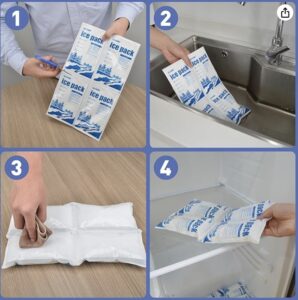
Dry Ice Pack vs. Gel Pack: Navigating the Cold Chain Packaging Industry

As global e-commerce and cold chain logistics surge, the significance of temperature-controlled packaging solutions in the transportation sector has become increasingly prominent. Both Hydrate Dry Ice Packs and Gel Packs play pivotal roles in cold chain logistics, ensuring temperature-sensitive products—such as food, pharmaceuticals, and biologics—maintain stable conditions during transit.

The Advantages of Dry Ice Packs
Dry Ice Packs are indispensable in ultra-low-temperature cold chain logistics. Their core strength lies in their superior cooling capacity, particularly suited for products requiring stringent sub-zero temperature maintenance. Hydrate Dry Ice Packs, activated by water absorption and subsequent freezing, deliver prolonged cooling performance, effectively preserving product integrity during extended shipping periods.
Key Features of Dry Ice Packs:
- Extended Cooling Duration: Outperforming conventional ice packs, Dry Ice Packs provide sustained thermal retention, making them ideal for perishable foods and biopharmaceutical shipments.
- Sub-Zero Stability: Engineered with advanced phase-change technology, Hydrate Dry Ice Packs maintain temperatures at -18°C or lower, safeguarding sensitive cargo like vaccines and pharmaceuticals from thermal fluctuations.
- Compact Design: Their space-efficient structure suits high-density packaging needs, excelling in scenarios requiring transport of seafood, meat, and frozen goods.
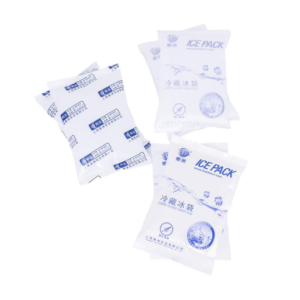
Gel Packs: A Reliable Refrigerated Solution
Gel Packs, another cornerstone of cold chain logistics, rely on thermoregulatory gel matrices to maintain stable temperatures. Designed for applications requiring a range of 4°C to -18°C, they are widely deployed in food, pharmaceutical, and medical device transportation.
Key Attributes of Gel Packs:
- Adaptability: Gel Packs offer temperature consistency across diverse shipping environments, ideal for long-haul transport of temperature-sensitive goods.
- Leak-Resistant Flexibility: Their compact, non-toxic gel formulation minimizes spill risks and fits seamlessly into limited packaging spaces.
- Thermal Efficiency: High thermal conductivity buffers against ambient temperature variations, ensuring product stability during transit.
Synergistic Use of Dry Ice Packs and Gel Packs
In complex cold chain scenarios, combining Dry Ice Packs and Gel Packs can optimize temperature control. For instance, pairing Dry Ice Packs (for ultra-low-temperature biologics) with Gel Packs (for refrigerated foods) achieves a balanced thermal gradient, addressing dual temperature requirements within a single shipment.
Conclusion
Whether safeguarding food, pharmaceuticals, or other temperature-critical products, Hydrate Dry Ice Packs and Gel Packs are indispensable tools in modern cold chain logistics. Their ability to maintain precise thermal thresholds ensures product quality and safety throughout the supply chain. By strategically selecting and integrating these solutions, businesses can overcome intricate cold chain challenges, meet regulatory compliance, and deliver on customer expectations.
As the industry evolves, understanding the technical nuances of sublimation rates (for dry ice) and phase-change efficiency (for gel packs) will empower stakeholders to design robust, cost-effective cold chain strategies tailored to their unique needs.
Reusable Dry Ice Packs: A Sustainable Solution
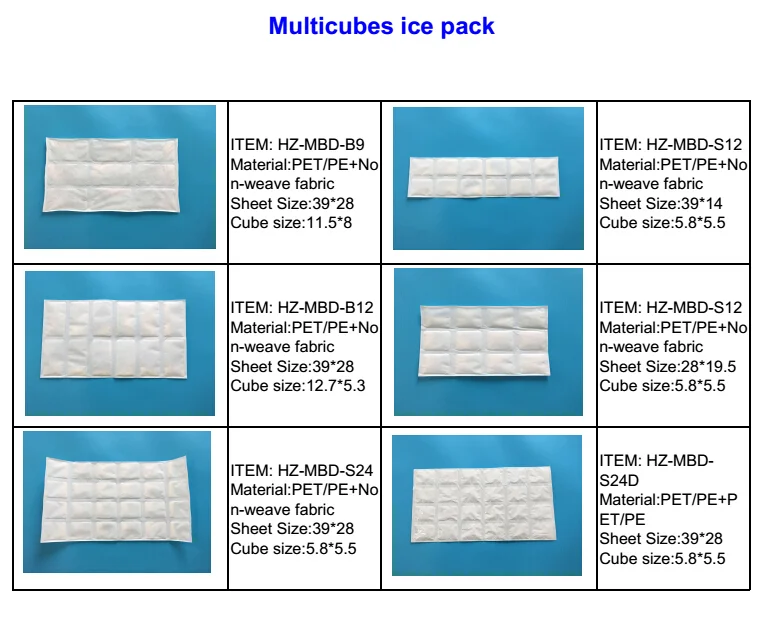
Reusable Dry Ice Packs: A Sustainable Solution
As the demand for environmentally responsible cold chain solutions grows, reusable dry ice packs have emerged as a clear choice for businesses seeking both sustainability and cost efficiency. Designed for multiple use cycles, these packs offer a practical and eco-conscious alternative to disposable options, making them ideal for shipping temperature-sensitive goods.
Robust Design for Longevity
Reusable dry ice packs are constructed from high-performance materials that can withstand repeated freezing and thawing without compromising performance. Reinforced seams and durable outer layers ensure they maintain their integrity under frequent handling, reducing the need for constant replacement and minimizing waste.
Cost Efficiency Over Time
Although reusable dry ice packs may require a higher initial investment, their durability and long lifespan result in a lower cost per use over time. By reducing the frequency of purchasing and replacing single-use packs, companies can achieve long-term cost savings while maintaining consistent temperature control across multiple shipments.
Environmentally Friendly Impact
One of the primary benefits of reusable dry ice packs is their positive environmental impact. By eliminating the need for disposable materials, these packs help reduce waste and lower carbon footprints. Many models are also made from recyclable or eco-friendly materials, further aligning with sustainability goals and corporate responsibility initiatives.
Versatile Applications Across Industries
Reusable dry ice packs serve diverse industries, from pharmaceuticals and biotechnology to food and beverage logistics. They provide reliable, consistent temperature control for sensitive medical products, perishable foods, and other temperature-sensitive goods. This versatility, combined with their sustainability benefits, makes them a valuable component of modern cold chain operations.
Conclusion
Adopting reusable dry ice packs allows companies to maintain reliable temperature control while reducing waste and cutting costs over the long term. With their durable design, significant cost efficiency, and strong environmental benefits, these packs offer a forward-thinking solution for businesses striving to enhance both operational efficiency and sustainability.
Choosing the Best Dry Ice Pack for Shipping

Choosing the Best Dry Ice Pack for Shipping
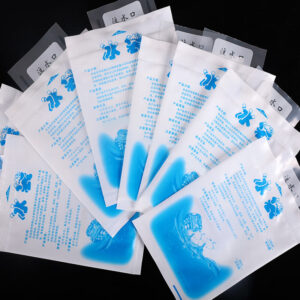
Selecting the appropriate dry ice pack is critical to maintaining product integrity during transit. With the right solution, you can ensure that temperature-sensitive goods remain stable and compliant throughout their journey, minimizing spoilage and upholding quality standards. Here are the key factors to consider when making your selection.
1. Cooling Duration
Consider the length of time your shipment needs to remain cold. Some dry ice packs are designed for short-term use—12 to 24 hours—while others can provide reliable cooling for 72 hours or more. Evaluating your shipping timeline helps ensure you choose a pack that meets your specific temperature control requirements.
2. Shipping Environment
Understand the conditions your shipment will face. If your package will encounter frequent handling, rough transit, or fluctuating temperatures, opt for a dry ice pack with durable construction. Reinforced seams and puncture-resistant materials can prevent leaks and maintain performance in demanding environments.
3. Volume and Coverage
The size and quantity of dry ice packs you’ll need depend on the volume of goods being shipped. Larger shipments may require multiple packs or larger-format packs to maintain consistent temperatures. Conversely, smaller packages may only need one or two compact dry ice packs. Ensuring proper coverage will help prevent temperature inconsistencies throughout transit.
4. Compliance Standards
Certain industries, such as pharmaceuticals and food logistics, are subject to regulatory standards for temperature-controlled shipments. High-quality dry ice packs that comply with these guidelines ensure that your products meet quality and safety requirements upon arrival.
5. Sustainability and Cost Efficiency
Reusable dry ice packs can offer both environmental and economic advantages. By selecting packs designed for multiple uses, you reduce waste and achieve cost savings over time. This approach supports sustainability initiatives while maintaining reliable performance for repeat shipments.
Conclusion
The ideal dry ice pack is one that balances durability, cooling duration, regulatory compliance, and environmental considerations. By carefully assessing these factors, you’ll select a solution that not only meets your immediate shipping needs but also supports long-term operational efficiency and product quality.
Prevent Dry Ice Pack Leaks: Best Practices

Prevent Dry Ice Pack Leaks: Best Practices
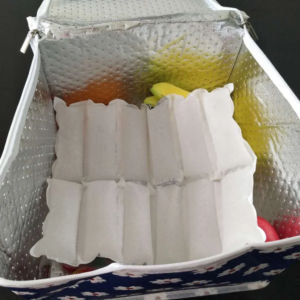
Dry ice packs are essential tools for maintaining consistent low temperatures during transport and storage. However, leaks can compromise product integrity, reduce cooling efficiency, and lead to potential safety issues. To ensure optimal performance and avoid disruptions, consider the following best practices.
1. Use High-Quality Dry Ice Packs
Invest in premium dry ice packs designed with durable materials and reinforced seams. High-quality packs are less likely to puncture, tear, or fail under the strain of repeated freezing and thawing cycles, ensuring reliable performance throughout their use.
2. Handle Carefully
Even the most robust dry ice packs require careful handling. Avoid dropping, squeezing, or subjecting them to excessive pressure. Proper handling prevents stress on seams and reduces the likelihood of leaks, ensuring the pack maintains its cooling capacity.
3. Store Properly
Maintaining dry ice packs in appropriate storage conditions is critical. Fully freeze the packs before use and keep them in an insulated container to minimize temperature fluctuations. Stable storage conditions help preserve material integrity and reduce wear and tear that may lead to leaks.
4. Inspect Regularly
Frequent use can lead to material fatigue. Inspect dry ice packs before each use, checking for any signs of wear, thinning, or damage. If issues are detected, replace the pack immediately to avoid leaks and maintain cooling reliability.
5. Add a Protective Layer
Incorporating an additional layer, such as a protective wrapping, can help shield dry ice packs from punctures or abrasions. This extra step also helps contain condensation and keeps the outer surface dry, reducing the chances of leakage during handling and transit.
6. Train Your Team
Proper training for handling and storage ensures consistent performance. By educating staff and handlers on correct procedures, you minimize errors that could cause leaks and extend the usable life of your dry ice packs.
Conclusion
Preventing dry ice pack leaks is a matter of choosing quality products, following proper storage protocols, conducting regular inspections, and ensuring all handlers are well-informed. By adopting these industry-proven practices, you can maintain a stable cold chain, protect temperature-sensitive goods, and ensure smooth operations.
How Long Do Dry Ice Packs Last?

When considering the lifespan of dry ice packs, multiple factors come into play, including pack composition, usage conditions, and the storage environment. Let’s examine these variables in detail.

Types and Performance of Dry Ice Packs
Dry ice packs vary widely in their design and intended applications. High-performance packs, engineered with premium materials and advanced insulation layers, can maintain low temperatures for up to 72 hours under controlled conditions. More lightweight or economy-grade dry ice packs may deliver effective cooling for a shorter window, typically around 12–24 hours.
Impact of Storage and Handling
Proper storage is critical for maximizing the longevity of a dry ice pack. Placement in a high-quality insulated container significantly reduces heat transfer, thereby extending cooling duration. In contrast, exposure to open air or repeated container openings accelerates the sublimation process, diminishing the pack’s cooling capacity more quickly.
Role of Pack Size and Quantity
The size and number of dry ice packs used also influence cooling longevity. Larger packs, or multiple packs working in tandem, help sustain a stable low-temperature environment for a longer period. This approach is particularly beneficial for shipments that require extended transit times or stringent temperature control.
Estimated Cooling Durations
Under optimal storage conditions—such as in a well-insulated container with limited exposure to external air—premium dry ice packs can remain effective for approximately 48–72 hours. Economy-grade or less insulated solutions may offer only 12–24 hours of cooling. Actual performance, however, will vary based on the specific product design, material composition, and environmental factors.
Conclusion
To maximize dry ice pack performance, ensure proper storage, consider the type and number of packs needed for your shipment, and minimize heat exposure. By adhering to best practices, you can achieve longer-lasting cooling and maintain the integrity of your temperature-sensitive products.