


Top 10 Durable Dry Ice Pack Solutions
Top 10 Durable Dry Ice Pack Solutions

When it comes to transporting temperature-sensitive goods, especially those that need to remain frozen or cool, dry ice packs are a highly effective solution. Renowned for their durability and cooling efficiency, dry ice packs serve a wide range of industries, from food shipping to pharmaceutical logistics. In this article, we’ll highlight the top 10 durable dry ice pack options that provide reliable temperature control and long-lasting performance.

1. Hydrate Dry Ice Pack
Hydrate Dry Ice Packs are an innovative choice for a variety of cooling applications. Constructed from water-activated, high-performance polymers, these packs are lightweight, compact, and easy to use. After a brief soak, they freeze rapidly and maintain low temperatures for up to 72 hours, making them ideal for perishable goods like seafood, meats, and dairy products.
Key Benefits:
- Eco-friendly, non-toxic materials
- Reusable for multiple shipments
- Lightweight and easy to transport
2. Tempk Dry Ice Pack
Tempk’s dry ice packs are engineered for superior durability. Designed to withstand extreme temperatures and rigorous handling, these packs ensure safe transport for both pharmaceuticals and fresh foods. Their robust construction prevents leaks or breakage during transit.
Key Benefits:
- Extended cooling performance
- Puncture-resistant materials
- Flexible and long-lasting design
3. PCM Dry Ice Pack
Phase Change Material (PCM) dry ice packs deliver stable cooling at precise temperature ranges. Ideal for vaccines and other temperature-sensitive biological products, they provide consistent performance over extended periods, maintaining safe storage conditions for critical shipments.
Key Benefits:
- Exceptional thermal stability
- Consistent temperature regulation
- Cost-effective, long-lasting performance
4. EPP Cooler Dry Ice Pack
Constructed from Expanded Polypropylene (EPP), these dry ice packs offer excellent insulation and impact resistance. Their eco-friendly design makes them a popular choice for businesses seeking sustainable yet durable temperature control solutions.
Key Benefits:
- Environmentally friendly materials
- High impact resistance
- Superior insulation properties
5. Gel Dry Ice Pack
Gel-based dry ice packs provide consistent cooling using a non-toxic gel core. They are particularly well-suited for short-term temperature control, making them ideal for shipping smaller items like snacks, baked goods, and cosmetics.
Key Benefits:
- Quick freezing capability
- Reusable and flexible
- Cost-effective for smaller shipments
6. Reusable Dry Ice Pack
With sustainability in mind, reusable dry ice packs are a practical choice for businesses. They can be used across multiple transport cycles without sacrificing performance, making them cost-effective and environmentally friendly.
Key Benefits:
- Long service life
- Stable cooling performance
- Eco-friendly and durable
7. Insulated Dry Ice Pack
Combining the benefits of dry ice with high-quality insulation, these packs ensure steady temperatures during transit. They’re commonly used in the food industry, particularly for frozen desserts and other perishables.
Key Benefits:
- Enhanced insulation for prolonged cooling
- Easy to handle and store
- Versatile for various shipping scenarios
8. Hydro-Activated Dry Ice Pack
Hydro-activated dry ice packs offer a convenient, water-activated cooling solution. After soaking and freezing, these packs provide reliable cooling, making them ideal for emergency situations or transporting medical supplies.
Key Benefits:
- Simple activation process
- Reusable
- Lightweight and portable
9. High-Performance Dry Ice Pack
Designed for demanding conditions, high-performance dry ice packs feature premium insulation and extended cooling capabilities. They excel in long-distance logistics, particularly in the pharmaceutical and medical sectors.
Key Benefits:
- Advanced insulation technology
- Long-lasting cooling duration
- Suitable for extended transport times
10. Customizable Dry Ice Pack
For businesses with unique requirements, customizable dry ice packs offer tailored solutions. Whether it’s specific dimensions, shapes, or temperature ranges, these packs are designed to meet specialized needs, from biotech shipments to gourmet food delivery.
Key Benefits:
- Custom sizes and shapes available
- Precise temperature control
- Ideal for specialized shipping needs
Conclusion
Choosing the right dry ice pack solution can make all the difference in maintaining the quality and safety of your temperature-sensitive shipments. From innovative Hydrate Dry Ice Packs to custom-built options, the products highlighted here provide dependable cooling performance and durability. Evaluate your specific needs and select the best dry ice pack to ensure your goods arrive in perfect condition.
Choosing a Useful, Durable, and Highly Cold-Retention Ice Pack

Selecting an ice pack that is useful, durable, and possesses excellent cold-retention capabilities can provide effective cold therapy and insulation in daily life, medical emergencies, or outdoor activities. Below are key factors and recommendations to consider when choosing an ice pack:

1. Material Selection
External Materials:
High-Strength Tear-Resistant Materials: Such as polyethylene (PE) combined with polyamide (PA), or PE combined with PA and non-woven fabric for the outer pouch material. These materials possess leak-proof and tear-resistant characteristics, ensuring safety and durability during use.
Soft Texture: Choose materials with a soft and comfortable surface, suitable for prolonged skin contact to reduce discomfort.
Internal Fillings:
Water Gel: Offers superior insulation performance, quick cooling speed, and is environmentally friendly.
Ice Crystal Beads: Have high cooling efficiency, suitable for situations requiring rapid cooling.
Anhydrous Salt Solution: Provides good stability, strong reusability, and is suitable for repeated use requirements.
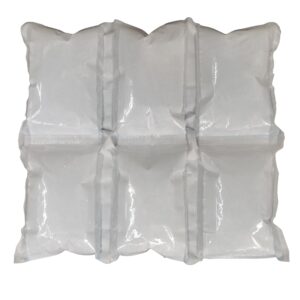
2. Absorbency
Super Absorbent Polymer (SAP): Ice packs containing SAP can absorb excess moisture during freezing, preventing leakage. This is especially suitable for medical applications, such as cold compress dressings.
Double-Layer Design: The inner layer is responsible for cold retention, while the outer layer has absorbent properties, enhancing overall absorbency and preventing liquid leakage and condensation water flow.
3. Durability
Multiple Uses and Cleaning: High-quality ice packs should withstand multiple freezing and thawing cycles without aging or cracking.
Reinforced Seams: Check if the ice pack’s sealing areas are reinforced to ensure they do not leak during repeated use.
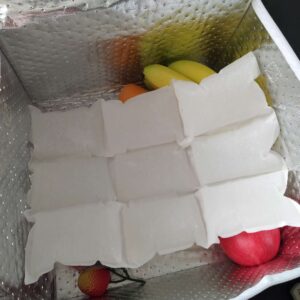
4. Reusability
Environmental and Economic Considerations: Choose ice packs that can be repeatedly frozen and used, reducing waste from single-use products and saving long-term usage costs.
Replaceable Fillings: Understand whether the ice pack’s fillings can be replaced to ensure continued use after the fillings wear out, thereby extending the product’s lifespan.
5. Brand and Reviews
Reputable Brands: Select well-known brands, as these brands typically offer better quality and after-sales service.
User Reviews: Check other users’ reviews and feedback to understand the actual performance and potential issues of the product, helping to make a more informed choice.

6. Safety
Non-Toxic Materials: Ensure the ice pack is made of non-toxic, odor-free materials suitable for prolonged contact with food or skin, avoiding allergies or irritation.
Certification Standards: Choose products that comply with relevant safety standards and certifications, such as FDA certification or CE certification, to ensure product quality and safety.
Maintenance and Care Recommendations
Thorough Drying: After use, ensure the ice pack is thoroughly dried inside and out to prevent bacterial growth and odor.
Regular Inspection: Regularly check the ice pack for any damage or leakage, and promptly replace any defective ice packs to ensure safe use.
Proper Cleaning: Clean according to the product instructions, avoiding the use of harsh cleaning agents to extend the ice pack’s lifespan.
Summary
Choosing a useful, durable, and highly absorbent ice pack requires a comprehensive consideration of materials, design, brand, functionality, and other aspects. By paying attention to the key factors outlined above, you can select the most suitable ice pack solution based on your specific needs, ensuring its efficiency and reliability in daily use. If you have more specific requirements or questions, feel free to consult us further!
Professional Advice to Prevent Dry Ice Pack Leaks

Dry ice packs are highly valuable in various applications, including medical treatments, food preservation, and outdoor activities. However, leaks can compromise their effectiveness and cause inconvenience or even safety hazards. To ensure your dry ice packs remain reliable and leak-free, consider the following professional advice:
1. Choose High-Quality Ice Packs
Select Reputable Brands: Opt for dry ice packs from professional and well-known manufacturers that adhere to strict quality control standards. High-quality ice packs are less likely to have manufacturing defects, thereby reducing the possibility of leaks.
Check Material Quality: Choose ice packs made from durable, puncture-resistant materials. These materials better prevent tearing and puncturing.
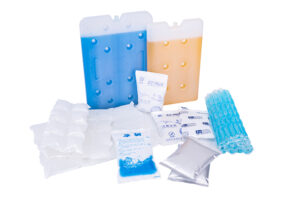
2. Inspect Before Use
Visual Inspection: Before each use, thoroughly check the ice pack for any signs of damage, such as cracks, punctures, or damaged edges. Do not use damaged ice packs, as they are more prone to leaking.
Check Seals: Ensure all parts of the ice pack are intact and secure. Defective seals may cause the ice pack to rupture during freezing or thawing due to expansion.
3. Proper Storage
Store in a Cool, Dry Place: Keep dry ice packs in a cool, dry environment, away from direct sunlight and extreme temperatures. Excessive heat can cause material aging, increasing the risk of leaks.
Use Protective Covers: When not in use, store ice packs in protective covers or containers to prevent material aging, physical damage, and accidental punctures.

4. Handle with Care
Gentle Handling: Avoid dropping, squeezing, or applying excessive force to dry ice packs. Rough handling can create micro-cracks or damage the material, leading to leaks.
Avoid Sharp Objects: Keep ice packs away from sharp objects or other items that could accidentally puncture or tear the material.
5. Use Appropriate Containers
Protective Layers: When placing ice packs inside bags or containers, use an additional protective layer such as a towel or cloth. This provides extra cushioning and reduces the risk of punctures from external pressure or sharp edges.
Secure Placement: Ensure that ice packs are securely placed within their containers to prevent movement that could cause friction or accidental damage.
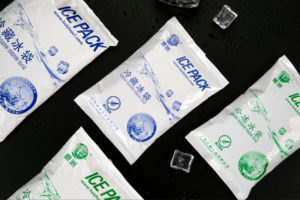
6. Temperature Control
Gradual Freezing: Freeze ice packs gradually to reduce stress on the materials. Rapid temperature changes can make the ice pack brittle and more susceptible to cracking or leaking.
Avoid Freezing Empty Packs: Never freeze an empty ice pack. The lack of internal support can cause the pack to collapse or deform, leading to potential leaks when refilled.
7. Regular Maintenance
Proper Cleaning: After each use, clean the ice pack according to the manufacturer’s instructions. Remove any residue or contaminants that could degrade the material over time.
Thorough Drying: Ensure the ice pack is completely dry before storing it at room temperature. High temperatures can accelerate material aging, and moisture can weaken the material and promote mold growth, both of which can lead to leaks.

8. Follow Manufacturer Instructions
Adhere to Guidelines: Carefully read and follow all usage, cleaning, and storage instructions provided by the manufacturer. These guidelines are designed to maximize the product’s lifespan and performance.
Warranty Terms: Understand the terms and conditions of the warranty. Proper usage as per the manufacturer’s recommendations ensures that you remain covered in case of defects or premature leaks.
9. Use Protective Accessories
Protective Covers: Use protective sleeves or covers specifically designed for ice packs. These accessories add an extra layer of protection against punctures and abrasions.
Secure Fastenings: When using ice packs in medical or therapeutic settings, ensure they are securely fastened to prevent movement that could cause wear and tear.
10. Invest in Leak-Proof Designs
Double-Layer Construction: Consider ice packs with a double-layer design, where the inner layer holds the cold medium and the outer layer provides additional protection to enhance leak resistance.
Advanced Sealing Technologies: Look for ice packs that incorporate advanced sealing technologies, such as heat-sealed edges or reinforced stitching, to improve leak resistance.
11. Replace When Necessary
Understand Lifespan: Be aware of the expected lifespan of your ice packs and replace them when they show significant wear, damage, or reduced performance.
Preventative Replacement: Even if there are no visible signs of leaks, consider periodically replacing older ice packs to ensure optimal performance and safety.
12. Emergency Preparedness
Leak Spill Kits: Keep spill kits or absorbent materials on hand in environments where ice packs are used to prevent damage or hazards caused by leaks.
Immediate Action: In the event of a leak, promptly clean and contain the affected area to prevent slipping, contamination, or other potential issues.
Conclusion
Preventing dry ice pack leaks involves a combination of selecting high-quality products, handling them with care, adhering to proper usage and maintenance protocols, and being proactive in identifying and addressing potential issues. By following these professional advice, you can ensure that your dry ice packs remain reliable, effective, and safe for all your cooling needs. Proper care not only extends the lifespan of your ice packs but also enhances their performance, providing you with peace of mind in critical situations.
Choosing a Useful, Durable, and Highly Cold-Retention Ice Pack

Selecting an ice pack that is useful, durable, and possesses excellent cold-retention capabilities can provide effective cold therapy and insulation in daily life, medical emergencies, or outdoor activities. Below are key factors and recommendations to consider when choosing an ice pack:
1. Material Selection
External Materials:
High-Strength Tear-Resistant Materials: Such as polyethylene (PE) combined with polyamide (PA), or PE combined with PA and non-woven fabric for the outer pouch material. These materials possess leak-proof and tear-resistant characteristics, ensuring safety and durability during use.
Soft Texture: Choose materials with a soft and comfortable surface, suitable for prolonged skin contact to reduce discomfort.
Internal Fillings:
Water Gel: Offers superior insulation performance, quick cooling speed, and is environmentally friendly.
Ice Crystal Beads: Have high cooling efficiency, suitable for situations requiring rapid cooling.
Anhydrous Salt Solution: Provides good stability, strong reusability, and is suitable for repeated use requirements.

2. Absorbency
Super Absorbent Polymer (SAP): Ice packs containing SAP can absorb excess moisture during freezing, preventing leakage. This is especially suitable for medical applications, such as cold compress dressings.
Double-Layer Design: The inner layer is responsible for cold retention, while the outer layer has absorbent properties, enhancing overall absorbency and preventing liquid leakage and condensation water flow.

3. Durability
Multiple Uses and Cleaning: High-quality ice packs should withstand multiple freezing and thawing cycles without aging or cracking.
Reinforced Seams: Check if the ice pack’s sealing areas are reinforced to ensure they do not leak during repeated use.
4. Reusability
Environmental and Economic Considerations: Choose ice packs that can be repeatedly frozen and used, reducing waste from single-use products and saving long-term usage costs.
Replaceable Fillings: Understand whether the ice pack’s fillings can be replaced to ensure continued use after the fillings wear out, thereby extending the product’s lifespan.

5. Brand and Reviews
Reputable Brands: Select well-known brands, as these brands typically offer better quality and after-sales service.
User Reviews: Check other users’ reviews and feedback to understand the actual performance and potential issues of the product, helping to make a more informed choice.
6. Safety
Non-Toxic Materials: Ensure the ice pack is made of non-toxic, odor-free materials suitable for prolonged contact with food or skin, avoiding allergies or irritation.
Certification Standards: Choose products that comply with relevant safety standards and certifications, such as FDA certification or CE certification, to ensure product quality and safety.
Maintenance and Care Recommendations
Thorough Drying: After use, ensure the ice pack is thoroughly dried inside and out to prevent bacterial growth and odor.
Regular Inspection: Regularly check the ice pack for any damage or leakage, and promptly replace any defective ice packs to ensure safe use.
Proper Cleaning: Clean according to the product instructions, avoiding the use of harsh cleaning agents to extend the ice pack’s lifespan.
Summary
Choosing a useful, durable, and highly absorbent ice pack requires a comprehensive consideration of materials, design, brand, functionality, and other aspects. By paying attention to the key factors outlined above, you can select the most suitable ice pack solution based on your specific needs, ensuring its efficiency and reliability in daily use. If you have more specific requirements or questions, feel free to consult us further!
Choosing a Useful, Durable, and Highly Cold-Holding Ice Pack

Selecting an ice pack that is useful, durable, and possesses excellent cold retention capabilities can provide effective cold therapy and insulation in daily life, medical emergencies, or outdoor activities. Below are key factors and recommendations to consider when choosing an ice pack:
1. Material Selection
External Materials:
High-Strength Tear-Resistant Materials: Such as polyethylene (PE) combined with polyamide (PA), or PE combined with PA and non-woven fabric for the outer pouch material. These materials possess leak-proof and tear-resistant characteristics, ensuring safety and durability during use.

Soft Texture: Choose materials with a soft and comfortable surface, suitable for prolonged skin contact to reduce discomfort.
Internal Fillings:
Water Gel: Offers superior insulation performance, quick cooling speed, and is environmentally friendly.
Ice Crystal Beads: Have high cooling efficiency, suitable for situations requiring rapid cooling.
Anhydrous Salt Solution: Provides good stability, strong reusability, and is suitable for repeated use requirements.
2. Absorbency
Super Absorbent Polymer (SAP): Ice packs containing SAP can absorb excess moisture during freezing, preventing leakage. This is especially suitable for medical applications, such as cold compress dressings.
Double-Layer Design: The inner layer is responsible for cold retention, while the outer layer has absorbent properties, enhancing overall absorbency and preventing liquid leakage and condensation water flow.

3. Durability
Multiple Uses and Cleaning: High-quality ice packs should withstand multiple freezing and thawing cycles without aging or cracking.
Reinforced Seams: Check if the ice pack’s sealing areas are reinforced to ensure they do not leak during repeated use.
4. Reusability
Environmental and Economic Considerations: Choose ice packs that can be repeatedly frozen and used, reducing waste from single-use products and saving long-term usage costs.
Replaceable Fillings: Understand whether the ice pack’s fillings can be replaced to ensure continued use after the fillings wear out, thereby extending the product’s lifespan.
5. Brand and Reviews
Reputable Brands: Select well-known brands, as these brands typically offer better quality and after-sales service.
User Reviews: Check other users’ reviews and feedback to understand the actual performance and potential issues of the product, helping to make a more informed choice.
6. Safety
Non-Toxic Materials: Ensure the ice pack is made of non-toxic, odor-free materials suitable for prolonged contact with food or skin, avoiding allergies or irritation.
Certification Standards: Choose products that comply with relevant safety standards and certifications, such as FDA certification or CE certification, to ensure product quality and safety.
Maintenance and Care Recommendations
Thorough Drying: After use, ensure the ice pack is thoroughly dried inside and out to prevent bacterial growth and odor.
Regular Inspection: Regularly check the ice pack for any damage or leakage, and promptly replace any defective ice packs to ensure safe use.
Proper Cleaning: Clean according to the product instructions, avoiding the use of harsh cleaning agents to extend the ice pack’s lifespan.
Summary
Choosing a useful, durable, and highly absorbent ice pack requires a comprehensive consideration of materials, design, brand, functionality, and other aspects. By paying attention to the key factors outlined above, you can select the most suitable ice pack solution based on your specific needs, ensuring its efficiency and reliability in daily use. If you have more specific requirements or questions, feel free to consult us further!
Choosing the Best Dry Ice Pack for Shipping: A Professional Guide

When shipping perishable goods, pharmaceuticals, or other temperature-sensitive items, selecting the appropriate dry ice pack is crucial. Dry ice packs, with their powerful cooling capabilities and long-lasting effects, have become the preferred choice for many industries. However, with the wide variety of dry ice packs available in the market, how can you professionally choose the most suitable dry ice pack for your shipping needs? This guide provides comprehensive insights to help you make an informed decision.
1. Understand Your Shipping Needs
Before selecting a dry ice pack, it is essential to clearly define your shipping requirements:
- Type of Product: Determine whether you are shipping food, pharmaceuticals, chemicals, or other temperature-sensitive items.
- Temperature Requirements: Understand the optimal storage temperature range required for your products.
- Transit Duration: Estimate the total time your package will spend in transit, including handling and storage times.
- Shipping Distance: Consider whether you are shipping domestically or internationally, as this will impact shipping times and regulatory requirements.
2. Cooling Capacity and Duration
The cooling capacity and duration of a dry ice pack directly affect the quality of the shipped goods:
- Cooling Power: Ensure the dry ice pack can achieve and maintain the necessary temperatures to protect your products from heat exposure.
- Duration: Choose dry ice packs that provide sufficient cooling duration based on your estimated transit time. Longer shipments may require larger capacity or multiple dry ice packs.
- Thermal Insulation: High-quality dry ice packs with excellent insulation properties can maintain low temperatures for extended periods, reducing the need for additional packs.
3. Size and Quantity
Selecting the appropriate size and quantity of dry ice packs is crucial for cooling efficiency and cost-effectiveness:
- Package Size: Match the size of the dry ice pack to the dimensions of your shipment. Oversized packs can lead to unnecessary costs, while undersized packs may fail to maintain the required temperatures effectively.
- Number of Packs: Determine the number of dry ice packs needed based on the volume and sensitivity of your shipment. Multiple packs can ensure uniform cooling throughout the package.
- Modularity: Some dry ice packs are designed to be modular, allowing you to combine them as needed for greater flexibility.

4. Packaging Material and Design
The materials and design of dry ice packs significantly impact their performance and safety during shipping:
- Durable Construction: Choose dry ice packs made from high-strength, puncture-resistant materials. These materials effectively prevent leaks and ruptures.
- Leak-Proof Design: Ensure that the dry ice packs have secure sealing designs to prevent leaks during dry ice sublimation, ensuring shipping safety.
- Flexible vs. Rigid Design: Flexible dry ice packs with modular designs can better conform to the shape of your shipment, providing even cooling. In contrast, rigid dry ice packs offer more consistent temperature control but are less adaptable.
5. Safety and Compliance
Shipping dry ice involves adhering to various safety regulations to prevent accidents and ensure legal compliance:
- Regulatory Standards: Familiarize yourself with dry ice shipping regulations set by organizations such as the International Air Transport Association (IATA) and the Department of Transportation (DOT). These regulations cover the allowed number of dry ice packs, labeling requirements, and packaging standards.
- Labeling Requirements: Properly label your packages with the quantity of dry ice and include handling instructions to inform carriers and recipients about the package contents.
- Ventilation Design: Ensure that the packaging allows for adequate ventilation to prevent pressure buildup from sublimating carbon dioxide gas, avoiding potential rupture of the packaging.

6. Environmental Considerations
With increasing environmental awareness, choosing sustainable dry ice packs has become a significant consideration for many businesses:
- Eco-Friendly Materials: Select dry ice packs made from recyclable or biodegradable materials to minimize environmental impact.
- Reusable Options: Invest in reusable dry ice packs that can be refrozen and used multiple times, reducing long-term costs and resource waste.
- Efficient Usage: Optimize the number of dry ice packs used per shipment to avoid excessive consumption and reduce your carbon footprint.
7. Cost and Budget
Balancing performance with cost is a key factor in selecting the best dry ice pack:
- Initial Investment: Compare the prices of different brands and models of dry ice packs, considering both cost and quality.
- Long-Term Costs: Factor in potential savings from reusable dry ice packs and reduced spoilage or product loss.
- Bulk Purchasing: For large-scale shipping needs, buying dry ice packs in bulk can often reduce the per-unit cost, making it more economical for businesses with high shipping volumes.
8. Ease of Use
Practicality and user-friendliness enhance the overall shipping experience:
- Handling and Storage: Choose dry ice packs that are easy to handle, store, and integrate into your packaging workflow.
- Preparation Time: Select dry ice packs that require minimal preparation, such as those that do not need activation or special handling before use.
- Temperature Indicators: Some Tempcontrolpack dry ice packs come with temperature indicators to monitor and ensure that the desired cooling levels are maintained throughout the shipping process.
9. Brand Reputation and Reviews
Reliability is often reflected in the reputation of the manufacturer and user feedback:
- Reputable Brands: Opt for dry ice packs from well-known brands that are recognized for quality and reliability.
- Customer Reviews: Read reviews and testimonials to gauge the performance and satisfaction of other users, helping you make a more informed choice.
- Warranty and Support: Consider products that come with warranties or customer support services to address any issues that may arise during shipping.

10. Additional Features
Certain features can enhance the functionality and convenience of dry ice packs:
- Insulated Containers: Some dry ice packs come with insulated containers to further improve cooling efficiency and extend cooling duration.
- Adjustable Cooling Levels: Tempcontrolpack dry ice packs may offer adjustable cooling settings to cater to different shipping needs.
- Integrated Tracking: High-tech dry ice packs may include tracking capabilities to monitor temperature and location in real-time, ensuring the safety and integrity of your shipment.
Recommendations for Choosing the Best Dry Ice Pack
Based on the factors outlined above, here are specific recommendations to help you select the best dry ice pack for shipping:
- Assess Your Specific Needs: Clearly define the type of products you are shipping, the required temperature range, and the expected transit duration.
- Choose the Right Size and Quantity: Select dry ice packs that fit your shipment dimensions and provide adequate cooling duration based on your shipping needs.
- Prioritize Safety and Compliance: Ensure that the dry ice packs meet all regulatory requirements and are properly labeled and packaged according to shipping standards.
- Opt for Durable and Reliable Materials: Invest in high-quality, durable dry ice packs that can withstand the rigors of shipping without leaking or breaking.
- Consider Environmental Impact: Choose eco-friendly materials and reusable dry ice packs to support sustainability goals and reduce environmental impact.
- Evaluate Cost-Effectiveness: Balance the initial investment with long-term costs to find a solution that fits your budget without compromising on quality.
- Check Brand Reputation: Select products from trusted brands with positive user feedback and reliable customer support.
- Look for Additional Features: Features like temperature indicators and insulated containers can enhance the effectiveness and reliability of your shipping process.
Conclusion
Choosing the best dry ice pack for shipping requires a comprehensive evaluation of various factors, including cooling capacity, size and quantity, material and design, safety and compliance, environmental impact, cost, ease of use, and brand reputation. By thoroughly analyzing and assessing these factors, you can select dry ice packs that best meet your shipping needs, ensuring effective temperature control and product safety throughout the transit process.
Investing in the right dry ice packs not only protects your shipped goods but also enhances shipping efficiency and customer satisfaction. If you have further questions or need personalized recommendations, consider consulting with shipping and packaging experts to tailor the best solution for your business needs.
How to Use Ice Packs and Important Precautions

Ice packs are versatile and convenient tools for maintaining low temperatures, commonly used for food preservation, beverage cooling, cold chain transportation, and daily household applications. Proper use of ice packs ensures optimal performance and extends their lifespan.
I. Steps for Proper Use of Ice Packs
1. Clean the Ice Pack Before Use
Before the first use, clean the ice pack thoroughly with warm water and mild detergent. Avoid strong chemical cleaners to prevent residue buildup and ensure a longer lifespan.
2. Fill the Ice Pack Correctly
Fill the ice pack with water or a cooling agent such as dry ice, gel packs, or specialized coolants. Make sure the filling amount follows the product instructions. Some ice packs require freezing before use, while others operate with added coolants. Always refer to the manufacturer’s guidelines.

3. Freeze Completely
If your ice pack requires freezing, place it in a freezer or cold storage unit for at least 4 hours or more until fully frozen. For larger ice packs or those containing gel beads, longer freezing times may be required to maximize cooling performance.
4. Use the Ice Pack Properly
After freezing, place the ice pack inside coolers, insulated bags, or shipping containers. Make sure the surrounding space is minimized to enhance insulation. If the ice pack is used for food or beverages, avoid direct contact to prevent contamination. Use protective wrapping or food-safe packaging when needed.

5. Regular Inspection and Replacement
Periodically check the cooling performance of the ice pack during use. If the ice pack starts to thaw or lose its shape, refreeze it or replace it with another frozen pack. For refillable ice packs, check the water level and add water if necessary to maintain effective cooling.
II. Important Precautions for Using Ice Packs
1. Avoid High-Temperature Exposure
Do not expose ice packs to high temperatures or direct sunlight, as this accelerates melting and reduces cooling performance. Store them in shaded, dry areas or insulated bags to prolong cooling time.

2. Prevent Long-Term Air Exposure
When not in use, avoid leaving ice packs exposed to open air for extended periods. Evaporation or coolant loss may affect performance. Always clean the ice pack after use and return it to the freezer to prevent drying out or mold growth.
3. Protect Against Damage
Ice packs are often made from plastic or composite materials that can crack or break over time. Avoid placing heavy weights or sharp objects on ice packs to prevent punctures or leaks. Replace any damaged ice packs immediately.

4. Handle Coolants Safely
If the ice pack contains specialized cooling liquids or dry ice, follow product instructions for safe handling. Use protective gloves when handling dry ice to prevent frostbite. Proper disposal of coolant liquids is also important for safety.
5. Regular Cleaning and Maintenance
Clean ice packs regularly to prevent bacterial growth. Use warm water and mild detergents, and avoid abrasive cleaning tools that may scratch the surface. Proper maintenance helps extend durability and ensures hygiene.
6. Follow Manufacturer’s Instructions
Different brands and types of ice packs may have varying requirements for water filling, freezing times, and coolant usage. Carefully read the product manual before use and strictly follow the recommended guidelines to avoid damage and maintain performance.
Conclusion
Ice packs are highly practical tools for temperature control, whether for food preservation, pharmaceutical storage, or everyday cooling needs. By following proper usage methods and maintenance tips, you can maximize their efficiency and lifespan. With careful handling and regular cleaning, ice packs provide reliable cooling performance for both personal and professional applications, making your life and work more convenient and efficient.
Performance of Water Injection Ice Packs in High Temperature Environments

The performance of water injection ice packs in high temperature environments directly affects their cooling efficiency and lifespan. High temperatures accelerate the warming of the water inside the ice pack, leading to a shorter cooling time. Understanding how water injection ice packs behave in high-temperature environments is crucial for ensuring effective use. Below are the key factors affecting water injection ice packs in high-temperature conditions:
1. Decreased Cooling Effectiveness
High temperatures are the main factor affecting the cooling efficiency of water injection ice packs. As the external temperature increases, the temperature difference between the ice pack and the surrounding environment increases, causing more heat to penetrate the ice pack. As a result, the water inside the ice pack gradually warms up, and its cooling effect decreases. This is especially noticeable in environments exposed to direct sunlight or high temperatures, which drastically shorten the cooling time.
2. Accelerated Material Aging
Water injection ice packs are typically made from materials like polyethylene (PE) or polypropylene (PP), which are prone to aging when exposed to high temperatures for prolonged periods. High temperatures weaken the molecular structure of the materials, reducing their elasticity and durability. Over time, the surface of the ice pack may develop cracks or break, affecting its seal and cooling performance.
3. Reduced Seal Integrity
High temperatures can affect the sealing performance of ice packs. As the temperature rises, the water inside the ice pack expands, potentially loosening or deforming the seal. This results in further reductions in cooling effectiveness. Ice packs with poor sealing are more likely to leak water, reducing their cooling time.

4. Risk of Expansion and Rupture
In high-temperature environments, the water inside the ice pack may expand, increasing the risk of the bag becoming overly swollen and possibly rupturing. This is especially true when exposed to prolonged high temperatures or pressure. Over-expansion of the ice pack can lead to cracks or ruptures, affecting its durability and cooling performance.
5. Accelerated Heat Exchange
As the external temperature rises, the temperature difference between the ice pack and the surrounding environment increases, causing heat to flow into the ice pack more quickly. This accelerates heat exchange, which shortens the cooling time.
How to Optimize the Performance of Water Injection Ice Packs in High-Temperature Environments
To improve the performance of water injection ice packs in high-temperature environments, you can take the following measures:
- Avoid Direct Sunlight and High-Temperature Exposure:When storing ice packs, avoid exposing them to direct sunlight or high-temperature environments. Keeping them in a cool, dry place helps prolong their lifespan and cooling effectiveness.
- Choose High-Quality, High-Temperature Resistant Materials:Select ice packs made from durable, heat-resistant materials, such as high-density polyethylene (PE), to enhance their performance and durability in high-temperature conditions.
- Proper Water Injection:Overfilling the ice pack may increase the risk of rupture in high temperatures, while underfilling may not provide sufficient cooling. Follow the instructions carefully, and ensure the seal is tight to prevent leaks.
- Use an Insulating Outer Layer:Consider adding an insulating outer layer to the ice pack to reduce the impact of external heat, extending the cooling effect.
Conclusion
In summary, the performance of water injection ice packs in high-temperature environments is influenced by several factors, including external temperature, material aging, seal integrity, and the risk of expansion. By choosing high-quality ice packs, correctly filling them, avoiding excessive heat exposure, and using insulation layers, you can effectively extend their cooling time and improve their performance in high-temperature environments.
Difference in Cooling Performance: Water Injection Ice Packs vs. Traditional Ice Blocks
When it comes to cooling effectiveness, water injection ice packs and traditional ice blocks perform quite differently. Here’s a detailed comparison to help you understand how each works, and how you can make the best choice for your cooling needs.
1. Cooling Duration
- Water Injection Ice Packs: These ice packs can maintain cooling for a longer period. The cooling duration depends on water volume, material quality, and seal integrity. High-quality water injection ice packs are designed with materials that enhance insulation and cooling efficiency.
- Traditional Ice Blocks: Traditional ice blocks typically last for a shorter time. As they melt, their cooling effect diminishes quickly, especially in high-temperature environments. You may need to replace them more frequently for continuous cooling.
2. Cooling Efficiency
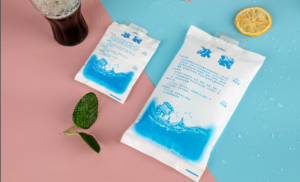
- Water Injection Ice Packs: The design of water injection ice packs ensures that the cooling effect is evenly distributed. These packs can conform to different shapes, making them ideal for sensitive cargo, such as pharmaceuticals or perishables, where consistent cooling is essential.
- Traditional Ice Blocks: Ice blocks tend to cool more unevenly. While they are effective in the areas they contact, they do not distribute cooling as efficiently over a larger surface area, leading to less consistent performance.
3. Convenience and Flexibility
- Water Injection Ice Packs: Water injection ice packs are flexible and space-efficient. After use, they can be folded or rolled up for easy storage. Their adaptable shape allows them to fit snugly into different containers, making them ideal for shipping and transport.
- Traditional Ice Blocks: Ice blocks are bulky and fixed in shape. While they provide effective cooling, their rigid form makes them less adaptable to various packaging needs.
4. Post-Melt Liquid Management
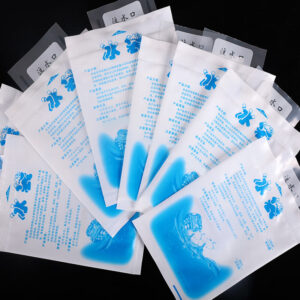
- Water Injection Ice Packs: Unlike traditional ice blocks, water injection ice packs are designed to prevent leaks even as they melt. Their sealed design ensures that any melted water stays contained, making them more hygienic and easier to manage.
- Traditional Ice Blocks: When ice blocks melt, they release water that needs to be managed. This can create a mess and potentially damage the items you are trying to keep cool.
5. Material Durability
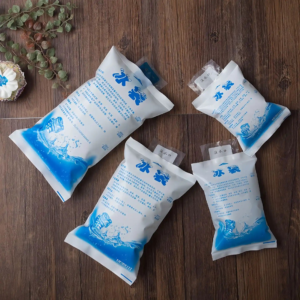
- Water Injection Ice Packs: Made from durable, non-toxic materials like polyethylene (PE) or polypropylene (PP), water injection ice packs are designed to withstand multiple uses without degradation. These materials provide a higher level of insulation, ensuring prolonged cooling performance.
- Traditional Ice Blocks: Ice blocks require freezing before use and typically lack the same durability. After several uses, they may crack, break, or require refreezing, limiting their lifespan.
6. Environmental Impact
- Water Injection Ice Packs: Water injection ice packs are reusable, making them a more eco-friendly choice. Once emptied, they can be stored and used again, reducing waste compared to single-use ice blocks.
- Traditional Ice Blocks: Ice blocks are often single-use, requiring freezing each time they are needed. While reusable, the need for frequent freezing consumes energy and contributes to higher environmental costs.
Conclusion
In summary, water injection ice packs offer longer cooling durations, more efficient cooling distribution, better flexibility, and are more environmentally friendly compared to traditional ice blocks. They are ideal for applications that require consistent and long-lasting cooling, such as in cold chain transportation and preserving perishable goods. Traditional ice blocks, on the other hand, are simpler to use but may require more frequent replacement and produce more waste.
By choosing high-quality water injection ice packs and using them correctly, you can ensure optimal performance and enjoy a more convenient, eco-friendly cooling solution.
Common Causes of Water-Filled Ice Pack Seal Failure

Water-filled ice packs commonly experience seal failures during use, which not only affects their cooling efficiency but may also result in leakage. Understanding the causes of seal failure can help you use and maintain ice packs more effectively. Here are the main reasons for seal failure:
1. Manufacturing Process Issues
Water-filled ice pack seals are typically formed through heat sealing or ultrasonic welding. If temperature, pressure, or time control during production is improper, the seal may be incomplete, creating weak points. These weak areas are more susceptible to breaking under pressure, friction, or external force during use.
2. Uneven Materials
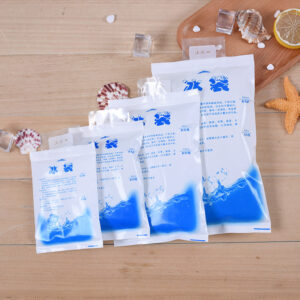
If the material thickness of the ice pack is uneven or inconsistent in quality, the seal may experience uneven stress, increasing the risk of breakage. When thinner or lower-quality material is used at the seal, it becomes more susceptible to deformation or breakage under pressure, which can affect the lifespan of the ice pack.
3. Overfilling
Overfilling the ice pack leads to excessive internal pressure, especially at the seal. The concentrated pressure at the seal can cause it to fail. Overfilling not only increases the risk of leakage but also raises the likelihood of the ice pack rupturing.
4. External Impact or Friction
Ice packs may encounter external impacts or friction during transport, storage, or use. Collisions with hard objects or sharp items, especially at the seal, can damage the material, compromise the seal, and lead to seal failure.
5. Aging and Prolonged Use
Over time, particularly with frequent use or exposure to high temperatures and sunlight, the material of the ice pack gradually deteriorates. The elasticity and strength of the material decline, weakening the seal’s ability to withstand stress, making it more prone to failure.
6. Temperature Fluctuations
Temperature fluctuations also contribute to seal failure. Rapid temperature changes, particularly from high to low temperatures, cause internal water expansion that may increase pressure at the seal, which can lead to rupture.
Conclusion
The causes of water-filled ice pack seal failure are primarily related to manufacturing processes, material quality, overfilling, external forces, and environmental conditions. Understanding these causes can help consumers use and maintain ice packs more effectively, reducing the risk of seal failure and extending the ice pack’s lifespan. By following proper usage guidelines, performing regular checks, and storing the ice packs correctly, their durability can be significantly improved.