


Efficient and Eco-Friendly Ice Packs: A New Choice for Home Cold Chain Solutions
Efficient and Eco-Friendly Ice Packs: A New Choice for Home Cold Chain Solutions

With the growing demand for cold chain logistics and freshness, Shanghai Huizhou Industrial Co., Ltd. has launched a revolutionary and highly efficient eco-friendly ice bag. This innovative product uses advanced polymer absorbent resin technology that can be activated by simply soaking in water, providing a lightweight, environmentally friendly and efficient solution for cold chain needs.

Features:
Innovative absorbent design
Each ice pack grid measures 6 cm × 6 cm and is filled with polymer absorbent resin, making it lightweight and portable when not in use.
The resin expands into a gel after soaking, which improves cooling performance and simplifies home use.
Eco-friendly materials
Made with eco-friendly polymer resins that meet international safety standards and do not contain harmful substances.
Designed for biodegradability and responsibly disposed of through environmentally friendly channels to reduce environmental impact.
Excellent cooling performance
Once frozen, ice packs provide up to 12 hours of continuous cooling, making them ideal for food and pharmaceutical cold chain applications.
The segmented design ensures that cooling is evenly distributed, eliminating temperature differences during storage.

Specifications and performance
- Product size: 24 compartments Package size: 36cm× 24cm, thickness: 2cm 2 cm.
- Water absorption per grid: Expands to about 40 ml per grid after soaking.
- Cooling temperature range: -20°C to 0°C.
- Cooling Duration: Maintain the temperature between 2°C and 8°C in an ambient environment of 25°C for up to 12 hours.
Test results
Food cold chain testing
Conditions: Ambient temperature 25°C, standard insulated container.
Results: After freezing to -18°C, a 24-cell ice pack kept 5kg of fresh produce between 2°C and 8°C 8 °C to 2 °C for 12 h, maintaining food quality.
Drug transport testing
Conditions: Simulated long-distance transport at 30°C.
Results: Frozen at -18°C, ice packs maintained vaccine samples at 2°C to 8°C 8 °C to 2 °C for more than 10 hours, meeting pharmaceutical cold chain standards.
Home test
Conditions: Frozen in a regular refrigerator and used for outdoor beverage cooling.
Results: The drink was refrigerated in an outdoor environment for up to 8 hours.

Applications
- Food Transport: Perfect for short-distance transportation of fresh produce, dairy, and frozen foods, ensuring quality preservation.
- Pharmaceutical Cold Chain: Ideal for transporting vaccines, insulin, and blood products that require precise temperature control.
- Outdoor Activities: Excellent for picnics, camping, and gatherings, keeping beverages and food cool and fresh.
Instructions for Use
- Activate by Soaking: Lay the ice pack flat in clean water, ensuring each grid fully contacts the water surface. Soak for 3-5 minutes until the resin expands into a gel.
- Freeze: Wipe off excess water and place the ice pack in the freezer for at least 6 hours.
- Usage: Remove the frozen ice pack and use it alongside items requiring refrigeration.
Choose Huizhou Ice Packs for Efficient and Eco-Friendly Cold Chain Solutions
Shanghai Huizhou Industrial Co., Ltd. redefines cold chain and freshness preservation with its lightweight, eco-friendly design and high-performance cooling capabilities. This innovative product not only meets diverse consumer needs but also paves the way for a greener future in the cold chain industry. Choose Huizhou Tech Ice for effortless and sustainable cooling solutions!
Tempcontrolpack Launches Innovative Steak Packaging Solution

With the growing demand for high-quality cold chain packaging, we are proud to introduce our new steak packaging product, designed to address the challenges of modern cold chain transportation. Here are the key advantages and features of our steak packaging:
Premium Materials for Food Safety
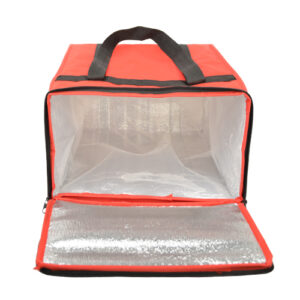
Our steak packaging is made from high-quality materials specifically designed for cold chain transportation. This packaging effectively preserves the steak’s original quality, protecting it from temperature fluctuations and environmental changes during transit. The materials meet food safety standards and offer waterproof, moisture-proof, and compression-resistant properties, ensuring the steak remains intact throughout the shipping process.
Extended Freshness, Longer Shelf Life
Utilizing advanced insulation technology and special thermal materials, our steak packaging provides long-lasting low-temperature protection. Compared to traditional packaging, it significantly extends the freshness and shelf life of the steak during transit and storage. Ideal for long-distance and cross-border shipping, it ensures that customers receive fresh, high-quality products.
Efficient Cold Chain Transportation
Cold chain transportation is crucial to maintaining food freshness, especially for perishable items like steak. Our custom-designed packaging solution optimizes the internal structure and materials to minimize heat exchange, ensuring temperature stability throughout the entire transportation process. This packaging improves supply chain efficiency and reduces losses for both retailers and foodservice businesses.

Convenient User Experience
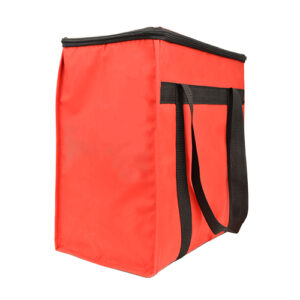
Our steak packaging features a simple, user-friendly design that suits a variety of cold chain transportation needs. The internal layout is adjustable to accommodate different steak sizes, offering optimal protection. Additionally, the packaging is reusable, reducing packaging costs for businesses and aligning with eco-friendly practices in green logistics.
Aesthetic Design and Brand Display
Beyond functionality, the visual design of our steak packaging is a standout feature. The exterior can be customized to display the brand logo and product information, enhancing consumer appeal. This premium packaging not only elevates the brand image but also builds customer trust in product quality.

Sustainable and Eco-friendly
We prioritize sustainability in our steak packaging design. All materials comply with environmental standards and are recyclable. By reducing the use of single-use packaging, we contribute to the development of green cold chain logistics and reduce environmental impact.
Versatile for Multiple Transport Methods
Whether by air, sea, or land, our steak packaging provides reliable protection. Tailored to meet the specific demands of different transport methods, we have conducted extensive testing and optimization to ensure superior freshness preservation in various shipping environments.
Conclusion
Our steak packaging offers extended freshness, food safety, and efficient cold chain transportation while providing comprehensive solutions for eco-friendliness, user convenience, and brand display. We are committed to offering high-quality, efficient cold chain packaging products to meet the growing global demand for cold chain logistics.
HOW TO SHIP BAKED GOODS

To ensure baked goods stay fresh and tasty during transport, proper packaging is essential. Use food-grade materials like greaseproof paper, food-safe plastic bags, and bubble wrap to prevent moisture, spoilage, or damage.
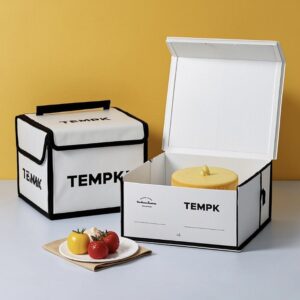
Additionally, use insulated containers and ice packs to maintain the appropriate temperature during transport and avoid temperature fluctuations that could impact quality. Properly arrange items to avoid squishing and collision, preserving their appearance and taste. Lastly, include labels with shelf life and storage recommendations for the best customer experience.

2. Transportation of Baked Goods
To ensure the freshness and flavor of baked goods upon arrival, temperature control and shock protection are crucial. Cold chain logistics, such as refrigerated vehicles and portable coolers, maintain low temperatures, preventing spoilage. Choosing a quick and smooth transportation route minimizes transit time and turbulence, ensuring safe delivery. Regular temperature monitoring during transport ensures stability, and materials like foam mats or bubble wrap provide protection against shock and vibration.
3. Transporting Low-Temperature Baked Goods
For cold-baked goods, proper packaging and transport are key to maintaining freshness throughout the supply chain. The steps include:
Packaging:
- Food-Grade Materials: Use greaseproof paper or food-safe plastic bags to package items separately, preventing moisture and spoilage.
- Vacuum Packaging: Use vacuum-sealing to extend the shelf life of perishable baked goods.
- Insulation Materials: Add insulation, such as bubble wrap or foam mats, to form a buffer against external temperatures.
- Coolers & Ice Packs: Place packaged items in insulated coolers with ample ice packs to maintain a consistent low temperature.
Transport:
- Cold Chain Logistics: Use cold chain services to keep goods within a strict temperature range (0°C to 4°C).
- Efficient Routes: Choose the fastest transport routes to minimize exposure to the external environment.
- Temperature Monitoring: Use monitoring equipment to track and maintain stable temperatures, making adjustments if necessary.
These measures ensure that low-temperature baked goods reach consumers fresh, flavorful, and safe.
4. Huizhou’s Services for Low-Temperature Food Transport
Huizhou Industrial Cold Chain Transportation Co., Ltd. has 13 years of experience in providing professional packaging and temperature monitoring services for baked goods. From packaging to temperature control, we ensure food safety and quality throughout the transport process.
Professional Packaging Solutions
- Food-Grade Materials: We use internationally certified food-grade packaging, including greaseproof paper, plastic bags, and vacuum-sealed bags, to prevent contamination and preserve original flavor.
- Insulation & Equipment: Our high-performance coolers and ice packs maintain a stable low-temperature environment during transport, with multi-layer insulation for optimal protection.
- Shock Absorption: Bubble wrap and foam mats protect items from pressure and movement, preserving their appearance and integrity.
Temperature Monitoring Services
- Monitoring Equipment: We use high-precision devices for real-time temperature tracking to maintain optimal conditions.
- Real-Time Alerts: Our monitoring system includes automatic alerts for temperature deviations, ensuring immediate corrective actions.
- Data Analysis: Detailed temperature logs provide customers insights into temperature stability throughout transit.
- Customized Solutions: We tailor our temperature control solutions to meet specific customer needs, whether for short or long-distance transport.
Huizhou is dedicated to ensuring baked goods are always fresh and safe. Our commitment to professionalism, innovation, and customer satisfaction drives our continuous improvement in service quality.
5. Packaging Consumables for Your Selection
COLD CHAIN PACKAGING SOLUTIONS

Overview of Cold Chain Packaging
Cold chain packaging encompasses various solutions designed to transport and store perishable items in low-temperature environments. These solutions are critical for maintaining the required temperature range throughout the supply chain, ensuring that products like food, pharmaceuticals, and chemicals retain their quality and do not deteriorate.

Types of Cold Chain Packaging Systems
Cold chain packaging systems are categorized based on their method of temperature control, each optimized for specific applications and conditions.
1. Passive Cold Chain Packaging Systems
Passive systems maintain temperature using thermal insulation and cold sources, without the need for external power. They are ideal for short- to medium-distance transportation where a power supply may not be available.
- Foam Boxes: Made from polystyrene (EPS) or polyurethane (PU), offering excellent insulation. Often used with ice packs, dry ice, or phase change materials (PCM).
- Hard Coolers: Durable materials with internal insulation, suitable for long-duration transport, providing robust protection.
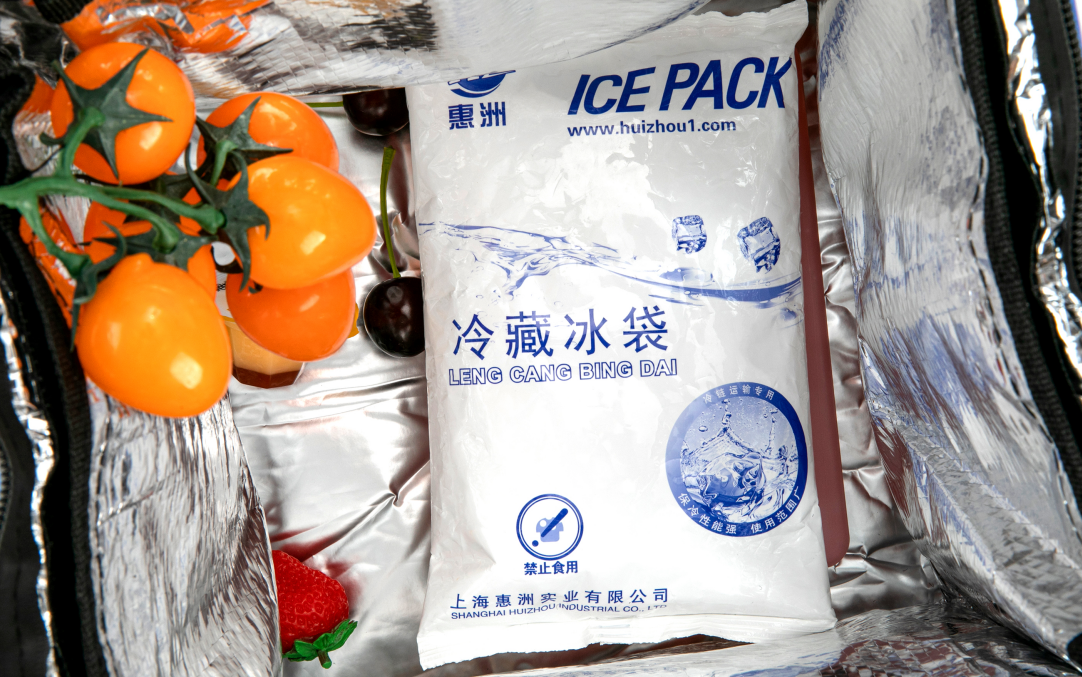
- Flexible Insulation Bags: Lightweight, multi-layered insulation materials, perfect for small-scale cold chain transport.

2. Active Cold Chain Packaging Systems
Active systems use mechanical or electronic devices to control and maintain internal temperatures. These systems are equipped with refrigeration units, electric heaters, and temperature sensors for precise control.
- Refrigerated Boxes: Built-in refrigeration units powered by electricity or batteries, suitable for long-distance transport requiring continuous temperature management.
- Refrigerated Vehicles: Large vehicles equipped with refrigeration systems, ideal for bulk and long-distance cold chain transport.
- Portable Refrigerators: Small refrigeration units used for transporting high-value or urgent items, offering strong portability for short distances.
3. Hybrid Cold Chain Packaging Systems
Hybrid systems combine passive and active components, providing multi-level temperature protection. They often integrate thermal insulation with mechanical refrigeration for enhanced reliability.
- Intelligent Incubators: Combine insulation materials with built-in temperature control devices, capable of automatic temperature adjustments.
- Combined Cold Chain Packaging: Multi-layer design featuring passive insulation on the outer layer and active refrigeration on the inner layer for dual protection.

4. Phase Change Material (PCM) Cold Chain Packaging Systems
PCM systems leverage phase change materials to stabilize internal temperatures through heat absorption and release during the phase change process.
- PCM Incubators: Contain PCM modules with specific temperature ranges, ideal for transporting temperature-sensitive items like vaccines.
- PCM Insulation Bags: Portable designs incorporating PCM, suitable for small-batch cold chain transport.
Key Products in Cold Chain Packaging
- Ice Packs: Various types, including water-filled, gel, and saline, used to maintain low temperatures during transport.
- Ice Boxes: Devices with greater cooling capacity and longer cooling times, often used for fresh food and pharmaceuticals.
- Water Injection Ice Packs: Cost-effective and easy-to-use ice packs for short-distance transport.
- Tech Ice: Advanced PCM offering stable cooling within a specific temperature range, ideal for pharmaceutical transport.
- Aluminum Foil Bags: Insulating bags with excellent thermal properties, commonly used for food and drug transport.
- Insulation Bags: Portable, efficient bags used for daily food preservation and medicine refrigeration.
- Plastic Insulated Boxes: High-density plastic containers with insulation, used for transporting food, beverages, and pharmaceuticals.
- EPP Insulated Boxes: Made from eco-friendly expanded polypropylene (EPP), offering excellent insulation and durability.
- VIP Medical Insulated Boxes: Utilize vacuum insulation panels for high-performance insulation, ideal for temperature-sensitive products like vaccines.
- Insulated Paper Boxes: Made from special insulation materials, cost-effective, environmentally friendly, and suitable for single-use transport.
- Foam Boxes: Polystyrene foam containers offering good insulation and shock resistance, commonly used for food, aquatic products, and pharmaceuticals.
Case Studies
Cherry Transportation
Context: A fruit supplier needed to maintain the freshness of cherries during long-distance transport, especially during spring and autumn when temperature fluctuations are significant.
Customer Requirements:
- Temperature control to keep cherries fresh.
- Packaging safety to prevent damage.
- Use of eco-friendly materials.
- Ensure transport does not exceed 24 hours.
Our Solution:
- Efficient Coolant: Used gel ice packs and organic PCM to maintain stable temperatures.
- High-Quality Insulation: Foam boxes with soft cushioning materials for protection.
- Eco-Friendly Materials: Biodegradable packaging materials.
- Temperature Monitoring: Provided real-time monitoring via a mobile app.
Result: Cherries remained fresh and undamaged after 24 hours of transport, meeting the customer’s requirements.
Pharmaceutical Cold Chain
Context: A pharmaceutical company needed to transport high-value drugs in a temperature-controlled environment, maintaining 2-8°C for over 50 hours under a high ambient temperature of 36°C.
Customer Requirements:
- Strict temperature control.
- Reliable packaging with efficient insulation.
- Use of non-toxic, safe materials.
- Provide visual monitoring of temperature.
Our Solution:
- Efficient Coolant Selection: Used saline ice packs and organic PCM for temperature stability.
- Advanced Incubators: VIP incubators with multilayer insulation and high-efficiency coolants.
- Safe and Eco-Friendly Materials: Materials met pharmaceutical standards and were environmentally friendly.
- Temperature Monitoring System: Real-time monitoring and recording of temperature data.
Result: The solution successfully maintained the required temperature range for over 50 hours, fully satisfying the customer’s stringent requirements.
Custom Cold Chain Solutions
Explore our tailored cold chain packaging solutions to meet your specific needs, ensuring the highest standards of quality and safety for your temperature-sensitive products.
WHAT IS AMBIENT TEMPERATURE?

Ambient temperature refers to the air temperature in a specific environment or space, typically measured using a thermometer and expressed in degrees Celsius (°C) or Fahrenheit (°F). Understanding ambient temperature is crucial for ensuring the proper storage of various goods, as it helps maintain their quality and safety by preventing deterioration, damage, or failure.

Suitable Ambient Temperatures for Different Items
Different products require specific ambient temperatures for optimal storage. Below is a guide to the suitable ambient temperatures for various categories:
- Food Products:
- Fresh fruits and vegetables: 0°C to 10°C
- Dairy products: 1°C to 4°C
- Meat and poultry: -1°C to 1°C
- Seafood: -1°C to 2°C
- Frozen food: Below -18°C
- Medical Products:
- Vaccines: 2°C to 8°C
- Blood products: 2°C to 6°C (red blood cells), -25°C to -15°C (plasma)
- Biologicals: 2°C to 8°C (general requirement), -20°C to -80°C (special requirements)
- Drugs: 15°C to 25°C (normal temperature drugs), 2°C to 8°C (refrigerated medicinal products)
- Chemical Products:
- Volatile chemicals: 0°C to 4°C
- Stable chemicals: 15°C to 25°C
- Other Items:
- Cosmetics: 15°C to 25°C
- Sophisticated electronics: 15°C to 25°C

Regulating Unsuitable Environmental Temperatures
To maintain the quality and safety of products, it’s essential to regulate the environmental temperature effectively. Here are some measures:
- Active Cold Chain Packaging:
- Refrigerated Boxes: Equipped with built-in refrigeration, powered by electricity or batteries, suitable for long-distance transportation requiring continuous temperature control.
- Refrigerated Vehicles: Large vehicles with refrigeration systems, ideal for bulk and long-distance cold chain transport.
- Passive Cold Chain Packaging:
- Foam Boxes and Hard Incubators: Use thermal insulation and cold sources (e.g., ice packs, dry ice, phase change materials) to maintain internal temperatures, suitable for short and mid-distance transport.
- Phase Change Material (PCM) Solutions:
- PCM Incubators: Utilize the heat absorption and release properties of phase change materials to automatically adjust and stabilize internal temperatures, ideal for products requiring precise temperature control.
- Temperature Monitoring Equipment:
- Install devices to monitor and record temperature changes in real-time, allowing for immediate action if anomalies occur.
- Optimize Transportation and Storage Conditions:
- Schedule Transportation: Avoid extreme temperatures by choosing moderate times for transport.
- Upgrade Storage Facilities: Enhance insulation and temperature control systems in warehouses and storage units to maintain appropriate internal temperatures.

Temperature Regulation Products from Huizhou
Huizhou offers various products designed to regulate and control temperature during cold chain logistics and storage, ensuring that temperature-sensitive items remain in optimal condition:
- Ice Packs: Pre-frozen packs placed in incubators or insulation bags to maintain low temperatures during transport. Types include water-filled, gel, and saline ice packs.
- Ice Boxes: Freezing devices with high cooling capacity for prolonged refrigeration, used for fresh food and pharmaceutical products.
- Water Injection Ice Packs: Cost-effective, easy-to-use ice packs suitable for short-distance transport.
- Tech Ice: Advanced PCM-based refrigerant providing stable cooling over specific temperature ranges, ideal for pharmaceutical transport.
- Aluminum Foil Bags: Lightweight, waterproof, and moisture-proof bags with excellent heat insulation, commonly used for food and drug transport.
- Insulation Bags: Portable bags made from high-efficiency insulation materials, suitable for short-distance transport and everyday use.
- Plastic Insulated Boxes: High-density plastic containers offering effective thermal insulation, used for food, beverages, and pharmaceuticals.
- EPP Insulated Boxes: Environmentally friendly expanded polypropylene (EPP) boxes with excellent insulation and durability.
- VIP Medical Insulated Boxes: Vacuum insulation panel (VIP) boxes providing high-performance insulation, ideal for temperature-sensitive products like vaccines.
- Insulated Paper Boxes: Cost-effective, environmentally friendly cartons suitable for short-term insulation and single-use.
- Foam Boxes: Polystyrene containers offering good insulation and shock resistance, commonly used for food, aquatic products, and pharmaceuticals.
Case Studies
Cherry Transportation
Context: A fruit supplier faced challenges in maintaining the freshness of cherries during long-distance transport, particularly during the temperature fluctuations of spring and autumn.
Customer Requirements:
- Maintain stable temperature to keep cherries fresh.
- Use safe and protective packaging materials.
- Employ eco-friendly materials.
- Ensure transportation within 24 hours.
Solution:
- Selected gel ice packs and organic PCM for stable temperature control.
- Used foam boxes with cushioning materials for protection.
- Chose biodegradable packaging materials.
- Provided real-time temperature monitoring via a mobile app.
Result: The cherries remained fresh and undamaged after 24 hours of transport, satisfying the customer’s requirements.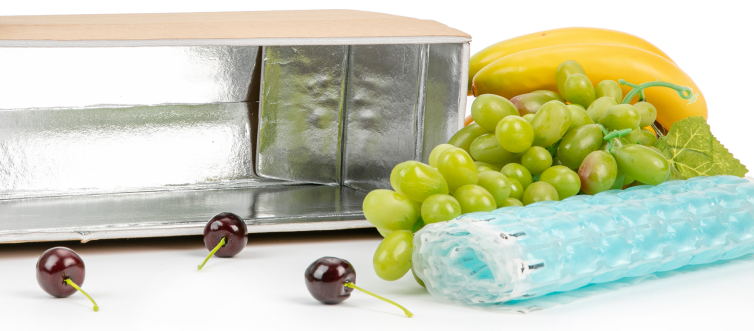
Pharmaceutical Cold Chain
Context: A pharmaceutical company needed to transport high-value drugs within a 2-8°C range for over 50 hours in a 36°C ambient temperature.
Customer Requirements:
- Strict temperature control.
- Reliable and efficient insulation.
- Safe, non-toxic materials.
- Visual temperature monitoring.
Solution:
- Used saline ice packs and organic PCM for temperature stability.
- Employed VIP incubators with multilayer insulation and high-efficiency coolants.
- Chose safe, eco-friendly packaging materials.
- Installed real-time temperature monitoring equipment.
Result: The solution maintained the required temperature for over 50 hours, fully meeting the customer’s stringent requirements.
Custom Packaging Solutions (Title Placeholder)
DRY ICE ALTERNATIVES IN COLD CHAIN LOGISTICS

In today’s global business landscape, cold chain logistics is essential for maintaining the quality and safety of perishable goods like fresh produce, valuable medicines, and delicate foods. The efficiency and reliability of cold chain operations depend heavily on high-quality cold chain supplies, which are crucial for the smooth functioning of the entire system.
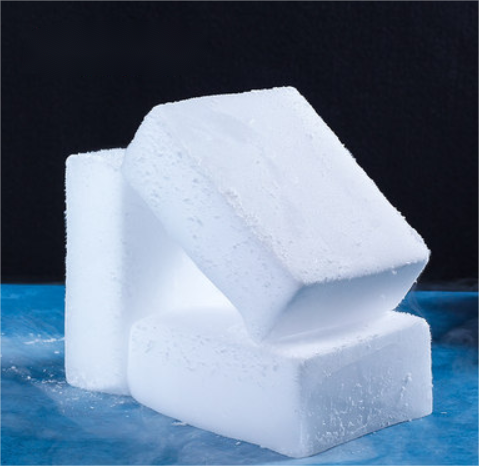
Cold chain consumables, such as incubators, refrigerated packs, ice packs, and temperature control labels, play a vital role in safeguarding the cold chain. These seemingly simple items are equipped with advanced technology and meticulous design, providing a reliable guarantee for the safe transportation of temperature-sensitive goods.
Incubators and Cold Storage Bags
Our incubators use cutting-edge insulation materials and sealing technologies to effectively block external heat exchange, maintaining a stable low-temperature environment for extended periods. Whether for long-distance transportation or short-haul deliveries, our incubators ensure that your goods remain within the appropriate temperature range.
Cold storage bags, known for their lightweight and portable design, are indispensable in cold chain transportation. Their well-thought-out internal structure optimizes space utilization, accommodating more goods while ensuring uniform and stable temperatures throughout.
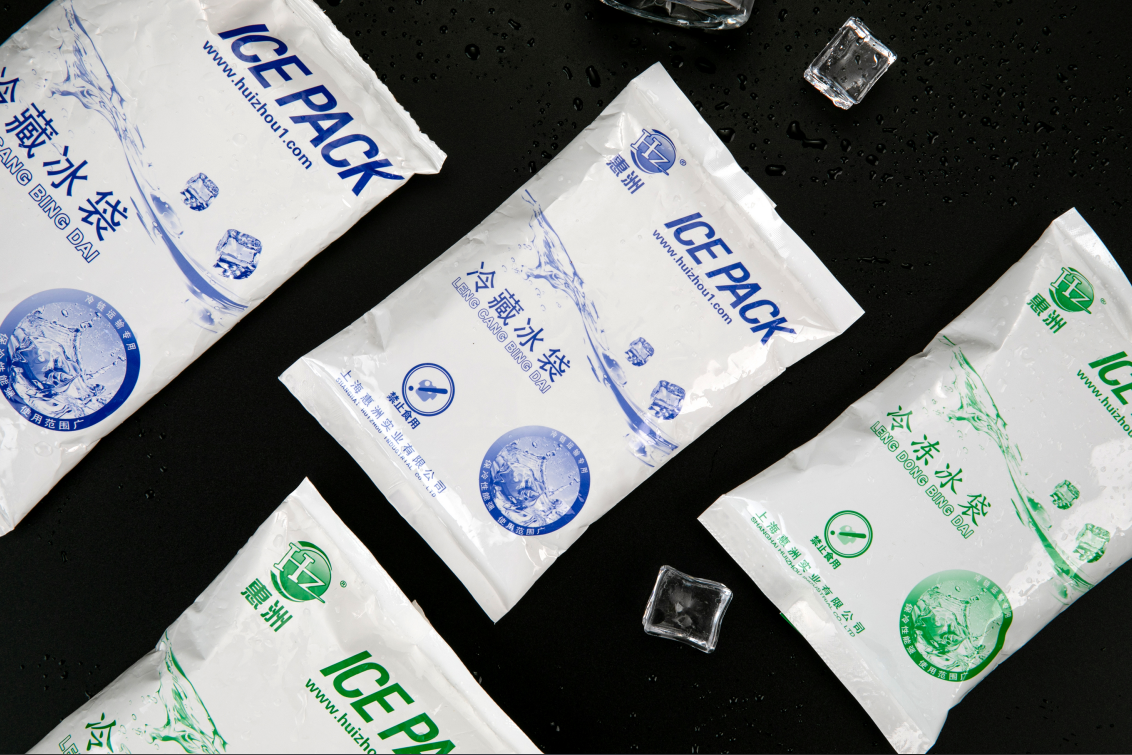
Ice Packs: The Key Cold Source
Ice packs are crucial in cold chain logistics due to their efficient refrigeration capacity and long-lasting cooling effects. Our ice packs are made from eco-friendly materials that are non-toxic, safe, and reliable, providing essential low-temperature support for your goods during critical moments.
Temperature Control Labels
Temperature control labels act as “thermometers” in cold chain transportation, continuously monitoring and recording temperature changes. This real-time data allows you to track the temperature of your cargo during transit, ensuring that the quality of your goods remains unaffected.
Why Choose Our Cold Chain Consumables?
Choosing our cold chain consumables means opting for quality and peace of mind. We are committed to delivering top-notch products and personalized service to ensure your cold chain operations run smoothly. In an era of increasingly stringent quality requirements, let us help you build an efficient, safe, and reliable cold chain ecosystem that supports your business growth.

The Importance of Ice Packs in Cold Chain Logistics
Ice packs are indispensable in maintaining a low-temperature environment during cold chain transportation and storage. They prevent goods from deteriorating, getting damaged, or losing efficacy by continuously releasing cold energy, effectively lowering the surrounding temperature and providing a stable low-temperature environment.
Ice packs offer excellent cooling performance, especially in scenarios where power supply is unstable or during long-distance transportation. They help extend the shelf life of goods and ensure their quality remains intact.
The flexibility of ice packs makes them suitable for various applications, whether in small packages, refrigerated boxes, large refrigerated trucks, or cold storage facilities. They can be configured and placed according to specific needs, fully meeting the requirements of different cold chain scenarios.
Moreover, ice packs are cost-effective, easy to access, and simple to use, providing an economical way to maintain effective temperature control in cold chain operations, thereby reducing costs while ensuring product quality.

The Protective Role of Foam Boxes in Cold Chain Logistics
Foam boxes are crucial in protecting goods during cold chain transportation, offering several benefits:
- Excellent Insulation: Foam boxes, made from materials like polystyrene, contain tiny closed cells that effectively prevent heat transfer. This insulation creates a stable low-temperature environment, delaying temperature rise and extending the shelf life of goods.
- Buffer Protection: Foam boxes are soft and elastic, absorbing and dispersing impact during transit. This cushioning effect reduces mechanical damage, especially for fragile cold chain products like fresh fruits and delicate frozen foods.
- Sealing Properties: Foam boxes can block external air, moisture, and contaminants, protecting goods from pollution and maintaining their quality and hygiene.
- Lightweight and Cost-Effective: Foam boxes are easy to carry and operate, reducing transportation costs. Their durable structure allows for multiple reuses, aligning with sustainable development principles.
In summary, foam boxes provide reliable protection for goods in cold chain logistics, ensuring quality and safety throughout transportation with their excellent insulation, cushioning, sealing, and cost-effective properties.
What is the Gel in Ice Packs?

In pharmaceutical cold chain logistics, gel ice packs play a crucial role. Here’s a detailed overview:
1. What is a Gel Ice Pack?
A gel ice pack is an ice pack filled with a special gel material primarily used for temperature control during refrigeration, frozen transport, and storage. These packs can freeze and maintain low temperatures for extended periods, ensuring the proper temperature is maintained during transportation and storage.
2. What is the Gel Component in the Ice Pack?
The gel in ice packs typically consists of the following components:
- Water: The main component, providing basic cooling functionality.
- Polymer Polymers: Such as sodium polyacrylate, which have excellent water absorption and retention properties, forming a gel-like substance.
- Preservatives: Like ethylene glycol, to prevent the gel from deteriorating during long-term use.
- Thickener: Such as sodium carboxymethylcellulose, to increase the gel’s viscosity and stability.

3. Characteristics and Risks of Different Types of Gel Ice Packs
Gel ice packs are available in various types, each with unique characteristics and potential hazards:
- Ordinary Gel Ice Pack:
- Features: Easy to use, low cost, suitable for general cold chain transportation.
- Risk: If damaged, the gel may leak, causing environmental pollution, though it is generally non-toxic.
- High-Performance Gel Ice Pack:
- Features: Maintains low temperatures longer, suitable for pharmaceutical products requiring strict temperature control.
- Risk: May contain toxic chemicals, requiring careful handling.
- Eco-Friendly Gel Ice Pack:
- Features: Made with environmentally friendly materials, easy to recycle and degrade.
- Hazard: Generally non-toxic but must be handled carefully to avoid contamination if damaged.
- Standard Gel Ice Pack:
- Features: The most common type, filled with gel and encased in waterproof plastic or textile material.
- Use: For home medical cold compresses, such as sprains and injuries.
- Reusable Gel Ice Pack:
- Features: Designed for repeated freezing and use, more durable.
- Use: Suitable for long-term healthcare and repeated use, like muscle relaxation after exercise.
- Children’s Gel Ice Pack:
- Features: Safer design with non-toxic materials and often decorated with cartoon patterns.
- Usage: For children’s injuries, headaches, providing comfort and relief.
- Sport Gel Ice Pack:
- Features: Includes straps or fixing devices for easy use in sports.
- Use: Ideal for athletes, particularly for joint and muscle cold compresses.
- Special Shape Gel Ice Pack:
- Features: Designed for specific body parts, such as eye masks, shoulder/neck, or knee types.
- Use: For targeted cold compresses, like relieving eye fatigue or neck pain.
- Medical-Grade Gel Ice Pack:
- Features: Higher quality standards, better cooling effects, usually used in medical environments.
- Use: For post-surgical care, first aid, and other professional medical purposes.
- Instant Cold Compress Gel Ice Pack:
- Features: Does not require freezing, cools down immediately through a chemical reaction.
- Use: Suitable for emergencies and outdoor activities, like sports injuries or insect bites.

Case Studies
- Standard Gel Ice Pack:
- Case: Xiao Ming sprained his ankle while playing basketball. His mother used a standard gel ice pack to reduce the swelling. The ice pack was soft, easy to use, and effective.
- Reusable Gel Ice Pack:
- Case: Mr. Zhang, a runner, used a reusable gel ice pack to cool his knees after each run, avoiding the need to buy disposable ice packs, making it both eco-friendly and economical.
- Children’s Gel Ice Pack:
- Case: Floret fell while playing, and the teacher used a children’s gel ice pack with a cartoon pattern to comfort her and reduce swelling, quickly stopping her tears.
- Sport Gel Ice Pack:
- Case: During football practice, Coach Li used a sport gel ice pack with a strap to secure it to a player’s injured knee, allowing him to rest and apply cold compress simultaneously.
- Special Shape Gel Ice Pack:
- Case: Ms. Wang used a shoulder and neck gel ice pack after work to relieve stiffness and discomfort, with remarkable results.
- Medical-Grade Gel Ice Pack:
- Case: After knee surgery, Mr. Li used medical-grade gel ice packs for post-operative care, helping to reduce pain and swelling during recovery.
- Instant Cold Compress Ice Pack:
- Case: While camping, Xiao Li used an instant cold compress ice pack to relieve redness and itching from a mosquito bite, quickly easing the discomfort.
These gel ice packs cater to various needs, from daily home use to professional medical care.
Huizhou’s Gel Ice Packs
Huizhou offers a wide range of gel ice packs, from ordinary to high-performance and eco-friendly options:
- Ordinary Gel Ice Pack:
- Application: General medicine and food cold chain transportation.
- Features: Economical, easy to use.
- High-Performance Gel Ice Pack:
- Application: Pharmaceutical products requiring long-term cryopreservation, such as vaccines.
- Features: Maintains low temperature for longer periods with stable temperature control.
- Eco-Friendly Gel Ice Pack:
- Application: Cold chain transportation with high environmental standards.
- Features: Made from biodegradable materials, eco-friendly, and pollution-free.
Case Sharing of Huizhou
Huizhou has extensive experience in the pharmaceutical cold chain. Here are a few successful cases:
- Case 1: Vaccine Cold Chain Transportation:
- Client: A large pharmaceutical company.
- Solution: High-performance gel ice packs and real-time temperature monitoring ensured stable temperature control during long-distance vaccine transportation.
- Case 2: Refrigeration of Biological Agents:
- Client: A biological preparation company.
- Solution: High-performance gel ice packs and temperature monitoring maintained a stable low-temperature environment, ensuring the activity of biological agents during transportation.
- Case 3: Blood Product Transportation:
- Client: A medical institution.
- Solution: Special gel ice packs and professional temperature-controlled packaging design ensured the safe transportation of blood products.
- Case 4: Insulin Cold Chain Transportation:
- Client: A large pharmaceutical company.
- Solution: Eco-friendly gel ice packs and real-time temperature monitoring ensured the stability and safety of insulin during long-distance transportation.
- Case 5: Food Cold Chain:
- Client: A food company.
- Solution: Ordinary gel ice packs were used to maintain the freshness and safety of food, significantly improving customer satisfaction.
These cases highlight the importance and advantages of Huizhou’s gel ice packs in the pharmaceutical cold chain. For more detailed information, you can visit the company’s official website or related resources.
WHAT IS COLD CHAIN MANAGEMENT?

Cold chain management ensures that products requiring a low-temperature environment remain stable throughout the entire process from production to consumption. This process includes production, storage, transportation, distribution, and sales. For example, summer ice cream would be unappealing if it melted during transportation. The purpose of cold chain management is to prevent temperature-sensitive products, such as ice cream, fresh food, and vaccines, from deteriorating.

Key Elements of Cold Chain Management
To effectively manage a cold chain, attention must be given to the following key points:
1. Temperature Control
- Suitable Temperature: Different products require different storage temperatures. For instance, refrigerated food should generally be kept between 0°C and 4°C, while frozen food should be stored below -18°C.
- Real-Time Monitoring: In pharmaceutical distribution, temperature monitoring equipment should be used to check and record temperatures during transportation, ensuring they remain within the appropriate range.
2. Suitable Packaging
- Insulation Materials: Choose the right packaging, such as VIP incubators, EPS incubators, or aluminum foil insulation bags, to maintain the temperature during transportation.
- Cold Storage Agents: Select appropriate refrigerants, such as refrigerated ice packs, frozen ice packs, gel ice packs, or organic phase change materials, depending on the needs.
3. Right Mode of Transportation
- Cold Chain Logistics Companies: Select companies with cold chain transportation capabilities and suitable refrigeration equipment.
- Route Planning: Optimize transportation routes to reduce time and minimize temperature fluctuation risks.
4. Fast Loading and Unloading
- Rapid Operation: Load and unload goods quickly to minimize temperature fluctuations. Ensure consistent temperatures in cold storage, vehicles, and distribution centers.
- Standard Operation: Train staff to handle goods properly, avoiding damage to packaging or seals during loading and unloading.
5. Ensuring Food Safety
- Maintain Hygiene: Ensure packaging and transportation equipment are clean to avoid contamination.
- Regular Inspection: Regularly check cold chain equipment to ensure it is functioning correctly and to prevent temperature issues caused by equipment failures.
By focusing on these key points, the quality and safety of frozen and refrigerated products, including pharmaceutical reagents, can be ensured during express delivery, providing consumers with peace of mind.
Components and Process of Cold Chain Management
1. Requirements Analysis and Planning
- Determine the type and quantity of products requiring cold chain transportation.
- Select appropriate transportation and storage methods and develop a detailed temperature control plan.
2. Supplier Selection and Evaluation
- Choose suppliers capable of providing cold chain logistics services.
- Assess suppliers to ensure they have qualified cold chain facilities and operational capabilities.
3. Packaging and Pretreatment
- Select appropriate packaging materials, such as insulation boxes and ice packs.
- Pre-cool or preheat products before packing to ensure proper temperature during shipment.
4. Temperature Monitoring Equipment
- Use temperature recorders or sensors to monitor the temperature during transportation in real-time.
- Ensure the temperature monitoring equipment works throughout the transportation process.
5. Transportation Management
- Choose the right transportation method (refrigerated trucks, containers, etc.).
- Ensure transport vehicles reach the specified temperature before loading.
- Minimize transit times and stopovers to maintain temperature stability.
6. Storage Management
- Use suitable cold storage or refrigeration facilities.
- Ensure the temperature control system is operational and equipped with monitoring and alarm systems.
7. Distribution and Delivery
- Arrange for end distribution to keep products within the specified temperature range during delivery.
- Conduct temperature checks upon delivery to ensure the product’s quality has not been affected.
By following a strict cold chain management process, temperature-sensitive products can maintain the appropriate temperature throughout transportation and storage, ensuring their quality and safety.

Importance of Cold Chain Management
The importance of cold chain management is evident, as no one wants to buy melted ice cream or ineffective vaccines. Proper cold chain management ensures that products remain in optimal condition from start to finish, reducing waste and improving safety.
Industries Relying on Cold Chain Management
Several industries heavily rely on cold chain management, including:
- Food Industry: Fresh products like meat, seafood, dairy, and fruits/vegetables need cold chain management to prevent rapid deterioration.
- Pharmaceutical Industry: Vaccines, blood products, and biological agents require temperature control to maintain effectiveness and safety.
- Chemical Industry: Certain chemicals are sensitive to temperature changes, requiring cold chain management to preserve their properties.
- Flower Industry: Flowers must be kept in a low-temperature environment to remain fresh and vibrant, making cold chain management essential.
Challenges in Cold Chain Management
Despite its importance, cold chain management faces several challenges:
- High Cost: Building and maintaining cold chain equipment and facilities, such as refrigerated vehicles and cold storage, require significant investment.
- High Technical Requirements: Customized solutions are needed to meet specific customer requirements, ensuring temperature control throughout the process.
- Complexity: Cold chain management involves multiple steps, each requiring meticulous attention to avoid any errors.
- Transportation Risks: Long-distance transportation can be challenging due to potential emergencies like traffic accidents or equipment failures, requiring strict temperature control.
- Regulations and Standards: Different countries have varying cold chain management regulations, necessitating adjustments in strategy based on market requirements.
How Huizhou Can Help
Huizhou Company, with its extensive experience and advanced technology, offers comprehensive cold chain management solutions:
- Customized Solutions: Tailored cold chain management plans are provided to meet specific customer needs, ensuring temperature control at every stage.
- Advanced Equipment: Huizhou offers a wide range of advanced cold chain equipment, including ice boxes, ice bags, and insulated bags, to maintain optimal product conditions.
- Professional Training: Huizhou provides training to improve operational skills and emergency handling abilities.
- Compliance Consulting: The company assists clients in understanding and complying with local cold chain regulations, ensuring legal and compliant operations.
Through scientific cold chain management, companies can improve product quality, safety, and reduce waste and operational risks. Huizhou is committed to providing top-quality cold chain management services to help clients succeed in a competitive market.
WHAT IS A COLD CHAIN SOLUTION?
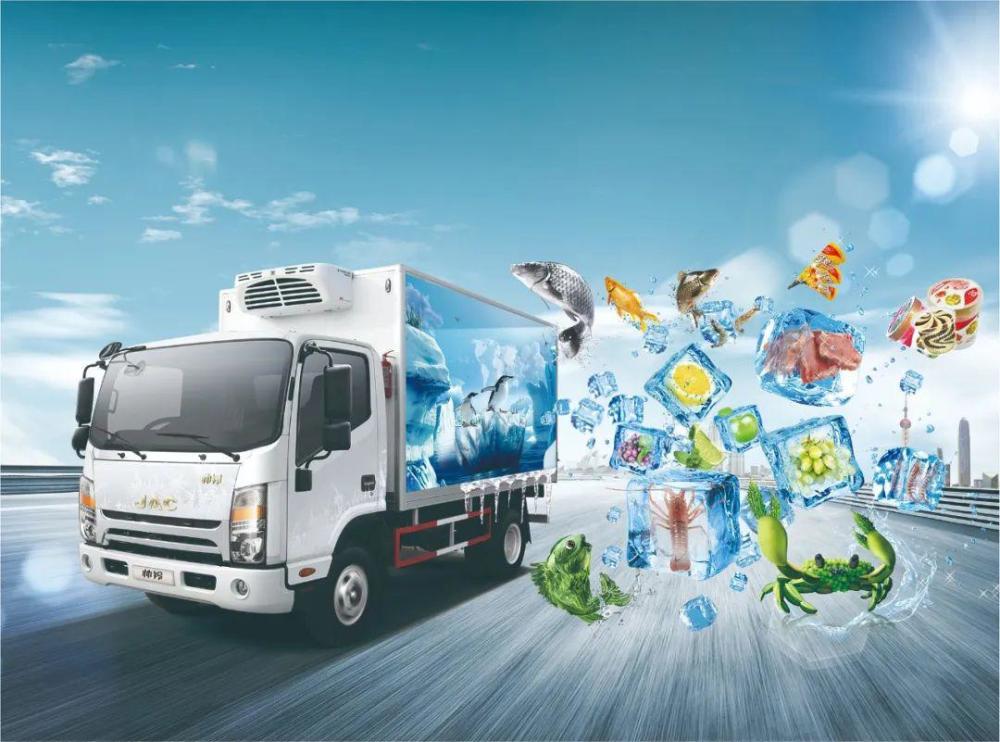
Cold chain solutions refer to the use of various technologies, equipment, and cold chain packaging materials throughout the supply chain to ensure that temperature-sensitive products (such as food and pharmaceuticals) are always kept within the appropriate low-temperature range. This ensures the quality and safety of products from production, transportation, and storage to sales.

Importance of Cold Chain Solutions
1. Ensure Product Quality
For example, fresh vegetables and fruits spoil easily without proper temperature control. Cold chain solutions keep these products fresh during transportation and storage, extending their shelf life.
Case Study: Dairy Product Distribution
Background: A large dairy company needs to deliver fresh milk and dairy products from dairy farms to supermarkets and retail stores in the city. Dairy products are highly sensitive to temperature changes and must be kept below 4°C.
Solution:
Temperature-Controlled Packaging: Use incubators and ice packs to keep dairy products cool during short-distance transportation.
Refrigerated Transportation: Use refrigerated trucks for main transport and last-mile delivery to maintain low temperatures during transit.
Temperature Monitoring Technology: Install temperature sensors in refrigerated trucks to monitor temperatures in real-time, with automatic alarms when temperatures go out of range.
Information Management System: Use cold chain management software to track transportation status and temperature data in real-time, ensuring temperature control during transit.
Partner Network: Collaborate with third-party logistics companies with cold chain distribution capabilities to ensure timely and temperature-controlled delivery. Outcome: Through efficient temperature control and transportation management, the dairy company successfully delivered fresh dairy products to supermarkets and retail stores in the city, maintaining the freshness and quality of the products.
2. Ensure Safety
Some drugs and vaccines are highly sensitive to temperature, and any temperature fluctuation can decrease their efficacy or render them ineffective. Cold chain technology ensures that these products remain within a safe temperature range throughout the supply chain.
3. Reduce Waste and Save Costs
About a third of the world’s food supply is wasted each year due to poor preservation. The application of cold chain technology can significantly reduce this waste and save substantial costs. For instance, some large supermarkets have used cold chain technology to reduce the spoilage rate of fresh food from 15% to 2%.

4. Promote International Trade
Chile is one of the world’s largest exporters of cherries. To ensure that cherries stay fresh during long-haul transportation, Chilean produce companies use cold chain technology to transport cherries from orchards to markets worldwide. This allows Chilean cherries to hold a strong position in the global market.
5. Support Medical Treatment and Scientific Research
During the COVID-19 pandemic, mRNA vaccines produced by companies like Pfizer and Moderna needed to be stored and transported at extremely low temperatures. Cold chain logistics played a key role in ensuring that these vaccines were safely and effectively distributed worldwide, making a significant contribution to the global fight against the pandemic.
Components of Cold Chain Solutions
1. Cold Storage and Transportation Equipment
This includes refrigerated trucks and frozen containers, primarily used for long-distance transportation:
Refrigerated Trucks: Similar to the frozen trucks seen on the road, these trucks have powerful cooling systems, with temperatures controlled between -21°C and 8°C, suitable for short to mid-range transportation.
Frozen Containers: Mostly used for sea and air transport, these containers are suitable for long-duration low-temperature transportation, ensuring products maintain the appropriate temperature during long-haul transit.
2. Temperature-Controlled Packaging Materials
These materials include cold chain boxes, insulated bags, and ice packs, suitable for short-haul transportation and storage:
Cold Chain Boxes: These boxes have efficient internal insulation and can hold ice packs or dry ice to keep the product cool for short periods.
Insulated Bags: Made from materials like Oxford cloth, mesh cloth, or non-woven fabric, with thermal insulation cotton inside. They are lightweight and easy to use, suitable for short-distance transport of small batches.
Ice Packs/Ice Boxes and Dry Ice: Refrigerated ice packs (0℃), frozen ice packs (-21℃ ~0℃), gel ice packs (5℃ ~15℃), organic phase change materials (-21℃ to 20℃), ice pack plates (-21℃ ~0℃), and dry ice (-78.5℃) can be used as refrigerants to maintain low temperatures for extended periods.
3. Temperature Monitoring Systems
These systems monitor and record temperature changes in real-time to ensure full temperature control:
Temperature Recorders: These record every temperature change during transportation for easy traceability.
Wireless Sensors: These sensors transmit temperature data in real-time, allowing for remote monitoring.
How Huizhou Can Help
Huizhou focuses on providing efficient and reliable cold chain packaging materials and solutions to help customers solve temperature control challenges.

Customized Cold Chain Packaging Materials: We offer a variety of specifications and materials for cold chain packaging, customized according to different product needs to ensure optimal insulation. Our packaging materials include cold chain boxes, insulated bags, ice packs, etc., which can be customized according to customer requirements.
Advanced Temperature-Control Technology: We provide supporting temperature monitoring equipment to track temperature changes in real-time, ensuring product safety. Our temperature control equipment includes temperature recorders and wireless sensors, ensuring real-time temperature monitoring during transportation and storage.
Professional Consulting Services: Our technical team designs the most suitable cold chain solutions based on your specific needs, optimizing costs and efficiency. Whether for food, medicine, or other temperature-sensitive products, we offer professional consulting and customized services.
Huizhou’s Case Studies
Case 1: Fresh Food Transportation
A large supermarket chain adopted Huizhou’s cold chain solution, reducing the spoilage rate of fresh food during long-distance transportation from 15% to 2%. Our highly efficient incubators and precision temperature control equipment ensured the freshness and safety of the food.
Case 2: Pharmaceutical Product Distribution
A well-known pharmaceutical company used Huizhou’s cold chain packaging materials and temperature control system for vaccine distribution. During a 72-hour long-haul journey, the temperature was maintained between 2 and 8°C, ensuring the vaccine’s efficacy and safety.
Conclusion
Cold chain solutions are key to ensuring the quality and safety of temperature-sensitive products. With advanced technology and extensive experience, Huizhou is committed to providing customers with efficient and reliable cold chain packaging materials and comprehensive cold chain solutions. Choose Huizhou to keep your products in optimal condition from start to finish!
KEY CONCEPTS AND IMPORTANCE OF THERMAL MAPPING
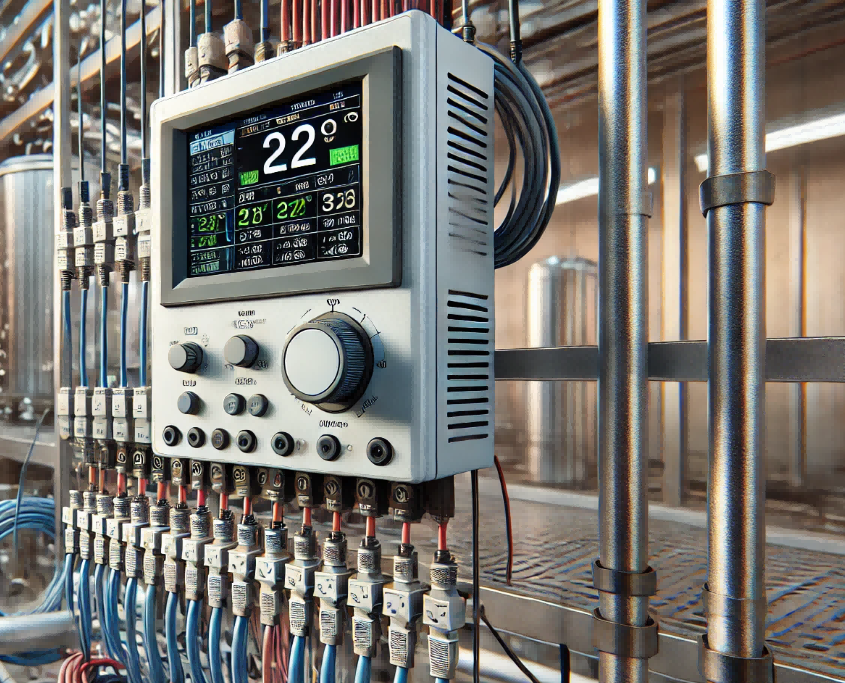
Key Concepts of Thermal Mapping:
- Thermal Mapping: The process of recording and visualizing the temperature distribution on an object’s surface using infrared imaging and other temperature detection techniques.
- Thermogram: The visual result of thermal mapping, showing the spatial temperature distribution.
- Infrared Imaging Technology: The use of infrared cameras to capture infrared radiation emitted by objects and generate thermal images.
- Temperature Distribution: The variation of temperature across different locations on an object.
Importance:
- Identify Thermal Problems: Detect and locate potential overheating issues in equipment and piping.
- Energy Efficiency: Optimize energy consumption in buildings and equipment by analyzing areas of heat loss.
- Preventive Maintenance: Prevent equipment failures due to overheating and extend the lifespan of machinery.
- Safety Assurance: Detect high-temperature areas to prevent potential fire hazards.
Applications of Thermal Mapping
- Building Inspection: Assess the thermal insulation performance and identify heat loss areas in buildings.
- Industrial Process Monitoring: Monitor temperature distribution on production lines to ensure stable processes.
- Electronic Equipment Inspection: Detect overheating in circuit boards and electronic devices.
- Mechanical Equipment Diagnosis: Identify overheating and wear issues in mechanical parts.
- Electrical System Inspection: Detect overheating in power systems to prevent electrical fires.
Thermal Mapping Process
Preparation:
- Select appropriate infrared imaging equipment.
- Identify the target object and the measurement area.
Data Acquisition:
- Perform infrared imaging of the target object and record temperature data.
- Capture comprehensive temperature distribution images through multi-angle and multi-position imaging.
Data Processing:
- Use specialized software to process thermal images.
- Analyze temperature distribution to generate a heat map.
Data Analysis:
- Identify areas with abnormal temperatures.
- Assess temperature data to pinpoint potential issues.
Report Generation:
- Compile analysis results and generate a detailed heat map report.

Key Components and Significance of the Heat Map Report
- Cover Page: Includes project name, inspection date, and the person responsible.
- Summary: Provides a concise overview of key findings.
- Methods: Describes the techniques, equipment, and measurement methods used in thermal mapping.
- Results: Presents thermal images and temperature data, highlighting any anomalies.
- Analysis: Details the findings and explains potential risks and issues.
- Conclusion: Summarizes key findings and offers recommendations for action.
- Appendix: Contains detailed temperature measurement data and references.
Significance:
- Comprehensive Analysis: Provides thorough diagnostic data.
- Transparency: Allows professionals and clients to clearly understand identified thermal issues.
- Actionable Insights: Helps in developing effective maintenance and improvement plans.
Benefits of Thermal Mapping
- Improved Energy Efficiency: Identify and repair heat loss areas to reduce energy waste.
- Extended Equipment Lifespan: Prevent overheating, reducing failure rates and maintenance costs.
- Enhanced Safety: Detect potential heat risks early to prevent fires or equipment damage.
- Optimized Production: Ensure process equipment operates at optimal temperatures, improving production efficiency.
- Reduced Operating Costs: Lower energy and repair costs through proactive maintenance and improvements.
Thermal mapping is a crucial detection and analysis tool that helps identify and resolve various heat-related issues in advance, optimizing system performance and safety.

Thermal Imaging Case Studies
- Data Center Thermal Management
- Case Study: A large data center used thermal mapping for temperature monitoring and management. By identifying hotspots and adjusting cooling systems promptly, they prevented server shutdowns and data loss, ensuring efficient operation.
- Agricultural Greenhouse Management
- Case Study: An agricultural company used thermal mapping to monitor the greenhouse environment. After identifying a fault in the heating system, they repaired it in time, preventing crop damage from freezing.
- Building Energy-Saving Renovation
- Case Study: Architects used thermal mapping to identify energy leak points in a historic building. Based on the data, they developed a renovation plan that improved the building’s energy efficiency and reduced costs.
- Industrial Equipment Monitoring
- Case Study: A manufacturing company applied thermal mapping to monitor production equipment. After detecting abnormal bearing temperatures, they conducted maintenance, preventing a major failure and production halt.
- Environmental Monitoring
- Case Study: An environmental organization used thermal mapping to study the urban heat island effect. The data helped them recommend increased green spaces and optimized urban planning to mitigate heat effects.
- Medical Diagnosis
- Case Study: In a medical institution, thermal mapping assisted in diagnosing skin diseases. By identifying abnormal temperature areas, doctors diagnosed and treated conditions like infectious arthritis promptly.
Thermal mapping is a powerful tool across various fields, providing essential insights for improving efficiency, safety, and performance.