


WHAT IS A COLD CHAIN PRODUCT?
WHAT IS A COLD CHAIN PRODUCT?

Cold chain products refer to products that need to maintain specific low-temperature conditions throughout transportation and storage. These products include, but are not limited to, food products (such as meat, dairy products, fresh vegetables, and fruits), pharmaceuticals (such as vaccines and biological drugs), chemicals, and certain other chemical substances. The purpose of the cold chain is to ensure that products are not affected by ambient temperature fluctuations during transportation and storage, thereby maintaining their quality, safety, and efficacy.
Cold chain products usually need to be transported and stored under specific low temperatures to prevent bacterial growth, chemical reactions, or physical changes that could damage the product. Therefore, cold chain management is critical, involving specialized transportation and storage equipment (such as refrigerated trucks, refrigerated containers, refrigerated warehouses, etc.), as well as strict temperature control monitoring and recording.

Classification and Suitable Temperature Ranges of Cold Chain Products
Depending on their type and characteristics, cold chain products typically need to be transported and stored within different temperature ranges. The following are some common cold chain products and their suitable temperature ranges:
- Refrigerated Products:
- Suitable temperature range: usually between 0°C and 8°C.
- Examples: fresh meat, dairy products (such as milk, cheese), fresh vegetables, and fruits.
- Frozen Products:
- Suitable temperature range: usually between -18°C and -25°C.
- Examples: frozen meat, frozen seafood, frozen fruits and vegetables, ice cream, etc.
- Ultra-Low Temperature Products:
- Suitable temperature range: usually below -70°C.
- Examples: biological drugs, vaccines, certain chemicals.
- Room Temperature Control Products:
- Suitable temperature range: usually between 15°C and 25°C, with required temperature stability.
- Examples: certain drugs, chemicals, and some foods (such as dry goods).
- Temperature-Sensitive Products:
- Suitable temperature range: usually requires very precise temperature control, such as within 2°C to 8°C or other specific narrow ranges.
- Examples: some biological products, special drugs, etc.
The classification and suitable temperature range of cold chain products depend on their specific transportation and storage requirements, ensuring that the products maintain their best quality and safety throughout the supply chain.

Cold Chain Solutions by Shanghai Huizhou Cold Chain Technology Co., Ltd.
Shanghai Huizhou Cold Chain Technology Co., Ltd. specializes in providing cold chain packaging testing and verification, offering comprehensive cold chain solutions to ensure that temperature-sensitive products remain in optimal condition during transportation and storage. The services and advantages offered by Huizhou Cold Chain include:
1. Providing Cost-Effective Cold Chain Solutions
Based on your specific product characteristics, transportation time, and required temperature range, Huizhou Cold Chain can provide customized cold chain solutions by simulating actual transportation environments. This process includes the following key steps:
- Product Characteristics Analysis: Thoroughly understand your product type, including its temperature sensitivity, shelf life, packaging requirements, etc.
- Assess the stability of the product under different temperature conditions and determine the optimal transport temperature range.
- Transportation Time Assessment:
- Evaluate the route, distance, and mode of transport (land, air, sea).
- Consider possible layover times and transit points to ensure temperature control throughout the transportation process.
- Temperature Simulation Testing:
- Simulate different transport conditions in a laboratory or actual transport environment to test the effects of different packaging and cooling schemes.
- Use a temperature recorder to monitor and record temperature changes in real-time, ensuring that the simulated environment matches actual transportation conditions.
- Customized Packaging Design:
- Based on the simulation test results, design the best packaging scheme for you, including selecting the appropriate coolant (such as dry ice, ice packs, or phase change material) and insulation.
- Ensure that the package can maintain the desired temperature range during the required shipping time.
- Solution Verification:
- Perform multiple validation tests to ensure the reliability and stability of the customized protocol. Provide a detailed test report and data analysis to demonstrate the effectiveness of the protocol.
Through this series of measures, Huizhou Cold Chain ensures that your temperature-sensitive products receive the best temperature control throughout the transportation process, thereby ensuring the quality and safety of the products.
2. Packaging Solutions
Provide professional cold chain packaging design and materials to ensure the temperature stability and safety of products during transportation. Depending on the specific product requirements, provide ice boxes, ice packs, phase change materials, and other coolants, as well as EP/VIP/PUR/PU material incubators, insulated bags, and insulation materials.

Cold Chain Product Transportation Case
The following is a case of cold chain product transportation, showcasing how Huizhou Cold Chain provides efficient and safe cold chain logistics services to ensure the quality and safety of temperature-sensitive products during transportation.
Case Background
A biopharmaceutical company needs to transport a batch of temperature-sensitive vaccines from its Shanghai headquarters to several hospitals in Beijing. The vaccine must be stored within a temperature range of 2°C to 8°C, with an estimated shipping duration of 48 hours.
- Product Type: Vaccine
- Temperature Requirement: 2°C to 8°C
- Packaging Requirements: A special cold chain package must be used to ensure temperature control during transportation.
- Transportation Route: Shanghai biopharmaceutical company headquarters to Beijing
- Mode of Transportation: Air transport combined with land transport and distribution
- Transportation Time: 48 hours, including flight time, airport processing time, and final land delivery time.
- Temperature Simulation Test: Simulate actual transportation conditions to test the effects of different packaging and cooling schemes.
- Results Analysis: Select the best packaging material and coolant to ensure that the temperature remains between 2°C and 8°C during the simulated 48 hours.
- Coolant: Use efficient ice packs combined with +5°C organic phase change materials to ensure long temperature control.
- Insulation Material: Use thickened and reinforced EPS foam boxes with built-in 62cm thick fiberglass VIP boards.
- Actual Test: Conduct multiple field tests to ensure the temperature control effect of the customized scheme within 48 hours.
- Data Recording: Use temperature recorders to monitor temperature changes to ensure the reliability of the scheme.
- Packaging and Shipping: Package using special cold chain packaging to ensure consistency in each batch.
- Temperature Monitoring: Use a real-time temperature monitoring system to monitor the temperature of the vaccine during transportation.
Under the professional service of Huizhou Cold Chain, this batch of vaccines successfully and safely arrived at various hospitals in Beijing. The temperature control was consistently maintained between 2°C and 8°C, ensuring the quality and efficacy of the vaccine. The customer was highly satisfied with the service provided by Huizhou Cold Chain and expressed their intention to continue the partnership.
Through detailed product characteristic analysis, scientific temperature simulation testing, well-designed packaging schemes, and real-time temperature monitoring, Huizhou Cold Chain ensures the safety and quality of temperature-sensitive products during transportation. This case demonstrates the professional capability and efficient service of Huizhou Cold Chain in the field of cold chain logistics.
Additional Cold Chain Packaging Solutions We Offer:
- 0°C to 8°C 24-hour e-commerce transportation solution for dairy products
- -18°C to -25°C 24-hour to 48-hour express delivery cold chain solution for ice cream
- 3-day e-commerce distribution cold chain solution for chocolate at 25°C
HOW TO SHIP PERISHABLES

1. What are Perishable Items?
Perishable items are products that are susceptible to spoilage, quality degradation, or decay due to environmental factors such as temperature, humidity, and microbial activity at room temperature. Common perishable items include:
- Fresh Food: Fruits, vegetables, meat, seafood, dairy products, eggs
- Pharmaceuticals: Certain drugs and biological products that require cold storage
- Flowers and Plants: Fresh flowers, plants
- Chemicals: Certain chemical reagents sensitive to temperature and humidity

2. How to Pack Perishable Items
Proper packaging of perishable items is crucial to prevent exposure to unfavorable temperature, humidity, and microbial environments. Common packaging methods include:
- Vacuum Packaging: Reduces oxygen levels by removing air from the package, delaying microbial growth.
- Gas Packaging: Modifies the gas composition within the package (e.g., increasing carbon dioxide, reducing oxygen) to extend freshness.
- Refrigerated Packaging: Uses coolers, foam boxes, and frozen gel packs to maintain a low-temperature environment.
- Moisture-Proof Packaging: Employs moisture-proof bags and desiccants to prevent moisture from entering the package.
- Antimicrobial Packaging: Utilizes antibacterial materials or additives to inhibit microbial growth.
3. How to Control the Temperature of Perishable Items
Temperature control is essential for preserving perishable items. Common methods include:
- Refrigeration Equipment: Use of refrigerators and freezers to maintain a constant low temperature.
- Cold Chain Transportation: Utilization of refrigerated vehicles and containers to ensure low temperatures throughout transportation.
- Temperature Monitoring: Implementation of temperature recorders, labels, and sensors to monitor temperature changes in real time.
- Ice Packs and Dry Ice: Use of ice packs or dry ice for short-distance transportation to maintain cold temperatures.
- Temperature-Controlled Packaging: Employing materials with excellent insulation properties, such as foam boxes and insulated bags.

4. What Huizhou Can Do for You
Shanghai Huizhou Industrial Co., Ltd. is a high-tech enterprise in the cold chain industry, established on April 19, 2011, with a registered capital of 30 million yuan. The company is dedicated to providing professional cold chain temperature control packaging solutions for both fresh food and pharmaceutical cold chain customers. Huizhou ensures that temperature-sensitive items remain in a safe, healthy, fresh, and suitable temperature environment throughout cold chain transportation and distribution.
Products and Services:
- Personalized Packaging Design: Customized packaging solutions based on the characteristics of the items.
- High-Quality Packaging Materials: A variety of high-quality materials, such as ice packs, coolers, desiccants, etc.
- Professional Technical Support: Comprehensive support from packaging to storage, provided by a professional R&D team.
- Nationwide Factory Layout: Multiple factories across the country for efficient delivery to nearby cities.
- Wide Customer Base: Serving over 3,000 cooperative customers.
5. Case Studies of Huizhou
Case 1: Long-Distance Transportation of Fresh Fruit
- Customer: A large fruit supplier
- Requirement: Transport fresh fruit from the south to the north, ensuring its freshness.
- Solution: Used high-performance coolers and ice packs to maintain low temperatures and preserve freshness.
- Result: The fruit arrived fresh at its destination, and the customer was highly satisfied.
Case 2: Refrigerated Transportation of Drugs
- Customer: A pharmaceutical company
- Requirement: Transport refrigerated drugs from warehouses to major hospitals, ensuring drug quality.
- Solution: Used medical circulation coolers with custom mold boxes and phase change liquid, maintaining specific temperature ranges. Temperature recorders were used for real-time monitoring during transportation.
- Result: The drugs arrived safely at major hospitals with excellent temperature control, earning high praise from the customer.
Available Packaging Consumables: Ice packs, foam boxes, insulated bags, circulation coolers, ice boxes, aluminum foil insulated bags, VIP panels.
BULK GEL PACKS FOR FOOD AND PHARMACEUTICALS

I. Major Features of Large Gel Packs for Food and Medicine
Large gel packs are portable refrigeration products used for cooling and preserving heat, widely applicable in fields such as food, medicine, medical first aid, and sports injury cold compresses. These packs contain a special gel that absorbs and releases significant amounts of heat, allowing them to maintain low or high temperatures. They are typically made from durable plastic or other waterproof materials to ensure durability and leak prevention. Key features of large gel packs include:
- Long-term Cooling Preservation: Contains special formula gel that can maintain low temperatures for extended periods, ensuring food and medicine remain within a safe temperature range during transportation.
- Safe and Non-toxic: Made from non-toxic, environmentally friendly materials, making them safe and reliable.
- Multi-purpose: Besides cooling food and medicine, they can also be used for medical emergencies and sports injury cold compresses.
- Soft Plasticity: Retains some flexibility even at low temperatures, allowing it to conform well to various shapes.
- Reusable: High-quality gel packs are durable and can be used multiple times, making them economical and environmentally friendly.
- Multiple Specifications: Available in different sizes and shapes to meet various transportation and refrigeration needs.
- Easy to Clean: The outer layer is typically made of waterproof materials like PEPET or PEPA, making it easy to clean.
- Leak and Damage Resistant: Even if the outer packaging is damaged, the gel inside will not leak, ensuring the integrity of transported items.

II. Types and Advantages of Large Gel Packs
Large gel packs can be classified into different types based on their use, materials, and temperature requirements, each with its own advantages and disadvantages:
- Standard Large Gel Packs
- Advantages: Versatile use, suitable for cold chain transportation of food, medicine, and biological reagents; affordable; easy to use (simply freeze before use).
- Disadvantages: Limited softness and cold retention time.
- High-Performance Gel Packs
- Advantages: Long-term cooling protection, better softness.
- Disadvantages: Higher price.
- Instant Freeze Gel Packs
- Advantages: Rapid cooling, suitable for emergency cooling needs like first aid and sports injuries; good portability, often designed for single use.
- Disadvantages: Single-use, short cold retention time.
- Environmentally Friendly Gel Packs
- Advantages: Made from eco-friendly materials, safe and non-toxic.
- Disadvantages: Medium cooling performance, higher price.
- Customized Gel Packs
- Advantages: Tailored to specific needs with customizable size, shape, and cooling performance; can be branded for promotional purposes.
- Disadvantages: Longer production cycle, higher cost.
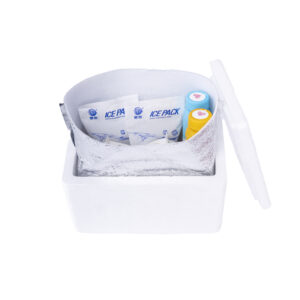
III. Use of Large Gel Packs
Large gel packs are commonly used as refrigerants in cold chain transportation and storage due to their long-lasting cooling capacity and ease of use. Here’s a detailed guide on their use:
- Preparation:
- Choose the appropriate size gel pack based on the required temperature range and storage time.
- Pre-freeze the gel pack by placing it in a freezer below -18°C for at least 12-24 hours to ensure it is fully frozen.
- Steps for Use:
- Confirm the freeze status: Check that the gel pack is fully frozen before use. A fully frozen gel pack should be hard and free of liquid flow.
- Prepare cold-chain containers: Ensure the cold chain containers (like coolers or insulated bags) are clean and ready for use.
- Arrange the gel packs: Place the gel packs in appropriate positions within the cold chain container, typically around or above/below the items to ensure uniform cooling.
- Package the items: Place temperature-sensitive items in the cold chain container and secure them with buffer materials (e.g., bubble wrap, foam) to prevent movement and damage.
- Seal the container: Close and seal the container properly to maintain a stable internal temperature.
- Precautions:
- Avoid direct contact with sensitive items by using isolation layers (e.g., cardboard, foam).
- Monitor the temperature during transportation using a temperature recorder to ensure it remains within the desired range.
- Check the integrity of the gel packs regularly to prevent leakage.
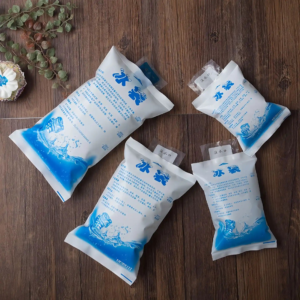
IV. Temperature Control and Environmental Impact of Large Gel Packs
- Temperature Control:
- Cold Retaining Temperature Range: Typically maintains a temperature range of 0°C to 10°C, suitable for most food and pharmaceutical refrigeration needs.
- Duration: Cold retention time varies by type and usage; standard gel packs retain cold for several hours, while high-performance packs can last for tens of hours.
- Usage: Pre-freezing is essential (8-12 hours in a freezer) for optimal performance. Temperature monitoring is recommended for items requiring strict control.
- Environmental Impact:
- Eco-friendly Materials: Selecting environmentally friendly and reusable gel packs can meet refrigeration needs while minimizing environmental impact. Proper disposal and maintenance further reduce environmental pressure.
V. What Huizhou Can Do for You
Shanghai Huizhou Industrial Co., Ltd. offers high-quality large gel packs that are well-regarded in the market due to several advantages:
- Variety of Phase Change Points: Huizhou offers gel packs with various phase change points (0°C, 3°C, 5°C, 10°C, 15°C, 18°C, 21°C) to meet different temperature requirements, ensuring versatility in use.
- Efficient Cooling Performance: Huizhou’s gel packs provide long-term cooling with uniform temperature distribution, ensuring the safety of temperature-sensitive products.
- Environmental Protection and Safety: Made from non-toxic materials, these gel packs are safe for food and pharmaceuticals, reusable, and cost-effective.
- Wide Application: Suitable for various cold chain needs, including food, pharmaceuticals, and biological products, with designs meeting air transport requirements.
- User-Friendly Design: Easy to use, with customizable sizes and specifications to meet diverse customer needs.
- Technological Innovation: Utilizing high-tech materials and phase change energy storage technology for improved performance.
- Quality Service: Customized solutions, rapid delivery, and strict quality control with ISO9002 certification ensure product reliability.

VI. Case Sharing of Huizhou Island
Shanghai Huizhou Industrial Co., Ltd. has extensive experience in cold chain logistics, with successful cases across different applications:
- Pharmaceutical Cold-Chain Transportation
- Customer: A large pharmaceutical company required vaccine transportation with strict temperature control.
- Solution: Huizhou provided high-efficiency gel packs, phase change materials, and intelligent monitoring, ensuring constant temperature and vaccine safety during transportation.
- Fresh Food Distribution
- Customer: A large e-commerce platform needed to deliver fresh food while maintaining low temperatures.
- Solution: Huizhou provided customized gel packs and incubators, optimizing the cold chain logistics, ensuring food freshness, and improving customer satisfaction.
These cases highlight Huizhou’s expertise in cold chain logistics, offering flexible solutions and ensuring product safety and quality.
WHAT IS THE GEL IN ICE PACKS?
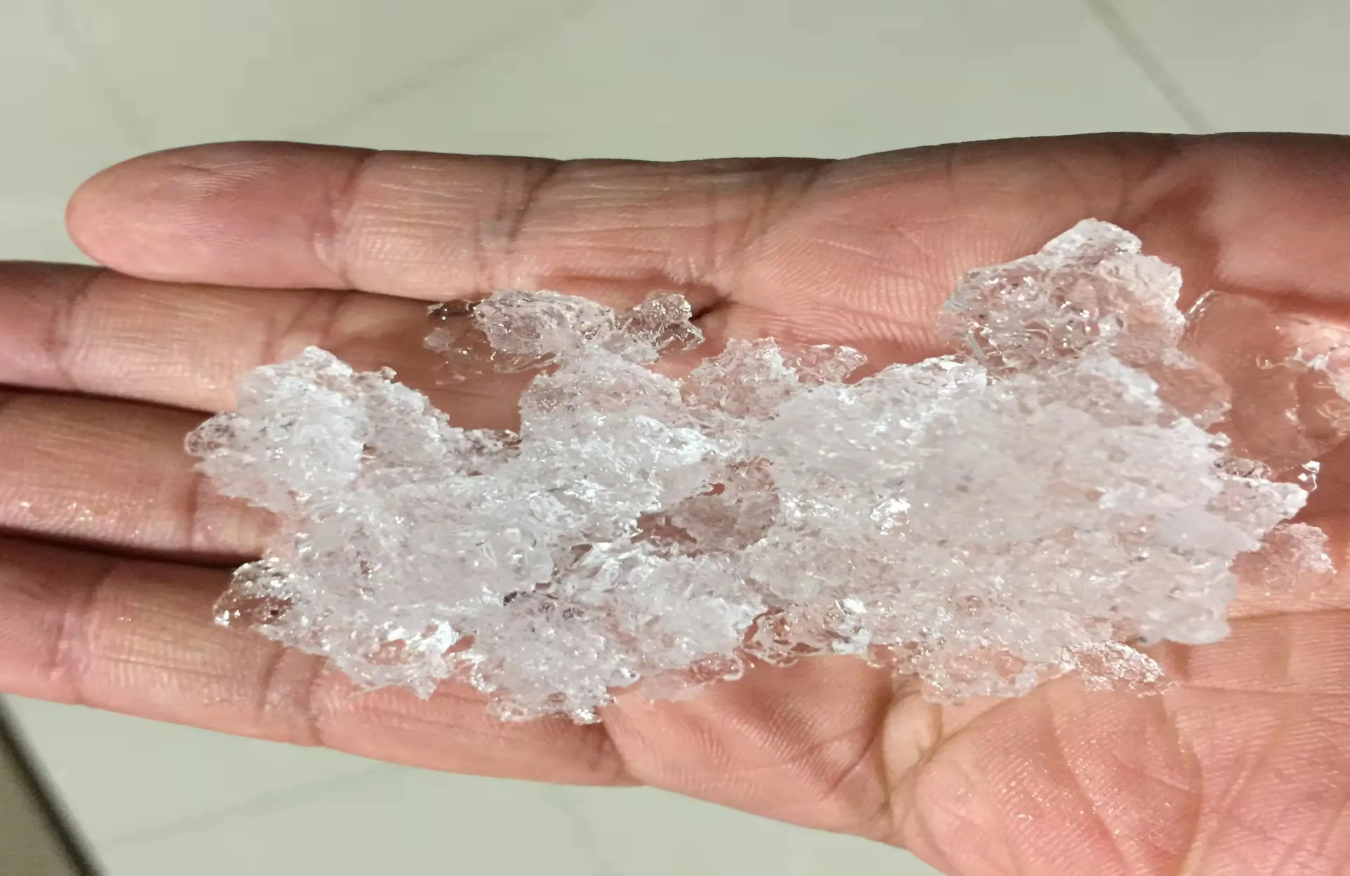
1. What is the Gel in Ice Packs?
The gel in ice packs is a highly efficient cooling material widely used in fields that require low-temperature preservation and transportation, such as food and pharmaceuticals. The core component of a gel ice pack is the gel material, which maintains the desired low-temperature environment by absorbing and releasing heat. The gel typically consists of the following main ingredients:
- Water: Water is the primary component of the gel and acts as a cooling medium. Due to its high specific heat capacity, water can effectively absorb and release heat.
- Thickener: Thickeners like carbomer or sodium polyacrylate increase the viscosity of the gel, giving it a certain level of flexibility and stability.
- Coolant: The coolant is a key ingredient in the gel, usually an environmentally friendly refrigerant like ethylene glycol or propylene glycol, which provides cooling effects across various temperature ranges.
- Preservatives: Preservatives, such as sodium benzoate, are used to ensure that the gel does not deteriorate or promote bacterial growth during long-term use.
Through the careful combination of these ingredients, gel ice packs not only provide excellent cooling performance but also offer flexibility and safety, making them widely used in various scenarios requiring low-temperature preservation.

2. Is the Gel in Ice Packs Harmful?
When discussing whether the gel in ice packs is harmful, we must consider both environmental impact and human safety.
- Environmental Impact
- Eco-friendly Gel: Modern gel ice packs mostly use environmentally friendly refrigerants and materials, such as ethylene glycol and propylene glycol, which have minimal environmental impact. Unlike traditional chemical coolants, these eco-friendly coolants do not release harmful substances during degradation.
- Recyclability: The outer packaging of gel ice packs is usually made of recyclable materials like PE or PVC, which can be recycled after use to reduce environmental pollution.
- Waste Disposal: Discarded gel ice packs should be disposed of according to local waste disposal regulations to avoid being discarded directly into the natural environment, thereby preventing potential impacts on ecosystems.
- Human Safety
- Non-toxic Ingredients: All the ingredients used in the gel ice packs produced by Huizhou Industrial Co., Ltd. are non-toxic and harmless to humans. Even in cases of accidental contact or ingestion, the gel components do not cause serious health effects.
- Rigorous Testing: All gel ice packs undergo strict safety testing to ensure they do not cause adverse effects on the skin or health during use.
In conclusion, modern gel ice packs offer significant advantages in terms of environmental friendliness and human safety, and when used and disposed of properly, they do not pose any harm.
WHAT ARE INSULATED BAGS?
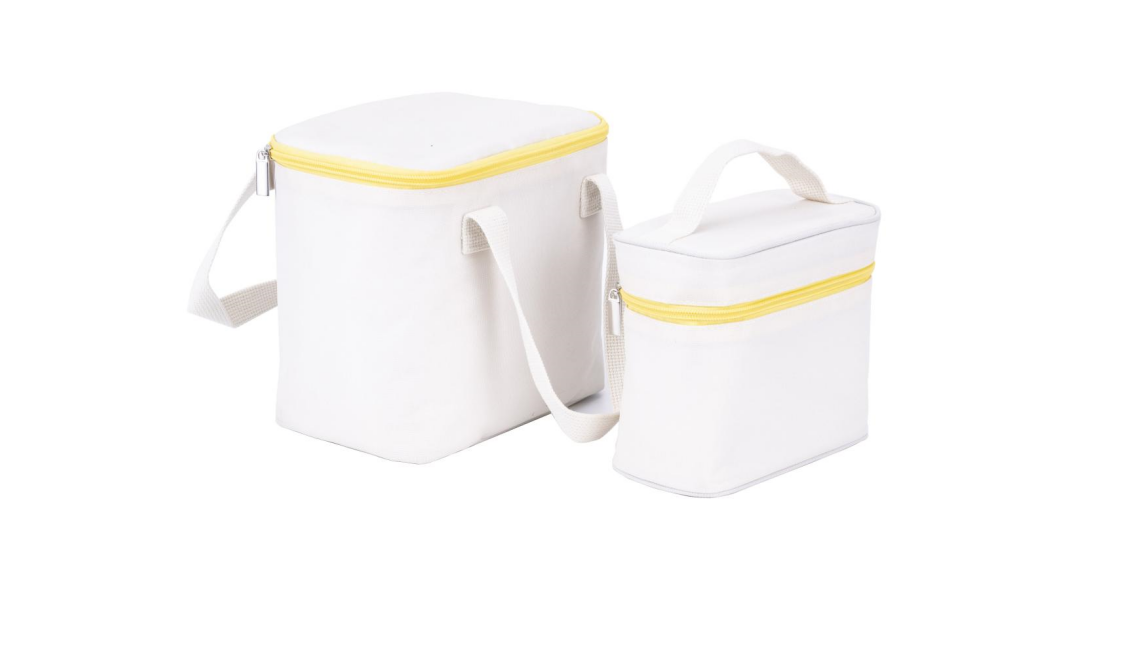
Insulated bags are special packaging tools designed to maintain the temperature of food, beverages, and other items. These bags slow down the temperature change of their contents and are widely used in various fields such as food delivery, cold chain logistics, outdoor activities, and medical transport.
1. Definition and Types of Insulated Bags
Insulated bags are made with multiple layers, including outer materials like Oxford cloth or nylon, inner waterproof layers, and insulating layers like EPE foam or aluminum foil. These layers work together to provide efficient insulation, making the bags ideal for maintaining the temperature of items, whether for keeping food hot or cold.
Types of Insulated Bags:
- Food Insulation Bags: Used for keeping food warm or cold during transport.
- Beverage Insulation Bags: Designed specifically for maintaining the temperature of drinks.
- Medical Insulation Bags: Used for transporting temperature-sensitive medications and vaccines.
- General Insulation Bags: Suitable for various items that require temperature control during transport.

2. Use Scenarios for Insulated Bags
Insulated bags are versatile and can be used in various scenarios, including:
- Food Delivery and Transportation: Keeping food at the right temperature during delivery to ensure it arrives fresh and hot.
- Cold Chain Logistics: Transporting temperature-sensitive items like medicines and vaccines in a controlled environment.
- Daily Life: Storing food and drinks during picnics or shopping to maintain their temperature.
- Medical Field: Transporting medical samples, drugs, and vaccines while maintaining their required temperature.
3. Tips for Using Insulated Bags
To ensure the best performance from insulated bags, consider the following tips:
- Choose the Right Bag: Select a bag suitable for the specific temperature and time requirements.
- Properly Pack Items: Fill the bag to minimize air gaps, which can lead to heat transfer.
- Pre-Cool or Pre-Heat the Bag: This helps enhance the bag’s insulation effect.
- Seal the Bag Tightly: Ensure that zippers or Velcro closures are fully sealed to prevent air exchange.
- Regular Cleaning: Clean the bag regularly, especially the interior, to maintain hygiene and effectiveness.

4. Enhancing Insulation Performance
To improve the insulation performance of insulated bags, you can use auxiliary materials such as:
- Ice Packs or Plates: Provide an additional cold source for prolonged cooling.
- Thermos Bottles: For hot drinks, using a thermos inside the insulated bag can extend the temperature retention time.
- Insulation Pads or Boards: These can be placed inside the bag to further reduce heat transfer.
- Phase-Change Materials (PCM): Used to absorb or release heat at specific temperatures, extending the bag’s insulation capabilities.
5. Future Trends in Insulated Bags
The future development of insulated bags will focus on:
- Material Innovation: Using advanced materials like nanomaterials or vacuum insulation panels for better performance.
- Intelligent Technology: Integrating smart temperature control systems and sensors to monitor and adjust temperatures in real-time.
- Environmental Sustainability: Emphasizing the use of biodegradable materials and enhancing recyclability.
- Multi-functionality: Designing bags with multiple temperature zones and modular components for various uses.
- Market Demand: Responding to the growing need for cold chain logistics and personalized products.
In conclusion, insulated bags play a critical role in maintaining temperature control for various applications. By selecting the right bag and using it properly, you can ensure the safety and quality of your items during transport. As technology advances, insulated bags will continue to evolve, offering better performance and more versatility.
TEMPERATURE STANDARDS FOR COLD CHAIN LOGISTICS
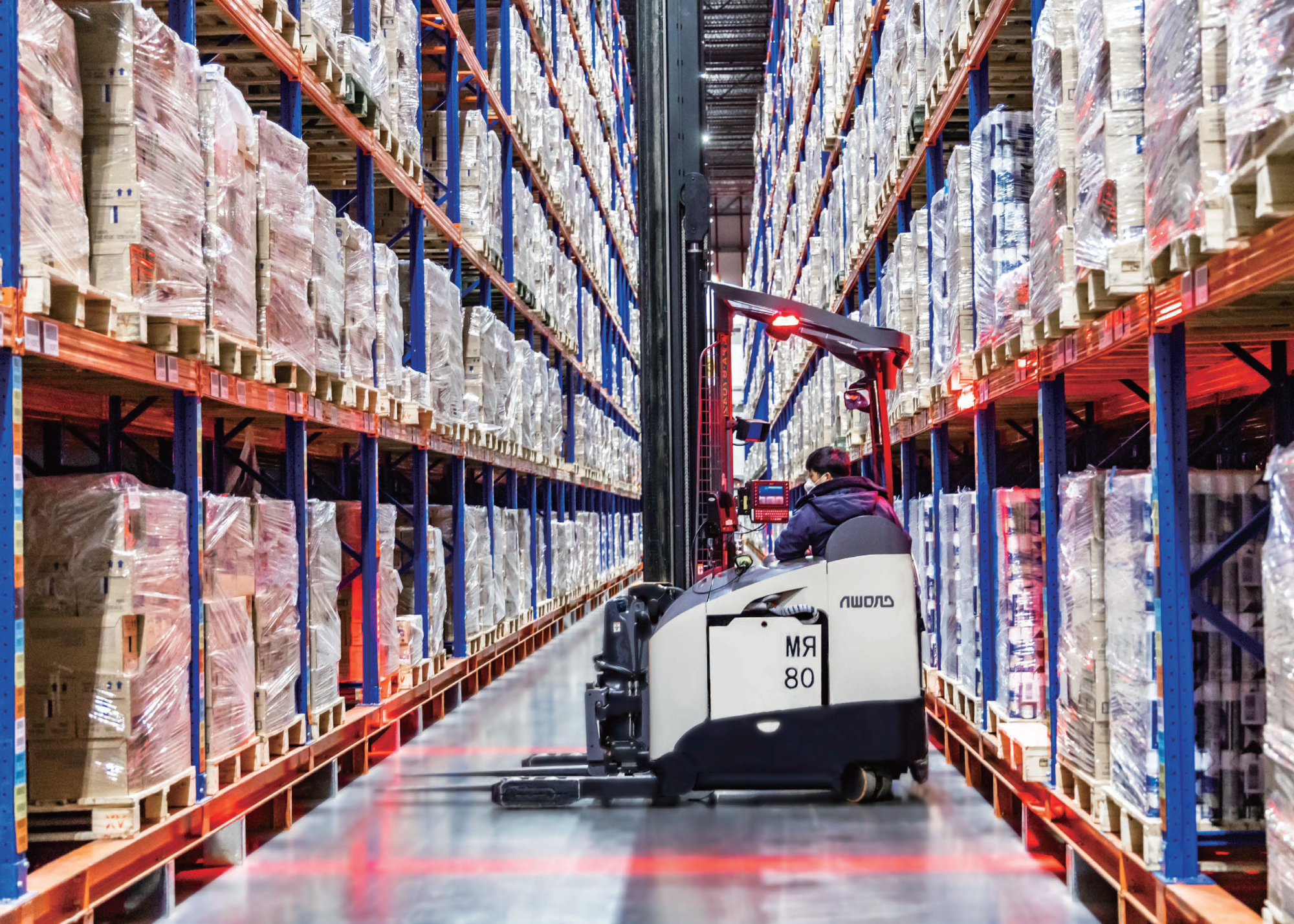
Introduction: Cold chain logistics is crucial for maintaining the quality and safety of temperature-sensitive products, especially in modern agriculture and the food supply chain. This article discusses the essential temperature standards in cold chain logistics, covering requirements for various products, implementation methods, consequences of non-compliance, and future trends.

1. Temperature Standards for Different Products
1.1 Food Cold Chain:
- Frozen Food: Must be kept below -18℃ (e.g., frozen meat, seafood, ice cream).
- Refrigerated Food: Requires 0℃ to 4℃ (e.g., fresh vegetables, fruits, dairy products).
- Perishable Food: Should be maintained between -1℃ and +1℃ (e.g., fresh meat, fish).
1.2 Drug Cold Chain:
- Frozen Drugs: Below -20℃ (e.g., vaccines, biological products).
- Refrigerated Drugs: Between 2℃ and 8℃ (e.g., most vaccines, blood products).
- Normal Temperature Drugs: Between 15℃ and 25℃.
1.3 Chemical Cold Chain:
- Cryogenic Chemicals: Between -20℃ and -80℃ (e.g., experimental reagents).
- Normal Temperature Chemicals: Around 20℃.
2. Ensuring Temperature Compliance in Cold Chain Logistics
2.1 Pre-cooling Treatment:
- Equipment: Utilize cold storage or pre-cooling rooms.
- Products: Use pre-cooled packaging materials.
2.2 Temperature Zoning and Partition Storage:
- Cold Storage: Divide areas by temperature requirements (e.g., freezing, refrigeration).
- Transport Vehicles: Use partition plates or independent temperature controls.
2.3 Temperature Monitoring and Management:
- Temperature Recorders: Install in key areas, monitor real-time data.
- Remote Monitoring: Utilize IoT for real-time temperature tracking.
2.4 Packaging and Protection:
- Insulation Materials: Select based on product needs (e.g., EPP incubators).
- Sealing: Ensure packaging is airtight.
2.5 Transportation and Loading Strategies:
- Loading: Minimize loading time to prevent temperature fluctuations.
- Route Optimization: Choose the shortest, fastest routes considering ambient temperature.

3. Consequences of Violating Temperature Standards
- Spoiling: Improper temperature can spoil fruits and vegetables.
- Nutritional Loss: Incorrect temperatures can decrease nutritional value.
- Quality Decline: Affects taste and texture (e.g., bananas turning black).
- Food Safety Risks: Temperature fluctuations can promote microorganism growth.
- Economic Losses: Leads to significant financial losses due to spoilage and brand damage.
4. Future Trends in Cold Chain Logistics Temperature Standards
- Refined Temperature Control: Enhanced by IoT, AI, and big data.
- Efficient Cold-Chain Equipment: Improved refrigeration and insulation technology.
- Green Cold Chain Solutions: Focus on low energy consumption and sustainable materials.
- Standardization: Unified temperature standards and operating specifications.
- Cross-Border Cold Chain Logistics: Adaptation to international climate and regulations.
5. Packaging Materials for Cold Chain Logistics
Choosing the right packaging material is essential for maintaining the required temperature. Options include pre-cooled insulation materials like EPP or foam incubators, and using appropriate refrigeration mediums like ice packs.
Conclusion: Temperature standards in cold chain logistics are vital for ensuring product quality and safety. As technology advances, these standards will become more precise, efficient, and environmentally friendly, driving innovation in the cold chain logistics industry.
COLD CHAIN PACKAGING SOLUTIONS: ENSURING PRODUCT SAFETY AND QUALITY


Section 1: What is Cold Chain Packaging?
Cold chain packaging involves a range of technologies and materials designed to maintain the appropriate temperature for temperature-sensitive products during transportation and storage. The primary goal is to prevent temperature fluctuations, ensuring product freshness, efficacy, and safety. Cold chain packaging is widely used in various industries, including food, pharmaceuticals, chemicals, and vaccines.
The core of cold chain packaging is temperature control, achieved through the combination of different technologies and materials. Typically, a cold chain packaging system includes refrigeration media (e.g., ice packs, ice boards), insulation materials (e.g., foam, EPP, VIP boards), and external packaging (e.g., insulated bags, incubators). These components work together to maintain the internal temperature of the package within a preset range, ensuring the product’s quality and safety.
Section 2: Common Cold Chain Packaging Solutions and Their Features
Various cold chain packaging solutions are available, each suited to different requirements and scenarios. Below are some common cold chain packaging solutions and their key features:
- Ice Packs and Ice Boards
- Features: Ice packs and ice boards are the most common refrigeration media in cold chain packaging, offering effective cooling and convenience. Ice packs are ideal for short-haul transportation, while ice boards provide longer insulation. They can be flexibly placed inside packages, allowing for adjustable cooling levels.
- Application: Suitable for short-distance and mid-transit transportation of temperature-sensitive products like food and medicine.
- Foam Incubators
- Features: Made from polystyrene (EPS), foam incubators offer excellent thermal insulation and are lightweight. They are often paired with ice packs or ice boards for efficient insulation.
- Application: Ideal for mid-transit transportation and storage of various temperature-sensitive products.
- EPP Insulated Containers
- Features: EPP (expanded polypropylene) incubators provide outstanding impact resistance and thermal insulation, and they are lightweight and durable. EPP materials are also environmentally friendly.
- Application: Commonly used for long-distance transportation in the food and biopharmaceutical industries.
- VIP Insulated Containers
- Features: VIP (vacuum insulation panel) incubators are high-performance insulation materials that offer excellent thermal insulation. These containers are typically used for products requiring extremely stringent temperature control and can maintain stable low temperatures over extended periods.
- Application: Suitable for long-distance transportation of high-value biopharmaceuticals, vaccines, and other products.
- Insulated Bags
- Features: Insulated bags made from Oxford cloth, non-woven fabric, or aluminum foil offer good insulation and convenience. These bags are typically used for short-distance transportation or personal carrying needs and are flexible and versatile.
- Application: Ideal for short-distance transportation and personal use, such as for food and beverages.
- Insulated Cartons
- Features: Insulated cartons have added insulation materials to standard cartons, providing additional thermal insulation. These cartons are usually combined with other insulation materials to enhance overall performance.
- Application: Suitable for additional protection and insulation of various temperature-sensitive products.
Section 3: Tempk Industrial Co., Ltd. Cold Chain Packaging Solutions
Huizhou Industrial Co., Ltd. specializes in developing and producing cold chain logistics packaging products. Our offerings include ice packs, biological ice packs, insulated bags, foam incubators, EPP incubators, and insulated cartons, catering to diverse cold chain transportation needs. Here are some of our cold-chain packaging solutions:
- Short-Distance Food Transportation
- Product Combination: Oxford cloth insulated bag + ice pack
- Features: The Oxford cloth insulated bag offers convenience and effective insulation, while the ice pack maintains a stable low temperature over short periods. This solution is suitable for food distribution within cities, such as takeout and fresh food delivery.
- Midway Drug Transportation
- Product Combination: Foam incubator + biological ice pack
- Features: The foam incubator provides excellent insulation, and the biological ice pack maintains low temperatures during mid-transit. This solution is ideal for temperature-sensitive products needing mid-transportation.
- Long-Distance Biopharmaceutical Transportation
- Product Combination: EPP incubator + biological ice pack + insulated carton
- Features: The EPP incubator offers superior insulation and durability, while the biological ice pack ensures continuous low-temperature protection. The insulated carton adds an extra protective layer. This solution is suitable for long-distance transportation of high-value products like biopharmaceuticals and vaccines.
- High-End Cold Chain Transportation
- Product Combination: VIP incubator + biological ice pack
- Features: The VIP incubator uses high-performance insulation materials to maintain a stable low-temperature environment during long-distance transportation, with the biological ice pack providing strong refrigeration. This solution is ideal for products with stringent temperature control needs, such as biopharmaceuticals and precious chemicals.

Section 4: Recommended Packaging Solutions
Huizhou Industrial Co., Ltd. is committed to offering diversified and personalized cold chain packaging solutions. Here are several recommended packaging solutions based on specific requirements:
- Food Transportation Plan
- Short Distance: Oxford cloth insulated bag + ice pack
- Midway Transportation: Foam incubator + ice pack
- Long Distance: EPP incubator + biological ice pack
- Drug Transportation Plan
- Short Distance: Non-woven insulated bag + ice pack
- Midway Transportation: Foam incubator + biological ice pack
- Long Distance: EPP incubator + biological ice pack + insulated carton
- Biopharmaceutical Transportation Plan
- Short Distance: Aluminum foil insulated bag + ice pack
- Midway Transportation: Foam incubator + biological ice pack
- Long Distance: VIP incubator + biological ice pack + insulated carton
- High-End Cold Chain Transportation
- High-Value Drugs: VIP incubator + biological ice pack
- Vaccines: VIP incubator + biological ice pack + insulated carton
- Valuable Chemicals: VIP incubator + biological ice pack + insulated carton
When choosing a cold chain packaging solution, consider the following:
- Transportation Distance: Select appropriate insulation materials and refrigeration media based on the distance.
- Product Type: Different products have unique temperature control needs; choose a solution that fits the product’s characteristics.
- Environmental Conditions: Consider potential environmental temperature changes during transportation.
- Cost-Effectiveness: Choose economical and efficient solutions while ensuring product safety.
Cold chain packaging is vital for maintaining quality and safety during transportation. By selecting and combining ice packs, insulated bags, incubators, and other cold chain products wisely, we can effectively handle various transportation conditions and ensure product integrity. Huizhou Industrial Co., Ltd. offers a range of cold chain packaging solutions to meet diverse customer needs, ensuring product safety and freshness throughout the transportation process. Whether for food, medicine, or biopharmaceuticals, we provide the best cold chain packaging solutions.
HOW TO SHIP BAKED GOODS

Shipping baked goods requires careful attention to packaging, temperature control, and transportation methods to ensure they remain fresh and tasty. This article will guide you through the best practices for shipping baked goods, especially those that need to be kept at low temperatures.
1. Proper Packaging for Baked Goods
To maintain the freshness and taste of baked goods during shipping, proper packaging is crucial. Here’s how to do it:
- Food-Grade Packaging Materials: Use food-grade materials like oil paper, food-grade plastic bags, and bubble wrap to prevent moisture, deterioration, or damage to the baked goods.
- Insulated Packaging: Utilize an insulated container and ice packs to keep the baked goods at a stable temperature during transportation, preventing quality degradation due to temperature fluctuations.
- Space Management: Arrange the packaging to avoid crushing or colliding the baked goods, maintaining their appearance and texture.
- Labeling: Clearly mark the shelf life and storage recommendations on the packaging to ensure consumers enjoy the best taste experience.

2. Transportation Mode for Baked Goods
Selecting the right transportation method is essential to ensure baked goods arrive fresh and intact:
- Cold Chain Logistics: Use refrigerated vehicles and portable coolers to maintain an appropriate low-temperature environment, typically between 0°C and 4°C, to prevent spoilage.
- Route Optimization: Choose the fastest and least turbulent transportation route to minimize travel time and preserve the food’s freshness.
- Temperature Monitoring: Regularly monitor the temperature during transit and adjust as needed to maintain stability.
- Shock Protection: Use buffer materials like foam mats or bubble wrap to protect baked goods from impact during transportation.
3. Transporting Low-Temperature Baked Goods
For baked goods that require refrigeration, the right packaging and transportation methods are vital:
- Packaging:
- Food-Grade Materials: Wrap baked goods in food-grade oil-proof paper or plastic bags to isolate them from air and moisture.
- Vacuum Packaging: Use vacuum packaging for items prone to spoilage, removing air to extend shelf life.
- Insulation: Add a layer of insulation, like bubble wrap or foam mats, to buffer against external temperature changes.
- Coolers and Ice Packs: Place the packaged goods in an insulated cooler with sufficient ice packs to maintain a low-temperature environment.
- Transportation:
- Cold Chain Logistics: Engage professional cold chain logistics services to ensure strict temperature control throughout the journey.
- Fast Routes: Opt for the quickest transportation routes to reduce exposure to external conditions.
- Temperature Monitoring: Equip the transportation vehicle with real-time temperature monitoring tools to detect and address any deviations promptly.
4. Huizhou’s Expertise in Low-Temperature Baked Goods Transportation
With 13 years of experience, Huizhou Industrial Cold Chain Transportation Co., Ltd. offers expert packaging and temperature monitoring services to keep baked goods fresh and safe during transit.
- Professional Packaging Solutions:
- Food-Grade Materials: Use internationally certified materials like oil-proof paper, plastic bags, and vacuum bags to protect food quality.
- Insulation: High-performance coolers and ice packs maintain a consistent low temperature.
- Shock Protection: Add bubble wrap and foam mats to safeguard the food’s appearance and integrity.
- Temperature Monitoring Services:
- High-Precision Equipment: Real-time monitoring of temperature during transportation to ensure it stays within the desired range.
- Alarm System: Immediate alerts for any temperature anomalies to prevent food spoilage.
- Data Analysis: Detailed temperature records help optimize logistics and ensure quality control.
- Customized Solutions: Tailored temperature monitoring plans to meet specific transportation needs.
5. Packaging Consumables for Your Choice
Huizhou is dedicated to providing top-quality service, ensuring low-temperature baked goods remain fresh and safe during transport. We continue to innovate and put customers first, striving to deliver greater value with every shipment.
By following these guidelines, you can ensure your baked goods are delivered in perfect condition, maintaining their taste and quality throughout the journey.
COLD CHAIN PRODUCTS: AN ESSENTIAL GUIDE

Introduction to Cold Chain Products Cold chain products are a vital component of modern logistics and transportation, especially for temperature-sensitive goods like food and pharmaceuticals. The advancement of cold chain technology has significantly enhanced the safety, quality, and market reach of these products. In this guide, we will explore the concept, types, technical principles, industry applications, and future trends of cold chain products.
What Are Cold Chain Products? Cold chain products are items that must be kept within a specific temperature range throughout their production, storage, transportation, and sale. This process involves specialized equipment and technology to ensure the products remain in optimal condition from production to the consumer. Key categories include refrigerated foods, frozen foods, fresh produce, pharmaceuticals, and biological materials.
Types of Cold Chain Products
Food Products
Refrigerated Foods: Items like milk and dairy products require storage between 0°C and 4°C to prevent spoilage.
Frozen Foods: Products such as ice cream and frozen vegetables must be kept below -18°C to maintain their quality.
Pharmaceutical Products
Vaccines and Medications: These products often need storage at 2°C to 8°C, with some requiring ultra-low temperatures, such as -80°C, to ensure efficacy.
Biological Products
Cells, Tissues, and Samples: Used in medical and research fields, these products require stringent temperature control, often stored at cryogenic temperatures like -196°C.
Chemical Products
Sensitive Chemicals: Certain reagents and reactants need to be kept within specific temperature ranges to prevent degradation or unwanted reactions.
Key Technologies in Cold Chain Management
Effective cold chain management relies on several key technologies:
Refrigeration Equipment
Essential for maintaining low temperatures, including refrigerated trucks, cold storage, and containers.
Temperature Monitoring Systems
Real-time monitoring tools like sensors and data loggers ensure temperature stability throughout the supply chain.
Insulation Materials
Advanced materials like vacuum insulated panels (VIP) and polyurethane (PU) help maintain desired temperatures by minimizing external heat impact.
Refrigerants
Substances like freon and ammonia are used to absorb and remove heat, keeping products at the required temperatures.
Applications of Cold Chain Products Across Industries
Food Industry
Cold chain logistics ensure that fresh produce, meat, and seafood maintain their quality from farm to table, reducing food waste and extending shelf life.
Pharmaceutical Industry
Essential for the safe storage and transportation of vaccines, blood products, and biopharmaceuticals, ensuring their efficacy and safety.
Biotechnology Industry
Critical for the transportation and storage of biological samples, ensuring their stability for research and clinical use.
Chemical Industry
Used to maintain the stability of temperature-sensitive chemicals during transportation and storage.
Current Trends and Future of Cold Chain Products
The cold chain market is experiencing rapid growth due to increased demand for food safety, healthcare, and biotechnology. Here are the key trends:
Market Growth
The global cold chain market is projected to reach billions of dollars by 2025, driven by rising consumer awareness and demand for temperature-sensitive products.
Technological Advancements
IoT and Big Data: Real-time monitoring and data analysis are optimizing cold chain management.
Blockchain: Enhances transparency and traceability in the cold chain.
New Insulation Materials: Innovations like VIP and PCM are improving cold chain efficiency.
Infrastructure Development
Investment in cold storage and transport vehicles is increasing, particularly in emerging markets, to meet growing demand.
Policy and Standards
Governments and international organizations are supporting cold chain development with favorable policies and industry standards to ensure product safety and quality.
Challenges
High Costs: Cold chain logistics are expensive, particularly for SMEs.
Technical Complexities: Ensuring temperature stability during long-distance transport remains a challenge.
Standardization Issues: Differences in standards across regions complicate cross-border cold chain logistics.
Future Trends in Cold Chain Products
Intelligent Systems
The integration of IoT and big data is leading to smarter cold chain systems that optimize temperature control and improve efficiency.
Environmental Sustainability
The future of cold chain products will focus on using eco-friendly refrigerants and materials to minimize environmental impact.
Globalization
With the rise of cross-border e-commerce, cold chain products are becoming increasingly important in global markets.
Customization
The demand for personalized cold chain solutions is driving innovation, with companies focusing on customized packaging and transportation to meet specific customer needs.
Conclusion Cold chain products are critical to ensuring the safety and quality of temperature-sensitive goods in the food, pharmaceutical, and biotechnology industries. As technology advances and market demands evolve, the cold chain industry will continue to grow, with intelligent, sustainable, global, and personalized solutions leading the way.
EVERYTHING YOU NEED TO KNOW ABOUT HUIZHOU DRY ICE PACKS

Introduction
In today’s rapidly growing cold chain logistics industry, the demand for food safety and freshness has never been higher. Dry ice, known for its low temperature, sublimation cooling effect, and non-toxic properties, plays a crucial role in maintaining the temperature of cold chain products, extending their shelf life, and ensuring food safety. Huizhou Industrial Co., Ltd., a company specializing in cold chain temperature control packaging solutions, has been dedicated to developing and producing high-quality dry ice packs for years, providing customers with safe and reliable cold chain transportation solutions.
This article, presented in a Q&A format, will provide comprehensive information about Huizhou dry ice packs, including their characteristics, uses, safety precautions, and advantages.

1. What Are Dry Ice Packs?
Q: What are dry ice packs?
A: Dry ice packs are cold storage packaging products that use dry ice as a cooling source. They are typically made from low-temperature-resistant materials and filled with a certain amount of dry ice. The primary function of a dry ice pack is to utilize the sublimation and heat absorption properties of dry ice to maintain a controlled temperature during transportation, ensuring the quality and safety of cold chain products.
Q: How do dry ice packs differ from regular ice packs?
A: The main difference lies in the cooling source. Regular ice packs use water ice, which has a lower temperature but limited sublimation cooling capacity, resulting in shorter cooling durations. Dry ice packs use dry ice, which has an extremely low temperature, strong sublimation cooling ability, and longer cooling times, making them more effective in maintaining the temperature of cold chain products.
Q: What is the temperature of dry ice packs?
A: Dry ice has a temperature of -78.5°C, significantly lower than regular ice, which is 0°C. This makes dry ice packs far more effective at maintaining the low temperatures required for cold chain items.

2. What Are the Uses of Dry Ice Packs?
Q: What are the uses of dry ice packs?
A: Dry ice packs are widely used in cold chain logistics for transporting and preserving various items, including:
- Fresh Foods: Including fresh fruits, vegetables, meat, seafood, and frozen foods. Dry ice packs effectively prevent food spoilage and extend shelf life.
- Pharmaceutical Cold Chain: Including biological drugs, blood products, vaccines, and biological samples. Dry ice packs ensure that pharmaceutical products remain within a safe temperature range, preventing degradation.
- Other Temperature-Sensitive Items: Including chemical reagents, electronic components, and precision instruments. Dry ice packs help maintain low temperatures, preventing damage due to temperature fluctuations.
Q: What transportation scenarios are suitable for dry ice packs?
A: Dry ice packs are suitable for various transportation scenarios, including:
- Long-Distance Transportation: With long-lasting cooling capabilities, dry ice packs are ideal for long-distance transport, ensuring items remain within a safe temperature range throughout the journey.
- Short-Distance Transportation: Dry ice packs are also effective for short-distance transport, helping extend the freshness of products.
- Air Transportation: Dry ice packs meet air transport safety standards and can be used in air cargo, ensuring items safely reach their destination.
- Courier Shipping: Dry ice packs can be used as a cooling source for cold chain courier services, providing consumers with safe and reliable cold chain logistics.

3. How to Use Dry Ice Packs?
Q: How do you use dry ice packs?
A: When using dry ice packs, the following precautions should be observed:
- Choose the Right Dry Ice Pack: Select the appropriate dry ice pack based on the type of cold chain items, weight, transportation distance, and environmental temperature.
- Proper Placement: Place the dry ice pack around the cold chain items, ensuring it can effectively dissipate heat and maintain the items’ temperature within the safe range.
- Avoid Direct Contact with Dry Ice: Due to its extremely low temperature, direct contact with dry ice can cause frostbite. Always handle dry ice with care.
- Safety Precautions: Dry ice sublimates into carbon dioxide gas, so use it in well-ventilated areas to prevent CO2 buildup, which can cause suffocation.
Q: How should dry ice packs be stored?
A: Dry ice packs should be stored in a dry, ventilated, and cool place, away from direct sunlight and flammable or explosive materials.
Q: What should be considered when using dry ice packs?
A: Consider the following when using dry ice packs:
- Dry Ice Weight: Since dry ice sublimates quickly, choose the appropriate weight based on the transportation time and environmental temperature to ensure effective cooling throughout the transport.
- Packaging of Dry Ice: The packaging materials of dry ice packs should have good low-temperature resistance and insulation to prevent rapid sublimation and ensure items remain within a safe temperature range.
- Safety Measures: Handle dry ice with care, avoid direct contact, and ensure proper ventilation to prevent excessive CO2 gas buildup.
4. What Are the Advantages of Huizhou Dry Ice Packs?
Q: What are the advantages of Huizhou dry ice packs?
A: Huizhou dry ice packs offer several key advantages:
- High Quality: Made from premium low-temperature-resistant materials and subjected to rigorous quality inspections, ensuring safety, reliability, and environmental friendliness.
- Various Sizes: Available in multiple sizes to meet different transportation needs.
- Customization Services: Huizhou offers customization services, designing and producing dry ice packs tailored to specific customer requirements.
- Professional Service: With a professional technical and service team, Huizhou provides expert cold chain technology consultation and support, ensuring smooth cold chain transport.
5. Application Cases of Huizhou Dry Ice Packs
To better understand the practical applications of Huizhou dry ice packs, here are a few case studies:
- Case 1: Seafood Cold Chain Transport
A large seafood supplier needed to transport fresh deep-sea fish from Zhoushan to Shanghai, a 12-hour journey. Huizhou dry ice packs were used to maintain the low temperature, effectively inhibiting bacterial growth and preserving the taste and nutritional value of the seafood. - Case 2: Biological Sample Transport
A research institution needed to transport biological samples from Beijing to Guangzhou, requiring storage at -80°C. The institution used Huizhou’s customized dry ice packs, which effectively maintained the ultra-low temperature, ensuring the sample’s viability and the accuracy of the experiments. - Case 3: Pharmaceutical Cold Chain Transport
A pharmaceutical company needed to distribute vaccines nationwide, requiring storage at 2-8°C. Huizhou dry ice packs were used to maintain precise temperature control, ensuring the vaccines remained effective throughout the transportation process.
6. How Can Huizhou Help You?
Huizhou Industrial Co., Ltd. is dedicated to providing customers with one-stop cold chain temperature control packaging solutions, including dry ice packs and various other cold chain packaging products and services.
- High-Quality Dry Ice Packs: Huizhou operates a professional production line, delivering high-quality, safe, and reliable dry ice packs.
- Professional Cold Chain Technology Consultation: Huizhou’s expert team offers consultations on cold chain technology, helping customers choose the right packaging solutions to ensure smooth cold chain transport.
- Customized Dry Ice Packs: Huizhou can design and produce dry ice packs tailored to specific customer needs.
- Comprehensive After-Sales Service: Huizhou offers complete after-sales support to ensure customer satisfaction and protection.