


Gel Brick Vacuum Sealed Selection Guide for B2B Buyers
Gel Brick Vacuum Sealed Selection Guide for B2B Buyers

Gel Brick Vacuum Sealed Packaging: What It Means: A Practical Selection Guide
A gel brick vacuum sealed should be selected as part of a packout, not as a stand-alone promise. The buyer needs to know what the brick contains, how it is sealed, how it will be frozen or conditioned, where it sits in the insulated container, and what proof is needed before scaling to bulk use. This optimized guide combines product education, technical boundaries, and route-level purchasing advice so you can make a more defensible sourcing decision. It keeps performance claims tied to the actual payload, lane, and packing process.
Practical takeaway: write the route and payload requirement first, then select gel brick vacuum sealed as a cooling component that can be tested, packed, inspected, and scaled without creating new handling risks.
Start with the job, not the product name
A gel brick is a rigid or semi-rigid cold source used inside an insulated shipper, cooler box, tote, or delivery bag. Depending on the design, the filling may be a water-based gel, a PCM formulation, or another refrigerant blend. The rigid shape makes counting, placement, and repeated handling easier than many soft packs, while the filling provides thermal mass that absorbs heat as it warms or melts. That is the useful contribution: the brick slows heat gain inside the container. It does not create a qualified shipment by itself.
For buyers, the first decision is not whether the product name sounds strong. It is whether the brick supports applications where leakage control, clean handling, storage, and carton packing matter more than a soft flexible format. If the route is short, the insulated container is efficient, and the product can tolerate broad chilled conditions, a standard gel brick may be enough after sample testing. If the product is freeze-sensitive or the accepted range is narrow, the buyer may need a PCM brick, separation layers, controlled preconditioning, a logger plan, and quality review. The same physical format can therefore serve very different purposes depending on how it is used.
Compare coolant formats before locking the specification
Many purchasing mistakes start when teams use product names loosely. A soft gel pack may be easy to wrap around product corners, while a rigid gel brick is easier to count, stack, clean, and place in a repeatable loading map. A water-filled ice brick can be cost-efficient where broad cooling is acceptable. A PCM pack may be better when the shipment needs a more defined temperature behavior. None of these formats is automatically superior; the right choice depends on the temperature requirement, container design, route, labor process, and budget.
For gel brick vacuum sealed, the comparison should focus on what the buyer wants to control. If the priority is simple chilled support, a standard gel or water-based brick may be practical. If the priority is freeze-risk management or a narrower target range, a PCM format may be worth evaluating. If the priority is sustainability, the question is not only whether the brick is reusable, but whether it returns reliably and remains clean and intact. If the priority is rough handling, a heavy-duty rigid format may reduce puncture risk but may also take up more usable payload space.
| Buyer situation | Cooling-media direction | What to verify before ordering |
|---|---|---|
| Routine chilled food or grocery | Gel brick or water-based ice brick | Box fit, condensation, product separation, freezing capacity, and arrival condition |
| Refrigerated healthcare or lab payload | Conditioned gel brick, PCM brick, or hybrid packout | Product label range, freeze risk, logger plan, route profile, and quality approval |
| Repeated local route | Reusable rigid brick | Return process, cleaning, damage inspection, loss control, and freezer turnaround |
| Longer or hotter route | Higher thermal mass, PCM, or hybrid design | Ambient profile, payload, insulation, packout layout, and test evidence |
| Custom box geometry | Custom-size brick or molded format | Internal dimensions, product clearance, sample approval, and production tolerance |
Use the table as a sourcing filter, not as a universal rule. It helps the procurement team ask sharper questions before samples are made. The final decision still needs a trial using the real product or a justified payload simulator, the intended insulated container, and the packing process that warehouse staff can repeat.
Translate product features into operating instructions
The most common weak point is not the brick alone; it is the gap between product specification and warehouse behavior. A gel brick vacuum sealed must be frozen or conditioned in a defined way, placed in the box consistently, separated from products that should not touch a frozen surface, and inspected before use. If operators pack by memory, change the number of bricks during busy periods, or load warm bricks because freezer space is limited, the product specification on the purchase order will not protect the shipment.
A practical packout instruction should tell the operator where each brick goes, what starting condition is acceptable, how to handle condensation, what barrier or divider is needed, and when a brick should be rejected because of leakage, deformation, contamination, or broken corners. It should also define what happens at receiving. A receiving team that only checks whether the goods arrived cold may miss evidence of contact freezing, thawed coolant, or a route delay that the quality team needs to review.
For applications where leakage control, clean handling, storage, and carton packing matter more than a soft flexible format, the loading map is especially important because the coldest surface may be the brick itself. Direct contact can be useful for some products and risky for others. Food products may need a sanitary barrier. Pharmaceutical products may require documented separation and temperature monitoring. Fragile retail packaging may need space to avoid crushing. These are not small details; they are the difference between a cooling component and a repeatable cold-chain process.
This article uses cautious language around cold-chain requirements. Many pharmaceutical and vaccine routes are planned around labeled or specified storage conditions, and some refrigerated healthcare shipments use ranges such as 2 degrees C to 8 degrees C. That does not mean every medicine, sample, or food product shares the same requirement. Buyers should confirm the product label, quality agreement, route profile, and local rules. Standards and practices such as ISTA thermal profiles, IATA temperature-sensitive cargo procedures, FDA food-contact rules, and CDC vaccine storage guidance are useful references, but they do not replace a buyer's own qualification or supplier documentation.
What to confirm before sample approval and bulk production
Before ordering gel brick vacuum sealed in bulk, ask questions that connect the product to your route. The useful supplier conversation should cover seal method, leak testing, pouch or shell material, headspace, carton packing, freeze expansion behavior, and handling after thawing. If the supplier cannot explain how the brick should be conditioned, how fill weight is controlled, how leakage is handled, or what sample checks are realistic, the buyer should slow down. A low unit price can become expensive if the product does not fit the container, takes too long to freeze, or creates quality disputes after delivery.
Ask the supplier to define vacuum sealed, explain the seal construction, and confirm whether the phrase describes leak control or an actual vacuum insulation layer. Also ask whether the supplier can keep the sample and mass-production specification aligned. A sample that works because it was prepared carefully may not represent routine production if dimensions, filling, seal design, carton packing, or conditioning instructions change later.
Procurement teams can use the following questions during supplier screening:
- What exactly is inside the brick, and is an SDS or material statement available?
- Does the stated use refer to a stand-alone brick or a tested packout with insulation and payload?
- How should the brick be frozen, conditioned, stored, loaded, and inspected before use?
- What is the difference between external dimensions, usable packout space, and the space left for product?
- What evidence supports any performance statement, and does it match the intended route?
- How are damaged, leaking, swollen, or contaminated units identified and removed?
- For custom size or private-label work, what approval steps prevent sample-to-production drift?
The answer does not always need to be a formal validation package. For low-risk food delivery, a practical sample trial and clear packing instruction may be enough. For healthcare, biologics, diagnostics, or regulated lanes, the buyer's quality team may require stricter evidence, documented temperature monitoring, and route-specific approval. The key is to match the level of evidence to the risk level of the shipment.
Red flags to catch before the first large order
A cooling brick can fail in ways that are not visible in a product listing. It may be too large for the box, leaving less space for product. It may be too cold for a freeze-sensitive payload. It may be hard to freeze quickly enough for daily operations. It may leak after repeated handling. It may arrive with inconsistent fill. It may be placed on top of fragile goods because no loading map exists. None of these problems means the idea of gel brick vacuum sealed is wrong; it means the purchase was not connected to the real operation.
The highest-risk shortcut is to treat a component as a system. A gel brick, PCM brick, insulated box, liner, data logger, or label has a different job. The brick provides a cold source. The insulation slows heat flow. The packout layout controls contact and airflow. The logger records what happened. The quality process decides whether the evidence is acceptable. When these roles are mixed together, buyers may expect the brick to do work that belongs to the full packout design.
Another red flag is a performance number without context. If a supplier states a hold time, the buyer should ask what ambient profile, payload, container, coolant quantity, starting condition, and acceptance criteria were used. A laboratory result can be useful, but it is not a promise for every lane. If a supplier cannot provide context, treat the number as a marketing claim until your own sample or route test supports it.
How a buyer can move from sample to production
A procurement team developing a new insulated box can treat gel brick vacuum sealed selection as a staged approval process. First, define the payload, required temperature range, box inner dimensions, route duration, and likely ambient exposure. Second, request samples that fit the loading map rather than a generic size. Third, run a pilot packout with the same freezer, operators, dividers, and receiving checks that will be used later. Fourth, compare data and product condition before changing the specification.
This approach is slower than choosing from a catalog photo, but it reduces avoidable changes after tooling, artwork, carton packing, or warehouse instructions are locked. It also helps the supplier understand which details are critical and which are flexible. The result is a purchase decision that is easier for operations, quality, and procurement to defend.
Separate leak control from insulation claims
Vacuum sealed is a phrase that needs clarification. In some contexts it may describe air-reduced packaging, tight film sealing, or a sealed outer pouch. In other contexts, buyers may confuse it with vacuum insulation. A sealed cooling brick is not the same as a vacuum insulated panel unless the product construction is explicitly designed that way.
The useful question is what problem the seal solves. It may reduce leakage risk, improve storage cleanliness, protect the gel filling, or make carton packing neater. It does not automatically increase the thermal performance of the insulated shipper. Thermal results still depend on the coolant, mass, container, layout, starting condition, and route exposure.
Because freezing can expand liquids and gels, the buyer should ask how the seal handles freeze-thaw cycles and whether sample units should be inspected after repeated conditioning. Seal integrity is a quality feature, but it still needs practical handling rules.
FAQ
Is a gel brick vacuum sealed enough to control shipment temperature by itself?
No. A gel brick vacuum sealed is a cooling component, not a complete temperature-controlled system. It must be used with a suitable insulated container, a defined packout layout, correct conditioning, and handling instructions. For higher-risk shipments, buyers should also review temperature monitoring, route exposure, and quality approval requirements before using the brick in production.
When should I consider PCM instead of a standard gel brick?
Consider PCM when the payload needs a more defined temperature behavior, better freeze-risk control, or a target range that a simple frozen gel brick cannot reliably support. The phase-change point must match the product requirement, and the packout should be tested with the intended payload, insulated shipper, and ambient profile.
What should I ask a supplier before bulk ordering?
Ask about the filling, shell or pouch material, seal integrity, conditioning instructions, fill consistency, carton packing, and what evidence supports any performance statement. For gel brick vacuum sealed, also ask how the product should be inspected before reuse or packing, and whether samples will match mass-production units.
Does vacuum sealed mean the brick is vacuum insulated?
Not necessarily. Vacuum sealed may describe a sealing or packaging method for leak control, while vacuum insulation is a different technology used in insulation panels or containers. Buyers should ask the supplier to define the term and confirm whether it refers to seal integrity, air removal, or an actual insulation layer.
Conclusion
A gel brick vacuum sealed should be judged by fit, evidence, and operating discipline. The most useful buying decision connects the cooling brick to the product requirement, insulated container, route exposure, conditioning process, and inspection routine. If the shipment is simple, a standard gel or water-based brick may work after practical testing. If the shipment is sensitive, narrow-range, reusable, custom, or high-risk, the buyer should ask for clearer material information, packout guidance, and evidence that reflects the intended use.
The safest next step is to turn your route into a specification: product type, accepted temperature range, box dimensions, expected transit time, ambient exposure, loading map, return process, and documentation needs. With those details, gel brick vacuum sealed can be compared as part of a real cold-chain system rather than as a catalog item.
About Tempk
Tempk focuses on cold-chain packaging products for temperature-sensitive shipments, including gel packs, ice bricks, insulated boxes, liners, bags, and related cold-chain materials. The most useful supplier discussion for a gel brick is usually specific rather than broad: the temperature range to protect, the route duration, the insulated shipper, the payload, the conditioning method, and the handling process. Tempk can help buyers turn those inputs into a more realistic cooling-media recommendation.
Share your payload, route, box size, and temperature requirement with Tempk to discuss whether gel brick vacuum sealed or another cooling-media format is the better starting point for samples and bulk planning.
Gel Brick Sustainable Selection Guide for B2B Buyers
Gel Brick Sustainable Cold Chain Planning: A Practical Selection Guide
A gel brick sustainable should be selected as part of a packout, not as a stand-alone promise. The buyer needs to know what the brick contains, how it is sealed, how it will be frozen or conditioned, where it sits in the insulated container, and what proof is needed before scaling to bulk use. This optimized guide combines product education, technical boundaries, and route-level purchasing advice so you can make a more defensible sourcing decision. It keeps performance claims tied to the actual payload, lane, and packing process.
Practical takeaway: write the route and payload requirement first, then select gel brick sustainable as a cooling component that can be tested, packed, inspected, and scaled without creating new handling risks.
Start with the job, not the product name
A gel brick is a rigid or semi-rigid cold source used inside an insulated shipper, cooler box, tote, or delivery bag. Depending on the design, the filling may be a water-based gel, a PCM formulation, or another refrigerant blend. The rigid shape makes counting, placement, and repeated handling easier than many soft packs, while the filling provides thermal mass that absorbs heat as it warms or melts. That is the useful contribution: the brick slows heat gain inside the container. It does not create a qualified shipment by itself.
For buyers, the first decision is not whether the product name sounds strong. It is whether the brick supports closed-loop or repeatable routes where durable cooling bricks can replace some single-use coolant formats. If the route is short, the insulated container is efficient, and the product can tolerate broad chilled conditions, a standard gel brick may be enough after sample testing. If the product is freeze-sensitive or the accepted range is narrow, the buyer may need a PCM brick, separation layers, controlled preconditioning, a logger plan, and quality review. The same physical format can therefore serve very different purposes depending on how it is used.
Compare coolant formats before locking the specification
Many purchasing mistakes start when teams use product names loosely. A soft gel pack may be easy to wrap around product corners, while a rigid gel brick is easier to count, stack, clean, and place in a repeatable loading map. A water-filled ice brick can be cost-efficient where broad cooling is acceptable. A PCM pack may be better when the shipment needs a more defined temperature behavior. None of these formats is automatically superior; the right choice depends on the temperature requirement, container design, route, labor process, and budget.
For gel brick sustainable, the comparison should focus on what the buyer wants to control. If the priority is simple chilled support, a standard gel or water-based brick may be practical. If the priority is freeze-risk management or a narrower target range, a PCM format may be worth evaluating. If the priority is sustainability, the question is not only whether the brick is reusable, but whether it returns reliably and remains clean and intact. If the priority is rough handling, a heavy-duty rigid format may reduce puncture risk but may also take up more usable payload space.
| Buyer situation | Cooling-media direction | What to verify before ordering |
|---|---|---|
| Routine chilled food or grocery | Gel brick or water-based ice brick | Box fit, condensation, product separation, freezing capacity, and arrival condition |
| Refrigerated healthcare or lab payload | Conditioned gel brick, PCM brick, or hybrid packout | Product label range, freeze risk, logger plan, route profile, and quality approval |
| Repeated local route | Reusable rigid brick | Return process, cleaning, damage inspection, loss control, and freezer turnaround |
| Longer or hotter route | Higher thermal mass, PCM, or hybrid design | Ambient profile, payload, insulation, packout layout, and test evidence |
| Custom box geometry | Custom-size brick or molded format | Internal dimensions, product clearance, sample approval, and production tolerance |
Use the table as a sourcing filter, not as a universal rule. It helps the procurement team ask sharper questions before samples are made. The final decision still needs a trial using the real product or a justified payload simulator, the intended insulated container, and the packing process that warehouse staff can repeat.
Translate product features into operating instructions
The most common weak point is not the brick alone; it is the gap between product specification and warehouse behavior. A gel brick sustainable must be frozen or conditioned in a defined way, placed in the box consistently, separated from products that should not touch a frozen surface, and inspected before use. If operators pack by memory, change the number of bricks during busy periods, or load warm bricks because freezer space is limited, the product specification on the purchase order will not protect the shipment.
A practical packout instruction should tell the operator where each brick goes, what starting condition is acceptable, how to handle condensation, what barrier or divider is needed, and when a brick should be rejected because of leakage, deformation, contamination, or broken corners. It should also define what happens at receiving. A receiving team that only checks whether the goods arrived cold may miss evidence of contact freezing, thawed coolant, or a route delay that the quality team needs to review.
For closed-loop or repeatable routes where durable cooling bricks can replace some single-use coolant formats, the loading map is especially important because the coldest surface may be the brick itself. Direct contact can be useful for some products and risky for others. Food products may need a sanitary barrier. Pharmaceutical products may require documented separation and temperature monitoring. Fragile retail packaging may need space to avoid crushing. These are not small details; they are the difference between a cooling component and a repeatable cold-chain process.
This article uses cautious language around cold-chain requirements. Many pharmaceutical and vaccine routes are planned around labeled or specified storage conditions, and some refrigerated healthcare shipments use ranges such as 2 degrees C to 8 degrees C. That does not mean every medicine, sample, or food product shares the same requirement. Buyers should confirm the product label, quality agreement, route profile, and local rules. Standards and practices such as ISTA thermal profiles, IATA temperature-sensitive cargo procedures, FDA food-contact rules, and CDC vaccine storage guidance are useful references, but they do not replace a buyer's own qualification or supplier documentation.
What to confirm before sample approval and bulk production
Before ordering gel brick sustainable in bulk, ask questions that connect the product to your route. The useful supplier conversation should cover reusability, cleaning procedure, damage inspection, return-loop design, material disclosure, and packaging right-sizing. If the supplier cannot explain how the brick should be conditioned, how fill weight is controlled, how leakage is handled, or what sample checks are realistic, the buyer should slow down. A low unit price can become expensive if the product does not fit the container, takes too long to freeze, or creates quality disputes after delivery.
Ask for material information, reuse and inspection guidance, outer carton reduction options, and a realistic plan for returns or responsible disposal. Also ask whether the supplier can keep the sample and mass-production specification aligned. A sample that works because it was prepared carefully may not represent routine production if dimensions, filling, seal design, carton packing, or conditioning instructions change later.
Procurement teams can use the following questions during supplier screening:
- What exactly is inside the brick, and is an SDS or material statement available?
- Does the stated use refer to a stand-alone brick or a tested packout with insulation and payload?
- How should the brick be frozen, conditioned, stored, loaded, and inspected before use?
- What is the difference between external dimensions, usable packout space, and the space left for product?
- What evidence supports any performance statement, and does it match the intended route?
- How are damaged, leaking, swollen, or contaminated units identified and removed?
- For custom size or private-label work, what approval steps prevent sample-to-production drift?
The answer does not always need to be a formal validation package. For low-risk food delivery, a practical sample trial and clear packing instruction may be enough. For healthcare, biologics, diagnostics, or regulated lanes, the buyer's quality team may require stricter evidence, documented temperature monitoring, and route-specific approval. The key is to match the level of evidence to the risk level of the shipment.
Red flags to catch before the first large order
A cooling brick can fail in ways that are not visible in a product listing. It may be too large for the box, leaving less space for product. It may be too cold for a freeze-sensitive payload. It may be hard to freeze quickly enough for daily operations. It may leak after repeated handling. It may arrive with inconsistent fill. It may be placed on top of fragile goods because no loading map exists. None of these problems means the idea of gel brick sustainable is wrong; it means the purchase was not connected to the real operation.
The highest-risk shortcut is to treat a component as a system. A gel brick, PCM brick, insulated box, liner, data logger, or label has a different job. The brick provides a cold source. The insulation slows heat flow. The packout layout controls contact and airflow. The logger records what happened. The quality process decides whether the evidence is acceptable. When these roles are mixed together, buyers may expect the brick to do work that belongs to the full packout design.
Another red flag is a performance number without context. If a supplier states a hold time, the buyer should ask what ambient profile, payload, container, coolant quantity, starting condition, and acceptance criteria were used. A laboratory result can be useful, but it is not a promise for every lane. If a supplier cannot provide context, treat the number as a marketing claim until your own sample or route test supports it.
How a buyer can move from sample to production
A procurement team developing a new insulated box can treat gel brick sustainable selection as a staged approval process. First, define the payload, required temperature range, box inner dimensions, route duration, and likely ambient exposure. Second, request samples that fit the loading map rather than a generic size. Third, run a pilot packout with the same freezer, operators, dividers, and receiving checks that will be used later. Fourth, compare data and product condition before changing the specification.
This approach is slower than choosing from a catalog photo, but it reduces avoidable changes after tooling, artwork, carton packing, or warehouse instructions are locked. It also helps the supplier understand which details are critical and which are flexible. The result is a purchase decision that is easier for operations, quality, and procurement to defend.
Sustainability depends on the whole loop
A sustainable gel brick program should reduce unnecessary packaging burden without weakening temperature protection. The practical levers are reuse, right-sizing, material transparency, reduced damage, better carton packing, and fewer emergency repacks caused by poor fit. A reusable cooling brick can support those goals, but only when it comes back, is cleaned, and remains usable.
The buyer should estimate whether the route is actually closed enough for reuse. Store replenishment, lab courier loops, internal transfers, and regional delivery can be good candidates. One-way e-commerce parcels are harder unless the customer return process is reliable. Sustainability language should be adjusted to the route rather than copied across every channel.
A good supplier conversation should include packaging reduction as well as the brick itself. If a custom brick allows a smaller insulated box or fewer loose packs, it may reduce material use. If it adds weight and extra return freight, the environmental benefit may be less clear.
FAQ
Is a gel brick sustainable enough to control shipment temperature by itself?
No. A gel brick sustainable is a cooling component, not a complete temperature-controlled system. It must be used with a suitable insulated container, a defined packout layout, correct conditioning, and handling instructions. For higher-risk shipments, buyers should also review temperature monitoring, route exposure, and quality approval requirements before using the brick in production.
When should I consider PCM instead of a standard gel brick?
Consider PCM when the payload needs a more defined temperature behavior, better freeze-risk control, or a target range that a simple frozen gel brick cannot reliably support. The phase-change point must match the product requirement, and the packout should be tested with the intended payload, insulated shipper, and ambient profile.
What should I ask a supplier before bulk ordering?
Ask about the filling, shell or pouch material, seal integrity, conditioning instructions, fill consistency, carton packing, and what evidence supports any performance statement. For gel brick sustainable, also ask how the product should be inspected before reuse or packing, and whether samples will match mass-production units.
What makes a gel brick more sustainable or eco-friendly?
The strongest claims usually come from specific factors such as reuse, right-sized packaging, reduced single-use waste, material transparency, and clear disposal or return instructions. A vague eco-friendly claim is weak unless the supplier can define what it means and the buyer can operate the route in a way that supports the claim.
Conclusion
A gel brick sustainable should be judged by fit, evidence, and operating discipline. The most useful buying decision connects the cooling brick to the product requirement, insulated container, route exposure, conditioning process, and inspection routine. If the shipment is simple, a standard gel or water-based brick may work after practical testing. If the shipment is sensitive, narrow-range, reusable, custom, or high-risk, the buyer should ask for clearer material information, packout guidance, and evidence that reflects the intended use.
The safest next step is to turn your route into a specification: product type, accepted temperature range, box dimensions, expected transit time, ambient exposure, loading map, return process, and documentation needs. With those details, gel brick sustainable can be compared as part of a real cold-chain system rather than as a catalog item.
About Tempk
Tempk, operated by Shanghai Tempk Industrial Co., Ltd., works in cold-chain packaging and temperature-control materials for food, medicine, and other sensitive goods. Its product scope includes gel ice packs, water-filled ice packs, freezer ice bricks, EPP boxes, insulated liners, cooler bags, pallet covers, and related packaging components. In gel brick projects, the useful conversation is usually about fit: what the payload needs, how the route behaves, how the brick will be conditioned, and what evidence the buyer needs before scaling up.
Share your payload, route, box size, and temperature requirement with Tempk to discuss whether gel brick sustainable or another cooling-media format is the better starting point for samples and bulk planning.
Gel Brick Reusable Selection Guide for B2B Buyers
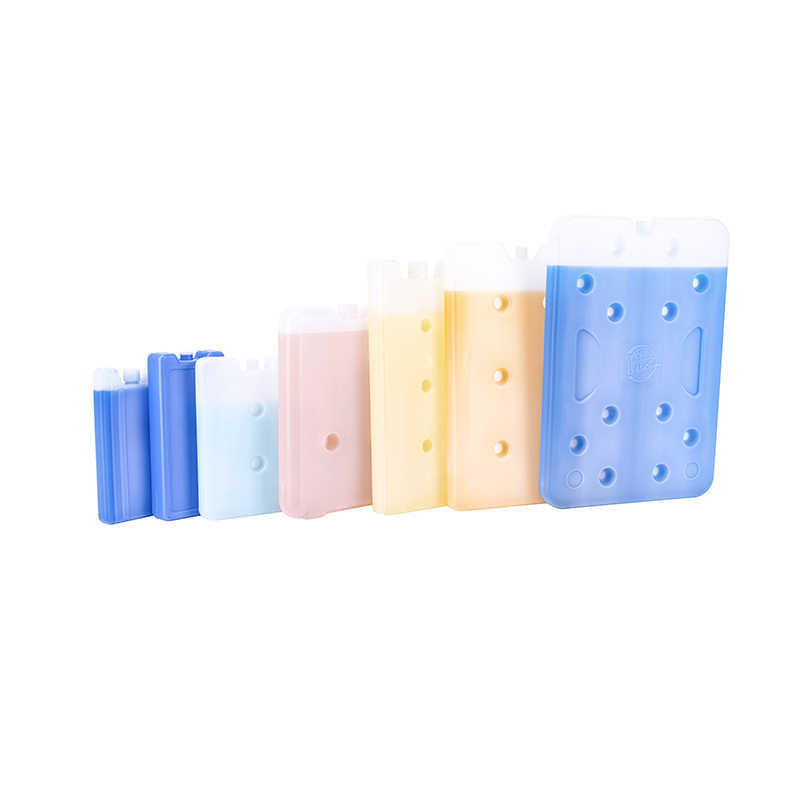
Gel Brick Reusable Systems for Cold Chain Routes: A Practical Selection Guide
A gel brick reusable should be selected as part of a packout, not as a stand-alone promise. The buyer needs to know what the brick contains, how it is sealed, how it will be frozen or conditioned, where it sits in the insulated container, and what proof is needed before scaling to bulk use. This optimized guide combines product education, technical boundaries, and route-level purchasing advice so you can make a more defensible sourcing decision. It keeps performance claims tied to the actual payload, lane, and packing process.
Practical takeaway: write the route and payload requirement first, then select gel brick reusable as a cooling component that can be tested, packed, inspected, and scaled without creating new handling risks.
Start with the job, not the product name
A gel brick is a rigid or semi-rigid cold source used inside an insulated shipper, cooler box, tote, or delivery bag. Depending on the design, the filling may be a water-based gel, a PCM formulation, or another refrigerant blend. The rigid shape makes counting, placement, and repeated handling easier than many soft packs, while the filling provides thermal mass that absorbs heat as it warms or melts. That is the useful contribution: the brick slows heat gain inside the container. It does not create a qualified shipment by itself.
For buyers, the first decision is not whether the product name sounds strong. It is whether the brick supports regional delivery loops, store replenishment, lab courier routes, and internal movements where cooling media returns to the shipper. If the route is short, the insulated container is efficient, and the product can tolerate broad chilled conditions, a standard gel brick may be enough after sample testing. If the product is freeze-sensitive or the accepted range is narrow, the buyer may need a PCM brick, separation layers, controlled preconditioning, a logger plan, and quality review. The same physical format can therefore serve very different purposes depending on how it is used.
Compare coolant formats before locking the specification
Many purchasing mistakes start when teams use product names loosely. A soft gel pack may be easy to wrap around product corners, while a rigid gel brick is easier to count, stack, clean, and place in a repeatable loading map. A water-filled ice brick can be cost-efficient where broad cooling is acceptable. A PCM pack may be better when the shipment needs a more defined temperature behavior. None of these formats is automatically superior; the right choice depends on the temperature requirement, container design, route, labor process, and budget.
For gel brick reusable, the comparison should focus on what the buyer wants to control. If the priority is simple chilled support, a standard gel or water-based brick may be practical. If the priority is freeze-risk management or a narrower target range, a PCM format may be worth evaluating. If the priority is sustainability, the question is not only whether the brick is reusable, but whether it returns reliably and remains clean and intact. If the priority is rough handling, a heavy-duty rigid format may reduce puncture risk but may also take up more usable payload space.
| Buyer situation | Cooling-media direction | What to verify before ordering |
|---|---|---|
| Routine chilled food or grocery | Gel brick or water-based ice brick | Box fit, condensation, product separation, freezing capacity, and arrival condition |
| Refrigerated healthcare or lab payload | Conditioned gel brick, PCM brick, or hybrid packout | Product label range, freeze risk, logger plan, route profile, and quality approval |
| Repeated local route | Reusable rigid brick | Return process, cleaning, damage inspection, loss control, and freezer turnaround |
| Longer or hotter route | Higher thermal mass, PCM, or hybrid design | Ambient profile, payload, insulation, packout layout, and test evidence |
| Custom box geometry | Custom-size brick or molded format | Internal dimensions, product clearance, sample approval, and production tolerance |
Use the table as a sourcing filter, not as a universal rule. It helps the procurement team ask sharper questions before samples are made. The final decision still needs a trial using the real product or a justified payload simulator, the intended insulated container, and the packing process that warehouse staff can repeat.
Translate product features into operating instructions
The most common weak point is not the brick alone; it is the gap between product specification and warehouse behavior. A gel brick reusable must be frozen or conditioned in a defined way, placed in the box consistently, separated from products that should not touch a frozen surface, and inspected before use. If operators pack by memory, change the number of bricks during busy periods, or load warm bricks because freezer space is limited, the product specification on the purchase order will not protect the shipment.
A practical packout instruction should tell the operator where each brick goes, what starting condition is acceptable, how to handle condensation, what barrier or divider is needed, and when a brick should be rejected because of leakage, deformation, contamination, or broken corners. It should also define what happens at receiving. A receiving team that only checks whether the goods arrived cold may miss evidence of contact freezing, thawed coolant, or a route delay that the quality team needs to review.
For regional delivery loops, store replenishment, lab courier routes, and internal movements where cooling media returns to the shipper, the loading map is especially important because the coldest surface may be the brick itself. Direct contact can be useful for some products and risky for others. Food products may need a sanitary barrier. Pharmaceutical products may require documented separation and temperature monitoring. Fragile retail packaging may need space to avoid crushing. These are not small details; they are the difference between a cooling component and a repeatable cold-chain process.
This article uses cautious language around cold-chain requirements. Many pharmaceutical and vaccine routes are planned around labeled or specified storage conditions, and some refrigerated healthcare shipments use ranges such as 2 degrees C to 8 degrees C. That does not mean every medicine, sample, or food product shares the same requirement. Buyers should confirm the product label, quality agreement, route profile, and local rules. Standards and practices such as ISTA thermal profiles, IATA temperature-sensitive cargo procedures, FDA food-contact rules, and CDC vaccine storage guidance are useful references, but they do not replace a buyer's own qualification or supplier documentation.
What to confirm before sample approval and bulk production
Before ordering gel brick reusable in bulk, ask questions that connect the product to your route. The useful supplier conversation should cover shell durability, seal inspection, freeze-thaw handling, cleaning process, labeling, asset tracking, and replenishment rules. If the supplier cannot explain how the brick should be conditioned, how fill weight is controlled, how leakage is handled, or what sample checks are realistic, the buyer should slow down. A low unit price can become expensive if the product does not fit the container, takes too long to freeze, or creates quality disputes after delivery.
Define who retrieves the brick, how it is cleaned, how damage is recorded, and when a unit is retired before ordering bulk quantities. Also ask whether the supplier can keep the sample and mass-production specification aligned. A sample that works because it was prepared carefully may not represent routine production if dimensions, filling, seal design, carton packing, or conditioning instructions change later.
Procurement teams can use the following questions during supplier screening:
- What exactly is inside the brick, and is an SDS or material statement available?
- Does the stated use refer to a stand-alone brick or a tested packout with insulation and payload?
- How should the brick be frozen, conditioned, stored, loaded, and inspected before use?
- What is the difference between external dimensions, usable packout space, and the space left for product?
- What evidence supports any performance statement, and does it match the intended route?
- How are damaged, leaking, swollen, or contaminated units identified and removed?
- For custom size or private-label work, what approval steps prevent sample-to-production drift?
The answer does not always need to be a formal validation package. For low-risk food delivery, a practical sample trial and clear packing instruction may be enough. For healthcare, biologics, diagnostics, or regulated lanes, the buyer's quality team may require stricter evidence, documented temperature monitoring, and route-specific approval. The key is to match the level of evidence to the risk level of the shipment.
Red flags to catch before the first large order
A cooling brick can fail in ways that are not visible in a product listing. It may be too large for the box, leaving less space for product. It may be too cold for a freeze-sensitive payload. It may be hard to freeze quickly enough for daily operations. It may leak after repeated handling. It may arrive with inconsistent fill. It may be placed on top of fragile goods because no loading map exists. None of these problems means the idea of gel brick reusable is wrong; it means the purchase was not connected to the real operation.
The highest-risk shortcut is to treat a component as a system. A gel brick, PCM brick, insulated box, liner, data logger, or label has a different job. The brick provides a cold source. The insulation slows heat flow. The packout layout controls contact and airflow. The logger records what happened. The quality process decides whether the evidence is acceptable. When these roles are mixed together, buyers may expect the brick to do work that belongs to the full packout design.
Another red flag is a performance number without context. If a supplier states a hold time, the buyer should ask what ambient profile, payload, container, coolant quantity, starting condition, and acceptance criteria were used. A laboratory result can be useful, but it is not a promise for every lane. If a supplier cannot provide context, treat the number as a marketing claim until your own sample or route test supports it.
How a buyer can move from sample to production
A procurement team developing a new insulated box can treat gel brick reusable selection as a staged approval process. First, define the payload, required temperature range, box inner dimensions, route duration, and likely ambient exposure. Second, request samples that fit the loading map rather than a generic size. Third, run a pilot packout with the same freezer, operators, dividers, and receiving checks that will be used later. Fourth, compare data and product condition before changing the specification.
This approach is slower than choosing from a catalog photo, but it reduces avoidable changes after tooling, artwork, carton packing, or warehouse instructions are locked. It also helps the supplier understand which details are critical and which are flexible. The result is a purchase decision that is easier for operations, quality, and procurement to defend.
A reusable brick needs a reusable process
The reusable value of a gel brick is created by the process around it. Retrieval, washing, drying, freezing, inspection, counting, and redistribution all need owners. If one step is unmanaged, the program may lose inventory, introduce hygiene concerns, or create inconsistent starting conditions for the next shipment.
Asset control can be simple or advanced depending on scale. A small local route may use manual counts and labeled totes. A larger program may need barcodes, route accountability, and a reorder threshold. The important point is that procurement should budget for the operating loop, not only the first purchase of bricks.
Damage criteria should be visible to warehouse staff. Swelling, cracks, leaking seams, contamination, broken corners, or deformation can turn a reusable product into a risk. Removing damaged units early protects both temperature performance and customer confidence.
FAQ
Is a gel brick reusable enough to control shipment temperature by itself?
No. A gel brick reusable is a cooling component, not a complete temperature-controlled system. It must be used with a suitable insulated container, a defined packout layout, correct conditioning, and handling instructions. For higher-risk shipments, buyers should also review temperature monitoring, route exposure, and quality approval requirements before using the brick in production.
When should I consider PCM instead of a standard gel brick?
Consider PCM when the payload needs a more defined temperature behavior, better freeze-risk control, or a target range that a simple frozen gel brick cannot reliably support. The phase-change point must match the product requirement, and the packout should be tested with the intended payload, insulated shipper, and ambient profile.
What should I ask a supplier before bulk ordering?
Ask about the filling, shell or pouch material, seal integrity, conditioning instructions, fill consistency, carton packing, and what evidence supports any performance statement. For gel brick reusable, also ask how the product should be inspected before reuse or packing, and whether samples will match mass-production units.
What makes a reusable gel brick program work?
A reusable program needs retrieval, cleaning, inspection, loss control, freezing capacity, and a rule for retiring damaged units. The brick itself may be durable, but the operational loop decides whether reuse actually reduces waste and cost over time.
Conclusion
A gel brick reusable should be judged by fit, evidence, and operating discipline. The most useful buying decision connects the cooling brick to the product requirement, insulated container, route exposure, conditioning process, and inspection routine. If the shipment is simple, a standard gel or water-based brick may work after practical testing. If the shipment is sensitive, narrow-range, reusable, custom, or high-risk, the buyer should ask for clearer material information, packout guidance, and evidence that reflects the intended use.
The safest next step is to turn your route into a specification: product type, accepted temperature range, box dimensions, expected transit time, ambient exposure, loading map, return process, and documentation needs. With those details, gel brick reusable can be compared as part of a real cold-chain system rather than as a catalog item.
About Tempk
Tempk is the cold-chain packaging brand of Shanghai Tempk Industrial Co., Ltd. The company provides cooling media and temperature-controlled packaging products such as gel ice packs, water-filled packs, freezer ice bricks, insulated bags, EPP insulated boxes, insulated liners, pallet covers, and related cold-chain materials. For a buyer evaluating gel bricks, Tempk's practical role is not only to supply a cold source, but to help connect that cold source with the insulated container, route, payload, and packing process that will actually be used.
Share your payload, route, box size, and temperature requirement with Tempk to discuss whether gel brick reusable or another cooling-media format is the better starting point for samples and bulk planning.
Gel Brick Pcm Selection Guide for B2B Buyers
Gel Brick PCM for Temperature-Controlled Packouts: A Practical Selection Guide
A gel brick PCM should be selected as part of a packout, not as a stand-alone promise. The buyer needs to know what the brick contains, how it is sealed, how it will be frozen or conditioned, where it sits in the insulated container, and what proof is needed before scaling to bulk use. This optimized guide combines product education, technical boundaries, and route-level purchasing advice so you can make a more defensible sourcing decision. It keeps performance claims tied to the actual payload, lane, and packing process.
Practical takeaway: write the route and payload requirement first, then select gel brick PCM as a cooling component that can be tested, packed, inspected, and scaled without creating new handling risks.
Start with the job, not the product name
A gel brick is a rigid or semi-rigid cold source used inside an insulated shipper, cooler box, tote, or delivery bag. Depending on the design, the filling may be a water-based gel, a PCM formulation, or another refrigerant blend. The rigid shape makes counting, placement, and repeated handling easier than many soft packs, while the filling provides thermal mass that absorbs heat as it warms or melts. That is the useful contribution: the brick slows heat gain inside the container. It does not create a qualified shipment by itself.
For buyers, the first decision is not whether the product name sounds strong. It is whether the brick supports packouts where a target temperature window, freeze-risk reduction, or repeatable conditioning procedure matters. If the route is short, the insulated container is efficient, and the product can tolerate broad chilled conditions, a standard gel brick may be enough after sample testing. If the product is freeze-sensitive or the accepted range is narrow, the buyer may need a PCM brick, separation layers, controlled preconditioning, a logger plan, and quality review. The same physical format can therefore serve very different purposes depending on how it is used.
Compare coolant formats before locking the specification
Many purchasing mistakes start when teams use product names loosely. A soft gel pack may be easy to wrap around product corners, while a rigid gel brick is easier to count, stack, clean, and place in a repeatable loading map. A water-filled ice brick can be cost-efficient where broad cooling is acceptable. A PCM pack may be better when the shipment needs a more defined temperature behavior. None of these formats is automatically superior; the right choice depends on the temperature requirement, container design, route, labor process, and budget.
For gel brick PCM, the comparison should focus on what the buyer wants to control. If the priority is simple chilled support, a standard gel or water-based brick may be practical. If the priority is freeze-risk management or a narrower target range, a PCM format may be worth evaluating. If the priority is sustainability, the question is not only whether the brick is reusable, but whether it returns reliably and remains clean and intact. If the priority is rough handling, a heavy-duty rigid format may reduce puncture risk but may also take up more usable payload space.
| Buyer situation | Cooling-media direction | What to verify before ordering |
|---|---|---|
| Routine chilled food or grocery | Gel brick or water-based ice brick | Box fit, condensation, product separation, freezing capacity, and arrival condition |
| Refrigerated healthcare or lab payload | Conditioned gel brick, PCM brick, or hybrid packout | Product label range, freeze risk, logger plan, route profile, and quality approval |
| Repeated local route | Reusable rigid brick | Return process, cleaning, damage inspection, loss control, and freezer turnaround |
| Longer or hotter route | Higher thermal mass, PCM, or hybrid design | Ambient profile, payload, insulation, packout layout, and test evidence |
| Custom box geometry | Custom-size brick or molded format | Internal dimensions, product clearance, sample approval, and production tolerance |
Use the table as a sourcing filter, not as a universal rule. It helps the procurement team ask sharper questions before samples are made. The final decision still needs a trial using the real product or a justified payload simulator, the intended insulated container, and the packing process that warehouse staff can repeat.
Translate product features into operating instructions
The most common weak point is not the brick alone; it is the gap between product specification and warehouse behavior. A gel brick PCM must be frozen or conditioned in a defined way, placed in the box consistently, separated from products that should not touch a frozen surface, and inspected before use. If operators pack by memory, change the number of bricks during busy periods, or load warm bricks because freezer space is limited, the product specification on the purchase order will not protect the shipment.
A practical packout instruction should tell the operator where each brick goes, what starting condition is acceptable, how to handle condensation, what barrier or divider is needed, and when a brick should be rejected because of leakage, deformation, contamination, or broken corners. It should also define what happens at receiving. A receiving team that only checks whether the goods arrived cold may miss evidence of contact freezing, thawed coolant, or a route delay that the quality team needs to review.
For packouts where a target temperature window, freeze-risk reduction, or repeatable conditioning procedure matters, the loading map is especially important because the coldest surface may be the brick itself. Direct contact can be useful for some products and risky for others. Food products may need a sanitary barrier. Pharmaceutical products may require documented separation and temperature monitoring. Fragile retail packaging may need space to avoid crushing. These are not small details; they are the difference between a cooling component and a repeatable cold-chain process.
This article uses cautious language around cold-chain requirements. Many pharmaceutical and vaccine routes are planned around labeled or specified storage conditions, and some refrigerated healthcare shipments use ranges such as 2 degrees C to 8 degrees C. That does not mean every medicine, sample, or food product shares the same requirement. Buyers should confirm the product label, quality agreement, route profile, and local rules. Standards and practices such as ISTA thermal profiles, IATA temperature-sensitive cargo procedures, FDA food-contact rules, and CDC vaccine storage guidance are useful references, but they do not replace a buyer's own qualification or supplier documentation.
What to confirm before sample approval and bulk production
Before ordering gel brick PCM in bulk, ask questions that connect the product to your route. The useful supplier conversation should cover phase-change point, conditioning protocol, packout layout, test profile, documentation, and sample-to-production consistency. If the supplier cannot explain how the brick should be conditioned, how fill weight is controlled, how leakage is handled, or what sample checks are realistic, the buyer should slow down. A low unit price can become expensive if the product does not fit the container, takes too long to freeze, or creates quality disputes after delivery.
Confirm the PCM setpoint, the conditioning temperature, whether the supplier has test data for your lane, and whether gel and PCM terms are used consistently. Also ask whether the supplier can keep the sample and mass-production specification aligned. A sample that works because it was prepared carefully may not represent routine production if dimensions, filling, seal design, carton packing, or conditioning instructions change later.
Procurement teams can use the following questions during supplier screening:
- What exactly is inside the brick, and is an SDS or material statement available?
- Does the stated use refer to a stand-alone brick or a tested packout with insulation and payload?
- How should the brick be frozen, conditioned, stored, loaded, and inspected before use?
- What is the difference between external dimensions, usable packout space, and the space left for product?
- What evidence supports any performance statement, and does it match the intended route?
- How are damaged, leaking, swollen, or contaminated units identified and removed?
- For custom size or private-label work, what approval steps prevent sample-to-production drift?
The answer does not always need to be a formal validation package. For low-risk food delivery, a practical sample trial and clear packing instruction may be enough. For healthcare, biologics, diagnostics, or regulated lanes, the buyer's quality team may require stricter evidence, documented temperature monitoring, and route-specific approval. The key is to match the level of evidence to the risk level of the shipment.
Red flags to catch before the first large order
A cooling brick can fail in ways that are not visible in a product listing. It may be too large for the box, leaving less space for product. It may be too cold for a freeze-sensitive payload. It may be hard to freeze quickly enough for daily operations. It may leak after repeated handling. It may arrive with inconsistent fill. It may be placed on top of fragile goods because no loading map exists. None of these problems means the idea of gel brick PCM is wrong; it means the purchase was not connected to the real operation.
The highest-risk shortcut is to treat a component as a system. A gel brick, PCM brick, insulated box, liner, data logger, or label has a different job. The brick provides a cold source. The insulation slows heat flow. The packout layout controls contact and airflow. The logger records what happened. The quality process decides whether the evidence is acceptable. When these roles are mixed together, buyers may expect the brick to do work that belongs to the full packout design.
Another red flag is a performance number without context. If a supplier states a hold time, the buyer should ask what ambient profile, payload, container, coolant quantity, starting condition, and acceptance criteria were used. A laboratory result can be useful, but it is not a promise for every lane. If a supplier cannot provide context, treat the number as a marketing claim until your own sample or route test supports it.
How a buyer can move from sample to production
A procurement team developing a new insulated box can treat gel brick PCM selection as a staged approval process. First, define the payload, required temperature range, box inner dimensions, route duration, and likely ambient exposure. Second, request samples that fit the loading map rather than a generic size. Third, run a pilot packout with the same freezer, operators, dividers, and receiving checks that will be used later. Fourth, compare data and product condition before changing the specification.
This approach is slower than choosing from a catalog photo, but it reduces avoidable changes after tooling, artwork, carton packing, or warehouse instructions are locked. It also helps the supplier understand which details are critical and which are flexible. The result is a purchase decision that is easier for operations, quality, and procurement to defend.
PCM-specific checks before you approve the packout
PCM should be selected by phase-change point, conditioning method, and payload tolerance. A PCM brick that performs well in one temperature window may be inappropriate in another. Buyers should avoid treating PCM as a premium label by default; it is valuable when the setpoint and operating process match the product requirement.
Before approval, confirm whether the supplier uses PCM consistently in naming and documentation. Some products are called gel packs even when they contain phase-change materials, while other products use gel-like language without a defined setpoint. Ask for a clear description of the material behavior, not only a product category name.
For healthcare use, the quality team should decide whether supplier data, in-house testing, lane trials, and logger placement are sufficient. For food and grocery use, the standard may be less formal, but the same logic applies: the packout must protect the product under the real route, not under an ideal catalog condition.
FAQ
Is a gel brick PCM enough to control shipment temperature by itself?
No. A gel brick PCM is a cooling component, not a complete temperature-controlled system. It must be used with a suitable insulated container, a defined packout layout, correct conditioning, and handling instructions. For higher-risk shipments, buyers should also review temperature monitoring, route exposure, and quality approval requirements before using the brick in production.
When should I consider PCM instead of a standard gel brick?
Consider PCM when the payload needs a more defined temperature behavior, better freeze-risk control, or a target range that a simple frozen gel brick cannot reliably support. The phase-change point must match the product requirement, and the packout should be tested with the intended payload, insulated shipper, and ambient profile.
What should I ask a supplier before bulk ordering?
Ask about the filling, shell or pouch material, seal integrity, conditioning instructions, fill consistency, carton packing, and what evidence supports any performance statement. For gel brick PCM, also ask how the product should be inspected before reuse or packing, and whether samples will match mass-production units.
How do I avoid overbuying cooling capacity?
Start with the product requirement and route risk. A stronger, heavier, or more engineered brick is not always better if it causes freezing, uses too much payload space, or complicates warehouse preparation. Sample testing helps confirm whether the selected brick is enough without adding unnecessary cost or handling burden.
Conclusion
A gel brick PCM should be judged by fit, evidence, and operating discipline. The most useful buying decision connects the cooling brick to the product requirement, insulated container, route exposure, conditioning process, and inspection routine. If the shipment is simple, a standard gel or water-based brick may work after practical testing. If the shipment is sensitive, narrow-range, reusable, custom, or high-risk, the buyer should ask for clearer material information, packout guidance, and evidence that reflects the intended use.
The safest next step is to turn your route into a specification: product type, accepted temperature range, box dimensions, expected transit time, ambient exposure, loading map, return process, and documentation needs. With those details, gel brick PCM can be compared as part of a real cold-chain system rather than as a catalog item.
About Tempk
Tempk is the cold-chain packaging brand of Shanghai Tempk Industrial Co., Ltd. The company provides cooling media and temperature-controlled packaging products such as gel ice packs, water-filled packs, freezer ice bricks, insulated bags, EPP insulated boxes, insulated liners, pallet covers, and related cold-chain materials. For a buyer evaluating gel bricks, Tempk's practical role is not only to supply a cold source, but to help connect that cold source with the insulated container, route, payload, and packing process that will actually be used.
Share your payload, route, box size, and temperature requirement with Tempk to discuss whether gel brick PCM or another cooling-media format is the better starting point for samples and bulk planning.
Gel Brick Non-Toxic Selection Guide for B2B Buyers

Gel Brick Non-Toxic Safety Checks for B2B Buyers: A Practical Selection Guide
A gel brick non-toxic should be selected as part of a packout, not as a stand-alone promise. The buyer needs to know what the brick contains, how it is sealed, how it will be frozen or conditioned, where it sits in the insulated container, and what proof is needed before scaling to bulk use. This optimized guide combines product education, technical boundaries, and route-level purchasing advice so you can make a more defensible sourcing decision. It keeps performance claims tied to the actual payload, lane, and packing process.
Practical takeaway: write the route and payload requirement first, then select gel brick non-toxic as a cooling component that can be tested, packed, inspected, and scaled without creating new handling risks.
Start with the job, not the product name
A gel brick is a rigid or semi-rigid cold source used inside an insulated shipper, cooler box, tote, or delivery bag. Depending on the design, the filling may be a water-based gel, a PCM formulation, or another refrigerant blend. The rigid shape makes counting, placement, and repeated handling easier than many soft packs, while the filling provides thermal mass that absorbs heat as it warms or melts. That is the useful contribution: the brick slows heat gain inside the container. It does not create a qualified shipment by itself.
For buyers, the first decision is not whether the product name sounds strong. It is whether the brick supports cooler boxes and insulated totes where leakage, direct contact, operator handling, and disposal instructions must be considered. If the route is short, the insulated container is efficient, and the product can tolerate broad chilled conditions, a standard gel brick may be enough after sample testing. If the product is freeze-sensitive or the accepted range is narrow, the buyer may need a PCM brick, separation layers, controlled preconditioning, a logger plan, and quality review. The same physical format can therefore serve very different purposes depending on how it is used.
Compare coolant formats before locking the specification
Many purchasing mistakes start when teams use product names loosely. A soft gel pack may be easy to wrap around product corners, while a rigid gel brick is easier to count, stack, clean, and place in a repeatable loading map. A water-filled ice brick can be cost-efficient where broad cooling is acceptable. A PCM pack may be better when the shipment needs a more defined temperature behavior. None of these formats is automatically superior; the right choice depends on the temperature requirement, container design, route, labor process, and budget.
For gel brick non-toxic, the comparison should focus on what the buyer wants to control. If the priority is simple chilled support, a standard gel or water-based brick may be practical. If the priority is freeze-risk management or a narrower target range, a PCM format may be worth evaluating. If the priority is sustainability, the question is not only whether the brick is reusable, but whether it returns reliably and remains clean and intact. If the priority is rough handling, a heavy-duty rigid format may reduce puncture risk but may also take up more usable payload space.
| Buyer situation | Cooling-media direction | What to verify before ordering |
|---|---|---|
| Routine chilled food or grocery | Gel brick or water-based ice brick | Box fit, condensation, product separation, freezing capacity, and arrival condition |
| Refrigerated healthcare or lab payload | Conditioned gel brick, PCM brick, or hybrid packout | Product label range, freeze risk, logger plan, route profile, and quality approval |
| Repeated local route | Reusable rigid brick | Return process, cleaning, damage inspection, loss control, and freezer turnaround |
| Longer or hotter route | Higher thermal mass, PCM, or hybrid design | Ambient profile, payload, insulation, packout layout, and test evidence |
| Custom box geometry | Custom-size brick or molded format | Internal dimensions, product clearance, sample approval, and production tolerance |
Use the table as a sourcing filter, not as a universal rule. It helps the procurement team ask sharper questions before samples are made. The final decision still needs a trial using the real product or a justified payload simulator, the intended insulated container, and the packing process that warehouse staff can repeat.
Translate product features into operating instructions
The most common weak point is not the brick alone; it is the gap between product specification and warehouse behavior. A gel brick non-toxic must be frozen or conditioned in a defined way, placed in the box consistently, separated from products that should not touch a frozen surface, and inspected before use. If operators pack by memory, change the number of bricks during busy periods, or load warm bricks because freezer space is limited, the product specification on the purchase order will not protect the shipment.
A practical packout instruction should tell the operator where each brick goes, what starting condition is acceptable, how to handle condensation, what barrier or divider is needed, and when a brick should be rejected because of leakage, deformation, contamination, or broken corners. It should also define what happens at receiving. A receiving team that only checks whether the goods arrived cold may miss evidence of contact freezing, thawed coolant, or a route delay that the quality team needs to review.
For cooler boxes and insulated totes where leakage, direct contact, operator handling, and disposal instructions must be considered, the loading map is especially important because the coldest surface may be the brick itself. Direct contact can be useful for some products and risky for others. Food products may need a sanitary barrier. Pharmaceutical products may require documented separation and temperature monitoring. Fragile retail packaging may need space to avoid crushing. These are not small details; they are the difference between a cooling component and a repeatable cold-chain process.
This article uses cautious language around cold-chain requirements. Many pharmaceutical and vaccine routes are planned around labeled or specified storage conditions, and some refrigerated healthcare shipments use ranges such as 2 degrees C to 8 degrees C. That does not mean every medicine, sample, or food product shares the same requirement. Buyers should confirm the product label, quality agreement, route profile, and local rules. Standards and practices such as ISTA thermal profiles, IATA temperature-sensitive cargo procedures, FDA food-contact rules, and CDC vaccine storage guidance are useful references, but they do not replace a buyer's own qualification or supplier documentation.
What to confirm before sample approval and bulk production
Before ordering gel brick non-toxic in bulk, ask questions that connect the product to your route. The useful supplier conversation should cover SDS availability, ingredient disclosure, film or shell integrity, food-contact separation, leakage response, and labeling language. If the supplier cannot explain how the brick should be conditioned, how fill weight is controlled, how leakage is handled, or what sample checks are realistic, the buyer should slow down. A low unit price can become expensive if the product does not fit the container, takes too long to freeze, or creates quality disputes after delivery.
Request an SDS, confirm intended-use conditions, keep coolant separated from unpackaged products, and avoid broad safety claims without documentation. Also ask whether the supplier can keep the sample and mass-production specification aligned. A sample that works because it was prepared carefully may not represent routine production if dimensions, filling, seal design, carton packing, or conditioning instructions change later.
Procurement teams can use the following questions during supplier screening:
- What exactly is inside the brick, and is an SDS or material statement available?
- Does the stated use refer to a stand-alone brick or a tested packout with insulation and payload?
- How should the brick be frozen, conditioned, stored, loaded, and inspected before use?
- What is the difference between external dimensions, usable packout space, and the space left for product?
- What evidence supports any performance statement, and does it match the intended route?
- How are damaged, leaking, swollen, or contaminated units identified and removed?
- For custom size or private-label work, what approval steps prevent sample-to-production drift?
The answer does not always need to be a formal validation package. For low-risk food delivery, a practical sample trial and clear packing instruction may be enough. For healthcare, biologics, diagnostics, or regulated lanes, the buyer's quality team may require stricter evidence, documented temperature monitoring, and route-specific approval. The key is to match the level of evidence to the risk level of the shipment.
Red flags to catch before the first large order
A cooling brick can fail in ways that are not visible in a product listing. It may be too large for the box, leaving less space for product. It may be too cold for a freeze-sensitive payload. It may be hard to freeze quickly enough for daily operations. It may leak after repeated handling. It may arrive with inconsistent fill. It may be placed on top of fragile goods because no loading map exists. None of these problems means the idea of gel brick non-toxic is wrong; it means the purchase was not connected to the real operation.
The highest-risk shortcut is to treat a component as a system. A gel brick, PCM brick, insulated box, liner, data logger, or label has a different job. The brick provides a cold source. The insulation slows heat flow. The packout layout controls contact and airflow. The logger records what happened. The quality process decides whether the evidence is acceptable. When these roles are mixed together, buyers may expect the brick to do work that belongs to the full packout design.
Another red flag is a performance number without context. If a supplier states a hold time, the buyer should ask what ambient profile, payload, container, coolant quantity, starting condition, and acceptance criteria were used. A laboratory result can be useful, but it is not a promise for every lane. If a supplier cannot provide context, treat the number as a marketing claim until your own sample or route test supports it.
How a buyer can move from sample to production
A procurement team developing a new insulated box can treat gel brick non-toxic selection as a staged approval process. First, define the payload, required temperature range, box inner dimensions, route duration, and likely ambient exposure. Second, request samples that fit the loading map rather than a generic size. Third, run a pilot packout with the same freezer, operators, dividers, and receiving checks that will be used later. Fourth, compare data and product condition before changing the specification.
This approach is slower than choosing from a catalog photo, but it reduces avoidable changes after tooling, artwork, carton packing, or warehouse instructions are locked. It also helps the supplier understand which details are critical and which are flexible. The result is a purchase decision that is easier for operations, quality, and procurement to defend.
Non-toxic claims need documentation and use conditions
Non-toxic wording is most useful when it is tied to an SDS, material statement, or intended-use explanation. It does not automatically mean the coolant is approved for every food-contact or medical-contact situation. A buyer should also confirm whether the outer shell or pouch material is appropriate for the planned use and whether the brick will be separated from the payload.
Leakage response should be written before shipments begin. Operators should know whether to rinse, isolate, discard, or report a damaged unit. They should also know what to do if gel contacts an outer carton, food package, or medical secondary packaging. These instructions reduce confusion during busy packing and receiving periods.
For food products, direct contact with packaging materials is a regulated topic in many markets. Buyers should not assume that a safe handling statement covers every contact scenario. If the brick might touch unpackaged food, use a verified barrier or request specific documentation before approving the packout.
FAQ
Is a gel brick non-toxic enough to control shipment temperature by itself?
No. A gel brick non-toxic is a cooling component, not a complete temperature-controlled system. It must be used with a suitable insulated container, a defined packout layout, correct conditioning, and handling instructions. For higher-risk shipments, buyers should also review temperature monitoring, route exposure, and quality approval requirements before using the brick in production.
When should I consider PCM instead of a standard gel brick?
Consider PCM when the payload needs a more defined temperature behavior, better freeze-risk control, or a target range that a simple frozen gel brick cannot reliably support. The phase-change point must match the product requirement, and the packout should be tested with the intended payload, insulated shipper, and ambient profile.
What should I ask a supplier before bulk ordering?
Ask about the filling, shell or pouch material, seal integrity, conditioning instructions, fill consistency, carton packing, and what evidence supports any performance statement. For gel brick non-toxic, also ask how the product should be inspected before reuse or packing, and whether samples will match mass-production units.
Does non-toxic mean the brick can touch food directly?
Not automatically. Non-toxic usually describes the material safety profile under intended handling conditions. Direct contact with unpackaged food, sterile medical goods, or pharmaceutical products may require separate food-contact, barrier, or quality review. Buyers should request documentation and keep coolant separated from products unless direct contact is clearly approved.
Conclusion
A gel brick non-toxic should be judged by fit, evidence, and operating discipline. The most useful buying decision connects the cooling brick to the product requirement, insulated container, route exposure, conditioning process, and inspection routine. If the shipment is simple, a standard gel or water-based brick may work after practical testing. If the shipment is sensitive, narrow-range, reusable, custom, or high-risk, the buyer should ask for clearer material information, packout guidance, and evidence that reflects the intended use.
The safest next step is to turn your route into a specification: product type, accepted temperature range, box dimensions, expected transit time, ambient exposure, loading map, return process, and documentation needs. With those details, gel brick non-toxic can be compared as part of a real cold-chain system rather than as a catalog item.
About Tempk
Tempk focuses on cold-chain packaging products for temperature-sensitive shipments, including gel packs, ice bricks, insulated boxes, liners, bags, and related cold-chain materials. The most useful supplier discussion for a gel brick is usually specific rather than broad: the temperature range to protect, the route duration, the insulated shipper, the payload, the conditioning method, and the handling process. Tempk can help buyers turn those inputs into a more realistic cooling-media recommendation.
Share your payload, route, box size, and temperature requirement with Tempk to discuss whether gel brick non-toxic or another cooling-media format is the better starting point for samples and bulk planning.
Gel Brick High Performance Selection Guide for B2B Buyers

Gel Brick High Performance Cold Chain Selection: A Practical Selection Guide
A gel brick high performance should be selected as part of a packout, not as a stand-alone promise. The buyer needs to know what the brick contains, how it is sealed, how it will be frozen or conditioned, where it sits in the insulated container, and what proof is needed before scaling to bulk use. This optimized guide combines product education, technical boundaries, and route-level purchasing advice so you can make a more defensible sourcing decision. It keeps performance claims tied to the actual payload, lane, and packing process.
Practical takeaway: write the route and payload requirement first, then select gel brick high performance as a cooling component that can be tested, packed, inspected, and scaled without creating new handling risks.
Start with the job, not the product name
A gel brick is a rigid or semi-rigid cold source used inside an insulated shipper, cooler box, tote, or delivery bag. Depending on the design, the filling may be a water-based gel, a PCM formulation, or another refrigerant blend. The rigid shape makes counting, placement, and repeated handling easier than many soft packs, while the filling provides thermal mass that absorbs heat as it warms or melts. That is the useful contribution: the brick slows heat gain inside the container. It does not create a qualified shipment by itself.
For buyers, the first decision is not whether the product name sounds strong. It is whether the brick supports longer or higher-risk routes where thermal mass, insulation, packout layout, and testing discipline matter. If the route is short, the insulated container is efficient, and the product can tolerate broad chilled conditions, a standard gel brick may be enough after sample testing. If the product is freeze-sensitive or the accepted range is narrow, the buyer may need a PCM brick, separation layers, controlled preconditioning, a logger plan, and quality review. The same physical format can therefore serve very different purposes depending on how it is used.
Compare coolant formats before locking the specification
Many purchasing mistakes start when teams use product names loosely. A soft gel pack may be easy to wrap around product corners, while a rigid gel brick is easier to count, stack, clean, and place in a repeatable loading map. A water-filled ice brick can be cost-efficient where broad cooling is acceptable. A PCM pack may be better when the shipment needs a more defined temperature behavior. None of these formats is automatically superior; the right choice depends on the temperature requirement, container design, route, labor process, and budget.
For gel brick high performance, the comparison should focus on what the buyer wants to control. If the priority is simple chilled support, a standard gel or water-based brick may be practical. If the priority is freeze-risk management or a narrower target range, a PCM format may be worth evaluating. If the priority is sustainability, the question is not only whether the brick is reusable, but whether it returns reliably and remains clean and intact. If the priority is rough handling, a heavy-duty rigid format may reduce puncture risk but may also take up more usable payload space.
| Buyer situation | Cooling-media direction | What to verify before ordering |
|---|---|---|
| Routine chilled food or grocery | Gel brick or water-based ice brick | Box fit, condensation, product separation, freezing capacity, and arrival condition |
| Refrigerated healthcare or lab payload | Conditioned gel brick, PCM brick, or hybrid packout | Product label range, freeze risk, logger plan, route profile, and quality approval |
| Repeated local route | Reusable rigid brick | Return process, cleaning, damage inspection, loss control, and freezer turnaround |
| Longer or hotter route | Higher thermal mass, PCM, or hybrid design | Ambient profile, payload, insulation, packout layout, and test evidence |
| Custom box geometry | Custom-size brick or molded format | Internal dimensions, product clearance, sample approval, and production tolerance |
Use the table as a sourcing filter, not as a universal rule. It helps the procurement team ask sharper questions before samples are made. The final decision still needs a trial using the real product or a justified payload simulator, the intended insulated container, and the packing process that warehouse staff can repeat.
Translate product features into operating instructions
The most common weak point is not the brick alone; it is the gap between product specification and warehouse behavior. A gel brick high performance must be frozen or conditioned in a defined way, placed in the box consistently, separated from products that should not touch a frozen surface, and inspected before use. If operators pack by memory, change the number of bricks during busy periods, or load warm bricks because freezer space is limited, the product specification on the purchase order will not protect the shipment.
A practical packout instruction should tell the operator where each brick goes, what starting condition is acceptable, how to handle condensation, what barrier or divider is needed, and when a brick should be rejected because of leakage, deformation, contamination, or broken corners. It should also define what happens at receiving. A receiving team that only checks whether the goods arrived cold may miss evidence of contact freezing, thawed coolant, or a route delay that the quality team needs to review.
For longer or higher-risk routes where thermal mass, insulation, packout layout, and testing discipline matter, the loading map is especially important because the coldest surface may be the brick itself. Direct contact can be useful for some products and risky for others. Food products may need a sanitary barrier. Pharmaceutical products may require documented separation and temperature monitoring. Fragile retail packaging may need space to avoid crushing. These are not small details; they are the difference between a cooling component and a repeatable cold-chain process.
This article uses cautious language around cold-chain requirements. Many pharmaceutical and vaccine routes are planned around labeled or specified storage conditions, and some refrigerated healthcare shipments use ranges such as 2 degrees C to 8 degrees C. That does not mean every medicine, sample, or food product shares the same requirement. Buyers should confirm the product label, quality agreement, route profile, and local rules. Standards and practices such as ISTA thermal profiles, IATA temperature-sensitive cargo procedures, FDA food-contact rules, and CDC vaccine storage guidance are useful references, but they do not replace a buyer's own qualification or supplier documentation.
What to confirm before sample approval and bulk production
Before ordering gel brick high performance in bulk, ask questions that connect the product to your route. The useful supplier conversation should cover test conditions, coolant mass, packout geometry, logger placement, conditioning protocol, and repeatability across production batches. If the supplier cannot explain how the brick should be conditioned, how fill weight is controlled, how leakage is handled, or what sample checks are realistic, the buyer should slow down. A low unit price can become expensive if the product does not fit the container, takes too long to freeze, or creates quality disputes after delivery.
Request the context behind any performance statement, including the insulated shipper, payload simulator, ambient profile, and acceptance criteria. Also ask whether the supplier can keep the sample and mass-production specification aligned. A sample that works because it was prepared carefully may not represent routine production if dimensions, filling, seal design, carton packing, or conditioning instructions change later.
Procurement teams can use the following questions during supplier screening:
- What exactly is inside the brick, and is an SDS or material statement available?
- Does the stated use refer to a stand-alone brick or a tested packout with insulation and payload?
- How should the brick be frozen, conditioned, stored, loaded, and inspected before use?
- What is the difference between external dimensions, usable packout space, and the space left for product?
- What evidence supports any performance statement, and does it match the intended route?
- How are damaged, leaking, swollen, or contaminated units identified and removed?
- For custom size or private-label work, what approval steps prevent sample-to-production drift?
The answer does not always need to be a formal validation package. For low-risk food delivery, a practical sample trial and clear packing instruction may be enough. For healthcare, biologics, diagnostics, or regulated lanes, the buyer's quality team may require stricter evidence, documented temperature monitoring, and route-specific approval. The key is to match the level of evidence to the risk level of the shipment.
Red flags to catch before the first large order
A cooling brick can fail in ways that are not visible in a product listing. It may be too large for the box, leaving less space for product. It may be too cold for a freeze-sensitive payload. It may be hard to freeze quickly enough for daily operations. It may leak after repeated handling. It may arrive with inconsistent fill. It may be placed on top of fragile goods because no loading map exists. None of these problems means the idea of gel brick high performance is wrong; it means the purchase was not connected to the real operation.
The highest-risk shortcut is to treat a component as a system. A gel brick, PCM brick, insulated box, liner, data logger, or label has a different job. The brick provides a cold source. The insulation slows heat flow. The packout layout controls contact and airflow. The logger records what happened. The quality process decides whether the evidence is acceptable. When these roles are mixed together, buyers may expect the brick to do work that belongs to the full packout design.
Another red flag is a performance number without context. If a supplier states a hold time, the buyer should ask what ambient profile, payload, container, coolant quantity, starting condition, and acceptance criteria were used. A laboratory result can be useful, but it is not a promise for every lane. If a supplier cannot provide context, treat the number as a marketing claim until your own sample or route test supports it.
How a buyer can move from sample to production
A procurement team developing a new insulated box can treat gel brick high performance selection as a staged approval process. First, define the payload, required temperature range, box inner dimensions, route duration, and likely ambient exposure. Second, request samples that fit the loading map rather than a generic size. Third, run a pilot packout with the same freezer, operators, dividers, and receiving checks that will be used later. Fourth, compare data and product condition before changing the specification.
This approach is slower than choosing from a catalog photo, but it reduces avoidable changes after tooling, artwork, carton packing, or warehouse instructions are locked. It also helps the supplier understand which details are critical and which are flexible. The result is a purchase decision that is easier for operations, quality, and procurement to defend.
Define performance before comparing products
High performance should be defined in terms the quality and operations teams can test. Useful definitions include maintaining the required range under a stated ambient profile, reducing freeze risk, fitting a smaller box, improving loading repeatability, or surviving repeated handling without leakage. A vague performance label is not enough for procurement approval.
Performance also depends on the starting condition. A brick that is not fully frozen or properly conditioned may underperform even if it is well designed. Freezer capacity, staging time, and operator discipline should be part of the purchase review, especially when daily shipment volume is high.
When comparing suppliers, ask for the context behind every claim. The best answer explains the insulated shipper, coolant quantity, payload, ambient profile, and acceptance criteria. If the answer is only a number, the buyer still does not know whether it applies.
FAQ
Is a gel brick high performance enough to control shipment temperature by itself?
No. A gel brick high performance is a cooling component, not a complete temperature-controlled system. It must be used with a suitable insulated container, a defined packout layout, correct conditioning, and handling instructions. For higher-risk shipments, buyers should also review temperature monitoring, route exposure, and quality approval requirements before using the brick in production.
When should I consider PCM instead of a standard gel brick?
Consider PCM when the payload needs a more defined temperature behavior, better freeze-risk control, or a target range that a simple frozen gel brick cannot reliably support. The phase-change point must match the product requirement, and the packout should be tested with the intended payload, insulated shipper, and ambient profile.
What should I ask a supplier before bulk ordering?
Ask about the filling, shell or pouch material, seal integrity, conditioning instructions, fill consistency, carton packing, and what evidence supports any performance statement. For gel brick high performance, also ask how the product should be inspected before reuse or packing, and whether samples will match mass-production units.
How do I avoid overbuying cooling capacity?
Start with the product requirement and route risk. A stronger, heavier, or more engineered brick is not always better if it causes freezing, uses too much payload space, or complicates warehouse preparation. Sample testing helps confirm whether the selected brick is enough without adding unnecessary cost or handling burden.
Conclusion
A gel brick high performance should be judged by fit, evidence, and operating discipline. The most useful buying decision connects the cooling brick to the product requirement, insulated container, route exposure, conditioning process, and inspection routine. If the shipment is simple, a standard gel or water-based brick may work after practical testing. If the shipment is sensitive, narrow-range, reusable, custom, or high-risk, the buyer should ask for clearer material information, packout guidance, and evidence that reflects the intended use.
The safest next step is to turn your route into a specification: product type, accepted temperature range, box dimensions, expected transit time, ambient exposure, loading map, return process, and documentation needs. With those details, gel brick high performance can be compared as part of a real cold-chain system rather than as a catalog item.
About Tempk
Shanghai Tempk Industrial Co., Ltd. uses the Tempk brand for cold-chain packaging products and solutions. Public company information describes a product range that includes gel ice packs, water-filled ice packs, freezer ice bricks, EPP insulated boxes, insulated liners, insulated bags, pallet covers, and other cold-chain materials. For teams comparing gel bricks, Tempk can support a more grounded selection process by discussing product sensitivity, box geometry, cooling media format, sample checks, and bulk-order consistency.
Share your payload, route, box size, and temperature requirement with Tempk to discuss whether gel brick high performance or another cooling-media format is the better starting point for samples and bulk planning.
Gel Brick Heavy Duty Selection Guide for B2B Buyers

Gel Brick Heavy Duty Cooling for Repeated Handling: A Practical Selection Guide
A gel brick heavy duty should be selected as part of a packout, not as a stand-alone promise. The buyer needs to know what the brick contains, how it is sealed, how it will be frozen or conditioned, where it sits in the insulated container, and what proof is needed before scaling to bulk use. This optimized guide combines product education, technical boundaries, and route-level purchasing advice so you can make a more defensible sourcing decision. It keeps performance claims tied to the actual payload, lane, and packing process.
Practical takeaway: write the route and payload requirement first, then select gel brick heavy duty as a cooling component that can be tested, packed, inspected, and scaled without creating new handling risks.
Start with the job, not the product name
A gel brick is a rigid or semi-rigid cold source used inside an insulated shipper, cooler box, tote, or delivery bag. Depending on the design, the filling may be a water-based gel, a PCM formulation, or another refrigerant blend. The rigid shape makes counting, placement, and repeated handling easier than many soft packs, while the filling provides thermal mass that absorbs heat as it warms or melts. That is the useful contribution: the brick slows heat gain inside the container. It does not create a qualified shipment by itself.
For buyers, the first decision is not whether the product name sounds strong. It is whether the brick supports rigid totes, cooler boxes, palletized handling, multi-stop routes, and operations where soft gel packs are easily punctured. If the route is short, the insulated container is efficient, and the product can tolerate broad chilled conditions, a standard gel brick may be enough after sample testing. If the product is freeze-sensitive or the accepted range is narrow, the buyer may need a PCM brick, separation layers, controlled preconditioning, a logger plan, and quality review. The same physical format can therefore serve very different purposes depending on how it is used.
Compare coolant formats before locking the specification
Many purchasing mistakes start when teams use product names loosely. A soft gel pack may be easy to wrap around product corners, while a rigid gel brick is easier to count, stack, clean, and place in a repeatable loading map. A water-filled ice brick can be cost-efficient where broad cooling is acceptable. A PCM pack may be better when the shipment needs a more defined temperature behavior. None of these formats is automatically superior; the right choice depends on the temperature requirement, container design, route, labor process, and budget.
For gel brick heavy duty, the comparison should focus on what the buyer wants to control. If the priority is simple chilled support, a standard gel or water-based brick may be practical. If the priority is freeze-risk management or a narrower target range, a PCM format may be worth evaluating. If the priority is sustainability, the question is not only whether the brick is reusable, but whether it returns reliably and remains clean and intact. If the priority is rough handling, a heavy-duty rigid format may reduce puncture risk but may also take up more usable payload space.
| Buyer situation | Cooling-media direction | What to verify before ordering |
|---|---|---|
| Routine chilled food or grocery | Gel brick or water-based ice brick | Box fit, condensation, product separation, freezing capacity, and arrival condition |
| Refrigerated healthcare or lab payload | Conditioned gel brick, PCM brick, or hybrid packout | Product label range, freeze risk, logger plan, route profile, and quality approval |
| Repeated local route | Reusable rigid brick | Return process, cleaning, damage inspection, loss control, and freezer turnaround |
| Longer or hotter route | Higher thermal mass, PCM, or hybrid design | Ambient profile, payload, insulation, packout layout, and test evidence |
| Custom box geometry | Custom-size brick or molded format | Internal dimensions, product clearance, sample approval, and production tolerance |
Use the table as a sourcing filter, not as a universal rule. It helps the procurement team ask sharper questions before samples are made. The final decision still needs a trial using the real product or a justified payload simulator, the intended insulated container, and the packing process that warehouse staff can repeat.
Translate product features into operating instructions
The most common weak point is not the brick alone; it is the gap between product specification and warehouse behavior. A gel brick heavy duty must be frozen or conditioned in a defined way, placed in the box consistently, separated from products that should not touch a frozen surface, and inspected before use. If operators pack by memory, change the number of bricks during busy periods, or load warm bricks because freezer space is limited, the product specification on the purchase order will not protect the shipment.
A practical packout instruction should tell the operator where each brick goes, what starting condition is acceptable, how to handle condensation, what barrier or divider is needed, and when a brick should be rejected because of leakage, deformation, contamination, or broken corners. It should also define what happens at receiving. A receiving team that only checks whether the goods arrived cold may miss evidence of contact freezing, thawed coolant, or a route delay that the quality team needs to review.
For rigid totes, cooler boxes, palletized handling, multi-stop routes, and operations where soft gel packs are easily punctured, the loading map is especially important because the coldest surface may be the brick itself. Direct contact can be useful for some products and risky for others. Food products may need a sanitary barrier. Pharmaceutical products may require documented separation and temperature monitoring. Fragile retail packaging may need space to avoid crushing. These are not small details; they are the difference between a cooling component and a repeatable cold-chain process.
This article uses cautious language around cold-chain requirements. Many pharmaceutical and vaccine routes are planned around labeled or specified storage conditions, and some refrigerated healthcare shipments use ranges such as 2 degrees C to 8 degrees C. That does not mean every medicine, sample, or food product shares the same requirement. Buyers should confirm the product label, quality agreement, route profile, and local rules. Standards and practices such as ISTA thermal profiles, IATA temperature-sensitive cargo procedures, FDA food-contact rules, and CDC vaccine storage guidance are useful references, but they do not replace a buyer's own qualification or supplier documentation.
What to confirm before sample approval and bulk production
Before ordering gel brick heavy duty in bulk, ask questions that connect the product to your route. The useful supplier conversation should cover wall strength, corner design, closure or weld quality, stackability, cleanability, handling ergonomics, and conditioning time. If the supplier cannot explain how the brick should be conditioned, how fill weight is controlled, how leakage is handled, or what sample checks are realistic, the buyer should slow down. A low unit price can become expensive if the product does not fit the container, takes too long to freeze, or creates quality disputes after delivery.
Ask for sample units, impact handling guidance, carton packing details, stackability notes, and whether the brick shape fits your cooler box without product contact pressure. Also ask whether the supplier can keep the sample and mass-production specification aligned. A sample that works because it was prepared carefully may not represent routine production if dimensions, filling, seal design, carton packing, or conditioning instructions change later.
Procurement teams can use the following questions during supplier screening:
- What exactly is inside the brick, and is an SDS or material statement available?
- Does the stated use refer to a stand-alone brick or a tested packout with insulation and payload?
- How should the brick be frozen, conditioned, stored, loaded, and inspected before use?
- What is the difference between external dimensions, usable packout space, and the space left for product?
- What evidence supports any performance statement, and does it match the intended route?
- How are damaged, leaking, swollen, or contaminated units identified and removed?
- For custom size or private-label work, what approval steps prevent sample-to-production drift?
The answer does not always need to be a formal validation package. For low-risk food delivery, a practical sample trial and clear packing instruction may be enough. For healthcare, biologics, diagnostics, or regulated lanes, the buyer's quality team may require stricter evidence, documented temperature monitoring, and route-specific approval. The key is to match the level of evidence to the risk level of the shipment.
Red flags to catch before the first large order
A cooling brick can fail in ways that are not visible in a product listing. It may be too large for the box, leaving less space for product. It may be too cold for a freeze-sensitive payload. It may be hard to freeze quickly enough for daily operations. It may leak after repeated handling. It may arrive with inconsistent fill. It may be placed on top of fragile goods because no loading map exists. None of these problems means the idea of gel brick heavy duty is wrong; it means the purchase was not connected to the real operation.
The highest-risk shortcut is to treat a component as a system. A gel brick, PCM brick, insulated box, liner, data logger, or label has a different job. The brick provides a cold source. The insulation slows heat flow. The packout layout controls contact and airflow. The logger records what happened. The quality process decides whether the evidence is acceptable. When these roles are mixed together, buyers may expect the brick to do work that belongs to the full packout design.
Another red flag is a performance number without context. If a supplier states a hold time, the buyer should ask what ambient profile, payload, container, coolant quantity, starting condition, and acceptance criteria were used. A laboratory result can be useful, but it is not a promise for every lane. If a supplier cannot provide context, treat the number as a marketing claim until your own sample or route test supports it.
How a buyer can move from sample to production
A procurement team developing a new insulated box can treat gel brick heavy duty selection as a staged approval process. First, define the payload, required temperature range, box inner dimensions, route duration, and likely ambient exposure. Second, request samples that fit the loading map rather than a generic size. Third, run a pilot packout with the same freezer, operators, dividers, and receiving checks that will be used later. Fourth, compare data and product condition before changing the specification.
This approach is slower than choosing from a catalog photo, but it reduces avoidable changes after tooling, artwork, carton packing, or warehouse instructions are locked. It also helps the supplier understand which details are critical and which are flexible. The result is a purchase decision that is easier for operations, quality, and procurement to defend.
Heavy duty should not mean oversized by default
A heavy-duty gel brick is useful when rough handling, repeated cleaning, rigid totes, or stacked loads would punish a soft pack. But a stronger brick can also create trade-offs. It may occupy more internal space, add more weight, require longer freezing, or press against product packaging if the loading map is too tight.
The buyer should test handling as well as temperature. Ask operators whether the brick is easy to grip when frozen, whether it slides inside the box, whether condensation makes it hard to manage, and whether corners damage liners or product cartons. These observations are often missing from product data sheets but matter during daily work.
If the route includes pallet handling or multi-stop distribution, stackability and carton packing should be reviewed. A durable brick is only useful if it can be stored, counted, staged, loaded, and returned without disrupting the operation.
FAQ
Is a gel brick heavy duty enough to control shipment temperature by itself?
No. A gel brick heavy duty is a cooling component, not a complete temperature-controlled system. It must be used with a suitable insulated container, a defined packout layout, correct conditioning, and handling instructions. For higher-risk shipments, buyers should also review temperature monitoring, route exposure, and quality approval requirements before using the brick in production.
When should I consider PCM instead of a standard gel brick?
Consider PCM when the payload needs a more defined temperature behavior, better freeze-risk control, or a target range that a simple frozen gel brick cannot reliably support. The phase-change point must match the product requirement, and the packout should be tested with the intended payload, insulated shipper, and ambient profile.
What should I ask a supplier before bulk ordering?
Ask about the filling, shell or pouch material, seal integrity, conditioning instructions, fill consistency, carton packing, and what evidence supports any performance statement. For gel brick heavy duty, also ask how the product should be inspected before reuse or packing, and whether samples will match mass-production units.
Does heavy duty always mean better thermal performance?
No. Heavy duty usually points to rugged construction or repeated handling strength. Thermal performance still depends on coolant mass, filling type, insulation, packout layout, starting condition, and route exposure. A heavier brick can be useful, but it can also reduce payload space or increase conditioning time.
Conclusion
A gel brick heavy duty should be judged by fit, evidence, and operating discipline. The most useful buying decision connects the cooling brick to the product requirement, insulated container, route exposure, conditioning process, and inspection routine. If the shipment is simple, a standard gel or water-based brick may work after practical testing. If the shipment is sensitive, narrow-range, reusable, custom, or high-risk, the buyer should ask for clearer material information, packout guidance, and evidence that reflects the intended use.
The safest next step is to turn your route into a specification: product type, accepted temperature range, box dimensions, expected transit time, ambient exposure, loading map, return process, and documentation needs. With those details, gel brick heavy duty can be compared as part of a real cold-chain system rather than as a catalog item.
About Tempk
Tempk, operated by Shanghai Tempk Industrial Co., Ltd., works in cold-chain packaging and temperature-control materials for food, medicine, and other sensitive goods. Its product scope includes gel ice packs, water-filled ice packs, freezer ice bricks, EPP boxes, insulated liners, cooler bags, pallet covers, and related packaging components. In gel brick projects, the useful conversation is usually about fit: what the payload needs, how the route behaves, how the brick will be conditioned, and what evidence the buyer needs before scaling up.
Share your payload, route, box size, and temperature requirement with Tempk to discuss whether gel brick heavy duty or another cooling-media format is the better starting point for samples and bulk planning.
Gel Brick Gel Selection Guide for B2B Buyers
Gel Brick Gel for Cold Chain Shipping: A Practical Selection Guide
A gel brick gel should be selected as part of a packout, not as a stand-alone promise. The buyer needs to know what the brick contains, how it is sealed, how it will be frozen or conditioned, where it sits in the insulated container, and what proof is needed before scaling to bulk use. This optimized guide combines product education, technical boundaries, and route-level purchasing advice so you can make a more defensible sourcing decision. It keeps performance claims tied to the actual payload, lane, and packing process.
Practical takeaway: write the route and payload requirement first, then select gel brick gel as a cooling component that can be tested, packed, inspected, and scaled without creating new handling risks.
Start with the job, not the product name
A gel brick is a rigid or semi-rigid cold source used inside an insulated shipper, cooler box, tote, or delivery bag. Depending on the design, the filling may be a water-based gel, a PCM formulation, or another refrigerant blend. The rigid shape makes counting, placement, and repeated handling easier than many soft packs, while the filling provides thermal mass that absorbs heat as it warms or melts. That is the useful contribution: the brick slows heat gain inside the container. It does not create a qualified shipment by itself.
For buyers, the first decision is not whether the product name sounds strong. It is whether the brick supports broad chilled support for food, grocery, seafood, samples, and routine temperature-sensitive shipments. If the route is short, the insulated container is efficient, and the product can tolerate broad chilled conditions, a standard gel brick may be enough after sample testing. If the product is freeze-sensitive or the accepted range is narrow, the buyer may need a PCM brick, separation layers, controlled preconditioning, a logger plan, and quality review. The same physical format can therefore serve very different purposes depending on how it is used.
Compare coolant formats before locking the specification
Many purchasing mistakes start when teams use product names loosely. A soft gel pack may be easy to wrap around product corners, while a rigid gel brick is easier to count, stack, clean, and place in a repeatable loading map. A water-filled ice brick can be cost-efficient where broad cooling is acceptable. A PCM pack may be better when the shipment needs a more defined temperature behavior. None of these formats is automatically superior; the right choice depends on the temperature requirement, container design, route, labor process, and budget.
For gel brick gel, the comparison should focus on what the buyer wants to control. If the priority is simple chilled support, a standard gel or water-based brick may be practical. If the priority is freeze-risk management or a narrower target range, a PCM format may be worth evaluating. If the priority is sustainability, the question is not only whether the brick is reusable, but whether it returns reliably and remains clean and intact. If the priority is rough handling, a heavy-duty rigid format may reduce puncture risk but may also take up more usable payload space.
| Buyer situation | Cooling-media direction | What to verify before ordering |
|---|---|---|
| Routine chilled food or grocery | Gel brick or water-based ice brick | Box fit, condensation, product separation, freezing capacity, and arrival condition |
| Refrigerated healthcare or lab payload | Conditioned gel brick, PCM brick, or hybrid packout | Product label range, freeze risk, logger plan, route profile, and quality approval |
| Repeated local route | Reusable rigid brick | Return process, cleaning, damage inspection, loss control, and freezer turnaround |
| Longer or hotter route | Higher thermal mass, PCM, or hybrid design | Ambient profile, payload, insulation, packout layout, and test evidence |
| Custom box geometry | Custom-size brick or molded format | Internal dimensions, product clearance, sample approval, and production tolerance |
Use the table as a sourcing filter, not as a universal rule. It helps the procurement team ask sharper questions before samples are made. The final decision still needs a trial using the real product or a justified payload simulator, the intended insulated container, and the packing process that warehouse staff can repeat.
Translate product features into operating instructions
The most common weak point is not the brick alone; it is the gap between product specification and warehouse behavior. A gel brick gel must be frozen or conditioned in a defined way, placed in the box consistently, separated from products that should not touch a frozen surface, and inspected before use. If operators pack by memory, change the number of bricks during busy periods, or load warm bricks because freezer space is limited, the product specification on the purchase order will not protect the shipment.
A practical packout instruction should tell the operator where each brick goes, what starting condition is acceptable, how to handle condensation, what barrier or divider is needed, and when a brick should be rejected because of leakage, deformation, contamination, or broken corners. It should also define what happens at receiving. A receiving team that only checks whether the goods arrived cold may miss evidence of contact freezing, thawed coolant, or a route delay that the quality team needs to review.
For broad chilled support for food, grocery, seafood, samples, and routine temperature-sensitive shipments, the loading map is especially important because the coldest surface may be the brick itself. Direct contact can be useful for some products and risky for others. Food products may need a sanitary barrier. Pharmaceutical products may require documented separation and temperature monitoring. Fragile retail packaging may need space to avoid crushing. These are not small details; they are the difference between a cooling component and a repeatable cold-chain process.
This article uses cautious language around cold-chain requirements. Many pharmaceutical and vaccine routes are planned around labeled or specified storage conditions, and some refrigerated healthcare shipments use ranges such as 2 degrees C to 8 degrees C. That does not mean every medicine, sample, or food product shares the same requirement. Buyers should confirm the product label, quality agreement, route profile, and local rules. Standards and practices such as ISTA thermal profiles, IATA temperature-sensitive cargo procedures, FDA food-contact rules, and CDC vaccine storage guidance are useful references, but they do not replace a buyer's own qualification or supplier documentation.
What to confirm before sample approval and bulk production
Before ordering gel brick gel in bulk, ask questions that connect the product to your route. The useful supplier conversation should cover gel viscosity, shell or pouch quality, seal integrity, filling consistency, freezer preparation, and batch repeatability. If the supplier cannot explain how the brick should be conditioned, how fill weight is controlled, how leakage is handled, or what sample checks are realistic, the buyer should slow down. A low unit price can become expensive if the product does not fit the container, takes too long to freeze, or creates quality disputes after delivery.
Ask whether the gel is water-based, whether an SDS is available, how the supplier controls fill weight, and how damaged units should be handled. Also ask whether the supplier can keep the sample and mass-production specification aligned. A sample that works because it was prepared carefully may not represent routine production if dimensions, filling, seal design, carton packing, or conditioning instructions change later.
Procurement teams can use the following questions during supplier screening:
- What exactly is inside the brick, and is an SDS or material statement available?
- Does the stated use refer to a stand-alone brick or a tested packout with insulation and payload?
- How should the brick be frozen, conditioned, stored, loaded, and inspected before use?
- What is the difference between external dimensions, usable packout space, and the space left for product?
- What evidence supports any performance statement, and does it match the intended route?
- How are damaged, leaking, swollen, or contaminated units identified and removed?
- For custom size or private-label work, what approval steps prevent sample-to-production drift?
The answer does not always need to be a formal validation package. For low-risk food delivery, a practical sample trial and clear packing instruction may be enough. For healthcare, biologics, diagnostics, or regulated lanes, the buyer's quality team may require stricter evidence, documented temperature monitoring, and route-specific approval. The key is to match the level of evidence to the risk level of the shipment.
Red flags to catch before the first large order
A cooling brick can fail in ways that are not visible in a product listing. It may be too large for the box, leaving less space for product. It may be too cold for a freeze-sensitive payload. It may be hard to freeze quickly enough for daily operations. It may leak after repeated handling. It may arrive with inconsistent fill. It may be placed on top of fragile goods because no loading map exists. None of these problems means the idea of gel brick gel is wrong; it means the purchase was not connected to the real operation.
The highest-risk shortcut is to treat a component as a system. A gel brick, PCM brick, insulated box, liner, data logger, or label has a different job. The brick provides a cold source. The insulation slows heat flow. The packout layout controls contact and airflow. The logger records what happened. The quality process decides whether the evidence is acceptable. When these roles are mixed together, buyers may expect the brick to do work that belongs to the full packout design.
Another red flag is a performance number without context. If a supplier states a hold time, the buyer should ask what ambient profile, payload, container, coolant quantity, starting condition, and acceptance criteria were used. A laboratory result can be useful, but it is not a promise for every lane. If a supplier cannot provide context, treat the number as a marketing claim until your own sample or route test supports it.
How a buyer can move from sample to production
A procurement team developing a new insulated box can treat gel brick gel selection as a staged approval process. First, define the payload, required temperature range, box inner dimensions, route duration, and likely ambient exposure. Second, request samples that fit the loading map rather than a generic size. Third, run a pilot packout with the same freezer, operators, dividers, and receiving checks that will be used later. Fourth, compare data and product condition before changing the specification.
This approach is slower than choosing from a catalog photo, but it reduces avoidable changes after tooling, artwork, carton packing, or warehouse instructions are locked. It also helps the supplier understand which details are critical and which are flexible. The result is a purchase decision that is easier for operations, quality, and procurement to defend.
Gel quality is more than thickness or color
For gel brick gel, the buyer should focus on how the filling behaves when frozen, thawed, handled, and stored. Viscosity can affect how the gel sits inside the brick, how it expands, and how easy leakage is to identify. The color or apparent thickness of the gel is not enough to judge performance or safety.
Fill consistency matters in bulk orders. If some bricks contain less material than expected, the packout may no longer match the sample test. If some bricks are overfilled, freezing expansion can stress seals or shells. Ask the supplier how filling is controlled and how out-of-spec units are detected.
Gel brick gel should also be reviewed for handling after damage. A clear instruction for leaking or broken units protects operators and prevents contaminated bricks from being reused. This is especially important when the bricks are used around food, pharmacy shipments, or reusable delivery totes.
FAQ
Is a gel brick gel enough to control shipment temperature by itself?
No. A gel brick gel is a cooling component, not a complete temperature-controlled system. It must be used with a suitable insulated container, a defined packout layout, correct conditioning, and handling instructions. For higher-risk shipments, buyers should also review temperature monitoring, route exposure, and quality approval requirements before using the brick in production.
When should I consider PCM instead of a standard gel brick?
Consider PCM when the payload needs a more defined temperature behavior, better freeze-risk control, or a target range that a simple frozen gel brick cannot reliably support. The phase-change point must match the product requirement, and the packout should be tested with the intended payload, insulated shipper, and ambient profile.
What should I ask a supplier before bulk ordering?
Ask about the filling, shell or pouch material, seal integrity, conditioning instructions, fill consistency, carton packing, and what evidence supports any performance statement. For gel brick gel, also ask how the product should be inspected before reuse or packing, and whether samples will match mass-production units.
How do I avoid overbuying cooling capacity?
Start with the product requirement and route risk. A stronger, heavier, or more engineered brick is not always better if it causes freezing, uses too much payload space, or complicates warehouse preparation. Sample testing helps confirm whether the selected brick is enough without adding unnecessary cost or handling burden.
Conclusion
A gel brick gel should be judged by fit, evidence, and operating discipline. The most useful buying decision connects the cooling brick to the product requirement, insulated container, route exposure, conditioning process, and inspection routine. If the shipment is simple, a standard gel or water-based brick may work after practical testing. If the shipment is sensitive, narrow-range, reusable, custom, or high-risk, the buyer should ask for clearer material information, packout guidance, and evidence that reflects the intended use.
The safest next step is to turn your route into a specification: product type, accepted temperature range, box dimensions, expected transit time, ambient exposure, loading map, return process, and documentation needs. With those details, gel brick gel can be compared as part of a real cold-chain system rather than as a catalog item.
About Tempk
Tempk focuses on cold-chain packaging products for temperature-sensitive shipments, including gel packs, ice bricks, insulated boxes, liners, bags, and related cold-chain materials. The most useful supplier discussion for a gel brick is usually specific rather than broad: the temperature range to protect, the route duration, the insulated shipper, the payload, the conditioning method, and the handling process. Tempk can help buyers turn those inputs into a more realistic cooling-media recommendation.
Share your payload, route, box size, and temperature requirement with Tempk to discuss whether gel brick gel or another cooling-media format is the better starting point for samples and bulk planning.
Gel Brick Eco-Friendly Selection Guide for B2B Buyers
Gel Brick Eco-Friendly Claims in Cold Chain Packaging: A Practical Selection Guide
A gel brick eco-friendly should be selected as part of a packout, not as a stand-alone promise. The buyer needs to know what the brick contains, how it is sealed, how it will be frozen or conditioned, where it sits in the insulated container, and what proof is needed before scaling to bulk use. This optimized guide combines product education, technical boundaries, and route-level purchasing advice so you can make a more defensible sourcing decision. It keeps performance claims tied to the actual payload, lane, and packing process.
Practical takeaway: write the route and payload requirement first, then select gel brick eco-friendly as a cooling component that can be tested, packed, inspected, and scaled without creating new handling risks.
Start with the job, not the product name
A gel brick is a rigid or semi-rigid cold source used inside an insulated shipper, cooler box, tote, or delivery bag. Depending on the design, the filling may be a water-based gel, a PCM formulation, or another refrigerant blend. The rigid shape makes counting, placement, and repeated handling easier than many soft packs, while the filling provides thermal mass that absorbs heat as it warms or melts. That is the useful contribution: the brick slows heat gain inside the container. It does not create a qualified shipment by itself.
For buyers, the first decision is not whether the product name sounds strong. It is whether the brick supports shipments where packaging waste, customer unboxing, disposal instructions, and material transparency affect purchasing decisions. If the route is short, the insulated container is efficient, and the product can tolerate broad chilled conditions, a standard gel brick may be enough after sample testing. If the product is freeze-sensitive or the accepted range is narrow, the buyer may need a PCM brick, separation layers, controlled preconditioning, a logger plan, and quality review. The same physical format can therefore serve very different purposes depending on how it is used.
Compare coolant formats before locking the specification
Many purchasing mistakes start when teams use product names loosely. A soft gel pack may be easy to wrap around product corners, while a rigid gel brick is easier to count, stack, clean, and place in a repeatable loading map. A water-filled ice brick can be cost-efficient where broad cooling is acceptable. A PCM pack may be better when the shipment needs a more defined temperature behavior. None of these formats is automatically superior; the right choice depends on the temperature requirement, container design, route, labor process, and budget.
For gel brick eco-friendly, the comparison should focus on what the buyer wants to control. If the priority is simple chilled support, a standard gel or water-based brick may be practical. If the priority is freeze-risk management or a narrower target range, a PCM format may be worth evaluating. If the priority is sustainability, the question is not only whether the brick is reusable, but whether it returns reliably and remains clean and intact. If the priority is rough handling, a heavy-duty rigid format may reduce puncture risk but may also take up more usable payload space.
| Buyer situation | Cooling-media direction | What to verify before ordering |
|---|---|---|
| Routine chilled food or grocery | Gel brick or water-based ice brick | Box fit, condensation, product separation, freezing capacity, and arrival condition |
| Refrigerated healthcare or lab payload | Conditioned gel brick, PCM brick, or hybrid packout | Product label range, freeze risk, logger plan, route profile, and quality approval |
| Repeated local route | Reusable rigid brick | Return process, cleaning, damage inspection, loss control, and freezer turnaround |
| Longer or hotter route | Higher thermal mass, PCM, or hybrid design | Ambient profile, payload, insulation, packout layout, and test evidence |
| Custom box geometry | Custom-size brick or molded format | Internal dimensions, product clearance, sample approval, and production tolerance |
Use the table as a sourcing filter, not as a universal rule. It helps the procurement team ask sharper questions before samples are made. The final decision still needs a trial using the real product or a justified payload simulator, the intended insulated container, and the packing process that warehouse staff can repeat.
Translate product features into operating instructions
The most common weak point is not the brick alone; it is the gap between product specification and warehouse behavior. A gel brick eco-friendly must be frozen or conditioned in a defined way, placed in the box consistently, separated from products that should not touch a frozen surface, and inspected before use. If operators pack by memory, change the number of bricks during busy periods, or load warm bricks because freezer space is limited, the product specification on the purchase order will not protect the shipment.
A practical packout instruction should tell the operator where each brick goes, what starting condition is acceptable, how to handle condensation, what barrier or divider is needed, and when a brick should be rejected because of leakage, deformation, contamination, or broken corners. It should also define what happens at receiving. A receiving team that only checks whether the goods arrived cold may miss evidence of contact freezing, thawed coolant, or a route delay that the quality team needs to review.
For shipments where packaging waste, customer unboxing, disposal instructions, and material transparency affect purchasing decisions, the loading map is especially important because the coldest surface may be the brick itself. Direct contact can be useful for some products and risky for others. Food products may need a sanitary barrier. Pharmaceutical products may require documented separation and temperature monitoring. Fragile retail packaging may need space to avoid crushing. These are not small details; they are the difference between a cooling component and a repeatable cold-chain process.
This article uses cautious language around cold-chain requirements. Many pharmaceutical and vaccine routes are planned around labeled or specified storage conditions, and some refrigerated healthcare shipments use ranges such as 2 degrees C to 8 degrees C. That does not mean every medicine, sample, or food product shares the same requirement. Buyers should confirm the product label, quality agreement, route profile, and local rules. Standards and practices such as ISTA thermal profiles, IATA temperature-sensitive cargo procedures, FDA food-contact rules, and CDC vaccine storage guidance are useful references, but they do not replace a buyer's own qualification or supplier documentation.
What to confirm before sample approval and bulk production
Before ordering gel brick eco-friendly in bulk, ask questions that connect the product to your route. The useful supplier conversation should cover material disclosure, reuse plan, non-hazardous handling, disposal instructions, packaging reduction, and supplier claim discipline. If the supplier cannot explain how the brick should be conditioned, how fill weight is controlled, how leakage is handled, or what sample checks are realistic, the buyer should slow down. A low unit price can become expensive if the product does not fit the container, takes too long to freeze, or creates quality disputes after delivery.
Ask the supplier to define exactly what eco-friendly means for the product: reusable, recyclable, reduced packaging, safer gel contents, or a documented claim. Also ask whether the supplier can keep the sample and mass-production specification aligned. A sample that works because it was prepared carefully may not represent routine production if dimensions, filling, seal design, carton packing, or conditioning instructions change later.
Procurement teams can use the following questions during supplier screening:
- What exactly is inside the brick, and is an SDS or material statement available?
- Does the stated use refer to a stand-alone brick or a tested packout with insulation and payload?
- How should the brick be frozen, conditioned, stored, loaded, and inspected before use?
- What is the difference between external dimensions, usable packout space, and the space left for product?
- What evidence supports any performance statement, and does it match the intended route?
- How are damaged, leaking, swollen, or contaminated units identified and removed?
- For custom size or private-label work, what approval steps prevent sample-to-production drift?
The answer does not always need to be a formal validation package. For low-risk food delivery, a practical sample trial and clear packing instruction may be enough. For healthcare, biologics, diagnostics, or regulated lanes, the buyer's quality team may require stricter evidence, documented temperature monitoring, and route-specific approval. The key is to match the level of evidence to the risk level of the shipment.
Red flags to catch before the first large order
A cooling brick can fail in ways that are not visible in a product listing. It may be too large for the box, leaving less space for product. It may be too cold for a freeze-sensitive payload. It may be hard to freeze quickly enough for daily operations. It may leak after repeated handling. It may arrive with inconsistent fill. It may be placed on top of fragile goods because no loading map exists. None of these problems means the idea of gel brick eco-friendly is wrong; it means the purchase was not connected to the real operation.
The highest-risk shortcut is to treat a component as a system. A gel brick, PCM brick, insulated box, liner, data logger, or label has a different job. The brick provides a cold source. The insulation slows heat flow. The packout layout controls contact and airflow. The logger records what happened. The quality process decides whether the evidence is acceptable. When these roles are mixed together, buyers may expect the brick to do work that belongs to the full packout design.
Another red flag is a performance number without context. If a supplier states a hold time, the buyer should ask what ambient profile, payload, container, coolant quantity, starting condition, and acceptance criteria were used. A laboratory result can be useful, but it is not a promise for every lane. If a supplier cannot provide context, treat the number as a marketing claim until your own sample or route test supports it.
How a buyer can move from sample to production
A procurement team developing a new insulated box can treat gel brick eco-friendly selection as a staged approval process. First, define the payload, required temperature range, box inner dimensions, route duration, and likely ambient exposure. Second, request samples that fit the loading map rather than a generic size. Third, run a pilot packout with the same freezer, operators, dividers, and receiving checks that will be used later. Fourth, compare data and product condition before changing the specification.
This approach is slower than choosing from a catalog photo, but it reduces avoidable changes after tooling, artwork, carton packing, or warehouse instructions are locked. It also helps the supplier understand which details are critical and which are flexible. The result is a purchase decision that is easier for operations, quality, and procurement to defend.
Avoid greenwashing in eco-friendly product language
Eco-friendly is not a technical specification. It should be translated into specific statements that a buyer can verify, such as reusable design, recyclable outer packaging, reduced single-use coolant, non-hazardous handling under intended use, or clearer disposal instructions. The supplier should be willing to define the claim in plain language.
Buyers should also consider the market where the product will be used. Recycling rules, food-contact expectations, and packaging waste requirements can vary by region. A claim that is acceptable for one market may need different wording or documentation in another. When in doubt, use modest, factual language instead of broad environmental promises.
For brand owners, the safest customer-facing message usually explains the action: reuse this brick when possible, inspect it before reuse, keep it out of direct contact with unpackaged food, and dispose of damaged units according to local rules. That is more useful than a label that simply says eco-friendly.
FAQ
Is a gel brick eco-friendly enough to control shipment temperature by itself?
No. A gel brick eco-friendly is a cooling component, not a complete temperature-controlled system. It must be used with a suitable insulated container, a defined packout layout, correct conditioning, and handling instructions. For higher-risk shipments, buyers should also review temperature monitoring, route exposure, and quality approval requirements before using the brick in production.
When should I consider PCM instead of a standard gel brick?
Consider PCM when the payload needs a more defined temperature behavior, better freeze-risk control, or a target range that a simple frozen gel brick cannot reliably support. The phase-change point must match the product requirement, and the packout should be tested with the intended payload, insulated shipper, and ambient profile.
What should I ask a supplier before bulk ordering?
Ask about the filling, shell or pouch material, seal integrity, conditioning instructions, fill consistency, carton packing, and what evidence supports any performance statement. For gel brick eco-friendly, also ask how the product should be inspected before reuse or packing, and whether samples will match mass-production units.
What makes a gel brick more sustainable or eco-friendly?
The strongest claims usually come from specific factors such as reuse, right-sized packaging, reduced single-use waste, material transparency, and clear disposal or return instructions. A vague eco-friendly claim is weak unless the supplier can define what it means and the buyer can operate the route in a way that supports the claim.
Conclusion
A gel brick eco-friendly should be judged by fit, evidence, and operating discipline. The most useful buying decision connects the cooling brick to the product requirement, insulated container, route exposure, conditioning process, and inspection routine. If the shipment is simple, a standard gel or water-based brick may work after practical testing. If the shipment is sensitive, narrow-range, reusable, custom, or high-risk, the buyer should ask for clearer material information, packout guidance, and evidence that reflects the intended use.
The safest next step is to turn your route into a specification: product type, accepted temperature range, box dimensions, expected transit time, ambient exposure, loading map, return process, and documentation needs. With those details, gel brick eco-friendly can be compared as part of a real cold-chain system rather than as a catalog item.
About Tempk
Shanghai Tempk Industrial Co., Ltd. uses the Tempk brand for cold-chain packaging products and solutions. Public company information describes a product range that includes gel ice packs, water-filled ice packs, freezer ice bricks, EPP insulated boxes, insulated liners, insulated bags, pallet covers, and other cold-chain materials. For teams comparing gel bricks, Tempk can support a more grounded selection process by discussing product sensitivity, box geometry, cooling media format, sample checks, and bulk-order consistency.
Share your payload, route, box size, and temperature requirement with Tempk to discuss whether gel brick eco-friendly or another cooling-media format is the better starting point for samples and bulk planning.
Gel Brick Custom Size Selection Guide for B2B Buyers
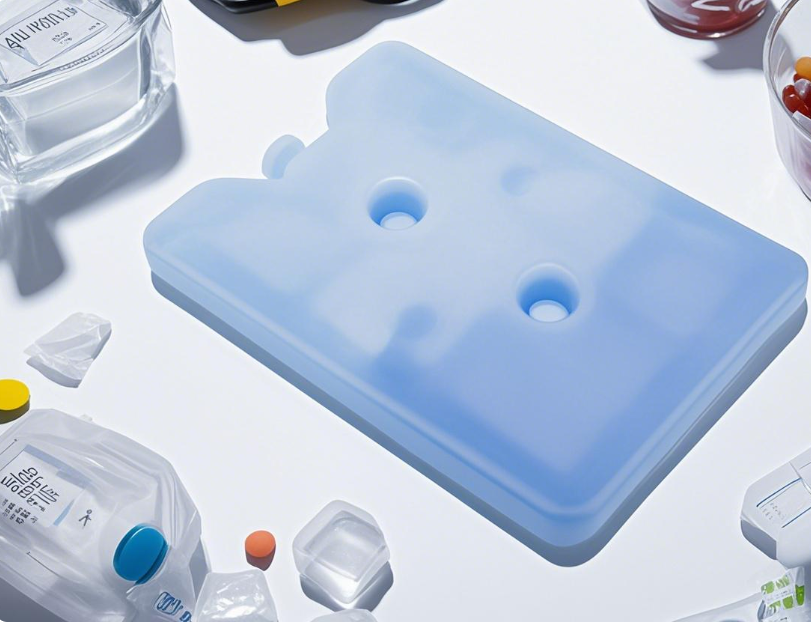
Gel Brick Custom Size Planning for Cold Chain Packouts: A Practical Selection Guide
A gel brick custom size should be selected as part of a packout, not as a stand-alone promise. The buyer needs to know what the brick contains, how it is sealed, how it will be frozen or conditioned, where it sits in the insulated container, and what proof is needed before scaling to bulk use. This optimized guide combines product education, technical boundaries, and route-level purchasing advice so you can make a more defensible sourcing decision. It keeps performance claims tied to the actual payload, lane, and packing process.
Practical takeaway: write the route and payload requirement first, then select gel brick custom size as a cooling component that can be tested, packed, inspected, and scaled without creating new handling risks.
Start with the job, not the product name
A gel brick is a rigid or semi-rigid cold source used inside an insulated shipper, cooler box, tote, or delivery bag. Depending on the design, the filling may be a water-based gel, a PCM formulation, or another refrigerant blend. The rigid shape makes counting, placement, and repeated handling easier than many soft packs, while the filling provides thermal mass that absorbs heat as it warms or melts. That is the useful contribution: the brick slows heat gain inside the container. It does not create a qualified shipment by itself.
For buyers, the first decision is not whether the product name sounds strong. It is whether the brick supports tailored cooler boxes, reusable totes, meal kit liners, medical shippers, and branded cold-chain programs. If the route is short, the insulated container is efficient, and the product can tolerate broad chilled conditions, a standard gel brick may be enough after sample testing. If the product is freeze-sensitive or the accepted range is narrow, the buyer may need a PCM brick, separation layers, controlled preconditioning, a logger plan, and quality review. The same physical format can therefore serve very different purposes depending on how it is used.
Compare coolant formats before locking the specification
Many purchasing mistakes start when teams use product names loosely. A soft gel pack may be easy to wrap around product corners, while a rigid gel brick is easier to count, stack, clean, and place in a repeatable loading map. A water-filled ice brick can be cost-efficient where broad cooling is acceptable. A PCM pack may be better when the shipment needs a more defined temperature behavior. None of these formats is automatically superior; the right choice depends on the temperature requirement, container design, route, labor process, and budget.
For gel brick custom size, the comparison should focus on what the buyer wants to control. If the priority is simple chilled support, a standard gel or water-based brick may be practical. If the priority is freeze-risk management or a narrower target range, a PCM format may be worth evaluating. If the priority is sustainability, the question is not only whether the brick is reusable, but whether it returns reliably and remains clean and intact. If the priority is rough handling, a heavy-duty rigid format may reduce puncture risk but may also take up more usable payload space.
| Buyer situation | Cooling-media direction | What to verify before ordering |
|---|---|---|
| Routine chilled food or grocery | Gel brick or water-based ice brick | Box fit, condensation, product separation, freezing capacity, and arrival condition |
| Refrigerated healthcare or lab payload | Conditioned gel brick, PCM brick, or hybrid packout | Product label range, freeze risk, logger plan, route profile, and quality approval |
| Repeated local route | Reusable rigid brick | Return process, cleaning, damage inspection, loss control, and freezer turnaround |
| Longer or hotter route | Higher thermal mass, PCM, or hybrid design | Ambient profile, payload, insulation, packout layout, and test evidence |
| Custom box geometry | Custom-size brick or molded format | Internal dimensions, product clearance, sample approval, and production tolerance |
Use the table as a sourcing filter, not as a universal rule. It helps the procurement team ask sharper questions before samples are made. The final decision still needs a trial using the real product or a justified payload simulator, the intended insulated container, and the packing process that warehouse staff can repeat.
Translate product features into operating instructions
The most common weak point is not the brick alone; it is the gap between product specification and warehouse behavior. A gel brick custom size must be frozen or conditioned in a defined way, placed in the box consistently, separated from products that should not touch a frozen surface, and inspected before use. If operators pack by memory, change the number of bricks during busy periods, or load warm bricks because freezer space is limited, the product specification on the purchase order will not protect the shipment.
A practical packout instruction should tell the operator where each brick goes, what starting condition is acceptable, how to handle condensation, what barrier or divider is needed, and when a brick should be rejected because of leakage, deformation, contamination, or broken corners. It should also define what happens at receiving. A receiving team that only checks whether the goods arrived cold may miss evidence of contact freezing, thawed coolant, or a route delay that the quality team needs to review.
For tailored cooler boxes, reusable totes, meal kit liners, medical shippers, and branded cold-chain programs, the loading map is especially important because the coldest surface may be the brick itself. Direct contact can be useful for some products and risky for others. Food products may need a sanitary barrier. Pharmaceutical products may require documented separation and temperature monitoring. Fragile retail packaging may need space to avoid crushing. These are not small details; they are the difference between a cooling component and a repeatable cold-chain process.
This article uses cautious language around cold-chain requirements. Many pharmaceutical and vaccine routes are planned around labeled or specified storage conditions, and some refrigerated healthcare shipments use ranges such as 2 degrees C to 8 degrees C. That does not mean every medicine, sample, or food product shares the same requirement. Buyers should confirm the product label, quality agreement, route profile, and local rules. Standards and practices such as ISTA thermal profiles, IATA temperature-sensitive cargo procedures, FDA food-contact rules, and CDC vaccine storage guidance are useful references, but they do not replace a buyer's own qualification or supplier documentation.
What to confirm before sample approval and bulk production
Before ordering gel brick custom size in bulk, ask questions that connect the product to your route. The useful supplier conversation should cover dimension tolerance, fill volume, shell or pouch material, logo options, carton packing, sample approval, and scale-up control. If the supplier cannot explain how the brick should be conditioned, how fill weight is controlled, how leakage is handled, or what sample checks are realistic, the buyer should slow down. A low unit price can become expensive if the product does not fit the container, takes too long to freeze, or creates quality disputes after delivery.
Start from your product size, box inner dimensions, required temperature range, and loading map; then ask the supplier to propose a sample before bulk production. Also ask whether the supplier can keep the sample and mass-production specification aligned. A sample that works because it was prepared carefully may not represent routine production if dimensions, filling, seal design, carton packing, or conditioning instructions change later.
Procurement teams can use the following questions during supplier screening:
- What exactly is inside the brick, and is an SDS or material statement available?
- Does the stated use refer to a stand-alone brick or a tested packout with insulation and payload?
- How should the brick be frozen, conditioned, stored, loaded, and inspected before use?
- What is the difference between external dimensions, usable packout space, and the space left for product?
- What evidence supports any performance statement, and does it match the intended route?
- How are damaged, leaking, swollen, or contaminated units identified and removed?
- For custom size or private-label work, what approval steps prevent sample-to-production drift?
The answer does not always need to be a formal validation package. For low-risk food delivery, a practical sample trial and clear packing instruction may be enough. For healthcare, biologics, diagnostics, or regulated lanes, the buyer's quality team may require stricter evidence, documented temperature monitoring, and route-specific approval. The key is to match the level of evidence to the risk level of the shipment.
Red flags to catch before the first large order
A cooling brick can fail in ways that are not visible in a product listing. It may be too large for the box, leaving less space for product. It may be too cold for a freeze-sensitive payload. It may be hard to freeze quickly enough for daily operations. It may leak after repeated handling. It may arrive with inconsistent fill. It may be placed on top of fragile goods because no loading map exists. None of these problems means the idea of gel brick custom size is wrong; it means the purchase was not connected to the real operation.
The highest-risk shortcut is to treat a component as a system. A gel brick, PCM brick, insulated box, liner, data logger, or label has a different job. The brick provides a cold source. The insulation slows heat flow. The packout layout controls contact and airflow. The logger records what happened. The quality process decides whether the evidence is acceptable. When these roles are mixed together, buyers may expect the brick to do work that belongs to the full packout design.
Another red flag is a performance number without context. If a supplier states a hold time, the buyer should ask what ambient profile, payload, container, coolant quantity, starting condition, and acceptance criteria were used. A laboratory result can be useful, but it is not a promise for every lane. If a supplier cannot provide context, treat the number as a marketing claim until your own sample or route test supports it.
How a buyer can move from sample to production
A procurement team developing a new insulated box can treat gel brick custom size selection as a staged approval process. First, define the payload, required temperature range, box inner dimensions, route duration, and likely ambient exposure. Second, request samples that fit the loading map rather than a generic size. Third, run a pilot packout with the same freezer, operators, dividers, and receiving checks that will be used later. Fourth, compare data and product condition before changing the specification.
This approach is slower than choosing from a catalog photo, but it reduces avoidable changes after tooling, artwork, carton packing, or warehouse instructions are locked. It also helps the supplier understand which details are critical and which are flexible. The result is a purchase decision that is easier for operations, quality, and procurement to defend.
Custom size should begin with the box drawing
Custom sizing is most useful when the buyer has a clear packout drawing. The brick should fit the internal box dimensions, leave enough product clearance, avoid direct contact where contact is risky, and allow operators to load it the same way every time. A dimension that looks efficient in a drawing may be awkward in a freezer or on a packing line.
Custom work should move through stages: drawing review, sample tooling or sample fabrication, packout trial, operator feedback, temperature review, carton packing review, and final specification approval. Skipping those steps can lead to a brick that is attractive but difficult to freeze, handle, or scale.
Private-label or printed bricks add another layer of approval. Artwork, ink, label durability, and carton packing should not change the functional specification. Keep branding decisions separate from the thermal and operational checks until the base design is approved.
FAQ
Is a gel brick custom size enough to control shipment temperature by itself?
No. A gel brick custom size is a cooling component, not a complete temperature-controlled system. It must be used with a suitable insulated container, a defined packout layout, correct conditioning, and handling instructions. For higher-risk shipments, buyers should also review temperature monitoring, route exposure, and quality approval requirements before using the brick in production.
When should I consider PCM instead of a standard gel brick?
Consider PCM when the payload needs a more defined temperature behavior, better freeze-risk control, or a target range that a simple frozen gel brick cannot reliably support. The phase-change point must match the product requirement, and the packout should be tested with the intended payload, insulated shipper, and ambient profile.
What should I ask a supplier before bulk ordering?
Ask about the filling, shell or pouch material, seal integrity, conditioning instructions, fill consistency, carton packing, and what evidence supports any performance statement. For gel brick custom size, also ask how the product should be inspected before reuse or packing, and whether samples will match mass-production units.
Should I customize the brick before testing standard sizes?
Not always. Standard sizes are often faster for early packout trials. Custom sizing becomes useful when box geometry, product clearance, branding, or reusable-route efficiency requires it. Before tooling or bulk production, confirm dimensions, fill volume, freezing process, carton packing, and sample performance.
Conclusion
A gel brick custom size should be judged by fit, evidence, and operating discipline. The most useful buying decision connects the cooling brick to the product requirement, insulated container, route exposure, conditioning process, and inspection routine. If the shipment is simple, a standard gel or water-based brick may work after practical testing. If the shipment is sensitive, narrow-range, reusable, custom, or high-risk, the buyer should ask for clearer material information, packout guidance, and evidence that reflects the intended use.
The safest next step is to turn your route into a specification: product type, accepted temperature range, box dimensions, expected transit time, ambient exposure, loading map, return process, and documentation needs. With those details, gel brick custom size can be compared as part of a real cold-chain system rather than as a catalog item.
About Tempk
Tempk is the cold-chain packaging brand of Shanghai Tempk Industrial Co., Ltd. The company provides cooling media and temperature-controlled packaging products such as gel ice packs, water-filled packs, freezer ice bricks, insulated bags, EPP insulated boxes, insulated liners, pallet covers, and related cold-chain materials. For a buyer evaluating gel bricks, Tempk's practical role is not only to supply a cold source, but to help connect that cold source with the insulated container, route, payload, and packing process that will actually be used.
Share your payload, route, box size, and temperature requirement with Tempk to discuss whether gel brick custom size or another cooling-media format is the better starting point for samples and bulk planning.