


How to Choose Ice Gel Brick Bag Without Overbuying
How to Choose Ice Gel Brick Bag Without Overbuying
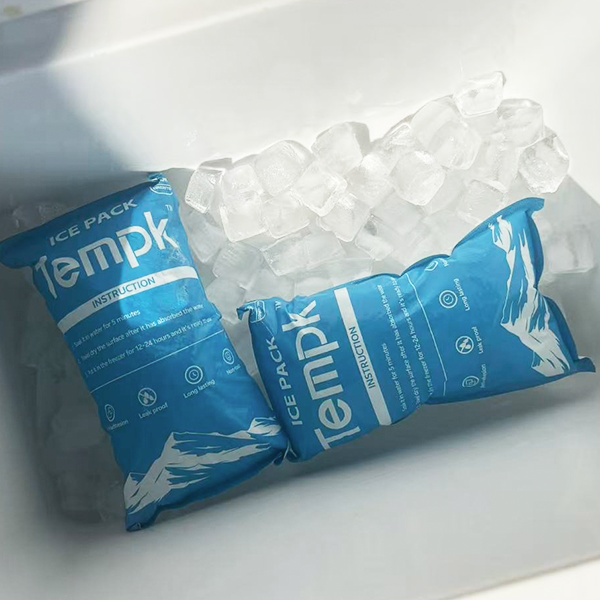
How to Choose Ice Gel Brick Bag Without Overbuying
The useful question behind ice gel brick bag is not simply which model to buy. The better question is whether the brick, shipper, payload and route can work as one controlled packout. A rigid gel brick can bring cleaner placement and repeatable cooling mass, but it cannot overcome the wrong box size, weak insulation, poor freezing discipline or unplanned dwell time. This article combines buyer, technical and operations perspectives so you can discuss samples and bulk orders with clearer specifications and fewer assumptions.
The decision is really about controlled fit
A buyer may describe the need as ice gel brick bag, but the underlying decision is controlled fit. The brick has to fit the product, the packaging and the route. If it is too small, the thermal buffer may be weak. If it is too thick, it may force a larger shipper or press against the payload. If it is placed without separation, it can create local freezing risk. If it is not fully conditioned, even a well-designed brick can disappoint.
Controlled fit is also the best way to separate practical sourcing from sales language. For cooler bags and insulated delivery bags where the brick must survive movement, bending, driver handling and frequent opening, the supplier should ask about the shipment before recommending a size or quantity. The buyer should ask how the brick will be packed, what evidence supports any claimed performance and what must remain unchanged between samples and production. This creates a real specification rather than a loose purchase order.
The most reliable conversation is specific. Product type, temperature target, internal package dimensions, payload weight, route duration, seasonal exposure, handling steps and destination receiving rules all shape the answer. If one of these inputs changes, the selected brick may also need to change. That is not a weakness of gel bricks. It is the reality of passive cold-chain packaging.
Fit by route, payload and handling
A rigid gel brick can be attractive because it is easy to count and place. This matters in repeat packouts where operators need a consistent loading pattern. It can also help when the packaging has flat spaces, side channels or fixed positions. In a crowded carton or soft bag, the same rigidity can create pressure points. The correct selection depends on the physical work of packing, not only on thermal theory.
For the typical use case of a driver carrying multiple chilled orders in a reusable insulated bag during a delivery route, the route may include more risk at the edges than in the middle. Warm staging areas, loading docks, courier vehicles, customs holds, receiver delays and frequent opening events can all reduce the margin. The buyer should consider where the package will be uncontrolled and how long it may sit there. A generic duration claim is less useful than a test or trial that resembles those conditions.
Payload also changes the result. A dense product, a small vial, a foam tray, a meal-kit component and a seafood pack do not behave the same way. Some goods tolerate colder contact; others need separation. Some shipments need a chilled environment; others need frozen support. When the requirement is narrow or regulated, a standard gel brick may not be enough and a PCM pack, qualified shipper or monitored packout may be more appropriate.
| Approval question | Why it matters | Useful evidence or action |
|---|---|---|
| What must the product experience? | The accepted temperature condition should come from the product and market requirement. | Confirm product label, customer specification or quality instruction. |
| Can the brick fit without reducing payload value? | Too much coolant can increase freight cost or force a larger shipper. | Measure usable internal space with real product inside. |
| How will operators condition and load it? | Incomplete freezing and inconsistent placement weaken repeatability. | Create a written packing map and freezer staging routine. |
| What supports the supplier claim? | Performance depends on test conditions and packout design. | Ask for test context or run your own sample trial. |
| What changes require notice? | Material, size or packing changes can alter the packout. | Agree on sample-to-production and change-control expectations. |
This approval table is intentionally short because most poor decisions fail at a few basic points. Buyers do not need excessive paperwork for every low-risk shipment, but they do need a shared definition of what is being bought and how it will be used. That shared definition reduces disputes after delivery.
Where the choice can fail
The most common failure is using a brick designed for cartons in a soft bag where corners, pressure and movement can create leaks or product damage. Another failure is confusing product durability with temperature assurance. A strong-looking brick can still be misapplied. A clean seal does not prove the packout is safe for every route. A reusable format does not automatically lower total cost. A standard size does not automatically fit every customer. The buyer should remove these assumptions before comparing quotes.
Direct product contact is another risk. Frozen bricks may create colder surfaces than the surrounding air inside a package. For freeze-sensitive products, use of a separator or a different layout may be necessary. Buyers should also consider condensation, product labels, cardboard strength and whether liquid from thawing or external moisture can affect the presentation on arrival. The receiver's first impression often determines whether the shipment is accepted without dispute.
Operational drift can also cause failure. A sample trial may be packed carefully by a supervisor, while production is packed quickly by several operators. A test may use freshly frozen bricks, while daily production may use bricks pulled from a crowded freezer after long staging. If the packout depends on perfect behavior, it may not be robust enough for routine use.
Procurement notes before scaling
For this topic, the procurement focus should include bag size, brick shape, closure, condensation control, cleaning, carrying comfort and route time. A good quotation should make those points visible. The buyer should request product dimensions, construction description, carton packing, storage and conditioning instructions, sample availability and any relevant documentation. If custom work is involved, the quote should clarify drawing approval, tolerance, sample confirmation and what happens if production does not match the approved sample.
For wholesale or bulk orders, the receiving process matters. Inspect random cartons, confirm labels and product counts, check for visible damage, and compare production units with the approved sample. Store bricks in a way that prevents damage before freezing. If reusable, separate clean, dirty and damaged items. These warehouse controls are simple, but they make the difference between a product specification and a reliable shipping program.
When the shipment has healthcare, pharmaceutical or international elements, procurement should not make the decision alone. Include quality, logistics and regulatory contacts. IATA practices, GDP expectations, WHO guidance or customer rules may affect packaging, labels, documentation or monitoring. The exact requirement depends on product, route and market, so the safest procurement language is to verify rather than assume.
A practical way to run sample approval
Start with two or three realistic sample options, not a large random set. Pack each option in the actual shipper, with the actual payload or a realistic dummy payload, and with the same operator steps expected during production. Record how long the bricks were conditioned, how they were placed, how the carton or bag closed, and whether the product was protected from direct contact.
If temperature monitoring is needed, use the data to understand the packout rather than to create a headline number. Place readings where the product risk is highest and document the ambient exposure. Compare arrival condition, product presentation, condensation, broken packaging and operator comments. A sample that gives acceptable data but is difficult to pack may still be the wrong choice for scale.
After approval, lock the specification. Write down brick size, quantity, placement, separator, insulation, closing method, conditioning rule and receiving check. Share this with purchasing and warehouse teams. If the route, product or box changes, review the packout again. This prevents the slow drift that often weakens passive cold-chain programs.
FAQ
When is ice gel brick bag a good choice?
It is a good choice when a rigid cold source fits the package, supports the required temperature condition, can be fully conditioned before packing and can be placed consistently by operators. It is especially useful when repeatable geometry matters.
When should I consider a different coolant?
Consider a different coolant when the product needs a narrower temperature window, when direct freeze risk is high, when the route is too long for the tested packout, or when documentation requires a more engineered solution.
What supplier information should I request first?
Ask for dimensions, construction, weight or fill if relevant, conditioning instructions, carton packing, intended use, sample availability and the context behind any performance claim. Then compare those answers against your actual route and packaging.
Can I approve a bulk order after one successful shipment?
One successful shipment is useful but not always enough. Review whether the trial matched the real route, season, payload, operator process and receiving conditions. For higher-risk goods, repeat testing or formal quality review may be needed.
How does Tempk help in this decision?
Tempk can help buyers discuss the complete packout, including gel bricks, gel packs, PCM options, insulated liners, cooler boxes, bags and pallet protection. The useful recommendation depends on the route and payload details you provide.
Additional field notes for buyers
Before final approval, ask the warehouse team to handle the sample under normal working conditions. A product that looks easy during a desk review may be awkward when workers wear gloves, manage many SKUs or pack during a short pickup window. Field feedback often reveals issues that a datasheet cannot show: unclear labels, slippery surfaces, awkward stacking, slow counting or confusing similarity between sizes.
Receiving inspection is equally important. The receiver should know what good condition looks like and what should be reported. For food shipments, this may include product temperature checks, product appearance and packaging condition. For healthcare or laboratory shipments, it may include temperature records, seal condition, delivery time and escalation procedures. The exact checklist should match the product risk.
Finally, keep purchasing and operations aligned. If procurement changes suppliers, changes size or accepts a substitution, the packing map and trial assumptions may no longer be valid. Treat the gel brick as a named component in the packout, not a loose interchangeable accessory. That discipline makes future quotations, complaint review and supplier conversations much easier.
Final specification discipline
A final specification should be short enough to use and clear enough to enforce. Include the product name, dimensions, construction, approved supplier, packout position, quantity, conditioning rule and inspection requirement. When the same program is handled by several shifts, warehouses or distributors, this written reference prevents small changes from accumulating into a different thermal system.
The same discipline helps with supplier management. If a future quotation offers a lower price, the buyer can compare it against the approved specification rather than starting the evaluation again. If the supplier proposes a material, size or packing change, the buyer can decide whether a new sample review is needed. This is practical quality control, not unnecessary paperwork.
Small details that protect a large order
Large orders often fail through small unmanaged details. A carton label may not identify the brick size clearly. A warehouse may mix frozen and unfrozen stock. A driver may leave the cooler open while checking paperwork. A receiver may judge the shipment by product appearance rather than by a documented acceptance rule. Each detail seems minor by itself, but together they decide whether the cold-chain packaging behaves like a controlled process.
For that reason, the buyer should not separate product approval from operating instructions. The same document that approves the brick should explain where it sits, how it is conditioned, how damaged pieces are rejected and when the packout must be reviewed again. This is especially important when the product is used across several customer accounts, because different teams may otherwise adapt the same brick in incompatible ways.
Conclusion
Choosing ice gel brick bag should be a controlled decision, not a catalog guess. Define the product's required condition, confirm the route, measure usable packaging space, review operator handling and test the complete packout before scaling. The right brick can improve repeatability and cold support, but it does its job only when insulation, payload, conditioning and loading instructions are aligned. Clear specifications and careful sample approval protect both cost and product quality.
About Tempk
Tempk helps cold-chain buyers connect cooling media, insulation and packout planning for shipments that need more discipline than a simple carton with ice. Gel bricks can be part of that discussion when rigid placement, repeatable loading and custom or bulk supply are important. The best next step is to share your route, payload, temperature target and packing constraints so the recommendation can be tied to the actual shipment rather than a generic product name.
Next step
Discuss your ice gel brick bag requirement with Tempk by sharing route, payload, target condition and packaging type. A precise starting point helps identify whether a gel brick, another coolant or a fuller packout review is the better path.
How to Choose Gel Brick Wholesale Without Overbuying

How to Choose Gel Brick Wholesale Without Overbuying
The useful question behind gel brick wholesale is not simply which model to buy. The better question is whether the brick, shipper, payload and route can work as one controlled packout. A rigid gel brick can bring cleaner placement and repeatable cooling mass, but it cannot overcome the wrong box size, weak insulation, poor freezing discipline or unplanned dwell time. This article combines buyer, technical and operations perspectives so you can discuss samples and bulk orders with clearer specifications and fewer assumptions.
The decision is really about controlled fit
A buyer may describe the need as gel brick wholesale, but the underlying decision is controlled fit. The brick has to fit the product, the packaging and the route. If it is too small, the thermal buffer may be weak. If it is too thick, it may force a larger shipper or press against the payload. If it is placed without separation, it can create local freezing risk. If it is not fully conditioned, even a well-designed brick can disappoint.
Controlled fit is also the best way to separate practical sourcing from sales language. For wholesale purchasing where carton packing, inventory planning and specification stability matter at scale, the supplier should ask about the shipment before recommending a size or quantity. The buyer should ask how the brick will be packed, what evidence supports any claimed performance and what must remain unchanged between samples and production. This creates a real specification rather than a loose purchase order.
The most reliable conversation is specific. Product type, temperature target, internal package dimensions, payload weight, route duration, seasonal exposure, handling steps and destination receiving rules all shape the answer. If one of these inputs changes, the selected brick may also need to change. That is not a weakness of gel bricks. It is the reality of passive cold-chain packaging.
Fit by route, payload and handling
A rigid gel brick can be attractive because it is easy to count and place. This matters in repeat packouts where operators need a consistent loading pattern. It can also help when the packaging has flat spaces, side channels or fixed positions. In a crowded carton or soft bag, the same rigidity can create pressure points. The correct selection depends on the physical work of packing, not only on thermal theory.
For the typical use case of a distributor holding gel bricks in inventory for many downstream customers with different cooler boxes and bags, the route may include more risk at the edges than in the middle. Warm staging areas, loading docks, courier vehicles, customs holds, receiver delays and frequent opening events can all reduce the margin. The buyer should consider where the package will be uncontrolled and how long it may sit there. A generic duration claim is less useful than a test or trial that resembles those conditions.
Payload also changes the result. A dense product, a small vial, a foam tray, a meal-kit component and a seafood pack do not behave the same way. Some goods tolerate colder contact; others need separation. Some shipments need a chilled environment; others need frozen support. When the requirement is narrow or regulated, a standard gel brick may not be enough and a PCM pack, qualified shipper or monitored packout may be more appropriate.
| Approval question | Why it matters | Useful evidence or action |
|---|---|---|
| What must the product experience? | The accepted temperature condition should come from the product and market requirement. | Confirm product label, customer specification or quality instruction. |
| Can the brick fit without reducing payload value? | Too much coolant can increase freight cost or force a larger shipper. | Measure usable internal space with real product inside. |
| How will operators condition and load it? | Incomplete freezing and inconsistent placement weaken repeatability. | Create a written packing map and freezer staging routine. |
| What supports the supplier claim? | Performance depends on test conditions and packout design. | Ask for test context or run your own sample trial. |
| What changes require notice? | Material, size or packing changes can alter the packout. | Agree on sample-to-production and change-control expectations. |
This approval table is intentionally short because most poor decisions fail at a few basic points. Buyers do not need excessive paperwork for every low-risk shipment, but they do need a shared definition of what is being bought and how it will be used. That shared definition reduces disputes after delivery.
Where the choice can fail
The most common failure is buying large quantities before confirming whether one size fits enough real customer packouts. Another failure is confusing product durability with temperature assurance. A strong-looking brick can still be misapplied. A clean seal does not prove the packout is safe for every route. A reusable format does not automatically lower total cost. A standard size does not automatically fit every customer. The buyer should remove these assumptions before comparing quotes.
Direct product contact is another risk. Frozen bricks may create colder surfaces than the surrounding air inside a package. For freeze-sensitive products, use of a separator or a different layout may be necessary. Buyers should also consider condensation, product labels, cardboard strength and whether liquid from thawing or external moisture can affect the presentation on arrival. The receiver's first impression often determines whether the shipment is accepted without dispute.
Operational drift can also cause failure. A sample trial may be packed carefully by a supervisor, while production is packed quickly by several operators. A test may use freshly frozen bricks, while daily production may use bricks pulled from a crowded freezer after long staging. If the packout depends on perfect behavior, it may not be robust enough for routine use.
Procurement notes before scaling
For this topic, the procurement focus should include carton quantity, labeling, storage, reorder planning, sample approval, SKU control and supplier communication. A good quotation should make those points visible. The buyer should request product dimensions, construction description, carton packing, storage and conditioning instructions, sample availability and any relevant documentation. If custom work is involved, the quote should clarify drawing approval, tolerance, sample confirmation and what happens if production does not match the approved sample.
For wholesale or bulk orders, the receiving process matters. Inspect random cartons, confirm labels and product counts, check for visible damage, and compare production units with the approved sample. Store bricks in a way that prevents damage before freezing. If reusable, separate clean, dirty and damaged items. These warehouse controls are simple, but they make the difference between a product specification and a reliable shipping program.
When the shipment has healthcare, pharmaceutical or international elements, procurement should not make the decision alone. Include quality, logistics and regulatory contacts. IATA practices, GDP expectations, WHO guidance or customer rules may affect packaging, labels, documentation or monitoring. The exact requirement depends on product, route and market, so the safest procurement language is to verify rather than assume.
A practical way to run sample approval
Start with two or three realistic sample options, not a large random set. Pack each option in the actual shipper, with the actual payload or a realistic dummy payload, and with the same operator steps expected during production. Record how long the bricks were conditioned, how they were placed, how the carton or bag closed, and whether the product was protected from direct contact.
If temperature monitoring is needed, use the data to understand the packout rather than to create a headline number. Place readings where the product risk is highest and document the ambient exposure. Compare arrival condition, product presentation, condensation, broken packaging and operator comments. A sample that gives acceptable data but is difficult to pack may still be the wrong choice for scale.
After approval, lock the specification. Write down brick size, quantity, placement, separator, insulation, closing method, conditioning rule and receiving check. Share this with purchasing and warehouse teams. If the route, product or box changes, review the packout again. This prevents the slow drift that often weakens passive cold-chain programs.
FAQ
When is gel brick wholesale a good choice?
It is a good choice when a rigid cold source fits the package, supports the required temperature condition, can be fully conditioned before packing and can be placed consistently by operators. It is especially useful when repeatable geometry matters.
When should I consider a different coolant?
Consider a different coolant when the product needs a narrower temperature window, when direct freeze risk is high, when the route is too long for the tested packout, or when documentation requires a more engineered solution.
What supplier information should I request first?
Ask for dimensions, construction, weight or fill if relevant, conditioning instructions, carton packing, intended use, sample availability and the context behind any performance claim. Then compare those answers against your actual route and packaging.
Can I approve a bulk order after one successful shipment?
One successful shipment is useful but not always enough. Review whether the trial matched the real route, season, payload, operator process and receiving conditions. For higher-risk goods, repeat testing or formal quality review may be needed.
How does Tempk help in this decision?
Tempk can help buyers discuss the complete packout, including gel bricks, gel packs, PCM options, insulated liners, cooler boxes, bags and pallet protection. The useful recommendation depends on the route and payload details you provide.
Additional field notes for buyers
Before final approval, ask the warehouse team to handle the sample under normal working conditions. A product that looks easy during a desk review may be awkward when workers wear gloves, manage many SKUs or pack during a short pickup window. Field feedback often reveals issues that a datasheet cannot show: unclear labels, slippery surfaces, awkward stacking, slow counting or confusing similarity between sizes.
Receiving inspection is equally important. The receiver should know what good condition looks like and what should be reported. For food shipments, this may include product temperature checks, product appearance and packaging condition. For healthcare or laboratory shipments, it may include temperature records, seal condition, delivery time and escalation procedures. The exact checklist should match the product risk.
Finally, keep purchasing and operations aligned. If procurement changes suppliers, changes size or accepts a substitution, the packing map and trial assumptions may no longer be valid. Treat the gel brick as a named component in the packout, not a loose interchangeable accessory. That discipline makes future quotations, complaint review and supplier conversations much easier.
Final specification discipline
A final specification should be short enough to use and clear enough to enforce. Include the product name, dimensions, construction, approved supplier, packout position, quantity, conditioning rule and inspection requirement. When the same program is handled by several shifts, warehouses or distributors, this written reference prevents small changes from accumulating into a different thermal system.
The same discipline helps with supplier management. If a future quotation offers a lower price, the buyer can compare it against the approved specification rather than starting the evaluation again. If the supplier proposes a material, size or packing change, the buyer can decide whether a new sample review is needed. This is practical quality control, not unnecessary paperwork.
Small details that protect a large order
Large orders often fail through small unmanaged details. A carton label may not identify the brick size clearly. A warehouse may mix frozen and unfrozen stock. A driver may leave the cooler open while checking paperwork. A receiver may judge the shipment by product appearance rather than by a documented acceptance rule. Each detail seems minor by itself, but together they decide whether the cold-chain packaging behaves like a controlled process.
For that reason, the buyer should not separate product approval from operating instructions. The same document that approves the brick should explain where it sits, how it is conditioned, how damaged pieces are rejected and when the packout must be reviewed again. This is especially important when the product is used across several customer accounts, because different teams may otherwise adapt the same brick in incompatible ways.
Conclusion
Choosing gel brick wholesale should be a controlled decision, not a catalog guess. Define the product's required condition, confirm the route, measure usable packaging space, review operator handling and test the complete packout before scaling. The right brick can improve repeatability and cold support, but it does its job only when insulation, payload, conditioning and loading instructions are aligned. Clear specifications and careful sample approval protect both cost and product quality.
About Tempk
Tempk helps cold-chain buyers connect cooling media, insulation and packout planning for shipments that need more discipline than a simple carton with ice. Gel bricks can be part of that discussion when rigid placement, repeatable loading and custom or bulk supply are important. The best next step is to share your route, payload, temperature target and packing constraints so the recommendation can be tied to the actual shipment rather than a generic product name.
Next step
Discuss your gel brick wholesale requirement with Tempk by sharing route, payload, target condition and packaging type. A precise starting point helps identify whether a gel brick, another coolant or a fuller packout review is the better path.
How to Choose Gel Brick Supplier Without Overbuying
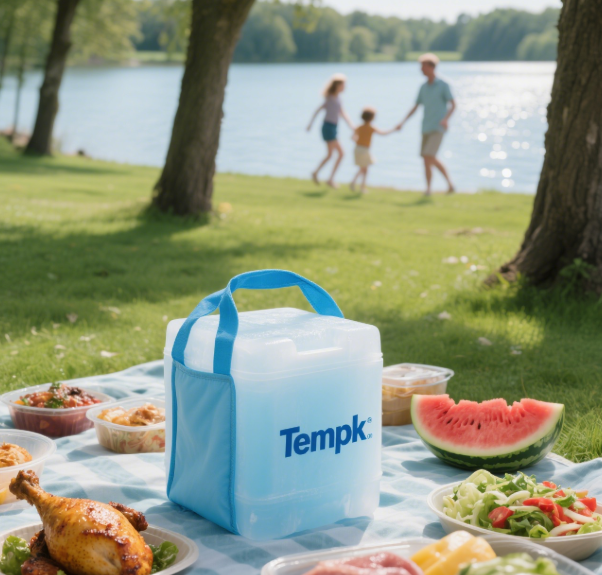
How to Choose Gel Brick Supplier Without Overbuying
The useful question behind gel brick supplier is not simply which model to buy. The better question is whether the brick, shipper, payload and route can work as one controlled packout. A rigid gel brick can bring cleaner placement and repeatable cooling mass, but it cannot overcome the wrong box size, weak insulation, poor freezing discipline or unplanned dwell time. This article combines buyer, technical and operations perspectives so you can discuss samples and bulk orders with clearer specifications and fewer assumptions.
The decision is really about controlled fit
A buyer may describe the need as gel brick supplier, but the underlying decision is controlled fit. The brick has to fit the product, the packaging and the route. If it is too small, the thermal buffer may be weak. If it is too thick, it may force a larger shipper or press against the payload. If it is placed without separation, it can create local freezing risk. If it is not fully conditioned, even a well-designed brick can disappoint.
Controlled fit is also the best way to separate practical sourcing from sales language. For shortlisting a supplier that can understand route, payload and packout requirements rather than simply quoting a product, the supplier should ask about the shipment before recommending a size or quantity. The buyer should ask how the brick will be packed, what evidence supports any claimed performance and what must remain unchanged between samples and production. This creates a real specification rather than a loose purchase order.
The most reliable conversation is specific. Product type, temperature target, internal package dimensions, payload weight, route duration, seasonal exposure, handling steps and destination receiving rules all shape the answer. If one of these inputs changes, the selected brick may also need to change. That is not a weakness of gel bricks. It is the reality of passive cold-chain packaging.
Fit by route, payload and handling
A rigid gel brick can be attractive because it is easy to count and place. This matters in repeat packouts where operators need a consistent loading pattern. It can also help when the packaging has flat spaces, side channels or fixed positions. In a crowded carton or soft bag, the same rigidity can create pressure points. The correct selection depends on the physical work of packing, not only on thermal theory.
For the typical use case of a procurement team comparing several quotes that use similar product names but provide different levels of technical support, the route may include more risk at the edges than in the middle. Warm staging areas, loading docks, courier vehicles, customs holds, receiver delays and frequent opening events can all reduce the margin. The buyer should consider where the package will be uncontrolled and how long it may sit there. A generic duration claim is less useful than a test or trial that resembles those conditions.
Payload also changes the result. A dense product, a small vial, a foam tray, a meal-kit component and a seafood pack do not behave the same way. Some goods tolerate colder contact; others need separation. Some shipments need a chilled environment; others need frozen support. When the requirement is narrow or regulated, a standard gel brick may not be enough and a PCM pack, qualified shipper or monitored packout may be more appropriate.
| Approval question | Why it matters | Useful evidence or action |
|---|---|---|
| What must the product experience? | The accepted temperature condition should come from the product and market requirement. | Confirm product label, customer specification or quality instruction. |
| Can the brick fit without reducing payload value? | Too much coolant can increase freight cost or force a larger shipper. | Measure usable internal space with real product inside. |
| How will operators condition and load it? | Incomplete freezing and inconsistent placement weaken repeatability. | Create a written packing map and freezer staging routine. |
| What supports the supplier claim? | Performance depends on test conditions and packout design. | Ask for test context or run your own sample trial. |
| What changes require notice? | Material, size or packing changes can alter the packout. | Agree on sample-to-production and change-control expectations. |
This approval table is intentionally short because most poor decisions fail at a few basic points. Buyers do not need excessive paperwork for every low-risk shipment, but they do need a shared definition of what is being bought and how it will be used. That shared definition reduces disputes after delivery.
Where the choice can fail
The most common failure is accepting a low quote without checking sample data, order consistency, packaging advice or after-sales problem handling. Another failure is confusing product durability with temperature assurance. A strong-looking brick can still be misapplied. A clean seal does not prove the packout is safe for every route. A reusable format does not automatically lower total cost. A standard size does not automatically fit every customer. The buyer should remove these assumptions before comparing quotes.
Direct product contact is another risk. Frozen bricks may create colder surfaces than the surrounding air inside a package. For freeze-sensitive products, use of a separator or a different layout may be necessary. Buyers should also consider condensation, product labels, cardboard strength and whether liquid from thawing or external moisture can affect the presentation on arrival. The receiver's first impression often determines whether the shipment is accepted without dispute.
Operational drift can also cause failure. A sample trial may be packed carefully by a supervisor, while production is packed quickly by several operators. A test may use freshly frozen bricks, while daily production may use bricks pulled from a crowded freezer after long staging. If the packout depends on perfect behavior, it may not be robust enough for routine use.
Procurement notes before scaling
For this topic, the procurement focus should include questions to ask, quote comparison, sample review, technical support and bulk order controls. A good quotation should make those points visible. The buyer should request product dimensions, construction description, carton packing, storage and conditioning instructions, sample availability and any relevant documentation. If custom work is involved, the quote should clarify drawing approval, tolerance, sample confirmation and what happens if production does not match the approved sample.
For wholesale or bulk orders, the receiving process matters. Inspect random cartons, confirm labels and product counts, check for visible damage, and compare production units with the approved sample. Store bricks in a way that prevents damage before freezing. If reusable, separate clean, dirty and damaged items. These warehouse controls are simple, but they make the difference between a product specification and a reliable shipping program.
When the shipment has healthcare, pharmaceutical or international elements, procurement should not make the decision alone. Include quality, logistics and regulatory contacts. IATA practices, GDP expectations, WHO guidance or customer rules may affect packaging, labels, documentation or monitoring. The exact requirement depends on product, route and market, so the safest procurement language is to verify rather than assume.
A practical way to run sample approval
Start with two or three realistic sample options, not a large random set. Pack each option in the actual shipper, with the actual payload or a realistic dummy payload, and with the same operator steps expected during production. Record how long the bricks were conditioned, how they were placed, how the carton or bag closed, and whether the product was protected from direct contact.
If temperature monitoring is needed, use the data to understand the packout rather than to create a headline number. Place readings where the product risk is highest and document the ambient exposure. Compare arrival condition, product presentation, condensation, broken packaging and operator comments. A sample that gives acceptable data but is difficult to pack may still be the wrong choice for scale.
After approval, lock the specification. Write down brick size, quantity, placement, separator, insulation, closing method, conditioning rule and receiving check. Share this with purchasing and warehouse teams. If the route, product or box changes, review the packout again. This prevents the slow drift that often weakens passive cold-chain programs.
FAQ
When is gel brick supplier a good choice?
It is a good choice when a rigid cold source fits the package, supports the required temperature condition, can be fully conditioned before packing and can be placed consistently by operators. It is especially useful when repeatable geometry matters.
When should I consider a different coolant?
Consider a different coolant when the product needs a narrower temperature window, when direct freeze risk is high, when the route is too long for the tested packout, or when documentation requires a more engineered solution.
What supplier information should I request first?
Ask for dimensions, construction, weight or fill if relevant, conditioning instructions, carton packing, intended use, sample availability and the context behind any performance claim. Then compare those answers against your actual route and packaging.
Can I approve a bulk order after one successful shipment?
One successful shipment is useful but not always enough. Review whether the trial matched the real route, season, payload, operator process and receiving conditions. For higher-risk goods, repeat testing or formal quality review may be needed.
How does Tempk help in this decision?
Tempk can help buyers discuss the complete packout, including gel bricks, gel packs, PCM options, insulated liners, cooler boxes, bags and pallet protection. The useful recommendation depends on the route and payload details you provide.
Additional field notes for buyers
Before final approval, ask the warehouse team to handle the sample under normal working conditions. A product that looks easy during a desk review may be awkward when workers wear gloves, manage many SKUs or pack during a short pickup window. Field feedback often reveals issues that a datasheet cannot show: unclear labels, slippery surfaces, awkward stacking, slow counting or confusing similarity between sizes.
Receiving inspection is equally important. The receiver should know what good condition looks like and what should be reported. For food shipments, this may include product temperature checks, product appearance and packaging condition. For healthcare or laboratory shipments, it may include temperature records, seal condition, delivery time and escalation procedures. The exact checklist should match the product risk.
Finally, keep purchasing and operations aligned. If procurement changes suppliers, changes size or accepts a substitution, the packing map and trial assumptions may no longer be valid. Treat the gel brick as a named component in the packout, not a loose interchangeable accessory. That discipline makes future quotations, complaint review and supplier conversations much easier.
Final specification discipline
A final specification should be short enough to use and clear enough to enforce. Include the product name, dimensions, construction, approved supplier, packout position, quantity, conditioning rule and inspection requirement. When the same program is handled by several shifts, warehouses or distributors, this written reference prevents small changes from accumulating into a different thermal system.
The same discipline helps with supplier management. If a future quotation offers a lower price, the buyer can compare it against the approved specification rather than starting the evaluation again. If the supplier proposes a material, size or packing change, the buyer can decide whether a new sample review is needed. This is practical quality control, not unnecessary paperwork.
Small details that protect a large order
Large orders often fail through small unmanaged details. A carton label may not identify the brick size clearly. A warehouse may mix frozen and unfrozen stock. A driver may leave the cooler open while checking paperwork. A receiver may judge the shipment by product appearance rather than by a documented acceptance rule. Each detail seems minor by itself, but together they decide whether the cold-chain packaging behaves like a controlled process.
For that reason, the buyer should not separate product approval from operating instructions. The same document that approves the brick should explain where it sits, how it is conditioned, how damaged pieces are rejected and when the packout must be reviewed again. This is especially important when the product is used across several customer accounts, because different teams may otherwise adapt the same brick in incompatible ways.
Conclusion
Choosing gel brick supplier should be a controlled decision, not a catalog guess. Define the product's required condition, confirm the route, measure usable packaging space, review operator handling and test the complete packout before scaling. The right brick can improve repeatability and cold support, but it does its job only when insulation, payload, conditioning and loading instructions are aligned. Clear specifications and careful sample approval protect both cost and product quality.
About Tempk
Tempk helps cold-chain buyers connect cooling media, insulation and packout planning for shipments that need more discipline than a simple carton with ice. Gel bricks can be part of that discussion when rigid placement, repeatable loading and custom or bulk supply are important. The best next step is to share your route, payload, temperature target and packing constraints so the recommendation can be tied to the actual shipment rather than a generic product name.
Next step
Discuss your gel brick supplier requirement with Tempk by sharing route, payload, target condition and packaging type. A precise starting point helps identify whether a gel brick, another coolant or a fuller packout review is the better path.
How to Choose Gel Brick Manufacturer Without Overbuying

How to Choose Gel Brick Manufacturer Without Overbuying
The useful question behind gel brick manufacturer is not simply which model to buy. The better question is whether the brick, shipper, payload and route can work as one controlled packout. A rigid gel brick can bring cleaner placement and repeatable cooling mass, but it cannot overcome the wrong box size, weak insulation, poor freezing discipline or unplanned dwell time. This article combines buyer, technical and operations perspectives so you can discuss samples and bulk orders with clearer specifications and fewer assumptions.
The decision is really about controlled fit
A buyer may describe the need as gel brick manufacturer, but the underlying decision is controlled fit. The brick has to fit the product, the packaging and the route. If it is too small, the thermal buffer may be weak. If it is too thick, it may force a larger shipper or press against the payload. If it is placed without separation, it can create local freezing risk. If it is not fully conditioned, even a well-designed brick can disappoint.
Controlled fit is also the best way to separate practical sourcing from sales language. For evaluating manufacturing capability, sample consistency and quality controls rather than choosing by catalog pictures, the supplier should ask about the shipment before recommending a size or quantity. The buyer should ask how the brick will be packed, what evidence supports any claimed performance and what must remain unchanged between samples and production. This creates a real specification rather than a loose purchase order.
The most reliable conversation is specific. Product type, temperature target, internal package dimensions, payload weight, route duration, seasonal exposure, handling steps and destination receiving rules all shape the answer. If one of these inputs changes, the selected brick may also need to change. That is not a weakness of gel bricks. It is the reality of passive cold-chain packaging.
Fit by route, payload and handling
A rigid gel brick can be attractive because it is easy to count and place. This matters in repeat packouts where operators need a consistent loading pattern. It can also help when the packaging has flat spaces, side channels or fixed positions. In a crowded carton or soft bag, the same rigidity can create pressure points. The correct selection depends on the physical work of packing, not only on thermal theory.
For the typical use case of a buyer planning a private-label gel brick program and needing confidence that production units match approved samples, the route may include more risk at the edges than in the middle. Warm staging areas, loading docks, courier vehicles, customs holds, receiver delays and frequent opening events can all reduce the margin. The buyer should consider where the package will be uncontrolled and how long it may sit there. A generic duration claim is less useful than a test or trial that resembles those conditions.
Payload also changes the result. A dense product, a small vial, a foam tray, a meal-kit component and a seafood pack do not behave the same way. Some goods tolerate colder contact; others need separation. Some shipments need a chilled environment; others need frozen support. When the requirement is narrow or regulated, a standard gel brick may not be enough and a PCM pack, qualified shipper or monitored packout may be more appropriate.
| Approval question | Why it matters | Useful evidence or action |
|---|---|---|
| What must the product experience? | The accepted temperature condition should come from the product and market requirement. | Confirm product label, customer specification or quality instruction. |
| Can the brick fit without reducing payload value? | Too much coolant can increase freight cost or force a larger shipper. | Measure usable internal space with real product inside. |
| How will operators condition and load it? | Incomplete freezing and inconsistent placement weaken repeatability. | Create a written packing map and freezer staging routine. |
| What supports the supplier claim? | Performance depends on test conditions and packout design. | Ask for test context or run your own sample trial. |
| What changes require notice? | Material, size or packing changes can alter the packout. | Agree on sample-to-production and change-control expectations. |
This approval table is intentionally short because most poor decisions fail at a few basic points. Buyers do not need excessive paperwork for every low-risk shipment, but they do need a shared definition of what is being bought and how it will be used. That shared definition reduces disputes after delivery.
Where the choice can fail
The most common failure is approving one attractive sample while ignoring production tolerances, sealing checks and change control. Another failure is confusing product durability with temperature assurance. A strong-looking brick can still be misapplied. A clean seal does not prove the packout is safe for every route. A reusable format does not automatically lower total cost. A standard size does not automatically fit every customer. The buyer should remove these assumptions before comparing quotes.
Direct product contact is another risk. Frozen bricks may create colder surfaces than the surrounding air inside a package. For freeze-sensitive products, use of a separator or a different layout may be necessary. Buyers should also consider condensation, product labels, cardboard strength and whether liquid from thawing or external moisture can affect the presentation on arrival. The receiver's first impression often determines whether the shipment is accepted without dispute.
Operational drift can also cause failure. A sample trial may be packed carefully by a supervisor, while production is packed quickly by several operators. A test may use freshly frozen bricks, while daily production may use bricks pulled from a crowded freezer after long staging. If the packout depends on perfect behavior, it may not be robust enough for routine use.
Procurement notes before scaling
For this topic, the procurement focus should include factory process control, material declaration, sealing method, sampling plan, custom options and documentation. A good quotation should make those points visible. The buyer should request product dimensions, construction description, carton packing, storage and conditioning instructions, sample availability and any relevant documentation. If custom work is involved, the quote should clarify drawing approval, tolerance, sample confirmation and what happens if production does not match the approved sample.
For wholesale or bulk orders, the receiving process matters. Inspect random cartons, confirm labels and product counts, check for visible damage, and compare production units with the approved sample. Store bricks in a way that prevents damage before freezing. If reusable, separate clean, dirty and damaged items. These warehouse controls are simple, but they make the difference between a product specification and a reliable shipping program.
When the shipment has healthcare, pharmaceutical or international elements, procurement should not make the decision alone. Include quality, logistics and regulatory contacts. IATA practices, GDP expectations, WHO guidance or customer rules may affect packaging, labels, documentation or monitoring. The exact requirement depends on product, route and market, so the safest procurement language is to verify rather than assume.
A practical way to run sample approval
Start with two or three realistic sample options, not a large random set. Pack each option in the actual shipper, with the actual payload or a realistic dummy payload, and with the same operator steps expected during production. Record how long the bricks were conditioned, how they were placed, how the carton or bag closed, and whether the product was protected from direct contact.
If temperature monitoring is needed, use the data to understand the packout rather than to create a headline number. Place readings where the product risk is highest and document the ambient exposure. Compare arrival condition, product presentation, condensation, broken packaging and operator comments. A sample that gives acceptable data but is difficult to pack may still be the wrong choice for scale.
After approval, lock the specification. Write down brick size, quantity, placement, separator, insulation, closing method, conditioning rule and receiving check. Share this with purchasing and warehouse teams. If the route, product or box changes, review the packout again. This prevents the slow drift that often weakens passive cold-chain programs.
FAQ
When is gel brick manufacturer a good choice?
It is a good choice when a rigid cold source fits the package, supports the required temperature condition, can be fully conditioned before packing and can be placed consistently by operators. It is especially useful when repeatable geometry matters.
When should I consider a different coolant?
Consider a different coolant when the product needs a narrower temperature window, when direct freeze risk is high, when the route is too long for the tested packout, or when documentation requires a more engineered solution.
What supplier information should I request first?
Ask for dimensions, construction, weight or fill if relevant, conditioning instructions, carton packing, intended use, sample availability and the context behind any performance claim. Then compare those answers against your actual route and packaging.
Can I approve a bulk order after one successful shipment?
One successful shipment is useful but not always enough. Review whether the trial matched the real route, season, payload, operator process and receiving conditions. For higher-risk goods, repeat testing or formal quality review may be needed.
How does Tempk help in this decision?
Tempk can help buyers discuss the complete packout, including gel bricks, gel packs, PCM options, insulated liners, cooler boxes, bags and pallet protection. The useful recommendation depends on the route and payload details you provide.
Additional field notes for buyers
Before final approval, ask the warehouse team to handle the sample under normal working conditions. A product that looks easy during a desk review may be awkward when workers wear gloves, manage many SKUs or pack during a short pickup window. Field feedback often reveals issues that a datasheet cannot show: unclear labels, slippery surfaces, awkward stacking, slow counting or confusing similarity between sizes.
Receiving inspection is equally important. The receiver should know what good condition looks like and what should be reported. For food shipments, this may include product temperature checks, product appearance and packaging condition. For healthcare or laboratory shipments, it may include temperature records, seal condition, delivery time and escalation procedures. The exact checklist should match the product risk.
Finally, keep purchasing and operations aligned. If procurement changes suppliers, changes size or accepts a substitution, the packing map and trial assumptions may no longer be valid. Treat the gel brick as a named component in the packout, not a loose interchangeable accessory. That discipline makes future quotations, complaint review and supplier conversations much easier.
Final specification discipline
A final specification should be short enough to use and clear enough to enforce. Include the product name, dimensions, construction, approved supplier, packout position, quantity, conditioning rule and inspection requirement. When the same program is handled by several shifts, warehouses or distributors, this written reference prevents small changes from accumulating into a different thermal system.
The same discipline helps with supplier management. If a future quotation offers a lower price, the buyer can compare it against the approved specification rather than starting the evaluation again. If the supplier proposes a material, size or packing change, the buyer can decide whether a new sample review is needed. This is practical quality control, not unnecessary paperwork.
Small details that protect a large order
Large orders often fail through small unmanaged details. A carton label may not identify the brick size clearly. A warehouse may mix frozen and unfrozen stock. A driver may leave the cooler open while checking paperwork. A receiver may judge the shipment by product appearance rather than by a documented acceptance rule. Each detail seems minor by itself, but together they decide whether the cold-chain packaging behaves like a controlled process.
For that reason, the buyer should not separate product approval from operating instructions. The same document that approves the brick should explain where it sits, how it is conditioned, how damaged pieces are rejected and when the packout must be reviewed again. This is especially important when the product is used across several customer accounts, because different teams may otherwise adapt the same brick in incompatible ways.
Conclusion
Choosing gel brick manufacturer should be a controlled decision, not a catalog guess. Define the product's required condition, confirm the route, measure usable packaging space, review operator handling and test the complete packout before scaling. The right brick can improve repeatability and cold support, but it does its job only when insulation, payload, conditioning and loading instructions are aligned. Clear specifications and careful sample approval protect both cost and product quality.
About Tempk
Tempk helps cold-chain buyers connect cooling media, insulation and packout planning for shipments that need more discipline than a simple carton with ice. Gel bricks can be part of that discussion when rigid placement, repeatable loading and custom or bulk supply are important. The best next step is to share your route, payload, temperature target and packing constraints so the recommendation can be tied to the actual shipment rather than a generic product name.
Next step
Discuss your gel brick manufacturer requirement with Tempk by sharing route, payload, target condition and packaging type. A precise starting point helps identify whether a gel brick, another coolant or a fuller packout review is the better path.
How to Choose Gel Brick Bulk Without Overbuying

How to Choose Gel Brick Bulk Without Overbuying
The useful question behind gel brick bulk is not simply which model to buy. The better question is whether the brick, shipper, payload and route can work as one controlled packout. A rigid gel brick can bring cleaner placement and repeatable cooling mass, but it cannot overcome the wrong box size, weak insulation, poor freezing discipline or unplanned dwell time. This article combines buyer, technical and operations perspectives so you can discuss samples and bulk orders with clearer specifications and fewer assumptions.
The decision is really about controlled fit
A buyer may describe the need as gel brick bulk, but the underlying decision is controlled fit. The brick has to fit the product, the packaging and the route. If it is too small, the thermal buffer may be weak. If it is too thick, it may force a larger shipper or press against the payload. If it is placed without separation, it can create local freezing risk. If it is not fully conditioned, even a well-designed brick can disappoint.
Controlled fit is also the best way to separate practical sourcing from sales language. For bulk procurement where receiving inspection, storage space and operational readiness are as important as the product itself, the supplier should ask about the shipment before recommending a size or quantity. The buyer should ask how the brick will be packed, what evidence supports any claimed performance and what must remain unchanged between samples and production. This creates a real specification rather than a loose purchase order.
The most reliable conversation is specific. Product type, temperature target, internal package dimensions, payload weight, route duration, seasonal exposure, handling steps and destination receiving rules all shape the answer. If one of these inputs changes, the selected brick may also need to change. That is not a weakness of gel bricks. It is the reality of passive cold-chain packaging.
Fit by route, payload and handling
A rigid gel brick can be attractive because it is easy to count and place. This matters in repeat packouts where operators need a consistent loading pattern. It can also help when the packaging has flat spaces, side channels or fixed positions. In a crowded carton or soft bag, the same rigidity can create pressure points. The correct selection depends on the physical work of packing, not only on thermal theory.
For the typical use case of a warehouse receiving several pallets of gel bricks before a seasonal shipping program begins, the route may include more risk at the edges than in the middle. Warm staging areas, loading docks, courier vehicles, customs holds, receiver delays and frequent opening events can all reduce the margin. The buyer should consider where the package will be uncontrolled and how long it may sit there. A generic duration claim is less useful than a test or trial that resembles those conditions.
Payload also changes the result. A dense product, a small vial, a foam tray, a meal-kit component and a seafood pack do not behave the same way. Some goods tolerate colder contact; others need separation. Some shipments need a chilled environment; others need frozen support. When the requirement is narrow or regulated, a standard gel brick may not be enough and a PCM pack, qualified shipper or monitored packout may be more appropriate.
| Approval question | Why it matters | Useful evidence or action |
|---|---|---|
| What must the product experience? | The accepted temperature condition should come from the product and market requirement. | Confirm product label, customer specification or quality instruction. |
| Can the brick fit without reducing payload value? | Too much coolant can increase freight cost or force a larger shipper. | Measure usable internal space with real product inside. |
| How will operators condition and load it? | Incomplete freezing and inconsistent placement weaken repeatability. | Create a written packing map and freezer staging routine. |
| What supports the supplier claim? | Performance depends on test conditions and packout design. | Ask for test context or run your own sample trial. |
| What changes require notice? | Material, size or packing changes can alter the packout. | Agree on sample-to-production and change-control expectations. |
This approval table is intentionally short because most poor decisions fail at a few basic points. Buyers do not need excessive paperwork for every low-risk shipment, but they do need a shared definition of what is being bought and how it will be used. That shared definition reduces disputes after delivery.
Where the choice can fail
The most common failure is ordering bulk stock without checking freezer capacity, operator training and inspection criteria. Another failure is confusing product durability with temperature assurance. A strong-looking brick can still be misapplied. A clean seal does not prove the packout is safe for every route. A reusable format does not automatically lower total cost. A standard size does not automatically fit every customer. The buyer should remove these assumptions before comparing quotes.
Direct product contact is another risk. Frozen bricks may create colder surfaces than the surrounding air inside a package. For freeze-sensitive products, use of a separator or a different layout may be necessary. Buyers should also consider condensation, product labels, cardboard strength and whether liquid from thawing or external moisture can affect the presentation on arrival. The receiver's first impression often determines whether the shipment is accepted without dispute.
Operational drift can also cause failure. A sample trial may be packed carefully by a supervisor, while production is packed quickly by several operators. A test may use freshly frozen bricks, while daily production may use bricks pulled from a crowded freezer after long staging. If the packout depends on perfect behavior, it may not be robust enough for routine use.
Procurement notes before scaling
For this topic, the procurement focus should include bulk packing, palletization, batch consistency, storage workflow, freeze time planning and quality acceptance checks. A good quotation should make those points visible. The buyer should request product dimensions, construction description, carton packing, storage and conditioning instructions, sample availability and any relevant documentation. If custom work is involved, the quote should clarify drawing approval, tolerance, sample confirmation and what happens if production does not match the approved sample.
For wholesale or bulk orders, the receiving process matters. Inspect random cartons, confirm labels and product counts, check for visible damage, and compare production units with the approved sample. Store bricks in a way that prevents damage before freezing. If reusable, separate clean, dirty and damaged items. These warehouse controls are simple, but they make the difference between a product specification and a reliable shipping program.
When the shipment has healthcare, pharmaceutical or international elements, procurement should not make the decision alone. Include quality, logistics and regulatory contacts. IATA practices, GDP expectations, WHO guidance or customer rules may affect packaging, labels, documentation or monitoring. The exact requirement depends on product, route and market, so the safest procurement language is to verify rather than assume.
A practical way to run sample approval
Start with two or three realistic sample options, not a large random set. Pack each option in the actual shipper, with the actual payload or a realistic dummy payload, and with the same operator steps expected during production. Record how long the bricks were conditioned, how they were placed, how the carton or bag closed, and whether the product was protected from direct contact.
If temperature monitoring is needed, use the data to understand the packout rather than to create a headline number. Place readings where the product risk is highest and document the ambient exposure. Compare arrival condition, product presentation, condensation, broken packaging and operator comments. A sample that gives acceptable data but is difficult to pack may still be the wrong choice for scale.
After approval, lock the specification. Write down brick size, quantity, placement, separator, insulation, closing method, conditioning rule and receiving check. Share this with purchasing and warehouse teams. If the route, product or box changes, review the packout again. This prevents the slow drift that often weakens passive cold-chain programs.
FAQ
When is gel brick bulk a good choice?
It is a good choice when a rigid cold source fits the package, supports the required temperature condition, can be fully conditioned before packing and can be placed consistently by operators. It is especially useful when repeatable geometry matters.
When should I consider a different coolant?
Consider a different coolant when the product needs a narrower temperature window, when direct freeze risk is high, when the route is too long for the tested packout, or when documentation requires a more engineered solution.
What supplier information should I request first?
Ask for dimensions, construction, weight or fill if relevant, conditioning instructions, carton packing, intended use, sample availability and the context behind any performance claim. Then compare those answers against your actual route and packaging.
Can I approve a bulk order after one successful shipment?
One successful shipment is useful but not always enough. Review whether the trial matched the real route, season, payload, operator process and receiving conditions. For higher-risk goods, repeat testing or formal quality review may be needed.
How does Tempk help in this decision?
Tempk can help buyers discuss the complete packout, including gel bricks, gel packs, PCM options, insulated liners, cooler boxes, bags and pallet protection. The useful recommendation depends on the route and payload details you provide.
Additional field notes for buyers
Before final approval, ask the warehouse team to handle the sample under normal working conditions. A product that looks easy during a desk review may be awkward when workers wear gloves, manage many SKUs or pack during a short pickup window. Field feedback often reveals issues that a datasheet cannot show: unclear labels, slippery surfaces, awkward stacking, slow counting or confusing similarity between sizes.
Receiving inspection is equally important. The receiver should know what good condition looks like and what should be reported. For food shipments, this may include product temperature checks, product appearance and packaging condition. For healthcare or laboratory shipments, it may include temperature records, seal condition, delivery time and escalation procedures. The exact checklist should match the product risk.
Finally, keep purchasing and operations aligned. If procurement changes suppliers, changes size or accepts a substitution, the packing map and trial assumptions may no longer be valid. Treat the gel brick as a named component in the packout, not a loose interchangeable accessory. That discipline makes future quotations, complaint review and supplier conversations much easier.
Final specification discipline
A final specification should be short enough to use and clear enough to enforce. Include the product name, dimensions, construction, approved supplier, packout position, quantity, conditioning rule and inspection requirement. When the same program is handled by several shifts, warehouses or distributors, this written reference prevents small changes from accumulating into a different thermal system.
The same discipline helps with supplier management. If a future quotation offers a lower price, the buyer can compare it against the approved specification rather than starting the evaluation again. If the supplier proposes a material, size or packing change, the buyer can decide whether a new sample review is needed. This is practical quality control, not unnecessary paperwork.
Small details that protect a large order
Large orders often fail through small unmanaged details. A carton label may not identify the brick size clearly. A warehouse may mix frozen and unfrozen stock. A driver may leave the cooler open while checking paperwork. A receiver may judge the shipment by product appearance rather than by a documented acceptance rule. Each detail seems minor by itself, but together they decide whether the cold-chain packaging behaves like a controlled process.
For that reason, the buyer should not separate product approval from operating instructions. The same document that approves the brick should explain where it sits, how it is conditioned, how damaged pieces are rejected and when the packout must be reviewed again. This is especially important when the product is used across several customer accounts, because different teams may otherwise adapt the same brick in incompatible ways.
Conclusion
Choosing gel brick bulk should be a controlled decision, not a catalog guess. Define the product's required condition, confirm the route, measure usable packaging space, review operator handling and test the complete packout before scaling. The right brick can improve repeatability and cold support, but it does its job only when insulation, payload, conditioning and loading instructions are aligned. Clear specifications and careful sample approval protect both cost and product quality.
About Tempk
Tempk helps cold-chain buyers connect cooling media, insulation and packout planning for shipments that need more discipline than a simple carton with ice. Gel bricks can be part of that discussion when rigid placement, repeatable loading and custom or bulk supply are important. The best next step is to share your route, payload, temperature target and packing constraints so the recommendation can be tied to the actual shipment rather than a generic product name.
Next step
Discuss your gel brick bulk requirement with Tempk by sharing route, payload, target condition and packaging type. A precise starting point helps identify whether a gel brick, another coolant or a fuller packout review is the better path.
Wholesale Dry Ice Pack For Vaccine Delivery: Selection Guide
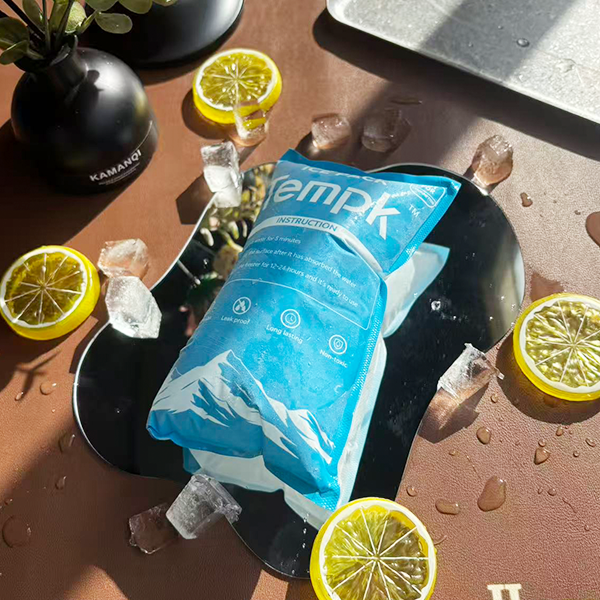
wholesale dry ice pack for vaccine delivery: Practical Selection, Packout, and Supplier Review
For vaccine delivery, wholesale dry ice pack for vaccine delivery should be treated as a packout decision, not only a product purchase. The pack is only one part of a system that includes an insulated container, payload placement, separation material, labels, handling instructions, and temperature evidence. If those pieces do not work together, a low-cost coolant can become a high-cost problem. This article focuses on practical selection, supplier review, and scale-up checks for B2B buyers.
The practical approach is to turn the sourcing request into a route and packout review. That means defining the temperature job, confirming the coolant category, and requiring the supplier to explain how samples become repeatable production packs.
Define the temperature job before talking price
Temperature range is a product requirement, not a product marketing phrase. In vaccine delivery, the buyer should first identify whether vaccine cartons, temperature-sensitive biologics, and public-health delivery kits need refrigerated, frozen, ultra-cold, or other controlled handling. Many healthcare and food shipments have clearly defined storage or transport expectations, but the exact requirement must come from the product label, customer specification, quality agreement, or applicable local rules.
Dry ice can be useful because it is extremely cold, but that same property can create a failure if the product is freeze-sensitive. Hydrated dry-ice-style packs may provide a less hazardous and more flexible cold source, but they also may not match the lowest-temperature performance of solid carbon dioxide. The buyer should not choose between them based on product name alone.
A practical specification for wholesale dry ice pack for vaccine delivery should therefore avoid vague phrases such as 'keep cold for long time.' A better specification states the payload condition, the pack preparation method, the insulated shipper, the duration to be tested, and the acceptance criteria. If those items are not yet known, ask the supplier for a starting recommendation and plan a controlled sample trial.
The pack is not the whole cold-chain system
A cold-chain packout has four jobs. It must slow outside heat, store enough cooling energy, keep the payload away from damaging local conditions, and provide evidence or instructions when the shipment arrives. The dry ice pack only contributes to the cooling job. It does not automatically solve insulation, documentation, warehouse training, or receiving inspection.
The most common packout details are easy to overlook. How long are packs outside the freezer before loading? Are packs placed on top, bottom, sides, or around the payload? Is there a spacer or divider? Does the product have headspace or fragile packaging? Is the box sealed immediately? Are labels placed where the carrier can see them? These details create repeatability.
For vaccine delivery, repeatability is more valuable than a dramatic cooling claim. A moderate packout that is easy for warehouse staff to prepare correctly may outperform a more aggressive setup that only works when one experienced operator builds it perfectly.
Fit by product, route, and receiver capability
A final sourcing decision should connect the product specification with the way the box will be packed and handled. The table below is a compact review tool for moving from quote to controlled rollout.
Supplier review matrix
| Decision point | Good evidence | Red flag |
|---|---|---|
| Decision point | Good evidence | Red flag |
| Product fit | Required temperature range and product sensitivity are stated before sampling. | Supplier suggests one pack for all products. |
| Packout fit | Photos, diagrams, or instructions show pack placement and separation. | Only unit size and price are offered. |
| Scale-up fit | Sample and production versions use the same material, sheet design, and closure quality. | Bulk order is sourced from a different construction. |
| Compliance awareness | The supplier explains when dry ice rules, markings, or carrier limits may apply. | The supplier treats every cooling pack as non-regulated. |
The red flags are not reasons to reject every supplier immediately. They are prompts for a better conversation. A serious supplier should be willing to clarify material identity, preparation steps, shipment limits, and change-control expectations instead of pushing the buyer toward a generic pack count.
For vaccine delivery, the best outcome is a repeatable kit: the pack size, pack quantity, shipper, barrier material, payload loading order, labels, and receiver instructions are all defined before the first large order is released.
Supplier questions that actually change the decision
A serious supplier conversation for wholesale dry ice pack for vaccine delivery should sound specific. Ask what material is inside the pack, whether the product contains real solid carbon dioxide or a hydrated cold medium, how it should be prepared, whether it can be cut, how it should be placed, and what limitations the supplier sees for your product category.
Ask for production consistency information. The sample pack should represent the production pack. If the order is large, request clarity on lot control, acceptable dimensional tolerance, seal quality, packaging count per carton, storage before shipment, and what happens if raw materials change.
Ask about support beyond the pack. For wholesale vaccine packaging procurement, the supplier should be able to discuss outer insulated boxes, thermal bags, liners, data loggers, labels, and simple packout drawings. The answer does not have to be a complete validation package at the quote stage, but it should show that the supplier understands cold-chain operations.
Control handovers and documentation
Many cold-chain problems happen at handover points. The package may sit on a dock, wait in a courier cage, be opened for inspection, be placed near a heat source, or be accepted by a receiver who does not know how to handle dry ice. These are operational risks, not defects in the pack alone.
For real dry ice, the receiver should understand ventilation and personal protection. For hydrated packs, the receiver should know whether the pack can be reused, disposed of, or returned. For monitored shipments, the receiver should know how to read or download the temperature record and when to quarantine the product for review.
A good vaccine delivery packout instruction should be written for warehouse staff, courier handoff, and receiver acceptance. It should be short enough to follow but specific enough to prevent improvised substitutions.
Red flags before bulk release
Red flag 1: the supplier cannot explain what the pack actually contains. The words dry ice pack, ice sheet, PCM pack, and gel pack are sometimes used loosely. Material identity affects temperature behavior, safety, and shipping rules.
Red flag 2: the quotation includes a fixed hold time without describing the shipper, payload, ambient profile, pack quantity, and acceptance range. Hold time without test context should be treated as promotional language, not proof.
Red flag 3: the sample looks different from the production quote. Changes in cell layout, edge sealing, membrane, paper, or absorbent content can change performance. Ask whether the sample construction will be locked for the first production order.
Red flag 4: the supplier says the pack is suitable for all vaccine delivery shipments. A credible supplier should recognize limits and ask about the payload, route, temperature requirement, and receiver workflow.
Red flag 5: the supplier ignores documentation. Even non-regulated food shipments benefit from clear packout instructions. Medical, pharmaceutical, and vaccine shipments often need stronger internal review and temperature evidence.
Practical example: from quote to controlled rollout
For example, a procurement team may be preparing vaccine cartons, temperature-sensitive biologics, and public-health delivery kits in vaccine delivery. The team asks three suppliers for wholesale dry ice packs for vaccine delivery and receives three different answers: one quotes real dry ice, one quotes a hydrated sheet pack, and one quotes a frozen gel pack with no explanation. At first the lowest price looks attractive, but the buyer realizes the products do not represent the same handling category.
The next step is to define the shipment condition. The team checks whether the payload should remain chilled, frozen, or protected from freezing. It then confirms the outer shipper, expected transit time, packing location, time outside cold storage, and receiver training. Only after those details are clear does the supplier sample become meaningful.
During the trial, the team places temperature monitors where risk is likely to appear, not only in the most protected center of the box. It records the preparation time of the packs, the loading order, the pack positions, and whether cartons are opened or left closed during transport. If the test exposes a warm corner, excessive cold near the product, or condensation at the liner, the answer is not simply to add more packs. The layout may need to change.
This example is not a real customer case, but it reflects the kind of decision process that prevents expensive scale-up errors. A pack can be technically good and still be wrong for a specific product or route.
FAQ
Is a dry ice pack the same as real dry ice for vaccine delivery?
Not always. Some suppliers use the term for solid carbon dioxide or packages used with it. Others use it for hydrated cold packs or PCM-style sheets that are frozen before shipment. Buyers should confirm material identity because real dry ice releases carbon dioxide gas and may require different handling, venting, marking, and carrier acceptance.
Can wholesale dry ice packs for vaccine delivery protect every shipment of vaccine cartons, temperature-sensitive biologics, and public-health delivery kits?
No. The pack must match the product temperature requirement, outer insulation, payload mass, route duration, and receiver workflow. It may fit frozen or ultra-cold vaccine delivery where the product instructions and qualification plan call for it, but it can be unsuitable for refrigerated vaccine routes that require strict protection from freezing exposure. A supplier recommendation should be tested against the actual route instead of assumed from product category alone.
What should be checked before placing a bulk or wholesale order?
Confirm vaccine label, coolant category, barrier design, temperature logger, receiver training, and replenishment plan. Also check sample-to-production consistency, preparation instructions, packaging drawings, and any change-control process. For regulated or sensitive cargo, ask your quality or logistics team to review the packout before scaling.
Do I need a temperature data logger with these packs?
A logger does not protect the product, but it provides evidence of what happened during storage or transport. For high-value, medical, pharmaceutical, vaccine, or sensitive food shipments, monitoring may be expected by internal quality rules or customer requirements. Logger placement should reflect likely hot and cold spots, not only the center of the box.
Should vaccine buyers choose dry ice for refrigerated vaccines?
Not by default. Many vaccine workflows are designed around refrigerated handling, and some products can lose potency if frozen. Dry ice or deep-cold packs should only be used when the specific vaccine instructions and qualified packout support that choice.
Conclusion
The best choice for wholesale dry ice pack for vaccine delivery is the one that matches the product condition, the route, and the handling process. Start by identifying whether the pack is real dry ice or a hydrated cooling product. Then confirm the outer shipper, pack placement, product sensitivity, and documentation needs before ordering at scale.
For vaccine delivery, the biggest risk is often an assumption: assuming colder is better, assuming one pack fits every carton, or assuming a supplier's general claim applies to your lane. A disciplined sample review and a clear packout instruction can prevent those assumptions from turning into shipment failures.
About Tempk
Tempk supports B2B cold-chain buyers with practical packaging options for food, pharmaceutical, medical, and temperature-sensitive shipments. For dry-ice-style projects, we help buyers think beyond the individual pack and review the full shipping setup: insulated packaging, coolant placement, payload fit, preparation steps, and temperature evidence. Our product range includes ice packs, hydrated dry ice packs, insulated bags, insulation carton boxes, medical cooler boxes, EPP and VIP-related packaging options, thermal pallet covers, and temperature monitoring support. The goal is to help your team choose a packout that is realistic for the route, not just attractive on a quotation sheet.
Use Tempk as a technical sourcing partner when you need to turn a sample pack into a repeatable cold-chain shipping configuration.
Additional buyer notes before release
Write the first purchase specification in shipment language. State that the buyer is evaluating wholesale dry ice packs for vaccine delivery for vaccine delivery, then describe the product form, required condition, outer shipper, route, season, and receiver. This gives suppliers enough context to recommend either dry ice, hydrated packs, gel packs, PCM packs, or a different insulation strategy.
Keep the sample trial small but disciplined. Photograph the packout, record the pack preparation step, identify the logger positions, and document any deviations. A simple record will make the second discussion with the supplier much more useful because both sides can talk about observed behavior rather than opinions.
Before converting the trial into a recurring order, ask one final question: what would change if the payload, carton size, courier, season, or destination changed? If the supplier cannot explain the limits of the current packout, the buyer should not use it as a universal shipping rule.
This final check is especially useful for immunization program buyer, vaccine distributor, medical logistics planner, and quality lead. It protects the purchasing team from buying the wrong inventory and helps the operations team avoid reworking every box during a busy shipping window.
Wholesale Dry Ice Pack For Pharmaceutical Delivery: Selection Guide
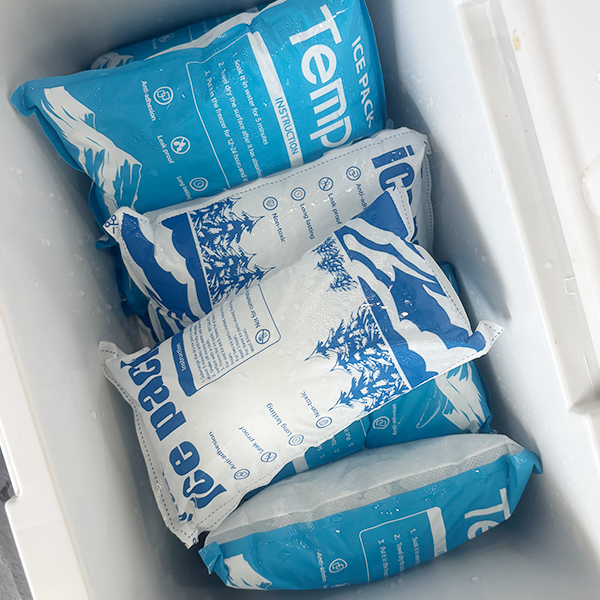
wholesale dry ice pack for pharmaceutical delivery: Practical Selection, Packout, and Supplier Review
For pharmaceutical delivery, wholesale dry ice pack for pharmaceutical delivery should be treated as a packout decision, not only a product purchase. The pack is only one part of a system that includes an insulated container, payload placement, separation material, labels, handling instructions, and temperature evidence. If those pieces do not work together, a low-cost coolant can become a high-cost problem. This article focuses on practical selection, supplier review, and scale-up checks for B2B buyers.
The practical approach is to turn the sourcing request into a route and packout review. That means defining the temperature job, confirming the coolant category, and requiring the supplier to explain how samples become repeatable production packs.
Define the temperature job before talking price
Temperature range is a product requirement, not a product marketing phrase. In pharmaceutical delivery, the buyer should first identify whether specialty medicines, biologics, clinical trial materials, and pharmacy delivery packs need refrigerated, frozen, ultra-cold, or other controlled handling. Many healthcare and food shipments have clearly defined storage or transport expectations, but the exact requirement must come from the product label, customer specification, quality agreement, or applicable local rules.
Dry ice can be useful because it is extremely cold, but that same property can create a failure if the product is freeze-sensitive. Hydrated dry-ice-style packs may provide a less hazardous and more flexible cold source, but they also may not match the lowest-temperature performance of solid carbon dioxide. The buyer should not choose between them based on product name alone.
A practical specification for wholesale dry ice pack for pharmaceutical delivery should therefore avoid vague phrases such as 'keep cold for long time.' A better specification states the payload condition, the pack preparation method, the insulated shipper, the duration to be tested, and the acceptance criteria. If those items are not yet known, ask the supplier for a starting recommendation and plan a controlled sample trial.
The pack is not the whole cold-chain system
A cold-chain packout has four jobs. It must slow outside heat, store enough cooling energy, keep the payload away from damaging local conditions, and provide evidence or instructions when the shipment arrives. The dry ice pack only contributes to the cooling job. It does not automatically solve insulation, documentation, warehouse training, or receiving inspection.
The most common packout details are easy to overlook. How long are packs outside the freezer before loading? Are packs placed on top, bottom, sides, or around the payload? Is there a spacer or divider? Does the product have headspace or fragile packaging? Is the box sealed immediately? Are labels placed where the carrier can see them? These details create repeatability.
For pharmaceutical delivery, repeatability is more valuable than a dramatic cooling claim. A moderate packout that is easy for warehouse staff to prepare correctly may outperform a more aggressive setup that only works when one experienced operator builds it perfectly.
Fit by product, route, and receiver capability
A final sourcing decision should connect the product specification with the way the box will be packed and handled. The table below is a compact review tool for moving from quote to controlled rollout.
Supplier review matrix
| Decision point | Good evidence | Red flag |
|---|---|---|
| Decision point | Good evidence | Red flag |
| Product fit | Required temperature range and product sensitivity are stated before sampling. | Supplier suggests one pack for all products. |
| Packout fit | Photos, diagrams, or instructions show pack placement and separation. | Only unit size and price are offered. |
| Scale-up fit | Sample and production versions use the same material, sheet design, and closure quality. | Bulk order is sourced from a different construction. |
| Compliance awareness | The supplier explains when dry ice rules, markings, or carrier limits may apply. | The supplier treats every cooling pack as non-regulated. |
The red flags are not reasons to reject every supplier immediately. They are prompts for a better conversation. A serious supplier should be willing to clarify material identity, preparation steps, shipment limits, and change-control expectations instead of pushing the buyer toward a generic pack count.
For pharmaceutical delivery, the best outcome is a repeatable kit: the pack size, pack quantity, shipper, barrier material, payload loading order, labels, and receiver instructions are all defined before the first large order is released.
Supplier questions that actually change the decision
A serious supplier conversation for wholesale dry ice pack for pharmaceutical delivery should sound specific. Ask what material is inside the pack, whether the product contains real solid carbon dioxide or a hydrated cold medium, how it should be prepared, whether it can be cut, how it should be placed, and what limitations the supplier sees for your product category.
Ask for production consistency information. The sample pack should represent the production pack. If the order is large, request clarity on lot control, acceptable dimensional tolerance, seal quality, packaging count per carton, storage before shipment, and what happens if raw materials change.
Ask about support beyond the pack. For wholesale purchasing, the supplier should be able to discuss outer insulated boxes, thermal bags, liners, data loggers, labels, and simple packout drawings. The answer does not have to be a complete validation package at the quote stage, but it should show that the supplier understands cold-chain operations.
Control handovers and documentation
Many cold-chain problems happen at handover points. The package may sit on a dock, wait in a courier cage, be opened for inspection, be placed near a heat source, or be accepted by a receiver who does not know how to handle dry ice. These are operational risks, not defects in the pack alone.
For real dry ice, the receiver should understand ventilation and personal protection. For hydrated packs, the receiver should know whether the pack can be reused, disposed of, or returned. For monitored shipments, the receiver should know how to read or download the temperature record and when to quarantine the product for review.
A good pharmaceutical delivery packout instruction should be written for warehouse staff, courier handoff, and receiver acceptance. It should be short enough to follow but specific enough to prevent improvised substitutions.
Red flags before bulk release
Red flag 1: the supplier cannot explain what the pack actually contains. The words dry ice pack, ice sheet, PCM pack, and gel pack are sometimes used loosely. Material identity affects temperature behavior, safety, and shipping rules.
Red flag 2: the quotation includes a fixed hold time without describing the shipper, payload, ambient profile, pack quantity, and acceptance range. Hold time without test context should be treated as promotional language, not proof.
Red flag 3: the sample looks different from the production quote. Changes in cell layout, edge sealing, membrane, paper, or absorbent content can change performance. Ask whether the sample construction will be locked for the first production order.
Red flag 4: the supplier says the pack is suitable for all pharmaceutical delivery shipments. A credible supplier should recognize limits and ask about the payload, route, temperature requirement, and receiver workflow.
Red flag 5: the supplier ignores documentation. Even non-regulated food shipments benefit from clear packout instructions. Medical, pharmaceutical, and vaccine shipments often need stronger internal review and temperature evidence.
Practical example: from quote to controlled rollout
For example, a procurement team may be preparing specialty medicines, biologics, clinical trial materials, and pharmacy delivery packs in pharmaceutical delivery. The team asks three suppliers for wholesale dry ice packs for pharmaceutical delivery and receives three different answers: one quotes real dry ice, one quotes a hydrated sheet pack, and one quotes a frozen gel pack with no explanation. At first the lowest price looks attractive, but the buyer realizes the products do not represent the same handling category.
The next step is to define the shipment condition. The team checks whether the payload should remain chilled, frozen, or protected from freezing. It then confirms the outer shipper, expected transit time, packing location, time outside cold storage, and receiver training. Only after those details are clear does the supplier sample become meaningful.
During the trial, the team places temperature monitors where risk is likely to appear, not only in the most protected center of the box. It records the preparation time of the packs, the loading order, the pack positions, and whether cartons are opened or left closed during transport. If the test exposes a warm corner, excessive cold near the product, or condensation at the liner, the answer is not simply to add more packs. The layout may need to change.
This example is not a real customer case, but it reflects the kind of decision process that prevents expensive scale-up errors. A pack can be technically good and still be wrong for a specific product or route.
FAQ
Is a dry ice pack the same as real dry ice for pharmaceutical delivery?
Not always. Some suppliers use the term for solid carbon dioxide or packages used with it. Others use it for hydrated cold packs or PCM-style sheets that are frozen before shipment. Buyers should confirm material identity because real dry ice releases carbon dioxide gas and may require different handling, venting, marking, and carrier acceptance.
Can wholesale dry ice packs for pharmaceutical delivery protect every shipment of specialty medicines, biologics, clinical trial materials, and pharmacy delivery packs?
No. The pack must match the product temperature requirement, outer insulation, payload mass, route duration, and receiver workflow. It may fit repeatable frozen routes, carefully defined shipping kits, and contingency lanes with documented packout instructions, but it can be unsuitable for general medicine delivery where the required range is not frozen or where the receiver cannot manage dry ice safely. A supplier recommendation should be tested against the actual route instead of assumed from product category alone.
What should be checked before placing a bulk or wholesale order?
Confirm medicine label, pharmacy SOP, receiver handling, dry ice status, documentation, and production batch consistency. Also check sample-to-production consistency, preparation instructions, packaging drawings, and any change-control process. For regulated or sensitive cargo, ask your quality or logistics team to review the packout before scaling.
Do I need a temperature data logger with these packs?
A logger does not protect the product, but it provides evidence of what happened during storage or transport. For high-value, medical, pharmaceutical, vaccine, or sensitive food shipments, monitoring may be expected by internal quality rules or customer requirements. Logger placement should reflect likely hot and cold spots, not only the center of the box.
Does a dry ice pack make a pharmaceutical delivery compliant?
No. Compliance depends on the product, process, documentation, lane qualification, monitoring, trained staff, and applicable rules. A cooling pack can support the required condition, but it does not replace GDP review, product label instructions, or internal quality approval.
Conclusion
The best choice for wholesale dry ice pack for pharmaceutical delivery is the one that matches the product condition, the route, and the handling process. Start by identifying whether the pack is real dry ice or a hydrated cooling product. Then confirm the outer shipper, pack placement, product sensitivity, and documentation needs before ordering at scale.
For pharmaceutical delivery, the biggest risk is often an assumption: assuming colder is better, assuming one pack fits every carton, or assuming a supplier's general claim applies to your lane. A disciplined sample review and a clear packout instruction can prevent those assumptions from turning into shipment failures.
About Tempk
Tempk supports B2B cold-chain buyers with practical packaging options for food, pharmaceutical, medical, and temperature-sensitive shipments. For dry-ice-style projects, we help buyers think beyond the individual pack and review the full shipping setup: insulated packaging, coolant placement, payload fit, preparation steps, and temperature evidence. Our product range includes ice packs, hydrated dry ice packs, insulated bags, insulation carton boxes, medical cooler boxes, EPP and VIP-related packaging options, thermal pallet covers, and temperature monitoring support. The goal is to help your team choose a packout that is realistic for the route, not just attractive on a quotation sheet.
Use Tempk as a technical sourcing partner when you need to turn a sample pack into a repeatable cold-chain shipping configuration.
Additional buyer notes before release
Write the first purchase specification in shipment language. State that the buyer is evaluating wholesale dry ice packs for pharmaceutical delivery for pharmaceutical delivery, then describe the product form, required condition, outer shipper, route, season, and receiver. This gives suppliers enough context to recommend either dry ice, hydrated packs, gel packs, PCM packs, or a different insulation strategy.
Keep the sample trial small but disciplined. Photograph the packout, record the pack preparation step, identify the logger positions, and document any deviations. A simple record will make the second discussion with the supplier much more useful because both sides can talk about observed behavior rather than opinions.
Before converting the trial into a recurring order, ask one final question: what would change if the payload, carton size, courier, season, or destination changed? If the supplier cannot explain the limits of the current packout, the buyer should not use it as a universal shipping rule.
This final check is especially useful for pharmaceutical distributor, specialty pharmacy shipper, cold-chain purchasing team, and QA reviewer. It protects the purchasing team from buying the wrong inventory and helps the operations team avoid reworking every box during a busy shipping window.
Supplier Dry Ice Pack For Milk Shipping: Selection Guide
supplier dry ice pack for milk shipping: Practical Selection, Packout, and Supplier Review
For milk shipping, supplier dry ice pack for milk shipping should be treated as a packout decision, not only a product purchase. The pack is only one part of a system that includes an insulated container, payload placement, separation material, labels, handling instructions, and temperature evidence. If those pieces do not work together, a low-cost coolant can become a high-cost problem. This article focuses on practical selection, supplier review, and scale-up checks for B2B buyers.
The practical approach is to turn the sourcing request into a route and packout review. That means defining the temperature job, confirming the coolant category, and requiring the supplier to explain how samples become repeatable production packs.
Define the temperature job before talking price
Temperature range is a product requirement, not a product marketing phrase. In milk shipping, the buyer should first identify whether fresh milk, frozen dairy products, milk samples, and chilled beverage packs need refrigerated, frozen, ultra-cold, or other controlled handling. Many healthcare and food shipments have clearly defined storage or transport expectations, but the exact requirement must come from the product label, customer specification, quality agreement, or applicable local rules.
Dry ice can be useful because it is extremely cold, but that same property can create a failure if the product is freeze-sensitive. Hydrated dry-ice-style packs may provide a less hazardous and more flexible cold source, but they also may not match the lowest-temperature performance of solid carbon dioxide. The buyer should not choose between them based on product name alone.
A practical specification for supplier dry ice pack for milk shipping should therefore avoid vague phrases such as 'keep cold for long time.' A better specification states the payload condition, the pack preparation method, the insulated shipper, the duration to be tested, and the acceptance criteria. If those items are not yet known, ask the supplier for a starting recommendation and plan a controlled sample trial.
The pack is not the whole cold-chain system
A cold-chain packout has four jobs. It must slow outside heat, store enough cooling energy, keep the payload away from damaging local conditions, and provide evidence or instructions when the shipment arrives. The dry ice pack only contributes to the cooling job. It does not automatically solve insulation, documentation, warehouse training, or receiving inspection.
The most common packout details are easy to overlook. How long are packs outside the freezer before loading? Are packs placed on top, bottom, sides, or around the payload? Is there a spacer or divider? Does the product have headspace or fragile packaging? Is the box sealed immediately? Are labels placed where the carrier can see them? These details create repeatability.
For milk shipping, repeatability is more valuable than a dramatic cooling claim. A moderate packout that is easy for warehouse staff to prepare correctly may outperform a more aggressive setup that only works when one experienced operator builds it perfectly.
Fit by product, route, and receiver capability
A final sourcing decision should connect the product specification with the way the box will be packed and handled. The table below is a compact review tool for moving from quote to controlled rollout.
Supplier review matrix
| Decision point | Good evidence | Red flag |
|---|---|---|
| Decision point | Good evidence | Red flag |
| Product fit | Required temperature range and product sensitivity are stated before sampling. | Supplier suggests one pack for all products. |
| Packout fit | Photos, diagrams, or instructions show pack placement and separation. | Only unit size and price are offered. |
| Scale-up fit | Sample and production versions use the same material, sheet design, and closure quality. | Bulk order is sourced from a different construction. |
| Compliance awareness | The supplier explains when dry ice rules, markings, or carrier limits may apply. | The supplier treats every cooling pack as non-regulated. |
The red flags are not reasons to reject every supplier immediately. They are prompts for a better conversation. A serious supplier should be willing to clarify material identity, preparation steps, shipment limits, and change-control expectations instead of pushing the buyer toward a generic pack count.
For milk shipping, the best outcome is a repeatable kit: the pack size, pack quantity, shipper, barrier material, payload loading order, labels, and receiver instructions are all defined before the first large order is released.
Supplier questions that actually change the decision
A serious supplier conversation for supplier dry ice pack for milk shipping should sound specific. Ask what material is inside the pack, whether the product contains real solid carbon dioxide or a hydrated cold medium, how it should be prepared, whether it can be cut, how it should be placed, and what limitations the supplier sees for your product category.
Ask for production consistency information. The sample pack should represent the production pack. If the order is large, request clarity on lot control, acceptable dimensional tolerance, seal quality, packaging count per carton, storage before shipment, and what happens if raw materials change.
Ask about support beyond the pack. For supplier shortlisting, the supplier should be able to discuss outer insulated boxes, thermal bags, liners, data loggers, labels, and simple packout drawings. The answer does not have to be a complete validation package at the quote stage, but it should show that the supplier understands cold-chain operations.
Control handovers and documentation
Many cold-chain problems happen at handover points. The package may sit on a dock, wait in a courier cage, be opened for inspection, be placed near a heat source, or be accepted by a receiver who does not know how to handle dry ice. These are operational risks, not defects in the pack alone.
For real dry ice, the receiver should understand ventilation and personal protection. For hydrated packs, the receiver should know whether the pack can be reused, disposed of, or returned. For monitored shipments, the receiver should know how to read or download the temperature record and when to quarantine the product for review.
A good milk shipping packout instruction should be written for warehouse staff, courier handoff, and receiver acceptance. It should be short enough to follow but specific enough to prevent improvised substitutions.
Red flags before bulk release
Red flag 1: the supplier cannot explain what the pack actually contains. The words dry ice pack, ice sheet, PCM pack, and gel pack are sometimes used loosely. Material identity affects temperature behavior, safety, and shipping rules.
Red flag 2: the quotation includes a fixed hold time without describing the shipper, payload, ambient profile, pack quantity, and acceptance range. Hold time without test context should be treated as promotional language, not proof.
Red flag 3: the sample looks different from the production quote. Changes in cell layout, edge sealing, membrane, paper, or absorbent content can change performance. Ask whether the sample construction will be locked for the first production order.
Red flag 4: the supplier says the pack is suitable for all milk shipping shipments. A credible supplier should recognize limits and ask about the payload, route, temperature requirement, and receiver workflow.
Red flag 5: the supplier ignores documentation. Even non-regulated food shipments benefit from clear packout instructions. Medical, pharmaceutical, and vaccine shipments often need stronger internal review and temperature evidence.
Practical example: from quote to controlled rollout
For example, a procurement team may be preparing fresh milk, frozen dairy products, milk samples, and chilled beverage packs in milk shipping. The team asks three suppliers for dry ice packs for dairy shipping and receives three different answers: one quotes real dry ice, one quotes a hydrated sheet pack, and one quotes a frozen gel pack with no explanation. At first the lowest price looks attractive, but the buyer realizes the products do not represent the same handling category.
The next step is to define the shipment condition. The team checks whether the payload should remain chilled, frozen, or protected from freezing. It then confirms the outer shipper, expected transit time, packing location, time outside cold storage, and receiver training. Only after those details are clear does the supplier sample become meaningful.
During the trial, the team places temperature monitors where risk is likely to appear, not only in the most protected center of the box. It records the preparation time of the packs, the loading order, the pack positions, and whether cartons are opened or left closed during transport. If the test exposes a warm corner, excessive cold near the product, or condensation at the liner, the answer is not simply to add more packs. The layout may need to change.
This example is not a real customer case, but it reflects the kind of decision process that prevents expensive scale-up errors. A pack can be technically good and still be wrong for a specific product or route.
FAQ
Is a dry ice pack the same as real dry ice for milk shipping?
Not always. Some suppliers use the term for solid carbon dioxide or packages used with it. Others use it for hydrated cold packs or PCM-style sheets that are frozen before shipment. Buyers should confirm material identity because real dry ice releases carbon dioxide gas and may require different handling, venting, marking, and carrier acceptance.
Can dry ice packs for dairy shipping protect every shipment of fresh milk, frozen dairy products, milk samples, and chilled beverage packs?
No. The pack must match the product temperature requirement, outer insulation, payload mass, route duration, and receiver workflow. It may fit frozen dairy routes, extended transit, sample shipments, or carefully separated packouts where the product can tolerate deep cold, but it can be unsuitable for fresh milk shipments that must remain chilled but not frozen unless the packout is specifically designed and tested. A supplier recommendation should be tested against the actual route instead of assumed from product category alone.
What should be checked before placing a bulk or wholesale order?
Confirm fresh versus frozen requirement, bottle material, headspace, leakage risk, route time, and last-mile handling. Also check sample-to-production consistency, preparation instructions, packaging drawings, and any change-control process. For regulated or sensitive cargo, ask your quality or logistics team to review the packout before scaling.
Do I need a temperature data logger with these packs?
A logger does not protect the product, but it provides evidence of what happened during storage or transport. For high-value, medical, pharmaceutical, vaccine, or sensitive food shipments, monitoring may be expected by internal quality rules or customer requirements. Logger placement should reflect likely hot and cold spots, not only the center of the box.
Can dry ice packs be used for chilled dairy or meat instead of frozen shipments?
Sometimes, but only with careful separation and testing. Fresh chilled products can be damaged by freezing or by condensation. If the product is not meant to freeze, ask the supplier for a packout design that controls local cold exposure rather than simply adding more coolant.
Conclusion
The best choice for supplier dry ice pack for milk shipping is the one that matches the product condition, the route, and the handling process. Start by identifying whether the pack is real dry ice or a hydrated cooling product. Then confirm the outer shipper, pack placement, product sensitivity, and documentation needs before ordering at scale.
For milk shipping, the biggest risk is often an assumption: assuming colder is better, assuming one pack fits every carton, or assuming a supplier's general claim applies to your lane. A disciplined sample review and a clear packout instruction can prevent those assumptions from turning into shipment failures.
About Tempk
Tempk supports B2B cold-chain buyers with practical packaging options for food, pharmaceutical, medical, and temperature-sensitive shipments. For dry-ice-style projects, we help buyers think beyond the individual pack and review the full shipping setup: insulated packaging, coolant placement, payload fit, preparation steps, and temperature evidence. Our product range includes ice packs, hydrated dry ice packs, insulated bags, insulation carton boxes, medical cooler boxes, EPP and VIP-related packaging options, thermal pallet covers, and temperature monitoring support. The goal is to help your team choose a packout that is realistic for the route, not just attractive on a quotation sheet.
Use Tempk as a technical sourcing partner when you need to turn a sample pack into a repeatable cold-chain shipping configuration.
Additional buyer notes before release
Write the first purchase specification in shipment language. State that the buyer is evaluating dry ice packs for dairy shipping for milk shipping, then describe the product form, required condition, outer shipper, route, season, and receiver. This gives suppliers enough context to recommend either dry ice, hydrated packs, gel packs, PCM packs, or a different insulation strategy.
Keep the sample trial small but disciplined. Photograph the packout, record the pack preparation step, identify the logger positions, and document any deviations. A simple record will make the second discussion with the supplier much more useful because both sides can talk about observed behavior rather than opinions.
Before converting the trial into a recurring order, ask one final question: what would change if the payload, carton size, courier, season, or destination changed? If the supplier cannot explain the limits of the current packout, the buyer should not use it as a universal shipping rule.
This final check is especially useful for dairy brand, meal-kit operator, cold-chain procurement team, and shipping coordinator. It protects the purchasing team from buying the wrong inventory and helps the operations team avoid reworking every box during a busy shipping window.
Supplier Dry Ice Pack For Medical Transport: Selection Guide
supplier dry ice pack for medical transport: Practical Selection, Packout, and Supplier Review
For medical transport, supplier dry ice pack for medical transport should be treated as a packout decision, not only a product purchase. The pack is only one part of a system that includes an insulated container, payload placement, separation material, labels, handling instructions, and temperature evidence. If those pieces do not work together, a low-cost coolant can become a high-cost problem. This article focuses on practical selection, supplier review, and scale-up checks for B2B buyers.
The practical approach is to turn the sourcing request into a route and packout review. That means defining the temperature job, confirming the coolant category, and requiring the supplier to explain how samples become repeatable production packs.
Define the temperature job before talking price
Temperature range is a product requirement, not a product marketing phrase. In medical transport, the buyer should first identify whether medical samples, diagnostic kits, plasma materials, biological specimens, and healthcare supplies need refrigerated, frozen, ultra-cold, or other controlled handling. Many healthcare and food shipments have clearly defined storage or transport expectations, but the exact requirement must come from the product label, customer specification, quality agreement, or applicable local rules.
Dry ice can be useful because it is extremely cold, but that same property can create a failure if the product is freeze-sensitive. Hydrated dry-ice-style packs may provide a less hazardous and more flexible cold source, but they also may not match the lowest-temperature performance of solid carbon dioxide. The buyer should not choose between them based on product name alone.
A practical specification for supplier dry ice pack for medical transport should therefore avoid vague phrases such as 'keep cold for long time.' A better specification states the payload condition, the pack preparation method, the insulated shipper, the duration to be tested, and the acceptance criteria. If those items are not yet known, ask the supplier for a starting recommendation and plan a controlled sample trial.
The pack is not the whole cold-chain system
A cold-chain packout has four jobs. It must slow outside heat, store enough cooling energy, keep the payload away from damaging local conditions, and provide evidence or instructions when the shipment arrives. The dry ice pack only contributes to the cooling job. It does not automatically solve insulation, documentation, warehouse training, or receiving inspection.
The most common packout details are easy to overlook. How long are packs outside the freezer before loading? Are packs placed on top, bottom, sides, or around the payload? Is there a spacer or divider? Does the product have headspace or fragile packaging? Is the box sealed immediately? Are labels placed where the carrier can see them? These details create repeatability.
For medical transport, repeatability is more valuable than a dramatic cooling claim. A moderate packout that is easy for warehouse staff to prepare correctly may outperform a more aggressive setup that only works when one experienced operator builds it perfectly.
Fit by product, route, and receiver capability
A final sourcing decision should connect the product specification with the way the box will be packed and handled. The table below is a compact review tool for moving from quote to controlled rollout.
Supplier review matrix
| Decision point | Good evidence | Red flag |
|---|---|---|
| Decision point | Good evidence | Red flag |
| Product fit | Required temperature range and product sensitivity are stated before sampling. | Supplier suggests one pack for all products. |
| Packout fit | Photos, diagrams, or instructions show pack placement and separation. | Only unit size and price are offered. |
| Scale-up fit | Sample and production versions use the same material, sheet design, and closure quality. | Bulk order is sourced from a different construction. |
| Compliance awareness | The supplier explains when dry ice rules, markings, or carrier limits may apply. | The supplier treats every cooling pack as non-regulated. |
The red flags are not reasons to reject every supplier immediately. They are prompts for a better conversation. A serious supplier should be willing to clarify material identity, preparation steps, shipment limits, and change-control expectations instead of pushing the buyer toward a generic pack count.
For medical transport, the best outcome is a repeatable kit: the pack size, pack quantity, shipper, barrier material, payload loading order, labels, and receiver instructions are all defined before the first large order is released.
Supplier questions that actually change the decision
A serious supplier conversation for supplier dry ice pack for medical transport should sound specific. Ask what material is inside the pack, whether the product contains real solid carbon dioxide or a hydrated cold medium, how it should be prepared, whether it can be cut, how it should be placed, and what limitations the supplier sees for your product category.
Ask for production consistency information. The sample pack should represent the production pack. If the order is large, request clarity on lot control, acceptable dimensional tolerance, seal quality, packaging count per carton, storage before shipment, and what happens if raw materials change.
Ask about support beyond the pack. For supplier evaluation, the supplier should be able to discuss outer insulated boxes, thermal bags, liners, data loggers, labels, and simple packout drawings. The answer does not have to be a complete validation package at the quote stage, but it should show that the supplier understands cold-chain operations.
Control handovers and documentation
Many cold-chain problems happen at handover points. The package may sit on a dock, wait in a courier cage, be opened for inspection, be placed near a heat source, or be accepted by a receiver who does not know how to handle dry ice. These are operational risks, not defects in the pack alone.
For real dry ice, the receiver should understand ventilation and personal protection. For hydrated packs, the receiver should know whether the pack can be reused, disposed of, or returned. For monitored shipments, the receiver should know how to read or download the temperature record and when to quarantine the product for review.
A good medical transport packout instruction should be written for warehouse staff, courier handoff, and receiver acceptance. It should be short enough to follow but specific enough to prevent improvised substitutions.
Red flags before bulk release
Red flag 1: the supplier cannot explain what the pack actually contains. The words dry ice pack, ice sheet, PCM pack, and gel pack are sometimes used loosely. Material identity affects temperature behavior, safety, and shipping rules.
Red flag 2: the quotation includes a fixed hold time without describing the shipper, payload, ambient profile, pack quantity, and acceptance range. Hold time without test context should be treated as promotional language, not proof.
Red flag 3: the sample looks different from the production quote. Changes in cell layout, edge sealing, membrane, paper, or absorbent content can change performance. Ask whether the sample construction will be locked for the first production order.
Red flag 4: the supplier says the pack is suitable for all medical transport shipments. A credible supplier should recognize limits and ask about the payload, route, temperature requirement, and receiver workflow.
Red flag 5: the supplier ignores documentation. Even non-regulated food shipments benefit from clear packout instructions. Medical, pharmaceutical, and vaccine shipments often need stronger internal review and temperature evidence.
Practical example: from quote to controlled rollout
For example, a procurement team may be preparing medical samples, diagnostic kits, plasma materials, biological specimens, and healthcare supplies in medical transport. The team asks three suppliers for dry ice packs for medical transport and receives three different answers: one quotes real dry ice, one quotes a hydrated sheet pack, and one quotes a frozen gel pack with no explanation. At first the lowest price looks attractive, but the buyer realizes the products do not represent the same handling category.
The next step is to define the shipment condition. The team checks whether the payload should remain chilled, frozen, or protected from freezing. It then confirms the outer shipper, expected transit time, packing location, time outside cold storage, and receiver training. Only after those details are clear does the supplier sample become meaningful.
During the trial, the team places temperature monitors where risk is likely to appear, not only in the most protected center of the box. It records the preparation time of the packs, the loading order, the pack positions, and whether cartons are opened or left closed during transport. If the test exposes a warm corner, excessive cold near the product, or condensation at the liner, the answer is not simply to add more packs. The layout may need to change.
This example is not a real customer case, but it reflects the kind of decision process that prevents expensive scale-up errors. A pack can be technically good and still be wrong for a specific product or route.
FAQ
Is a dry ice pack the same as real dry ice for medical transport?
Not always. Some suppliers use the term for solid carbon dioxide or packages used with it. Others use it for hydrated cold packs or PCM-style sheets that are frozen before shipment. Buyers should confirm material identity because real dry ice releases carbon dioxide gas and may require different handling, venting, marking, and carrier acceptance.
Can dry ice packs for medical transport protect every shipment of medical samples, diagnostic kits, plasma materials, biological specimens, and healthcare supplies?
No. The pack must match the product temperature requirement, outer insulation, payload mass, route duration, and receiver workflow. It may fit medical shipments that require frozen or low-temperature control and have compatible primary and secondary packaging, but it can be unsuitable for specimens or devices that require only controlled room temperature or chilled handling unless thermal separation is validated. A supplier recommendation should be tested against the actual route instead of assumed from product category alone.
What should be checked before placing a bulk or wholesale order?
Confirm specimen classification, packaging integrity, leakproof secondary packaging, carrier rules, dry ice venting, and temperature record access. Also check sample-to-production consistency, preparation instructions, packaging drawings, and any change-control process. For regulated or sensitive cargo, ask your quality or logistics team to review the packout before scaling.
Do I need a temperature data logger with these packs?
A logger does not protect the product, but it provides evidence of what happened during storage or transport. For high-value, medical, pharmaceutical, vaccine, or sensitive food shipments, monitoring may be expected by internal quality rules or customer requirements. Logger placement should reflect likely hot and cold spots, not only the center of the box.
Can medical samples be shipped directly against a dry ice pack?
Usually this should be avoided unless the packaging design specifically supports it. Medical samples may require primary and secondary containment, absorbent material, temperature separation, and outer packaging integrity. Direct contact can damage containers or create uneven exposure.
Conclusion
The best choice for supplier dry ice pack for medical transport is the one that matches the product condition, the route, and the handling process. Start by identifying whether the pack is real dry ice or a hydrated cooling product. Then confirm the outer shipper, pack placement, product sensitivity, and documentation needs before ordering at scale.
For medical transport, the biggest risk is often an assumption: assuming colder is better, assuming one pack fits every carton, or assuming a supplier's general claim applies to your lane. A disciplined sample review and a clear packout instruction can prevent those assumptions from turning into shipment failures.
About Tempk
Tempk supports B2B cold-chain buyers with practical packaging options for food, pharmaceutical, medical, and temperature-sensitive shipments. For dry-ice-style projects, we help buyers think beyond the individual pack and review the full shipping setup: insulated packaging, coolant placement, payload fit, preparation steps, and temperature evidence. Our product range includes ice packs, hydrated dry ice packs, insulated bags, insulation carton boxes, medical cooler boxes, EPP and VIP-related packaging options, thermal pallet covers, and temperature monitoring support. The goal is to help your team choose a packout that is realistic for the route, not just attractive on a quotation sheet.
Use Tempk as a technical sourcing partner when you need to turn a sample pack into a repeatable cold-chain shipping configuration.
Additional buyer notes before release
Write the first purchase specification in shipment language. State that the buyer is evaluating dry ice packs for medical transport for medical transport, then describe the product form, required condition, outer shipper, route, season, and receiver. This gives suppliers enough context to recommend either dry ice, hydrated packs, gel packs, PCM packs, or a different insulation strategy.
Keep the sample trial small but disciplined. Photograph the packout, record the pack preparation step, identify the logger positions, and document any deviations. A simple record will make the second discussion with the supplier much more useful because both sides can talk about observed behavior rather than opinions.
Before converting the trial into a recurring order, ask one final question: what would change if the payload, carton size, courier, season, or destination changed? If the supplier cannot explain the limits of the current packout, the buyer should not use it as a universal shipping rule.
This final check is especially useful for hospital logistics coordinator, laboratory operations manager, sample transport buyer, and medical courier planner. It protects the purchasing team from buying the wrong inventory and helps the operations team avoid reworking every box during a busy shipping window.
Supplier Dry Ice Pack For Dairy Shipping: Selection Guide
supplier dry ice pack for dairy shipping: Practical Selection, Packout, and Supplier Review
For dairy shipping, supplier dry ice pack for dairy shipping should be treated as a packout decision, not only a product purchase. The pack is only one part of a system that includes an insulated container, payload placement, separation material, labels, handling instructions, and temperature evidence. If those pieces do not work together, a low-cost coolant can become a high-cost problem. This article focuses on practical selection, supplier review, and scale-up checks for B2B buyers.
The practical approach is to turn the sourcing request into a route and packout review. That means defining the temperature job, confirming the coolant category, and requiring the supplier to explain how samples become repeatable production packs.
Define the temperature job before talking price
Temperature range is a product requirement, not a product marketing phrase. In dairy shipping, the buyer should first identify whether cheese, yogurt, milk-based beverages, frozen desserts, and dairy samples need refrigerated, frozen, ultra-cold, or other controlled handling. Many healthcare and food shipments have clearly defined storage or transport expectations, but the exact requirement must come from the product label, customer specification, quality agreement, or applicable local rules.
Dry ice can be useful because it is extremely cold, but that same property can create a failure if the product is freeze-sensitive. Hydrated dry-ice-style packs may provide a less hazardous and more flexible cold source, but they also may not match the lowest-temperature performance of solid carbon dioxide. The buyer should not choose between them based on product name alone.
A practical specification for supplier dry ice pack for dairy shipping should therefore avoid vague phrases such as 'keep cold for long time.' A better specification states the payload condition, the pack preparation method, the insulated shipper, the duration to be tested, and the acceptance criteria. If those items are not yet known, ask the supplier for a starting recommendation and plan a controlled sample trial.
The pack is not the whole cold-chain system
A cold-chain packout has four jobs. It must slow outside heat, store enough cooling energy, keep the payload away from damaging local conditions, and provide evidence or instructions when the shipment arrives. The dry ice pack only contributes to the cooling job. It does not automatically solve insulation, documentation, warehouse training, or receiving inspection.
The most common packout details are easy to overlook. How long are packs outside the freezer before loading? Are packs placed on top, bottom, sides, or around the payload? Is there a spacer or divider? Does the product have headspace or fragile packaging? Is the box sealed immediately? Are labels placed where the carrier can see them? These details create repeatability.
For dairy shipping, repeatability is more valuable than a dramatic cooling claim. A moderate packout that is easy for warehouse staff to prepare correctly may outperform a more aggressive setup that only works when one experienced operator builds it perfectly.
Fit by product, route, and receiver capability
A final sourcing decision should connect the product specification with the way the box will be packed and handled. The table below is a compact review tool for moving from quote to controlled rollout.
Supplier review matrix
| Decision point | Good evidence | Red flag |
|---|---|---|
| Decision point | Good evidence | Red flag |
| Product fit | Required temperature range and product sensitivity are stated before sampling. | Supplier suggests one pack for all products. |
| Packout fit | Photos, diagrams, or instructions show pack placement and separation. | Only unit size and price are offered. |
| Scale-up fit | Sample and production versions use the same material, sheet design, and closure quality. | Bulk order is sourced from a different construction. |
| Compliance awareness | The supplier explains when dry ice rules, markings, or carrier limits may apply. | The supplier treats every cooling pack as non-regulated. |
The red flags are not reasons to reject every supplier immediately. They are prompts for a better conversation. A serious supplier should be willing to clarify material identity, preparation steps, shipment limits, and change-control expectations instead of pushing the buyer toward a generic pack count.
For dairy shipping, the best outcome is a repeatable kit: the pack size, pack quantity, shipper, barrier material, payload loading order, labels, and receiver instructions are all defined before the first large order is released.
Supplier questions that actually change the decision
A serious supplier conversation for supplier dry ice pack for dairy shipping should sound specific. Ask what material is inside the pack, whether the product contains real solid carbon dioxide or a hydrated cold medium, how it should be prepared, whether it can be cut, how it should be placed, and what limitations the supplier sees for your product category.
Ask for production consistency information. The sample pack should represent the production pack. If the order is large, request clarity on lot control, acceptable dimensional tolerance, seal quality, packaging count per carton, storage before shipment, and what happens if raw materials change.
Ask about support beyond the pack. For dairy supplier sourcing, the supplier should be able to discuss outer insulated boxes, thermal bags, liners, data loggers, labels, and simple packout drawings. The answer does not have to be a complete validation package at the quote stage, but it should show that the supplier understands cold-chain operations.
Control handovers and documentation
Many cold-chain problems happen at handover points. The package may sit on a dock, wait in a courier cage, be opened for inspection, be placed near a heat source, or be accepted by a receiver who does not know how to handle dry ice. These are operational risks, not defects in the pack alone.
For real dry ice, the receiver should understand ventilation and personal protection. For hydrated packs, the receiver should know whether the pack can be reused, disposed of, or returned. For monitored shipments, the receiver should know how to read or download the temperature record and when to quarantine the product for review.
A good dairy shipping packout instruction should be written for warehouse staff, courier handoff, and receiver acceptance. It should be short enough to follow but specific enough to prevent improvised substitutions.
Red flags before bulk release
Red flag 1: the supplier cannot explain what the pack actually contains. The words dry ice pack, ice sheet, PCM pack, and gel pack are sometimes used loosely. Material identity affects temperature behavior, safety, and shipping rules.
Red flag 2: the quotation includes a fixed hold time without describing the shipper, payload, ambient profile, pack quantity, and acceptance range. Hold time without test context should be treated as promotional language, not proof.
Red flag 3: the sample looks different from the production quote. Changes in cell layout, edge sealing, membrane, paper, or absorbent content can change performance. Ask whether the sample construction will be locked for the first production order.
Red flag 4: the supplier says the pack is suitable for all dairy shipping shipments. A credible supplier should recognize limits and ask about the payload, route, temperature requirement, and receiver workflow.
Red flag 5: the supplier ignores documentation. Even non-regulated food shipments benefit from clear packout instructions. Medical, pharmaceutical, and vaccine shipments often need stronger internal review and temperature evidence.
Practical example: from quote to controlled rollout
For example, a procurement team may be preparing cheese, yogurt, milk-based beverages, frozen desserts, and dairy samples in dairy shipping. The team asks three suppliers for dry ice packs for dairy shipping and receives three different answers: one quotes real dry ice, one quotes a hydrated sheet pack, and one quotes a frozen gel pack with no explanation. At first the lowest price looks attractive, but the buyer realizes the products do not represent the same handling category.
The next step is to define the shipment condition. The team checks whether the payload should remain chilled, frozen, or protected from freezing. It then confirms the outer shipper, expected transit time, packing location, time outside cold storage, and receiver training. Only after those details are clear does the supplier sample become meaningful.
During the trial, the team places temperature monitors where risk is likely to appear, not only in the most protected center of the box. It records the preparation time of the packs, the loading order, the pack positions, and whether cartons are opened or left closed during transport. If the test exposes a warm corner, excessive cold near the product, or condensation at the liner, the answer is not simply to add more packs. The layout may need to change.
This example is not a real customer case, but it reflects the kind of decision process that prevents expensive scale-up errors. A pack can be technically good and still be wrong for a specific product or route.
FAQ
Is a dry ice pack the same as real dry ice for dairy shipping?
Not always. Some suppliers use the term for solid carbon dioxide or packages used with it. Others use it for hydrated cold packs or PCM-style sheets that are frozen before shipment. Buyers should confirm material identity because real dry ice releases carbon dioxide gas and may require different handling, venting, marking, and carrier acceptance.
Can dry ice packs for dairy shipping protect every shipment of cheese, yogurt, milk-based beverages, frozen desserts, and dairy samples?
No. The pack must match the product temperature requirement, outer insulation, payload mass, route duration, and receiver workflow. It may fit frozen desserts, frozen dairy samples, and longer routes where deep cold is acceptable or separated from the payload, but it can be unsuitable for fresh dairy items that may lose texture or leak after freezing. A supplier recommendation should be tested against the actual route instead of assumed from product category alone.
What should be checked before placing a bulk or wholesale order?
Confirm dairy category, product tolerance, leak risk, outer insulation, carton condensation, and delivery time window. Also check sample-to-production consistency, preparation instructions, packaging drawings, and any change-control process. For regulated or sensitive cargo, ask your quality or logistics team to review the packout before scaling.
Do I need a temperature data logger with these packs?
A logger does not protect the product, but it provides evidence of what happened during storage or transport. For high-value, medical, pharmaceutical, vaccine, or sensitive food shipments, monitoring may be expected by internal quality rules or customer requirements. Logger placement should reflect likely hot and cold spots, not only the center of the box.
Can dry ice packs be used for chilled dairy or meat instead of frozen shipments?
Sometimes, but only with careful separation and testing. Fresh chilled products can be damaged by freezing or by condensation. If the product is not meant to freeze, ask the supplier for a packout design that controls local cold exposure rather than simply adding more coolant.
Conclusion
The best choice for supplier dry ice pack for dairy shipping is the one that matches the product condition, the route, and the handling process. Start by identifying whether the pack is real dry ice or a hydrated cooling product. Then confirm the outer shipper, pack placement, product sensitivity, and documentation needs before ordering at scale.
For dairy shipping, the biggest risk is often an assumption: assuming colder is better, assuming one pack fits every carton, or assuming a supplier's general claim applies to your lane. A disciplined sample review and a clear packout instruction can prevent those assumptions from turning into shipment failures.
About Tempk
Tempk supports B2B cold-chain buyers with practical packaging options for food, pharmaceutical, medical, and temperature-sensitive shipments. For dry-ice-style projects, we help buyers think beyond the individual pack and review the full shipping setup: insulated packaging, coolant placement, payload fit, preparation steps, and temperature evidence. Our product range includes ice packs, hydrated dry ice packs, insulated bags, insulation carton boxes, medical cooler boxes, EPP and VIP-related packaging options, thermal pallet covers, and temperature monitoring support. The goal is to help your team choose a packout that is realistic for the route, not just attractive on a quotation sheet.
Use Tempk as a technical sourcing partner when you need to turn a sample pack into a repeatable cold-chain shipping configuration.
Additional buyer notes before release
Write the first purchase specification in shipment language. State that the buyer is evaluating dry ice packs for dairy shipping for dairy shipping, then describe the product form, required condition, outer shipper, route, season, and receiver. This gives suppliers enough context to recommend either dry ice, hydrated packs, gel packs, PCM packs, or a different insulation strategy.
Keep the sample trial small but disciplined. Photograph the packout, record the pack preparation step, identify the logger positions, and document any deviations. A simple record will make the second discussion with the supplier much more useful because both sides can talk about observed behavior rather than opinions.
Before converting the trial into a recurring order, ask one final question: what would change if the payload, carton size, courier, season, or destination changed? If the supplier cannot explain the limits of the current packout, the buyer should not use it as a universal shipping rule.
This final check is especially useful for dairy exporter, grocery delivery platform, procurement team, and warehouse operator. It protects the purchasing team from buying the wrong inventory and helps the operations team avoid reworking every box during a busy shipping window.