


Manufacturer Dry Ice Pack For Medical Packaging: Selection Guide
Manufacturer Dry Ice Pack For Medical Packaging: Selection Guide
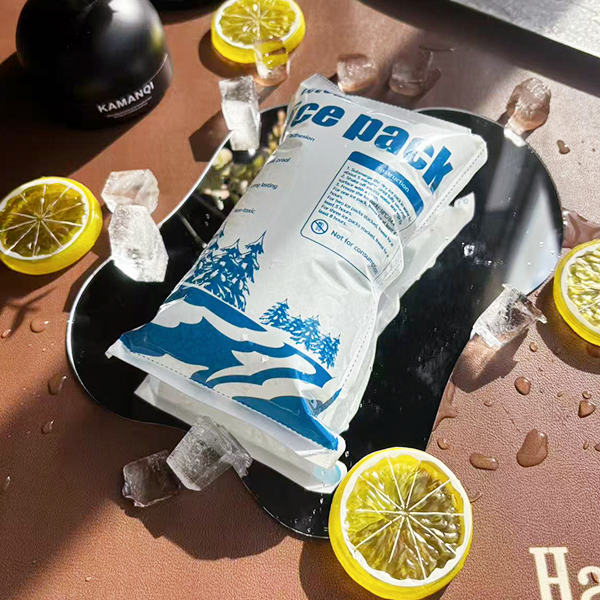
manufacturer dry ice pack for medical packaging: Practical Selection, Packout, and Supplier Review
For medical packaging, manufacturer dry ice pack for medical packaging should be treated as a packout decision, not only a product purchase. The pack is only one part of a system that includes an insulated container, payload placement, separation material, labels, handling instructions, and temperature evidence. If those pieces do not work together, a low-cost coolant can become a high-cost problem. This article focuses on practical selection, supplier review, and scale-up checks for B2B buyers.
The practical approach is to turn the sourcing request into a route and packout review. That means defining the temperature job, confirming the coolant category, and requiring the supplier to explain how samples become repeatable production packs.
Define the temperature job before talking price
Temperature range is a product requirement, not a product marketing phrase. In medical packaging, the buyer should first identify whether diagnostic kits, biological samples, medical supplies, plasma materials, and controlled-temperature kits need refrigerated, frozen, ultra-cold, or other controlled handling. Many healthcare and food shipments have clearly defined storage or transport expectations, but the exact requirement must come from the product label, customer specification, quality agreement, or applicable local rules.
Dry ice can be useful because it is extremely cold, but that same property can create a failure if the product is freeze-sensitive. Hydrated dry-ice-style packs may provide a less hazardous and more flexible cold source, but they also may not match the lowest-temperature performance of solid carbon dioxide. The buyer should not choose between them based on product name alone.
A practical specification for manufacturer dry ice pack for medical packaging should therefore avoid vague phrases such as 'keep cold for long time.' A better specification states the payload condition, the pack preparation method, the insulated shipper, the duration to be tested, and the acceptance criteria. If those items are not yet known, ask the supplier for a starting recommendation and plan a controlled sample trial.
The pack is not the whole cold-chain system
A cold-chain packout has four jobs. It must slow outside heat, store enough cooling energy, keep the payload away from damaging local conditions, and provide evidence or instructions when the shipment arrives. The dry ice pack only contributes to the cooling job. It does not automatically solve insulation, documentation, warehouse training, or receiving inspection.
The most common packout details are easy to overlook. How long are packs outside the freezer before loading? Are packs placed on top, bottom, sides, or around the payload? Is there a spacer or divider? Does the product have headspace or fragile packaging? Is the box sealed immediately? Are labels placed where the carrier can see them? These details create repeatability.
For medical packaging, repeatability is more valuable than a dramatic cooling claim. A moderate packout that is easy for warehouse staff to prepare correctly may outperform a more aggressive setup that only works when one experienced operator builds it perfectly.
Fit by product, route, and receiver capability
A final sourcing decision should connect the product specification with the way the box will be packed and handled. The table below is a compact review tool for moving from quote to controlled rollout.
Supplier review matrix
| Decision point | Good evidence | Red flag |
|---|---|---|
| Decision point | Good evidence | Red flag |
| Product fit | Required temperature range and product sensitivity are stated before sampling. | Supplier suggests one pack for all products. |
| Packout fit | Photos, diagrams, or instructions show pack placement and separation. | Only unit size and price are offered. |
| Scale-up fit | Sample and production versions use the same material, sheet design, and closure quality. | Bulk order is sourced from a different construction. |
| Compliance awareness | The supplier explains when dry ice rules, markings, or carrier limits may apply. | The supplier treats every cooling pack as non-regulated. |
The red flags are not reasons to reject every supplier immediately. They are prompts for a better conversation. A serious supplier should be willing to clarify material identity, preparation steps, shipment limits, and change-control expectations instead of pushing the buyer toward a generic pack count.
For medical packaging, the best outcome is a repeatable kit: the pack size, pack quantity, shipper, barrier material, payload loading order, labels, and receiver instructions are all defined before the first large order is released.
Supplier questions that actually change the decision
A serious supplier conversation for manufacturer dry ice pack for medical packaging should sound specific. Ask what material is inside the pack, whether the product contains real solid carbon dioxide or a hydrated cold medium, how it should be prepared, whether it can be cut, how it should be placed, and what limitations the supplier sees for your product category.
Ask for production consistency information. The sample pack should represent the production pack. If the order is large, request clarity on lot control, acceptable dimensional tolerance, seal quality, packaging count per carton, storage before shipment, and what happens if raw materials change.
Ask about support beyond the pack. For medical packaging manufacturer selection, the supplier should be able to discuss outer insulated boxes, thermal bags, liners, data loggers, labels, and simple packout drawings. The answer does not have to be a complete validation package at the quote stage, but it should show that the supplier understands cold-chain operations.
Control handovers and documentation
Many cold-chain problems happen at handover points. The package may sit on a dock, wait in a courier cage, be opened for inspection, be placed near a heat source, or be accepted by a receiver who does not know how to handle dry ice. These are operational risks, not defects in the pack alone.
For real dry ice, the receiver should understand ventilation and personal protection. For hydrated packs, the receiver should know whether the pack can be reused, disposed of, or returned. For monitored shipments, the receiver should know how to read or download the temperature record and when to quarantine the product for review.
A good medical packaging packout instruction should be written for warehouse staff, courier handoff, and receiver acceptance. It should be short enough to follow but specific enough to prevent improvised substitutions.
Red flags before bulk release
Red flag 1: the supplier cannot explain what the pack actually contains. The words dry ice pack, ice sheet, PCM pack, and gel pack are sometimes used loosely. Material identity affects temperature behavior, safety, and shipping rules.
Red flag 2: the quotation includes a fixed hold time without describing the shipper, payload, ambient profile, pack quantity, and acceptance range. Hold time without test context should be treated as promotional language, not proof.
Red flag 3: the sample looks different from the production quote. Changes in cell layout, edge sealing, membrane, paper, or absorbent content can change performance. Ask whether the sample construction will be locked for the first production order.
Red flag 4: the supplier says the pack is suitable for all medical packaging shipments. A credible supplier should recognize limits and ask about the payload, route, temperature requirement, and receiver workflow.
Red flag 5: the supplier ignores documentation. Even non-regulated food shipments benefit from clear packout instructions. Medical, pharmaceutical, and vaccine shipments often need stronger internal review and temperature evidence.
Practical example: from quote to controlled rollout
For example, a procurement team may be preparing diagnostic kits, biological samples, medical supplies, plasma materials, and controlled-temperature kits in medical packaging. The team asks three suppliers for dry ice packs for medical packaging and receives three different answers: one quotes real dry ice, one quotes a hydrated sheet pack, and one quotes a frozen gel pack with no explanation. At first the lowest price looks attractive, but the buyer realizes the products do not represent the same handling category.
The next step is to define the shipment condition. The team checks whether the payload should remain chilled, frozen, or protected from freezing. It then confirms the outer shipper, expected transit time, packing location, time outside cold storage, and receiver training. Only after those details are clear does the supplier sample become meaningful.
During the trial, the team places temperature monitors where risk is likely to appear, not only in the most protected center of the box. It records the preparation time of the packs, the loading order, the pack positions, and whether cartons are opened or left closed during transport. If the test exposes a warm corner, excessive cold near the product, or condensation at the liner, the answer is not simply to add more packs. The layout may need to change.
This example is not a real customer case, but it reflects the kind of decision process that prevents expensive scale-up errors. A pack can be technically good and still be wrong for a specific product or route.
FAQ
Is a dry ice pack the same as real dry ice for medical packaging?
Not always. Some suppliers use the term for solid carbon dioxide or packages used with it. Others use it for hydrated cold packs or PCM-style sheets that are frozen before shipment. Buyers should confirm material identity because real dry ice releases carbon dioxide gas and may require different handling, venting, marking, and carrier acceptance.
Can dry ice packs for medical packaging protect every shipment of diagnostic kits, biological samples, medical supplies, plasma materials, and controlled-temperature kits?
No. The pack must match the product temperature requirement, outer insulation, payload mass, route duration, and receiver workflow. It may fit medical packaging programs that need frozen support, compact cold media, and a repeatable kit layout, but it can be unsuitable for temperature-sensitive medical products that require controlled room temperature, moderate chilled control, or no direct exposure to deep cold. A supplier recommendation should be tested against the actual route instead of assumed from product category alone.
What should be checked before placing a bulk or wholesale order?
Confirm kit layout, sample classification, insulation, dry ice or PCM identity, documentation, and change-control procedure. Also check sample-to-production consistency, preparation instructions, packaging drawings, and any change-control process. For regulated or sensitive cargo, ask your quality or logistics team to review the packout before scaling.
Do I need a temperature data logger with these packs?
A logger does not protect the product, but it provides evidence of what happened during storage or transport. For high-value, medical, pharmaceutical, vaccine, or sensitive food shipments, monitoring may be expected by internal quality rules or customer requirements. Logger placement should reflect likely hot and cold spots, not only the center of the box.
Can medical samples be shipped directly against a dry ice pack?
Usually this should be avoided unless the packaging design specifically supports it. Medical samples may require primary and secondary containment, absorbent material, temperature separation, and outer packaging integrity. Direct contact can damage containers or create uneven exposure.
Conclusion
The best choice for manufacturer dry ice pack for medical packaging is the one that matches the product condition, the route, and the handling process. Start by identifying whether the pack is real dry ice or a hydrated cooling product. Then confirm the outer shipper, pack placement, product sensitivity, and documentation needs before ordering at scale.
For medical packaging, the biggest risk is often an assumption: assuming colder is better, assuming one pack fits every carton, or assuming a supplier's general claim applies to your lane. A disciplined sample review and a clear packout instruction can prevent those assumptions from turning into shipment failures.
About Tempk
Tempk supports B2B cold-chain buyers with practical packaging options for food, pharmaceutical, medical, and temperature-sensitive shipments. For dry-ice-style projects, we help buyers think beyond the individual pack and review the full shipping setup: insulated packaging, coolant placement, payload fit, preparation steps, and temperature evidence. Our product range includes ice packs, hydrated dry ice packs, insulated bags, insulation carton boxes, medical cooler boxes, EPP and VIP-related packaging options, thermal pallet covers, and temperature monitoring support. The goal is to help your team choose a packout that is realistic for the route, not just attractive on a quotation sheet.
Use Tempk as a technical sourcing partner when you need to turn a sample pack into a repeatable cold-chain shipping configuration.
Additional buyer notes before release
Write the first purchase specification in shipment language. State that the buyer is evaluating dry ice packs for medical packaging for medical packaging, then describe the product form, required condition, outer shipper, route, season, and receiver. This gives suppliers enough context to recommend either dry ice, hydrated packs, gel packs, PCM packs, or a different insulation strategy.
Keep the sample trial small but disciplined. Photograph the packout, record the pack preparation step, identify the logger positions, and document any deviations. A simple record will make the second discussion with the supplier much more useful because both sides can talk about observed behavior rather than opinions.
Before converting the trial into a recurring order, ask one final question: what would change if the payload, carton size, courier, season, or destination changed? If the supplier cannot explain the limits of the current packout, the buyer should not use it as a universal shipping rule.
This final check is especially useful for medical packaging engineer, diagnostics kit buyer, lab procurement team, and healthcare logistics manager. It protects the purchasing team from buying the wrong inventory and helps the operations team avoid reworking every box during a busy shipping window.
Manufacturer Dry Ice Pack For Meat Packaging: Selection Guide
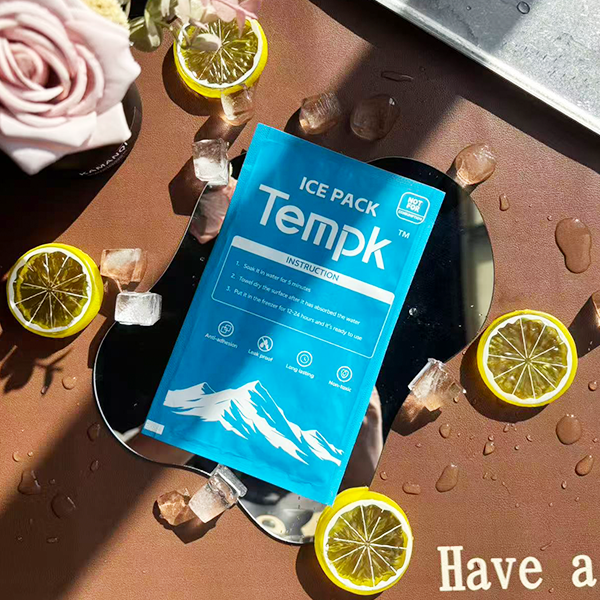
manufacturer dry ice pack for meat packaging: Practical Selection, Packout, and Supplier Review
For meat packaging, manufacturer dry ice pack for meat packaging should be treated as a packout decision, not only a product purchase. The pack is only one part of a system that includes an insulated container, payload placement, separation material, labels, handling instructions, and temperature evidence. If those pieces do not work together, a low-cost coolant can become a high-cost problem. This article focuses on practical selection, supplier review, and scale-up checks for B2B buyers.
The practical approach is to turn the sourcing request into a route and packout review. That means defining the temperature job, confirming the coolant category, and requiring the supplier to explain how samples become repeatable production packs.
Define the temperature job before talking price
Temperature range is a product requirement, not a product marketing phrase. In meat packaging, the buyer should first identify whether frozen meat portions, seafood-meat mixed boxes, prepared meat packs, and insulated food parcels need refrigerated, frozen, ultra-cold, or other controlled handling. Many healthcare and food shipments have clearly defined storage or transport expectations, but the exact requirement must come from the product label, customer specification, quality agreement, or applicable local rules.
Dry ice can be useful because it is extremely cold, but that same property can create a failure if the product is freeze-sensitive. Hydrated dry-ice-style packs may provide a less hazardous and more flexible cold source, but they also may not match the lowest-temperature performance of solid carbon dioxide. The buyer should not choose between them based on product name alone.
A practical specification for manufacturer dry ice pack for meat packaging should therefore avoid vague phrases such as 'keep cold for long time.' A better specification states the payload condition, the pack preparation method, the insulated shipper, the duration to be tested, and the acceptance criteria. If those items are not yet known, ask the supplier for a starting recommendation and plan a controlled sample trial.
The pack is not the whole cold-chain system
A cold-chain packout has four jobs. It must slow outside heat, store enough cooling energy, keep the payload away from damaging local conditions, and provide evidence or instructions when the shipment arrives. The dry ice pack only contributes to the cooling job. It does not automatically solve insulation, documentation, warehouse training, or receiving inspection.
The most common packout details are easy to overlook. How long are packs outside the freezer before loading? Are packs placed on top, bottom, sides, or around the payload? Is there a spacer or divider? Does the product have headspace or fragile packaging? Is the box sealed immediately? Are labels placed where the carrier can see them? These details create repeatability.
For meat packaging, repeatability is more valuable than a dramatic cooling claim. A moderate packout that is easy for warehouse staff to prepare correctly may outperform a more aggressive setup that only works when one experienced operator builds it perfectly.
Fit by product, route, and receiver capability
A final sourcing decision should connect the product specification with the way the box will be packed and handled. The table below is a compact review tool for moving from quote to controlled rollout.
Supplier review matrix
| Decision point | Good evidence | Red flag |
|---|---|---|
| Decision point | Good evidence | Red flag |
| Product fit | Required temperature range and product sensitivity are stated before sampling. | Supplier suggests one pack for all products. |
| Packout fit | Photos, diagrams, or instructions show pack placement and separation. | Only unit size and price are offered. |
| Scale-up fit | Sample and production versions use the same material, sheet design, and closure quality. | Bulk order is sourced from a different construction. |
| Compliance awareness | The supplier explains when dry ice rules, markings, or carrier limits may apply. | The supplier treats every cooling pack as non-regulated. |
The red flags are not reasons to reject every supplier immediately. They are prompts for a better conversation. A serious supplier should be willing to clarify material identity, preparation steps, shipment limits, and change-control expectations instead of pushing the buyer toward a generic pack count.
For meat packaging, the best outcome is a repeatable kit: the pack size, pack quantity, shipper, barrier material, payload loading order, labels, and receiver instructions are all defined before the first large order is released.
Supplier questions that actually change the decision
A serious supplier conversation for manufacturer dry ice pack for meat packaging should sound specific. Ask what material is inside the pack, whether the product contains real solid carbon dioxide or a hydrated cold medium, how it should be prepared, whether it can be cut, how it should be placed, and what limitations the supplier sees for your product category.
Ask for production consistency information. The sample pack should represent the production pack. If the order is large, request clarity on lot control, acceptable dimensional tolerance, seal quality, packaging count per carton, storage before shipment, and what happens if raw materials change.
Ask about support beyond the pack. For manufacturer sourcing, the supplier should be able to discuss outer insulated boxes, thermal bags, liners, data loggers, labels, and simple packout drawings. The answer does not have to be a complete validation package at the quote stage, but it should show that the supplier understands cold-chain operations.
Control handovers and documentation
Many cold-chain problems happen at handover points. The package may sit on a dock, wait in a courier cage, be opened for inspection, be placed near a heat source, or be accepted by a receiver who does not know how to handle dry ice. These are operational risks, not defects in the pack alone.
For real dry ice, the receiver should understand ventilation and personal protection. For hydrated packs, the receiver should know whether the pack can be reused, disposed of, or returned. For monitored shipments, the receiver should know how to read or download the temperature record and when to quarantine the product for review.
A good meat packaging packout instruction should be written for warehouse staff, courier handoff, and receiver acceptance. It should be short enough to follow but specific enough to prevent improvised substitutions.
Red flags before bulk release
Red flag 1: the supplier cannot explain what the pack actually contains. The words dry ice pack, ice sheet, PCM pack, and gel pack are sometimes used loosely. Material identity affects temperature behavior, safety, and shipping rules.
Red flag 2: the quotation includes a fixed hold time without describing the shipper, payload, ambient profile, pack quantity, and acceptance range. Hold time without test context should be treated as promotional language, not proof.
Red flag 3: the sample looks different from the production quote. Changes in cell layout, edge sealing, membrane, paper, or absorbent content can change performance. Ask whether the sample construction will be locked for the first production order.
Red flag 4: the supplier says the pack is suitable for all meat packaging shipments. A credible supplier should recognize limits and ask about the payload, route, temperature requirement, and receiver workflow.
Red flag 5: the supplier ignores documentation. Even non-regulated food shipments benefit from clear packout instructions. Medical, pharmaceutical, and vaccine shipments often need stronger internal review and temperature evidence.
Practical example: from quote to controlled rollout
For example, a procurement team may be preparing frozen meat portions, seafood-meat mixed boxes, prepared meat packs, and insulated food parcels in meat packaging. The team asks three suppliers for dry ice packs for meat packaging and receives three different answers: one quotes real dry ice, one quotes a hydrated sheet pack, and one quotes a frozen gel pack with no explanation. At first the lowest price looks attractive, but the buyer realizes the products do not represent the same handling category.
The next step is to define the shipment condition. The team checks whether the payload should remain chilled, frozen, or protected from freezing. It then confirms the outer shipper, expected transit time, packing location, time outside cold storage, and receiver training. Only after those details are clear does the supplier sample become meaningful.
During the trial, the team places temperature monitors where risk is likely to appear, not only in the most protected center of the box. It records the preparation time of the packs, the loading order, the pack positions, and whether cartons are opened or left closed during transport. If the test exposes a warm corner, excessive cold near the product, or condensation at the liner, the answer is not simply to add more packs. The layout may need to change.
This example is not a real customer case, but it reflects the kind of decision process that prevents expensive scale-up errors. A pack can be technically good and still be wrong for a specific product or route.
FAQ
Is a dry ice pack the same as real dry ice for meat packaging?
Not always. Some suppliers use the term for solid carbon dioxide or packages used with it. Others use it for hydrated cold packs or PCM-style sheets that are frozen before shipment. Buyers should confirm material identity because real dry ice releases carbon dioxide gas and may require different handling, venting, marking, and carrier acceptance.
Can dry ice packs for meat packaging protect every shipment of frozen meat portions, seafood-meat mixed boxes, prepared meat packs, and insulated food parcels?
No. The pack must match the product temperature requirement, outer insulation, payload mass, route duration, and receiver workflow. It may fit frozen meat parcels and export packouts where deep cold is needed and the product is protected from direct contact, but it can be unsuitable for fresh chilled meat or modified-atmosphere packs that can be damaged by freezing unless designed for it. A supplier recommendation should be tested against the actual route instead of assumed from product category alone.
What should be checked before placing a bulk or wholesale order?
Confirm meat form, vacuum packaging, carton strength, insulation, dry ice separation, route length, and receiving checks. Also check sample-to-production consistency, preparation instructions, packaging drawings, and any change-control process. For regulated or sensitive cargo, ask your quality or logistics team to review the packout before scaling.
Do I need a temperature data logger with these packs?
A logger does not protect the product, but it provides evidence of what happened during storage or transport. For high-value, medical, pharmaceutical, vaccine, or sensitive food shipments, monitoring may be expected by internal quality rules or customer requirements. Logger placement should reflect likely hot and cold spots, not only the center of the box.
Can dry ice packs be used for chilled dairy or meat instead of frozen shipments?
Sometimes, but only with careful separation and testing. Fresh chilled products can be damaged by freezing or by condensation. If the product is not meant to freeze, ask the supplier for a packout design that controls local cold exposure rather than simply adding more coolant.
Conclusion
The best choice for manufacturer dry ice pack for meat packaging is the one that matches the product condition, the route, and the handling process. Start by identifying whether the pack is real dry ice or a hydrated cooling product. Then confirm the outer shipper, pack placement, product sensitivity, and documentation needs before ordering at scale.
For meat packaging, the biggest risk is often an assumption: assuming colder is better, assuming one pack fits every carton, or assuming a supplier's general claim applies to your lane. A disciplined sample review and a clear packout instruction can prevent those assumptions from turning into shipment failures.
About Tempk
Tempk supports B2B cold-chain buyers with practical packaging options for food, pharmaceutical, medical, and temperature-sensitive shipments. For dry-ice-style projects, we help buyers think beyond the individual pack and review the full shipping setup: insulated packaging, coolant placement, payload fit, preparation steps, and temperature evidence. Our product range includes ice packs, hydrated dry ice packs, insulated bags, insulation carton boxes, medical cooler boxes, EPP and VIP-related packaging options, thermal pallet covers, and temperature monitoring support. The goal is to help your team choose a packout that is realistic for the route, not just attractive on a quotation sheet.
Use Tempk as a technical sourcing partner when you need to turn a sample pack into a repeatable cold-chain shipping configuration.
Additional buyer notes before release
Write the first purchase specification in shipment language. State that the buyer is evaluating dry ice packs for meat packaging for meat packaging, then describe the product form, required condition, outer shipper, route, season, and receiver. This gives suppliers enough context to recommend either dry ice, hydrated packs, gel packs, PCM packs, or a different insulation strategy.
Keep the sample trial small but disciplined. Photograph the packout, record the pack preparation step, identify the logger positions, and document any deviations. A simple record will make the second discussion with the supplier much more useful because both sides can talk about observed behavior rather than opinions.
Before converting the trial into a recurring order, ask one final question: what would change if the payload, carton size, courier, season, or destination changed? If the supplier cannot explain the limits of the current packout, the buyer should not use it as a universal shipping rule.
This final check is especially useful for meat processor, frozen food exporter, fulfillment warehouse, and packaging procurement team. It protects the purchasing team from buying the wrong inventory and helps the operations team avoid reworking every box during a busy shipping window.
Manufacturer Dry Ice Pack For Flowers Delivery: Selection Guide
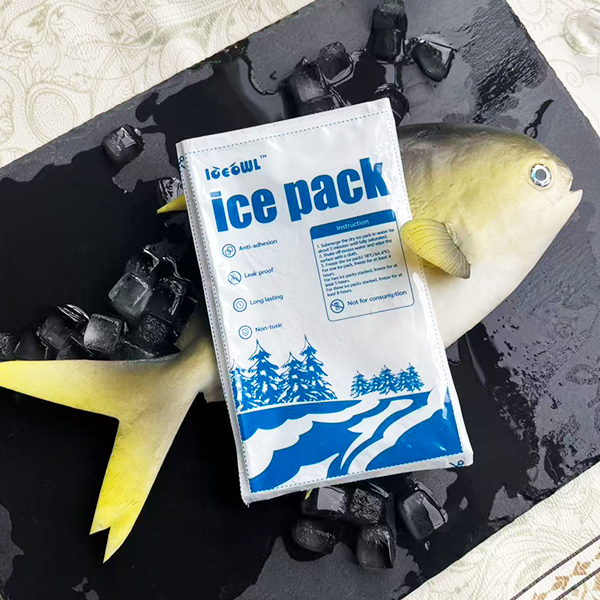
manufacturer dry ice pack for flowers delivery: Practical Selection, Packout, and Supplier Review
For flowers delivery, manufacturer dry ice pack for flowers delivery should be treated as a packout decision, not only a product purchase. The pack is only one part of a system that includes an insulated container, payload placement, separation material, labels, handling instructions, and temperature evidence. If those pieces do not work together, a low-cost coolant can become a high-cost problem. This article focuses on practical selection, supplier review, and scale-up checks for B2B buyers.
The practical approach is to turn the sourcing request into a route and packout review. That means defining the temperature job, confirming the coolant category, and requiring the supplier to explain how samples become repeatable production packs.
Define the temperature job before talking price
Temperature range is a product requirement, not a product marketing phrase. In flowers delivery, the buyer should first identify whether cut flowers, bouquets, ornamental stems, and floral gift packs need refrigerated, frozen, ultra-cold, or other controlled handling. Many healthcare and food shipments have clearly defined storage or transport expectations, but the exact requirement must come from the product label, customer specification, quality agreement, or applicable local rules.
Dry ice can be useful because it is extremely cold, but that same property can create a failure if the product is freeze-sensitive. Hydrated dry-ice-style packs may provide a less hazardous and more flexible cold source, but they also may not match the lowest-temperature performance of solid carbon dioxide. The buyer should not choose between them based on product name alone.
A practical specification for manufacturer dry ice pack for flowers delivery should therefore avoid vague phrases such as 'keep cold for long time.' A better specification states the payload condition, the pack preparation method, the insulated shipper, the duration to be tested, and the acceptance criteria. If those items are not yet known, ask the supplier for a starting recommendation and plan a controlled sample trial.
The pack is not the whole cold-chain system
A cold-chain packout has four jobs. It must slow outside heat, store enough cooling energy, keep the payload away from damaging local conditions, and provide evidence or instructions when the shipment arrives. The dry ice pack only contributes to the cooling job. It does not automatically solve insulation, documentation, warehouse training, or receiving inspection.
The most common packout details are easy to overlook. How long are packs outside the freezer before loading? Are packs placed on top, bottom, sides, or around the payload? Is there a spacer or divider? Does the product have headspace or fragile packaging? Is the box sealed immediately? Are labels placed where the carrier can see them? These details create repeatability.
For flowers delivery, repeatability is more valuable than a dramatic cooling claim. A moderate packout that is easy for warehouse staff to prepare correctly may outperform a more aggressive setup that only works when one experienced operator builds it perfectly.
Fit by product, route, and receiver capability
A final sourcing decision should connect the product specification with the way the box will be packed and handled. The table below is a compact review tool for moving from quote to controlled rollout.
Supplier review matrix
| Decision point | Good evidence | Red flag |
|---|---|---|
| Decision point | Good evidence | Red flag |
| Product fit | Required temperature range and product sensitivity are stated before sampling. | Supplier suggests one pack for all products. |
| Packout fit | Photos, diagrams, or instructions show pack placement and separation. | Only unit size and price are offered. |
| Scale-up fit | Sample and production versions use the same material, sheet design, and closure quality. | Bulk order is sourced from a different construction. |
| Compliance awareness | The supplier explains when dry ice rules, markings, or carrier limits may apply. | The supplier treats every cooling pack as non-regulated. |
The red flags are not reasons to reject every supplier immediately. They are prompts for a better conversation. A serious supplier should be willing to clarify material identity, preparation steps, shipment limits, and change-control expectations instead of pushing the buyer toward a generic pack count.
For flowers delivery, the best outcome is a repeatable kit: the pack size, pack quantity, shipper, barrier material, payload loading order, labels, and receiver instructions are all defined before the first large order is released.
Supplier questions that actually change the decision
A serious supplier conversation for manufacturer dry ice pack for flowers delivery should sound specific. Ask what material is inside the pack, whether the product contains real solid carbon dioxide or a hydrated cold medium, how it should be prepared, whether it can be cut, how it should be placed, and what limitations the supplier sees for your product category.
Ask for production consistency information. The sample pack should represent the production pack. If the order is large, request clarity on lot control, acceptable dimensional tolerance, seal quality, packaging count per carton, storage before shipment, and what happens if raw materials change.
Ask about support beyond the pack. For manufacturer evaluation, the supplier should be able to discuss outer insulated boxes, thermal bags, liners, data loggers, labels, and simple packout drawings. The answer does not have to be a complete validation package at the quote stage, but it should show that the supplier understands cold-chain operations.
Control handovers and documentation
Many cold-chain problems happen at handover points. The package may sit on a dock, wait in a courier cage, be opened for inspection, be placed near a heat source, or be accepted by a receiver who does not know how to handle dry ice. These are operational risks, not defects in the pack alone.
For real dry ice, the receiver should understand ventilation and personal protection. For hydrated packs, the receiver should know whether the pack can be reused, disposed of, or returned. For monitored shipments, the receiver should know how to read or download the temperature record and when to quarantine the product for review.
A good flowers delivery packout instruction should be written for warehouse staff, courier handoff, and receiver acceptance. It should be short enough to follow but specific enough to prevent improvised substitutions.
Red flags before bulk release
Red flag 1: the supplier cannot explain what the pack actually contains. The words dry ice pack, ice sheet, PCM pack, and gel pack are sometimes used loosely. Material identity affects temperature behavior, safety, and shipping rules.
Red flag 2: the quotation includes a fixed hold time without describing the shipper, payload, ambient profile, pack quantity, and acceptance range. Hold time without test context should be treated as promotional language, not proof.
Red flag 3: the sample looks different from the production quote. Changes in cell layout, edge sealing, membrane, paper, or absorbent content can change performance. Ask whether the sample construction will be locked for the first production order.
Red flag 4: the supplier says the pack is suitable for all flowers delivery shipments. A credible supplier should recognize limits and ask about the payload, route, temperature requirement, and receiver workflow.
Red flag 5: the supplier ignores documentation. Even non-regulated food shipments benefit from clear packout instructions. Medical, pharmaceutical, and vaccine shipments often need stronger internal review and temperature evidence.
Practical example: from quote to controlled rollout
For example, a procurement team may be preparing cut flowers, bouquets, ornamental stems, and floral gift packs in flowers delivery. The team asks three suppliers for dry ice packs for floral logistics and receives three different answers: one quotes real dry ice, one quotes a hydrated sheet pack, and one quotes a frozen gel pack with no explanation. At first the lowest price looks attractive, but the buyer realizes the products do not represent the same handling category.
The next step is to define the shipment condition. The team checks whether the payload should remain chilled, frozen, or protected from freezing. It then confirms the outer shipper, expected transit time, packing location, time outside cold storage, and receiver training. Only after those details are clear does the supplier sample become meaningful.
During the trial, the team places temperature monitors where risk is likely to appear, not only in the most protected center of the box. It records the preparation time of the packs, the loading order, the pack positions, and whether cartons are opened or left closed during transport. If the test exposes a warm corner, excessive cold near the product, or condensation at the liner, the answer is not simply to add more packs. The layout may need to change.
This example is not a real customer case, but it reflects the kind of decision process that prevents expensive scale-up errors. A pack can be technically good and still be wrong for a specific product or route.
FAQ
Is a dry ice pack the same as real dry ice for flowers delivery?
Not always. Some suppliers use the term for solid carbon dioxide or packages used with it. Others use it for hydrated cold packs or PCM-style sheets that are frozen before shipment. Buyers should confirm material identity because real dry ice releases carbon dioxide gas and may require different handling, venting, marking, and carrier acceptance.
Can dry ice packs for floral logistics protect every shipment of cut flowers, bouquets, ornamental stems, and floral gift packs?
No. The pack must match the product temperature requirement, outer insulation, payload mass, route duration, and receiver workflow. It may fit controlled trials for long routes, hot-weather exposure, or specialty shipments where the pack is separated from blooms by insulation and airflow space, but it can be unsuitable for delicate flowers packed in small void spaces where direct cold shock can damage petals or stems. A supplier recommendation should be tested against the actual route instead of assumed from product category alone.
What should be checked before placing a bulk or wholesale order?
Confirm flower species sensitivity, carton ventilation, pack separation, condensation control, and receiving appearance standards. Also check sample-to-production consistency, preparation instructions, packaging drawings, and any change-control process. For regulated or sensitive cargo, ask your quality or logistics team to review the packout before scaling.
Do I need a temperature data logger with these packs?
A logger does not protect the product, but it provides evidence of what happened during storage or transport. For high-value, medical, pharmaceutical, vaccine, or sensitive food shipments, monitoring may be expected by internal quality rules or customer requirements. Logger placement should reflect likely hot and cold spots, not only the center of the box.
Will colder packaging always keep flowers fresher?
No. Flowers can be harmed by cold shock, moisture imbalance, or direct contact with a deep-cold source. The goal is freshness and appearance control, not the lowest possible temperature. Pack separation, ventilation, and species sensitivity should be reviewed before using aggressive cold media.
Conclusion
The best choice for manufacturer dry ice pack for flowers delivery is the one that matches the product condition, the route, and the handling process. Start by identifying whether the pack is real dry ice or a hydrated cooling product. Then confirm the outer shipper, pack placement, product sensitivity, and documentation needs before ordering at scale.
For flowers delivery, the biggest risk is often an assumption: assuming colder is better, assuming one pack fits every carton, or assuming a supplier's general claim applies to your lane. A disciplined sample review and a clear packout instruction can prevent those assumptions from turning into shipment failures.
About Tempk
Tempk supports B2B cold-chain buyers with practical packaging options for food, pharmaceutical, medical, and temperature-sensitive shipments. For dry-ice-style projects, we help buyers think beyond the individual pack and review the full shipping setup: insulated packaging, coolant placement, payload fit, preparation steps, and temperature evidence. Our product range includes ice packs, hydrated dry ice packs, insulated bags, insulation carton boxes, medical cooler boxes, EPP and VIP-related packaging options, thermal pallet covers, and temperature monitoring support. The goal is to help your team choose a packout that is realistic for the route, not just attractive on a quotation sheet.
Use Tempk as a technical sourcing partner when you need to turn a sample pack into a repeatable cold-chain shipping configuration.
Additional buyer notes before release
Write the first purchase specification in shipment language. State that the buyer is evaluating dry ice packs for floral logistics for flowers delivery, then describe the product form, required condition, outer shipper, route, season, and receiver. This gives suppliers enough context to recommend either dry ice, hydrated packs, gel packs, PCM packs, or a different insulation strategy.
Keep the sample trial small but disciplined. Photograph the packout, record the pack preparation step, identify the logger positions, and document any deviations. A simple record will make the second discussion with the supplier much more useful because both sides can talk about observed behavior rather than opinions.
Before converting the trial into a recurring order, ask one final question: what would change if the payload, carton size, courier, season, or destination changed? If the supplier cannot explain the limits of the current packout, the buyer should not use it as a universal shipping rule.
This final check is especially useful for flower exporter, floral e-commerce operations team, packaging buyer, and logistics planner. It protects the purchasing team from buying the wrong inventory and helps the operations team avoid reworking every box during a busy shipping window.
Bulk Dry Ice Pack For Vaccine Delivery: Selection Guide

bulk dry ice pack for vaccine delivery: Practical Selection, Packout, and Supplier Review
For vaccine delivery, bulk dry ice pack for vaccine delivery should be treated as a packout decision, not only a product purchase. The pack is only one part of a system that includes an insulated container, payload placement, separation material, labels, handling instructions, and temperature evidence. If those pieces do not work together, a low-cost coolant can become a high-cost problem. This article focuses on practical selection, supplier review, and scale-up checks for B2B buyers.
The practical approach is to turn the sourcing request into a route and packout review. That means defining the temperature job, confirming the coolant category, and requiring the supplier to explain how samples become repeatable production packs.
Define the temperature job before talking price
Temperature range is a product requirement, not a product marketing phrase. In vaccine delivery, the buyer should first identify whether vaccines, diluents, and immunization program supplies need refrigerated, frozen, ultra-cold, or other controlled handling. Many healthcare and food shipments have clearly defined storage or transport expectations, but the exact requirement must come from the product label, customer specification, quality agreement, or applicable local rules.
Dry ice can be useful because it is extremely cold, but that same property can create a failure if the product is freeze-sensitive. Hydrated dry-ice-style packs may provide a less hazardous and more flexible cold source, but they also may not match the lowest-temperature performance of solid carbon dioxide. The buyer should not choose between them based on product name alone.
A practical specification for bulk dry ice pack for vaccine delivery should therefore avoid vague phrases such as 'keep cold for long time.' A better specification states the payload condition, the pack preparation method, the insulated shipper, the duration to be tested, and the acceptance criteria. If those items are not yet known, ask the supplier for a starting recommendation and plan a controlled sample trial.
The pack is not the whole cold-chain system
A cold-chain packout has four jobs. It must slow outside heat, store enough cooling energy, keep the payload away from damaging local conditions, and provide evidence or instructions when the shipment arrives. The dry ice pack only contributes to the cooling job. It does not automatically solve insulation, documentation, warehouse training, or receiving inspection.
The most common packout details are easy to overlook. How long are packs outside the freezer before loading? Are packs placed on top, bottom, sides, or around the payload? Is there a spacer or divider? Does the product have headspace or fragile packaging? Is the box sealed immediately? Are labels placed where the carrier can see them? These details create repeatability.
For vaccine delivery, repeatability is more valuable than a dramatic cooling claim. A moderate packout that is easy for warehouse staff to prepare correctly may outperform a more aggressive setup that only works when one experienced operator builds it perfectly.
Fit by product, route, and receiver capability
A final sourcing decision should connect the product specification with the way the box will be packed and handled. The table below is a compact review tool for moving from quote to controlled rollout.
Supplier review matrix
| Decision point | Good evidence | Red flag |
|---|---|---|
| Decision point | Good evidence | Red flag |
| Product fit | Required temperature range and product sensitivity are stated before sampling. | Supplier suggests one pack for all products. |
| Packout fit | Photos, diagrams, or instructions show pack placement and separation. | Only unit size and price are offered. |
| Scale-up fit | Sample and production versions use the same material, sheet design, and closure quality. | Bulk order is sourced from a different construction. |
| Compliance awareness | The supplier explains when dry ice rules, markings, or carrier limits may apply. | The supplier treats every cooling pack as non-regulated. |
The red flags are not reasons to reject every supplier immediately. They are prompts for a better conversation. A serious supplier should be willing to clarify material identity, preparation steps, shipment limits, and change-control expectations instead of pushing the buyer toward a generic pack count.
For vaccine delivery, the best outcome is a repeatable kit: the pack size, pack quantity, shipper, barrier material, payload loading order, labels, and receiver instructions are all defined before the first large order is released.
Supplier questions that actually change the decision
A serious supplier conversation for bulk dry ice pack for vaccine delivery should sound specific. Ask what material is inside the pack, whether the product contains real solid carbon dioxide or a hydrated cold medium, how it should be prepared, whether it can be cut, how it should be placed, and what limitations the supplier sees for your product category.
Ask for production consistency information. The sample pack should represent the production pack. If the order is large, request clarity on lot control, acceptable dimensional tolerance, seal quality, packaging count per carton, storage before shipment, and what happens if raw materials change.
Ask about support beyond the pack. For bulk purchasing, the supplier should be able to discuss outer insulated boxes, thermal bags, liners, data loggers, labels, and simple packout drawings. The answer does not have to be a complete validation package at the quote stage, but it should show that the supplier understands cold-chain operations.
Control handovers and documentation
Many cold-chain problems happen at handover points. The package may sit on a dock, wait in a courier cage, be opened for inspection, be placed near a heat source, or be accepted by a receiver who does not know how to handle dry ice. These are operational risks, not defects in the pack alone.
For real dry ice, the receiver should understand ventilation and personal protection. For hydrated packs, the receiver should know whether the pack can be reused, disposed of, or returned. For monitored shipments, the receiver should know how to read or download the temperature record and when to quarantine the product for review.
A good vaccine delivery packout instruction should be written for warehouse staff, courier handoff, and receiver acceptance. It should be short enough to follow but specific enough to prevent improvised substitutions.
Red flags before bulk release
Red flag 1: the supplier cannot explain what the pack actually contains. The words dry ice pack, ice sheet, PCM pack, and gel pack are sometimes used loosely. Material identity affects temperature behavior, safety, and shipping rules.
Red flag 2: the quotation includes a fixed hold time without describing the shipper, payload, ambient profile, pack quantity, and acceptance range. Hold time without test context should be treated as promotional language, not proof.
Red flag 3: the sample looks different from the production quote. Changes in cell layout, edge sealing, membrane, paper, or absorbent content can change performance. Ask whether the sample construction will be locked for the first production order.
Red flag 4: the supplier says the pack is suitable for all vaccine delivery shipments. A credible supplier should recognize limits and ask about the payload, route, temperature requirement, and receiver workflow.
Red flag 5: the supplier ignores documentation. Even non-regulated food shipments benefit from clear packout instructions. Medical, pharmaceutical, and vaccine shipments often need stronger internal review and temperature evidence.
Practical example: from quote to controlled rollout
For example, a procurement team may be preparing vaccines, diluents, and immunization program supplies in vaccine delivery. The team asks three suppliers for bulk dry ice packs and receives three different answers: one quotes real dry ice, one quotes a hydrated sheet pack, and one quotes a frozen gel pack with no explanation. At first the lowest price looks attractive, but the buyer realizes the products do not represent the same handling category.
The next step is to define the shipment condition. The team checks whether the payload should remain chilled, frozen, or protected from freezing. It then confirms the outer shipper, expected transit time, packing location, time outside cold storage, and receiver training. Only after those details are clear does the supplier sample become meaningful.
During the trial, the team places temperature monitors where risk is likely to appear, not only in the most protected center of the box. It records the preparation time of the packs, the loading order, the pack positions, and whether cartons are opened or left closed during transport. If the test exposes a warm corner, excessive cold near the product, or condensation at the liner, the answer is not simply to add more packs. The layout may need to change.
This example is not a real customer case, but it reflects the kind of decision process that prevents expensive scale-up errors. A pack can be technically good and still be wrong for a specific product or route.
FAQ
Is a dry ice pack the same as real dry ice for vaccine delivery?
Not always. Some suppliers use the term for solid carbon dioxide or packages used with it. Others use it for hydrated cold packs or PCM-style sheets that are frozen before shipment. Buyers should confirm material identity because real dry ice releases carbon dioxide gas and may require different handling, venting, marking, and carrier acceptance.
Can bulk dry ice packs protect every shipment of vaccines, diluents, and immunization program supplies?
No. The pack must match the product temperature requirement, outer insulation, payload mass, route duration, and receiver workflow. It may fit frozen or ultra-cold vaccine lanes when the product label, manufacturer instructions, and lane qualification require that approach, but it can be unsuitable for routine refrigerated vaccine distribution unless the packout has been engineered to prevent freezing exposure. A supplier recommendation should be tested against the actual route instead of assumed from product category alone.
What should be checked before placing a bulk or wholesale order?
Confirm product storage range, route duration, courier handover, dry ice status, logger placement, and receiving SOP. Also check sample-to-production consistency, preparation instructions, packaging drawings, and any change-control process. For regulated or sensitive cargo, ask your quality or logistics team to review the packout before scaling.
Do I need a temperature data logger with these packs?
A logger does not protect the product, but it provides evidence of what happened during storage or transport. For high-value, medical, pharmaceutical, vaccine, or sensitive food shipments, monitoring may be expected by internal quality rules or customer requirements. Logger placement should reflect likely hot and cold spots, not only the center of the box.
Should vaccine buyers choose dry ice for refrigerated vaccines?
Not by default. Many vaccine workflows are designed around refrigerated handling, and some products can lose potency if frozen. Dry ice or deep-cold packs should only be used when the specific vaccine instructions and qualified packout support that choice.
Conclusion
The best choice for bulk dry ice pack for vaccine delivery is the one that matches the product condition, the route, and the handling process. Start by identifying whether the pack is real dry ice or a hydrated cooling product. Then confirm the outer shipper, pack placement, product sensitivity, and documentation needs before ordering at scale.
For vaccine delivery, the biggest risk is often an assumption: assuming colder is better, assuming one pack fits every carton, or assuming a supplier's general claim applies to your lane. A disciplined sample review and a clear packout instruction can prevent those assumptions from turning into shipment failures.
About Tempk
Tempk supports B2B cold-chain buyers with practical packaging options for food, pharmaceutical, medical, and temperature-sensitive shipments. For dry-ice-style projects, we help buyers think beyond the individual pack and review the full shipping setup: insulated packaging, coolant placement, payload fit, preparation steps, and temperature evidence. Our product range includes ice packs, hydrated dry ice packs, insulated bags, insulation carton boxes, medical cooler boxes, EPP and VIP-related packaging options, thermal pallet covers, and temperature monitoring support. The goal is to help your team choose a packout that is realistic for the route, not just attractive on a quotation sheet.
Use Tempk as a technical sourcing partner when you need to turn a sample pack into a repeatable cold-chain shipping configuration.
Additional buyer notes before release
Write the first purchase specification in shipment language. State that the buyer is evaluating bulk dry ice packs for vaccine delivery, then describe the product form, required condition, outer shipper, route, season, and receiver. This gives suppliers enough context to recommend either dry ice, hydrated packs, gel packs, PCM packs, or a different insulation strategy.
Keep the sample trial small but disciplined. Photograph the packout, record the pack preparation step, identify the logger positions, and document any deviations. A simple record will make the second discussion with the supplier much more useful because both sides can talk about observed behavior rather than opinions.
Before converting the trial into a recurring order, ask one final question: what would change if the payload, carton size, courier, season, or destination changed? If the supplier cannot explain the limits of the current packout, the buyer should not use it as a universal shipping rule.
This final check is especially useful for vaccine distributor, public-health logistics team, procurement manager, and quality reviewer. It protects the purchasing team from buying the wrong inventory and helps the operations team avoid reworking every box during a busy shipping window.
Bulk Dry Ice Pack For Pharmaceutical Logistics: Selection Guide
bulk dry ice pack for pharmaceutical logistics: Practical Selection, Packout, and Supplier Review
For pharmaceutical logistics, bulk dry ice pack for pharmaceutical logistics should be treated as a packout decision, not only a product purchase. The pack is only one part of a system that includes an insulated container, payload placement, separation material, labels, handling instructions, and temperature evidence. If those pieces do not work together, a low-cost coolant can become a high-cost problem. This article focuses on practical selection, supplier review, and scale-up checks for B2B buyers.
The practical approach is to turn the sourcing request into a route and packout review. That means defining the temperature job, confirming the coolant category, and requiring the supplier to explain how samples become repeatable production packs.
Define the temperature job before talking price
Temperature range is a product requirement, not a product marketing phrase. In pharmaceutical logistics, the buyer should first identify whether biologics, APIs, clinical materials, reagents, and temperature-sensitive medicines need refrigerated, frozen, ultra-cold, or other controlled handling. Many healthcare and food shipments have clearly defined storage or transport expectations, but the exact requirement must come from the product label, customer specification, quality agreement, or applicable local rules.
Dry ice can be useful because it is extremely cold, but that same property can create a failure if the product is freeze-sensitive. Hydrated dry-ice-style packs may provide a less hazardous and more flexible cold source, but they also may not match the lowest-temperature performance of solid carbon dioxide. The buyer should not choose between them based on product name alone.
A practical specification for bulk dry ice pack for pharmaceutical logistics should therefore avoid vague phrases such as 'keep cold for long time.' A better specification states the payload condition, the pack preparation method, the insulated shipper, the duration to be tested, and the acceptance criteria. If those items are not yet known, ask the supplier for a starting recommendation and plan a controlled sample trial.
The pack is not the whole cold-chain system
A cold-chain packout has four jobs. It must slow outside heat, store enough cooling energy, keep the payload away from damaging local conditions, and provide evidence or instructions when the shipment arrives. The dry ice pack only contributes to the cooling job. It does not automatically solve insulation, documentation, warehouse training, or receiving inspection.
The most common packout details are easy to overlook. How long are packs outside the freezer before loading? Are packs placed on top, bottom, sides, or around the payload? Is there a spacer or divider? Does the product have headspace or fragile packaging? Is the box sealed immediately? Are labels placed where the carrier can see them? These details create repeatability.
For pharmaceutical logistics, repeatability is more valuable than a dramatic cooling claim. A moderate packout that is easy for warehouse staff to prepare correctly may outperform a more aggressive setup that only works when one experienced operator builds it perfectly.
Fit by product, route, and receiver capability
A final sourcing decision should connect the product specification with the way the box will be packed and handled. The table below is a compact review tool for moving from quote to controlled rollout.
Supplier review matrix
| Decision point | Good evidence | Red flag |
|---|---|---|
| Decision point | Good evidence | Red flag |
| Product fit | Required temperature range and product sensitivity are stated before sampling. | Supplier suggests one pack for all products. |
| Packout fit | Photos, diagrams, or instructions show pack placement and separation. | Only unit size and price are offered. |
| Scale-up fit | Sample and production versions use the same material, sheet design, and closure quality. | Bulk order is sourced from a different construction. |
| Compliance awareness | The supplier explains when dry ice rules, markings, or carrier limits may apply. | The supplier treats every cooling pack as non-regulated. |
The red flags are not reasons to reject every supplier immediately. They are prompts for a better conversation. A serious supplier should be willing to clarify material identity, preparation steps, shipment limits, and change-control expectations instead of pushing the buyer toward a generic pack count.
For pharmaceutical logistics, the best outcome is a repeatable kit: the pack size, pack quantity, shipper, barrier material, payload loading order, labels, and receiver instructions are all defined before the first large order is released.
Supplier questions that actually change the decision
A serious supplier conversation for bulk dry ice pack for pharmaceutical logistics should sound specific. Ask what material is inside the pack, whether the product contains real solid carbon dioxide or a hydrated cold medium, how it should be prepared, whether it can be cut, how it should be placed, and what limitations the supplier sees for your product category.
Ask for production consistency information. The sample pack should represent the production pack. If the order is large, request clarity on lot control, acceptable dimensional tolerance, seal quality, packaging count per carton, storage before shipment, and what happens if raw materials change.
Ask about support beyond the pack. For bulk logistics procurement, the supplier should be able to discuss outer insulated boxes, thermal bags, liners, data loggers, labels, and simple packout drawings. The answer does not have to be a complete validation package at the quote stage, but it should show that the supplier understands cold-chain operations.
Control handovers and documentation
Many cold-chain problems happen at handover points. The package may sit on a dock, wait in a courier cage, be opened for inspection, be placed near a heat source, or be accepted by a receiver who does not know how to handle dry ice. These are operational risks, not defects in the pack alone.
For real dry ice, the receiver should understand ventilation and personal protection. For hydrated packs, the receiver should know whether the pack can be reused, disposed of, or returned. For monitored shipments, the receiver should know how to read or download the temperature record and when to quarantine the product for review.
A good pharmaceutical logistics packout instruction should be written for warehouse staff, courier handoff, and receiver acceptance. It should be short enough to follow but specific enough to prevent improvised substitutions.
Red flags before bulk release
Red flag 1: the supplier cannot explain what the pack actually contains. The words dry ice pack, ice sheet, PCM pack, and gel pack are sometimes used loosely. Material identity affects temperature behavior, safety, and shipping rules.
Red flag 2: the quotation includes a fixed hold time without describing the shipper, payload, ambient profile, pack quantity, and acceptance range. Hold time without test context should be treated as promotional language, not proof.
Red flag 3: the sample looks different from the production quote. Changes in cell layout, edge sealing, membrane, paper, or absorbent content can change performance. Ask whether the sample construction will be locked for the first production order.
Red flag 4: the supplier says the pack is suitable for all pharmaceutical logistics shipments. A credible supplier should recognize limits and ask about the payload, route, temperature requirement, and receiver workflow.
Red flag 5: the supplier ignores documentation. Even non-regulated food shipments benefit from clear packout instructions. Medical, pharmaceutical, and vaccine shipments often need stronger internal review and temperature evidence.
Practical example: from quote to controlled rollout
For example, a procurement team may be preparing biologics, APIs, clinical materials, reagents, and temperature-sensitive medicines in pharmaceutical logistics. The team asks three suppliers for bulk dry ice packs for pharma lanes and receives three different answers: one quotes real dry ice, one quotes a hydrated sheet pack, and one quotes a frozen gel pack with no explanation. At first the lowest price looks attractive, but the buyer realizes the products do not represent the same handling category.
The next step is to define the shipment condition. The team checks whether the payload should remain chilled, frozen, or protected from freezing. It then confirms the outer shipper, expected transit time, packing location, time outside cold storage, and receiver training. Only after those details are clear does the supplier sample become meaningful.
During the trial, the team places temperature monitors where risk is likely to appear, not only in the most protected center of the box. It records the preparation time of the packs, the loading order, the pack positions, and whether cartons are opened or left closed during transport. If the test exposes a warm corner, excessive cold near the product, or condensation at the liner, the answer is not simply to add more packs. The layout may need to change.
This example is not a real customer case, but it reflects the kind of decision process that prevents expensive scale-up errors. A pack can be technically good and still be wrong for a specific product or route.
FAQ
Is a dry ice pack the same as real dry ice for pharmaceutical logistics?
Not always. Some suppliers use the term for solid carbon dioxide or packages used with it. Others use it for hydrated cold packs or PCM-style sheets that are frozen before shipment. Buyers should confirm material identity because real dry ice releases carbon dioxide gas and may require different handling, venting, marking, and carrier acceptance.
Can bulk dry ice packs for pharma lanes protect every shipment of biologics, APIs, clinical materials, reagents, and temperature-sensitive medicines?
No. The pack must match the product temperature requirement, outer insulation, payload mass, route duration, and receiver workflow. It may fit qualified frozen lanes, contingency shipping, and routes where product-specific instructions support dry ice or dry-ice-style cooling, but it can be unsuitable for unqualified shipments where product temperature range, packaging, monitoring, and documentation have not been reviewed together. A supplier recommendation should be tested against the actual route instead of assumed from product category alone.
What should be checked before placing a bulk or wholesale order?
Confirm temperature range, lane profile, qualification record, dry ice marking, logger calibration, and deviation procedure. Also check sample-to-production consistency, preparation instructions, packaging drawings, and any change-control process. For regulated or sensitive cargo, ask your quality or logistics team to review the packout before scaling.
Do I need a temperature data logger with these packs?
A logger does not protect the product, but it provides evidence of what happened during storage or transport. For high-value, medical, pharmaceutical, vaccine, or sensitive food shipments, monitoring may be expected by internal quality rules or customer requirements. Logger placement should reflect likely hot and cold spots, not only the center of the box.
Does a dry ice pack make a pharmaceutical delivery compliant?
No. Compliance depends on the product, process, documentation, lane qualification, monitoring, trained staff, and applicable rules. A cooling pack can support the required condition, but it does not replace GDP review, product label instructions, or internal quality approval.
Conclusion
The best choice for bulk dry ice pack for pharmaceutical logistics is the one that matches the product condition, the route, and the handling process. Start by identifying whether the pack is real dry ice or a hydrated cooling product. Then confirm the outer shipper, pack placement, product sensitivity, and documentation needs before ordering at scale.
For pharmaceutical logistics, the biggest risk is often an assumption: assuming colder is better, assuming one pack fits every carton, or assuming a supplier's general claim applies to your lane. A disciplined sample review and a clear packout instruction can prevent those assumptions from turning into shipment failures.
About Tempk
Tempk supports B2B cold-chain buyers with practical packaging options for food, pharmaceutical, medical, and temperature-sensitive shipments. For dry-ice-style projects, we help buyers think beyond the individual pack and review the full shipping setup: insulated packaging, coolant placement, payload fit, preparation steps, and temperature evidence. Our product range includes ice packs, hydrated dry ice packs, insulated bags, insulation carton boxes, medical cooler boxes, EPP and VIP-related packaging options, thermal pallet covers, and temperature monitoring support. The goal is to help your team choose a packout that is realistic for the route, not just attractive on a quotation sheet.
Use Tempk as a technical sourcing partner when you need to turn a sample pack into a repeatable cold-chain shipping configuration.
Additional buyer notes before release
Write the first purchase specification in shipment language. State that the buyer is evaluating bulk dry ice packs for pharma lanes for pharmaceutical logistics, then describe the product form, required condition, outer shipper, route, season, and receiver. This gives suppliers enough context to recommend either dry ice, hydrated packs, gel packs, PCM packs, or a different insulation strategy.
Keep the sample trial small but disciplined. Photograph the packout, record the pack preparation step, identify the logger positions, and document any deviations. A simple record will make the second discussion with the supplier much more useful because both sides can talk about observed behavior rather than opinions.
Before converting the trial into a recurring order, ask one final question: what would change if the payload, carton size, courier, season, or destination changed? If the supplier cannot explain the limits of the current packout, the buyer should not use it as a universal shipping rule.
This final check is especially useful for pharmaceutical logistics buyer, 3PL cold-chain manager, QA team, and packaging engineer. It protects the purchasing team from buying the wrong inventory and helps the operations team avoid reworking every box during a busy shipping window.
Wholesale Dry Ice Pack for Vaccine Logistics: Practical Supplier Guide
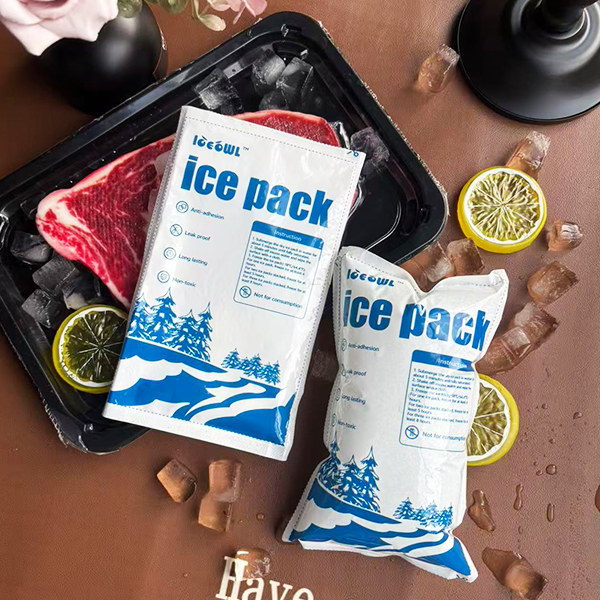
Updated On: June 8, 2026
Wholesale Dry Ice Pack for Vaccine Logistics: A Practical Supplier Guide for B2B Buyers
A wholesale dry ice pack for vaccine logistics can help protect temperature-sensitive goods, but it should not be treated as a shortcut around product specifications, packout testing, or supplier verification. For vaccine logistics, the best decision is usually a controlled balance: enough cooling to protect the payload, enough buffering to avoid over-cooling, and enough documentation to make repeat orders dependable.
What this means for the buyer
You are not only choosing a cold source. You are choosing a pack type, an insulation method, a loading map, a supplier process, and a documentation level that must fit vaccines, diluents, biologics, immunization kits, and supporting refrigerated or frozen healthcare shipments. The right wholesale dry ice pack for vaccine logistics is the one that controls the route risk without damaging the payload or creating a compliance gap.
Clarify the refrigerant before approving the quote
The phrase "dry ice pack" is used in more than one way in B2B sourcing. Some buyers mean actual dry ice, which is solid carbon dioxide. Others mean a reusable dry-ice-style pack, a hydrated pack, or a low-temperature PCM pack that is frozen before use. Those products are not automatically the same from a transport, safety, or documentation perspective. True dry ice is extremely cold, releases carbon dioxide gas as it sublimates, and requires ventilation and transport checks. A reusable pack may avoid carbon dioxide sublimation, but it still has to be matched with the product, insulation, and route.
For vaccines, diluents, biologics, immunization kits, and supporting refrigerated or frozen healthcare shipments, the distinction matters because the shipment failure mode is not always simple warming. The risk may be freeze damage, excursion handling, lack of documentation, incorrect assumptions about one vaccine temperature applying to another, and uncontrolled dry ice exposure. A pack that is colder than necessary can create condensation or freeze-sensitive damage. A pack that is too weak may protect the carton for the first handover but fail during last-mile delivery. A supplier should be able to explain the product boundary clearly, not only say that the pack is "cold" or "long lasting."
The safest buying language is specific. Ask whether the product is real solid carbon dioxide, a hydrated dry-ice-style pack, a gel pack, or a PCM pack. Ask how it is frozen or conditioned. Ask whether the supplier is recommending the pack alone or a complete packout with a shipper, separator, liner, carton, loading map, and monitoring plan. This avoids a common purchasing mistake: comparing two pack names while ignoring the system around them.
In this topic, Tempk's public product information positions hydrate dry ice packs as reusable cooling packs for cold-chain shipments and describes them as PCM-based packs that absorb water and are frozen before use. That product boundary is useful for buyers who want a cold source that is cleaner to handle than loose ice, but it does not remove the need to verify the target temperature, payload layout, route profile, and acceptance criteria.
Start with the product condition, not the pack name
The key decision for vaccine logistics is the product condition that must be protected at arrival. If the product is frozen, the packout must limit thawing. If it is refrigerated, the packout must avoid both warming and freezing. If it is shelf-stable but heat sensitive, the objective may be quality protection rather than strict cold-chain compliance. Those distinctions change the right pack choice.
CDC guidance lists many refrigerated vaccines at 2°C to 8°C and frozen vaccine examples at lower product-specific ranges. Buyers should never assume all vaccines share one temperature requirement.
This is why a buyer should describe the payload before asking for price. Include the product type, package size, acceptable condition at delivery, shipment duration, season, route, and receiving process. A good supplier can then discuss the cold source, insulation, separator, carton, and evidence. A weak supplier will quote the pack alone and leave the risk with you.
Wholesale Buying Checks Before You Commit to Volume
Wholesale buying adds inventory risk. You need confidence that the packs freeze consistently, store efficiently, and match the cartons your team actually uses.
Start with the sample. A sample is useful only if it represents production supply. Confirm the pack material, fill or hydration structure, sealing method, freezing instruction, packaging carton, and any customization before approving the sample. If the production version uses different film, different cell geometry, different absorbent material, or different outer carton quantity, your test result may not represent later shipments.
Then review handling. The warehouse team must know how long to freeze or condition the pack, how to identify a fully prepared pack, where to place it in the box, whether it can touch the payload, and how to handle returns or disposal. A supplier that gives only a unit price leaves the buyer to solve these operational details alone.
Finally, review evidence. For low-risk food or candy routes, you may need a simple sample test and receiving checklist. For medical or pharmaceutical routes, you may need controlled qualification, temperature logger data, change-control discipline, and quality-team approval. The pack supplier does not replace your quality process, but a capable supplier makes that process easier to run.
| Buyer question | Why it matters | Good supplier response |
|---|---|---|
| What exactly is the pack type? | Avoids confusing solid dry ice with hydrated, gel, or PCM packs. | Clear product boundary and handling instructions. |
| How should the pack be conditioned? | Thermal performance depends on freezing or pre-conditioning. | Written instruction for preparation, storage, and loading. |
| Can the pack touch the payload? | Direct contact may over-cool or damage sensitive products. | Specific separator or layout recommendation. |
| What changes from sample to bulk order? | Small changes can invalidate a sample test. | Material and production consistency controls. |
| What documentation can support the claim? | Evidence is needed before higher-risk lanes scale. | Datasheet, sample test data, or qualification support as appropriate. |
Separate real dry ice rules from dry-ice-style pack selection
Actual dry ice is solid carbon dioxide. It is extremely cold and changes directly from solid to gas. That is why a package with true dry ice must not be airtight, and why air transport requires dry ice marking and documentation steps. A hydrated dry-ice-style pack or PCM-style pack does not behave the same way, but it still needs thermal evaluation.
This distinction can prevent both compliance mistakes and performance mistakes. If you use real dry ice, check carrier acceptance, package venting, net weight marking, and Class 9 requirements for air. If you use a reusable dry-ice-style pack, check freezing instructions, pack placement, payload contact risk, and whether the pack is strong enough for the route. The buyer's job is to clarify the product type before approving either solution.
Do not let naming shortcut the review. A product marketed as a dry ice pack may not be appropriate for every frozen shipment, and it may be too cold for many refrigerated or quality-sensitive products. The approval basis should be the route, payload, evidence, and handling process.
A typical route problem to solve before ordering
An immunization distributor may receive an order that includes refrigerated vaccine, a diluent, and a frozen vaccine line. Putting all items into a single dry ice packout because it feels safer can damage the refrigerated payload. The order should be separated by required storage condition, monitored accordingly, and reviewed before release.
In that situation, the buyer should build the packout around the most vulnerable handover point. It may be a warm warehouse dock, an airport hold, a courier van, or the receiving delay after delivery. For a vaccine lane, the pack must protect the product during the worst realistic exposure, not only during the average transit time shown on a carrier website.
A practical sample test should record how the pack was prepared, how the carton was loaded, where the logger was placed, what the ambient conditions were, and how the shipment was inspected on arrival. If the test is repeated later, the same details should be repeatable. This is the difference between a useful buyer trial and a one-time demonstration that cannot support purchasing decisions.
When the sample result is mixed, do not immediately add more cooling. First check whether the problem was insulation, void space, product pre-cooling, pack location, loading discipline, or receiving delay. More cold source can solve warming but can also create over-cooling. For many products, better buffering and a clearer loading map do more than simply increasing pack quantity.
Approval checklist before volume purchasing
| Approval item | What to confirm | Why it matters |
|---|---|---|
| Pack identity | Real dry ice, hydrated pack, gel pack, or PCM-style pack. | Determines handling, transport rules, and thermal behavior. |
| Product fit | Acceptable temperature or quality range from product owner. | Prevents over-cooling and unsupported claims. |
| Packout map | Exact pack location, separator, liner, and payload arrangement. | Makes warehouse loading repeatable. |
| Evidence | Sample test, datasheet, or qualification data matched to route risk. | Supports purchasing and quality review. |
| Scale control | Sample-to-production consistency and change communication. | Protects repeat orders from hidden construction changes. |
Common mistakes that increase cost after launch
The first mistake is buying by pack count instead of packout performance. Two suppliers may recommend the same number of packs, but one design may use better insulation, less void space, and clearer separation. The arrival result can be different even when the purchase order looks similar.
The second mistake is testing a perfect sample but launching a messy warehouse process. If staff cannot identify the correct pack condition or load the box consistently, the route becomes unstable. Written instructions, photos of the loading map, and a short receiving checklist are simple controls that often prevent disputes.
The third mistake is ignoring product differences within one category. Not all candy behaves like chocolate. Not all vaccines are refrigerated. Not all dairy products tolerate the same cold exposure. Not all pharmaceutical shipments require or allow the same refrigerant. A supplier should help you narrow the recommendation instead of treating the category as one generic cold-chain problem.
FAQ
Is a wholesale dry ice pack for vaccine logistics the same as real dry ice?
Not always. Some suppliers use the phrase for true solid carbon dioxide, while others use it for hydrated, gel, or PCM-style packs that are frozen before use. The difference affects handling, labeling, carrier acceptance, and safety. Ask the supplier to define the pack type clearly before you approve a sample or compare prices.
Can the pack touch the product directly?
Direct contact should not be assumed safe. For vaccines, diluents, biologics, immunization kits, and supporting refrigerated or frozen healthcare shipments, contact can create local over-cooling, condensation, surface damage, or packaging marks. Use a separator, liner, buffer, or loading map when the product is sensitive. The supplier should explain the intended placement, not only provide the pack size.
How should I compare supplier claims about hold time?
Compare the test conditions behind the claim. Ask for the shipper size, payload, pack quantity, ambient profile, logger location, acceptance criteria, and whether the result was a lab test or a real shipment check. Hold time without context is not a reliable purchasing parameter.
Do I need a temperature data logger?
A data logger is recommended when the shipment value, product sensitivity, customer requirement, or quality procedure requires evidence. The logger does not control temperature; it records what happened. For lower-risk food or candy lanes, a sample test and receiving checklist may be enough. For medical and pharmaceutical routes, documentation expectations are usually higher.
Can this pack make a shipment compliant?
No pack makes a shipment compliant by itself. Compliance depends on the product label, qualified packaging system, handling procedure, carrier requirements, documentation, and quality review. A pack supplier can support the process, but the buyer must confirm the regulatory and internal quality requirements for the specific lane.
Conclusion
A wholesale dry ice pack for vaccine logistics is useful when it is selected as part of a complete packout rather than as a stand-alone answer. The most important decisions are product range, route exposure, payload layout, insulation, pack conditioning, supplier evidence, and receiving inspection. If any of those are missing, a cold pack can create a false sense of protection.
For vaccine logistics, start with the product's acceptable condition, then work backward to the packout. Confirm whether you are using true dry ice or a dry-ice-style reusable pack. Define the packing map. Test the sample in a way that can be repeated. Before buying volume, make sure the supplier can support the same construction, documentation, and handling instructions that your team approved.
About Tempk
Tempk is the cold-chain packaging brand of Shanghai Tempk Industrial Co., Ltd. For vaccine logistics, we help buyers compare cold source options, insulated packaging, and packout layout based on product type, target condition, route exposure, and purchasing stage. Our public product range includes gel ice packs, water-filled ice packs, hydrate dry ice packs, ice bricks, insulated liners, insulated bags, EPP and VIP box options, and related cold-chain packaging materials. The useful starting point is simple: share the payload, route, target range, and handling constraints so the recommendation can match the shipment instead of only the keyword.
Share your product type, target temperature range, payload, route, and transit time with Tempk to compare suitable options before ordering a wholesale dry ice pack for vaccine logistics in volume.
Wholesale Dry Ice Pack for Meat Logistics: Practical Supplier Guide

Updated On: June 8, 2026
Wholesale Dry Ice Pack for Meat Logistics: A Practical Supplier Guide for B2B Buyers
A wholesale dry ice pack for meat logistics can help protect temperature-sensitive goods, but it should not be treated as a shortcut around product specifications, packout testing, or supplier verification. For meat logistics, the best decision is usually a controlled balance: enough cooling to protect the payload, enough buffering to avoid over-cooling, and enough documentation to make repeat orders dependable.
What this means for the buyer
You are not only choosing a cold source. You are choosing a pack type, an insulation method, a loading map, a supplier process, and a documentation level that must fit frozen cuts, chilled meat, poultry, processed meat products, and retail protein boxes. The right wholesale dry ice pack for meat logistics is the one that controls the route risk without damaging the payload or creating a compliance gap.
Clarify the refrigerant before approving the quote
The phrase "dry ice pack" is used in more than one way in B2B sourcing. Some buyers mean actual dry ice, which is solid carbon dioxide. Others mean a reusable dry-ice-style pack, a hydrated pack, or a low-temperature PCM pack that is frozen before use. Those products are not automatically the same from a transport, safety, or documentation perspective. True dry ice is extremely cold, releases carbon dioxide gas as it sublimates, and requires ventilation and transport checks. A reusable pack may avoid carbon dioxide sublimation, but it still has to be matched with the product, insulation, and route.
For frozen cuts, chilled meat, poultry, processed meat products, and retail protein boxes, the distinction matters because the shipment failure mode is not always simple warming. The risk may be surface thaw, purge leakage, odor transfer, carton wet-out, label damage, and inconsistent temperature at the top layer of a box. A pack that is colder than necessary can create condensation or freeze-sensitive damage. A pack that is too weak may protect the carton for the first handover but fail during last-mile delivery. A supplier should be able to explain the product boundary clearly, not only say that the pack is "cold" or "long lasting."
The safest buying language is specific. Ask whether the product is real solid carbon dioxide, a hydrated dry-ice-style pack, a gel pack, or a PCM pack. Ask how it is frozen or conditioned. Ask whether the supplier is recommending the pack alone or a complete packout with a shipper, separator, liner, carton, loading map, and monitoring plan. This avoids a common purchasing mistake: comparing two pack names while ignoring the system around them.
In this topic, Tempk's public product information positions hydrate dry ice packs as reusable cooling packs for cold-chain shipments and describes them as PCM-based packs that absorb water and are frozen before use. That product boundary is useful for buyers who want a cold source that is cleaner to handle than loose ice, but it does not remove the need to verify the target temperature, payload layout, route profile, and acceptance criteria.
Start with the product condition, not the pack name
The key decision for meat logistics is the product condition that must be protected at arrival. If the product is frozen, the packout must limit thawing. If it is refrigerated, the packout must avoid both warming and freezing. If it is shelf-stable but heat sensitive, the objective may be quality protection rather than strict cold-chain compliance. Those distinctions change the right pack choice.
Food safety references support keeping refrigerated foods cold and frozen foods frozen, but the exact shipping target should be defined by the product and buyer specification.
This is why a buyer should describe the payload before asking for price. Include the product type, package size, acceptable condition at delivery, shipment duration, season, route, and receiving process. A good supplier can then discuss the cold source, insulation, separator, carton, and evidence. A weak supplier will quote the pack alone and leave the risk with you.
Wholesale Buying Checks Before You Commit to Volume
Wholesale buying adds inventory risk. You need confidence that the packs freeze consistently, store efficiently, and match the cartons your team actually uses.
Start with the sample. A sample is useful only if it represents production supply. Confirm the pack material, fill or hydration structure, sealing method, freezing instruction, packaging carton, and any customization before approving the sample. If the production version uses different film, different cell geometry, different absorbent material, or different outer carton quantity, your test result may not represent later shipments.
Then review handling. The warehouse team must know how long to freeze or condition the pack, how to identify a fully prepared pack, where to place it in the box, whether it can touch the payload, and how to handle returns or disposal. A supplier that gives only a unit price leaves the buyer to solve these operational details alone.
Finally, review evidence. For low-risk food or candy routes, you may need a simple sample test and receiving checklist. For medical or pharmaceutical routes, you may need controlled qualification, temperature logger data, change-control discipline, and quality-team approval. The pack supplier does not replace your quality process, but a capable supplier makes that process easier to run.
| Buyer question | Why it matters | Good supplier response |
|---|---|---|
| What exactly is the pack type? | Avoids confusing solid dry ice with hydrated, gel, or PCM packs. | Clear product boundary and handling instructions. |
| How should the pack be conditioned? | Thermal performance depends on freezing or pre-conditioning. | Written instruction for preparation, storage, and loading. |
| Can the pack touch the payload? | Direct contact may over-cool or damage sensitive products. | Specific separator or layout recommendation. |
| What changes from sample to bulk order? | Small changes can invalidate a sample test. | Material and production consistency controls. |
| What documentation can support the claim? | Evidence is needed before higher-risk lanes scale. | Datasheet, sample test data, or qualification support as appropriate. |
Separate real dry ice rules from dry-ice-style pack selection
Actual dry ice is solid carbon dioxide. It is extremely cold and changes directly from solid to gas. That is why a package with true dry ice must not be airtight, and why air transport requires dry ice marking and documentation steps. A hydrated dry-ice-style pack or PCM-style pack does not behave the same way, but it still needs thermal evaluation.
This distinction can prevent both compliance mistakes and performance mistakes. If you use real dry ice, check carrier acceptance, package venting, net weight marking, and Class 9 requirements for air. If you use a reusable dry-ice-style pack, check freezing instructions, pack placement, payload contact risk, and whether the pack is strong enough for the route. The buyer's job is to clarify the product type before approving either solution.
Do not let naming shortcut the review. A product marketed as a dry ice pack may not be appropriate for every frozen shipment, and it may be too cold for many refrigerated or quality-sensitive products. The approval basis should be the route, payload, evidence, and handling process.
A typical route problem to solve before ordering
A meat subscription brand may ship frozen steaks in insulated cartons during summer. Adding more ultra-cold refrigerant may help the frozen core, but it can also create brittle retail packs, wet labels after warmup, or uneven cooling if all packs are placed only on the top.
In that situation, the buyer should build the packout around the most vulnerable handover point. It may be a warm warehouse dock, an airport hold, a courier van, or the receiving delay after delivery. For a protein shipment, the pack must protect the product during the worst realistic exposure, not only during the average transit time shown on a carrier website.
A practical sample test should record how the pack was prepared, how the carton was loaded, where the logger was placed, what the ambient conditions were, and how the shipment was inspected on arrival. If the test is repeated later, the same details should be repeatable. This is the difference between a useful buyer trial and a one-time demonstration that cannot support purchasing decisions.
When the sample result is mixed, do not immediately add more cooling. First check whether the problem was insulation, void space, product pre-cooling, pack location, loading discipline, or receiving delay. More cold source can solve warming but can also create over-cooling. For many products, better buffering and a clearer loading map do more than simply increasing pack quantity.
Approval checklist before volume purchasing
| Approval item | What to confirm | Why it matters |
|---|---|---|
| Pack identity | Real dry ice, hydrated pack, gel pack, or PCM-style pack. | Determines handling, transport rules, and thermal behavior. |
| Product fit | Acceptable temperature or quality range from product owner. | Prevents over-cooling and unsupported claims. |
| Packout map | Exact pack location, separator, liner, and payload arrangement. | Makes warehouse loading repeatable. |
| Evidence | Sample test, datasheet, or qualification data matched to route risk. | Supports purchasing and quality review. |
| Scale control | Sample-to-production consistency and change communication. | Protects repeat orders from hidden construction changes. |
Common mistakes that increase cost after launch
The first mistake is buying by pack count instead of packout performance. Two suppliers may recommend the same number of packs, but one design may use better insulation, less void space, and clearer separation. The arrival result can be different even when the purchase order looks similar.
The second mistake is testing a perfect sample but launching a messy warehouse process. If staff cannot identify the correct pack condition or load the box consistently, the route becomes unstable. Written instructions, photos of the loading map, and a short receiving checklist are simple controls that often prevent disputes.
The third mistake is ignoring product differences within one category. Not all candy behaves like chocolate. Not all vaccines are refrigerated. Not all dairy products tolerate the same cold exposure. Not all pharmaceutical shipments require or allow the same refrigerant. A supplier should help you narrow the recommendation instead of treating the category as one generic cold-chain problem.
FAQ
Is a wholesale dry ice pack for meat logistics the same as real dry ice?
Not always. Some suppliers use the phrase for true solid carbon dioxide, while others use it for hydrated, gel, or PCM-style packs that are frozen before use. The difference affects handling, labeling, carrier acceptance, and safety. Ask the supplier to define the pack type clearly before you approve a sample or compare prices.
Can the pack touch the product directly?
Direct contact should not be assumed safe. For frozen cuts, chilled meat, poultry, processed meat products, and retail protein boxes, contact can create local over-cooling, condensation, surface damage, or packaging marks. Use a separator, liner, buffer, or loading map when the product is sensitive. The supplier should explain the intended placement, not only provide the pack size.
How should I compare supplier claims about hold time?
Compare the test conditions behind the claim. Ask for the shipper size, payload, pack quantity, ambient profile, logger location, acceptance criteria, and whether the result was a lab test or a real shipment check. Hold time without context is not a reliable purchasing parameter.
Do I need a temperature data logger?
A data logger is recommended when the shipment value, product sensitivity, customer requirement, or quality procedure requires evidence. The logger does not control temperature; it records what happened. For lower-risk food or candy lanes, a sample test and receiving checklist may be enough. For medical and pharmaceutical routes, documentation expectations are usually higher.
Is colder always better for food or confectionery shipments?
No. More cooling can reduce heat exposure, but it can also create freezing, condensation, texture loss, or retail package damage. The best packout holds the product inside its acceptable quality range for the actual route, not simply at the lowest possible temperature.
Conclusion
A wholesale dry ice pack for meat logistics is useful when it is selected as part of a complete packout rather than as a stand-alone answer. The most important decisions are product range, route exposure, payload layout, insulation, pack conditioning, supplier evidence, and receiving inspection. If any of those are missing, a cold pack can create a false sense of protection.
For meat logistics, start with the product's acceptable condition, then work backward to the packout. Confirm whether you are using true dry ice or a dry-ice-style reusable pack. Define the packing map. Test the sample in a way that can be repeated. Before buying volume, make sure the supplier can support the same construction, documentation, and handling instructions that your team approved.
About Tempk
Tempk is the cold-chain packaging brand of Shanghai Tempk Industrial Co., Ltd. For meat logistics, we help buyers compare cold source options, insulated packaging, and packout layout based on product type, target condition, route exposure, and purchasing stage. Our public product range includes gel ice packs, water-filled ice packs, hydrate dry ice packs, ice bricks, insulated liners, insulated bags, EPP and VIP box options, and related cold-chain packaging materials. The useful starting point is simple: share the payload, route, target range, and handling constraints so the recommendation can match the shipment instead of only the keyword.
Share your product type, target temperature range, payload, route, and transit time with Tempk to compare suitable options before ordering a wholesale dry ice pack for meat logistics in volume.
Wholesale Dry Ice Pack for Insulin Packaging: Practical Supplier Guide
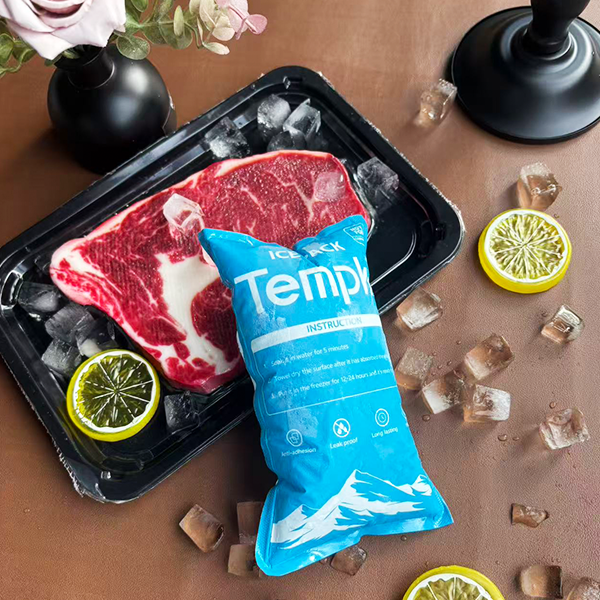
Updated On: June 8, 2026
Wholesale Dry Ice Pack for Insulin Packaging: A Practical Supplier Guide for B2B Buyers
A wholesale dry ice pack for insulin packaging can help protect temperature-sensitive goods, but it should not be treated as a shortcut around product specifications, packout testing, or supplier verification. For insulin packaging, the best decision is usually a controlled balance: enough cooling to protect the payload, enough buffering to avoid over-cooling, and enough documentation to make repeat orders dependable.
What this means for the buyer
You are not only choosing a cold source. You are choosing a pack type, an insulation method, a loading map, a supplier process, and a documentation level that must fit insulin pens, cartridges, vials, pharmacy parcels, and temperature-sensitive diabetes care shipments. The right wholesale dry ice pack for insulin packaging is the one that controls the route risk without damaging the payload or creating a compliance gap.
Clarify the refrigerant before approving the quote
The phrase "dry ice pack" is used in more than one way in B2B sourcing. Some buyers mean actual dry ice, which is solid carbon dioxide. Others mean a reusable dry-ice-style pack, a hydrated pack, or a low-temperature PCM pack that is frozen before use. Those products are not automatically the same from a transport, safety, or documentation perspective. True dry ice is extremely cold, releases carbon dioxide gas as it sublimates, and requires ventilation and transport checks. A reusable pack may avoid carbon dioxide sublimation, but it still has to be matched with the product, insulation, and route.
For insulin pens, cartridges, vials, pharmacy parcels, and temperature-sensitive diabetes care shipments, the distinction matters because the shipment failure mode is not always simple warming. The risk may be freezing, heat exposure, patient-use uncertainty, lack of proof at delivery, and confusion between cooling intensity and product safety. A pack that is colder than necessary can create condensation or freeze-sensitive damage. A pack that is too weak may protect the carton for the first handover but fail during last-mile delivery. A supplier should be able to explain the product boundary clearly, not only say that the pack is "cold" or "long lasting."
The safest buying language is specific. Ask whether the product is real solid carbon dioxide, a hydrated dry-ice-style pack, a gel pack, or a PCM pack. Ask how it is frozen or conditioned. Ask whether the supplier is recommending the pack alone or a complete packout with a shipper, separator, liner, carton, loading map, and monitoring plan. This avoids a common purchasing mistake: comparing two pack names while ignoring the system around them.
In this topic, Tempk's public product information positions hydrate dry ice packs as reusable cooling packs for cold-chain shipments and describes them as PCM-based packs that absorb water and are frozen before use. That product boundary is useful for buyers who want a cold source that is cleaner to handle than loose ice, but it does not remove the need to verify the target temperature, payload layout, route profile, and acceptance criteria.
Start with the product condition, not the pack name
The key decision for insulin packaging is the product condition that must be protected at arrival. If the product is frozen, the packout must limit thawing. If it is refrigerated, the packout must avoid both warming and freezing. If it is shelf-stable but heat sensitive, the objective may be quality protection rather than strict cold-chain compliance. Those distinctions change the right pack choice.
CDC and FDA patient-facing guidance warn against freezing insulin. Product labels and quality procedures should define the actual shipment range.
This is why a buyer should describe the payload before asking for price. Include the product type, package size, acceptable condition at delivery, shipment duration, season, route, and receiving process. A good supplier can then discuss the cold source, insulation, separator, carton, and evidence. A weak supplier will quote the pack alone and leave the risk with you.
Wholesale Buying Checks Before You Commit to Volume
Wholesale buying adds inventory risk. You need confidence that the packs freeze consistently, store efficiently, and match the cartons your team actually uses.
Start with the sample. A sample is useful only if it represents production supply. Confirm the pack material, fill or hydration structure, sealing method, freezing instruction, packaging carton, and any customization before approving the sample. If the production version uses different film, different cell geometry, different absorbent material, or different outer carton quantity, your test result may not represent later shipments.
Then review handling. The warehouse team must know how long to freeze or condition the pack, how to identify a fully prepared pack, where to place it in the box, whether it can touch the payload, and how to handle returns or disposal. A supplier that gives only a unit price leaves the buyer to solve these operational details alone.
Finally, review evidence. For low-risk food or candy routes, you may need a simple sample test and receiving checklist. For medical or pharmaceutical routes, you may need controlled qualification, temperature logger data, change-control discipline, and quality-team approval. The pack supplier does not replace your quality process, but a capable supplier makes that process easier to run.
| Buyer question | Why it matters | Good supplier response |
|---|---|---|
| What exactly is the pack type? | Avoids confusing solid dry ice with hydrated, gel, or PCM packs. | Clear product boundary and handling instructions. |
| How should the pack be conditioned? | Thermal performance depends on freezing or pre-conditioning. | Written instruction for preparation, storage, and loading. |
| Can the pack touch the payload? | Direct contact may over-cool or damage sensitive products. | Specific separator or layout recommendation. |
| What changes from sample to bulk order? | Small changes can invalidate a sample test. | Material and production consistency controls. |
| What documentation can support the claim? | Evidence is needed before higher-risk lanes scale. | Datasheet, sample test data, or qualification support as appropriate. |
Separate real dry ice rules from dry-ice-style pack selection
Actual dry ice is solid carbon dioxide. It is extremely cold and changes directly from solid to gas. That is why a package with true dry ice must not be airtight, and why air transport requires dry ice marking and documentation steps. A hydrated dry-ice-style pack or PCM-style pack does not behave the same way, but it still needs thermal evaluation.
This distinction can prevent both compliance mistakes and performance mistakes. If you use real dry ice, check carrier acceptance, package venting, net weight marking, and Class 9 requirements for air. If you use a reusable dry-ice-style pack, check freezing instructions, pack placement, payload contact risk, and whether the pack is strong enough for the route. The buyer's job is to clarify the product type before approving either solution.
Do not let naming shortcut the review. A product marketed as a dry ice pack may not be appropriate for every frozen shipment, and it may be too cold for many refrigerated or quality-sensitive products. The approval basis should be the route, payload, evidence, and handling process.
A typical route problem to solve before ordering
A pharmacy distributor may want extra cold capacity for a summer route. Adding a very cold pack next to insulin can create a local freeze zone even when the box average looks acceptable. A better design uses buffering, separation, pre-conditioning, and a data logger location that reflects the payload risk.
In that situation, the buyer should build the packout around the most vulnerable handover point. It may be a warm warehouse dock, an airport hold, a courier van, or the receiving delay after delivery. For a pharmacy parcel, the pack must protect the product during the worst realistic exposure, not only during the average transit time shown on a carrier website.
A practical sample test should record how the pack was prepared, how the carton was loaded, where the logger was placed, what the ambient conditions were, and how the shipment was inspected on arrival. If the test is repeated later, the same details should be repeatable. This is the difference between a useful buyer trial and a one-time demonstration that cannot support purchasing decisions.
When the sample result is mixed, do not immediately add more cooling. First check whether the problem was insulation, void space, product pre-cooling, pack location, loading discipline, or receiving delay. More cold source can solve warming but can also create over-cooling. For many products, better buffering and a clearer loading map do more than simply increasing pack quantity.
Approval checklist before volume purchasing
| Approval item | What to confirm | Why it matters |
|---|---|---|
| Pack identity | Real dry ice, hydrated pack, gel pack, or PCM-style pack. | Determines handling, transport rules, and thermal behavior. |
| Product fit | Acceptable temperature or quality range from product owner. | Prevents over-cooling and unsupported claims. |
| Packout map | Exact pack location, separator, liner, and payload arrangement. | Makes warehouse loading repeatable. |
| Evidence | Sample test, datasheet, or qualification data matched to route risk. | Supports purchasing and quality review. |
| Scale control | Sample-to-production consistency and change communication. | Protects repeat orders from hidden construction changes. |
Common mistakes that increase cost after launch
The first mistake is buying by pack count instead of packout performance. Two suppliers may recommend the same number of packs, but one design may use better insulation, less void space, and clearer separation. The arrival result can be different even when the purchase order looks similar.
The second mistake is testing a perfect sample but launching a messy warehouse process. If staff cannot identify the correct pack condition or load the box consistently, the route becomes unstable. Written instructions, photos of the loading map, and a short receiving checklist are simple controls that often prevent disputes.
The third mistake is ignoring product differences within one category. Not all candy behaves like chocolate. Not all vaccines are refrigerated. Not all dairy products tolerate the same cold exposure. Not all pharmaceutical shipments require or allow the same refrigerant. A supplier should help you narrow the recommendation instead of treating the category as one generic cold-chain problem.
FAQ
Is a wholesale dry ice pack for insulin packaging the same as real dry ice?
Not always. Some suppliers use the phrase for true solid carbon dioxide, while others use it for hydrated, gel, or PCM-style packs that are frozen before use. The difference affects handling, labeling, carrier acceptance, and safety. Ask the supplier to define the pack type clearly before you approve a sample or compare prices.
Can the pack touch the product directly?
Direct contact should not be assumed safe. For insulin pens, cartridges, vials, pharmacy parcels, and temperature-sensitive diabetes care shipments, contact can create local over-cooling, condensation, surface damage, or packaging marks. Use a separator, liner, buffer, or loading map when the product is sensitive. The supplier should explain the intended placement, not only provide the pack size.
How should I compare supplier claims about hold time?
Compare the test conditions behind the claim. Ask for the shipper size, payload, pack quantity, ambient profile, logger location, acceptance criteria, and whether the result was a lab test or a real shipment check. Hold time without context is not a reliable purchasing parameter.
Do I need a temperature data logger?
A data logger is recommended when the shipment value, product sensitivity, customer requirement, or quality procedure requires evidence. The logger does not control temperature; it records what happened. For lower-risk food or candy lanes, a sample test and receiving checklist may be enough. For medical and pharmaceutical routes, documentation expectations are usually higher.
Can this pack make a shipment compliant?
No pack makes a shipment compliant by itself. Compliance depends on the product label, qualified packaging system, handling procedure, carrier requirements, documentation, and quality review. A pack supplier can support the process, but the buyer must confirm the regulatory and internal quality requirements for the specific lane.
Conclusion
A wholesale dry ice pack for insulin packaging is useful when it is selected as part of a complete packout rather than as a stand-alone answer. The most important decisions are product range, route exposure, payload layout, insulation, pack conditioning, supplier evidence, and receiving inspection. If any of those are missing, a cold pack can create a false sense of protection.
For insulin packaging, start with the product's acceptable condition, then work backward to the packout. Confirm whether you are using true dry ice or a dry-ice-style reusable pack. Define the packing map. Test the sample in a way that can be repeated. Before buying volume, make sure the supplier can support the same construction, documentation, and handling instructions that your team approved.
About Tempk
Tempk is the cold-chain packaging brand of Shanghai Tempk Industrial Co., Ltd. For insulin packaging, we help buyers compare cold source options, insulated packaging, and packout layout based on product type, target condition, route exposure, and purchasing stage. Our public product range includes gel ice packs, water-filled ice packs, hydrate dry ice packs, ice bricks, insulated liners, insulated bags, EPP and VIP box options, and related cold-chain packaging materials. The useful starting point is simple: share the payload, route, target range, and handling constraints so the recommendation can match the shipment instead of only the keyword.
Share your product type, target temperature range, payload, route, and transit time with Tempk to compare suitable options before ordering a wholesale dry ice pack for insulin packaging in volume.
Supplier Dry Ice Pack for Medical Logistics: Practical Supplier Guide
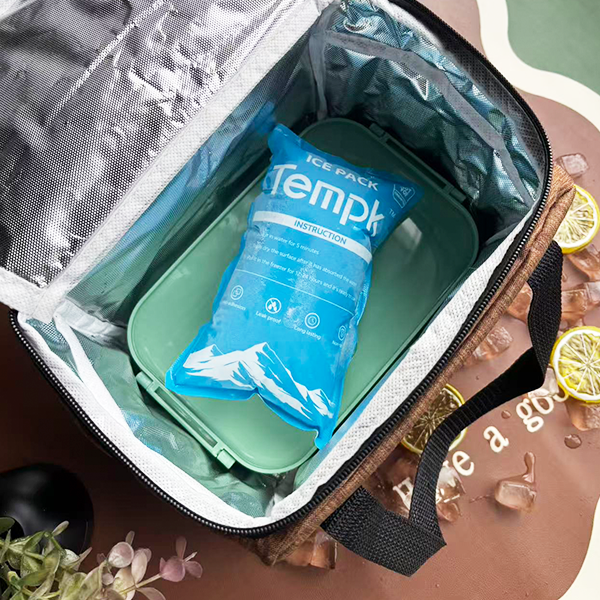
Updated On: June 8, 2026
Supplier Dry Ice Pack for Medical Logistics: A Practical Supplier Guide for B2B Buyers
A supplier dry ice pack for medical logistics can help protect temperature-sensitive goods, but it should not be treated as a shortcut around product specifications, packout testing, or supplier verification. For medical logistics, the best decision is usually a controlled balance: enough cooling to protect the payload, enough buffering to avoid over-cooling, and enough documentation to make repeat orders dependable.
What this means for the buyer
You are not only choosing a cold source. You are choosing a pack type, an insulation method, a loading map, a supplier process, and a documentation level that must fit medical supplies, diagnostic kits, research samples, device components, and other temperature-sensitive medical shipments. The right supplier dry ice pack for medical logistics is the one that controls the route risk without damaging the payload or creating a compliance gap.
Clarify the refrigerant before approving the quote
The phrase "dry ice pack" is used in more than one way in B2B sourcing. Some buyers mean actual dry ice, which is solid carbon dioxide. Others mean a reusable dry-ice-style pack, a hydrated pack, or a low-temperature PCM pack that is frozen before use. Those products are not automatically the same from a transport, safety, or documentation perspective. True dry ice is extremely cold, releases carbon dioxide gas as it sublimates, and requires ventilation and transport checks. A reusable pack may avoid carbon dioxide sublimation, but it still has to be matched with the product, insulation, and route.
For medical supplies, diagnostic kits, research samples, device components, and other temperature-sensitive medical shipments, the distinction matters because the shipment failure mode is not always simple warming. The risk may be temperature exposure, undocumented handovers, confusion between refrigerant and qualified packaging, and rejected shipments after arrival. A pack that is colder than necessary can create condensation or freeze-sensitive damage. A pack that is too weak may protect the carton for the first handover but fail during last-mile delivery. A supplier should be able to explain the product boundary clearly, not only say that the pack is "cold" or "long lasting."
The safest buying language is specific. Ask whether the product is real solid carbon dioxide, a hydrated dry-ice-style pack, a gel pack, or a PCM pack. Ask how it is frozen or conditioned. Ask whether the supplier is recommending the pack alone or a complete packout with a shipper, separator, liner, carton, loading map, and monitoring plan. This avoids a common purchasing mistake: comparing two pack names while ignoring the system around them.
In this topic, Tempk's public product information positions hydrate dry ice packs as reusable cooling packs for cold-chain shipments and describes them as PCM-based packs that absorb water and are frozen before use. That product boundary is useful for buyers who want a cold source that is cleaner to handle than loose ice, but it does not remove the need to verify the target temperature, payload layout, route profile, and acceptance criteria.
Start with the product condition, not the pack name
The key decision for medical logistics is the product condition that must be protected at arrival. If the product is frozen, the packout must limit thawing. If it is refrigerated, the packout must avoid both warming and freezing. If it is shelf-stable but heat sensitive, the objective may be quality protection rather than strict cold-chain compliance. Those distinctions change the right pack choice.
Medical shipment ranges must come from the product owner, protocol, label, or quality team. Do not infer the range from the pack name.
This is why a buyer should describe the payload before asking for price. Include the product type, package size, acceptable condition at delivery, shipment duration, season, route, and receiving process. A good supplier can then discuss the cold source, insulation, separator, carton, and evidence. A weak supplier will quote the pack alone and leave the risk with you.
Supplier Questions That Prevent a Bad Sample Approval
A supplier conversation should move beyond unit price and ask how samples are built, how pack materials are specified, and what changes before repeat orders.
Start with the sample. A sample is useful only if it represents production supply. Confirm the pack material, fill or hydration structure, sealing method, freezing instruction, packaging carton, and any customization before approving the sample. If the production version uses different film, different cell geometry, different absorbent material, or different outer carton quantity, your test result may not represent later shipments.
Then review handling. The warehouse team must know how long to freeze or condition the pack, how to identify a fully prepared pack, where to place it in the box, whether it can touch the payload, and how to handle returns or disposal. A supplier that gives only a unit price leaves the buyer to solve these operational details alone.
Finally, review evidence. For low-risk food or candy routes, you may need a simple sample test and receiving checklist. For medical or pharmaceutical routes, you may need controlled qualification, temperature logger data, change-control discipline, and quality-team approval. The pack supplier does not replace your quality process, but a capable supplier makes that process easier to run.
| Buyer question | Why it matters | Good supplier response |
|---|---|---|
| What exactly is the pack type? | Avoids confusing solid dry ice with hydrated, gel, or PCM packs. | Clear product boundary and handling instructions. |
| How should the pack be conditioned? | Thermal performance depends on freezing or pre-conditioning. | Written instruction for preparation, storage, and loading. |
| Can the pack touch the payload? | Direct contact may over-cool or damage sensitive products. | Specific separator or layout recommendation. |
| What changes from sample to bulk order? | Small changes can invalidate a sample test. | Material and production consistency controls. |
| What documentation can support the claim? | Evidence is needed before higher-risk lanes scale. | Datasheet, sample test data, or qualification support as appropriate. |
Separate real dry ice rules from dry-ice-style pack selection
Actual dry ice is solid carbon dioxide. It is extremely cold and changes directly from solid to gas. That is why a package with true dry ice must not be airtight, and why air transport requires dry ice marking and documentation steps. A hydrated dry-ice-style pack or PCM-style pack does not behave the same way, but it still needs thermal evaluation.
This distinction can prevent both compliance mistakes and performance mistakes. If you use real dry ice, check carrier acceptance, package venting, net weight marking, and Class 9 requirements for air. If you use a reusable dry-ice-style pack, check freezing instructions, pack placement, payload contact risk, and whether the pack is strong enough for the route. The buyer's job is to clarify the product type before approving either solution.
Do not let naming shortcut the review. A product marketed as a dry ice pack may not be appropriate for every frozen shipment, and it may be too cold for many refrigerated or quality-sensitive products. The approval basis should be the route, payload, evidence, and handling process.
A typical route problem to solve before ordering
A laboratory may need to send several sample types from a collection site to a central facility. One sample group may tolerate frozen conditions, while another may need refrigeration only. A single ultra-cold packout can be wrong for the mixed shipment unless the payload is separated and the acceptance criteria are clear.
In that situation, the buyer should build the packout around the most vulnerable handover point. It may be a warm warehouse dock, an airport hold, a courier van, or the receiving delay after delivery. For a handover-heavy lane, the pack must protect the product during the worst realistic exposure, not only during the average transit time shown on a carrier website.
A practical sample test should record how the pack was prepared, how the carton was loaded, where the logger was placed, what the ambient conditions were, and how the shipment was inspected on arrival. If the test is repeated later, the same details should be repeatable. This is the difference between a useful buyer trial and a one-time demonstration that cannot support purchasing decisions.
When the sample result is mixed, do not immediately add more cooling. First check whether the problem was insulation, void space, product pre-cooling, pack location, loading discipline, or receiving delay. More cold source can solve warming but can also create over-cooling. For many products, better buffering and a clearer loading map do more than simply increasing pack quantity.
Approval checklist before volume purchasing
| Approval item | What to confirm | Why it matters |
|---|---|---|
| Pack identity | Real dry ice, hydrated pack, gel pack, or PCM-style pack. | Determines handling, transport rules, and thermal behavior. |
| Product fit | Acceptable temperature or quality range from product owner. | Prevents over-cooling and unsupported claims. |
| Packout map | Exact pack location, separator, liner, and payload arrangement. | Makes warehouse loading repeatable. |
| Evidence | Sample test, datasheet, or qualification data matched to route risk. | Supports purchasing and quality review. |
| Scale control | Sample-to-production consistency and change communication. | Protects repeat orders from hidden construction changes. |
Common mistakes that increase cost after launch
The first mistake is buying by pack count instead of packout performance. Two suppliers may recommend the same number of packs, but one design may use better insulation, less void space, and clearer separation. The arrival result can be different even when the purchase order looks similar.
The second mistake is testing a perfect sample but launching a messy warehouse process. If staff cannot identify the correct pack condition or load the box consistently, the route becomes unstable. Written instructions, photos of the loading map, and a short receiving checklist are simple controls that often prevent disputes.
The third mistake is ignoring product differences within one category. Not all candy behaves like chocolate. Not all vaccines are refrigerated. Not all dairy products tolerate the same cold exposure. Not all pharmaceutical shipments require or allow the same refrigerant. A supplier should help you narrow the recommendation instead of treating the category as one generic cold-chain problem.
FAQ
Is a supplier dry ice pack for medical logistics the same as real dry ice?
Not always. Some suppliers use the phrase for true solid carbon dioxide, while others use it for hydrated, gel, or PCM-style packs that are frozen before use. The difference affects handling, labeling, carrier acceptance, and safety. Ask the supplier to define the pack type clearly before you approve a sample or compare prices.
Can the pack touch the product directly?
Direct contact should not be assumed safe. For medical supplies, diagnostic kits, research samples, device components, and other temperature-sensitive medical shipments, contact can create local over-cooling, condensation, surface damage, or packaging marks. Use a separator, liner, buffer, or loading map when the product is sensitive. The supplier should explain the intended placement, not only provide the pack size.
How should I compare supplier claims about hold time?
Compare the test conditions behind the claim. Ask for the shipper size, payload, pack quantity, ambient profile, logger location, acceptance criteria, and whether the result was a lab test or a real shipment check. Hold time without context is not a reliable purchasing parameter.
Do I need a temperature data logger?
A data logger is recommended when the shipment value, product sensitivity, customer requirement, or quality procedure requires evidence. The logger does not control temperature; it records what happened. For lower-risk food or candy lanes, a sample test and receiving checklist may be enough. For medical and pharmaceutical routes, documentation expectations are usually higher.
Can this pack make a shipment compliant?
No pack makes a shipment compliant by itself. Compliance depends on the product label, qualified packaging system, handling procedure, carrier requirements, documentation, and quality review. A pack supplier can support the process, but the buyer must confirm the regulatory and internal quality requirements for the specific lane.
Conclusion
A supplier dry ice pack for medical logistics is useful when it is selected as part of a complete packout rather than as a stand-alone answer. The most important decisions are product range, route exposure, payload layout, insulation, pack conditioning, supplier evidence, and receiving inspection. If any of those are missing, a cold pack can create a false sense of protection.
For medical logistics, start with the product's acceptable condition, then work backward to the packout. Confirm whether you are using true dry ice or a dry-ice-style reusable pack. Define the packing map. Test the sample in a way that can be repeated. Before buying volume, make sure the supplier can support the same construction, documentation, and handling instructions that your team approved.
About Tempk
Tempk is the cold-chain packaging brand of Shanghai Tempk Industrial Co., Ltd. For medical logistics, we help buyers compare cold source options, insulated packaging, and packout layout based on product type, target condition, route exposure, and purchasing stage. Our public product range includes gel ice packs, water-filled ice packs, hydrate dry ice packs, ice bricks, insulated liners, insulated bags, EPP and VIP box options, and related cold-chain packaging materials. The useful starting point is simple: share the payload, route, target range, and handling constraints so the recommendation can match the shipment instead of only the keyword.
Share your product type, target temperature range, payload, route, and transit time with Tempk to compare suitable options before ordering a supplier dry ice pack for medical logistics in volume.
Supplier Dry Ice Pack for Candy Shipping: Practical Supplier Guide
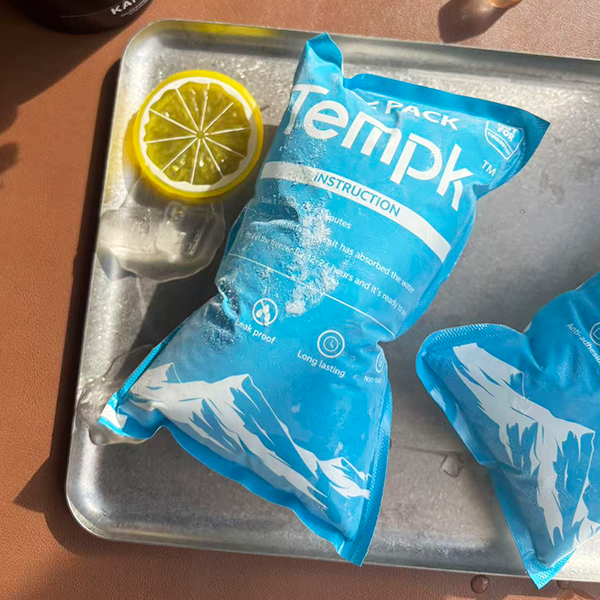
Updated On: June 8, 2026
Supplier Dry Ice Pack for Candy Shipping: A Practical Supplier Guide for B2B Buyers
A supplier dry ice pack for candy shipping can help protect temperature-sensitive goods, but it should not be treated as a shortcut around product specifications, packout testing, or supplier verification. For candy shipping, the best decision is usually a controlled balance: enough cooling to protect the payload, enough buffering to avoid over-cooling, and enough documentation to make repeat orders dependable.
What this means for the buyer
You are not only choosing a cold source. You are choosing a pack type, an insulation method, a loading map, a supplier process, and a documentation level that must fit candy, gummies, filled sweets, coated confectionery, and heat-sensitive retail packs. The right supplier dry ice pack for candy shipping is the one that controls the route risk without damaging the payload or creating a compliance gap.
Clarify the refrigerant before approving the quote
The phrase "dry ice pack" is used in more than one way in B2B sourcing. Some buyers mean actual dry ice, which is solid carbon dioxide. Others mean a reusable dry-ice-style pack, a hydrated pack, or a low-temperature PCM pack that is frozen before use. Those products are not automatically the same from a transport, safety, or documentation perspective. True dry ice is extremely cold, releases carbon dioxide gas as it sublimates, and requires ventilation and transport checks. A reusable pack may avoid carbon dioxide sublimation, but it still has to be matched with the product, insulation, and route.
For candy, gummies, filled sweets, coated confectionery, and heat-sensitive retail packs, the distinction matters because the shipment failure mode is not always simple warming. The risk may be heat deformation, sticky surfaces, condensation, cracked coatings, package staining, and inconsistent customer experience. A pack that is colder than necessary can create condensation or freeze-sensitive damage. A pack that is too weak may protect the carton for the first handover but fail during last-mile delivery. A supplier should be able to explain the product boundary clearly, not only say that the pack is "cold" or "long lasting."
The safest buying language is specific. Ask whether the product is real solid carbon dioxide, a hydrated dry-ice-style pack, a gel pack, or a PCM pack. Ask how it is frozen or conditioned. Ask whether the supplier is recommending the pack alone or a complete packout with a shipper, separator, liner, carton, loading map, and monitoring plan. This avoids a common purchasing mistake: comparing two pack names while ignoring the system around them.
In this topic, Tempk's public product information positions hydrate dry ice packs as reusable cooling packs for cold-chain shipments and describes them as PCM-based packs that absorb water and are frozen before use. That product boundary is useful for buyers who want a cold source that is cleaner to handle than loose ice, but it does not remove the need to verify the target temperature, payload layout, route profile, and acceptance criteria.
Start with the product condition, not the pack name
The key decision for candy shipping is the product condition that must be protected at arrival. If the product is frozen, the packout must limit thawing. If it is refrigerated, the packout must avoid both warming and freezing. If it is shelf-stable but heat sensitive, the objective may be quality protection rather than strict cold-chain compliance. Those distinctions change the right pack choice.
For candy and chocolate, the correct target is product-specific. Many teams focus on avoiding heat spikes and surface condensation rather than creating a deep-frozen environment.
This is why a buyer should describe the payload before asking for price. Include the product type, package size, acceptable condition at delivery, shipment duration, season, route, and receiving process. A good supplier can then discuss the cold source, insulation, separator, carton, and evidence. A weak supplier will quote the pack alone and leave the risk with you.
Supplier Questions That Prevent a Bad Sample Approval
A supplier conversation should move beyond unit price and ask how samples are built, how pack materials are specified, and what changes before repeat orders.
Start with the sample. A sample is useful only if it represents production supply. Confirm the pack material, fill or hydration structure, sealing method, freezing instruction, packaging carton, and any customization before approving the sample. If the production version uses different film, different cell geometry, different absorbent material, or different outer carton quantity, your test result may not represent later shipments.
Then review handling. The warehouse team must know how long to freeze or condition the pack, how to identify a fully prepared pack, where to place it in the box, whether it can touch the payload, and how to handle returns or disposal. A supplier that gives only a unit price leaves the buyer to solve these operational details alone.
Finally, review evidence. For low-risk food or candy routes, you may need a simple sample test and receiving checklist. For medical or pharmaceutical routes, you may need controlled qualification, temperature logger data, change-control discipline, and quality-team approval. The pack supplier does not replace your quality process, but a capable supplier makes that process easier to run.
| Buyer question | Why it matters | Good supplier response |
|---|---|---|
| What exactly is the pack type? | Avoids confusing solid dry ice with hydrated, gel, or PCM packs. | Clear product boundary and handling instructions. |
| How should the pack be conditioned? | Thermal performance depends on freezing or pre-conditioning. | Written instruction for preparation, storage, and loading. |
| Can the pack touch the payload? | Direct contact may over-cool or damage sensitive products. | Specific separator or layout recommendation. |
| What changes from sample to bulk order? | Small changes can invalidate a sample test. | Material and production consistency controls. |
| What documentation can support the claim? | Evidence is needed before higher-risk lanes scale. | Datasheet, sample test data, or qualification support as appropriate. |
Separate real dry ice rules from dry-ice-style pack selection
Actual dry ice is solid carbon dioxide. It is extremely cold and changes directly from solid to gas. That is why a package with true dry ice must not be airtight, and why air transport requires dry ice marking and documentation steps. A hydrated dry-ice-style pack or PCM-style pack does not behave the same way, but it still needs thermal evaluation.
This distinction can prevent both compliance mistakes and performance mistakes. If you use real dry ice, check carrier acceptance, package venting, net weight marking, and Class 9 requirements for air. If you use a reusable dry-ice-style pack, check freezing instructions, pack placement, payload contact risk, and whether the pack is strong enough for the route. The buyer's job is to clarify the product type before approving either solution.
Do not let naming shortcut the review. A product marketed as a dry ice pack may not be appropriate for every frozen shipment, and it may be too cold for many refrigerated or quality-sensitive products. The approval basis should be the route, payload, evidence, and handling process.
A typical route problem to solve before ordering
A confectionery buyer may send mixed boxes with gummies, chocolate-coated pieces, and hard candy in the same parcel. The gummies need heat control, the chocolate coating needs protection from both heat and condensation, and the hard candy mainly needs dry packaging and impact protection. The packout should not be designed only around the warmest item or only around the coldest refrigerant.
In that situation, the buyer should build the packout around the most vulnerable handover point. It may be a warm warehouse dock, an airport hold, a courier van, or the receiving delay after delivery. For a parcel, the pack must protect the product during the worst realistic exposure, not only during the average transit time shown on a carrier website.
A practical sample test should record how the pack was prepared, how the carton was loaded, where the logger was placed, what the ambient conditions were, and how the shipment was inspected on arrival. If the test is repeated later, the same details should be repeatable. This is the difference between a useful buyer trial and a one-time demonstration that cannot support purchasing decisions.
When the sample result is mixed, do not immediately add more cooling. First check whether the problem was insulation, void space, product pre-cooling, pack location, loading discipline, or receiving delay. More cold source can solve warming but can also create over-cooling. For many products, better buffering and a clearer loading map do more than simply increasing pack quantity.
Approval checklist before volume purchasing
| Approval item | What to confirm | Why it matters |
|---|---|---|
| Pack identity | Real dry ice, hydrated pack, gel pack, or PCM-style pack. | Determines handling, transport rules, and thermal behavior. |
| Product fit | Acceptable temperature or quality range from product owner. | Prevents over-cooling and unsupported claims. |
| Packout map | Exact pack location, separator, liner, and payload arrangement. | Makes warehouse loading repeatable. |
| Evidence | Sample test, datasheet, or qualification data matched to route risk. | Supports purchasing and quality review. |
| Scale control | Sample-to-production consistency and change communication. | Protects repeat orders from hidden construction changes. |
Common mistakes that increase cost after launch
The first mistake is buying by pack count instead of packout performance. Two suppliers may recommend the same number of packs, but one design may use better insulation, less void space, and clearer separation. The arrival result can be different even when the purchase order looks similar.
The second mistake is testing a perfect sample but launching a messy warehouse process. If staff cannot identify the correct pack condition or load the box consistently, the route becomes unstable. Written instructions, photos of the loading map, and a short receiving checklist are simple controls that often prevent disputes.
The third mistake is ignoring product differences within one category. Not all candy behaves like chocolate. Not all vaccines are refrigerated. Not all dairy products tolerate the same cold exposure. Not all pharmaceutical shipments require or allow the same refrigerant. A supplier should help you narrow the recommendation instead of treating the category as one generic cold-chain problem.
FAQ
Is a supplier dry ice pack for candy shipping the same as real dry ice?
Not always. Some suppliers use the phrase for true solid carbon dioxide, while others use it for hydrated, gel, or PCM-style packs that are frozen before use. The difference affects handling, labeling, carrier acceptance, and safety. Ask the supplier to define the pack type clearly before you approve a sample or compare prices.
Can the pack touch the product directly?
Direct contact should not be assumed safe. For candy, gummies, filled sweets, coated confectionery, and heat-sensitive retail packs, contact can create local over-cooling, condensation, surface damage, or packaging marks. Use a separator, liner, buffer, or loading map when the product is sensitive. The supplier should explain the intended placement, not only provide the pack size.
How should I compare supplier claims about hold time?
Compare the test conditions behind the claim. Ask for the shipper size, payload, pack quantity, ambient profile, logger location, acceptance criteria, and whether the result was a lab test or a real shipment check. Hold time without context is not a reliable purchasing parameter.
Do I need a temperature data logger?
A data logger is recommended when the shipment value, product sensitivity, customer requirement, or quality procedure requires evidence. The logger does not control temperature; it records what happened. For lower-risk food or candy lanes, a sample test and receiving checklist may be enough. For medical and pharmaceutical routes, documentation expectations are usually higher.
Is colder always better for food or confectionery shipments?
No. More cooling can reduce heat exposure, but it can also create freezing, condensation, texture loss, or retail package damage. The best packout holds the product inside its acceptable quality range for the actual route, not simply at the lowest possible temperature.
Conclusion
A supplier dry ice pack for candy shipping is useful when it is selected as part of a complete packout rather than as a stand-alone answer. The most important decisions are product range, route exposure, payload layout, insulation, pack conditioning, supplier evidence, and receiving inspection. If any of those are missing, a cold pack can create a false sense of protection.
For candy shipping, start with the product's acceptable condition, then work backward to the packout. Confirm whether you are using true dry ice or a dry-ice-style reusable pack. Define the packing map. Test the sample in a way that can be repeated. Before buying volume, make sure the supplier can support the same construction, documentation, and handling instructions that your team approved.
About Tempk
Tempk is the cold-chain packaging brand of Shanghai Tempk Industrial Co., Ltd. For candy shipping, we help buyers compare cold source options, insulated packaging, and packout layout based on product type, target condition, route exposure, and purchasing stage. Our public product range includes gel ice packs, water-filled ice packs, hydrate dry ice packs, ice bricks, insulated liners, insulated bags, EPP and VIP box options, and related cold-chain packaging materials. The useful starting point is simple: share the payload, route, target range, and handling constraints so the recommendation can match the shipment instead of only the keyword.
Share your product type, target temperature range, payload, route, and transit time with Tempk to compare suitable options before ordering a supplier dry ice pack for candy shipping in volume.