


Chemical-resistant EPP Cooler Box: Practical Selection Guide
Chemical-resistant EPP Cooler Box: Practical Selection Guide
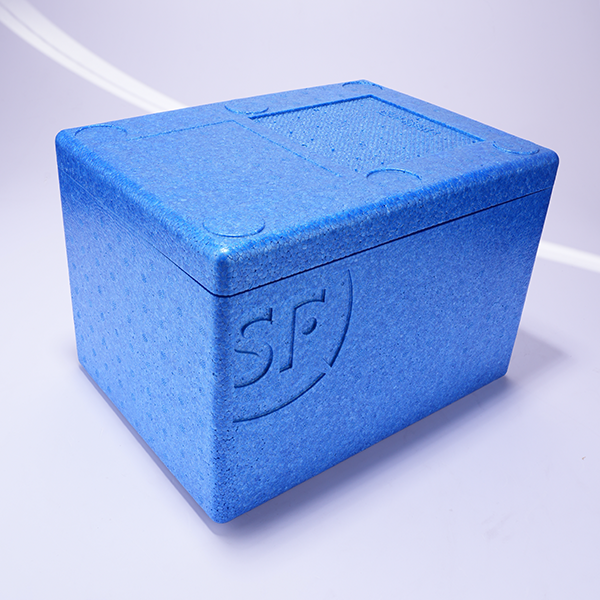
Chemical-resistant EPP Cooler Box: A Practical Selection Guide for Cold-Chain Buyers
For chemical-resistant EPP cooler box decisions, a chemical-resistant EPP cooler box should be selected as a working part of your logistics system, not as a standalone promise of temperature control. The right choice depends on transporting or staging temperature-sensitive materials where cleaning agents, residues, sample containers, or mild chemical exposure must be considered, the product temperature requirement, the payload, the cold source, and the evidence behind any performance claim. Use the guidance below to compare options, question suppliers, and move from sample evaluation to reliable use without overpromising what an EPP box can do.
Quick answer: a chemical-resistant EPP cooler box is a strong candidate when you need lightweight insulation, impact protection, and repeatable handling, but it should be approved with the cold source, payload, route, and receiving process. It is not a shortcut around temperature monitoring or quality review.
What the Box Can Do and What It Cannot Do
An EPP box can provide impact protection, insulation, and repeated-use handling advantages. It can make a cold-chain or protective packaging workflow easier by reducing weight, supporting molded inserts, and resisting everyday knocks better than some disposable foam options. For transporting or staging temperature-sensitive materials where cleaning agents, residues, sample containers, or mild chemical exposure must be considered, those advantages can be meaningful.
What it cannot do is define the product requirement, generate cold, document the shipment, or guarantee regulatory acceptance. Those roles belong to the product label, the cold source, the packout, monitoring devices, quality procedures, and the people operating the route. A strong specification keeps these roles separate.
This is the central buying principle: choose the box for the job it can actually perform, then build the rest of the workflow around it. When buyers skip that principle, they often end up with packaging that looks professional but fails under routine handling.
Start With the Route, Payload, and Acceptance Range
Before comparing suppliers, write down the route in operational language. Where is the product stored before packing? Who packs it? How long might it wait before loading? What vehicle or carrier handles it? Where could it be exposed to heat, cold, or delay? Who receives it, and how quickly is it unpacked? These questions reveal whether the packaging needs more thermal margin, better labeling, or a different format.
Next, define the payload. Gross capacity is not enough. You need to know the product dimensions, product mass, orientation limits, required dividers, cold-source volume, documents, and any monitoring device. The usable payload space after those items are included is the space that matters. A small mismatch can create pressure on the lid or inconsistent packout.
Finally, confirm the acceptance range. Thermal needs and chemical compatibility are separate approval questions; both must be reviewed for the planned use. If you do not define the product condition clearly, no supplier can responsibly confirm whether a proposed box and packout are suitable.
Supplier Claims Should Be Converted Into Verification Points
Supplier claims are useful when they start a technical conversation. They are risky when they end the conversation too early. A phrase such as "good insulation" should lead to questions about test conditions. A phrase such as "reusable" should lead to cleaning and inspection criteria. A phrase such as "customizable" should lead to drawings, mold review, tolerances, and sample sign-off.
For an EPP cooler box that can tolerate routine handling and cleaning conditions while still being evaluated against specific chemical compatibility needs, a better purchasing file includes both the supplier statement and the buyer verification step. If thermal performance is important, keep notes on the payload, cold source, ambient exposure, and acceptance limits. If hygiene is important, document cleaning methods and what surface condition is acceptable after repeated use.
This approach protects both sides. The buyer avoids assuming more than the data supports. The supplier receives clearer requirements and can recommend a more realistic option.
| Decision point | What to confirm | Why it protects the buyer |
|---|---|---|
| Product and range | Required temperature range, sensitivity, and allowable exposure. | Prevents the box from being approved for the wrong product condition. |
| Route reality | Worst-case transit time, staging, handovers, and receiving delay. | Shows whether the packaging needs extra thermal margin or process control. |
| Packout design | Coolant type, position, conditioning, inserts, and headspace. | Turns the EPP box into a repeatable system instead of a loose container. |
| Supplier evidence | Test data, sample consistency, drawings, and change control. | Reduces the risk of unsupported claims and production mismatch. |
| Daily operation | Cleaning, inspection, labeling, stacking, and return flow. | Keeps the program usable after the first purchase. |
The table is useful because it separates what the box physically is from what the buyer still needs to confirm. It also keeps supplier discussions practical. If a point cannot be confirmed during the sample stage, it should remain open rather than being turned into an unsupported product claim.
Chemical Compatibility Is a Verification Step, Not a Slogan
This module should be completed before bulk ordering or final custom approval. It turns the search for a chemical-resistant EPP cooler box into a controlled selection process instead of a catalog comparison.
Use secondary containment when the payload may leak, document cleaning methods, and ask the supplier about compatibility with planned disinfectants or residues. If the shipment is high risk, involve quality, operations, and receiving staff before purchase approval. A cold-chain box affects more departments than procurement alone.
| Decision point | What to confirm | Why it protects the buyer |
|---|---|---|
| Product and range | Required temperature range, sensitivity, and allowable exposure. | Prevents the box from being approved for the wrong product condition. |
| Route reality | Worst-case transit time, staging, handovers, and receiving delay. | Shows whether the packaging needs extra thermal margin or process control. |
| Packout design | Coolant type, position, conditioning, inserts, and headspace. | Turns the EPP box into a repeatable system instead of a loose container. |
| Supplier evidence | Test data, sample consistency, drawings, and change control. | Reduces the risk of unsupported claims and production mismatch. |
| Daily operation | Cleaning, inspection, labeling, stacking, and return flow. | Keeps the program usable after the first purchase. |
The table is useful because it separates what the box physically is from what the buyer still needs to confirm. It also keeps supplier discussions practical. If a point cannot be confirmed during the sample stage, it should remain open rather than being turned into an unsupported product claim.
From Sample Approval to Daily Use
A sample should be tested for fit, usability, and process match. Pack it with the real product or a realistic substitute, include the cold source, close the lid as operators would during a busy shift, and move it through a realistic route. If the team needs special effort to make the sample work, production use may become inconsistent.
For custom programs, record approved drawings, material notes, color or branding requirements, lid details, insert layout, and carton or pallet packing expectations. For bulk programs, define acceptance criteria for incoming inspection. Look for deformation, lid fit, surface condition, dimensions, and labeling. These checks are not bureaucracy. They prevent small defects from becoming repeated operational problems.
Once the box is in use, create a simple loop for feedback. Operators should report damaged lids, cleaning issues, odor, missing labels, and packing confusion. Reusable packaging stays reliable only when the organization treats it as a managed asset.
Practical Operating Notes Before Approval
Write the packing procedure in the same language operators use. Include product pre-conditioning, cold-source placement, lid closure, label placement, and the person responsible for final check. If the procedure is too complex to repeat during a busy shift, the packaging design should be simplified before the program expands.
Define receiving expectations. A temperature-sensitive shipment should not wait in a general receiving area without attention. The receiver should know what to inspect on arrival, what to record, where to place the goods, and who to contact if the box is damaged or a temperature monitor shows concern.
Plan empty returns when the box is intended for reuse. Return flow affects total cost, sustainability, and replacement inventory. A box that is durable but frequently lost may not be the most economical option. Identification marks, route ownership, and return checkpoints can reduce that problem.
Keep the specification under control. If the supplier changes material grade, lid design, wall geometry, insert layout, or production method, the buyer should understand whether the change affects packing, cleaning, or thermal assumptions. Change control is especially important for custom and bulk programs.
Use pilot feedback before scaling. Operators often notice details that purchasing teams miss: a handle that pinches, a lid that is hard to align, a label area that gets wet, or an insert that slows packing. Those details affect adoption and should be reviewed while changes are still possible.
One useful rule for laboratory buyers, pharmaceutical logistics teams, food operations, and safety-conscious packaging engineers is to separate approval into three layers: product fit, route fit, and operation fit. Product fit asks whether the payload, temperature condition, and sensitivity make sense for the proposed container. Route fit asks whether the box and packout have enough margin for the expected exposure. Operation fit asks whether people can pack, move, receive, clean, and return the box consistently. A weakness in any one layer can undo a good material choice.
Another practical check is to compare the best-case use with the worst ordinary day. A supplier sample is often evaluated under calm conditions, while real logistics includes late pickups, open dock doors, busy receiving areas, and operators who need clear instructions. The right chemical-resistant EPP cooler box should be forgiving enough for normal variation but not used as a substitute for process control.
For custom or repeated orders, documentation should be kept simple but complete. A drawing, approved sample note, packout instruction, cleaning note, and change-control expectation can prevent confusion later. This is especially helpful when the same box design is used by more than one site or when different teams handle procurement, packing, receiving, and quality review.
The buyer should also review total cost beyond the first purchase. Replacement rate, cleaning labor, storage space, return freight, lost assets, relabeling, and product rejection risk can be more important than a small difference in unit price. A slightly better-designed EPP box may reduce handling friction and make the reusable program easier to maintain.
Finally, avoid turning cautious supplier language into absolute claims. If a supplier says the box is suitable for a type of application, ask under what conditions. If they mention insulation, ask what packout was used. If they mention recyclability, ask what material identification and recovery route are practical. The purchasing file should show what is known and what still depends on your process.
One useful rule for laboratory buyers, pharmaceutical logistics teams, food operations, and safety-conscious packaging engineers is to separate approval into three layers: product fit, route fit, and operation fit. Product fit asks whether the payload, temperature condition, and sensitivity make sense for the proposed container. Route fit asks whether the box and packout have enough margin for the expected exposure. Operation fit asks whether people can pack, move, receive, clean, and return the box consistently. A weakness in any one layer can undo a good material choice.
FAQ
Is a chemical-resistant EPP cooler box automatically temperature controlled?
No. It is an insulated container, not an active cooling unit. It can slow heat transfer and protect the payload from handling impact, but temperature performance depends on the product starting temperature, cold source, packout design, route exposure, lid discipline, and receiving process. For sensitive goods, treat the box as part of a complete packaging system.
What should I ask before ordering samples?
Ask for usable internal dimensions, material and lid details, cold-source compatibility, cleaning guidance, sample drawings, available test information, and how the supplier controls production changes. For an EPP cooler box that can tolerate routine handling and cleaning conditions while still being evaluated against specific chemical compatibility needs, also describe your route, payload, temperature range, and handover points so the sample can be evaluated realistically.
Can EPP boxes be reused?
EPP is commonly selected for reusable packaging because it is light, resilient, and able to recover from many handling impacts. Reuse still depends on the design, cleaning process, inspection routine, and how the box is returned and stored. Buyers should define damage criteria and retirement rules before starting a reusable program.
How do I know whether the box fits my route?
Start with the product, not the box. Confirm the required temperature condition, product mass, route duration, waiting time, vehicle exposure, opening frequency, and receiving process. Then test or evaluate the box with the same type of cold source and payload arrangement you plan to use in daily operations.
Does recyclability mean the box will be accepted everywhere?
Not necessarily. EPP is a polypropylene-based foam and can be recyclable in appropriate recovery systems, but local acceptance depends on collection, sorting, contamination, and recycling channels. Buyers planning a sustainability program should discuss labeling, return flow, cleaning, and end-of-life handling instead of relying on a generic recycling claim.
Conclusion
A chemical-resistant EPP cooler box can be a strong packaging choice when the buyer connects material benefits with route reality. Use EPP for its light weight, insulation, impact resistance, and reusable potential, but do not assume the box alone controls temperature or proves compliance. Confirm the product range, payload fit, packout, cold source, receiving process, cleaning routine, and supplier evidence before scaling. The strongest purchasing decision is the one that protects both the shipment and the daily workflow that surrounds it.
Reusable EPP Box Milk Transport: Practical Selection Guide
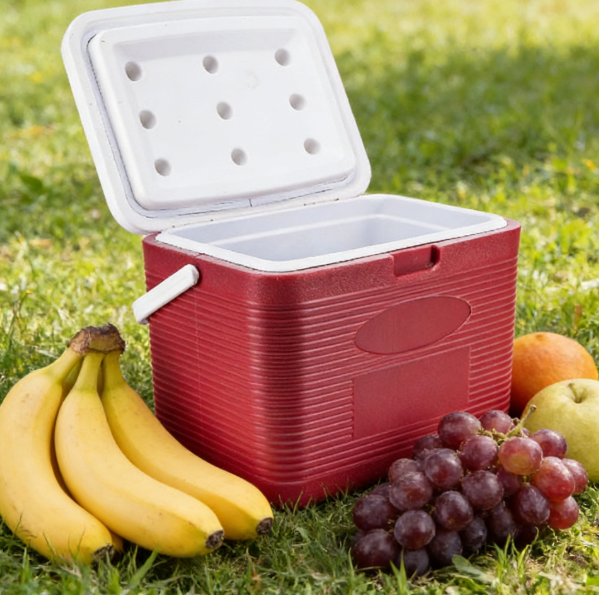
Reusable EPP Box Milk Transport: A Practical Selection Guide for Cold-Chain Buyers
For reusable EPP box milk transport decisions, a reusable EPP box for milk transport should be selected as a working part of your logistics system, not as a standalone promise of temperature control. The right choice depends on short-to-medium route milk transport between dairy plants, fulfillment centers, grocery locations, and door-to-door delivery routes, the product temperature requirement, the payload, the cold source, and the evidence behind any performance claim. Use the guidance below to compare options, question suppliers, and move from sample evaluation to reliable use without overpromising what an EPP box can do.
Quick answer: a reusable EPP box for milk transport is a strong candidate when you need lightweight insulation, impact protection, and repeatable handling, but it should be approved with the cold source, payload, route, and receiving process. It is not a shortcut around temperature monitoring or quality review.
What the Box Can Do and What It Cannot Do
An EPP box can provide impact protection, insulation, and repeated-use handling advantages. It can make a cold-chain or protective packaging workflow easier by reducing weight, supporting molded inserts, and resisting everyday knocks better than some disposable foam options. For short-to-medium route milk transport between dairy plants, fulfillment centers, grocery locations, and door-to-door delivery routes, those advantages can be meaningful.
What it cannot do is define the product requirement, generate cold, document the shipment, or guarantee regulatory acceptance. Those roles belong to the product label, the cold source, the packout, monitoring devices, quality procedures, and the people operating the route. A strong specification keeps these roles separate.
This is the central buying principle: choose the box for the job it can actually perform, then build the rest of the workflow around it. When buyers skip that principle, they often end up with packaging that looks professional but fails under routine handling.
Start With the Route, Payload, and Acceptance Range
Before comparing suppliers, write down the route in operational language. Where is the product stored before packing? Who packs it? How long might it wait before loading? What vehicle or carrier handles it? Where could it be exposed to heat, cold, or delay? Who receives it, and how quickly is it unpacked? These questions reveal whether the packaging needs more thermal margin, better labeling, or a different format.
Next, define the payload. Gross capacity is not enough. You need to know the product dimensions, product mass, orientation limits, required dividers, cold-source volume, documents, and any monitoring device. The usable payload space after those items are included is the space that matters. A small mismatch can create pressure on the lid or inconsistent packout.
Finally, confirm the acceptance range. Milk transport is usually managed as chilled food logistics, and the exact acceptance range should follow the buyer’s food safety plan and local rules. If you do not define the product condition clearly, no supplier can responsibly confirm whether a proposed box and packout are suitable.
Supplier Claims Should Be Converted Into Verification Points
Supplier claims are useful when they start a technical conversation. They are risky when they end the conversation too early. A phrase such as "good insulation" should lead to questions about test conditions. A phrase such as "reusable" should lead to cleaning and inspection criteria. A phrase such as "customizable" should lead to drawings, mold review, tolerances, and sample sign-off.
For a reusable insulated container that protects chilled dairy during repeated handling while staying practical to clean and return, a better purchasing file includes both the supplier statement and the buyer verification step. If thermal performance is important, keep notes on the payload, cold source, ambient exposure, and acceptance limits. If hygiene is important, document cleaning methods and what surface condition is acceptable after repeated use.
This approach protects both sides. The buyer avoids assuming more than the data supports. The supplier receives clearer requirements and can recommend a more realistic option.
| Decision point | What to confirm | Why it protects the buyer |
|---|---|---|
| Product and range | Required temperature range, sensitivity, and allowable exposure. | Prevents the box from being approved for the wrong product condition. |
| Route reality | Worst-case transit time, staging, handovers, and receiving delay. | Shows whether the packaging needs extra thermal margin or process control. |
| Packout design | Coolant type, position, conditioning, inserts, and headspace. | Turns the EPP box into a repeatable system instead of a loose container. |
| Supplier evidence | Test data, sample consistency, drawings, and change control. | Reduces the risk of unsupported claims and production mismatch. |
| Daily operation | Cleaning, inspection, labeling, stacking, and return flow. | Keeps the program usable after the first purchase. |
The table is useful because it separates what the box physically is from what the buyer still needs to confirm. It also keeps supplier discussions practical. If a point cannot be confirmed during the sample stage, it should remain open rather than being turned into an unsupported product claim.
Route, Cleaning, and Return Checks for Dairy Buyers
This module should be completed before bulk ordering or final custom approval. It turns the search for a reusable EPP box for milk transport into a controlled selection process instead of a catalog comparison.
The box should be pre-cooled when needed, packed with compatible cold sources, cleaned after use, and inspected for cracks, odors, or residue. If the shipment is high risk, involve quality, operations, and receiving staff before purchase approval. A cold-chain box affects more departments than procurement alone.
| Decision point | What to confirm | Why it protects the buyer |
|---|---|---|
| Product and range | Required temperature range, sensitivity, and allowable exposure. | Prevents the box from being approved for the wrong product condition. |
| Route reality | Worst-case transit time, staging, handovers, and receiving delay. | Shows whether the packaging needs extra thermal margin or process control. |
| Packout design | Coolant type, position, conditioning, inserts, and headspace. | Turns the EPP box into a repeatable system instead of a loose container. |
| Supplier evidence | Test data, sample consistency, drawings, and change control. | Reduces the risk of unsupported claims and production mismatch. |
| Daily operation | Cleaning, inspection, labeling, stacking, and return flow. | Keeps the program usable after the first purchase. |
The table is useful because it separates what the box physically is from what the buyer still needs to confirm. It also keeps supplier discussions practical. If a point cannot be confirmed during the sample stage, it should remain open rather than being turned into an unsupported product claim.
From Sample Approval to Daily Use
A sample should be tested for fit, usability, and process match. Pack it with the real product or a realistic substitute, include the cold source, close the lid as operators would during a busy shift, and move it through a realistic route. If the team needs special effort to make the sample work, production use may become inconsistent.
For custom programs, record approved drawings, material notes, color or branding requirements, lid details, insert layout, and carton or pallet packing expectations. For bulk programs, define acceptance criteria for incoming inspection. Look for deformation, lid fit, surface condition, dimensions, and labeling. These checks are not bureaucracy. They prevent small defects from becoming repeated operational problems.
Once the box is in use, create a simple loop for feedback. Operators should report damaged lids, cleaning issues, odor, missing labels, and packing confusion. Reusable packaging stays reliable only when the organization treats it as a managed asset.
Practical Operating Notes Before Approval
Write the packing procedure in the same language operators use. Include product pre-conditioning, cold-source placement, lid closure, label placement, and the person responsible for final check. If the procedure is too complex to repeat during a busy shift, the packaging design should be simplified before the program expands.
Define receiving expectations. A temperature-sensitive shipment should not wait in a general receiving area without attention. The receiver should know what to inspect on arrival, what to record, where to place the goods, and who to contact if the box is damaged or a temperature monitor shows concern.
Plan empty returns when the box is intended for reuse. Return flow affects total cost, sustainability, and replacement inventory. A box that is durable but frequently lost may not be the most economical option. Identification marks, route ownership, and return checkpoints can reduce that problem.
Keep the specification under control. If the supplier changes material grade, lid design, wall geometry, insert layout, or production method, the buyer should understand whether the change affects packing, cleaning, or thermal assumptions. Change control is especially important for custom and bulk programs.
Use pilot feedback before scaling. Operators often notice details that purchasing teams miss: a handle that pinches, a lid that is hard to align, a label area that gets wet, or an insert that slows packing. Those details affect adoption and should be reviewed while changes are still possible.
One useful rule for dairy distributors, milk delivery operators, grocery logistics teams, and food packaging buyers is to separate approval into three layers: product fit, route fit, and operation fit. Product fit asks whether the payload, temperature condition, and sensitivity make sense for the proposed container. Route fit asks whether the box and packout have enough margin for the expected exposure. Operation fit asks whether people can pack, move, receive, clean, and return the box consistently. A weakness in any one layer can undo a good material choice.
Another practical check is to compare the best-case use with the worst ordinary day. A supplier sample is often evaluated under calm conditions, while real logistics includes late pickups, open dock doors, busy receiving areas, and operators who need clear instructions. The right reusable EPP box milk transport should be forgiving enough for normal variation but not used as a substitute for process control.
For custom or repeated orders, documentation should be kept simple but complete. A drawing, approved sample note, packout instruction, cleaning note, and change-control expectation can prevent confusion later. This is especially helpful when the same box design is used by more than one site or when different teams handle procurement, packing, receiving, and quality review.
The buyer should also review total cost beyond the first purchase. Replacement rate, cleaning labor, storage space, return freight, lost assets, relabeling, and product rejection risk can be more important than a small difference in unit price. A slightly better-designed EPP box may reduce handling friction and make the reusable program easier to maintain.
Finally, avoid turning cautious supplier language into absolute claims. If a supplier says the box is suitable for a type of application, ask under what conditions. If they mention insulation, ask what packout was used. If they mention recyclability, ask what material identification and recovery route are practical. The purchasing file should show what is known and what still depends on your process.
One useful rule for dairy distributors, milk delivery operators, grocery logistics teams, and food packaging buyers is to separate approval into three layers: product fit, route fit, and operation fit. Product fit asks whether the payload, temperature condition, and sensitivity make sense for the proposed container. Route fit asks whether the box and packout have enough margin for the expected exposure. Operation fit asks whether people can pack, move, receive, clean, and return the box consistently. A weakness in any one layer can undo a good material choice.
FAQ
Is a reusable EPP box for milk transport automatically temperature controlled?
No. It is an insulated container, not an active cooling unit. It can slow heat transfer and protect the payload from handling impact, but temperature performance depends on the product starting temperature, cold source, packout design, route exposure, lid discipline, and receiving process. For sensitive goods, treat the box as part of a complete packaging system.
What should I ask before ordering samples?
Ask for usable internal dimensions, material and lid details, cold-source compatibility, cleaning guidance, sample drawings, available test information, and how the supplier controls production changes. For a reusable insulated container that protects chilled dairy during repeated handling while staying practical to clean and return, also describe your route, payload, temperature range, and handover points so the sample can be evaluated realistically.
Can EPP boxes be reused?
EPP is commonly selected for reusable packaging because it is light, resilient, and able to recover from many handling impacts. Reuse still depends on the design, cleaning process, inspection routine, and how the box is returned and stored. Buyers should define damage criteria and retirement rules before starting a reusable program.
How do I know whether the box fits my route?
Start with the product, not the box. Confirm the required temperature condition, product mass, route duration, waiting time, vehicle exposure, opening frequency, and receiving process. Then test or evaluate the box with the same type of cold source and payload arrangement you plan to use in daily operations.
Does recyclability mean the box will be accepted everywhere?
Not necessarily. EPP is a polypropylene-based foam and can be recyclable in appropriate recovery systems, but local acceptance depends on collection, sorting, contamination, and recycling channels. Buyers planning a sustainability program should discuss labeling, return flow, cleaning, and end-of-life handling instead of relying on a generic recycling claim.
Conclusion
A reusable EPP box for milk transport can be a strong packaging choice when the buyer connects material benefits with route reality. Use EPP for its light weight, insulation, impact resistance, and reusable potential, but do not assume the box alone controls temperature or proves compliance. Confirm the product range, payload fit, packout, cold source, receiving process, cleaning routine, and supplier evidence before scaling. The strongest purchasing decision is the one that protects both the shipment and the daily workflow that surrounds it.
Recyclable EPP Box Large Manufacturer: Practical Selection Guide
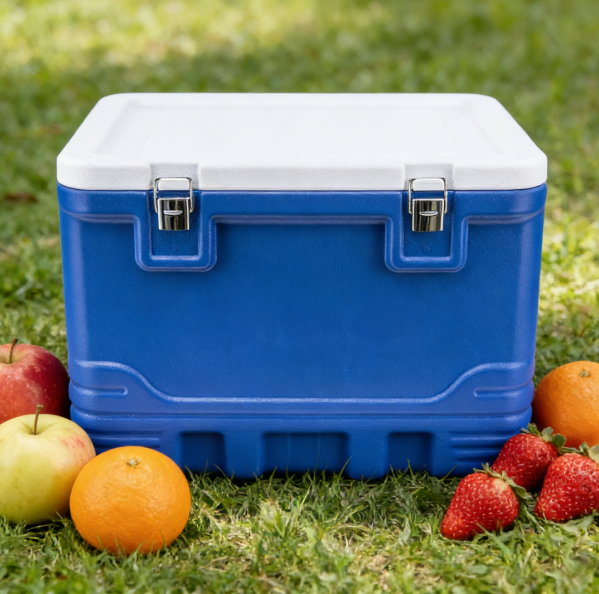
Recyclable EPP Box Large Manufacturer: A Practical Selection Guide for Cold-Chain Buyers
For recyclable EPP box large manufacturer decisions, a recyclable EPP box from a large manufacturer should be selected as a working part of your logistics system, not as a standalone promise of temperature control. The right choice depends on sourcing recyclable EPP boxes from a large manufacturer for repeated cold-chain or protective packaging operations, the product temperature requirement, the payload, the cold source, and the evidence behind any performance claim. Use the guidance below to compare options, question suppliers, and move from sample evaluation to reliable use without overpromising what an EPP box can do.
Quick answer: a recyclable EPP box from a large manufacturer is a strong candidate when you need lightweight insulation, impact protection, and repeatable handling, but it should be approved with the cold source, payload, route, and receiving process. It is not a shortcut around temperature monitoring or quality review.
What the Box Can Do and What It Cannot Do
An EPP box can provide impact protection, insulation, and repeated-use handling advantages. It can make a cold-chain or protective packaging workflow easier by reducing weight, supporting molded inserts, and resisting everyday knocks better than some disposable foam options. For sourcing recyclable EPP boxes from a large manufacturer for repeated cold-chain or protective packaging operations, those advantages can be meaningful.
What it cannot do is define the product requirement, generate cold, document the shipment, or guarantee regulatory acceptance. Those roles belong to the product label, the cold source, the packout, monitoring devices, quality procedures, and the people operating the route. A strong specification keeps these roles separate.
This is the central buying principle: choose the box for the job it can actually perform, then build the rest of the workflow around it. When buyers skip that principle, they often end up with packaging that looks professional but fails under routine handling.
Start With the Route, Payload, and Acceptance Range
Before comparing suppliers, write down the route in operational language. Where is the product stored before packing? Who packs it? How long might it wait before loading? What vehicle or carrier handles it? Where could it be exposed to heat, cold, or delay? Who receives it, and how quickly is it unpacked? These questions reveal whether the packaging needs more thermal margin, better labeling, or a different format.
Next, define the payload. Gross capacity is not enough. You need to know the product dimensions, product mass, orientation limits, required dividers, cold-source volume, documents, and any monitoring device. The usable payload space after those items are included is the space that matters. A small mismatch can create pressure on the lid or inconsistent packout.
Finally, confirm the acceptance range. A recyclable EPP box still needs appropriate thermal design, cold sources, and qualification support when used for temperature-sensitive products. If you do not define the product condition clearly, no supplier can responsibly confirm whether a proposed box and packout are suitable.
Supplier Claims Should Be Converted Into Verification Points
Supplier claims are useful when they start a technical conversation. They are risky when they end the conversation too early. A phrase such as "good insulation" should lead to questions about test conditions. A phrase such as "reusable" should lead to cleaning and inspection criteria. A phrase such as "customizable" should lead to drawings, mold review, tolerances, and sample sign-off.
For a manufacturing partner that can support consistent EPP box production, customization, reuse planning, and realistic end-of-life handling, a better purchasing file includes both the supplier statement and the buyer verification step. If thermal performance is important, keep notes on the payload, cold source, ambient exposure, and acceptance limits. If hygiene is important, document cleaning methods and what surface condition is acceptable after repeated use.
This approach protects both sides. The buyer avoids assuming more than the data supports. The supplier receives clearer requirements and can recommend a more realistic option.
| Decision point | What to confirm | Why it protects the buyer |
|---|---|---|
| Product and range | Required temperature range, sensitivity, and allowable exposure. | Prevents the box from being approved for the wrong product condition. |
| Route reality | Worst-case transit time, staging, handovers, and receiving delay. | Shows whether the packaging needs extra thermal margin or process control. |
| Packout design | Coolant type, position, conditioning, inserts, and headspace. | Turns the EPP box into a repeatable system instead of a loose container. |
| Supplier evidence | Test data, sample consistency, drawings, and change control. | Reduces the risk of unsupported claims and production mismatch. |
| Daily operation | Cleaning, inspection, labeling, stacking, and return flow. | Keeps the program usable after the first purchase. |
The table is useful because it separates what the box physically is from what the buyer still needs to confirm. It also keeps supplier discussions practical. If a point cannot be confirmed during the sample stage, it should remain open rather than being turned into an unsupported product claim.
Large Manufacturer Review: Scale, Quality, and Recycling Reality
This module should be completed before bulk ordering or final custom approval. It turns the search for a recyclable EPP box from a large manufacturer into a controlled selection process instead of a catalog comparison.
A large manufacturer should help buyers control specification, mold consistency, packaging marks, quality inspection, and end-of-life discussion. If the shipment is high risk, involve quality, operations, and receiving staff before purchase approval. A cold-chain box affects more departments than procurement alone.
| Decision point | What to confirm | Why it protects the buyer |
|---|---|---|
| Product and range | Required temperature range, sensitivity, and allowable exposure. | Prevents the box from being approved for the wrong product condition. |
| Route reality | Worst-case transit time, staging, handovers, and receiving delay. | Shows whether the packaging needs extra thermal margin or process control. |
| Packout design | Coolant type, position, conditioning, inserts, and headspace. | Turns the EPP box into a repeatable system instead of a loose container. |
| Supplier evidence | Test data, sample consistency, drawings, and change control. | Reduces the risk of unsupported claims and production mismatch. |
| Daily operation | Cleaning, inspection, labeling, stacking, and return flow. | Keeps the program usable after the first purchase. |
The table is useful because it separates what the box physically is from what the buyer still needs to confirm. It also keeps supplier discussions practical. If a point cannot be confirmed during the sample stage, it should remain open rather than being turned into an unsupported product claim.
From Sample Approval to Daily Use
A sample should be tested for fit, usability, and process match. Pack it with the real product or a realistic substitute, include the cold source, close the lid as operators would during a busy shift, and move it through a realistic route. If the team needs special effort to make the sample work, production use may become inconsistent.
For custom programs, record approved drawings, material notes, color or branding requirements, lid details, insert layout, and carton or pallet packing expectations. For bulk programs, define acceptance criteria for incoming inspection. Look for deformation, lid fit, surface condition, dimensions, and labeling. These checks are not bureaucracy. They prevent small defects from becoming repeated operational problems.
Once the box is in use, create a simple loop for feedback. Operators should report damaged lids, cleaning issues, odor, missing labels, and packing confusion. Reusable packaging stays reliable only when the organization treats it as a managed asset.
Practical Operating Notes Before Approval
Write the packing procedure in the same language operators use. Include product pre-conditioning, cold-source placement, lid closure, label placement, and the person responsible for final check. If the procedure is too complex to repeat during a busy shift, the packaging design should be simplified before the program expands.
Define receiving expectations. A temperature-sensitive shipment should not wait in a general receiving area without attention. The receiver should know what to inspect on arrival, what to record, where to place the goods, and who to contact if the box is damaged or a temperature monitor shows concern.
Plan empty returns when the box is intended for reuse. Return flow affects total cost, sustainability, and replacement inventory. A box that is durable but frequently lost may not be the most economical option. Identification marks, route ownership, and return checkpoints can reduce that problem.
Keep the specification under control. If the supplier changes material grade, lid design, wall geometry, insert layout, or production method, the buyer should understand whether the change affects packing, cleaning, or thermal assumptions. Change control is especially important for custom and bulk programs.
Use pilot feedback before scaling. Operators often notice details that purchasing teams miss: a handle that pinches, a lid that is hard to align, a label area that gets wet, or an insert that slows packing. Those details affect adoption and should be reviewed while changes are still possible.
One useful rule for sustainability managers, procurement teams, distributors, and brand owners seeking a large EPP box manufacturing partner is to separate approval into three layers: product fit, route fit, and operation fit. Product fit asks whether the payload, temperature condition, and sensitivity make sense for the proposed container. Route fit asks whether the box and packout have enough margin for the expected exposure. Operation fit asks whether people can pack, move, receive, clean, and return the box consistently. A weakness in any one layer can undo a good material choice.
Another practical check is to compare the best-case use with the worst ordinary day. A supplier sample is often evaluated under calm conditions, while real logistics includes late pickups, open dock doors, busy receiving areas, and operators who need clear instructions. The right recyclable EPP box large manufacturer should be forgiving enough for normal variation but not used as a substitute for process control.
For custom or repeated orders, documentation should be kept simple but complete. A drawing, approved sample note, packout instruction, cleaning note, and change-control expectation can prevent confusion later. This is especially helpful when the same box design is used by more than one site or when different teams handle procurement, packing, receiving, and quality review.
The buyer should also review total cost beyond the first purchase. Replacement rate, cleaning labor, storage space, return freight, lost assets, relabeling, and product rejection risk can be more important than a small difference in unit price. A slightly better-designed EPP box may reduce handling friction and make the reusable program easier to maintain.
Finally, avoid turning cautious supplier language into absolute claims. If a supplier says the box is suitable for a type of application, ask under what conditions. If they mention insulation, ask what packout was used. If they mention recyclability, ask what material identification and recovery route are practical. The purchasing file should show what is known and what still depends on your process.
One useful rule for sustainability managers, procurement teams, distributors, and brand owners seeking a large EPP box manufacturing partner is to separate approval into three layers: product fit, route fit, and operation fit. Product fit asks whether the payload, temperature condition, and sensitivity make sense for the proposed container. Route fit asks whether the box and packout have enough margin for the expected exposure. Operation fit asks whether people can pack, move, receive, clean, and return the box consistently. A weakness in any one layer can undo a good material choice.
FAQ
Is a recyclable EPP box from a large manufacturer automatically temperature controlled?
No. It is an insulated container, not an active cooling unit. It can slow heat transfer and protect the payload from handling impact, but temperature performance depends on the product starting temperature, cold source, packout design, route exposure, lid discipline, and receiving process. For sensitive goods, treat the box as part of a complete packaging system.
What should I ask before ordering samples?
Ask for usable internal dimensions, material and lid details, cold-source compatibility, cleaning guidance, sample drawings, available test information, and how the supplier controls production changes. For a manufacturing partner that can support consistent EPP box production, customization, reuse planning, and realistic end-of-life handling, also describe your route, payload, temperature range, and handover points so the sample can be evaluated realistically.
Can EPP boxes be reused?
EPP is commonly selected for reusable packaging because it is light, resilient, and able to recover from many handling impacts. Reuse still depends on the design, cleaning process, inspection routine, and how the box is returned and stored. Buyers should define damage criteria and retirement rules before starting a reusable program.
How do I know whether the box fits my route?
Start with the product, not the box. Confirm the required temperature condition, product mass, route duration, waiting time, vehicle exposure, opening frequency, and receiving process. Then test or evaluate the box with the same type of cold source and payload arrangement you plan to use in daily operations.
Does recyclability mean the box will be accepted everywhere?
Not necessarily. EPP is a polypropylene-based foam and can be recyclable in appropriate recovery systems, but local acceptance depends on collection, sorting, contamination, and recycling channels. Buyers planning a sustainability program should discuss labeling, return flow, cleaning, and end-of-life handling instead of relying on a generic recycling claim.
Conclusion
A recyclable EPP box from a large manufacturer can be a strong packaging choice when the buyer connects material benefits with route reality. Use EPP for its light weight, insulation, impact resistance, and reusable potential, but do not assume the box alone controls temperature or proves compliance. Confirm the product range, payload fit, packout, cold source, receiving process, cleaning routine, and supplier evidence before scaling. The strongest purchasing decision is the one that protects both the shipment and the daily workflow that surrounds it.
Portable Customizable EPP Box: Practical Selection Guide
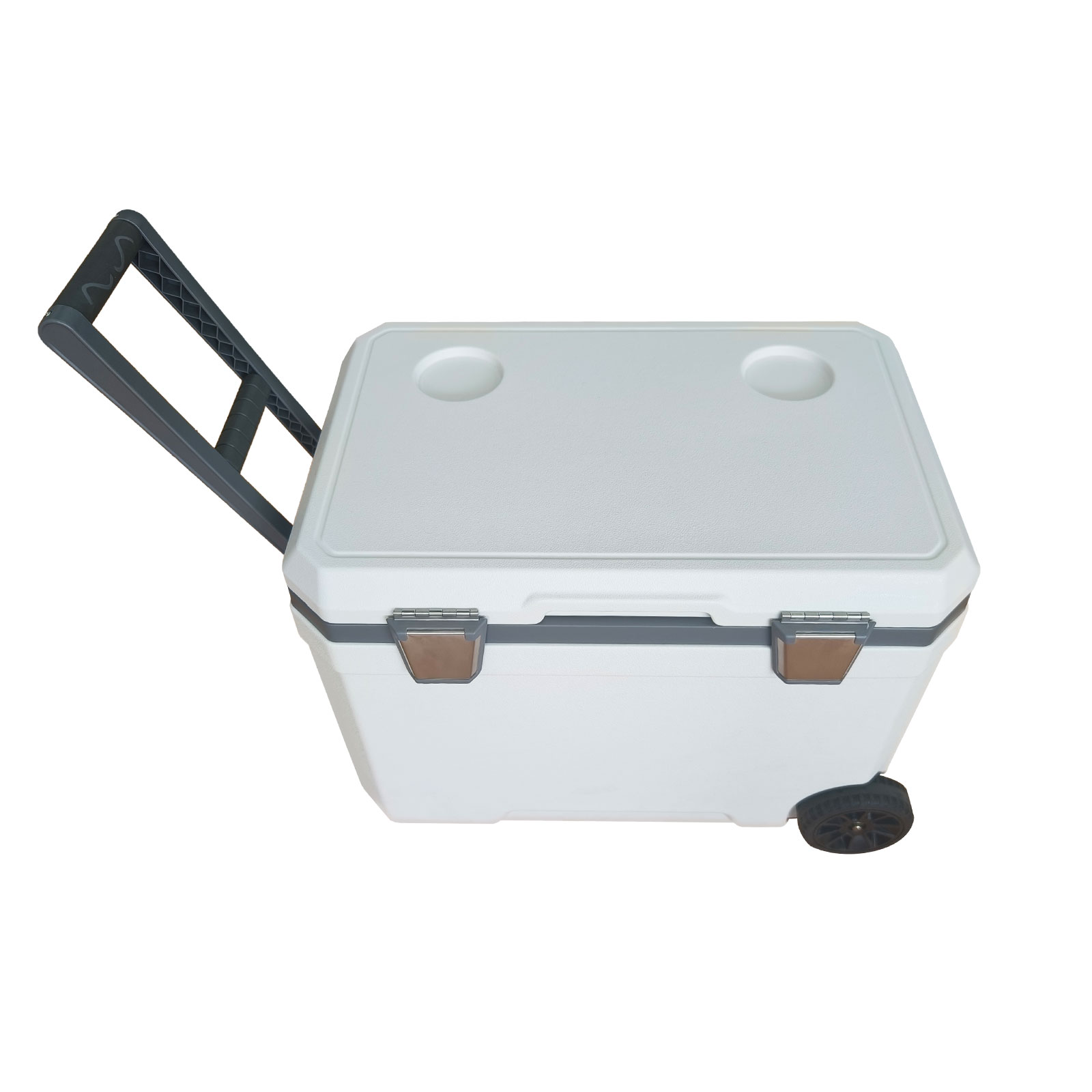
Portable Customizable EPP Box: A Practical Selection Guide for Cold-Chain Buyers
For portable customizable EPP box decisions, a portable customizable EPP box should be selected as a working part of your logistics system, not as a standalone promise of temperature control. The right choice depends on designing a portable insulated EPP box for repeat delivery, hand-carry transport, field sampling, food service, or small medical logistics, the product temperature requirement, the payload, the cold source, and the evidence behind any performance claim. Use the guidance below to compare options, question suppliers, and move from sample evaluation to reliable use without overpromising what an EPP box can do.
Quick answer: a portable customizable EPP box is a strong candidate when you need lightweight insulation, impact protection, and repeatable handling, but it should be approved with the cold source, payload, route, and receiving process. It is not a shortcut around temperature monitoring or quality review.
What the Box Can Do and What It Cannot Do
An EPP box can provide impact protection, insulation, and repeated-use handling advantages. It can make a cold-chain or protective packaging workflow easier by reducing weight, supporting molded inserts, and resisting everyday knocks better than some disposable foam options. For designing a portable insulated EPP box for repeat delivery, hand-carry transport, field sampling, food service, or small medical logistics, those advantages can be meaningful.
What it cannot do is define the product requirement, generate cold, document the shipment, or guarantee regulatory acceptance. Those roles belong to the product label, the cold source, the packout, monitoring devices, quality procedures, and the people operating the route. A strong specification keeps these roles separate.
This is the central buying principle: choose the box for the job it can actually perform, then build the rest of the workflow around it. When buyers skip that principle, they often end up with packaging that looks professional but fails under routine handling.
Start With the Route, Payload, and Acceptance Range
Before comparing suppliers, write down the route in operational language. Where is the product stored before packing? Who packs it? How long might it wait before loading? What vehicle or carrier handles it? Where could it be exposed to heat, cold, or delay? Who receives it, and how quickly is it unpacked? These questions reveal whether the packaging needs more thermal margin, better labeling, or a different format.
Next, define the payload. Gross capacity is not enough. You need to know the product dimensions, product mass, orientation limits, required dividers, cold-source volume, documents, and any monitoring device. The usable payload space after those items are included is the space that matters. A small mismatch can create pressure on the lid or inconsistent packout.
Finally, confirm the acceptance range. Portability does not remove the need to confirm the target temperature range, cold source, payload mass, and route exposure. If you do not define the product condition clearly, no supplier can responsibly confirm whether a proposed box and packout are suitable.
Supplier Claims Should Be Converted Into Verification Points
Supplier claims are useful when they start a technical conversation. They are risky when they end the conversation too early. A phrase such as "good insulation" should lead to questions about test conditions. A phrase such as "reusable" should lead to cleaning and inspection criteria. A phrase such as "customizable" should lead to drawings, mold review, tolerances, and sample sign-off.
For a box that balances hand-carry ergonomics, internal protection, insulation, inserts, branding, and repeated opening events, a better purchasing file includes both the supplier statement and the buyer verification step. If thermal performance is important, keep notes on the payload, cold source, ambient exposure, and acceptance limits. If hygiene is important, document cleaning methods and what surface condition is acceptable after repeated use.
This approach protects both sides. The buyer avoids assuming more than the data supports. The supplier receives clearer requirements and can recommend a more realistic option.
| Decision point | What to confirm | Why it protects the buyer |
|---|---|---|
| Product and range | Required temperature range, sensitivity, and allowable exposure. | Prevents the box from being approved for the wrong product condition. |
| Route reality | Worst-case transit time, staging, handovers, and receiving delay. | Shows whether the packaging needs extra thermal margin or process control. |
| Packout design | Coolant type, position, conditioning, inserts, and headspace. | Turns the EPP box into a repeatable system instead of a loose container. |
| Supplier evidence | Test data, sample consistency, drawings, and change control. | Reduces the risk of unsupported claims and production mismatch. |
| Daily operation | Cleaning, inspection, labeling, stacking, and return flow. | Keeps the program usable after the first purchase. |
The table is useful because it separates what the box physically is from what the buyer still needs to confirm. It also keeps supplier discussions practical. If a point cannot be confirmed during the sample stage, it should remain open rather than being turned into an unsupported product claim.
Custom Design Choices That Affect Daily Use
This module should be completed before bulk ordering or final custom approval. It turns the search for a portable customizable EPP box into a controlled selection process instead of a catalog comparison.
A portable design should be tested as a complete system, including the product load, cold source, lid opening behavior, and receiving routine. If the shipment is high risk, involve quality, operations, and receiving staff before purchase approval. A cold-chain box affects more departments than procurement alone.
| Decision point | What to confirm | Why it protects the buyer |
|---|---|---|
| Product and range | Required temperature range, sensitivity, and allowable exposure. | Prevents the box from being approved for the wrong product condition. |
| Route reality | Worst-case transit time, staging, handovers, and receiving delay. | Shows whether the packaging needs extra thermal margin or process control. |
| Packout design | Coolant type, position, conditioning, inserts, and headspace. | Turns the EPP box into a repeatable system instead of a loose container. |
| Supplier evidence | Test data, sample consistency, drawings, and change control. | Reduces the risk of unsupported claims and production mismatch. |
| Daily operation | Cleaning, inspection, labeling, stacking, and return flow. | Keeps the program usable after the first purchase. |
The table is useful because it separates what the box physically is from what the buyer still needs to confirm. It also keeps supplier discussions practical. If a point cannot be confirmed during the sample stage, it should remain open rather than being turned into an unsupported product claim.
From Sample Approval to Daily Use
A sample should be tested for fit, usability, and process match. Pack it with the real product or a realistic substitute, include the cold source, close the lid as operators would during a busy shift, and move it through a realistic route. If the team needs special effort to make the sample work, production use may become inconsistent.
For custom programs, record approved drawings, material notes, color or branding requirements, lid details, insert layout, and carton or pallet packing expectations. For bulk programs, define acceptance criteria for incoming inspection. Look for deformation, lid fit, surface condition, dimensions, and labeling. These checks are not bureaucracy. They prevent small defects from becoming repeated operational problems.
Once the box is in use, create a simple loop for feedback. Operators should report damaged lids, cleaning issues, odor, missing labels, and packing confusion. Reusable packaging stays reliable only when the organization treats it as a managed asset.
Practical Operating Notes Before Approval
Write the packing procedure in the same language operators use. Include product pre-conditioning, cold-source placement, lid closure, label placement, and the person responsible for final check. If the procedure is too complex to repeat during a busy shift, the packaging design should be simplified before the program expands.
Define receiving expectations. A temperature-sensitive shipment should not wait in a general receiving area without attention. The receiver should know what to inspect on arrival, what to record, where to place the goods, and who to contact if the box is damaged or a temperature monitor shows concern.
Plan empty returns when the box is intended for reuse. Return flow affects total cost, sustainability, and replacement inventory. A box that is durable but frequently lost may not be the most economical option. Identification marks, route ownership, and return checkpoints can reduce that problem.
Keep the specification under control. If the supplier changes material grade, lid design, wall geometry, insert layout, or production method, the buyer should understand whether the change affects packing, cleaning, or thermal assumptions. Change control is especially important for custom and bulk programs.
Use pilot feedback before scaling. Operators often notice details that purchasing teams miss: a handle that pinches, a lid that is hard to align, a label area that gets wet, or an insert that slows packing. Those details affect adoption and should be reviewed while changes are still possible.
One useful rule for product designers, delivery operators, laboratory teams, and procurement managers needing portable insulated packaging is to separate approval into three layers: product fit, route fit, and operation fit. Product fit asks whether the payload, temperature condition, and sensitivity make sense for the proposed container. Route fit asks whether the box and packout have enough margin for the expected exposure. Operation fit asks whether people can pack, move, receive, clean, and return the box consistently. A weakness in any one layer can undo a good material choice.
Another practical check is to compare the best-case use with the worst ordinary day. A supplier sample is often evaluated under calm conditions, while real logistics includes late pickups, open dock doors, busy receiving areas, and operators who need clear instructions. The right portable customizable EPP box should be forgiving enough for normal variation but not used as a substitute for process control.
For custom or repeated orders, documentation should be kept simple but complete. A drawing, approved sample note, packout instruction, cleaning note, and change-control expectation can prevent confusion later. This is especially helpful when the same box design is used by more than one site or when different teams handle procurement, packing, receiving, and quality review.
The buyer should also review total cost beyond the first purchase. Replacement rate, cleaning labor, storage space, return freight, lost assets, relabeling, and product rejection risk can be more important than a small difference in unit price. A slightly better-designed EPP box may reduce handling friction and make the reusable program easier to maintain.
Finally, avoid turning cautious supplier language into absolute claims. If a supplier says the box is suitable for a type of application, ask under what conditions. If they mention insulation, ask what packout was used. If they mention recyclability, ask what material identification and recovery route are practical. The purchasing file should show what is known and what still depends on your process.
One useful rule for product designers, delivery operators, laboratory teams, and procurement managers needing portable insulated packaging is to separate approval into three layers: product fit, route fit, and operation fit. Product fit asks whether the payload, temperature condition, and sensitivity make sense for the proposed container. Route fit asks whether the box and packout have enough margin for the expected exposure. Operation fit asks whether people can pack, move, receive, clean, and return the box consistently. A weakness in any one layer can undo a good material choice.
FAQ
Is a portable customizable EPP box automatically temperature controlled?
No. It is an insulated container, not an active cooling unit. It can slow heat transfer and protect the payload from handling impact, but temperature performance depends on the product starting temperature, cold source, packout design, route exposure, lid discipline, and receiving process. For sensitive goods, treat the box as part of a complete packaging system.
What should I ask before ordering samples?
Ask for usable internal dimensions, material and lid details, cold-source compatibility, cleaning guidance, sample drawings, available test information, and how the supplier controls production changes. For a box that balances hand-carry ergonomics, internal protection, insulation, inserts, branding, and repeated opening events, also describe your route, payload, temperature range, and handover points so the sample can be evaluated realistically.
Can EPP boxes be reused?
EPP is commonly selected for reusable packaging because it is light, resilient, and able to recover from many handling impacts. Reuse still depends on the design, cleaning process, inspection routine, and how the box is returned and stored. Buyers should define damage criteria and retirement rules before starting a reusable program.
How do I know whether the box fits my route?
Start with the product, not the box. Confirm the required temperature condition, product mass, route duration, waiting time, vehicle exposure, opening frequency, and receiving process. Then test or evaluate the box with the same type of cold source and payload arrangement you plan to use in daily operations.
Does recyclability mean the box will be accepted everywhere?
Not necessarily. EPP is a polypropylene-based foam and can be recyclable in appropriate recovery systems, but local acceptance depends on collection, sorting, contamination, and recycling channels. Buyers planning a sustainability program should discuss labeling, return flow, cleaning, and end-of-life handling instead of relying on a generic recycling claim.
Conclusion
A portable customizable EPP box can be a strong packaging choice when the buyer connects material benefits with route reality. Use EPP for its light weight, insulation, impact resistance, and reusable potential, but do not assume the box alone controls temperature or proves compliance. Confirm the product range, payload fit, packout, cold source, receiving process, cleaning routine, and supplier evidence before scaling. The strongest purchasing decision is the one that protects both the shipment and the daily workflow that surrounds it.
Insulated EPP Box for Sale: Practical Selection Guide

Insulated EPP Box for Sale: A Practical Selection Guide for Cold-Chain Buyers
For insulated EPP box for sale decisions, an insulated EPP box for sale should be selected as a working part of your logistics system, not as a standalone promise of temperature control. The right choice depends on choosing an available insulated EPP box before requesting samples, pricing, or a customized quotation, the product temperature requirement, the payload, the cold source, and the evidence behind any performance claim. Use the guidance below to compare options, question suppliers, and move from sample evaluation to reliable use without overpromising what an EPP box can do.
Quick answer: an insulated EPP box for sale is a strong candidate when you need lightweight insulation, impact protection, and repeatable handling, but it should be approved with the cold source, payload, route, and receiving process. It is not a shortcut around temperature monitoring or quality review.
What the Box Can Do and What It Cannot Do
An EPP box can provide impact protection, insulation, and repeated-use handling advantages. It can make a cold-chain or protective packaging workflow easier by reducing weight, supporting molded inserts, and resisting everyday knocks better than some disposable foam options. For choosing an available insulated EPP box before requesting samples, pricing, or a customized quotation, those advantages can be meaningful.
What it cannot do is define the product requirement, generate cold, document the shipment, or guarantee regulatory acceptance. Those roles belong to the product label, the cold source, the packout, monitoring devices, quality procedures, and the people operating the route. A strong specification keeps these roles separate.
This is the central buying principle: choose the box for the job it can actually perform, then build the rest of the workflow around it. When buyers skip that principle, they often end up with packaging that looks professional but fails under routine handling.
Start With the Route, Payload, and Acceptance Range
Before comparing suppliers, write down the route in operational language. Where is the product stored before packing? Who packs it? How long might it wait before loading? What vehicle or carrier handles it? Where could it be exposed to heat, cold, or delay? Who receives it, and how quickly is it unpacked? These questions reveal whether the packaging needs more thermal margin, better labeling, or a different format.
Next, define the payload. Gross capacity is not enough. You need to know the product dimensions, product mass, orientation limits, required dividers, cold-source volume, documents, and any monitoring device. The usable payload space after those items are included is the space that matters. A small mismatch can create pressure on the lid or inconsistent packout.
Finally, confirm the acceptance range. The required temperature range should come from the product, not from the box listing. The box only helps maintain the environment created by the packout. If you do not define the product condition clearly, no supplier can responsibly confirm whether a proposed box and packout are suitable.
Supplier Claims Should Be Converted Into Verification Points
Supplier claims are useful when they start a technical conversation. They are risky when they end the conversation too early. A phrase such as "good insulation" should lead to questions about test conditions. A phrase such as "reusable" should lead to cleaning and inspection criteria. A phrase such as "customizable" should lead to drawings, mold review, tolerances, and sample sign-off.
For a purchasable insulated container that matches payload, route duration, handling style, cleaning needs, and cold source compatibility, a better purchasing file includes both the supplier statement and the buyer verification step. If thermal performance is important, keep notes on the payload, cold source, ambient exposure, and acceptance limits. If hygiene is important, document cleaning methods and what surface condition is acceptable after repeated use.
This approach protects both sides. The buyer avoids assuming more than the data supports. The supplier receives clearer requirements and can recommend a more realistic option.
| Decision point | What to confirm | Why it protects the buyer |
|---|---|---|
| Product and range | Required temperature range, sensitivity, and allowable exposure. | Prevents the box from being approved for the wrong product condition. |
| Route reality | Worst-case transit time, staging, handovers, and receiving delay. | Shows whether the packaging needs extra thermal margin or process control. |
| Packout design | Coolant type, position, conditioning, inserts, and headspace. | Turns the EPP box into a repeatable system instead of a loose container. |
| Supplier evidence | Test data, sample consistency, drawings, and change control. | Reduces the risk of unsupported claims and production mismatch. |
| Daily operation | Cleaning, inspection, labeling, stacking, and return flow. | Keeps the program usable after the first purchase. |
The table is useful because it separates what the box physically is from what the buyer still needs to confirm. It also keeps supplier discussions practical. If a point cannot be confirmed during the sample stage, it should remain open rather than being turned into an unsupported product claim.
What to Confirm Before Buying an Available EPP Box
This module should be completed before bulk ordering or final custom approval. It turns the search for an insulated EPP box for sale into a controlled selection process instead of a catalog comparison.
Before ordering, buyers should confirm dimensions, lid fit, inserts, coolant compatibility, expected cleaning method, and whether thermal test data is available for the intended use. If the shipment is high risk, involve quality, operations, and receiving staff before purchase approval. A cold-chain box affects more departments than procurement alone.
| Decision point | What to confirm | Why it protects the buyer |
|---|---|---|
| Product and range | Required temperature range, sensitivity, and allowable exposure. | Prevents the box from being approved for the wrong product condition. |
| Route reality | Worst-case transit time, staging, handovers, and receiving delay. | Shows whether the packaging needs extra thermal margin or process control. |
| Packout design | Coolant type, position, conditioning, inserts, and headspace. | Turns the EPP box into a repeatable system instead of a loose container. |
| Supplier evidence | Test data, sample consistency, drawings, and change control. | Reduces the risk of unsupported claims and production mismatch. |
| Daily operation | Cleaning, inspection, labeling, stacking, and return flow. | Keeps the program usable after the first purchase. |
The table is useful because it separates what the box physically is from what the buyer still needs to confirm. It also keeps supplier discussions practical. If a point cannot be confirmed during the sample stage, it should remain open rather than being turned into an unsupported product claim.
From Sample Approval to Daily Use
A sample should be tested for fit, usability, and process match. Pack it with the real product or a realistic substitute, include the cold source, close the lid as operators would during a busy shift, and move it through a realistic route. If the team needs special effort to make the sample work, production use may become inconsistent.
For custom programs, record approved drawings, material notes, color or branding requirements, lid details, insert layout, and carton or pallet packing expectations. For bulk programs, define acceptance criteria for incoming inspection. Look for deformation, lid fit, surface condition, dimensions, and labeling. These checks are not bureaucracy. They prevent small defects from becoming repeated operational problems.
Once the box is in use, create a simple loop for feedback. Operators should report damaged lids, cleaning issues, odor, missing labels, and packing confusion. Reusable packaging stays reliable only when the organization treats it as a managed asset.
Practical Operating Notes Before Approval
Write the packing procedure in the same language operators use. Include product pre-conditioning, cold-source placement, lid closure, label placement, and the person responsible for final check. If the procedure is too complex to repeat during a busy shift, the packaging design should be simplified before the program expands.
Define receiving expectations. A temperature-sensitive shipment should not wait in a general receiving area without attention. The receiver should know what to inspect on arrival, what to record, where to place the goods, and who to contact if the box is damaged or a temperature monitor shows concern.
Plan empty returns when the box is intended for reuse. Return flow affects total cost, sustainability, and replacement inventory. A box that is durable but frequently lost may not be the most economical option. Identification marks, route ownership, and return checkpoints can reduce that problem.
Keep the specification under control. If the supplier changes material grade, lid design, wall geometry, insert layout, or production method, the buyer should understand whether the change affects packing, cleaning, or thermal assumptions. Change control is especially important for custom and bulk programs.
Use pilot feedback before scaling. Operators often notice details that purchasing teams miss: a handle that pinches, a lid that is hard to align, a label area that gets wet, or an insert that slows packing. Those details affect adoption and should be reviewed while changes are still possible.
One useful rule for buyers comparing available insulated boxes for food, pharma, meal delivery, lab, and cold-chain operations is to separate approval into three layers: product fit, route fit, and operation fit. Product fit asks whether the payload, temperature condition, and sensitivity make sense for the proposed container. Route fit asks whether the box and packout have enough margin for the expected exposure. Operation fit asks whether people can pack, move, receive, clean, and return the box consistently. A weakness in any one layer can undo a good material choice.
Another practical check is to compare the best-case use with the worst ordinary day. A supplier sample is often evaluated under calm conditions, while real logistics includes late pickups, open dock doors, busy receiving areas, and operators who need clear instructions. The right insulated EPP box for sale should be forgiving enough for normal variation but not used as a substitute for process control.
For custom or repeated orders, documentation should be kept simple but complete. A drawing, approved sample note, packout instruction, cleaning note, and change-control expectation can prevent confusion later. This is especially helpful when the same box design is used by more than one site or when different teams handle procurement, packing, receiving, and quality review.
The buyer should also review total cost beyond the first purchase. Replacement rate, cleaning labor, storage space, return freight, lost assets, relabeling, and product rejection risk can be more important than a small difference in unit price. A slightly better-designed EPP box may reduce handling friction and make the reusable program easier to maintain.
Finally, avoid turning cautious supplier language into absolute claims. If a supplier says the box is suitable for a type of application, ask under what conditions. If they mention insulation, ask what packout was used. If they mention recyclability, ask what material identification and recovery route are practical. The purchasing file should show what is known and what still depends on your process.
One useful rule for buyers comparing available insulated boxes for food, pharma, meal delivery, lab, and cold-chain operations is to separate approval into three layers: product fit, route fit, and operation fit. Product fit asks whether the payload, temperature condition, and sensitivity make sense for the proposed container. Route fit asks whether the box and packout have enough margin for the expected exposure. Operation fit asks whether people can pack, move, receive, clean, and return the box consistently. A weakness in any one layer can undo a good material choice.
FAQ
Is an insulated EPP box for sale automatically temperature controlled?
No. It is an insulated container, not an active cooling unit. It can slow heat transfer and protect the payload from handling impact, but temperature performance depends on the product starting temperature, cold source, packout design, route exposure, lid discipline, and receiving process. For sensitive goods, treat the box as part of a complete packaging system.
What should I ask before ordering samples?
Ask for usable internal dimensions, material and lid details, cold-source compatibility, cleaning guidance, sample drawings, available test information, and how the supplier controls production changes. For a purchasable insulated container that matches payload, route duration, handling style, cleaning needs, and cold source compatibility, also describe your route, payload, temperature range, and handover points so the sample can be evaluated realistically.
Can EPP boxes be reused?
EPP is commonly selected for reusable packaging because it is light, resilient, and able to recover from many handling impacts. Reuse still depends on the design, cleaning process, inspection routine, and how the box is returned and stored. Buyers should define damage criteria and retirement rules before starting a reusable program.
How do I know whether the box fits my route?
Start with the product, not the box. Confirm the required temperature condition, product mass, route duration, waiting time, vehicle exposure, opening frequency, and receiving process. Then test or evaluate the box with the same type of cold source and payload arrangement you plan to use in daily operations.
Does recyclability mean the box will be accepted everywhere?
Not necessarily. EPP is a polypropylene-based foam and can be recyclable in appropriate recovery systems, but local acceptance depends on collection, sorting, contamination, and recycling channels. Buyers planning a sustainability program should discuss labeling, return flow, cleaning, and end-of-life handling instead of relying on a generic recycling claim.
Conclusion
An insulated EPP box for sale can be a strong packaging choice when the buyer connects material benefits with route reality. Use EPP for its light weight, insulation, impact resistance, and reusable potential, but do not assume the box alone controls temperature or proves compliance. Confirm the product range, payload fit, packout, cold source, receiving process, cleaning routine, and supplier evidence before scaling. The strongest purchasing decision is the one that protects both the shipment and the daily workflow that surrounds it.
Expanded Polypropylene Box Vaccine Transport: Practical Selection Guide
Expanded Polypropylene Box Vaccine Transport: A Practical Selection Guide for Cold-Chain Buyers
For expanded polypropylene box vaccine transport decisions, an expanded polypropylene box for vaccine transport should be selected as a working part of your logistics system, not as a standalone promise of temperature control. The right choice depends on moving vaccines, diluents, and related medical products between storage, distribution, clinics, or controlled handover points, the product temperature requirement, the payload, the cold source, and the evidence behind any performance claim. Use the guidance below to compare options, question suppliers, and move from sample evaluation to reliable use without overpromising what an EPP box can do.
Quick answer: an expanded polypropylene box for vaccine transport is a strong candidate when you need lightweight insulation, impact protection, and repeatable handling, but it should be approved with the cold source, payload, route, and receiving process. It is not a shortcut around temperature monitoring or quality review.
What the Box Can Do and What It Cannot Do
An EPP box can provide impact protection, insulation, and repeated-use handling advantages. It can make a cold-chain or protective packaging workflow easier by reducing weight, supporting molded inserts, and resisting everyday knocks better than some disposable foam options. For moving vaccines, diluents, and related medical products between storage, distribution, clinics, or controlled handover points, those advantages can be meaningful.
What it cannot do is define the product requirement, generate cold, document the shipment, or guarantee regulatory acceptance. Those roles belong to the product label, the cold source, the packout, monitoring devices, quality procedures, and the people operating the route. A strong specification keeps these roles separate.
This is the central buying principle: choose the box for the job it can actually perform, then build the rest of the workflow around it. When buyers skip that principle, they often end up with packaging that looks professional but fails under routine handling.
Start With the Route, Payload, and Acceptance Range
Before comparing suppliers, write down the route in operational language. Where is the product stored before packing? Who packs it? How long might it wait before loading? What vehicle or carrier handles it? Where could it be exposed to heat, cold, or delay? Who receives it, and how quickly is it unpacked? These questions reveal whether the packaging needs more thermal margin, better labeling, or a different format.
Next, define the payload. Gross capacity is not enough. You need to know the product dimensions, product mass, orientation limits, required dividers, cold-source volume, documents, and any monitoring device. The usable payload space after those items are included is the space that matters. A small mismatch can create pressure on the lid or inconsistent packout.
Finally, confirm the acceptance range. Many refrigerated vaccine workflows are planned around 2°C to 8°C, but the required range must be confirmed from the product label and the responsible quality team. If you do not define the product condition clearly, no supplier can responsibly confirm whether a proposed box and packout are suitable.
Supplier Claims Should Be Converted Into Verification Points
Supplier claims are useful when they start a technical conversation. They are risky when they end the conversation too early. A phrase such as "good insulation" should lead to questions about test conditions. A phrase such as "reusable" should lead to cleaning and inspection criteria. A phrase such as "customizable" should lead to drawings, mold review, tolerances, and sample sign-off.
For temperature-sensitive vaccine transport where the box must be part of a qualified passive packaging system rather than a simple foam container, a better purchasing file includes both the supplier statement and the buyer verification step. If thermal performance is important, keep notes on the payload, cold source, ambient exposure, and acceptance limits. If hygiene is important, document cleaning methods and what surface condition is acceptable after repeated use.
This approach protects both sides. The buyer avoids assuming more than the data supports. The supplier receives clearer requirements and can recommend a more realistic option.
| Decision point | What to confirm | Why it protects the buyer |
|---|---|---|
| Product and range | Required temperature range, sensitivity, and allowable exposure. | Prevents the box from being approved for the wrong product condition. |
| Route reality | Worst-case transit time, staging, handovers, and receiving delay. | Shows whether the packaging needs extra thermal margin or process control. |
| Packout design | Coolant type, position, conditioning, inserts, and headspace. | Turns the EPP box into a repeatable system instead of a loose container. |
| Supplier evidence | Test data, sample consistency, drawings, and change control. | Reduces the risk of unsupported claims and production mismatch. |
| Daily operation | Cleaning, inspection, labeling, stacking, and return flow. | Keeps the program usable after the first purchase. |
The table is useful because it separates what the box physically is from what the buyer still needs to confirm. It also keeps supplier discussions practical. If a point cannot be confirmed during the sample stage, it should remain open rather than being turned into an unsupported product claim.
Vaccine Transport Review Before You Approve a Box
This module should be completed before bulk ordering or final custom approval. It turns the search for an expanded polypropylene box for vaccine transport into a controlled selection process instead of a catalog comparison.
The container should be packed with conditioned coolants or appropriate PCM, a temperature monitoring device, and receiving instructions that prevent the shipment from being left unopened. If the shipment is high risk, involve quality, operations, and receiving staff before purchase approval. A cold-chain box affects more departments than procurement alone.
| Decision point | What to confirm | Why it protects the buyer |
|---|---|---|
| Product and range | Required temperature range, sensitivity, and allowable exposure. | Prevents the box from being approved for the wrong product condition. |
| Route reality | Worst-case transit time, staging, handovers, and receiving delay. | Shows whether the packaging needs extra thermal margin or process control. |
| Packout design | Coolant type, position, conditioning, inserts, and headspace. | Turns the EPP box into a repeatable system instead of a loose container. |
| Supplier evidence | Test data, sample consistency, drawings, and change control. | Reduces the risk of unsupported claims and production mismatch. |
| Daily operation | Cleaning, inspection, labeling, stacking, and return flow. | Keeps the program usable after the first purchase. |
The table is useful because it separates what the box physically is from what the buyer still needs to confirm. It also keeps supplier discussions practical. If a point cannot be confirmed during the sample stage, it should remain open rather than being turned into an unsupported product claim.
From Sample Approval to Daily Use
A sample should be tested for fit, usability, and process match. Pack it with the real product or a realistic substitute, include the cold source, close the lid as operators would during a busy shift, and move it through a realistic route. If the team needs special effort to make the sample work, production use may become inconsistent.
For custom programs, record approved drawings, material notes, color or branding requirements, lid details, insert layout, and carton or pallet packing expectations. For bulk programs, define acceptance criteria for incoming inspection. Look for deformation, lid fit, surface condition, dimensions, and labeling. These checks are not bureaucracy. They prevent small defects from becoming repeated operational problems.
Once the box is in use, create a simple loop for feedback. Operators should report damaged lids, cleaning issues, odor, missing labels, and packing confusion. Reusable packaging stays reliable only when the organization treats it as a managed asset.
Practical Operating Notes Before Approval
Write the packing procedure in the same language operators use. Include product pre-conditioning, cold-source placement, lid closure, label placement, and the person responsible for final check. If the procedure is too complex to repeat during a busy shift, the packaging design should be simplified before the program expands.
Define receiving expectations. A temperature-sensitive shipment should not wait in a general receiving area without attention. The receiver should know what to inspect on arrival, what to record, where to place the goods, and who to contact if the box is damaged or a temperature monitor shows concern.
Plan empty returns when the box is intended for reuse. Return flow affects total cost, sustainability, and replacement inventory. A box that is durable but frequently lost may not be the most economical option. Identification marks, route ownership, and return checkpoints can reduce that problem.
Keep the specification under control. If the supplier changes material grade, lid design, wall geometry, insert layout, or production method, the buyer should understand whether the change affects packing, cleaning, or thermal assumptions. Change control is especially important for custom and bulk programs.
Use pilot feedback before scaling. Operators often notice details that purchasing teams miss: a handle that pinches, a lid that is hard to align, a label area that gets wet, or an insert that slows packing. Those details affect adoption and should be reviewed while changes are still possible.
One useful rule for vaccine logistics buyers, immunization program coordinators, quality managers, and pharmaceutical distribution teams is to separate approval into three layers: product fit, route fit, and operation fit. Product fit asks whether the payload, temperature condition, and sensitivity make sense for the proposed container. Route fit asks whether the box and packout have enough margin for the expected exposure. Operation fit asks whether people can pack, move, receive, clean, and return the box consistently. A weakness in any one layer can undo a good material choice.
Another practical check is to compare the best-case use with the worst ordinary day. A supplier sample is often evaluated under calm conditions, while real logistics includes late pickups, open dock doors, busy receiving areas, and operators who need clear instructions. The right expanded polypropylene box vaccine transport should be forgiving enough for normal variation but not used as a substitute for process control.
For custom or repeated orders, documentation should be kept simple but complete. A drawing, approved sample note, packout instruction, cleaning note, and change-control expectation can prevent confusion later. This is especially helpful when the same box design is used by more than one site or when different teams handle procurement, packing, receiving, and quality review.
The buyer should also review total cost beyond the first purchase. Replacement rate, cleaning labor, storage space, return freight, lost assets, relabeling, and product rejection risk can be more important than a small difference in unit price. A slightly better-designed EPP box may reduce handling friction and make the reusable program easier to maintain.
Finally, avoid turning cautious supplier language into absolute claims. If a supplier says the box is suitable for a type of application, ask under what conditions. If they mention insulation, ask what packout was used. If they mention recyclability, ask what material identification and recovery route are practical. The purchasing file should show what is known and what still depends on your process.
One useful rule for vaccine logistics buyers, immunization program coordinators, quality managers, and pharmaceutical distribution teams is to separate approval into three layers: product fit, route fit, and operation fit. Product fit asks whether the payload, temperature condition, and sensitivity make sense for the proposed container. Route fit asks whether the box and packout have enough margin for the expected exposure. Operation fit asks whether people can pack, move, receive, clean, and return the box consistently. A weakness in any one layer can undo a good material choice.
FAQ
Is an expanded polypropylene box for vaccine transport automatically temperature controlled?
No. It is an insulated container, not an active cooling unit. It can slow heat transfer and protect the payload from handling impact, but temperature performance depends on the product starting temperature, cold source, packout design, route exposure, lid discipline, and receiving process. For sensitive goods, treat the box as part of a complete packaging system.
What should I ask before ordering samples?
Ask for usable internal dimensions, material and lid details, cold-source compatibility, cleaning guidance, sample drawings, available test information, and how the supplier controls production changes. For temperature-sensitive vaccine transport where the box must be part of a qualified passive packaging system rather than a simple foam container, also describe your route, payload, temperature range, and handover points so the sample can be evaluated realistically.
Can EPP boxes be reused?
EPP is commonly selected for reusable packaging because it is light, resilient, and able to recover from many handling impacts. Reuse still depends on the design, cleaning process, inspection routine, and how the box is returned and stored. Buyers should define damage criteria and retirement rules before starting a reusable program.
What makes pharma or vaccine transport different?
The product range, quality procedure, documentation need, and receiving decision are usually stricter. Many refrigerated vaccine workflows use 2°C to 8°C, but the exact range must be confirmed for the product. The buyer may also need a qualified packout, temperature monitoring, and a clear response plan for excursions.
Does recyclability mean the box will be accepted everywhere?
Not necessarily. EPP is a polypropylene-based foam and can be recyclable in appropriate recovery systems, but local acceptance depends on collection, sorting, contamination, and recycling channels. Buyers planning a sustainability program should discuss labeling, return flow, cleaning, and end-of-life handling instead of relying on a generic recycling claim.
Conclusion
An expanded polypropylene box for vaccine transport can be a strong packaging choice when the buyer connects material benefits with route reality. Use EPP for its light weight, insulation, impact resistance, and reusable potential, but do not assume the box alone controls temperature or proves compliance. Confirm the product range, payload fit, packout, cold source, receiving process, cleaning routine, and supplier evidence before scaling. The strongest purchasing decision is the one that protects both the shipment and the daily workflow that surrounds it.
Expanded Polypropylene Box Supplier: Practical Selection Guide
Expanded Polypropylene Box Supplier: A Practical Selection Guide for Cold-Chain Buyers
For expanded polypropylene box supplier decisions, an expanded polypropylene box supplier should be selected as a working part of your logistics system, not as a standalone promise of temperature control. The right choice depends on selecting a supplier for EPP insulated boxes used in food, pharmaceutical, laboratory, and temperature-sensitive product logistics, the product temperature requirement, the payload, the cold source, and the evidence behind any performance claim. Use the guidance below to compare options, question suppliers, and move from sample evaluation to reliable use without overpromising what an EPP box can do.
Quick answer: an expanded polypropylene box supplier is a strong candidate when you need lightweight insulation, impact protection, and repeatable handling, but it should be approved with the cold source, payload, route, and receiving process. It is not a shortcut around temperature monitoring or quality review.
What the Box Can Do and What It Cannot Do
An EPP box can provide impact protection, insulation, and repeated-use handling advantages. It can make a cold-chain or protective packaging workflow easier by reducing weight, supporting molded inserts, and resisting everyday knocks better than some disposable foam options. For selecting a supplier for EPP insulated boxes used in food, pharmaceutical, laboratory, and temperature-sensitive product logistics, those advantages can be meaningful.
What it cannot do is define the product requirement, generate cold, document the shipment, or guarantee regulatory acceptance. Those roles belong to the product label, the cold source, the packout, monitoring devices, quality procedures, and the people operating the route. A strong specification keeps these roles separate.
This is the central buying principle: choose the box for the job it can actually perform, then build the rest of the workflow around it. When buyers skip that principle, they often end up with packaging that looks professional but fails under routine handling.
Start With the Route, Payload, and Acceptance Range
Before comparing suppliers, write down the route in operational language. Where is the product stored before packing? Who packs it? How long might it wait before loading? What vehicle or carrier handles it? Where could it be exposed to heat, cold, or delay? Who receives it, and how quickly is it unpacked? These questions reveal whether the packaging needs more thermal margin, better labeling, or a different format.
Next, define the payload. Gross capacity is not enough. You need to know the product dimensions, product mass, orientation limits, required dividers, cold-source volume, documents, and any monitoring device. The usable payload space after those items are included is the space that matters. A small mismatch can create pressure on the lid or inconsistent packout.
Finally, confirm the acceptance range. An EPP box offers insulation, but thermal performance depends on design, payload, coolant, ambient exposure, and test profile. If you do not define the product condition clearly, no supplier can responsibly confirm whether a proposed box and packout are suitable.
Supplier Claims Should Be Converted Into Verification Points
Supplier claims are useful when they start a technical conversation. They are risky when they end the conversation too early. A phrase such as "good insulation" should lead to questions about test conditions. A phrase such as "reusable" should lead to cleaning and inspection criteria. A phrase such as "customizable" should lead to drawings, mold review, tolerances, and sample sign-off.
For a supplier that can turn material choice, dimensions, inserts, lid design, and production consistency into a reliable purchasing program, a better purchasing file includes both the supplier statement and the buyer verification step. If thermal performance is important, keep notes on the payload, cold source, ambient exposure, and acceptance limits. If hygiene is important, document cleaning methods and what surface condition is acceptable after repeated use.
This approach protects both sides. The buyer avoids assuming more than the data supports. The supplier receives clearer requirements and can recommend a more realistic option.
| Decision point | What to confirm | Why it protects the buyer |
|---|---|---|
| Product and range | Required temperature range, sensitivity, and allowable exposure. | Prevents the box from being approved for the wrong product condition. |
| Route reality | Worst-case transit time, staging, handovers, and receiving delay. | Shows whether the packaging needs extra thermal margin or process control. |
| Packout design | Coolant type, position, conditioning, inserts, and headspace. | Turns the EPP box into a repeatable system instead of a loose container. |
| Supplier evidence | Test data, sample consistency, drawings, and change control. | Reduces the risk of unsupported claims and production mismatch. |
| Daily operation | Cleaning, inspection, labeling, stacking, and return flow. | Keeps the program usable after the first purchase. |
The table is useful because it separates what the box physically is from what the buyer still needs to confirm. It also keeps supplier discussions practical. If a point cannot be confirmed during the sample stage, it should remain open rather than being turned into an unsupported product claim.
Supplier Questions That Actually Matter
This module should be completed before bulk ordering or final custom approval. It turns the search for an expanded polypropylene box supplier into a controlled selection process instead of a catalog comparison.
The buying process should compare physical samples, production tolerances, cleaning requirements, packaging documents, and the supplier’s ability to support repeat orders. If the shipment is high risk, involve quality, operations, and receiving staff before purchase approval. A cold-chain box affects more departments than procurement alone.
| Decision point | What to confirm | Why it protects the buyer |
|---|---|---|
| Product and range | Required temperature range, sensitivity, and allowable exposure. | Prevents the box from being approved for the wrong product condition. |
| Route reality | Worst-case transit time, staging, handovers, and receiving delay. | Shows whether the packaging needs extra thermal margin or process control. |
| Packout design | Coolant type, position, conditioning, inserts, and headspace. | Turns the EPP box into a repeatable system instead of a loose container. |
| Supplier evidence | Test data, sample consistency, drawings, and change control. | Reduces the risk of unsupported claims and production mismatch. |
| Daily operation | Cleaning, inspection, labeling, stacking, and return flow. | Keeps the program usable after the first purchase. |
The table is useful because it separates what the box physically is from what the buyer still needs to confirm. It also keeps supplier discussions practical. If a point cannot be confirmed during the sample stage, it should remain open rather than being turned into an unsupported product claim.
From Sample Approval to Daily Use
A sample should be tested for fit, usability, and process match. Pack it with the real product or a realistic substitute, include the cold source, close the lid as operators would during a busy shift, and move it through a realistic route. If the team needs special effort to make the sample work, production use may become inconsistent.
For custom programs, record approved drawings, material notes, color or branding requirements, lid details, insert layout, and carton or pallet packing expectations. For bulk programs, define acceptance criteria for incoming inspection. Look for deformation, lid fit, surface condition, dimensions, and labeling. These checks are not bureaucracy. They prevent small defects from becoming repeated operational problems.
Once the box is in use, create a simple loop for feedback. Operators should report damaged lids, cleaning issues, odor, missing labels, and packing confusion. Reusable packaging stays reliable only when the organization treats it as a managed asset.
Practical Operating Notes Before Approval
Write the packing procedure in the same language operators use. Include product pre-conditioning, cold-source placement, lid closure, label placement, and the person responsible for final check. If the procedure is too complex to repeat during a busy shift, the packaging design should be simplified before the program expands.
Define receiving expectations. A temperature-sensitive shipment should not wait in a general receiving area without attention. The receiver should know what to inspect on arrival, what to record, where to place the goods, and who to contact if the box is damaged or a temperature monitor shows concern.
Plan empty returns when the box is intended for reuse. Return flow affects total cost, sustainability, and replacement inventory. A box that is durable but frequently lost may not be the most economical option. Identification marks, route ownership, and return checkpoints can reduce that problem.
Keep the specification under control. If the supplier changes material grade, lid design, wall geometry, insert layout, or production method, the buyer should understand whether the change affects packing, cleaning, or thermal assumptions. Change control is especially important for custom and bulk programs.
Use pilot feedback before scaling. Operators often notice details that purchasing teams miss: a handle that pinches, a lid that is hard to align, a label area that gets wet, or an insert that slows packing. Those details affect adoption and should be reviewed while changes are still possible.
One useful rule for procurement teams, packaging engineers, cold-chain managers, and import buyers comparing EPP suppliers is to separate approval into three layers: product fit, route fit, and operation fit. Product fit asks whether the payload, temperature condition, and sensitivity make sense for the proposed container. Route fit asks whether the box and packout have enough margin for the expected exposure. Operation fit asks whether people can pack, move, receive, clean, and return the box consistently. A weakness in any one layer can undo a good material choice.
Another practical check is to compare the best-case use with the worst ordinary day. A supplier sample is often evaluated under calm conditions, while real logistics includes late pickups, open dock doors, busy receiving areas, and operators who need clear instructions. The right expanded polypropylene box supplier should be forgiving enough for normal variation but not used as a substitute for process control.
For custom or repeated orders, documentation should be kept simple but complete. A drawing, approved sample note, packout instruction, cleaning note, and change-control expectation can prevent confusion later. This is especially helpful when the same box design is used by more than one site or when different teams handle procurement, packing, receiving, and quality review.
The buyer should also review total cost beyond the first purchase. Replacement rate, cleaning labor, storage space, return freight, lost assets, relabeling, and product rejection risk can be more important than a small difference in unit price. A slightly better-designed EPP box may reduce handling friction and make the reusable program easier to maintain.
Finally, avoid turning cautious supplier language into absolute claims. If a supplier says the box is suitable for a type of application, ask under what conditions. If they mention insulation, ask what packout was used. If they mention recyclability, ask what material identification and recovery route are practical. The purchasing file should show what is known and what still depends on your process.
One useful rule for procurement teams, packaging engineers, cold-chain managers, and import buyers comparing EPP suppliers is to separate approval into three layers: product fit, route fit, and operation fit. Product fit asks whether the payload, temperature condition, and sensitivity make sense for the proposed container. Route fit asks whether the box and packout have enough margin for the expected exposure. Operation fit asks whether people can pack, move, receive, clean, and return the box consistently. A weakness in any one layer can undo a good material choice.
FAQ
Is an expanded polypropylene box supplier automatically temperature controlled?
No. It is an insulated container, not an active cooling unit. It can slow heat transfer and protect the payload from handling impact, but temperature performance depends on the product starting temperature, cold source, packout design, route exposure, lid discipline, and receiving process. For sensitive goods, treat the box as part of a complete packaging system.
What should I ask before ordering samples?
Ask for usable internal dimensions, material and lid details, cold-source compatibility, cleaning guidance, sample drawings, available test information, and how the supplier controls production changes. For a supplier that can turn material choice, dimensions, inserts, lid design, and production consistency into a reliable purchasing program, also describe your route, payload, temperature range, and handover points so the sample can be evaluated realistically.
Can EPP boxes be reused?
EPP is commonly selected for reusable packaging because it is light, resilient, and able to recover from many handling impacts. Reuse still depends on the design, cleaning process, inspection routine, and how the box is returned and stored. Buyers should define damage criteria and retirement rules before starting a reusable program.
What makes pharma or vaccine transport different?
The product range, quality procedure, documentation need, and receiving decision are usually stricter. Many refrigerated vaccine workflows use 2°C to 8°C, but the exact range must be confirmed for the product. The buyer may also need a qualified packout, temperature monitoring, and a clear response plan for excursions.
Does recyclability mean the box will be accepted everywhere?
Not necessarily. EPP is a polypropylene-based foam and can be recyclable in appropriate recovery systems, but local acceptance depends on collection, sorting, contamination, and recycling channels. Buyers planning a sustainability program should discuss labeling, return flow, cleaning, and end-of-life handling instead of relying on a generic recycling claim.
Conclusion
An expanded polypropylene box supplier can be a strong packaging choice when the buyer connects material benefits with route reality. Use EPP for its light weight, insulation, impact resistance, and reusable potential, but do not assume the box alone controls temperature or proves compliance. Confirm the product range, payload fit, packout, cold source, receiving process, cleaning routine, and supplier evidence before scaling. The strongest purchasing decision is the one that protects both the shipment and the daily workflow that surrounds it.
EPP box wholesale for medical: Practical Selection Guide
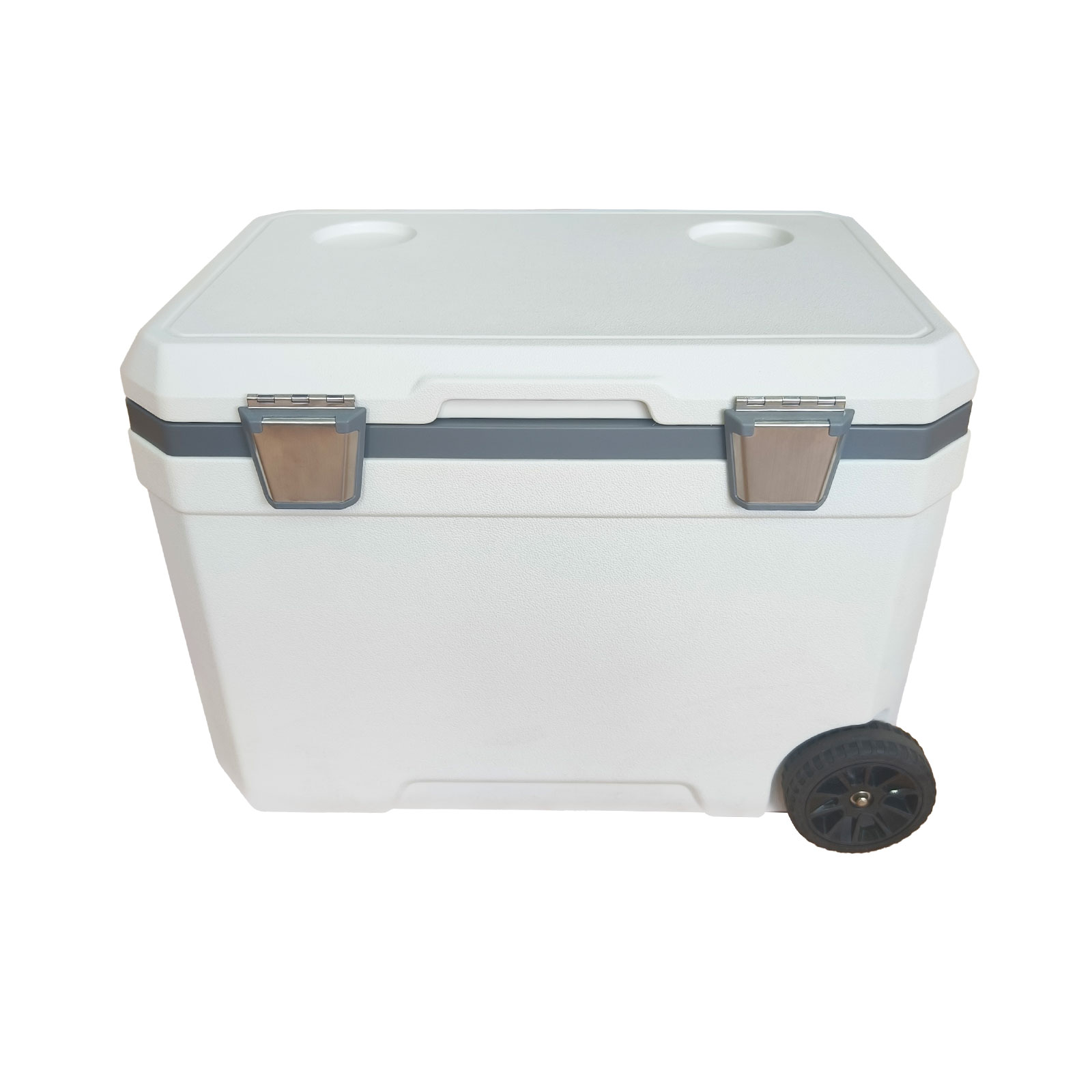

EPP box wholesale for medical: A Practical Selection Guide for B2B Buyers
A practical decision on EPP box wholesale for medical should begin with the job the box must perform. It may need to cushion, insulate, stack, return, present the product neatly, or support a documented handling process for medical wholesale. EPP is useful because it is light, resilient, and moldable, but buyers should not treat the material as a shortcut around route planning, cleaning, temperature verification, or supplier review. This guide focuses on the questions that reduce wrong purchases before they become operational problems.
Decision in one paragraph
EPP box wholesale for medical is a good candidate when the application needs reusable protection, practical insulation, and a molded container that can be handled repeatedly. It is not a universal answer. Buyers should verify the box role, the product requirements, route exposure, supplier documentation, cleaning process, and any monitoring or qualification needs before moving from sample to volume order.
Where EPP helps and where it needs support
The most useful way to evaluate a EPP box is to describe the operating job in plain language. Will the box protect fragile items, slow heat gain, carry a heavy load, organize multiple small packs, return for reuse, or present the product cleanly at handover? Each job changes the design priorities. A lid that is fine for dry storage may not be enough for a temperature-sensitive route. A large internal volume may look efficient until staff discover that a loaded box is difficult to lift or that the payload shifts during transport.
EPP helps because the molded foam structure can absorb shocks, recover from many handling impacts, and remain lighter than many rigid plastic or metal alternatives. Its closed-cell nature also supports thermal resistance, which is why it is often used in insulated containers. For medical wholesale, this can reduce damage at handover points and give the buyer more control over packaging shape. The trade-off is that EPP is still passive. It does not cool, heat, monitor, certify, or document a shipment by itself.
Medical wholesale inventory should separate general protective containers from temperature-controlled shipping systems. Some products may require only protection, while others need a defined temperature range, coolant, monitoring, and quality approval.
Finished-box details matter more than broad material adjectives. Corner geometry, lid compression, molded ribs, drainage behavior, surface texture, label areas, and insert fit all influence how the box behaves after staff use it on a busy route. Buyers should ask for samples that reflect expected production, then test the actual loading method instead of reviewing the empty box on a conference table.
Buyer Checklist Before Moving to Samples
The table below turns the selection of EPP box wholesale for medical into practical checks. It avoids unsupported numbers because the correct answer depends on product type, route exposure, box design, and the evidence supplied by the manufacturer or distributor.
| What to verify | How to check it | Why it matters |
|---|---|---|
| Packaging role | Confirm whether the box is protective storage, passive insulation, a shipping outer, or part of a qualified system. | Prevents the team from treating one EPP container as suitable for every use. |
| Payload and usable volume | Check the real usable space after inserts, coolant, liners, dividers, or trays are included. | Avoids overfilling, shifting payloads, and unrealistic capacity assumptions. |
| Temperature requirement | Use the product instruction, food safety plan, lab SOP, or quality requirement instead of assuming a standard range. | Keeps the packaging decision tied to the product rather than the material. |
| Lid and closure design | Review the seal line, opening habit, locking method, and how the lid behaves after repeated use. | Many route failures begin with heat exchange or contamination at the closure. |
| Cleaning and reuse | Define cleaning, drying, inspection, return, and retirement rules before volume ordering. | Reuse only works when the operation can keep boxes clean and fit for purpose. |
| Supplier evidence | Ask for material information, samples, production consistency controls, and any test data relevant to your application. | Good documentation protects catalog claims, quality review, and repeat orders. |
This table is useful because it separates what EPP can generally support from what must be verified for the actual box. Buyers can use it in supplier calls, sample evaluations, and internal approval meetings. When a supplier gives a fixed performance claim, ask what payload, ambient exposure, coolant configuration, and acceptance criteria were used to produce that claim.
Sample review: the step that prevents expensive corrections
A sample review should be hands-on. Load the box with the real or representative contents used for stocking reusable insulated or protective EPP boxes for medical supplies, samples, devices, pharmaceutical support operations, and recurring healthcare logistics needs. Close the lid, move it the way staff will move it, stack it if stacking is expected, wipe it after a simulated spill, and check whether labels remain visible. This type of review often reveals issues that are not visible in a product photo: tight corners that trap residue, lids that are hard to align, handles that are uncomfortable, or internal dimensions that do not match the payload after liners or dividers are added.
Internal dimensions and external dimensions should be reviewed together. The internal size controls payload fit. The external size affects shelf space, van loading, pallet patterns, and return storage. If the product needs coolant, trays, absorbent material, inserts, or protective sleeves, the usable volume may be smaller than the gross internal volume. Buyers should ask suppliers to define which measurement they are quoting.
Closure design is another practical detail. A well-matched lid can reduce heat exchange and protect contents from dust or splash, while a weak closure can undo the benefit of good insulation. For high-volume operations, the question is not only whether the lid closes once. It is whether busy staff can close it correctly every time, whether the box gives a clear visual signal when closed, and whether damage at the rim is easy to detect.
A medical wholesaler may want one EPP box series for clinics, labs, and pharmacy customers. That can simplify stock management, but the catalog should clearly distinguish protective use, insulated storage, and qualified cold-chain shipping. Otherwise customers may use a general box for a sensitive shipment and assume it has evidence the wholesaler never collected.
What to verify before scaling from sample to order
The first mistake is using the phrase EPP box wholesale for medical as if it describes a complete solution. It describes the material and the general form, not the route, packout, monitoring method, or acceptance criteria. This matters for medical wholesale because the box may be used by staff who are under time pressure and may not understand the limits of passive packaging.
Where medicinal products or time and temperature sensitive healthcare cargo are involved, buyers should review applicable GDP, IATA, and local requirements. Wholesale packaging should not be marketed as universally compliant without supporting evidence.
The second mistake is ignoring the handover points. Damage and temperature exposure often occur when a box is moved from storage to vehicle, from vehicle to dock, from dock to receiving staff, or from the return pile to cleaning. Ask where the box will sit, who opens it, how long the lid may remain open, and whether the contents are checked at arrival. A small operational gap can be more important than a broad material advantage.
The safest approach is to turn each risk into a supplier question. For this topic, the main risks include overbroad catalog claims, one SKU used for regulated shipments, unclear stock substitution, no documentation pathway, and customer misuse. None of these risks makes EPP a poor choice. They simply show why a buyer should specify the application before asking for price.
Finally, plan for the end of use. If the box is meant to be reused, decide how many teams will handle it, where it will be cleaned, how damage will be recorded, and when it will be removed from service. If recyclability is part of the selling message, verify whether the buyer, distributor, or local waste partner can actually collect and process the material. A claim is only useful when it can be carried through the operation.
How to shortlist a supplier for the real application
Supplier selection should be more specific than asking who can make EPP box wholesale for medical. Several suppliers may offer a similar-looking molded box, but the useful differences appear in sample quality, communication, documentation, customization control, and how honestly the supplier describes application limits.
Start with these questions: Which customer use cases can one standard size safely cover? What claims will appear in the wholesale catalog? How will customers know when to request a qualified packout? Can the supplier support consistent stock, samples, and documentation? The point is not to make the purchase slower. The point is to avoid a volume order based on assumptions that are discovered only after boxes enter the route.
Ask how samples are approved and how production units are compared with the approved sample. This is especially important when the box has a molded lid, insert, hinge, stacking feature, color requirement, or customer branding. A small dimensional difference can create a lid gap, tray interference, barcode problem, or payload movement. For medical, laboratory, food, or aerospace applications, the cost of a vague specification is often higher than the cost of a careful sample review.
Discuss claim language before product pages, catalogs, or customer quotations are finalized. It is safe to describe EPP as a lightweight, resilient, insulated material when those statements match the product. It is not safe to promise universal compliance, fixed hold time, certified medical suitability, or guaranteed food safety unless the supplier provides evidence for the exact box and use case. If evidence is missing, write the claim as a buyer verification point instead of a fact.
Price should be reviewed after the application has been defined. A lower unit price can become expensive if the box is hard to clean, gets removed from service early, causes mis-picks in a warehouse, or forces the buyer to add extra packaging later. The better comparison is total operational fit: purchase price, reuse process, damage rate, storage efficiency, staff handling, documentation, and end-of-life route.
Fit limits: what the box should not be asked to do
Use this type of EPP container when the route benefits from reusable molded protection, manageable weight, and passive insulation. It is a good fit when the payload is known, the handling process is repeatable, staff can close and clean the box correctly, and the buyer can define what evidence is needed before launch.
The box is not enough when the customer needs a validated lane, sterile packaging, biological specimen compliance, or a product-specific temperature program. Wholesale buyers should create clear use notes and escalation rules.
Sustainability claims also need operational proof. Recyclable material is helpful, but the environmental result depends on how long the box remains in use, how it is cleaned, whether returns are efficient, and whether end-of-life collection is available. A reusable box that is lost after a few trips may not deliver the intended benefit. A well-managed return program can make the material advantage more meaningful.
Before placing a large order, run a small controlled review. Use real contents, normal staff, expected vehicles, and the actual handover process. Record what is easy, what is confusing, what gets dirty, what slows staff down, and what information the receiving team needs. These observations will tell you more than a generic claim about EPP box performance.
Buyer handover and receiving notes
Handover is where many packaging assumptions are tested. For medical wholesale, decide who seals the box, who opens it, where it waits, and what the receiving team checks before accepting the contents. If the box is reusable, receiving staff should know whether to return it immediately, send it for cleaning, or quarantine it because of damage or contamination. These small rules prevent a good container from becoming a weak link in the route.
Labeling should also be planned. A reusable EPP box may need a product label, route label, return label, clean or dirty status label, or warning note about lid discipline. Labels should not block stacking features, hide damage, or fall off during cleaning. If the box carries medical, laboratory, food, or aerospace goods, the label process should match the buyer's internal quality requirements.
FAQ
What is the main advantage of EPP box wholesale for medical?
The main advantage is the combination of molded protection, low weight, passive insulation, and reuse potential. For medical wholesale, that can reduce handling problems and improve packaging consistency when the box is matched to the route.
What is the safest way to compare suppliers?
Give each supplier the same brief: payload, internal size needs, route, temperature requirement, cleaning process, reuse model, customization needs, and claim boundaries. Compare samples and evidence, not only price or product photos.
Can Tempk define the required temperature range for my product?
The required range should come from your product instructions, quality team, food safety plan, lab protocol, or regulatory pathway. Tempk can help discuss packaging options around that requirement, but the product requirement must be confirmed by the buyer.
What should be decided before a bulk order?
Before a bulk order, confirm approved sample, dimensions, lid fit, payload arrangement, cleaning method, claim language, packaging role, test evidence if needed, and the process for future design changes or replacements.
Conclusion
Selecting EPP box wholesale for medical is not just a packaging purchase. It is a decision about product protection, workflow, temperature risk, reuse discipline, supplier evidence, and claim control. Start with the product and route, confirm the packaging role, test samples under realistic conditions, and only then move toward volume ordering. That approach gives EPP a fair chance to perform where it is strong and avoids asking it to solve problems that require a different system.
EPP box ODM for medical: Practical Selection Guide

EPP box ODM for medical: A Practical Selection Guide for B2B Buyers
A practical decision on EPP box ODM for medical should begin with the job the box must perform. It may need to cushion, insulate, stack, return, present the product neatly, or support a documented handling process for medical ODM projects. EPP is useful because it is light, resilient, and moldable, but buyers should not treat the material as a shortcut around route planning, cleaning, temperature verification, or supplier review. This guide focuses on the questions that reduce wrong purchases before they become operational problems.
Decision in one paragraph
EPP box ODM for medical is a good candidate when the application needs reusable protection, practical insulation, and a molded container that can be handled repeatedly. It is not a universal answer. Buyers should verify the box role, the product requirements, route exposure, supplier documentation, cleaning process, and any monitoring or qualification needs before moving from sample to volume order.
Where EPP helps and where it needs support
The most useful way to evaluate a EPP box is to describe the operating job in plain language. Will the box protect fragile items, slow heat gain, carry a heavy load, organize multiple small packs, return for reuse, or present the product cleanly at handover? Each job changes the design priorities. A lid that is fine for dry storage may not be enough for a temperature-sensitive route. A large internal volume may look efficient until staff discover that a loaded box is difficult to lift or that the payload shifts during transport.
EPP helps because the molded foam structure can absorb shocks, recover from many handling impacts, and remain lighter than many rigid plastic or metal alternatives. Its closed-cell nature also supports thermal resistance, which is why it is often used in insulated containers. For medical ODM projects, this can reduce damage at handover points and give the buyer more control over packaging shape. The trade-off is that EPP is still passive. It does not cool, heat, monitor, certify, or document a shipment by itself.
An ODM project may target ambient protection, refrigerated support, frozen handling, or general reusable storage. The required temperature range and evidence level must be defined by the medical product and route, not by the ODM label.
Finished-box details matter more than broad material adjectives. Corner geometry, lid compression, molded ribs, drainage behavior, surface texture, label areas, and insert fit all influence how the box behaves after staff use it on a busy route. Buyers should ask for samples that reflect expected production, then test the actual loading method instead of reviewing the empty box on a conference table.
Buyer Checklist Before Moving to Samples
The table below turns the selection of EPP box ODM for medical into practical checks. It avoids unsupported numbers because the correct answer depends on product type, route exposure, box design, and the evidence supplied by the manufacturer or distributor.
| What to verify | How to check it | Why it matters |
|---|---|---|
| Packaging role | Confirm whether the box is protective storage, passive insulation, a shipping outer, or part of a qualified system. | Prevents the team from treating one EPP container as suitable for every use. |
| Payload and usable volume | Check the real usable space after inserts, coolant, liners, dividers, or trays are included. | Avoids overfilling, shifting payloads, and unrealistic capacity assumptions. |
| Temperature requirement | Use the product instruction, food safety plan, lab SOP, or quality requirement instead of assuming a standard range. | Keeps the packaging decision tied to the product rather than the material. |
| Lid and closure design | Review the seal line, opening habit, locking method, and how the lid behaves after repeated use. | Many route failures begin with heat exchange or contamination at the closure. |
| Cleaning and reuse | Define cleaning, drying, inspection, return, and retirement rules before volume ordering. | Reuse only works when the operation can keep boxes clean and fit for purpose. |
| Supplier evidence | Ask for material information, samples, production consistency controls, and any test data relevant to your application. | Good documentation protects catalog claims, quality review, and repeat orders. |
This table is useful because it separates what EPP can generally support from what must be verified for the actual box. Buyers can use it in supplier calls, sample evaluations, and internal approval meetings. When a supplier gives a fixed performance claim, ask what payload, ambient exposure, coolant configuration, and acceptance criteria were used to produce that claim.
Sample review: the step that prevents expensive corrections
A sample review should be hands-on. Load the box with the real or representative contents used for developing custom molded EPP boxes, inserts, lids, colors, branding, and packaging formats for medical devices, samples, healthcare kits, or reusable logistics programs. Close the lid, move it the way staff will move it, stack it if stacking is expected, wipe it after a simulated spill, and check whether labels remain visible. This type of review often reveals issues that are not visible in a product photo: tight corners that trap residue, lids that are hard to align, handles that are uncomfortable, or internal dimensions that do not match the payload after liners or dividers are added.
Internal dimensions and external dimensions should be reviewed together. The internal size controls payload fit. The external size affects shelf space, van loading, pallet patterns, and return storage. If the product needs coolant, trays, absorbent material, inserts, or protective sleeves, the usable volume may be smaller than the gross internal volume. Buyers should ask suppliers to define which measurement they are quoting.
Closure design is another practical detail. A well-matched lid can reduce heat exchange and protect contents from dust or splash, while a weak closure can undo the benefit of good insulation. For high-volume operations, the question is not only whether the lid closes once. It is whether busy staff can close it correctly every time, whether the box gives a clear visual signal when closed, and whether damage at the rim is easy to detect.
A medical device brand may want a custom EPP box that looks clean, protects a device, carries the brand color, and supports return logistics. The early prototype may answer fit and appearance questions, but it may not answer cleaning, label durability, thermal performance, or documentation needs. The ODM process should include sample review, risk review, and approval of what the product can and cannot claim.
What to verify before scaling from sample to order
The first mistake is using the phrase EPP box ODM for medical as if it describes a complete solution. It describes the material and the general form, not the route, packout, monitoring method, or acceptance criteria. This matters for medical ODM projects because the box may be used by staff who are under time pressure and may not understand the limits of passive packaging.
Medical and healthcare logistics requirements vary by product, destination, and role of the packaging. Buyers should involve quality, regulatory, and logistics teams before locking mold design or claim language.
The second mistake is ignoring the handover points. Damage and temperature exposure often occur when a box is moved from storage to vehicle, from vehicle to dock, from dock to receiving staff, or from the return pile to cleaning. Ask where the box will sit, who opens it, how long the lid may remain open, and whether the contents are checked at arrival. A small operational gap can be more important than a broad material advantage.
The safest approach is to turn each risk into a supplier question. For this topic, the main risks include tooling before requirements are stable, branding prioritized over handling, claim language beyond evidence, no change-control plan, and custom design that is hard to clean. None of these risks makes EPP a poor choice. They simply show why a buyer should specify the application before asking for price.
Finally, plan for the end of use. If the box is meant to be reused, decide how many teams will handle it, where it will be cleaned, how damage will be recorded, and when it will be removed from service. If recyclability is part of the selling message, verify whether the buyer, distributor, or local waste partner can actually collect and process the material. A claim is only useful when it can be carried through the operation.
How to shortlist a supplier for the real application
Supplier selection should be more specific than asking who can make EPP box ODM for medical. Several suppliers may offer a similar-looking molded box, but the useful differences appear in sample quality, communication, documentation, customization control, and how honestly the supplier describes application limits.
Start with these questions: What is the packaging role: protection, insulation, branding, return logistics, or part of a qualified system? Which dimensions and fit points are critical before tooling? What claim language will be allowed on packaging and product pages? How will design changes be approved after samples are accepted? The point is not to make the purchase slower. The point is to avoid a volume order based on assumptions that are discovered only after boxes enter the route.
Ask how samples are approved and how production units are compared with the approved sample. This is especially important when the box has a molded lid, insert, hinge, stacking feature, color requirement, or customer branding. A small dimensional difference can create a lid gap, tray interference, barcode problem, or payload movement. For medical, laboratory, food, or aerospace applications, the cost of a vague specification is often higher than the cost of a careful sample review.
Discuss claim language before product pages, catalogs, or customer quotations are finalized. It is safe to describe EPP as a lightweight, resilient, insulated material when those statements match the product. It is not safe to promise universal compliance, fixed hold time, certified medical suitability, or guaranteed food safety unless the supplier provides evidence for the exact box and use case. If evidence is missing, write the claim as a buyer verification point instead of a fact.
Price should be reviewed after the application has been defined. A lower unit price can become expensive if the box is hard to clean, gets removed from service early, causes mis-picks in a warehouse, or forces the buyer to add extra packaging later. The better comparison is total operational fit: purchase price, reuse process, damage rate, storage efficiency, staff handling, documentation, and end-of-life route.
Fit limits: what the box should not be asked to do
Use this type of EPP container when the route benefits from reusable molded protection, manageable weight, and passive insulation. It is a good fit when the payload is known, the handling process is repeatable, staff can close and clean the box correctly, and the buyer can define what evidence is needed before launch.
The ODM box is not enough when the product needs sterile barrier packaging, formal temperature qualification, dangerous goods compliance, or regulatory labeling review. Custom shape does not create compliance by itself.
Sustainability claims also need operational proof. Recyclable material is helpful, but the environmental result depends on how long the box remains in use, how it is cleaned, whether returns are efficient, and whether end-of-life collection is available. A reusable box that is lost after a few trips may not deliver the intended benefit. A well-managed return program can make the material advantage more meaningful.
Before placing a large order, run a small controlled review. Use real contents, normal staff, expected vehicles, and the actual handover process. Record what is easy, what is confusing, what gets dirty, what slows staff down, and what information the receiving team needs. These observations will tell you more than a generic claim about EPP box performance.
Buyer handover and receiving notes
Handover is where many packaging assumptions are tested. For medical ODM projects, decide who seals the box, who opens it, where it waits, and what the receiving team checks before accepting the contents. If the box is reusable, receiving staff should know whether to return it immediately, send it for cleaning, or quarantine it because of damage or contamination. These small rules prevent a good container from becoming a weak link in the route.
Labeling should also be planned. A reusable EPP box may need a product label, route label, return label, clean or dirty status label, or warning note about lid discipline. Labels should not block stacking features, hide damage, or fall off during cleaning. If the box carries medical, laboratory, food, or aerospace goods, the label process should match the buyer's internal quality requirements.
FAQ
What is the main advantage of EPP box ODM for medical?
The main advantage is the combination of molded protection, low weight, passive insulation, and reuse potential. For medical ODM projects, that can reduce handling problems and improve packaging consistency when the box is matched to the route.
What is the safest way to compare suppliers?
Give each supplier the same brief: payload, internal size needs, route, temperature requirement, cleaning process, reuse model, customization needs, and claim boundaries. Compare samples and evidence, not only price or product photos.
Can Tempk define the required temperature range for my product?
The required range should come from your product instructions, quality team, food safety plan, lab protocol, or regulatory pathway. Tempk can help discuss packaging options around that requirement, but the product requirement must be confirmed by the buyer.
What should be decided before a bulk order?
Before a bulk order, confirm approved sample, dimensions, lid fit, payload arrangement, cleaning method, claim language, packaging role, test evidence if needed, and the process for future design changes or replacements.
Conclusion
Selecting EPP box ODM for medical is not just a packaging purchase. It is a decision about product protection, workflow, temperature risk, reuse discipline, supplier evidence, and claim control. Start with the product and route, confirm the packaging role, test samples under realistic conditions, and only then move toward volume ordering. That approach gives EPP a fair chance to perform where it is strong and avoids asking it to solve problems that require a different system.
EPP box milk transport large: Practical Selection Guide
EPP box milk transport large: A Practical Selection Guide for B2B Buyers
A practical decision on EPP box milk transport large should begin with the job the box must perform. It may need to cushion, insulate, stack, return, present the product neatly, or support a documented handling process for milk transport. EPP is useful because it is light, resilient, and moldable, but buyers should not treat the material as a shortcut around route planning, cleaning, temperature verification, or supplier review. This guide focuses on the questions that reduce wrong purchases before they become operational problems.
Decision in one paragraph
EPP box milk transport large is a good candidate when the application needs reusable protection, practical insulation, and a molded container that can be handled repeatedly. It is not a universal answer. Buyers should verify the box role, the product requirements, route exposure, supplier documentation, cleaning process, and any monitoring or qualification needs before moving from sample to volume order.
Where EPP helps and where it needs support
The most useful way to evaluate a large EPP box is to describe the operating job in plain language. Will the box protect fragile items, slow heat gain, carry a heavy load, organize multiple small packs, return for reuse, or present the product cleanly at handover? Each job changes the design priorities. A lid that is fine for dry storage may not be enough for a temperature-sensitive route. A large internal volume may look efficient until staff discover that a loaded box is difficult to lift or that the payload shifts during transport.
EPP helps because the molded foam structure can absorb shocks, recover from many handling impacts, and remain lighter than many rigid plastic or metal alternatives. Its closed-cell nature also supports thermal resistance, which is why it is often used in insulated containers. For milk transport, this can reduce damage at handover points and give the buyer more control over packaging shape. The trade-off is that EPP is still passive. It does not cool, heat, monitor, certify, or document a shipment by itself.
Milk and dairy products are usually managed as chilled foods, but the required handling temperature depends on local regulation, product type, and the dairy operator’s food safety plan. In the United States, official food safety guidance commonly uses cold holding thresholds around 40-41 degrees F for foods, but buyers should confirm their own market requirements.
Finished-box details matter more than broad material adjectives. Corner geometry, lid compression, molded ribs, drainage behavior, surface texture, label areas, and insert fit all influence how the box behaves after staff use it on a busy route. Buyers should ask for samples that reflect expected production, then test the actual loading method instead of reviewing the empty box on a conference table.
Buyer Checklist Before Moving to Samples
The table below turns the selection of EPP box milk transport large into practical checks. It avoids unsupported numbers because the correct answer depends on product type, route exposure, box design, and the evidence supplied by the manufacturer or distributor.
| What to verify | How to check it | Why it matters |
|---|---|---|
| Packaging role | Confirm whether the box is protective storage, passive insulation, a shipping outer, or part of a qualified system. | Prevents the team from treating one EPP container as suitable for every use. |
| Payload and usable volume | Check the real usable space after inserts, coolant, liners, dividers, or trays are included. | Avoids overfilling, shifting payloads, and unrealistic capacity assumptions. |
| Temperature requirement | Use the product instruction, food safety plan, lab SOP, or quality requirement instead of assuming a standard range. | Keeps the packaging decision tied to the product rather than the material. |
| Lid and closure design | Review the seal line, opening habit, locking method, and how the lid behaves after repeated use. | Many route failures begin with heat exchange or contamination at the closure. |
| Cleaning and reuse | Define cleaning, drying, inspection, return, and retirement rules before volume ordering. | Reuse only works when the operation can keep boxes clean and fit for purpose. |
| Supplier evidence | Ask for material information, samples, production consistency controls, and any test data relevant to your application. | Good documentation protects catalog claims, quality review, and repeat orders. |
This table is useful because it separates what EPP can generally support from what must be verified for the actual box. Buyers can use it in supplier calls, sample evaluations, and internal approval meetings. When a supplier gives a fixed performance claim, ask what payload, ambient exposure, coolant configuration, and acceptance criteria were used to produce that claim.
Sample review: the step that prevents expensive corrections
A sample review should be hands-on. Load the box with the real or representative contents used for moving bottles, cartons, pouches, or prepared dairy packs between processing, retail, catering, field events, and last-mile distribution points. Close the lid, move it the way staff will move it, stack it if stacking is expected, wipe it after a simulated spill, and check whether labels remain visible. This type of review often reveals issues that are not visible in a product photo: tight corners that trap residue, lids that are hard to align, handles that are uncomfortable, or internal dimensions that do not match the payload after liners or dividers are added.
Internal dimensions and external dimensions should be reviewed together. The internal size controls payload fit. The external size affects shelf space, van loading, pallet patterns, and return storage. If the product needs coolant, trays, absorbent material, inserts, or protective sleeves, the usable volume may be smaller than the gross internal volume. Buyers should ask suppliers to define which measurement they are quoting.
Closure design is another practical detail. A well-matched lid can reduce heat exchange and protect contents from dust or splash, while a weak closure can undo the benefit of good insulation. For high-volume operations, the question is not only whether the lid closes once. It is whether busy staff can close it correctly every time, whether the box gives a clear visual signal when closed, and whether damage at the rim is easy to detect.
A dairy distributor may want one large EPP box for retail milk cartons and another for event catering packs. The first problem is not only thermal insulation. The buyer has to check whether the full box can be lifted safely, whether bottles stay upright, whether melted ice or condensation is controlled, and whether the lid still seals when the box is repeatedly loaded at full capacity.
What to verify before scaling from sample to order
The first mistake is using the phrase EPP box milk transport large as if it describes a complete solution. It describes the material and the general form, not the route, packout, monitoring method, or acceptance criteria. This matters for milk transport because the box may be used by staff who are under time pressure and may not understand the limits of passive packaging.
Food safety programs should define temperature monitoring, cleaning, receiving checks, and corrective actions. A passive EPP box supports insulation; it does not replace refrigerated vehicles, validated procedures, or trained handling where those are required.
The second mistake is ignoring the handover points. Damage and temperature exposure often occur when a box is moved from storage to vehicle, from vehicle to dock, from dock to receiving staff, or from the return pile to cleaning. Ask where the box will sit, who opens it, how long the lid may remain open, and whether the contents are checked at arrival. A small operational gap can be more important than a broad material advantage.
The safest approach is to turn each risk into a supplier question. For this topic, the main risks include overfilled heavy boxes, leaking packs, unstable bottles, unverified cold holding, and difficult cleaning after dairy residue. None of these risks makes EPP a poor choice. They simply show why a buyer should specify the application before asking for price.
Finally, plan for the end of use. If the box is meant to be reused, decide how many teams will handle it, where it will be cleaned, how damage will be recorded, and when it will be removed from service. If recyclability is part of the selling message, verify whether the buyer, distributor, or local waste partner can actually collect and process the material. A claim is only useful when it can be carried through the operation.
How to shortlist a supplier for the real application
Supplier selection should be more specific than asking who can make EPP box milk transport large. Several suppliers may offer a similar-looking molded box, but the useful differences appear in sample quality, communication, documentation, customization control, and how honestly the supplier describes application limits.
Start with these questions: What is the real usable payload space after coolant, dividers, and liners? Can staff lift or move the loaded box safely? Will bottles or cartons stay upright during stops and turns? How will the box be cleaned, dried, and inspected after milk spills? The point is not to make the purchase slower. The point is to avoid a volume order based on assumptions that are discovered only after boxes enter the route.
Ask how samples are approved and how production units are compared with the approved sample. This is especially important when the box has a molded lid, insert, hinge, stacking feature, color requirement, or customer branding. A small dimensional difference can create a lid gap, tray interference, barcode problem, or payload movement. For medical, laboratory, food, or aerospace applications, the cost of a vague specification is often higher than the cost of a careful sample review.
Discuss claim language before product pages, catalogs, or customer quotations are finalized. It is safe to describe EPP as a lightweight, resilient, insulated material when those statements match the product. It is not safe to promise universal compliance, fixed hold time, certified medical suitability, or guaranteed food safety unless the supplier provides evidence for the exact box and use case. If evidence is missing, write the claim as a buyer verification point instead of a fact.
Price should be reviewed after the application has been defined. A lower unit price can become expensive if the box is hard to clean, gets removed from service early, causes mis-picks in a warehouse, or forces the buyer to add extra packaging later. The better comparison is total operational fit: purchase price, reuse process, damage rate, storage efficiency, staff handling, documentation, and end-of-life route.
Fit limits: what the box should not be asked to do
Use this type of EPP container when the route benefits from reusable molded protection, manageable weight, and passive insulation. It is a good fit when the payload is known, the handling process is repeatable, staff can close and clean the box correctly, and the buyer can define what evidence is needed before launch.
The box is not enough when long routes require active refrigeration, when dairy must be held under a documented cold-chain program, or when the payload weight exceeds safe handling limits. Large volume should not be treated as automatically better.
Sustainability claims also need operational proof. Recyclable material is helpful, but the environmental result depends on how long the box remains in use, how it is cleaned, whether returns are efficient, and whether end-of-life collection is available. A reusable box that is lost after a few trips may not deliver the intended benefit. A well-managed return program can make the material advantage more meaningful.
Before placing a large order, run a small controlled review. Use real contents, normal staff, expected vehicles, and the actual handover process. Record what is easy, what is confusing, what gets dirty, what slows staff down, and what information the receiving team needs. These observations will tell you more than a generic claim about large EPP box performance.
Buyer handover and receiving notes
Handover is where many packaging assumptions are tested. For milk transport, decide who seals the box, who opens it, where it waits, and what the receiving team checks before accepting the contents. If the box is reusable, receiving staff should know whether to return it immediately, send it for cleaning, or quarantine it because of damage or contamination. These small rules prevent a good container from becoming a weak link in the route.
Labeling should also be planned. A reusable EPP box may need a product label, route label, return label, clean or dirty status label, or warning note about lid discipline. Labels should not block stacking features, hide damage, or fall off during cleaning. If the box carries medical, laboratory, food, or aerospace goods, the label process should match the buyer's internal quality requirements.
FAQ
What is the main advantage of EPP box milk transport large?
The main advantage is the combination of molded protection, low weight, passive insulation, and reuse potential. For milk transport, that can reduce handling problems and improve packaging consistency when the box is matched to the route.
What is the safest way to compare suppliers?
Give each supplier the same brief: payload, internal size needs, route, temperature requirement, cleaning process, reuse model, customization needs, and claim boundaries. Compare samples and evidence, not only price or product photos.
Can Tempk define the required temperature range for my product?
The required range should come from your product instructions, quality team, food safety plan, lab protocol, or regulatory pathway. Tempk can help discuss packaging options around that requirement, but the product requirement must be confirmed by the buyer.
What should be decided before a bulk order?
Before a bulk order, confirm approved sample, dimensions, lid fit, payload arrangement, cleaning method, claim language, packaging role, test evidence if needed, and the process for future design changes or replacements.
Conclusion
Selecting EPP box milk transport large is not just a packaging purchase. It is a decision about product protection, workflow, temperature risk, reuse discipline, supplier evidence, and claim control. Start with the product and route, confirm the packaging role, test samples under realistic conditions, and only then move toward volume ordering. That approach gives EPP a fair chance to perform where it is strong and avoids asking it to solve problems that require a different system.