


Supplier Dry Ice Pack For Chocolate Transport: Practical Buying Guide
Supplier Dry Ice Pack For Chocolate Transport: Practical Buying Guide

Supplier Dry Ice Pack For Chocolate Transport: How to Choose the Right Packout
A supplier dry ice pack for chocolate transport is worth buying only when it matches the product, the route, and the evidence you need after delivery. For chocolate, the practical question is not simply how cold the pack is. Buyers should confirm whether they need solid CO2 dry ice, a dry-ice-style reusable pack, PCM, gel packs, or a qualified insulated shipper, then verify how that choice performs with the real payload and handling conditions.
The practical decision in one paragraph
For chocolate, do not start with the coldest pack. Start with the permitted product condition, then choose the lowest-risk cold source that can support the route. Dry-ice-style packs may support high-heat transport when buffered by insulation and separation layers, especially where gel packs alone are not enough, while direct dry ice exposure is usually not the first choice for chocolate because the thermal shock and condensation risk can be worse than the heat risk. The supplier should help you verify this fit with the actual box, payload, and handling process.
Define what dry ice pack means in your purchasing brief
The phrase dry ice pack should be clarified in every purchasing brief. If it means solid carbon dioxide dry ice, the buyer must plan for extreme cold, gas venting, dry ice markings, handling safety, and carrier acceptance. If it means a reusable dry-ice-style pack, the buyer should confirm the material, hydration or freezing method, coolant behavior, sealing quality, and whether the pack is intended for chilled, frozen, or buffered use.
This definition is not a wording detail. For chocolate, it affects product safety, packaging selection, warehouse labor, customer instructions, and logistics cost. A supplier that cannot explain the difference may still sell a pack, but the buyer will be left to discover the limitation during complaints, rejected deliveries, or a failed trial shipment.
The best purchasing briefs describe the product, the required condition at delivery, the route length, the insulation already planned, the expected ambient exposure, and any documentation that the receiving team needs. With that information, a supplier can recommend a packout direction instead of quoting a generic pack size.
Match the packout to chocolate risk, not to a generic duration claim
Many buyers ask for a dry ice pack that lasts a certain number of hours. That question is understandable, but it is incomplete. Hold time depends on the box, payload mass, pack quantity, ambient profile, pack position, how the package is sealed, and how the receiver handles it. A number from a supplier datasheet may be useful for screening, but it should not be treated as a guarantee for every lane.
The better question is: what condition must the chocolate meet at the end of the route, and what evidence will prove it? Once that is defined, the packaging team can compare dry ice, dry-ice-style packs, gel packs, PCM packs, and insulation options with less guesswork. This approach also makes it easier to explain the packout to operations staff.
For chocolate, the packout should be designed to control heat flow, not just to add more cold mass. Buffering layers, product placement, carton fill, closure discipline, and preconditioning are often as important as the pack itself.
Decision table for the purchasing review
| Question before ordering | Better buyer answer | Risk if ignored |
|---|---|---|
| What does the pack actually contain? | Solid CO2, hydrated dry-ice-style pack, gel, or PCM | Wrong handling and wrong temperature assumption |
| What product condition must arrive? | Chilled, frozen, ultra-cold, or simply cool | Freeze damage or warm delivery |
| What box and payload were tested? | Same insulation, product mass, and pack position planned for use | Supplier hold time may not apply |
| Who handles documentation? | Quality, logistics, carrier, and receiving teams | Rejected shipments or missing evidence |
| Can the sample be repeated? | Locked specification and production control | Bulk order varies from approved sample |
The table is not meant to replace a packout trial. It helps buyers ask the right questions before a sample is ordered, so the first test is closer to real operating conditions. When a supplier cannot answer one of these points, treat it as an item for verification rather than as a reason to guess.
A buying checklist for sample-to-production control
A sample can look successful because it was packed carefully by one experienced person. Production runs are different. More workers are involved, pack freezing time may vary, box substitutions may happen, and dispatch deadlines may shorten the process. For chocolate, buyers should decide how the successful trial will be translated into a repeatable work instruction.
- Lock the pack type, size, material description, and conditioning method before the production order.
- Record the insulated shipper, liner, payload mass, and pack position used in the trial.
- Confirm whether the same packout works in both warm and cool seasons or needs seasonal adjustment.
- Train packers on separation layers and direct-contact restrictions.
- Define what receiving teams should inspect and what evidence they should keep.
This checklist is especially important for supplier evaluation because the cost of inconsistency usually appears after the order leaves the warehouse. A cheaper pack that requires unclear handling can be more expensive than a slightly more structured packout.
Use cautious claims when quality or regulatory teams are involved
For chocolate, strong packaging claims should be treated carefully. A supplier can describe pack materials, intended use, conditioning steps, and available test support, but the final decision depends on the product requirement and the shipping process. This is particularly important when a shipment touches medical, pharmaceutical, or vaccine distribution, where documentation and quality review may be required.
For actual dry ice, the shipper should verify dangerous goods and carrier requirements before dispatch. Packages generally need to allow gas release, and markings may be required for air transport. For non-CO2 dry-ice-style packs, the buyer should still check freezing instructions, direct-contact limitations, and whether the pack has been tested in the intended shipper.
The safest supplier language is practical and conditional. It explains where the pack is appropriate, what must be verified, and what should not be assumed. That kind of wording may sound less dramatic than a broad performance promise, but it protects both the buyer and the end user.
A practical example of avoiding the wrong cold source
A procurement team requests a dry ice pack solution because previous shipments warmed during transit. After reviewing the product requirement, the team discovers that the chocolate must remain cool but should not be exposed to extreme freezing. Instead of switching directly to actual dry ice, the team asks suppliers to compare dry-ice-style packs, gel packs, PCM packs, and insulation changes.
The supplier proposal that performs best is not necessarily the coldest. It is the one that explains product separation, pack conditioning, box fit, route risk, and evidence needed for approval. The team runs a trial with the actual payload and records receiving condition before releasing the bulk order.
This example shows why buyer discipline matters. The goal is not to add a stronger refrigerant; the goal is to protect the product in a way that the warehouse, carrier, receiver, and quality team can repeat.
Red flags in supplier proposals
A proposal for chocolate should raise concern if it promises universal suitability, avoids defining the pack type, provides a hold-time number without test conditions, or ignores the difference between chilled, frozen, and ultra-low requirements. It should also raise concern if the supplier cannot explain how the pack should be stored, conditioned, and separated from the payload.
Another red flag is a proposal that treats documentation as an afterthought. Even for food routes, buyers may need receiving inspection notes, claim investigation support, or simple packout records. For medical and pharmaceutical routes, documentation expectations can be more formal and should be defined early.
A strong proposal is usually more specific. It describes the intended use, the limits, what must be tested, and what information the buyer should provide before ordering. That makes the purchasing decision safer even when the supplier cannot guarantee every route outcome.
FAQ
How should I compare suppliers for supplier dry ice pack for chocolate transport?
Compare how clearly each supplier defines the pack type, intended temperature use, conditioning method, packout layout, test evidence, and production consistency. A supplier that asks about your route and product risk usually provides a safer recommendation than one that quotes only by pack size.
What information should I give the supplier?
Provide the product type, target condition at delivery, box size, payload weight, route length, carrier mode, likely ambient exposure, and whether documentation is needed. For chocolate, also explain any sensitivity to freezing, moisture, pressure, or presentation damage.
Can I rely on a stated hold time?
Use it only as an initial screening point unless the supplier explains the test conditions. Hold time changes with insulation, payload, pack quantity, ambient temperature, opening events, and receiver behavior.
For supplier buyers, packaging communication can become a hidden cost. If sales teams, warehouse staff, and customers use the phrase dry ice pack differently, the program may drift. Define whether the product is solid CO2 dry ice, a hydrated pack, a gel pack, or a PCM-style pack in all internal documents.
A useful pilot does not need to be complicated, but it should be honest. Pack the real product or a representative payload, use the intended box, follow the normal warehouse process, and expose the shipment to a route that resembles future use. A perfect laboratory-only result may not reveal warehouse variability.
Cost comparison should include labor and failure risk. A pack that is cheap per piece may require more careful conditioning, more separation material, more training, or more customer service intervention. A slightly more controlled packout can be less expensive over repeated shipments if it reduces claims and rework.
Product presentation is part of cold-chain value. Wet cartons, warped labels, cloudy wrappers, leaking payloads, or frost marks can damage customer trust even when the product remains usable. For chocolate, packaging should protect both technical condition and the way the shipment looks when received.
The vocabulary around chocolate transport, bloom prevention, confectionery logistics, insulated delivery can be confusing, so the buyer should use simple descriptions in the purchase brief. Describe the product, the route, the delivery condition, and the handling constraints. Let the supplier recommend the cold source only after those facts are known.
The insulated shipper deserves as much attention as the coolant. Wall material, lid closure, liner fit, empty headspace, product arrangement, and carton condition all influence heat gain. Adding more coolant to a weak shipper can increase cost and product risk without solving the underlying thermal problem.
Do not treat a data logger as temperature protection. A logger records what happened; it does not prevent heat gain or freezing. It is useful when the buyer needs evidence, but it must be paired with a packout that has a reasonable chance of keeping the product within the intended condition.
For repeat orders, keep a revision record. If film material, pack size, gel formulation, carton design, supplier source, or pack placement changes, the previous trial may no longer represent the current packout. Change control is not only a pharmaceutical idea; it is also practical packaging discipline.
A supplier conversation should also include storage before packing. Packs that require freezing or conditioning need enough time, freezer space, and airflow to reach the intended state. If the warehouse removes packs too early or stacks them too tightly before use, the packout tested in a sample may not match the packout used in production.
If the shipment crosses modes, such as truck to air or warehouse to parcel carrier, requirements can change. Actual dry ice may trigger carrier procedures, and some carriers restrict acceptance by service type or destination. Check those details before a buyer commits to packaging that depends on dry ice.
When should I avoid actual dry ice?
Avoid actual dry ice when the product must not freeze, when the carrier cannot accept it, when staff cannot handle it safely, or when packaging cannot vent carbon dioxide gas. Consider gel packs, PCM packs, or a different shipping method instead.
Conclusion
A supplier dry ice pack for chocolate transport is a practical purchase when the buyer treats it as one part of a controlled packout. Define the product's required condition, confirm whether dry ice is appropriate, verify the insulation and pack position, and ask for evidence that matches your route. The safest decision is usually the one with clear limits, not the biggest cooling claim.
About Tempk
Tempk is the cold-chain packaging brand of Shanghai Tempk Industrial Co., Ltd. We support buyers who need practical packaging choices for food, pharmaceutical, medical, and other temperature-sensitive shipments. For chocolate, our role is to help connect the cold source, insulated packaging, payload, and handling process so the buyer can move from sample review to a more repeatable ordering plan.
Send Tempk your product requirement, route profile, payload, and purchasing stage. We can help you compare practical packout options before moving from sample to bulk order.
Manufacturer Dry Ice Pack For Vaccine Transport: Practical Buying Guide
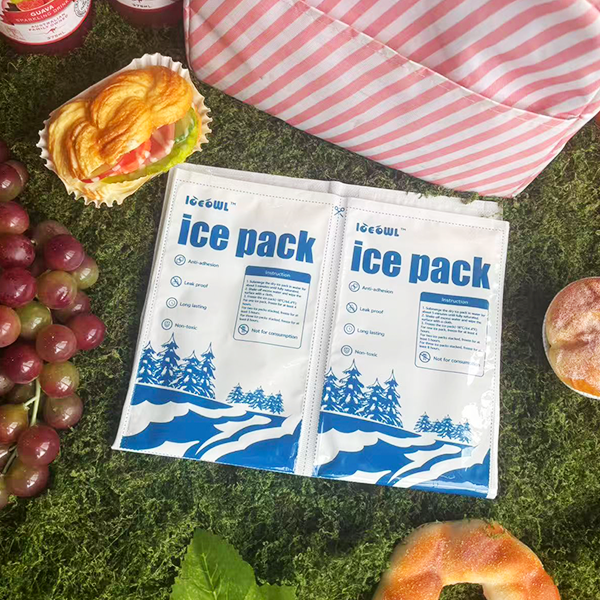
Manufacturer Dry Ice Pack For Vaccine Transport: How to Choose the Right Packout
A manufacturer dry ice pack for vaccine transport is worth buying only when it matches the product, the route, and the evidence you need after delivery. For vaccines, the practical question is not simply how cold the pack is. Buyers should confirm whether they need solid CO2 dry ice, a dry-ice-style reusable pack, PCM, gel packs, or a qualified insulated shipper, then verify how that choice performs with the real payload and handling conditions.
The practical decision in one paragraph
For vaccines, do not start with the coldest pack. Start with the permitted product condition, then choose the lowest-risk cold source that can support the route. Dry ice may be relevant only for vaccines whose manufacturer guidance permits ultra-cold or frozen dry-ice transport under a defined packout, while a dry ice pack should not be used simply because a vaccine is temperature-sensitive; the label, manufacturer guidance, and quality team decision come first. The supplier should help you verify this fit with the actual box, payload, and handling process.
Define what dry ice pack means in your purchasing brief
The phrase dry ice pack should be clarified in every purchasing brief. If it means solid carbon dioxide dry ice, the buyer must plan for extreme cold, gas venting, dry ice markings, handling safety, and carrier acceptance. If it means a reusable dry-ice-style pack, the buyer should confirm the material, hydration or freezing method, coolant behavior, sealing quality, and whether the pack is intended for chilled, frozen, or buffered use.
This definition is not a wording detail. For vaccines, it affects product safety, packaging selection, warehouse labor, customer instructions, and logistics cost. A supplier that cannot explain the difference may still sell a pack, but the buyer will be left to discover the limitation during complaints, rejected deliveries, or a failed trial shipment.
The best purchasing briefs describe the product, the required condition at delivery, the route length, the insulation already planned, the expected ambient exposure, and any documentation that the receiving team needs. With that information, a supplier can recommend a packout direction instead of quoting a generic pack size.
Match the packout to vaccines risk, not to a generic duration claim
Many buyers ask for a dry ice pack that lasts a certain number of hours. That question is understandable, but it is incomplete. Hold time depends on the box, payload mass, pack quantity, ambient profile, pack position, how the package is sealed, and how the receiver handles it. A number from a supplier datasheet may be useful for screening, but it should not be treated as a guarantee for every lane.
The better question is: what condition must the vaccines meet at the end of the route, and what evidence will prove it? Once that is defined, the packaging team can compare dry ice, dry-ice-style packs, gel packs, PCM packs, and insulation options with less guesswork. This approach also makes it easier to explain the packout to operations staff.
For vaccines, the packout should be designed to control heat flow, not just to add more cold mass. Buffering layers, product placement, carton fill, closure discipline, and preconditioning are often as important as the pack itself.
Decision table for the purchasing review
| Question before ordering | Better buyer answer | Risk if ignored |
|---|---|---|
| What does the pack actually contain? | Solid CO2, hydrated dry-ice-style pack, gel, or PCM | Wrong handling and wrong temperature assumption |
| What product condition must arrive? | Chilled, frozen, ultra-cold, or simply cool | Freeze damage or warm delivery |
| What box and payload were tested? | Same insulation, product mass, and pack position planned for use | Supplier hold time may not apply |
| Who handles documentation? | Quality, logistics, carrier, and receiving teams | Rejected shipments or missing evidence |
| Can the sample be repeated? | Locked specification and production control | Bulk order varies from approved sample |
The table is not meant to replace a packout trial. It helps buyers ask the right questions before a sample is ordered, so the first test is closer to real operating conditions. When a supplier cannot answer one of these points, treat it as an item for verification rather than as a reason to guess.
A buying checklist for sample-to-production control
A sample can look successful because it was packed carefully by one experienced person. Production runs are different. More workers are involved, pack freezing time may vary, box substitutions may happen, and dispatch deadlines may shorten the process. For vaccines, buyers should decide how the successful trial will be translated into a repeatable work instruction.
- Lock the pack type, size, material description, and conditioning method before the production order.
- Record the insulated shipper, liner, payload mass, and pack position used in the trial.
- Confirm whether the same packout works in both warm and cool seasons or needs seasonal adjustment.
- Train packers on separation layers and direct-contact restrictions.
- Define what receiving teams should inspect and what evidence they should keep.
This checklist is especially important for manufacturer capability because the cost of inconsistency usually appears after the order leaves the warehouse. A cheaper pack that requires unclear handling can be more expensive than a slightly more structured packout.
Use cautious claims when quality or regulatory teams are involved
For vaccines, strong packaging claims should be treated carefully. A supplier can describe pack materials, intended use, conditioning steps, and available test support, but the final decision depends on the product requirement and the shipping process. This is particularly important when a shipment touches medical, pharmaceutical, or vaccine distribution, where documentation and quality review may be required.
For actual dry ice, the shipper should verify dangerous goods and carrier requirements before dispatch. Packages generally need to allow gas release, and markings may be required for air transport. For non-CO2 dry-ice-style packs, the buyer should still check freezing instructions, direct-contact limitations, and whether the pack has been tested in the intended shipper.
The safest supplier language is practical and conditional. It explains where the pack is appropriate, what must be verified, and what should not be assumed. That kind of wording may sound less dramatic than a broad performance promise, but it protects both the buyer and the end user.
A practical example of avoiding the wrong cold source
A procurement team requests a dry ice pack solution because previous shipments warmed during transit. After reviewing the product requirement, the team discovers that the vaccines must remain cool but should not be exposed to extreme freezing. Instead of switching directly to actual dry ice, the team asks suppliers to compare dry-ice-style packs, gel packs, PCM packs, and insulation changes.
The supplier proposal that performs best is not necessarily the coldest. It is the one that explains product separation, pack conditioning, box fit, route risk, and evidence needed for approval. The team runs a trial with the actual payload and records receiving condition before releasing the bulk order.
This example shows why buyer discipline matters. The goal is not to add a stronger refrigerant; the goal is to protect the product in a way that the warehouse, carrier, receiver, and quality team can repeat.
Red flags in supplier proposals
A proposal for vaccines should raise concern if it promises universal suitability, avoids defining the pack type, provides a hold-time number without test conditions, or ignores the difference between chilled, frozen, and ultra-low requirements. It should also raise concern if the supplier cannot explain how the pack should be stored, conditioned, and separated from the payload.
Another red flag is a proposal that treats documentation as an afterthought. Even for food routes, buyers may need receiving inspection notes, claim investigation support, or simple packout records. For medical and pharmaceutical routes, documentation expectations can be more formal and should be defined early.
A strong proposal is usually more specific. It describes the intended use, the limits, what must be tested, and what information the buyer should provide before ordering. That makes the purchasing decision safer even when the supplier cannot guarantee every route outcome.
FAQ
How should I compare suppliers for manufacturer dry ice pack for vaccine transport?
Compare how clearly each supplier defines the pack type, intended temperature use, conditioning method, packout layout, test evidence, and production consistency. A supplier that asks about your route and product risk usually provides a safer recommendation than one that quotes only by pack size.
What information should I give the supplier?
Provide the product type, target condition at delivery, box size, payload weight, route length, carrier mode, likely ambient exposure, and whether documentation is needed. For vaccines, also explain any sensitivity to freezing, moisture, pressure, or presentation damage.
Can I rely on a stated hold time?
Use it only as an initial screening point unless the supplier explains the test conditions. Hold time changes with insulation, payload, pack quantity, ambient temperature, opening events, and receiver behavior.
Product presentation is part of cold-chain value. Wet cartons, warped labels, cloudy wrappers, leaking payloads, or frost marks can damage customer trust even when the product remains usable. For vaccines, packaging should protect both technical condition and the way the shipment looks when received.
The best supplier recommendations usually include limits. A supplier that says when not to use a dry ice pack may be more useful than one that claims the same pack works everywhere. Limits help buyers avoid the wrong application and choose a safer alternative when the route or product does not fit.
A useful pilot does not need to be complicated, but it should be honest. Pack the real product or a representative payload, use the intended box, follow the normal warehouse process, and expose the shipment to a route that resembles future use. A perfect laboratory-only result may not reveal warehouse variability.
For manufacturer buyers, packaging communication can become a hidden cost. If sales teams, warehouse staff, and customers use the phrase dry ice pack differently, the program may drift. Define whether the product is solid CO2 dry ice, a hydrated pack, a gel pack, or a PCM-style pack in all internal documents.
If the shipment crosses modes, such as truck to air or warehouse to parcel carrier, requirements can change. Actual dry ice may trigger carrier procedures, and some carriers restrict acceptance by service type or destination. Check those details before a buyer commits to packaging that depends on dry ice.
One reason buyers struggle with vaccines packaging is that temperature risk is not visible at the time of packing. The box may look correct, the pack may feel cold, and the carton may be sealed neatly, yet the product can still be exposed to a local cold spot or a warm handover period. A written packout method helps convert a visual check into a controllable process.
The vocabulary around vaccine transport, manufacturer guidance, temperature monitoring, ultra-cold packout can be confusing, so the buyer should use simple descriptions in the purchase brief. Describe the product, the route, the delivery condition, and the handling constraints. Let the supplier recommend the cold source only after those facts are known.
A supplier conversation should also include storage before packing. Packs that require freezing or conditioning need enough time, freezer space, and airflow to reach the intended state. If the warehouse removes packs too early or stacks them too tightly before use, the packout tested in a sample may not match the packout used in production.
When comparing proposals, ask each supplier to separate proven facts from assumptions. Proven facts might include material description, pack dimensions, conditioning instructions, or a test performed under defined conditions. Assumptions include performance on a new route, in a different box, or with a different payload.
When should I avoid actual dry ice?
Avoid actual dry ice when the product must not freeze, when the carrier cannot accept it, when staff cannot handle it safely, or when packaging cannot vent carbon dioxide gas. Consider gel packs, PCM packs, or a different shipping method instead.
Conclusion
A manufacturer dry ice pack for vaccine transport is a practical purchase when the buyer treats it as one part of a controlled packout. Define the product's required condition, confirm whether dry ice is appropriate, verify the insulation and pack position, and ask for evidence that matches your route. The safest decision is usually the one with clear limits, not the biggest cooling claim.
About Tempk
Tempk is the cold-chain packaging brand of Shanghai Tempk Industrial Co., Ltd. We support buyers who need practical packaging choices for food, pharmaceutical, medical, and other temperature-sensitive shipments. For vaccines, our role is to help connect the cold source, insulated packaging, payload, and handling process so the buyer can move from sample review to a more repeatable ordering plan.
Send Tempk your product requirement, route profile, payload, and purchasing stage. We can help you compare practical packout options before moving from sample to bulk order.
Manufacturer Dry Ice Pack For Fruit Delivery: Practical Buying Guide
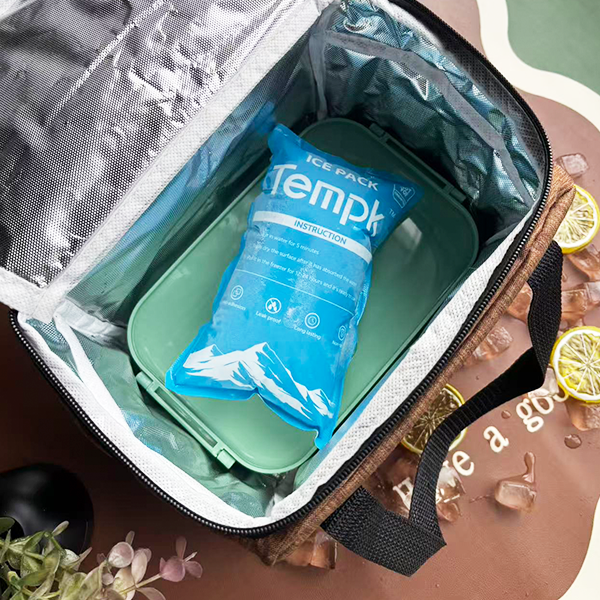
Manufacturer Dry Ice Pack For Fruit Delivery: How to Choose the Right Packout
A manufacturer dry ice pack for fruit delivery is worth buying only when it matches the product, the route, and the evidence you need after delivery. For fruit, the practical question is not simply how cold the pack is. Buyers should confirm whether they need solid CO2 dry ice, a dry-ice-style reusable pack, PCM, gel packs, or a qualified insulated shipper, then verify how that choice performs with the real payload and handling conditions.
The practical decision in one paragraph
For fruit, do not start with the coldest pack. Start with the permitted product condition, then choose the lowest-risk cold source that can support the route. A dry-ice-style pack may help certain high-heat lanes when separated from fruit and tested with the actual box, liner, and payload, while actual dry ice is often too cold for fresh fruit unless a specialist has designed and validated a buffered system for that commodity. The supplier should help you verify this fit with the actual box, payload, and handling process.
Define what dry ice pack means in your purchasing brief
The phrase dry ice pack should be clarified in every purchasing brief. If it means solid carbon dioxide dry ice, the buyer must plan for extreme cold, gas venting, dry ice markings, handling safety, and carrier acceptance. If it means a reusable dry-ice-style pack, the buyer should confirm the material, hydration or freezing method, coolant behavior, sealing quality, and whether the pack is intended for chilled, frozen, or buffered use.
This definition is not a wording detail. For fruit, it affects product safety, packaging selection, warehouse labor, customer instructions, and logistics cost. A supplier that cannot explain the difference may still sell a pack, but the buyer will be left to discover the limitation during complaints, rejected deliveries, or a failed trial shipment.
The best purchasing briefs describe the product, the required condition at delivery, the route length, the insulation already planned, the expected ambient exposure, and any documentation that the receiving team needs. With that information, a supplier can recommend a packout direction instead of quoting a generic pack size.
Match the packout to fruit risk, not to a generic duration claim
Many buyers ask for a dry ice pack that lasts a certain number of hours. That question is understandable, but it is incomplete. Hold time depends on the box, payload mass, pack quantity, ambient profile, pack position, how the package is sealed, and how the receiver handles it. A number from a supplier datasheet may be useful for screening, but it should not be treated as a guarantee for every lane.
The better question is: what condition must the fruit meet at the end of the route, and what evidence will prove it? Once that is defined, the packaging team can compare dry ice, dry-ice-style packs, gel packs, PCM packs, and insulation options with less guesswork. This approach also makes it easier to explain the packout to operations staff.
For fruit, the packout should be designed to control heat flow, not just to add more cold mass. Buffering layers, product placement, carton fill, closure discipline, and preconditioning are often as important as the pack itself.
Decision table for the purchasing review
| Question before ordering | Better buyer answer | Risk if ignored |
|---|---|---|
| What does the pack actually contain? | Solid CO2, hydrated dry-ice-style pack, gel, or PCM | Wrong handling and wrong temperature assumption |
| What product condition must arrive? | Chilled, frozen, ultra-cold, or simply cool | Freeze damage or warm delivery |
| What box and payload were tested? | Same insulation, product mass, and pack position planned for use | Supplier hold time may not apply |
| Who handles documentation? | Quality, logistics, carrier, and receiving teams | Rejected shipments or missing evidence |
| Can the sample be repeated? | Locked specification and production control | Bulk order varies from approved sample |
The table is not meant to replace a packout trial. It helps buyers ask the right questions before a sample is ordered, so the first test is closer to real operating conditions. When a supplier cannot answer one of these points, treat it as an item for verification rather than as a reason to guess.
A buying checklist for sample-to-production control
A sample can look successful because it was packed carefully by one experienced person. Production runs are different. More workers are involved, pack freezing time may vary, box substitutions may happen, and dispatch deadlines may shorten the process. For fruit, buyers should decide how the successful trial will be translated into a repeatable work instruction.
- Lock the pack type, size, material description, and conditioning method before the production order.
- Record the insulated shipper, liner, payload mass, and pack position used in the trial.
- Confirm whether the same packout works in both warm and cool seasons or needs seasonal adjustment.
- Train packers on separation layers and direct-contact restrictions.
- Define what receiving teams should inspect and what evidence they should keep.
This checklist is especially important for manufacturer capability because the cost of inconsistency usually appears after the order leaves the warehouse. A cheaper pack that requires unclear handling can be more expensive than a slightly more structured packout.
Use cautious claims when quality or regulatory teams are involved
For fruit, strong packaging claims should be treated carefully. A supplier can describe pack materials, intended use, conditioning steps, and available test support, but the final decision depends on the product requirement and the shipping process. This is particularly important when a shipment touches medical, pharmaceutical, or vaccine distribution, where documentation and quality review may be required.
For actual dry ice, the shipper should verify dangerous goods and carrier requirements before dispatch. Packages generally need to allow gas release, and markings may be required for air transport. For non-CO2 dry-ice-style packs, the buyer should still check freezing instructions, direct-contact limitations, and whether the pack has been tested in the intended shipper.
The safest supplier language is practical and conditional. It explains where the pack is appropriate, what must be verified, and what should not be assumed. That kind of wording may sound less dramatic than a broad performance promise, but it protects both the buyer and the end user.
A practical example of avoiding the wrong cold source
A procurement team requests a dry ice pack solution because previous shipments warmed during transit. After reviewing the product requirement, the team discovers that the fruit must remain cool but should not be exposed to extreme freezing. Instead of switching directly to actual dry ice, the team asks suppliers to compare dry-ice-style packs, gel packs, PCM packs, and insulation changes.
The supplier proposal that performs best is not necessarily the coldest. It is the one that explains product separation, pack conditioning, box fit, route risk, and evidence needed for approval. The team runs a trial with the actual payload and records receiving condition before releasing the bulk order.
This example shows why buyer discipline matters. The goal is not to add a stronger refrigerant; the goal is to protect the product in a way that the warehouse, carrier, receiver, and quality team can repeat.
Red flags in supplier proposals
A proposal for fruit should raise concern if it promises universal suitability, avoids defining the pack type, provides a hold-time number without test conditions, or ignores the difference between chilled, frozen, and ultra-low requirements. It should also raise concern if the supplier cannot explain how the pack should be stored, conditioned, and separated from the payload.
Another red flag is a proposal that treats documentation as an afterthought. Even for food routes, buyers may need receiving inspection notes, claim investigation support, or simple packout records. For medical and pharmaceutical routes, documentation expectations can be more formal and should be defined early.
A strong proposal is usually more specific. It describes the intended use, the limits, what must be tested, and what information the buyer should provide before ordering. That makes the purchasing decision safer even when the supplier cannot guarantee every route outcome.
FAQ
How should I compare suppliers for manufacturer dry ice pack for fruit delivery?
Compare how clearly each supplier defines the pack type, intended temperature use, conditioning method, packout layout, test evidence, and production consistency. A supplier that asks about your route and product risk usually provides a safer recommendation than one that quotes only by pack size.
What information should I give the supplier?
Provide the product type, target condition at delivery, box size, payload weight, route length, carrier mode, likely ambient exposure, and whether documentation is needed. For fruit, also explain any sensitivity to freezing, moisture, pressure, or presentation damage.
Can I rely on a stated hold time?
Use it only as an initial screening point unless the supplier explains the test conditions. Hold time changes with insulation, payload, pack quantity, ambient temperature, opening events, and receiver behavior.
Cost comparison should include labor and failure risk. A pack that is cheap per piece may require more careful conditioning, more separation material, more training, or more customer service intervention. A slightly more controlled packout can be less expensive over repeated shipments if it reduces claims and rework.
Receivers also affect the outcome. For fruit, the receiving team should know whether the package must be opened immediately, whether remaining coolant should be handled with gloves, and what product condition should be checked before accepting the shipment. Clear receiving instructions reduce avoidable claims.
One reason buyers struggle with fruit packaging is that temperature risk is not visible at the time of packing. The box may look correct, the pack may feel cold, and the carton may be sealed neatly, yet the product can still be exposed to a local cold spot or a warm handover period. A written packout method helps convert a visual check into a controllable process.
The best supplier recommendations usually include limits. A supplier that says when not to use a dry ice pack may be more useful than one that claims the same pack works everywhere. Limits help buyers avoid the wrong application and choose a safer alternative when the route or product does not fit.
When comparing proposals, ask each supplier to separate proven facts from assumptions. Proven facts might include material description, pack dimensions, conditioning instructions, or a test performed under defined conditions. Assumptions include performance on a new route, in a different box, or with a different payload.
A useful pilot does not need to be complicated, but it should be honest. Pack the real product or a representative payload, use the intended box, follow the normal warehouse process, and expose the shipment to a route that resembles future use. A perfect laboratory-only result may not reveal warehouse variability.
If the shipment crosses modes, such as truck to air or warehouse to parcel carrier, requirements can change. Actual dry ice may trigger carrier procedures, and some carriers restrict acceptance by service type or destination. Check those details before a buyer commits to packaging that depends on dry ice.
Do not treat a data logger as temperature protection. A logger records what happened; it does not prevent heat gain or freezing. It is useful when the buyer needs evidence, but it must be paired with a packout that has a reasonable chance of keeping the product within the intended condition.
The vocabulary around fruit delivery, produce cold chain, chilling injury, condensation can be confusing, so the buyer should use simple descriptions in the purchase brief. Describe the product, the route, the delivery condition, and the handling constraints. Let the supplier recommend the cold source only after those facts are known.
When should I avoid actual dry ice?
Avoid actual dry ice when the product must not freeze, when the carrier cannot accept it, when staff cannot handle it safely, or when packaging cannot vent carbon dioxide gas. Consider gel packs, PCM packs, or a different shipping method instead.
Conclusion
A manufacturer dry ice pack for fruit delivery is a practical purchase when the buyer treats it as one part of a controlled packout. Define the product's required condition, confirm whether dry ice is appropriate, verify the insulation and pack position, and ask for evidence that matches your route. The safest decision is usually the one with clear limits, not the biggest cooling claim.
About Tempk
Tempk is the cold-chain packaging brand of Shanghai Tempk Industrial Co., Ltd. We support buyers who need practical packaging choices for food, pharmaceutical, medical, and other temperature-sensitive shipments. For fruit, our role is to help connect the cold source, insulated packaging, payload, and handling process so the buyer can move from sample review to a more repeatable ordering plan.
Send Tempk your product requirement, route profile, payload, and purchasing stage. We can help you compare practical packout options before moving from sample to bulk order.
Manufacturer Dry Ice Pack For Candy Packaging: Practical Buying Guide
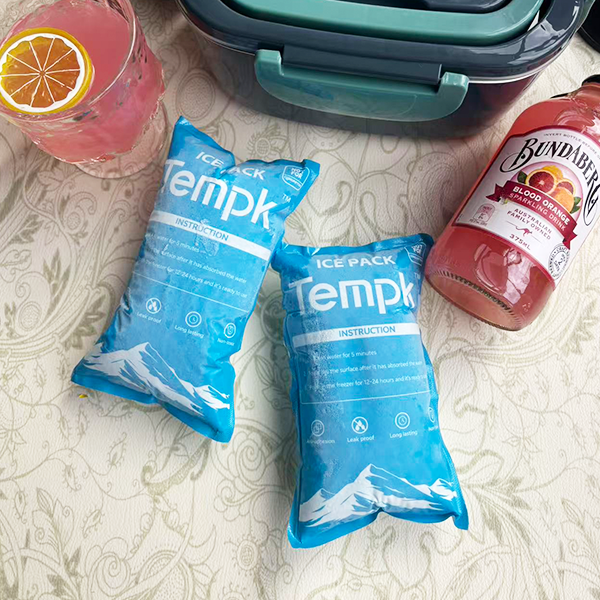
Manufacturer Dry Ice Pack For Candy Packaging: How to Choose the Right Packout
A manufacturer dry ice pack for candy packaging is worth buying only when it matches the product, the route, and the evidence you need after delivery. For candy, the practical question is not simply how cold the pack is. Buyers should confirm whether they need solid CO2 dry ice, a dry-ice-style reusable pack, PCM, gel packs, or a qualified insulated shipper, then verify how that choice performs with the real payload and handling conditions.
The practical decision in one paragraph
For candy, do not start with the coldest pack. Start with the permitted product condition, then choose the lowest-risk cold source that can support the route. Dry-ice-style packs may be useful when they provide strong cooling without direct contact or excess moisture, but the system must be buffered, while solid CO2 dry ice can be too cold for many candy formats and may create condensation after delivery if the packout is not engineered. The supplier should help you verify this fit with the actual box, payload, and handling process.
Define what dry ice pack means in your purchasing brief
The phrase dry ice pack should be clarified in every purchasing brief. If it means solid carbon dioxide dry ice, the buyer must plan for extreme cold, gas venting, dry ice markings, handling safety, and carrier acceptance. If it means a reusable dry-ice-style pack, the buyer should confirm the material, hydration or freezing method, coolant behavior, sealing quality, and whether the pack is intended for chilled, frozen, or buffered use.
This definition is not a wording detail. For candy, it affects product safety, packaging selection, warehouse labor, customer instructions, and logistics cost. A supplier that cannot explain the difference may still sell a pack, but the buyer will be left to discover the limitation during complaints, rejected deliveries, or a failed trial shipment.
The best purchasing briefs describe the product, the required condition at delivery, the route length, the insulation already planned, the expected ambient exposure, and any documentation that the receiving team needs. With that information, a supplier can recommend a packout direction instead of quoting a generic pack size.
Match the packout to candy risk, not to a generic duration claim
Many buyers ask for a dry ice pack that lasts a certain number of hours. That question is understandable, but it is incomplete. Hold time depends on the box, payload mass, pack quantity, ambient profile, pack position, how the package is sealed, and how the receiver handles it. A number from a supplier datasheet may be useful for screening, but it should not be treated as a guarantee for every lane.
The better question is: what condition must the candy meet at the end of the route, and what evidence will prove it? Once that is defined, the packaging team can compare dry ice, dry-ice-style packs, gel packs, PCM packs, and insulation options with less guesswork. This approach also makes it easier to explain the packout to operations staff.
For candy, the packout should be designed to control heat flow, not just to add more cold mass. Buffering layers, product placement, carton fill, closure discipline, and preconditioning are often as important as the pack itself.
Decision table for the purchasing review
| Question before ordering | Better buyer answer | Risk if ignored |
|---|---|---|
| What does the pack actually contain? | Solid CO2, hydrated dry-ice-style pack, gel, or PCM | Wrong handling and wrong temperature assumption |
| What product condition must arrive? | Chilled, frozen, ultra-cold, or simply cool | Freeze damage or warm delivery |
| What box and payload were tested? | Same insulation, product mass, and pack position planned for use | Supplier hold time may not apply |
| Who handles documentation? | Quality, logistics, carrier, and receiving teams | Rejected shipments or missing evidence |
| Can the sample be repeated? | Locked specification and production control | Bulk order varies from approved sample |
The table is not meant to replace a packout trial. It helps buyers ask the right questions before a sample is ordered, so the first test is closer to real operating conditions. When a supplier cannot answer one of these points, treat it as an item for verification rather than as a reason to guess.
A buying checklist for sample-to-production control
A sample can look successful because it was packed carefully by one experienced person. Production runs are different. More workers are involved, pack freezing time may vary, box substitutions may happen, and dispatch deadlines may shorten the process. For candy, buyers should decide how the successful trial will be translated into a repeatable work instruction.
- Lock the pack type, size, material description, and conditioning method before the production order.
- Record the insulated shipper, liner, payload mass, and pack position used in the trial.
- Confirm whether the same packout works in both warm and cool seasons or needs seasonal adjustment.
- Train packers on separation layers and direct-contact restrictions.
- Define what receiving teams should inspect and what evidence they should keep.
This checklist is especially important for manufacturer capability because the cost of inconsistency usually appears after the order leaves the warehouse. A cheaper pack that requires unclear handling can be more expensive than a slightly more structured packout.
Use cautious claims when quality or regulatory teams are involved
For candy, strong packaging claims should be treated carefully. A supplier can describe pack materials, intended use, conditioning steps, and available test support, but the final decision depends on the product requirement and the shipping process. This is particularly important when a shipment touches medical, pharmaceutical, or vaccine distribution, where documentation and quality review may be required.
For actual dry ice, the shipper should verify dangerous goods and carrier requirements before dispatch. Packages generally need to allow gas release, and markings may be required for air transport. For non-CO2 dry-ice-style packs, the buyer should still check freezing instructions, direct-contact limitations, and whether the pack has been tested in the intended shipper.
The safest supplier language is practical and conditional. It explains where the pack is appropriate, what must be verified, and what should not be assumed. That kind of wording may sound less dramatic than a broad performance promise, but it protects both the buyer and the end user.
A practical example of avoiding the wrong cold source
A procurement team requests a dry ice pack solution because previous shipments warmed during transit. After reviewing the product requirement, the team discovers that the candy must remain cool but should not be exposed to extreme freezing. Instead of switching directly to actual dry ice, the team asks suppliers to compare dry-ice-style packs, gel packs, PCM packs, and insulation changes.
The supplier proposal that performs best is not necessarily the coldest. It is the one that explains product separation, pack conditioning, box fit, route risk, and evidence needed for approval. The team runs a trial with the actual payload and records receiving condition before releasing the bulk order.
This example shows why buyer discipline matters. The goal is not to add a stronger refrigerant; the goal is to protect the product in a way that the warehouse, carrier, receiver, and quality team can repeat.
Red flags in supplier proposals
A proposal for candy should raise concern if it promises universal suitability, avoids defining the pack type, provides a hold-time number without test conditions, or ignores the difference between chilled, frozen, and ultra-low requirements. It should also raise concern if the supplier cannot explain how the pack should be stored, conditioned, and separated from the payload.
Another red flag is a proposal that treats documentation as an afterthought. Even for food routes, buyers may need receiving inspection notes, claim investigation support, or simple packout records. For medical and pharmaceutical routes, documentation expectations can be more formal and should be defined early.
A strong proposal is usually more specific. It describes the intended use, the limits, what must be tested, and what information the buyer should provide before ordering. That makes the purchasing decision safer even when the supplier cannot guarantee every route outcome.
FAQ
How should I compare suppliers for manufacturer dry ice pack for candy packaging?
Compare how clearly each supplier defines the pack type, intended temperature use, conditioning method, packout layout, test evidence, and production consistency. A supplier that asks about your route and product risk usually provides a safer recommendation than one that quotes only by pack size.
What information should I give the supplier?
Provide the product type, target condition at delivery, box size, payload weight, route length, carrier mode, likely ambient exposure, and whether documentation is needed. For candy, also explain any sensitivity to freezing, moisture, pressure, or presentation damage.
Can I rely on a stated hold time?
Use it only as an initial screening point unless the supplier explains the test conditions. Hold time changes with insulation, payload, pack quantity, ambient temperature, opening events, and receiver behavior.
Product presentation is part of cold-chain value. Wet cartons, warped labels, cloudy wrappers, leaking payloads, or frost marks can damage customer trust even when the product remains usable. For candy, packaging should protect both technical condition and the way the shipment looks when received.
Cost comparison should include labor and failure risk. A pack that is cheap per piece may require more careful conditioning, more separation material, more training, or more customer service intervention. A slightly more controlled packout can be less expensive over repeated shipments if it reduces claims and rework.
A useful pilot does not need to be complicated, but it should be honest. Pack the real product or a representative payload, use the intended box, follow the normal warehouse process, and expose the shipment to a route that resembles future use. A perfect laboratory-only result may not reveal warehouse variability.
The best supplier recommendations usually include limits. A supplier that says when not to use a dry ice pack may be more useful than one that claims the same pack works everywhere. Limits help buyers avoid the wrong application and choose a safer alternative when the route or product does not fit.
For manufacturer buyers, packaging communication can become a hidden cost. If sales teams, warehouse staff, and customers use the phrase dry ice pack differently, the program may drift. Define whether the product is solid CO2 dry ice, a hydrated pack, a gel pack, or a PCM-style pack in all internal documents.
The insulated shipper deserves as much attention as the coolant. Wall material, lid closure, liner fit, empty headspace, product arrangement, and carton condition all influence heat gain. Adding more coolant to a weak shipper can increase cost and product risk without solving the underlying thermal problem.
A supplier conversation should also include storage before packing. Packs that require freezing or conditioning need enough time, freezer space, and airflow to reach the intended state. If the warehouse removes packs too early or stacks them too tightly before use, the packout tested in a sample may not match the packout used in production.
The vocabulary around candy packaging, confectionery cold chain, melt prevention, retail presentation can be confusing, so the buyer should use simple descriptions in the purchase brief. Describe the product, the route, the delivery condition, and the handling constraints. Let the supplier recommend the cold source only after those facts are known.
One reason buyers struggle with candy packaging is that temperature risk is not visible at the time of packing. The box may look correct, the pack may feel cold, and the carton may be sealed neatly, yet the product can still be exposed to a local cold spot or a warm handover period. A written packout method helps convert a visual check into a controllable process.
When should I avoid actual dry ice?
Avoid actual dry ice when the product must not freeze, when the carrier cannot accept it, when staff cannot handle it safely, or when packaging cannot vent carbon dioxide gas. Consider gel packs, PCM packs, or a different shipping method instead.
Conclusion
A manufacturer dry ice pack for candy packaging is a practical purchase when the buyer treats it as one part of a controlled packout. Define the product's required condition, confirm whether dry ice is appropriate, verify the insulation and pack position, and ask for evidence that matches your route. The safest decision is usually the one with clear limits, not the biggest cooling claim.
About Tempk
Tempk is the cold-chain packaging brand of Shanghai Tempk Industrial Co., Ltd. We support buyers who need practical packaging choices for food, pharmaceutical, medical, and other temperature-sensitive shipments. For candy, our role is to help connect the cold source, insulated packaging, payload, and handling process so the buyer can move from sample review to a more repeatable ordering plan.
Send Tempk your product requirement, route profile, payload, and purchasing stage. We can help you compare practical packout options before moving from sample to bulk order.
Distributor Dry Ice Pack For Pharmaceutical Shipping: Practical Buying Guide
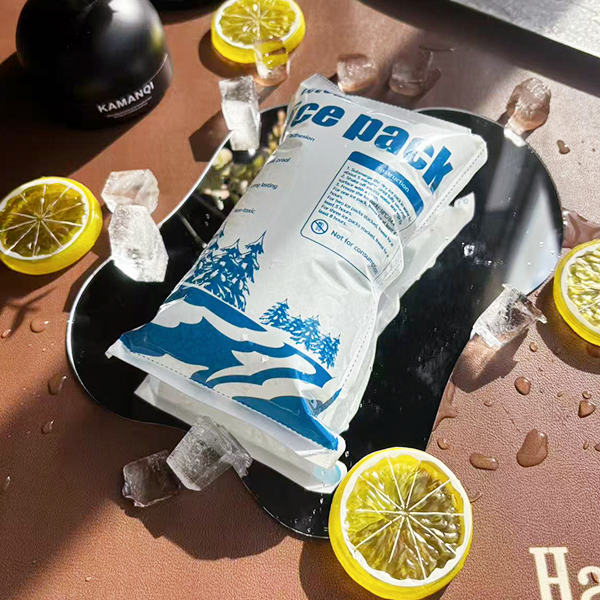
Distributor Dry Ice Pack For Pharmaceutical Shipping: How to Choose the Right Packout
A distributor dry ice pack for pharmaceutical shipping is worth buying only when it matches the product, the route, and the evidence you need after delivery. For pharmaceutical products, the practical question is not simply how cold the pack is. Buyers should confirm whether they need solid CO2 dry ice, a dry-ice-style reusable pack, PCM, gel packs, or a qualified insulated shipper, then verify how that choice performs with the real payload and handling conditions.
The practical decision in one paragraph
For pharmaceutical products, do not start with the coldest pack. Start with the permitted product condition, then choose the lowest-risk cold source that can support the route. Dry ice may be considered for products requiring frozen or ultra-low shipment, while pcm or gel systems are usually reviewed for other temperature bands, while dry ice is not suitable for pharmaceuticals that must stay refrigerated or controlled-room-temperature unless a validated buffer protects the product within its permitted range. The supplier should help you verify this fit with the actual box, payload, and handling process.
Define what dry ice pack means in your purchasing brief
The phrase dry ice pack should be clarified in every purchasing brief. If it means solid carbon dioxide dry ice, the buyer must plan for extreme cold, gas venting, dry ice markings, handling safety, and carrier acceptance. If it means a reusable dry-ice-style pack, the buyer should confirm the material, hydration or freezing method, coolant behavior, sealing quality, and whether the pack is intended for chilled, frozen, or buffered use.
This definition is not a wording detail. For pharmaceutical products, it affects product safety, packaging selection, warehouse labor, customer instructions, and logistics cost. A supplier that cannot explain the difference may still sell a pack, but the buyer will be left to discover the limitation during complaints, rejected deliveries, or a failed trial shipment.
The best purchasing briefs describe the product, the required condition at delivery, the route length, the insulation already planned, the expected ambient exposure, and any documentation that the receiving team needs. With that information, a supplier can recommend a packout direction instead of quoting a generic pack size.
Match the packout to pharmaceutical products risk, not to a generic duration claim
Many buyers ask for a dry ice pack that lasts a certain number of hours. That question is understandable, but it is incomplete. Hold time depends on the box, payload mass, pack quantity, ambient profile, pack position, how the package is sealed, and how the receiver handles it. A number from a supplier datasheet may be useful for screening, but it should not be treated as a guarantee for every lane.
The better question is: what condition must the pharmaceutical products meet at the end of the route, and what evidence will prove it? Once that is defined, the packaging team can compare dry ice, dry-ice-style packs, gel packs, PCM packs, and insulation options with less guesswork. This approach also makes it easier to explain the packout to operations staff.
For pharmaceutical products, the packout should be designed to control heat flow, not just to add more cold mass. Buffering layers, product placement, carton fill, closure discipline, and preconditioning are often as important as the pack itself.
Decision table for the purchasing review
| Question before ordering | Better buyer answer | Risk if ignored |
|---|---|---|
| What does the pack actually contain? | Solid CO2, hydrated dry-ice-style pack, gel, or PCM | Wrong handling and wrong temperature assumption |
| What product condition must arrive? | Chilled, frozen, ultra-cold, or simply cool | Freeze damage or warm delivery |
| What box and payload were tested? | Same insulation, product mass, and pack position planned for use | Supplier hold time may not apply |
| Who handles documentation? | Quality, logistics, carrier, and receiving teams | Rejected shipments or missing evidence |
| Can the sample be repeated? | Locked specification and production control | Bulk order varies from approved sample |
The table is not meant to replace a packout trial. It helps buyers ask the right questions before a sample is ordered, so the first test is closer to real operating conditions. When a supplier cannot answer one of these points, treat it as an item for verification rather than as a reason to guess.
A buying checklist for sample-to-production control
A sample can look successful because it was packed carefully by one experienced person. Production runs are different. More workers are involved, pack freezing time may vary, box substitutions may happen, and dispatch deadlines may shorten the process. For pharmaceutical products, buyers should decide how the successful trial will be translated into a repeatable work instruction.
- Lock the pack type, size, material description, and conditioning method before the production order.
- Record the insulated shipper, liner, payload mass, and pack position used in the trial.
- Confirm whether the same packout works in both warm and cool seasons or needs seasonal adjustment.
- Train packers on separation layers and direct-contact restrictions.
- Define what receiving teams should inspect and what evidence they should keep.
This checklist is especially important for distributor readiness because the cost of inconsistency usually appears after the order leaves the warehouse. A cheaper pack that requires unclear handling can be more expensive than a slightly more structured packout.
Use cautious claims when quality or regulatory teams are involved
For pharmaceutical products, strong packaging claims should be treated carefully. A supplier can describe pack materials, intended use, conditioning steps, and available test support, but the final decision depends on the product requirement and the shipping process. This is particularly important when a shipment touches medical, pharmaceutical, or vaccine distribution, where documentation and quality review may be required.
For actual dry ice, the shipper should verify dangerous goods and carrier requirements before dispatch. Packages generally need to allow gas release, and markings may be required for air transport. For non-CO2 dry-ice-style packs, the buyer should still check freezing instructions, direct-contact limitations, and whether the pack has been tested in the intended shipper.
The safest supplier language is practical and conditional. It explains where the pack is appropriate, what must be verified, and what should not be assumed. That kind of wording may sound less dramatic than a broad performance promise, but it protects both the buyer and the end user.
A practical example of avoiding the wrong cold source
A procurement team requests a dry ice pack solution because previous shipments warmed during transit. After reviewing the product requirement, the team discovers that the pharmaceutical products must remain cool but should not be exposed to extreme freezing. Instead of switching directly to actual dry ice, the team asks suppliers to compare dry-ice-style packs, gel packs, PCM packs, and insulation changes.
The supplier proposal that performs best is not necessarily the coldest. It is the one that explains product separation, pack conditioning, box fit, route risk, and evidence needed for approval. The team runs a trial with the actual payload and records receiving condition before releasing the bulk order.
This example shows why buyer discipline matters. The goal is not to add a stronger refrigerant; the goal is to protect the product in a way that the warehouse, carrier, receiver, and quality team can repeat.
Red flags in supplier proposals
A proposal for pharmaceutical products should raise concern if it promises universal suitability, avoids defining the pack type, provides a hold-time number without test conditions, or ignores the difference between chilled, frozen, and ultra-low requirements. It should also raise concern if the supplier cannot explain how the pack should be stored, conditioned, and separated from the payload.
Another red flag is a proposal that treats documentation as an afterthought. Even for food routes, buyers may need receiving inspection notes, claim investigation support, or simple packout records. For medical and pharmaceutical routes, documentation expectations can be more formal and should be defined early.
A strong proposal is usually more specific. It describes the intended use, the limits, what must be tested, and what information the buyer should provide before ordering. That makes the purchasing decision safer even when the supplier cannot guarantee every route outcome.
FAQ
How should I compare suppliers for distributor dry ice pack for pharmaceutical shipping?
Compare how clearly each supplier defines the pack type, intended temperature use, conditioning method, packout layout, test evidence, and production consistency. A supplier that asks about your route and product risk usually provides a safer recommendation than one that quotes only by pack size.
What information should I give the supplier?
Provide the product type, target condition at delivery, box size, payload weight, route length, carrier mode, likely ambient exposure, and whether documentation is needed. For pharmaceutical products, also explain any sensitivity to freezing, moisture, pressure, or presentation damage.
Can I rely on a stated hold time?
Use it only as an initial screening point unless the supplier explains the test conditions. Hold time changes with insulation, payload, pack quantity, ambient temperature, opening events, and receiver behavior.
The best supplier recommendations usually include limits. A supplier that says when not to use a dry ice pack may be more useful than one that claims the same pack works everywhere. Limits help buyers avoid the wrong application and choose a safer alternative when the route or product does not fit.
One reason buyers struggle with pharmaceutical products packaging is that temperature risk is not visible at the time of packing. The box may look correct, the pack may feel cold, and the carton may be sealed neatly, yet the product can still be exposed to a local cold spot or a warm handover period. A written packout method helps convert a visual check into a controllable process.
The vocabulary around pharmaceutical shipping, GDP awareness, qualified thermal shipper, temperature data logger can be confusing, so the buyer should use simple descriptions in the purchase brief. Describe the product, the route, the delivery condition, and the handling constraints. Let the supplier recommend the cold source only after those facts are known.
If the shipment crosses modes, such as truck to air or warehouse to parcel carrier, requirements can change. Actual dry ice may trigger carrier procedures, and some carriers restrict acceptance by service type or destination. Check those details before a buyer commits to packaging that depends on dry ice.
Do not treat a data logger as temperature protection. A logger records what happened; it does not prevent heat gain or freezing. It is useful when the buyer needs evidence, but it must be paired with a packout that has a reasonable chance of keeping the product within the intended condition.
When comparing proposals, ask each supplier to separate proven facts from assumptions. Proven facts might include material description, pack dimensions, conditioning instructions, or a test performed under defined conditions. Assumptions include performance on a new route, in a different box, or with a different payload.
Product presentation is part of cold-chain value. Wet cartons, warped labels, cloudy wrappers, leaking payloads, or frost marks can damage customer trust even when the product remains usable. For pharmaceutical products, packaging should protect both technical condition and the way the shipment looks when received.
Seasonality should be reviewed before a wide order is released. Summer exposure may require more insulation or a different service level, while winter exposure may increase the risk of freezing products that only need cool protection. A good packout is not only a summer heat solution; it also considers cold-weather overcooling.
For repeat orders, keep a revision record. If film material, pack size, gel formulation, carton design, supplier source, or pack placement changes, the previous trial may no longer represent the current packout. Change control is not only a pharmaceutical idea; it is also practical packaging discipline.
When should I avoid actual dry ice?
Avoid actual dry ice when the product must not freeze, when the carrier cannot accept it, when staff cannot handle it safely, or when packaging cannot vent carbon dioxide gas. Consider gel packs, PCM packs, or a different shipping method instead.
Conclusion
A distributor dry ice pack for pharmaceutical shipping is a practical purchase when the buyer treats it as one part of a controlled packout. Define the product's required condition, confirm whether dry ice is appropriate, verify the insulation and pack position, and ask for evidence that matches your route. The safest decision is usually the one with clear limits, not the biggest cooling claim.
About Tempk
Tempk is the cold-chain packaging brand of Shanghai Tempk Industrial Co., Ltd. We support buyers who need practical packaging choices for food, pharmaceutical, medical, and other temperature-sensitive shipments. For pharmaceutical products, our role is to help connect the cold source, insulated packaging, payload, and handling process so the buyer can move from sample review to a more repeatable ordering plan.
Send Tempk your product requirement, route profile, payload, and purchasing stage. We can help you compare practical packout options before moving from sample to bulk order.
Distributor Dry Ice Pack For Medical Transport: Practical Buying Guide
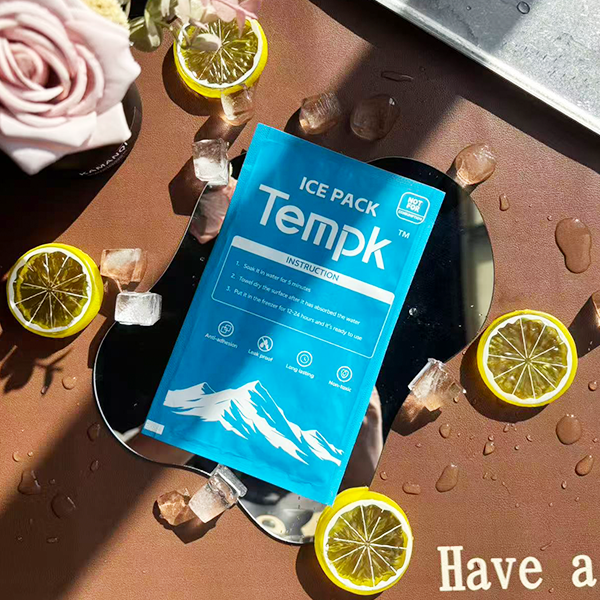
Distributor Dry Ice Pack For Medical Transport: How to Choose the Right Packout
A distributor dry ice pack for medical transport is worth buying only when it matches the product, the route, and the evidence you need after delivery. For medical products, the practical question is not simply how cold the pack is. Buyers should confirm whether they need solid CO2 dry ice, a dry-ice-style reusable pack, PCM, gel packs, or a qualified insulated shipper, then verify how that choice performs with the real payload and handling conditions.
The practical decision in one paragraph
For medical products, do not start with the coldest pack. Start with the permitted product condition, then choose the lowest-risk cold source that can support the route. Dry ice or dry-ice-style packs may be considered for frozen or ultra-cold requirements after the product owner confirms that the product can tolerate the exposure, while dry ice is not a general-purpose replacement for validated refrigerated packaging and may be inappropriate for materials that must not freeze. The supplier should help you verify this fit with the actual box, payload, and handling process.
Define what dry ice pack means in your purchasing brief
The phrase dry ice pack should be clarified in every purchasing brief. If it means solid carbon dioxide dry ice, the buyer must plan for extreme cold, gas venting, dry ice markings, handling safety, and carrier acceptance. If it means a reusable dry-ice-style pack, the buyer should confirm the material, hydration or freezing method, coolant behavior, sealing quality, and whether the pack is intended for chilled, frozen, or buffered use.
This definition is not a wording detail. For medical products, it affects product safety, packaging selection, warehouse labor, customer instructions, and logistics cost. A supplier that cannot explain the difference may still sell a pack, but the buyer will be left to discover the limitation during complaints, rejected deliveries, or a failed trial shipment.
The best purchasing briefs describe the product, the required condition at delivery, the route length, the insulation already planned, the expected ambient exposure, and any documentation that the receiving team needs. With that information, a supplier can recommend a packout direction instead of quoting a generic pack size.
Match the packout to medical products risk, not to a generic duration claim
Many buyers ask for a dry ice pack that lasts a certain number of hours. That question is understandable, but it is incomplete. Hold time depends on the box, payload mass, pack quantity, ambient profile, pack position, how the package is sealed, and how the receiver handles it. A number from a supplier datasheet may be useful for screening, but it should not be treated as a guarantee for every lane.
The better question is: what condition must the medical products meet at the end of the route, and what evidence will prove it? Once that is defined, the packaging team can compare dry ice, dry-ice-style packs, gel packs, PCM packs, and insulation options with less guesswork. This approach also makes it easier to explain the packout to operations staff.
For medical products, the packout should be designed to control heat flow, not just to add more cold mass. Buffering layers, product placement, carton fill, closure discipline, and preconditioning are often as important as the pack itself.
Decision table for the purchasing review
| Question before ordering | Better buyer answer | Risk if ignored |
|---|---|---|
| What does the pack actually contain? | Solid CO2, hydrated dry-ice-style pack, gel, or PCM | Wrong handling and wrong temperature assumption |
| What product condition must arrive? | Chilled, frozen, ultra-cold, or simply cool | Freeze damage or warm delivery |
| What box and payload were tested? | Same insulation, product mass, and pack position planned for use | Supplier hold time may not apply |
| Who handles documentation? | Quality, logistics, carrier, and receiving teams | Rejected shipments or missing evidence |
| Can the sample be repeated? | Locked specification and production control | Bulk order varies from approved sample |
The table is not meant to replace a packout trial. It helps buyers ask the right questions before a sample is ordered, so the first test is closer to real operating conditions. When a supplier cannot answer one of these points, treat it as an item for verification rather than as a reason to guess.
A buying checklist for sample-to-production control
A sample can look successful because it was packed carefully by one experienced person. Production runs are different. More workers are involved, pack freezing time may vary, box substitutions may happen, and dispatch deadlines may shorten the process. For medical products, buyers should decide how the successful trial will be translated into a repeatable work instruction.
- Lock the pack type, size, material description, and conditioning method before the production order.
- Record the insulated shipper, liner, payload mass, and pack position used in the trial.
- Confirm whether the same packout works in both warm and cool seasons or needs seasonal adjustment.
- Train packers on separation layers and direct-contact restrictions.
- Define what receiving teams should inspect and what evidence they should keep.
This checklist is especially important for distributor readiness because the cost of inconsistency usually appears after the order leaves the warehouse. A cheaper pack that requires unclear handling can be more expensive than a slightly more structured packout.
Use cautious claims when quality or regulatory teams are involved
For medical products, strong packaging claims should be treated carefully. A supplier can describe pack materials, intended use, conditioning steps, and available test support, but the final decision depends on the product requirement and the shipping process. This is particularly important when a shipment touches medical, pharmaceutical, or vaccine distribution, where documentation and quality review may be required.
For actual dry ice, the shipper should verify dangerous goods and carrier requirements before dispatch. Packages generally need to allow gas release, and markings may be required for air transport. For non-CO2 dry-ice-style packs, the buyer should still check freezing instructions, direct-contact limitations, and whether the pack has been tested in the intended shipper.
The safest supplier language is practical and conditional. It explains where the pack is appropriate, what must be verified, and what should not be assumed. That kind of wording may sound less dramatic than a broad performance promise, but it protects both the buyer and the end user.
A practical example of avoiding the wrong cold source
A procurement team requests a dry ice pack solution because previous shipments warmed during transit. After reviewing the product requirement, the team discovers that the medical products must remain cool but should not be exposed to extreme freezing. Instead of switching directly to actual dry ice, the team asks suppliers to compare dry-ice-style packs, gel packs, PCM packs, and insulation changes.
The supplier proposal that performs best is not necessarily the coldest. It is the one that explains product separation, pack conditioning, box fit, route risk, and evidence needed for approval. The team runs a trial with the actual payload and records receiving condition before releasing the bulk order.
This example shows why buyer discipline matters. The goal is not to add a stronger refrigerant; the goal is to protect the product in a way that the warehouse, carrier, receiver, and quality team can repeat.
Red flags in supplier proposals
A proposal for medical products should raise concern if it promises universal suitability, avoids defining the pack type, provides a hold-time number without test conditions, or ignores the difference between chilled, frozen, and ultra-low requirements. It should also raise concern if the supplier cannot explain how the pack should be stored, conditioned, and separated from the payload.
Another red flag is a proposal that treats documentation as an afterthought. Even for food routes, buyers may need receiving inspection notes, claim investigation support, or simple packout records. For medical and pharmaceutical routes, documentation expectations can be more formal and should be defined early.
A strong proposal is usually more specific. It describes the intended use, the limits, what must be tested, and what information the buyer should provide before ordering. That makes the purchasing decision safer even when the supplier cannot guarantee every route outcome.
FAQ
How should I compare suppliers for distributor dry ice pack for medical transport?
Compare how clearly each supplier defines the pack type, intended temperature use, conditioning method, packout layout, test evidence, and production consistency. A supplier that asks about your route and product risk usually provides a safer recommendation than one that quotes only by pack size.
What information should I give the supplier?
Provide the product type, target condition at delivery, box size, payload weight, route length, carrier mode, likely ambient exposure, and whether documentation is needed. For medical products, also explain any sensitivity to freezing, moisture, pressure, or presentation damage.
Can I rely on a stated hold time?
Use it only as an initial screening point unless the supplier explains the test conditions. Hold time changes with insulation, payload, pack quantity, ambient temperature, opening events, and receiver behavior.
Receivers also affect the outcome. For medical products, the receiving team should know whether the package must be opened immediately, whether remaining coolant should be handled with gloves, and what product condition should be checked before accepting the shipment. Clear receiving instructions reduce avoidable claims.
Seasonality should be reviewed before a wide order is released. Summer exposure may require more insulation or a different service level, while winter exposure may increase the risk of freezing products that only need cool protection. A good packout is not only a summer heat solution; it also considers cold-weather overcooling.
Cost comparison should include labor and failure risk. A pack that is cheap per piece may require more careful conditioning, more separation material, more training, or more customer service intervention. A slightly more controlled packout can be less expensive over repeated shipments if it reduces claims and rework.
Product presentation is part of cold-chain value. Wet cartons, warped labels, cloudy wrappers, leaking payloads, or frost marks can damage customer trust even when the product remains usable. For medical products, packaging should protect both technical condition and the way the shipment looks when received.
For distributor buyers, packaging communication can become a hidden cost. If sales teams, warehouse staff, and customers use the phrase dry ice pack differently, the program may drift. Define whether the product is solid CO2 dry ice, a hydrated pack, a gel pack, or a PCM-style pack in all internal documents.
One reason buyers struggle with medical products packaging is that temperature risk is not visible at the time of packing. The box may look correct, the pack may feel cold, and the carton may be sealed neatly, yet the product can still be exposed to a local cold spot or a warm handover period. A written packout method helps convert a visual check into a controllable process.
The best supplier recommendations usually include limits. A supplier that says when not to use a dry ice pack may be more useful than one that claims the same pack works everywhere. Limits help buyers avoid the wrong application and choose a safer alternative when the route or product does not fit.
If the shipment crosses modes, such as truck to air or warehouse to parcel carrier, requirements can change. Actual dry ice may trigger carrier procedures, and some carriers restrict acceptance by service type or destination. Check those details before a buyer commits to packaging that depends on dry ice.
The vocabulary around medical transport, temperature documentation, qualified shipper, data logger can be confusing, so the buyer should use simple descriptions in the purchase brief. Describe the product, the route, the delivery condition, and the handling constraints. Let the supplier recommend the cold source only after those facts are known.
When should I avoid actual dry ice?
Avoid actual dry ice when the product must not freeze, when the carrier cannot accept it, when staff cannot handle it safely, or when packaging cannot vent carbon dioxide gas. Consider gel packs, PCM packs, or a different shipping method instead.
Conclusion
A distributor dry ice pack for medical transport is a practical purchase when the buyer treats it as one part of a controlled packout. Define the product's required condition, confirm whether dry ice is appropriate, verify the insulation and pack position, and ask for evidence that matches your route. The safest decision is usually the one with clear limits, not the biggest cooling claim.
About Tempk
Tempk is the cold-chain packaging brand of Shanghai Tempk Industrial Co., Ltd. We support buyers who need practical packaging choices for food, pharmaceutical, medical, and other temperature-sensitive shipments. For medical products, our role is to help connect the cold source, insulated packaging, payload, and handling process so the buyer can move from sample review to a more repeatable ordering plan.
Send Tempk your product requirement, route profile, payload, and purchasing stage. We can help you compare practical packout options before moving from sample to bulk order.
Distributor Dry Ice Pack For Meat Shipping: Practical Buying Guide
Distributor Dry Ice Pack For Meat Shipping: How to Choose the Right Packout
A distributor dry ice pack for meat shipping is worth buying only when it matches the product, the route, and the evidence you need after delivery. For meat, the practical question is not simply how cold the pack is. Buyers should confirm whether they need solid CO2 dry ice, a dry-ice-style reusable pack, PCM, gel packs, or a qualified insulated shipper, then verify how that choice performs with the real payload and handling conditions.
The practical decision in one paragraph
For meat, do not start with the coldest pack. Start with the permitted product condition, then choose the lowest-risk cold source that can support the route. Dry ice can be useful for frozen meat lanes when ventilation, labeling, handling, insulation, and receiving procedures are planned, while dry ice may be excessive for chilled meat that must not freeze or for shipments where the carrier cannot accept dry ice. The supplier should help you verify this fit with the actual box, payload, and handling process.
Define what dry ice pack means in your purchasing brief
The phrase dry ice pack should be clarified in every purchasing brief. If it means solid carbon dioxide dry ice, the buyer must plan for extreme cold, gas venting, dry ice markings, handling safety, and carrier acceptance. If it means a reusable dry-ice-style pack, the buyer should confirm the material, hydration or freezing method, coolant behavior, sealing quality, and whether the pack is intended for chilled, frozen, or buffered use.
This definition is not a wording detail. For meat, it affects product safety, packaging selection, warehouse labor, customer instructions, and logistics cost. A supplier that cannot explain the difference may still sell a pack, but the buyer will be left to discover the limitation during complaints, rejected deliveries, or a failed trial shipment.
The best purchasing briefs describe the product, the required condition at delivery, the route length, the insulation already planned, the expected ambient exposure, and any documentation that the receiving team needs. With that information, a supplier can recommend a packout direction instead of quoting a generic pack size.
Match the packout to meat risk, not to a generic duration claim
Many buyers ask for a dry ice pack that lasts a certain number of hours. That question is understandable, but it is incomplete. Hold time depends on the box, payload mass, pack quantity, ambient profile, pack position, how the package is sealed, and how the receiver handles it. A number from a supplier datasheet may be useful for screening, but it should not be treated as a guarantee for every lane.
The better question is: what condition must the meat meet at the end of the route, and what evidence will prove it? Once that is defined, the packaging team can compare dry ice, dry-ice-style packs, gel packs, PCM packs, and insulation options with less guesswork. This approach also makes it easier to explain the packout to operations staff.
For meat, the packout should be designed to control heat flow, not just to add more cold mass. Buffering layers, product placement, carton fill, closure discipline, and preconditioning are often as important as the pack itself.
Decision table for the purchasing review
| Question before ordering | Better buyer answer | Risk if ignored |
|---|---|---|
| What does the pack actually contain? | Solid CO2, hydrated dry-ice-style pack, gel, or PCM | Wrong handling and wrong temperature assumption |
| What product condition must arrive? | Chilled, frozen, ultra-cold, or simply cool | Freeze damage or warm delivery |
| What box and payload were tested? | Same insulation, product mass, and pack position planned for use | Supplier hold time may not apply |
| Who handles documentation? | Quality, logistics, carrier, and receiving teams | Rejected shipments or missing evidence |
| Can the sample be repeated? | Locked specification and production control | Bulk order varies from approved sample |
The table is not meant to replace a packout trial. It helps buyers ask the right questions before a sample is ordered, so the first test is closer to real operating conditions. When a supplier cannot answer one of these points, treat it as an item for verification rather than as a reason to guess.
A buying checklist for sample-to-production control
A sample can look successful because it was packed carefully by one experienced person. Production runs are different. More workers are involved, pack freezing time may vary, box substitutions may happen, and dispatch deadlines may shorten the process. For meat, buyers should decide how the successful trial will be translated into a repeatable work instruction.
- Lock the pack type, size, material description, and conditioning method before the production order.
- Record the insulated shipper, liner, payload mass, and pack position used in the trial.
- Confirm whether the same packout works in both warm and cool seasons or needs seasonal adjustment.
- Train packers on separation layers and direct-contact restrictions.
- Define what receiving teams should inspect and what evidence they should keep.
This checklist is especially important for distributor readiness because the cost of inconsistency usually appears after the order leaves the warehouse. A cheaper pack that requires unclear handling can be more expensive than a slightly more structured packout.
Use cautious claims when quality or regulatory teams are involved
For meat, strong packaging claims should be treated carefully. A supplier can describe pack materials, intended use, conditioning steps, and available test support, but the final decision depends on the product requirement and the shipping process. This is particularly important when a shipment touches medical, pharmaceutical, or vaccine distribution, where documentation and quality review may be required.
For actual dry ice, the shipper should verify dangerous goods and carrier requirements before dispatch. Packages generally need to allow gas release, and markings may be required for air transport. For non-CO2 dry-ice-style packs, the buyer should still check freezing instructions, direct-contact limitations, and whether the pack has been tested in the intended shipper.
The safest supplier language is practical and conditional. It explains where the pack is appropriate, what must be verified, and what should not be assumed. That kind of wording may sound less dramatic than a broad performance promise, but it protects both the buyer and the end user.
A practical example of avoiding the wrong cold source
A procurement team requests a dry ice pack solution because previous shipments warmed during transit. After reviewing the product requirement, the team discovers that the meat must remain cool but should not be exposed to extreme freezing. Instead of switching directly to actual dry ice, the team asks suppliers to compare dry-ice-style packs, gel packs, PCM packs, and insulation changes.
The supplier proposal that performs best is not necessarily the coldest. It is the one that explains product separation, pack conditioning, box fit, route risk, and evidence needed for approval. The team runs a trial with the actual payload and records receiving condition before releasing the bulk order.
This example shows why buyer discipline matters. The goal is not to add a stronger refrigerant; the goal is to protect the product in a way that the warehouse, carrier, receiver, and quality team can repeat.
Red flags in supplier proposals
A proposal for meat should raise concern if it promises universal suitability, avoids defining the pack type, provides a hold-time number without test conditions, or ignores the difference between chilled, frozen, and ultra-low requirements. It should also raise concern if the supplier cannot explain how the pack should be stored, conditioned, and separated from the payload.
Another red flag is a proposal that treats documentation as an afterthought. Even for food routes, buyers may need receiving inspection notes, claim investigation support, or simple packout records. For medical and pharmaceutical routes, documentation expectations can be more formal and should be defined early.
A strong proposal is usually more specific. It describes the intended use, the limits, what must be tested, and what information the buyer should provide before ordering. That makes the purchasing decision safer even when the supplier cannot guarantee every route outcome.
FAQ
How should I compare suppliers for distributor dry ice pack for meat shipping?
Compare how clearly each supplier defines the pack type, intended temperature use, conditioning method, packout layout, test evidence, and production consistency. A supplier that asks about your route and product risk usually provides a safer recommendation than one that quotes only by pack size.
What information should I give the supplier?
Provide the product type, target condition at delivery, box size, payload weight, route length, carrier mode, likely ambient exposure, and whether documentation is needed. For meat, also explain any sensitivity to freezing, moisture, pressure, or presentation damage.
Can I rely on a stated hold time?
Use it only as an initial screening point unless the supplier explains the test conditions. Hold time changes with insulation, payload, pack quantity, ambient temperature, opening events, and receiver behavior.
The insulated shipper deserves as much attention as the coolant. Wall material, lid closure, liner fit, empty headspace, product arrangement, and carton condition all influence heat gain. Adding more coolant to a weak shipper can increase cost and product risk without solving the underlying thermal problem.
One reason buyers struggle with meat packaging is that temperature risk is not visible at the time of packing. The box may look correct, the pack may feel cold, and the carton may be sealed neatly, yet the product can still be exposed to a local cold spot or a warm handover period. A written packout method helps convert a visual check into a controllable process.
Seasonality should be reviewed before a wide order is released. Summer exposure may require more insulation or a different service level, while winter exposure may increase the risk of freezing products that only need cool protection. A good packout is not only a summer heat solution; it also considers cold-weather overcooling.
For distributor buyers, packaging communication can become a hidden cost. If sales teams, warehouse staff, and customers use the phrase dry ice pack differently, the program may drift. Define whether the product is solid CO2 dry ice, a hydrated pack, a gel pack, or a PCM-style pack in all internal documents.
The vocabulary around meat logistics, frozen meat shipping, leak prevention, insulated shipper can be confusing, so the buyer should use simple descriptions in the purchase brief. Describe the product, the route, the delivery condition, and the handling constraints. Let the supplier recommend the cold source only after those facts are known.
Product presentation is part of cold-chain value. Wet cartons, warped labels, cloudy wrappers, leaking payloads, or frost marks can damage customer trust even when the product remains usable. For meat, packaging should protect both technical condition and the way the shipment looks when received.
Receivers also affect the outcome. For meat, the receiving team should know whether the package must be opened immediately, whether remaining coolant should be handled with gloves, and what product condition should be checked before accepting the shipment. Clear receiving instructions reduce avoidable claims.
The best supplier recommendations usually include limits. A supplier that says when not to use a dry ice pack may be more useful than one that claims the same pack works everywhere. Limits help buyers avoid the wrong application and choose a safer alternative when the route or product does not fit.
A useful pilot does not need to be complicated, but it should be honest. Pack the real product or a representative payload, use the intended box, follow the normal warehouse process, and expose the shipment to a route that resembles future use. A perfect laboratory-only result may not reveal warehouse variability.
When should I avoid actual dry ice?
Avoid actual dry ice when the product must not freeze, when the carrier cannot accept it, when staff cannot handle it safely, or when packaging cannot vent carbon dioxide gas. Consider gel packs, PCM packs, or a different shipping method instead.
Conclusion
A distributor dry ice pack for meat shipping is a practical purchase when the buyer treats it as one part of a controlled packout. Define the product's required condition, confirm whether dry ice is appropriate, verify the insulation and pack position, and ask for evidence that matches your route. The safest decision is usually the one with clear limits, not the biggest cooling claim.
About Tempk
Tempk is the cold-chain packaging brand of Shanghai Tempk Industrial Co., Ltd. We support buyers who need practical packaging choices for food, pharmaceutical, medical, and other temperature-sensitive shipments. For meat, our role is to help connect the cold source, insulated packaging, payload, and handling process so the buyer can move from sample review to a more repeatable ordering plan.
Send Tempk your product requirement, route profile, payload, and purchasing stage. We can help you compare practical packout options before moving from sample to bulk order.
Bulk Dry Ice Pack For Medical Shipping: Practical Buying Guide
Bulk Dry Ice Pack For Medical Shipping: How to Choose the Right Packout
A bulk dry ice pack for medical shipping is worth buying only when it matches the product, the route, and the evidence you need after delivery. For medical products, the practical question is not simply how cold the pack is. Buyers should confirm whether they need solid CO2 dry ice, a dry-ice-style reusable pack, PCM, gel packs, or a qualified insulated shipper, then verify how that choice performs with the real payload and handling conditions.
The practical decision in one paragraph
For medical products, do not start with the coldest pack. Start with the permitted product condition, then choose the lowest-risk cold source that can support the route. Dry ice or dry-ice-style packs may be considered for frozen or ultra-cold requirements after the product owner confirms that the product can tolerate the exposure, while dry ice is not a general-purpose replacement for validated refrigerated packaging and may be inappropriate for materials that must not freeze. The supplier should help you verify this fit with the actual box, payload, and handling process.
Define what dry ice pack means in your purchasing brief
The phrase dry ice pack should be clarified in every purchasing brief. If it means solid carbon dioxide dry ice, the buyer must plan for extreme cold, gas venting, dry ice markings, handling safety, and carrier acceptance. If it means a reusable dry-ice-style pack, the buyer should confirm the material, hydration or freezing method, coolant behavior, sealing quality, and whether the pack is intended for chilled, frozen, or buffered use.
This definition is not a wording detail. For medical products, it affects product safety, packaging selection, warehouse labor, customer instructions, and logistics cost. A supplier that cannot explain the difference may still sell a pack, but the buyer will be left to discover the limitation during complaints, rejected deliveries, or a failed trial shipment.
The best purchasing briefs describe the product, the required condition at delivery, the route length, the insulation already planned, the expected ambient exposure, and any documentation that the receiving team needs. With that information, a supplier can recommend a packout direction instead of quoting a generic pack size.
Match the packout to medical products risk, not to a generic duration claim
Many buyers ask for a dry ice pack that lasts a certain number of hours. That question is understandable, but it is incomplete. Hold time depends on the box, payload mass, pack quantity, ambient profile, pack position, how the package is sealed, and how the receiver handles it. A number from a supplier datasheet may be useful for screening, but it should not be treated as a guarantee for every lane.
The better question is: what condition must the medical products meet at the end of the route, and what evidence will prove it? Once that is defined, the packaging team can compare dry ice, dry-ice-style packs, gel packs, PCM packs, and insulation options with less guesswork. This approach also makes it easier to explain the packout to operations staff.
For medical products, the packout should be designed to control heat flow, not just to add more cold mass. Buffering layers, product placement, carton fill, closure discipline, and preconditioning are often as important as the pack itself.
Decision table for the purchasing review
| Question before ordering | Better buyer answer | Risk if ignored |
|---|---|---|
| What does the pack actually contain? | Solid CO2, hydrated dry-ice-style pack, gel, or PCM | Wrong handling and wrong temperature assumption |
| What product condition must arrive? | Chilled, frozen, ultra-cold, or simply cool | Freeze damage or warm delivery |
| What box and payload were tested? | Same insulation, product mass, and pack position planned for use | Supplier hold time may not apply |
| Who handles documentation? | Quality, logistics, carrier, and receiving teams | Rejected shipments or missing evidence |
| Can the sample be repeated? | Locked specification and production control | Bulk order varies from approved sample |
The table is not meant to replace a packout trial. It helps buyers ask the right questions before a sample is ordered, so the first test is closer to real operating conditions. When a supplier cannot answer one of these points, treat it as an item for verification rather than as a reason to guess.
A buying checklist for sample-to-production control
A sample can look successful because it was packed carefully by one experienced person. Production runs are different. More workers are involved, pack freezing time may vary, box substitutions may happen, and dispatch deadlines may shorten the process. For medical products, buyers should decide how the successful trial will be translated into a repeatable work instruction.
- Lock the pack type, size, material description, and conditioning method before the production order.
- Record the insulated shipper, liner, payload mass, and pack position used in the trial.
- Confirm whether the same packout works in both warm and cool seasons or needs seasonal adjustment.
- Train packers on separation layers and direct-contact restrictions.
- Define what receiving teams should inspect and what evidence they should keep.
This checklist is especially important for bulk purchasing control because the cost of inconsistency usually appears after the order leaves the warehouse. A cheaper pack that requires unclear handling can be more expensive than a slightly more structured packout.
Use cautious claims when quality or regulatory teams are involved
For medical products, strong packaging claims should be treated carefully. A supplier can describe pack materials, intended use, conditioning steps, and available test support, but the final decision depends on the product requirement and the shipping process. This is particularly important when a shipment touches medical, pharmaceutical, or vaccine distribution, where documentation and quality review may be required.
For actual dry ice, the shipper should verify dangerous goods and carrier requirements before dispatch. Packages generally need to allow gas release, and markings may be required for air transport. For non-CO2 dry-ice-style packs, the buyer should still check freezing instructions, direct-contact limitations, and whether the pack has been tested in the intended shipper.
The safest supplier language is practical and conditional. It explains where the pack is appropriate, what must be verified, and what should not be assumed. That kind of wording may sound less dramatic than a broad performance promise, but it protects both the buyer and the end user.
A practical example of avoiding the wrong cold source
A procurement team requests a dry ice pack solution because previous shipments warmed during transit. After reviewing the product requirement, the team discovers that the medical products must remain cool but should not be exposed to extreme freezing. Instead of switching directly to actual dry ice, the team asks suppliers to compare dry-ice-style packs, gel packs, PCM packs, and insulation changes.
The supplier proposal that performs best is not necessarily the coldest. It is the one that explains product separation, pack conditioning, box fit, route risk, and evidence needed for approval. The team runs a trial with the actual payload and records receiving condition before releasing the bulk order.
This example shows why buyer discipline matters. The goal is not to add a stronger refrigerant; the goal is to protect the product in a way that the warehouse, carrier, receiver, and quality team can repeat.
Red flags in supplier proposals
A proposal for medical products should raise concern if it promises universal suitability, avoids defining the pack type, provides a hold-time number without test conditions, or ignores the difference between chilled, frozen, and ultra-low requirements. It should also raise concern if the supplier cannot explain how the pack should be stored, conditioned, and separated from the payload.
Another red flag is a proposal that treats documentation as an afterthought. Even for food routes, buyers may need receiving inspection notes, claim investigation support, or simple packout records. For medical and pharmaceutical routes, documentation expectations can be more formal and should be defined early.
A strong proposal is usually more specific. It describes the intended use, the limits, what must be tested, and what information the buyer should provide before ordering. That makes the purchasing decision safer even when the supplier cannot guarantee every route outcome.
FAQ
How should I compare suppliers for bulk dry ice pack for medical shipping?
Compare how clearly each supplier defines the pack type, intended temperature use, conditioning method, packout layout, test evidence, and production consistency. A supplier that asks about your route and product risk usually provides a safer recommendation than one that quotes only by pack size.
What information should I give the supplier?
Provide the product type, target condition at delivery, box size, payload weight, route length, carrier mode, likely ambient exposure, and whether documentation is needed. For medical products, also explain any sensitivity to freezing, moisture, pressure, or presentation damage.
Can I rely on a stated hold time?
Use it only as an initial screening point unless the supplier explains the test conditions. Hold time changes with insulation, payload, pack quantity, ambient temperature, opening events, and receiver behavior.
The vocabulary around medical transport, temperature documentation, qualified shipper, data logger can be confusing, so the buyer should use simple descriptions in the purchase brief. Describe the product, the route, the delivery condition, and the handling constraints. Let the supplier recommend the cold source only after those facts are known.
A useful pilot does not need to be complicated, but it should be honest. Pack the real product or a representative payload, use the intended box, follow the normal warehouse process, and expose the shipment to a route that resembles future use. A perfect laboratory-only result may not reveal warehouse variability.
For repeat orders, keep a revision record. If film material, pack size, gel formulation, carton design, supplier source, or pack placement changes, the previous trial may no longer represent the current packout. Change control is not only a pharmaceutical idea; it is also practical packaging discipline.
Product presentation is part of cold-chain value. Wet cartons, warped labels, cloudy wrappers, leaking payloads, or frost marks can damage customer trust even when the product remains usable. For medical products, packaging should protect both technical condition and the way the shipment looks when received.
Receivers also affect the outcome. For medical products, the receiving team should know whether the package must be opened immediately, whether remaining coolant should be handled with gloves, and what product condition should be checked before accepting the shipment. Clear receiving instructions reduce avoidable claims.
Do not treat a data logger as temperature protection. A logger records what happened; it does not prevent heat gain or freezing. It is useful when the buyer needs evidence, but it must be paired with a packout that has a reasonable chance of keeping the product within the intended condition.
One reason buyers struggle with medical products packaging is that temperature risk is not visible at the time of packing. The box may look correct, the pack may feel cold, and the carton may be sealed neatly, yet the product can still be exposed to a local cold spot or a warm handover period. A written packout method helps convert a visual check into a controllable process.
If the shipment crosses modes, such as truck to air or warehouse to parcel carrier, requirements can change. Actual dry ice may trigger carrier procedures, and some carriers restrict acceptance by service type or destination. Check those details before a buyer commits to packaging that depends on dry ice.
For bulk buyers, packaging communication can become a hidden cost. If sales teams, warehouse staff, and customers use the phrase dry ice pack differently, the program may drift. Define whether the product is solid CO2 dry ice, a hydrated pack, a gel pack, or a PCM-style pack in all internal documents.
When should I avoid actual dry ice?
Avoid actual dry ice when the product must not freeze, when the carrier cannot accept it, when staff cannot handle it safely, or when packaging cannot vent carbon dioxide gas. Consider gel packs, PCM packs, or a different shipping method instead.
Conclusion
A bulk dry ice pack for medical shipping is a practical purchase when the buyer treats it as one part of a controlled packout. Define the product's required condition, confirm whether dry ice is appropriate, verify the insulation and pack position, and ask for evidence that matches your route. The safest decision is usually the one with clear limits, not the biggest cooling claim.
About Tempk
Tempk is the cold-chain packaging brand of Shanghai Tempk Industrial Co., Ltd. We support buyers who need practical packaging choices for food, pharmaceutical, medical, and other temperature-sensitive shipments. For medical products, our role is to help connect the cold source, insulated packaging, payload, and handling process so the buyer can move from sample review to a more repeatable ordering plan.
Send Tempk your product requirement, route profile, payload, and purchasing stage. We can help you compare practical packout options before moving from sample to bulk order.
Bulk Dry Ice Pack For Fruit Delivery: Practical Buying Guide
Bulk Dry Ice Pack For Fruit Delivery: How to Choose the Right Packout
A bulk dry ice pack for fruit delivery is worth buying only when it matches the product, the route, and the evidence you need after delivery. For fruit, the practical question is not simply how cold the pack is. Buyers should confirm whether they need solid CO2 dry ice, a dry-ice-style reusable pack, PCM, gel packs, or a qualified insulated shipper, then verify how that choice performs with the real payload and handling conditions.
The practical decision in one paragraph
For fruit, do not start with the coldest pack. Start with the permitted product condition, then choose the lowest-risk cold source that can support the route. A dry-ice-style pack may help certain high-heat lanes when separated from fruit and tested with the actual box, liner, and payload, while actual dry ice is often too cold for fresh fruit unless a specialist has designed and validated a buffered system for that commodity. The supplier should help you verify this fit with the actual box, payload, and handling process.
Define what dry ice pack means in your purchasing brief
The phrase dry ice pack should be clarified in every purchasing brief. If it means solid carbon dioxide dry ice, the buyer must plan for extreme cold, gas venting, dry ice markings, handling safety, and carrier acceptance. If it means a reusable dry-ice-style pack, the buyer should confirm the material, hydration or freezing method, coolant behavior, sealing quality, and whether the pack is intended for chilled, frozen, or buffered use.
This definition is not a wording detail. For fruit, it affects product safety, packaging selection, warehouse labor, customer instructions, and logistics cost. A supplier that cannot explain the difference may still sell a pack, but the buyer will be left to discover the limitation during complaints, rejected deliveries, or a failed trial shipment.
The best purchasing briefs describe the product, the required condition at delivery, the route length, the insulation already planned, the expected ambient exposure, and any documentation that the receiving team needs. With that information, a supplier can recommend a packout direction instead of quoting a generic pack size.
Match the packout to fruit risk, not to a generic duration claim
Many buyers ask for a dry ice pack that lasts a certain number of hours. That question is understandable, but it is incomplete. Hold time depends on the box, payload mass, pack quantity, ambient profile, pack position, how the package is sealed, and how the receiver handles it. A number from a supplier datasheet may be useful for screening, but it should not be treated as a guarantee for every lane.
The better question is: what condition must the fruit meet at the end of the route, and what evidence will prove it? Once that is defined, the packaging team can compare dry ice, dry-ice-style packs, gel packs, PCM packs, and insulation options with less guesswork. This approach also makes it easier to explain the packout to operations staff.
For fruit, the packout should be designed to control heat flow, not just to add more cold mass. Buffering layers, product placement, carton fill, closure discipline, and preconditioning are often as important as the pack itself.
Decision table for the purchasing review
| Question before ordering | Better buyer answer | Risk if ignored |
|---|---|---|
| What does the pack actually contain? | Solid CO2, hydrated dry-ice-style pack, gel, or PCM | Wrong handling and wrong temperature assumption |
| What product condition must arrive? | Chilled, frozen, ultra-cold, or simply cool | Freeze damage or warm delivery |
| What box and payload were tested? | Same insulation, product mass, and pack position planned for use | Supplier hold time may not apply |
| Who handles documentation? | Quality, logistics, carrier, and receiving teams | Rejected shipments or missing evidence |
| Can the sample be repeated? | Locked specification and production control | Bulk order varies from approved sample |
The table is not meant to replace a packout trial. It helps buyers ask the right questions before a sample is ordered, so the first test is closer to real operating conditions. When a supplier cannot answer one of these points, treat it as an item for verification rather than as a reason to guess.
A buying checklist for sample-to-production control
A sample can look successful because it was packed carefully by one experienced person. Production runs are different. More workers are involved, pack freezing time may vary, box substitutions may happen, and dispatch deadlines may shorten the process. For fruit, buyers should decide how the successful trial will be translated into a repeatable work instruction.
- Lock the pack type, size, material description, and conditioning method before the production order.
- Record the insulated shipper, liner, payload mass, and pack position used in the trial.
- Confirm whether the same packout works in both warm and cool seasons or needs seasonal adjustment.
- Train packers on separation layers and direct-contact restrictions.
- Define what receiving teams should inspect and what evidence they should keep.
This checklist is especially important for bulk purchasing control because the cost of inconsistency usually appears after the order leaves the warehouse. A cheaper pack that requires unclear handling can be more expensive than a slightly more structured packout.
Use cautious claims when quality or regulatory teams are involved
For fruit, strong packaging claims should be treated carefully. A supplier can describe pack materials, intended use, conditioning steps, and available test support, but the final decision depends on the product requirement and the shipping process. This is particularly important when a shipment touches medical, pharmaceutical, or vaccine distribution, where documentation and quality review may be required.
For actual dry ice, the shipper should verify dangerous goods and carrier requirements before dispatch. Packages generally need to allow gas release, and markings may be required for air transport. For non-CO2 dry-ice-style packs, the buyer should still check freezing instructions, direct-contact limitations, and whether the pack has been tested in the intended shipper.
The safest supplier language is practical and conditional. It explains where the pack is appropriate, what must be verified, and what should not be assumed. That kind of wording may sound less dramatic than a broad performance promise, but it protects both the buyer and the end user.
A practical example of avoiding the wrong cold source
A procurement team requests a dry ice pack solution because previous shipments warmed during transit. After reviewing the product requirement, the team discovers that the fruit must remain cool but should not be exposed to extreme freezing. Instead of switching directly to actual dry ice, the team asks suppliers to compare dry-ice-style packs, gel packs, PCM packs, and insulation changes.
The supplier proposal that performs best is not necessarily the coldest. It is the one that explains product separation, pack conditioning, box fit, route risk, and evidence needed for approval. The team runs a trial with the actual payload and records receiving condition before releasing the bulk order.
This example shows why buyer discipline matters. The goal is not to add a stronger refrigerant; the goal is to protect the product in a way that the warehouse, carrier, receiver, and quality team can repeat.
Red flags in supplier proposals
A proposal for fruit should raise concern if it promises universal suitability, avoids defining the pack type, provides a hold-time number without test conditions, or ignores the difference between chilled, frozen, and ultra-low requirements. It should also raise concern if the supplier cannot explain how the pack should be stored, conditioned, and separated from the payload.
Another red flag is a proposal that treats documentation as an afterthought. Even for food routes, buyers may need receiving inspection notes, claim investigation support, or simple packout records. For medical and pharmaceutical routes, documentation expectations can be more formal and should be defined early.
A strong proposal is usually more specific. It describes the intended use, the limits, what must be tested, and what information the buyer should provide before ordering. That makes the purchasing decision safer even when the supplier cannot guarantee every route outcome.
FAQ
How should I compare suppliers for bulk dry ice pack for fruit delivery?
Compare how clearly each supplier defines the pack type, intended temperature use, conditioning method, packout layout, test evidence, and production consistency. A supplier that asks about your route and product risk usually provides a safer recommendation than one that quotes only by pack size.
What information should I give the supplier?
Provide the product type, target condition at delivery, box size, payload weight, route length, carrier mode, likely ambient exposure, and whether documentation is needed. For fruit, also explain any sensitivity to freezing, moisture, pressure, or presentation damage.
Can I rely on a stated hold time?
Use it only as an initial screening point unless the supplier explains the test conditions. Hold time changes with insulation, payload, pack quantity, ambient temperature, opening events, and receiver behavior.
A supplier conversation should also include storage before packing. Packs that require freezing or conditioning need enough time, freezer space, and airflow to reach the intended state. If the warehouse removes packs too early or stacks them too tightly before use, the packout tested in a sample may not match the packout used in production.
Do not treat a data logger as temperature protection. A logger records what happened; it does not prevent heat gain or freezing. It is useful when the buyer needs evidence, but it must be paired with a packout that has a reasonable chance of keeping the product within the intended condition.
A useful pilot does not need to be complicated, but it should be honest. Pack the real product or a representative payload, use the intended box, follow the normal warehouse process, and expose the shipment to a route that resembles future use. A perfect laboratory-only result may not reveal warehouse variability.
Receivers also affect the outcome. For fruit, the receiving team should know whether the package must be opened immediately, whether remaining coolant should be handled with gloves, and what product condition should be checked before accepting the shipment. Clear receiving instructions reduce avoidable claims.
Product presentation is part of cold-chain value. Wet cartons, warped labels, cloudy wrappers, leaking payloads, or frost marks can damage customer trust even when the product remains usable. For fruit, packaging should protect both technical condition and the way the shipment looks when received.
For bulk buyers, packaging communication can become a hidden cost. If sales teams, warehouse staff, and customers use the phrase dry ice pack differently, the program may drift. Define whether the product is solid CO2 dry ice, a hydrated pack, a gel pack, or a PCM-style pack in all internal documents.
The best supplier recommendations usually include limits. A supplier that says when not to use a dry ice pack may be more useful than one that claims the same pack works everywhere. Limits help buyers avoid the wrong application and choose a safer alternative when the route or product does not fit.
The insulated shipper deserves as much attention as the coolant. Wall material, lid closure, liner fit, empty headspace, product arrangement, and carton condition all influence heat gain. Adding more coolant to a weak shipper can increase cost and product risk without solving the underlying thermal problem.
When comparing proposals, ask each supplier to separate proven facts from assumptions. Proven facts might include material description, pack dimensions, conditioning instructions, or a test performed under defined conditions. Assumptions include performance on a new route, in a different box, or with a different payload.
One reason buyers struggle with fruit packaging is that temperature risk is not visible at the time of packing. The box may look correct, the pack may feel cold, and the carton may be sealed neatly, yet the product can still be exposed to a local cold spot or a warm handover period. A written packout method helps convert a visual check into a controllable process.
When should I avoid actual dry ice?
Avoid actual dry ice when the product must not freeze, when the carrier cannot accept it, when staff cannot handle it safely, or when packaging cannot vent carbon dioxide gas. Consider gel packs, PCM packs, or a different shipping method instead.
Conclusion
A bulk dry ice pack for fruit delivery is a practical purchase when the buyer treats it as one part of a controlled packout. Define the product's required condition, confirm whether dry ice is appropriate, verify the insulation and pack position, and ask for evidence that matches your route. The safest decision is usually the one with clear limits, not the biggest cooling claim.
About Tempk
Tempk is the cold-chain packaging brand of Shanghai Tempk Industrial Co., Ltd. We support buyers who need practical packaging choices for food, pharmaceutical, medical, and other temperature-sensitive shipments. For fruit, our role is to help connect the cold source, insulated packaging, payload, and handling process so the buyer can move from sample review to a more repeatable ordering plan.
Send Tempk your product requirement, route profile, payload, and purchasing stage. We can help you compare practical packout options before moving from sample to bulk order.
Bulk Dry Ice Pack For Cheese Delivery: Practical Buying Guide
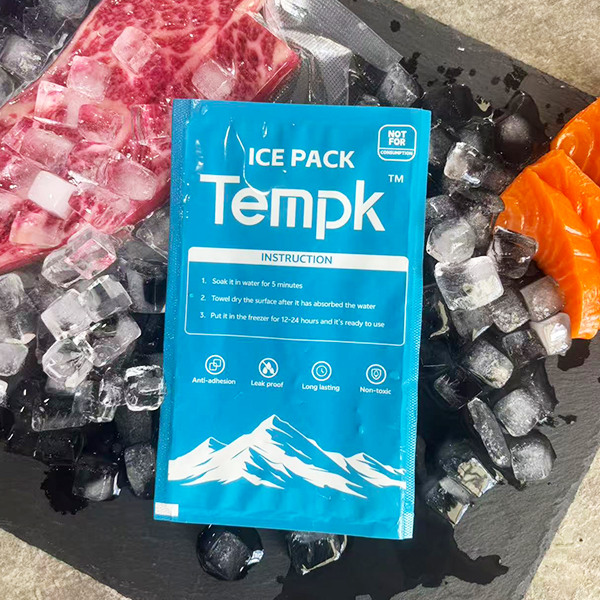
Bulk Dry Ice Pack For Cheese Delivery: How to Choose the Right Packout
A bulk dry ice pack for cheese delivery is worth buying only when it matches the product, the route, and the evidence you need after delivery. For cheese, the practical question is not simply how cold the pack is. Buyers should confirm whether they need solid CO2 dry ice, a dry-ice-style reusable pack, PCM, gel packs, or a qualified insulated shipper, then verify how that choice performs with the real payload and handling conditions.
The practical decision in one paragraph
For cheese, do not start with the coldest pack. Start with the permitted product condition, then choose the lowest-risk cold source that can support the route. Dry-ice-style packs may help in hot lanes or long insulated routes when the cheese is buffered from direct freezing contact, while direct contact with actual solid CO2 dry ice is usually too aggressive for many chilled cheese SKUs unless the product is intended to remain frozen or the packout is validated. The supplier should help you verify this fit with the actual box, payload, and handling process.
Define what dry ice pack means in your purchasing brief
The phrase dry ice pack should be clarified in every purchasing brief. If it means solid carbon dioxide dry ice, the buyer must plan for extreme cold, gas venting, dry ice markings, handling safety, and carrier acceptance. If it means a reusable dry-ice-style pack, the buyer should confirm the material, hydration or freezing method, coolant behavior, sealing quality, and whether the pack is intended for chilled, frozen, or buffered use.
This definition is not a wording detail. For cheese, it affects product safety, packaging selection, warehouse labor, customer instructions, and logistics cost. A supplier that cannot explain the difference may still sell a pack, but the buyer will be left to discover the limitation during complaints, rejected deliveries, or a failed trial shipment.
The best purchasing briefs describe the product, the required condition at delivery, the route length, the insulation already planned, the expected ambient exposure, and any documentation that the receiving team needs. With that information, a supplier can recommend a packout direction instead of quoting a generic pack size.
Match the packout to cheese risk, not to a generic duration claim
Many buyers ask for a dry ice pack that lasts a certain number of hours. That question is understandable, but it is incomplete. Hold time depends on the box, payload mass, pack quantity, ambient profile, pack position, how the package is sealed, and how the receiver handles it. A number from a supplier datasheet may be useful for screening, but it should not be treated as a guarantee for every lane.
The better question is: what condition must the cheese meet at the end of the route, and what evidence will prove it? Once that is defined, the packaging team can compare dry ice, dry-ice-style packs, gel packs, PCM packs, and insulation options with less guesswork. This approach also makes it easier to explain the packout to operations staff.
For cheese, the packout should be designed to control heat flow, not just to add more cold mass. Buffering layers, product placement, carton fill, closure discipline, and preconditioning are often as important as the pack itself.
Decision table for the purchasing review
| Question before ordering | Better buyer answer | Risk if ignored |
|---|---|---|
| What does the pack actually contain? | Solid CO2, hydrated dry-ice-style pack, gel, or PCM | Wrong handling and wrong temperature assumption |
| What product condition must arrive? | Chilled, frozen, ultra-cold, or simply cool | Freeze damage or warm delivery |
| What box and payload were tested? | Same insulation, product mass, and pack position planned for use | Supplier hold time may not apply |
| Who handles documentation? | Quality, logistics, carrier, and receiving teams | Rejected shipments or missing evidence |
| Can the sample be repeated? | Locked specification and production control | Bulk order varies from approved sample |
The table is not meant to replace a packout trial. It helps buyers ask the right questions before a sample is ordered, so the first test is closer to real operating conditions. When a supplier cannot answer one of these points, treat it as an item for verification rather than as a reason to guess.
A buying checklist for sample-to-production control
A sample can look successful because it was packed carefully by one experienced person. Production runs are different. More workers are involved, pack freezing time may vary, box substitutions may happen, and dispatch deadlines may shorten the process. For cheese, buyers should decide how the successful trial will be translated into a repeatable work instruction.
- Lock the pack type, size, material description, and conditioning method before the production order.
- Record the insulated shipper, liner, payload mass, and pack position used in the trial.
- Confirm whether the same packout works in both warm and cool seasons or needs seasonal adjustment.
- Train packers on separation layers and direct-contact restrictions.
- Define what receiving teams should inspect and what evidence they should keep.
This checklist is especially important for bulk purchasing control because the cost of inconsistency usually appears after the order leaves the warehouse. A cheaper pack that requires unclear handling can be more expensive than a slightly more structured packout.
Use cautious claims when quality or regulatory teams are involved
For cheese, strong packaging claims should be treated carefully. A supplier can describe pack materials, intended use, conditioning steps, and available test support, but the final decision depends on the product requirement and the shipping process. This is particularly important when a shipment touches medical, pharmaceutical, or vaccine distribution, where documentation and quality review may be required.
For actual dry ice, the shipper should verify dangerous goods and carrier requirements before dispatch. Packages generally need to allow gas release, and markings may be required for air transport. For non-CO2 dry-ice-style packs, the buyer should still check freezing instructions, direct-contact limitations, and whether the pack has been tested in the intended shipper.
The safest supplier language is practical and conditional. It explains where the pack is appropriate, what must be verified, and what should not be assumed. That kind of wording may sound less dramatic than a broad performance promise, but it protects both the buyer and the end user.
A practical example of avoiding the wrong cold source
A procurement team requests a dry ice pack solution because previous shipments warmed during transit. After reviewing the product requirement, the team discovers that the cheese must remain cool but should not be exposed to extreme freezing. Instead of switching directly to actual dry ice, the team asks suppliers to compare dry-ice-style packs, gel packs, PCM packs, and insulation changes.
The supplier proposal that performs best is not necessarily the coldest. It is the one that explains product separation, pack conditioning, box fit, route risk, and evidence needed for approval. The team runs a trial with the actual payload and records receiving condition before releasing the bulk order.
This example shows why buyer discipline matters. The goal is not to add a stronger refrigerant; the goal is to protect the product in a way that the warehouse, carrier, receiver, and quality team can repeat.
Red flags in supplier proposals
A proposal for cheese should raise concern if it promises universal suitability, avoids defining the pack type, provides a hold-time number without test conditions, or ignores the difference between chilled, frozen, and ultra-low requirements. It should also raise concern if the supplier cannot explain how the pack should be stored, conditioned, and separated from the payload.
Another red flag is a proposal that treats documentation as an afterthought. Even for food routes, buyers may need receiving inspection notes, claim investigation support, or simple packout records. For medical and pharmaceutical routes, documentation expectations can be more formal and should be defined early.
A strong proposal is usually more specific. It describes the intended use, the limits, what must be tested, and what information the buyer should provide before ordering. That makes the purchasing decision safer even when the supplier cannot guarantee every route outcome.
FAQ
How should I compare suppliers for bulk dry ice pack for cheese delivery?
Compare how clearly each supplier defines the pack type, intended temperature use, conditioning method, packout layout, test evidence, and production consistency. A supplier that asks about your route and product risk usually provides a safer recommendation than one that quotes only by pack size.
What information should I give the supplier?
Provide the product type, target condition at delivery, box size, payload weight, route length, carrier mode, likely ambient exposure, and whether documentation is needed. For cheese, also explain any sensitivity to freezing, moisture, pressure, or presentation damage.
Can I rely on a stated hold time?
Use it only as an initial screening point unless the supplier explains the test conditions. Hold time changes with insulation, payload, pack quantity, ambient temperature, opening events, and receiver behavior.
Product presentation is part of cold-chain value. Wet cartons, warped labels, cloudy wrappers, leaking payloads, or frost marks can damage customer trust even when the product remains usable. For cheese, packaging should protect both technical condition and the way the shipment looks when received.
A supplier conversation should also include storage before packing. Packs that require freezing or conditioning need enough time, freezer space, and airflow to reach the intended state. If the warehouse removes packs too early or stacks them too tightly before use, the packout tested in a sample may not match the packout used in production.
The insulated shipper deserves as much attention as the coolant. Wall material, lid closure, liner fit, empty headspace, product arrangement, and carton condition all influence heat gain. Adding more coolant to a weak shipper can increase cost and product risk without solving the underlying thermal problem.
Cost comparison should include labor and failure risk. A pack that is cheap per piece may require more careful conditioning, more separation material, more training, or more customer service intervention. A slightly more controlled packout can be less expensive over repeated shipments if it reduces claims and rework.
One reason buyers struggle with cheese packaging is that temperature risk is not visible at the time of packing. The box may look correct, the pack may feel cold, and the carton may be sealed neatly, yet the product can still be exposed to a local cold spot or a warm handover period. A written packout method helps convert a visual check into a controllable process.
A useful pilot does not need to be complicated, but it should be honest. Pack the real product or a representative payload, use the intended box, follow the normal warehouse process, and expose the shipment to a route that resembles future use. A perfect laboratory-only result may not reveal warehouse variability.
Seasonality should be reviewed before a wide order is released. Summer exposure may require more insulation or a different service level, while winter exposure may increase the risk of freezing products that only need cool protection. A good packout is not only a summer heat solution; it also considers cold-weather overcooling.
Do not treat a data logger as temperature protection. A logger records what happened; it does not prevent heat gain or freezing. It is useful when the buyer needs evidence, but it must be paired with a packout that has a reasonable chance of keeping the product within the intended condition.
The best supplier recommendations usually include limits. A supplier that says when not to use a dry ice pack may be more useful than one that claims the same pack works everywhere. Limits help buyers avoid the wrong application and choose a safer alternative when the route or product does not fit.
When should I avoid actual dry ice?
Avoid actual dry ice when the product must not freeze, when the carrier cannot accept it, when staff cannot handle it safely, or when packaging cannot vent carbon dioxide gas. Consider gel packs, PCM packs, or a different shipping method instead.
Conclusion
A bulk dry ice pack for cheese delivery is a practical purchase when the buyer treats it as one part of a controlled packout. Define the product's required condition, confirm whether dry ice is appropriate, verify the insulation and pack position, and ask for evidence that matches your route. The safest decision is usually the one with clear limits, not the biggest cooling claim.
About Tempk
Tempk is the cold-chain packaging brand of Shanghai Tempk Industrial Co., Ltd. We support buyers who need practical packaging choices for food, pharmaceutical, medical, and other temperature-sensitive shipments. For cheese, our role is to help connect the cold source, insulated packaging, payload, and handling process so the buyer can move from sample review to a more repeatable ordering plan.
Send Tempk your product requirement, route profile, payload, and purchasing stage. We can help you compare practical packout options before moving from sample to bulk order.