


Insulated Box Manufacturer for Life Sciences: Practical Selection Guide
Insulated Box Manufacturer for Life Sciences: Practical Selection Guide
Insulated Box Manufacturer Life Sciences for Practical Cold-Chain Procurement
A reliable insulated box manufacturer for life sciences should help you control the practical risks that appear after the purchase order: packing errors, lane exposure, payload fit, and weak evidence when a shipment is questioned. The right choice is not the most expensive box or the lightest liner; it is the packaging system that fits biological samples, diagnostic kits, reagents, research materials, and temperature-sensitive healthcare products, the required range, the route, and the buyer’s documentation needs without making claims that the supplier cannot support.
A clear specification also protects the supplier relationship. If your request only says insulated box, different suppliers may quote different structures, usable volumes, liners, closures, and coolant assumptions. A better inquiry describes the labeled product range, often refrigerated or controlled-room-temperature but always confirmed by the protocol or product owner, the route, the payload, and the handling points that must be controlled.
For healthcare cargo, IATA uses a Time and Temperature Sensitive Label for shipments booked as time and temperature sensitive cargo. EU GDP guidance also expects validated temperature-control systems where needed and may require transit temperature evidence on request. Many refrigerated vaccine and pharmaceutical lanes are planned around 2°C to 8°C, but the actual range must come from the product label, protocol, or quality team. ISTA 7E is used as a reference for thermal transport packaging in parcel delivery systems, but a standard profile is not the same as lane-specific qualification. Hold time claims should be checked against the payload, ambient profile, packout, and acceptance criteria.
Define the job before comparing insulated box manufacturer for life sciences suppliers
The strongest selection process begins before supplier quotes. Define what the package must protect, what must be proven, and what handling reality it will face. For biological samples, diagnostic kits, reagents, research materials, and temperature-sensitive healthcare products, the key failure modes include temperature excursion, missing evidence after delivery, protocol deviation, handover delay, and inconsistent packout. Those risks are practical, so the specification should be practical too: target range, transit time, handover exposure, payload size, coolant or liner needs, and receiving process.
A supplier can help refine those details, but the buyer should not outsource the entire requirement. If the supplier does not know the route, product sensitivity, and acceptance criteria, the recommendation will be based on assumptions. Good procurement language reduces those assumptions and makes later performance discussions fairer for both sides.
Separate the box, the packout, and the evidence
The box is only one part of the result. The packout includes the product layout, coolant or PCM, liner, void fill, closure, labels, and any monitoring device. Evidence includes test data, packout instructions, lane trials, receiving records, and quality review. When these three parts are separated, buyers can see exactly what has been proven and what still needs verification.
This distinction prevents overclaiming. An insulated box may be suitable for a lane after review, but it is not automatically qualified for every route. A data logger can document an excursion, but it cannot prevent one. A sustainable material can reduce waste, but it still has to protect the product. Clear boundaries make the final purchase more defensible.
Match configuration to shipment pattern
| Procurement checkpoint | How to use it | What not to assume |
|---|---|---|
| Product fit | Start with the product range, sensitivity, and acceptance criteria | Do not assume one insulated box suits every product on the lane |
| Route fit | Compare the packout with real loading, staging, and delivery behavior | Do not equate a favorable lab profile with all field routes |
| Material fit | Balance insulation, strength, cleanup, disposal, and return options | Do not replace performance data with a material claim |
| Documentation fit | Ask for packout instructions and available test or qualification records | Do not treat marketing language as proof of compliance |
| Scale-up fit | Check sample-to-production consistency and supplier change notification | Do not approve a sample without knowing what happens in bulk production |
Use this table as a screening tool, not as a substitute for a packaging trial. The purpose is to make assumptions visible so purchasing, warehouse, logistics, and quality teams can discuss the same facts before approving samples or bulk orders.
Questions that reveal supplier maturity
Supplier maturity shows up in the questions the supplier asks. A serious supplier will want to know the product range, payload dimensions, lane duration, ambient exposure, packing process, and whether monitoring is required. A weak supplier may only ask for box size and order quantity. That does not mean the product is poor, but it means the buyer must work harder to define the risk.
Ask how sample units compare with production units. Ask whether material substitutions require notification. Ask what happens if a liner, foam panel, or closure changes. Ask whether the supplier can provide packing instructions that warehouse staff can follow without engineering support. For bulk orders, these details often matter more than small differences in unit price.
Where compliance language should stay cautious
Cold-chain and regulated shipments may involve customer requirements, transport rules, quality procedures, or market-specific guidance. Packaging can support those requirements, but it should not be described as universally compliant without evidence. For healthcare cargo, IATA labeling and temperature documentation may apply depending on how the cargo is booked and handled. For food, sanitary transportation expectations may involve refrigeration, cleaning, and protection from contamination. For chemicals, SDS review and hazard classification are essential.
The safer wording is operational: verify the product range, verify the packout, verify the test profile, and verify documentation needs with the quality or logistics team. That language is less dramatic than a blanket compliance promise, but it is much more useful for real procurement.
A practical example: moving from sample approval to routine orders
Imagine a buyer approves a sample box for reagent replenishment. The sample looks good, the product arrives in acceptable condition, and the unit price is workable. The risk appears later, when the warehouse begins routine orders and packers interpret the layout differently. One person places coolant on top, another places it on the sides, and a third adds documents in a way that leaves a lid gap.
The solution is not necessarily a different box. It may be a clearer packout diagram, preconditioned coolant control, a receiving checklist, and a supplier agreement that production materials will match the approved sample. This is where mature packaging procurement becomes operational quality control rather than simple purchasing.
Details that decide whether the purchase scales cleanly
Sample approval is only useful when it resembles routine work. If the production order uses a different carton, liner cut, foam density, closure, coolant size, label area, or packing sequence, the approved sample may no longer represent the shipped product. Ask the supplier how changes are communicated and how you can identify the approved version on incoming inventory.
Warehouse training should be part of the purchase. The best instruction is simple enough for new staff to follow during a busy shift: precondition product, prepare coolant, place payload, place coolant, close the box, apply labels, record time, and move to dispatch. If the packout requires judgment that only one engineer understands, it is too fragile for scale.
Receiving teams also need clear criteria. They should know whether to inspect a logger, check packaging condition, record arrival time, photograph damage, or quarantine a shipment for quality review. Packaging is not finished when the courier picks it up; it is finished when the receiver can make a confident decision.
For life sciences and clinical trial use, the quality team should decide what evidence is needed before routine use. This may include protocol requirements, logger placement, excursion handling, label language, and return instructions. Packaging procurement should not create a gap between the operational team and the study or product requirements.
FAQ
Is an insulated box manufacturer for life sciences enough to control temperature by itself?
No. The insulated box slows heat transfer, but it normally needs the right product preconditioning, coolant or PCM, packout layout, closure method, and handling process. For higher-risk shipments, buyers should also decide whether temperature monitoring is needed. Treat the box as part of a system rather than a stand-alone guarantee.
What should I ask a supplier before ordering samples?
Ask for internal and external dimensions, usable payload space, material structure, closure method, compatible coolant options, packing instructions, available test evidence, and sample-to-production controls. Also describe your route and product range. A supplier can give a better recommendation when the use case is clear.
Can I rely on published hold-time claims?
Published hold-time claims are useful only when the test conditions are clear. Check the payload, coolant quantity, ambient profile, product loading, acceptance limits, and whether the result came from a lab profile or an actual lane trial. If the conditions do not resemble your shipment, treat the claim as a starting point, not proof.
How do I compare a reusable box with a disposable shipper?
Compare more than unit cost. Consider return logistics, cleaning, loss rate, warehouse space, freight cube, product risk, and how many times the lane repeats. A reusable box can be attractive on closed-loop routes, while disposable or recyclable systems may fit one-way export or e-commerce shipments better.
Do life sciences or clinical trial shipments always need a data logger?
Not always, but many higher-risk shipments benefit from documented temperature history. The decision depends on the protocol, product value, regulatory or customer expectations, route risk, and the action required after delivery. Logger placement and calibration should be reviewed, not assumed.
Conclusion
The best insulated box manufacturer for life sciences is the one that fits the product, route, packout, documentation needs, and operating team. It should protect the shipment without hiding uncertainty behind broad claims.
Another useful purchasing habit is to separate must-have conditions from preferences. Must-haves include the product range, payload fit, closure integrity, route exposure, and any required documentation. Preferences include storage efficiency, lower material weight, color, print area, or a specific disposal route. When the two are mixed together, teams may reject a thermally suitable package for a cosmetic reason or accept a weak package because it looks convenient.
Buyers should also keep a simple record of why a package was selected. The record does not need to be long. It can state the product type, lane assumption, packout version, supplier evidence reviewed, and any limits the team accepted. That record helps when a shipment is investigated months later or when a new procurement manager inherits the project.
Use supplier discussions to verify the range, route, evidence, and scale-up process. Once those points are clear, the buying decision becomes easier to defend and easier to repeat.
About Tempk
Tempk supports cold-chain packaging decisions for temperature-sensitive healthcare, laboratory, and life sciences shipments. We focus on practical packaging fit: route conditions, payload space, coolant choice, packout instructions, and the level of documentation the buyer needs to review. Rather than treating an insulated box as a universal answer, we help teams compare suitable formats such as insulated boxes, liners, coolers, gel packs, and related thermal packaging components.
Insulated Box Manufacturer for Ice Cream: Practical Selection Guide

Insulated Box Manufacturer Ice Cream for Practical Cold-Chain Procurement
A reliable insulated box manufacturer for ice cream should help you control the practical risks that appear after the purchase order: packing errors, lane exposure, payload fit, and weak evidence when a shipment is questioned. The right choice is not the most expensive box or the lightest liner; it is the packaging system that fits ice cream, gelato, novelty bars, frozen desserts, and direct-to-consumer frozen assortments, the required range, the route, and the buyer’s documentation needs without making claims that the supplier cannot support.
A clear specification also protects the supplier relationship. If your request only says insulated box, different suppliers may quote different structures, usable volumes, liners, closures, and coolant assumptions. A better inquiry describes frozen condition, usually confirmed by the product specification rather than assumed from the box type, the route, the payload, and the handling points that must be controlled.
The FDA sanitary transportation rule focuses on preventing food safety risks during transportation, including poor refrigeration, inadequate vehicle cleaning, and insufficient protection of food. For food, packaging choices should be connected to pre-cooling, route exposure, hygiene, and receiving checks rather than treated as a stand-alone guarantee. ISTA 7E is used as a reference for thermal transport packaging in parcel delivery systems, but a standard profile is not the same as lane-specific qualification. Hold time claims should be checked against the payload, ambient profile, packout, and acceptance criteria.
Define the job before comparing insulated box manufacturer for ice cream suppliers
The strongest selection process begins before supplier quotes. Define what the package must protect, what must be proven, and what handling reality it will face. For ice cream, gelato, novelty bars, frozen desserts, and direct-to-consumer frozen assortments, the key failure modes include partial melting, refreezing, carton deformation, frost burn, condensation, and customer rejection. Those risks are practical, so the specification should be practical too: target range, transit time, handover exposure, payload size, coolant or liner needs, and receiving process.
A supplier can help refine those details, but the buyer should not outsource the entire requirement. If the supplier does not know the route, product sensitivity, and acceptance criteria, the recommendation will be based on assumptions. Good procurement language reduces those assumptions and makes later performance discussions fairer for both sides.
Separate the box, the packout, and the evidence
The box is only one part of the result. The packout includes the product layout, coolant or PCM, liner, void fill, closure, labels, and any monitoring device. Evidence includes test data, packout instructions, lane trials, receiving records, and quality review. When these three parts are separated, buyers can see exactly what has been proven and what still needs verification.
This distinction prevents overclaiming. An insulated box may be suitable for a lane after review, but it is not automatically qualified for every route. A data logger can document an excursion, but it cannot prevent one. A sustainable material can reduce waste, but it still has to protect the product. Clear boundaries make the final purchase more defensible.
Match configuration to shipment pattern
| Procurement checkpoint | How to use it | What not to assume |
|---|---|---|
| Product fit | Start with the product range, sensitivity, and acceptance criteria | Do not assume one insulated box suits every product on the lane |
| Route fit | Compare the packout with real loading, staging, and delivery behavior | Do not equate a favorable lab profile with all field routes |
| Material fit | Balance insulation, strength, cleanup, disposal, and return options | Do not replace performance data with a material claim |
| Documentation fit | Ask for packout instructions and available test or qualification records | Do not treat marketing language as proof of compliance |
| Scale-up fit | Check sample-to-production consistency and supplier change notification | Do not approve a sample without knowing what happens in bulk production |
Use this table as a screening tool, not as a substitute for a packaging trial. The purpose is to make assumptions visible so purchasing, warehouse, logistics, and quality teams can discuss the same facts before approving samples or bulk orders.
Questions that reveal supplier maturity
Supplier maturity shows up in the questions the supplier asks. A serious supplier will want to know the product range, payload dimensions, lane duration, ambient exposure, packing process, and whether monitoring is required. A weak supplier may only ask for box size and order quantity. That does not mean the product is poor, but it means the buyer must work harder to define the risk.
Ask how sample units compare with production units. Ask whether material substitutions require notification. Ask what happens if a liner, foam panel, or closure changes. Ask whether the supplier can provide packing instructions that warehouse staff can follow without engineering support. For bulk orders, these details often matter more than small differences in unit price.
Where compliance language should stay cautious
Cold-chain and regulated shipments may involve customer requirements, transport rules, quality procedures, or market-specific guidance. Packaging can support those requirements, but it should not be described as universally compliant without evidence. For healthcare cargo, IATA labeling and temperature documentation may apply depending on how the cargo is booked and handled. For food, sanitary transportation expectations may involve refrigeration, cleaning, and protection from contamination. For chemicals, SDS review and hazard classification are essential.
The safer wording is operational: verify the product range, verify the packout, verify the test profile, and verify documentation needs with the quality or logistics team. That language is less dramatic than a blanket compliance promise, but it is much more useful for real procurement.
A practical example: moving from sample approval to routine orders
Imagine a buyer approves a sample box for ice cream cups. The sample looks good, the product arrives in acceptable condition, and the unit price is workable. The risk appears later, when the warehouse begins routine orders and packers interpret the layout differently. One person places coolant on top, another places it on the sides, and a third adds documents in a way that leaves a lid gap.
The solution is not necessarily a different box. It may be a clearer packout diagram, preconditioned coolant control, a receiving checklist, and a supplier agreement that production materials will match the approved sample. This is where mature packaging procurement becomes operational quality control rather than simple purchasing.
Details that decide whether the purchase scales cleanly
Sample approval is only useful when it resembles routine work. If the production order uses a different carton, liner cut, foam density, closure, coolant size, label area, or packing sequence, the approved sample may no longer represent the shipped product. Ask the supplier how changes are communicated and how you can identify the approved version on incoming inventory.
Warehouse training should be part of the purchase. The best instruction is simple enough for new staff to follow during a busy shift: precondition product, prepare coolant, place payload, place coolant, close the box, apply labels, record time, and move to dispatch. If the packout requires judgment that only one engineer understands, it is too fragile for scale.
Receiving teams also need clear criteria. They should know whether to inspect a logger, check packaging condition, record arrival time, photograph damage, or quarantine a shipment for quality review. Packaging is not finished when the courier picks it up; it is finished when the receiver can make a confident decision.
Frozen products are especially unforgiving because temperature abuse can be visible as texture change, frost, leakage, or carton damage. The buyer should review whether the box protects both the product and the sales presentation. A shipment that arrives technically cold but visibly damaged may still fail commercially.
FAQ
Is an insulated box manufacturer for ice cream enough to control temperature by itself?
No. The insulated box slows heat transfer, but it normally needs the right product preconditioning, coolant or PCM, packout layout, closure method, and handling process. For higher-risk shipments, buyers should also decide whether temperature monitoring is needed. Treat the box as part of a system rather than a stand-alone guarantee.
What should I ask a supplier before ordering samples?
Ask for internal and external dimensions, usable payload space, material structure, closure method, compatible coolant options, packing instructions, available test evidence, and sample-to-production controls. Also describe your route and product range. A supplier can give a better recommendation when the use case is clear.
Can I rely on published hold-time claims?
Published hold-time claims are useful only when the test conditions are clear. Check the payload, coolant quantity, ambient profile, product loading, acceptance limits, and whether the result came from a lab profile or an actual lane trial. If the conditions do not resemble your shipment, treat the claim as a starting point, not proof.
How do I compare a reusable box with a disposable shipper?
Compare more than unit cost. Consider return logistics, cleaning, loss rate, warehouse space, freight cube, product risk, and how many times the lane repeats. A reusable box can be attractive on closed-loop routes, while disposable or recyclable systems may fit one-way export or e-commerce shipments better.
When should I use monitoring for food or frozen shipments?
Use monitoring when the product value, route uncertainty, receiver requirement, or risk of rejection makes temperature evidence important. Monitoring can also help compare packaging options during trials. It does not replace good refrigeration, pre-cooling, or packout discipline.
Conclusion
The best insulated box manufacturer for ice cream is the one that fits the product, route, packout, documentation needs, and operating team. It should protect the shipment without hiding uncertainty behind broad claims.
Another useful purchasing habit is to separate must-have conditions from preferences. Must-haves include the product range, payload fit, closure integrity, route exposure, and any required documentation. Preferences include storage efficiency, lower material weight, color, print area, or a specific disposal route. When the two are mixed together, teams may reject a thermally suitable package for a cosmetic reason or accept a weak package because it looks convenient.
Buyers should also keep a simple record of why a package was selected. The record does not need to be long. It can state the product type, lane assumption, packout version, supplier evidence reviewed, and any limits the team accepted. That record helps when a shipment is investigated months later or when a new procurement manager inherits the project.
Cost comparison should include indirect costs. A cheaper box may increase labor time, coolant use, damage, repacking, customer service calls, or disposal complaints. A more expensive package may be justified on a route where product value, rejection risk, or brand presentation is high. The right cost view depends on the whole shipment, not only the invoice line for packaging.
Use supplier discussions to verify the range, route, evidence, and scale-up process. Once those points are clear, the buying decision becomes easier to defend and easier to repeat.
About Tempk
Tempk works with cold-chain packaging buyers who need practical options for perishable and frozen goods. Our role is to help compare insulated boxes, foam-lined structures, thermal liners, gel packs, and related packout choices against the route, product condition, and warehouse workflow. We keep recommendations focused on what can be packed and handled consistently, so buyers can move from sample review to routine shipment with fewer avoidable questions.
Insulated Box Manufacturer for Clinical Trials: Practical Selection Guide
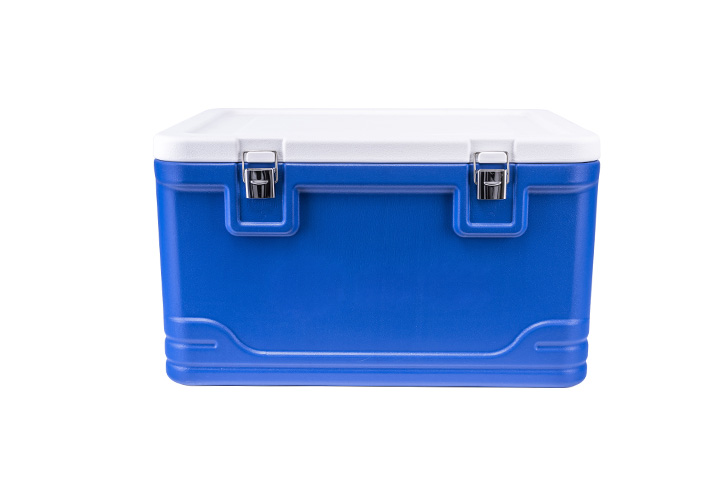
Insulated Box Manufacturer Clinical Trials for Practical Cold-Chain Procurement
A reliable insulated box manufacturer for clinical trials should help you control the practical risks that appear after the purchase order: packing errors, lane exposure, payload fit, and weak evidence when a shipment is questioned. The right choice is not the most expensive box or the lightest liner; it is the packaging system that fits investigational products, lab kits, patient samples, comparator products, and trial site materials, the required range, the route, and the buyer’s documentation needs without making claims that the supplier cannot support.
A clear specification also protects the supplier relationship. If your request only says insulated box, different suppliers may quote different structures, usable volumes, liners, closures, and coolant assumptions. A better inquiry describes the study protocol temperature range, which must be confirmed before any box or coolant is selected, the route, the payload, and the handling points that must be controlled.
For healthcare cargo, IATA uses a Time and Temperature Sensitive Label for shipments booked as time and temperature sensitive cargo. EU GDP guidance also expects validated temperature-control systems where needed and may require transit temperature evidence on request. Many refrigerated vaccine and pharmaceutical lanes are planned around 2°C to 8°C, but the actual range must come from the product label, protocol, or quality team. ISTA 7E is used as a reference for thermal transport packaging in parcel delivery systems, but a standard profile is not the same as lane-specific qualification. Hold time claims should be checked against the payload, ambient profile, packout, and acceptance criteria.
Define the job before comparing insulated box manufacturer for clinical trials suppliers
The strongest selection process begins before supplier quotes. Define what the package must protect, what must be proven, and what handling reality it will face. For investigational products, lab kits, patient samples, comparator products, and trial site materials, the key failure modes include protocol deviation, excursion investigation, delayed site receipt, sample integrity questions, and lack of chain-of-custody evidence. Those risks are practical, so the specification should be practical too: target range, transit time, handover exposure, payload size, coolant or liner needs, and receiving process.
A supplier can help refine those details, but the buyer should not outsource the entire requirement. If the supplier does not know the route, product sensitivity, and acceptance criteria, the recommendation will be based on assumptions. Good procurement language reduces those assumptions and makes later performance discussions fairer for both sides.
Separate the box, the packout, and the evidence
The box is only one part of the result. The packout includes the product layout, coolant or PCM, liner, void fill, closure, labels, and any monitoring device. Evidence includes test data, packout instructions, lane trials, receiving records, and quality review. When these three parts are separated, buyers can see exactly what has been proven and what still needs verification.
This distinction prevents overclaiming. An insulated box may be suitable for a lane after review, but it is not automatically qualified for every route. A data logger can document an excursion, but it cannot prevent one. A sustainable material can reduce waste, but it still has to protect the product. Clear boundaries make the final purchase more defensible.
Match configuration to shipment pattern
| Procurement checkpoint | How to use it | What not to assume |
|---|---|---|
| Product fit | Start with the product range, sensitivity, and acceptance criteria | Do not assume one insulated box suits every product on the lane |
| Route fit | Compare the packout with real loading, staging, and delivery behavior | Do not equate a favorable lab profile with all field routes |
| Material fit | Balance insulation, strength, cleanup, disposal, and return options | Do not replace performance data with a material claim |
| Documentation fit | Ask for packout instructions and available test or qualification records | Do not treat marketing language as proof of compliance |
| Scale-up fit | Check sample-to-production consistency and supplier change notification | Do not approve a sample without knowing what happens in bulk production |
Use this table as a screening tool, not as a substitute for a packaging trial. The purpose is to make assumptions visible so purchasing, warehouse, logistics, and quality teams can discuss the same facts before approving samples or bulk orders.
Questions that reveal supplier maturity
Supplier maturity shows up in the questions the supplier asks. A serious supplier will want to know the product range, payload dimensions, lane duration, ambient exposure, packing process, and whether monitoring is required. A weak supplier may only ask for box size and order quantity. That does not mean the product is poor, but it means the buyer must work harder to define the risk.
Ask how sample units compare with production units. Ask whether material substitutions require notification. Ask what happens if a liner, foam panel, or closure changes. Ask whether the supplier can provide packing instructions that warehouse staff can follow without engineering support. For bulk orders, these details often matter more than small differences in unit price.
Where compliance language should stay cautious
Cold-chain and regulated shipments may involve customer requirements, transport rules, quality procedures, or market-specific guidance. Packaging can support those requirements, but it should not be described as universally compliant without evidence. For healthcare cargo, IATA labeling and temperature documentation may apply depending on how the cargo is booked and handled. For food, sanitary transportation expectations may involve refrigeration, cleaning, and protection from contamination. For chemicals, SDS review and hazard classification are essential.
The safer wording is operational: verify the product range, verify the packout, verify the test profile, and verify documentation needs with the quality or logistics team. That language is less dramatic than a blanket compliance promise, but it is much more useful for real procurement.
A practical example: moving from sample approval to routine orders
Imagine a buyer approves a sample box for starter kits for sites. The sample looks good, the product arrives in acceptable condition, and the unit price is workable. The risk appears later, when the warehouse begins routine orders and packers interpret the layout differently. One person places coolant on top, another places it on the sides, and a third adds documents in a way that leaves a lid gap.
The solution is not necessarily a different box. It may be a clearer packout diagram, preconditioned coolant control, a receiving checklist, and a supplier agreement that production materials will match the approved sample. This is where mature packaging procurement becomes operational quality control rather than simple purchasing.
Details that decide whether the purchase scales cleanly
Sample approval is only useful when it resembles routine work. If the production order uses a different carton, liner cut, foam density, closure, coolant size, label area, or packing sequence, the approved sample may no longer represent the shipped product. Ask the supplier how changes are communicated and how you can identify the approved version on incoming inventory.
Warehouse training should be part of the purchase. The best instruction is simple enough for new staff to follow during a busy shift: precondition product, prepare coolant, place payload, place coolant, close the box, apply labels, record time, and move to dispatch. If the packout requires judgment that only one engineer understands, it is too fragile for scale.
Receiving teams also need clear criteria. They should know whether to inspect a logger, check packaging condition, record arrival time, photograph damage, or quarantine a shipment for quality review. Packaging is not finished when the courier picks it up; it is finished when the receiver can make a confident decision.
For life sciences and clinical trial use, the quality team should decide what evidence is needed before routine use. This may include protocol requirements, logger placement, excursion handling, label language, and return instructions. Packaging procurement should not create a gap between the operational team and the study or product requirements.
FAQ
Is an insulated box manufacturer for clinical trials enough to control temperature by itself?
No. The insulated box slows heat transfer, but it normally needs the right product preconditioning, coolant or PCM, packout layout, closure method, and handling process. For higher-risk shipments, buyers should also decide whether temperature monitoring is needed. Treat the box as part of a system rather than a stand-alone guarantee.
What should I ask a supplier before ordering samples?
Ask for internal and external dimensions, usable payload space, material structure, closure method, compatible coolant options, packing instructions, available test evidence, and sample-to-production controls. Also describe your route and product range. A supplier can give a better recommendation when the use case is clear.
Can I rely on published hold-time claims?
Published hold-time claims are useful only when the test conditions are clear. Check the payload, coolant quantity, ambient profile, product loading, acceptance limits, and whether the result came from a lab profile or an actual lane trial. If the conditions do not resemble your shipment, treat the claim as a starting point, not proof.
How do I compare a reusable box with a disposable shipper?
Compare more than unit cost. Consider return logistics, cleaning, loss rate, warehouse space, freight cube, product risk, and how many times the lane repeats. A reusable box can be attractive on closed-loop routes, while disposable or recyclable systems may fit one-way export or e-commerce shipments better.
Do life sciences or clinical trial shipments always need a data logger?
Not always, but many higher-risk shipments benefit from documented temperature history. The decision depends on the protocol, product value, regulatory or customer expectations, route risk, and the action required after delivery. Logger placement and calibration should be reviewed, not assumed.
Conclusion
The best insulated box manufacturer for clinical trials is the one that fits the product, route, packout, documentation needs, and operating team. It should protect the shipment without hiding uncertainty behind broad claims.
Another useful purchasing habit is to separate must-have conditions from preferences. Must-haves include the product range, payload fit, closure integrity, route exposure, and any required documentation. Preferences include storage efficiency, lower material weight, color, print area, or a specific disposal route. When the two are mixed together, teams may reject a thermally suitable package for a cosmetic reason or accept a weak package because it looks convenient.
Buyers should also keep a simple record of why a package was selected. The record does not need to be long. It can state the product type, lane assumption, packout version, supplier evidence reviewed, and any limits the team accepted. That record helps when a shipment is investigated months later or when a new procurement manager inherits the project.
Use supplier discussions to verify the range, route, evidence, and scale-up process. Once those points are clear, the buying decision becomes easier to defend and easier to repeat.
About Tempk
Tempk supports cold-chain packaging decisions for temperature-sensitive healthcare, laboratory, and life sciences shipments. We focus on practical packaging fit: route conditions, payload space, coolant choice, packout instructions, and the level of documentation the buyer needs to review. Rather than treating an insulated box as a universal answer, we help teams compare suitable formats such as insulated boxes, liners, coolers, gel packs, and related thermal packaging components.
Insulated Box for Industrial Packaging: Practical Selection Guide

Insulated Box Industrial Packaging for Practical Cold-Chain Procurement
A reliable insulated box for industrial packaging should help you control the practical risks that appear after the purchase order: packing errors, lane exposure, payload fit, and weak evidence when a shipment is questioned. The right choice is not the most expensive box or the lightest liner; it is the packaging system that fits industrial samples, temperature-sensitive parts, chemicals, food ingredients, medical components, and mixed B2B freight, the required range, the route, and the buyer’s documentation needs without making claims that the supplier cannot support.
A clear specification also protects the supplier relationship. If your request only says insulated box, different suppliers may quote different structures, usable volumes, liners, closures, and coolant assumptions. A better inquiry describes the product-specific temperature and physical handling limits confirmed by engineering or quality teams, the route, the payload, and the handling points that must be controlled.
Chemical shipments require the supplier and shipper to confirm the safety data sheet, hazard classification, containment, compatibility, labeling, and applicable transport rules. An insulated box is not automatically a hazmat-approved package. ISTA 7E is used as a reference for thermal transport packaging in parcel delivery systems, but a standard profile is not the same as lane-specific qualification. Hold time claims should be checked against the payload, ambient profile, packout, and acceptance criteria. The FDA sanitary transportation rule focuses on preventing food safety risks during transportation, including poor refrigeration, inadequate vehicle cleaning, and insufficient protection of food. For food, packaging choices should be connected to pre-cooling, route exposure, hygiene, and receiving checks rather than treated as a stand-alone guarantee.
Define the job before comparing insulated box for industrial packaging suppliers
The strongest selection process begins before supplier quotes. Define what the package must protect, what must be proven, and what handling reality it will face. For industrial samples, temperature-sensitive parts, chemicals, food ingredients, medical components, and mixed B2B freight, the key failure modes include rough handling, stacking damage, heat exposure on docks, poor fit between box and payload, and unclear supplier change control. Those risks are practical, so the specification should be practical too: target range, transit time, handover exposure, payload size, coolant or liner needs, and receiving process.
A supplier can help refine those details, but the buyer should not outsource the entire requirement. If the supplier does not know the route, product sensitivity, and acceptance criteria, the recommendation will be based on assumptions. Good procurement language reduces those assumptions and makes later performance discussions fairer for both sides.
Separate the box, the packout, and the evidence
The box is only one part of the result. The packout includes the product layout, coolant or PCM, liner, void fill, closure, labels, and any monitoring device. Evidence includes test data, packout instructions, lane trials, receiving records, and quality review. When these three parts are separated, buyers can see exactly what has been proven and what still needs verification.
This distinction prevents overclaiming. An insulated box may be suitable for a lane after review, but it is not automatically qualified for every route. A data logger can document an excursion, but it cannot prevent one. A sustainable material can reduce waste, but it still has to protect the product. Clear boundaries make the final purchase more defensible.
Match configuration to shipment pattern
| Procurement checkpoint | How to use it | What not to assume |
|---|---|---|
| Product fit | Start with the product range, sensitivity, and acceptance criteria | Do not assume one insulated box suits every product on the lane |
| Route fit | Compare the packout with real loading, staging, and delivery behavior | Do not equate a favorable lab profile with all field routes |
| Material fit | Balance insulation, strength, cleanup, disposal, and return options | Do not replace performance data with a material claim |
| Documentation fit | Ask for packout instructions and available test or qualification records | Do not treat marketing language as proof of compliance |
| Scale-up fit | Check sample-to-production consistency and supplier change notification | Do not approve a sample without knowing what happens in bulk production |
Use this table as a screening tool, not as a substitute for a packaging trial. The purpose is to make assumptions visible so purchasing, warehouse, logistics, and quality teams can discuss the same facts before approving samples or bulk orders.
Questions that reveal supplier maturity
Supplier maturity shows up in the questions the supplier asks. A serious supplier will want to know the product range, payload dimensions, lane duration, ambient exposure, packing process, and whether monitoring is required. A weak supplier may only ask for box size and order quantity. That does not mean the product is poor, but it means the buyer must work harder to define the risk.
Ask how sample units compare with production units. Ask whether material substitutions require notification. Ask what happens if a liner, foam panel, or closure changes. Ask whether the supplier can provide packing instructions that warehouse staff can follow without engineering support. For bulk orders, these details often matter more than small differences in unit price.
Where compliance language should stay cautious
Cold-chain and regulated shipments may involve customer requirements, transport rules, quality procedures, or market-specific guidance. Packaging can support those requirements, but it should not be described as universally compliant without evidence. For healthcare cargo, IATA labeling and temperature documentation may apply depending on how the cargo is booked and handled. For food, sanitary transportation expectations may involve refrigeration, cleaning, and protection from contamination. For chemicals, SDS review and hazard classification are essential.
The safer wording is operational: verify the product range, verify the packout, verify the test profile, and verify documentation needs with the quality or logistics team. That language is less dramatic than a blanket compliance promise, but it is much more useful for real procurement.
A practical example: moving from sample approval to routine orders
Imagine a buyer approves a sample box for component samples. The sample looks good, the product arrives in acceptable condition, and the unit price is workable. The risk appears later, when the warehouse begins routine orders and packers interpret the layout differently. One person places coolant on top, another places it on the sides, and a third adds documents in a way that leaves a lid gap.
The solution is not necessarily a different box. It may be a clearer packout diagram, preconditioned coolant control, a receiving checklist, and a supplier agreement that production materials will match the approved sample. This is where mature packaging procurement becomes operational quality control rather than simple purchasing.
Details that decide whether the purchase scales cleanly
Sample approval is only useful when it resembles routine work. If the production order uses a different carton, liner cut, foam density, closure, coolant size, label area, or packing sequence, the approved sample may no longer represent the shipped product. Ask the supplier how changes are communicated and how you can identify the approved version on incoming inventory.
Warehouse training should be part of the purchase. The best instruction is simple enough for new staff to follow during a busy shift: precondition product, prepare coolant, place payload, place coolant, close the box, apply labels, record time, and move to dispatch. If the packout requires judgment that only one engineer understands, it is too fragile for scale.
Receiving teams also need clear criteria. They should know whether to inspect a logger, check packaging condition, record arrival time, photograph damage, or quarantine a shipment for quality review. Packaging is not finished when the courier picks it up; it is finished when the receiver can make a confident decision.
FAQ
Is an insulated box for industrial packaging enough to control temperature by itself?
No. The insulated box slows heat transfer, but it normally needs the right product preconditioning, coolant or PCM, packout layout, closure method, and handling process. For higher-risk shipments, buyers should also decide whether temperature monitoring is needed. Treat the box as part of a system rather than a stand-alone guarantee.
What should I ask a supplier before ordering samples?
Ask for internal and external dimensions, usable payload space, material structure, closure method, compatible coolant options, packing instructions, available test evidence, and sample-to-production controls. Also describe your route and product range. A supplier can give a better recommendation when the use case is clear.
Can I rely on published hold-time claims?
Published hold-time claims are useful only when the test conditions are clear. Check the payload, coolant quantity, ambient profile, product loading, acceptance limits, and whether the result came from a lab profile or an actual lane trial. If the conditions do not resemble your shipment, treat the claim as a starting point, not proof.
How do I compare a reusable box with a disposable shipper?
Compare more than unit cost. Consider return logistics, cleaning, loss rate, warehouse space, freight cube, product risk, and how many times the lane repeats. A reusable box can be attractive on closed-loop routes, while disposable or recyclable systems may fit one-way export or e-commerce shipments better.
When should I use monitoring for food or frozen shipments?
Use monitoring when the product value, route uncertainty, receiver requirement, or risk of rejection makes temperature evidence important. Monitoring can also help compare packaging options during trials. It does not replace good refrigeration, pre-cooling, or packout discipline.
Conclusion
The best insulated box for industrial packaging is the one that fits the product, route, packout, documentation needs, and operating team. It should protect the shipment without hiding uncertainty behind broad claims.
Another useful purchasing habit is to separate must-have conditions from preferences. Must-haves include the product range, payload fit, closure integrity, route exposure, and any required documentation. Preferences include storage efficiency, lower material weight, color, print area, or a specific disposal route. When the two are mixed together, teams may reject a thermally suitable package for a cosmetic reason or accept a weak package because it looks convenient.
Buyers should also keep a simple record of why a package was selected. The record does not need to be long. It can state the product type, lane assumption, packout version, supplier evidence reviewed, and any limits the team accepted. That record helps when a shipment is investigated months later or when a new procurement manager inherits the project.
Cost comparison should include indirect costs. A cheaper box may increase labor time, coolant use, damage, repacking, customer service calls, or disposal complaints. A more expensive package may be justified on a route where product value, rejection risk, or brand presentation is high. The right cost view depends on the whole shipment, not only the invoice line for packaging.
Use supplier discussions to verify the range, route, evidence, and scale-up process. Once those points are clear, the buying decision becomes easier to defend and easier to repeat.
About Tempk
Tempk helps buyers evaluate insulated packaging for temperature-sensitive industrial, laboratory, and B2B shipments. We focus on packaging fit, thermal support, handling, and the need to verify safety or compatibility details before use. For chemical-related applications, we encourage buyers to review SDS requirements, inner packaging, containment, and applicable transport rules alongside the insulated box design.
Insulated Box for Perishable Foods: Practical Selection Guide

Insulated Box for Perishable Foods for Practical Cold-Chain Procurement
A reliable insulated box for perishable foods should help you control the practical risks that appear after the purchase order: packing errors, lane exposure, payload fit, and weak evidence when a shipment is questioned. The right choice is not the most expensive box or the lightest liner; it is the packaging system that fits seafood, meat, dairy, meal kits, prepared foods, produce, and other perishable goods, the required range, the route, and the buyer’s documentation needs without making claims that the supplier cannot support.
A clear specification also protects the supplier relationship. If your request only says insulated box, different suppliers may quote different structures, usable volumes, liners, closures, and coolant assumptions. A better inquiry describes the food safety and quality range defined by the product, route, and receiver requirements, the route, the payload, and the handling points that must be controlled.
The FDA sanitary transportation rule focuses on preventing food safety risks during transportation, including poor refrigeration, inadequate vehicle cleaning, and insufficient protection of food. For food, packaging choices should be connected to pre-cooling, route exposure, hygiene, and receiving checks rather than treated as a stand-alone guarantee. ISTA 7E is used as a reference for thermal transport packaging in parcel delivery systems, but a standard profile is not the same as lane-specific qualification. Hold time claims should be checked against the payload, ambient profile, packout, and acceptance criteria.
Define the job before comparing insulated box for perishable foods suppliers
The strongest selection process begins before supplier quotes. Define what the package must protect, what must be proven, and what handling reality it will face. For seafood, meat, dairy, meal kits, prepared foods, produce, and other perishable goods, the key failure modes include temperature abuse, moisture migration, odor transfer, crushing, label damage, and inconsistent receiving acceptance. Those risks are practical, so the specification should be practical too: target range, transit time, handover exposure, payload size, coolant or liner needs, and receiving process.
A supplier can help refine those details, but the buyer should not outsource the entire requirement. If the supplier does not know the route, product sensitivity, and acceptance criteria, the recommendation will be based on assumptions. Good procurement language reduces those assumptions and makes later performance discussions fairer for both sides.
Separate the box, the packout, and the evidence
The box is only one part of the result. The packout includes the product layout, coolant or PCM, liner, void fill, closure, labels, and any monitoring device. Evidence includes test data, packout instructions, lane trials, receiving records, and quality review. When these three parts are separated, buyers can see exactly what has been proven and what still needs verification.
This distinction prevents overclaiming. An insulated box may be suitable for a lane after review, but it is not automatically qualified for every route. A data logger can document an excursion, but it cannot prevent one. A sustainable material can reduce waste, but it still has to protect the product. Clear boundaries make the final purchase more defensible.
Match configuration to shipment pattern
| Procurement checkpoint | How to use it | What not to assume |
|---|---|---|
| Product fit | Start with the product range, sensitivity, and acceptance criteria | Do not assume one insulated box suits every product on the lane |
| Route fit | Compare the packout with real loading, staging, and delivery behavior | Do not equate a favorable lab profile with all field routes |
| Material fit | Balance insulation, strength, cleanup, disposal, and return options | Do not replace performance data with a material claim |
| Documentation fit | Ask for packout instructions and available test or qualification records | Do not treat marketing language as proof of compliance |
| Scale-up fit | Check sample-to-production consistency and supplier change notification | Do not approve a sample without knowing what happens in bulk production |
Use this table as a screening tool, not as a substitute for a packaging trial. The purpose is to make assumptions visible so purchasing, warehouse, logistics, and quality teams can discuss the same facts before approving samples or bulk orders.
Questions that reveal supplier maturity
Supplier maturity shows up in the questions the supplier asks. A serious supplier will want to know the product range, payload dimensions, lane duration, ambient exposure, packing process, and whether monitoring is required. A weak supplier may only ask for box size and order quantity. That does not mean the product is poor, but it means the buyer must work harder to define the risk.
Ask how sample units compare with production units. Ask whether material substitutions require notification. Ask what happens if a liner, foam panel, or closure changes. Ask whether the supplier can provide packing instructions that warehouse staff can follow without engineering support. For bulk orders, these details often matter more than small differences in unit price.
Where compliance language should stay cautious
Cold-chain and regulated shipments may involve customer requirements, transport rules, quality procedures, or market-specific guidance. Packaging can support those requirements, but it should not be described as universally compliant without evidence. For healthcare cargo, IATA labeling and temperature documentation may apply depending on how the cargo is booked and handled. For food, sanitary transportation expectations may involve refrigeration, cleaning, and protection from contamination. For chemicals, SDS review and hazard classification are essential.
The safer wording is operational: verify the product range, verify the packout, verify the test profile, and verify documentation needs with the quality or logistics team. That language is less dramatic than a blanket compliance promise, but it is much more useful for real procurement.
A practical example: moving from sample approval to routine orders
Imagine a buyer approves a sample box for seafood parcels. The sample looks good, the product arrives in acceptable condition, and the unit price is workable. The risk appears later, when the warehouse begins routine orders and packers interpret the layout differently. One person places coolant on top, another places it on the sides, and a third adds documents in a way that leaves a lid gap.
The solution is not necessarily a different box. It may be a clearer packout diagram, preconditioned coolant control, a receiving checklist, and a supplier agreement that production materials will match the approved sample. This is where mature packaging procurement becomes operational quality control rather than simple purchasing.
Details that decide whether the purchase scales cleanly
Sample approval is only useful when it resembles routine work. If the production order uses a different carton, liner cut, foam density, closure, coolant size, label area, or packing sequence, the approved sample may no longer represent the shipped product. Ask the supplier how changes are communicated and how you can identify the approved version on incoming inventory.
Warehouse training should be part of the purchase. The best instruction is simple enough for new staff to follow during a busy shift: precondition product, prepare coolant, place payload, place coolant, close the box, apply labels, record time, and move to dispatch. If the packout requires judgment that only one engineer understands, it is too fragile for scale.
Receiving teams also need clear criteria. They should know whether to inspect a logger, check packaging condition, record arrival time, photograph damage, or quarantine a shipment for quality review. Packaging is not finished when the courier picks it up; it is finished when the receiver can make a confident decision.
FAQ
Is an insulated box for perishable foods enough to control temperature by itself?
No. The insulated box slows heat transfer, but it normally needs the right product preconditioning, coolant or PCM, packout layout, closure method, and handling process. For higher-risk shipments, buyers should also decide whether temperature monitoring is needed. Treat the box as part of a system rather than a stand-alone guarantee.
What should I ask a supplier before ordering samples?
Ask for internal and external dimensions, usable payload space, material structure, closure method, compatible coolant options, packing instructions, available test evidence, and sample-to-production controls. Also describe your route and product range. A supplier can give a better recommendation when the use case is clear.
Can I rely on published hold-time claims?
Published hold-time claims are useful only when the test conditions are clear. Check the payload, coolant quantity, ambient profile, product loading, acceptance limits, and whether the result came from a lab profile or an actual lane trial. If the conditions do not resemble your shipment, treat the claim as a starting point, not proof.
How do I compare a reusable box with a disposable shipper?
Compare more than unit cost. Consider return logistics, cleaning, loss rate, warehouse space, freight cube, product risk, and how many times the lane repeats. A reusable box can be attractive on closed-loop routes, while disposable or recyclable systems may fit one-way export or e-commerce shipments better.
When should I use monitoring for food or frozen shipments?
Use monitoring when the product value, route uncertainty, receiver requirement, or risk of rejection makes temperature evidence important. Monitoring can also help compare packaging options during trials. It does not replace good refrigeration, pre-cooling, or packout discipline.
Conclusion
The best insulated box for perishable foods is the one that fits the product, route, packout, documentation needs, and operating team. It should protect the shipment without hiding uncertainty behind broad claims.
Another useful purchasing habit is to separate must-have conditions from preferences. Must-haves include the product range, payload fit, closure integrity, route exposure, and any required documentation. Preferences include storage efficiency, lower material weight, color, print area, or a specific disposal route. When the two are mixed together, teams may reject a thermally suitable package for a cosmetic reason or accept a weak package because it looks convenient.
Buyers should also keep a simple record of why a package was selected. The record does not need to be long. It can state the product type, lane assumption, packout version, supplier evidence reviewed, and any limits the team accepted. That record helps when a shipment is investigated months later or when a new procurement manager inherits the project.
Cost comparison should include indirect costs. A cheaper box may increase labor time, coolant use, damage, repacking, customer service calls, or disposal complaints. A more expensive package may be justified on a route where product value, rejection risk, or brand presentation is high. The right cost view depends on the whole shipment, not only the invoice line for packaging.
Use supplier discussions to verify the range, route, evidence, and scale-up process. Once those points are clear, the buying decision becomes easier to defend and easier to repeat.
About Tempk
Tempk works with cold-chain packaging buyers who need practical options for perishable and frozen goods. Our role is to help compare insulated boxes, foam-lined structures, thermal liners, gel packs, and related packout choices against the route, product condition, and warehouse workflow. We keep recommendations focused on what can be packed and handled consistently, so buyers can move from sample review to routine shipment with fewer avoidable questions.
Insulated Box for A Chemical Supplier: Practical Selection Guide

Insulated Box for Chemical Supplier for Practical Cold-Chain Procurement
A reliable insulated box for a chemical supplier should help you control the practical risks that appear after the purchase order: packing errors, lane exposure, payload fit, and weak evidence when a shipment is questioned. The right choice is not the most expensive box or the lightest liner; it is the packaging system that fits temperature-sensitive chemicals, lab reagents, specialty adhesives, resin samples, calibration fluids, and analytical materials, the required range, the route, and the buyer’s documentation needs without making claims that the supplier cannot support.
A clear specification also protects the supplier relationship. If your request only says insulated box, different suppliers may quote different structures, usable volumes, liners, closures, and coolant assumptions. A better inquiry describes the temperature range and handling limits stated in the SDS, technical sheet, or customer specification, the route, the payload, and the handling points that must be controlled.
Chemical shipments require the supplier and shipper to confirm the safety data sheet, hazard classification, containment, compatibility, labeling, and applicable transport rules. An insulated box is not automatically a hazmat-approved package. ISTA 7E is used as a reference for thermal transport packaging in parcel delivery systems, but a standard profile is not the same as lane-specific qualification. Hold time claims should be checked against the payload, ambient profile, packout, and acceptance criteria. Environmental packaging claims should be specific and supportable. Broad words such as biodegradable, recyclable, compostable, or eco-friendly need end-of-life context, material evidence, and local recovery infrastructure.
Define the job before comparing insulated box for a chemical supplier suppliers
The strongest selection process begins before supplier quotes. Define what the package must protect, what must be proven, and what handling reality it will face. For temperature-sensitive chemicals, lab reagents, specialty adhesives, resin samples, calibration fluids, and analytical materials, the key failure modes include chemical incompatibility, leakage, unsafe mislabeling, temperature-triggered degradation, and unsuitable disposal claims. Those risks are practical, so the specification should be practical too: target range, transit time, handover exposure, payload size, coolant or liner needs, and receiving process.
A supplier can help refine those details, but the buyer should not outsource the entire requirement. If the supplier does not know the route, product sensitivity, and acceptance criteria, the recommendation will be based on assumptions. Good procurement language reduces those assumptions and makes later performance discussions fairer for both sides.
Separate the box, the packout, and the evidence
The box is only one part of the result. The packout includes the product layout, coolant or PCM, liner, void fill, closure, labels, and any monitoring device. Evidence includes test data, packout instructions, lane trials, receiving records, and quality review. When these three parts are separated, buyers can see exactly what has been proven and what still needs verification.
This distinction prevents overclaiming. An insulated box may be suitable for a lane after review, but it is not automatically qualified for every route. A data logger can document an excursion, but it cannot prevent one. A sustainable material can reduce waste, but it still has to protect the product. Clear boundaries make the final purchase more defensible.
Match configuration to shipment pattern
| Procurement checkpoint | How to use it | What not to assume |
|---|---|---|
| Product fit | Start with the product range, sensitivity, and acceptance criteria | Do not assume one insulated box suits every product on the lane |
| Route fit | Compare the packout with real loading, staging, and delivery behavior | Do not equate a favorable lab profile with all field routes |
| Material fit | Balance insulation, strength, cleanup, disposal, and return options | Do not replace performance data with a material claim |
| Documentation fit | Ask for packout instructions and available test or qualification records | Do not treat marketing language as proof of compliance |
| Scale-up fit | Check sample-to-production consistency and supplier change notification | Do not approve a sample without knowing what happens in bulk production |
Use this table as a screening tool, not as a substitute for a packaging trial. The purpose is to make assumptions visible so purchasing, warehouse, logistics, and quality teams can discuss the same facts before approving samples or bulk orders.
Questions that reveal supplier maturity
Supplier maturity shows up in the questions the supplier asks. A serious supplier will want to know the product range, payload dimensions, lane duration, ambient exposure, packing process, and whether monitoring is required. A weak supplier may only ask for box size and order quantity. That does not mean the product is poor, but it means the buyer must work harder to define the risk.
Ask how sample units compare with production units. Ask whether material substitutions require notification. Ask what happens if a liner, foam panel, or closure changes. Ask whether the supplier can provide packing instructions that warehouse staff can follow without engineering support. For bulk orders, these details often matter more than small differences in unit price.
Where compliance language should stay cautious
Cold-chain and regulated shipments may involve customer requirements, transport rules, quality procedures, or market-specific guidance. Packaging can support those requirements, but it should not be described as universally compliant without evidence. For healthcare cargo, IATA labeling and temperature documentation may apply depending on how the cargo is booked and handled. For food, sanitary transportation expectations may involve refrigeration, cleaning, and protection from contamination. For chemicals, SDS review and hazard classification are essential.
The safer wording is operational: verify the product range, verify the packout, verify the test profile, and verify documentation needs with the quality or logistics team. That language is less dramatic than a blanket compliance promise, but it is much more useful for real procurement.
A practical example: moving from sample approval to routine orders
Imagine a buyer approves a sample box for reagent samples. The sample looks good, the product arrives in acceptable condition, and the unit price is workable. The risk appears later, when the warehouse begins routine orders and packers interpret the layout differently. One person places coolant on top, another places it on the sides, and a third adds documents in a way that leaves a lid gap.
The solution is not necessarily a different box. It may be a clearer packout diagram, preconditioned coolant control, a receiving checklist, and a supplier agreement that production materials will match the approved sample. This is where mature packaging procurement becomes operational quality control rather than simple purchasing.
Details that decide whether the purchase scales cleanly
Sample approval is only useful when it resembles routine work. If the production order uses a different carton, liner cut, foam density, closure, coolant size, label area, or packing sequence, the approved sample may no longer represent the shipped product. Ask the supplier how changes are communicated and how you can identify the approved version on incoming inventory.
Warehouse training should be part of the purchase. The best instruction is simple enough for new staff to follow during a busy shift: precondition product, prepare coolant, place payload, place coolant, close the box, apply labels, record time, and move to dispatch. If the packout requires judgment that only one engineer understands, it is too fragile for scale.
Receiving teams also need clear criteria. They should know whether to inspect a logger, check packaging condition, record arrival time, photograph damage, or quarantine a shipment for quality review. Packaging is not finished when the courier picks it up; it is finished when the receiver can make a confident decision.
For chemical-related shipments, packaging review should sit beside safety review. The inner container, cap security, absorbent material, secondary containment, thermal insulation, and outer labeling all have roles. If the product is regulated as hazardous, the packaging selection must follow the applicable transport requirements rather than a generic cold-chain packaging preference.
FAQ
Is an insulated box for a chemical supplier enough to control temperature by itself?
No. The insulated box slows heat transfer, but it normally needs the right product preconditioning, coolant or PCM, packout layout, closure method, and handling process. For higher-risk shipments, buyers should also decide whether temperature monitoring is needed. Treat the box as part of a system rather than a stand-alone guarantee.
What should I ask a supplier before ordering samples?
Ask for internal and external dimensions, usable payload space, material structure, closure method, compatible coolant options, packing instructions, available test evidence, and sample-to-production controls. Also describe your route and product range. A supplier can give a better recommendation when the use case is clear.
Can I rely on published hold-time claims?
Published hold-time claims are useful only when the test conditions are clear. Check the payload, coolant quantity, ambient profile, product loading, acceptance limits, and whether the result came from a lab profile or an actual lane trial. If the conditions do not resemble your shipment, treat the claim as a starting point, not proof.
How do I compare a reusable box with a disposable shipper?
Compare more than unit cost. Consider return logistics, cleaning, loss rate, warehouse space, freight cube, product risk, and how many times the lane repeats. A reusable box can be attractive on closed-loop routes, while disposable or recyclable systems may fit one-way export or e-commerce shipments better.
Can this type of box be used for hazardous chemicals?
Only after safety review. The supplier and shipper should confirm the SDS, hazard classification, compatibility with inner packaging, leak containment, labels, and applicable transport rules. Insulation does not make a package suitable for hazardous materials by itself.
Conclusion
The best insulated box for a chemical supplier is the one that fits the product, route, packout, documentation needs, and operating team. It should protect the shipment without hiding uncertainty behind broad claims.
Another useful purchasing habit is to separate must-have conditions from preferences. Must-haves include the product range, payload fit, closure integrity, route exposure, and any required documentation. Preferences include storage efficiency, lower material weight, color, print area, or a specific disposal route. When the two are mixed together, teams may reject a thermally suitable package for a cosmetic reason or accept a weak package because it looks convenient.
Buyers should also keep a simple record of why a package was selected. The record does not need to be long. It can state the product type, lane assumption, packout version, supplier evidence reviewed, and any limits the team accepted. That record helps when a shipment is investigated months later or when a new procurement manager inherits the project.
Cost comparison should include indirect costs. A cheaper box may increase labor time, coolant use, damage, repacking, customer service calls, or disposal complaints. A more expensive package may be justified on a route where product value, rejection risk, or brand presentation is high. The right cost view depends on the whole shipment, not only the invoice line for packaging.
Use supplier discussions to verify the range, route, evidence, and scale-up process. Once those points are clear, the buying decision becomes easier to defend and easier to repeat.
About Tempk
Tempk helps buyers evaluate insulated packaging for temperature-sensitive industrial, laboratory, and B2B shipments. We focus on packaging fit, thermal support, handling, and the need to verify safety or compatibility details before use. For chemical-related applications, we encourage buyers to review SDS requirements, inner packaging, containment, and applicable transport rules alongside the insulated box design.
Insulated Box Exporter for Perishable Foods: Practical Selection Guide

Insulated Box Exporter Perishable Foods for Practical Cold-Chain Procurement
A reliable insulated box exporter for perishable foods should help you control the practical risks that appear after the purchase order: packing errors, lane exposure, payload fit, and weak evidence when a shipment is questioned. The right choice is not the most expensive box or the lightest liner; it is the packaging system that fits seafood, meat, dairy, meal kits, prepared foods, produce, and other perishable goods, the required range, the route, and the buyer’s documentation needs without making claims that the supplier cannot support.
A clear specification also protects the supplier relationship. If your request only says insulated box, different suppliers may quote different structures, usable volumes, liners, closures, and coolant assumptions. A better inquiry describes the food safety and quality range defined by the product, route, and receiver requirements, the route, the payload, and the handling points that must be controlled.
The FDA sanitary transportation rule focuses on preventing food safety risks during transportation, including poor refrigeration, inadequate vehicle cleaning, and insufficient protection of food. For food, packaging choices should be connected to pre-cooling, route exposure, hygiene, and receiving checks rather than treated as a stand-alone guarantee. ISTA 7E is used as a reference for thermal transport packaging in parcel delivery systems, but a standard profile is not the same as lane-specific qualification. Hold time claims should be checked against the payload, ambient profile, packout, and acceptance criteria.
Define the job before comparing insulated box exporter for perishable foods suppliers
The strongest selection process begins before supplier quotes. Define what the package must protect, what must be proven, and what handling reality it will face. For seafood, meat, dairy, meal kits, prepared foods, produce, and other perishable goods, the key failure modes include temperature abuse, moisture migration, odor transfer, crushing, label damage, and inconsistent receiving acceptance. Those risks are practical, so the specification should be practical too: target range, transit time, handover exposure, payload size, coolant or liner needs, and receiving process.
A supplier can help refine those details, but the buyer should not outsource the entire requirement. If the supplier does not know the route, product sensitivity, and acceptance criteria, the recommendation will be based on assumptions. Good procurement language reduces those assumptions and makes later performance discussions fairer for both sides.
Separate the box, the packout, and the evidence
The box is only one part of the result. The packout includes the product layout, coolant or PCM, liner, void fill, closure, labels, and any monitoring device. Evidence includes test data, packout instructions, lane trials, receiving records, and quality review. When these three parts are separated, buyers can see exactly what has been proven and what still needs verification.
This distinction prevents overclaiming. An insulated box may be suitable for a lane after review, but it is not automatically qualified for every route. A data logger can document an excursion, but it cannot prevent one. A sustainable material can reduce waste, but it still has to protect the product. Clear boundaries make the final purchase more defensible.
Match configuration to shipment pattern
| Procurement checkpoint | How to use it | What not to assume |
|---|---|---|
| Product fit | Start with the product range, sensitivity, and acceptance criteria | Do not assume one insulated box suits every product on the lane |
| Route fit | Compare the packout with real loading, staging, and delivery behavior | Do not equate a favorable lab profile with all field routes |
| Material fit | Balance insulation, strength, cleanup, disposal, and return options | Do not replace performance data with a material claim |
| Documentation fit | Ask for packout instructions and available test or qualification records | Do not treat marketing language as proof of compliance |
| Scale-up fit | Check sample-to-production consistency and supplier change notification | Do not approve a sample without knowing what happens in bulk production |
Use this table as a screening tool, not as a substitute for a packaging trial. The purpose is to make assumptions visible so purchasing, warehouse, logistics, and quality teams can discuss the same facts before approving samples or bulk orders.
Questions that reveal supplier maturity
Supplier maturity shows up in the questions the supplier asks. A serious supplier will want to know the product range, payload dimensions, lane duration, ambient exposure, packing process, and whether monitoring is required. A weak supplier may only ask for box size and order quantity. That does not mean the product is poor, but it means the buyer must work harder to define the risk.
Ask how sample units compare with production units. Ask whether material substitutions require notification. Ask what happens if a liner, foam panel, or closure changes. Ask whether the supplier can provide packing instructions that warehouse staff can follow without engineering support. For bulk orders, these details often matter more than small differences in unit price.
Where compliance language should stay cautious
Cold-chain and regulated shipments may involve customer requirements, transport rules, quality procedures, or market-specific guidance. Packaging can support those requirements, but it should not be described as universally compliant without evidence. For healthcare cargo, IATA labeling and temperature documentation may apply depending on how the cargo is booked and handled. For food, sanitary transportation expectations may involve refrigeration, cleaning, and protection from contamination. For chemicals, SDS review and hazard classification are essential.
The safer wording is operational: verify the product range, verify the packout, verify the test profile, and verify documentation needs with the quality or logistics team. That language is less dramatic than a blanket compliance promise, but it is much more useful for real procurement.
A practical example: moving from sample approval to routine orders
Imagine a buyer approves a sample box for seafood parcels. The sample looks good, the product arrives in acceptable condition, and the unit price is workable. The risk appears later, when the warehouse begins routine orders and packers interpret the layout differently. One person places coolant on top, another places it on the sides, and a third adds documents in a way that leaves a lid gap.
The solution is not necessarily a different box. It may be a clearer packout diagram, preconditioned coolant control, a receiving checklist, and a supplier agreement that production materials will match the approved sample. This is where mature packaging procurement becomes operational quality control rather than simple purchasing.
Details that decide whether the purchase scales cleanly
Sample approval is only useful when it resembles routine work. If the production order uses a different carton, liner cut, foam density, closure, coolant size, label area, or packing sequence, the approved sample may no longer represent the shipped product. Ask the supplier how changes are communicated and how you can identify the approved version on incoming inventory.
Warehouse training should be part of the purchase. The best instruction is simple enough for new staff to follow during a busy shift: precondition product, prepare coolant, place payload, place coolant, close the box, apply labels, record time, and move to dispatch. If the packout requires judgment that only one engineer understands, it is too fragile for scale.
Receiving teams also need clear criteria. They should know whether to inspect a logger, check packaging condition, record arrival time, photograph damage, or quarantine a shipment for quality review. Packaging is not finished when the courier picks it up; it is finished when the receiver can make a confident decision.
FAQ
Is an insulated box exporter for perishable foods enough to control temperature by itself?
No. The insulated box slows heat transfer, but it normally needs the right product preconditioning, coolant or PCM, packout layout, closure method, and handling process. For higher-risk shipments, buyers should also decide whether temperature monitoring is needed. Treat the box as part of a system rather than a stand-alone guarantee.
What should I ask a supplier before ordering samples?
Ask for internal and external dimensions, usable payload space, material structure, closure method, compatible coolant options, packing instructions, available test evidence, and sample-to-production controls. Also describe your route and product range. A supplier can give a better recommendation when the use case is clear.
Can I rely on published hold-time claims?
Published hold-time claims are useful only when the test conditions are clear. Check the payload, coolant quantity, ambient profile, product loading, acceptance limits, and whether the result came from a lab profile or an actual lane trial. If the conditions do not resemble your shipment, treat the claim as a starting point, not proof.
How do I compare a reusable box with a disposable shipper?
Compare more than unit cost. Consider return logistics, cleaning, loss rate, warehouse space, freight cube, product risk, and how many times the lane repeats. A reusable box can be attractive on closed-loop routes, while disposable or recyclable systems may fit one-way export or e-commerce shipments better.
When should I use monitoring for food or frozen shipments?
Use monitoring when the product value, route uncertainty, receiver requirement, or risk of rejection makes temperature evidence important. Monitoring can also help compare packaging options during trials. It does not replace good refrigeration, pre-cooling, or packout discipline.
Conclusion
The best insulated box exporter for perishable foods is the one that fits the product, route, packout, documentation needs, and operating team. It should protect the shipment without hiding uncertainty behind broad claims.
Another useful purchasing habit is to separate must-have conditions from preferences. Must-haves include the product range, payload fit, closure integrity, route exposure, and any required documentation. Preferences include storage efficiency, lower material weight, color, print area, or a specific disposal route. When the two are mixed together, teams may reject a thermally suitable package for a cosmetic reason or accept a weak package because it looks convenient.
Buyers should also keep a simple record of why a package was selected. The record does not need to be long. It can state the product type, lane assumption, packout version, supplier evidence reviewed, and any limits the team accepted. That record helps when a shipment is investigated months later or when a new procurement manager inherits the project.
Cost comparison should include indirect costs. A cheaper box may increase labor time, coolant use, damage, repacking, customer service calls, or disposal complaints. A more expensive package may be justified on a route where product value, rejection risk, or brand presentation is high. The right cost view depends on the whole shipment, not only the invoice line for packaging.
Use supplier discussions to verify the range, route, evidence, and scale-up process. Once those points are clear, the buying decision becomes easier to defend and easier to repeat.
About Tempk
Tempk works with cold-chain packaging buyers who need practical options for perishable and frozen goods. Our role is to help compare insulated boxes, foam-lined structures, thermal liners, gel packs, and related packout choices against the route, product condition, and warehouse workflow. We keep recommendations focused on what can be packed and handled consistently, so buyers can move from sample review to routine shipment with fewer avoidable questions.
Insulated Box Exporter for Frozen Foods: Practical Selection Guide
Insulated Box Exporter Frozen Foods for Practical Cold-Chain Procurement
A reliable insulated box exporter for frozen foods should help you control the practical risks that appear after the purchase order: packing errors, lane exposure, payload fit, and weak evidence when a shipment is questioned. The right choice is not the most expensive box or the lightest liner; it is the packaging system that fits frozen meals, frozen seafood, frozen meat, frozen bakery, and mixed frozen food cartons, the required range, the route, and the buyer’s documentation needs without making claims that the supplier cannot support.
A clear specification also protects the supplier relationship. If your request only says insulated box, different suppliers may quote different structures, usable volumes, liners, closures, and coolant assumptions. A better inquiry describes the frozen-state requirement of the product, checked against the route rather than assumed from a label, the route, the payload, and the handling points that must be controlled.
The FDA sanitary transportation rule focuses on preventing food safety risks during transportation, including poor refrigeration, inadequate vehicle cleaning, and insufficient protection of food. For food, packaging choices should be connected to pre-cooling, route exposure, hygiene, and receiving checks rather than treated as a stand-alone guarantee. ISTA 7E is used as a reference for thermal transport packaging in parcel delivery systems, but a standard profile is not the same as lane-specific qualification. Hold time claims should be checked against the payload, ambient profile, packout, and acceptance criteria.
Define the job before comparing insulated box exporter for frozen foods suppliers
The strongest selection process begins before supplier quotes. Define what the package must protect, what must be proven, and what handling reality it will face. For frozen meals, frozen seafood, frozen meat, frozen bakery, and mixed frozen food cartons, the key failure modes include thaw-refreeze damage, carton softening, odor transfer, dry ice handling errors, and last-mile delays. Those risks are practical, so the specification should be practical too: target range, transit time, handover exposure, payload size, coolant or liner needs, and receiving process.
A supplier can help refine those details, but the buyer should not outsource the entire requirement. If the supplier does not know the route, product sensitivity, and acceptance criteria, the recommendation will be based on assumptions. Good procurement language reduces those assumptions and makes later performance discussions fairer for both sides.
Separate the box, the packout, and the evidence
The box is only one part of the result. The packout includes the product layout, coolant or PCM, liner, void fill, closure, labels, and any monitoring device. Evidence includes test data, packout instructions, lane trials, receiving records, and quality review. When these three parts are separated, buyers can see exactly what has been proven and what still needs verification.
This distinction prevents overclaiming. An insulated box may be suitable for a lane after review, but it is not automatically qualified for every route. A data logger can document an excursion, but it cannot prevent one. A sustainable material can reduce waste, but it still has to protect the product. Clear boundaries make the final purchase more defensible.
Match configuration to shipment pattern
| Procurement checkpoint | How to use it | What not to assume |
|---|---|---|
| Product fit | Start with the product range, sensitivity, and acceptance criteria | Do not assume one insulated box suits every product on the lane |
| Route fit | Compare the packout with real loading, staging, and delivery behavior | Do not equate a favorable lab profile with all field routes |
| Material fit | Balance insulation, strength, cleanup, disposal, and return options | Do not replace performance data with a material claim |
| Documentation fit | Ask for packout instructions and available test or qualification records | Do not treat marketing language as proof of compliance |
| Scale-up fit | Check sample-to-production consistency and supplier change notification | Do not approve a sample without knowing what happens in bulk production |
Use this table as a screening tool, not as a substitute for a packaging trial. The purpose is to make assumptions visible so purchasing, warehouse, logistics, and quality teams can discuss the same facts before approving samples or bulk orders.
Questions that reveal supplier maturity
Supplier maturity shows up in the questions the supplier asks. A serious supplier will want to know the product range, payload dimensions, lane duration, ambient exposure, packing process, and whether monitoring is required. A weak supplier may only ask for box size and order quantity. That does not mean the product is poor, but it means the buyer must work harder to define the risk.
Ask how sample units compare with production units. Ask whether material substitutions require notification. Ask what happens if a liner, foam panel, or closure changes. Ask whether the supplier can provide packing instructions that warehouse staff can follow without engineering support. For bulk orders, these details often matter more than small differences in unit price.
Where compliance language should stay cautious
Cold-chain and regulated shipments may involve customer requirements, transport rules, quality procedures, or market-specific guidance. Packaging can support those requirements, but it should not be described as universally compliant without evidence. For healthcare cargo, IATA labeling and temperature documentation may apply depending on how the cargo is booked and handled. For food, sanitary transportation expectations may involve refrigeration, cleaning, and protection from contamination. For chemicals, SDS review and hazard classification are essential.
The safer wording is operational: verify the product range, verify the packout, verify the test profile, and verify documentation needs with the quality or logistics team. That language is less dramatic than a blanket compliance promise, but it is much more useful for real procurement.
A practical example: moving from sample approval to routine orders
Imagine a buyer approves a sample box for export sample cartons. The sample looks good, the product arrives in acceptable condition, and the unit price is workable. The risk appears later, when the warehouse begins routine orders and packers interpret the layout differently. One person places coolant on top, another places it on the sides, and a third adds documents in a way that leaves a lid gap.
The solution is not necessarily a different box. It may be a clearer packout diagram, preconditioned coolant control, a receiving checklist, and a supplier agreement that production materials will match the approved sample. This is where mature packaging procurement becomes operational quality control rather than simple purchasing.
Details that decide whether the purchase scales cleanly
Sample approval is only useful when it resembles routine work. If the production order uses a different carton, liner cut, foam density, closure, coolant size, label area, or packing sequence, the approved sample may no longer represent the shipped product. Ask the supplier how changes are communicated and how you can identify the approved version on incoming inventory.
Warehouse training should be part of the purchase. The best instruction is simple enough for new staff to follow during a busy shift: precondition product, prepare coolant, place payload, place coolant, close the box, apply labels, record time, and move to dispatch. If the packout requires judgment that only one engineer understands, it is too fragile for scale.
Receiving teams also need clear criteria. They should know whether to inspect a logger, check packaging condition, record arrival time, photograph damage, or quarantine a shipment for quality review. Packaging is not finished when the courier picks it up; it is finished when the receiver can make a confident decision.
Frozen products are especially unforgiving because temperature abuse can be visible as texture change, frost, leakage, or carton damage. The buyer should review whether the box protects both the product and the sales presentation. A shipment that arrives technically cold but visibly damaged may still fail commercially.
FAQ
Is an insulated box exporter for frozen foods enough to control temperature by itself?
No. The insulated box slows heat transfer, but it normally needs the right product preconditioning, coolant or PCM, packout layout, closure method, and handling process. For higher-risk shipments, buyers should also decide whether temperature monitoring is needed. Treat the box as part of a system rather than a stand-alone guarantee.
What should I ask a supplier before ordering samples?
Ask for internal and external dimensions, usable payload space, material structure, closure method, compatible coolant options, packing instructions, available test evidence, and sample-to-production controls. Also describe your route and product range. A supplier can give a better recommendation when the use case is clear.
Can I rely on published hold-time claims?
Published hold-time claims are useful only when the test conditions are clear. Check the payload, coolant quantity, ambient profile, product loading, acceptance limits, and whether the result came from a lab profile or an actual lane trial. If the conditions do not resemble your shipment, treat the claim as a starting point, not proof.
How do I compare a reusable box with a disposable shipper?
Compare more than unit cost. Consider return logistics, cleaning, loss rate, warehouse space, freight cube, product risk, and how many times the lane repeats. A reusable box can be attractive on closed-loop routes, while disposable or recyclable systems may fit one-way export or e-commerce shipments better.
When should I use monitoring for food or frozen shipments?
Use monitoring when the product value, route uncertainty, receiver requirement, or risk of rejection makes temperature evidence important. Monitoring can also help compare packaging options during trials. It does not replace good refrigeration, pre-cooling, or packout discipline.
Conclusion
The best insulated box exporter for frozen foods is the one that fits the product, route, packout, documentation needs, and operating team. It should protect the shipment without hiding uncertainty behind broad claims.
Another useful purchasing habit is to separate must-have conditions from preferences. Must-haves include the product range, payload fit, closure integrity, route exposure, and any required documentation. Preferences include storage efficiency, lower material weight, color, print area, or a specific disposal route. When the two are mixed together, teams may reject a thermally suitable package for a cosmetic reason or accept a weak package because it looks convenient.
Buyers should also keep a simple record of why a package was selected. The record does not need to be long. It can state the product type, lane assumption, packout version, supplier evidence reviewed, and any limits the team accepted. That record helps when a shipment is investigated months later or when a new procurement manager inherits the project.
Use supplier discussions to verify the range, route, evidence, and scale-up process. Once those points are clear, the buying decision becomes easier to defend and easier to repeat.
About Tempk
Tempk works with cold-chain packaging buyers who need practical options for perishable and frozen goods. Our role is to help compare insulated boxes, foam-lined structures, thermal liners, gel packs, and related packout choices against the route, product condition, and warehouse workflow. We keep recommendations focused on what can be packed and handled consistently, so buyers can move from sample review to routine shipment with fewer avoidable questions.
Foam Lined Insulated Box: Practical Selection Guide

Foam Lined Insulated Box for Practical Cold-Chain Procurement
A reliable foam lined insulated box should help you control the practical risks that appear after the purchase order: packing errors, lane exposure, payload fit, and weak evidence when a shipment is questioned. The right choice is not the most expensive box or the lightest liner; it is the packaging system that fits chilled or frozen shipments packed in a corrugated box with foam insulation or a molded foam container, the required range, the route, and the buyer’s documentation needs without making claims that the supplier cannot support.
A clear specification also protects the supplier relationship. If your request only says insulated box, different suppliers may quote different structures, usable volumes, liners, closures, and coolant assumptions. A better inquiry describes the chosen chilled, frozen, or controlled range confirmed for the actual product and lane, the route, the payload, and the handling points that must be controlled.
ISTA 7E is used as a reference for thermal transport packaging in parcel delivery systems, but a standard profile is not the same as lane-specific qualification. Hold time claims should be checked against the payload, ambient profile, packout, and acceptance criteria. The FDA sanitary transportation rule focuses on preventing food safety risks during transportation, including poor refrigeration, inadequate vehicle cleaning, and insufficient protection of food. For food, packaging choices should be connected to pre-cooling, route exposure, hygiene, and receiving checks rather than treated as a stand-alone guarantee. For healthcare cargo, IATA uses a Time and Temperature Sensitive Label for shipments booked as time and temperature sensitive cargo. EU GDP guidance also expects validated temperature-control systems where needed and may require transit temperature evidence on request. Many refrigerated vaccine and pharmaceutical lanes are planned around 2°C to 8°C, but the actual range must come from the product label, protocol, or quality team.
Define the job before comparing foam lined insulated box suppliers
The strongest selection process begins before supplier quotes. Define what the package must protect, what must be proven, and what handling reality it will face. For chilled or frozen shipments packed in a corrugated box with foam insulation or a molded foam container, the key failure modes include bulkier freight, condensate, foam breakage, poor recyclability, and unrealistic hold-time assumptions. Those risks are practical, so the specification should be practical too: target range, transit time, handover exposure, payload size, coolant or liner needs, and receiving process.
A supplier can help refine those details, but the buyer should not outsource the entire requirement. If the supplier does not know the route, product sensitivity, and acceptance criteria, the recommendation will be based on assumptions. Good procurement language reduces those assumptions and makes later performance discussions fairer for both sides.
Separate the box, the packout, and the evidence
The box is only one part of the result. The packout includes the product layout, coolant or PCM, liner, void fill, closure, labels, and any monitoring device. Evidence includes test data, packout instructions, lane trials, receiving records, and quality review. When these three parts are separated, buyers can see exactly what has been proven and what still needs verification.
This distinction prevents overclaiming. An insulated box may be suitable for a lane after review, but it is not automatically qualified for every route. A data logger can document an excursion, but it cannot prevent one. A sustainable material can reduce waste, but it still has to protect the product. Clear boundaries make the final purchase more defensible.
Match configuration to shipment pattern
| Procurement checkpoint | How to use it | What not to assume |
|---|---|---|
| Product fit | Start with the product range, sensitivity, and acceptance criteria | Do not assume one insulated box suits every product on the lane |
| Route fit | Compare the packout with real loading, staging, and delivery behavior | Do not equate a favorable lab profile with all field routes |
| Material fit | Balance insulation, strength, cleanup, disposal, and return options | Do not replace performance data with a material claim |
| Documentation fit | Ask for packout instructions and available test or qualification records | Do not treat marketing language as proof of compliance |
| Scale-up fit | Check sample-to-production consistency and supplier change notification | Do not approve a sample without knowing what happens in bulk production |
Use this table as a screening tool, not as a substitute for a packaging trial. The purpose is to make assumptions visible so purchasing, warehouse, logistics, and quality teams can discuss the same facts before approving samples or bulk orders.
Questions that reveal supplier maturity
Supplier maturity shows up in the questions the supplier asks. A serious supplier will want to know the product range, payload dimensions, lane duration, ambient exposure, packing process, and whether monitoring is required. A weak supplier may only ask for box size and order quantity. That does not mean the product is poor, but it means the buyer must work harder to define the risk.
Ask how sample units compare with production units. Ask whether material substitutions require notification. Ask what happens if a liner, foam panel, or closure changes. Ask whether the supplier can provide packing instructions that warehouse staff can follow without engineering support. For bulk orders, these details often matter more than small differences in unit price.
Where compliance language should stay cautious
Cold-chain and regulated shipments may involve customer requirements, transport rules, quality procedures, or market-specific guidance. Packaging can support those requirements, but it should not be described as universally compliant without evidence. For healthcare cargo, IATA labeling and temperature documentation may apply depending on how the cargo is booked and handled. For food, sanitary transportation expectations may involve refrigeration, cleaning, and protection from contamination. For chemicals, SDS review and hazard classification are essential.
The safer wording is operational: verify the product range, verify the packout, verify the test profile, and verify documentation needs with the quality or logistics team. That language is less dramatic than a blanket compliance promise, but it is much more useful for real procurement.
A practical example: moving from sample approval to routine orders
Imagine a buyer approves a sample box for frozen seafood samples. The sample looks good, the product arrives in acceptable condition, and the unit price is workable. The risk appears later, when the warehouse begins routine orders and packers interpret the layout differently. One person places coolant on top, another places it on the sides, and a third adds documents in a way that leaves a lid gap.
The solution is not necessarily a different box. It may be a clearer packout diagram, preconditioned coolant control, a receiving checklist, and a supplier agreement that production materials will match the approved sample. This is where mature packaging procurement becomes operational quality control rather than simple purchasing.
Details that decide whether the purchase scales cleanly
Sample approval is only useful when it resembles routine work. If the production order uses a different carton, liner cut, foam density, closure, coolant size, label area, or packing sequence, the approved sample may no longer represent the shipped product. Ask the supplier how changes are communicated and how you can identify the approved version on incoming inventory.
Warehouse training should be part of the purchase. The best instruction is simple enough for new staff to follow during a busy shift: precondition product, prepare coolant, place payload, place coolant, close the box, apply labels, record time, and move to dispatch. If the packout requires judgment that only one engineer understands, it is too fragile for scale.
Receiving teams also need clear criteria. They should know whether to inspect a logger, check packaging condition, record arrival time, photograph damage, or quarantine a shipment for quality review. Packaging is not finished when the courier picks it up; it is finished when the receiver can make a confident decision.
FAQ
Is an foam lined insulated box enough to control temperature by itself?
No. The insulated box slows heat transfer, but it normally needs the right product preconditioning, coolant or PCM, packout layout, closure method, and handling process. For higher-risk shipments, buyers should also decide whether temperature monitoring is needed. Treat the box as part of a system rather than a stand-alone guarantee.
What should I ask a supplier before ordering samples?
Ask for internal and external dimensions, usable payload space, material structure, closure method, compatible coolant options, packing instructions, available test evidence, and sample-to-production controls. Also describe your route and product range. A supplier can give a better recommendation when the use case is clear.
Can I rely on published hold-time claims?
Published hold-time claims are useful only when the test conditions are clear. Check the payload, coolant quantity, ambient profile, product loading, acceptance limits, and whether the result came from a lab profile or an actual lane trial. If the conditions do not resemble your shipment, treat the claim as a starting point, not proof.
How do I compare a reusable box with a disposable shipper?
Compare more than unit cost. Consider return logistics, cleaning, loss rate, warehouse space, freight cube, product risk, and how many times the lane repeats. A reusable box can be attractive on closed-loop routes, while disposable or recyclable systems may fit one-way export or e-commerce shipments better.
When should I use monitoring for food or frozen shipments?
Use monitoring when the product value, route uncertainty, receiver requirement, or risk of rejection makes temperature evidence important. Monitoring can also help compare packaging options during trials. It does not replace good refrigeration, pre-cooling, or packout discipline.
Conclusion
The best foam lined insulated box is the one that fits the product, route, packout, documentation needs, and operating team. It should protect the shipment without hiding uncertainty behind broad claims.
Another useful purchasing habit is to separate must-have conditions from preferences. Must-haves include the product range, payload fit, closure integrity, route exposure, and any required documentation. Preferences include storage efficiency, lower material weight, color, print area, or a specific disposal route. When the two are mixed together, teams may reject a thermally suitable package for a cosmetic reason or accept a weak package because it looks convenient.
Buyers should also keep a simple record of why a package was selected. The record does not need to be long. It can state the product type, lane assumption, packout version, supplier evidence reviewed, and any limits the team accepted. That record helps when a shipment is investigated months later or when a new procurement manager inherits the project.
Use supplier discussions to verify the range, route, evidence, and scale-up process. Once those points are clear, the buying decision becomes easier to defend and easier to repeat.
About Tempk
Tempk works with cold-chain packaging buyers who need practical options for perishable and frozen goods. Our role is to help compare insulated boxes, foam-lined structures, thermal liners, gel packs, and related packout choices against the route, product condition, and warehouse workflow. We keep recommendations focused on what can be packed and handled consistently, so buyers can move from sample review to routine shipment with fewer avoidable questions.
Reusable waterproof pallet covers: Practical Buyer Guide

Reusable waterproof pallet covers: Practical Selection and Use Guide
Reusable waterproof pallet covers make sense when the buyer can define the exposure problem clearly. They are designed to slow heat transfer around palletized freight during shipping or staging, but they must be matched to the product, route, temperature target, pallet build, and handling process. The best purchasing decision starts with the lane, not the catalog. This optimized guide shows how to choose, test, and use covers without overclaiming what they can do.
This matters for warehouse managers, procurement teams, food distributors, pharma logistics planners, and reusable packaging programs because the same cover can be a strong fit in one lane and a poor fit in another. The decision depends on repeat distribution routes, cross-dock networks, wholesale warehouses, and returnable packaging loops, product sensitivity, evidence requirements, and the people who apply the cover. A good article or supplier page should help you make that distinction instead of promising protection in every situation.
Define the exposure window before choosing the cover
Start by writing down the exact point where the pallet becomes vulnerable: confusing waterproofing with temperature control, reusing damaged covers, trapping moisture, poor cleaning documentation, and losing covers in the return loop. This step sounds basic, but it prevents most overbuying and underbuying. If the vulnerable window is short and predictable, a cover may be enough to reduce risk. If the vulnerable window is long, uncontrolled, or tied to a narrow product range, the route may require active equipment, qualified passive packaging, coolant, or a different logistics plan.
A good exposure map includes location, expected time, worst credible delay, season, sunlight, air movement, humidity, and who controls the pallet at that point. It should also show the first protected point after the exposure. The cover should be used to bridge that gap. If no one can identify the gap, the team is not ready to select a cover structure yet.
Match structure to product, route, and handling
The cover structure should match the way heat reaches the pallet. Water-resistant outer film, reinforced edges, seams, closures, inner insulation layer, and identification panels may all matter, but not equally. Direct sunlight and hot surfaces point toward radiant protection and top coverage. Wind or cold dock exposure points toward closure discipline and lower skirt fit. Rough reuse points toward reinforced seams and cleaning resistance. A buyer should ask which feature solves the main route problem.
Product requirements come first. Water resistance protects the cover and outer cartons from wet handling, but it does not validate a shipment temperature range by itself. Do not choose a cover by a generic temperature label unless your quality or operations team has confirmed that the label matches the shipment. A cover used for a broad-tolerance product may not be acceptable for a high-risk pharmaceutical load or a frozen-food pallet facing long ambient dwell.
| Decision point | What to verify | Why it matters |
|---|---|---|
| Product and range | Confirm the product sensitivity and the required temperature target. Water resistance protects the cover and outer cartons from wet handling, but it does not validate a shipment temperature range by itself. | Prevents using the cover for a range it was never meant to support. |
| Route exposure | Map confusing waterproofing with temperature control, reusing damaged covers, trapping moisture, poor cleaning documentation, and losing covers in the return loop before choosing the structure. | Shows whether the cover protects the real weak point or only looks good in a sample review. |
| Pallet build | Measure loaded width, depth, height, corners, top profile, stretch wrap, and bottom skirt needs. | Avoids gaps, tight corners, and covers that cannot be applied quickly. |
| Handling method | Check forklift contact, staging time, label visibility, opening method, and who removes the cover at receiving. | Makes the cover usable in daily operations instead of only in a purchasing file. |
| Evidence | Ask what payload, ambient profile, probe map, and acceptance criteria support any performance statement. | Keeps marketing claims separate from usable risk-control evidence. |
Use the table as a purchasing filter rather than a formality. If you cannot answer one of the items, the missing answer is a risk. That risk may be small, but it should be understood before the cover is ordered in bulk or written into a standard work instruction.
Sizing and application are part of performance
Even a strong material structure can perform poorly when it does not fit the actual load. Measure the loaded pallet, including overhanging cartons, corner boards, stretch wrap, top irregularity, and seasonal SKU changes. Decide whether the cover should sit tight, allow room for fast placement, or drop lower to cover edge cartons. If the team uses several pallet patterns, review each one before standardizing on a single cover size.
Application timing also matters. A cover should usually be applied before exposure begins, not after the pallet has already waited on the dock or ramp. Staff should know where the covers are stored, how they are identified, which side faces out, how closures should be secured, and when covers should be removed. If the process is not written down, the result may change from shift to shift.
Qualification and monitoring keep claims honest
Qualification is not about proving that one cover is good in every possible setting. It is about showing whether a specific cover, on a specific load, under defined conditions, supports a defined requirement. The test should use realistic payloads, representative pallet builds, meaningful probe locations, and acceptance criteria that are agreed before the run. For healthcare, food, or customer-controlled freight, quality review may be needed before the result is used.
Monitoring should be treated separately from insulation. A data logger records what happened; it does not protect the pallet. A cover slows heat transfer; it does not record proof. Many reliable cold-chain procedures use both, but they solve different problems. If a shipment fails receiving review, the logger record helps investigation while the cover condition and route events help explain cause.
Supplier and operations questions before bulk use
A procurement review should go beyond price per cover. Buyers should confirm waterproof construction, wipe-down method, seam durability, folding memory, tag or label area, return packaging, and replacement criteria for damaged covers. The reason is simple: pallet covers are operational items. They are handled by warehouse teams, carriers, and receivers, not just reviewed by purchasing staff. A cover that looks ideal in a photo may fail if it takes too long to install, hides labels, tears at corners, or cannot be returned cleanly for reuse.
| Supplier topic | Question to ask | Why it matters |
|---|---|---|
| Layer structure | What layers are used in the water-resistant outer film, reinforced edges, seams, closures, inner insulation layer, and identification panels? | The material name alone does not explain heat-transfer behavior or durability. |
| Size basis | Are dimensions based on pallet footprint, loaded pallet, or custom measurement? | Wrong size is one of the fastest ways to lose protection at edges and base. |
| Test basis | Which payload, ambient profile, exposure direction, and probe locations were used? | A test from a different lane may be useful background, not direct qualification. |
| Reuse control | How should covers be cleaned, dried, folded, inspected, and retired? | Reusable value depends on process discipline, not only material toughness. |
| Production consistency | Will production units match the approved sample in layer stack, seam design, and closure? | Sample-to-bulk consistency matters when covers are used across many pallets. |
This table is not meant to make the buying process slower. It helps you avoid the common mistake of approving a sample based on material appearance alone. The supplier should be able to explain what the cover is designed to do, what it is not designed to do, and what information a buyer must provide before a reliable recommendation can be made.
Practical example
For example, a warehouse ships the same palletized goods between regional sites and wants a cover that can be wiped, folded, identified, and sent back for reuse. A reasonable buyer would not ask whether a cover can solve every temperature problem on the route. The better question is whether the cover reduces the known exposure enough to support the operating procedure. That requires measuring the pallet, understanding how long the pallet waits, and confirming who applies and removes the cover.
The same situation can lead to different decisions. A low-risk product with a wide tolerance may need a simple reusable cover and a receiving check. A higher-risk product may need cover testing, data loggers, active transport, or quality approval. The cover choice should match the product and lane, not a general statement about cold-chain shipping.
When to choose a different solution
Choose a different or additional solution when when covers are likely to be lost, heavily contaminated, cut, or used without inspection after each cycle. This does not mean the cover has no value. It means the cover should not carry responsibility for a risk it cannot control. Refrigerated vehicles, reefer containers, active air cargo units, qualified passive shippers, coolant systems, and product-level monitoring all have roles. The right design may combine several tools rather than force one product to solve the whole lane.
A cautious decision protects the buyer as well as the cargo. Overstating cover performance can lead to rejected shipments, damaged customer trust, and difficult deviation investigations. Understating it can cause unnecessary spending on active solutions for short, manageable exposures. The goal is balanced judgment based on route evidence.
FAQ
Does waterproof mean temperature controlled?
No. Waterproofing helps resist rain, splash, and wet handling, but it does not create a controlled temperature environment. Thermal performance depends on the insulation structure, closure, fit, exposure, and test conditions. Treat waterproofing as a handling and durability feature, not as proof of cold-chain protection.
Can a thermal pallet cover replace refrigerated transport?
Not by itself. A cover is a passive layer that slows heat transfer; refrigerated trucks, reefers, and active containers control the surrounding environment. A cover may support a short loading or staging window, or add a buffer when active equipment doors are opened, but it should not be used as a direct substitute when product quality depends on active temperature management.
Where should a buyer place data loggers when testing a pallet cover?
Logger placement should reflect the risk you are trying to understand. Many teams look at edge positions, top exposure, center product temperature, and any side facing the strongest heat, cold, or sun. The correct map depends on the product, cover design, pallet build, and acceptance criteria. Do not rely only on the most protected location.
Do reusable covers need an inspection process?
Yes. Reuse only works when covers are checked for tears, worn closures, crushed insulation, contamination, and missing labels before each use. A damaged cover may look acceptable from a distance but leave gaps or create weak points during handling. For regulated or quality-managed products, the inspection and cleaning approach should match the site procedure.
What information should be requested from a supplier?
Ask for material structure, internal dimensions, closure design, recommended use conditions, cleaning guidance, sample availability, and the test condition behind any performance claim. If a supplier states a hold time or temperature result, ask what payload, ambient profile, probe locations, and acceptance criteria were used.
Conclusion
The best decision on reusable waterproof pallet covers comes from matching the cover to the route risk, not from assuming that any insulated cover will protect every pallet. Start with the product requirement, map the exposure window, measure the real pallet build, and check whether the cover can be applied correctly by the people who handle the freight. Then review evidence carefully and avoid treating a passive barrier as active temperature control.
If the route is short and the weak point is clear, a cover can be a practical and repeatable control. If the product is highly sensitive, the lane is long, or the acceptance range is narrow, the cover may still have a role but should be combined with qualified packaging, active equipment, monitoring, or quality review as needed. A careful buyer treats the cover as one part of a disciplined cold-chain process.
Additional field notes for buyers
For reusable waterproof pallet covers, field discipline is often the difference between a useful cover and a disappointing purchase. Write down who applies the cover, where unused covers are stored, when a cover should be removed, and how receiving teams report damage or wetness. These details sound small, but they determine whether the cover is used consistently when the route is busy, the dock is crowded, or a carrier arrives earlier than expected.
Buyers should also compare the approved sample with production units. Check the layer stack, seam width, closure placement, label area, corner reinforcement, and fit over the tallest expected load. If the route involves multiple warehouses or 3PL partners, share the same application photos and work instructions with every site. The goal is not to make the procedure complicated; it is to prevent each location from inventing a different way to use the same cover.
About Tempk
Tempk works with buyers who need practical cold-chain packaging and pallet-level insulation options for real shipping and staging conditions. For thermal pallet cover projects, the useful conversation is not only about material names. It is about pallet size, load height, route exposure, reuse expectations, and how the cover will be applied by warehouse or logistics teams. We can help you compare cover structures, discuss custom sizing, and prepare the right questions before you move from sample review to bulk use.