


Pallet thermal covers for poultry: Selection Guide
Pallet thermal covers for poultry: Selection Guide
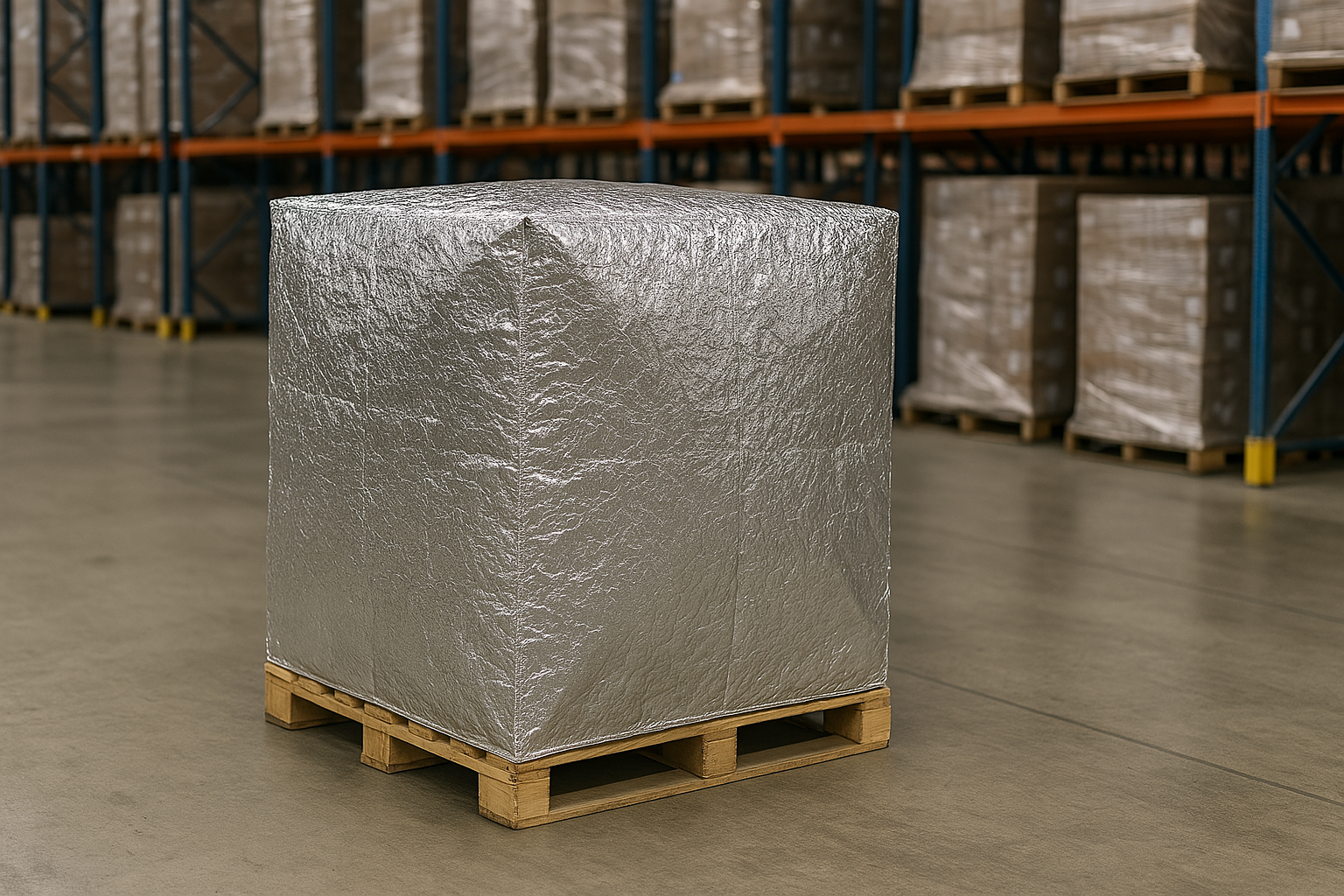
How to Choose Pallet thermal covers for poultry for Real Shipment Conditions
Pallet thermal covers for poultry should be chosen by matching product sensitivity, route exposure, pallet geometry, and proof requirements. For poultry products, a cover can reduce short-term thermal stress during staging or handover, but it cannot correct poor preconditioning, unsafe handling, or an unsuitable transport mode. The best purchase decision connects the cover to a written workflow: when it is applied, how it is secured, what evidence supports its use, and what the receiving team checks.
Quick answer: use pallet thermal covers for poultry when your palletized load needs temporary passive protection during transfer, staging, or receiving delays. Do not use them as proof of temperature compliance unless the full packaging process has evidence for your product, route, and acceptance criteria.
The useful boundary: protection, not magic
A pallet cover is a passive protective layer. It can reduce direct radiant heat, slow convective exchange around cartons, and add a removable barrier during exposure. It does not generate cold air, actively heat the load, or verify that the shipment stayed within a required range. That is why pallet thermal covers for poultry should be described as part of a temperature-management process, not as the whole process.
The operational boundary is especially important for poultry products. Poultry logistics must manage temperature and hygiene together; thermal protection without sanitation control is not enough. If product leaves the warehouse already warm, wet, damaged, or outside the required condition, the cover may simply hide the problem until receiving. A stronger workflow starts before the cover is applied: confirm the product condition, confirm the pallet is stable, then cover the load for a defined exposure window.
Use the cover where it matches the risk: protecting palletized poultry during loading, dock staging, transfer, and receiving delays. Avoid treating it as a substitute for controlled storage, qualified packaging, vehicle temperature control, or product-specific instructions. A pallet cover cannot make unsafe product safe, replace refrigeration, or overcome poor sanitation during transport.
Start with the lane, not the catalog photo
The right cover specification is easier to define once you draw the route on paper. Include each place where a pallet is parked, inspected, relabeled, consolidated, or moved between temperature zones. For this topic, the common route may include processing plants, cold rooms, reefer loading docks, wholesale distribution centers, and retail receiving areas. These locations are not identical. Some have open dock doors, some have direct sun, some have forklift congestion, and some have paperwork delays.
A useful route map should identify who owns the pallet at each step. The shipper may apply the cover, a carrier may remove it for inspection, a warehouse may rewrap the pallet, and the receiver may need to return the cover. If nobody owns those steps, the cover program becomes inconsistent. You may see strong results on one lane and poor results on another, even with the same product and the same cover.
Ask teams to report the real dwell points, not the planned dwell points. A schedule might show a short transfer, while actual operations include missed appointments, customs checks, truck queues, or staging in a warmer zone. That reality should influence the cover size, closure design, labeling access, and whether additional monitoring is required.
Risk notes for poultry products
The main risks to watch are warm dock exposure, cross-contamination from dirty covers, mixed raw and ready-to-eat handling, condensation on cartons, and receiving delays at retail or foodservice sites. These risks are not solved by insulation alone. They require a decision about when the load is ready to cover, how long it can wait, how the route is monitored, and what receiving teams do if packaging condition looks questionable.
For poultry products, the cover should support the product instructions rather than override them. If the label, safety data sheet, customer specification, or quality agreement defines a required condition, use that document as the starting point. When the required condition is unclear, do not select a cover based on a general claim. Ask the product owner or quality team to confirm the acceptable range and the allowed handling conditions.
The most practical product-fit question is simple: what problem are you trying to reduce? A cover may help with temporary sun exposure, short staging outside a controlled room, or temperature swings during handover. It may be the wrong tool when the route requires active refrigeration, a validated shipper, a refrigerant packout, or documented temperature records at a level the cover cannot provide.
Supplier questions that prevent expensive mismatches
| What to confirm | Reason for asking | Good buying signal |
|---|---|---|
| Pallet size and height fit | Gaps reduce protection and make handling awkward. | Supplier asks for loaded pallet dimensions, not only pallet footprint. |
| Closure and label access | Covers may be removed if labels cannot be scanned. | Design allows scanning, inspection, and resealing. |
| Thermal evidence | Performance depends on exposure and load. | Supplier explains test conditions or states the limits clearly. |
| Cleaning and reuse | Reusable items need hygiene and condition control. | Cleaning guidance and inspection criteria are available. |
| Scale-up consistency | Bulk orders should match approved samples. | Supplier defines sample approval and material-change communication. |
For poultry products, the best supplier is not the one with the broadest promise. It is the one that helps you define assumptions and verify whether those assumptions match your route.
The table is not meant to slow down purchasing. It prevents a common failure pattern: a buyer selects a cover based on general product language, then warehouse teams discover that it does not fit the pallet, blocks labels, becomes wet, or lacks the evidence needed for a sensitive account.
Build a cover SOP that workers will actually use
A workable process begins before the pallet reaches the door. Confirm product condition, packaging integrity, pallet stability, and any special instruction. Then apply the cover in a defined area, secure closures, keep required labels visible, and record any exception. For poultry products, this step is often more important than small differences between similar-looking covers.
During transport or staging, staff should know whether the cover may be opened for inspection and how it must be resealed. If a pallet is split, reworked, or relabeled, the cover process should not disappear. The receiver should inspect both the product packaging and the cover condition, because wetness, odor, tearing, or missing closure may reveal a handling issue.
A simple record can be enough for non-regulated freight: time covered, location, person responsible, visible condition, and receiving notes. Higher-risk shipments may require temperature records, quality review, or documented deviation handling. The level of documentation should match the product risk and the expectations of the buyer, carrier, and receiver.
Use cautious claims in regulated or safety-sensitive lanes
For food shipments, transport practices should prevent the product from becoming unsafe and should include adequate temperature control when the food requires it. This does not mean every pallet cover has the same regulatory role. It means the cover should fit a broader food logistics program that includes clean equipment, proper loading, suitable vehicles, and receiving assessment.
Poultry shipments should follow applicable food safety rules, customer specifications, and hygienic transport practices. Use cautious language in specifications and contracts. Prefer phrases such as 'supports temporary exposure protection,' 'used as part of a documented handling process,' or 'to be evaluated against the shipment lane.' Avoid statements that suggest universal compliance, guaranteed temperature maintenance, or suitability for every route.
When formal qualification is required, ask what standard, profile, payload, and acceptance criteria were used. Thermal test data from an insulated shipper or a different packaging format should not be automatically transferred to a pallet cover. If the application is important, qualify the system under conditions that resemble the actual route.
From sample to rollout: the checks buyers forget
Before asking for price, define the operating assumptions. Confirm loaded pallet dimensions, product category, lane exposure, expected cover life, cleaning method, storage space, and whether covers return to the origin. For poultry products, also confirm raw product segregation, cleaning and sanitizing method, and dock dwell time. These details determine whether the sample you receive is meaningful.
During sample review, avoid approving only the visual appearance. Let warehouse workers apply and remove the cover under normal time pressure. Move the pallet through doorways, around tight corners, and near scanning points. Check whether the cover drags, tears, blocks labels, or creates a safety issue. Then ask quality or operations to define pass or fail criteria before moving to a bulk order.
For repeat purchasing, ask how the supplier handles material substitutions, production changes, packaging of the covers themselves, and batch-to-batch consistency. The buyer does not need to turn every order into a laboratory project, but bulk deployment should not rely on a single informal sample if the cover is part of a controlled shipping process.
Sustainability belongs in the operating model, not only the brochure
Reusable covers can help reduce waste, but only when the hygiene process is strong enough for food operations. That is the balanced view. Reusable covers can be a sensible alternative to disposable liners or repeated emergency wrapping, but they also require reverse logistics, labor, storage, inspection, and cleaning. If covers disappear after delivery or return contaminated, the sustainability story becomes weak.
When sustainability is part of the purchase decision, ask for practical answers rather than broad claims. How many times is the cover intended to be used under your handling conditions? How will damaged covers be identified? Where will wet covers dry? Who pays for return freight? What packaging is used to ship the covers themselves? These questions help the program survive beyond the first purchase order.
For poultry products, sustainability should never come at the expense of product safety, hygiene, or documented handling. A more durable cover is valuable only if it remains suitable for the goods it protects. If cleaning, odor, residue, or material damage cannot be controlled, a different packaging approach may be safer.
Practical example: a sample that looks good but fails the route
Imagine a buyer needs pallet thermal covers for poultry for poultry products moving through a route with a warehouse staging area, a carrier handover, and a receiver that often experiences dock congestion. The first request might sound simple: provide a reusable cover for standard pallets. A better request includes loaded pallet dimensions, expected dwell points, whether the pallet may be inspected in transit, how labels must remain scannable, and what receiving notes are required if the cover arrives wet, torn, or missing.
The supplier can then recommend a cover style and explain its limits. Operations can test application speed and fit. Quality can decide whether more evidence is needed. Procurement can compare the unit price against reuse, loss, cleaning, and storage. This example is not a customer case; it is a practical way to prevent a common purchasing error: treating a passive cover as a simple accessory when it actually affects multiple departments.
Avoid these failure points before scaling up
- Covering poultry products before confirming that the load is in the right starting condition.
- Buying by pallet footprint only and ignoring loaded height, overhang, labels, and access points.
- Leaving closure gaps that allow air exchange at corners, seams, or the pallet base.
- Using a reusable cover without a cleaning, drying, inspection, and retirement process.
These mistakes matter because pallet thermal covers for poultry are usually used at the messy edge of a controlled process: the doorway, the truck queue, the cross-dock, the inspection point, or the customer receiving area. That is where small actions accumulate. A loose flap, a wet cover, or a delayed replacement can reduce the value of an otherwise reasonable product.
The prevention method is not complicated. Write the rule, train the people who touch the pallet, and audit the process during real shipments. If the cover is important enough to buy, it is important enough to make visible in the workflow.
FAQ
Do pallet thermal covers for poultry guarantee a specific temperature range?
No. They are passive protection products and do not create a guaranteed temperature range by themselves. Performance depends on product starting condition, pallet mass, cover fit, ambient exposure, handling time, and the rest of the transport system. If a specific temperature range is required, confirm it from the product instructions and ask what evidence supports the packaging setup.
When should I use pallet thermal covers for poultry?
Use them when the main risk is temporary exposure during loading, unloading, staging, inspection, or transfer between controlled areas. They are especially useful when the route has predictable handover points and staff can apply and remove the cover correctly. They are less suitable as a substitute for active refrigeration, qualified packaging, or a full route redesign.
What should I check before placing a bulk order?
Confirm loaded pallet dimensions, cover closure design, label access, cleaning requirements, return logistics, and sample-to-production consistency. For poultry products, also review raw product segregation, and cleaning and sanitizing method. A bulk order should be based on a real pallet trial, not only a drawing or a product photo.
Can a reusable cover create hygiene or contamination concerns?
Yes, it can if the cover returns wet, dirty, odorous, torn, or exposed to incompatible goods. Reusable programs need cleaning guidance, inspection criteria, storage rules, and a way to remove damaged covers from service. For food, lab, or sensitive industrial shipments, hygiene review should happen before rollout.
What evidence should a supplier provide?
Ask for a specification that explains materials, dimensions, closure style, intended use, cleaning guidance, and any available thermal evaluation. If the supplier mentions testing, ask for the test conditions, payload, ambient profile, and acceptance criteria. Evidence should match your application closely enough to support the decision.
Conclusion
Pallet thermal covers for poultry make sense when they are tied to a clear route problem, a defined product risk, and a repeatable handling process. For poultry products, focus on the starting condition of the load, the actual handover points, the fit of the cover, and the evidence behind any supplier claim. The safest decision is not the most dramatic promise; it is the one your warehouse, carrier, quality team, and receiver can repeat consistently.
Before purchasing, confirm the required product condition, test a sample on a real pallet, document the workflow, and decide what receiving teams should check. That practical approach protects both product quality and procurement confidence.
About Tempk
Tempk supports cold-chain and temperature-sensitive logistics teams that need practical packaging choices for palletized freight. In a discussion about pallet thermal covers for poultry, we focus on the details that affect daily use: pallet size, route exposure, cover fit, material construction, handling workflow, and the limits of passive protection. We avoid treating one cover as a universal answer, because different products, lanes, and documentation needs call for different packaging decisions.
CTA
Share your pallet dimensions, product type, route exposure, and expected handling steps with Tempk. We can help you compare pallet thermal covers for poultry options before you move from sample review to a larger order.
Pallet thermal blankets for food and beverage: Selection Guide

How to Choose Pallet thermal blankets for food and beverage for Real Shipment Conditions
Pallet thermal blankets for food and beverage should be chosen by matching product sensitivity, route exposure, pallet geometry, and proof requirements. For food and beverage pallets, a cover can reduce short-term thermal stress during staging or handover, but it cannot correct poor preconditioning, unsafe handling, or an unsuitable transport mode. The best purchase decision connects the cover to a written workflow: when it is applied, how it is secured, what evidence supports its use, and what the receiving team checks.
Quick answer: use pallet thermal blankets for food and beverage when your palletized load needs temporary passive protection during transfer, staging, or receiving delays. Do not use them as proof of temperature compliance unless the full packaging process has evidence for your product, route, and acceptance criteria.
The useful boundary: protection, not magic
A pallet cover is a passive protective layer. It can reduce direct radiant heat, slow convective exchange around cartons, and add a removable barrier during exposure. It does not generate cold air, actively heat the load, or verify that the shipment stayed within a required range. That is why pallet thermal blankets for food and beverage should be described as part of a temperature-management process, not as the whole process.
The operational boundary is especially important for food and beverage pallets. Food and beverage quality can be affected by temperature, moisture, packaging integrity, and hygiene at the same time. If product leaves the warehouse already warm, wet, damaged, or outside the required condition, the cover may simply hide the problem until receiving. A stronger workflow starts before the cover is applied: confirm the product condition, confirm the pallet is stable, then cover the load for a defined exposure window.
Use the cover where it matches the risk: protecting palletized food and beverage goods from thermal swings during storage transitions and transport handovers. Avoid treating it as a substitute for controlled storage, qualified packaging, vehicle temperature control, or product-specific instructions. A blanket does not replace hygienic vehicle conditions, reefer control, or product-specific safety programs.
Start with the lane, not the catalog photo
The right cover specification is easier to define once you draw the route on paper. Include each place where a pallet is parked, inspected, relabeled, consolidated, or moved between temperature zones. For this topic, the common route may include food plants, beverage warehouses, cold rooms, retail distribution centers, and delivery docks. These locations are not identical. Some have open dock doors, some have direct sun, some have forklift congestion, and some have paperwork delays.
A useful route map should identify who owns the pallet at each step. The shipper may apply the cover, a carrier may remove it for inspection, a warehouse may rewrap the pallet, and the receiver may need to return the cover. If nobody owns those steps, the cover program becomes inconsistent. You may see strong results on one lane and poor results on another, even with the same product and the same cover.
Ask teams to report the real dwell points, not the planned dwell points. A schedule might show a short transfer, while actual operations include missed appointments, customs checks, truck queues, or staging in a warmer zone. That reality should influence the cover size, closure design, labeling access, and whether additional monitoring is required.
Risk notes for food and beverage pallets
The main risks to watch are condensation on cartons, flavor or odor transfer, incorrect mixed-load staging, warm dock dwell, and unclean returned blankets. These risks are not solved by insulation alone. They require a decision about when the load is ready to cover, how long it can wait, how the route is monitored, and what receiving teams do if packaging condition looks questionable.
For food and beverage pallets, the cover should support the product instructions rather than override them. If the label, safety data sheet, customer specification, or quality agreement defines a required condition, use that document as the starting point. When the required condition is unclear, do not select a cover based on a general claim. Ask the product owner or quality team to confirm the acceptable range and the allowed handling conditions.
The most practical product-fit question is simple: what problem are you trying to reduce? A cover may help with temporary sun exposure, short staging outside a controlled room, or temperature swings during handover. It may be the wrong tool when the route requires active refrigeration, a validated shipper, a refrigerant packout, or documented temperature records at a level the cover cannot provide.
Supplier questions that prevent expensive mismatches
| What to confirm | Reason for asking | Good buying signal |
|---|---|---|
| Pallet size and height fit | Gaps reduce protection and make handling awkward. | Supplier asks for loaded pallet dimensions, not only pallet footprint. |
| Closure and label access | Covers may be removed if labels cannot be scanned. | Design allows scanning, inspection, and resealing. |
| Thermal evidence | Performance depends on exposure and load. | Supplier explains test conditions or states the limits clearly. |
| Cleaning and reuse | Reusable items need hygiene and condition control. | Cleaning guidance and inspection criteria are available. |
| Scale-up consistency | Bulk orders should match approved samples. | Supplier defines sample approval and material-change communication. |
For food and beverage pallets, the best supplier is not the one with the broadest promise. It is the one that helps you define assumptions and verify whether those assumptions match your route.
The table is not meant to slow down purchasing. It prevents a common failure pattern: a buyer selects a cover based on general product language, then warehouse teams discover that it does not fit the pallet, blocks labels, becomes wet, or lacks the evidence needed for a sensitive account.
Build a cover SOP that workers will actually use
A workable process begins before the pallet reaches the door. Confirm product condition, packaging integrity, pallet stability, and any special instruction. Then apply the cover in a defined area, secure closures, keep required labels visible, and record any exception. For food and beverage pallets, this step is often more important than small differences between similar-looking covers.
During transport or staging, staff should know whether the cover may be opened for inspection and how it must be resealed. If a pallet is split, reworked, or relabeled, the cover process should not disappear. The receiver should inspect both the product packaging and the cover condition, because wetness, odor, tearing, or missing closure may reveal a handling issue.
A simple record can be enough for non-regulated freight: time covered, location, person responsible, visible condition, and receiving notes. Higher-risk shipments may require temperature records, quality review, or documented deviation handling. The level of documentation should match the product risk and the expectations of the buyer, carrier, and receiver.
Use cautious claims in regulated or safety-sensitive lanes
For food shipments, transport practices should prevent the product from becoming unsafe and should include adequate temperature control when the food requires it. This does not mean every pallet cover has the same regulatory role. It means the cover should fit a broader food logistics program that includes clean equipment, proper loading, suitable vehicles, and receiving assessment.
Food transportation programs should consider cleanability, product-specific temperature needs, and receiving checks for temperature-sensitive goods. Use cautious language in specifications and contracts. Prefer phrases such as 'supports temporary exposure protection,' 'used as part of a documented handling process,' or 'to be evaluated against the shipment lane.' Avoid statements that suggest universal compliance, guaranteed temperature maintenance, or suitability for every route.
When formal qualification is required, ask what standard, profile, payload, and acceptance criteria were used. Thermal test data from an insulated shipper or a different packaging format should not be automatically transferred to a pallet cover. If the application is important, qualify the system under conditions that resemble the actual route.
From sample to rollout: the checks buyers forget
Before asking for price, define the operating assumptions. Confirm loaded pallet dimensions, product category, lane exposure, expected cover life, cleaning method, storage space, and whether covers return to the origin. For food and beverage pallets, also confirm food contact risk, packaging strength, and cleaning method. These details determine whether the sample you receive is meaningful.
During sample review, avoid approving only the visual appearance. Let warehouse workers apply and remove the cover under normal time pressure. Move the pallet through doorways, around tight corners, and near scanning points. Check whether the cover drags, tears, blocks labels, or creates a safety issue. Then ask quality or operations to define pass or fail criteria before moving to a bulk order.
For repeat purchasing, ask how the supplier handles material substitutions, production changes, packaging of the covers themselves, and batch-to-batch consistency. The buyer does not need to turn every order into a laboratory project, but bulk deployment should not rely on a single informal sample if the cover is part of a controlled shipping process.
Sustainability belongs in the operating model, not only the brochure
Reusable blankets can support packaging waste reduction when cleaning, storage, and return routing are practical. That is the balanced view. Reusable covers can be a sensible alternative to disposable liners or repeated emergency wrapping, but they also require reverse logistics, labor, storage, inspection, and cleaning. If covers disappear after delivery or return contaminated, the sustainability story becomes weak.
When sustainability is part of the purchase decision, ask for practical answers rather than broad claims. How many times is the cover intended to be used under your handling conditions? How will damaged covers be identified? Where will wet covers dry? Who pays for return freight? What packaging is used to ship the covers themselves? These questions help the program survive beyond the first purchase order.
For food and beverage pallets, sustainability should never come at the expense of product safety, hygiene, or documented handling. A more durable cover is valuable only if it remains suitable for the goods it protects. If cleaning, odor, residue, or material damage cannot be controlled, a different packaging approach may be safer.
Practical example: a sample that looks good but fails the route
Imagine a buyer needs pallet thermal blankets for food and beverage for food and beverage pallets moving through a route with a warehouse staging area, a carrier handover, and a receiver that often experiences dock congestion. The first request might sound simple: provide a reusable cover for standard pallets. A better request includes loaded pallet dimensions, expected dwell points, whether the pallet may be inspected in transit, how labels must remain scannable, and what receiving notes are required if the cover arrives wet, torn, or missing.
The supplier can then recommend a cover style and explain its limits. Operations can test application speed and fit. Quality can decide whether more evidence is needed. Procurement can compare the unit price against reuse, loss, cleaning, and storage. This example is not a customer case; it is a practical way to prevent a common purchasing error: treating a passive cover as a simple accessory when it actually affects multiple departments.
Avoid these failure points before scaling up
- Covering food and beverage pallets before confirming that the load is in the right starting condition.
- Buying by pallet footprint only and ignoring loaded height, overhang, labels, and access points.
- Leaving closure gaps that allow air exchange at corners, seams, or the pallet base.
- Using a reusable cover without a cleaning, drying, inspection, and retirement process.
These mistakes matter because pallet thermal blankets for food and beverage are usually used at the messy edge of a controlled process: the doorway, the truck queue, the cross-dock, the inspection point, or the customer receiving area. That is where small actions accumulate. A loose flap, a wet cover, or a delayed replacement can reduce the value of an otherwise reasonable product.
The prevention method is not complicated. Write the rule, train the people who touch the pallet, and audit the process during real shipments. If the cover is important enough to buy, it is important enough to make visible in the workflow.
FAQ
Do pallet thermal blankets for food and beverage guarantee a specific temperature range?
No. They are passive protection products and do not create a guaranteed temperature range by themselves. Performance depends on product starting condition, pallet mass, cover fit, ambient exposure, handling time, and the rest of the transport system. If a specific temperature range is required, confirm it from the product instructions and ask what evidence supports the packaging setup.
When should I use pallet thermal blankets for food and beverage?
Use them when the main risk is temporary exposure during loading, unloading, staging, inspection, or transfer between controlled areas. They are especially useful when the route has predictable handover points and staff can apply and remove the cover correctly. They are less suitable as a substitute for active refrigeration, qualified packaging, or a full route redesign.
What should I check before placing a bulk order?
Confirm loaded pallet dimensions, cover closure design, label access, cleaning requirements, return logistics, and sample-to-production consistency. For food and beverage pallets, also review food contact risk, and packaging strength. A bulk order should be based on a real pallet trial, not only a drawing or a product photo.
Can a reusable cover create hygiene or contamination concerns?
Yes, it can if the cover returns wet, dirty, odorous, torn, or exposed to incompatible goods. Reusable programs need cleaning guidance, inspection criteria, storage rules, and a way to remove damaged covers from service. For food, lab, or sensitive industrial shipments, hygiene review should happen before rollout.
What evidence should a supplier provide?
Ask for a specification that explains materials, dimensions, closure style, intended use, cleaning guidance, and any available thermal evaluation. If the supplier mentions testing, ask for the test conditions, payload, ambient profile, and acceptance criteria. Evidence should match your application closely enough to support the decision.
Conclusion
Pallet thermal blankets for food and beverage make sense when they are tied to a clear route problem, a defined product risk, and a repeatable handling process. For food and beverage pallets, focus on the starting condition of the load, the actual handover points, the fit of the cover, and the evidence behind any supplier claim. The safest decision is not the most dramatic promise; it is the one your warehouse, carrier, quality team, and receiver can repeat consistently.
Before purchasing, confirm the required product condition, test a sample on a real pallet, document the workflow, and decide what receiving teams should check. That practical approach protects both product quality and procurement confidence.
About Tempk
Tempk supports cold-chain and temperature-sensitive logistics teams that need practical packaging choices for palletized freight. In a discussion about pallet thermal blankets for food and beverage, we focus on the details that affect daily use: pallet size, route exposure, cover fit, material construction, handling workflow, and the limits of passive protection. We avoid treating one cover as a universal answer, because different products, lanes, and documentation needs call for different packaging decisions.
CTA
Share your pallet dimensions, product type, route exposure, and expected handling steps with Tempk. We can help you compare pallet thermal blankets for food and beverage options before you move from sample review to a larger order.
Pallet insulation covers for supply chain management: Selection Guide
How to Choose Pallet insulation covers for supply chain management for Real Shipment Conditions
Pallet insulation covers for supply chain management should be chosen by matching product sensitivity, route exposure, pallet geometry, and proof requirements. For temperature-sensitive goods across multi-party supply chains, a cover can reduce short-term thermal stress during staging or handover, but it cannot correct poor preconditioning, unsafe handling, or an unsuitable transport mode. The best purchase decision connects the cover to a written workflow: when it is applied, how it is secured, what evidence supports its use, and what the receiving team checks.
Quick answer: use pallet insulation covers for supply chain management when your palletized load needs temporary passive protection during transfer, staging, or receiving delays. Do not use them as proof of temperature compliance unless the full packaging process has evidence for your product, route, and acceptance criteria.
The useful boundary: protection, not magic
A pallet cover is a passive protective layer. It can reduce direct radiant heat, slow convective exchange around cartons, and add a removable barrier during exposure. It does not generate cold air, actively heat the load, or verify that the shipment stayed within a required range. That is why pallet insulation covers for supply chain management should be described as part of a temperature-management process, not as the whole process.
The operational boundary is especially important for temperature-sensitive goods across multi-party supply chains. Supply chain management is less about one cover and more about repeatability across people, sites, and routes. If product leaves the warehouse already warm, wet, damaged, or outside the required condition, the cover may simply hide the problem until receiving. A stronger workflow starts before the cover is applied: confirm the product condition, confirm the pallet is stable, then cover the load for a defined exposure window.
Use the cover where it matches the risk: standardizing passive pallet protection across suppliers, carriers, warehouses, and receiving teams. Avoid treating it as a substitute for controlled storage, qualified packaging, vehicle temperature control, or product-specific instructions. They do not replace a temperature-controlled route design, written SOPs, or product-specific quality review.
Start with the lane, not the catalog photo
The right cover specification is easier to define once you draw the route on paper. Include each place where a pallet is parked, inspected, relabeled, consolidated, or moved between temperature zones. For this topic, the common route may include supplier warehouses, regional distribution centers, air and road freight lanes, customer receiving docks, and return networks. These locations are not identical. Some have open dock doors, some have direct sun, some have forklift congestion, and some have paperwork delays.
A useful route map should identify who owns the pallet at each step. The shipper may apply the cover, a carrier may remove it for inspection, a warehouse may rewrap the pallet, and the receiver may need to return the cover. If nobody owns those steps, the cover program becomes inconsistent. You may see strong results on one lane and poor results on another, even with the same product and the same cover.
Ask teams to report the real dwell points, not the planned dwell points. A schedule might show a short transfer, while actual operations include missed appointments, customs checks, truck queues, or staging in a warmer zone. That reality should influence the cover size, closure design, labeling access, and whether additional monitoring is required.
Risk notes for temperature-sensitive goods across multi-party supply chains
The main risks to watch are inconsistent supplier packing, unclear handover ownership, untracked dwell time, different pallet formats, and cover loss in returns. These risks are not solved by insulation alone. They require a decision about when the load is ready to cover, how long it can wait, how the route is monitored, and what receiving teams do if packaging condition looks questionable.
For temperature-sensitive goods across multi-party supply chains, the cover should support the product instructions rather than override them. If the label, safety data sheet, customer specification, or quality agreement defines a required condition, use that document as the starting point. When the required condition is unclear, do not select a cover based on a general claim. Ask the product owner or quality team to confirm the acceptable range and the allowed handling conditions.
The most practical product-fit question is simple: what problem are you trying to reduce? A cover may help with temporary sun exposure, short staging outside a controlled room, or temperature swings during handover. It may be the wrong tool when the route requires active refrigeration, a validated shipper, a refrigerant packout, or documented temperature records at a level the cover cannot provide.
Supplier questions that prevent expensive mismatches
| What to confirm | Reason for asking | Good buying signal |
|---|---|---|
| Pallet size and height fit | Gaps reduce protection and make handling awkward. | Supplier asks for loaded pallet dimensions, not only pallet footprint. |
| Closure and label access | Covers may be removed if labels cannot be scanned. | Design allows scanning, inspection, and resealing. |
| Thermal evidence | Performance depends on exposure and load. | Supplier explains test conditions or states the limits clearly. |
| Cleaning and reuse | Reusable items need hygiene and condition control. | Cleaning guidance and inspection criteria are available. |
| Scale-up consistency | Bulk orders should match approved samples. | Supplier defines sample approval and material-change communication. |
For temperature-sensitive goods across multi-party supply chains, the best supplier is not the one with the broadest promise. It is the one that helps you define assumptions and verify whether those assumptions match your route.
The table is not meant to slow down purchasing. It prevents a common failure pattern: a buyer selects a cover based on general product language, then warehouse teams discover that it does not fit the pallet, blocks labels, becomes wet, or lacks the evidence needed for a sensitive account.
Build a cover SOP that workers will actually use
A workable process begins before the pallet reaches the door. Confirm product condition, packaging integrity, pallet stability, and any special instruction. Then apply the cover in a defined area, secure closures, keep required labels visible, and record any exception. For temperature-sensitive goods across multi-party supply chains, this step is often more important than small differences between similar-looking covers.
During transport or staging, staff should know whether the cover may be opened for inspection and how it must be resealed. If a pallet is split, reworked, or relabeled, the cover process should not disappear. The receiver should inspect both the product packaging and the cover condition, because wetness, odor, tearing, or missing closure may reveal a handling issue.
A simple record can be enough for non-regulated freight: time covered, location, person responsible, visible condition, and receiving notes. Higher-risk shipments may require temperature records, quality review, or documented deviation handling. The level of documentation should match the product risk and the expectations of the buyer, carrier, and receiver.
Use cautious claims in regulated or safety-sensitive lanes
For mixed freight and logistics programs, compliance depends on what is inside the pallet. Food, healthcare, chemical, and high-value cargo can each carry different handling and documentation expectations. The cover should be described accurately as passive protection unless a specific test or qualification package supports a stronger claim.
Regulated or safety-sensitive products may require written procedures, deviation handling, and records that match the product risk. Use cautious language in specifications and contracts. Prefer phrases such as 'supports temporary exposure protection,' 'used as part of a documented handling process,' or 'to be evaluated against the shipment lane.' Avoid statements that suggest universal compliance, guaranteed temperature maintenance, or suitability for every route.
When formal qualification is required, ask what standard, profile, payload, and acceptance criteria were used. Thermal test data from an insulated shipper or a different packaging format should not be automatically transferred to a pallet cover. If the application is important, qualify the system under conditions that resemble the actual route.
From sample to rollout: the checks buyers forget
Before asking for price, define the operating assumptions. Confirm loaded pallet dimensions, product category, lane exposure, expected cover life, cleaning method, storage space, and whether covers return to the origin. For temperature-sensitive goods across multi-party supply chains, also confirm standard pallet formats, site-by-site responsibilities, and return logistics. These details determine whether the sample you receive is meaningful.
During sample review, avoid approving only the visual appearance. Let warehouse workers apply and remove the cover under normal time pressure. Move the pallet through doorways, around tight corners, and near scanning points. Check whether the cover drags, tears, blocks labels, or creates a safety issue. Then ask quality or operations to define pass or fail criteria before moving to a bulk order.
For repeat purchasing, ask how the supplier handles material substitutions, production changes, packaging of the covers themselves, and batch-to-batch consistency. The buyer does not need to turn every order into a laboratory project, but bulk deployment should not rely on a single informal sample if the cover is part of a controlled shipping process.
Sustainability belongs in the operating model, not only the brochure
A reusable cover program can support waste goals when recovery rates, cleaning practices, and damaged-cover retirement are measured. That is the balanced view. Reusable covers can be a sensible alternative to disposable liners or repeated emergency wrapping, but they also require reverse logistics, labor, storage, inspection, and cleaning. If covers disappear after delivery or return contaminated, the sustainability story becomes weak.
When sustainability is part of the purchase decision, ask for practical answers rather than broad claims. How many times is the cover intended to be used under your handling conditions? How will damaged covers be identified? Where will wet covers dry? Who pays for return freight? What packaging is used to ship the covers themselves? These questions help the program survive beyond the first purchase order.
For temperature-sensitive goods across multi-party supply chains, sustainability should never come at the expense of product safety, hygiene, or documented handling. A more durable cover is valuable only if it remains suitable for the goods it protects. If cleaning, odor, residue, or material damage cannot be controlled, a different packaging approach may be safer.
Practical example: a sample that looks good but fails the route
Imagine a buyer needs pallet insulation covers for supply chain management for temperature-sensitive goods across multi-party supply chains moving through a route with a warehouse staging area, a carrier handover, and a receiver that often experiences dock congestion. The first request might sound simple: provide a reusable cover for standard pallets. A better request includes loaded pallet dimensions, expected dwell points, whether the pallet may be inspected in transit, how labels must remain scannable, and what receiving notes are required if the cover arrives wet, torn, or missing.
The supplier can then recommend a cover style and explain its limits. Operations can test application speed and fit. Quality can decide whether more evidence is needed. Procurement can compare the unit price against reuse, loss, cleaning, and storage. This example is not a customer case; it is a practical way to prevent a common purchasing error: treating a passive cover as a simple accessory when it actually affects multiple departments.
Avoid these failure points before scaling up
- Covering temperature-sensitive goods across multi-party supply chains before confirming that the load is in the right starting condition.
- Buying by pallet footprint only and ignoring loaded height, overhang, labels, and access points.
- Leaving closure gaps that allow air exchange at corners, seams, or the pallet base.
- Using a reusable cover without a cleaning, drying, inspection, and retirement process.
These mistakes matter because pallet insulation covers for supply chain management are usually used at the messy edge of a controlled process: the doorway, the truck queue, the cross-dock, the inspection point, or the customer receiving area. That is where small actions accumulate. A loose flap, a wet cover, or a delayed replacement can reduce the value of an otherwise reasonable product.
The prevention method is not complicated. Write the rule, train the people who touch the pallet, and audit the process during real shipments. If the cover is important enough to buy, it is important enough to make visible in the workflow.
FAQ
Do pallet insulation covers for supply chain management guarantee a specific temperature range?
No. They are passive protection products and do not create a guaranteed temperature range by themselves. Performance depends on product starting condition, pallet mass, cover fit, ambient exposure, handling time, and the rest of the transport system. If a specific temperature range is required, confirm it from the product instructions and ask what evidence supports the packaging setup.
When should I use pallet insulation covers for supply chain management?
Use them when the main risk is temporary exposure during loading, unloading, staging, inspection, or transfer between controlled areas. They are especially useful when the route has predictable handover points and staff can apply and remove the cover correctly. They are less suitable as a substitute for active refrigeration, qualified packaging, or a full route redesign.
What should I check before placing a bulk order?
Confirm loaded pallet dimensions, cover closure design, label access, cleaning requirements, return logistics, and sample-to-production consistency. For temperature-sensitive goods across multi-party supply chains, also review standard pallet formats, and site-by-site responsibilities. A bulk order should be based on a real pallet trial, not only a drawing or a product photo.
Can a reusable cover create hygiene or contamination concerns?
Yes, it can if the cover returns wet, dirty, odorous, torn, or exposed to incompatible goods. Reusable programs need cleaning guidance, inspection criteria, storage rules, and a way to remove damaged covers from service. For food, lab, or sensitive industrial shipments, hygiene review should happen before rollout.
What evidence should a supplier provide?
Ask for a specification that explains materials, dimensions, closure style, intended use, cleaning guidance, and any available thermal evaluation. If the supplier mentions testing, ask for the test conditions, payload, ambient profile, and acceptance criteria. Evidence should match your application closely enough to support the decision.
Conclusion
Pallet insulation covers for supply chain management make sense when they are tied to a clear route problem, a defined product risk, and a repeatable handling process. For temperature-sensitive goods across multi-party supply chains, focus on the starting condition of the load, the actual handover points, the fit of the cover, and the evidence behind any supplier claim. The safest decision is not the most dramatic promise; it is the one your warehouse, carrier, quality team, and receiver can repeat consistently.
Before purchasing, confirm the required product condition, test a sample on a real pallet, document the workflow, and decide what receiving teams should check. That practical approach protects both product quality and procurement confidence.
About Tempk
Tempk supports cold-chain and temperature-sensitive logistics teams that need practical packaging choices for palletized freight. In a discussion about pallet insulation covers for supply chain management, we focus on the details that affect daily use: pallet size, route exposure, cover fit, material construction, handling workflow, and the limits of passive protection. We avoid treating one cover as a universal answer, because different products, lanes, and documentation needs call for different packaging decisions.
CTA
Share your pallet dimensions, product type, route exposure, and expected handling steps with Tempk. We can help you compare pallet insulation covers for supply chain management options before you move from sample review to a larger order.
Pallet insulation covers for logistics: Selection Guide
How to Choose Pallet insulation covers for logistics for Real Shipment Conditions
Pallet insulation covers for logistics should be chosen by matching product sensitivity, route exposure, pallet geometry, and proof requirements. For mixed temperature-sensitive freight, a cover can reduce short-term thermal stress during staging or handover, but it cannot correct poor preconditioning, unsafe handling, or an unsuitable transport mode. The best purchase decision connects the cover to a written workflow: when it is applied, how it is secured, what evidence supports its use, and what the receiving team checks.
Quick answer: use pallet insulation covers for logistics when your palletized load needs temporary passive protection during transfer, staging, or receiving delays. Do not use them as proof of temperature compliance unless the full packaging process has evidence for your product, route, and acceptance criteria.
The useful boundary: protection, not magic
A pallet cover is a passive protective layer. It can reduce direct radiant heat, slow convective exchange around cartons, and add a removable barrier during exposure. It does not generate cold air, actively heat the load, or verify that the shipment stayed within a required range. That is why pallet insulation covers for logistics should be described as part of a temperature-management process, not as the whole process.
The operational boundary is especially important for mixed temperature-sensitive freight. In logistics operations, the weak point is often not the linehaul but the uncontrolled minutes around loading, unloading, and staging. If product leaves the warehouse already warm, wet, damaged, or outside the required condition, the cover may simply hide the problem until receiving. A stronger workflow starts before the cover is applied: confirm the product condition, confirm the pallet is stable, then cover the load for a defined exposure window.
Use the cover where it matches the risk: reducing thermal exposure around palletized freight during common logistics handovers. Avoid treating it as a substitute for controlled storage, qualified packaging, vehicle temperature control, or product-specific instructions. They do not turn an uncontrolled route into a qualified cold chain by themselves.
Start with the lane, not the catalog photo
The right cover specification is easier to define once you draw the route on paper. Include each place where a pallet is parked, inspected, relabeled, consolidated, or moved between temperature zones. For this topic, the common route may include LTL terminals, cross-docks, airport cargo areas, container yards, and last-mile consolidation points. These locations are not identical. Some have open dock doors, some have direct sun, some have forklift congestion, and some have paperwork delays.
A useful route map should identify who owns the pallet at each step. The shipper may apply the cover, a carrier may remove it for inspection, a warehouse may rewrap the pallet, and the receiver may need to return the cover. If nobody owns those steps, the cover program becomes inconsistent. You may see strong results on one lane and poor results on another, even with the same product and the same cover.
Ask teams to report the real dwell points, not the planned dwell points. A schedule might show a short transfer, while actual operations include missed appointments, customs checks, truck queues, or staging in a warmer zone. That reality should influence the cover size, closure design, labeling access, and whether additional monitoring is required.
Risk notes for mixed temperature-sensitive freight
The main risks to watch are handover delays, dock-door temperature swings, unplanned pallet separation, uncovered waiting time, and incorrect return of reusable covers. These risks are not solved by insulation alone. They require a decision about when the load is ready to cover, how long it can wait, how the route is monitored, and what receiving teams do if packaging condition looks questionable.
For mixed temperature-sensitive freight, the cover should support the product instructions rather than override them. If the label, safety data sheet, customer specification, or quality agreement defines a required condition, use that document as the starting point. When the required condition is unclear, do not select a cover based on a general claim. Ask the product owner or quality team to confirm the acceptable range and the allowed handling conditions.
The most practical product-fit question is simple: what problem are you trying to reduce? A cover may help with temporary sun exposure, short staging outside a controlled room, or temperature swings during handover. It may be the wrong tool when the route requires active refrigeration, a validated shipper, a refrigerant packout, or documented temperature records at a level the cover cannot provide.
Supplier questions that prevent expensive mismatches
| What to confirm | Reason for asking | Good buying signal |
|---|---|---|
| Pallet size and height fit | Gaps reduce protection and make handling awkward. | Supplier asks for loaded pallet dimensions, not only pallet footprint. |
| Closure and label access | Covers may be removed if labels cannot be scanned. | Design allows scanning, inspection, and resealing. |
| Thermal evidence | Performance depends on exposure and load. | Supplier explains test conditions or states the limits clearly. |
| Cleaning and reuse | Reusable items need hygiene and condition control. | Cleaning guidance and inspection criteria are available. |
| Scale-up consistency | Bulk orders should match approved samples. | Supplier defines sample approval and material-change communication. |
For mixed temperature-sensitive freight, the best supplier is not the one with the broadest promise. It is the one that helps you define assumptions and verify whether those assumptions match your route.
The table is not meant to slow down purchasing. It prevents a common failure pattern: a buyer selects a cover based on general product language, then warehouse teams discover that it does not fit the pallet, blocks labels, becomes wet, or lacks the evidence needed for a sensitive account.
Build a cover SOP that workers will actually use
A workable process begins before the pallet reaches the door. Confirm product condition, packaging integrity, pallet stability, and any special instruction. Then apply the cover in a defined area, secure closures, keep required labels visible, and record any exception. For mixed temperature-sensitive freight, this step is often more important than small differences between similar-looking covers.
During transport or staging, staff should know whether the cover may be opened for inspection and how it must be resealed. If a pallet is split, reworked, or relabeled, the cover process should not disappear. The receiver should inspect both the product packaging and the cover condition, because wetness, odor, tearing, or missing closure may reveal a handling issue.
A simple record can be enough for non-regulated freight: time covered, location, person responsible, visible condition, and receiving notes. Higher-risk shipments may require temperature records, quality review, or documented deviation handling. The level of documentation should match the product risk and the expectations of the buyer, carrier, and receiver.
Use cautious claims in regulated or safety-sensitive lanes
For mixed freight and logistics programs, compliance depends on what is inside the pallet. Food, healthcare, chemical, and high-value cargo can each carry different handling and documentation expectations. The cover should be described accurately as passive protection unless a specific test or qualification package supports a stronger claim.
Food, pharmaceutical, and chemical shipments may require additional documented controls depending on product and destination. Use cautious language in specifications and contracts. Prefer phrases such as 'supports temporary exposure protection,' 'used as part of a documented handling process,' or 'to be evaluated against the shipment lane.' Avoid statements that suggest universal compliance, guaranteed temperature maintenance, or suitability for every route.
When formal qualification is required, ask what standard, profile, payload, and acceptance criteria were used. Thermal test data from an insulated shipper or a different packaging format should not be automatically transferred to a pallet cover. If the application is important, qualify the system under conditions that resemble the actual route.
From sample to rollout: the checks buyers forget
Before asking for price, define the operating assumptions. Confirm loaded pallet dimensions, product category, lane exposure, expected cover life, cleaning method, storage space, and whether covers return to the origin. For mixed temperature-sensitive freight, also confirm route exposure points, handover responsibility, and cover return process. These details determine whether the sample you receive is meaningful.
During sample review, avoid approving only the visual appearance. Let warehouse workers apply and remove the cover under normal time pressure. Move the pallet through doorways, around tight corners, and near scanning points. Check whether the cover drags, tears, blocks labels, or creates a safety issue. Then ask quality or operations to define pass or fail criteria before moving to a bulk order.
For repeat purchasing, ask how the supplier handles material substitutions, production changes, packaging of the covers themselves, and batch-to-batch consistency. The buyer does not need to turn every order into a laboratory project, but bulk deployment should not rely on a single informal sample if the cover is part of a controlled shipping process.
Sustainability belongs in the operating model, not only the brochure
Reusable covers support waste reduction only when the operating model includes retrieval, cleaning, repair, and replacement control. That is the balanced view. Reusable covers can be a sensible alternative to disposable liners or repeated emergency wrapping, but they also require reverse logistics, labor, storage, inspection, and cleaning. If covers disappear after delivery or return contaminated, the sustainability story becomes weak.
When sustainability is part of the purchase decision, ask for practical answers rather than broad claims. How many times is the cover intended to be used under your handling conditions? How will damaged covers be identified? Where will wet covers dry? Who pays for return freight? What packaging is used to ship the covers themselves? These questions help the program survive beyond the first purchase order.
For mixed temperature-sensitive freight, sustainability should never come at the expense of product safety, hygiene, or documented handling. A more durable cover is valuable only if it remains suitable for the goods it protects. If cleaning, odor, residue, or material damage cannot be controlled, a different packaging approach may be safer.
Practical example: a sample that looks good but fails the route
Imagine a buyer needs pallet insulation covers for logistics for mixed temperature-sensitive freight moving through a route with a warehouse staging area, a carrier handover, and a receiver that often experiences dock congestion. The first request might sound simple: provide a reusable cover for standard pallets. A better request includes loaded pallet dimensions, expected dwell points, whether the pallet may be inspected in transit, how labels must remain scannable, and what receiving notes are required if the cover arrives wet, torn, or missing.
The supplier can then recommend a cover style and explain its limits. Operations can test application speed and fit. Quality can decide whether more evidence is needed. Procurement can compare the unit price against reuse, loss, cleaning, and storage. This example is not a customer case; it is a practical way to prevent a common purchasing error: treating a passive cover as a simple accessory when it actually affects multiple departments.
Avoid these failure points before scaling up
- Covering mixed temperature-sensitive freight before confirming that the load is in the right starting condition.
- Buying by pallet footprint only and ignoring loaded height, overhang, labels, and access points.
- Leaving closure gaps that allow air exchange at corners, seams, or the pallet base.
- Using a reusable cover without a cleaning, drying, inspection, and retirement process.
These mistakes matter because pallet insulation covers for logistics are usually used at the messy edge of a controlled process: the doorway, the truck queue, the cross-dock, the inspection point, or the customer receiving area. That is where small actions accumulate. A loose flap, a wet cover, or a delayed replacement can reduce the value of an otherwise reasonable product.
The prevention method is not complicated. Write the rule, train the people who touch the pallet, and audit the process during real shipments. If the cover is important enough to buy, it is important enough to make visible in the workflow.
FAQ
Do pallet insulation covers for logistics guarantee a specific temperature range?
No. They are passive protection products and do not create a guaranteed temperature range by themselves. Performance depends on product starting condition, pallet mass, cover fit, ambient exposure, handling time, and the rest of the transport system. If a specific temperature range is required, confirm it from the product instructions and ask what evidence supports the packaging setup.
When should I use pallet insulation covers for logistics?
Use them when the main risk is temporary exposure during loading, unloading, staging, inspection, or transfer between controlled areas. They are especially useful when the route has predictable handover points and staff can apply and remove the cover correctly. They are less suitable as a substitute for active refrigeration, qualified packaging, or a full route redesign.
What should I check before placing a bulk order?
Confirm loaded pallet dimensions, cover closure design, label access, cleaning requirements, return logistics, and sample-to-production consistency. For mixed temperature-sensitive freight, also review route exposure points, and handover responsibility. A bulk order should be based on a real pallet trial, not only a drawing or a product photo.
Can a reusable cover create hygiene or contamination concerns?
Yes, it can if the cover returns wet, dirty, odorous, torn, or exposed to incompatible goods. Reusable programs need cleaning guidance, inspection criteria, storage rules, and a way to remove damaged covers from service. For food, lab, or sensitive industrial shipments, hygiene review should happen before rollout.
What evidence should a supplier provide?
Ask for a specification that explains materials, dimensions, closure style, intended use, cleaning guidance, and any available thermal evaluation. If the supplier mentions testing, ask for the test conditions, payload, ambient profile, and acceptance criteria. Evidence should match your application closely enough to support the decision.
Conclusion
Pallet insulation covers for logistics make sense when they are tied to a clear route problem, a defined product risk, and a repeatable handling process. For mixed temperature-sensitive freight, focus on the starting condition of the load, the actual handover points, the fit of the cover, and the evidence behind any supplier claim. The safest decision is not the most dramatic promise; it is the one your warehouse, carrier, quality team, and receiver can repeat consistently.
Before purchasing, confirm the required product condition, test a sample on a real pallet, document the workflow, and decide what receiving teams should check. That practical approach protects both product quality and procurement confidence.
About Tempk
Tempk supports cold-chain and temperature-sensitive logistics teams that need practical packaging choices for palletized freight. In a discussion about pallet insulation covers for logistics, we focus on the details that affect daily use: pallet size, route exposure, cover fit, material construction, handling workflow, and the limits of passive protection. We avoid treating one cover as a universal answer, because different products, lanes, and documentation needs call for different packaging decisions.
CTA
Share your pallet dimensions, product type, route exposure, and expected handling steps with Tempk. We can help you compare pallet insulation covers for logistics options before you move from sample review to a larger order.
Pallet insulation covers for electronics: Selection Guide
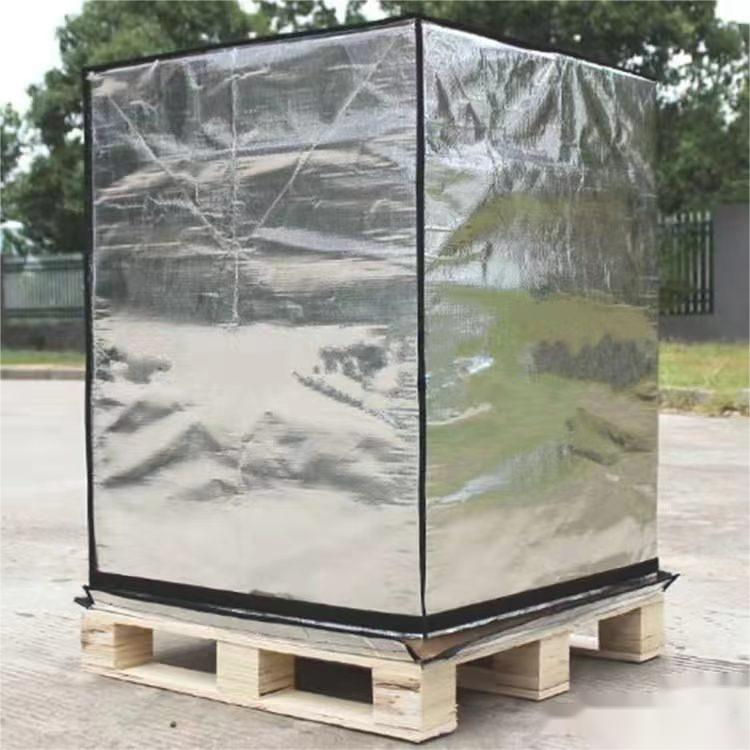
How to Choose Pallet insulation covers for electronics for Real Shipment Conditions
Pallet insulation covers for electronics should be chosen by matching product sensitivity, route exposure, pallet geometry, and proof requirements. For electronics and electronic components, a cover can reduce short-term thermal stress during staging or handover, but it cannot correct poor preconditioning, unsafe handling, or an unsuitable transport mode. The best purchase decision connects the cover to a written workflow: when it is applied, how it is secured, what evidence supports its use, and what the receiving team checks.
Quick answer: use pallet insulation covers for electronics when your palletized load needs temporary passive protection during transfer, staging, or receiving delays. Do not use them as proof of temperature compliance unless the full packaging process has evidence for your product, route, and acceptance criteria.
The useful boundary: protection, not magic
A pallet cover is a passive protective layer. It can reduce direct radiant heat, slow convective exchange around cartons, and add a removable barrier during exposure. It does not generate cold air, actively heat the load, or verify that the shipment stayed within a required range. That is why pallet insulation covers for electronics should be described as part of a temperature-management process, not as the whole process.
The operational boundary is especially important for electronics and electronic components. Electronics are often more vulnerable to condensation and packaging stress than to a single mild temperature change. If product leaves the warehouse already warm, wet, damaged, or outside the required condition, the cover may simply hide the problem until receiving. A stronger workflow starts before the cover is applied: confirm the product condition, confirm the pallet is stable, then cover the load for a defined exposure window.
Use the cover where it matches the risk: shielding palletized electronics from temperature swings, direct sun, cold dock exposure, and condensation-prone handovers. Avoid treating it as a substitute for controlled storage, qualified packaging, vehicle temperature control, or product-specific instructions. They do not replace moisture barrier packaging, desiccants, ESD-safe handling, or controlled warehouse storage when those are required.
Start with the lane, not the catalog photo
The right cover specification is easier to define once you draw the route on paper. Include each place where a pallet is parked, inspected, relabeled, consolidated, or moved between temperature zones. For this topic, the common route may include air cargo terminals, ocean freight warehouses, bonded warehouses, fulfillment hubs, and distributor docks. These locations are not identical. Some have open dock doors, some have direct sun, some have forklift congestion, and some have paperwork delays.
A useful route map should identify who owns the pallet at each step. The shipper may apply the cover, a carrier may remove it for inspection, a warehouse may rewrap the pallet, and the receiver may need to return the cover. If nobody owns those steps, the cover program becomes inconsistent. You may see strong results on one lane and poor results on another, even with the same product and the same cover.
Ask teams to report the real dwell points, not the planned dwell points. A schedule might show a short transfer, while actual operations include missed appointments, customs checks, truck queues, or staging in a warmer zone. That reality should influence the cover size, closure design, labeling access, and whether additional monitoring is required.
Risk notes for electronics and electronic components
The main risks to watch are condensation after cold-to-warm transfer, sun exposure on airport ramps, dust and light exposure, static-sensitive packaging being handled incorrectly, and poorly sealed cartons after rework. These risks are not solved by insulation alone. They require a decision about when the load is ready to cover, how long it can wait, how the route is monitored, and what receiving teams do if packaging condition looks questionable.
For electronics and electronic components, the cover should support the product instructions rather than override them. If the label, safety data sheet, customer specification, or quality agreement defines a required condition, use that document as the starting point. When the required condition is unclear, do not select a cover based on a general claim. Ask the product owner or quality team to confirm the acceptable range and the allowed handling conditions.
The most practical product-fit question is simple: what problem are you trying to reduce? A cover may help with temporary sun exposure, short staging outside a controlled room, or temperature swings during handover. It may be the wrong tool when the route requires active refrigeration, a validated shipper, a refrigerant packout, or documented temperature records at a level the cover cannot provide.
Supplier questions that prevent expensive mismatches
| What to confirm | Reason for asking | Good buying signal |
|---|---|---|
| Pallet size and height fit | Gaps reduce protection and make handling awkward. | Supplier asks for loaded pallet dimensions, not only pallet footprint. |
| Closure and label access | Covers may be removed if labels cannot be scanned. | Design allows scanning, inspection, and resealing. |
| Thermal evidence | Performance depends on exposure and load. | Supplier explains test conditions or states the limits clearly. |
| Cleaning and reuse | Reusable items need hygiene and condition control. | Cleaning guidance and inspection criteria are available. |
| Scale-up consistency | Bulk orders should match approved samples. | Supplier defines sample approval and material-change communication. |
For electronics and electronic components, the best supplier is not the one with the broadest promise. It is the one that helps you define assumptions and verify whether those assumptions match your route.
The table is not meant to slow down purchasing. It prevents a common failure pattern: a buyer selects a cover based on general product language, then warehouse teams discover that it does not fit the pallet, blocks labels, becomes wet, or lacks the evidence needed for a sensitive account.
Build a cover SOP that workers will actually use
A workable process begins before the pallet reaches the door. Confirm product condition, packaging integrity, pallet stability, and any special instruction. Then apply the cover in a defined area, secure closures, keep required labels visible, and record any exception. For electronics and electronic components, this step is often more important than small differences between similar-looking covers.
During transport or staging, staff should know whether the cover may be opened for inspection and how it must be resealed. If a pallet is split, reworked, or relabeled, the cover process should not disappear. The receiver should inspect both the product packaging and the cover condition, because wetness, odor, tearing, or missing closure may reveal a handling issue.
A simple record can be enough for non-regulated freight: time covered, location, person responsible, visible condition, and receiving notes. Higher-risk shipments may require temperature records, quality review, or documented deviation handling. The level of documentation should match the product risk and the expectations of the buyer, carrier, and receiver.
Use cautious claims in regulated or safety-sensitive lanes
For electronics, compliance language usually comes from customer specifications, moisture-control procedures, ESD programs, and product handling instructions. A thermal cover may protect against sun or temperature swings, but it should not be called ESD-safe, waterproof, or moisture-proof unless the supplier provides a specification that supports those claims.
Customer quality agreements, product handling instructions, and ESD controls should guide packaging decisions; an insulation cover is not an ESD control unless specified. Use cautious language in specifications and contracts. Prefer phrases such as 'supports temporary exposure protection,' 'used as part of a documented handling process,' or 'to be evaluated against the shipment lane.' Avoid statements that suggest universal compliance, guaranteed temperature maintenance, or suitability for every route.
When formal qualification is required, ask what standard, profile, payload, and acceptance criteria were used. Thermal test data from an insulated shipper or a different packaging format should not be automatically transferred to a pallet cover. If the application is important, qualify the system under conditions that resemble the actual route.
From sample to rollout: the checks buyers forget
Before asking for price, define the operating assumptions. Confirm loaded pallet dimensions, product category, lane exposure, expected cover life, cleaning method, storage space, and whether covers return to the origin. For electronics and electronic components, also confirm moisture sensitivity, ESD packaging compatibility, and carton strength. These details determine whether the sample you receive is meaningful.
During sample review, avoid approving only the visual appearance. Let warehouse workers apply and remove the cover under normal time pressure. Move the pallet through doorways, around tight corners, and near scanning points. Check whether the cover drags, tears, blocks labels, or creates a safety issue. Then ask quality or operations to define pass or fail criteria before moving to a bulk order.
For repeat purchasing, ask how the supplier handles material substitutions, production changes, packaging of the covers themselves, and batch-to-batch consistency. The buyer does not need to turn every order into a laboratory project, but bulk deployment should not rely on a single informal sample if the cover is part of a controlled shipping process.
Sustainability belongs in the operating model, not only the brochure
Reusable covers can reduce disposable protective layers, but only if reverse logistics prevent loss and contamination. That is the balanced view. Reusable covers can be a sensible alternative to disposable liners or repeated emergency wrapping, but they also require reverse logistics, labor, storage, inspection, and cleaning. If covers disappear after delivery or return contaminated, the sustainability story becomes weak.
When sustainability is part of the purchase decision, ask for practical answers rather than broad claims. How many times is the cover intended to be used under your handling conditions? How will damaged covers be identified? Where will wet covers dry? Who pays for return freight? What packaging is used to ship the covers themselves? These questions help the program survive beyond the first purchase order.
For electronics and electronic components, sustainability should never come at the expense of product safety, hygiene, or documented handling. A more durable cover is valuable only if it remains suitable for the goods it protects. If cleaning, odor, residue, or material damage cannot be controlled, a different packaging approach may be safer.
Practical example: a sample that looks good but fails the route
Imagine a buyer needs pallet insulation covers for electronics for electronics and electronic components moving through a route with a warehouse staging area, a carrier handover, and a receiver that often experiences dock congestion. The first request might sound simple: provide a reusable cover for standard pallets. A better request includes loaded pallet dimensions, expected dwell points, whether the pallet may be inspected in transit, how labels must remain scannable, and what receiving notes are required if the cover arrives wet, torn, or missing.
The supplier can then recommend a cover style and explain its limits. Operations can test application speed and fit. Quality can decide whether more evidence is needed. Procurement can compare the unit price against reuse, loss, cleaning, and storage. This example is not a customer case; it is a practical way to prevent a common purchasing error: treating a passive cover as a simple accessory when it actually affects multiple departments.
Avoid these failure points before scaling up
- Covering electronics and electronic components before confirming that the load is in the right starting condition.
- Buying by pallet footprint only and ignoring loaded height, overhang, labels, and access points.
- Leaving closure gaps that allow air exchange at corners, seams, or the pallet base.
- Using a reusable cover without a cleaning, drying, inspection, and retirement process.
These mistakes matter because pallet insulation covers for electronics are usually used at the messy edge of a controlled process: the doorway, the truck queue, the cross-dock, the inspection point, or the customer receiving area. That is where small actions accumulate. A loose flap, a wet cover, or a delayed replacement can reduce the value of an otherwise reasonable product.
The prevention method is not complicated. Write the rule, train the people who touch the pallet, and audit the process during real shipments. If the cover is important enough to buy, it is important enough to make visible in the workflow.
FAQ
Do pallet insulation covers for electronics guarantee a specific temperature range?
No. They are passive protection products and do not create a guaranteed temperature range by themselves. Performance depends on product starting condition, pallet mass, cover fit, ambient exposure, handling time, and the rest of the transport system. If a specific temperature range is required, confirm it from the product instructions and ask what evidence supports the packaging setup.
When should I use pallet insulation covers for electronics?
Use them when the main risk is temporary exposure during loading, unloading, staging, inspection, or transfer between controlled areas. They are especially useful when the route has predictable handover points and staff can apply and remove the cover correctly. They are less suitable as a substitute for active refrigeration, qualified packaging, or a full route redesign.
What should I check before placing a bulk order?
Confirm loaded pallet dimensions, cover closure design, label access, cleaning requirements, return logistics, and sample-to-production consistency. For electronics and electronic components, also review moisture sensitivity, and ESD packaging compatibility. A bulk order should be based on a real pallet trial, not only a drawing or a product photo.
Can a reusable cover create hygiene or contamination concerns?
Yes, it can if the cover returns wet, dirty, odorous, torn, or exposed to incompatible goods. Reusable programs need cleaning guidance, inspection criteria, storage rules, and a way to remove damaged covers from service. For food, lab, or sensitive industrial shipments, hygiene review should happen before rollout.
What evidence should a supplier provide?
Ask for a specification that explains materials, dimensions, closure style, intended use, cleaning guidance, and any available thermal evaluation. If the supplier mentions testing, ask for the test conditions, payload, ambient profile, and acceptance criteria. Evidence should match your application closely enough to support the decision.
Conclusion
Pallet insulation covers for electronics make sense when they are tied to a clear route problem, a defined product risk, and a repeatable handling process. For electronics and electronic components, focus on the starting condition of the load, the actual handover points, the fit of the cover, and the evidence behind any supplier claim. The safest decision is not the most dramatic promise; it is the one your warehouse, carrier, quality team, and receiver can repeat consistently.
Before purchasing, confirm the required product condition, test a sample on a real pallet, document the workflow, and decide what receiving teams should check. That practical approach protects both product quality and procurement confidence.
About Tempk
Tempk supports cold-chain and temperature-sensitive logistics teams that need practical packaging choices for palletized freight. In a discussion about pallet insulation covers for electronics, we focus on the details that affect daily use: pallet size, route exposure, cover fit, material construction, handling workflow, and the limits of passive protection. We avoid treating one cover as a universal answer, because different products, lanes, and documentation needs call for different packaging decisions.
CTA
Share your pallet dimensions, product type, route exposure, and expected handling steps with Tempk. We can help you compare pallet insulation covers for electronics options before you move from sample review to a larger order.
Thermal Shipping Covers For Wine: Practical Selection Guide
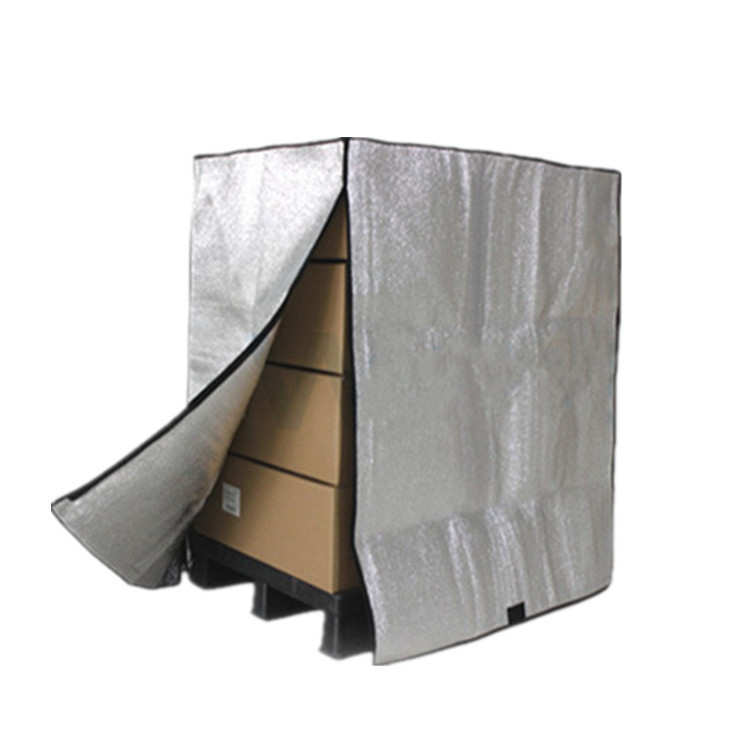
A Practical Guide to thermal shipping covers for wine
Thermal Shipping Covers For Wine are best understood as a pallet-level risk control for moments when bottled wine, boxed wine, premium beverage cartons, and winery distribution pallets leave the most protected part of the cold chain. They can slow heat transfer, reduce exposure during handovers, and support a more consistent shipping procedure. They should not be treated as a universal replacement for refrigerated equipment, qualified packaging, monitoring, or product-specific handling rules.
The right choice starts with the lane. Ask where the pallet sits, who handles it, how long it may be exposed, whether the bottom and corners are protected, and what evidence your team needs before approving repeat use. When those questions are answered, the cover becomes a practical tool rather than a decorative layer around the pallet.
Define the job before defining the product
A common buying mistake is to start with a product specification and then try to force it onto every lane. A better method is to define the job. For wine shipments, the job may be to protect a pallet during loading, reduce short dock exposure, shield cargo during an airport transfer, support warehouse staging discipline, or add a buffer during seasonal heat or cold. Each job points to a different cover design.
If the job is short staging, speed and ease of use may matter more than heavy insulation. If the job is export handling, receiver-friendly removal and clear labeling may matter more. If the job is repeated regional distribution, return and cleaning may decide whether reusable covers are economical. If the job is sensitive healthcare or high-value cargo, documentation and quality review may carry as much weight as material construction.
This approach also prevents overclaiming. A cover can slow heat transfer at the pallet surface; it does not create active cooling or heating by itself. It supports the process only when the process is defined. Before asking which cover is best, ask what problem the cover is supposed to solve and what result would count as success.
Map the pallet’s real exposure
The most useful lane map begins at the moment the pallet is complete. From there, trace every step through winery warehouse, distributor dock, truck route, port, air cargo terminal, or retail distribution center. Note when the pallet leaves a controlled area, whether it waits near a dock door, how it is loaded, whether it passes through a terminal, and what happens at receiving. Many teams discover that the main risk is not the longest travel segment but a short uncontrolled waiting period.
For bottled wine, boxed wine, premium beverage cartons, and winery distribution pallets, the map should include product state at the start of shipment. A cover is more effective when the load is already at the intended condition. If the product is still cooling, not fully conditioned, or outside specification, covering it may slow the correction. This is why use the wine owner’s quality target and route risk; do not apply pharmaceutical or frozen-food ranges to wine.
The map should also show who is responsible at each point. A cover that is applied by the origin team but removed too early by the carrier may not protect the intended exposure. A reusable cover that reaches the receiver without return instructions may disappear. Procedure ownership turns passive equipment into a managed control.
Match the cover structure to the route
Cover structure should follow route needs. Reflective surfaces are useful where radiant heat and sunlight are important. Insulating cores slow heat movement around the pallet. Reinforced seams and closures matter where pallets move through forklifts, trailers, or terminals. A bottom sheet or base strategy may matter when the pallet sits on hot pavement, cold floors, or dock plates.
For wine buyers, the fit details are often more important than the marketing name of the product. Check the wrapped pallet height, carton bulge, corner protectors, label windows, straps, and scanner access. Ask whether the cover can be secured by workers wearing gloves or working quickly. A small fit problem can create an air channel, blocked barcode, or operator shortcut.
The material decision should also consider cleaning and storage. Wine distributors with repeated lanes often care about reusable covers, folding volume, and recovery after delivery. If the route is one-way or the receiver cannot manage returns, a different format may be more realistic. If the route is closed-loop, a more durable reusable cover may be worth considering, provided inspection and cleaning are built into the process.
What to verify with suppliers
| Buyer question | Why it matters for this keyword | Risk if ignored |
|---|---|---|
| What pallet size and height does the cover actually fit after the load is wrapped? | Confirms physical fit and role in the route | The cover may leave gaps or be used for the wrong purpose |
| Is the stated performance based on a test profile that resembles the shipment route? | Connects performance to lane conditions | Claims may not apply to your pallet or exposure profile |
| How should the bottom of the pallet, corners, and label areas be protected? | Keeps operations workable at shipping and receiving | Labels, loggers, or inspection steps may be blocked |
| Can the same cover be cleaned, folded, returned, and inspected consistently? | Supports repeatability and quality review | A changed material or poor return process can create inconsistencies |
| What documentation is available for materials, dimensions, and thermal testing? | Shows whether the supplier can support purchasing review | The buyer may lack evidence for approval or scale-up |
This supplier review is not about making the purchase difficult. It is about preventing a cheap sample from becoming an expensive operating problem. If a supplier can answer these questions clearly, the buyer can compare options on route fit rather than price alone.
When pallet covers are a good fit
thermal shipping covers for wine are a good fit when the risk is temporary, visible, and repeatable. They are useful when a pallet moves through a short uncontrolled zone, waits during loading, passes through a terminal, or needs added protection while still relying on the main cold-chain process. They can also help standardize warehouse behavior by giving staff a clear action when a pallet leaves the controlled area.
They are not a good fit when the route has no temperature-control discipline, when products regularly start outside their required condition, when exposure lasts longer than the cover was designed for, or when no one owns application and removal. For wine cargo, they may also be insufficient when the product needs a qualified shipper, active container, monitored reefer, or formal lane qualification.
The best answer is sometimes a combination. A pallet cover may be paired with refrigerated transport, insulated liners, coolant packs, or a stronger staging SOP. The cover does not need to solve every problem to be valuable. It needs to solve the right part of the problem.
A realistic implementation workflow
- Identify the product requirement and confirm the acceptable condition for bottled wine, boxed wine, premium beverage cartons, and winery distribution pallets.
- Map the route and mark each uncontrolled or semi-controlled exposure point.
- Measure a fully wrapped pallet, including top height, corners, labels, and any monitoring device.
- Test a sample cover with warehouse staff during the actual loading or staging workflow.
- Review available thermal evidence and check whether the test conditions resemble the route.
- Write a simple procedure covering application, removal, inspection, storage, cleaning, and return.
- Use receiving feedback and, where appropriate, temperature monitoring to decide whether to scale the cover to repeat shipments.
This workflow keeps the decision connected to real operations. It also creates a record that procurement, logistics, and quality teams can discuss together. That shared review is especially useful when the first sample seems acceptable but the business is preparing for larger or more regular shipments.
Practical example: from sample to repeat lane
Imagine a buyer evaluating thermal shipping covers for wine after seeing exceptions on one route. The team first confirms that the main storage and transport equipment are working. Then it reviews the lane and finds that pallets wait near a door during route sequencing. A sample cover is tested on the real wrapped pallet, with staff timing application and checking label access. The receiver records whether the cover arrives correctly fitted and whether the pallet condition is acceptable.
After the trial, the buyer does not approve the cover simply because it looked strong. The buyer checks whether the cover was used at the right point, whether staff found it practical, whether documentation was sufficient, and whether the route behavior improved. If the answer is yes, the cover can be added to the SOP. If the answer is no, the team may adjust the staging process, choose another cover structure, or use a different temperature-control method.
FAQ
Are thermal shipping covers for wine enough for full temperature control?
No. thermal shipping covers for wine provide passive insulation and surface protection, but they do not actively cool or heat the load. They are most useful when they reduce exposure during predictable risk points such as staging, handover, and loading. For strict temperature requirements, you still need product-specific handling rules, suitable transport equipment, and a monitoring plan.
What should be verified before ordering pallet covers?
Start with seasonal heat, winter freeze risk, label condition, pallet appearance, and distribution timing. Then ask for the actual fitted dimensions, material construction, closure design, cleaning method, and any test documentation that matches your expected lane. A cover that looks suitable in a catalog may not work on a wrapped, uneven, or taller-than-standard pallet.
Do wine shipments need cooling covers or heat covers?
The answer depends on season, lane, and quality target. Wine often needs protection from heat spikes, but cold weather can create freeze risk. A thermal cover should be selected after reviewing where the pallet sits, how long it waits, and whether the route includes hot yards, cold docks, or mixed climate zones.
Will a cover protect bottle labels and cartons?
A cover can reduce exposure to sun, rain, and dust, but it must be easy to apply and remove without catching on cartons or damaging labels. For premium wine, presentation matters at receiving, so buyers should review cover texture, closure method, and handling training.
Conclusion
The best use of thermal shipping covers for wine is not to promise perfect temperature control, but to reduce known exposure at pallet level. Start with the product requirement, map the route, confirm how long the pallet may sit outside the intended zone, and check whether the cover fits the wrapped load in real operation. Then ask for documentation that supports the material, dimensions, and intended use. When those basics are clear, a pallet cover becomes a practical part of the cold-chain plan rather than a hopeful add-on.
About Tempk
Tempk works with B2B buyers comparing cold-chain packaging for real lanes, including pallet covers, insulated bags, liners, cooler boxes, and cooling packs. For this topic, our role is to help you ask the right fit questions: what is being shipped, where exposure occurs, how the pallet is handled, and what evidence your team needs before scaling from sample to repeat orders.
Send Tempk the product category, pallet format, and shipping lane you want to protect, and we will help you identify practical packaging options.
Thermal Shipping Covers For Pharmaceutical Distribution: Practical Selection Guide
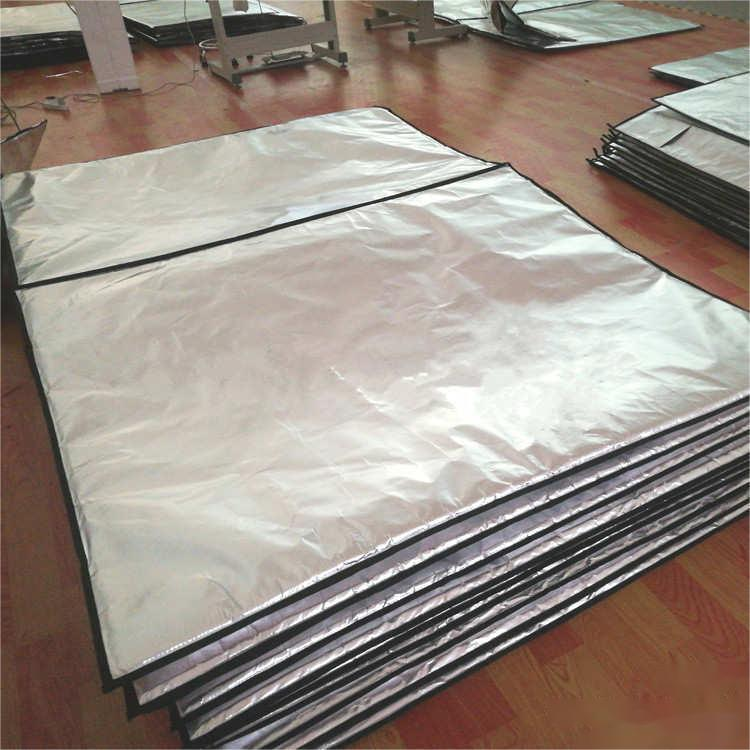
A Practical Guide to thermal shipping covers for pharmaceutical distribution
Thermal Shipping Covers For Pharmaceutical Distribution are best understood as a pallet-level risk control for moments when medicines, vaccines, diagnostic products, and healthcare shipments on pallets leave the most protected part of the cold chain. They can slow heat transfer, reduce exposure during handovers, and support a more consistent shipping procedure. They should not be treated as a universal replacement for refrigerated equipment, qualified packaging, monitoring, or product-specific handling rules.
The right choice starts with the lane. Ask where the pallet sits, who handles it, how long it may be exposed, whether the bottom and corners are protected, and what evidence your team needs before approving repeat use. When those questions are answered, the cover becomes a practical tool rather than a decorative layer around the pallet.
Define the job before defining the product
A common buying mistake is to start with a product specification and then try to force it onto every lane. A better method is to define the job. For pharma shipments, the job may be to protect a pallet during loading, reduce short dock exposure, shield cargo during an airport transfer, support warehouse staging discipline, or add a buffer during seasonal heat or cold. Each job points to a different cover design.
If the job is short staging, speed and ease of use may matter more than heavy insulation. If the job is export handling, receiver-friendly removal and clear labeling may matter more. If the job is repeated regional distribution, return and cleaning may decide whether reusable covers are economical. If the job is sensitive healthcare or high-value cargo, documentation and quality review may carry as much weight as material construction.
This approach also prevents overclaiming. The cover reduces exposure risk around a pallet; it does not qualify the shipment by itself. It supports the process only when the process is defined. Before asking which cover is best, ask what problem the cover is supposed to solve and what result would count as success.
Map the pallet’s real exposure
The most useful lane map begins at the moment the pallet is complete. From there, trace every step through pharmaceutical warehouse, airline, reefer truck, cross-dock, and receiving lanes. Note when the pallet leaves a controlled area, whether it waits near a dock door, how it is loaded, whether it passes through a terminal, and what happens at receiving. Many teams discover that the main risk is not the longest travel segment but a short uncontrolled waiting period.
For medicines, vaccines, diagnostic products, and healthcare shipments on pallets, the map should include product state at the start of shipment. A cover is more effective when the load is already at the intended condition. If the product is still cooling, not fully conditioned, or outside specification, covering it may slow the correction. This is why use the product label, quality protocol, and lane qualification data to define the acceptable temperature range.
The map should also show who is responsible at each point. A cover that is applied by the origin team but removed too early by the carrier may not protect the intended exposure. A reusable cover that reaches the receiver without return instructions may disappear. Procedure ownership turns passive equipment into a managed control.
Match the cover structure to the route
Cover structure should follow route needs. Reflective surfaces are useful where radiant heat and sunlight are important. Insulating cores slow heat movement around the pallet. Reinforced seams and closures matter where pallets move through forklifts, trailers, or terminals. A bottom sheet or base strategy may matter when the pallet sits on hot pavement, cold floors, or dock plates.
For pharma buyers, the fit details are often more important than the marketing name of the product. Check the wrapped pallet height, carton bulge, corner protectors, label windows, straps, and scanner access. Ask whether the cover can be secured by workers wearing gloves or working quickly. A small fit problem can create an air channel, blocked barcode, or operator shortcut.
The material decision should also consider cleaning and storage. Reuse can reduce waste on repeated lanes, but pharmaceutical operations also need cleaning, traceability, and change-control discipline. If the route is one-way or the receiver cannot manage returns, a different format may be more realistic. If the route is closed-loop, a more durable reusable cover may be worth considering, provided inspection and cleaning are built into the process.
What to verify with suppliers
| Buyer question | Why it matters for this keyword | Risk if ignored |
|---|---|---|
| Is the cover sold as supplementary pallet protection or as part of a qualified shipper system? | Confirms physical fit and role in the route | The cover may leave gaps or be used for the wrong purpose |
| What documented testing supports the intended lane and pallet configuration? | Connects performance to lane conditions | Claims may not apply to your pallet or exposure profile |
| How does the cover affect label visibility, scanning, security seals, and logger access? | Keeps operations workable at shipping and receiving | Labels, loggers, or inspection steps may be blocked |
| What material or construction changes require buyer review before repeat orders? | Supports repeatability and quality review | A changed material or poor return process can create inconsistencies |
| How should used covers be inspected, cleaned, and stored before reuse? | Shows whether the supplier can support purchasing review | The buyer may lack evidence for approval or scale-up |
This supplier review is not about making the purchase difficult. It is about preventing a cheap sample from becoming an expensive operating problem. If a supplier can answer these questions clearly, the buyer can compare options on route fit rather than price alone.
When pallet covers are a good fit
thermal shipping covers for pharmaceutical distribution are a good fit when the risk is temporary, visible, and repeatable. They are useful when a pallet moves through a short uncontrolled zone, waits during loading, passes through a terminal, or needs added protection while still relying on the main cold-chain process. They can also help standardize warehouse behavior by giving staff a clear action when a pallet leaves the controlled area.
They are not a good fit when the route has no temperature-control discipline, when products regularly start outside their required condition, when exposure lasts longer than the cover was designed for, or when no one owns application and removal. For pharma cargo, they may also be insufficient when the product needs a qualified shipper, active container, monitored reefer, or formal lane qualification.
The best answer is sometimes a combination. A pallet cover may be paired with refrigerated transport, insulated liners, coolant packs, or a stronger staging SOP. The cover does not need to solve every problem to be valuable. It needs to solve the right part of the problem.
A realistic implementation workflow
- Identify the product requirement and confirm the acceptable condition for medicines, vaccines, diagnostic products, and healthcare shipments on pallets.
- Map the route and mark each uncontrolled or semi-controlled exposure point.
- Measure a fully wrapped pallet, including top height, corners, labels, and any monitoring device.
- Test a sample cover with warehouse staff during the actual loading or staging workflow.
- Review available thermal evidence and check whether the test conditions resemble the route.
- Write a simple procedure covering application, removal, inspection, storage, cleaning, and return.
- Use receiving feedback and, where appropriate, temperature monitoring to decide whether to scale the cover to repeat shipments.
This workflow keeps the decision connected to real operations. It also creates a record that procurement, logistics, and quality teams can discuss together. That shared review is especially useful when the first sample seems acceptable but the business is preparing for larger or more regular shipments.
Practical example: from sample to repeat lane
Imagine a buyer evaluating thermal shipping covers for pharmaceutical distribution after seeing exceptions on one route. The team first confirms that the main storage and transport equipment are working. Then it reviews the lane and finds that pallets wait near a door during route sequencing. A sample cover is tested on the real wrapped pallet, with staff timing application and checking label access. The receiver records whether the cover arrives correctly fitted and whether the pallet condition is acceptable.
After the trial, the buyer does not approve the cover simply because it looked strong. The buyer checks whether the cover was used at the right point, whether staff found it practical, whether documentation was sufficient, and whether the route behavior improved. If the answer is yes, the cover can be added to the SOP. If the answer is no, the team may adjust the staging process, choose another cover structure, or use a different temperature-control method.
FAQ
Are thermal shipping covers for pharmaceutical distribution enough for full temperature control?
No. thermal shipping covers for pharmaceutical distribution provide passive insulation and surface protection, but they do not actively cool or heat the load. They are most useful when they reduce exposure during predictable risk points such as staging, handover, and loading. For strict temperature requirements, you still need product-specific handling rules, suitable transport equipment, and a monitoring plan.
What should be verified before ordering pallet covers?
Start with quality approval, labeled storage conditions, lane exposure, monitoring plan, and document control. Then ask for the actual fitted dimensions, material construction, closure design, cleaning method, and any test documentation that matches your expected lane. A cover that looks suitable in a catalog may not work on a wrapped, uneven, or taller-than-standard pallet.
Can a pallet cover make a pharmaceutical shipment GDP compliant?
A pallet cover alone cannot make a shipment compliant. GDP-oriented operations usually require defined responsibilities, suitable equipment, documented procedures, and evidence that product quality is maintained. A cover may support a controlled process, but the quality team should review how it is used, monitored, and documented.
Where should temperature data loggers be placed when a cover is used?
Logger placement should reflect the risk you need to evaluate. Do not hide the monitor where it only measures a protected pocket or where staff cannot retrieve it at receiving. For sensitive lanes, the monitoring plan should be reviewed with the product owner, carrier, and quality team.
Conclusion
The best use of thermal shipping covers for pharmaceutical distribution is not to promise perfect temperature control, but to reduce known exposure at pallet level. Start with the product requirement, map the route, confirm how long the pallet may sit outside the intended zone, and check whether the cover fits the wrapped load in real operation. Then ask for documentation that supports the material, dimensions, and intended use. When those basics are clear, a pallet cover becomes a practical part of the cold-chain plan rather than a hopeful add-on.
About Tempk
Tempk works with B2B buyers comparing cold-chain packaging for real lanes, including pallet covers, insulated bags, liners, cooler boxes, and cooling packs. For this topic, our role is to help you ask the right fit questions: what is being shipped, where exposure occurs, how the pallet is handled, and what evidence your team needs before scaling from sample to repeat orders.
Send Tempk the product category, pallet format, and shipping lane you want to protect, and we will help you identify practical packaging options.
Thermal Pallet Covers For Shipping: Practical Selection Guide
A Practical Guide to thermal pallet covers for shipping
Thermal Pallet Covers For Shipping are best understood as a pallet-level risk control for moments when palletized freight that needs added protection from temperature swings during transport leave the most protected part of the cold chain. They can slow heat transfer, reduce exposure during handovers, and support a more consistent shipping procedure. They should not be treated as a universal replacement for refrigerated equipment, qualified packaging, monitoring, or product-specific handling rules.
The right choice starts with the lane. Ask where the pallet sits, who handles it, how long it may be exposed, whether the bottom and corners are protected, and what evidence your team needs before approving repeat use. When those questions are answered, the cover becomes a practical tool rather than a decorative layer around the pallet.
Define the job before defining the product
A common buying mistake is to start with a product specification and then try to force it onto every lane. A better method is to define the job. For shipping shipments, the job may be to protect a pallet during loading, reduce short dock exposure, shield cargo during an airport transfer, support warehouse staging discipline, or add a buffer during seasonal heat or cold. Each job points to a different cover design.
If the job is short staging, speed and ease of use may matter more than heavy insulation. If the job is export handling, receiver-friendly removal and clear labeling may matter more. If the job is repeated regional distribution, return and cleaning may decide whether reusable covers are economical. If the job is sensitive healthcare or high-value cargo, documentation and quality review may carry as much weight as material construction.
This approach also prevents overclaiming. A cover can slow heat transfer at the pallet surface; it does not create active cooling or heating by itself. It supports the process only when the process is defined. Before asking which cover is best, ask what problem the cover is supposed to solve and what result would count as success.
Map the pallet’s real exposure
The most useful lane map begins at the moment the pallet is complete. From there, trace every step through truck, air freight, sea freight, warehouse, customs, and final receiving lanes. Note when the pallet leaves a controlled area, whether it waits near a dock door, how it is loaded, whether it passes through a terminal, and what happens at receiving. Many teams discover that the main risk is not the longest travel segment but a short uncontrolled waiting period.
For palletized freight that needs added protection from temperature swings during transport, the map should include product state at the start of shipment. A cover is more effective when the load is already at the intended condition. If the product is still cooling, not fully conditioned, or outside specification, covering it may slow the correction. This is why confirm product-specific limits and use covers as part of the shipping plan, not as a guarantee.
The map should also show who is responsible at each point. A cover that is applied by the origin team but removed too early by the carrier may not protect the intended exposure. A reusable cover that reaches the receiver without return instructions may disappear. Procedure ownership turns passive equipment into a managed control.
Match the cover structure to the route
Cover structure should follow route needs. Reflective surfaces are useful where radiant heat and sunlight are important. Insulating cores slow heat movement around the pallet. Reinforced seams and closures matter where pallets move through forklifts, trailers, or terminals. A bottom sheet or base strategy may matter when the pallet sits on hot pavement, cold floors, or dock plates.
For shipping buyers, the fit details are often more important than the marketing name of the product. Check the wrapped pallet height, carton bulge, corner protectors, label windows, straps, and scanner access. Ask whether the cover can be secured by workers wearing gloves or working quickly. A small fit problem can create an air channel, blocked barcode, or operator shortcut.
The material decision should also consider cleaning and storage. Reusable shipping covers are practical when lanes repeat and recovery cost is lower than repeated disposal and damage risk. If the route is one-way or the receiver cannot manage returns, a different format may be more realistic. If the route is closed-loop, a more durable reusable cover may be worth considering, provided inspection and cleaning are built into the process.
What to verify with suppliers
| Buyer question | Why it matters for this keyword | Risk if ignored |
|---|---|---|
| What pallet size and height does the cover actually fit after the load is wrapped? | Confirms physical fit and role in the route | The cover may leave gaps or be used for the wrong purpose |
| Is the stated performance based on a test profile that resembles the shipment route? | Connects performance to lane conditions | Claims may not apply to your pallet or exposure profile |
| How should the bottom of the pallet, corners, and label areas be protected? | Keeps operations workable at shipping and receiving | Labels, loggers, or inspection steps may be blocked |
| Can the same cover be cleaned, folded, returned, and inspected consistently? | Supports repeatability and quality review | A changed material or poor return process can create inconsistencies |
| What documentation is available for materials, dimensions, and thermal testing? | Shows whether the supplier can support purchasing review | The buyer may lack evidence for approval or scale-up |
This supplier review is not about making the purchase difficult. It is about preventing a cheap sample from becoming an expensive operating problem. If a supplier can answer these questions clearly, the buyer can compare options on route fit rather than price alone.
When pallet covers are a good fit
thermal pallet covers for shipping are a good fit when the risk is temporary, visible, and repeatable. They are useful when a pallet moves through a short uncontrolled zone, waits during loading, passes through a terminal, or needs added protection while still relying on the main cold-chain process. They can also help standardize warehouse behavior by giving staff a clear action when a pallet leaves the controlled area.
They are not a good fit when the route has no temperature-control discipline, when products regularly start outside their required condition, when exposure lasts longer than the cover was designed for, or when no one owns application and removal. For shipping cargo, they may also be insufficient when the product needs a qualified shipper, active container, monitored reefer, or formal lane qualification.
The best answer is sometimes a combination. A pallet cover may be paired with refrigerated transport, insulated liners, coolant packs, or a stronger staging SOP. The cover does not need to solve every problem to be valuable. It needs to solve the right part of the problem.
A realistic implementation workflow
- Identify the product requirement and confirm the acceptable condition for palletized freight that needs added protection from temperature swings during transport.
- Map the route and mark each uncontrolled or semi-controlled exposure point.
- Measure a fully wrapped pallet, including top height, corners, labels, and any monitoring device.
- Test a sample cover with warehouse staff during the actual loading or staging workflow.
- Review available thermal evidence and check whether the test conditions resemble the route.
- Write a simple procedure covering application, removal, inspection, storage, cleaning, and return.
- Use receiving feedback and, where appropriate, temperature monitoring to decide whether to scale the cover to repeat shipments.
This workflow keeps the decision connected to real operations. It also creates a record that procurement, logistics, and quality teams can discuss together. That shared review is especially useful when the first sample seems acceptable but the business is preparing for larger or more regular shipments.
Practical example: from sample to repeat lane
Imagine a buyer evaluating thermal pallet covers for shipping after seeing exceptions on one route. The team first confirms that the main storage and transport equipment are working. Then it reviews the lane and finds that pallets wait near a door during route sequencing. A sample cover is tested on the real wrapped pallet, with staff timing application and checking label access. The receiver records whether the cover arrives correctly fitted and whether the pallet condition is acceptable.
After the trial, the buyer does not approve the cover simply because it looked strong. The buyer checks whether the cover was used at the right point, whether staff found it practical, whether documentation was sufficient, and whether the route behavior improved. If the answer is yes, the cover can be added to the SOP. If the answer is no, the team may adjust the staging process, choose another cover structure, or use a different temperature-control method.
FAQ
Are thermal pallet covers for shipping enough for full temperature control?
No. thermal pallet covers for shipping provide passive insulation and surface protection, but they do not actively cool or heat the load. They are most useful when they reduce exposure during predictable risk points such as staging, handover, and loading. For strict temperature requirements, you still need product-specific handling rules, suitable transport equipment, and a monitoring plan.
What should be verified before ordering pallet covers?
Start with mode of transport, dwell time, pallet fit, recovery plan, and receiving procedure. Then ask for the actual fitted dimensions, material construction, closure design, cleaning method, and any test documentation that matches your expected lane. A cover that looks suitable in a catalog may not work on a wrapped, uneven, or taller-than-standard pallet.
Are reusable covers better than single-use covers?
Reusable covers can be better on repeated lanes with return flow, trained operators, and cleaning control. Single-use covers may be more practical when recovery is impossible or when the lane is too fragmented. The right choice depends on total handling cost, waste policy, and operational discipline.
How do pallet covers fit into a broader shipping plan?
They should be treated as a risk-reduction layer. The broader plan still includes correct storage, carrier instructions, loading sequence, receiving inspection, and any temperature monitoring required by the product owner. Covers work best when the lane already has clear responsibilities.
Conclusion
The best use of thermal pallet covers for shipping is not to promise perfect temperature control, but to reduce known exposure at pallet level. Start with the product requirement, map the route, confirm how long the pallet may sit outside the intended zone, and check whether the cover fits the wrapped load in real operation. Then ask for documentation that supports the material, dimensions, and intended use. When those basics are clear, a pallet cover becomes a practical part of the cold-chain plan rather than a hopeful add-on.
About Tempk
Tempk works with B2B buyers comparing cold-chain packaging for real lanes, including pallet covers, insulated bags, liners, cooler boxes, and cooling packs. For this topic, our role is to help you ask the right fit questions: what is being shipped, where exposure occurs, how the pallet is handled, and what evidence your team needs before scaling from sample to repeat orders.
Send Tempk the product category, pallet format, and shipping lane you want to protect, and we will help you identify practical packaging options.
Thermal Pallet Covers For Chemical Manufacturing: Practical Selection Guide
A Practical Guide to thermal pallet covers for chemical manufacturing
Thermal Pallet Covers For Chemical Manufacturing are best understood as a pallet-level risk control for moments when temperature-sensitive chemicals, raw materials, additives, resins, and manufacturing inputs leave the most protected part of the cold chain. They can slow heat transfer, reduce exposure during handovers, and support a more consistent shipping procedure. They should not be treated as a universal replacement for refrigerated equipment, qualified packaging, monitoring, or product-specific handling rules.
The right choice starts with the lane. Ask where the pallet sits, who handles it, how long it may be exposed, whether the bottom and corners are protected, and what evidence your team needs before approving repeat use. When those questions are answered, the cover becomes a practical tool rather than a decorative layer around the pallet.
Define the job before defining the product
A common buying mistake is to start with a product specification and then try to force it onto every lane. A better method is to define the job. For chemical manufacturing shipments, the job may be to protect a pallet during loading, reduce short dock exposure, shield cargo during an airport transfer, support warehouse staging discipline, or add a buffer during seasonal heat or cold. Each job points to a different cover design.
If the job is short staging, speed and ease of use may matter more than heavy insulation. If the job is export handling, receiver-friendly removal and clear labeling may matter more. If the job is repeated regional distribution, return and cleaning may decide whether reusable covers are economical. If the job is sensitive healthcare or high-value cargo, documentation and quality review may carry as much weight as material construction.
This approach also prevents overclaiming. A cover can slow heat transfer at the pallet surface; it does not create active cooling or heating by itself. It supports the process only when the process is defined. Before asking which cover is best, ask what problem the cover is supposed to solve and what result would count as success.
Map the pallet’s real exposure
The most useful lane map begins at the moment the pallet is complete. From there, trace every step through manufacturing warehouse, third-party logistics hub, truck dock, terminal, and customer receiving lanes. Note when the pallet leaves a controlled area, whether it waits near a dock door, how it is loaded, whether it passes through a terminal, and what happens at receiving. Many teams discover that the main risk is not the longest travel segment but a short uncontrolled waiting period.
For temperature-sensitive chemicals, raw materials, additives, resins, and manufacturing inputs, the map should include product state at the start of shipment. A cover is more effective when the load is already at the intended condition. If the product is still cooling, not fully conditioned, or outside specification, covering it may slow the correction. This is why do not infer safe temperature ranges from product category alone; use the manufacturer’s specification and sds.
The map should also show who is responsible at each point. A cover that is applied by the origin team but removed too early by the carrier may not protect the intended exposure. A reusable cover that reaches the receiver without return instructions may disappear. Procedure ownership turns passive equipment into a managed control.
Match the cover structure to the route
Cover structure should follow route needs. Reflective surfaces are useful where radiant heat and sunlight are important. Insulating cores slow heat movement around the pallet. Reinforced seams and closures matter where pallets move through forklifts, trailers, or terminals. A bottom sheet or base strategy may matter when the pallet sits on hot pavement, cold floors, or dock plates.
For chemical manufacturing buyers, the fit details are often more important than the marketing name of the product. Check the wrapped pallet height, carton bulge, corner protectors, label windows, straps, and scanner access. Ask whether the cover can be secured by workers wearing gloves or working quickly. A small fit problem can create an air channel, blocked barcode, or operator shortcut.
The material decision should also consider cleaning and storage. Closed industrial routes can support reusable covers, but inspection, contamination control, and return responsibility must be assigned. If the route is one-way or the receiver cannot manage returns, a different format may be more realistic. If the route is closed-loop, a more durable reusable cover may be worth considering, provided inspection and cleaning are built into the process.
What to verify with suppliers
| Buyer question | Why it matters for this keyword | Risk if ignored |
|---|---|---|
| Can the cover be used without blocking hazard labels, handling labels, or container identification? | Confirms physical fit and role in the route | The cover may leave gaps or be used for the wrong purpose |
| Does the material tolerate the warehouse environment and cleaning method used on the route? | Connects performance to lane conditions | Claims may not apply to your pallet or exposure profile |
| Has the supplier separated temperature protection claims from chemical compatibility claims? | Keeps operations workable at shipping and receiving | Labels, loggers, or inspection steps may be blocked |
| How will used covers be inspected for contamination, tearing, or residue? | Supports repeatability and quality review | A changed material or poor return process can create inconsistencies |
| What test data is available for the expected hot or cold exposure profile? | Shows whether the supplier can support purchasing review | The buyer may lack evidence for approval or scale-up |
This supplier review is not about making the purchase difficult. It is about preventing a cheap sample from becoming an expensive operating problem. If a supplier can answer these questions clearly, the buyer can compare options on route fit rather than price alone.
When pallet covers are a good fit
thermal pallet covers for chemical manufacturing are a good fit when the risk is temporary, visible, and repeatable. They are useful when a pallet moves through a short uncontrolled zone, waits during loading, passes through a terminal, or needs added protection while still relying on the main cold-chain process. They can also help standardize warehouse behavior by giving staff a clear action when a pallet leaves the controlled area.
They are not a good fit when the route has no temperature-control discipline, when products regularly start outside their required condition, when exposure lasts longer than the cover was designed for, or when no one owns application and removal. For chemical manufacturing cargo, they may also be insufficient when the product needs a qualified shipper, active container, monitored reefer, or formal lane qualification.
The best answer is sometimes a combination. A pallet cover may be paired with refrigerated transport, insulated liners, coolant packs, or a stronger staging SOP. The cover does not need to solve every problem to be valuable. It needs to solve the right part of the problem.
A realistic implementation workflow
- Identify the product requirement and confirm the acceptable condition for temperature-sensitive chemicals, raw materials, additives, resins, and manufacturing inputs.
- Map the route and mark each uncontrolled or semi-controlled exposure point.
- Measure a fully wrapped pallet, including top height, corners, labels, and any monitoring device.
- Test a sample cover with warehouse staff during the actual loading or staging workflow.
- Review available thermal evidence and check whether the test conditions resemble the route.
- Write a simple procedure covering application, removal, inspection, storage, cleaning, and return.
- Use receiving feedback and, where appropriate, temperature monitoring to decide whether to scale the cover to repeat shipments.
This workflow keeps the decision connected to real operations. It also creates a record that procurement, logistics, and quality teams can discuss together. That shared review is especially useful when the first sample seems acceptable but the business is preparing for larger or more regular shipments.
Practical example: from sample to repeat lane
Imagine a buyer evaluating thermal pallet covers for chemical manufacturing after seeing exceptions on one route. The team first confirms that the main storage and transport equipment are working. Then it reviews the lane and finds that pallets wait near a door during route sequencing. A sample cover is tested on the real wrapped pallet, with staff timing application and checking label access. The receiver records whether the cover arrives correctly fitted and whether the pallet condition is acceptable.
After the trial, the buyer does not approve the cover simply because it looked strong. The buyer checks whether the cover was used at the right point, whether staff found it practical, whether documentation was sufficient, and whether the route behavior improved. If the answer is yes, the cover can be added to the SOP. If the answer is no, the team may adjust the staging process, choose another cover structure, or use a different temperature-control method.
FAQ
Are thermal pallet covers for chemical manufacturing enough for full temperature control?
No. thermal pallet covers for chemical manufacturing provide passive insulation and surface protection, but they do not actively cool or heat the load. They are most useful when they reduce exposure during predictable risk points such as staging, handover, and loading. For strict temperature requirements, you still need product-specific handling rules, suitable transport equipment, and a monitoring plan.
What should be verified before ordering pallet covers?
Start with SDS instructions, container type, winter or summer exposure, label visibility, and EHS review. Then ask for the actual fitted dimensions, material construction, closure design, cleaning method, and any test documentation that matches your expected lane. A cover that looks suitable in a catalog may not work on a wrapped, uneven, or taller-than-standard pallet.
Can thermal covers replace chemical storage instructions?
No. Chemical and coating products must follow the manufacturer’s specification, SDS, and internal EHS rules. A thermal cover may reduce heat or cold exposure during transfer, but it should not be treated as chemical compatibility approval or a substitute for safe handling instructions.
What is different about reusable covers in industrial shipments?
Industrial reusable covers should be inspected for residue, tears, odor, and contamination before reuse. They also need to keep hazard labels and product identification visible. A closed-loop route can support reuse, but only when responsibility for cleaning, storage, and return is clearly assigned.
Conclusion
The best use of thermal pallet covers for chemical manufacturing is not to promise perfect temperature control, but to reduce known exposure at pallet level. Start with the product requirement, map the route, confirm how long the pallet may sit outside the intended zone, and check whether the cover fits the wrapped load in real operation. Then ask for documentation that supports the material, dimensions, and intended use. When those basics are clear, a pallet cover becomes a practical part of the cold-chain plan rather than a hopeful add-on.
About Tempk
Tempk works with B2B buyers comparing cold-chain packaging for real lanes, including pallet covers, insulated bags, liners, cooler boxes, and cooling packs. For this topic, our role is to help you ask the right fit questions: what is being shipped, where exposure occurs, how the pallet is handled, and what evidence your team needs before scaling from sample to repeat orders.
Send Tempk the product category, pallet format, and shipping lane you want to protect, and we will help you identify practical packaging options.
Thermal Pallet Covers For Biologics: Practical Selection Guide
A Practical Guide to thermal pallet covers for biologics
Thermal Pallet Covers For Biologics are best understood as a pallet-level risk control for moments when biologics, specialty medicines, samples, and other high-value healthcare cargo leave the most protected part of the cold chain. They can slow heat transfer, reduce exposure during handovers, and support a more consistent shipping procedure. They should not be treated as a universal replacement for refrigerated equipment, qualified packaging, monitoring, or product-specific handling rules.
The right choice starts with the lane. Ask where the pallet sits, who handles it, how long it may be exposed, whether the bottom and corners are protected, and what evidence your team needs before approving repeat use. When those questions are answered, the cover becomes a practical tool rather than a decorative layer around the pallet.
Define the job before defining the product
A common buying mistake is to start with a product specification and then try to force it onto every lane. A better method is to define the job. For biologics shipments, the job may be to protect a pallet during loading, reduce short dock exposure, shield cargo during an airport transfer, support warehouse staging discipline, or add a buffer during seasonal heat or cold. Each job points to a different cover design.
If the job is short staging, speed and ease of use may matter more than heavy insulation. If the job is export handling, receiver-friendly removal and clear labeling may matter more. If the job is repeated regional distribution, return and cleaning may decide whether reusable covers are economical. If the job is sensitive healthcare or high-value cargo, documentation and quality review may carry as much weight as material construction.
This approach also prevents overclaiming. A cover can reduce thermal stress at exposed pallet surfaces, but it is only one part of a documented temperature-control plan. It supports the process only when the process is defined. Before asking which cover is best, ask what problem the cover is supposed to solve and what result would count as success.
Map the pallet’s real exposure
The most useful lane map begins at the moment the pallet is complete. From there, trace every step through validated or semi-controlled pharma distribution lanes with handovers between warehouse, carrier, airline, and receiver. Note when the pallet leaves a controlled area, whether it waits near a dock door, how it is loaded, whether it passes through a terminal, and what happens at receiving. Many teams discover that the main risk is not the longest travel segment but a short uncontrolled waiting period.
For biologics, specialty medicines, samples, and other high-value healthcare cargo, the map should include product state at the start of shipment. A cover is more effective when the load is already at the intended condition. If the product is still cooling, not fully conditioned, or outside specification, covering it may slow the correction. This is why confirm temperature limits from the product label and quality team; do not assume one range fits all biologics.
The map should also show who is responsible at each point. A cover that is applied by the origin team but removed too early by the carrier may not protect the intended exposure. A reusable cover that reaches the receiver without return instructions may disappear. Procedure ownership turns passive equipment into a managed control.
Match the cover structure to the route
Cover structure should follow route needs. Reflective surfaces are useful where radiant heat and sunlight are important. Insulating cores slow heat movement around the pallet. Reinforced seams and closures matter where pallets move through forklifts, trailers, or terminals. A bottom sheet or base strategy may matter when the pallet sits on hot pavement, cold floors, or dock plates.
For biologics buyers, the fit details are often more important than the marketing name of the product. Check the wrapped pallet height, carton bulge, corner protectors, label windows, straps, and scanner access. Ask whether the cover can be secured by workers wearing gloves or working quickly. A small fit problem can create an air channel, blocked barcode, or operator shortcut.
The material decision should also consider cleaning and storage. Reusable pallet protection must be balanced against cleaning, chain of custody, inspection, and change-control expectations. If the route is one-way or the receiver cannot manage returns, a different format may be more realistic. If the route is closed-loop, a more durable reusable cover may be worth considering, provided inspection and cleaning are built into the process.
What to verify with suppliers
| Buyer question | Why it matters for this keyword | Risk if ignored |
|---|---|---|
| Can the supplier explain whether the cover is supplementary protection or part of a qualified packaging system? | Confirms physical fit and role in the route | The cover may leave gaps or be used for the wrong purpose |
| What test profile, payload condition, and acceptance criteria support the stated performance? | Connects performance to lane conditions | Claims may not apply to your pallet or exposure profile |
| How will temperature loggers be placed so the cover does not block retrieval or scanning? | Keeps operations workable at shipping and receiving | Labels, loggers, or inspection steps may be blocked |
| What change-control process applies if the cover material, seam, or closure is changed? | Supports repeatability and quality review | A changed material or poor return process can create inconsistencies |
| Can the supplier provide material information for quality and purchasing review? | Shows whether the supplier can support purchasing review | The buyer may lack evidence for approval or scale-up |
This supplier review is not about making the purchase difficult. It is about preventing a cheap sample from becoming an expensive operating problem. If a supplier can answer these questions clearly, the buyer can compare options on route fit rather than price alone.
When pallet covers are a good fit
thermal pallet covers for biologics are a good fit when the risk is temporary, visible, and repeatable. They are useful when a pallet moves through a short uncontrolled zone, waits during loading, passes through a terminal, or needs added protection while still relying on the main cold-chain process. They can also help standardize warehouse behavior by giving staff a clear action when a pallet leaves the controlled area.
They are not a good fit when the route has no temperature-control discipline, when products regularly start outside their required condition, when exposure lasts longer than the cover was designed for, or when no one owns application and removal. For biologics cargo, they may also be insufficient when the product needs a qualified shipper, active container, monitored reefer, or formal lane qualification.
The best answer is sometimes a combination. A pallet cover may be paired with refrigerated transport, insulated liners, coolant packs, or a stronger staging SOP. The cover does not need to solve every problem to be valuable. It needs to solve the right part of the problem.
A realistic implementation workflow
- Identify the product requirement and confirm the acceptable condition for biologics, specialty medicines, samples, and other high-value healthcare cargo.
- Map the route and mark each uncontrolled or semi-controlled exposure point.
- Measure a fully wrapped pallet, including top height, corners, labels, and any monitoring device.
- Test a sample cover with warehouse staff during the actual loading or staging workflow.
- Review available thermal evidence and check whether the test conditions resemble the route.
- Write a simple procedure covering application, removal, inspection, storage, cleaning, and return.
- Use receiving feedback and, where appropriate, temperature monitoring to decide whether to scale the cover to repeat shipments.
This workflow keeps the decision connected to real operations. It also creates a record that procurement, logistics, and quality teams can discuss together. That shared review is especially useful when the first sample seems acceptable but the business is preparing for larger or more regular shipments.
Practical example: from sample to repeat lane
Imagine a buyer evaluating thermal pallet covers for biologics after seeing exceptions on one route. The team first confirms that the main storage and transport equipment are working. Then it reviews the lane and finds that pallets wait near a door during route sequencing. A sample cover is tested on the real wrapped pallet, with staff timing application and checking label access. The receiver records whether the cover arrives correctly fitted and whether the pallet condition is acceptable.
After the trial, the buyer does not approve the cover simply because it looked strong. The buyer checks whether the cover was used at the right point, whether staff found it practical, whether documentation was sufficient, and whether the route behavior improved. If the answer is yes, the cover can be added to the SOP. If the answer is no, the team may adjust the staging process, choose another cover structure, or use a different temperature-control method.
FAQ
Are thermal pallet covers for biologics enough for full temperature control?
No. thermal pallet covers for biologics provide passive insulation and surface protection, but they do not actively cool or heat the load. They are most useful when they reduce exposure during predictable risk points such as staging, handover, and loading. For strict temperature requirements, you still need product-specific handling rules, suitable transport equipment, and a monitoring plan.
What should be verified before ordering pallet covers?
Start with product label, lane qualification, dwell time, monitor placement, chain of custody, and quality documentation. Then ask for the actual fitted dimensions, material construction, closure design, cleaning method, and any test documentation that matches your expected lane. A cover that looks suitable in a catalog may not work on a wrapped, uneven, or taller-than-standard pallet.
Can a pallet cover make a pharmaceutical shipment GDP compliant?
A pallet cover alone cannot make a shipment compliant. GDP-oriented operations usually require defined responsibilities, suitable equipment, documented procedures, and evidence that product quality is maintained. A cover may support a controlled process, but the quality team should review how it is used, monitored, and documented.
Where should temperature data loggers be placed when a cover is used?
Logger placement should reflect the risk you need to evaluate. Do not hide the monitor where it only measures a protected pocket or where staff cannot retrieve it at receiving. For sensitive lanes, the monitoring plan should be reviewed with the product owner, carrier, and quality team.
Conclusion
The best use of thermal pallet covers for biologics is not to promise perfect temperature control, but to reduce known exposure at pallet level. Start with the product requirement, map the route, confirm how long the pallet may sit outside the intended zone, and check whether the cover fits the wrapped load in real operation. Then ask for documentation that supports the material, dimensions, and intended use. When those basics are clear, a pallet cover becomes a practical part of the cold-chain plan rather than a hopeful add-on.
About Tempk
Tempk works with B2B buyers comparing cold-chain packaging for real lanes, including pallet covers, insulated bags, liners, cooler boxes, and cooling packs. For this topic, our role is to help you ask the right fit questions: what is being shipped, where exposure occurs, how the pallet is handled, and what evidence your team needs before scaling from sample to repeat orders.
Send Tempk the product category, pallet format, and shipping lane you want to protect, and we will help you identify practical packaging options.