


Industrial Plastic Box Wholesale For Meat Design: Practical Buying Guide
Industrial Plastic Box Wholesale For Meat Design: Practical Buying Guide
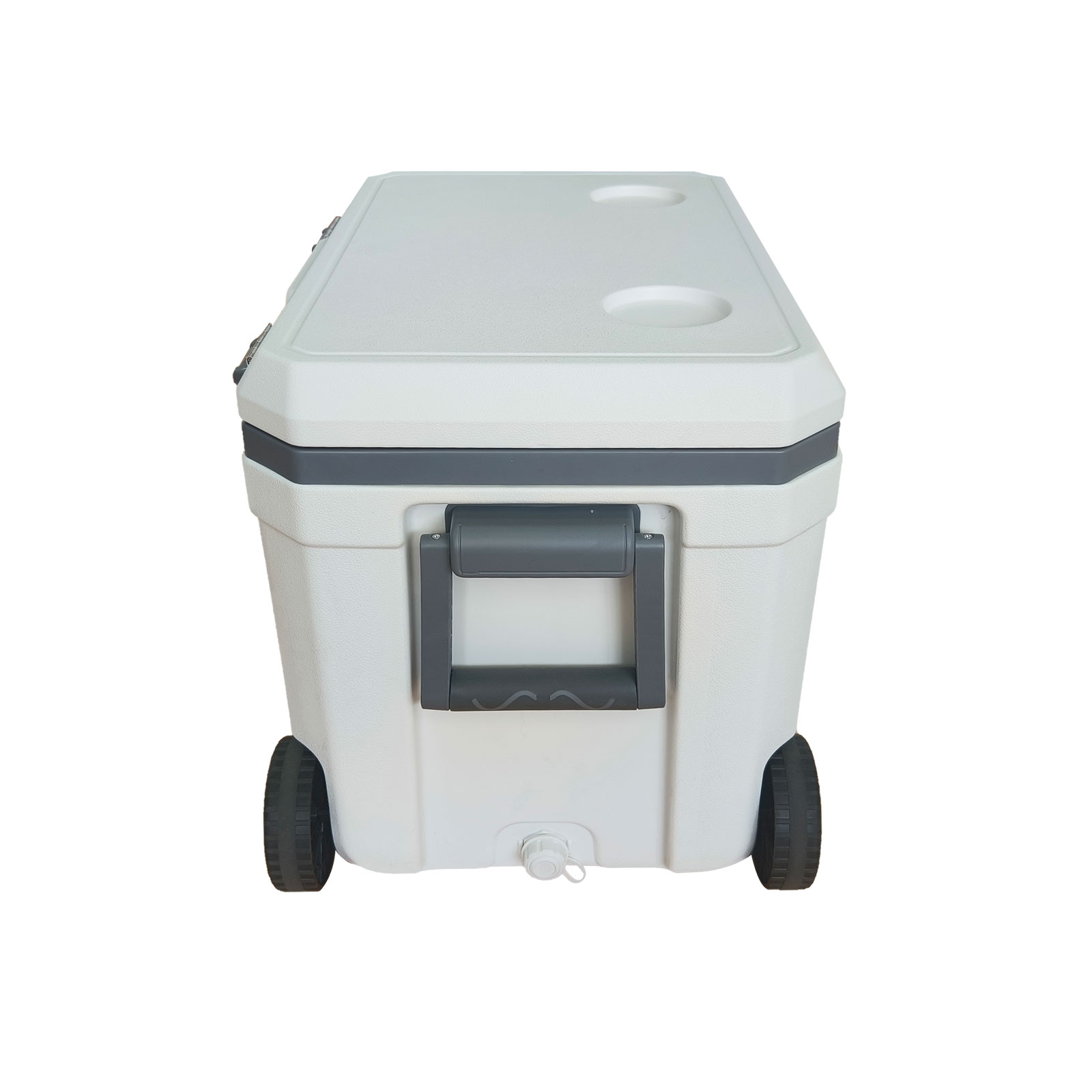
Industrial Plastic Box Wholesale For Meat Design: A Practical Buying Guide
A industrial plastic box wholesale for meat design should help your team move goods through meat design with less uncertainty, not just add another container to the warehouse. The right decision starts by defining what the plastic unit is responsible for and what it is not. It may improve handling, segregation, stacking, return logistics, or hygiene. It may support a temperature-controlled workflow. But if the goods require a defined range, the container must be evaluated as part of a full system that includes the route, payload, insulation or coolant if used, monitoring, and receiving review.
Define the use boundary before asking for price
A plastic box used for meat design should be specified by function, not by name alone. In one project it may be a clean outer handling unit. In another it may be part of a passive thermal packout with insulation, coolant, dunnage, labels, and a monitoring device. The distinction matters because a molded plastic shell can organize, protect, stack, nest, or ventilate goods, but it does not prove temperature control by itself. For meat processors, cold-room managers, food logistics buyers, and wholesale packaging teams, the safest starting point is to write down the product condition, route, handover sequence, and acceptance evidence before comparing catalog descriptions.
A clear use boundary can be written in a few lines. It should explain what the goods are, whether the container directly contacts product or only sealed packaging, where the unit will be stored, how it will be loaded, and what happens after delivery. For meat design, this boundary should also mention cleaning, labeling, return, and any temperature or documentation requirement. Without it, a supplier may quote a container that is technically good but operationally wrong.
The boundary also helps your own team. Procurement sees cost and lead time. Operations sees handling speed and space. Quality sees evidence and risk. Finance sees asset life and return cost. When all teams use the same boundary, the discussion becomes more factual. If they do not, one team may approve a feature that creates problems for another.
Separate handling value from temperature proof
Meat logistics often depends on strict cold holding and fast handover. U.S. food safety guidance commonly treats cold food control around 5°C or 41°F, while many companies set their own stricter product and quality specifications. This is why buyers should avoid treating the words temperature-controlled, thermal, insulated, vented, or stackable as proof of performance. The actual evidence comes from the full system: the container geometry, any insulation or coolant, the conditioning method, the payload, the ambient exposure, the route duration, and the acceptance criteria. For food programs, sanitary condition, written procedures, pre-cooling when needed, and proof of temperature control can matter as much as the container shape. The container choice should support the food safety plan rather than sit outside it.
This separation is the core of a good purchasing decision. A stackable container can improve pallet stability. A vented bin can support airflow or drying. A collapsible or foldable unit can reduce empty-return volume. A thermal tote can slow heat transfer when designed with suitable insulation. These are real benefits, but they are not the same as proving that goods stayed within an approved range.
If the project involves temperature-sensitive goods, write down which component carries the temperature responsibility. Is it a refrigerated room, a vehicle, an insulated shipper, coolant, a PCM, dry ice, a pallet cover, or a validated packout? Is a data logger used for proof, or is temperature checked at dispatch and receipt? Who reviews a deviation? These questions make the container specification safer because they prevent broad assumptions.
Design details that matter in daily work
The most common failures are usually operational rather than dramatic. The plastic box may be strong enough but awkward to clean. It may stack in the warehouse but become unstable when wet, loaded unevenly, or handled by a hurried dock team. It may hold a label on a dry sample yet lose traceability after condensation. In meat design, the main risk profile includes temperature abuse, drip leakage, odor transfer, sanitation failures, crushed cartons, and slow loading at the dock. A good specification turns those risks into visible checks: where labels go, how the lid closes, how the unit drains, how empties return, and what the receiving team must inspect before the goods are accepted.
Daily handling reveals more than a sample photo. A container that looks efficient may slow the line if the handles are awkward with gloves. A lid may close well when empty but shift when the unit is full. Vent openings may help airflow but create cleaning or item-retention concerns. A stackable rim may work in a dry warehouse but become unstable when condensation, damaged pallets, or mixed loads appear. These details are why pilot testing should use the real workflow.
For meat design, pay close attention to surfaces and status control. Can staff see whether the unit is clean, dirty, damaged, loaded, empty, released, or quarantined? Can labels survive the environment? Can the receiving team identify contents without opening the unit unnecessarily? These questions are small, but they influence product quality, worker speed, and acceptance decisions.
A buyer checklist for sample approval
| Before approval, confirm | Acceptable evidence or action | Decision value |
|---|---|---|
| Container role | Use statement approved by procurement, operations, and quality | Stops the team from treating a handling container as a thermal system |
| Product and route fit | Payload, route, exposure, storage condition, and receiving checks are written down | Keeps supplier recommendations relevant |
| Cleanability and reuse | Cleaning method, drying, inspection, and damaged-unit removal are defined | Supports hygiene and asset control |
| Temperature responsibility | Insulation, coolant, refrigeration, monitoring, or room controls are assigned clearly | Prevents unsupported temperature promises |
| Supplier control | Sample ID, drawings, material notes, and change communication are recorded | Protects bulk orders from silent variation |
Use this checklist to keep the approval file honest. It does not require every supplier to produce a large technical dossier, but it does require the team to record what is confirmed, what is assumed, and what still needs testing. That record becomes important when the first sample looks good but bulk use exposes a problem.
Supplier evaluation beyond the quotation
A serious wholesale conversation should move beyond price, color, and nominal size. Ask whether the drawing revision matches the sample you received. Ask what the supplier considers gross internal volume versus usable payload space. Ask how the plastic box behaves after cleaning, nesting, folding, stacking, or repeated handling. If temperature evidence is part of the project, ask whether the stated performance is based on the same payload, coolant configuration, ambient profile, and acceptance limits you plan to use. A supplier that can explain these boundaries clearly is usually safer than one that gives broad promises without a verification path.
Supplier evaluation should include response quality. A useful supplier will ask clarifying questions and explain limitations. A risky supplier may agree to every application with the same wording. For cold-chain, food, medical, laboratory, vaccine, and biotech uses, limitations are not a weakness. They show that the supplier understands the difference between a plastic container, an insulated system, a transport procedure, and a quality record.
Ask how the supplier supports customization if needed. Custom color, logo, label zones, dividers, lids, liners, vent patterns, or packaging inserts can help workflow, but each change should remain connected to the approved use. A custom feature that looks attractive may complicate cleaning, reduce usable volume, or interfere with stacking. The best customization improves the route rather than decorating the product.
Pilot one complete cycle before scaling
For example, imagine a buyer testing a industrial plastic box before a wider rollout. The first sample looks acceptable on a conference table, but the real question appears during the pilot: can the team load it at normal speed, read the label after condensation, clean it without trapping residue, stack it safely at the heaviest expected load, and confirm that the same revision will be supplied after approval? This practical pilot does not need to become a complicated laboratory program for every project, but it should reproduce the hardest normal handling condition. The result is a decision based on operational fit, not brochure confidence.
A useful pilot does not need to be large. It needs to be realistic. Include the person who loads the goods, the person who receives them, the person who cleans or returns the container, and the person who approves documentation. Run the unit through the expected sequence: storage, loading, labeling, staging, transfer, receiving, emptying, cleaning, inspection, and return. Record where the process feels slow, risky, or unclear.
If temperature is part of the claim, do not rely on a generic result. Match the pilot to the intended payload, route exposure, coolant or insulation configuration, and acceptance criteria. If you cannot test the exact lane yet, treat the result as preliminary and avoid writing it as a final guarantee. This cautious wording protects both the buyer and the supplier.
Cost control without weakening protection
The cheapest container can become expensive if it causes rejected goods, extra cleaning, broken stacks, lost labels, or replacement purchases. The most expensive unit can also be wrong if it solves a problem you do not have. A practical cost review should compare total workflow value: handling speed, return efficiency, damage reduction, cleaning effort, storage space, documentation readiness, and supplier consistency.
For bulk purchases, also consider how the design affects training. If workers need special instructions to fold, nest, clean, or latch the unit, the SOP should be simple and visible. If the container is used across multiple sites, the design should be consistent enough to avoid site-by-site workarounds. Cost control is not only unit price. It is the ability to repeat the same safe process every day.
When to reconsider the chosen design
Reconsider the design if the pilot shows repeated label damage, difficult cleaning, unstable stacking, poor empty-return control, confusion between clean and dirty units, or uncertainty about the temperature role. These problems rarely improve at scale. They usually become more visible as more people, routes, and loads are involved.
Also reconsider the design if the supplier cannot explain sample-to-production consistency. If the first order after approval arrives with different closures, surfaces, dimensions, or material behavior, your team may need to repeat part of the review. A better purchasing agreement defines how changes are communicated before production changes reach your warehouse.
FAQ
What is the first step in choosing this type of container?
Define the use boundary. Say what the goods are, how they are packed, where the container travels, how it is cleaned, and what evidence is needed. This step prevents confusion between a handling container, an insulated shipper, and a qualified temperature-control system.
Can I use the same plastic container for several departments?
Sometimes, but only after checking differences in payload, cleaning, labeling, temperature requirement, and inspection process. A design that works for sealed ambient goods may not work for chilled, medical, laboratory, or food items. Shared use should be approved by scenario, not assumed from product appearance.
What should I ask a supplier before bulk ordering?
Ask for intended-use limits, dimensions, material information, cleaning guidance, sample revision, customization options, and any route-relevant test information. If the container is part of a temperature-sensitive workflow, ask what evidence supports the packout and what remains for your team to verify.
How do I avoid overbuying features?
Start with the failure you need to prevent. If the problem is empty-return volume, collapsibility may matter. If the problem is airflow, venting may matter. If the problem is temperature exposure, the full thermal system matters. Do not buy features because they sound advanced; buy controls that address real route risk.
When should a quality team be involved?
Involve quality before sample approval when goods are temperature-sensitive, regulated, imported, exported, food-related, medical, laboratory, vaccine, or biotech. Quality input helps define documentation, cleaning, deviation handling, and acceptance criteria before the purchasing decision becomes hard to change.
Conclusion
A industrial plastic box wholesale for meat design is a sound choice when it fits the route, not only the quote. Define the use boundary, separate handling value from temperature proof, verify cleanability and workflow fit, and record supplier evidence before scaling. The result is a container decision that procurement can buy, operations can use, and quality can approve without relying on unsupported claims.
About Tempk
Tempk supports B2B cold-chain buyers with packaging options that include ice packs, dry-ice-style packs, EPP insulated boxes, cold shipping boxes, insulated liners, thermal bags, pallet covers, and related materials. In a meat design project, the most useful conversation is not only about the box or tote; it is about how the container fits the payload, handover points, temperature requirement, and receiving procedure. That is where a careful recommendation can reduce avoidable trial-and-error.
If you are comparing options now, share your meat product format, cleaning process, loaded weight, and route length for a better container shortlist. Tempk can help you narrow the discussion before sample approval or bulk procurement.
Industrial Plastic Box Factory For Biotech Storage: Practical Buying Guide
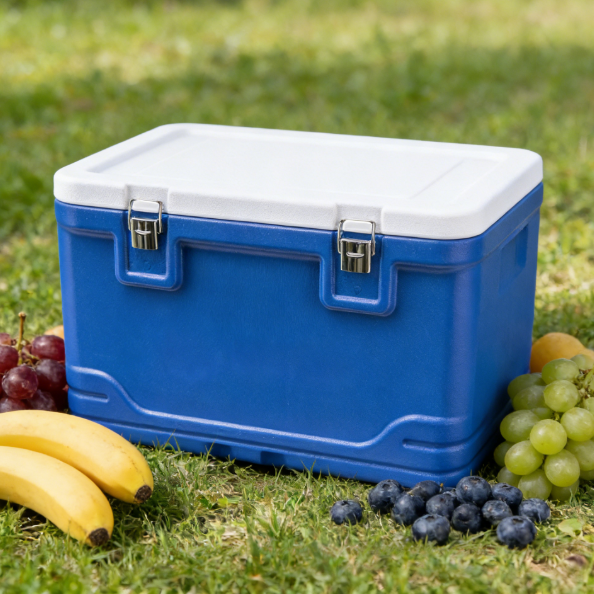
Industrial Plastic Box Factory For Biotech Storage: A Practical Buying Guide
A industrial plastic box factory for biotech storage should help your team move goods through biotech storage with less uncertainty, not just add another container to the warehouse. The right decision starts by defining what the plastic unit is responsible for and what it is not. It may improve handling, segregation, stacking, return logistics, or hygiene. It may support a temperature-controlled workflow. But if the goods require a defined range, the container must be evaluated as part of a full system that includes the route, payload, insulation or coolant if used, monitoring, and receiving review.
Define the use boundary before asking for price
A plastic box used for biotech storage should be specified by function, not by name alone. In one project it may be a clean outer handling unit. In another it may be part of a passive thermal packout with insulation, coolant, dunnage, labels, and a monitoring device. The distinction matters because a molded plastic shell can organize, protect, stack, nest, or ventilate goods, but it does not prove temperature control by itself. For biotech operations teams, clinical supply buyers, lab managers, and quality or validation reviewers, the safest starting point is to write down the product condition, route, handover sequence, and acceptance evidence before comparing catalog descriptions.
A clear use boundary can be written in a few lines. It should explain what the goods are, whether the container directly contacts product or only sealed packaging, where the unit will be stored, how it will be loaded, and what happens after delivery. For biotech storage, this boundary should also mention cleaning, labeling, return, and any temperature or documentation requirement. Without it, a supplier may quote a container that is technically good but operationally wrong.
The boundary also helps your own team. Procurement sees cost and lead time. Operations sees handling speed and space. Quality sees evidence and risk. Finance sees asset life and return cost. When all teams use the same boundary, the discussion becomes more factual. If they do not, one team may approve a feature that creates problems for another.
Separate handling value from temperature proof
Biotech materials can be highly sensitive, but the required condition is product-specific. A plastic box or tote may support segregation and handling, while the qualified thermal system, coolant, monitoring device, and approved procedure manage the actual temperature claim. This is why buyers should avoid treating the words temperature-controlled, thermal, insulated, vented, or stackable as proof of performance. The actual evidence comes from the full system: the container geometry, any insulation or coolant, the conditioning method, the payload, the ambient exposure, the route duration, and the acceptance criteria. If the shipment is booked as time- and temperature-sensitive healthcare cargo, the label, documentation, and responsibility between shipper, carrier, and receiver may also need review. Temperature data is useful only when the logger location, alarm limits, and retrieval process match the risk being managed.
This separation is the core of a good purchasing decision. A stackable container can improve pallet stability. A vented bin can support airflow or drying. A collapsible or foldable unit can reduce empty-return volume. A thermal tote can slow heat transfer when designed with suitable insulation. These are real benefits, but they are not the same as proving that goods stayed within an approved range.
If the project involves temperature-sensitive goods, write down which component carries the temperature responsibility. Is it a refrigerated room, a vehicle, an insulated shipper, coolant, a PCM, dry ice, a pallet cover, or a validated packout? Is a data logger used for proof, or is temperature checked at dispatch and receipt? Who reviews a deviation? These questions make the container specification safer because they prevent broad assumptions.
Design details that matter in daily work
The most common failures are usually operational rather than dramatic. The plastic box may be strong enough but awkward to clean. It may stack in the warehouse but become unstable when wet, loaded unevenly, or handled by a hurried dock team. It may hold a label on a dry sample yet lose traceability after condensation. In biotech storage, the main risk profile includes mixing non-qualified handling containers with qualified temperature-controlled packaging, weak change control, poor label visibility, and hard-to-clean surfaces. A good specification turns those risks into visible checks: where labels go, how the lid closes, how the unit drains, how empties return, and what the receiving team must inspect before the goods are accepted.
Daily handling reveals more than a sample photo. A container that looks efficient may slow the line if the handles are awkward with gloves. A lid may close well when empty but shift when the unit is full. Vent openings may help airflow but create cleaning or item-retention concerns. A stackable rim may work in a dry warehouse but become unstable when condensation, damaged pallets, or mixed loads appear. These details are why pilot testing should use the real workflow.
For biotech storage, pay close attention to surfaces and status control. Can staff see whether the unit is clean, dirty, damaged, loaded, empty, released, or quarantined? Can labels survive the environment? Can the receiving team identify contents without opening the unit unnecessarily? These questions are small, but they influence product quality, worker speed, and acceptance decisions.
A buyer checklist for sample approval
| Before approval, confirm | Acceptable evidence or action | Decision value |
|---|---|---|
| Container role | Use statement approved by procurement, operations, and quality | Stops the team from treating a handling container as a thermal system |
| Product and route fit | Payload, route, exposure, storage condition, and receiving checks are written down | Keeps supplier recommendations relevant |
| Cleanability and reuse | Cleaning method, drying, inspection, and damaged-unit removal are defined | Supports hygiene and asset control |
| Temperature responsibility | Insulation, coolant, refrigeration, monitoring, or room controls are assigned clearly | Prevents unsupported temperature promises |
| Supplier control | Sample ID, drawings, material notes, and change communication are recorded | Protects bulk orders from silent variation |
Use this checklist to keep the approval file honest. It does not require every supplier to produce a large technical dossier, but it does require the team to record what is confirmed, what is assumed, and what still needs testing. That record becomes important when the first sample looks good but bulk use exposes a problem.
Supplier evaluation beyond the quotation
A serious factory conversation should move beyond price, color, and nominal size. Ask whether the drawing revision matches the sample you received. Ask what the supplier considers gross internal volume versus usable payload space. Ask how the plastic box behaves after cleaning, nesting, folding, stacking, or repeated handling. If temperature evidence is part of the project, ask whether the stated performance is based on the same payload, coolant configuration, ambient profile, and acceptance limits you plan to use. A supplier that can explain these boundaries clearly is usually safer than one that gives broad promises without a verification path.
Supplier evaluation should include response quality. A useful supplier will ask clarifying questions and explain limitations. A risky supplier may agree to every application with the same wording. For cold-chain, food, medical, laboratory, vaccine, and biotech uses, limitations are not a weakness. They show that the supplier understands the difference between a plastic container, an insulated system, a transport procedure, and a quality record.
Ask how the supplier supports customization if needed. Custom color, logo, label zones, dividers, lids, liners, vent patterns, or packaging inserts can help workflow, but each change should remain connected to the approved use. A custom feature that looks attractive may complicate cleaning, reduce usable volume, or interfere with stacking. The best customization improves the route rather than decorating the product.
Pilot one complete cycle before scaling
For example, imagine a buyer testing a industrial plastic box before a wider rollout. The first sample looks acceptable on a conference table, but the real question appears during the pilot: can the team load it at normal speed, read the label after condensation, clean it without trapping residue, stack it safely at the heaviest expected load, and confirm that the same revision will be supplied after approval? This practical pilot does not need to become a complicated laboratory program for every project, but it should reproduce the hardest normal handling condition. The result is a decision based on operational fit, not brochure confidence.
A useful pilot does not need to be large. It needs to be realistic. Include the person who loads the goods, the person who receives them, the person who cleans or returns the container, and the person who approves documentation. Run the unit through the expected sequence: storage, loading, labeling, staging, transfer, receiving, emptying, cleaning, inspection, and return. Record where the process feels slow, risky, or unclear.
If temperature is part of the claim, do not rely on a generic result. Match the pilot to the intended payload, route exposure, coolant or insulation configuration, and acceptance criteria. If you cannot test the exact lane yet, treat the result as preliminary and avoid writing it as a final guarantee. This cautious wording protects both the buyer and the supplier.
Cost control without weakening protection
The cheapest container can become expensive if it causes rejected goods, extra cleaning, broken stacks, lost labels, or replacement purchases. The most expensive unit can also be wrong if it solves a problem you do not have. A practical cost review should compare total workflow value: handling speed, return efficiency, damage reduction, cleaning effort, storage space, documentation readiness, and supplier consistency.
For bulk purchases, also consider how the design affects training. If workers need special instructions to fold, nest, clean, or latch the unit, the SOP should be simple and visible. If the container is used across multiple sites, the design should be consistent enough to avoid site-by-site workarounds. Cost control is not only unit price. It is the ability to repeat the same safe process every day.
When to reconsider the chosen design
Reconsider the design if the pilot shows repeated label damage, difficult cleaning, unstable stacking, poor empty-return control, confusion between clean and dirty units, or uncertainty about the temperature role. These problems rarely improve at scale. They usually become more visible as more people, routes, and loads are involved.
Also reconsider the design if the supplier cannot explain sample-to-production consistency. If the first order after approval arrives with different closures, surfaces, dimensions, or material behavior, your team may need to repeat part of the review. A better purchasing agreement defines how changes are communicated before production changes reach your warehouse.
FAQ
What is the first step in choosing this type of container?
Define the use boundary. Say what the goods are, how they are packed, where the container travels, how it is cleaned, and what evidence is needed. This step prevents confusion between a handling container, an insulated shipper, and a qualified temperature-control system.
Can I use the same plastic container for several departments?
Sometimes, but only after checking differences in payload, cleaning, labeling, temperature requirement, and inspection process. A design that works for sealed ambient goods may not work for chilled, medical, laboratory, or food items. Shared use should be approved by scenario, not assumed from product appearance.
What should I ask a supplier before bulk ordering?
Ask for intended-use limits, dimensions, material information, cleaning guidance, sample revision, customization options, and any route-relevant test information. If the container is part of a temperature-sensitive workflow, ask what evidence supports the packout and what remains for your team to verify.
How do I avoid overbuying features?
Start with the failure you need to prevent. If the problem is empty-return volume, collapsibility may matter. If the problem is airflow, venting may matter. If the problem is temperature exposure, the full thermal system matters. Do not buy features because they sound advanced; buy controls that address real route risk.
When should a quality team be involved?
Involve quality before sample approval when goods are temperature-sensitive, regulated, imported, exported, food-related, medical, laboratory, vaccine, or biotech. Quality input helps define documentation, cleaning, deviation handling, and acceptance criteria before the purchasing decision becomes hard to change.
Conclusion
A industrial plastic box factory for biotech storage is a sound choice when it fits the route, not only the quote. Define the use boundary, separate handling value from temperature proof, verify cleanability and workflow fit, and record supplier evidence before scaling. The result is a container decision that procurement can buy, operations can use, and quality can approve without relying on unsupported claims.
About Tempk
Tempk works with cold-chain packaging products such as gel ice packs, dry ice packs, EPP insulated boxes, cold shipping boxes, insulated liners, thermal bags, pallet covers, and related packaging materials. For buyers evaluating plastic box options for biotech storage, our role is to help connect the container discussion with the wider cold-chain system: cooling media, insulation, route pressure, handling workflow, and documentation expectations. We avoid treating one product name as a universal answer because temperature-sensitive logistics depends on the product, route, payload, and approval process.
If you are comparing options now, send your biotech material type, storage instruction, handling workflow, and qualification expectation before choosing a box or tote. Tempk can help you narrow the discussion before sample approval or bulk procurement.
Foldable Plastic Crate Distributor For Food Import: Practical Buying Guide
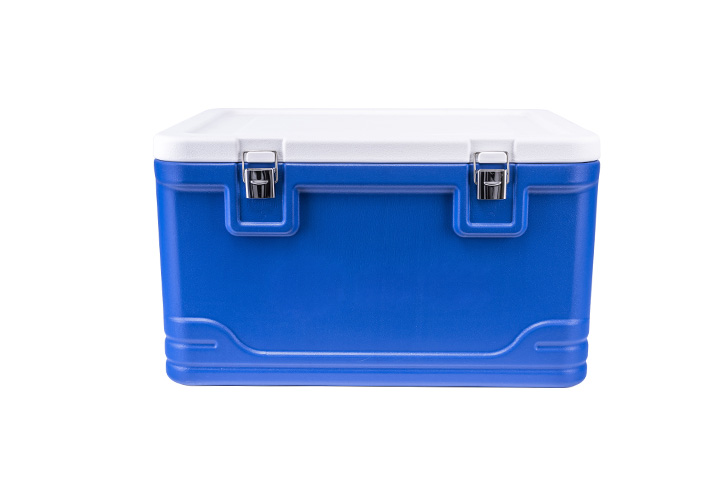
Foldable Plastic Crate Distributor For Food Import: A Practical Buying Guide
A foldable plastic crate distributor for food import should help your team move goods through food import with less uncertainty, not just add another container to the warehouse. The right decision starts by defining what the plastic unit is responsible for and what it is not. It may improve handling, segregation, stacking, return logistics, or hygiene. It may support a temperature-controlled workflow. But if the goods require a defined range, the container must be evaluated as part of a full system that includes the route, payload, insulation or coolant if used, monitoring, and receiving review.
Define the use boundary before asking for price
A plastic crate used for food import should be specified by function, not by name alone. In one project it may be a clean outer handling unit. In another it may be part of a passive thermal packout with insulation, coolant, dunnage, labels, and a monitoring device. The distinction matters because a molded plastic shell can organize, protect, stack, nest, or ventilate goods, but it does not prove temperature control by itself. For food delivery operators, food importers, commissary teams, and cold-chain packaging buyers, the safest starting point is to write down the product condition, route, handover sequence, and acceptance evidence before comparing catalog descriptions.
A clear use boundary can be written in a few lines. It should explain what the goods are, whether the container directly contacts product or only sealed packaging, where the unit will be stored, how it will be loaded, and what happens after delivery. For food import, this boundary should also mention cleaning, labeling, return, and any temperature or documentation requirement. Without it, a supplier may quote a container that is technically good but operationally wrong.
The boundary also helps your own team. Procurement sees cost and lead time. Operations sees handling speed and space. Quality sees evidence and risk. Finance sees asset life and return cost. When all teams use the same boundary, the discussion becomes more factual. If they do not, one team may approve a feature that creates problems for another.
Separate handling value from temperature proof
Food delivery and import programs should define whether the product is chilled, frozen, ambient, or time-temperature controlled for safety. Regulatory expectations vary by market, but cleanable equipment and written temperature procedures are common approval concerns. This is why buyers should avoid treating the words temperature-controlled, thermal, insulated, vented, or stackable as proof of performance. The actual evidence comes from the full system: the container geometry, any insulation or coolant, the conditioning method, the payload, the ambient exposure, the route duration, and the acceptance criteria. For food programs, sanitary condition, written procedures, pre-cooling when needed, and proof of temperature control can matter as much as the container shape. The container choice should support the food safety plan rather than sit outside it.
This separation is the core of a good purchasing decision. A stackable container can improve pallet stability. A vented bin can support airflow or drying. A collapsible or foldable unit can reduce empty-return volume. A thermal tote can slow heat transfer when designed with suitable insulation. These are real benefits, but they are not the same as proving that goods stayed within an approved range.
If the project involves temperature-sensitive goods, write down which component carries the temperature responsibility. Is it a refrigerated room, a vehicle, an insulated shipper, coolant, a PCM, dry ice, a pallet cover, or a validated packout? Is a data logger used for proof, or is temperature checked at dispatch and receipt? Who reviews a deviation? These questions make the container specification safer because they prevent broad assumptions.
Design details that matter in daily work
The most common failures are usually operational rather than dramatic. The plastic crate may be strong enough but awkward to clean. It may stack in the warehouse but become unstable when wet, loaded unevenly, or handled by a hurried dock team. It may hold a label on a dry sample yet lose traceability after condensation. In food import, the main risk profile includes warm dwell time, poor airflow, condensation, sanitation gaps, broken folding mechanisms, and weak separation between raw and ready-to-eat items. A good specification turns those risks into visible checks: where labels go, how the lid closes, how the unit drains, how empties return, and what the receiving team must inspect before the goods are accepted.
Daily handling reveals more than a sample photo. A container that looks efficient may slow the line if the handles are awkward with gloves. A lid may close well when empty but shift when the unit is full. Vent openings may help airflow but create cleaning or item-retention concerns. A stackable rim may work in a dry warehouse but become unstable when condensation, damaged pallets, or mixed loads appear. These details are why pilot testing should use the real workflow.
For food import, pay close attention to surfaces and status control. Can staff see whether the unit is clean, dirty, damaged, loaded, empty, released, or quarantined? Can labels survive the environment? Can the receiving team identify contents without opening the unit unnecessarily? These questions are small, but they influence product quality, worker speed, and acceptance decisions.
A buyer checklist for sample approval
| Before approval, confirm | Acceptable evidence or action | Decision value |
|---|---|---|
| Container role | Use statement approved by procurement, operations, and quality | Stops the team from treating a handling container as a thermal system |
| Product and route fit | Payload, route, exposure, storage condition, and receiving checks are written down | Keeps supplier recommendations relevant |
| Cleanability and reuse | Cleaning method, drying, inspection, and damaged-unit removal are defined | Supports hygiene and asset control |
| Temperature responsibility | Insulation, coolant, refrigeration, monitoring, or room controls are assigned clearly | Prevents unsupported temperature promises |
| Supplier control | Sample ID, drawings, material notes, and change communication are recorded | Protects bulk orders from silent variation |
Use this checklist to keep the approval file honest. It does not require every supplier to produce a large technical dossier, but it does require the team to record what is confirmed, what is assumed, and what still needs testing. That record becomes important when the first sample looks good but bulk use exposes a problem.
Supplier evaluation beyond the quotation
A serious distributor conversation should move beyond price, color, and nominal size. Ask whether the drawing revision matches the sample you received. Ask what the supplier considers gross internal volume versus usable payload space. Ask how the plastic crate behaves after cleaning, nesting, folding, stacking, or repeated handling. If temperature evidence is part of the project, ask whether the stated performance is based on the same payload, coolant configuration, ambient profile, and acceptance limits you plan to use. A supplier that can explain these boundaries clearly is usually safer than one that gives broad promises without a verification path.
Supplier evaluation should include response quality. A useful supplier will ask clarifying questions and explain limitations. A risky supplier may agree to every application with the same wording. For cold-chain, food, medical, laboratory, vaccine, and biotech uses, limitations are not a weakness. They show that the supplier understands the difference between a plastic container, an insulated system, a transport procedure, and a quality record.
Ask how the supplier supports customization if needed. Custom color, logo, label zones, dividers, lids, liners, vent patterns, or packaging inserts can help workflow, but each change should remain connected to the approved use. A custom feature that looks attractive may complicate cleaning, reduce usable volume, or interfere with stacking. The best customization improves the route rather than decorating the product.
Pilot one complete cycle before scaling
For example, imagine a buyer testing a foldable plastic crate before a wider rollout. The first sample looks acceptable on a conference table, but the real question appears during the pilot: can the team load it at normal speed, read the label after condensation, clean it without trapping residue, stack it safely at the heaviest expected load, and confirm that the same revision will be supplied after approval? This practical pilot does not need to become a complicated laboratory program for every project, but it should reproduce the hardest normal handling condition. The result is a decision based on operational fit, not brochure confidence.
A useful pilot does not need to be large. It needs to be realistic. Include the person who loads the goods, the person who receives them, the person who cleans or returns the container, and the person who approves documentation. Run the unit through the expected sequence: storage, loading, labeling, staging, transfer, receiving, emptying, cleaning, inspection, and return. Record where the process feels slow, risky, or unclear.
If temperature is part of the claim, do not rely on a generic result. Match the pilot to the intended payload, route exposure, coolant or insulation configuration, and acceptance criteria. If you cannot test the exact lane yet, treat the result as preliminary and avoid writing it as a final guarantee. This cautious wording protects both the buyer and the supplier.
Cost control without weakening protection
The cheapest container can become expensive if it causes rejected goods, extra cleaning, broken stacks, lost labels, or replacement purchases. The most expensive unit can also be wrong if it solves a problem you do not have. A practical cost review should compare total workflow value: handling speed, return efficiency, damage reduction, cleaning effort, storage space, documentation readiness, and supplier consistency.
For bulk purchases, also consider how the design affects training. If workers need special instructions to fold, nest, clean, or latch the unit, the SOP should be simple and visible. If the container is used across multiple sites, the design should be consistent enough to avoid site-by-site workarounds. Cost control is not only unit price. It is the ability to repeat the same safe process every day.
When to reconsider the chosen design
Reconsider the design if the pilot shows repeated label damage, difficult cleaning, unstable stacking, poor empty-return control, confusion between clean and dirty units, or uncertainty about the temperature role. These problems rarely improve at scale. They usually become more visible as more people, routes, and loads are involved.
Also reconsider the design if the supplier cannot explain sample-to-production consistency. If the first order after approval arrives with different closures, surfaces, dimensions, or material behavior, your team may need to repeat part of the review. A better purchasing agreement defines how changes are communicated before production changes reach your warehouse.
FAQ
What is the first step in choosing this type of container?
Define the use boundary. Say what the goods are, how they are packed, where the container travels, how it is cleaned, and what evidence is needed. This step prevents confusion between a handling container, an insulated shipper, and a qualified temperature-control system.
Can I use the same plastic container for several departments?
Sometimes, but only after checking differences in payload, cleaning, labeling, temperature requirement, and inspection process. A design that works for sealed ambient goods may not work for chilled, medical, laboratory, or food items. Shared use should be approved by scenario, not assumed from product appearance.
What should I ask a supplier before bulk ordering?
Ask for intended-use limits, dimensions, material information, cleaning guidance, sample revision, customization options, and any route-relevant test information. If the container is part of a temperature-sensitive workflow, ask what evidence supports the packout and what remains for your team to verify.
How do I avoid overbuying features?
Start with the failure you need to prevent. If the problem is empty-return volume, collapsibility may matter. If the problem is airflow, venting may matter. If the problem is temperature exposure, the full thermal system matters. Do not buy features because they sound advanced; buy controls that address real route risk.
When should a quality team be involved?
Involve quality before sample approval when goods are temperature-sensitive, regulated, imported, exported, food-related, medical, laboratory, vaccine, or biotech. Quality input helps define documentation, cleaning, deviation handling, and acceptance criteria before the purchasing decision becomes hard to change.
Conclusion
A foldable plastic crate distributor for food import is a sound choice when it fits the route, not only the quote. Define the use boundary, separate handling value from temperature proof, verify cleanability and workflow fit, and record supplier evidence before scaling. The result is a container decision that procurement can buy, operations can use, and quality can approve without relying on unsupported claims.
About Tempk
At Tempk, we focus on practical cold-chain packaging decisions rather than isolated catalog labels. Our product range includes cooling media, insulated boxes, thermal bags, liners, pallet-level protection, and other packaging materials used in food, healthcare, laboratory, and industrial handling. When a project involves plastic crate selection for food import, we help buyers think through route fit, coolant or insulation needs, cleaning habits, and the evidence required before moving from sample review to a larger order.
If you are comparing options now, describe your food category, delivery window, cleaning process, and return loop to compare practical packaging options. Tempk can help you narrow the discussion before sample approval or bulk procurement.
Collapsible Plastic Container Wholesaler For Vaccine Export: Practical Buying Guide
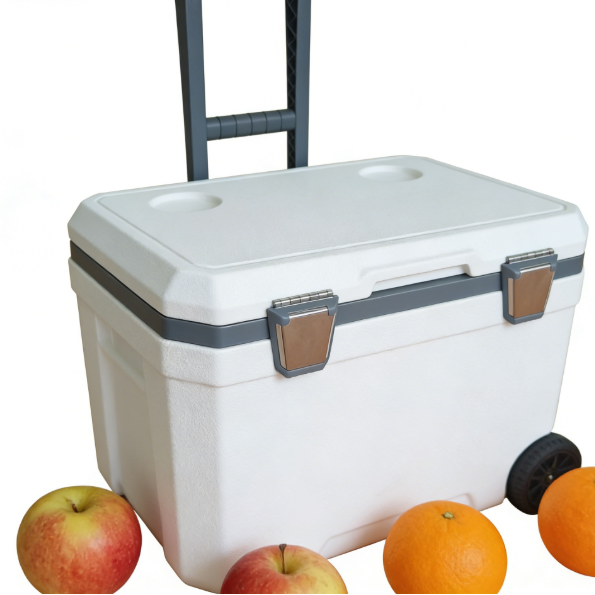
Collapsible Plastic Container Wholesaler For Vaccine Export: A Practical Buying Guide
A collapsible plastic container wholesaler for vaccine export should help your team move goods through vaccine export with less uncertainty, not just add another container to the warehouse. The right decision starts by defining what the plastic unit is responsible for and what it is not. It may improve handling, segregation, stacking, return logistics, or hygiene. It may support a temperature-controlled workflow. But if the goods require a defined range, the container must be evaluated as part of a full system that includes the route, payload, insulation or coolant if used, monitoring, and receiving review.
Define the use boundary before asking for price
A plastic container used for vaccine export should be specified by function, not by name alone. In one project it may be a clean outer handling unit. In another it may be part of a passive thermal packout with insulation, coolant, dunnage, labels, and a monitoring device. The distinction matters because a molded plastic shell can organize, protect, stack, nest, or ventilate goods, but it does not prove temperature control by itself. For vaccine logistics managers, public health buyers, clinical distribution teams, and packaging engineers, the safest starting point is to write down the product condition, route, handover sequence, and acceptance evidence before comparing catalog descriptions.
A clear use boundary can be written in a few lines. It should explain what the goods are, whether the container directly contacts product or only sealed packaging, where the unit will be stored, how it will be loaded, and what happens after delivery. For vaccine export, this boundary should also mention cleaning, labeling, return, and any temperature or documentation requirement. Without it, a supplier may quote a container that is technically good but operationally wrong.
The boundary also helps your own team. Procurement sees cost and lead time. Operations sees handling speed and space. Quality sees evidence and risk. Finance sees asset life and return cost. When all teams use the same boundary, the discussion becomes more factual. If they do not, one team may approve a feature that creates problems for another.
Separate handling value from temperature proof
Many routine vaccines are managed around 2°C to 8°C, but storage and transport conditions must be confirmed for the specific vaccine and the approved handling instruction. A stackable or collapsible plastic unit still needs the correct insulated system, coolant, and monitoring plan. This is why buyers should avoid treating the words temperature-controlled, thermal, insulated, vented, or stackable as proof of performance. The actual evidence comes from the full system: the container geometry, any insulation or coolant, the conditioning method, the payload, the ambient exposure, the route duration, and the acceptance criteria. If the shipment is booked as time- and temperature-sensitive healthcare cargo, the label, documentation, and responsibility between shipper, carrier, and receiver may also need review. Temperature data is useful only when the logger location, alarm limits, and retrieval process match the risk being managed.
This separation is the core of a good purchasing decision. A stackable container can improve pallet stability. A vented bin can support airflow or drying. A collapsible or foldable unit can reduce empty-return volume. A thermal tote can slow heat transfer when designed with suitable insulation. These are real benefits, but they are not the same as proving that goods stayed within an approved range.
If the project involves temperature-sensitive goods, write down which component carries the temperature responsibility. Is it a refrigerated room, a vehicle, an insulated shipper, coolant, a PCM, dry ice, a pallet cover, or a validated packout? Is a data logger used for proof, or is temperature checked at dispatch and receipt? Who reviews a deviation? These questions make the container specification safer because they prevent broad assumptions.
Design details that matter in daily work
The most common failures are usually operational rather than dramatic. The plastic container may be strong enough but awkward to clean. It may stack in the warehouse but become unstable when wet, loaded unevenly, or handled by a hurried dock team. It may hold a label on a dry sample yet lose traceability after condensation. In vaccine export, the main risk profile includes freezing risk, heat exposure, insufficient temperature evidence, incorrect coolant conditioning, and confusion between carrying convenience and qualified cold-chain performance. A good specification turns those risks into visible checks: where labels go, how the lid closes, how the unit drains, how empties return, and what the receiving team must inspect before the goods are accepted.
Daily handling reveals more than a sample photo. A container that looks efficient may slow the line if the handles are awkward with gloves. A lid may close well when empty but shift when the unit is full. Vent openings may help airflow but create cleaning or item-retention concerns. A stackable rim may work in a dry warehouse but become unstable when condensation, damaged pallets, or mixed loads appear. These details are why pilot testing should use the real workflow.
For vaccine export, pay close attention to surfaces and status control. Can staff see whether the unit is clean, dirty, damaged, loaded, empty, released, or quarantined? Can labels survive the environment? Can the receiving team identify contents without opening the unit unnecessarily? These questions are small, but they influence product quality, worker speed, and acceptance decisions.
A buyer checklist for sample approval
| Before approval, confirm | Acceptable evidence or action | Decision value |
|---|---|---|
| Container role | Use statement approved by procurement, operations, and quality | Stops the team from treating a handling container as a thermal system |
| Product and route fit | Payload, route, exposure, storage condition, and receiving checks are written down | Keeps supplier recommendations relevant |
| Cleanability and reuse | Cleaning method, drying, inspection, and damaged-unit removal are defined | Supports hygiene and asset control |
| Temperature responsibility | Insulation, coolant, refrigeration, monitoring, or room controls are assigned clearly | Prevents unsupported temperature promises |
| Supplier control | Sample ID, drawings, material notes, and change communication are recorded | Protects bulk orders from silent variation |
Use this checklist to keep the approval file honest. It does not require every supplier to produce a large technical dossier, but it does require the team to record what is confirmed, what is assumed, and what still needs testing. That record becomes important when the first sample looks good but bulk use exposes a problem.
Supplier evaluation beyond the quotation
A serious wholesaler conversation should move beyond price, color, and nominal size. Ask whether the drawing revision matches the sample you received. Ask what the supplier considers gross internal volume versus usable payload space. Ask how the plastic container behaves after cleaning, nesting, folding, stacking, or repeated handling. If temperature evidence is part of the project, ask whether the stated performance is based on the same payload, coolant configuration, ambient profile, and acceptance limits you plan to use. A supplier that can explain these boundaries clearly is usually safer than one that gives broad promises without a verification path.
Supplier evaluation should include response quality. A useful supplier will ask clarifying questions and explain limitations. A risky supplier may agree to every application with the same wording. For cold-chain, food, medical, laboratory, vaccine, and biotech uses, limitations are not a weakness. They show that the supplier understands the difference between a plastic container, an insulated system, a transport procedure, and a quality record.
Ask how the supplier supports customization if needed. Custom color, logo, label zones, dividers, lids, liners, vent patterns, or packaging inserts can help workflow, but each change should remain connected to the approved use. A custom feature that looks attractive may complicate cleaning, reduce usable volume, or interfere with stacking. The best customization improves the route rather than decorating the product.
Pilot one complete cycle before scaling
For example, imagine a buyer testing a collapsible plastic container before a wider rollout. The first sample looks acceptable on a conference table, but the real question appears during the pilot: can the team load it at normal speed, read the label after condensation, clean it without trapping residue, stack it safely at the heaviest expected load, and confirm that the same revision will be supplied after approval? This practical pilot does not need to become a complicated laboratory program for every project, but it should reproduce the hardest normal handling condition. The result is a decision based on operational fit, not brochure confidence.
A useful pilot does not need to be large. It needs to be realistic. Include the person who loads the goods, the person who receives them, the person who cleans or returns the container, and the person who approves documentation. Run the unit through the expected sequence: storage, loading, labeling, staging, transfer, receiving, emptying, cleaning, inspection, and return. Record where the process feels slow, risky, or unclear.
If temperature is part of the claim, do not rely on a generic result. Match the pilot to the intended payload, route exposure, coolant or insulation configuration, and acceptance criteria. If you cannot test the exact lane yet, treat the result as preliminary and avoid writing it as a final guarantee. This cautious wording protects both the buyer and the supplier.
Cost control without weakening protection
The cheapest container can become expensive if it causes rejected goods, extra cleaning, broken stacks, lost labels, or replacement purchases. The most expensive unit can also be wrong if it solves a problem you do not have. A practical cost review should compare total workflow value: handling speed, return efficiency, damage reduction, cleaning effort, storage space, documentation readiness, and supplier consistency.
For bulk purchases, also consider how the design affects training. If workers need special instructions to fold, nest, clean, or latch the unit, the SOP should be simple and visible. If the container is used across multiple sites, the design should be consistent enough to avoid site-by-site workarounds. Cost control is not only unit price. It is the ability to repeat the same safe process every day.
When to reconsider the chosen design
Reconsider the design if the pilot shows repeated label damage, difficult cleaning, unstable stacking, poor empty-return control, confusion between clean and dirty units, or uncertainty about the temperature role. These problems rarely improve at scale. They usually become more visible as more people, routes, and loads are involved.
Also reconsider the design if the supplier cannot explain sample-to-production consistency. If the first order after approval arrives with different closures, surfaces, dimensions, or material behavior, your team may need to repeat part of the review. A better purchasing agreement defines how changes are communicated before production changes reach your warehouse.
FAQ
What is the first step in choosing this type of container?
Define the use boundary. Say what the goods are, how they are packed, where the container travels, how it is cleaned, and what evidence is needed. This step prevents confusion between a handling container, an insulated shipper, and a qualified temperature-control system.
Can I use the same plastic container for several departments?
Sometimes, but only after checking differences in payload, cleaning, labeling, temperature requirement, and inspection process. A design that works for sealed ambient goods may not work for chilled, medical, laboratory, or food items. Shared use should be approved by scenario, not assumed from product appearance.
What should I ask a supplier before bulk ordering?
Ask for intended-use limits, dimensions, material information, cleaning guidance, sample revision, customization options, and any route-relevant test information. If the container is part of a temperature-sensitive workflow, ask what evidence supports the packout and what remains for your team to verify.
How do I avoid overbuying features?
Start with the failure you need to prevent. If the problem is empty-return volume, collapsibility may matter. If the problem is airflow, venting may matter. If the problem is temperature exposure, the full thermal system matters. Do not buy features because they sound advanced; buy controls that address real route risk.
When should a quality team be involved?
Involve quality before sample approval when goods are temperature-sensitive, regulated, imported, exported, food-related, medical, laboratory, vaccine, or biotech. Quality input helps define documentation, cleaning, deviation handling, and acceptance criteria before the purchasing decision becomes hard to change.
Conclusion
A collapsible plastic container wholesaler for vaccine export is a sound choice when it fits the route, not only the quote. Define the use boundary, separate handling value from temperature proof, verify cleanability and workflow fit, and record supplier evidence before scaling. The result is a container decision that procurement can buy, operations can use, and quality can approve without relying on unsupported claims.
About Tempk
Tempk works with cold-chain packaging products such as gel ice packs, dry ice packs, EPP insulated boxes, cold shipping boxes, insulated liners, thermal bags, pallet covers, and related packaging materials. For buyers evaluating plastic container options for vaccine export, our role is to help connect the container discussion with the wider cold-chain system: cooling media, insulation, route pressure, handling workflow, and documentation expectations. We avoid treating one product name as a universal answer because temperature-sensitive logistics depends on the product, route, payload, and approval process.
If you are comparing options now, share the vaccine type, route duration, packout evidence requirement, and return model before moving from sample to bulk order. Tempk can help you narrow the discussion before sample approval or bulk procurement.
Collapsible Plastic Box Wholesale For Meat Logistics: Practical Buying Guide
Collapsible Plastic Box Wholesale For Meat Logistics: A Practical Buying Guide
A collapsible plastic box wholesale for meat logistics should help your team move goods through meat logistics with less uncertainty, not just add another container to the warehouse. The right decision starts by defining what the plastic unit is responsible for and what it is not. It may improve handling, segregation, stacking, return logistics, or hygiene. It may support a temperature-controlled workflow. But if the goods require a defined range, the container must be evaluated as part of a full system that includes the route, payload, insulation or coolant if used, monitoring, and receiving review.
Define the use boundary before asking for price
A plastic box used for meat logistics should be specified by function, not by name alone. In one project it may be a clean outer handling unit. In another it may be part of a passive thermal packout with insulation, coolant, dunnage, labels, and a monitoring device. The distinction matters because a molded plastic shell can organize, protect, stack, nest, or ventilate goods, but it does not prove temperature control by itself. For meat processors, cold-room managers, food logistics buyers, and wholesale packaging teams, the safest starting point is to write down the product condition, route, handover sequence, and acceptance evidence before comparing catalog descriptions.
A clear use boundary can be written in a few lines. It should explain what the goods are, whether the container directly contacts product or only sealed packaging, where the unit will be stored, how it will be loaded, and what happens after delivery. For meat logistics, this boundary should also mention cleaning, labeling, return, and any temperature or documentation requirement. Without it, a supplier may quote a container that is technically good but operationally wrong.
The boundary also helps your own team. Procurement sees cost and lead time. Operations sees handling speed and space. Quality sees evidence and risk. Finance sees asset life and return cost. When all teams use the same boundary, the discussion becomes more factual. If they do not, one team may approve a feature that creates problems for another.
Separate handling value from temperature proof
Meat logistics often depends on strict cold holding and fast handover. U.S. food safety guidance commonly treats cold food control around 5°C or 41°F, while many companies set their own stricter product and quality specifications. This is why buyers should avoid treating the words temperature-controlled, thermal, insulated, vented, or stackable as proof of performance. The actual evidence comes from the full system: the container geometry, any insulation or coolant, the conditioning method, the payload, the ambient exposure, the route duration, and the acceptance criteria. For food programs, sanitary condition, written procedures, pre-cooling when needed, and proof of temperature control can matter as much as the container shape. The container choice should support the food safety plan rather than sit outside it.
This separation is the core of a good purchasing decision. A stackable container can improve pallet stability. A vented bin can support airflow or drying. A collapsible or foldable unit can reduce empty-return volume. A thermal tote can slow heat transfer when designed with suitable insulation. These are real benefits, but they are not the same as proving that goods stayed within an approved range.
If the project involves temperature-sensitive goods, write down which component carries the temperature responsibility. Is it a refrigerated room, a vehicle, an insulated shipper, coolant, a PCM, dry ice, a pallet cover, or a validated packout? Is a data logger used for proof, or is temperature checked at dispatch and receipt? Who reviews a deviation? These questions make the container specification safer because they prevent broad assumptions.
Design details that matter in daily work
The most common failures are usually operational rather than dramatic. The plastic box may be strong enough but awkward to clean. It may stack in the warehouse but become unstable when wet, loaded unevenly, or handled by a hurried dock team. It may hold a label on a dry sample yet lose traceability after condensation. In meat logistics, the main risk profile includes temperature abuse, drip leakage, odor transfer, sanitation failures, crushed cartons, and slow loading at the dock. A good specification turns those risks into visible checks: where labels go, how the lid closes, how the unit drains, how empties return, and what the receiving team must inspect before the goods are accepted.
Daily handling reveals more than a sample photo. A container that looks efficient may slow the line if the handles are awkward with gloves. A lid may close well when empty but shift when the unit is full. Vent openings may help airflow but create cleaning or item-retention concerns. A stackable rim may work in a dry warehouse but become unstable when condensation, damaged pallets, or mixed loads appear. These details are why pilot testing should use the real workflow.
For meat logistics, pay close attention to surfaces and status control. Can staff see whether the unit is clean, dirty, damaged, loaded, empty, released, or quarantined? Can labels survive the environment? Can the receiving team identify contents without opening the unit unnecessarily? These questions are small, but they influence product quality, worker speed, and acceptance decisions.
A buyer checklist for sample approval
| Before approval, confirm | Acceptable evidence or action | Decision value |
|---|---|---|
| Container role | Use statement approved by procurement, operations, and quality | Stops the team from treating a handling container as a thermal system |
| Product and route fit | Payload, route, exposure, storage condition, and receiving checks are written down | Keeps supplier recommendations relevant |
| Cleanability and reuse | Cleaning method, drying, inspection, and damaged-unit removal are defined | Supports hygiene and asset control |
| Temperature responsibility | Insulation, coolant, refrigeration, monitoring, or room controls are assigned clearly | Prevents unsupported temperature promises |
| Supplier control | Sample ID, drawings, material notes, and change communication are recorded | Protects bulk orders from silent variation |
Use this checklist to keep the approval file honest. It does not require every supplier to produce a large technical dossier, but it does require the team to record what is confirmed, what is assumed, and what still needs testing. That record becomes important when the first sample looks good but bulk use exposes a problem.
Supplier evaluation beyond the quotation
A serious wholesale conversation should move beyond price, color, and nominal size. Ask whether the drawing revision matches the sample you received. Ask what the supplier considers gross internal volume versus usable payload space. Ask how the plastic box behaves after cleaning, nesting, folding, stacking, or repeated handling. If temperature evidence is part of the project, ask whether the stated performance is based on the same payload, coolant configuration, ambient profile, and acceptance limits you plan to use. A supplier that can explain these boundaries clearly is usually safer than one that gives broad promises without a verification path.
Supplier evaluation should include response quality. A useful supplier will ask clarifying questions and explain limitations. A risky supplier may agree to every application with the same wording. For cold-chain, food, medical, laboratory, vaccine, and biotech uses, limitations are not a weakness. They show that the supplier understands the difference between a plastic container, an insulated system, a transport procedure, and a quality record.
Ask how the supplier supports customization if needed. Custom color, logo, label zones, dividers, lids, liners, vent patterns, or packaging inserts can help workflow, but each change should remain connected to the approved use. A custom feature that looks attractive may complicate cleaning, reduce usable volume, or interfere with stacking. The best customization improves the route rather than decorating the product.
Pilot one complete cycle before scaling
For example, imagine a buyer testing a collapsible plastic box before a wider rollout. The first sample looks acceptable on a conference table, but the real question appears during the pilot: can the team load it at normal speed, read the label after condensation, clean it without trapping residue, stack it safely at the heaviest expected load, and confirm that the same revision will be supplied after approval? This practical pilot does not need to become a complicated laboratory program for every project, but it should reproduce the hardest normal handling condition. The result is a decision based on operational fit, not brochure confidence.
A useful pilot does not need to be large. It needs to be realistic. Include the person who loads the goods, the person who receives them, the person who cleans or returns the container, and the person who approves documentation. Run the unit through the expected sequence: storage, loading, labeling, staging, transfer, receiving, emptying, cleaning, inspection, and return. Record where the process feels slow, risky, or unclear.
If temperature is part of the claim, do not rely on a generic result. Match the pilot to the intended payload, route exposure, coolant or insulation configuration, and acceptance criteria. If you cannot test the exact lane yet, treat the result as preliminary and avoid writing it as a final guarantee. This cautious wording protects both the buyer and the supplier.
Cost control without weakening protection
The cheapest container can become expensive if it causes rejected goods, extra cleaning, broken stacks, lost labels, or replacement purchases. The most expensive unit can also be wrong if it solves a problem you do not have. A practical cost review should compare total workflow value: handling speed, return efficiency, damage reduction, cleaning effort, storage space, documentation readiness, and supplier consistency.
For bulk purchases, also consider how the design affects training. If workers need special instructions to fold, nest, clean, or latch the unit, the SOP should be simple and visible. If the container is used across multiple sites, the design should be consistent enough to avoid site-by-site workarounds. Cost control is not only unit price. It is the ability to repeat the same safe process every day.
When to reconsider the chosen design
Reconsider the design if the pilot shows repeated label damage, difficult cleaning, unstable stacking, poor empty-return control, confusion between clean and dirty units, or uncertainty about the temperature role. These problems rarely improve at scale. They usually become more visible as more people, routes, and loads are involved.
Also reconsider the design if the supplier cannot explain sample-to-production consistency. If the first order after approval arrives with different closures, surfaces, dimensions, or material behavior, your team may need to repeat part of the review. A better purchasing agreement defines how changes are communicated before production changes reach your warehouse.
FAQ
What is the first step in choosing this type of container?
Define the use boundary. Say what the goods are, how they are packed, where the container travels, how it is cleaned, and what evidence is needed. This step prevents confusion between a handling container, an insulated shipper, and a qualified temperature-control system.
Can I use the same plastic container for several departments?
Sometimes, but only after checking differences in payload, cleaning, labeling, temperature requirement, and inspection process. A design that works for sealed ambient goods may not work for chilled, medical, laboratory, or food items. Shared use should be approved by scenario, not assumed from product appearance.
What should I ask a supplier before bulk ordering?
Ask for intended-use limits, dimensions, material information, cleaning guidance, sample revision, customization options, and any route-relevant test information. If the container is part of a temperature-sensitive workflow, ask what evidence supports the packout and what remains for your team to verify.
How do I avoid overbuying features?
Start with the failure you need to prevent. If the problem is empty-return volume, collapsibility may matter. If the problem is airflow, venting may matter. If the problem is temperature exposure, the full thermal system matters. Do not buy features because they sound advanced; buy controls that address real route risk.
When should a quality team be involved?
Involve quality before sample approval when goods are temperature-sensitive, regulated, imported, exported, food-related, medical, laboratory, vaccine, or biotech. Quality input helps define documentation, cleaning, deviation handling, and acceptance criteria before the purchasing decision becomes hard to change.
Conclusion
A collapsible plastic box wholesale for meat logistics is a sound choice when it fits the route, not only the quote. Define the use boundary, separate handling value from temperature proof, verify cleanability and workflow fit, and record supplier evidence before scaling. The result is a container decision that procurement can buy, operations can use, and quality can approve without relying on unsupported claims.
About Tempk
Tempk works with cold-chain packaging products such as gel ice packs, dry ice packs, EPP insulated boxes, cold shipping boxes, insulated liners, thermal bags, pallet covers, and related packaging materials. For buyers evaluating plastic box options for meat logistics, our role is to help connect the container discussion with the wider cold-chain system: cooling media, insulation, route pressure, handling workflow, and documentation expectations. We avoid treating one product name as a universal answer because temperature-sensitive logistics depends on the product, route, payload, and approval process.
If you are comparing options now, share your meat product format, cleaning process, loaded weight, and route length for a better container shortlist. Tempk can help you narrow the discussion before sample approval or bulk procurement.
Insulated Box Selection for Reliable Cold Chain Shipping

Insulated Box Selection for Reliable Cold Chain Shipping
An insulated box should be selected from the shipment backward. Start with the product condition, route exposure, payload size, coolant plan, and receiving process, then decide which box format can support that job. The container matters, but it is only one part of a passive temperature-control system. If you buy the box before defining the route, you may end up with packaging that looks strong but cannot support the actual cold-chain risk.
The strongest buying decision is evidence based. It separates what the box can do, what the coolant must do, what the logger records, and what the operator must do during packing and receiving. That is the difference between buying a container and building a reliable shipping process.
Decide what level of control the shipment really needs
Not every shipment that uses an insulated box needs the same level of control. A local meal delivery route may need temperature buffering, hygiene, stackability, and easy cleaning. A chilled seafood parcel may need stronger thermal protection, leakage control, and a tested one-way packout. A pharmaceutical or diagnostic shipment may also need documented temperature history, defined acceptance criteria, and quality review.
The first step is to classify the shipment need. Are you trying to reduce temperature swings during short handling, maintain a chilled or frozen condition through a parcel route, protect a freeze-sensitive product, or support a regulated distribution procedure? These are different jobs. A reusable delivery box, a single-use insulated shipper, a vaccine cold box, a qualified passive system, and an active container are not interchangeable just because they all involve insulation.
An insulated box slows heat transfer. It does not create cold by itself, prove compliance by itself, or make every product safe for every route. If the goods start at the wrong condition, if the coolant is not prepared correctly, or if the receiver leaves the shipment unopened, the box may preserve a process failure instead of preventing one.
Build the specification from product, route, and payload
A useful specification starts with product requirements. Confirm the acceptable condition from the product owner, label, stability data, or quality procedure. Some products need refrigeration. Some need frozen conditions. Some must not freeze. Some are acceptable at controlled room temperature. Do not use one cold-chain assumption across all products.
Next, map the route. Include packing time, waiting time before pickup, carrier transit, sorting hubs, cross-dock points, customs or security checks, last-mile delivery, and time before the receiver opens the package. If you ship through a parcel network, you may not control every handover. If you operate a closed-loop local route, you may have more control but still need driver discipline and receiving discipline.
Payload is the third anchor. Internal dimensions are not the same as usable payload space. The usable space is what remains after insulation, coolant, dividers, absorbent materials, product protection, labels, and monitoring devices are included. If the product must be upright, separated from coolant, or protected from condensation, the usable space becomes smaller.
This is where many purchasing errors begin. Buyers compare outside dimensions and price, then discover during trial packing that the product, coolant, and logger cannot fit together without improvisation. The better method is to test the intended packout with real product dimensions before approving the box.
Choose the box format after you understand the operating model
Single-use insulated shippers can be practical for one-way parcel shipments, especially when receivers are unknown or return logistics are not realistic. They should still be reviewed for damage resistance, outer carton strength, disposal route, and tested packout conditions.
Reusable insulated boxes can work well in repeated routes where the box can be returned, cleaned, inspected, and redeployed. They may suit grocery delivery, meal distribution, medical sample pickup, laboratory networks, and branch logistics. Their success depends on return rate, loss control, cleaning procedures, and inspection rules. A reusable box with no return system is not a reuse program; it is just a more expensive one-way package.
High-performance panel systems, including vacuum insulated panel designs, can help where payload efficiency and thermal resistance are important. They also require careful handling and damage inspection. Fiber or paper-based insulated systems may support disposal or sustainability goals in some operations, but moisture, compression, and route evidence must be checked.
Material choice should be tied to failure mode. If boxes are crushed in vans, stacking and wall strength matter. If boxes are reused, cleaning and closure wear matter. If boxes are shipped by parcel, outer packaging and corner protection matter. If the product is regulated, documentation and repeatable packout matter.
Ask for evidence that describes the conditions behind performance
Performance claims are only useful when you can see the conditions behind them. A statement about hold time or temperature protection should be supported by details: ambient profile, payload, product starting condition, coolant type, coolant condition, packout layout, logger placement, acceptance criteria, and whether the tested configuration matches the quoted box.
Industry references can help structure the conversation. ISTA thermal transport testing and process standards can be relevant for insulated shipping containers, but a test profile should be compared with the buyer's route. The CDC Vaccine Storage and Handling Toolkit emphasizes temperature monitoring and correct handling for vaccine programs. WHO and UNICEF resources distinguish cold boxes, vaccine carriers, and other insulated containers used with coolant packs. IATA temperature-control resources are useful for air cargo handling of time- and temperature-sensitive shipments. These references do not turn one box into a universal solution, but they help buyers ask sharper questions.
| Claim or document | What it should tell you | Buyer caution |
|---|---|---|
| Hold-time statement | Duration under defined test conditions | Do not use it unless ambient profile, payload, and coolant match your shipment closely enough |
| Packout instruction | Exact assembly method for product, coolant, dividers, and logger | If staff must guess, performance may not be repeatable |
| Temperature record | What happened during a trial or shipment | Logger placement must reflect product risk, not just wall or coolant temperature |
| Material specification | Insulation type and construction details | Material name alone does not prove route performance |
| Supplier change-control process | How material, lid, carton, or coolant changes are communicated | Small changes can affect fit, closure, and thermal behavior |
Use this table during supplier review and internal approval. It keeps the conversation practical. You are not asking for impressive language; you are asking for conditions, limits, and repeatability.
Design the packout as carefully as the box
The packout is the real working version of the insulated box. It decides where the product sits, where coolant sits, how airflow or empty space is managed, how condensation is controlled, where the logger is placed, and how the lid closes. A strong box can fail with a weak packout. A reasonable box can perform well when the packout is disciplined and matched to the route.
Coolant selection needs special care. Gel packs, phase change materials, dry ice, and other refrigerants behave differently. A coolant suitable for chilled food may not be appropriate for a freeze-sensitive medicine. Dry ice can be useful for certain frozen shipments, but it may trigger additional transport and safety requirements and is not suitable for every product or box.
Product protection is part of packout design. Do not let fragile items shift. Do not let labels become unreadable. Do not place a logger where it will only record the coolant temperature. Do not design a packout that works only when one experienced employee assembles it slowly. If the warehouse team cannot repeat it during a busy shift, the design is not operationally ready.
For example, a lab network may need an insulated box for regional sample transfer. The technical team may approve the internal size, but the packing trial reveals that secondary containers, absorbent material, coolant, and the logger leave less usable space than expected. The solution may be a different internal format, a revised coolant layout, or a different box size. The lesson is simple: test the whole packout, not the empty box.
Build a receiving process before the first shipment leaves
Many cold-chain problems appear after delivery, not during box selection. The receiver may not know where the logger is, how quickly to open the box, what alarm means, or when to quarantine the product. If the product is sensitive or regulated, receiving instructions should be part of the shipment plan.
Define who checks the package condition, who retrieves the logger, who reviews the temperature record, and what happens if the shipment appears warm, damaged, delayed, or out of range. A box cannot make a disposition decision. That decision belongs to the quality procedure or product owner.
For food shipments, receiving may focus on product condition, leakage, odor, package integrity, and time after delivery. For diagnostic and pharmaceutical shipments, receiving may also include temperature data, labels, chain-of-custody steps, and documentation. Requirements vary by product and market, so the process should be approved by the responsible team before rollout.
The receiving process also feeds improvement. If loggers show repeated exposure at a certain handover point, the fix may be route planning, staging control, a different service level, or a stronger packout. Without receiving data, buyers may keep changing boxes without finding the real cause.
Supplier questions that prevent expensive scaling errors
Before bulk purchasing, ask the supplier questions that connect product design to production control. What are the internal and external dimensions? What is the usable payload space with the recommended coolant? What material is used, and what changes would trigger buyer notification? How should the box be cleaned, inspected, stored, and retired if it is reusable?
Ask whether the sample matches production units. A sample may be made carefully, while bulk production introduces variation. Confirm lid fit, closure tension, wall consistency, carton fit, accessory placement, and label location. If the supplier offers customization, ask how custom changes affect thermal evidence. A different logo position may not matter, but a different lid, liner, wall profile, or coolant layout can.
Ask what documentation is available. Depending on the product and risk level, you may need packout instructions, material information, test reports, calibration records for loggers, or a review of the ambient profile. Do not ask for a vague promise that the box is compliant. Ask how the packaging supports your specific shipping process.
Finally, ask how the supplier handles complaints and changes. If a shipment fails, can the supplier help investigate whether the issue was packout, handling, route exposure, product starting condition, or box damage? If the material changes, will you be told before production? These questions matter more than a polished brochure.
Sustainability should follow reliability, not replace it
Sustainability is now part of many packaging decisions, but it should not be reduced to a single label. Reusable packaging can reduce waste in repeated routes, yet it depends on return logistics, cleaning, inspection, and loss control. A recyclable or fiber-based solution may support disposal goals, but it still needs route evidence and moisture resistance. A high-performance shipper may reduce product loss, but it may add cost or handling complexity.
The most responsible insulated box is the one that protects the product reliably within the real operation while meeting the buyer's waste, return, and cost constraints. A rejected shipment wastes product, labor, freight, packaging, and customer trust. Reliability is part of sustainability because product failure has its own footprint.
When evaluating lower-waste options, run the same questions you would ask for any box. What product is being protected? What route is being used? What evidence supports performance? What happens after use? Who cleans or disposes of the packaging? How is damaged material removed from service? If those answers are clear, sustainability goals become practical instead of decorative.
FAQ
What is the main purpose of an insulated box?
The main purpose is to slow heat transfer between the product space and the outside environment. It helps buffer temperature changes during transport or storage, but it does not create refrigeration by itself. For cold-chain shipping, the box usually needs the correct coolant, packout, product starting condition, route plan, and receiving process.
How do I know if an insulated box is suitable for my product?
Start with the product requirement, then compare the route, payload, coolant, and evidence. Ask whether the box has been tested with a packout similar to your shipment. Confirm usable internal space, coolant placement, logger strategy, and receiving procedure. For regulated products, involve the quality team before approval.
Is a thicker insulated box always better?
Not always. Thicker insulation can reduce heat transfer, but it may reduce usable payload space, increase freight size, or create handling problems. Lid fit, packout design, coolant placement, material condition, and route exposure can matter as much as wall thickness. Buyers should evaluate the complete system rather than one dimension.
Can I use one insulated box for all cold-chain shipments?
Usually that is risky. Different products have different temperature needs, payload sizes, sensitivity to freezing, route duration, and documentation requirements. One box may cover a family of similar shipments, especially in a controlled route, but buyers should not assume universal fit without testing and quality review.
What should I verify before placing a bulk order?
Verify sample-to-production consistency, usable payload space, packout instructions, coolant compatibility, test basis, change-control process, cleaning or disposal requirements, and receiving workflow. If a performance duration is stated, confirm the ambient profile, payload, coolant condition, logger placement, and acceptance criteria behind that statement.
Conclusion
Reliable insulated box selection starts with the shipment, not the catalog. Define the product condition, route, payload, coolant plan, packout, monitoring need, and receiving process before comparing box styles. Then ask suppliers for evidence that describes the conditions behind performance claims.
The box is important, but it is not the full cold chain. A practical system combines the right container, correct coolant, repeatable packing, route awareness, monitoring where needed, and a clear receiving decision. That approach reduces product risk, supports quality review, and helps buyers avoid costly mistakes when scaling from sample to production.
About Tempk
Tempk supports temperature-control packaging needs across business and personal applications, including insulated packaging for cold-chain and delivery scenarios. For insulated box projects, we help buyers translate shipment details into practical packaging choices: product condition, payload size, coolant fit, route exposure, handling method, and documentation expectations. Any specific performance target should be reviewed against the intended packout and route so the recommendation is grounded in real operating conditions.
Share your route, payload, target condition, and packing workflow with Tempk to compare insulated box options before committing to a bulk order.
Insulated Plastic Crate for Chemical Export
Updated On: May 26, 2026
Insulated Plastic Crate Manufacturer for Chemical Export: How to Choose With Less Risk
The phrase insulated plastic crate manufacturer for chemical export sounds like a supplier search, but it is really a risk-control question. Before price or color, buyers need to know whether the insulated design supports the actual chemical export workflow: loading, staging, transport, receiving, washing, and reuse. If those details are not defined, a container that looks suitable in a catalog may create delays and quality questions after the first shipment.
Practical answer
A insulated plastic crate manufacturer for chemical export is suitable when the proposed container and supplier process support the payload, route, return process, cleaning method, and documentation expectations for chemical export. It should not be approved only because the feature sounds relevant. The safest purchase is the one backed by sample testing, clear supplier answers, and a realistic view of where the container stops and where the operating process begins.
The Real Buying Decision Behind This Search
For export or import programs, the route includes administrative waiting time. Customs review, document checks, inspection holds, and carrier cut-off times can change how long the product stays outside ideal storage. The container cannot remove that risk alone, but it can make the process easier to inspect, segregate, relabel, and recover when a shipment is delayed.
A container choice should begin with the lane. Map where the payload is filled, where it waits, who touches it, how it is loaded, and where the receiver makes an acceptance decision. This turns a vague product request into a set of operating conditions. For chemical export, the important moments are often handovers: a pallet sits at a dock, a worker sorts returns, a carrier changes vehicles, or a receiver opens a load before moving it into controlled storage.
The route also determines the abuse profile. A clean storeroom needs different priorities from a wet dock, a mixed-return pool, or a cross-border export lane. Before you ask for a quotation, list the worst ordinary day rather than the best possible day. That means the longest wait, the roughest lift, the wettest floor, the most crowded pallet, and the least experienced handler who will still use the container correctly.
The final supplier decision should be written as an operating assumption: this container will carry this payload, in this route, under these cleaning rules, with these labels, handled by these people, and accepted under these receiving checks. When the assumption is written down, the gaps become visible. If the container is expected to do more than its design supports, change the design, the process, or the expectation before placing a bulk order.
Fit the Container to Payload, Route, and Return Flow
In this application, the container has to help teams prepare chemical exports so the handling container supports protection and organization without replacing required dangerous-goods packaging or export documentation. A rigid or insulated crate can reduce handling damage, but it does not determine hazard class, UN packaging requirements, or airline acceptance.
A buyer should also consider how workers behave under time pressure. If a container is hard to open, jams when empty, or requires a precise folding motion, people will find shortcuts. Shortcuts become quality risks. A practical design should be easy to use correctly during the busiest shift, not only during a sample review in a meeting room.
The practical value of a insulated design is that it solves one operational problem without creating another. In this application, it should support reduced heat gain during staging, better protection during handovers, and more predictable packout planning when paired with the right coolant. Those benefits only appear when the sidewall, rim, base, closure, and label areas match the actual payload. A container that is excellent for one route may be awkward in another if the handling method changes.
Do not evaluate insulated as a word on a datasheet. Ask how the geometry works. A rim can help stability but reduce usable space. A vent can improve airflow but expose product to dust or water. A seal can protect labels but trap condensation. A foldable wall can reduce return volume but add hinge areas that need inspection. The right answer depends on the payload and the cleaning routine.
The main feature checks for this search are lid fit, insulation continuity around corners, coolant compatibility, usable payload space after adding liners or packs, test evidence for the intended route. These are not decorative details. They affect loading speed, cleaning confidence, pallet behavior, sample approval, and whether the container can be used repeatedly without creating hidden failure points.
What to Verify Before You Approve a Sample
A practical buyer review should translate the long-tail phrase into measurable questions. The table below keeps the discussion grounded without inventing universal performance numbers. Use it as a sample approval checklist and adjust it for your internal quality system.
| Buyer checkpoint | What to confirm | Why it matters |
|---|---|---|
| Payload fit | Confirm whether the plastic crate fits sealed chemical drums, bottles, lab reagents, specialty additives, temperature-sensitive samples, and export-ready cartons without crushing, excessive headspace, or awkward lifting. | Product fit prevents damage and slow loading. |
| Feature fit | Check lid fit, insulation continuity around corners, coolant compatibility. | The insulated design should solve a real workflow issue, not just add a catalog feature. |
| Cleaning and reuse | Define washing, drying, inspection, segregation, and retirement rules. | Reusable packaging becomes risky when the return loop is not controlled. |
| Documentation boundary | Identify whether food, chemical, medical, biotech, seafood, export, or temperature records are required. | A plastic container supports records but does not replace them. |
| Supplier readiness | Ask for samples, dimensions, material information, change-control approach, and bulk-order consistency. | Supplier discipline is part of the product performance. |
The table is deliberately framed around verification rather than promises. That is important because the same container can perform well in one route and poorly in another. Once a supplier answers these questions, the buyer can decide whether a standard model is enough or whether custom dimensions, inserts, labeling, insulation, or another packaging family is needed.
A practical shortlist has three levels. First, remove suppliers that cannot explain basic dimensions, material information, and sample controls. Second, test samples against your actual handling route. Third, review documentation and commercial stability before scaling. This sequence prevents a common problem: approving a nice-looking sample and discovering later that production units, documents, or lead times do not support the program.
When the Plastic Crate Is Not Enough
Compatibility should be checked against the actual product. Food packaging needs the right intended-use review. Chemical programs need SDS and material compatibility review. Lab and biotech programs need segregation and quality-system review. Seafood and meat workflows need hygiene and wet-handling checks. A universal container claim is not enough for any of these environments.
For regulated or safety-sensitive cargo, documents matter. Buyers may need SDS information, food-contact review, sanitary transport procedures, HACCP records, quality release rules, temperature records, or destination-market documentation depending on the product. The container should make those controls easier to apply: clear labels, visible lot separation, clean surfaces, predictable closures, and stable loads.
Exporters should review SDS, destination-market requirements, hazard class, packaging compatibility, labeling, and transport mode before approving a container system. This is why a supplier conversation should separate container features from regulatory responsibility. A plastic box may support a documented process, but it does not prove that the product, lane, or consignee requirements are satisfied.
The container can support temperature control by reducing direct exposure, organizing coolant, preventing crushed insulation, or improving receiving inspection. It can also create problems if it traps warm air, blocks airflow, concentrates coolant against freeze-sensitive items, or makes temperature loggers hard to retrieve. The best packout is not the coldest; it is the one that fits the product requirement.
If the shipment is temperature-sensitive, ask for the operating conditions behind any performance statement. A stated hold time has little value without the ambient profile, payload mass, packout layout, coolant type, acceptance criteria, and whether the test reflects the route. For pharma, lab, biotech, seafood, meat, or chilled beverage programs, the quality team should approve the temperature range and the evidence needed.
Official guidance and internal quality procedures should be used as boundary conditions rather than marketing claims. Requirements vary by product, route, transport mode, and market, so the buyer should verify the specific rules before turning a container feature into a compliance statement.
Supplier Review for Bulk or Custom Orders
For bulk or custom orders, sample-to-production consistency matters. A prototype may be produced carefully, while mass production depends on tooling control, resin consistency, cooling time, dimensional tolerance, and final inspection. Buyers should keep an approved sample, define critical dimensions, photograph label positions, and agree on how substitutions or design changes will be communicated before production.
Lead time, MOQ, and customization should be discussed as operational risks, not only commercial terms. A rush order that changes resin, colorant, hinge design, lid fit, or wall thickness may create a different container from the sample. When the container supports a quality or export process, change control is part of purchasing discipline.
A supplier should be able to discuss more than the unit price. Ask for material information, dimensions, usable volume, tolerance expectations, sample policy, color options, closure details, cleaning guidance, labeling options, packing method, and how production units are checked against approved samples. If the product will be used repeatedly, ask how wear points are inspected and what damage should remove a unit from service.
The safest final article for a buyer is not one that says a specific container is always best. It is one that shows where the product fits and where the process must carry the remaining risk. For cold-chain and sensitive logistics, this distinction protects the buyer from overbuying, under-specifying, or asking a plastic container to solve problems that need packout design, monitoring, or route control.
Before approving a manufacturer, ask the supplier to confirm the intended use, material declaration, drawing or dimension sheet, packaging method for delivery, sample lead time, production lead time, QC checkpoints, and how nonconforming units are handled. For chemical export, add application-specific questions around exporters should review sds, destination-market requirements, hazard class, packaging compatibility, labeling, and transport mode before approving a container system.
Practical Example: Building a Safer Chemical Export Workflow
For example, a buyer may need to move sealed chemical drums, bottles, lab reagents, specialty additives, temperature-sensitive samples, and export-ready cartons through a warehouse, a transport handover, and a receiver inspection. The team first defines the payload weight, carton shape, temperature sensitivity, cleaning method, label requirements, and return loop. Only then does it compare container features. In this sequence, the insulated design becomes a tool for a known problem rather than a generic purchasing preference.
Imagine a buyer comparing two samples. One has thicker walls and a higher price; the other nests better and saves return space. The cheaper sample may be better if empty logistics dominate the cost. The stronger sample may be better if damage claims, rough handling, or export stacking are the main risk. The right decision is not the lowest unit price; it is the option that reduces total operating friction.
A typical scenario starts with a quality complaint: goods arrive wet, labels are unreadable, containers are hard to clean, or pallet stacks lean during staging. The procurement team might be tempted to switch suppliers immediately. A better first step is to document the failure point. If the issue is condensation, a sealed waterproof box may make it worse. If the issue is airflow, a vented design may help. If the issue is dwell time, insulation and coolant planning may matter more than container shape.
The example shows why a container specification should not be isolated from the receiving checklist. If the team cannot describe how the load is inspected, how reusable units are cleaned, and what evidence supports a temperature or safety decision, the supplier cannot solve the problem alone.
Procurement Notes for Bulk or Custom Projects
Bulk purchasing should define what cannot change. For a insulated plastic crate manufacturer for chemical export, that may include external dimensions, internal usable space, lid design, nesting or stacking behavior, color, label area, material family, and packaging count per carton or pallet. When these items are treated as preferences rather than controlled requirements, a reorder can slowly drift away from the approved sample.
Custom projects should begin with a drawing or written requirement, not only a photo. If the plastic crate must fit a particular pallet, shelf, chilled room, truck route, or inspection step, write those constraints into the RFQ. If the design involves insulation, vents, gaskets, hinges, or special drainage, confirm how those elements are inspected after production.
For chemical export, the commercial decision should include return and retirement rules. Reusable containers need a method for counting assets, separating dirty returns, identifying damaged units, and deciding when to remove a unit from service. Without that discipline, the buyer may save on disposable packaging but lose control of quality and traceability.
A final quotation should identify what is included and what is not included. The container may not include coolant, liners, data loggers, pallet covers, labels, export documentation, or route qualification unless those items are specifically part of the order. Clear scope protects both buyer and supplier from later misunderstanding.
FAQ
Should I choose custom sizing or a standard model?
Standard models are usually easier to sample, reorder, and replace. Custom sizing makes sense when the payload, pallet footprint, automated handling, coolant layout, or branding requirement cannot be solved with a standard option. Before customizing, confirm the critical dimensions and how changes will be controlled during production.
What should I ask a manufacturer before ordering samples?
Ask for dimensions, usable volume, material information, load guidance, closure details, cleaning recommendations, labeling options, sample-to-production controls, and any application-specific documents. If the product is food, chemical, medical, biotech, seafood, or temperature-sensitive, add questions about compatibility, documentation, and test evidence that matches the intended route.
What documentation matters for sensitive shipments?
Documentation depends on the cargo. Food programs may need food-contact and cleaning records. Chemical programs may require SDS and dangerous-goods review. Medical, lab, and biotech shipments may need temperature range, monitoring, and quality-system records. Seafood and meat programs may require hygiene, HACCP, inspection, or export-market documentation.
How do I compare unit price with total operating cost?
Look beyond the container price. Include return freight, damaged goods, cleaning time, lost labels, pallet stability, worker speed, storage space, and rejected loads. A more expensive unit can be cheaper in practice if it reduces handling failures. A lower-cost unit can be suitable when the route is simple and the risk is low.
Is a insulated plastic crate enough for chemical export?
Not by itself. It can support handling, protection, return efficiency, airflow, insulation, or moisture control depending on the design, but the full process still needs payload definition, cleaning rules, receiving checks, and any required temperature or documentation controls. For regulated products, the quality or compliance team should confirm the final requirements.
Conclusion
A insulated plastic crate manufacturer for chemical export should be chosen only after the route, payload, cleaning routine, supplier proof, and documentation boundary are clear. The insulated design can add real value for chemical export, especially when it supports reduced heat gain during staging, better protection during handovers, more predictable packout planning when paired with the right coolant. It is not a substitute for product-specific requirements, temperature planning, SDS or food-safety review, or quality release decisions. The best next step is to write a short use-case specification, test samples under real handling conditions, and confirm what evidence is required before bulk ordering.
About Tempk
Tempk supplies cold-chain packaging products and planning support for food delivery, pharmaceutical and lab sample shipment, seafood and frozen export, and palletized freight programs. When a buyer is considering a insulated plastic crate manufacturer for chemical export, our role is to help clarify the cold-chain part of the decision: insulation, cooling media, route exposure, pallet protection, sample review, and bulk or custom packaging requirements. That keeps the container discussion connected to real shipment conditions.
Share your chemical export route, payload, storage conditions, and bulk or custom requirements with Tempk so the discussion can move from a generic plastic crate to a practical packaging recommendation.
Insulated Plastic Box for Chemical Import

Updated On: May 26, 2026
Insulated Plastic Box Company for Chemical Import: How to Choose With Less Risk
The phrase insulated plastic box company for chemical import sounds like a supplier search, but it is really a risk-control question. Before price or color, buyers need to know whether the insulated design supports the actual chemical import workflow: loading, staging, transport, receiving, washing, and reuse. If those details are not defined, a container that looks suitable in a catalog may create delays and quality questions after the first shipment.
Practical answer
A insulated plastic box company for chemical import is suitable when the proposed container and supplier process support the payload, route, return process, cleaning method, and documentation expectations for chemical import. It should not be approved only because the feature sounds relevant. The safest purchase is the one backed by sample testing, clear supplier answers, and a realistic view of where the container stops and where the operating process begins.
The Real Buying Decision Behind This Search
A container choice should begin with the lane. Map where the payload is filled, where it waits, who touches it, how it is loaded, and where the receiver makes an acceptance decision. This turns a vague product request into a set of operating conditions. For chemical import, the important moments are often handovers: a pallet sits at a dock, a worker sorts returns, a carrier changes vehicles, or a receiver opens a load before moving it into controlled storage.
For export or import programs, the route includes administrative waiting time. Customs review, document checks, inspection holds, and carrier cut-off times can change how long the product stays outside ideal storage. The container cannot remove that risk alone, but it can make the process easier to inspect, segregate, relabel, and recover when a shipment is delayed.
A useful specification describes how the container moves through the system. Will it be lifted by hand or pushed on a dolly? Does it enter a washdown area? Will labels be scanned while the container is nested, stacked, or closed? Are loaded units exposed to sun, cold-room condensation, ice melt, or vehicle vibration? These details decide whether the insulated design helps the operation or simply looks efficient in a product image.
The final supplier decision should be written as an operating assumption: this container will carry this payload, in this route, under these cleaning rules, with these labels, handled by these people, and accepted under these receiving checks. When the assumption is written down, the gaps become visible. If the container is expected to do more than its design supports, change the design, the process, or the expectation before placing a bulk order.
Fit the Container to Payload, Route, and Return Flow
In this application, the container has to help teams receive and move chemical goods through customs, storage, quarantine, sampling, and internal distribution without confusing a handling box with certified dangerous-goods packaging. The container may be useful for organization, insulation, or spill management, but the shipment still depends on classification, SDS review, compatible packaging, labeling, and documentation.
The strongest design decisions are usually small. Smooth internal corners speed cleaning. A textured exterior may help grip but can hold dirt if the texture is too aggressive. Color coding supports segregation but needs an ordering discipline. Molded label panels help traceability, but they must remain readable when containers are stacked, nested, or wrapped on a pallet.
Do not evaluate insulated as a word on a datasheet. Ask how the geometry works. A rim can help stability but reduce usable space. A vent can improve airflow but expose product to dust or water. A seal can protect labels but trap condensation. A foldable wall can reduce return volume but add hinge areas that need inspection. The right answer depends on the payload and the cleaning routine.
The practical value of a insulated design is that it solves one operational problem without creating another. In this application, it should support reduced heat gain during staging, better protection during handovers, and more predictable packout planning when paired with the right coolant. Those benefits only appear when the sidewall, rim, base, closure, and label areas match the actual payload. A container that is excellent for one route may be awkward in another if the handling method changes.
The main feature checks for this search are lid fit, insulation continuity around corners, coolant compatibility, usable payload space after adding liners or packs, test evidence for the intended route. These are not decorative details. They affect loading speed, cleaning confidence, pallet behavior, sample approval, and whether the container can be used repeatedly without creating hidden failure points.
What to Verify Before You Approve a Sample
A practical buyer review should translate the long-tail phrase into measurable questions. The table below keeps the discussion grounded without inventing universal performance numbers. Use it as a sample approval checklist and adjust it for your internal quality system.
| Buyer checkpoint | What to confirm | Why it matters |
|---|---|---|
| Payload fit | Confirm whether the plastic box fits sealed chemical bottles, lab reagents, specialty ingredients, sample packs, and secondary containment units without crushing, excessive headspace, or awkward lifting. | Product fit prevents damage and slow loading. |
| Feature fit | Check lid fit, insulation continuity around corners, coolant compatibility. | The insulated design should solve a real workflow issue, not just add a catalog feature. |
| Cleaning and reuse | Define washing, drying, inspection, segregation, and retirement rules. | Reusable packaging becomes risky when the return loop is not controlled. |
| Documentation boundary | Identify whether food, chemical, medical, biotech, seafood, export, or temperature records are required. | A plastic container supports records but does not replace them. |
| Supplier readiness | Ask for samples, dimensions, material information, change-control approach, and bulk-order consistency. | Supplier discipline is part of the product performance. |
The table is deliberately framed around verification rather than promises. That is important because the same container can perform well in one route and poorly in another. Once a supplier answers these questions, the buyer can decide whether a standard model is enough or whether custom dimensions, inserts, labeling, insulation, or another packaging family is needed.
A practical shortlist has three levels. First, remove suppliers that cannot explain basic dimensions, material information, and sample controls. Second, test samples against your actual handling route. Third, review documentation and commercial stability before scaling. This sequence prevents a common problem: approving a nice-looking sample and discovering later that production units, documents, or lead times do not support the program.
When the Plastic Box Is Not Enough
For regulated or safety-sensitive cargo, documents matter. Buyers may need SDS information, food-contact review, sanitary transport procedures, HACCP records, quality release rules, temperature records, or destination-market documentation depending on the product. The container should make those controls easier to apply: clear labels, visible lot separation, clean surfaces, predictable closures, and stable loads.
Compatibility should be checked against the actual product. Food packaging needs the right intended-use review. Chemical programs need SDS and material compatibility review. Lab and biotech programs need segregation and quality-system review. Seafood and meat workflows need hygiene and wet-handling checks. A universal container claim is not enough for any of these environments.
Hazardous or dangerous goods programs should be checked against the applicable SDS, transport mode, hazard classification, and air or surface transport rules. This is why a supplier conversation should separate container features from regulatory responsibility. A plastic box may support a documented process, but it does not prove that the product, lane, or consignee requirements are satisfied.
The container can support temperature control by reducing direct exposure, organizing coolant, preventing crushed insulation, or improving receiving inspection. It can also create problems if it traps warm air, blocks airflow, concentrates coolant against freeze-sensitive items, or makes temperature loggers hard to retrieve. The best packout is not the coldest; it is the one that fits the product requirement.
Temperature protection is often misunderstood. An insulated or thermal container slows heat transfer, but the final result depends on the starting temperature of the payload, the coolant or PCM plan, the headspace, the closure, the ambient exposure, and the time outside controlled storage. A vented or waterproof container may solve airflow or wet handling, but it should not be described as temperature controlled unless the full packout is defined.
Official guidance and internal quality procedures should be used as boundary conditions rather than marketing claims. Requirements vary by product, route, transport mode, and market, so the buyer should verify the specific rules before turning a container feature into a compliance statement.
Supplier Review for Bulk or Custom Orders
Lead time, MOQ, and customization should be discussed as operational risks, not only commercial terms. A rush order that changes resin, colorant, hinge design, lid fit, or wall thickness may create a different container from the sample. When the container supports a quality or export process, change control is part of purchasing discipline.
For bulk or custom orders, sample-to-production consistency matters. A prototype may be produced carefully, while mass production depends on tooling control, resin consistency, cooling time, dimensional tolerance, and final inspection. Buyers should keep an approved sample, define critical dimensions, photograph label positions, and agree on how substitutions or design changes will be communicated before production.
A supplier should be able to discuss more than the unit price. Ask for material information, dimensions, usable volume, tolerance expectations, sample policy, color options, closure details, cleaning guidance, labeling options, packing method, and how production units are checked against approved samples. If the product will be used repeatedly, ask how wear points are inspected and what damage should remove a unit from service.
The safest final article for a buyer is not one that says a specific container is always best. It is one that shows where the product fits and where the process must carry the remaining risk. For cold-chain and sensitive logistics, this distinction protects the buyer from overbuying, under-specifying, or asking a plastic container to solve problems that need packout design, monitoring, or route control.
Before approving a company, ask the supplier to confirm the intended use, material declaration, drawing or dimension sheet, packaging method for delivery, sample lead time, production lead time, QC checkpoints, and how nonconforming units are handled. For chemical import, add application-specific questions around hazardous or dangerous goods programs should be checked against the applicable sds, transport mode, hazard classification, and air or surface transport rules.
Practical Example: Building a Safer Chemical Import Workflow
Imagine a buyer comparing two samples. One has thicker walls and a higher price; the other nests better and saves return space. The cheaper sample may be better if empty logistics dominate the cost. The stronger sample may be better if damage claims, rough handling, or export stacking are the main risk. The right decision is not the lowest unit price; it is the option that reduces total operating friction.
For example, a buyer may need to move sealed chemical bottles, lab reagents, specialty ingredients, sample packs, and secondary containment units through a warehouse, a transport handover, and a receiver inspection. The team first defines the payload weight, carton shape, temperature sensitivity, cleaning method, label requirements, and return loop. Only then does it compare container features. In this sequence, the insulated design becomes a tool for a known problem rather than a generic purchasing preference.
A typical scenario starts with a quality complaint: goods arrive wet, labels are unreadable, containers are hard to clean, or pallet stacks lean during staging. The procurement team might be tempted to switch suppliers immediately. A better first step is to document the failure point. If the issue is condensation, a sealed waterproof box may make it worse. If the issue is airflow, a vented design may help. If the issue is dwell time, insulation and coolant planning may matter more than container shape.
The example shows why a container specification should not be isolated from the receiving checklist. If the team cannot describe how the load is inspected, how reusable units are cleaned, and what evidence supports a temperature or safety decision, the supplier cannot solve the problem alone.
Procurement Notes for Bulk or Custom Projects
Bulk purchasing should define what cannot change. For a insulated plastic box company for chemical import, that may include external dimensions, internal usable space, lid design, nesting or stacking behavior, color, label area, material family, and packaging count per carton or pallet. When these items are treated as preferences rather than controlled requirements, a reorder can slowly drift away from the approved sample.
Custom projects should begin with a drawing or written requirement, not only a photo. If the plastic box must fit a particular pallet, shelf, chilled room, truck route, or inspection step, write those constraints into the RFQ. If the design involves insulation, vents, gaskets, hinges, or special drainage, confirm how those elements are inspected after production.
For chemical import, the commercial decision should include return and retirement rules. Reusable containers need a method for counting assets, separating dirty returns, identifying damaged units, and deciding when to remove a unit from service. Without that discipline, the buyer may save on disposable packaging but lose control of quality and traceability.
A final quotation should identify what is included and what is not included. The container may not include coolant, liners, data loggers, pallet covers, labels, export documentation, or route qualification unless those items are specifically part of the order. Clear scope protects both buyer and supplier from later misunderstanding.
FAQ
What should I ask a company before ordering samples?
Ask for dimensions, usable volume, material information, load guidance, closure details, cleaning recommendations, labeling options, sample-to-production controls, and any application-specific documents. If the product is food, chemical, medical, biotech, seafood, or temperature-sensitive, add questions about compatibility, documentation, and test evidence that matches the intended route.
Is a insulated plastic box enough for chemical import?
Not by itself. It can support handling, protection, return efficiency, airflow, insulation, or moisture control depending on the design, but the full process still needs payload definition, cleaning rules, receiving checks, and any required temperature or documentation controls. For regulated products, the quality or compliance team should confirm the final requirements.
Should I choose custom sizing or a standard model?
Standard models are usually easier to sample, reorder, and replace. Custom sizing makes sense when the payload, pallet footprint, automated handling, coolant layout, or branding requirement cannot be solved with a standard option. Before customizing, confirm the critical dimensions and how changes will be controlled during production.
What documentation matters for sensitive shipments?
Documentation depends on the cargo. Food programs may need food-contact and cleaning records. Chemical programs may require SDS and dangerous-goods review. Medical, lab, and biotech shipments may need temperature range, monitoring, and quality-system records. Seafood and meat programs may require hygiene, HACCP, inspection, or export-market documentation.
How do I compare unit price with total operating cost?
Look beyond the container price. Include return freight, damaged goods, cleaning time, lost labels, pallet stability, worker speed, storage space, and rejected loads. A more expensive unit can be cheaper in practice if it reduces handling failures. A lower-cost unit can be suitable when the route is simple and the risk is low.
Conclusion
A insulated plastic box company for chemical import should be chosen only after the route, payload, cleaning routine, supplier proof, and documentation boundary are clear. The insulated design can add real value for chemical import, especially when it supports reduced heat gain during staging, better protection during handovers, more predictable packout planning when paired with the right coolant. It is not a substitute for product-specific requirements, temperature planning, SDS or food-safety review, or quality release decisions. The best next step is to write a short use-case specification, test samples under real handling conditions, and confirm what evidence is required before bulk ordering.
About Tempk
Tempk focuses on practical cold-chain packaging components such as gel packs, PCM-style cooling media, insulated boxes, EPP and VIP cooler options, liners, thermal bags, and pallet covers. A insulated plastic box may be only one part of a broader packout. Tempk can help buyers compare whether they need a handling container, an insulated shipper, a coolant plan, a pallet cover, or a combination that better fits the route and payload.
Share your chemical import route, payload, storage conditions, and bulk or custom requirements with Tempk so the discussion can move from a generic plastic box to a practical packaging recommendation.
Foldable Plastic Bin Factory for Meat Export: Practical Buyer Guide
Updated On: May 26, 2026
Foldable Plastic Bin Factory for Meat Export: How to Choose With Less Risk
A procurement team does not look for foldable plastic bin factory for meat export because it wants another generic box; it looks for a container that can survive real meat export work. The practical decision is whether the plastic bin fits the payload, workers, cleaning routine, return loop, and documentation expectations. A good choice should make loading faster and safer without creating hidden risks around hygiene, temperature exposure, wet handling, or customs review.
Practical answer
A foldable plastic bin factory for meat export is suitable when the proposed container and supplier process support the payload, route, return process, cleaning method, and documentation expectations for meat export. It should not be approved only because the feature sounds relevant. The safest purchase is the one backed by sample testing, clear supplier answers, and a realistic view of where the container stops and where the operating process begins.
The Real Buying Decision Behind This Search
The route also determines the abuse profile. A clean storeroom needs different priorities from a wet dock, a mixed-return pool, or a cross-border export lane. Before you ask for a quotation, list the worst ordinary day rather than the best possible day. That means the longest wait, the roughest lift, the wettest floor, the most crowded pallet, and the least experienced handler who will still use the container correctly.
A useful specification describes how the container moves through the system. Will it be lifted by hand or pushed on a dolly? Does it enter a washdown area? Will labels be scanned while the container is nested, stacked, or closed? Are loaded units exposed to sun, cold-room condensation, ice melt, or vehicle vibration? These details decide whether the foldable design helps the operation or simply looks efficient in a product image.
For export or import programs, the route includes administrative waiting time. Customs review, document checks, inspection holds, and carrier cut-off times can change how long the product stays outside ideal storage. The container cannot remove that risk alone, but it can make the process easier to inspect, segregate, relabel, and recover when a shipment is delayed.
The final supplier decision should be written as an operating assumption: this container will carry this payload, in this route, under these cleaning rules, with these labels, handled by these people, and accepted under these receiving checks. When the assumption is written down, the gaps become visible. If the container is expected to do more than its design supports, change the design, the process, or the expectation before placing a bulk order.
Fit the Container to Payload, Route, and Return Flow
In this application, the container has to help teams manage hygiene, temperature exposure, drainage, return freight, and destination documentation while moving meat from processing through cold storage and export handover. A foldable bin can help with return efficiency, but hinge hygiene, load stability, and cold-room handling matter as much as folded volume.
A buyer should also consider how workers behave under time pressure. If a container is hard to open, jams when empty, or requires a precise folding motion, people will find shortcuts. Shortcuts become quality risks. A practical design should be easy to use correctly during the busiest shift, not only during a sample review in a meeting room.
The strongest design decisions are usually small. Smooth internal corners speed cleaning. A textured exterior may help grip but can hold dirt if the texture is too aggressive. Color coding supports segregation but needs an ordering discipline. Molded label panels help traceability, but they must remain readable when containers are stacked, nested, or wrapped on a pallet.
The practical value of a foldable design is that it solves one operational problem without creating another. In this application, it should support lower empty-return volume, faster seasonal storage, and more efficient backhaul planning. Those benefits only appear when the sidewall, rim, base, closure, and label areas match the actual payload. A container that is excellent for one route may be awkward in another if the handling method changes.
The main feature checks for this search are hinge wear, locking strength, cleanability around joints, folded height, worker handling steps. These are not decorative details. They affect loading speed, cleaning confidence, pallet behavior, sample approval, and whether the container can be used repeatedly without creating hidden failure points.
What to Verify Before You Approve a Sample
A practical buyer review should translate the long-tail phrase into measurable questions. The table below keeps the discussion grounded without inventing universal performance numbers. Use it as a sample approval checklist and adjust it for your internal quality system.
| Buyer checkpoint | What to confirm | Why it matters |
|---|---|---|
| Payload fit | Confirm whether the plastic bin fits chilled meat cartons, frozen meat packs, export cartons, processing totes, and returnable bins used around cold storage without crushing, excessive headspace, or awkward lifting. | Product fit prevents damage and slow loading. |
| Feature fit | Check hinge wear, locking strength, cleanability around joints. | The foldable design should solve a real workflow issue, not just add a catalog feature. |
| Cleaning and reuse | Define washing, drying, inspection, segregation, and retirement rules. | Reusable packaging becomes risky when the return loop is not controlled. |
| Documentation boundary | Identify whether food, chemical, medical, biotech, seafood, export, or temperature records are required. | A plastic container supports records but does not replace them. |
| Supplier readiness | Ask for samples, dimensions, material information, change-control approach, and bulk-order consistency. | Supplier discipline is part of the product performance. |
The table is deliberately framed around verification rather than promises. That is important because the same container can perform well in one route and poorly in another. Once a supplier answers these questions, the buyer can decide whether a standard model is enough or whether custom dimensions, inserts, labeling, insulation, or another packaging family is needed.
A practical shortlist has three levels. First, remove suppliers that cannot explain basic dimensions, material information, and sample controls. Second, test samples against your actual handling route. Third, review documentation and commercial stability before scaling. This sequence prevents a common problem: approving a nice-looking sample and discovering later that production units, documents, or lead times do not support the program.
When the Plastic Bin Is Not Enough
Compatibility should be checked against the actual product. Food packaging needs the right intended-use review. Chemical programs need SDS and material compatibility review. Lab and biotech programs need segregation and quality-system review. Seafood and meat workflows need hygiene and wet-handling checks. A universal container claim is not enough for any of these environments.
Cleaning is not a cosmetic issue. A reusable container that cannot be cleaned and dried consistently becomes a source of odor, residue, microbial risk, label failure, or cross-contact concern. Ask whether the supplier can describe acceptable cleaning methods, drying expectations, temperature limits for washing, and inspection points after reuse. When those answers are vague, the risk moves to your operation.
Export requirements vary by destination and product; food businesses should confirm sanitary transport, labeling, temperature, and inspection requirements with the competent authorities. This is why a supplier conversation should separate container features from regulatory responsibility. A plastic box may support a documented process, but it does not prove that the product, lane, or consignee requirements are satisfied.
The container can support temperature control by reducing direct exposure, organizing coolant, preventing crushed insulation, or improving receiving inspection. It can also create problems if it traps warm air, blocks airflow, concentrates coolant against freeze-sensitive items, or makes temperature loggers hard to retrieve. The best packout is not the coldest; it is the one that fits the product requirement.
If the shipment is temperature-sensitive, ask for the operating conditions behind any performance statement. A stated hold time has little value without the ambient profile, payload mass, packout layout, coolant type, acceptance criteria, and whether the test reflects the route. For pharma, lab, biotech, seafood, meat, or chilled beverage programs, the quality team should approve the temperature range and the evidence needed.
Official guidance and internal quality procedures should be used as boundary conditions rather than marketing claims. Requirements vary by product, route, transport mode, and market, so the buyer should verify the specific rules before turning a container feature into a compliance statement.
Supplier Review for Bulk or Custom Orders
Lead time, MOQ, and customization should be discussed as operational risks, not only commercial terms. A rush order that changes resin, colorant, hinge design, lid fit, or wall thickness may create a different container from the sample. When the container supports a quality or export process, change control is part of purchasing discipline.
For bulk or custom orders, sample-to-production consistency matters. A prototype may be produced carefully, while mass production depends on tooling control, resin consistency, cooling time, dimensional tolerance, and final inspection. Buyers should keep an approved sample, define critical dimensions, photograph label positions, and agree on how substitutions or design changes will be communicated before production.
A supplier should be able to discuss more than the unit price. Ask for material information, dimensions, usable volume, tolerance expectations, sample policy, color options, closure details, cleaning guidance, labeling options, packing method, and how production units are checked against approved samples. If the product will be used repeatedly, ask how wear points are inspected and what damage should remove a unit from service.
The safest final article for a buyer is not one that says a specific container is always best. It is one that shows where the product fits and where the process must carry the remaining risk. For cold-chain and sensitive logistics, this distinction protects the buyer from overbuying, under-specifying, or asking a plastic container to solve problems that need packout design, monitoring, or route control.
Before approving a factory, ask the supplier to confirm the intended use, material declaration, drawing or dimension sheet, packaging method for delivery, sample lead time, production lead time, QC checkpoints, and how nonconforming units are handled. For meat export, add application-specific questions around export requirements vary by destination and product; food businesses should confirm sanitary transport, labeling, temperature, and inspection requirements with the competent authorities.
Practical Example: Building a Safer Meat Export Workflow
Imagine a buyer comparing two samples. One has thicker walls and a higher price; the other nests better and saves return space. The cheaper sample may be better if empty logistics dominate the cost. The stronger sample may be better if damage claims, rough handling, or export stacking are the main risk. The right decision is not the lowest unit price; it is the option that reduces total operating friction.
A typical scenario starts with a quality complaint: goods arrive wet, labels are unreadable, containers are hard to clean, or pallet stacks lean during staging. The procurement team might be tempted to switch suppliers immediately. A better first step is to document the failure point. If the issue is condensation, a sealed waterproof box may make it worse. If the issue is airflow, a vented design may help. If the issue is dwell time, insulation and coolant planning may matter more than container shape.
For example, a buyer may need to move chilled meat cartons, frozen meat packs, export cartons, processing totes, and returnable bins used around cold storage through a warehouse, a transport handover, and a receiver inspection. The team first defines the payload weight, carton shape, temperature sensitivity, cleaning method, label requirements, and return loop. Only then does it compare container features. In this sequence, the foldable design becomes a tool for a known problem rather than a generic purchasing preference.
The example shows why a container specification should not be isolated from the receiving checklist. If the team cannot describe how the load is inspected, how reusable units are cleaned, and what evidence supports a temperature or safety decision, the supplier cannot solve the problem alone.
Procurement Notes for Bulk or Custom Projects
Bulk purchasing should define what cannot change. For a foldable plastic bin factory for meat export, that may include external dimensions, internal usable space, lid design, nesting or stacking behavior, color, label area, material family, and packaging count per carton or pallet. When these items are treated as preferences rather than controlled requirements, a reorder can slowly drift away from the approved sample.
Custom projects should begin with a drawing or written requirement, not only a photo. If the plastic bin must fit a particular pallet, shelf, chilled room, truck route, or inspection step, write those constraints into the RFQ. If the design involves insulation, vents, gaskets, hinges, or special drainage, confirm how those elements are inspected after production.
For meat export, the commercial decision should include return and retirement rules. Reusable containers need a method for counting assets, separating dirty returns, identifying damaged units, and deciding when to remove a unit from service. Without that discipline, the buyer may save on disposable packaging but lose control of quality and traceability.
A final quotation should identify what is included and what is not included. The container may not include coolant, liners, data loggers, pallet covers, labels, export documentation, or route qualification unless those items are specifically part of the order. Clear scope protects both buyer and supplier from later misunderstanding.
FAQ
Is a foldable plastic bin enough for meat export?
Not by itself. It can support handling, protection, return efficiency, airflow, insulation, or moisture control depending on the design, but the full process still needs payload definition, cleaning rules, receiving checks, and any required temperature or documentation controls. For regulated products, the quality or compliance team should confirm the final requirements.
Should I choose custom sizing or a standard model?
Standard models are usually easier to sample, reorder, and replace. Custom sizing makes sense when the payload, pallet footprint, automated handling, coolant layout, or branding requirement cannot be solved with a standard option. Before customizing, confirm the critical dimensions and how changes will be controlled during production.
What documentation matters for sensitive shipments?
Documentation depends on the cargo. Food programs may need food-contact and cleaning records. Chemical programs may require SDS and dangerous-goods review. Medical, lab, and biotech shipments may need temperature range, monitoring, and quality-system records. Seafood and meat programs may require hygiene, HACCP, inspection, or export-market documentation.
What should I ask a factory before ordering samples?
Ask for dimensions, usable volume, material information, load guidance, closure details, cleaning recommendations, labeling options, sample-to-production controls, and any application-specific documents. If the product is food, chemical, medical, biotech, seafood, or temperature-sensitive, add questions about compatibility, documentation, and test evidence that matches the intended route.
How do I compare unit price with total operating cost?
Look beyond the container price. Include return freight, damaged goods, cleaning time, lost labels, pallet stability, worker speed, storage space, and rejected loads. A more expensive unit can be cheaper in practice if it reduces handling failures. A lower-cost unit can be suitable when the route is simple and the risk is low.
Conclusion
A foldable plastic bin factory for meat export should be chosen only after the route, payload, cleaning routine, supplier proof, and documentation boundary are clear. The foldable design can add real value for meat export, especially when it supports lower empty-return volume, faster seasonal storage, more efficient backhaul planning. It is not a substitute for product-specific requirements, temperature planning, SDS or food-safety review, or quality release decisions. The best next step is to write a short use-case specification, test samples under real handling conditions, and confirm what evidence is required before bulk ordering.
About Tempk
Tempk works with cold-chain packaging and related shipment-planning needs, including gel ice packs, dry ice packs, freezer ice bricks, EPP insulated boxes, cold shipping boxes, insulated box liners, thermal bags, and pallet covers. For buyers evaluating foldable plastic bin factory for meat export, Tempk can help translate a packaging question into a route, payload, temperature, and handling discussion. The useful conversation is not simply which box looks suitable; it is whether the selected packaging family supports the product, route, cleaning process, and procurement stage.
Prepare your payload details, route conditions, and documentation needs, then discuss the most suitable container, insulation, coolant, or pallet-protection option with Tempk.
Waterproof Plastic Container for Biotech Export
Updated On: May 26, 2026
Waterproof Plastic Container Provider for Biotech Export: How to Choose With Less Risk
For biotech export, a plastic container is rarely just a box. It becomes part of the route, the warehouse process, the receiving inspection, and the complaint investigation. When you evaluate a waterproof plastic container provider for biotech export, the useful starting point is not a broad claim about durability; it is a narrow fit between the container design, the payload, and the conditions the shipment will meet.
Practical answer
A waterproof plastic container provider for biotech export is suitable when the proposed container and supplier process support the payload, route, return process, cleaning method, and documentation expectations for biotech export. It should not be approved only because the feature sounds relevant. The safest purchase is the one backed by sample testing, clear supplier answers, and a realistic view of where the container stops and where the operating process begins.
The Real Buying Decision Behind This Search
For export or import programs, the route includes administrative waiting time. Customs review, document checks, inspection holds, and carrier cut-off times can change how long the product stays outside ideal storage. The container cannot remove that risk alone, but it can make the process easier to inspect, segregate, relabel, and recover when a shipment is delayed.
A container choice should begin with the lane. Map where the payload is filled, where it waits, who touches it, how it is loaded, and where the receiver makes an acceptance decision. This turns a vague product request into a set of operating conditions. For biotech export, the important moments are often handovers: a pallet sits at a dock, a worker sorts returns, a carrier changes vehicles, or a receiver opens a load before moving it into controlled storage.
A useful specification describes how the container moves through the system. Will it be lifted by hand or pushed on a dolly? Does it enter a washdown area? Will labels be scanned while the container is nested, stacked, or closed? Are loaded units exposed to sun, cold-room condensation, ice melt, or vehicle vibration? These details decide whether the waterproof design helps the operation or simply looks efficient in a product image.
The final supplier decision should be written as an operating assumption: this container will carry this payload, in this route, under these cleaning rules, with these labels, handled by these people, and accepted under these receiving checks. When the assumption is written down, the gaps become visible. If the container is expected to do more than its design supports, change the design, the process, or the expectation before placing a bulk order.
Fit the Container to Payload, Route, and Return Flow
In this application, the container has to help teams protect export loads from moisture, rough handling, label loss, and temperature exposure while maintaining documentation and quality review discipline. Waterproof or sealed containers can protect against wet handling, but they do not replace validated packouts, data loggers, customs documentation, or biological material shipping rules.
A buyer should also consider how workers behave under time pressure. If a container is hard to open, jams when empty, or requires a precise folding motion, people will find shortcuts. Shortcuts become quality risks. A practical design should be easy to use correctly during the busiest shift, not only during a sample review in a meeting room.
The practical value of a waterproof design is that it solves one operational problem without creating another. In this application, it should support better protection in wet docks, reduced label damage, and cleaner secondary containment planning. Those benefits only appear when the sidewall, rim, base, closure, and label areas match the actual payload. A container that is excellent for one route may be awkward in another if the handling method changes.
Do not evaluate waterproof as a word on a datasheet. Ask how the geometry works. A rim can help stability but reduce usable space. A vent can improve airflow but expose product to dust or water. A seal can protect labels but trap condensation. A foldable wall can reduce return volume but add hinge areas that need inspection. The right answer depends on the payload and the cleaning routine.
The main feature checks for this search are lid gasket, closure pressure, drainage after washing, chemical compatibility, seal maintenance. These are not decorative details. They affect loading speed, cleaning confidence, pallet behavior, sample approval, and whether the container can be used repeatedly without creating hidden failure points.
What to Verify Before You Approve a Sample
A practical buyer review should translate the long-tail phrase into measurable questions. The table below keeps the discussion grounded without inventing universal performance numbers. Use it as a sample approval checklist and adjust it for your internal quality system.
| Buyer checkpoint | What to confirm | Why it matters |
|---|---|---|
| Payload fit | Confirm whether the plastic container fits sample kits, reagents, diagnostic materials, packaged lab supplies, temperature-sensitive components, and export cartons without crushing, excessive headspace, or awkward lifting. | Product fit prevents damage and slow loading. |
| Feature fit | Check lid gasket, closure pressure, drainage after washing. | The waterproof design should solve a real workflow issue, not just add a catalog feature. |
| Cleaning and reuse | Define washing, drying, inspection, segregation, and retirement rules. | Reusable packaging becomes risky when the return loop is not controlled. |
| Documentation boundary | Identify whether food, chemical, medical, biotech, seafood, export, or temperature records are required. | A plastic container supports records but does not replace them. |
| Supplier readiness | Ask for samples, dimensions, material information, change-control approach, and bulk-order consistency. | Supplier discipline is part of the product performance. |
The table is deliberately framed around verification rather than promises. That is important because the same container can perform well in one route and poorly in another. Once a supplier answers these questions, the buyer can decide whether a standard model is enough or whether custom dimensions, inserts, labeling, insulation, or another packaging family is needed.
A practical shortlist has three levels. First, remove suppliers that cannot explain basic dimensions, material information, and sample controls. Second, test samples against your actual handling route. Third, review documentation and commercial stability before scaling. This sequence prevents a common problem: approving a nice-looking sample and discovering later that production units, documents, or lead times do not support the program.
When the Plastic Container Is Not Enough
Cleaning is not a cosmetic issue. A reusable container that cannot be cleaned and dried consistently becomes a source of odor, residue, microbial risk, label failure, or cross-contact concern. Ask whether the supplier can describe acceptable cleaning methods, drying expectations, temperature limits for washing, and inspection points after reuse. When those answers are vague, the risk moves to your operation.
For regulated or safety-sensitive cargo, documents matter. Buyers may need SDS information, food-contact review, sanitary transport procedures, HACCP records, quality release rules, temperature records, or destination-market documentation depending on the product. The container should make those controls easier to apply: clear labels, visible lot separation, clean surfaces, predictable closures, and stable loads.
Biotech exporters should confirm classification, destination-market requirements, temperature range, monitoring, dangerous-goods or biological-material rules, and receiving review before selecting packaging. This is why a supplier conversation should separate container features from regulatory responsibility. A plastic box may support a documented process, but it does not prove that the product, lane, or consignee requirements are satisfied.
Temperature protection is often misunderstood. An insulated or thermal container slows heat transfer, but the final result depends on the starting temperature of the payload, the coolant or PCM plan, the headspace, the closure, the ambient exposure, and the time outside controlled storage. A vented or waterproof container may solve airflow or wet handling, but it should not be described as temperature controlled unless the full packout is defined.
The container can support temperature control by reducing direct exposure, organizing coolant, preventing crushed insulation, or improving receiving inspection. It can also create problems if it traps warm air, blocks airflow, concentrates coolant against freeze-sensitive items, or makes temperature loggers hard to retrieve. The best packout is not the coldest; it is the one that fits the product requirement.
Official guidance and internal quality procedures should be used as boundary conditions rather than marketing claims. Requirements vary by product, route, transport mode, and market, so the buyer should verify the specific rules before turning a container feature into a compliance statement.
Supplier Review for Bulk or Custom Orders
A supplier should be able to discuss more than the unit price. Ask for material information, dimensions, usable volume, tolerance expectations, sample policy, color options, closure details, cleaning guidance, labeling options, packing method, and how production units are checked against approved samples. If the product will be used repeatedly, ask how wear points are inspected and what damage should remove a unit from service.
Supplier proof should match the risk level. For ordinary warehouse handling, a datasheet and sample inspection may be enough. For food-contact, chemical, medical, biotech, or temperature-sensitive use, you may need more documentation. That might include material declarations, cleaning guidance, SDS-related compatibility review, test summaries, or packaging qualification evidence, depending on the application.
For bulk or custom orders, sample-to-production consistency matters. A prototype may be produced carefully, while mass production depends on tooling control, resin consistency, cooling time, dimensional tolerance, and final inspection. Buyers should keep an approved sample, define critical dimensions, photograph label positions, and agree on how substitutions or design changes will be communicated before production.
The safest final article for a buyer is not one that says a specific container is always best. It is one that shows where the product fits and where the process must carry the remaining risk. For cold-chain and sensitive logistics, this distinction protects the buyer from overbuying, under-specifying, or asking a plastic container to solve problems that need packout design, monitoring, or route control.
Before approving a provider, ask the supplier to confirm the intended use, material declaration, drawing or dimension sheet, packaging method for delivery, sample lead time, production lead time, QC checkpoints, and how nonconforming units are handled. For biotech export, add application-specific questions around biotech exporters should confirm classification, destination-market requirements, temperature range, monitoring, dangerous-goods or biological-material rules, and receiving review before selecting packaging.
Practical Example: Building a Safer Biotech Export Workflow
Imagine a buyer comparing two samples. One has thicker walls and a higher price; the other nests better and saves return space. The cheaper sample may be better if empty logistics dominate the cost. The stronger sample may be better if damage claims, rough handling, or export stacking are the main risk. The right decision is not the lowest unit price; it is the option that reduces total operating friction.
A typical scenario starts with a quality complaint: goods arrive wet, labels are unreadable, containers are hard to clean, or pallet stacks lean during staging. The procurement team might be tempted to switch suppliers immediately. A better first step is to document the failure point. If the issue is condensation, a sealed waterproof box may make it worse. If the issue is airflow, a vented design may help. If the issue is dwell time, insulation and coolant planning may matter more than container shape.
In a common shipment, the container is only one part of the acceptance decision. The receiver looks at the label, seal, external condition, temperature record if used, product appearance, and whether the load stayed separated from incompatible items. This is why the container specification should be written alongside the receiving checklist.
The example shows why a container specification should not be isolated from the receiving checklist. If the team cannot describe how the load is inspected, how reusable units are cleaned, and what evidence supports a temperature or safety decision, the supplier cannot solve the problem alone.
Procurement Notes for Bulk or Custom Projects
Bulk purchasing should define what cannot change. For a waterproof plastic container provider for biotech export, that may include external dimensions, internal usable space, lid design, nesting or stacking behavior, color, label area, material family, and packaging count per carton or pallet. When these items are treated as preferences rather than controlled requirements, a reorder can slowly drift away from the approved sample.
Custom projects should begin with a drawing or written requirement, not only a photo. If the plastic container must fit a particular pallet, shelf, chilled room, truck route, or inspection step, write those constraints into the RFQ. If the design involves insulation, vents, gaskets, hinges, or special drainage, confirm how those elements are inspected after production.
For biotech export, the commercial decision should include return and retirement rules. Reusable containers need a method for counting assets, separating dirty returns, identifying damaged units, and deciding when to remove a unit from service. Without that discipline, the buyer may save on disposable packaging but lose control of quality and traceability.
A final quotation should identify what is included and what is not included. The container may not include coolant, liners, data loggers, pallet covers, labels, export documentation, or route qualification unless those items are specifically part of the order. Clear scope protects both buyer and supplier from later misunderstanding.
FAQ
Is a waterproof plastic container enough for biotech export?
Not by itself. It can support handling, protection, return efficiency, airflow, insulation, or moisture control depending on the design, but the full process still needs payload definition, cleaning rules, receiving checks, and any required temperature or documentation controls. For regulated products, the quality or compliance team should confirm the final requirements.
How do I compare unit price with total operating cost?
Look beyond the container price. Include return freight, damaged goods, cleaning time, lost labels, pallet stability, worker speed, storage space, and rejected loads. A more expensive unit can be cheaper in practice if it reduces handling failures. A lower-cost unit can be suitable when the route is simple and the risk is low.
Should I choose custom sizing or a standard model?
Standard models are usually easier to sample, reorder, and replace. Custom sizing makes sense when the payload, pallet footprint, automated handling, coolant layout, or branding requirement cannot be solved with a standard option. Before customizing, confirm the critical dimensions and how changes will be controlled during production.
What should I ask a provider before ordering samples?
Ask for dimensions, usable volume, material information, load guidance, closure details, cleaning recommendations, labeling options, sample-to-production controls, and any application-specific documents. If the product is food, chemical, medical, biotech, seafood, or temperature-sensitive, add questions about compatibility, documentation, and test evidence that matches the intended route.
What documentation matters for sensitive shipments?
Documentation depends on the cargo. Food programs may need food-contact and cleaning records. Chemical programs may require SDS and dangerous-goods review. Medical, lab, and biotech shipments may need temperature range, monitoring, and quality-system records. Seafood and meat programs may require hygiene, HACCP, inspection, or export-market documentation.
Conclusion
A waterproof plastic container provider for biotech export should be chosen only after the route, payload, cleaning routine, supplier proof, and documentation boundary are clear. The waterproof design can add real value for biotech export, especially when it supports better protection in wet docks, reduced label damage, cleaner secondary containment planning. It is not a substitute for product-specific requirements, temperature planning, SDS or food-safety review, or quality release decisions. The best next step is to write a short use-case specification, test samples under real handling conditions, and confirm what evidence is required before bulk ordering.
About Tempk
Tempk supplies cold-chain packaging products and planning support for food delivery, pharmaceutical and lab sample shipment, seafood and frozen export, and palletized freight programs. When a buyer is considering a waterproof plastic container provider for biotech export, our role is to help clarify the cold-chain part of the decision: insulation, cooling media, route exposure, pallet protection, sample review, and bulk or custom packaging requirements. That keeps the container discussion connected to real shipment conditions.
Prepare your payload details, route conditions, and documentation needs, then discuss the most suitable container, insulation, coolant, or pallet-protection option with Tempk.