


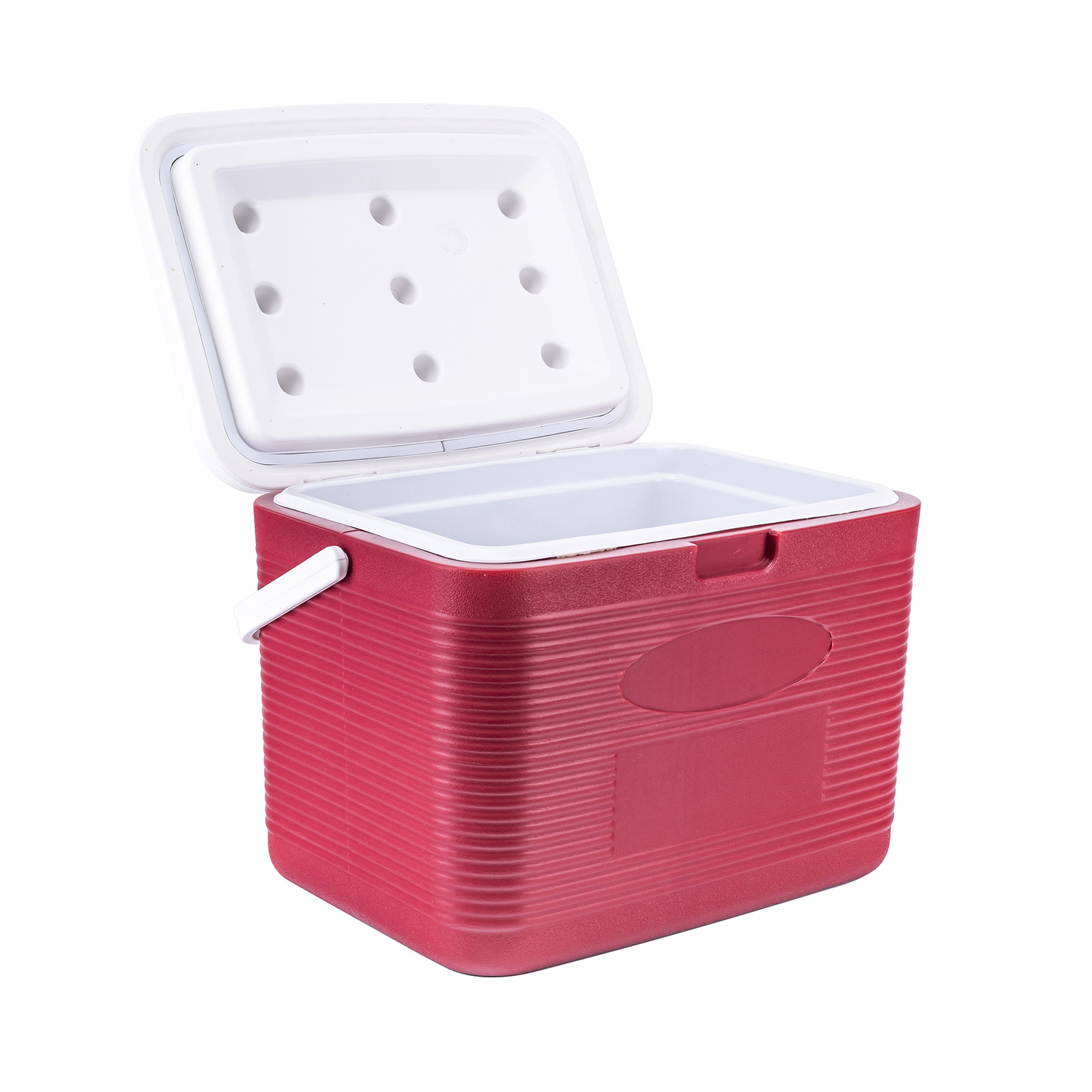
Insulated Plastic Crate for Logistics Import
Insulated Plastic Crate for Logistics Import
Updated On: May 26, 2026
Insulated Plastic Crate Producer for Logistics Import: How to Choose With Less Risk
A insulated plastic crate producer for logistics import should be judged by the work it prevents as much as the work it performs. The right container reduces repacking, unstable staging, avoidable moisture damage, and unclear handling responsibility. The wrong one adds another object to manage while the real problems, such as cleaning, labeling, airflow, insulation, or documentation, remain unsolved.
Practical answer
A insulated plastic crate producer for logistics import is suitable when the proposed container and supplier process support the payload, route, return process, cleaning method, and documentation expectations for logistics import. It should not be approved only because the feature sounds relevant. The safest purchase is the one backed by sample testing, clear supplier answers, and a realistic view of where the container stops and where the operating process begins.
The Real Buying Decision Behind This Search
For export or import programs, the route includes administrative waiting time. Customs review, document checks, inspection holds, and carrier cut-off times can change how long the product stays outside ideal storage. The container cannot remove that risk alone, but it can make the process easier to inspect, segregate, relabel, and recover when a shipment is delayed.
The route also determines the abuse profile. A clean storeroom needs different priorities from a wet dock, a mixed-return pool, or a cross-border export lane. Before you ask for a quotation, list the worst ordinary day rather than the best possible day. That means the longest wait, the roughest lift, the wettest floor, the most crowded pallet, and the least experienced handler who will still use the container correctly.
A container choice should begin with the lane. Map where the payload is filled, where it waits, who touches it, how it is loaded, and where the receiver makes an acceptance decision. This turns a vague product request into a set of operating conditions. For logistics import, the important moments are often handovers: a pallet sits at a dock, a worker sorts returns, a carrier changes vehicles, or a receiver opens a load before moving it into controlled storage.
The final supplier decision should be written as an operating assumption: this container will carry this payload, in this route, under these cleaning rules, with these labels, handled by these people, and accepted under these receiving checks. When the assumption is written down, the gaps become visible. If the container is expected to do more than its design supports, change the design, the process, or the expectation before placing a bulk order.
Fit the Container to Payload, Route, and Return Flow
In this application, the container has to help teams protect imported goods through customs, warehouse dwell, staging, and onward delivery without letting container assumptions replace route and product verification. Import lanes often fail at waiting points: customs hold, dock delay, truck transfer, or mixed pallet handling.
The strongest design decisions are usually small. Smooth internal corners speed cleaning. A textured exterior may help grip but can hold dirt if the texture is too aggressive. Color coding supports segregation but needs an ordering discipline. Molded label panels help traceability, but they must remain readable when containers are stacked, nested, or wrapped on a pallet.
Do not evaluate insulated as a word on a datasheet. Ask how the geometry works. A rim can help stability but reduce usable space. A vent can improve airflow but expose product to dust or water. A seal can protect labels but trap condensation. A foldable wall can reduce return volume but add hinge areas that need inspection. The right answer depends on the payload and the cleaning routine.
A buyer should also consider how workers behave under time pressure. If a container is hard to open, jams when empty, or requires a precise folding motion, people will find shortcuts. Shortcuts become quality risks. A practical design should be easy to use correctly during the busiest shift, not only during a sample review in a meeting room.
The main feature checks for this search are lid fit, insulation continuity around corners, coolant compatibility, usable payload space after adding liners or packs, test evidence for the intended route. These are not decorative details. They affect loading speed, cleaning confidence, pallet behavior, sample approval, and whether the container can be used repeatedly without creating hidden failure points.
What to Verify Before You Approve a Sample
A practical buyer review should translate the long-tail phrase into measurable questions. The table below keeps the discussion grounded without inventing universal performance numbers. Use it as a sample approval checklist and adjust it for your internal quality system.
| Buyer checkpoint | What to confirm | Why it matters |
|---|---|---|
| Payload fit | Confirm whether the plastic crate fits imported cartons, cross-dock loads, temperature-sensitive freight, consolidation cargo, and returned packaging assets without crushing, excessive headspace, or awkward lifting. | Product fit prevents damage and slow loading. |
| Feature fit | Check lid fit, insulation continuity around corners, coolant compatibility. | The insulated design should solve a real workflow issue, not just add a catalog feature. |
| Cleaning and reuse | Define washing, drying, inspection, segregation, and retirement rules. | Reusable packaging becomes risky when the return loop is not controlled. |
| Documentation boundary | Identify whether food, chemical, medical, biotech, seafood, export, or temperature records are required. | A plastic container supports records but does not replace them. |
| Supplier readiness | Ask for samples, dimensions, material information, change-control approach, and bulk-order consistency. | Supplier discipline is part of the product performance. |
The table is deliberately framed around verification rather than promises. That is important because the same container can perform well in one route and poorly in another. Once a supplier answers these questions, the buyer can decide whether a standard model is enough or whether custom dimensions, inserts, labeling, insulation, or another packaging family is needed.
A practical shortlist has three levels. First, remove suppliers that cannot explain basic dimensions, material information, and sample controls. Second, test samples against your actual handling route. Third, review documentation and commercial stability before scaling. This sequence prevents a common problem: approving a nice-looking sample and discovering later that production units, documents, or lead times do not support the program.
When the Plastic Crate Is Not Enough
Cleaning is not a cosmetic issue. A reusable container that cannot be cleaned and dried consistently becomes a source of odor, residue, microbial risk, label failure, or cross-contact concern. Ask whether the supplier can describe acceptable cleaning methods, drying expectations, temperature limits for washing, and inspection points after reuse. When those answers are vague, the risk moves to your operation.
Compatibility should be checked against the actual product. Food packaging needs the right intended-use review. Chemical programs need SDS and material compatibility review. Lab and biotech programs need segregation and quality-system review. Seafood and meat workflows need hygiene and wet-handling checks. A universal container claim is not enough for any of these environments.
For regulated or safety-sensitive cargo, documents matter. Buyers may need SDS information, food-contact review, sanitary transport procedures, HACCP records, quality release rules, temperature records, or destination-market documentation depending on the product. The container should make those controls easier to apply: clear labels, visible lot separation, clean surfaces, predictable closures, and stable loads.
The container can support temperature control by reducing direct exposure, organizing coolant, preventing crushed insulation, or improving receiving inspection. It can also create problems if it traps warm air, blocks airflow, concentrates coolant against freeze-sensitive items, or makes temperature loggers hard to retrieve. The best packout is not the coldest; it is the one that fits the product requirement.
Temperature protection is often misunderstood. An insulated or thermal container slows heat transfer, but the final result depends on the starting temperature of the payload, the coolant or PCM plan, the headspace, the closure, the ambient exposure, and the time outside controlled storage. A vented or waterproof container may solve airflow or wet handling, but it should not be described as temperature controlled unless the full packout is defined.
Official guidance and internal quality procedures should be used as boundary conditions rather than marketing claims. Requirements vary by product, route, transport mode, and market, so the buyer should verify the specific rules before turning a container feature into a compliance statement.
Supplier Review for Bulk or Custom Orders
Lead time, MOQ, and customization should be discussed as operational risks, not only commercial terms. A rush order that changes resin, colorant, hinge design, lid fit, or wall thickness may create a different container from the sample. When the container supports a quality or export process, change control is part of purchasing discipline.
For bulk or custom orders, sample-to-production consistency matters. A prototype may be produced carefully, while mass production depends on tooling control, resin consistency, cooling time, dimensional tolerance, and final inspection. Buyers should keep an approved sample, define critical dimensions, photograph label positions, and agree on how substitutions or design changes will be communicated before production.
Supplier proof should match the risk level. For ordinary warehouse handling, a datasheet and sample inspection may be enough. For food-contact, chemical, medical, biotech, or temperature-sensitive use, you may need more documentation. That might include material declarations, cleaning guidance, SDS-related compatibility review, test summaries, or packaging qualification evidence, depending on the application.
The safest final article for a buyer is not one that says a specific container is always best. It is one that shows where the product fits and where the process must carry the remaining risk. For cold-chain and sensitive logistics, this distinction protects the buyer from overbuying, under-specifying, or asking a plastic container to solve problems that need packout design, monitoring, or route control.
Before approving a producer, ask the supplier to confirm the intended use, material declaration, drawing or dimension sheet, packaging method for delivery, sample lead time, production lead time, QC checkpoints, and how nonconforming units are handled. For logistics import, add application-specific questions around importers should confirm product-specific requirements, packaging records, temperature controls, and inspection practices for the destination market.
Practical Example: Building a Safer Logistics Import Workflow
A typical scenario starts with a quality complaint: goods arrive wet, labels are unreadable, containers are hard to clean, or pallet stacks lean during staging. The procurement team might be tempted to switch suppliers immediately. A better first step is to document the failure point. If the issue is condensation, a sealed waterproof box may make it worse. If the issue is airflow, a vented design may help. If the issue is dwell time, insulation and coolant planning may matter more than container shape.
In a common shipment, the container is only one part of the acceptance decision. The receiver looks at the label, seal, external condition, temperature record if used, product appearance, and whether the load stayed separated from incompatible items. This is why the container specification should be written alongside the receiving checklist.
For example, a buyer may need to move imported cartons, cross-dock loads, temperature-sensitive freight, consolidation cargo, and returned packaging assets through a warehouse, a transport handover, and a receiver inspection. The team first defines the payload weight, carton shape, temperature sensitivity, cleaning method, label requirements, and return loop. Only then does it compare container features. In this sequence, the insulated design becomes a tool for a known problem rather than a generic purchasing preference.
The example shows why a container specification should not be isolated from the receiving checklist. If the team cannot describe how the load is inspected, how reusable units are cleaned, and what evidence supports a temperature or safety decision, the supplier cannot solve the problem alone.
Procurement Notes for Bulk or Custom Projects
Bulk purchasing should define what cannot change. For a insulated plastic crate producer for logistics import, that may include external dimensions, internal usable space, lid design, nesting or stacking behavior, color, label area, material family, and packaging count per carton or pallet. When these items are treated as preferences rather than controlled requirements, a reorder can slowly drift away from the approved sample.
Custom projects should begin with a drawing or written requirement, not only a photo. If the plastic crate must fit a particular pallet, shelf, chilled room, truck route, or inspection step, write those constraints into the RFQ. If the design involves insulation, vents, gaskets, hinges, or special drainage, confirm how those elements are inspected after production.
For logistics import, the commercial decision should include return and retirement rules. Reusable containers need a method for counting assets, separating dirty returns, identifying damaged units, and deciding when to remove a unit from service. Without that discipline, the buyer may save on disposable packaging but lose control of quality and traceability.
A final quotation should identify what is included and what is not included. The container may not include coolant, liners, data loggers, pallet covers, labels, export documentation, or route qualification unless those items are specifically part of the order. Clear scope protects both buyer and supplier from later misunderstanding.
FAQ
What should I ask a producer before ordering samples?
Ask for dimensions, usable volume, material information, load guidance, closure details, cleaning recommendations, labeling options, sample-to-production controls, and any application-specific documents. If the product is food, chemical, medical, biotech, seafood, or temperature-sensitive, add questions about compatibility, documentation, and test evidence that matches the intended route.
Should I choose custom sizing or a standard model?
Standard models are usually easier to sample, reorder, and replace. Custom sizing makes sense when the payload, pallet footprint, automated handling, coolant layout, or branding requirement cannot be solved with a standard option. Before customizing, confirm the critical dimensions and how changes will be controlled during production.
How do I compare unit price with total operating cost?
Look beyond the container price. Include return freight, damaged goods, cleaning time, lost labels, pallet stability, worker speed, storage space, and rejected loads. A more expensive unit can be cheaper in practice if it reduces handling failures. A lower-cost unit can be suitable when the route is simple and the risk is low.
What documentation matters for sensitive shipments?
Documentation depends on the cargo. Food programs may need food-contact and cleaning records. Chemical programs may require SDS and dangerous-goods review. Medical, lab, and biotech shipments may need temperature range, monitoring, and quality-system records. Seafood and meat programs may require hygiene, HACCP, inspection, or export-market documentation.
Is a insulated plastic crate enough for logistics import?
Not by itself. It can support handling, protection, return efficiency, airflow, insulation, or moisture control depending on the design, but the full process still needs payload definition, cleaning rules, receiving checks, and any required temperature or documentation controls. For regulated products, the quality or compliance team should confirm the final requirements.
Conclusion
A insulated plastic crate producer for logistics import should be chosen only after the route, payload, cleaning routine, supplier proof, and documentation boundary are clear. The insulated design can add real value for logistics import, especially when it supports reduced heat gain during staging, better protection during handovers, more predictable packout planning when paired with the right coolant. It is not a substitute for product-specific requirements, temperature planning, SDS or food-safety review, or quality release decisions. The best next step is to write a short use-case specification, test samples under real handling conditions, and confirm what evidence is required before bulk ordering.
About Tempk
Tempk focuses on practical cold-chain packaging components such as gel packs, PCM-style cooling media, insulated boxes, EPP and VIP cooler options, liners, thermal bags, and pallet covers. A insulated plastic crate may be only one part of a broader packout. Tempk can help buyers compare whether they need a handling container, an insulated shipper, a coolant plan, a pallet cover, or a combination that better fits the route and payload.
If you are comparing suppliers for a insulated plastic crate producer for logistics import, ask Tempk to review the shipment context, temperature sensitivity, and handling process before you approve samples or scale to a bulk order.
Buyer Guide to a collapsible plastic tote company for logistics logistics

Buyer Guide to a collapsible plastic tote company for logistics logistics
The right collapsible plastic tote company for logistics logistics is selected around the route, product risk, reuse model, and evidence required by the buyer's quality or operations team. A plastic box, crate, tote, or bin can improve handling, but it should not be treated as a universal temperature-control or compliance solution. For logistics network operations, the best choice is the one that makes daily operations simpler while keeping the limits of the packaging clear.
The most useful evaluation starts with the operation. What product goes inside? Who touches it? How is it packed, staged, transported, received, cleaned, and returned? Which risks belong to the container, and which risks belong to refrigeration, insulated packaging, coolant, monitoring, documentation, or site procedures? When these questions are answered early, supplier selection becomes more practical and less dependent on vague claims.
Define the operating problem before comparing boxes
A purchasing team may request a collapsible plastic tote because cartons are collapsing, freight is messy, packaging waste is rising, or receiving teams want better standardization. Those are different problems. If the goal is better cube utilization, folding or nesting may matter most. If the goal is product protection, wall strength, inserts, and closure design matter. If the goal is hygiene, smooth surfaces and cleaning access matter. If the goal is temperature-sensitive distribution, the container must be reviewed as only one part of the thermal system.
For logistics network operations, write a one-page operating brief before asking for quotations. Include payload type, internal size requirement, expected load, number of handling points, cleaning method, return path, label or barcode method, and any temperature or documentation requirement. A supplier who responds to that brief with specific questions is often more useful than a supplier who sends a generic price list.
Separate outer handling, insulation, and temperature proof
A common buying error is mixing product categories. A general plastic bin, a waterproof tote, an insulated shipper, a passive temperature-controlled package, an active temperature-controlled container, and a qualified thermal system are not the same thing. The collapsible plastic tote may protect against handling damage or help organize the load, but temperature protection depends on insulation, coolant or refrigerant, payload, ambient exposure, route time, and monitoring.
Not inherently temperature controlled; it may support cold-chain handling only when paired with insulated packaging, coolant, monitoring, and route procedures. If the cargo has a required temperature range, confirm it from the product owner, label, quality team, or applicable guidance. Many vaccine programs, for example, handle refrigerated products around 2 to 8 degrees C, but that range should not be generalized to every medicine, biologic, or sample. Food applications should also be checked against the relevant food safety plan and destination-market rules.
Shortlist suppliers by evidence, not claims
Supplier evidence table
| Evidence to request | Why it changes the buying decision | Red flag |
|---|---|---|
| Internal drawing and payload fit review | Shows whether your real product fits without crushing, wasted space, or label interference | Only external dimensions are provided |
| Material and intended-use statement | Helps quality, food safety, EHS, or engineering teams review suitability | The supplier cannot explain material family or product-contact boundary |
| Sample-to-production control | Reduces the risk that bulk units differ from approved samples | No process for approving material, color, lid, or mold changes |
| Cleaning and inspection guidance | Supports reuse without hidden residue or moisture issues | Hinges, corners, or drains cannot be visually inspected after cleaning |
| Thermal evidence where relevant | Clarifies whether temperature claims are supported by a packout, test profile, and acceptance criteria | A temperature claim is made without payload, ambient, coolant, or monitoring details |
This evidence table is a practical filter. It does not require every supplier to have the same paperwork, but it forces the discussion toward verifiable details. The more sensitive the product, the more important it becomes to distinguish a useful handling container from a product that has been proven for a specific regulated or temperature-controlled route.
Build a sample-to-production review
The sample review should use real operating conditions. Pack the real payload. Use the same labels and scanners. Move the unit through the same doors, conveyors, forklifts, cold rooms, or dock areas. Clean it using the intended procedure. Fold or stack it the way operators will handle it during a busy shift. Then inspect the base, corners, hinges, lid, label area, and any drainage points.
If the review exposes a weakness, do not immediately reject the idea. Decide whether the weakness belongs to the product, the route, or the procedure. A label problem may be solved with a better label panel. A stacking problem may need a different footprint. A condensation problem may require ventilation, absorbent material, or a different packout. A temperature problem may mean the container should be paired with a qualified insulated system rather than modified as a general plastic box.
Use a practical risk map before scaling
Before a large order, map the most likely failures: folded units returning late, broken latches, unreadable labels, and mixed tote sizes that reduce trailer or warehouse efficiency. Assign each risk to a control. The control may be a product feature, a supplier document, an operating SOP, a receiving inspection step, or a separate cold-chain packaging component. This exercise is simple, but it prevents a common problem: buying a container for one reason and then blaming it for risks it was never designed to control.
For example, a 3PL moving mixed cartons between a regional distribution center and local depots may need both a reusable outer container and a separate thermal packout. The outer container improves handling and return discipline. The thermal packout manages product temperature. The temperature logger or receiving check provides evidence. If those roles are clear, the buyer can evaluate each component fairly and avoid overpaying for the wrong feature.
The purchasing team should compare total route fit rather than isolated features. A deeper box may look efficient but create ergonomic strain. A tighter lid may protect against splash but slow packing. A stronger base may add weight. A highly customized mold may improve branding but complicate replacement. Each benefit should be weighed against the operating cost it creates.
Receiving teams should have a simple exception process. If a container arrives wet, cracked, mis-labeled, unusually warm, or carrying signs of contamination, the receiver should know whether to photograph it, quarantine it, unload it under supervision, or escalate it to quality review. This keeps packaging decisions connected to real receiving behavior.
A final pre-scale review should connect purchasing, operations, quality, logistics, and finance. Procurement sees price and lead time. Operations sees handling speed. Quality sees documentation and risk. Logistics sees cube utilization and return flow. Finance sees the full lifecycle cost. The best decision is usually found where these views overlap.
The supplier relationship should include practical communication. Buyers should know who answers technical questions, who confirms production changes, who manages replacement parts, and who reviews complaints. A container program becomes easier to scale when the supplier can support the product after the first shipment, not only before the purchase order is signed.
The final specification should name the container's role in plain language. Is it an outer handling container, a returnable logistics asset, a food-contact crate, a moisture-resistant bin, or one component of a passive temperature-controlled packout? Clear naming prevents teams from expecting the collapsible plastic tote to solve risks that belong to another part of the system.
Before scale-up, the buyer should decide which evidence will be kept in the project file. Useful records may include sample approval notes, photographs of the loaded packout, supplier drawings, material statements, cleaning observations, and trial feedback. This file helps future staff understand why the product was chosen and what assumptions supported the decision.
The best final article for a procurement audience should also name the trade-offs. Stronger walls may add weight. More sealing may reduce ventilation. Folding may add inspection points. More customization may create longer lead times. A practical buyer does not avoid trade-offs; the buyer makes them visible before purchase.
If the project involves a controlled temperature range, the final approval should include the thermal package, not only the plastic container. This means reviewing the insulated component, coolant or PCM, payload, ambient exposure, handling duration, monitoring method, and receiving criteria as one system. Any unsupported duration or temperature claim should be changed into a verification question.
A useful supplier will not object to practical questions. It should be able to explain product limits, recommend a suitable sample, and clarify which claims are based on design, documentation, or test evidence. When a supplier avoids basic questions about material, dimensions, cleaning, or production control, the buyer should slow down before approving the order.
The final decision should be written in a way that operators can understand. Instead of a vague statement that the container is suitable for logistics, describe where it may be used, what it may carry, how it should be cleaned, when it should be removed from service, and when a separate cold-chain packout is required. Clear instructions turn a good purchase into a repeatable process.
A supplier comparison should include the questions the supplier asks back. A thoughtful supplier may ask about payload, lane, cleaning, storage, stacking, and temperature expectations before recommending a unit. That is a positive signal. It shows the supplier understands that the right collapsible plastic tote depends on use conditions, not only catalog categories.
The project file should also record what was not approved. For example, the team may approve the container for secondary packaged goods but not for direct product contact, or for chilled handling but not as a stand-alone thermal shipper. Recording exclusions prevents future teams from stretching the approved use beyond the evidence.
During rollout, receiving feedback should be collected in simple language. Workers can report whether the unit is easy to open, whether labels stay visible, whether cleaning takes too long, whether stacks feel stable, and whether empty returns are manageable. This feedback helps refine the SOP before the container pool grows.
FAQ
What is the safest way to shortlist suppliers for a collapsible plastic tote company for logistics logistics?
Give each supplier the same operating brief: payload, internal size, route, handling points, cleaning method, return model, labeling need, and temperature requirement if any. Then compare how specifically they respond. The most useful supplier is often the one that explains limits clearly.
How do I separate handling protection from temperature protection?
Handling protection comes from the container's strength, geometry, closure, and organization features. Temperature protection comes from a system: insulation, coolant or refrigerant, payload, ambient exposure, time, monitoring, and receiving criteria. A plastic container can support the system without replacing it.
Who should approve the final container choice?
Procurement should not decide alone. Operations, quality, logistics, food safety, EHS, or technical staff may need to review the container depending on the product. Their review helps prevent a container that is cheap to buy but difficult to clean, document, return, or defend after a problem.
What is the most useful next step before bulk ordering?
Run a practical sample-to-production review. Confirm physical fit, label durability, cleaning, stacking, return flow, and supplier change control. If the product is sensitive, also confirm the separate packout, storage, monitoring, and receiving process that protects the product itself.
Conclusion
A collapsible plastic tote company for logistics logistics is a good investment only when it fits the route, payload, cleaning process, return model, and quality expectations. Use supplier evidence, sample testing, and clear category boundaries to avoid confusing a plastic handling container with a complete thermal or compliance solution. The better the operating brief, the easier it is to choose a supplier that can support the project beyond the first quotation.
About Tempk
Tempk supports buyers who need to connect packaging choice with real shipment conditions. Our product range includes gel ice packs, dry ice packs, freezer ice bricks, insulated bags, EPP insulated boxes, cold shipping boxes, VPU medical refrigerators, insulated liners, pallet covers, and related temperature-control materials. We help clarify where reusable handling packaging ends and where cold-chain packaging design should begin.
CTA: Discuss your shipment route, product type, expected payload, return model, and temperature requirement with Tempk before scaling from samples to bulk procurement. We can help you identify where reusable handling packaging ends and where cold-chain packaging design should begin.
Buyer Guide to a collapsible plastic container supplier for vaccine distribution

Buyer Guide to a collapsible plastic container supplier for vaccine distribution
The right collapsible plastic container supplier for vaccine distribution is selected around the route, product risk, reuse model, and evidence required by the buyer's quality or operations team. A plastic box, crate, tote, or bin can improve handling, but it should not be treated as a universal temperature-control or compliance solution. For vaccine distribution, the best choice is the one that makes daily operations simpler while keeping the limits of the packaging clear.
The most useful evaluation starts with the operation. What product goes inside? Who touches it? How is it packed, staged, transported, received, cleaned, and returned? Which risks belong to the container, and which risks belong to refrigeration, insulated packaging, coolant, monitoring, documentation, or site procedures? When these questions are answered early, supplier selection becomes more practical and less dependent on vague claims.
Define the operating problem before comparing boxes
A purchasing team may request a collapsible plastic container because cartons are collapsing, freight is messy, packaging waste is rising, or receiving teams want better standardization. Those are different problems. If the goal is better cube utilization, folding or nesting may matter most. If the goal is product protection, wall strength, inserts, and closure design matter. If the goal is hygiene, smooth surfaces and cleaning access matter. If the goal is temperature-sensitive distribution, the container must be reviewed as only one part of the thermal system.
For vaccine distribution, write a one-page operating brief before asking for quotations. Include payload type, internal size requirement, expected load, number of handling points, cleaning method, return path, label or barcode method, and any temperature or documentation requirement. A supplier who responds to that brief with specific questions is often more useful than a supplier who sends a generic price list.
Separate outer handling, insulation, and temperature proof
A common buying error is mixing product categories. A general plastic bin, a waterproof tote, an insulated shipper, a passive temperature-controlled package, an active temperature-controlled container, and a qualified thermal system are not the same thing. The collapsible plastic container may protect against handling damage or help organize the load, but temperature protection depends on insulation, coolant or refrigerant, payload, ambient exposure, route time, and monitoring.
Vaccine use requires a qualified thermal system, coolant conditioning, temperature monitoring, sops, and product-specific review. If the cargo has a required temperature range, confirm it from the product owner, label, quality team, or applicable guidance. Many vaccine programs, for example, handle refrigerated products around 2 to 8 degrees C, but that range should not be generalized to every medicine, biologic, or sample. Food applications should also be checked against the relevant food safety plan and destination-market rules.
Shortlist suppliers by evidence, not claims
Supplier evidence table
| Evidence to request | Why it changes the buying decision | Red flag |
|---|---|---|
| Internal drawing and payload fit review | Shows whether your real product fits without crushing, wasted space, or label interference | Only external dimensions are provided |
| Material and intended-use statement | Helps quality, food safety, EHS, or engineering teams review suitability | The supplier cannot explain material family or product-contact boundary |
| Sample-to-production control | Reduces the risk that bulk units differ from approved samples | No process for approving material, color, lid, or mold changes |
| Cleaning and inspection guidance | Supports reuse without hidden residue or moisture issues | Hinges, corners, or drains cannot be visually inspected after cleaning |
| Thermal evidence where relevant | Clarifies whether temperature claims are supported by a packout, test profile, and acceptance criteria | A temperature claim is made without payload, ambient, coolant, or monitoring details |
This evidence table is a practical filter. It does not require every supplier to have the same paperwork, but it forces the discussion toward verifiable details. The more sensitive the product, the more important it becomes to distinguish a useful handling container from a product that has been proven for a specific regulated or temperature-controlled route.
Build a sample-to-production review
The sample review should use real operating conditions. Pack the real payload. Use the same labels and scanners. Move the unit through the same doors, conveyors, forklifts, cold rooms, or dock areas. Clean it using the intended procedure. Fold or stack it the way operators will handle it during a busy shift. Then inspect the base, corners, hinges, lid, label area, and any drainage points.
If the review exposes a weakness, do not immediately reject the idea. Decide whether the weakness belongs to the product, the route, or the procedure. A label problem may be solved with a better label panel. A stacking problem may need a different footprint. A condensation problem may require ventilation, absorbent material, or a different packout. A temperature problem may mean the container should be paired with a qualified insulated system rather than modified as a general plastic box.
Use a practical risk map before scaling
Before a large order, map the most likely failures: confusing a reusable outer container with a qualified vaccine shipper, freezing freeze-sensitive products, missing temperature records, and reusing damaged containers. Assign each risk to a control. The control may be a product feature, a supplier document, an operating SOP, a receiving inspection step, or a separate cold-chain packaging component. This exercise is simple, but it prevents a common problem: buying a container for one reason and then blaming it for risks it was never designed to control.
For example, a regional immunization program sending vaccine cartons from a central depot to clinics and collecting empty packaging after outreach sessions may need both a reusable outer container and a separate thermal packout. The outer container improves handling and return discipline. The thermal packout manages product temperature. The temperature logger or receiving check provides evidence. If those roles are clear, the buyer can evaluate each component fairly and avoid overpaying for the wrong feature.
The purchasing team should compare total route fit rather than isolated features. A deeper box may look efficient but create ergonomic strain. A tighter lid may protect against splash but slow packing. A stronger base may add weight. A highly customized mold may improve branding but complicate replacement. Each benefit should be weighed against the operating cost it creates.
Receiving teams should have a simple exception process. If a container arrives wet, cracked, mis-labeled, unusually warm, or carrying signs of contamination, the receiver should know whether to photograph it, quarantine it, unload it under supervision, or escalate it to quality review. This keeps packaging decisions connected to real receiving behavior.
A final pre-scale review should connect purchasing, operations, quality, logistics, and finance. Procurement sees price and lead time. Operations sees handling speed. Quality sees documentation and risk. Logistics sees cube utilization and return flow. Finance sees the full lifecycle cost. The best decision is usually found where these views overlap.
The supplier relationship should include practical communication. Buyers should know who answers technical questions, who confirms production changes, who manages replacement parts, and who reviews complaints. A container program becomes easier to scale when the supplier can support the product after the first shipment, not only before the purchase order is signed.
The final specification should name the container's role in plain language. Is it an outer handling container, a returnable logistics asset, a food-contact crate, a moisture-resistant bin, or one component of a passive temperature-controlled packout? Clear naming prevents teams from expecting the collapsible plastic container to solve risks that belong to another part of the system.
Before scale-up, the buyer should decide which evidence will be kept in the project file. Useful records may include sample approval notes, photographs of the loaded packout, supplier drawings, material statements, cleaning observations, and trial feedback. This file helps future staff understand why the product was chosen and what assumptions supported the decision.
The best final article for a procurement audience should also name the trade-offs. Stronger walls may add weight. More sealing may reduce ventilation. Folding may add inspection points. More customization may create longer lead times. A practical buyer does not avoid trade-offs; the buyer makes them visible before purchase.
If the project involves a controlled temperature range, the final approval should include the thermal package, not only the plastic container. This means reviewing the insulated component, coolant or PCM, payload, ambient exposure, handling duration, monitoring method, and receiving criteria as one system. Any unsupported duration or temperature claim should be changed into a verification question.
A useful supplier will not object to practical questions. It should be able to explain product limits, recommend a suitable sample, and clarify which claims are based on design, documentation, or test evidence. When a supplier avoids basic questions about material, dimensions, cleaning, or production control, the buyer should slow down before approving the order.
The final decision should be written in a way that operators can understand. Instead of a vague statement that the container is suitable for logistics, describe where it may be used, what it may carry, how it should be cleaned, when it should be removed from service, and when a separate cold-chain packout is required. Clear instructions turn a good purchase into a repeatable process.
A supplier comparison should include the questions the supplier asks back. A thoughtful supplier may ask about payload, lane, cleaning, storage, stacking, and temperature expectations before recommending a unit. That is a positive signal. It shows the supplier understands that the right collapsible plastic container depends on use conditions, not only catalog categories.
FAQ
What is the safest way to shortlist suppliers for a collapsible plastic container supplier for vaccine distribution?
Give each supplier the same operating brief: payload, internal size, route, handling points, cleaning method, return model, labeling need, and temperature requirement if any. Then compare how specifically they respond. The most useful supplier is often the one that explains limits clearly.
How do I separate handling protection from temperature protection?
Handling protection comes from the container's strength, geometry, closure, and organization features. Temperature protection comes from a system: insulation, coolant or refrigerant, payload, ambient exposure, time, monitoring, and receiving criteria. A plastic container can support the system without replacing it.
Who should approve the final container choice?
Procurement should not decide alone. Operations, quality, logistics, food safety, EHS, or technical staff may need to review the container depending on the product. Their review helps prevent a container that is cheap to buy but difficult to clean, document, return, or defend after a problem.
What is the most useful next step before bulk ordering?
Run a practical sample-to-production review. Confirm physical fit, label durability, cleaning, stacking, return flow, and supplier change control. If the product is sensitive, also confirm the separate packout, storage, monitoring, and receiving process that protects the product itself.
What extra caution applies to vaccine distribution?
Vaccine distribution needs product-specific temperature requirements, trained handling, correct coolant conditioning, temperature monitoring, and receiving procedures. Many refrigerated vaccines are managed around 2 to 8 degrees C, but the required range must be confirmed for the product and market. A collapsible container should not be treated as a qualified vaccine shipper unless supporting evidence exists. Before approval, record this limitation in the project file together with the sample test notes and receiving procedure.
Conclusion
A collapsible plastic container supplier for vaccine distribution is a good investment only when it fits the route, payload, cleaning process, return model, and quality expectations. Use supplier evidence, sample testing, and clear category boundaries to avoid confusing a plastic handling container with a complete thermal or compliance solution. The better the operating brief, the easier it is to choose a supplier that can support the project beyond the first quotation.
About Tempk
Tempk supports buyers who need to connect packaging choice with real shipment conditions. Our product range includes gel ice packs, dry ice packs, freezer ice bricks, insulated bags, EPP insulated boxes, cold shipping boxes, VPU medical refrigerators, insulated liners, pallet covers, and related temperature-control materials. We help clarify where reusable handling packaging ends and where cold-chain packaging design should begin.
CTA: Discuss your shipment route, product type, expected payload, return model, and temperature requirement with Tempk before scaling from samples to bulk procurement. We can help you identify where reusable handling packaging ends and where cold-chain packaging design should begin.
Buyer Guide to a collapsible plastic box producer for laboratory distribution

Buyer Guide to a collapsible plastic box producer for laboratory distribution
The right collapsible plastic box producer for laboratory distribution is selected around the route, product risk, reuse model, and evidence required by the buyer's quality or operations team. A plastic box, crate, tote, or bin can improve handling, but it should not be treated as a universal temperature-control or compliance solution. For laboratory distribution routes, the best choice is the one that makes daily operations simpler while keeping the limits of the packaging clear.
The most useful evaluation starts with the operation. What product goes inside? Who touches it? How is it packed, staged, transported, received, cleaned, and returned? Which risks belong to the container, and which risks belong to refrigeration, insulated packaging, coolant, monitoring, documentation, or site procedures? When these questions are answered early, supplier selection becomes more practical and less dependent on vague claims.
Define the operating problem before comparing boxes
A purchasing team may request a collapsible plastic box because cartons are collapsing, freight is messy, packaging waste is rising, or receiving teams want better standardization. Those are different problems. If the goal is better cube utilization, folding or nesting may matter most. If the goal is product protection, wall strength, inserts, and closure design matter. If the goal is hygiene, smooth surfaces and cleaning access matter. If the goal is temperature-sensitive distribution, the container must be reviewed as only one part of the thermal system.
For laboratory distribution routes, write a one-page operating brief before asking for quotations. Include payload type, internal size requirement, expected load, number of handling points, cleaning method, return path, label or barcode method, and any temperature or documentation requirement. A supplier who responds to that brief with specific questions is often more useful than a supplier who sends a generic price list.
Separate outer handling, insulation, and temperature proof
A common buying error is mixing product categories. A general plastic bin, a waterproof tote, an insulated shipper, a passive temperature-controlled package, an active temperature-controlled container, and a qualified thermal system are not the same thing. The collapsible plastic box may protect against handling damage or help organize the load, but temperature protection depends on insulation, coolant or refrigerant, payload, ambient exposure, route time, and monitoring.
Collapsible boxes are handling containers unless insulated walls, coolant, monitoring, and a qualified packout are added. If the cargo has a required temperature range, confirm it from the product owner, label, quality team, or applicable guidance. Many vaccine programs, for example, handle refrigerated products around 2 to 8 degrees C, but that range should not be generalized to every medicine, biologic, or sample. Food applications should also be checked against the relevant food safety plan and destination-market rules.
Shortlist suppliers by evidence, not claims
Supplier evidence table
| Evidence to request | Why it changes the buying decision | Red flag |
|---|---|---|
| Internal drawing and payload fit review | Shows whether your real product fits without crushing, wasted space, or label interference | Only external dimensions are provided |
| Material and intended-use statement | Helps quality, food safety, EHS, or engineering teams review suitability | The supplier cannot explain material family or product-contact boundary |
| Sample-to-production control | Reduces the risk that bulk units differ from approved samples | No process for approving material, color, lid, or mold changes |
| Cleaning and inspection guidance | Supports reuse without hidden residue or moisture issues | Hinges, corners, or drains cannot be visually inspected after cleaning |
| Thermal evidence where relevant | Clarifies whether temperature claims are supported by a packout, test profile, and acceptance criteria | A temperature claim is made without payload, ambient, coolant, or monitoring details |
This evidence table is a practical filter. It does not require every supplier to have the same paperwork, but it forces the discussion toward verifiable details. The more sensitive the product, the more important it becomes to distinguish a useful handling container from a product that has been proven for a specific regulated or temperature-controlled route.
Build a sample-to-production review
The sample review should use real operating conditions. Pack the real payload. Use the same labels and scanners. Move the unit through the same doors, conveyors, forklifts, cold rooms, or dock areas. Clean it using the intended procedure. Fold or stack it the way operators will handle it during a busy shift. Then inspect the base, corners, hinges, lid, label area, and any drainage points.
If the review exposes a weakness, do not immediately reject the idea. Decide whether the weakness belongs to the product, the route, or the procedure. A label problem may be solved with a better label panel. A stacking problem may need a different footprint. A condensation problem may require ventilation, absorbent material, or a different packout. A temperature problem may mean the container should be paired with a qualified insulated system rather than modified as a general plastic box.
Use a practical risk map before scaling
Before a large order, map the most likely failures: folding mechanisms trapping residue, inserts shifting during transport, and boxes being reused for incompatible lab materials. Assign each risk to a control. The control may be a product feature, a supplier document, an operating SOP, a receiving inspection step, or a separate cold-chain packaging component. This exercise is simple, but it prevents a common problem: buying a container for one reason and then blaming it for risks it was never designed to control.
For example, a regional lab network distributing sealed consumables and temperature-sensitive accessories to satellite sites may need both a reusable outer container and a separate thermal packout. The outer container improves handling and return discipline. The thermal packout manages product temperature. The temperature logger or receiving check provides evidence. If those roles are clear, the buyer can evaluate each component fairly and avoid overpaying for the wrong feature.
The purchasing team should compare total route fit rather than isolated features. A deeper box may look efficient but create ergonomic strain. A tighter lid may protect against splash but slow packing. A stronger base may add weight. A highly customized mold may improve branding but complicate replacement. Each benefit should be weighed against the operating cost it creates.
Receiving teams should have a simple exception process. If a container arrives wet, cracked, mis-labeled, unusually warm, or carrying signs of contamination, the receiver should know whether to photograph it, quarantine it, unload it under supervision, or escalate it to quality review. This keeps packaging decisions connected to real receiving behavior.
A final pre-scale review should connect purchasing, operations, quality, logistics, and finance. Procurement sees price and lead time. Operations sees handling speed. Quality sees documentation and risk. Logistics sees cube utilization and return flow. Finance sees the full lifecycle cost. The best decision is usually found where these views overlap.
The supplier relationship should include practical communication. Buyers should know who answers technical questions, who confirms production changes, who manages replacement parts, and who reviews complaints. A container program becomes easier to scale when the supplier can support the product after the first shipment, not only before the purchase order is signed.
The final specification should name the container's role in plain language. Is it an outer handling container, a returnable logistics asset, a food-contact crate, a moisture-resistant bin, or one component of a passive temperature-controlled packout? Clear naming prevents teams from expecting the collapsible plastic box to solve risks that belong to another part of the system.
Before scale-up, the buyer should decide which evidence will be kept in the project file. Useful records may include sample approval notes, photographs of the loaded packout, supplier drawings, material statements, cleaning observations, and trial feedback. This file helps future staff understand why the product was chosen and what assumptions supported the decision.
The best final article for a procurement audience should also name the trade-offs. Stronger walls may add weight. More sealing may reduce ventilation. Folding may add inspection points. More customization may create longer lead times. A practical buyer does not avoid trade-offs; the buyer makes them visible before purchase.
If the project involves a controlled temperature range, the final approval should include the thermal package, not only the plastic container. This means reviewing the insulated component, coolant or PCM, payload, ambient exposure, handling duration, monitoring method, and receiving criteria as one system. Any unsupported duration or temperature claim should be changed into a verification question.
A useful supplier will not object to practical questions. It should be able to explain product limits, recommend a suitable sample, and clarify which claims are based on design, documentation, or test evidence. When a supplier avoids basic questions about material, dimensions, cleaning, or production control, the buyer should slow down before approving the order.
The final decision should be written in a way that operators can understand. Instead of a vague statement that the container is suitable for logistics, describe where it may be used, what it may carry, how it should be cleaned, when it should be removed from service, and when a separate cold-chain packout is required. Clear instructions turn a good purchase into a repeatable process.
A supplier comparison should include the questions the supplier asks back. A thoughtful supplier may ask about payload, lane, cleaning, storage, stacking, and temperature expectations before recommending a unit. That is a positive signal. It shows the supplier understands that the right collapsible plastic box depends on use conditions, not only catalog categories.
FAQ
What is the safest way to shortlist suppliers for a collapsible plastic box producer for laboratory distribution?
Give each supplier the same operating brief: payload, internal size, route, handling points, cleaning method, return model, labeling need, and temperature requirement if any. Then compare how specifically they respond. The most useful supplier is often the one that explains limits clearly.
How do I separate handling protection from temperature protection?
Handling protection comes from the container's strength, geometry, closure, and organization features. Temperature protection comes from a system: insulation, coolant or refrigerant, payload, ambient exposure, time, monitoring, and receiving criteria. A plastic container can support the system without replacing it.
Who should approve the final container choice?
Procurement should not decide alone. Operations, quality, logistics, food safety, EHS, or technical staff may need to review the container depending on the product. Their review helps prevent a container that is cheap to buy but difficult to clean, document, return, or defend after a problem.
What is the most useful next step before bulk ordering?
Run a practical sample-to-production review. Confirm physical fit, label durability, cleaning, stacking, return flow, and supplier change control. If the product is sensitive, also confirm the separate packout, storage, monitoring, and receiving process that protects the product itself.
What extra caution applies to biotech or laboratory distribution?
Biotech and laboratory distribution require clear separation between outer handling protection and product-level requirements. Documents, sample identity, cleanability, secondary containment, import handling, and temperature evidence may all matter. A plastic bin or box can protect the outer load, but biosafety, thermal performance, and quality documentation must be reviewed separately. Before approval, record this limitation in the project file together with the sample test notes and receiving procedure.
Conclusion
A collapsible plastic box producer for laboratory distribution is a good investment only when it fits the route, payload, cleaning process, return model, and quality expectations. Use supplier evidence, sample testing, and clear category boundaries to avoid confusing a plastic handling container with a complete thermal or compliance solution. The better the operating brief, the easier it is to choose a supplier that can support the project beyond the first quotation.
About Tempk
Tempk supports buyers who need to connect packaging choice with real shipment conditions. Our product range includes gel ice packs, dry ice packs, freezer ice bricks, insulated bags, EPP insulated boxes, cold shipping boxes, VPU medical refrigerators, insulated liners, pallet covers, and related temperature-control materials. We help clarify where reusable handling packaging ends and where cold-chain packaging design should begin.
CTA: Discuss your shipment route, product type, expected payload, return model, and temperature requirement with Tempk before scaling from samples to bulk procurement. We can help you identify where reusable handling packaging ends and where cold-chain packaging design should begin.
Buyer Guide to a waterproof plastic bin distributor for biotech import
Buyer Guide to a waterproof plastic bin distributor for biotech import
The right waterproof plastic bin distributor for biotech import is selected around the route, product risk, reuse model, and evidence required by the buyer's quality or operations team. A plastic box, crate, tote, or bin can improve handling, but it should not be treated as a universal temperature-control or compliance solution. For biotech import handling, the best choice is the one that makes daily operations simpler while keeping the limits of the packaging clear.
The most useful evaluation starts with the operation. What product goes inside? Who touches it? How is it packed, staged, transported, received, cleaned, and returned? Which risks belong to the container, and which risks belong to refrigeration, insulated packaging, coolant, monitoring, documentation, or site procedures? When these questions are answered early, supplier selection becomes more practical and less dependent on vague claims.
Define the operating problem before comparing boxes
A purchasing team may request a waterproof plastic bin because cartons are collapsing, freight is messy, packaging waste is rising, or receiving teams want better standardization. Those are different problems. If the goal is better cube utilization, folding or nesting may matter most. If the goal is product protection, wall strength, inserts, and closure design matter. If the goal is hygiene, smooth surfaces and cleaning access matter. If the goal is temperature-sensitive distribution, the container must be reviewed as only one part of the thermal system.
For biotech import handling, write a one-page operating brief before asking for quotations. Include payload type, internal size requirement, expected load, number of handling points, cleaning method, return path, label or barcode method, and any temperature or documentation requirement. A supplier who responds to that brief with specific questions is often more useful than a supplier who sends a generic price list.
Separate outer handling, insulation, and temperature proof
A common buying error is mixing product categories. A general plastic bin, a waterproof tote, an insulated shipper, a passive temperature-controlled package, an active temperature-controlled container, and a qualified thermal system are not the same thing. The waterproof plastic bin may protect against handling damage or help organize the load, but temperature protection depends on insulation, coolant or refrigerant, payload, ambient exposure, route time, and monitoring.
Waterproof does not mean temperature controlled; a bin may protect against splash while a separate qualified packout maintains the required range. If the cargo has a required temperature range, confirm it from the product owner, label, quality team, or applicable guidance. Many vaccine programs, for example, handle refrigerated products around 2 to 8 degrees C, but that range should not be generalized to every medicine, biologic, or sample. Food applications should also be checked against the relevant food safety plan and destination-market rules.
Shortlist suppliers by evidence, not claims
Supplier evidence table
| Evidence to request | Why it changes the buying decision | Red flag |
|---|---|---|
| Internal drawing and payload fit review | Shows whether your real product fits without crushing, wasted space, or label interference | Only external dimensions are provided |
| Material and intended-use statement | Helps quality, food safety, EHS, or engineering teams review suitability | The supplier cannot explain material family or product-contact boundary |
| Sample-to-production control | Reduces the risk that bulk units differ from approved samples | No process for approving material, color, lid, or mold changes |
| Cleaning and inspection guidance | Supports reuse without hidden residue or moisture issues | Hinges, corners, or drains cannot be visually inspected after cleaning |
| Thermal evidence where relevant | Clarifies whether temperature claims are supported by a packout, test profile, and acceptance criteria | A temperature claim is made without payload, ambient, coolant, or monitoring details |
This evidence table is a practical filter. It does not require every supplier to have the same paperwork, but it forces the discussion toward verifiable details. The more sensitive the product, the more important it becomes to distinguish a useful handling container from a product that has been proven for a specific regulated or temperature-controlled route.
Build a sample-to-production review
The sample review should use real operating conditions. Pack the real payload. Use the same labels and scanners. Move the unit through the same doors, conveyors, forklifts, cold rooms, or dock areas. Clean it using the intended procedure. Fold or stack it the way operators will handle it during a busy shift. Then inspect the base, corners, hinges, lid, label area, and any drainage points.
If the review exposes a weakness, do not immediately reject the idea. Decide whether the weakness belongs to the product, the route, or the procedure. A label problem may be solved with a better label panel. A stacking problem may need a different footprint. A condensation problem may require ventilation, absorbent material, or a different packout. A temperature problem may mean the container should be paired with a qualified insulated system rather than modified as a general plastic box.
Use a practical risk map before scaling
Before a large order, map the most likely failures: water-resistant claims without a test method, condensation inside the bin, label damage, and confusion between outer protection and thermal qualification. Assign each risk to a control. The control may be a product feature, a supplier document, an operating SOP, a receiving inspection step, or a separate cold-chain packaging component. This exercise is simple, but it prevents a common problem: buying a container for one reason and then blaming it for risks it was never designed to control.
For example, a biotech importer receiving sealed diagnostic kits through airport cargo, customs inspection, and local courier handoff may need both a reusable outer container and a separate thermal packout. The outer container improves handling and return discipline. The thermal packout manages product temperature. The temperature logger or receiving check provides evidence. If those roles are clear, the buyer can evaluate each component fairly and avoid overpaying for the wrong feature.
The purchasing team should compare total route fit rather than isolated features. A deeper box may look efficient but create ergonomic strain. A tighter lid may protect against splash but slow packing. A stronger base may add weight. A highly customized mold may improve branding but complicate replacement. Each benefit should be weighed against the operating cost it creates.
Receiving teams should have a simple exception process. If a container arrives wet, cracked, mis-labeled, unusually warm, or carrying signs of contamination, the receiver should know whether to photograph it, quarantine it, unload it under supervision, or escalate it to quality review. This keeps packaging decisions connected to real receiving behavior.
A final pre-scale review should connect purchasing, operations, quality, logistics, and finance. Procurement sees price and lead time. Operations sees handling speed. Quality sees documentation and risk. Logistics sees cube utilization and return flow. Finance sees the full lifecycle cost. The best decision is usually found where these views overlap.
The supplier relationship should include practical communication. Buyers should know who answers technical questions, who confirms production changes, who manages replacement parts, and who reviews complaints. A container program becomes easier to scale when the supplier can support the product after the first shipment, not only before the purchase order is signed.
The final specification should name the container's role in plain language. Is it an outer handling container, a returnable logistics asset, a food-contact crate, a moisture-resistant bin, or one component of a passive temperature-controlled packout? Clear naming prevents teams from expecting the waterproof plastic bin to solve risks that belong to another part of the system.
Before scale-up, the buyer should decide which evidence will be kept in the project file. Useful records may include sample approval notes, photographs of the loaded packout, supplier drawings, material statements, cleaning observations, and trial feedback. This file helps future staff understand why the product was chosen and what assumptions supported the decision.
The best final article for a procurement audience should also name the trade-offs. Stronger walls may add weight. More sealing may reduce ventilation. Folding may add inspection points. More customization may create longer lead times. A practical buyer does not avoid trade-offs; the buyer makes them visible before purchase.
If the project involves a controlled temperature range, the final approval should include the thermal package, not only the plastic container. This means reviewing the insulated component, coolant or PCM, payload, ambient exposure, handling duration, monitoring method, and receiving criteria as one system. Any unsupported duration or temperature claim should be changed into a verification question.
A useful supplier will not object to practical questions. It should be able to explain product limits, recommend a suitable sample, and clarify which claims are based on design, documentation, or test evidence. When a supplier avoids basic questions about material, dimensions, cleaning, or production control, the buyer should slow down before approving the order.
The final decision should be written in a way that operators can understand. Instead of a vague statement that the container is suitable for logistics, describe where it may be used, what it may carry, how it should be cleaned, when it should be removed from service, and when a separate cold-chain packout is required. Clear instructions turn a good purchase into a repeatable process.
A supplier comparison should include the questions the supplier asks back. A thoughtful supplier may ask about payload, lane, cleaning, storage, stacking, and temperature expectations before recommending a unit. That is a positive signal. It shows the supplier understands that the right waterproof plastic bin depends on use conditions, not only catalog categories.
FAQ
What is the safest way to shortlist suppliers for a waterproof plastic bin distributor for biotech import?
Give each supplier the same operating brief: payload, internal size, route, handling points, cleaning method, return model, labeling need, and temperature requirement if any. Then compare how specifically they respond. The most useful supplier is often the one that explains limits clearly.
How do I separate handling protection from temperature protection?
Handling protection comes from the container's strength, geometry, closure, and organization features. Temperature protection comes from a system: insulation, coolant or refrigerant, payload, ambient exposure, time, monitoring, and receiving criteria. A plastic container can support the system without replacing it.
Who should approve the final container choice?
Procurement should not decide alone. Operations, quality, logistics, food safety, EHS, or technical staff may need to review the container depending on the product. Their review helps prevent a container that is cheap to buy but difficult to clean, document, return, or defend after a problem.
What is the most useful next step before bulk ordering?
Run a practical sample-to-production review. Confirm physical fit, label durability, cleaning, stacking, return flow, and supplier change control. If the product is sensitive, also confirm the separate packout, storage, monitoring, and receiving process that protects the product itself.
What extra caution applies to biotech or laboratory distribution?
Biotech and laboratory distribution require clear separation between outer handling protection and product-level requirements. Documents, sample identity, cleanability, secondary containment, import handling, and temperature evidence may all matter. A plastic bin or box can protect the outer load, but biosafety, thermal performance, and quality documentation must be reviewed separately. Before approval, record this limitation in the project file together with the sample test notes and receiving procedure.
Conclusion
A waterproof plastic bin distributor for biotech import is a good investment only when it fits the route, payload, cleaning process, return model, and quality expectations. Use supplier evidence, sample testing, and clear category boundaries to avoid confusing a plastic handling container with a complete thermal or compliance solution. The better the operating brief, the easier it is to choose a supplier that can support the project beyond the first quotation.
About Tempk
Tempk supports buyers who need to connect packaging choice with real shipment conditions. Our product range includes gel ice packs, dry ice packs, freezer ice bricks, insulated bags, EPP insulated boxes, cold shipping boxes, VPU medical refrigerators, insulated liners, pallet covers, and related temperature-control materials. We help clarify where reusable handling packaging ends and where cold-chain packaging design should begin.
CTA: Discuss your shipment route, product type, expected payload, return model, and temperature requirement with Tempk before scaling from samples to bulk procurement. We can help you identify where reusable handling packaging ends and where cold-chain packaging design should begin.
Buyer Guide to a temperature-controlled plastic container company for agricultural design
Buyer Guide to a temperature-controlled plastic container company for agricultural design
The right temperature-controlled plastic container company for agricultural design is selected around the route, product risk, reuse model, and evidence required by the buyer's quality or operations team. A plastic box, crate, tote, or bin can improve handling, but it should not be treated as a universal temperature-control or compliance solution. For agricultural design and post-harvest handling, the best choice is the one that makes daily operations simpler while keeping the limits of the packaging clear.
The most useful evaluation starts with the operation. What product goes inside? Who touches it? How is it packed, staged, transported, received, cleaned, and returned? Which risks belong to the container, and which risks belong to refrigeration, insulated packaging, coolant, monitoring, documentation, or site procedures? When these questions are answered early, supplier selection becomes more practical and less dependent on vague claims.
Define the operating problem before comparing boxes
A purchasing team may request a temperature-controlled plastic container because cartons are collapsing, freight is messy, packaging waste is rising, or receiving teams want better standardization. Those are different problems. If the goal is better cube utilization, folding or nesting may matter most. If the goal is product protection, wall strength, inserts, and closure design matter. If the goal is hygiene, smooth surfaces and cleaning access matter. If the goal is temperature-sensitive distribution, the container must be reviewed as only one part of the thermal system.
For agricultural design and post-harvest handling, write a one-page operating brief before asking for quotations. Include payload type, internal size requirement, expected load, number of handling points, cleaning method, return path, label or barcode method, and any temperature or documentation requirement. A supplier who responds to that brief with specific questions is often more useful than a supplier who sends a generic price list.
Separate outer handling, insulation, and temperature proof
A common buying error is mixing product categories. A general plastic bin, a waterproof tote, an insulated shipper, a passive temperature-controlled package, an active temperature-controlled container, and a qualified thermal system are not the same thing. The temperature-controlled plastic container may protect against handling damage or help organize the load, but temperature protection depends on insulation, coolant or refrigerant, payload, ambient exposure, route time, and monitoring.
Requires container design, ventilation, insulation or liner selection, refrigerant if needed, and cold-room or truck control working together. If the cargo has a required temperature range, confirm it from the product owner, label, quality team, or applicable guidance. Many vaccine programs, for example, handle refrigerated products around 2 to 8 degrees C, but that range should not be generalized to every medicine, biologic, or sample. Food applications should also be checked against the relevant food safety plan and destination-market rules.
Shortlist suppliers by evidence, not claims
Supplier evidence table
| Evidence to request | Why it changes the buying decision | Red flag |
|---|---|---|
| Internal drawing and payload fit review | Shows whether your real product fits without crushing, wasted space, or label interference | Only external dimensions are provided |
| Material and intended-use statement | Helps quality, food safety, EHS, or engineering teams review suitability | The supplier cannot explain material family or product-contact boundary |
| Sample-to-production control | Reduces the risk that bulk units differ from approved samples | No process for approving material, color, lid, or mold changes |
| Cleaning and inspection guidance | Supports reuse without hidden residue or moisture issues | Hinges, corners, or drains cannot be visually inspected after cleaning |
| Thermal evidence where relevant | Clarifies whether temperature claims are supported by a packout, test profile, and acceptance criteria | A temperature claim is made without payload, ambient, coolant, or monitoring details |
This evidence table is a practical filter. It does not require every supplier to have the same paperwork, but it forces the discussion toward verifiable details. The more sensitive the product, the more important it becomes to distinguish a useful handling container from a product that has been proven for a specific regulated or temperature-controlled route.
Build a sample-to-production review
The sample review should use real operating conditions. Pack the real payload. Use the same labels and scanners. Move the unit through the same doors, conveyors, forklifts, cold rooms, or dock areas. Clean it using the intended procedure. Fold or stack it the way operators will handle it during a busy shift. Then inspect the base, corners, hinges, lid, label area, and any drainage points.
If the review exposes a weakness, do not immediately reject the idea. Decide whether the weakness belongs to the product, the route, or the procedure. A label problem may be solved with a better label panel. A stacking problem may need a different footprint. A condensation problem may require ventilation, absorbent material, or a different packout. A temperature problem may mean the container should be paired with a qualified insulated system rather than modified as a general plastic box.
Use a practical risk map before scaling
Before a large order, map the most likely failures: blocking airflow, trapping condensation, choosing insulation that prevents pre-cooling, and overlooking field-return cleaning needs. Assign each risk to a control. The control may be a product feature, a supplier document, an operating SOP, a receiving inspection step, or a separate cold-chain packaging component. This exercise is simple, but it prevents a common problem: buying a container for one reason and then blaming it for risks it was never designed to control.
For example, a berry or specialty crop exporter moving packed product from harvest collection through a pre-cooler and refrigerated truck may need both a reusable outer container and a separate thermal packout. The outer container improves handling and return discipline. The thermal packout manages product temperature. The temperature logger or receiving check provides evidence. If those roles are clear, the buyer can evaluate each component fairly and avoid overpaying for the wrong feature.
The purchasing team should compare total route fit rather than isolated features. A deeper box may look efficient but create ergonomic strain. A tighter lid may protect against splash but slow packing. A stronger base may add weight. A highly customized mold may improve branding but complicate replacement. Each benefit should be weighed against the operating cost it creates.
Receiving teams should have a simple exception process. If a container arrives wet, cracked, mis-labeled, unusually warm, or carrying signs of contamination, the receiver should know whether to photograph it, quarantine it, unload it under supervision, or escalate it to quality review. This keeps packaging decisions connected to real receiving behavior.
A final pre-scale review should connect purchasing, operations, quality, logistics, and finance. Procurement sees price and lead time. Operations sees handling speed. Quality sees documentation and risk. Logistics sees cube utilization and return flow. Finance sees the full lifecycle cost. The best decision is usually found where these views overlap.
The supplier relationship should include practical communication. Buyers should know who answers technical questions, who confirms production changes, who manages replacement parts, and who reviews complaints. A container program becomes easier to scale when the supplier can support the product after the first shipment, not only before the purchase order is signed.
The final specification should name the container's role in plain language. Is it an outer handling container, a returnable logistics asset, a food-contact crate, a moisture-resistant bin, or one component of a passive temperature-controlled packout? Clear naming prevents teams from expecting the temperature-controlled plastic container to solve risks that belong to another part of the system.
Before scale-up, the buyer should decide which evidence will be kept in the project file. Useful records may include sample approval notes, photographs of the loaded packout, supplier drawings, material statements, cleaning observations, and trial feedback. This file helps future staff understand why the product was chosen and what assumptions supported the decision.
The best final article for a procurement audience should also name the trade-offs. Stronger walls may add weight. More sealing may reduce ventilation. Folding may add inspection points. More customization may create longer lead times. A practical buyer does not avoid trade-offs; the buyer makes them visible before purchase.
If the project involves a controlled temperature range, the final approval should include the thermal package, not only the plastic container. This means reviewing the insulated component, coolant or PCM, payload, ambient exposure, handling duration, monitoring method, and receiving criteria as one system. Any unsupported duration or temperature claim should be changed into a verification question.
A useful supplier will not object to practical questions. It should be able to explain product limits, recommend a suitable sample, and clarify which claims are based on design, documentation, or test evidence. When a supplier avoids basic questions about material, dimensions, cleaning, or production control, the buyer should slow down before approving the order.
The final decision should be written in a way that operators can understand. Instead of a vague statement that the container is suitable for logistics, describe where it may be used, what it may carry, how it should be cleaned, when it should be removed from service, and when a separate cold-chain packout is required. Clear instructions turn a good purchase into a repeatable process.
A supplier comparison should include the questions the supplier asks back. A thoughtful supplier may ask about payload, lane, cleaning, storage, stacking, and temperature expectations before recommending a unit. That is a positive signal. It shows the supplier understands that the right temperature-controlled plastic container depends on use conditions, not only catalog categories.
FAQ
What is the safest way to shortlist suppliers for a temperature-controlled plastic container company for agricultural design?
Give each supplier the same operating brief: payload, internal size, route, handling points, cleaning method, return model, labeling need, and temperature requirement if any. Then compare how specifically they respond. The most useful supplier is often the one that explains limits clearly.
How do I separate handling protection from temperature protection?
Handling protection comes from the container's strength, geometry, closure, and organization features. Temperature protection comes from a system: insulation, coolant or refrigerant, payload, ambient exposure, time, monitoring, and receiving criteria. A plastic container can support the system without replacing it.
Who should approve the final container choice?
Procurement should not decide alone. Operations, quality, logistics, food safety, EHS, or technical staff may need to review the container depending on the product. Their review helps prevent a container that is cheap to buy but difficult to clean, document, return, or defend after a problem.
What is the most useful next step before bulk ordering?
Run a practical sample-to-production review. Confirm physical fit, label durability, cleaning, stacking, return flow, and supplier change control. If the product is sensitive, also confirm the separate packout, storage, monitoring, and receiving process that protects the product itself.
What extra caution applies to food or agricultural products?
Food and agricultural packaging should be reviewed for hygiene, product-contact status, washability, airflow, moisture behavior, and destination-market requirements. A crate or box can support cold-chain handling, but refrigeration, time control, sanitation procedures, and receiving inspection still matter. Confirm whether the container is for direct product contact or secondary handling only. Before approval, record this limitation in the project file together with the sample test notes and receiving procedure.
Conclusion
A temperature-controlled plastic container company for agricultural design is a good investment only when it fits the route, payload, cleaning process, return model, and quality expectations. Use supplier evidence, sample testing, and clear category boundaries to avoid confusing a plastic handling container with a complete thermal or compliance solution. The better the operating brief, the easier it is to choose a supplier that can support the project beyond the first quotation.
About Tempk
Tempk supports buyers who need to connect packaging choice with real shipment conditions. Our product range includes gel ice packs, dry ice packs, freezer ice bricks, insulated bags, EPP insulated boxes, cold shipping boxes, VPU medical refrigerators, insulated liners, pallet covers, and related temperature-control materials. We help clarify where reusable handling packaging ends and where cold-chain packaging design should begin.
CTA: Discuss your shipment route, product type, expected payload, return model, and temperature requirement with Tempk before scaling from samples to bulk procurement. We can help you identify where reusable handling packaging ends and where cold-chain packaging design should begin.
Buyer Guide to a temperature-controlled plastic box provider for agricultural packaging

Buyer Guide to a temperature-controlled plastic box provider for agricultural packaging
The right temperature-controlled plastic box provider for agricultural packaging is selected around the route, product risk, reuse model, and evidence required by the buyer's quality or operations team. A plastic box, crate, tote, or bin can improve handling, but it should not be treated as a universal temperature-control or compliance solution. For agricultural packaging, the best choice is the one that makes daily operations simpler while keeping the limits of the packaging clear.
The most useful evaluation starts with the operation. What product goes inside? Who touches it? How is it packed, staged, transported, received, cleaned, and returned? Which risks belong to the container, and which risks belong to refrigeration, insulated packaging, coolant, monitoring, documentation, or site procedures? When these questions are answered early, supplier selection becomes more practical and less dependent on vague claims.
Define the operating problem before comparing boxes
A purchasing team may request a temperature-controlled plastic box because cartons are collapsing, freight is messy, packaging waste is rising, or receiving teams want better standardization. Those are different problems. If the goal is better cube utilization, folding or nesting may matter most. If the goal is product protection, wall strength, inserts, and closure design matter. If the goal is hygiene, smooth surfaces and cleaning access matter. If the goal is temperature-sensitive distribution, the container must be reviewed as only one part of the thermal system.
For agricultural packaging, write a one-page operating brief before asking for quotations. Include payload type, internal size requirement, expected load, number of handling points, cleaning method, return path, label or barcode method, and any temperature or documentation requirement. A supplier who responds to that brief with specific questions is often more useful than a supplier who sends a generic price list.
Separate outer handling, insulation, and temperature proof
A common buying error is mixing product categories. A general plastic bin, a waterproof tote, an insulated shipper, a passive temperature-controlled package, an active temperature-controlled container, and a qualified thermal system are not the same thing. The temperature-controlled plastic box may protect against handling damage or help organize the load, but temperature protection depends on insulation, coolant or refrigerant, payload, ambient exposure, route time, and monitoring.
Temperature control comes from the combination of box design, insulation, coolant if used, ambient exposure, pallet configuration, and receiving checks. If the cargo has a required temperature range, confirm it from the product owner, label, quality team, or applicable guidance. Many vaccine programs, for example, handle refrigerated products around 2 to 8 degrees C, but that range should not be generalized to every medicine, biologic, or sample. Food applications should also be checked against the relevant food safety plan and destination-market rules.
Shortlist suppliers by evidence, not claims
Supplier evidence table
| Evidence to request | Why it changes the buying decision | Red flag |
|---|---|---|
| Internal drawing and payload fit review | Shows whether your real product fits without crushing, wasted space, or label interference | Only external dimensions are provided |
| Material and intended-use statement | Helps quality, food safety, EHS, or engineering teams review suitability | The supplier cannot explain material family or product-contact boundary |
| Sample-to-production control | Reduces the risk that bulk units differ from approved samples | No process for approving material, color, lid, or mold changes |
| Cleaning and inspection guidance | Supports reuse without hidden residue or moisture issues | Hinges, corners, or drains cannot be visually inspected after cleaning |
| Thermal evidence where relevant | Clarifies whether temperature claims are supported by a packout, test profile, and acceptance criteria | A temperature claim is made without payload, ambient, coolant, or monitoring details |
This evidence table is a practical filter. It does not require every supplier to have the same paperwork, but it forces the discussion toward verifiable details. The more sensitive the product, the more important it becomes to distinguish a useful handling container from a product that has been proven for a specific regulated or temperature-controlled route.
Build a sample-to-production review
The sample review should use real operating conditions. Pack the real payload. Use the same labels and scanners. Move the unit through the same doors, conveyors, forklifts, cold rooms, or dock areas. Clean it using the intended procedure. Fold or stack it the way operators will handle it during a busy shift. Then inspect the base, corners, hinges, lid, label area, and any drainage points.
If the review exposes a weakness, do not immediately reject the idea. Decide whether the weakness belongs to the product, the route, or the procedure. A label problem may be solved with a better label panel. A stacking problem may need a different footprint. A condensation problem may require ventilation, absorbent material, or a different packout. A temperature problem may mean the container should be paired with a qualified insulated system rather than modified as a general plastic box.
Use a practical risk map before scaling
Before a large order, map the most likely failures: unverified cooling duration, moisture damage to labels, insufficient airflow, overfilled boxes, and return loops that do not clean units before reuse. Assign each risk to a control. The control may be a product feature, a supplier document, an operating SOP, a receiving inspection step, or a separate cold-chain packaging component. This exercise is simple, but it prevents a common problem: buying a container for one reason and then blaming it for risks it was never designed to control.
For example, a produce exporter testing a reusable box for leafy greens or berries across a regional cold-chain lane may need both a reusable outer container and a separate thermal packout. The outer container improves handling and return discipline. The thermal packout manages product temperature. The temperature logger or receiving check provides evidence. If those roles are clear, the buyer can evaluate each component fairly and avoid overpaying for the wrong feature.
The purchasing team should compare total route fit rather than isolated features. A deeper box may look efficient but create ergonomic strain. A tighter lid may protect against splash but slow packing. A stronger base may add weight. A highly customized mold may improve branding but complicate replacement. Each benefit should be weighed against the operating cost it creates.
Receiving teams should have a simple exception process. If a container arrives wet, cracked, mis-labeled, unusually warm, or carrying signs of contamination, the receiver should know whether to photograph it, quarantine it, unload it under supervision, or escalate it to quality review. This keeps packaging decisions connected to real receiving behavior.
A final pre-scale review should connect purchasing, operations, quality, logistics, and finance. Procurement sees price and lead time. Operations sees handling speed. Quality sees documentation and risk. Logistics sees cube utilization and return flow. Finance sees the full lifecycle cost. The best decision is usually found where these views overlap.
The supplier relationship should include practical communication. Buyers should know who answers technical questions, who confirms production changes, who manages replacement parts, and who reviews complaints. A container program becomes easier to scale when the supplier can support the product after the first shipment, not only before the purchase order is signed.
The final specification should name the container's role in plain language. Is it an outer handling container, a returnable logistics asset, a food-contact crate, a moisture-resistant bin, or one component of a passive temperature-controlled packout? Clear naming prevents teams from expecting the temperature-controlled plastic box to solve risks that belong to another part of the system.
Before scale-up, the buyer should decide which evidence will be kept in the project file. Useful records may include sample approval notes, photographs of the loaded packout, supplier drawings, material statements, cleaning observations, and trial feedback. This file helps future staff understand why the product was chosen and what assumptions supported the decision.
The best final article for a procurement audience should also name the trade-offs. Stronger walls may add weight. More sealing may reduce ventilation. Folding may add inspection points. More customization may create longer lead times. A practical buyer does not avoid trade-offs; the buyer makes them visible before purchase.
If the project involves a controlled temperature range, the final approval should include the thermal package, not only the plastic container. This means reviewing the insulated component, coolant or PCM, payload, ambient exposure, handling duration, monitoring method, and receiving criteria as one system. Any unsupported duration or temperature claim should be changed into a verification question.
A useful supplier will not object to practical questions. It should be able to explain product limits, recommend a suitable sample, and clarify which claims are based on design, documentation, or test evidence. When a supplier avoids basic questions about material, dimensions, cleaning, or production control, the buyer should slow down before approving the order.
The final decision should be written in a way that operators can understand. Instead of a vague statement that the container is suitable for logistics, describe where it may be used, what it may carry, how it should be cleaned, when it should be removed from service, and when a separate cold-chain packout is required. Clear instructions turn a good purchase into a repeatable process.
A supplier comparison should include the questions the supplier asks back. A thoughtful supplier may ask about payload, lane, cleaning, storage, stacking, and temperature expectations before recommending a unit. That is a positive signal. It shows the supplier understands that the right temperature-controlled plastic box depends on use conditions, not only catalog categories.
FAQ
What is the safest way to shortlist suppliers for a temperature-controlled plastic box provider for agricultural packaging?
Give each supplier the same operating brief: payload, internal size, route, handling points, cleaning method, return model, labeling need, and temperature requirement if any. Then compare how specifically they respond. The most useful supplier is often the one that explains limits clearly.
How do I separate handling protection from temperature protection?
Handling protection comes from the container's strength, geometry, closure, and organization features. Temperature protection comes from a system: insulation, coolant or refrigerant, payload, ambient exposure, time, monitoring, and receiving criteria. A plastic container can support the system without replacing it.
Who should approve the final container choice?
Procurement should not decide alone. Operations, quality, logistics, food safety, EHS, or technical staff may need to review the container depending on the product. Their review helps prevent a container that is cheap to buy but difficult to clean, document, return, or defend after a problem.
What is the most useful next step before bulk ordering?
Run a practical sample-to-production review. Confirm physical fit, label durability, cleaning, stacking, return flow, and supplier change control. If the product is sensitive, also confirm the separate packout, storage, monitoring, and receiving process that protects the product itself.
What extra caution applies to food or agricultural products?
Food and agricultural packaging should be reviewed for hygiene, product-contact status, washability, airflow, moisture behavior, and destination-market requirements. A crate or box can support cold-chain handling, but refrigeration, time control, sanitation procedures, and receiving inspection still matter. Confirm whether the container is for direct product contact or secondary handling only. Before approval, record this limitation in the project file together with the sample test notes and receiving procedure.
Conclusion
A temperature-controlled plastic box provider for agricultural packaging is a good investment only when it fits the route, payload, cleaning process, return model, and quality expectations. Use supplier evidence, sample testing, and clear category boundaries to avoid confusing a plastic handling container with a complete thermal or compliance solution. The better the operating brief, the easier it is to choose a supplier that can support the project beyond the first quotation.
About Tempk
Tempk supports buyers who need to connect packaging choice with real shipment conditions. Our product range includes gel ice packs, dry ice packs, freezer ice bricks, insulated bags, EPP insulated boxes, cold shipping boxes, VPU medical refrigerators, insulated liners, pallet covers, and related temperature-control materials. We help clarify where reusable handling packaging ends and where cold-chain packaging design should begin.
CTA: Discuss your shipment route, product type, expected payload, return model, and temperature requirement with Tempk before scaling from samples to bulk procurement. We can help you identify where reusable handling packaging ends and where cold-chain packaging design should begin.
Buyer Guide to a temperature-controlled plastic box producer for seafood packaging
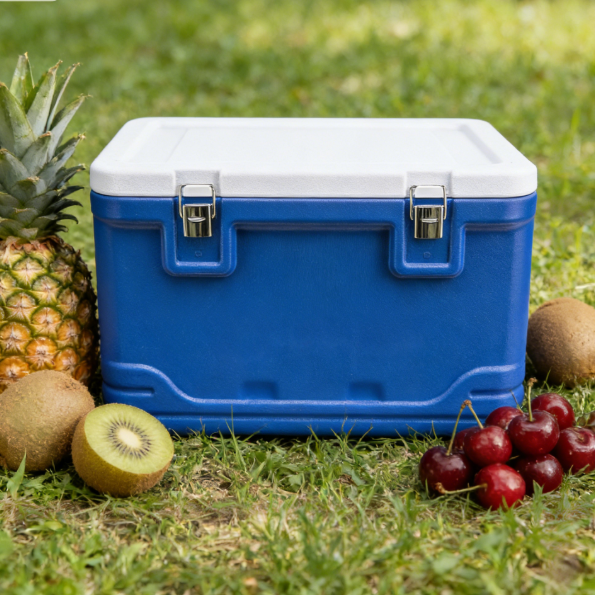
Buyer Guide to a temperature-controlled plastic box producer for seafood packaging
The right temperature-controlled plastic box producer for seafood packaging is selected around the route, product risk, reuse model, and evidence required by the buyer's quality or operations team. A plastic box, crate, tote, or bin can improve handling, but it should not be treated as a universal temperature-control or compliance solution. For seafood packaging, the best choice is the one that makes daily operations simpler while keeping the limits of the packaging clear.
The most useful evaluation starts with the operation. What product goes inside? Who touches it? How is it packed, staged, transported, received, cleaned, and returned? Which risks belong to the container, and which risks belong to refrigeration, insulated packaging, coolant, monitoring, documentation, or site procedures? When these questions are answered early, supplier selection becomes more practical and less dependent on vague claims.
Define the operating problem before comparing boxes
A purchasing team may request a temperature-controlled plastic box because cartons are collapsing, freight is messy, packaging waste is rising, or receiving teams want better standardization. Those are different problems. If the goal is better cube utilization, folding or nesting may matter most. If the goal is product protection, wall strength, inserts, and closure design matter. If the goal is hygiene, smooth surfaces and cleaning access matter. If the goal is temperature-sensitive distribution, the container must be reviewed as only one part of the thermal system.
For seafood packaging, write a one-page operating brief before asking for quotations. Include payload type, internal size requirement, expected load, number of handling points, cleaning method, return path, label or barcode method, and any temperature or documentation requirement. A supplier who responds to that brief with specific questions is often more useful than a supplier who sends a generic price list.
Separate outer handling, insulation, and temperature proof
A common buying error is mixing product categories. A general plastic bin, a waterproof tote, an insulated shipper, a passive temperature-controlled package, an active temperature-controlled container, and a qualified thermal system are not the same thing. The temperature-controlled plastic box may protect against handling damage or help organize the load, but temperature protection depends on insulation, coolant or refrigerant, payload, ambient exposure, route time, and monitoring.
Requires the right temperature target, insulation, refrigerant plan, drainage strategy, and monitoring; box material alone is not enough. If the cargo has a required temperature range, confirm it from the product owner, label, quality team, or applicable guidance. Many vaccine programs, for example, handle refrigerated products around 2 to 8 degrees C, but that range should not be generalized to every medicine, biologic, or sample. Food applications should also be checked against the relevant food safety plan and destination-market rules.
Shortlist suppliers by evidence, not claims
Supplier evidence table
| Evidence to request | Why it changes the buying decision | Red flag |
|---|---|---|
| Internal drawing and payload fit review | Shows whether your real product fits without crushing, wasted space, or label interference | Only external dimensions are provided |
| Material and intended-use statement | Helps quality, food safety, EHS, or engineering teams review suitability | The supplier cannot explain material family or product-contact boundary |
| Sample-to-production control | Reduces the risk that bulk units differ from approved samples | No process for approving material, color, lid, or mold changes |
| Cleaning and inspection guidance | Supports reuse without hidden residue or moisture issues | Hinges, corners, or drains cannot be visually inspected after cleaning |
| Thermal evidence where relevant | Clarifies whether temperature claims are supported by a packout, test profile, and acceptance criteria | A temperature claim is made without payload, ambient, coolant, or monitoring details |
This evidence table is a practical filter. It does not require every supplier to have the same paperwork, but it forces the discussion toward verifiable details. The more sensitive the product, the more important it becomes to distinguish a useful handling container from a product that has been proven for a specific regulated or temperature-controlled route.
Build a sample-to-production review
The sample review should use real operating conditions. Pack the real payload. Use the same labels and scanners. Move the unit through the same doors, conveyors, forklifts, cold rooms, or dock areas. Clean it using the intended procedure. Fold or stack it the way operators will handle it during a busy shift. Then inspect the base, corners, hinges, lid, label area, and any drainage points.
If the review exposes a weakness, do not immediately reject the idea. Decide whether the weakness belongs to the product, the route, or the procedure. A label problem may be solved with a better label panel. A stacking problem may need a different footprint. A condensation problem may require ventilation, absorbent material, or a different packout. A temperature problem may mean the container should be paired with a qualified insulated system rather than modified as a general plastic box.
Use a practical risk map before scaling
Before a large order, map the most likely failures: meltwater leakage, crushed product, poor drainage, excessive headspace, unverified hold time, and packaging that is hard to clean after seafood use. Assign each risk to a control. The control may be a product feature, a supplier document, an operating SOP, a receiving inspection step, or a separate cold-chain packaging component. This exercise is simple, but it prevents a common problem: buying a container for one reason and then blaming it for risks it was never designed to control.
For example, a chilled seafood exporter shipping boxed fillets from a processing site to an airport cold room and then to a wholesale receiver may need both a reusable outer container and a separate thermal packout. The outer container improves handling and return discipline. The thermal packout manages product temperature. The temperature logger or receiving check provides evidence. If those roles are clear, the buyer can evaluate each component fairly and avoid overpaying for the wrong feature.
The purchasing team should compare total route fit rather than isolated features. A deeper box may look efficient but create ergonomic strain. A tighter lid may protect against splash but slow packing. A stronger base may add weight. A highly customized mold may improve branding but complicate replacement. Each benefit should be weighed against the operating cost it creates.
Receiving teams should have a simple exception process. If a container arrives wet, cracked, mis-labeled, unusually warm, or carrying signs of contamination, the receiver should know whether to photograph it, quarantine it, unload it under supervision, or escalate it to quality review. This keeps packaging decisions connected to real receiving behavior.
A final pre-scale review should connect purchasing, operations, quality, logistics, and finance. Procurement sees price and lead time. Operations sees handling speed. Quality sees documentation and risk. Logistics sees cube utilization and return flow. Finance sees the full lifecycle cost. The best decision is usually found where these views overlap.
The supplier relationship should include practical communication. Buyers should know who answers technical questions, who confirms production changes, who manages replacement parts, and who reviews complaints. A container program becomes easier to scale when the supplier can support the product after the first shipment, not only before the purchase order is signed.
The final specification should name the container's role in plain language. Is it an outer handling container, a returnable logistics asset, a food-contact crate, a moisture-resistant bin, or one component of a passive temperature-controlled packout? Clear naming prevents teams from expecting the temperature-controlled plastic box to solve risks that belong to another part of the system.
Before scale-up, the buyer should decide which evidence will be kept in the project file. Useful records may include sample approval notes, photographs of the loaded packout, supplier drawings, material statements, cleaning observations, and trial feedback. This file helps future staff understand why the product was chosen and what assumptions supported the decision.
The best final article for a procurement audience should also name the trade-offs. Stronger walls may add weight. More sealing may reduce ventilation. Folding may add inspection points. More customization may create longer lead times. A practical buyer does not avoid trade-offs; the buyer makes them visible before purchase.
If the project involves a controlled temperature range, the final approval should include the thermal package, not only the plastic container. This means reviewing the insulated component, coolant or PCM, payload, ambient exposure, handling duration, monitoring method, and receiving criteria as one system. Any unsupported duration or temperature claim should be changed into a verification question.
A useful supplier will not object to practical questions. It should be able to explain product limits, recommend a suitable sample, and clarify which claims are based on design, documentation, or test evidence. When a supplier avoids basic questions about material, dimensions, cleaning, or production control, the buyer should slow down before approving the order.
The final decision should be written in a way that operators can understand. Instead of a vague statement that the container is suitable for logistics, describe where it may be used, what it may carry, how it should be cleaned, when it should be removed from service, and when a separate cold-chain packout is required. Clear instructions turn a good purchase into a repeatable process.
A supplier comparison should include the questions the supplier asks back. A thoughtful supplier may ask about payload, lane, cleaning, storage, stacking, and temperature expectations before recommending a unit. That is a positive signal. It shows the supplier understands that the right temperature-controlled plastic box depends on use conditions, not only catalog categories.
FAQ
What is the safest way to shortlist suppliers for a temperature-controlled plastic box producer for seafood packaging?
Give each supplier the same operating brief: payload, internal size, route, handling points, cleaning method, return model, labeling need, and temperature requirement if any. Then compare how specifically they respond. The most useful supplier is often the one that explains limits clearly.
How do I separate handling protection from temperature protection?
Handling protection comes from the container's strength, geometry, closure, and organization features. Temperature protection comes from a system: insulation, coolant or refrigerant, payload, ambient exposure, time, monitoring, and receiving criteria. A plastic container can support the system without replacing it.
Who should approve the final container choice?
Procurement should not decide alone. Operations, quality, logistics, food safety, EHS, or technical staff may need to review the container depending on the product. Their review helps prevent a container that is cheap to buy but difficult to clean, document, return, or defend after a problem.
What is the most useful next step before bulk ordering?
Run a practical sample-to-production review. Confirm physical fit, label durability, cleaning, stacking, return flow, and supplier change control. If the product is sensitive, also confirm the separate packout, storage, monitoring, and receiving process that protects the product itself.
What extra caution applies to food or agricultural products?
Food and agricultural packaging should be reviewed for hygiene, product-contact status, washability, airflow, moisture behavior, and destination-market requirements. A crate or box can support cold-chain handling, but refrigeration, time control, sanitation procedures, and receiving inspection still matter. Confirm whether the container is for direct product contact or secondary handling only. Before approval, record this limitation in the project file together with the sample test notes and receiving procedure.
Conclusion
A temperature-controlled plastic box producer for seafood packaging is a good investment only when it fits the route, payload, cleaning process, return model, and quality expectations. Use supplier evidence, sample testing, and clear category boundaries to avoid confusing a plastic handling container with a complete thermal or compliance solution. The better the operating brief, the easier it is to choose a supplier that can support the project beyond the first quotation.
About Tempk
Tempk supports buyers who need to connect packaging choice with real shipment conditions. Our product range includes gel ice packs, dry ice packs, freezer ice bricks, insulated bags, EPP insulated boxes, cold shipping boxes, VPU medical refrigerators, insulated liners, pallet covers, and related temperature-control materials. We help clarify where reusable handling packaging ends and where cold-chain packaging design should begin.
CTA: Discuss your shipment route, product type, expected payload, return model, and temperature requirement with Tempk before scaling from samples to bulk procurement. We can help you identify where reusable handling packaging ends and where cold-chain packaging design should begin.
Buyer Guide to a stackable plastic bin distributor for meat supply
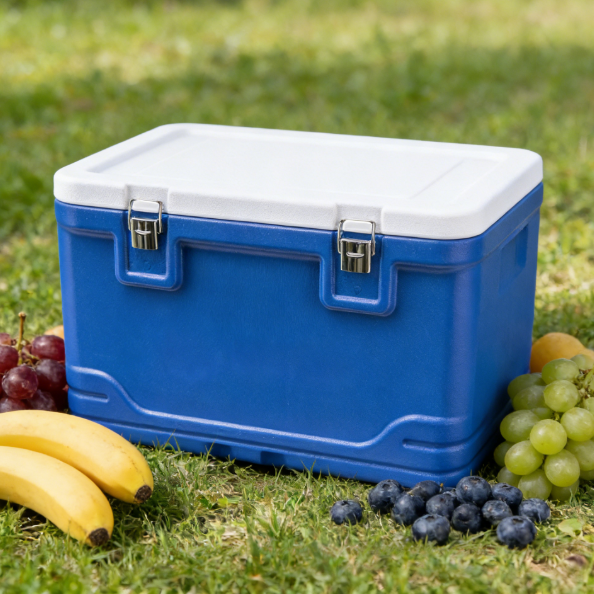
Buyer Guide to a stackable plastic bin distributor for meat supply
The right stackable plastic bin distributor for meat supply is selected around the route, product risk, reuse model, and evidence required by the buyer's quality or operations team. A plastic box, crate, tote, or bin can improve handling, but it should not be treated as a universal temperature-control or compliance solution. For meat supply chains, the best choice is the one that makes daily operations simpler while keeping the limits of the packaging clear.
The most useful evaluation starts with the operation. What product goes inside? Who touches it? How is it packed, staged, transported, received, cleaned, and returned? Which risks belong to the container, and which risks belong to refrigeration, insulated packaging, coolant, monitoring, documentation, or site procedures? When these questions are answered early, supplier selection becomes more practical and less dependent on vague claims.
Define the operating problem before comparing boxes
A purchasing team may request a stackable plastic bin because cartons are collapsing, freight is messy, packaging waste is rising, or receiving teams want better standardization. Those are different problems. If the goal is better cube utilization, folding or nesting may matter most. If the goal is product protection, wall strength, inserts, and closure design matter. If the goal is hygiene, smooth surfaces and cleaning access matter. If the goal is temperature-sensitive distribution, the container must be reviewed as only one part of the thermal system.
For meat supply chains, write a one-page operating brief before asking for quotations. Include payload type, internal size requirement, expected load, number of handling points, cleaning method, return path, label or barcode method, and any temperature or documentation requirement. A supplier who responds to that brief with specific questions is often more useful than a supplier who sends a generic price list.
Separate outer handling, insulation, and temperature proof
A common buying error is mixing product categories. A general plastic bin, a waterproof tote, an insulated shipper, a passive temperature-controlled package, an active temperature-controlled container, and a qualified thermal system are not the same thing. The stackable plastic bin may protect against handling damage or help organize the load, but temperature protection depends on insulation, coolant or refrigerant, payload, ambient exposure, route time, and monitoring.
The bin supports cold-chain handling while refrigeration, time limits, packaging format, and temperature monitoring manage product safety. If the cargo has a required temperature range, confirm it from the product owner, label, quality team, or applicable guidance. Many vaccine programs, for example, handle refrigerated products around 2 to 8 degrees C, but that range should not be generalized to every medicine, biologic, or sample. Food applications should also be checked against the relevant food safety plan and destination-market rules.
Shortlist suppliers by evidence, not claims
Supplier evidence table
| Evidence to request | Why it changes the buying decision | Red flag |
|---|---|---|
| Internal drawing and payload fit review | Shows whether your real product fits without crushing, wasted space, or label interference | Only external dimensions are provided |
| Material and intended-use statement | Helps quality, food safety, EHS, or engineering teams review suitability | The supplier cannot explain material family or product-contact boundary |
| Sample-to-production control | Reduces the risk that bulk units differ from approved samples | No process for approving material, color, lid, or mold changes |
| Cleaning and inspection guidance | Supports reuse without hidden residue or moisture issues | Hinges, corners, or drains cannot be visually inspected after cleaning |
| Thermal evidence where relevant | Clarifies whether temperature claims are supported by a packout, test profile, and acceptance criteria | A temperature claim is made without payload, ambient, coolant, or monitoring details |
This evidence table is a practical filter. It does not require every supplier to have the same paperwork, but it forces the discussion toward verifiable details. The more sensitive the product, the more important it becomes to distinguish a useful handling container from a product that has been proven for a specific regulated or temperature-controlled route.
Build a sample-to-production review
The sample review should use real operating conditions. Pack the real payload. Use the same labels and scanners. Move the unit through the same doors, conveyors, forklifts, cold rooms, or dock areas. Clean it using the intended procedure. Fold or stack it the way operators will handle it during a busy shift. Then inspect the base, corners, hinges, lid, label area, and any drainage points.
If the review exposes a weakness, do not immediately reject the idea. Decide whether the weakness belongs to the product, the route, or the procedure. A label problem may be solved with a better label panel. A stacking problem may need a different footprint. A condensation problem may require ventilation, absorbent material, or a different packout. A temperature problem may mean the container should be paired with a qualified insulated system rather than modified as a general plastic box.
Use a practical risk map before scaling
Before a large order, map the most likely failures: cross-contamination, trapped residue, unstable stacks in cold rooms, label loss, and bin designs that slow washing and drying. Assign each risk to a control. The control may be a product feature, a supplier document, an operating SOP, a receiving inspection step, or a separate cold-chain packaging component. This exercise is simple, but it prevents a common problem: buying a container for one reason and then blaming it for risks it was never designed to control.
For example, a meat distributor moving sealed trays from a processing room to a chilled staging area and then into refrigerated trucks may need both a reusable outer container and a separate thermal packout. The outer container improves handling and return discipline. The thermal packout manages product temperature. The temperature logger or receiving check provides evidence. If those roles are clear, the buyer can evaluate each component fairly and avoid overpaying for the wrong feature.
The purchasing team should compare total route fit rather than isolated features. A deeper box may look efficient but create ergonomic strain. A tighter lid may protect against splash but slow packing. A stronger base may add weight. A highly customized mold may improve branding but complicate replacement. Each benefit should be weighed against the operating cost it creates.
Receiving teams should have a simple exception process. If a container arrives wet, cracked, mis-labeled, unusually warm, or carrying signs of contamination, the receiver should know whether to photograph it, quarantine it, unload it under supervision, or escalate it to quality review. This keeps packaging decisions connected to real receiving behavior.
A final pre-scale review should connect purchasing, operations, quality, logistics, and finance. Procurement sees price and lead time. Operations sees handling speed. Quality sees documentation and risk. Logistics sees cube utilization and return flow. Finance sees the full lifecycle cost. The best decision is usually found where these views overlap.
The supplier relationship should include practical communication. Buyers should know who answers technical questions, who confirms production changes, who manages replacement parts, and who reviews complaints. A container program becomes easier to scale when the supplier can support the product after the first shipment, not only before the purchase order is signed.
The final specification should name the container's role in plain language. Is it an outer handling container, a returnable logistics asset, a food-contact crate, a moisture-resistant bin, or one component of a passive temperature-controlled packout? Clear naming prevents teams from expecting the stackable plastic bin to solve risks that belong to another part of the system.
Before scale-up, the buyer should decide which evidence will be kept in the project file. Useful records may include sample approval notes, photographs of the loaded packout, supplier drawings, material statements, cleaning observations, and trial feedback. This file helps future staff understand why the product was chosen and what assumptions supported the decision.
The best final article for a procurement audience should also name the trade-offs. Stronger walls may add weight. More sealing may reduce ventilation. Folding may add inspection points. More customization may create longer lead times. A practical buyer does not avoid trade-offs; the buyer makes them visible before purchase.
If the project involves a controlled temperature range, the final approval should include the thermal package, not only the plastic container. This means reviewing the insulated component, coolant or PCM, payload, ambient exposure, handling duration, monitoring method, and receiving criteria as one system. Any unsupported duration or temperature claim should be changed into a verification question.
A useful supplier will not object to practical questions. It should be able to explain product limits, recommend a suitable sample, and clarify which claims are based on design, documentation, or test evidence. When a supplier avoids basic questions about material, dimensions, cleaning, or production control, the buyer should slow down before approving the order.
The final decision should be written in a way that operators can understand. Instead of a vague statement that the container is suitable for logistics, describe where it may be used, what it may carry, how it should be cleaned, when it should be removed from service, and when a separate cold-chain packout is required. Clear instructions turn a good purchase into a repeatable process.
A supplier comparison should include the questions the supplier asks back. A thoughtful supplier may ask about payload, lane, cleaning, storage, stacking, and temperature expectations before recommending a unit. That is a positive signal. It shows the supplier understands that the right stackable plastic bin depends on use conditions, not only catalog categories.
FAQ
What is the safest way to shortlist suppliers for a stackable plastic bin distributor for meat supply?
Give each supplier the same operating brief: payload, internal size, route, handling points, cleaning method, return model, labeling need, and temperature requirement if any. Then compare how specifically they respond. The most useful supplier is often the one that explains limits clearly.
How do I separate handling protection from temperature protection?
Handling protection comes from the container's strength, geometry, closure, and organization features. Temperature protection comes from a system: insulation, coolant or refrigerant, payload, ambient exposure, time, monitoring, and receiving criteria. A plastic container can support the system without replacing it.
Who should approve the final container choice?
Procurement should not decide alone. Operations, quality, logistics, food safety, EHS, or technical staff may need to review the container depending on the product. Their review helps prevent a container that is cheap to buy but difficult to clean, document, return, or defend after a problem.
What is the most useful next step before bulk ordering?
Run a practical sample-to-production review. Confirm physical fit, label durability, cleaning, stacking, return flow, and supplier change control. If the product is sensitive, also confirm the separate packout, storage, monitoring, and receiving process that protects the product itself.
What extra caution applies to food or agricultural products?
Food and agricultural packaging should be reviewed for hygiene, product-contact status, washability, airflow, moisture behavior, and destination-market requirements. A crate or box can support cold-chain handling, but refrigeration, time control, sanitation procedures, and receiving inspection still matter. Confirm whether the container is for direct product contact or secondary handling only. Before approval, record this limitation in the project file together with the sample test notes and receiving procedure.
Conclusion
A stackable plastic bin distributor for meat supply is a good investment only when it fits the route, payload, cleaning process, return model, and quality expectations. Use supplier evidence, sample testing, and clear category boundaries to avoid confusing a plastic handling container with a complete thermal or compliance solution. The better the operating brief, the easier it is to choose a supplier that can support the project beyond the first quotation.
About Tempk
Tempk supports buyers who need to connect packaging choice with real shipment conditions. Our product range includes gel ice packs, dry ice packs, freezer ice bricks, insulated bags, EPP insulated boxes, cold shipping boxes, VPU medical refrigerators, insulated liners, pallet covers, and related temperature-control materials. We help clarify where reusable handling packaging ends and where cold-chain packaging design should begin.
CTA: Discuss your shipment route, product type, expected payload, return model, and temperature requirement with Tempk before scaling from samples to bulk procurement. We can help you identify where reusable handling packaging ends and where cold-chain packaging design should begin.
Buyer Guide to a industrial plastic crate wholesaler for food supply
Buyer Guide to a industrial plastic crate wholesaler for food supply
The right industrial plastic crate wholesaler for food supply is selected around the route, product risk, reuse model, and evidence required by the buyer's quality or operations team. A plastic box, crate, tote, or bin can improve handling, but it should not be treated as a universal temperature-control or compliance solution. For food supply programs, the best choice is the one that makes daily operations simpler while keeping the limits of the packaging clear.
The most useful evaluation starts with the operation. What product goes inside? Who touches it? How is it packed, staged, transported, received, cleaned, and returned? Which risks belong to the container, and which risks belong to refrigeration, insulated packaging, coolant, monitoring, documentation, or site procedures? When these questions are answered early, supplier selection becomes more practical and less dependent on vague claims.
Define the operating problem before comparing boxes
A purchasing team may request a industrial plastic crate because cartons are collapsing, freight is messy, packaging waste is rising, or receiving teams want better standardization. Those are different problems. If the goal is better cube utilization, folding or nesting may matter most. If the goal is product protection, wall strength, inserts, and closure design matter. If the goal is hygiene, smooth surfaces and cleaning access matter. If the goal is temperature-sensitive distribution, the container must be reviewed as only one part of the thermal system.
For food supply programs, write a one-page operating brief before asking for quotations. Include payload type, internal size requirement, expected load, number of handling points, cleaning method, return path, label or barcode method, and any temperature or documentation requirement. A supplier who responds to that brief with specific questions is often more useful than a supplier who sends a generic price list.
Separate outer handling, insulation, and temperature proof
A common buying error is mixing product categories. A general plastic bin, a waterproof tote, an insulated shipper, a passive temperature-controlled package, an active temperature-controlled container, and a qualified thermal system are not the same thing. The industrial plastic crate may protect against handling damage or help organize the load, but temperature protection depends on insulation, coolant or refrigerant, payload, ambient exposure, route time, and monitoring.
Not a substitute for refrigeration; crates should support airflow and clean handling while the cold room, truck, or insulated packout controls temperature. If the cargo has a required temperature range, confirm it from the product owner, label, quality team, or applicable guidance. Many vaccine programs, for example, handle refrigerated products around 2 to 8 degrees C, but that range should not be generalized to every medicine, biologic, or sample. Food applications should also be checked against the relevant food safety plan and destination-market rules.
Shortlist suppliers by evidence, not claims
Supplier evidence table
| Evidence to request | Why it changes the buying decision | Red flag |
|---|---|---|
| Internal drawing and payload fit review | Shows whether your real product fits without crushing, wasted space, or label interference | Only external dimensions are provided |
| Material and intended-use statement | Helps quality, food safety, EHS, or engineering teams review suitability | The supplier cannot explain material family or product-contact boundary |
| Sample-to-production control | Reduces the risk that bulk units differ from approved samples | No process for approving material, color, lid, or mold changes |
| Cleaning and inspection guidance | Supports reuse without hidden residue or moisture issues | Hinges, corners, or drains cannot be visually inspected after cleaning |
| Thermal evidence where relevant | Clarifies whether temperature claims are supported by a packout, test profile, and acceptance criteria | A temperature claim is made without payload, ambient, coolant, or monitoring details |
This evidence table is a practical filter. It does not require every supplier to have the same paperwork, but it forces the discussion toward verifiable details. The more sensitive the product, the more important it becomes to distinguish a useful handling container from a product that has been proven for a specific regulated or temperature-controlled route.
Build a sample-to-production review
The sample review should use real operating conditions. Pack the real payload. Use the same labels and scanners. Move the unit through the same doors, conveyors, forklifts, cold rooms, or dock areas. Clean it using the intended procedure. Fold or stack it the way operators will handle it during a busy shift. Then inspect the base, corners, hinges, lid, label area, and any drainage points.
If the review exposes a weakness, do not immediately reject the idea. Decide whether the weakness belongs to the product, the route, or the procedure. A label problem may be solved with a better label panel. A stacking problem may need a different footprint. A condensation problem may require ventilation, absorbent material, or a different packout. A temperature problem may mean the container should be paired with a qualified insulated system rather than modified as a general plastic box.
Use a practical risk map before scaling
Before a large order, map the most likely failures: residue in corners, weak stacking under wet handling, poor drainage, and uncertain food-contact status. Assign each risk to a control. The control may be a product feature, a supplier document, an operating SOP, a receiving inspection step, or a separate cold-chain packaging component. This exercise is simple, but it prevents a common problem: buying a container for one reason and then blaming it for risks it was never designed to control.
For example, a fresh produce distributor that washes crates, reloads them, and returns them through retail collection points may need both a reusable outer container and a separate thermal packout. The outer container improves handling and return discipline. The thermal packout manages product temperature. The temperature logger or receiving check provides evidence. If those roles are clear, the buyer can evaluate each component fairly and avoid overpaying for the wrong feature.
The purchasing team should compare total route fit rather than isolated features. A deeper box may look efficient but create ergonomic strain. A tighter lid may protect against splash but slow packing. A stronger base may add weight. A highly customized mold may improve branding but complicate replacement. Each benefit should be weighed against the operating cost it creates.
Receiving teams should have a simple exception process. If a container arrives wet, cracked, mis-labeled, unusually warm, or carrying signs of contamination, the receiver should know whether to photograph it, quarantine it, unload it under supervision, or escalate it to quality review. This keeps packaging decisions connected to real receiving behavior.
A final pre-scale review should connect purchasing, operations, quality, logistics, and finance. Procurement sees price and lead time. Operations sees handling speed. Quality sees documentation and risk. Logistics sees cube utilization and return flow. Finance sees the full lifecycle cost. The best decision is usually found where these views overlap.
The supplier relationship should include practical communication. Buyers should know who answers technical questions, who confirms production changes, who manages replacement parts, and who reviews complaints. A container program becomes easier to scale when the supplier can support the product after the first shipment, not only before the purchase order is signed.
The final specification should name the container's role in plain language. Is it an outer handling container, a returnable logistics asset, a food-contact crate, a moisture-resistant bin, or one component of a passive temperature-controlled packout? Clear naming prevents teams from expecting the industrial plastic crate to solve risks that belong to another part of the system.
Before scale-up, the buyer should decide which evidence will be kept in the project file. Useful records may include sample approval notes, photographs of the loaded packout, supplier drawings, material statements, cleaning observations, and trial feedback. This file helps future staff understand why the product was chosen and what assumptions supported the decision.
The best final article for a procurement audience should also name the trade-offs. Stronger walls may add weight. More sealing may reduce ventilation. Folding may add inspection points. More customization may create longer lead times. A practical buyer does not avoid trade-offs; the buyer makes them visible before purchase.
If the project involves a controlled temperature range, the final approval should include the thermal package, not only the plastic container. This means reviewing the insulated component, coolant or PCM, payload, ambient exposure, handling duration, monitoring method, and receiving criteria as one system. Any unsupported duration or temperature claim should be changed into a verification question.
A useful supplier will not object to practical questions. It should be able to explain product limits, recommend a suitable sample, and clarify which claims are based on design, documentation, or test evidence. When a supplier avoids basic questions about material, dimensions, cleaning, or production control, the buyer should slow down before approving the order.
The final decision should be written in a way that operators can understand. Instead of a vague statement that the container is suitable for logistics, describe where it may be used, what it may carry, how it should be cleaned, when it should be removed from service, and when a separate cold-chain packout is required. Clear instructions turn a good purchase into a repeatable process.
A supplier comparison should include the questions the supplier asks back. A thoughtful supplier may ask about payload, lane, cleaning, storage, stacking, and temperature expectations before recommending a unit. That is a positive signal. It shows the supplier understands that the right industrial plastic crate depends on use conditions, not only catalog categories.
FAQ
What is the safest way to shortlist suppliers for a industrial plastic crate wholesaler for food supply?
Give each supplier the same operating brief: payload, internal size, route, handling points, cleaning method, return model, labeling need, and temperature requirement if any. Then compare how specifically they respond. The most useful supplier is often the one that explains limits clearly.
How do I separate handling protection from temperature protection?
Handling protection comes from the container's strength, geometry, closure, and organization features. Temperature protection comes from a system: insulation, coolant or refrigerant, payload, ambient exposure, time, monitoring, and receiving criteria. A plastic container can support the system without replacing it.
Who should approve the final container choice?
Procurement should not decide alone. Operations, quality, logistics, food safety, EHS, or technical staff may need to review the container depending on the product. Their review helps prevent a container that is cheap to buy but difficult to clean, document, return, or defend after a problem.
What is the most useful next step before bulk ordering?
Run a practical sample-to-production review. Confirm physical fit, label durability, cleaning, stacking, return flow, and supplier change control. If the product is sensitive, also confirm the separate packout, storage, monitoring, and receiving process that protects the product itself.
What extra caution applies to food or agricultural products?
Food and agricultural packaging should be reviewed for hygiene, product-contact status, washability, airflow, moisture behavior, and destination-market requirements. A crate or box can support cold-chain handling, but refrigeration, time control, sanitation procedures, and receiving inspection still matter. Confirm whether the container is for direct product contact or secondary handling only. Before approval, record this limitation in the project file together with the sample test notes and receiving procedure.
Conclusion
A industrial plastic crate wholesaler for food supply is a good investment only when it fits the route, payload, cleaning process, return model, and quality expectations. Use supplier evidence, sample testing, and clear category boundaries to avoid confusing a plastic handling container with a complete thermal or compliance solution. The better the operating brief, the easier it is to choose a supplier that can support the project beyond the first quotation.
About Tempk
Tempk supports buyers who need to connect packaging choice with real shipment conditions. Our product range includes gel ice packs, dry ice packs, freezer ice bricks, insulated bags, EPP insulated boxes, cold shipping boxes, VPU medical refrigerators, insulated liners, pallet covers, and related temperature-control materials. We help clarify where reusable handling packaging ends and where cold-chain packaging design should begin.
CTA: Discuss your shipment route, product type, expected payload, return model, and temperature requirement with Tempk before scaling from samples to bulk procurement. We can help you identify where reusable handling packaging ends and where cold-chain packaging design should begin.