Supplier Dry Ice Pack for Biologic Transport: A Practical Guide for Bulk Buyers
The best supplier dry ice pack for biologic transport is the one that matches the product, route, temperature target, and operating process. For biologic transport, the buying decision should begin with product sensitivity and end with a supplier who can support repeatable pack preparation, clear handling instructions, and sample-to-production consistency. A dry ice pack can be valuable, but it is not a universal answer for every cold chain problem.
Frozen specimens, dry-ice-approved biologic materials, and validated low-temperature lanes may be a good fit for a very cold packout. Pcm shippers, refrigerated shippers, active containers, and validated gel-pack systems may be better for refrigerated biologics. This distinction is important because purchasing teams often compare products by unit cost or advertised hold time while overlooking usable volume, pack separation, payload placement, and receiving inspection. Those details decide whether the shipment stays within the intended condition.
A strong supplier conversation should cover material definition, dimensions, pack mass, insulation compatibility, route assumptions, cleaning needs, labeling, traceability, change control, and lead-time planning. The goal is not to buy the coldest pack. The goal is to buy a repeatable packaging component that works inside a complete cold chain system.
What a Dry Ice Pack Actually Means in Procurement
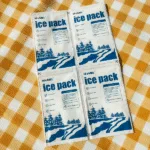
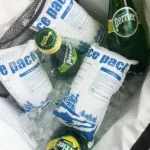
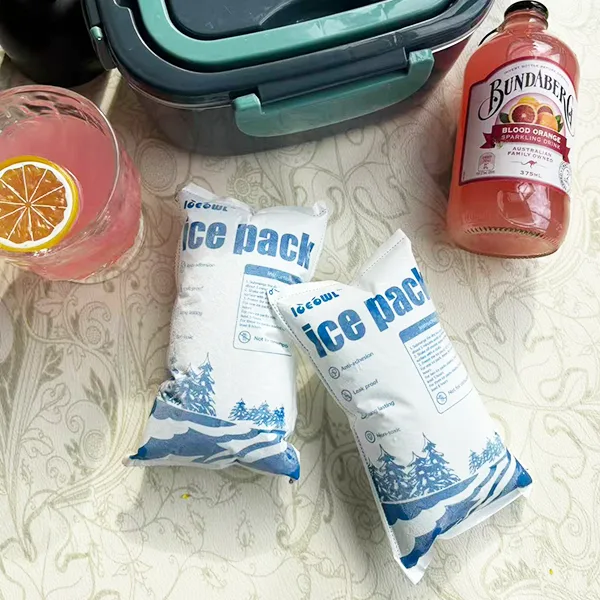
The term dry ice pack can mean different things in different catalogs. Some suppliers use it for solid carbon dioxide placed in a shipper as a refrigerant. Other suppliers use it for a hydrated, reusable cold pack that is soaked or prepared, frozen, and then used as a strong cooling source. A bulk buyer should never assume both products have the same handling rules, safety profile, or thermal behavior.
This distinction matters in biologic transport. Solid dry ice releases carbon dioxide gas and requires packaging that is not airtight. A reusable hydrated pack behaves more like a cold pack, although it may be marketed for very cold performance. Before ordering from a supplier, ask for the material description, preparation instructions, storage requirements, and whether the pack is intended to replace, supplement, or avoid true dry ice.
When Dry Ice Packs Fit Biologic Transport
Dry ice packs or dry-ice-style packs make the most sense when the product can tolerate very cold conditions and the lane needs strong reserve cooling. For biologic materials, that usually means frozen specimens, dry-ice-approved biologic materials, and validated low-temperature lanes. The pack must be used with appropriate insulation, separation from the payload, and a packing configuration that has been checked against the expected route.
A good fit is not defined by the product name alone. It is defined by the acceptable temperature range, shipment duration, payload mass, carton size, ambient exposure, and handling delays. Buyers should compare the packout to the route rather than comparing packs in isolation.
When a Dry Ice Pack Is the Wrong Choice
The wrong dry ice pack can create as much risk as a warm shipment. In biologic transport, a dry ice packout that is not qualified can create freeze damage, overcooling, pressure hazards, or documentation gaps. A very cold source placed against a product carton may freeze the surface while the center of the payload remains at a different condition. Sensitive products may also be affected by condensation, packaging brittleness, label damage, or handling hazards.
The safer alternative is sometimes less dramatic: PCM shippers, refrigerated shippers, active containers, and validated gel-pack systems may be better for refrigerated biologics. A milder cold source can be easier to qualify, easier to train warehouse teams to use, and easier to receive without special handling. Buyers should not select dry ice simply because the route is hot or long.
Specifications Buyers Should Compare Before Ordering
The first specification is dimension, but buyers should separate external size from usable volume. A pack that fits the carton on paper may reduce the product cavity so much that the payload is compressed or shifted. For biologic transport, usable space matters because the packout must leave room for separators, temperature monitors, cushioning, and the actual biologic materials load.
Other practical checks include pack strength, leak resistance, surface finish, label area, carton count, storage footprint, freezing time, cleanability, odor, and staff handling. For repeat orders, ask about lot identification and whether the supplier will notify buyers before changing film, absorbent material, cell layout, dimensions, or packing quantity.
Bulk Supplier Evaluation Checklist
A useful supplier conversation should go beyond unit price. Ask for internal and external dimensions, pack weight or fill specification, cell count or layout, preparation method, carton quantity, case dimensions, pallet quantity, and recommended freezing or storage conditions. These details help the buyer calculate usable volume, warehouse space, and labor steps before the first bulk order arrives.
Ask how the supplier controls sample-to-production consistency. Many problems appear only after a buyer approves a sample and then receives a large order with small changes in film thickness, pack size, absorbency, sealing strength, or carton count. For biologic transport, those small changes can affect pack placement, cooling rate, and staff training. Written specifications reduce that risk.
Ask about customization only after the technical fit is clear. Custom size, printed instructions, private label packaging, carton configuration, or different pack counts can be valuable, but they should not hide weak thermal assumptions.
Packout Design: More Than the Pack Itself
A cold chain packout is a system. It includes the outer carton or box, insulation thickness, cold source, separator, product load, void fill, closure method, label placement, and sometimes a temperature monitor. Changing any one part can change the result. That is why buyers should avoid approving a dry ice pack based only on a freezer test or a supplier photograph.
For biologic materials, pack location is especially important. Refrigerant placed on top, below, or around the payload can create different temperature patterns. A full payload behaves differently from a half-empty carton. Palletized cartons behave differently from single parcels. A pilot packout should reflect the real loading pattern rather than a simplified sample box.
Safety, Food Quality, and Compliance Boundaries
If actual solid dry ice is used, packaging must allow carbon dioxide gas to escape. Airtight containers are unsafe because pressure can build as dry ice sublimates. Staff also need training for ventilation, glove use, eye protection where appropriate, and safe disposal. These precautions are not optional details; they are part of using dry ice responsibly in a shipping operation.
Helpful decision tools
Check the details before you choose packaging
These quick tools can help you compare route risk, sizing needs, coolant choices, and packaging details before you request a quote.
Compliance Checklist Generator
Build a practical checklist for packaging review, shipping, and documentation.
Build checklistPackaging Selector
Compare insulated packaging options by product, route, and temperature need.
Find packagingRoute Risk Checker
Review lane conditions before selecting packaging for real operating requirements.
Check route riskFood shipments require hygienic handling as well as temperature control. Vehicles, cartons, liners, and packing surfaces should be kept clean, and products should be protected from contamination during transport. For biologic transport, a cold pack cannot compensate for poor sanitation, crushed retail packaging, leaking products, or a dirty loading environment.
Pharmaceutical and biologic shipments need an even clearer boundary. A cold pack, insulated box, or reusable container is not automatically a qualified temperature-controlled shipping system. Product requirements, route conditions, packing configuration, monitoring, documentation, and receiving inspection all need to be reviewed by the buyer quality or logistics team before routine use.
Cost, Waste, and Operational Fit
Bulk buyers often start with unit cost, but the real cost of a pack includes labor, freezer capacity, storage space, carton cube, product loss, carrier restrictions, and disposal or return handling. A pack that is cheaper per piece may cost more if it requires extra freezer time, slows packing, or increases the number of cartons rejected at receiving.
Reusable packs can reduce single-use waste when there is a practical recovery loop. They are less useful when shipments go to unknown consumers, distant receivers, or locations without a return process. For biopharma logistics, laboratory logistics, and clinical distribution, the sustainability decision should be tied to real operations: return rate, cleaning process, pack life, damage rate, and whether the pack can be sorted and reused without confusing warehouse staff.
Common Ordering Mistakes to Avoid
One common mistake is asking for maximum hold time without defining the payload. Hold time changes with product mass, carton size, insulation, ambient temperature, starting temperature, pack quantity, and handling delays. A claimed hold time is not a universal guarantee, especially for biologic transport. Buyers should ask what conditions were used to discuss performance.
Another mistake is ignoring dimensional change from sample to bulk order. A small change in pack width can block the shipper from closing correctly or push the product against the refrigerant. A change in carton count can disrupt the packing line. Written incoming inspection criteria help prevent these surprises.
How to Turn Supplier Claims Into a Usable Specification
Convert every supplier statement into a condition. If a supplier says the pack holds cold for a long time, ask in what box, with what payload, under what ambient profile, and with how many packs. If a supplier says the pack is suitable for biologic transport, ask which product temperature range and which handling limits were assumed.
Build the purchasing specification around measurable details: dimensions, pack mass, material description, carton quantity, preparation method, compatibility with the chosen shipper, labeling needs, acceptable appearance, leakage criteria, and change-notification expectations. This specification is more valuable than a broad marketing claim because it can be inspected when bulk deliveries arrive.
After approval, keep the packout controlled. Do not allow warehouse staff to substitute a different insulated box, reduce pack quantity, change product loading, or skip freezing time without review. Most cold chain failures come from small changes that appear harmless until the route is stressed.
Practical FAQ
Are dry ice packs suitable for vaccines or biologics?
Only when the product is approved for frozen or ultra-cold transport and the packout is qualified. Many vaccines, insulin products, and biologics are freeze-sensitive.
Is an insulated box automatically qualified?
No. Qualification depends on the product, payload, refrigerant, route, duration, ambient exposure, and monitoring plan. The same box can perform differently on another lane.
What documentation should buyers request?
Ask for material information, packout instructions, lot consistency controls, change-control practices, and any available thermal test reports relevant to your payload and route.
Should dry ice be sealed in an airtight box?
No. When solid carbon dioxide is used, packaging must allow gas release. Airtight packaging can create pressure hazards.
About Tempk
Tempk supplies cold chain packaging products for food, pharmaceutical, and temperature-sensitive shipments, including ice packs, hydrated dry ice packs, insulated bags, insulated carton systems, EPP cooler boxes, VIP medical boxes, and related cold chain packaging options. We support buyers who need practical packout choices rather than a single generic product. For dry ice pack projects, our role is to help match the cold source, insulation format, payload, shipment duration, and handling method before a bulk order is placed.
Talk to Tempk
Share the product type, target temperature range, expected transit time, shipment size, and route conditions for your biologic transport project. Tempk can help you compare bulk dry ice pack options, insulated packaging formats, and custom packing configurations before you commit to production quantities.
Practical Rollout Notes
Before the first routine shipment, create a one-page packing instruction for biologic transport. It should show the pack preparation method, number of packs, pack location, separator material, product orientation, carton closure, label location, and receiving steps. This document reduces training drift and helps purchasing, quality, and warehouse teams discuss the same configuration.
A second useful step is to define incoming inspection for bulk pack deliveries. Staff should confirm carton count, visible damage, pack dimensions, leakage, seal appearance, and lot markings before the packs enter production use. This is especially important when the order is customized or when a supplier changes film, absorbent material, cell layout, or outer carton style.