How can temperature controlled creamery packaging remain affordable in 2025?
Updated November 30, 2025
When you run a creamery, every drop of milk, cheese or yogurt you ship is precious. You can’t afford spoiled product or sky high packaging costs. Thankfully there are affordable temperature controlled creamery packaging options that protect quality while supporting your budget and sustainability goals. The global cold chain packaging market surged to about US $27.7 billion in 2025 and analysts expect it to reach US $102.1 billion by 2034, demonstrating how rapidly the industry is evolving. This guide breaks down the best solutions for creamery operations and shows how you can keep products safe without overspending.

Understand why strict temperature control is critical for milk, cheese and yogurt, and what temperature ranges matter (0–4 °C).
Compare affordable packaging options such as insulated boxes, gel refrigerants and reusable containers, and see how market trends are driving prices.
Learn how sustainable materials like paper based insulation and plant based coolants reduce waste and disposal costs.
Explore 2025 trends in cold chain technology, including smart sensors, ready to use kits and data driven planning.
Get practical tips and an interactive checklist to choose packaging that fits your creamery’s volume, product type and budget.
Why does temperature control matter for creamery products?
Maintaining freshness and safety is non negotiable. Dairy products spoil quickly when exposed to temperatures outside the 0–4 °C (32–40 °F) range. Milk can harbor harmful bacteria if the cold chain breaks, while cheese texture changes and yogurt can separate. Regulatory agencies require strict temperature control to prevent foodborne illness and protect public health.
The science behind spoilage
Dairy products are high in protein, fat and moisture, making them a perfect breeding ground for pathogens. When a shipment warms above 4 °C, bacteria multiply rapidly; below 0 °C, products may freeze and degrade quality. Maintaining the Goldilocks zone preserves taste, texture and nutritional value.
| Parameter | Optimal range | Impact of deviation | What it means for you |
| Temperature (milk) | 1–4 °C | Above 4 °C accelerates bacterial growth; below 0 °C causes crystallization | Keeps milk safe and creamy |
| Temperature (cheese) | 2–7 °C | Warmth leads to mold; freezing alters texture | Preserves flavor and prevents waste |
| Temperature (yogurt) | 1–5 °C | Heat causes separation; freezing kills cultures | Maintains probiotic activity |
Real world example: small creamery in California
A boutique creamery in California ships artisanal cheese to nationwide customers. During a summer heatwave, one shipment sat on a loading dock for four hours without insulation. The cheese arrived spoiled, costing the business hundreds of dollars and damaging customer trust. After switching to compostable insulated shippers and gel refrigerants that maintain temperature for 72 hours, the creamery reduced spoilage to near zero and improved margins.
Beyond safety: brand reputation
Temperature control isn’t just a compliance issue; it’s part of your brand promise. Consumers increasingly value sustainable and reliable packaging. In a recent report, 90 % of consumers said they are more likely to buy from brands that use sustainable packaging. Failure to meet expectations can hurt your reputation and sales.
Which affordable temperature controlled packaging options work best for creameries?
You have more choices than you think. From simple insulated liners to advanced reusable containers, there are options for every budget. The cold chain market segments packaging into insulated containers, pallet shippers, refrigerants and monitoring devices. Insulated containers account for about 40 % of market share, while pallet shippers make up 25 %. Understanding these categories helps you pick the right solution.
Insulated boxes and liners: the budget workhorse
Insulated cartons and liners are the most common solution for dairy shipments. They’re lightweight, easy to assemble and cost effective. Many are made from expanded polystyrene (EPS) foam or recyclable paper. However, EPS foam creates disposal challenges. Newer paper based insulation materials provide comparable thermal performance and can be recycled. These materials reduce landfill waste and may lower disposal fees.
| Option | Features | Cost considerations | Best for |
| EPS foam boxes | Good insulation, low purchase price | Difficult to recycle; disposal fees | Large shipments with low return rate |
| Paper based liners | Recyclable, lighter weight | Slightly higher initial cost but lower disposal cost | Regional deliveries, eco focused brands |
| Biocooler® shippers | Compostable insulation made from biomass | Higher upfront cost; reduces waste | Premium products, organic farms |
Gel refrigerants and ice packs
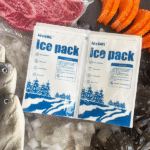
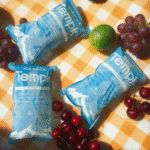
Cooling agents are essential. Gel packs, phase change materials (PCMs) and dry ice keep products cold. Nature Ice™ gel refrigerants are non toxic and maintain consistent cold temperatures without leaks. For cheese, a rule of thumb is to use 2–3 pounds of gel packs per 5 pounds of cheese. PCMs can be more expensive but hold temperatures for longer periods. When shipping frozen products, dry ice is effective but may raise hazardous materials concerns.
Reusable containers: long term savings
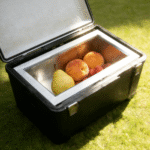
Reusable temperature controlled containers use durable shells and replaceable refrigerants. They often integrate IoT sensors for tracking. The reusable packaging market reached US $2.5 billion in 2024 and is expected to double by 2033. While the upfront cost is higher, returning containers for multiple trips reduces total cost of ownership and waste. Reusable options are best for high volume routes with reliable return logistics.
Vacuum sealing (Cryovac) for dairy
Vacuum sealing removes oxygen, preventing spoilage and extending shelf life. Cryovac packaging uses high barrier bags and specialized machinery; it creates a tight skin around products and reduces material usage. For high value cheese or butter, vacuum sealing can dramatically reduce waste and may allow for smaller, lighter outer packaging.
Modified atmosphere packaging and flexible pouches
Modified atmosphere packaging replaces oxygen with inert gases to slow microbial growth. Flexible pouches and sachets are gaining popularity because they’re easy to handle, customizable and require less material. Stand up pouches with reclosable zippers and tear notches enhance convenience and shelf appeal. However, pouches provide less physical protection during transit and often need additional cushioning.
Balancing cost and performance
Your choice should consider shipment size, distance, climate and budget. Insulated liners are cheap but may not last long on long routes. Reusable containers offer strong protection and may lower costs over time. Gel packs are affordable for moderate distances, while PCMs and dry ice suit long or frozen shipments. Many suppliers offer pre assembled thermal kits that reduce labor costs and errors.
Practical tips for selecting packaging
Assess your product’s temperature range: Milk and yogurt require 0–4 °C, while butter can tolerate slightly higher temperatures. Choose coolants accordingly.
Calculate refrigerant weight: Use 2–3 pounds of gel per 5 pounds of cheese.
Consider return logistics: If you have a steady route, reusable containers can cut long term costs.
Check regulatory compliance: Packaging should meet standards like ISTA 7D and Good Distribution Practice (GDP).
Balance eco impact and price: Recyclable and compostable materials may cost more upfront but save money on disposal and improve brand reputation.
Case study: After moving from single use foam boxes to reusable insulated totes with gel packs, a mid sized creamery reduced per shipment packaging costs by 15 % over 18 months and cut waste disposal fees, while maintaining temperature integrity for 48 hours.
How does sustainability affect packaging affordability?
Sustainability isn’t just a feel good goal—it can lower costs. Traditional materials like EPS foam create waste management headaches. New eco friendly materials such as recyclable paper insulation, re pulpable products and non toxic gel packs reduce disposal costs. Companies adopting these solutions often find that sustainable materials cost less to dispose of and reduce packaging weight. Lightweight packaging lowers shipping costs by reducing dimensional weight charges.
Eco friendly insulation options
Nature Pack’s Biocooler® uses plant based insulation that biodegrades and even absorbs CO₂. Combined with Nature Ice™ gel refrigerants, it keeps milk, cheese and yogurt cold while minimizing waste. Many compostable shippers can be disposed of in organic waste streams, avoiding landfill fees. Paper based insulation also allows customers to recycle packaging at home.
Consumer demand and brand value
Sustainability resonates with customers. According to Shorr Packaging’s study, 90 % of consumers are more likely to buy from brands with sustainable packaging and more than half had purchased such products in the previous six months. Brands that invest in eco friendly packaging often see improved loyalty and can command premium pricing. However, they must ensure packaging still protects the product.
Regulatory and market pressures
Governments are introducing stricter packaging regulations. Many jurisdictions tax single use plastics or require producers to pay for recycling programs. Sustainable packaging helps you avoid fines and future proofs your business. A shift toward greener options has also driven innovation and investment in new materials; cold chain infrastructure is expanding in developing regions, making sustainable solutions more accessible.
What technologies and trends are shaping temperature controlled creamery packaging in 2025?
The cold chain industry is undergoing rapid transformation. Innovations improve performance, reduce costs and enhance customer experience.
Smart temperature monitoring and IoT
Real time monitoring is now affordable. Bluetooth loggers and IoT sensors record temperature, humidity and location and send alerts when thresholds are breached. Smart monitoring provides immediate alerts, compliance documentation and data for decision making. For high value dairy shipments, end to end monitoring can prevent losses and build customer trust. Many reusable containers now integrate sensor slots, making adoption easier.
Ready to use packaging kits
Pre qualified thermal kits streamline operations. These kits combine box, liner and refrigerant in one package. They reduce inventory complexity, accelerate onboarding and lower risk of packaging errors during peak seasons. For small creameries with limited staff, ready to use kits can save significant time and reduce mistakes that lead to spoilage.
Data driven cold chain planning
Companies are leveraging analytics to optimize packaging choices and routes. Predictive modeling uses weather forecasts, transit times and carrier performance to select optimal packaging and shipping lanes. Data driven planning improves safety while reducing costs. Creameries can adjust gel pack quantities based on season or destination, avoiding over packaging and unnecessary weight.
Customized, branded packaging
Packaging has become a marketing tool. Custom printed thermal bags and boxes reinforce your brand and create a memorable unboxing experience. Branded packaging enhances recognition, builds consumer confidence and differentiates your products. While custom printing adds cost, it can be justified when selling premium artisanal cheeses or subscription boxes. Digital printing technologies have reduced minimum order quantities, making branding accessible to smaller creameries.
Direct to consumer (DTC) optimization
The rise of meal kits, subscription boxes and e commerce requires smaller, lightweight packaging that withstands residential delivery conditions. DTC optimization addresses extended delivery windows, non specialized handling, disposal convenience and cost constraints. Packaging must be easy for customers to unpack and recycle while maintaining temperature for 24–48 hours.
Flexible primary packaging for dairy
Primary packaging touches the product, so improvements directly impact product quality. The dairy product packaging market is predicted to exceed $51 billion by 2032. The industry is shifting toward flexible pouches, sachets and bags because they’re easier to handle, customizable and more sustainable. Stand up pouches with reclosable zippers offer convenience and strong shelf appeal. However, companies must ensure these flexible packs still protect against physical damage.
Recyclable and mono material films
Leading suppliers like TC Transcontinental and MULTIVAC invest in biaxially oriented polyethylene (BOPE) films and mono material structures that are fully recyclable. These materials maintain barrier properties while meeting circular economy goals. As legislation restricts multi material plastics, mono material packaging will become the norm.
Interactive checklist: choosing your creamery packaging
Use this checklist to evaluate options based on your specific needs. Assign a score (1–5) for each criterion and compare solutions. Higher scores indicate a better fit.
| Criterion | Weight | Foam box | Paper liner | Compostable Biocooler® | Reusable container |
| Thermal performance (hold time) | 25 % | 4 | 3 | 4 | 5 |
| Purchase cost per shipment | 25 % | 5 | 4 | 2 | 3 |
| Disposal/return cost | 15 % | 2 | 4 | 5 | 4 |
| Sustainability/brand perception | 15 % | 1 | 4 | 5 | 4 |
| Ease of assembly | 10 % | 3 | 4 | 4 | 2 |
| Reusability/longevity | 10 % | 1 | 2 | 3 | 5 |
Example: A creamery shipping weekly to local farmers’ markets might prioritize low purchase cost and ease of assembly. The paper liner scores well on these points and provides a balance of sustainability and affordability. An export‐oriented cheesemaker may value thermal performance and sustainability, making reusable containers or Biocooler® the better choice.
Practical tips and advice
For farm store sales: Use lightweight insulated takeaway bags with gel packs. Customers can reuse them, reinforcing your brand.
For subscription services: Consider ready to use kits with branded liners. They simplify fulfillment and improve unboxing appeal.
For wholesale distribution: Invest in reusable pallet shippers with IoT sensors for high volume routes. Ensure you have a reverse logistics plan to collect empties.
For export shipments: Use vacuum sealed or modified atmosphere packaging combined with durable insulated boxes. Pair with PCMs if transit exceeds 72 hours.
Real world example: A European cheese exporter adopted paper based insulation with non toxic gel packs and integrated Bluetooth loggers. The switch reduced total shipment weight by 20 %, lowering freight charges, and customers praised the recyclable packaging. Data logs showed temperatures remained within the 2–8 °C range throughout transit, improving compliance documentation.
Latest developments and trends in temperature controlled packaging (2025)
The industry’s rapid growth is fueled by global demand for pharmaceuticals, biologics and fresh foods. The temperature controlled packaging solutions market is projected to reach US $48.9 billion in 2025 and could exceed US $110.2 billion by 2034. Several trends dominate 2025:
Eco innovation accelerates
Recyclable paper and fiber insulation: Manufacturers launch paper based solutions that rival foam performance and are easier to recycle.
Compostable biomass insulation: Products like Biocooler® compostable shippers absorb CO₂ and degrade naturally.
Mono material films: Suppliers invest in biaxially oriented polyethylene to create recyclable pouches and lidding.
Technology integration grows
IoT sensors and Bluetooth loggers: Affordable sensors allow real time tracking and alerts.
Data analytics: Predictive models optimize routes and packaging for cost and performance.
Smart packaging platforms: Software integrates monitoring data with warehouse management systems for end to end visibility.
Market shifts
North America leads: Strong pharmaceutical production and e grocery services drive demand, while Asia–Pacific is the fastest growing region.
Reusable solutions rise: The reusable market is expected to double by 2033.
Consumer driven sustainability: High consumer preference for sustainable packaging influences product development.
Challenges and opportunities
Cost pressures: Advanced materials and sensors increase unit costs by 15–20 %, but savings in waste reduction and compliance offset them.
Regulatory complexity: Stricter regulations for food and pharmaceutical shipping require validated packaging and documentation.
Last mile constraints: DTC deliveries require smaller, lighter packaging and efficient reverse logistics.
Frequently asked questions
Q1: How much refrigerant do I need to ship cheese safely?
Use 2–3 pounds of gel refrigerants per 5 pounds of cheese to maintain a stable temperature during transit. Adjust based on ambient conditions and transit time.
Q2: What’s the difference between gel packs and PCMs?
Gel packs are inexpensive and suitable for short to medium durations. Phase change materials (PCMs) maintain precise temperatures for longer periods but cost more. Choose PCMs for shipments exceeding 48 hours or extreme temperature ranges.
Q3: Are compostable insulated boxes durable enough?
Yes. Products like Biocooler® combine high performance insulation with plant based materials. They maintain temperature and biodegrade at the end of life, reducing environmental impact.
Q4: How can I ensure compliance with shipping regulations?
Select packaging tested to standards like ISTA 7D and Good Distribution Practice. Use IoT sensors for temperature monitoring and keep records to demonstrate compliance.
Q5: Will sustainable packaging increase my costs?
While eco friendly materials may have higher purchase prices, they often cost less to dispose of and reduce overall shipping weight, which lowers freight charges. The improved brand perception can also boost sales.
Summary and recommendations
Affordable temperature controlled creamery packaging is within reach when you understand your product requirements and take advantage of new technologies. The cold chain market is growing rapidly, with analysts projecting a leap from US $27.7 billion in 2025 to over US $102 billion by 2034. Insulated boxes, gel refrigerants, and reusable containers each have merits; choose based on shipment size, distance, and budget. Sustainable materials like paper based liners and plant based insulation reduce disposal costs and appeal to eco conscious consumers. Smart sensors, pre assembled kits and data analytics simplify operations and reduce waste.
Action plan:
Audit your current shipments to understand temperature requirements and transit times.
Experiment with paper based or compostable insulation paired with non toxic gel packs for local deliveries.
For high volume routes, evaluate reusable containers with IoT monitoring to reduce long term costs.
Implement pre assembled kits for subscription services to streamline packing and reduce errors.
Train staff on proper gel pack usage and monitor shipments using Bluetooth loggers.
By balancing thermal performance, cost and sustainability, you can deliver fresh, delicious dairy products while protecting your bottom line and the planet.
About Tempk
Tempk is an innovator in cold chain packaging. We offer insulated boxes, gel refrigerants and reusable containers designed to keep temperature sensitive products safe. Our solutions help creameries, pharmaceutical companies and food businesses maintain precise temperature ranges during shipping. We prioritize sustainability by providing recyclable and compostable materials. Our engineers work with clients to develop custom solutions that balance performance, cost and environmental impact.
Ready to upgrade your creamery packaging? Contact Tempk for expert advice on choosing the right temperature controlled solution for your products. We’ll help you protect quality, reduce waste and delight your customers.