Ensuring that vaccines remain potent during transport has never been more critical. As the global cold chain logistics market surges from USD 341 billion in 2024 toward an estimated USD 1.19 trillion by 2034, the demand for reliable, reusable cooling solutions grows with it. A vaccine ice box wholesale program allows you to procure highquality insulated containers capable of maintaining the recommended 2–8 °C range for 24–48 hours. This guide will teach you how to evaluate, select and use these passive cooling systems so your vaccines stay safe from manufacturer to patient.
What is a vaccine ice box wholesale solution? Understand definitions, storage capacities and why buying in bulk matters.
How do vaccine ice boxes maintain temperature stability? Explore gel packs, phasechange materials and other cooling agents.
What factors should you consider when buying? Learn how to match temperature range, capacity, durability and monitoring features to your needs.
How do you properly use and maintain these boxes? Follow best practices drawn from CDC guidelines and industry standards.
What are the latest trends in 2026? Discover innovations such as IoTenabled boxes, ecofriendly materials and market growth forecasts.
Frequently asked questions about vaccine ice box wholesale purchasing, coldlife duration and regulatory compliance.
What Is a Vaccine Ice Box Wholesale Solution?
A vaccine ice box is a passive, insulated container designed to keep vaccines and other temperaturesensitive biological products within a specified range (usually 2–8 °C) during transport. Unlike refrigerators or active refrigeration systems, these boxes rely on coolant packs, ice plates or phasechange materials to provide cooling energy. They are often used in outreach immunization campaigns, lastmile delivery and emergency situations where electricity is unavailable. Wholesale purchasing refers to procuring multiple units directly from manufacturers or authorized distributors, allowing health ministries, NGOs and pharmacies to secure standardized equipment at competitive prices.
Cold boxes vs. vaccine carriers
According to UNICEF procurement guidelines, cold boxes and vaccine carriers serve complementary roles. Cold boxes are insulated containers with capacities between 5–25 litres; when lined with coolant packs, they maintain vaccine temperatures during transport from central stores to health facilities or serve as temporary storage when refrigerators are out of order. There are two types: shortrange boxes, offering a minimum cold life of 48 hours, and longrange boxes with at least 96 hours of cold life. Vaccine carriers are smaller (0.1–5 litres), lightweight containers used by health workers to carry vaccines for outreach sessions; they keep contents cold for several hours to a full day and are easier to carry on foot.
Why buy vaccine ice boxes wholesale?
Purchasing vaccine ice box wholesale has several advantages:
| Benefit | Explanation | Practical impact |
| Cost efficiency | Buying in bulk reduces unit price and shipping costs, which is crucial for large immunization programs. | Budgets stretch further, enabling you to equip more teams. |
| Consistency | Standardized boxes ensure uniform training, maintenance and performance across health facilities. | Fewer temperature excursions and easier staff training. |
| Availability | Securing inventory in advance prevents shortages during vaccination campaigns or emergencies. | You avoid delays caused by supply chain disruptions. |
| Customization | Suppliers often tailor wholesale orders (e.g., branding, specific capacity, accessory kits) when minimum quantities are met. | You can match equipment precisely to your logistics requirements. |
| Ecosystem integration | Procuring boxes from the same manufacturer often includes compatible coolant packs, digital monitors or tracking devices. | Simplifies procurement and maintenance. |
Wholesale purchasing helps you build a reliable cold chain infrastructure that scales with program growth. Many manufacturers also offer OEM/ODM services, enabling branded boxes or specialized features such as extra insulation, locking lids and integrated data loggers.
How Do Vaccine Ice Boxes Maintain Safe Temperatures?
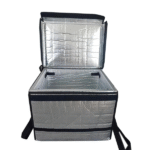
The cooling performance of a vaccine ice box comes from its insulation materials and the coolants used inside. Manufacturers design boxes with highdensity polyethylene or polypropylene shells and insulating cores (e.g., polyurethane foam) to minimize heat transfer. Inside, gel packs, ice plates or phasechange materials (PCMs) absorb ambient heat and keep the interior within the required range.
Gel packs and freezer blocks
Geltype freezer blocks are widely used in medical logistics. They are prefrozen at −20 °C or −10 °C and placed inside the insulated box. Their waterbased gel content absorbs heat gradually, keeping the contents cold for 12–48 hours depending on configuration and ambient conditions. Compared with dry ice, gel blocks are nontoxic, reusable and safer to handle; they can maintain the standard 2–8 °C range for vaccine transport. Advantages of gel packs include longer cooling duration, no condensation, and customizable sizes.
Phasechange materials (PCMs)
Phasechange materials exploit the latent heat absorbed or released when changing between solid and liquid phases. PCMs can be tailored to freeze at specific temperatures, such as 5 °C, making them ideal for freezesensitive vaccines. PCMs freeze solid under refrigeration and then melt slowly at the target temperature, ensuring a consistent internal environment without the risk of freezing the vaccines. Studies have shown that PCM packs can substitute for ice in traditional cold boxes and maintain adequate cooling even in hot environments. In Tunisia’s pilot program, passive PCM boxes provided safe cooling for a work day in the Sahara.
Vacuuminsulated panels and advanced materials
Emerging innovations involve combining vacuuminsulated panels (VIPs) with PCMs. VIPs dramatically reduce heat transfer by creating a nearvacuum between layers, while PCMs deliver targeted cooling. Market analysis notes that advanced insulation materials like PCMs and VIPs are key trends for isothermal vaccine boxes. These technologies offer longer cold life and improved reliability, albeit at higher initial costs.
Comparing cooling agents
The following table summarizes the strengths and limitations of common cooling agents for vaccine ice boxes:
| Cooling agent | Advantages | Challenges | Typical use |
| Dry ice | Ultracold (–78.5 °C); longlasting; sublimates into gas, leaving no liquid mess. | CO₂ supply can be tight (production ~4,600 t/day with 5 % annual demand growth); handling hazards require protective gear and special transportation; potential shortage expected in 2026. | Frozen vaccines or biologics needing deepfrozen conditions. |
| Gel packs/blocks | Nonhazardous; easy to handle; reusable; maintain 2–8 °C for 24–48 hours; no condensation. | Higher cost per cycle compared with dry ice; not suitable for shipments requiring subzero temperatures; limited duration for long routes. | Routine vaccine transport, blood & plasma shipments, diagnostic reagents. |
| Phasechange materials | Maintain specific temperature ranges (e.g., 5 °C for freezesensitive vaccines); can be placed in direct contact with vaccines; reduce risk of freezing. | Higher upfront cost; require careful conditioning; not yet a oneforone replacement for dry ice in extreme cold. | Highvalue pharmaceuticals, longrange vaccine transport in remote areas. |
| Solidstate cooling (Peltier/IoT boxes) | Selfrefrigerated boxes using semiconductor devices; maintain 2–8 °C for 72 hours; can track temperature and location. | High initial investment; currently focused on pharmaceuticals; scaling for food or mass programs requires further development. | Specialty shipments requiring realtime monitoring and return logistics. |
Key takeaway: when procuring vaccine ice boxes wholesale, match the cooling agent to your temperature range, transit duration and regulatory requirements.
Factors to Consider When Buying Vaccine Ice Box Wholesale
Selecting the right vaccine ice box wholesale involves more than comparing prices. You must consider temperature requirements, capacity, durability, materials and compliance with global health standards.
Temperature range
Vaccines have diverse storage requirements. Most routine immunizations require 2–8 °C; however, some ultracold products need –50 °C to –15 °C or even –90 °C. Ensure the box can maintain the appropriate range for the entire journey. The CDC recommends using portable vaccine refrigerators or qualified containers for refrigerated products and warns against using commercially available softsided food coolers because they are poorly insulated. If a portable refrigerator isn’t available, qualified containers with phasechange materials (4–5 °C) and an integrated temperature monitoring device (TMD) should be used.
Capacity and dimensions
Capacity dictates how many vials you can transport. UNICEF guidelines classify cold boxes as short range (≥48 hours cold life, 5–25 L) or long range (≥96 hours cold life). For outreach activities, vaccine carriers hold 0.1–5 L. The Phefon Cold Chain guide recommends matching box size to use case: 10–30 L boxes for health worker visits and 50 L or larger for mass vaccination drives. Buying wholesale allows you to procure a mix of sizes to suit different scenarios.
Materials and insulation
Look for boxes with durable ABS or HDPE shells and highdensity insulation such as polyurethane foam or VIPs. For rugged environments with bumpy roads, shockresistant outer shells help prevent damage. The interior should use white engineering plastic with low thermal emissivity to reduce heat exchange. Labyrinthstyle sealing and double walls improve air tightness and extend cold life.
Cooling source and accessories
Evaluate whether the box uses hard ice bricks, gel packs or PCMs; verify the cold life (e.g., 25 hours for a 2–8 °C range at 30 °C ambient temperature). Ensure there are at least two sets of coolant packs per box to allow rotation. Some wholesale packages include digital data loggers, alarm systems, or QR codes for tracing usage history.
Monitoring and compliance
Temperature monitoring is critical. Choose boxes with integrated TMDs or design them to fit an external logger. For regulatory compliance, ensure that the equipment meets WHO Performance, Quality and Safety (PQS) standards. The CDC instructs that each transport container should have a temperature monitoring log and that total transport time (including clinic workday) should not exceed eight hours unless manufacturer guidance differs.
Logistics and supplier considerations
When ordering vaccine ice box wholesale, assess the lead time, minimum order quantity and supplier reliability. Many manufacturers deliver orders within a few business days; confirm that transit times align with your campaign schedule. Evaluate customer support, warranty terms and availability of spare parts. Request test reports to verify cold life under various ambient temperatures and load conditions.
Humancentred design features
Consider ergonomics: lightweight boxes with comfortable handles are essential for urban healthcare workers making frequent transfers. Boxes intended for remote areas should have durable locks, strap attachments and nonslip bases. Some models incorporate drain plugs, removable baskets, or colourcoded lids for easy identification.
Best Practices for Using and Maintaining Vaccine Ice Boxes
Proper handling maximizes the performance of your vaccine ice box wholesale investment. Draw on CDC recommendations and industry standards to maintain cold chain integrity.
Conditioning coolant packs
Follow manufacturer instructions for conditioning coolant packs. Gel packs should be frozen solid for at least 12 hours before use. PCMs must be conditioned at their specified phasechange temperature (e.g., cool at 5 °C for 24 hours) to avoid under or overcooling.
Rotate sets of packs: always keep a second set cooling while the first set is in use. This ensures you can repack boxes quickly during extended campaigns.
Avoid frozen gel packs for refrigerated vaccines: the CDC warns that frozen packs from the original shipping container can freeze refrigerated vaccines, even if they appear “sweating”.
Packing and transport
Prechill the box: precool empty boxes with conditioned packs for several hours before loading vaccines to reduce thermal shock.
Position coolant packs properly: line the walls and lid to create an even thermal barrier; avoid placing packs directly on vaccine vials unless PCMs designed for contact are used..
Load quickly and minimize door openings: frequent openings shorten cold life. Prepare vaccines and paperwork in advance to reduce open time.
Helpful decision tools
Check the details before you choose packaging
These quick tools can help you compare route risk, sizing needs, coolant choices, and packaging details before you request a quote.
Route Risk Checker
Review lane conditions before selecting packaging for real operating requirements.
Check route riskCompliance Checklist Generator
Build a practical checklist for packaging review, shipping, and documentation.
Build checklistInsulation Material Reference
Compare insulation material choices for different cold chain packaging needs.
Compare materialsUse a temperature monitoring device (TMD): place a calibrated probe near the warmest point inside the box. Log temperatures regularly and respond to alarms immediately.
Plan transport: the CDC recommends transporting vaccines in a vehicle’s passenger compartment rather than in a trunk or open bed. Portable vaccine refrigerators or qualified containers with PCMs are preferred; only bring quantities needed for the day..
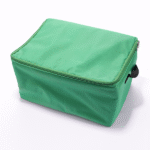
Avoid softsided food coolers: they lack adequate insulation and can jeopardize vaccine potency.
Storage and maintenance
Clean after each use: wash interior surfaces with mild detergent and dry thoroughly; avoid abrasive cleaners that degrade insulation.
Inspect seals and hinges: check for cracks, warped gaskets or damaged clasps; replace parts promptly to maintain airtightness.
Verify insulation integrity: damaged insulation reduces cold life. Many suppliers offer warranty service or replacement panels.
Store boxes in a cool, dry place away from direct sunlight when not in use; extreme heat degrades insulation materials.
Calibrate monitoring devices regularly (at least annually) and keep calibration certificates on file.
Factors to Use Vaccine Ice Boxes in Practice
Ensuring compliance during outreach campaigns
Outreach teams often work in remote areas without refrigerators. Vaccine carriers with capacities between 0.1–5 litres enable health workers to carry small quantities of vaccine on foot or by bicycle. Always plan your route and ensure the total journey plus immunization session does not exceed the cold life of the carrier. In hot climates, select longrange carriers with extended cold life (≥96 hours).
Emergency preparedness
During power outages or refrigerator failure, cold boxes provide critical backup. The CDC suggests having emergency transport protocols, including identifying trained staff and backup vehicles, maintaining a supply of qualified containers and ensuring a portable vaccine refrigerator or freezer is available. For frozen vaccines, qualified containers must maintain –50 °C to –15 °C or –90 °C to –60 °C during transport; unpack immediately upon arrival.
Example usage scenario
Practical case: A mobile immunization team travels to a mountainous region with rough roads. They load a shockresistant 30 L vaccine ice box lined with PCMs frozen at 5 °C. Digital data loggers record the temperature throughout the 14hour journey. Upon arrival, they conduct a oneday clinic. By matching the box’s cold life (≥24 hours) and ensuring the PCM packs were conditioned properly, the vaccines remain within 2–8 °C throughout the trip. The team used a second set of PCMs to repack for the return journey, ensuring continuous cold chain integrity.
2026 Latest Vaccine Ice Box Innovations and Market Trends
Industry growth and investment
The cold chain logistics market continues to expand rapidly. A research report indicates that the market was valued at USD 341 billion in 2024 and is projected to reach USD 1.19 trillion by 2034, growing at a compound annual growth rate (CAGR) of 15.3 %. The integration of IoT, AI and blockchain is transforming the industry by enabling realtime tracking, optimizing routes and ensuring secure, transparent transactions. The rise of ecommerce and demand for temperaturesensitive goods is encouraging businesses to invest in warehousing, lastmile delivery and automation.
Another report focusing on isothermal boxes for vaccines shows that this niche market was valued at USD 209.71 million in 2024 and is projected to reach USD 357.63 million by 2032, reflecting a CAGR of 6.90 %. The market is driven by the need for safe vaccine distribution, particularly in developing regions.
Reusability and sustainability
Sustainability is a major trend. Manufacturers are moving toward reusable freezer blocks and robust plastic casings, reducing waste from singleuse ice packs. New designs emphasize durability and leakproof construction, with doublewall molding and ultrasonic sealing to withstand hundreds of freeze–thaw cycles. Additionally, temperaturespecific gels (e.g., –5 °C, –20 °C) allow providers to match the cooling agent precisely to each vaccine’s requirements.
Advanced materials and smart features
The adoption of phasechange materials and vacuuminsulated panels enhances temperature stability. These materials absorb or release heat at specific temperatures and offer superior insulation, reducing reliance on dry ice.
IoTenabled vaccine boxes with solidstate cooling (Peltier devices) provide selfrefrigerated transport for up to 72 hours and connect to cloud platforms for tracking and return logistics. QR codes and RFID tags embedded in freezer blocks help trace usage history and batch numbers.
Modular storage and moving warehouses
New box designs are stackable and modular, enabling flexible layout in transport vehicles and reducing space requirements. In Senegal, moving warehouse trucks fitted with rolling insulated containers (capacity 161 litres) operate as mobile distribution hubs. These containers, cooled by PCM panels, keep vaccines at proper temperatures for an entire work week and have the capacity of eight longrange cold boxes. Small, 3–4 litre passive coolers provide up to a week of cooling using regular ice without electricity, expanding vaccine availability in remote communes.
Global adoption and regional focus
Asia–Pacific leads the cold chain market with 35 % share; countries such as China and India are investing heavily in cold storage and distribution infrastructure. The isothermal box market is segmented by product type (short range vs. long range) and materials (polypropylene, polystyrene, polyurethane and polyethylene), with key players including B Medical Systems, Polar Thermal Packaging, Sonoco ThermoSafe and AOV International. Innovations like solar directdrive vaccine refrigerators, energyharvesting systems and longlife icelined refrigerators (e.g., SureChill®) ensure cold chain resilience in areas with unreliable electricity.
Market challenges and opportunities
Challenges include dry ice supply constraints, labour shortages, high upfront costs for advanced technology and logistics complexities. The 2026 outlook suggests diversifying cooling media (e.g., adopting PCMs and batteryoperated coolers) and strengthening supplier partnerships to mitigate CO₂ shortages. Food waste due to poor cold chain management costs the economy hundreds of billions; predictive analytics and improved temperature monitoring are recommended. For vaccine programs, opportunities lie in expanding into emerging markets, improving vaccine safety through digital monitoring and adopting ecofriendly materials.
Frequently Asked Questions
Q1: How long can a vaccine ice box keep vaccines cold?
Most standard vaccine ice boxes can maintain 2–8 °C for 24–48 hours when properly packed with conditioned gel packs. Longrange cold boxes offer cold life of 96 hours. Always verify the cold life from the manufacturer and consider ambient temperatures.
Q2: Can I use a regular food cooler for vaccine transport?
No. The CDC advises against using commercially available softsided food or beverage coolers because they are poorly insulated and sensitive to room or outdoor temperatures. Use portable vaccine refrigerators or qualified containers with phasechange materials and a temperature monitoring device.
Q3: What is the difference between a vaccine carrier and a cold box?
Vaccine carriers are small (0.1–5 L), lightweight containers designed for outreach sessions, providing a cold life of several hours to a day. Cold boxes are larger (5–25 L), used for transport between stores or temporary storage, with cold life ranging from 48 to 96 hours.
Q4: What type of coolant is best for freezesensitive vaccines?
Phasechange material (PCM) packs that freeze at 5 °C are ideal because they can be placed directly against vaccines without freezing them. Gel packs can also work but must be conditioned carefully; frozen gel packs risk freezing vaccines.
Q5: How do I choose the right size for my program?
Consider your daily usage. For small outreach teams, 10–30 L boxes are sufficient, while 50 L or larger boxes support mass vaccination drives. Assess the number of vials, trip duration and whether you need longrange capability (≥96 hours cold life).
Summary and Recommendations
Summary: Vaccine ice box wholesale solutions are essential for maintaining vaccine potency as the cold chain market expands. Passive cold boxes and vaccine carriers use conditioned gel packs or phasechange materials to sustain 2–8 °C for 24–96 hours. When buying wholesale, consider temperature range, capacity, durability, insulation materials, monitoring features and supplier reliability. Match the box size and cooling agent to your program’s needs; adopt PCMs and VIPs for longer journeys. Follow best practices for packing, transport and maintenance to protect your vaccine investment. Stay informed about market trends such as the adoption of IoTenabled boxes, reusable materials and modular designs.
Actionable steps:
Assess your vaccine program’s needs (volume, trip duration, environment) to determine the appropriate mix of cold boxes and carriers.
Select boxes with verified cold life and PQS certification, and insist on integrated or compatible temperature monitoring devices.
Use phasechange materials or gel packs appropriately; condition them correctly and rotate sets to ensure continuous cooling.
Train staff in packing and transport protocols, emphasizing minimal door openings and proper logkeeping.
Plan for sustainability by procuring reusable freezer blocks and exploring smart, modular boxes that can be tracked and reused.
Stay updated with market trends to leverage innovations such as VIPs, IoT tracking and solarpowered refrigeration.
About Tempk
Tempk is a leading provider of cold chain packaging and thermal logistics solutions. We combine extensive research and development with sustainable manufacturing to deliver medical ice boxes, gel packs, PCMs and insulated shipping containers that meet international standards. Our products feature robust insulation, reusable components and customizable designs to support diverse healthcare, food and life science applications. With a focus on innovation, quality and customer support, we aim to simplify your cold chain operations and protect the integrity of your temperaturesensitive goods.
Ready to improve your cold chain? Contact Tempk’s experts for tailored advice on vaccine ice box wholesale solutions and discover how our technology can safeguard your vaccines throughout the journey.