Blog Detail
Logista and Neovii Agree Grafalon Distribution in Spain
Source: Logista — Original corporate announcement
Logista and Neovii Announce Grafalon Cold Chain Agreement in Spain
What Happened
Logista Pharma announced an agreement with Neovii to manage Grafalon distribution in Spain. Its responsibilities cover procurement, specialised storage, order preparation, hospital deliveries and invoicing. The announcement concerns a distribution arrangement for a transplant medicine, rather than a new facility opening.
How It Works
The announced model specifies 2–8°C handling, with Nacex providing hospital deliveries through passive cold chain solutions and shipment monitoring. The partners identify responsiveness to urgent hospital demand as an operational priority.
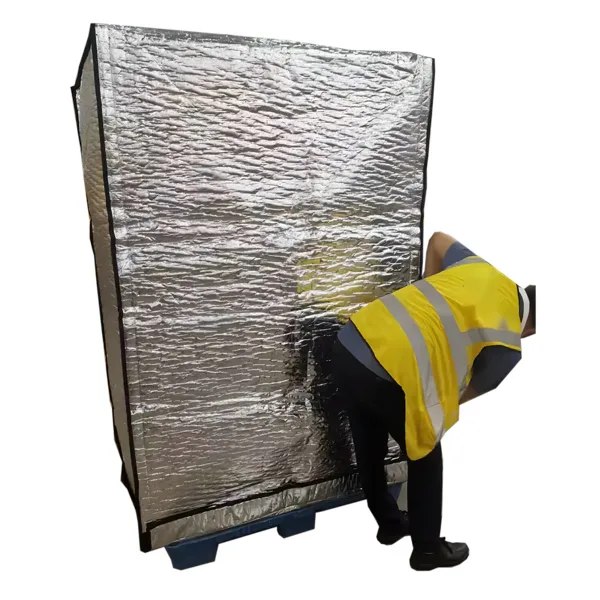
NACEX’s existing pharmaceutical service description provides context for this approach. It combines reusable insulated packaging with temperature recording, web-accessible shipment and thermal traceability, alarm notifications, and temperature and security management through a round-the-clock control centre. These are published network-level capabilities, not confirmation of every feature or packaging configuration selected for the Grafalon agreement.
For buyers assessing such a model, packaging and monitoring should be considered together. Thermal protection addresses the shipment’s exposure during transport, while the associated records and alarm procedures support oversight. A service description alone should not replace evidence that the selected configuration suits a particular product and delivery route. This is an operational assessment, rather than a reported result from the new agreement.
Why It Matters
For temperature-sensitive hospital supply, delivery speed and documented thermal protection need to be evaluated together. An urgent courier movement should still fit the product’s transport requirements and the receiving hospital’s handling arrangements.
Established European Good Distribution Practice guidance provides a useful benchmark. Its transport chapter addresses packaging selection against product requirements, shipment size, anticipated external temperature extremes and maximum transport duration. It also calls for procedures to investigate temperature excursions and designated personnel for emergency deliveries outside normal business hours. These are existing distribution principles, not newly announced requirements.
Applied to this type of hospital distribution model, the practical implication is to assess the complete journey rather than courier transit time alone. Dispatch preparation, intermediate handling and the final receiving arrangements should form part of that assessment.
B2B Impact
For pharmaceutical manufacturers and hospital procurement teams, useful evaluation questions include who prepares the shipment, who responds to alarms, who can receive an out-of-hours delivery, and how temperature records reach the responsible quality team. Written responsibilities should make the response to a disrupted delivery clear before a shipment leaves the warehouse. These are recommended procurement considerations, not disclosed terms of the agreement.
For thermal-packaging suppliers, the relevant commercial lesson is to demonstrate how a proposed shipper fits an actual distribution process. Technical performance should be supported by usable packing instructions and a clear approach to handling and reuse. NACEX’s published emphasis on reusable packaging and package-level traceability illustrates why buyers may assess operational support alongside the physical container. It does not establish that a new packaging tender is open.
The announcement does not disclose a contract value, shipment volumes, a specific shipper model or a service commencement date.