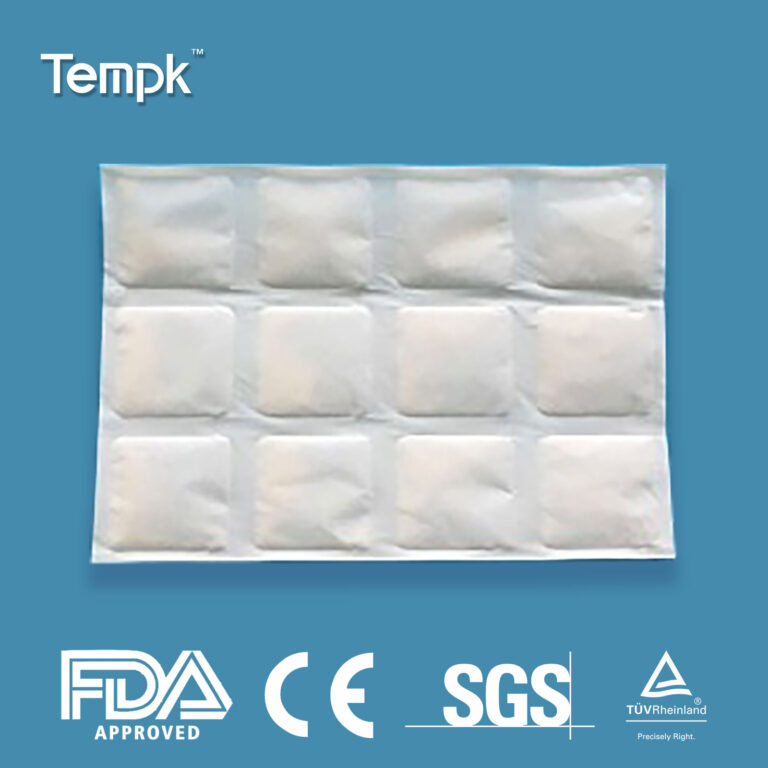
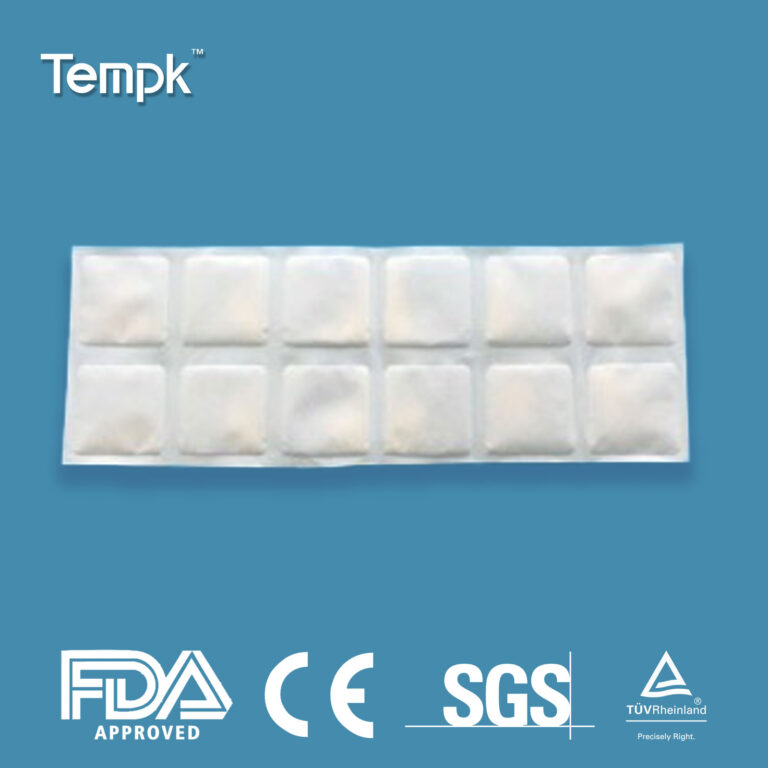
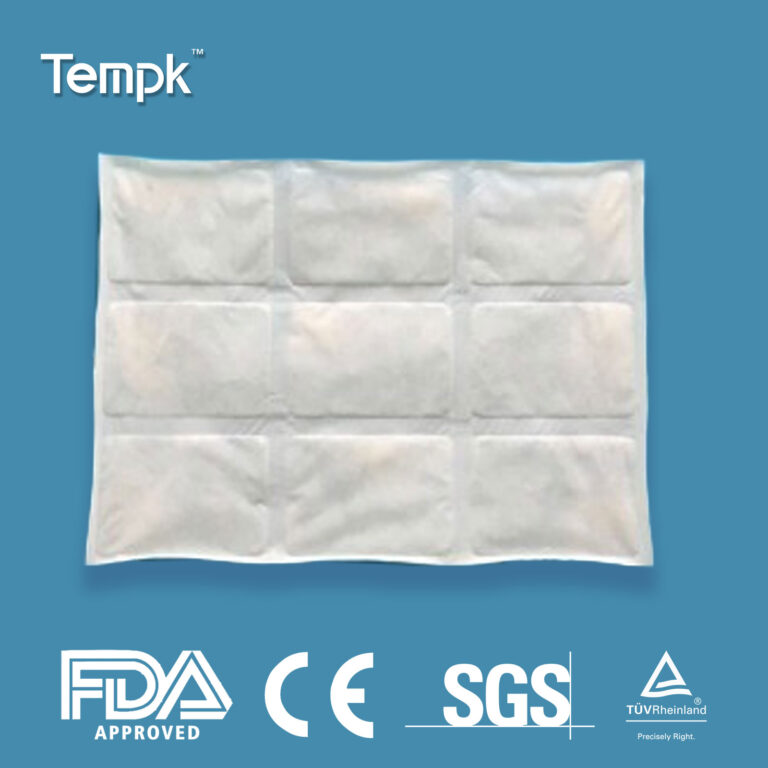
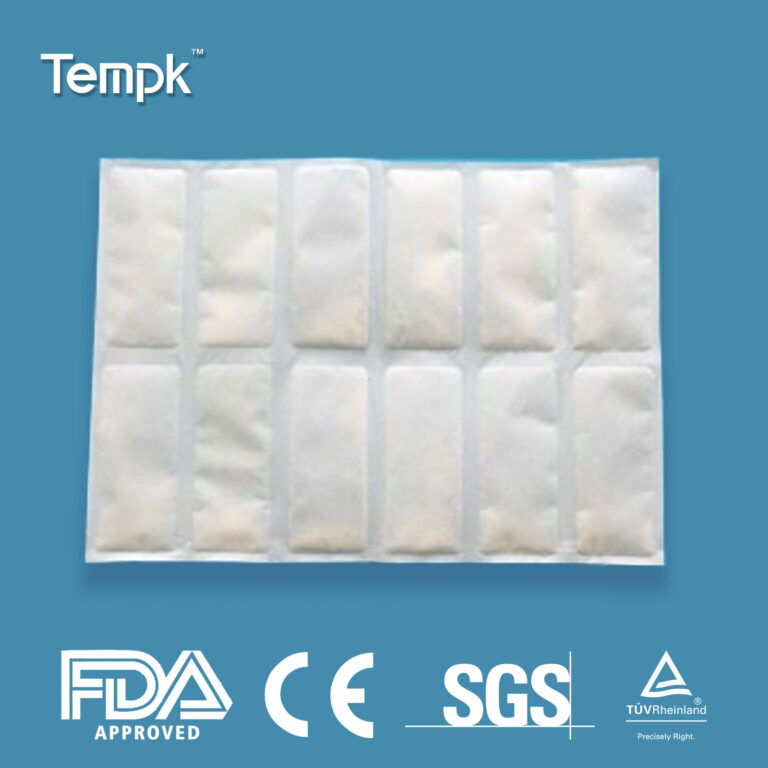
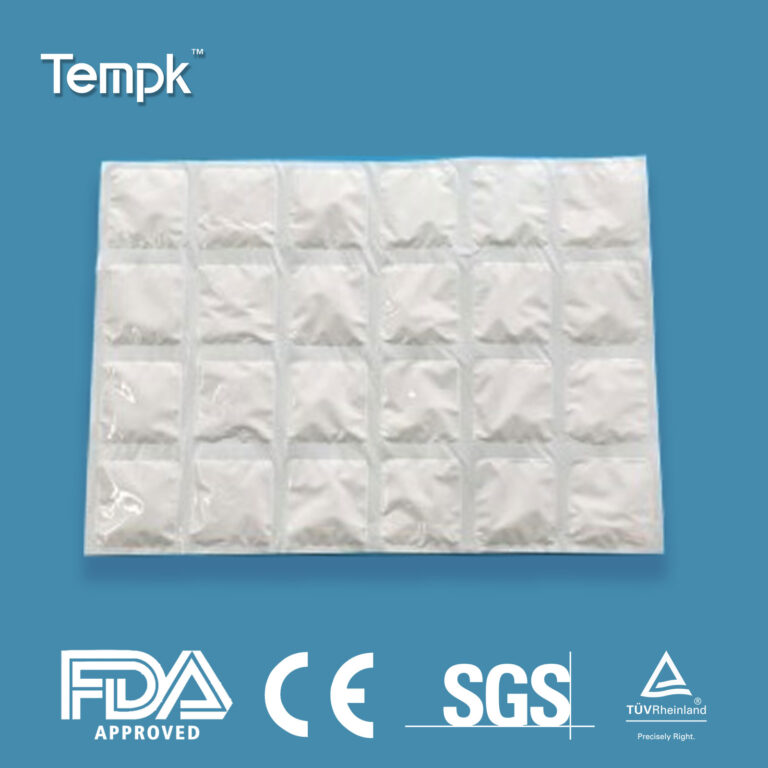
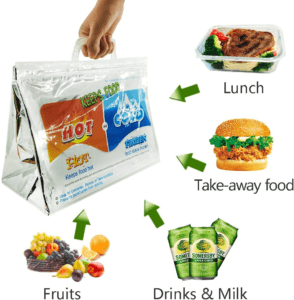
Hydrate Dry Ice Pack
Tempk dry ice pack for shipping ensures consistent cold temperatures, safe handling, and cost-effective protection for perishable products in transit.


Hydrate Dry Ice Packs for Frozen Shipping
Hydrate dry ice packs are used when frozen routes need compact cooling media and practical handling for seafood, frozen food and long-duration insulated shipments.
Hydrate dry ice packs sit closer to frozen-route planning than ordinary chilled ice packs. Buyers should confirm the route, carrier rules, ventilation and product tolerance before choosing this category for food export or long-duration frozen logistics.
How to choose
- Use this category when a shipment needs frozen protection rather than only chilled temperature control.
- Confirm carrier, air freight and destination requirements before using any dry-ice-style cooling method.
- Pair with suitable insulated boxes or liners to reduce heat gain during storage, transit and customs dwell.
Common applications
- Frozen seafood, meat, prepared food and cross-border frozen shipments.
- Export routes where pack volume, route time and ambient exposure must be planned together.
- Insulated carton boxes, EPS/EPP boxes and pallet shipments that need frozen thermal support.
Compare options before you quote
| Route condition | Cooling direction | Planning note |
|---|---|---|
| Short chilled shipment | Gel pack or ice brick | Dry-ice-style packs may be unnecessary and too cold. |
| Frozen seafood or meat | Hydrate dry ice pack with strong insulation | Plan handling, labeling and route dwell time. |
| Long export route | Frozen coolant plus liner or rigid box | Check customs, air cargo and carrier limitations early. |
| Mixed chilled and frozen SKUs | Separate packout design | Avoid using one packout for products with different thermal needs. |
Packout planning notes
- Check whether the lane permits the selected dry-ice-style cooling method.
- Leave safe handling instructions for warehouse staff and receiving teams.
- Use insulation that limits sublimation/heat gain and protects the payload from local freezing damage.
Buyer checklist before RFQ
- Frozen target temperature and maximum transit time.
- Air freight, courier or road freight restrictions.
- Payload type, carton size, ventilation and labeling requirements.
- Insulation type such as EPS, EPP, VIP, liner or pallet cover.
- Handling SOP, receiving instructions and sample test plan.
Related planning links
FAQ
When should I use hydrate dry ice packs?
Use them when the route requires frozen protection and a standard chilled ice pack is not enough for the route time or ambient exposure.
Can dry-ice-style packs be used for air freight?
Air freight may require special documentation and carrier approval. Always confirm lane rules before shipment.
What packaging should be used with frozen coolant?
Use insulation with enough thermal resistance and space for coolant placement, payload protection and safe handling.
Are hydrate dry ice packs the same as gel packs?
No. They are intended for stronger frozen-route cooling, while gel packs are often used for chilled routes.
What should I share before requesting a quote?
Share product type, route duration, transport mode, carton dimensions, frozen target and any carrier restrictions.