







Flexible gel packs
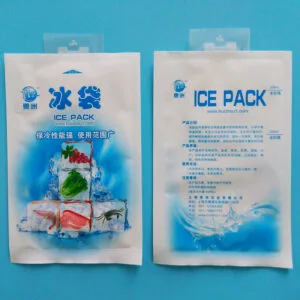
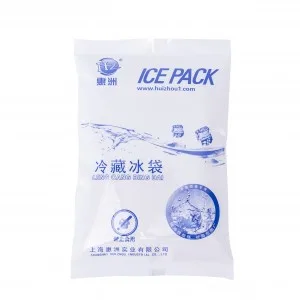
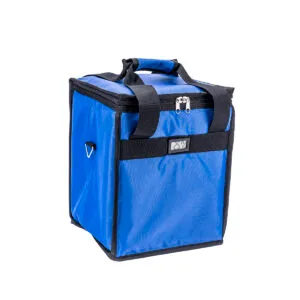
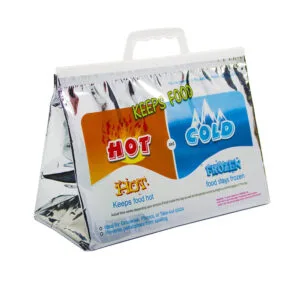
Conform around payloads and fit insulated bags, liners and parcel shippers. Confirm fill weight, film, seal, conditioning, contact barrier and freeze-thaw handling.
Compare flexible gel packs, rigid ice bricks, water-injection packs and hydrate sheet packs by payload, target range, insulation, route, conditioning and reuse process. Each product is a coolant component; confirm performance in the complete packout.
Start with the product’s allowed temperature range, starting condition, loaded dimensions and mass, insulation, route duration, ambient exposure, opening pattern and reuse process. Then compare coolant format, conditioning method, placement, barriers and the evidence needed for the complete packout.
Conform around payloads and fit insulated bags, liners and parcel shippers. Confirm fill weight, film, seal, conditioning, contact barrier and freeze-thaw handling.
Support repeatable placement in cooler boxes and structured bags. Check usable space, closure clearance, conditioning time, cleaning and return-cycle handling.
Ship dry before hydration, then require a controlled fill, sealing and freezing process at the user’s site. Verify water dose, absorption time and operating instruction.
Use segmented sheets that are hydrated and conditioned before packing. On this site, “hydrate dry ice pack” names a water-activated coolant product, not solid carbon dioxide or UN1845 dry ice.
| Tempk option | Format and likely fit | What to confirm |
|---|---|---|
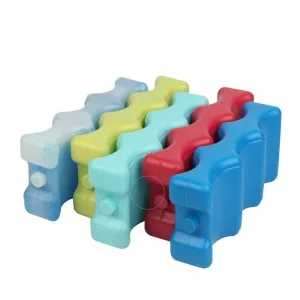
| No-sweat gel ice pack | Flexible sealed pack for cooler bags and parcel packouts where surface condensation control and close fit matter. | Payload range, pack weight, conditioning, barrier, seal and representative route test. |
| Custom printed gel pack | Flexible gel format for food transport programs that need defined size, fill and printed identification. | Dimensions, fill, film, print artwork, conditioning and packout position. |
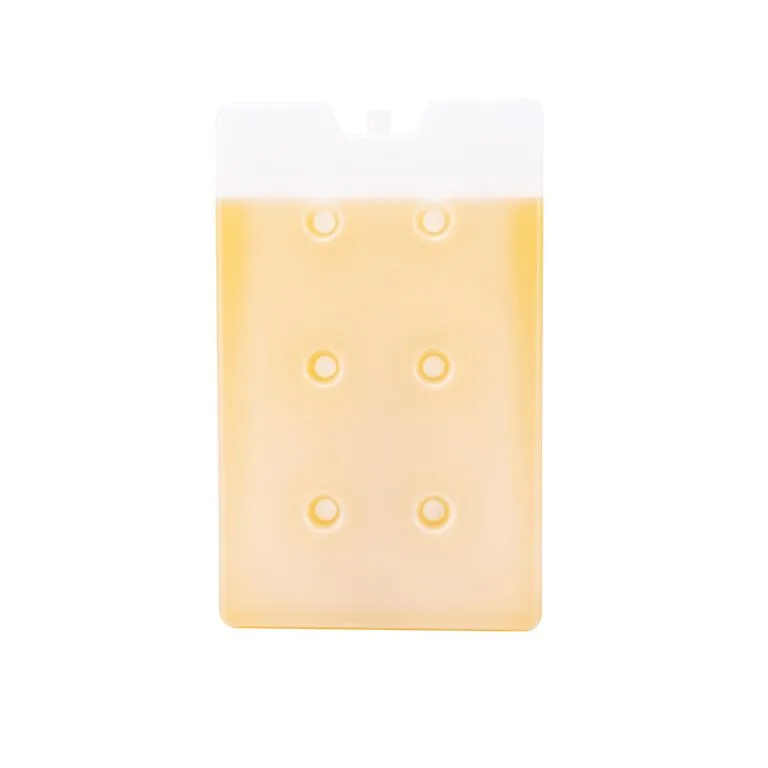
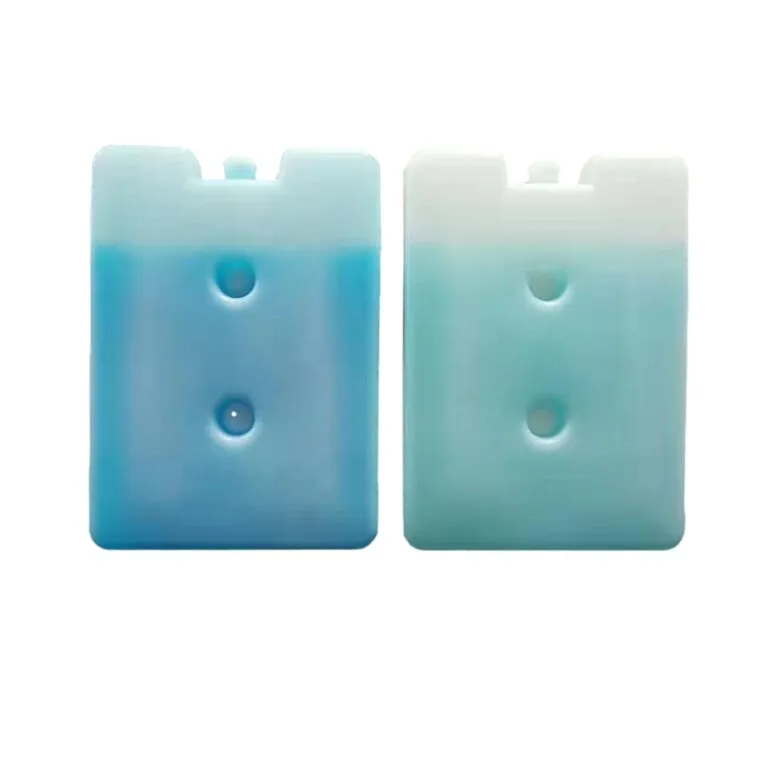
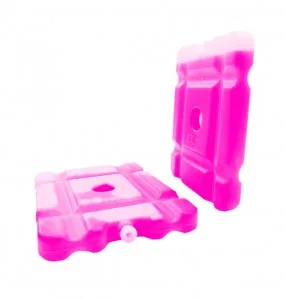
| 1200 ml HDPE ice brick | Rigid plate for structured cooler boxes and reusable layouts where repeatable positioning is important. | Usable internal space, plate fit, conditioning, cleaning and closure clearance. |
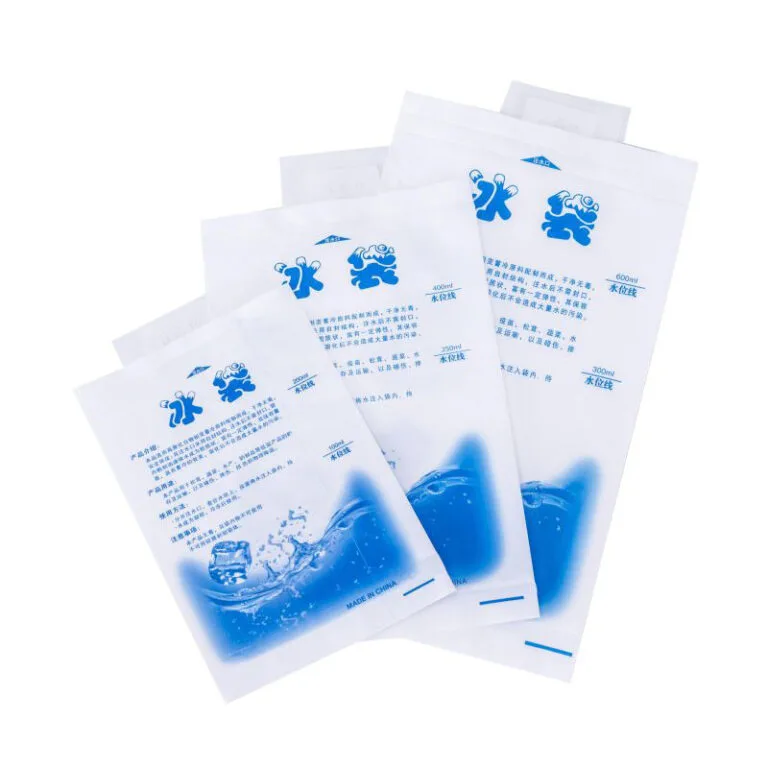
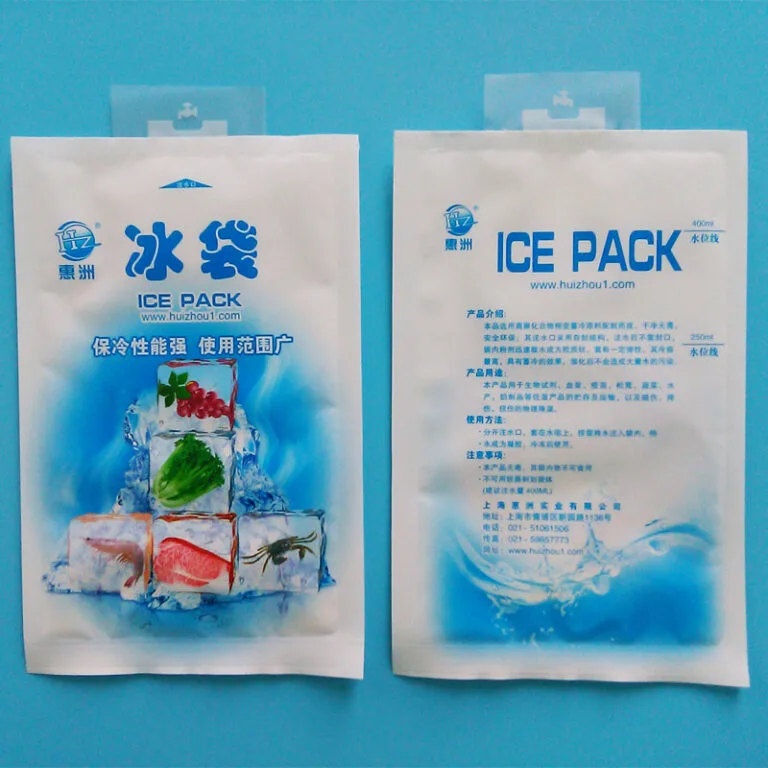
| 400 ml water-injection pack | Dry-stored pack that is hydrated and frozen before use, reducing pre-use storage volume. | Water dose, hydration procedure, sealing, freeze time and operator training. |
| 9-cell hydrate sheet | Segmented water-activated sheet that can wrap or line a payload after hydration and conditioning. | Product identity, hydration, drainage, conditioning, separation and route validation. |
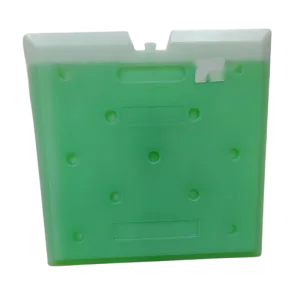
| 2600 ml square ice brick | Larger rigid coolant for medical cooler boxes or other systems designed around fixed plate positions. | Approved temperature range, plate geometry, payload spacing, sensor position and test evidence. |
Freezing temperature, conditioning time and the payload’s starting condition affect the initial thermal balance. A pack that is too cold can create local cold spots.
Insulation, empty space, payload mass, airflow, barriers and pack location work together. Component specifications do not establish whole-packout duration.
Ambient profile, sunlight, delays, number of openings and receiving time can change exposure. Test against a justified route profile and operating process.
Gel ice pack: a sealed flexible coolant pack. Its fill, film, conditioning and packout location must match the intended system.
Ice brick: a rigid reusable coolant container designed for fixed placement and repeated handling.
Water-injection pack: a dry-stored absorbent pack that is hydrated, sealed and frozen before use.
Hydrate sheet or hydrate dry ice pack: a water-activated segmented coolant sheet. It is not solid CO2 dry ice.
Use the payload and handling process to narrow the format. Flexible gel packs suit irregular spaces, rigid bricks support repeatable fixed positions, and water-injection or hydrate sheets require a controlled hydration and conditioning process.
No. Performance depends on the complete packout, including insulation, payload, ambient profile, conditioning, placement, openings and test method. Validate the assembled configuration.
Start with the product limit, then use the approved conditioning method, barriers, spacing and sensor locations. Do not place deeply frozen packs directly against freeze-sensitive goods unless the qualified design requires it.
No. In this category, the term describes a water-activated coolant sheet. Solid dry ice is carbon dioxide, UN1845, and has different handling and transport requirements.
Provide the payload, temperature limits, starting condition, usable shipper dimensions, route duration, ambient exposure, insulation, opening pattern, monitoring plan and available test evidence.
What buyers and packing teams found useful when they compared this product family with their own packing process.
We tried the packs in the carton we already use. That showed us which size was easy to place and which one took up too much room.
The sample made the choice much clearer. We could compare preparation, handling and the space left for the product before asking for a quote.
What helped most was talking through our route and packing routine instead of choosing from a photo alone.
Start with the product’s allowed temperature range, starting condition, loaded dimensions and mass, insulation, route duration, ambient exposure, opening pattern and reuse process. Then compare coolant format, conditioning method, placement, barriers and the evidence needed for the complete packout.
Conform around payloads and fit insulated bags, liners and parcel shippers. Confirm fill weight, film, seal, conditioning, contact barrier and freeze-thaw handling.
Support repeatable placement in cooler boxes and structured bags. Check usable space, closure clearance, conditioning time, cleaning and return-cycle handling.
Ship dry before hydration, then require a controlled fill, sealing and freezing process at the user’s site. Verify water dose, absorption time and operating instruction.
Use segmented sheets that are hydrated and conditioned before packing. On this site, “hydrate dry ice pack” names a water-activated coolant product, not solid carbon dioxide or UN1845 dry ice.
| Tempk option | Format and likely fit | What to confirm |
|---|---|---|
| No-sweat gel ice pack | Flexible sealed pack for cooler bags and parcel packouts where surface condensation control and close fit matter. | Payload range, pack weight, conditioning, barrier, seal and representative route test. |
| Custom printed gel pack | Flexible gel format for food transport programs that need defined size, fill and printed identification. | Dimensions, fill, film, print artwork, conditioning and packout position. |
| 1200 ml HDPE ice brick | Rigid plate for structured cooler boxes and reusable layouts where repeatable positioning is important. | Usable internal space, plate fit, conditioning, cleaning and closure clearance. |
| 400 ml water-injection pack | Dry-stored pack that is hydrated and frozen before use, reducing pre-use storage volume. | Water dose, hydration procedure, sealing, freeze time and operator training. |
| 9-cell hydrate sheet | Segmented water-activated sheet that can wrap or line a payload after hydration and conditioning. | Product identity, hydration, drainage, conditioning, separation and route validation. |
| 2600 ml square ice brick | Larger rigid coolant for medical cooler boxes or other systems designed around fixed plate positions. | Approved temperature range, plate geometry, payload spacing, sensor position and test evidence. |
Freezing temperature, conditioning time and the payload’s starting condition affect the initial thermal balance. A pack that is too cold can create local cold spots.
Insulation, empty space, payload mass, airflow, barriers and pack location work together. Component specifications do not establish whole-packout duration.
Ambient profile, sunlight, delays, number of openings and receiving time can change exposure. Test against a justified route profile and operating process.
Gel ice pack: a sealed flexible coolant pack. Its fill, film, conditioning and packout location must match the intended system.
Ice brick: a rigid reusable coolant container designed for fixed placement and repeated handling.
Water-injection pack: a dry-stored absorbent pack that is hydrated, sealed and frozen before use.
Hydrate sheet or hydrate dry ice pack: a water-activated segmented coolant sheet. It is not solid CO2 dry ice.
Use the payload and handling process to narrow the format. Flexible gel packs suit irregular spaces, rigid bricks support repeatable fixed positions, and water-injection or hydrate sheets require a controlled hydration and conditioning process.
No. Performance depends on the complete packout, including insulation, payload, ambient profile, conditioning, placement, openings and test method. Validate the assembled configuration.
Start with the product limit, then use the approved conditioning method, barriers, spacing and sensor locations. Do not place deeply frozen packs directly against freeze-sensitive goods unless the qualified design requires it.
No. In this category, the term describes a water-activated coolant sheet. Solid dry ice is carbon dioxide, UN1845, and has different handling and transport requirements.
Provide the payload, temperature limits, starting condition, usable shipper dimensions, route duration, ambient exposure, insulation, opening pattern, monitoring plan and available test evidence.