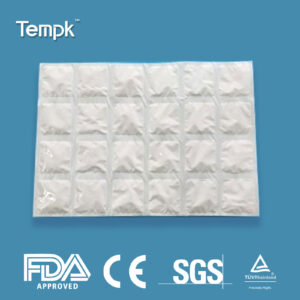
Are Dry Ice Packs Suitable for Transporting Insulin?
Are Dry Ice Packs Safe for Insulin and Temperature-Sensitive Medicines? Transporting insulin and other temperature-sensitive medicines requires precise temperature control to maintain their efficacy. In many cases, dry ice is considered as a solution due to its ability to keep items extremely cold. However, is it the best choice for transporting such sensitive goods? In this article, we will explore the pros, cons, and best practices for using dry ice in the shipment of insulin and other temperature-sensitive medicines. What Makes Dry Ice Ideal for Transporting Temperature-Sensitive Medicines? Dry ice, or solid carbon dioxide (CO₂), is widely used as a cooling agent in pharmaceutical transport because it maintains temperatures as low as -78.5°C (-109.3°F), far colder than regular ice or gel packs. This feature makes dry ice a valuable asset for shipping biologics and vaccines that require ultra-low temperatures, often in the -20°C to -80°C range. While this is ideal for certain pharmaceuticals, it is not always suitable for insulin,...