Cold chain delivery—moving temperature-sensitive goods from source to consumer without breaking the 2 °C-8 °C or sub-zero window—is now mission-critical for biopharma, fresh food, and gourmet e-commerce. A robust system begins with route mapping and lane qualification, continues with the right blend of insulation, coolant, and sensors, and ends with last-mile handling that preserves product integrity.
Packaging Fundamentals
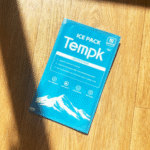
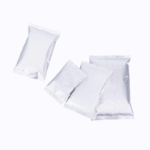
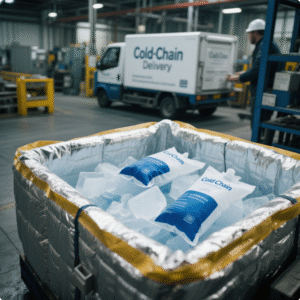
Insulated bags and boxes form the thermal barrier. EPP, EPS, or vacuum-insulated panel (VIP) liners reduce heat ingress; phase-change materials (PCMs) tuned to target setpoints absorb latent heat. Correct ice-to-payload ratios, pre-conditioning of coolants, and minimizing headspace are essential to extend hold time beyond 48 hours.
Helpful decision tools
Check the details before you choose packaging
These quick tools can help you compare route risk, sizing needs, coolant choices, and packaging details before you request a quote.
Insulation Material Reference
Compare insulation material choices for different cold chain packaging needs.
Compare materialsCompliance Checklist Generator
Build a practical checklist for packaging review, shipping, and documentation.
Build checklistCoolant & PCM Reference
Compare coolant and PCM options when a route needs added temperature support.
Compare optionsMonitoring & Compliance
GDP and HACCP frameworks demand end-to-end temperature visibility. Bluetooth or RF data loggers placed at thermal risk points record real-time data, while tamper-evident seals help satisfy regulatory audits. Smart routing software can re-assign couriers mid-route to avoid weather disruptions, shrinking excursion risk.
Last-Mile Challenges
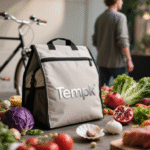
Urban congestion and unpredictable dwell times threaten cold chain continuity. Solutions include passive insulated backpacks for bike couriers, curbside transfer pods, and coordinated delivery windows that shorten door-open events. Packaging should be rugged enough to survive handling yet light enough to keep shipping costs low.
Tempk Insulated Box Advantage
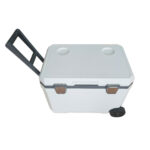
Tempk’s insulated box line pairs multilayer VIP panels (<0.3 W/m·K conductance) with recyclable EPP armor, FDA-grade silicone gaskets, and modular PCM trays that sustain 2 °C-8 °C for 96 + hours at 43 °C ambient. Optional IoT sensors deliver live temperature alerts, and global ISO-certified factories secure consistent quality—giving shippers a premium, sustainable edge in cold chain delivery.