Food delivery bags are critical last-mile cold chain assets requiring:
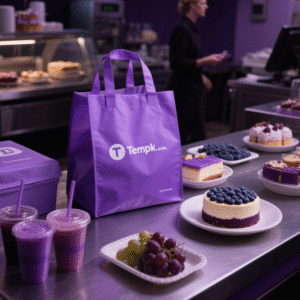
① Precision thermal control (maintains 0-5°C cold / 60°C+ hot zones)
② HACCP-compliant surfaces (wipe-clean, antimicrobial interiors)
③ Operational durability (500+ cycle lifespan)
Core Construction Standards:
Helpful decision tools
Check the details before you choose packaging
These quick tools can help you compare route risk, sizing needs, coolant choices, and packaging details before you request a quote.
Insulation Material Reference
Compare insulation material choices for different cold chain packaging needs.
Compare materialsInsulation Material Drop Resistance
Review drop resistance and handling factors before choosing insulation materials.
Check resistanceRoute Risk Checker
Review lane conditions before selecting packaging for real operating requirements.
Check route risk- Outer shield: 600D rPET or HDPE (water/abrasion resistance)
- Insulation stack: Reflective foil + closed-cell foam (blocks conductive/radiant heat transfer)
- Thermal sealing: Full-perimeter closures prevent ambient air intrusion
Performance Benchmarks:
✓ 60-minute thermal stability in urban transit environments
✓ Condensation management via breathable liners
✓ Structural reinforcement prevents product deformation (e.g., pizza sag)
Operational Advantages:
• RFID-enabled inventory tracking
• Fold-flat designs reduce return logistics volume by 70%
• Recyclable foam cores meeting EPR compliance
• NSF-certified food contact materials
Tempk’s Advantage:
- Proprietary 3-Layer System:
- 600D rPET shell (meets ISTA 3A drop-test standards)
- 8mm ECO-Foam® core (-40°C to 120°C stability)
- Antimicrobial TPU liner (wipe-clean in <15 sec)
- Cold Chain Enhancements:
• PCM gel pockets (maintains 0-5°C for 90+ min)
• Magnetic one-seal flaps (0.3 sec open/close)
• CNAS-certified thermal performance validation - Economic Impact:
≥500 delivery cycles (47% lower TCO vs industry avg)
100% recyclable construction