A DIY dry ice shipping assembly should mean planning a supported packout with identified components, not manufacturing solid CO₂ or turning household gel into dry ice. Use commercially supplied coolant and suitable packaging according to their instructions. An improvised assembly has no inherent shipping duration, cost advantage or approval.
Separate the coolant from the assembly
Solid dry ice is carbon dioxide. Water-based or gel packs remain different coolants even if someone calls them “DIY dry ice packs.” Identify the actual material and the product temperature requirements before selecting components.
A packout is the full arrangement of product, coolant, insulation, separators, closure and outer protection. Designing that arrangement does not establish that each improvised component permits dry-ice exposure. Obtain specifications and instructions rather than using a name as evidence.
Collect the information needed for a design
| Input | What you need |
|---|---|
| Product | Limits, starting conditions, dimensions and permitted contact. |
| Route | Full duration, seasonal exposure and credible delays. |
| Coolant | Identity, permitted preparation, mass and form. |
| Container | Exact model, compatible use and gas-release arrangement. |
| Protection | Separators, restraint and transport handling requirements. |
| Acceptance | Test criteria and carrier/contents requirements. |
If this information is unavailable, a supplier-supported complete system may be a more practical candidate than a collection of unidentified parts. Compare actual evidence and operating effort rather than assuming DIY is cheaper or greener.
Use component preparation instructions
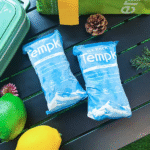
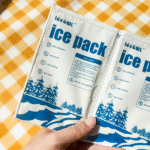
Prepare reusable packs only as their supplier permits. Sealed prefilled packs, hydratable sheets and phase-change materials can need different procedures. Do not use a universal soaking, salt or household-freezer recipe as a substitute for solid CO₂ or for the supplier’s preparation instructions.
FedEx US: dry ice shipment preparation warns against enclosing dry ice in sealed plastic bags in its US-facing guidance. Use a compatible complete system and current instructions for the accepting service.
Follow the site’s dry-ice handling procedure and suitable surrounding ventilation. CDC: dry ice exposure and ventilation documents CO₂ exposure hazards in enclosed spaces.
Helpful decision tools
Check the details before you choose packaging
These quick tools can help you compare route risk, sizing needs, coolant choices, and packaging details before you request a quote.
Insulation Material Reference
Compare insulation material choices for different cold chain packaging needs.
Compare materialsRoute Risk Checker
Review lane conditions before selecting packaging for real operating requirements.
Check route riskCompliance Checklist Generator
Build a practical checklist for packaging review, shipping, and documentation.
Build checklistAssess the proposed system before routine use
- Record exact component identity and preparation.
- Define loading positions, closure and restraint.
- Test representative payloads and route exposure.
- Measure relevant product locations through the intended period.
- Assess package integrity after representative handling.
- Review uncertainty before issuing packing instructions.
Do not copy a result from another container or add advertised coolant durations together. Review changes such as a substitute liner, different payload or new coolant against the evidence.
Carrier acceptance and product thermal suitability are separate checks. A successful local trial does not authorize every transport mode or regulated content.
Frequently asked questions
Can gel made at home become solid dry ice?
No. It is a different coolant; verify its actual composition and suitability.
Can I rely on a homemade 72-hour label?
No. A label cannot replace evidence for the actual configuration and exposure.
Is an improvised vent hole enough for acceptance?
Do not assume so. Use supported compatible packaging and applicable carrier instructions.
Move from a proposal to usable evidence
Use the supplier evidence checklist for component selection, and the shipping-data interpretation guide before assigning duration.