How to Pack an Ice Chest with Dry Ice for Maximum Efficiency
Packing an ice chest with dry ice is essential for ensuring perishables remain frozen during transport. Whether you’re shipping food, vaccines, or other temperature-sensitive products, dry ice offers superior cooling performance over traditional ice, thanks to its ability to maintain extremely low temperatures. Dry ice’s sublimation process, turning solid CO2 into gas, allows it to cool items without creating water mess. Follow these guidelines to pack dry ice efficiently and safely while complying with 2025 regulations.
How do I pack an ice chest with dry ice effectively?
What safety precautions should I follow when using dry ice?
What are the benefits of using dry ice in an ice chest?
What are the best coolers for packing dry ice?
How Do I Pack an Ice Chest with Dry Ice?
To pack an ice chest with dry ice properly, it’s crucial to follow a structured approach. By taking the following steps, you ensure your goods remain at the desired temperature for extended periods.
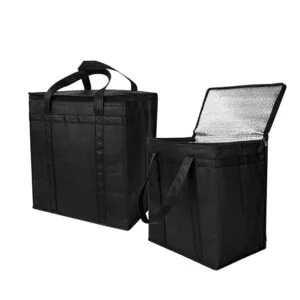
Choose the right cooler: Opt for an insulated cooler with thick walls and a vented design. These coolers ensure minimal heat transfer and allow CO2 gas to escape, preventing dangerous pressure buildup.
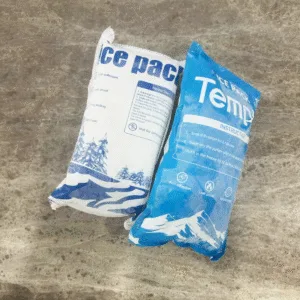
Layer the bottom with regular ice: Layer the cooler’s bottom with regular ice or gel packs. This adds an extra layer of cooling and creates a balanced temperature environment for the dry ice.
Add dry ice on top: Place dry ice on top of the products being transported. This is important because dry ice sublimates and releases gas. Leave space for the gas to escape, ensuring the cooler isn’t sealed completely.
Vent the cooler: Seal the cooler, but ensure it is vented to allow CO2 to escape. This prevents pressure buildup inside the cooler, ensuring safe transport of dry ice.
Why Use Dry Ice in an Ice Chest?
Dry ice offers several advantages over traditional ice, particularly for industries like cold chain logistics and medical shipping. Unlike regular ice, dry ice maintains much lower temperatures, keeping goods frozen without adding moisture. This is especially critical for pharmaceuticals, biotech products, and perishable foods, where maintaining a specific temperature range is non-negotiable.
What Are the Best Ice Chests for Dry Ice?
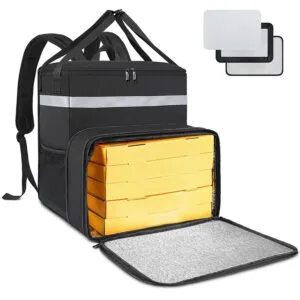
When selecting a cooler for dry ice, insulation quality, venting, and durability are key factors. Here are some of the best coolers for packing dry ice:
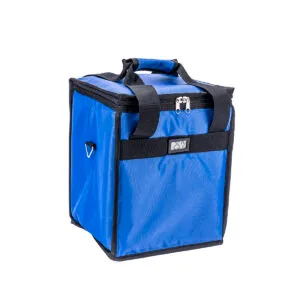
High-quality insulated coolers: Coolers with thick insulation, such as those from YETI and RTIC, provide excellent temperature retention and can withstand the extreme cold of dry ice.
Dry ice-compatible coolers: Some coolers are specifically designed to handle dry ice, offering optimal venting to prevent gas buildup.
Large coolers with tight seals: Coolers with airtight but vented seals are ideal for large shipments that require substantial amounts of dry ice.
| Cooler Type | Pros | Cons | Best Use |
|---|---|---|---|
| Hard-sided cooler | Durable, excellent insulation | Heavy, bulky | Long trips, heavy-duty cooling |
| Dry ice-specific cooler | Optimized for dry ice handling | Expensive, bulky | Sensitive goods, critical shipments |
| Standard insulated cooler | Affordable, good insulation | May lack dry ice venting | General use, short trips |
Expert Tips for Packing Dry Ice in Ice Chests
Use insulated gloves: Dry ice is extremely cold and can cause frostbite. Always handle it with insulated gloves or tongs.
Avoid direct contact with food: To prevent frostbite on your goods, use a barrier like cardboard between the dry ice and the items being stored.
Overestimate your dry ice needs: Since dry ice sublimates over time, it’s better to have a bit more than needed. Keep in mind that the cooler’s size and external temperature will affect sublimation rates.
Case Study: Efficient Cold Chain Logistics with Dry Ice
A logistics company successfully shipped a batch of vaccines across the country. By carefully layering the dry ice and monitoring temperatures, they ensured the vaccines arrived at the right temperature, meeting regulatory requirements and maintaining product integrity.
Safety Precautions When Using Dry Ice
Handling dry ice requires strict safety measures due to the extreme cold and the risk of CO2 buildup. Here are essential precautions:
Wear insulated gloves: Dry ice can cause severe frostbite, so avoid direct skin contact.
Ensure proper ventilation: Dry ice sublimates into CO2 gas, which can displace oxygen in confined spaces. Always use dry ice in well-ventilated areas.
Use vented containers: To avoid pressure buildup, never seal dry ice in airtight containers. Ensure your cooler has a vent for gas escape.
Let dry ice sublimate properly: If you no longer need the dry ice, allow it to sublimate in an open area. Never dispose of dry ice in a sealed container.
Why Is It Crucial to Follow Safety Precautions?
Improper handling of dry ice can lead to serious health and environmental hazards. The extreme cold can cause immediate injuries, while CO2 buildup in confined spaces can lead to suffocation. Always follow safety guidelines to prevent accidents.
| Safety Measure | Action | Why It’s Important |
|---|---|---|
| Wear insulated gloves | Prevents frostbite | Protects hands from injury |
| Ensure ventilation | Work in open, well-ventilated areas | Prevents CO2 buildup |
| Use vented containers | Allow gas to escape | Prevents pressure buildup |
| Allow sublimation | Let dry ice evaporate in an open area | Prevents CO2 accumulation |
How Do I Ensure Proper Temperature for My Goods During Transport?
Maintaining the correct temperature is vital for the safe transport of perishable goods. To keep your products at the right temperature:
Helpful decision tools
Check the details before you choose packaging
These quick tools can help you compare route risk, sizing needs, coolant choices, and packaging details before you request a quote.
Insulation Material Drop Resistance
Review drop resistance and handling factors before choosing insulation materials.
Check resistanceIce Pack Calculator
Estimate gel ice pack quantity for chilled shipments and practical route planning.
Estimate ice packsInsulation Material Reference
Compare insulation material choices for different cold chain packaging needs.
Compare materialsMonitor temperatures regularly: Use a temperature monitoring device to track the temperature throughout the journey.
Layer dry ice for extended cooling: Combining dry ice with regular ice helps maintain a stable temperature.
Minimize opening the cooler: Frequent openings will cause the cold air to escape and may raise the internal temperature.
How Does Dry Ice Maintain Low Temperatures?
Dry ice sublimates at -78.5°C (-109.3°F), far colder than regular ice, which melts at 0°C (32°F). This low temperature makes dry ice an ideal choice for maintaining frozen goods without introducing moisture, unlike regular ice.
Best Practices for Temperature Control
Combine dry ice with gel packs: This hybrid approach provides the best of both worlds—dry ice for long-term freezing, and gel packs for moderate cooling.
Pack the cooler efficiently: Minimize air gaps and optimize the cooler’s internal layout to prevent temperature fluctuations.
| Temperature Control Method | Benefits | Why It’s Effective |
|---|---|---|
| Data logger | Continuous monitoring | Tracks temperature for compliance |
| Layering dry ice and regular ice | Balances cooling and moisture control | Ensures prolonged cooling while managing condensation |
| Efficient packing | Prevents air gaps | Reduces temperature fluctuations |
Pro Tips for Packing Dry Ice in Ice Chests
Pre-pack your goods: Freeze or refrigerate items before packing them in the cooler.
Fill gaps: Use towels, crumpled newspaper, or foam to reduce air pockets and slow down sublimation.
Vent the cooler: Always crack the drain plug or leave a corner unlatched to allow CO2 gas to escape.
Example: A catering team in Montana successfully transported ice cream for an outdoor event using dry ice. They ensured the dry ice was layered with cardboard separators and vented the cooler, keeping the ice cream frozen for hours even under the summer heat.
2025 Trends in Dry Ice Use for Cold Chain Logistics
Latest Advances in Dry Ice Technology
Smart dry ice monitoring: Sensors that track dry ice levels and temperature during transport.
Sustainable alternatives: The cold chain industry is exploring eco-friendly coolants as alternatives to dry ice.
Automation in packing: More companies are adopting automated systems for packing dry ice to reduce human error.
Market Insights
The cold chain logistics industry is growing rapidly, driven by the increasing demand for temperature-sensitive products like vaccines, biotech goods, and fresh produce. Companies are focusing on more efficient and environmentally friendly cooling solutions.
Frequently Asked Questions
Q1: How much dry ice should I use for a 24-hour shipment?
Typically, 5-10 pounds of dry ice are recommended for a 24-hour shipment, depending on the size of the cooler and external conditions.
Q2: Can I pack dry ice with food?
Yes, but ensure there is a barrier between the food and the dry ice to prevent frostbite and direct contact with the extreme cold.
Q3: How do I dispose of dry ice?
Let dry ice sublimate in a well-ventilated area. Never dispose of dry ice in confined spaces, trash chutes, or drains.
Conclusion & Actionable Tips
Packing an ice chest with dry ice is an excellent method to keep perishable goods cool during transport. By following the correct packing techniques, ensuring safety, and using the right tools, you can maintain the proper temperature throughout the journey. Make sure to monitor the temperature regularly, layer your ice effectively, and comply with all safety and regulatory guidelines.
Actionable Steps:
Use an insulated cooler designed for dry ice transport.
Layer dry ice with regular ice for balanced temperature control.
Monitor temperatures throughout the journey with a temperature logger.
About TempK
At TempK, we specialize in offering high-quality cold chain solutions, including dry ice packaging and temperature-controlled transport services. We ensure that your shipments remain at the ideal temperature, no matter the distance.
Need help optimizing your cold chain logistics? Reach out to us today to learn how we can improve your temperature-sensitive shipments.