How to Make Temperature Controlled Creamery Delivery Efficient in 2025?
Updated November 30, 2025
Delivering ice cream and dairy that stays fresh from the creamery to your door requires precision. With more than $2.7 trillion worth of temperature controlled goods shipped by truck in 2022—representing 90 % of all modes—and a global food coldchain market projected to reach about $65.8 billion in 2025, the stakes are high. Despite this growth, roughly onefifth of the world’s food is still lost or wasted each year, costing around $1 trillion. This guide explains how to build a temperaturecontrolled delivery system that keeps your creamery products safe, reduces waste and meets the latest regulations. You’ll learn why precise temperature control matters, which technologies boost efficiency, how sustainability fits into dairy logistics and what the future holds.
Understand why precise temperature control is vital for creamery delivery – learn about regulatory requirements, temperature categories and realworld examples.
Harness cuttingedge technology (IoT, AI and digital twins) – discover how sensors and predictive analytics prevent spoilage and optimise operations.
Adopt sustainable and energy efficient transport solutions – see how dieselfree refrigeration and multitemperature vehicles lower costs and emissions.
Optimise routes and lastmile delivery – explore tactics that ensure ontime, compliant delivery even in rural areas.
Stay ahead of 2025 trends and regulations – get insights into FSMA 204, blockchain traceability and other developments shaping the cold chain.
Why Precise Temperature Control Matters for Creamery Delivery?
Delivering dairy is not the same as shipping dry goods. Temperature swings of even a few degrees can cause milk to sour or ice cream to lose its creamy texture. A “cold chain” is an integrated network of refrigerated storage and transportation that maintains goods within specified temperature limits. Unlike traditional supply chains, cold chains must control specific temperature ranges at every point. The Global Cold Chain Alliance recommends that specifications include numeric tolerances—upper and lower limits—rather than vague terms like “frozen” or “chilled”. Responsibility for maintaining these temperatures is shared among the shipper, loader and carrier.
Temperature categories for dairy products
Different dairy products require different temperature ranges. Failing to meet these can lead to spoilage, wasted inventory and regulatory penalties. The table below summarises common categories:
| Temperature category | Range (°C) | Typical dairy products | What it means for you |
| Deep freeze | –25 to –30 | Ice cream, frozen desserts | Maintains ultralow temperatures to preserve texture and prevent ice crystals; critical for ice cream delivery |
| Frozen | –10 to –20 | Frozen dairy (butter, cheese blocks) | Slows microbial growth and keeps proteins stable |
| Chill | 2 to 4 | Milk, yogurt, fresh cheese | Extends shelf life without freezing; common for fluid milk deliveries |
| Pharmaceutical | 2 to 8 | Biologics, probiotic drinks | Keeps sensitive products potent; requires specialised small containers |
| Banana/Tropical | 12 to 14 | Some plantbased milks | Controls ripening and prevents chilling injury |
Precooling and packaging: your first line of defence
Keeping dairy fresh starts immediately after production. Precooling quickly removes field heat and halts microbial growth; failure to cool within hours can trigger rapid spoilage. Packaging materials such as insulated boxes, gel packs and vacuum packs help maintain the required temperature during transit. Think of it like putting your groceries in an ice chest: the insulation slows heat transfer so that what you packed cold stays cold longer.
Cold storage and transportation: more than just refrigeration
Cold storage accounts for over 58 % of food coldchain revenue in 2025. Modern warehouses use multitemperature zones and controlled atmospheres to slow respiration and maintain product integrity. Transportation must also meet strict standards. Refrigerated trucks and containers should be precooled, loaded quickly and sealed to prevent temperature fluctuations. For example, dedicated dairy carriers employ specialised vehicles and trained drivers to handle time and temperaturesensitive products. Without these precautions, even a short trip across town can compromise quality.
Monitoring and traceability: constant vigilance
Sensors, data loggers and telematics systems continuously track temperature, humidity and location. InternetofThings (IoT) monitoring sends realtime alerts when conditions deviate, allowing corrective action before spoilage occurs. Blockchain systems can record tamperproof data for traceability. For highrisk foods—including soft cheeses and yogurts—the U.S. Food Safety Modernization Act’s FSMA 204 rule requires entities that manufacture, process or hold these items to keep detailed records of key data elements and provide them within 24 hours. Compliance processes begin January 2025, so building digital traceability into your delivery process isn’t optional—it’s the law.
Realworld example: India’s dairy demand
India illustrates how growing consumption pushes coldchain infrastructure. With percapita dairy consumption around 427 g per day—far above the global average of 305 g—urbanisation and the rise of quickservice restaurants have created urgent needs for reliable cold logistics. Without robust networks, milk and ice cream could spoil during transit, wasting resources and revenue. The lesson? Even domestic deliveries require professional temperaturecontrolled systems to prevent loss.
Practical tips and advice
Specify exact temperature ranges for each creamery product. Avoid vague descriptors; instead, document upper and lower limits, monitoring frequency and tolerances.
Precool quickly after production. Use vacuum cooling or blast chillers to remove heat before loading.
Use multitemperature storage to store different products at their ideal ranges.
Seal and precool vehicles before loading. This minimises temperature fluctuations during transit.
Invest in sensors and data logging. Realtime tracking reduces spoilage and supports FSMA 204 compliance.
Actual case: A dairy in rural Missouri upgraded from open trucks to refrigerated trailers with data loggers. By monitoring temperature continuously and responding to alerts, they reduced spoilage by 15 % and met new FSMA 204 recordkeeping requirements.
Harnessing IoT, AI and Digital Twins for Efficient Creamery Logistics
Modern cold chains go far beyond a thermostat. As we head deeper into 2025, maintaining precise environmental conditions and realtime visibility is a businesscritical expectation, not a luxury. Today’s temperaturecontrolled logistics include datadriven oversight, regulatory compliance and environmental sustainability. Technologies such as IoT sensors, artificial intelligence (AI) and digital twins are transforming creamery logistics.
IoT and smart sensors: always on, always watching
IoT devices embedded in trucks, containers and warehouse zones track temperature, humidity, shock/vibration, door openings and geolocation. For instance, a temperaturecontrolled warehouse in Milwaukee uses smart sensors to monitor everything from frozen food to sensitive medical products; alerts trigger automatically if a container drifts out of range, helping prevent spoilage in real time. Clients increasingly demand proof that their goods stayed within acceptable temperature thresholds; delays in detection can lead to product loss, recalls or rejected shipments. Installing sensors in your creamery fleet ensures you can prove compliance and respond to issues before they become costly.
AI and predictive analytics: preventing problems before they happen
AI isn’t just a buzzword; it’s a tool for anticipating risks. Machinelearning models can predict when refrigeration equipment might fail, which routes or times of day are prone to temperature variability and how external weather patterns impact transit conditions. If a predictive model sees that Mondaymorning deliveries along a particular corridor have a high risk of temperature excursions, dispatchers can reroute or precool equipment to mitigate the issue. AI also analyses historical data to optimise load planning and reduce energy use.
Unilever’s icecream business demonstrates the power of AI. The company uses AI to analyse weather data for more accurate volume forecasts and to update inventory levels in freezer cabinets in real time. Executives aim to integrate AI endtoend—from suppliers to consumers. However, they note that improving visibility in the final mile remains challenging; connected sensors could provide additional tracking, but cost is a hurdle. The lesson for smaller creameries? Start with AI that delivers immediate value (like predictive maintenance) and scale gradually as technology costs fall.
Digital twins: a virtual mirror of your supply chain
Digital twin technology creates a virtual replica of your warehouse, trucks or entire supply chain. By combining this replica with realtime data from IoT devices, you can monitor operations, run simulations and identify bottlenecks. The global market for digital twins is expected to grow by 30–40 % annually, reaching USD 125–150 billion by 2032. Early adopters use digital twins for dispatch planning, asset utilisation and customer confidence through advanced simulations. Key benefits include:
Endtoend visibility and traceability: monitor inventory levels, transportation routes and warehouse activities in real time.
Predictive analytics and scenario planning: run “whatif” scenarios to anticipate disruptions (e.g., extreme weather or equipment failure) and develop contingency plans.
Enhanced collaboration: provide a shared digital platform where suppliers, manufacturers and logistics providers access realtime data and insights.
Digital twins also help optimise transportation routes when combined with IoT tracking devices. For example, by simulating various routing scenarios and analysing realtime data, logistics providers can identify the most efficient paths, adjust for traffic or weather, and reduce fuel consumption.
Pro tips for leveraging technology
Start with sensors: install temperature and humidity sensors on all vehicles and storage units.
Adopt AI in phases: begin with predictive maintenance to prevent equipment failures, then expand to route optimisation and demand forecasting.
Build a digital twin: map your warehouse and fleet digitally to test changes before implementing them.
Ensure data interoperability: select systems that integrate easily, enabling a unified view across operations.
Actual case: A regional icecream producer created a digital twin of its warehouse and fleet. Simulations showed that repositioning freezer cabinets and adjusting routes could cut energy consumption by 10 %. Combined with AIbased predictive maintenance, these changes lowered annual spoilage by 12 % and saved thousands of dollars.
Comparing traditional and techenabled cold chains
The difference between outdated practices and modern, techenabled cold chains is stark. Traditional storage relies on periodic manual checks and paper spreadsheets, leading to reactive responses and limited visibility. In contrast, techenabled operations use realtime IoT data, warehouse management systems (WMS) with live data, AIdriven predictive alerts and cloud dashboards. These tools provide 24/7 access to inventory levels, expiration tracking, temperature deviations and automatic, auditready reports. Investing in technology transforms your cold chain from a reactive cost centre into a proactive strategic asset.
Sustainable Delivery and Decarbonization in Creamery Transport
Today’s consumers care about the environmental impact of their food. Dieselpowered refrigeration units contribute to greenhouse gas emissions and raise operating costs. Fortunately, sustainable alternatives are available, from dieselfree systems to energyefficient warehouses.
Dieselfree refrigeration: lessons from Fife Creamery
Fife Creamery, a leading chilled and frozen food wholesaler in Scotland, provides a compelling case study. The company sought to improve efficiency and sustainability by replacing dieselpowered units. The solution involved modernising their fleet with 30 new vehicles featuring engineless, compressordriven refrigeration systems and additional inverterpowered systems. The outcomes were impressive:
Reduced fuel consumption by up to 200,000 litres per year.
Reduced emissions by 1,929 mtCO2e.
Saved an estimated $427,280 annually.
To meet the demands of longhaul and intensive deliveries in urban centres like Edinburgh and Glasgow, Fife Creamery installed multitemperate V800 MAX Spectrum dieselfree refrigeration systems. These units are approximately 250 kg lighter than diesel equivalents, increasing payload capacity. The partnership demonstrates that sustainable refrigeration doesn’t compromise performance and highlights how emission reduction and efficiency can go handinhand.
Energyefficient cold storage and green technology
Energy use is a growing environmental concern in cold logistics. Companies are adopting zoned temperature control (cooling only what needs to be cold), highefficiency HVAC systems and optimised slotting to reduce dwell times and handling cycles. Solarsupported warehouses and optimised load planning reduce fuel usage in refrigerated trucks. Solarpowered refrigeration units extend cold storage to offgrid regions and lower operating costs. Ecofriendly packaging materials and biodegradable gel packs further reduce environmental footprints.
Industry expansion: Smart Warehousing’s multitemperature facilities
Rapid growth in coldchain demand has spurred investment in infrastructure. Smart Warehousing, a supplychain and storage company, responded to increasing demand by expanding its coldchain footprint across multiple new markets—including Jacksonville, Reno, Hazleton, Dallas–Fort Worth, Phoenix and Atlanta. The company previously operated a single temperaturecontrolled facility but added several new sites to support nationwide fulfilment. According to CEO Carl Wasinger, the expanded capabilities support efficient lastmile delivery, while industryleading fulfilment technology enables tailored solutions as more brands move into directtoconsumer sales. These facilities provide multitemperature storage for various refrigerated and frozen products, including dairy.
Regulations and environmental incentives
Regulatory frameworks increasingly favour sustainability. FSMA 204 encourages digital recordkeeping, while many jurisdictions implement lowemission zones and incentives for electric or dieselfree vehicles. As consumers demand transparency and environmental responsibility, investing in green technology isn’t just good for the planet—it’s a competitive advantage.
Helpful decision tools
Check the details before you choose packaging
These quick tools can help you compare route risk, sizing needs, coolant choices, and packaging details before you request a quote.
Coolant & PCM Reference
Compare coolant and PCM options when a route needs added temperature support.
Compare optionsPackaging Selector
Compare insulated packaging options by product, route, and temperature need.
Find packagingDry Ice Calculator
Estimate dry ice needs for frozen or ultra-cold shipments before packing.
Estimate dry iceTips for greener creamery delivery
Consider dieselfree refrigeration units: evaluate engineless compressordriven systems to cut fuel consumption.
Use zoned temperature control: cool only necessary zones within warehouses.
Adopt solar and energyefficient solutions: integrate solar panels and highefficiency HVAC systems.
Optimise load planning: reduce dwell times and truck idle time to lower emissions.
Actual case: After installing engineless refrigeration units and switching to zoned temperature control, a midsized creamery reduced its annual fuel use by 18 %, increased payload capacity and met emission targets in a city’s lowemission zone.
Route Optimisation and LastMile Delivery for Creamery Products
Delivering dairy often involves navigating busy urban roads, rural farm lanes and strict delivery windows. Each extra mile increases costs, uses more refrigerant and risks temperature deviations. Efficient route planning and lastmile management are therefore critical.
Highvelocity, integrated logistics
The global cold chain has shifted from static storage to highvelocity integrated logistics. Customers now expect partners who can navigate global complexity, ensure compliance and deliver with speed and precision. Realtime monitoring provides continuous visibility for chainofcustody, reverse logistics and loss prevention. Logistics providers combine AI, geofencing and advanced policies to mitigate cargo theft; for example, drivers may avoid stopping within 200–300 miles of pickup points and rely on geofencing to detect unauthorized deviations.
Challenges in dairy transportation
Dairy transportation faces unique hurdles. Deliveries must be reliable, highquality and costeffective. Minor temperature fluctuations can lead to spoilage. Producers must handle fluctuating supply and demand while complying with stringent food safety regulations. Many dairy farms are in rural areas, making transport to urban markets more complex; poor road conditions and infrastructure limitations add to the challenge. The solution lies in dedicated trucking services with temperaturecontrolled vehicles and trained drivers. Specialised equipment—such as tractors, bulk milk trailers and temperaturecontrolled units—helps maintain product integrity. Training drivers in temperature management and proper handling is equally important.
AIassisted route optimisation and lastmile visibility
AI helps plan routes that reduce fuel use, shorten transit times and keep deliveries within temperature limits. Routeoptimisation algorithms analyse traffic, weather and delivery windows, adjusting in real time. For example, AI can reroute a truck to avoid congestion, preserving product quality and reducing emissions. Blockchain solutions create tamperproof records of product journeys, enhancing traceability and compliance. Lightweight, insulated shipping containers with IoT sensors monitor temperature and location; modular designs allow multitemperature loads and reduce transportation costs.
Unilever’s icecream supply chain highlights lastmile challenges. Despite using AI for forecasting and factory efficiency, the company still seeks better visibility in the final mile; connected sensors that send data directly to the cloud could provide this, but costs remain a barrier. Realtime monitoring across all trucks also requires collaboration with a fragmented mix of carriers. The takeaway? Integrating technology across the entire delivery network—including independent owneroperators—is essential for accurate tracking and temperature control.
Selfassessment: Is your route plan efficient?
Do you analyse traffic and weather before dispatch? Use routeoptimisation software to avoid delays.
Are your vehicles sized appropriately? Oversized trucks waste fuel; undersized trucks risk temperature fluctuations due to overcrowding.
Do you track lastmile temperatures? Install sensors near the door and in cargo areas to monitor during the final mile.
Do drivers know how to handle dairy? Offer training on loading, unloading and emergency procedures.
Actual case: By implementing AIbased route optimisation and training drivers, a creamery reduced delivery times by 12 %, cut fuel use by 10 % and improved ontime deliveries to 98 % during peak summer demand.
2025 Trends and Future Outlook for TemperatureControlled Creamery Delivery
Trend overview
The coldchain landscape is evolving rapidly. Key trends include:
AIpowered route optimisation and predictive maintenance: AI analyses traffic, weather and historical data to adjust routes and prevent equipment failure.
Blockchain for enhanced traceability: Tamperproof ledgers store each transaction along the supply chain, helping meet FSMA 204 requirements and giving consumers confidence.
Solar and green technology: Solarpowered refrigeration and energyefficient units reduce dependence on fossil fuels and extend cold storage to offgrid regions.
Lightweight, smart containers: Insulated containers equipped with IoT sensors monitor temperature and location in real time, reduce shipping weight and allow multitemperature loads.
Digital twins and AI agents: Virtual replicas of supply chains enable realtime monitoring and predictive analytics; the market for digital twins is projected to grow 30–40 % annually.
Automation and dark warehouses: Highly automated “dark” warehouses use drones and robotics for stock management. Unilever has about 10 % of its icecream warehouses dark and aims to increase this number.
Regulatory tightening: FSMA 204 compliance begins in January 2025; new rules require rapid access to temperature and traceability data.
Latest progress at a glance
Smart sensors: Over 70 % of food exporters in North America and Europe now use digital monitoring solutions.
Warehouse expansion: Cold storage capacity continues to expand; India’s refrigerated warehouse capacity grew 35 % between 2020 and 2024, reflecting global investment.
Industry investment: Companies like Smart Warehousing and Americold are investing in highvelocity hubs and technology-enabled facilities to reduce dwell times and provide realtime visibility.
Sustainability gains: Fife Creamery’s dieselfree fleet reduces emissions by roughly 1,929 mtCO2e annually.
Market insights
The coldchain market is growing due to rising demand for temperaturesensitive goods and tighter regulations. Industries like life sciences, frozen foods and specialty chemicals depend on ultraconsistent environmental controls. Consumers demand transparency—knowing their food is fresh and safely handled. Investments in digital monitoring, AI and sustainable technologies position companies to capture this demand and reduce costs.
Frequently Asked Questions
What temperature should ice cream be transported at?
Ice cream should be transported in the deepfreeze range (–25 °C to –30 °C). This ultralow temperature preserves texture and prevents ice crystals. Use dieselfree refrigeration units or insulated containers with adequate refrigerant to maintain this range during transit.
Why is precooling important for dairy products?
Precooling removes heat after production, slowing microbial growth and preserving quality. Without quick cooling, milk can spoil within hours. Use blast chillers or vacuum cooling to reach the required temperature before loading.
How does FSMA 204 affect dairy delivery?
FSMA 204, effective January 2026 with compliance processes beginning January 2025, requires entities handling highrisk foods to keep detailed records of temperature and traceability data and provide them within 24 hours. For dairy suppliers, this means installing sensors and digital recordkeeping systems to capture data automatically.
What are the benefits of digital twins in cold logistics?
Digital twins create a virtual replica of your supply chain for realtime monitoring and simulation. They provide endtoend visibility, allow you to run “whatif” scenarios, optimise routes and layouts and enhance collaboration among stakeholders.
How can I reduce the environmental impact of creamery delivery?
Choose dieselfree refrigeration units, adopt zoned temperature control and integrate solar or highefficiency HVAC systems. Optimise load planning and routes to lower fuel use and emissions. Using ecofriendly packaging and investing in digital monitoring can further reduce waste and your carbon footprint.
Summary and Recommendations
Efficient temperaturecontrolled creamery delivery requires more than just refrigeration—it demands a holistic strategy that combines precise temperature management, advanced technology, sustainability and smart logistics. Key takeaways include:
Precise temperature control and precooling are critical. Use numeric temperature specifications, precool quickly and monitor throughout the journey.
Invest in IoT, AI and digital twins. Sensors and predictive analytics provide realtime visibility and prevent issues before they occur. Digital twins allow you to test scenarios and optimise operations.
Embrace sustainable transport and storage. Dieselfree refrigeration units, zoned temperature control and solarassisted systems cut costs and emissions.
Optimise routes and lastmile delivery. Use AI to plan efficient routes and equip vehicles with sensors and trained drivers. Collaborate with carriers to extend realtime monitoring across the network.
Prepare for evolving regulations and trends. FSMA 204 mandates traceability and digital records. Emerging trends like digital twins, blockchain and dark warehouses will reshape operations.
Actionable Next StepsAudit your current cold chain: map each step from production to delivery and document temperature requirements and data gaps.
Install monitoring technology: equip storage and vehicles with sensors; integrate data into a central platform for realtime visibility.
Implement predictive maintenance and route optimisation: use AI tools to prevent equipment failures and plan efficient delivery routes.
Upgrade to energyefficient equipment: explore dieselfree refrigeration units, zoned temperature control and solarsupported systems.
Develop a compliance plan for FSMA 204: establish digital recordkeeping and assign responsibilities for data collection and reporting.
Ready to improve your creamery delivery? Begin with a small pilot—install sensors on one vehicle, adopt routeoptimisation software and measure the results. Scale successful strategies across your fleet.
About Tempk
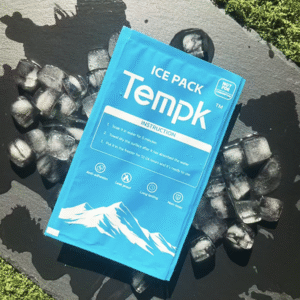
Tempk is a leader in insulated packaging and coldchain solutions, helping companies deliver temperaturesensitive products safely and efficiently. We offer a range of products—from gel packs and insulated liners to smart containers—that maintain optimal temperatures for dairy, pharmaceuticals and other perishable goods. Our researchdriven approach ensures you get packaging that’s reusable, recyclable and compliant with the latest regulations. With extensive expertise in the cold chain, we can help you design an endtoend solution that reduces waste, improves sustainability and keeps your customers satisfied.
Call to Action
To ensure your creamery products reach consumers fresh and compliant, consult our experts. Contact Tempk today for a personalised coldchain assessment and discover how our innovative solutions can enhance your delivery network.