Insulated EPP Box: FutureProof Your Cold Chain in 2025
Updated December 2, 2025
In the realm of coldchain logistics, using the right container can mean the difference between fresh products and costly spoilage. An insulated EPP box – made from expanded polypropylene – offers lightweight durability, excellent thermal protection and environmental benefits that outshine traditional materials like EPS or EPE. In this comprehensive guide you’ll discover how insulated EPP boxes work, why they’re vital for modern logistics, and what the latest 2025 market trends mean for your business. We’ll draw on authoritative data and realworld cases to help you make informed decisions.
What is an insulated EPP box and how does its foam structure provide superior insulation?
How do EPP boxes compare to EPS, EPE and other materials in terms of performance, cost and sustainability?
What applications benefit most from EPP boxes in the food, pharmaceutical and ecommerce sectors?
What are the newest innovations and market trends shaping coldchain packaging in 2025?
How can you maximise the lifespan of your EPP box through proper use, cleaning and sensors?
What frequently asked questions do customers have when adopting reusable EPP containers?
What Is an Insulated EPP Box and How Does It Work?
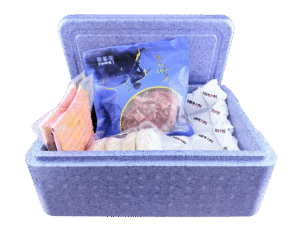
An insulated EPP box is a reusable container made from expanded polypropylene foam. During manufacturing, polypropylene beads are expanded using steam and then moulded into shape. The process creates a closedcell structure where tiny air pockets are trapped inside rigid plastic walls. This architecture provides several advantages:
Excellent thermal insulation – the enclosed air pockets impede heat flow, helping maintain stable internal temperatures. Data sheets list thermal conductivity around 0.25–0.26 W/m·K, and Rvalues near 3.9 at 70 °F. In practice, EPP boxes maintain cold temperatures for 72–96 hours and even longer when combined with vacuum panels or eutectic plates.
Low water absorption and chemical resistance – closed cells absorb less than 5 % of volume, resisting moisture uptake; they also repel oils, fats and many chemicals.
High strengthtoweight ratio – EPP foam is lightweight yet strong; it can withstand drops from 1.5 m and endures over 500 trips without cracking. Its compressive strength is high (e.g., 11–15 psi at 10 % compression), allowing it to absorb shock and protect delicate items.
Wide temperature range – EPP remains stable from –40 °C to +110 °C, making it suitable for freezer or hightemperature cleanroom environments.
Reusability and recyclability – the material can be cleaned, sanitised and reused hundreds of times, and the polypropylene can be recycled at endoflife.
Because of these properties, insulated EPP boxes provide reliable thermal performance for perishable goods, pharmaceuticals and biologics. They block heat transfer about 30 % more effectively than disposable EPS boxes and are 50 % lighter. A typical box can achieve 500 + reuse cycles, cutting costs and waste dramatically.
Material Properties and Thermal Performance
| Property | Expanded Polypropylene (EPP) | Expanded Polystyrene (EPS) | EPE/PUR & Others | Practical Meaning |
| Density (kg/m³) | 15 – 100 (customisable) | 15 – 30 (usually fixed) | Variable | Higher density options allow EPP to support heavier loads without deformation. |
| Thermal conductivity (W/m·K) | 0.25–0.26 | ~0.036 | 0.034 – 0.04 | Lower values mean better insulation; EPP’s thicker walls and trapped air improve thermal resistance. |
| Impact resistance | High; rebounds after compression | Low; brittle and easily cracks | Medium | EPP boxes can survive drops and rough handling, protecting contents and reducing product losses. |
| Water absorption | <5 % volume | 2 – 4 % volume | Varies | Low moisture uptake prevents mould and maintains insulation efficiency. |
| Temperature range | –40 °C to +110 °C | –30 °C to +70 °C | –60 °C to +80 °C | EPP stays stable across freezer and sterilisation conditions, making boxes versatile. |
| Reusability | 500 + cycles | Single use | Typically <10 uses | Long service life reduces total cost of ownership and waste. |
| Recyclability | 100 % recyclable | Difficult to recycle due to contamination | Limited | Meets sustainability regulations and circular economy goals. |
The combination of low thermal conductivity, high impact resilience and reusable design makes insulated EPP boxes ideal for applications where maintaining a stable temperature is critical. When you open a crosssection of an EPP box, you’ll see a rigid foam lattice around a hollow cavity. This design gives the box its lightweight strength while trapping air for insulation. The customisable density also allows manufacturers to optimise between lighter or stronger configurations depending on your payload.
Practical Tips for Optimal Use
Precondition with coolant: Chill ice packs or eutectic plates overnight and precool your EPP box before loading. This primes the insulation and extends hold times.
Load efficiently: Fill empty space with thermal buffers such as insulated dividers or filler, reducing air volume and minimising temperature fluctuations.
Seal tightly: Make sure lids fit snugly. Many modern boxes use recessed grooves and clips; a proper seal improves insulation by 30 %.
Monitor temperatures: Use IoT sensors to track internal temperature, humidity and location in real time. Continuous monitoring allows you to take corrective actions if deviations occur.
Clean and sanitise: After each trip, wash the box with mild detergent and disinfectant. EPP’s chemical resistance allows repeated cleaning without degradation.
Realworld case: A pharmaceutical distributor implemented compact EPP boxes equipped with IoT sensors and eutectic plates. Over one year, the company achieved 72–96 hour temperature stability, reduced vaccine spoilage losses from US$1.2 million to zero, and eliminated 15 % seafood rejection due to temperature excursions. Reusing the boxes more than 500 times saved roughly 60 % of packaging costs compared with disposable EPS containers.
How Do EPP Boxes Compare to EPS, EPE and Other Insulation Materials?
When choosing a container for your coldchain shipments, you’re often comparing EPP to materials like expanded polystyrene (EPS), expanded polyethylene (EPE) or polyurethane (PUR). Understanding the differences helps you select the best option for your needs.
Performance and durability: EPP’s resilience and high strengthtoweight ratio mean it can withstand rough handling without cracking. EPS, by contrast, is brittle; it often breaks and sheds beads after a single trip, creating mess and reducing protection. EPE is softer and offers good cushioning but less thermal insulation and structural rigidity, while PUR provides excellent insulation but is heavy and not easily recyclable.
Thermal retention: With lower thermal conductivity and the ability to integrate eutectic plates, EPP boxes keep contents cold up to 96 hours. EPS containers may only hold cold for 24–48 hours and cannot incorporate advanced cooling elements effectively. EPE and PUR can offer midrange performance but may require thicker walls or added materials.
Environmental impact: Regulatory pressure is pushing companies away from singleuse foam. The European Union’s recyclability requirement for packaging by 2030 is accelerating shifts from EPS to biobased and fibre insulation. EPP boxes are made from polypropylene, which is widely recyclable and free of chemical blowing agents. In contrast, EPS often ends up in landfills due to contamination, and PUR can release toxic fumes if improperly disposed.
Cost and total cost of ownership: While EPP boxes have a higher upfront cost than EPS, they can be reused hundreds of times. A typical EPP container pays for itself after only eight shipping cycles when IoT tracking reduces loss and rental models spread costs. Over the life of the box, this results in significant savings, especially for highfrequency lanes.
Flexibility and customisation: EPP foam can be moulded into many shapes, integrated with handles, RFID tags or temperature loggers, and coloured (white, black or custom) for different industries. EPS offers limited customisation, while EPE is mostly available as flexible wraps.
Key Takeaways
Durability: EPP boxes absorb shock and resist deformation better than EPS and EPE.
Thermal longevity: They maintain cold temperatures for 72–96 hours with eutectic plates.
Helpful decision tools
Check the details before you choose packaging
These quick tools can help you compare route risk, sizing needs, coolant choices, and packaging details before you request a quote.
Insulation Material Drop Resistance
Review drop resistance and handling factors before choosing insulation materials.
Check resistanceDry Ice Calculator
Estimate dry ice needs for frozen or ultra-cold shipments before packing.
Estimate dry iceIce Pack Calculator
Estimate gel ice pack quantity for chilled shipments and practical route planning.
Estimate ice packsReusability: Their 500trip lifespan and recyclability reduce longterm costs and waste.
Regulatory compliance: EPP helps you meet sustainability mandates such as EU recyclability requirements.
Applications: Where Do Insulated EPP Boxes Shine?
Food and beverage logistics
EPP boxes are widely used for delivering fresh seafood, meat, dairy and readymade meals. Their high insulation capacity ensures that perishable items stay within the required temperature range during lastmile delivery and crosscountry shipments. For example, compact EPP boxes used with eutectic plates enable grocery retailers to maintain temperature for up to 96 hours, keeping products fresh even when delivery times are unpredictable. Food service companies also appreciate the boxes’ durability and easy cleaning, which make them ideal for repeated use in commercial kitchens and catering operations.
Pharmaceuticals and biotechnology
Vaccines, insulin, monoclonal antibodies and celltherapy products require strict temperature control. EPP boxes provide consistent thermal performance and shock resistance needed to transport these sensitive products. Regulatory guidelines such as the FDA’s 21 CFR 600.15 and EU GDP emphasise the importance of validated packaging. EPP’s ability to incorporate IoT temperature sensors and GPS tracking ensures realtime visibility and compliance. According to coldchain market analysis, pharmaceuticals and biotech accounted for 45 % of coldchain packaging revenues in 2024, illustrating the scale of demand.
Ecommerce and meal kits
The rise of directtoconsumer grocery and mealkit services has spurred demand for dependable coldchain packaging. EPP boxes’ lightweight nature lowers shipping costs, while their strength protects fragile ingredients from damage. With consumers expecting sustainable packaging, the ability to reuse and recycle EPP containers enhances brand perception. The online grocery segment’s rapid expansion—with AsiaPacific coldchain packaging market growing at 12 % CAGR—creates a prime opportunity for adopting EPP solutions.
Specialty logistics and industrial use
Beyond food and pharmaceuticals, EPP boxes serve in chemical transport, laboratory samples, and highvalue electronics requiring temperature control. Their customisable design allows for partitions, shockabsorbing inserts and secure closures. In industrial supply chains, EPP packaging protects temperaturesensitive adhesives, paints and resins from degradation. Because EPP tolerates temperatures up to 110 °C, boxes can be sterilised or used in autoclaves.
2025 Market Landscape and Growth Trends
EPP insulation box market outlook
The global market for EPP insulation boxes is poised for sustained growth. Archive Market Research projects the market to be worth US$2 billion in 2025 with a 7 % CAGR through 2033. Demand stems from the expansion of ecommerce grocery delivery, biotechnology shipments and sustainability initiatives. The study notes that EPP’s inherent advantages—excellent insulation, light weight, reusability and recyclability—are key drivers. Market concentration is highest in North America and Europe, together accounting for about 100 million units annually, while Asia–Pacific contributes around 40 million units and is experiencing the fastest growth.
Innovations are strengthening EPP’s competitive edge. Researchers are improving thermal performance and extending coldchain duration via new foam formulations and advanced eutectic plates. Manufacturers are also adding recycled and biobased additives to polypropylene to reduce carbon footprints. Design optimisation—such as stackable and foldable boxes—lowers shipping costs and facilitates return logistics. Stringent regulations for food safety and pharmaceutical transport are further driving adoption.
Coldchain packaging market trends in 2025
According to Mordor Intelligence, the global coldchain packaging market stood at US$32.29 billion in 2025 and is projected to reach US$48.93 billion by 2030, representing an 8.67 % CAGR. Temperaturemonitoring devices are the fastestgrowing segment with a 12.95 % CAGR, reflecting the importance of realtime visibility. Sustainability regulations play a major role—EU policies mandating full recyclability by 2030 encourage companies to shift away from EPS towards biobased materials and reusable solutions.
Other trends include hybrid packaging systems that combine passive insulation with smart sensors, which are expanding at 10.32 % CAGR. In Asia–Pacific, rapid pharmaceutical manufacturing expansion, vaccine distribution and improved refrigeration infrastructure drive a 12 % CAGR. Realtime IoT tracking and rental models are lowering total cost of ownership by shortening payback periods to fewer than eight shipping cycles.
Innovative coldchain technologies shaping 2025
A report by Thermal Control Business Update lists several breakthroughs transforming the industry:
AIdriven route optimisation: AI analyses traffic, weather and delivery windows to adjust routes, reducing fuel use and improving reliability.
Blockchain for traceability: Blockchain creates immutable records of a product’s journey, enhancing compliance and consumer trust.
Solarpowered refrigeration: Solar coldchain solutions are gaining traction in regions with limited electricity, reducing waste and expanding access.
Lightweight containers with IoT sensors: New containers integrate sensors to monitor temperature, humidity and location in real time.
Ecofriendly packaging and sustainable materials: Companies are adopting greener packaging to meet regulatory requirements and consumer demand.
The article also notes that international trade and export programmes are boosting coldchain demand. For instance, the UK Dairy Export Programme, launched in 2023 with US$1.2 million funding, aims to increase dairy exports valued over US$2.47 billion annually, while US baked goods exports rose to US$4.21 billion in 2022. The global coldchain market is projected to reach US$372 billion by 2029, up from US$228.3 billion in 2024, with a CAGR of 10.3 %.
Frequently Asked Questions
Q1: How long can an insulated EPP box keep goods cold?
An insulated EPP box can maintain required temperatures for 72–96 hours, especially when paired with eutectic plates and proper precooling. This duration may extend further with vacuum insulated panels or active cooling elements.
Q2: Can I reuse an EPP box hundreds of times?
Yes. EPP’s resilience allows a box to be reused more than 500 times without significant loss of performance. Proper cleaning and handling ensure the foam retains its structural integrity.
Q3: How does EPP compare to EPS environmentally?
EPP is 100 % recyclable and free from harmful blowing agents. EPS often ends up in landfills, and its recycling rates are low. European regulations requiring recyclable packaging by 2030 are accelerating the transition to EPP.
Q4: Is EPP suitable for pharmaceuticals and vaccines?
Absolutely. EPP boxes offer consistent insulation, can integrate temperature sensors, and withstand decontamination procedures. They meet FDA and EU GDP requirements and are widely used for biologics, vaccines and clinical trial kits.
Q5: What’s the payback period for switching to reusable EPP boxes?
With rental models and IoT tracking, payback periods can drop to fewer than eight shipping cycles. Longterm cost savings stem from lower replacement rates and reduced spoilage.
Q6: How does the market outlook affect my business?
Growing demand—projected 7 % CAGR for EPP boxes and 8.67 % CAGR for the broader coldchain packaging market—suggests that early adoption can provide competitive advantage. Trends like AI logistics, IoT monitoring and sustainability mandates will shape the operating environment through 2030.
Summary and Recommendations
Insulated EPP boxes combine thermal performance, durability, reusability and sustainability to deliver unmatched value for coldchain logistics. Key takeaways include:
Superior insulation and strength: The closedcell foam structure traps air, delivering low thermal conductivity and high impact resistance. Boxes maintain temperature for 72–96 hours with proper cooling aids.
Long lifespan and recyclability: With over 500 reusable cycles and 100 % recyclability, EPP significantly lowers cost and waste compared with singleuse EPS.
Regulatory and sustainability advantages: EU mandates for recyclable packaging and growing ESG commitments favour EPP adoption. Using EPP helps meet corporate sustainability goals and reduce carbon footprint.
Market growth and innovation: The EPP box market, valued at US$2 billion in 2025, is growing at 7 % CAGR. Innovations like AI route planning, IoT sensors and solar refrigeration are reshaping coldchain logistics.
Actionable Steps
Evaluate your shipments: Analyse temperature requirements, handling conditions and return logistics. EPP boxes may provide immediate value if you ship perishable goods frequently or across long distances.
Adopt smart monitoring: Integrate IoT sensors and tracking devices to gain realtime visibility of your shipments and optimise logistics routes.
Transition to reusable systems: Explore rental models or pooled networks that allow you to share and reuse EPP boxes, shortening payback periods to less than eight trips.
Engage with suppliers: Work with packaging providers to customise EPP solutions—such as partitioned designs, colours and sizes—that meet your specific needs.
About Tempk
Tempk is a leading coldchain solutions provider focused on innovation and sustainability. Our products include highperformance insulated EPP boxes, eutectic plates, temperature sensors and lastmile delivery systems. With decades of industry experience, we design solutions that meet stringent food and pharmaceutical regulations while reducing environmental impact. Our reusable EPP boxes are engineered for 500 + cycles and are fully recyclable. We prioritise continuous improvement, incorporating recycled materials and smart technology to stay ahead of market trends. Whether you’re shipping lifesaving vaccines or artisanal cheese, Tempk provides reliable, costeffective and ecofriendly packaging.
Call to Action: Ready to improve your coldchain performance? Contact Tempk to discuss custom insulated EPP box solutions and learn how our technology can secure your products and advance your sustainability goals.