When you twist an ankle, strain your back, or wake up with a stiff neck, cold therapy is one of the simplest ways to ease pain and swelling. A refillable gel ice pack for injuries makes that therapy more convenient than ever. These packs are filled with nontoxic gel that stays pliable in the freezer, molds to your body, and can be reheated for heat therapy. In 2025 the global market for gel packs has grown rapidly because people want products that are reusable, safe and environmentally friendly. This article explains how refillable gel ice packs work, how to use them safely, and why they’re increasingly popular in home first aid and professional settings.
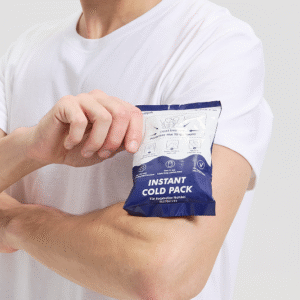
How refillable gel packs reduce pain and swelling: they remain flexible when frozen and provide targeted cooling that minimises inflammation.
Key benefits and differences: learn why gel packs outperform water packs and instant cold packs in versatility, thermal retention and sustainability.
Best practices for using and caring for refillable gel packs: including the PRICE method and safe application durations.
What to look for when buying: from materials to durability and IoTenabled smart features.
2025 trends and innovations: including IoT monitoring, sustainable materials and market growth drivers.
How Does a Refillable Gel Ice Pack Reduce Pain and Swelling?
Cold therapy works by slowing blood flow and numbing nerve endings. When you place a cold pack on an injury, the cold causes blood vessels to constrict. This reduction in blood flow limits internal bleeding and fluid buildup, which helps control swelling and inflammation. Harvard Health notes that cold packs are most effective in the hours immediately following an injury and can decrease inflammation, muscle spasms and pain. The gel inside a refillable pack is designed to remain soft and flexible even when frozen, allowing it to conform closely to knees, shoulders, or other body parts. This flexibility provides more consistent contact with the skin than a rigid ice cube, resulting in better temperature transfer and comfort.
Why flexibility matters
Flexibility isn’t just about comfort—it directly impacts how effectively the pack cools the injured area. A gel pack that molds around a joint provides uniform cooling, which helps reduce swelling quickly and evenly. Traditional ice cubes or crushed ice bags can leave gaps, causing uneven cooling and discomfort. Gel packs also stay cold longer than water-based ice packs, giving you 15–20 minutes of effective therapy per application without needing constant refreezing.
Table: Comparing Cooling Solutions
| Cooling Solution | Ideal Use | Pros | Cons | Meaning for You |
| Refillable gel pack | Injuries, chronic pain, shipments | Flexible, reusable, retains cold longer | Higher upfront cost, potential leakage | Best for regular home use and repeated therapy sessions |
| Water ice pack | Shortterm first aid, budget use | Low cost, easy to find | Low thermal mass; melts quickly | Suitable for occasional use but may require more packs |
| Instant cold pack | Emergency, travel | No freezer needed; quick activation | Single-use; stays cold for a shorter period | Good for first aid kits and outdoor adventures |
| Dry ice | Deep-frozen shipping | Extremely low temperatures; long lasting | Hazardous, regulated, risk of overcooling | Use only for frozen goods requiring temperatures below 0 °C |
Advice for Specific Situations
Acute injuries: Apply a refillable gel pack immediately after sprains or strains to minimize swelling. Harvard Health recommends wrapping the pack in a cloth and applying it for 10–20 minutes, four to eight times a day for the first two days.
Chronic pain management: For ongoing issues like arthritis or tendinitis, use cold proactively before and after activities to reduce flareups.
Sports injuries: Gel packs conform to joints and remain pliable, making them excellent for knees, shoulders and ankles.
Postsurgical recovery: Medicalgrade hardshell or wraparound gel packs provide firm compression and allow patients to stay mobile during recovery.
Real case: During the COVID19 vaccine rollout, logistics companies used IoTenabled gel packs with temperature sensors. When a shipment’s temperature rose unexpectedly, the system alerted the driver, who adjusted cooling systems and prevented spoilage. This example highlights how smart gel packs can protect sensitive products—and the same technology is emerging in consumer packs for injury care.
What Are the Main Benefits of Refillable Gel Ice Packs?
Reusability and Sustainability
Reusable gel packs reduce waste and save money. Unlike instant cold packs that are thrown away after one use, refillable packs can be frozen and heated hundreds of times. Market research indicates that reusable gel packs hold roughly 55.6 % of the gel pack market in 2025. This preference reflects growing consumer awareness of sustainability and cost savings. Nontoxic gels (silica gel, sodium polyacrylate, plantbased gels) and recyclable materials further align gel packs with environmental goals.
Versatility: Cold and Heat Therapy in One Pack
Many refillable gel packs can double as hot packs. For cold therapy, they are stored in the freezer for at least two hours, while heating typically takes less than 40 seconds in a microwave for larger packs. Harvard Health explains that heat therapy is useful once swelling subsides because it raises tissue temperature by 9–12 °F and reduces stiffness in conditions like osteoarthritis. A single gel pack that performs both functions eliminates the need for separate devices.
Safety and Comfort
Medicalgrade gel packs are designed with safety in mind. Controlled and consistent cooling prevents frostbite and irregular temperature fluctuations. They are made from punctureresistant materials, minimizing leakage. A protective cloth barrier should always be placed between your skin and the pack to avoid coldinduced injury. Many packs also include ergonomic designs and adjustable straps to secure them around joints.
Enhanced User Experience
Flexible fit: Gel packs stay soft when frozen, conforming to body contours for better coverage.
Portable and lightweight: They are easy to carry for onthego relief or travel.
Longer cold duration: Gel packs maintain cooling for 15–20 minutes per session, longer than basic ice or vegetable packs.
Low maintenance: The packs can be stored in the freezer until needed, and some models include detachable covers that are machinewashable.
Health and Hygiene
Singleuse gel packs are sterile, reducing the risk of crosscontamination in clinical settings. For home use, reusable packs with washable covers maintain hygiene without producing unnecessary waste.
How to Use and Care for a Refillable Gel Ice Pack Safely
Follow the PRICE Method for Acute Injuries
When you sustain a sprain or strain, clinicians recommend the PRICE method: Protection, Rest, Ice, Compression and Elevation. Protect and rest the injured area, apply a refillable gel pack wrapped in a cloth, compress it gently with a bandage if appropriate, and keep the limb elevated to limit swelling.
Prepare the pack: Freeze the gel pack for at least two hours. If using it for heat therapy, microwave it according to the manufacturer’s instructions (usually in 10–20 second increments for small packs and up to 40 seconds for larger packs).
Wrap the pack: Always use a protective barrier such as a thin towel. Direct contact can cause frostbite or burns.
Apply correctly: Place the wrapped pack on the injured area for 10–20 minutes at a time. Remove the pack if the skin becomes red, pale or tingly.
Rest between sessions: Wait at least one hour between icing sessions to allow tissues to return to normal temperature.
Monitor your injury: If swelling or pain doesn’t improve within a few days, consult a healthcare professional.
Caring for Your Gel Pack
Cleaning: Many gel packs come with removable fabric covers; wash the cover according to the care label. If the pack itself needs cleaning, wipe it with a damp cloth and mild soap.
Inspect regularly: Check for punctures or leaks. A leaking gel pack should be disposed of responsibly. Some nontoxic gels can be emptied into household waste, but verify manufacturer guidance.
Storage: Keep gel packs flat in the freezer to maintain shape. Avoid placing heavy objects on top of them, which can damage the pouch or cause uneven freezing.
Common Mistakes to Avoid
Never fall asleep with a gel pack on an injury. Prolonged exposure to intense cold can cause frostbite.
Do not use a cold pack on broken skin, blisters or burns. Cold therapy can damage already compromised tissue.
Avoid excessive heating. Overheating a gel pack in the microwave can cause the pouch to burst or the gel to degrade. Always heat gradually and knead the pack between intervals.
What to Look for When Buying a Refillable Gel Ice Pack in 2025
Material and Filling
Nontoxic fillers and ecofriendly materials are now standard. Many gel packs use silica gel, sodium polyacrylate or plantbased gels that are safe and biodegradable. Avoid packs with unknown chemicals or those lacking safety certifications. Look for BPAfree and FDAapproved materials, particularly if the pack might contact food or sensitive skin.
Durability and Leak Resistance
Highquality gel packs have multilayer pouches and reinforced seams that reduce the risk of leaks. Check the thickness of the outer material; thin plastic may puncture easily, whereas woven or laminated fabrics offer more protection. Consider hardshell packs if you need extra compression during postsurgical care or physiotherapy.
Size and Shape
Select a pack that matches the body area you’re targeting. Wraparound packs with straps work well for knees, shoulders and backs because they provide handsfree treatment. Standard rectangular packs are versatile for limbs and general use. Smaller spot treatment packs suit wrists, ankles or elbows. Some packs contain multiple gel cells to maintain flexibility and contouring.
Helpful decision tools
Check the details before you choose packaging
These quick tools can help you compare route risk, sizing needs, coolant choices, and packaging details before you request a quote.
Route Risk Checker
Review lane conditions before selecting packaging for real operating requirements.
Check route riskDry Ice Calculator
Estimate dry ice needs for frozen or ultra-cold shipments before packing.
Estimate dry iceIce Pack Calculator
Estimate gel ice pack quantity for chilled shipments and practical route planning.
Estimate ice packsRefillability and Portability
Refillable packs come with screw caps or valves that allow you to add or replace gel or water. This feature extends the lifespan of the pack and lets you adjust the filling density. Lightweight packs with carrying cases make it easy to bring them to the gym, office or on trips.
Smart Features and Digital Innovations
2025 has seen a rise in IoTenabled gel packs with embedded temperature sensors. These devices connect to mobile apps to provide realtime temperature readings and alerts. Regulations like the U.S. Food Safety Modernization Act (FSMA 204) require digital traceability in food and pharma logistics. Consumer gel packs are beginning to adopt similar technology, offering features such as:
Temperature tracking: Receive notifications when the pack is too warm or cold.
Usage reminders: Apps prompt you to remove the pack after 20 minutes or to wait between sessions.
Data logging: Track therapy sessions and monitor improvement over time.
Price and Warranty
Gel packs range from a few dollars for basic models to premium smart packs costing more. Consider the cost per use: a durable, refillable pack may be more economical over time than repeatedly buying disposables. Look for products with a warranty against leaks or defects to protect your investment.
2025 Trends and Innovations in Refillable Gel Ice Packs
Market Growth and Demand Drivers
The global gel pack market is expanding rapidly. Research shows that the global gel ice pack market is estimated at US$ 311.2 million in 2025 and is forecast to reach US$ 572.5 million by 2032, growing at a compound annual growth rate of 9.1 %. Reusable packs hold 55.6 % of this market, reflecting consumer demand for sustainability and cost efficiency. The overall hot and cold therapy market, valued at $1.5578 billion in 2025, is projected to more than double to $3.2902 billion by 2035, driven by a 7.8 % compound annual growth rate. North America remains the largest regional market because of its advanced healthcare infrastructure and high prevalence of chronic pain.
Why the growth? Several factors drive demand:
Aging population: The United Nations projects the number of people aged 60+ worldwide will exceed 1.6 billion by 2050. In North America, adults aged 65+ will grow from 55.8 million in 2020 to 82 million by midcentury. With nearly four out of ten older adults living with chronic pain, demand for noninvasive pain management grows.
Rising prevalence of musculoskeletal conditions: Musculoskeletal disorders affect approximately 1.71 billion people globally, making them a leading cause of disability and reduced productivity.
At-home wellness culture: More consumers prefer natural pain relief and athome therapies rather than medications. Gel packs offer an affordable and effective way to manage discomfort from exercise, computer work or everyday strains.
Growth of cold chain logistics: The cold chain market, which transports temperaturesensitive goods like vaccines and food, is projected to expand from US$ 436.3 billion in 2025 to US$ 1.359 trillion by 2034. Gel packs are critical in maintaining precise temperatures during shipments, boosting demand from industrial sectors.
Digital and Technological Advancements
IoT, AI, and blockchain are reshaping the cold pack industry:
IoT monitoring: Embedded sensors track temperature, humidity, shock and GPS location, transmitting data for realtime analysis. Predictive analytics can forecast risks and send alerts before temperature excursions occur.
AI and route optimisation: AI algorithms optimise delivery routes and reduce carbon emissions. UPS’s ORION system performs 30,000 optimisations per minute, saving 38 million litres of fuel annually and preventing 100,000 metric tons of CO₂ emissions.
Blockchain traceability: Blockchain technology provides immutable shipment records, enabling product authentication and compliance with regulations.
Automation: Automated storage and retrieval systems in warehouses maintain consistent temperatures and reduce labour costs.
Sustainability and Regulatory Drivers
Ecofriendly materials: Adoption of plantbased gels and biodegradable pouches is increasing by 30 % year over year. Manufacturers are developing packs that can be fully recycled or composted.
Netzero goals: Pharmaceutical companies invest in renewable energy and electric fleets to reduce carbon footprints. Combining green energy with IoT sensors creates resilient and sustainable cold chains.
Regulatory compliance: The FSMA 204 rule in the U.S. and new EU packaging regulations require digital recordkeeping and traceability by early 2025. Noncompliance can result in fines and product recalls, driving adoption of smart gel packs and digital monitoring.
Market Segments and Regional Insights
| Segment or Region | 2025 Market Share | Growth Drivers | Implications |
| Reusable gel packs | 55.6 % | Sustainability and cost efficiency | Expect more R&D in durable materials and longer life cycles |
| Nontoxic gel packs | 56.8 % | Consumer demand for safe, ecofriendly materials | Manufacturers emphasise plantbased gels and recyclable packaging |
| Postsurgery recovery segment | 32.1 % | Rising surgeries and home rehabilitation | Opportunity for specialized packs with firm compression and adjustable straps |
| North America | 36.3 % market share | Established healthcare infrastructure; sports medicine usage | High adoption of IoTenabled packs; competition among major brands |
| Asia Pacific | Fastest growth; 29.2 % share | Expanding logistics networks and rising healthcare spending | Need to tailor products to diverse climates and regulatory requirements |
FAQs About Refillable Gel Ice Packs for Injuries
Q1: Is a refillable gel ice pack better than a bag of frozen vegetables?
Yes. Gel packs stay flexible when frozen and conform to your body, while vegetables thaw quickly and don’t hold their shape. Gel packs also provide longerlasting cold and can be reused many times.
Q2: How long should I apply a refillable gel pack?
Limit each session to 10–20 minutes. Wait at least an hour between sessions.
Q3: Can I heat my refillable gel pack in a microwave?
Yes. Many gel packs are microwavesafe. Heat them in short bursts (10–20 seconds) until warm. Always follow the manufacturer’s instructions to avoid overheating.
Q4: Are refillable gel packs environmentally friendly?
Reusable gel packs reduce waste over time and often use nontoxic, biodegradable fillings. Look for products made from recyclable materials and free of harmful chemicals.
Q5: Why are smart gel packs important?
Regulations like FSMA 204 require digital traceability in food and pharmaceutical logistics. Smart gel packs with IoT sensors provide realtime temperature data and alerts, ensuring compliance and reducing product loss.
Q6: What if my gel pack leaks?
If a refillable gel pack is leaking, dispose of it according to the manufacturer’s guidelines. Nontoxic gels can usually be thrown away with household waste, but check local regulations. Consider replacing your pack with a more durable model.
Q7: How do I choose the right size and shape?
Pick a pack that matches the body area you need to treat. Wraparound packs with straps are ideal for joints, while small spot packs are great for wrists and elbows.
Summary and Recommendations
Key Takeaways
Refillable gel ice packs are flexible, reusable and versatile—they conform to your body, provide both hot and cold therapy, and save money over time.
Safety first: Always wrap the pack in a cloth, apply for 10–20 minutes and let your skin rest between sessions.
Choose quality materials: Look for nontoxic gels, reinforced pouches and ergonomic designs.
Monitor trends: The gel pack market is growing quickly thanks to sustainability, aging populations and digital innovations.
Actionable Steps
Assess your needs. Determine whether you need a pack for occasional first aid, chronic pain, sports recovery or postsurgical care.
Select the right pack. Consider shape, size and material. Choose reusable packs with ecofriendly gel and strong seams.
Follow safe usage guidelines. Adhere to the PRICE method and time limits for cold therapy.
Explore smart features. If you want to track temperature and therapy sessions, opt for IoTenabled packs that connect to mobile apps.
Replace when necessary. Inspect your pack regularly for leaks. Replace it if the gel or outer layer shows wear.
About Tempk
Tempk is a leading developer of cold chain solutions and reusable gel packs. Our mission is to create reliable, sustainable and userfriendly temperature control products for healthcare, food and logistics industries. We use nontoxic, plantbased gels and durable materials to ensure our packs remain flexible when frozen and can be reused hundreds of times. Through continuous research and innovation, we integrate smart sensors and digital traceability to help customers monitor temperature in real time, meet regulatory requirements and reduce waste. With a focus on quality and sustainability, we deliver products that make cold therapy safe, effective and environmentally responsible.
Call to Action: Ready to experience the benefits of a refillable gel ice pack? Explore Tempk’s range of reusable packs and find the perfect fit for your needs. Contact our experts for personalized advice and stay ahead of the trends in cold therapy!