How the Cold Chain Bio Vegetables Market Is Growing and What It Means for You in 2025
The global cold chain biovegetables market is expanding rapidly as healthconscious consumers demand fresh, chemicalfree produce and businesses race to cut waste and carbon emissions. Cold chain technology keeps organic vegetables at a controlled temperature from farm to table, reducing spoilage and ensuring quality. In 2024 the worldwide cold chain industry was estimated at USD 228.3 billion and is forecast to reach USD 372 billion by 2029 as ecommerce and processed food sales grow. On the demand side, the organic vegetables market was valued at USD 34.26 billion in 2024 and could top USD 94.81 billion by 2033. This guide answers your questions about why cold chains matter, what drives market growth and how technology and sustainability intersect in 2025.
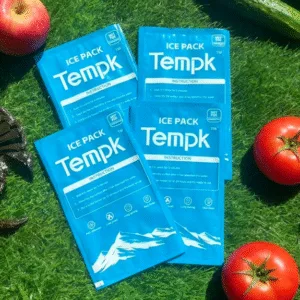
Whycold chain logistics are critical to organic vegetables – and how they reduce food loss and greenhouse gas emissions.
Key growth drivers in the global cold chain and biovegetables markets, including consumer behaviour and regional trends.
Challenges and cost barriers such as price premiums and certification costs.
Emerging technologies such as IoT sensors, AI optimisation and blockchain that are reshaping cold chains.
Sustainability and climate impacts, plus realworld case studies on reducing waste and emissions.
Why Do We Need a Cold Chain for Bio Vegetables?
Keeping organic vegetables fresh involves more than just refrigeration. Without a cold chain, around 13 % of all food produced is lost after harvest, with perishable vegetables particularly vulnerable. This loss could feed nearly 950 million people, and it occurs mainly because temperatures fluctuate during storage and transport. Beyond hunger, food loss accounts for 8 – 10 % of global greenhousegas emissions. A study by the University of Michigan found that fully refrigerated supply chains could eliminate 620 million tonnes of food waste and cut wasterelated emissions by 41 %.
Cold chain systems combine refrigerated warehouses, trucks, containers and lastmile delivery to maintain stable temperatures from harvest to consumer. For organic vegetables, where spoilage accelerates without chemical preservatives, temperature control ensures nutrient retention and prevents microbial growth. Small farmers benefit too: pilots like ColdHubs in Nigeria use solarpowered cold rooms that allow farmers to store produce for days instead of hours, reducing losses and increasing incomes. In India, refrigeration of bananas reduced wastage by 20 % and tripled farmer income.
The Numbers Behind Food Waste and Cold Chain Impact
| Metric | Value | Source | What It Means for You |
| Food lost postharvest due to inadequate cold chain | 526 million tonnes (≈ 12 % of global food) | UNEP/FAO report | A staggering amount of food is thrown away before it even reaches markets – improved cold chains could feed millions. |
| Estimated population that could be fed if global postharvest food losses were reduced | ~1 billion people | UNEP | Highlights the social impact; better cold chain infrastructure has a direct link to food security. |
| GHG emissions from coldchainrelated food loss | 1 gigatonne CO₂e (~2 % of global emissions) | UNEP | Cutting food waste reduces carbon pollution, aligning with sustainability goals. |
| Share of GHG emissions from the food cold chain itself | ≈ 4 % of global emissions | UNEP | Shows that while refrigeration consumes energy, the emissions from wasted food are even larger; efficient systems are key. |
| Reduction in waste when supply chains are fully refrigerated | 620 million tonnes, emissions down 41 % | University of Michigan study | Evidence that investing in cold chain infrastructure yields immediate environmental benefits. |
Practical Tips to Reduce Waste at Home
Choose local organic produce: The shorter the supply chain, the fewer opportunities for spoilage. Look for farmers’ markets or communitysupported agriculture (CSA) boxes.
Learn proper storage: Keep leafy greens in breathable bags and root vegetables in cool, dark places. Many retailers now provide storage guides.
Plan meals: Buying only what you need reduces the chance of produce spoiling in your fridge.
Support companies using sustainable cold chain: Some brands advertise their use of renewable energy or natural refrigerants. Your purchasing choices encourage investment in greener systems.
Realworld case: A cooperative of sweetpotato farmers in Kenya partnered with a mobile cold storage company. By renting small refrigerated boxes at collection points, farmers extended shelf life from one day to five and negotiated better prices at urban markets.
What Is Driving Growth in the Cold Chain Market?
Several converging forces explain why the cold chain industry is projected to grow from USD 228.3 billion in 2024 to USD 372 billion by 2029 (CAGR 10.3 %).
Ecommerce and delivery expectations: Online grocery sales surged during the pandemic, and consumers now expect nextday delivery of fresh produce. Cold chain infrastructure ensures that biovegetables reach households without losing their organic integrity.
Demand for highvalue perishables: Urbanisation and rising incomes in AsiaPacific have increased consumption of meat, dairy, fresh fruits and vegetables. China’s bakery and processed meat segments are expanding rapidly, prompting investment in refrigerated warehouses and vehicles.
Stringent regulations: Food safety laws (e.g., the U.S. Food Safety Modernization Act) require traceability and temperature monitoring. Noncompliance leads to recalls, making robust cold chain systems essential.
Health and sustainability: Consumers link organic vegetables with personal health and environmental impact. Increased awareness of pesticide residues and carbon footprints encourages brands to invest in ecofriendly cold chains
Market Growth Visualised
The following chart plots the projected global cold chain market size from 2024 to 2029. Growth is steady, reflecting ongoing investment across the supply chain.
AsiaPacific Leads the Way
The AsiaPacific region dominates the cold chain market, driven by China and India’s growing middle classes. Western Europe and North America invest heavily in automation and natural refrigerants, while emerging economies focus on basic storage and transport. Regional differences create opportunities for customised solutions.
UserCentric Suggestions
For producers: Consider investing in precooling and onfarm refrigeration to maintain quality right after harvest. Solarpowered units are becoming more affordable.
For logistics managers: Use AI route optimisation to reduce transport time and fuel use. Integrate IoT sensors that monitor temperature and humidity in real time.
For policymakers: Provide subsidies or tax breaks for sustainable cold chain infrastructure. Support training programs for smallholders to adopt refrigeration technologies.
Realworld case: During a pilot in India, a kiwifruit supply chain used sensorequipped crates that transmitted temperature data to a central dashboard. When temperatures rose above a threshold, alerts allowed quick intervention, preventing spoilage and maintaining fruit firmness.
BioVegetables Market: Demand, Premiums and Certification Challenges
Organic vegetables are synonymous with health and sustainability, but they come with higher prices and complex standards. According to the Global Growth Insights report, the organic vegetables market stood at USD 34.26 billion in 2024 and is projected to reach USD 38.36 billion in 2025 and USD 94.81 billion by 2033, with a compound annual growth rate of 11.97 %. At the farm level, the organic vegetable farming segment is forecast to rise from USD 10.69 billion in 2024 to USD 14.24 billion by 2029.
Why Consumers Are Going Organic
Health consciousness: Consumers worry about pesticide residues and hormonal disruptors in conventional produce. Organic vegetables are seen as cleaner and more nutritious.
Environmental concern: Organic farming avoids synthetic fertilisers and promotes biodiversity, appealing to ecominded buyers.
Perceived taste and quality: Many people believe organic produce tastes better and has superior texture, justifying the price premium.
Lifestyle alignment: Natural foods align with vegan, vegetarian and wellnessfocused lifestyles. Millennials, in particular, are driving growth; 33 % rank organic vegetables as a top priority.
Price Premiums: The Costs of Going Organic
Organically grown vegetables often carry a 25 – 40 % price premium due to labourintensive farming, lower yields, certification costs and stringent cold chain requirements. Certification can be particularly burdensome for small growers in lowincome regions: some reports note that certification fees can exceed 50 % of a farm’s annual income.
Price Premium Examples
| Vegetable | Organic Price Premium | Implication for Consumers |
| Iceberg lettuce | 179.3 % premium over conventional | More than doubling the price, reflecting high demand and limited supply. |
| Brussels sprouts | 126.8 % premium | Shows significant cost difference; buying seasonal local organic options can mitigate costs. |
| Granny Smith apples | 123.3 % premium | Emphasises the added value placed on organic fruit; can encourage consumers to prioritise types of produce. |
| Carrots | 62.1 % premium | Highlights that not all organic vegetables have extreme premiums; pricing varies by crop and region. |
Certification Challenges
Organic certification involves rigorous audits, recordkeeping and compliance with national or international standards. Smallholders in developing countries face barriers such as:
High fees and paperwork: Certification bodies require detailed records of inputs and processes, consuming time and money.
Infrastructure upgrades: Organic farmers may need separate storage and transport to avoid contamination, adding costs to the cold chain.
Market access: Without certification, farmers cannot label their produce as organic, limiting access to premium markets.
Digital literacy: Many certification systems rely on digital traceability tools; farmers in remote areas may lack reliable internet access.
Consumer and Retail Trends
Statistics show widespread adoption of organic vegetables in developed markets: 61 % of U.S. households buy organic vegetables, 45 % of retail chains allocate shelf space to organic produce, and 29 % of organic vegetables are purchased online. Retailers are expanding homedelivery subscriptions and ecofriendly packaging to attract environmentally conscious shoppers. Meanwhile, the rise of vertical farming and controlledenvironment agriculture brings yearround supply and reduces transport distances.
Visualising Organic Market Growth
The chart below illustrates projected growth of the global organic vegetables market from 2024 through 2033. The trend underscores the strong appetite for sustainable food.
Practical Guidance for Consumers
Look for credible labels: In North America, USDA Organic ensures compliance with federal standards. In Europe, look for the Euroleaf symbol. Certification ensures that cold chain requirements are met.
Buy seasonal and local: Seasonal organic vegetables are often cheaper because they align with natural harvest cycles and require less energy for refrigeration.
Join a CSA or farm share: These programs offer weekly boxes of fresh organic produce, often at a lower cost than buying individually.
Compare retail vs. online: Online platforms may provide better deals or subscriptions, but check delivery conditions to ensure proper refrigeration.
Cost Drivers and Barriers in the Cold Chain BioVegetables Market
While demand is strong, the cold chain biovegetables market faces several obstacles:
Energy consumption: Refrigeration uses significant energy and, if powered by fossil fuels, contributes to emissions. However, renewable power and energyefficient technologies are reducing this burden.
Infrastructure gaps: Developing countries lack sufficient refrigerated warehouses and transport. The UNEP/FAO report notes that if developing nations had the same cold chain capacity as industrialised countries, they could save 144 million tonnes of food.
High capital costs: Building cold storage facilities and purchasing refrigerated vehicles require large upfront investment. Financing options like publicprivate partnerships and microleasing for farmers are emerging solutions.
Regulatory complexity: Different countries have varying definitions of “organic” and different cold chain standards, complicating crossborder trade.
Consumer price sensitivity: Not everyone can afford premium organic produce; bridging this gap requires improved efficiency to lower costs without compromising quality.
Table: Key Cost Drivers vs. Solutions
| Cost Driver | Challenge | Potential Solutions | Benefit to You |
| Energy use | High electricity demand of refrigeration | Adoption of solar panels, heatrecovery systems and lowGWP refrigerants | Lower operational costs and reduced carbon footprint |
| Infrastructure gaps | Lack of cold storage, especially in rural areas | Mobile cold rooms, microwarehouses and community cold hubs | Reduced postharvest losses and improved farmer income |
| Capital investment | High cost of building cold chain assets | Leasing models, shared logistics, government grants | More players can enter the market, increasing competition and lowering prices |
| Certification costs | Compliance with organic standards is expensive | Group certification schemes, digital traceability platforms | Costsharing reduces burden on individual farmers |
| Consumer affordability | High price premiums for organic vegetables | Efficiency improvements, reduction in waste, scaling of production | More affordable prices for you without sacrificing quality |
Suggestions for Different Stakeholders
Farmers: Collaborate with cooperatives to share the cost of certification and cold storage. Explore group certification to reduce fees and adopt digital recordkeeping for easier audits.
Helpful decision tools
Check the details before you choose packaging
These quick tools can help you compare route risk, sizing needs, coolant choices, and packaging details before you request a quote.
Insulation Material Reference
Compare insulation material choices for different cold chain packaging needs.
Compare materialsCoolant & PCM Reference
Compare coolant and PCM options when a route needs added temperature support.
Compare optionsCompliance Checklist Generator
Build a practical checklist for packaging review, shipping, and documentation.
Build checklistRetailers: Diversify your organic product range with affordable options. Offer “imperfect” organic produce at lower prices to reduce waste.
Consumers: Be open to misshapen or blemished organic vegetables; they often taste the same and cost less. Support brands that disclose their supply chain practices and invest in sustainable cold chain solutions.
Realworld case: In Vietnam, a group of smallholder organic vegetable growers pooled resources to buy a refrigerated truck. With local NGO support, they negotiated lower certification costs and gained direct access to urban supermarkets, increasing their profit margins.
Technology Trends Shaping Cold Chains and Bio Vegetables in 2025
The cold chain biovegetables sector is embracing digitalisation and sustainability. These innovations not only reduce waste but also improve transparency and consumer trust.
Internet of Things (IoT) and Sensors
IoT devices track temperature, humidity, vibration and location across the supply chain. Wireless sensors send data to cloud platforms, enabling realtime monitoring and alerts. This transparency helps logistics managers react quickly to deviations, preventing spoilage and maintaining organic certification requirements.
Artificial Intelligence (AI) and Predictive Analytics
AI uses historical data and machine learning to optimise delivery routes and inventory management, reducing travel time and fuel consumption. Predictive models forecast demand and recommend the best harvest and shipping times to minimise energy use and spoilage. Some companies use AI to predict ripeness and automatically adjust refrigeration settings.
Blockchain and Traceability
Blockchain provides a secure, tamperproof ledger of each transaction and temperature reading. Consumers can scan a QR code to view the farm origin, certification status and entire journey of their organic vegetables. This fosters trust and deters fraud, which is crucial when consumers pay a premium.
Automation and Robotics
Refrigerated warehouses are adopting autonomous forklifts, robotic pickers and automated storage systems. These technologies speed up handling, reduce labour costs and minimise human error. Drones are being tested for remote temperature inspection in large storage facilities.
Renewable Energy and Natural Refrigerants
To reduce greenhousegas emissions, companies are installing solar panels, wind turbines and thermal energy storage at cold storage facilities. Natural refrigerants like ammonia and CO₂ replace highGWP hydrofluorocarbons. Phasechange materials and vacuum insulation reduce the energy needed to maintain low temperatures.
Digital Twins and Simulation
A digital twin is a virtual replica of a physical system. In the cold chain, digital twins simulate warehouse conditions, transport routes and energy use. This helps planners identify bottlenecks and test improvements without risking real shipments.
Edge Computing and 5G Connectivity
Edge devices process sensor data locally, enabling quick decisions even when network connectivity is unstable. 5G networks provide reliable, highbandwidth communication for realtime tracking across borders and remote areas.
Tips for Adopting Technology
Start small: Pilot one technology—such as IoT sensors—before scaling to full automation.
Choose interoperable systems: Ensure new devices can integrate with your existing software and equipment.
Invest in training: Staff need to understand digital tools; consider partnerships with tech providers that offer training and support.
Prioritise data security: Blockchain and cloud systems must comply with privacy regulations; work with providers who meet international standards.
Realworld case: A logistics company in Spain implemented solarpowered refrigerated trucks with AI route optimisation. Within six months, they reported fuel savings of 18 %, lower maintenance costs and higher ontime delivery rates.
Sustainability and Climate Impact
Cold chain biovegetables deliver health benefits but also raise sustainability questions. Food loss and waste represent 8 – 10 % of global greenhousegas emissions. At the same time, refrigeration itself produces emissions. The challenge is to reduce waste while minimising the energy and refrigerants used.
Emissions TradeOffs
While improved cold chains can reduce food waste, they also consume electricity and often rely on refrigerants with high globalwarming potentials (GWPs). Fortunately, technological advances—renewable energy, heat recovery, natural refrigerants—allow for cold chain expansion without proportionally increasing emissions.
Policy and Industry Initiatives
Global Methane Pledge: Some governments aim to cut methane emissions from food waste by half before 2030, pushing for improved cold chain infrastructure.
EU Green Deal and CBAM: Europe’s Carbon Border Adjustment Mechanism will tax imported goods based on their carbon intensity. This could incentivise exporters to adopt greener cold chains.
Sustainable Food Cold Chains Programme: UNEP and FAO encourage developing countries to modernise cold chains with lowemission technologies. Projects in Nigeria and India demonstrate how modern cold storage reduces waste and improves livelihoods.
How You Can Contribute
Reduce food waste at home: Plan meals, use leftovers creatively and compost scraps.
Choose brands with sustainable packaging and transport: Some producers use biodegradable packaging and invest in green logistics.
Support policy change: Advocate for subsidies for renewable refrigeration and improved infrastructure in developing countries.
Educate your network: Share information on the environmental impacts of food waste and the importance of cold chains.
Realworld case: In a publicprivate partnership in East Africa, small fishers gained access to solarpowered cold rooms on boats. Spoilage dropped from 25 % to 5 %, incomes rose and communities reduced reliance on ice produced with diesel generators.
2025 Developments and Trends
Staying ahead of the curve means watching for new developments. Here are the latest trends shaping the cold chain biovegetables market in 2025:
Technology & Innovation
Nanopackaging: Biodegradable films infused with nanoparticles extend shelf life and signal spoilage through colour changes.
Autonomous delivery vehicles: Pilot projects use electric vans and drones equipped with refrigerated compartments for lastmile distribution.
Advanced sensors: Nextgeneration sensors not only measure temperature but also detect ethylene gas and microbial contamination, enabling predictive interventions.
Cold chain as a service (CCaaS): Startups offer subscriptionbased cold storage and transport, lowering the barrier to entry for small producers.
Market & Consumer Behaviour
Personalised nutrition: AIdriven apps analyse individual health data and recommend customised organic vegetable boxes, delivered via temperaturecontrolled logistics.
Crossborder ecommerce: More consumers order specialty organic vegetables from abroad, increasing demand for seamless cold chain networks that meet multiple regulatory standards.
Circular economy packaging: Companies adopt reusable containers with deposit systems; consumers return packaging for sanitisation and reuse.
Policy & Regulation
Carbon labelling: Some supermarkets now display carbon footprints on product labels. Organic vegetables transported via ecofriendly cold chains carry lower footprints, appealing to conscious buyers.
Zeroemission zones: Cities like London and Amsterdam restrict fossilfuel vehicles; logistics providers deploy electric refrigerated trucks to comply.
Enhanced food traceability laws: Governments require digital records of temperature and location for highrisk foods, accelerating the adoption of IoT and blockchain.
Industry Developments
Vertical integration: Large retailers acquire farms and cold chain logistics companies to control quality and ensure yearround supply.
Collaborative logistics platforms: Farmers, wholesalers and retailers share transportation resources to maximise load utilisation, reducing costs and emissions.
Market Insights
Analysts predict continued consolidation among cold chain providers as economies of scale lower costs. However, there is also room for niche players specialising in local or premium organic products. AsiaPacific will remain the largest market, while Western Europe is expected to see the fastest adoption of sustainable cold chain technologies. Growth is also driven by the increasing availability of organic vegetables through online channels, with ecommerce platforms offering subscription boxes and personalised assortments.
Frequently Asked Questions
Question 1: What does “cold chain” mean for organic vegetables?
The cold chain is a temperaturecontrolled supply system that keeps organic vegetables fresh from harvest to consumption. It includes refrigeration at every stage—precooling, storage, transport and retail—to maintain quality and safety. Without it, organic produce spoils quickly, increasing waste and emissions.
Question 2: Why are organic vegetables more expensive?
Organic farming uses labourintensive practices, bans synthetic pesticides and often yields less produce than conventional methods. Certification costs and stricter cold chain requirements add to expenses, resulting in a 25 – 40 % premium. However, increasing demand and improved logistics are gradually reducing prices.
Question 3: How do IoT and blockchain improve the cold chain?
IoT sensors monitor temperature and humidity in real time, sending alerts if thresholds are breached. Blockchain records these data points on a secure ledger, ensuring that no one can tamper with the information. This transparency helps retailers and consumers trust that organic vegetables remain compliant with quality and certification standards.
Question 4: Can improved cold chains reduce climate change?
Yes. Food waste produces methane and accounts for 8 – 10 % of global GHG emissions. Proper refrigeration reduces spoilage, preventing the release of methane from decomposing food. Although refrigeration uses energy, adopting renewable power and natural refrigerants can minimise the net climate impact.
Question 5: Are there affordable ways for small farmers to participate in the cold chain?
Community cold hubs, mobile storage and cooperative logistics allow smallholders to share costs. Solarpowered units and payasyougo models lower barriers to entry. Group certification and digital platforms can also reduce administrative burdens, enabling small farmers to access organic markets.
Summary and Recommendations
In summary, the cold chain biovegetables market is poised for significant expansion. A robust cold chain reduces food waste, enhances food safety and supports the growing demand for organic vegetables. The global cold chain industry is projected to grow to USD 372 billion by 2029, while the organic vegetables market could exceed USD 94 billion by 2033. Consumers, regulators and businesses are driving change through demand for healthier foods, sustainability commitments and digital innovations. Yet challenges remain: high costs, infrastructure gaps and complex certification processes can hinder access. To succeed, stakeholders must invest in energyefficient technologies, collaborate on logistics and advocate for supportive policies. Transparent supply chains and affordable organic options will win customer trust and accelerate growth.
Action Plan for Readers
Support sustainable brands: Choose products from companies that use renewablepowered cold chains and transparent supply chains.
Educate yourself and your community: Share information about the link between food waste, cold chains and climate change.
Advocate for policy change: Encourage local governments to fund cold chain infrastructure and streamline organic certification.
Stay informed: Keep an eye on new technologies like AI and blockchain that will make organic vegetables more accessible and affordable.
Consider your own footprint: Reduce personal food waste, buy seasonal organic produce and compost scraps.
About Tempk
Tempk is a leading provider of cold chain technology and consultancy services. We specialise in designing energyefficient refrigerated storage and transport solutions, helping farmers, logistics operators and retailers deliver fresh, organic produce to consumers. Our solutions incorporate IoT monitoring, AI optimisation and natural refrigerants, ensuring compliance with the latest regulations and sustainability goals. By working with Tempk, you gain access to cuttingedge innovations and expert guidance tailored to your supply chain.
Ready to improve your cold chain? Contact us for a personalised assessment and discover how our solutions can reduce waste, lower costs and enhance the quality of your organic vegetables.