Insulated Pizza Bag: How Do You Keep Pizza Hot in 2025?
Last updated: December 15, 2025 (PT)
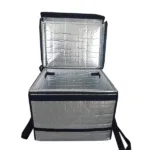
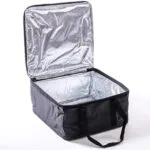
Pizza cools quickly during handoffs, traffic, and multi-stop runs. An insulated pizza bag slows that heat loss and helps you deliver a better first bite. You are not trying to “add heat.” You are trying to keep heat in, keep steam controlled, and keep the bag closed with a routine your team can repeat.
This article will help you:
Choose the best pizza-bag size without wasting “air space”
Prevent soggy crust with simple moisture habits
Pick durable materials that survive rain, stairs, and daily cleaning
Run a pizza bag cleaning checklist drivers actually follow
Decide when insulation is enough and when heating is justified
How does an insulated pizza bag keep pizza hot during delivery?
It traps warm air around the boxes and blocks cold drafts, so the pizza cools much slower. Think of it like a windbreaker for your pizza box. The biggest temperature drops usually happen while loading, when the bag is open.
Once you teach drivers one habit—load fast and seal fully—you’ll see more consistent results. Customers feel the warmth in the box, and they rate you for that moment.
Insulated pizza bag heat-loss checklist you can teach in 5 minutes
| Heat-loss path | What you see at the door | Fix in your delivery SOP | What it means for you |
|---|---|---|---|
| Conduction | Cold corners | Better insulation + snug fit | More even warmth |
| Convection | Rapid cooling while loading | Load fast, seal fully | Fewer complaints |
| Evaporation | Steam + soft crust | Moisture-control habits | Better texture |
Practical tips you can apply today
Pre-warm the bag: keep it closed in the car between stops.
Load once, close once: avoid reopening to “check” the order.
Keep boxes flat: tilt makes toppings slide and moisture pool.
Real example: One store reduced refunds after drivers stopped reopening the bag during multi-stop runs.
What temperature should your insulated pizza bag protect?
Your bag supports a process that keeps hot food out of risky temperature ranges. Many safety programs use 135°F (57°C) as a reference hot-holding target and 41°F (5°C) as a common cold-holding reference. Local rules vary, so treat these as planning numbers and confirm your local requirements.
For delivery, time matters as much as temperature. If pizza waits on a counter for ten minutes before bagging, you lose your best advantage. Your highest ROI “upgrade” is often reducing waiting time.
Insulated pizza bag temperature + time rule for your team
| Delivery moment | What can go wrong | What insulation helps with | What it means for you |
|---|---|---|---|
| After boxing | Fast heat drop | Slows cooling immediately | Better first bite |
| Waiting for pickup | Cooling on racks | Limits loss | Fewer complaints |
| Multi-stop routes | Late orders arrive lukewarm | Buys time | Higher ratings |
| Doorstep delay | Slow handoff | Buffers the drop | Lower refund risk |
Practical tips and advice
“Bag in hand” rule: pizza goes into the bag at pickup.
Spot-check the worst lane: one quick check per shift is enough to learn.
Treat long delays as exceptions: reroute, split stops, or remake when needed.
How do you prevent soggy crust in an insulated pizza bag?
Heat retention is only half the job. You also need steam control. Prevent soggy crust in an insulated pizza bag by balancing heat retention with controlled moisture release. If steam is trapped too tightly, the crust softens. If you vent too much, the pizza cools faster.
Your routine matters more than fancy features. Keep boxes flat, avoid crushing stacks, and separate hot pizzas from cold drinks. Drinks pull heat away and create condensation inside the same space.
Insulated pizza bag moisture control playbook
| Moisture problem | Likely cause | Fix | What it means for you |
|---|---|---|---|
| Soggy crust | Steam trapped | Vent habits + stable stacks | Better reviews |
| Cold but crisp | Over-venting | Seal better, reduce openings | Better warmth |
| Wet box bottom | Oil + condensation | Keep flat, separate drinks | Cleaner handoff |
Practical tips and advice
Let the “steam burst” settle: wait a short moment, then seal.
Don’t overstack: too many boxes trap steam and bend lids.
Carry drinks separately: keep hot boxes together, cold items elsewhere.
Real example: A team reduced soggy-crust complaints after separating drinks and limiting stack height.
What size insulated pizza bag fits your menu in 2025?
The best insulated pizza bag size fits your most common box with minimal empty space. Too small and you crush corners. Too large and you pay an “air tax,” because extra warm air cools quickly. If you sell 18-inch pizzas, you need an extra large insulated pizza bag for 18 inch pizza that fits without bending.
Sizing is not only width and length. Height matters for stacking. If the bag compresses boxes, toppings shift. If it is too tight, drivers leave it half-open, and performance collapses.
Insulated pizza bag sizing guide you can use immediately
| Bag class | Typical fit | Best for | Risk if you choose wrong |
|---|---|---|---|
| Small | 12–14 inch boxes | Small menus, short routes | Limits large orders |
| Medium | 14–16 inch boxes | Most daily delivery | Corners bend on 18 inch |
| Extra large | 18 inch boxes | Family pies, large orders | Heat loss on small orders |
| Tall/stack | Multi-box runs | Peak rush batching | Crush risk without board |
Practical tips and advice
Buy for your largest box first: then add smaller bags for tighter fits.
Use two medium bags at peak: it often beats one oversized bag.
Standardize per store: one or two sizes reduce loading mistakes.
Real example: A multi-store operator improved consistency after standardizing sizes by top-selling box.
Which materials make an insulated pizza bag durable and easy to clean?
A strong delivery bag is a three-layer system: outer shell, insulation core, and inner liner. The outer layer fights rain and abrasion. The core slows heat loss. The liner decides how fast you can clean and how long odors linger.
If you want a waterproof pizza bag, focus on seams, zippers, and corners. Those fail first. Also choose a liner that does not absorb grease. When cleaning is easy, it actually happens.
Foam vs reflective vs hybrid insulation
| Insulation type | Heat retention | Weight | Best use case | What it means for you |
|---|---|---|---|---|
| Foam | High | Medium | Longer routes | More consistent warmth |
| Reflective | Medium-High | Light | Short, fast runs | Less driver fatigue |
| Hybrid | Very high | Medium | Premium promise lanes | Best overall balance |
Practical tips and advice
Stairs and urban routes: reinforced corners save replacements.
Bike and scooter delivery: lighter designs reduce fatigue and wobble.
Grease-heavy menus: smooth liners cut wipe time dramatically.
How do you pack and stack pizza in an insulated pizza bag safely?
Your insulated pizza bag works best when boxes stay flat, stacks stay stable, and the closure stays sealed. Packing mistakes create two problems: heat loss and presentation loss. Most “ugly pizza” complaints come from poor stacking.
Use a rigid bottom board. Load the largest box first. Keep the stack square. If you need more than your safe stack count, use a second bag instead of forcing one.
Insulated pizza bag stacking rules for multi-order runs
| Choice | Good practice | Bad practice | What it means for you |
|---|---|---|---|
| Stack height | Low and stable | Tall, leaning stacks | Better presentation |
| Box orientation | Always flat | Boxes on edge | Fewer topping shifts |
| Order mixing | Hot-only in the bag | Drinks inside the bag | Less condensation |
| Loading order | Largest at the bottom | Random loading | Faster handoffs |
Practical tips and advice
Multi-stop rush: load everything, close the bag, then don’t reopen.
Rainy days: keep it off wet car floors and wipe the shell later.
Overflow rule: two bags beat one overstuffed bag, every time.
How to clean an insulated pizza bag safely: a driver-proof routine
How to clean an insulated pizza bag safely is about consistency, not complexity. Grease, crumbs, and sauce turn into odor fast. If you share bags across shifts, cleaning protects your brand in a way customers can literally smell.
The biggest rule is simple: dry it completely before storage. Damp bags develop mildew smell, even when you “cleaned” them.
Insulated pizza bag 5-minute cleaning checklist
| Step | What to do | When | What it means for you |
|---|---|---|---|
| Empty + shake out | Remove crumbs, inserts | Every shift | Less odor buildup |
| Wipe liner | Mild soap wipe, then clean wipe | Daily | Cleaner deliveries |
| Spot-clean shell | Remove spills and grime | Daily | More professional look |
| Dry fully | Leave open, air dry | Daily | Prevents mildew smell |
| Inspect zipper/seams | Check gaps and tears | Weekly | Stops heat leaks early |
Practical tips and advice
End of shift: store the bag open so it dries overnight.
Spill event: clean immediately, then extend drying time.
Weekly deep clean: remove boards and wipe corners before drying.
Real example: One shop reduced “bag smell” complaints after enforcing overnight open-dry.
Insulated pizza bag vs heated delivery box: what should you choose?
For most stores, an insulated pizza bag is the best default because it is fast, simple, and low-cost. A heated delivery box adds active heat, but it adds cost, charging, checks, and failure points. A smart strategy is “insulate first, then heat only where needed.”
If your routes are short, strong SOP usually solves the problem. If you run long suburban lanes, extreme winter peaks, or multi-stop batching, heated support may help on those specific lanes.
Helpful decision tools
Check the details before you choose packaging
These quick tools can help you compare route risk, sizing needs, coolant choices, and packaging details before you request a quote.
Insulation Material Reference
Compare insulation material choices for different cold chain packaging needs.
Compare materialsIce Pack Calculator
Estimate gel ice pack quantity for chilled shipments and practical route planning.
Estimate ice packsInsulation Material Drop Resistance
Review drop resistance and handling factors before choosing insulation materials.
Check resistanceInsulated pizza bag decision tool: score your heat risk (0–12)
Give yourself points and total them.
Average delivery time
Under 15 minutes (0)
15–30 minutes (2)
30–45 minutes (4)
Over 45 minutes (6)
Stops per run
Single drop (0)
Two drops (2)
Three or more (4)
Weather exposure
Mild (0)
Cold or hot season (1)
Extreme season + rain (2)
Pick your setup
0–3: One high-quality bag + basic loading rules.
4–7: Two bags per driver + rigid boards + “bag stays closed” SOP.
8–12: Lane-based approach: premium insulation everywhere, heating only for the highest-risk lanes.
Insulated pizza bag self-test: is your delivery system strong?
Score 0–2 for each item (0 = no, 1 = sometimes, 2 = yes).
We know our worst route time and review it monthly.
We use the right bag size for our largest box.
Drivers keep the bag closed between stops.
We manage steam to prevent soggy crust.
Bags are cleaned and dried daily, not “when we remember.”
We avoid long staging time before pickup.
We have a backup bag for zipper failures.
We separate hot pizza from cold drinks every run.
New drivers get a 5-minute bag demo.
We track complaints by route and shift.
16–20: strong, consistent delivery quality.
10–15: good, but you likely have delay leaks.
0–9: your process is costing you ratings.
2025 insulated pizza bag trends you should care about
In 2025, delivery teams are more “ops-driven.” The insulated pizza bag is treated like equipment with routines, not an optional accessory. Customers judge “hot” instantly, and they rate you accordingly.
Latest developments that affect your daily work
More SOP training: stores standardize loading, stacking, and closing habits.
More steam control focus: teams separate hot pizza from cold items to protect crust.
More bike and scooter routes: demand grows for lighter, stable designs.
More durability-first buying: longer-life bags reduce replacements and waste.
More simple validation: teams do quick spot checks on worst lanes.
Frequently asked questions about insulated pizza bag use
Q1: How long can an insulated pizza bag keep pizza hot?
Most teams see 30–60 minutes of useful protection, depending on weather and openings.
Q2: Do routines matter more than bag thickness?
Yes. A great bag still fails if you leave it open during loading.
Q3: What size insulated pizza bag fits an 18-inch pizza?
Choose an extra large insulated pizza bag for 18 inch pizza that closes fully without bending corners.
Q4: Can an insulated pizza bag prevent soggy crust?
Yes, if you manage steam, keep boxes flat, and reduce open time between stops.
Q5: Should drinks go inside the insulated pizza bag?
No. Drinks pull heat away and increase condensation. Carry them separately.
Q6: How often should you clean an insulated pizza bag?
Wipe daily, dry overnight, and do a deeper clean weekly.
Q7: When is an insulated pizza bag vs heated delivery box worth it?
Use the heat-risk score. Heat only the lanes where insulation plus SOP is not enough.
Q8: How many insulated pizza bag units does one driver need?
Many drivers do best with two medium bags during peak hours to prevent overstacking.
Summary and recommendations
An insulated pizza bag protects quality by slowing heat loss and controlling moisture. Match the bag size to your top boxes to avoid wasted air space. Train a “load once, close once” habit to reduce heat loss at handoffs. Separate hot pizza from cold drinks to reduce condensation. Clean and fully dry daily to prevent odor and maintain trust.
What you should do next
Audit your top three box sizes and choose the smallest bag that fits them.
Add rigid boards and set a safe stacking limit per bag.
Train a 5-minute driver routine: bag immediately, seal fully, open only at the door.
Implement a daily cleaning checklist and an overnight open-dry rule.
Use lane scoring to decide if any routes need premium insulation or heated support.
About Tempk
We are Tempk, and we build practical temperature-controlled packaging solutions for food logistics and last-mile delivery. Our focus is repeatable performance in real routes, not complicated theory. We help teams choose insulated transport gear, design driver-friendly SOPs, and improve day-to-day consistency.
Next step: If you share your pizza box sizes and typical route times, we can outline an insulated pizza bag sizing plan and a simple SOP checklist for your workflow.