If you’re a parent or caregiver, finding the right insulated bag for breastmilk can feel like navigating a maze of options. But it doesn’t need to be complicated. This guide will walk you through everything you need to know—from choosing the best bag to packing it effectively for work, daycare, or travel, ensuring your milk stays fresh, safe, and cold throughout the day.
This Article Will Answer for You:
What an insulated bag for breastmilk should do (and what it cannot do alone)
Which sizes, shapes, and bottle layouts work best for your routine
How to choose ice packs, liners, and leak protection that actually help
A step-by-step packing method for commuting, daycare, and travel
A self-check tool to pick the right bag in minutes
2025 trends: more reusable systems, easier cleaning, and smarter design
Why Do You Need an Insulated Bag for Breastmilk?
Direct Answer
An insulated bag helps keep expressed milk cold during commutes, errands, daycare drop-offs, and travel. It’s not a magic cold maker, but it preserves the cold you start with, paired with a proper ice pack.
Expanded Explanation
Think of insulation as a “pause button” for temperature control. It slows the warming process but does not chill the milk by itself. This makes the bag crucial in maintaining the quality of your milk, especially during those critical “risk windows” where milk sits at room temperature or waits to be refrigerated.
Real-World Example
Parents often see less wasted milk after switching to a structured insulated bag with a wipe-clean liner, which helps with organization during daycare handoffs and keeps the milk fresh longer.
What Safety Goals Should an Insulated Bag for Breastmilk Support?
Direct Answer
The primary goal of an insulated bag is to maintain the cold temperature of breastmilk until it can be stored in a refrigerator or freezer. Hygiene is also a major concern—easy cleaning and leak control are essential for preventing bacteria growth.
Expanded Explanation
At least once during your routine, milk will be exposed to risk, whether it’s sitting during a commute, at daycare, or while traveling. A reliable insulated bag addresses these risks by ensuring cold retention, leak management, and easy hygiene maintenance.
The “Three-Protection” Checklist
| Protection Type | What to Look For | Why It Matters | What It Means for You |
|---|---|---|---|
| Temperature | Thick insulation + tight closure | Slows warming and helps keep cold | More confidence in the milk’s safety |
| Leak control | Seam quality + upright fit | Prevents spills and mess | Less stress on cleaning |
| Hygiene | Wipe-clean liner | Stops odor buildup | Easier daily use |
What Features Matter Most in an Insulated Bag for Breastmilk?
Direct Answer
When buying an insulated bag for breastmilk, look for a well-structured shape, a strong zipper, a wipe-clean interior, and ample space for ice packs. These features prevent temperature drift, spills, and daily frustration.
Expanded Explanation
A good insulated bag supports your daily routine by fitting your milk containers securely, keeping them upright, and offering clear, easy-to-read labeling space for daycare or travel. Consider bag structure, as a flat base and upright bottle storage will prevent spills and ensure that the bags stay clean and functional.
How to Choose the Right Size Insulated Bag for Breastmilk
Direct Answer
Choose a bag size based on how many bottles you transport, how long the milk will be out of refrigeration, and whether you need additional space for pump parts. A bag that’s too large can lead to inefficient cooling.
Helpful decision tools
Check the details before you choose packaging
These quick tools can help you compare route risk, sizing needs, coolant choices, and packaging details before you request a quote.
Box Liner & Pallet Cover Sizing
Check box liner and pallet cover sizing logic for insulated packaging projects.
Estimate sizingDry Ice Calculator
Estimate dry ice needs for frozen or ultra-cold shipments before packing.
Estimate dry iceCompliance Checklist Generator
Build a practical checklist for packaging review, shipping, and documentation.
Build checklistExpanded Explanation
A snug fit is better than a big bag with excess air space because it reduces warming. Consider your typical usage scenarios: daycare drop-offs, daily commutes, or longer travel days. A properly sized bag ensures the milk stays cold without extra bulk.
Size Selection Table
| Your Scenario | Recommended Capacity | Best Bag Style | What It Means for You |
|---|---|---|---|
| Short commute | Small–medium | Compact structured | Less bulk |
| Full workday | Medium–large | Structured + compartments | Faster organization |
| Daycare supply | Medium | Bottle slots + label space | Easier handoff |
| Travel day | Large | Extra insulation + room for packs | More protection |
Ice Packs and Temperature Targets for Insulated Bags for Breastmilk
Direct Answer
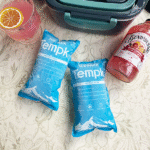
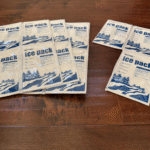
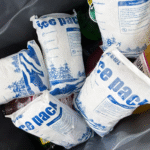
Ice packs work best when they’re fully frozen and placed around your milk containers for even cooling. Using more than one small pack is often better than one large one.
Expanded Explanation
Ice packs are the key to maintaining your milk’s temperature in an insulated bag. Placement matters: for even cooling, place packs on the sides, top, or bottom, and ensure the milk is packed tightly.
How Do You Pack an Insulated Bag for Breastmilk for Daycare?
Direct Answer
When packing for daycare, always start with cold milk, keep bottles upright, and place ice packs above and around the bottles. Label everything clearly to make handoffs faster and smoother.
Expanded Explanation
Daycare staff will appreciate clear labeling and organized bottles. Keep your packing consistent for less stress during the morning rush and reduce the chances of mix-ups.
Daycare Packing Table
| Step | What It Prevents | Why It Helps | What It Means for You |
|---|---|---|---|
| Upright bottles | Leaks | Stable caps | Less mess |
| Ice pack on top | Warming | Cold air falls | Better retention |
| Clear label zone | Mix-ups | Faster sorting | Better confidence |
How Do You Pack an Insulated Bag for Breastmilk for Work Commutes?
Direct Answer
For work, pre-chill your milk, add the appropriate ice packs, and separate clean pump parts. Your goal is a routine that’s quick, hygienic, and reliable.
Expanded Explanation
A consistent routine will make packing for work simpler and ensure milk stays cold. Consider adding a towel to absorb moisture and keep things neat.
How Do You Pack an Insulated Bag for Breastmilk for Travel?
Direct Answer
For travel, use multiple ice packs and ensure your bag is packed with minimal openings to maximize cold retention. Always plan for the last mile—where the bag will be stored at your destination.
Expanded Explanation
Travel means milk may be out of the fridge for long periods. Make sure your bag can handle multiple ice packs and keep everything sealed during the journey.
2025 Trends for Insulated Bags for Breastmilk
Trend Overview
In 2025, insulated bags for breastmilk are shifting towards modular designs, more reusable systems, and easier cleaning. Parents are looking for bags that integrate with their daily routines, offering features like smart compartments, structured layouts, and better hygiene management.
Latest Progress Snapshot
More structured designs: Better upright storage for bottles
More focus on convenience: Bags designed for daycare handoff and commuting
Cleaner interiors: Wipe-clean options to avoid odors and mold
FAQ
Q1: How long can breastmilk stay in an insulated bag for breastmilk?
Breast milk can be stored in an insulated cooler with frozen ice packs for up to 24 hours when traveling, as per CDC guidelines.
Q2: How many ice packs should I use?
For most commutes and daycare use, one to two ice packs work well. For travel, use two or three packs for optimal cooling.
Summary and Recommendations
An insulated bag for breastmilk is crucial for safe, stress-free milk transport. By selecting a bag with the right insulation, size, and organization, and incorporating an efficient packing routine, you can ensure that your milk stays fresh and safe. Use CDC guidelines as your anchor, and always prioritize hygiene and cold retention to minimize waste and worry.
Call to Action
Start by assessing your daily routine and matching it with the right insulated bag. Implement a consistent packing routine and refine it based on your needs.