Cold chain baking solutions describe the integrated set of processes and technologies that keep breads, cakes and other baked goods fresh from the moment they leave the oven until they reach your plate. Maintaining an unbroken, temperaturecontrolled supply chain is essential to preserve the texture, flavour and safety of perishable bakery products. In the bakery industry, the cold chain spans ingredient storage, mixing, proofing, baking, cooling, packing, warehousing and transportation. Breaks in this chain cause spoilage, shorten shelf life and erode customer trust. With the global cold chain market projected to grow from USD 278 billion in 2023 to USD 428 billion by 2028 and consumer demand for cleanlabel baked goods surging, mastering cold chain baking solutions has never been more important.
This comprehensive guide, updated for December 2025, answers your most pressing questions about cold chain baking. You’ll learn why cold chain management matters, how temperature and humidity affect bakery goods, which packaging technologies extend shelf life, and what trends will shape the future. The content is written in plain language so that bakery owners, supply chain professionals and enthusiasts can apply the insights immediately. All claims are backed by reputable sources to enhance expertise and trustworthiness.
This guide addresses:
Why are cold chain baking solutions essential? The cold chain protects delicate pastries, dough and creamfilled cakes from spoilage.
Which components make up a cold chain for bakery goods? From refrigerated storage to insulated transport, discover each element’s role.
How do temperature and humidity influence bread quality? Understand the science of staling, recommended storage ranges and shelflife guidelines.
What innovations are transforming cold chain baking? Explore modified atmosphere packaging, automation and microfulfilment centres.
What trends will shape the industry in 2025 and beyond? Learn about sustainability, digitalisation and changing consumer expectations.
How can your bakery implement effective cold chain strategies? Practical tips and case studies illustrate best practices.
Why Cold Chain Baking Solutions Are Essential
Delicate bakery items demand controlled temperatures. A cold chain is an unbroken, temperaturecontrolled supply chain that keeps perishable goods safe from production to consumption. Bakery products such as dough, pastries and creamfilled cakes quickly spoil when exposed to temperature fluctuations or humidity changes. From ingredient storage to proofing, baking, cooling, packaging, warehousing and delivery, each stage must maintain tight controls. Failure to do so leads to microbial growth, staling and loss of quality, which damages a bakery’s reputation.
Quality assurance and extended shelf life. Maintaining a consistent cold chain ensures that bakery products meet high quality standards and last longer. Proper temperature control can extend shelf life, reducing waste and increasing profitability. Consistent freshness encourages repeat business and builds customer trust.
Compliance and food safety. Food safety regulations require bakeries to control temperature and humidity to prevent contamination and bacterial growth. Robust cold chain management lowers the risk of health hazards and protects consumers. It also helps bakeries comply with laws such as the Food Safety Modernization Act (FSMA), which mandates strict temperature monitoring.
Cost reduction and sustainability. Spoiled bakery products represent lost revenue and environmental harm. A reliable cold chain minimises waste, lowers energy use and supports sustainability initiatives. Reducing spoilage also helps bakeries save money by limiting unsold inventory and production overruns.
The impact of cold chain failures
If the cold chain breaks—even briefly—baked goods can stale, dry out or become unsafe. Without effective cold chain management, freshly baked pastries may arrive at cafes stale or dry, leading to customer dissatisfaction and reduced sales. Spoilage triggers complaints, waste disposal costs and potential legal repercussions. In contrast, prioritising cold chain management generates several benefits: consistent freshness, reduced waste, improved efficiency, increased customer satisfaction and enhanced brand reputation.
Components of a Cold Chain for Bakery Goods
Cold storage facilities
Cold storage—usually a large, temperaturecontrolled warehouse—is the backbone of the cold chain. These facilities allow perishable goods such as dairy, proteins and frozen foods to be stored in conditions that extend shelf life. Cold storage prevents significant economic losses due to spoilage and enables yearround availability of bakery ingredients.
A cold chain comprises more than just storage; it includes refrigerated manufacturing, warehousing and distribution activities. The purpose of these components is to maintain the quality of perishable products within a desired lowtemperature range. In addition to warehouses, cold chain logistics involve refrigerated trucks, freezer cabinets for retail and temperaturecontrolled packaging. Together, these elements ensure that bakery items reach consumers in peak condition.
Types of cold storage solutions
Different bakery products require different conditions. Blast freezers are used to rapidly cool food and store it for long periods, while plantattached cold storage facilities allow manufacturers to move products directly from production to storage via conveyor belts. Public cold storage warehouses or customised thirdparty facilities accommodate bakeries that cannot invest in their own cold storage.
Temperaturecontrolled transportation
Refrigerated trucks and vans maintain target temperatures during transit. These vehicles often use GPS tracking and realtime monitoring to ensure that goods remain within the correct temperature range. For local deliveries, smaller vans suffice; longdistance shipments may require larger refrigerated trucks or intermodal transport. Efficient route planning, load management and inventory tracking help bakeries balance capacity with timely deliveries.
Packaging and insulation
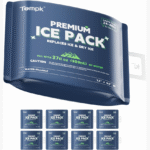
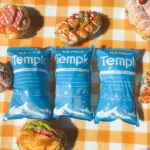
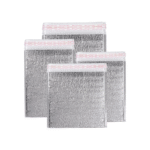
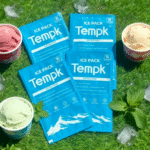
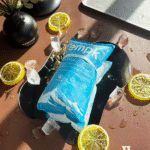
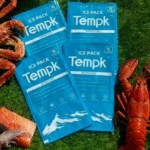
Insulated packaging materials—such as vacuumsealed bags, gel ice packs and specialised liners—protect bakery products from temperature fluctuations and moisture loss. Modified Atmosphere Packaging (MAP) combines low temperatures with gas mixtures like carbon dioxide and nitrogen to inhibit mold growth and oxidation. MAP can extend the shelf life of bread from typical ambient conditions (5–6 days for white pan bread) to 14–18 days. Selecting packaging with low oxygen and moisture permeability, appropriate film thickness and sustainability credentials is crucial.
Monitoring and data logging
Modern cold chain management relies on sensors, data loggers and IoT devices to monitor temperature and humidity in real time. These systems alert operators when conditions deviate from the target range, enabling quick corrective actions. Integration with warehouse management systems helps optimise energy use and maintain compliance.
Quality control and documentation
Each step of the cold chain requires documentation and adherence to Hazard Analysis and Critical Control Points (HACCP) principles. Recording temperatures, humidity levels and transfer times helps bakeries demonstrate compliance and traceability. Regular audits and training ensure staff understand best practices.
Temperature and Humidity: Science of Bread Quality
Bread and other baked goods are particularly sensitive to temperature. Understanding how temperature and humidity influence staling, mold growth and texture helps bakeries design effective cold chain strategies.
Recommended storage ranges
Research shows that bread stored at –18 °C (0 °F) with high humidity maintains quality for two to three months, while bagels can last up to six months. Shortterm storage at 0–4 °C (32–39 °F) slows microbial growth without freezing and is ideal for local distribution or shortterm inventory management. However, refrigeration at household temperatures (typically above 0 °C) accelerates staling due to starch retrogradation.
The following table summarises recommended frozen storage durations and practical benefits for common bakery products. These guidelines, based on research from the Global Cold Chain Alliance and industry sources, help bakeries plan production and distribution schedules.
| Bakery product | Typical shelf life at –18 °C | Practical benefit |
| Yeast breads (baked) | 2–3 months | Freeze loaves after baking to maintain freshness during seasonal demand or long distribution routes |
| Bagels | 6 months | Stock bagels in bulk without quality loss |
| Dinner rolls | 2–3 months | Ideal for catering businesses needing consistent quality |
| Cinnamon rolls | 1–2 months | Plan inventory carefully; shorter shelf life requires faster turnover |
| Doughnuts (cake or yeastraised) | 6–9 months | Extended frozen storage suits highvolume doughnut shops |
For shortterm chilled storage at 0–4 °C, bread and buns remain unfrozen but cold enough to slow microbial growth and can be held for 4–7 days. Cakes and pastries last 3–7 days under these conditions. Relative humidity should be kept high (often above 85 %) to prevent surface drying.
Staling and the danger of refrigeration
Staling occurs when starch molecules realign (retrograde), moisture migrates and flavour compounds dissipate. Cool temperatures between 20 °F and 50 °F (–7 °C to 10 °C) accelerate this process, leading to a dry, crumbly texture. Although refrigeration slows microbial growth, it speeds up staling, which is why bakeries prefer freezing at –18 °C for longterm storage and deliver bread quickly after thawing.
Humidity management
Humidity is as important as temperature. Frozen foods generally require 60–70 % relative humidity; chilled baked goods often need humidity above 85 % to prevent surface drying. Opening warehouse doors introduces warm, humid air that can disrupt temperature and humidity balance, so warehouse design should minimise door openings and use air handling systems to control humidity and airflow.
Packaging Innovations and Technology in 2025
Modified Atmosphere Packaging (MAP)
MAP is one of the most promising technologies for extending the shelf life of bakery products. By altering the gas composition inside the package—usually increasing carbon dioxide (CO₂) and nitrogen (N₂) while reducing oxygen—MAP inhibits microbial growth and slows oxidation. For example, MAP can extend the ambient shelf life of white pan bread from 5–6 days to 14–18 days and waffles from 3–4 days to 20 days. When combined with freezing, MAP allows bakeries to ship products over long distances without sacrificing quality.
Intelligent packaging and sensors
Smart packaging incorporates time–temperature indicators, humidity sensors or freshness detectors that change colour if temperature deviates or if microbial growth is detected. These indicators provide realtime feedback to retailers and consumers and can be integrated with IoT systems for remote monitoring. Although still emerging, intelligent packaging is expected to gain adoption in 2025 as costs decrease and regulatory pressure for transparency increases.
Automation and energy efficiency
Modern cold chain bread warehouses increasingly rely on automation. Automated picking systems, robotics and microfulfilment centres improve efficiency and reduce labour costs. When paired with energyefficient technologies—such as LED lighting, solar integration and advanced insulation—automation can reduce energy costs by nearly 50 %. Robotics also handle bread gently, reducing damage, while realtime monitoring via IoT sensors feeds data into warehouse management systems to optimise energy use and maintain compliance.
Microfulfilment and urban logistics
In response to rapid urbanisation and demand for sameday delivery, bakeries are deploying microfulfilment centres in city hubs. These compact, automated warehouses shorten the distance between production and consumers, reducing delivery times and preserving freshness. Combining microfulfilment with electric delivery vehicles can further lower carbon emissions and fuel costs.
Helpful decision tools
Check the details before you choose packaging
These quick tools can help you compare route risk, sizing needs, coolant choices, and packaging details before you request a quote.
Coolant & PCM Reference
Compare coolant and PCM options when a route needs added temperature support.
Compare optionsIce Pack Calculator
Estimate gel ice pack quantity for chilled shipments and practical route planning.
Estimate ice packsDry Ice Calculator
Estimate dry ice needs for frozen or ultra-cold shipments before packing.
Estimate dry iceSustainability and ecofriendly materials
Consumers increasingly expect sustainable packaging and operations. Selecting recyclable or biodegradable materials for cold chain packaging reduces environmental impact. Many bakeries are exploring compostable liners, reusable insulated containers and packaging produced from agricultural byproducts. Energyefficient infrastructure, including solarpowered refrigeration and green roofs, supports corporate sustainability goals.
How To Implement Effective Cold Chain Baking Solutions
Implementing an effective cold chain requires a holistic approach covering production, warehousing, transportation and sales. Below are practical tips to optimise your bakery’s cold chain operations.
Plan temperature zones in your warehouse
Design your cold storage with distinct zones for chilled (0–4 °C) and frozen (–18 °C or colder) products. Use insulated panels, sealed doors and air curtains to minimise temperature fluctuations. Ensure air handling systems maintain consistent humidity and prevent condensation.
Rapid cooling and blast freezing
Rapidly cool breads and pastries immediately after baking to lock in moisture and prevent microbial growth. For longterm storage, use blast freezers to freeze products quickly, which reduces ice crystal formation and preserves texture. After freezing, transfer goods to frozen storage until they are ready for distribution.
Optimise packaging
Select packaging materials with low oxygen and moisture permeability, adequate thickness and compatibility with MAP or vacuum sealing. For frozen dough, vacuumsealed packs are ideal to prevent freezer burn. Evaluate sustainable materials to align with consumer expectations.
Use realtime monitoring and analytics
Install sensors and data loggers on storage units, transportation vehicles and packaging to monitor temperature and humidity. Integrate these devices with a warehouse management system for realtime analytics and alerts. Data analysis can uncover patterns of heat intrusion and inform adjustments to processes.
Route planning and lastmile logistics
Use advanced route optimisation software that considers traffic, delivery windows and realtime conditions to minimise transit time and fuel consumption. Align delivery schedules with retailer sales patterns to reduce waste and ensure that bread arrives when it is most needed. For local deliveries, consider electric vans or cargo bikes to reduce carbon emissions.
Staff training and standard operating procedures
Train employees in proper handling, temperature monitoring and documentation. Develop standard operating procedures (SOPs) for loading/unloading, pallet configuration, equipment maintenance and cleaning. Regular audits ensure compliance and identify areas for improvement.
2025 Trends and Future Directions
The cold chain industry is evolving rapidly. Recognising emerging trends helps bakeries prepare for future challenges and opportunities.
Market growth and regional dynamics
The global cold chain market is forecast to grow from USD 278.2 billion in 2023 to USD 428.4 billion by 2028, with a compound annual growth rate (CAGR) of 9 %. The Asia–Pacific region dominates refrigerated warehousing and is expected to grow fastest due to expanding food production and investments in cold storage infrastructure. Within the cold chain market, the frozen segment is projected to register the highest growth, while the commercial refrigeration market will grow from USD 45.6 billion in 2023 to USD 62.7 billion by 2028.
Digitalisation and smart cold chains
Advanced sensors, IoT, artificial intelligence and blockchain are transforming cold chain management. Realtime monitoring, predictive analytics and digital twins allow bakeries to anticipate equipment failures, optimise energy use and trace products from source to shelf. Blockchain ensures tamperproof records and improves transparency.
Lastmile innovations and microfulfilment
Consumer expectations for rapid delivery are driving investment in microfulfilment centres and dark kitchens. These small facilities operate within cities, enabling sameday delivery while minimising travel distance and preserving freshness. Integration with ondemand delivery platforms simplifies order fulfilment.
Sustainability and circular economy
Environmental concerns encourage bakeries to adopt green refrigeration technologies, renewable energy and reusable packaging. Circular logistics models—where containers are returned, sanitised and reused—reduce waste. Innovations like natural refrigerants (e.g., CO₂, ammonia) and solarassisted cooling lower energy consumption.
Regulatory and safety landscape
Food safety regulations continue to tighten. Compliance with FSMA, HACCP and international standards requires robust temperature monitoring and recordkeeping. Governments worldwide are implementing new rules to reduce food waste and improve traceability, making digital documentation and sensor technology indispensable.
Case Study: Delivering Fresh Baked Goods to Cafes
Imagine biting into a flaky croissant at your favourite cafe and wondering how it stayed so fresh. Effective cold chain logistics ensure that bakery items maintain quality from oven to table. A wellmanaged supply chain keeps items at the right temperature and humidity, resulting in consistent freshness. For example, the logistics company JustDeliveries employs temperaturecontrolled systems to deliver bakery products from producers to cafes. The cold chain begins immediately after baking with rapid cooling and continues through warehousing, transport and delivery. Maintaining optimal conditions extends shelf life, reduces waste and ensures that customers enjoy a freshly baked experience.
Frequently Asked Questions
How does a cold chain differ from regular storage?
A cold chain is a coordinated network of temperaturecontrolled facilities and transport that preserves the quality, safety and shelf life of perishable goods. Regular storage lacks the strict temperature and humidity controls required for sensitive products like bread and pastries.
Is refrigeration at home sufficient to store bread?
No. Refrigerating bread at household temperatures accelerates staling due to starch retrogradation. For shortterm storage, keep bread at room temperature in a sealed container. For longer storage, freeze at –18 °C and thaw as needed.
Why is humidity important in cold chain bread storage?
High relative humidity prevents moisture loss and maintains crust quality. Insufficient humidity causes breads to dry out or develop freezer burn, while excessive humidity can lead to condensation and mold.
What does MAP stand for in packaging?
Modified Atmosphere Packaging alters the gas composition inside a package—usually increasing carbon dioxide and nitrogen—to inhibit microbial growth and extend shelf life. It is often combined with freezing or chilling for maximum effect.
How can small bakeries implement cold chain solutions?
Start with basic measures: rapid cooling after baking, using insulated containers and choosing local refrigerated transport. Partner with thirdparty cold storage providers if investing in facilities is not feasible. Adopt simple IoT sensors to monitor temperature and humidity during storage and delivery.
Summary and Recommendations
To deliver the freshest possible baked goods in 2025, bakeries must embrace comprehensive cold chain strategies. An unbroken cold chain protects product quality, extends shelf life and ensures food safety. Investing in cold storage, refrigerated transport, advanced packaging and realtime monitoring prevents spoilage and reduces waste. Understanding how temperature and humidity affect bread—particularly the dangers of household refrigeration—guides better storage practices. Packaging innovations like MAP and automation tools such as robotics and IoT sensors enhance efficiency and support sustainability. Finally, staying abreast of industry trends—such as market growth, digitalisation and ecofriendly technologies—prepares bakeries for future challenges.
Next steps:
Audit your cold chain from ingredient sourcing to final delivery. Identify temperature fluctuations, humidity gaps and packaging weaknesses.
Invest in monitoring technology. Affordable sensors and data loggers deliver realtime insight and aid compliance.
Upgrade packaging and storage to include MAP or vacuum sealing and consider sustainable materials.
Plan for future trends. Explore microfulfilment, automation and renewable energy to meet consumer expectations and regulatory requirements.
Train your team on SOPs, temperature monitoring and food safety. Empower them to act quickly when deviations occur.
About Tempk
Tempk is a leading provider of cold chain packaging solutions for food, pharmaceuticals and other temperaturesensitive industries. Our expertise lies in designing insulated boxes, gel ice packs and reusable thermal bags that keep products within the required temperature range. We prioritise sustainability and quality, offering ecofriendly materials and rigorous quality control to ensure reliability. Partnering with Tempk means gaining a trusted ally to maintain freshness, reduce waste and enhance customer satisfaction.
Take the next step: Whether you need insulated containers for local deliveries or comprehensive cold chain consultation, our experts are ready to help. Contact us today to explore how our solutions can keep your baked goods fresher for longer.