Red blood cell transport limits depend on the product and jurisdiction. In the US, the general 1–6°C storage requirement in 21 CFR 640.11 applies to liquid red blood cells, not as a universal instruction for frozen products. Frozen red blood cells have specific-product provisions. For shipment, 21 CFR 600.15 lists 1–10°C for the liquid product and −65°C or colder for frozen red blood cells. Storage and shipment requirements are different.
Identify the exact blood component
Confirm whether the shipment contains liquid red blood cells, frozen red blood cells or another component. Use the product labeling, responsible blood establishment’s instructions and applicable rules together. Do not extend an RBC range to plasma, platelets or every biological product.
Read 21 CFR 640.11: red blood cell storage and 21 CFR 600.15: shipment temperatures in their US regulatory context. This article does not approve an international route or replace the blood service’s authorized procedure. For frozen red blood cells, also consult 21 CFR 640.17: specific-product modifications, including its exceptions to the general storage and inspection provisions while a cryophylactic substance is present. Follow the applicable product labeling and blood service procedure.
Qualify a packout for the required conditions
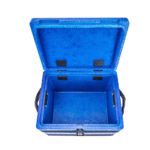
The packout includes the shipper, coolant, component load, separators, preparation and layout. It must support the actual transport limits without damaging the component. An ordinary cooler with frozen packs is not an automatically approved blood transport system.
- Define product identity, load range and exposure duration.
- Use the specified coolant and preparation instructions.
- Select temperature sensor positions justified by the loading arrangement.
- Evaluate upper and lower limits throughout representative exposure.
- Document the accepted configuration and permitted variations.
Control dispatch and receipt
| Stage | Information to retain |
|---|---|
| Dispatch | Component identity, preparation records, packout identity and departure time. |
| Transport | The required temperature evidence and any handling or route deviation. |
| Receipt | Arrival time, package condition, monitoring results and transfer to appropriate storage. |
| Exception | Evidence preserved and the person responsible for assessment and disposition. |
Assign custody at each handoff. A qualified container can still be misloaded, delayed or transferred into unsuitable storage. Agree in advance who will receive the shipment and how unexpected delays will be handled.
Keep assessment with the responsible blood service
If records indicate an excursion, loss of monitoring or uncertain handling, segregate the affected units and follow the authorized assessment procedure. Cooling a unit again does not establish that earlier exposure was acceptable.
Helpful decision tools
Check the details before you choose packaging
These quick tools can help you compare route risk, sizing needs, coolant choices, and packaging details before you request a quote.
Packaging Selector
Compare insulated packaging options by product, route, and temperature need.
Find packagingInsulation Material Drop Resistance
Review drop resistance and handling factors before choosing insulation materials.
Check resistanceBox Liner & Pallet Cover Sizing
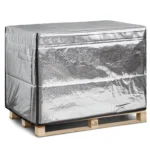
Check box liner and pallet cover sizing logic for insulated packaging projects.
Estimate sizingNormal appearance, touch or remaining coolant alone cannot establish acceptable transport conditions. Perform the applicable component inspections and follow the blood establishment’s documented release procedure. For products subject to 21 CFR 640.11(b), the required inspections include appearance, and abnormal appearance or signs of microbial contamination prohibit issue. The responsible blood establishment must apply the relevant component requirements and documented disposition process. This packaging article does not give transfusion or reissue authorization.
Frequently asked questions
Is 1–10°C a storage instruction for liquid RBCs?
No. The US provisions cited here distinguish the storage requirement from the shipment requirement.
Can dry ice be used for liquid RBC transport?
Do not select it on the basis that colder is safer. Use the component-specific qualified system and authorized procedure.
Do the same limits apply outside the US?
Not automatically. Confirm the local requirements, component labeling and blood service instructions for the actual route.
Build the evidence package
For study terminology and documentation, see the transport qualification and validation guide. Keep component-specific approval and disposition with the responsible blood service.